

Western Desert, Egypt – Your Gateway to Untouched Wilderness
Endless horizons stretch beyond ancient oases, where silence speaks louder than any city.
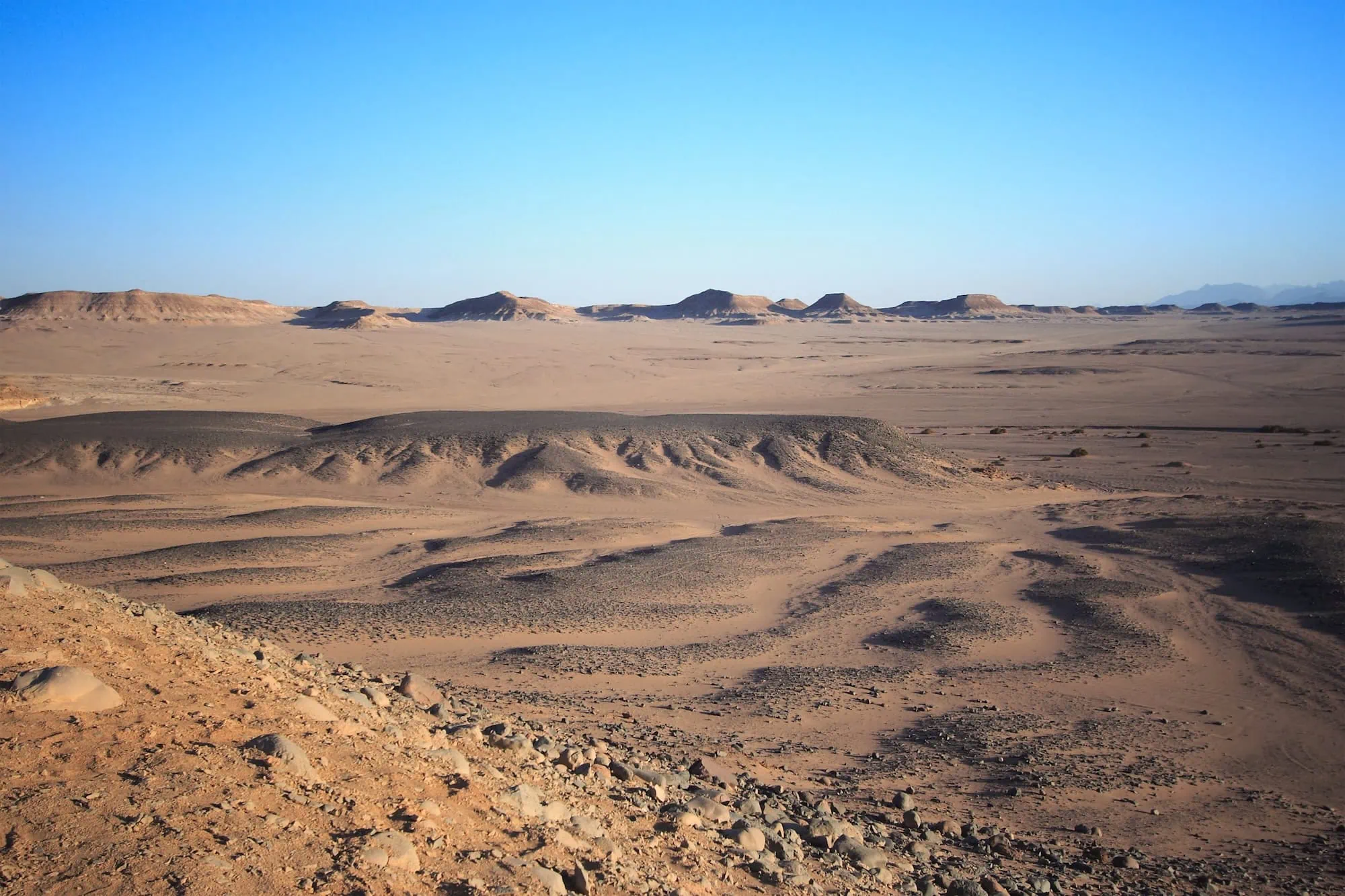
The Western Desert covers an astounding two-thirds of Egypt’s territory, spanning roughly 262,800 square miles of untamed wilderness that rivals Texas in size. This vast expanse reaches from the life-giving Nile River to the Libyan border, creating one of Africa’s most remarkable desert landscapes. While most travelers focus on Egypt’s famous monuments along the Nile Valley, the Western Desert offers something entirely different – a chance to experience the Egypt that existed long before pyramids and pharaohs, where Bedouin traditions remain unchanged and the night sky blazes with stars invisible to city dwellers.
We’ve spent decades guiding adventurous travelers on private Western Desert tours, watching their sense of wonder as they discover landscapes that feel borrowed from another planet.
Table of Contents
The Heart of Ancient Egypt’s Forgotten Realm
This rocky plateau rises to elevations exceeding 3,300 feet in places, with the Al-Jilf al-Kabir plateau standing as its highest point. The Western Desert in Egypt represents the eastern edge of the Great Sahara, yet it possesses a character distinctly its own.
Five Legendary Oases That Sustained Civilizations
Each oasis tells a unique story spanning thousands of years. Siwa Oasis gained immortal fame when Alexander the Great journeyed here in 331 BC to consult the Oracle of Amun, seeking divine confirmation of his destiny. Today, this remote settlement maintains its mystique with natural hot springs, salt lakes, and traditional Berber architecture that seems frozen in time.
Bahariya Oasis serves as the gateway for most desert expeditions, connected to Cairo by a well-maintained 365-kilometer road. Ancient iron ore deposits here once fueled Egypt’s early industrial endeavors, while today the oasis buzzes with preparation for White Desert adventures.
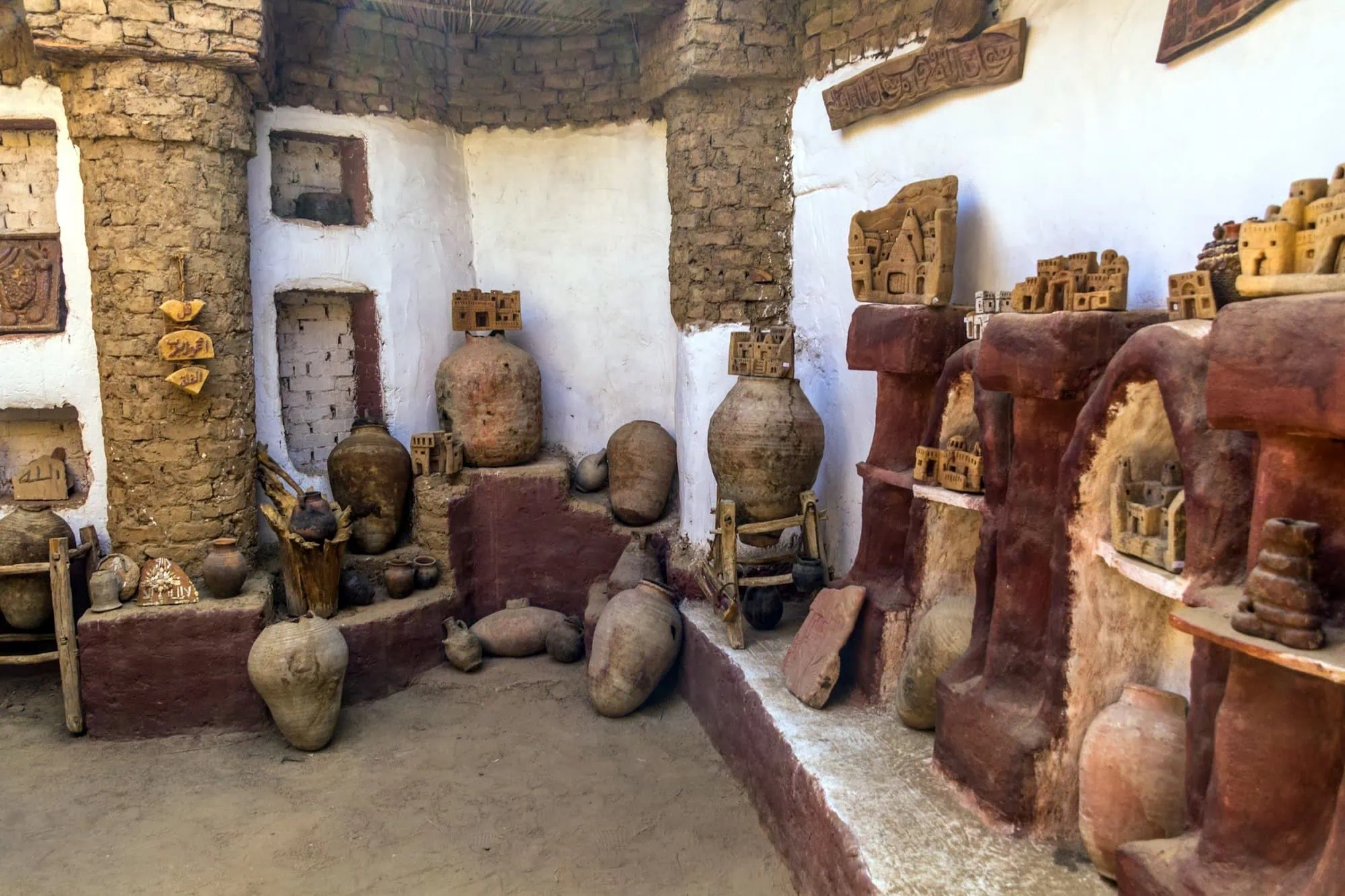
Farafra Oasis remains the most isolated of the five, where traditional life continues virtually unchanged. Local artisans still create pottery using techniques passed down through generations, and the evening call to prayer echoes across palm groves that have sustained life for millennia.
Oases in the Western Desert
Strategic Importance Through History
The Western Desert Campaign during World War II transformed this seemingly empty landscape into a critical theater of operations. British and German forces clashed across these seemingly barren plateaus, where water sources and strategic positions could determine the outcome of entire campaigns. Tank battles raged across terrain that had known only camel caravans for centuries.
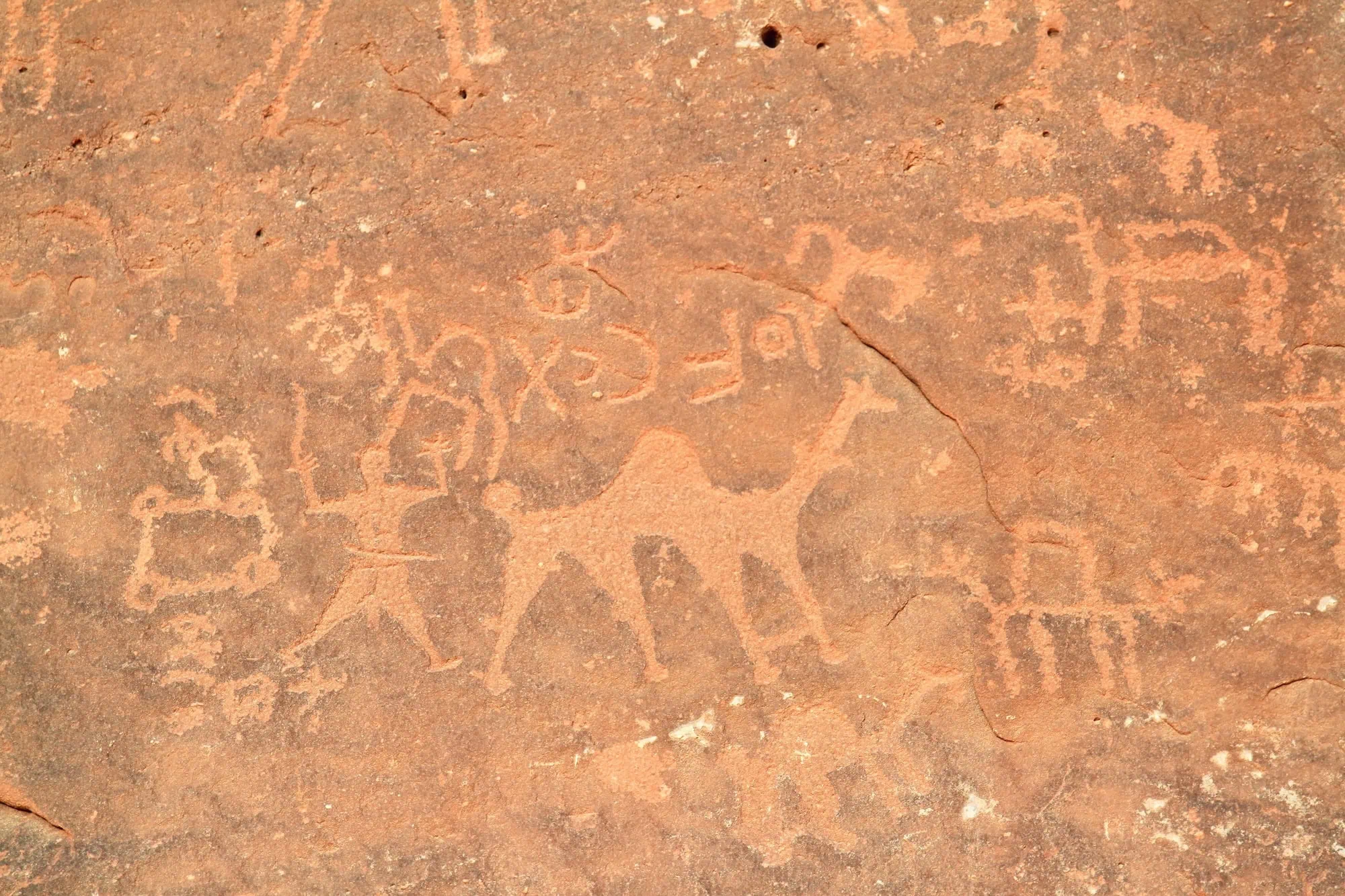
Archaeological discoveries continue revealing the desert’s ancient significance. Recent expeditions have uncovered evidence of prehistoric settlements, rock art galleries, and trade routes that connected sub-Saharan Africa with Mediterranean civilizations thousands of years before the Silk Road gained prominence.
Nature’s Masterpiece: The White and Black Deserts
Beyond traditional oases lie Egypt’s most surreal landscapes.
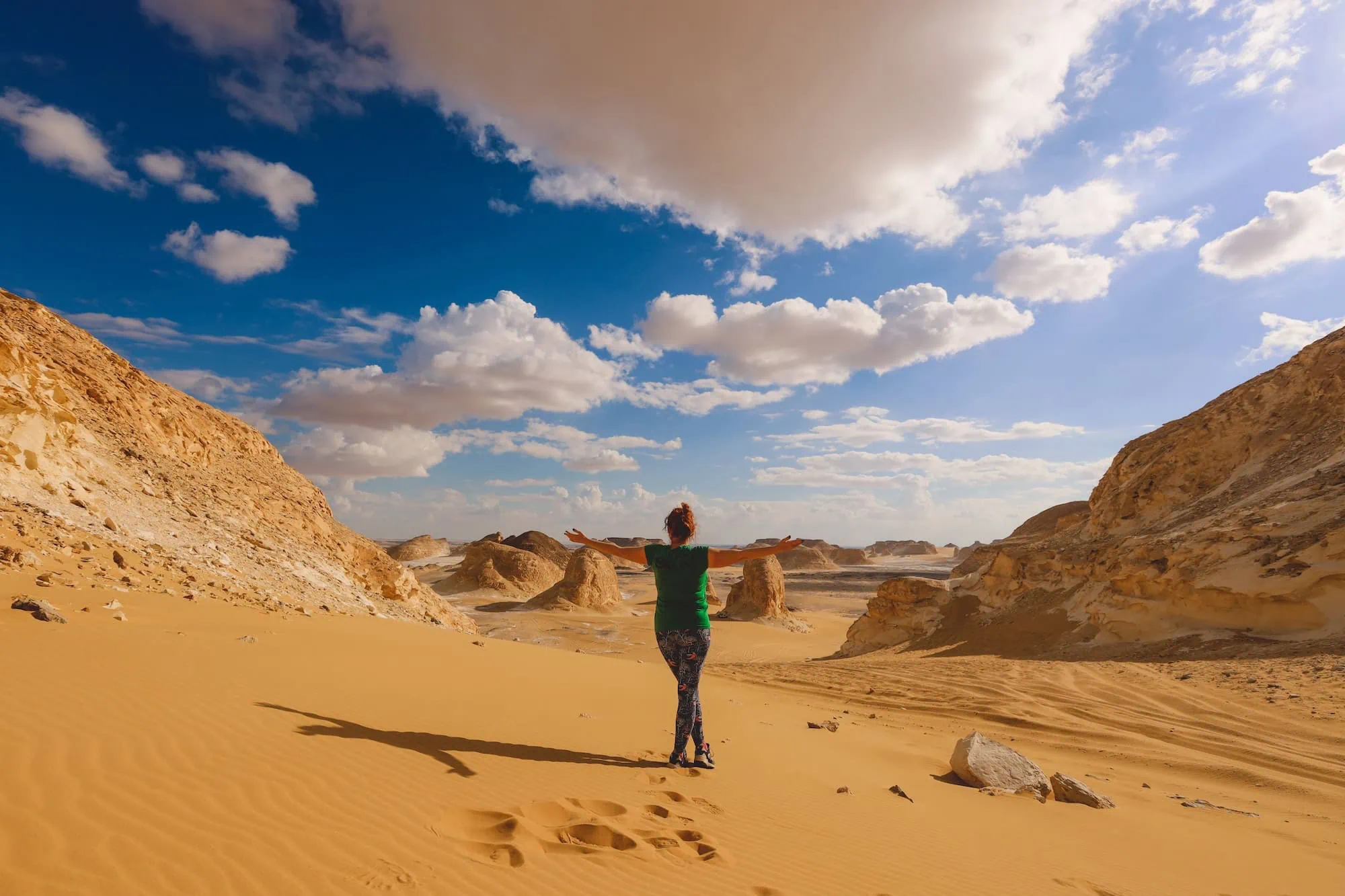
The White Desert National Park showcases limestone formations sculpted by wind and time into shapes that defy imagination. Massive chalk-white structures rise from golden sand like abstract sculptures, creating an otherworldly gallery where nature serves as the ultimate artist. These formations, known locally as “mushroom rocks,” continue evolving with each seasonal wind pattern.
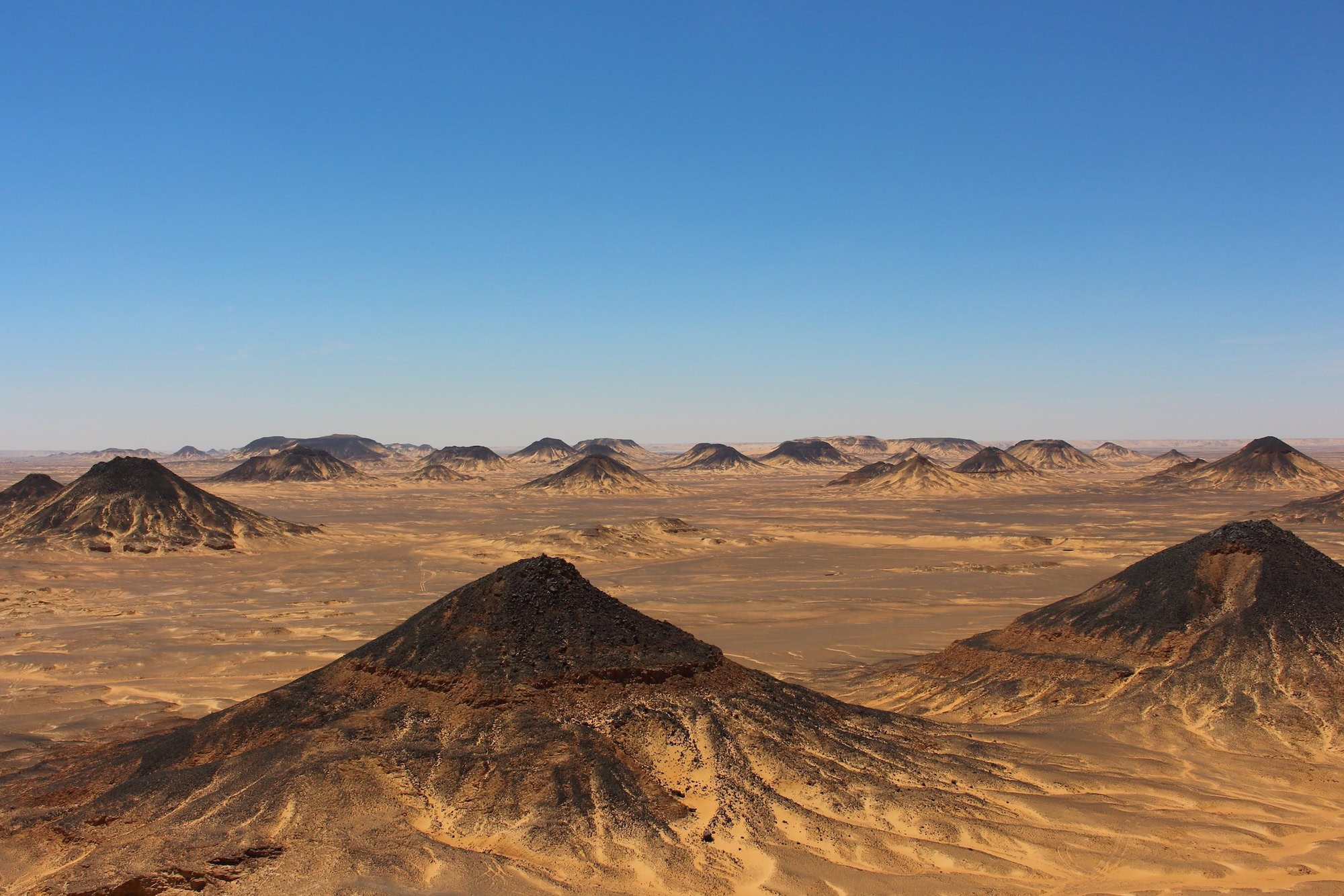
Black Desert presents a dramatic contrast with its volcanic hills scattered across the landscape like ancient sentinels. Dark basalt stones cover rolling dunes, creating patterns that shift with the light throughout the day. The contrast becomes most striking during sunrise and sunset, when golden light plays against dark volcanic formations.
The Great Sand Sea extends westward toward Libya, creating an ocean of shifting dunes that can reach heights exceeding 300 feet. This massive sand system moves constantly, burying and revealing archaeological sites in an eternal cycle of concealment and discovery.
Desert Wildlife Adapted to Extremes
Fennec foxes emerge after dark, their oversized ears helping them hunt insects and small mammals while regulating body temperature. Desert hedgehogs navigate the cooling sands, while various reptile species have evolved remarkable adaptations to extreme temperature fluctuations.
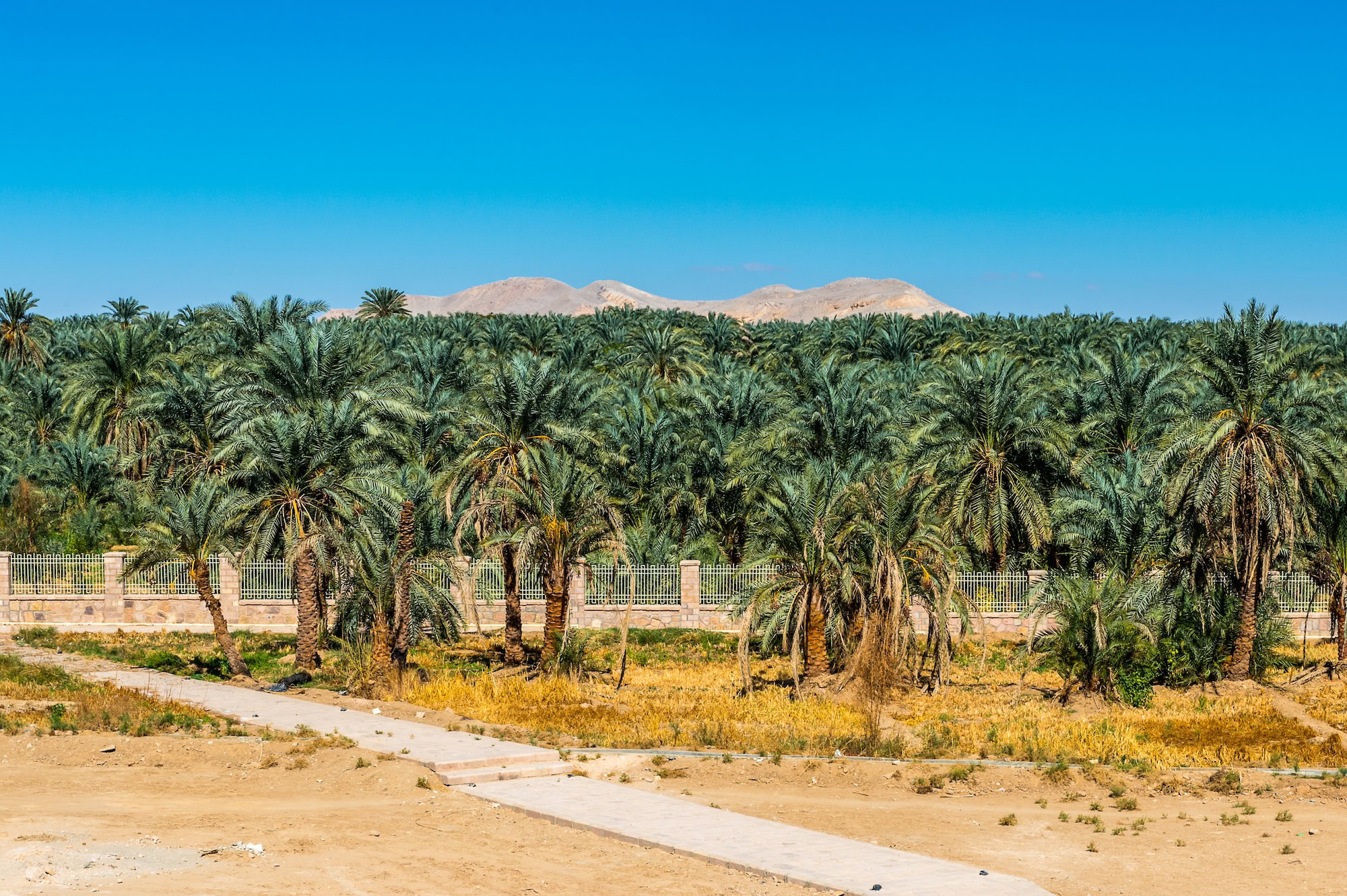
Oases support entirely different ecosystems. Date palms create microclimates that allow fruit cultivation, while natural springs sustain fish species found nowhere else in Egypt. Migratory birds use these green islands as crucial stopping points during trans-Saharan journeys.
Adventure Tourism in Egypt’s Last Frontier
Adventure tours reveal landscapes that remain unchanged since ancient caravans crossed these same routes. We organize expeditions using modern four-wheel-drive vehicles equipped for desert conditions, but the sense of adventure mirrors what early explorers experienced.
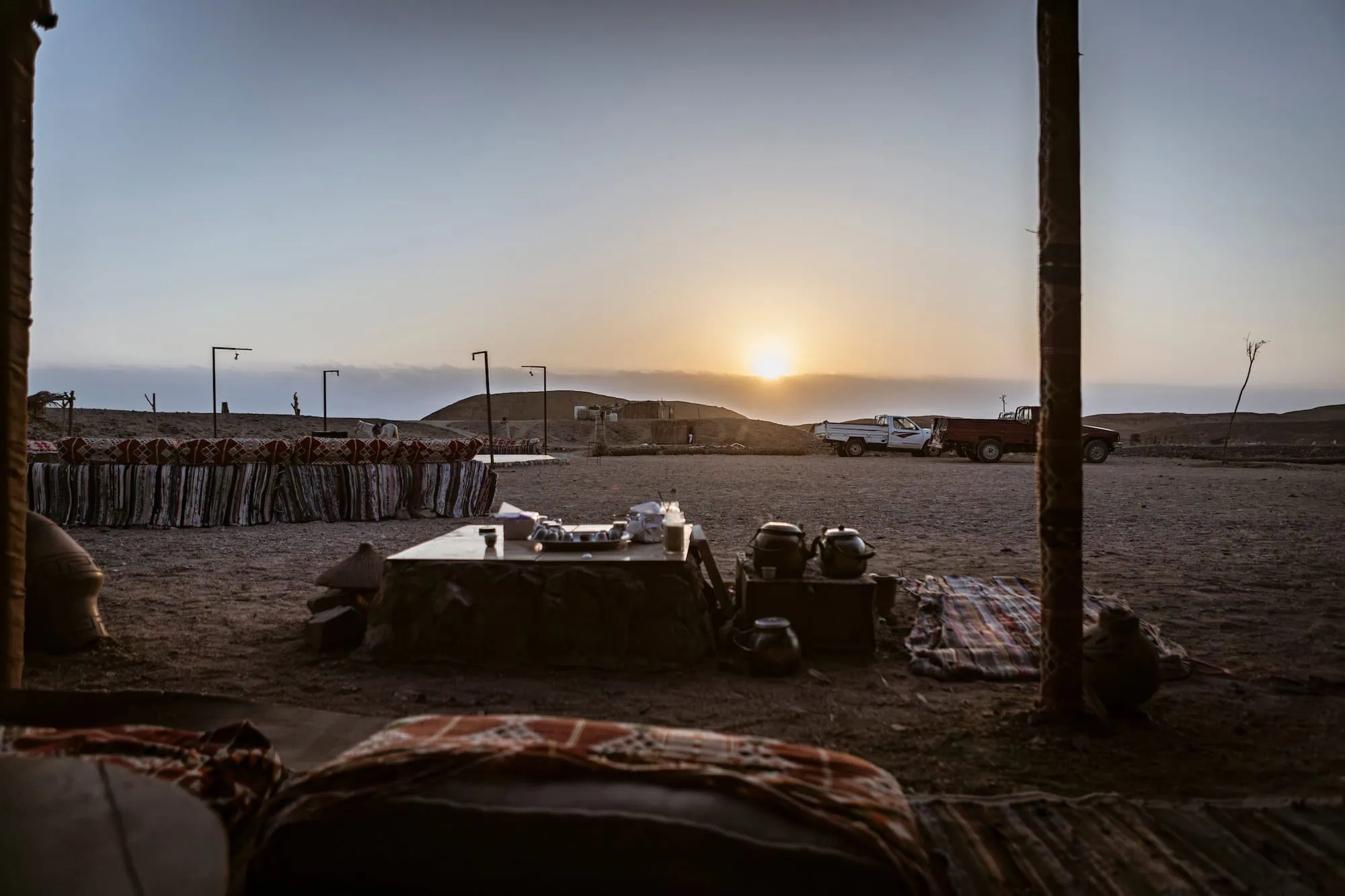
Camping under starlit skies provides experiences impossible in populated areas. Light pollution doesn’t exist here – the Milky Way stretches across the heavens with clarity that urban dwellers never witness. Traditional Bedouin camps combine authentic desert hospitality with modern safety standards.
Camel trekking connects you directly with desert traditions. These remarkable animals, perfectly adapted to arid conditions, carry you across terrain where mechanical vehicles cannot venture. Multi-day camel expeditions reach remote archaeological sites and hidden springs known only to local guides.
Sandboarding transforms massive dunes into natural playgrounds. The Great Sand Sea offers slopes perfect for both beginners and experienced adventure seekers, while the fine sand provides soft landings for those still mastering the technique.
Adventure in Egypt’s Western Desert is defined not only by distance and remoteness, but by the variety of places encountered along the way. Hidden temples, ancient tombs, dramatic desert formations, and life-filled oases form a mosaic of experiences that come together across the region’s Western Desert attractions, each offering a different glimpse into Egypt beyond the Nile.
Professional Guidance Ensures Safety and Discovery
Our experienced guides possess intimate knowledge of desert conditions, weather patterns, and navigation techniques essential for safe exploration. Many grew up in these regions, inheriting traditional knowledge from generations of desert inhabitants.
GPS technology and satellite communication provide modern safety backup, but traditional skills remain equally important. Reading wind patterns, identifying safe camping locations, and understanding seasonal water availability require expertise that only comes from decades of desert experience.
In-depth: Is the Western Desert Safe?
Cultural Encounters in Medieval Villages
Remote settlements preserve lifestyles that vanished elsewhere centuries ago. Traditional mud-brick architecture provides natural cooling in extreme temperatures, while ancient irrigation systems called “qanats” still deliver water from underground sources.
Authentic Bedouin Hospitality
Evening gatherings around campfires continue traditions spanning generations. Tea ceremonies follow precise rituals, while storytelling preserves oral histories of desert survival and ancient trade routes. These cultural exchanges provide insights into human adaptation that no textbook can convey.
Local crafts include traditional weaving, pottery, and metalwork created using tools and techniques unchanged for centuries. Date palm fronds become baskets, while silver jewelry displays intricate patterns inspired by desert flora and astronomical observations.
Traditional cuisine reflects both scarcity and abundance. Simple ingredients transform into flavorful dishes through techniques perfected over generations. Dates provide natural sweetness, while preserved meats offer protein during long desert journeys.
Planning Your Western Desert Adventure
Multiple access routes serve different expedition goals. The northern approach through Siwa Oasis offers historical significance and dramatic salt lake landscapes. The central route via Bahariya provides the shortest path to White Desert formations and optimal staging for multi-oasis circuits.
Seasonal Considerations Shape Every Experience
Winter months from December through February provide ideal conditions with comfortable daytime temperatures around 75°F (24°C) and cool but manageable nights. Spring and autumn offer moderate conditions, though sandstorms become more frequent during transitional periods.
Summer exploration requires special preparation and modified schedules. Daytime temperatures can exceed 110°F (43°C), making midday travel dangerous. However, summer nights provide perfect conditions for astronomical observation and cultural activities.
Equipment requirements vary significantly based on season and expedition length. High-quality tents designed for desert conditions prove essential, while proper clothing layers accommodate extreme temperature variations between day and night.
In-depth: Best Time to Explore the Western Desert
Transportation and Logistics
Our modern fleet includes specially modified vehicles equipped with GPS navigation, satellite communication, and emergency supplies. Air conditioning systems handle extreme temperatures, while reinforced suspension manages rough terrain without compromising passenger comfort.
Alternative transportation includes traditional camel caravans for authentic experiences and microbus connections between major oases for budget-conscious travelers. Each option provides different perspectives on this magnificent landscape.
Emergency protocols include predetermined evacuation routes, regular communication schedules, and partnerships with local authorities familiar with desert rescue operations. Medical supplies and trained first aid personnel accompany all extended expeditions.
The 900-Kilometer Alternative Route
For travelers seeking a deeper journey, the Western Desert Oases Route offers an alternative connection between Cairo and Luxor, weaving through all five major oases and bypassing the busy Nile Valley entirely. With 7–10 days to explore, the route reveals a side of Egypt few travelers ever see.
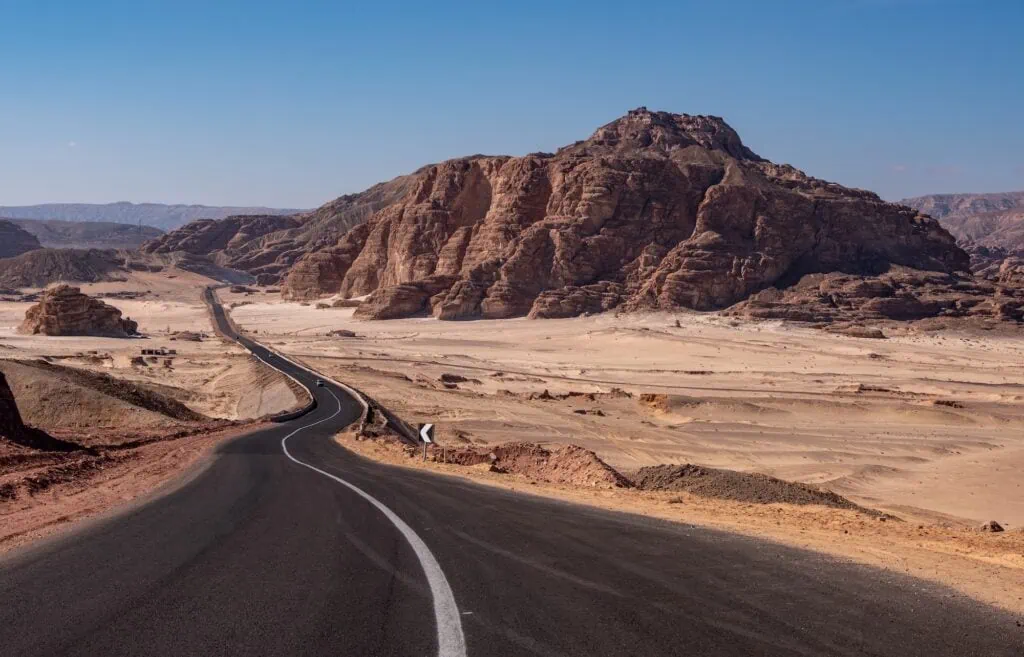
Dakhla and Kharga Oases in the south provide the most extensive archaeological sites, including Greco-Roman settlements and Coptic Christian monuments. These locations demonstrate the desert’s role as a refuge during various periods of Egyptian history.
The complete circuit covers terrain ranging from salt flats and hot springs to towering sand dunes and prehistoric rock art galleries. Each day brings entirely different landscapes and cultural encounters.
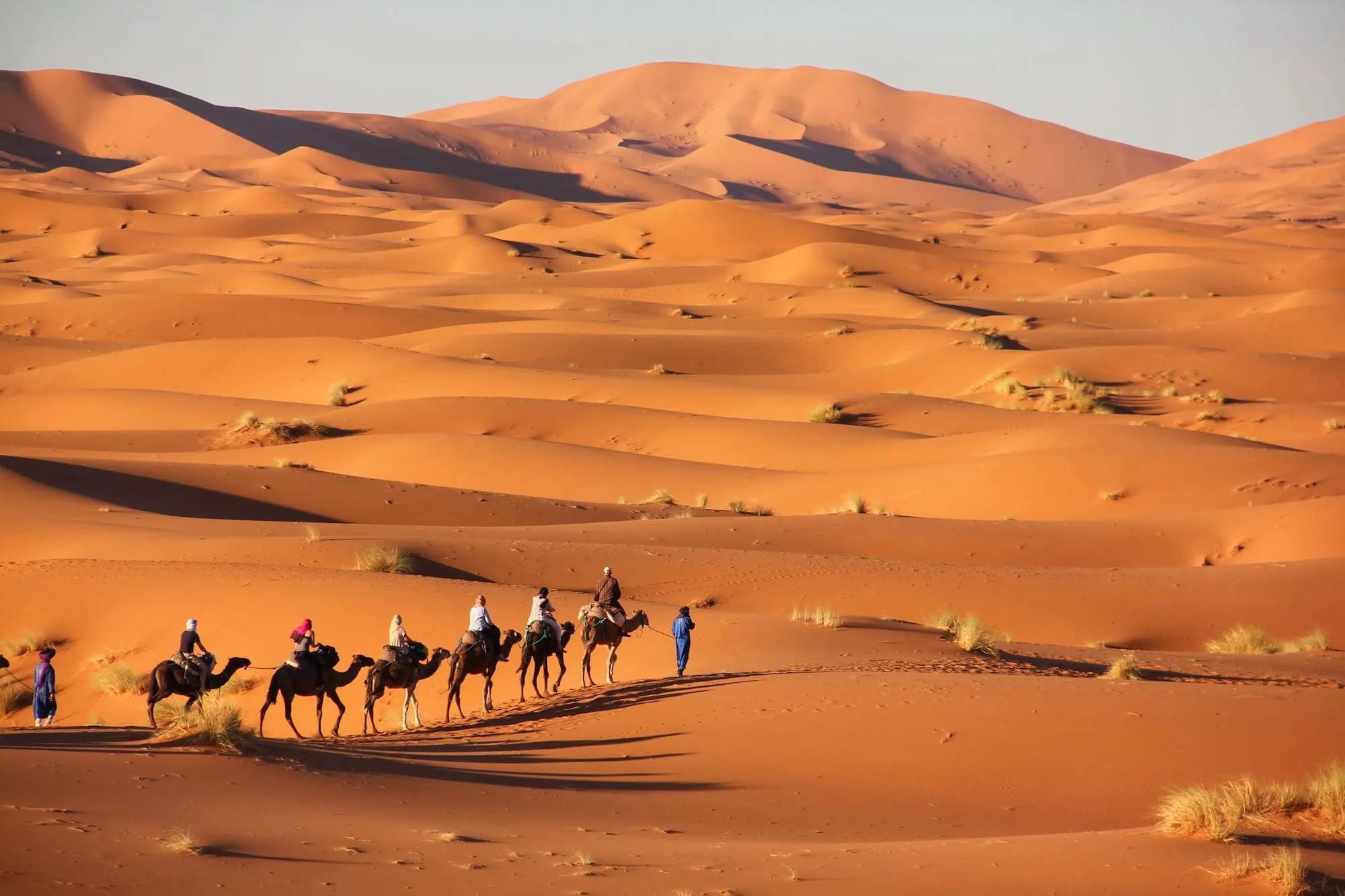
Rest stops include traditional oasis hotels, modern eco-lodges designed to minimize environmental impact, and authentic Bedouin camps where desert hospitality continues unchanged. Accommodation options suit various budgets and comfort preferences.
Frequently Asked Questions
The Western Desert spans approximately 262,800 square miles, roughly equivalent to Texas in size, making it one of Africa’s largest continuous desert regions.
Limestone formations created by wind erosion over millions of years have sculpted bizarre shapes resembling mushrooms, animals, and abstract sculptures that exist nowhere else on Earth.
Alexander the Great journeyed to Siwa in 331 BC to consult the Oracle of Amun, seeking divine confirmation of his destiny as a world conqueror.
Bahariya Oasis provides the most accessible entry point, connected to Cairo by 365 kilometers of paved road and offering the shortest route to major attractions.
Yes, the desert supports fennec foxes, desert hedgehogs, various reptiles, and diverse bird species, while oases create unique ecosystems supporting fish and migratory birds.
Summer temperatures can exceed 110°F (43°C) during the day, though nights remain pleasant for camping and astronomical observation.
The Western Desert Campaign saw major battles between British and German forces, with strategic oases and water sources determining military outcomes across this vast battlefield.
A 900-kilometer asphalt road connects all five major oases, creating an alternative route between Cairo and Luxor that avoids the crowded Nile Valley completely.
Complete absence of light pollution provides exceptional stargazing conditions where the Milky Way appears with stunning clarity impossible in populated areas.
A comprehensive expedition visiting all major oases and attractions requires 7-10 days, though shorter 3-4 day trips can cover highlights like the White Desert and Bahariya Oasis.
Local artisans continue practicing pottery, weaving, silverwork, and basketry using techniques and tools unchanged for centuries, creating authentic cultural experiences.
Our expeditions include experienced guides with intimate knowledge of desert conditions, navigation, and safety protocols essential for exploring this challenging but rewarding environment.
Design Your Private Western Desert Adventure
Travel with your own expert guide, private 4×4 vehicle, and a route tailored to you.