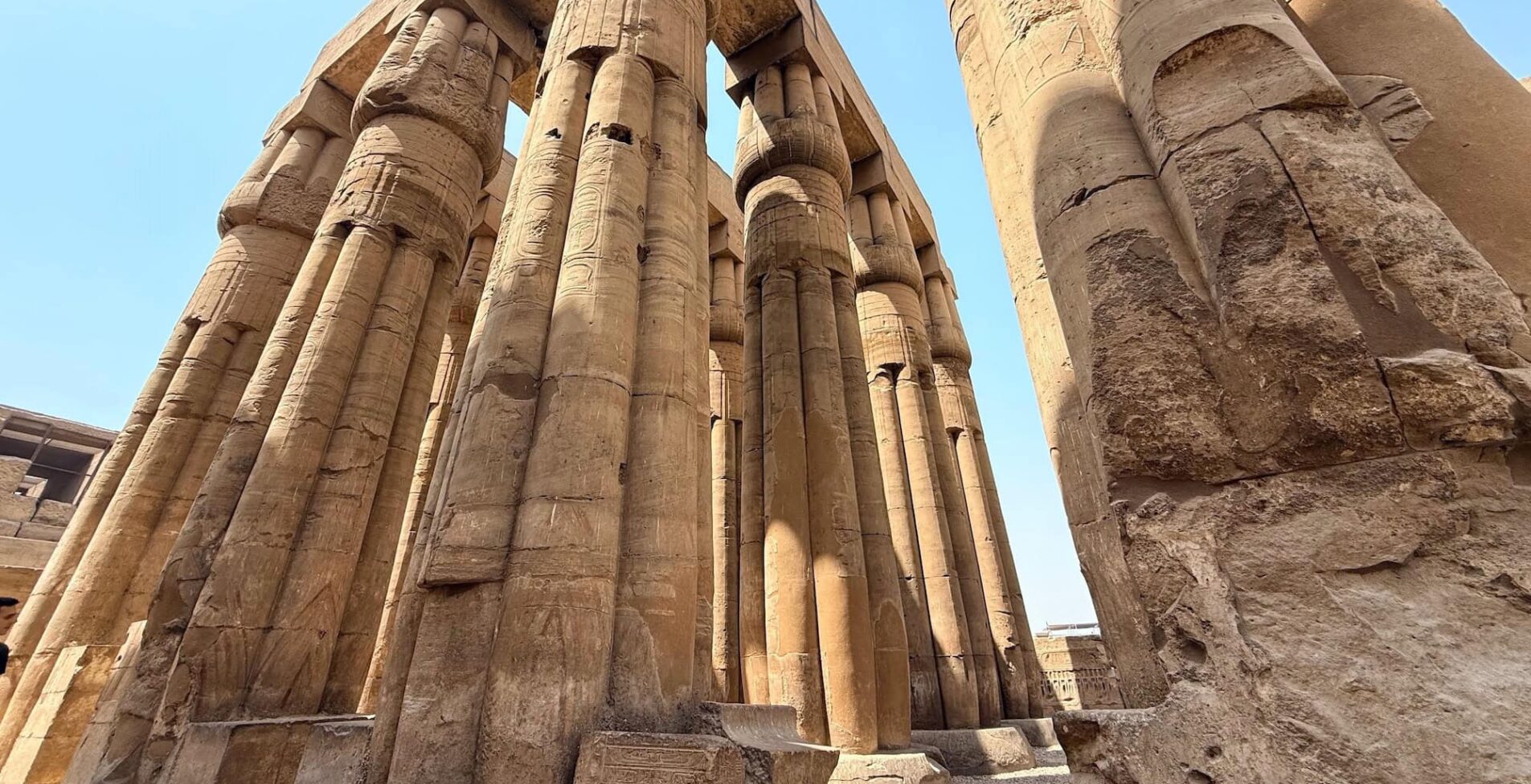
Where pharaohs still reign across the Nile
Luxor Tourist Attractions
The Luxor Tourist Attractions span the world’s greatest open-air museum, from Karnak’s towering columns to the Valley of the Kings’ royal tombs. With 70+ years of expertise, private guides, and fully customizable itineraries, let our specialists craft your perfect journey through ancient Thebes.
Luxor Egypt Attractions
The colossal temples rise from desert sands like monuments to eternity itself.
Ancient pharaohs chose this stretch of the Nile River as their sacred burial ground for good reason. Today, Luxor stands as Egypt’s greatest open-air museum, where every sunrise illuminates 4,000 years of human achievement carved in stone. From the moment you set foot in this extraordinary city, you’re walking through the world’s most concentrated collection of ancient monuments.
The Valley of the Kings holds the tombs of legendary rulers like Tutankhamun, while temple complexes at Karnak and Luxor showcase architectural mastery that still confounds modern engineers.
At Egypt Tours Plus, we’ve spent decades guiding travelers through these sacred spaces, watching countless visitors experience that profound moment when ancient Egypt transforms from history book illustrations into breathtaking reality.
Table of Contents
Essential Temple Complexes That Define Luxor
Karnak Temple Complex: Egypt’s Greatest Religious Site
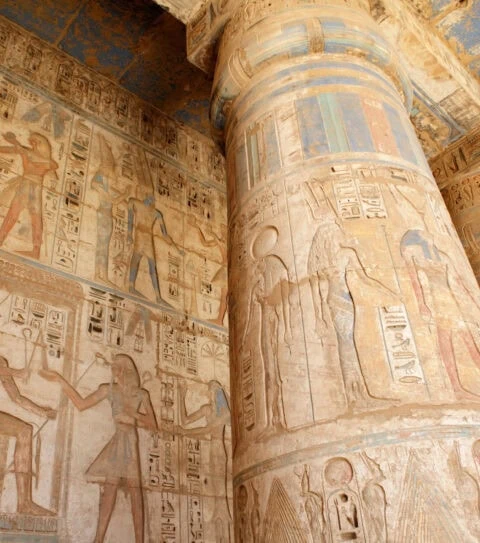
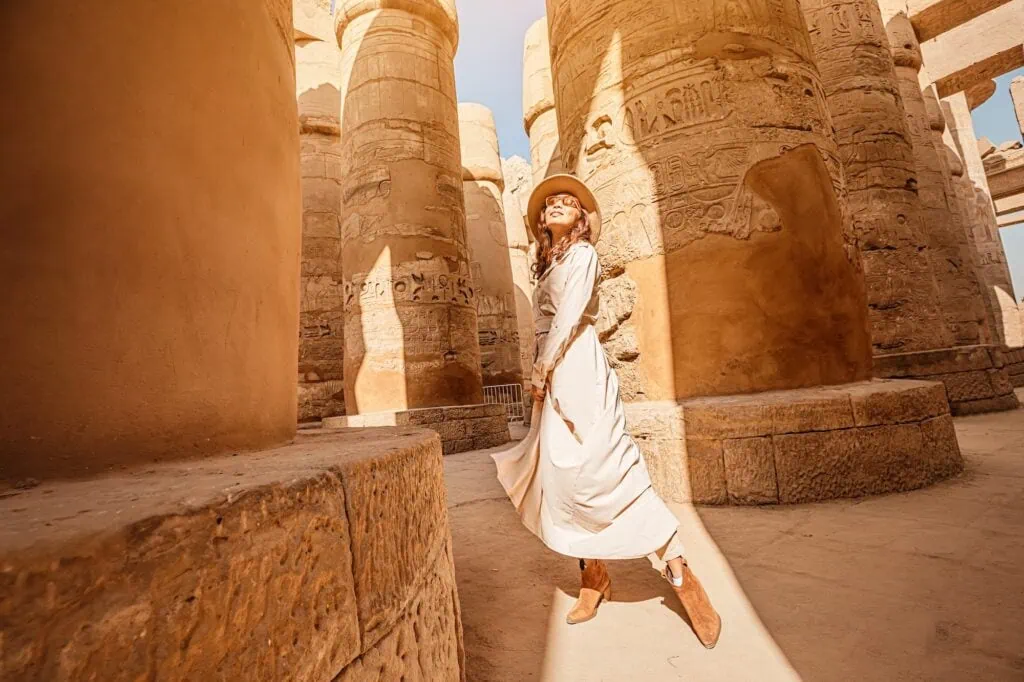
Covering over 200 acres, Karnak Temple represents humanity’s longest continuous religious construction project. Work began around 2055 BCE and continued for nearly 2,000 years as successive pharaohs added their mark to this sacred space. The Great Hypostyle Hall alone contains 134 massive columns, each one capable of holding 50 people on its capital.
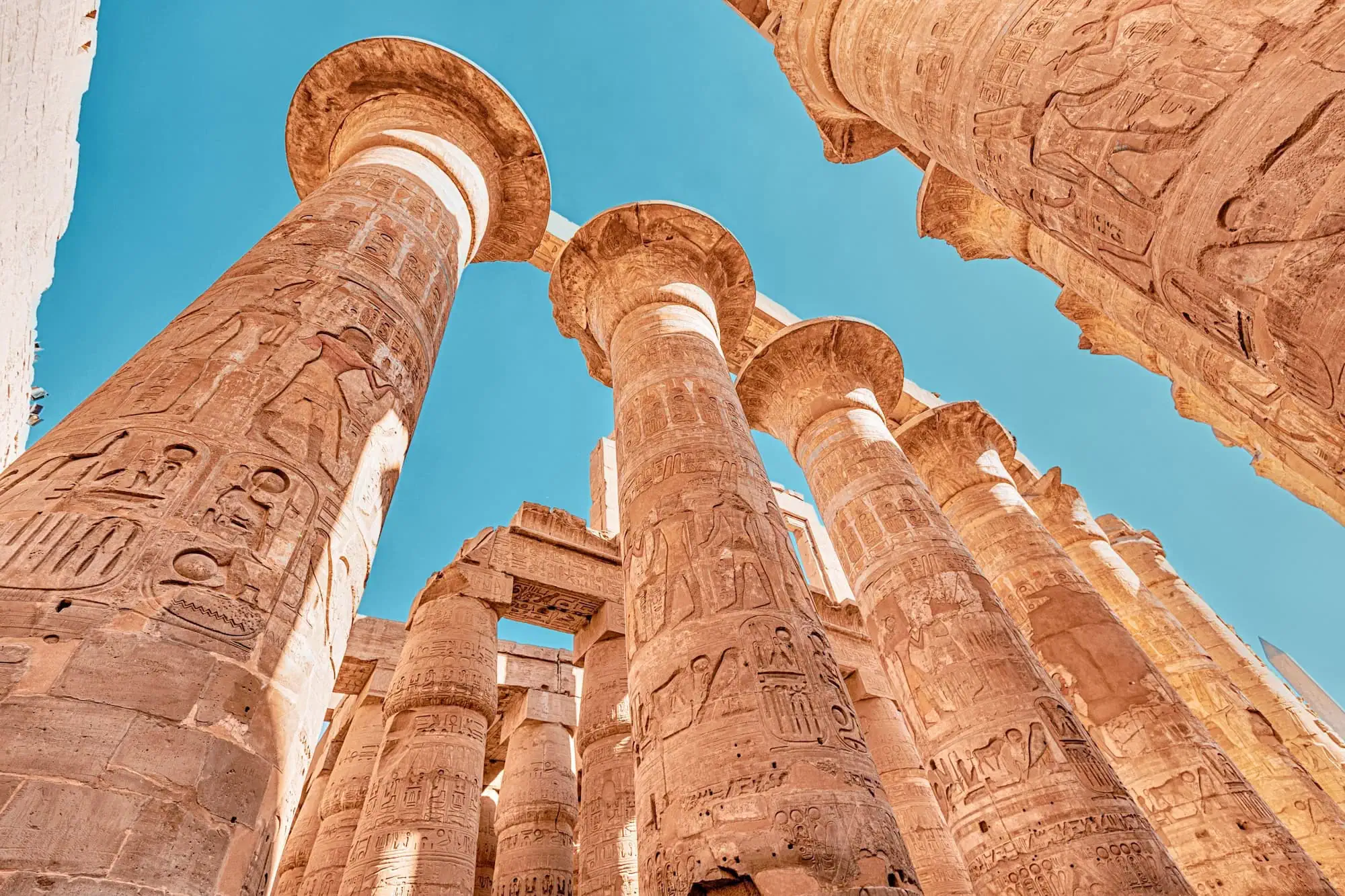
Walking through the complex at different times reveals dramatically different experiences. Morning light filters through the columns creating cathedral-like shadows. Late afternoon brings golden hues that make the hieroglyphs seem to glow from within.
Luxor Temple: Where Pharaohs Met Gods
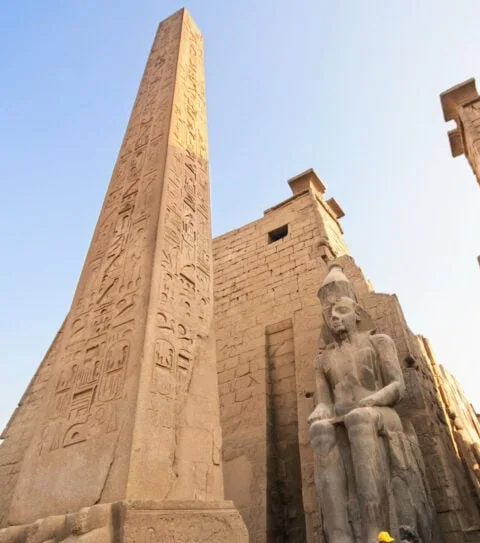
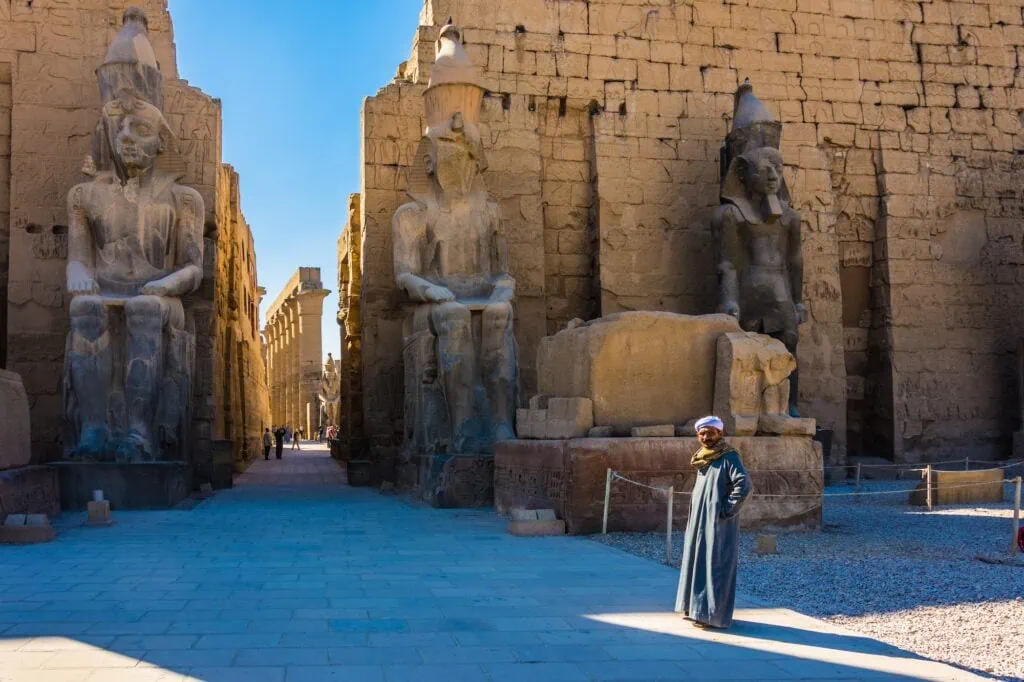
Unlike other Egyptian temples dedicated to specific deities, Luxor Temple served as a setting for the rejuvenation of kingship. Built primarily by Amenhotep III and Ramesses II, this temple connected to Karnak via a 1.7-mile avenue lined with sphinx statues.
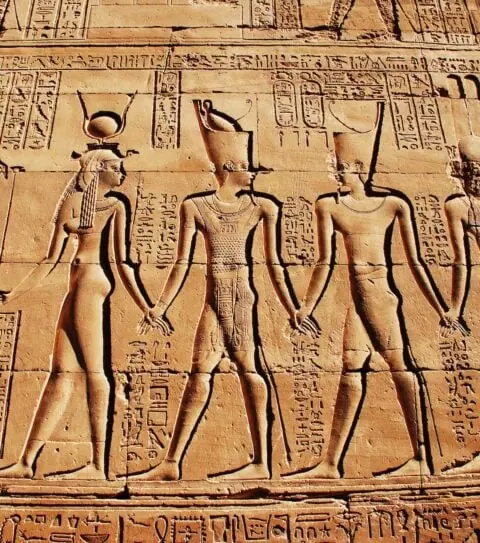
The temple’s most striking feature appears after sunset when carefully placed lighting transforms the sandstone into warm amber. Ancient reliefs depicting the divine birth of pharaohs become visible in ways daylight cannot reveal.
Valley of the Kings: Royal Necropolis of the Pharaohs
The ancient Egyptians called Valley of the Kings “The Great Place” – a fitting name for the burial ground of New Kingdom pharaohs. Sixty-three tombs have been discovered so far, though archaeologists believe more remain hidden beneath the limestone cliffs.
These weren’t simple burial chambers. Each tomb represents a complex religious text carved in stone, designed to guide the deceased pharaoh through the afterlife journey. The walls contain complete copies of ancient funerary texts like the Book of the Dead and the Book of Gates. Visitors often spend hours studying a single chamber, discovering new details in the intricate artwork with each careful examination.
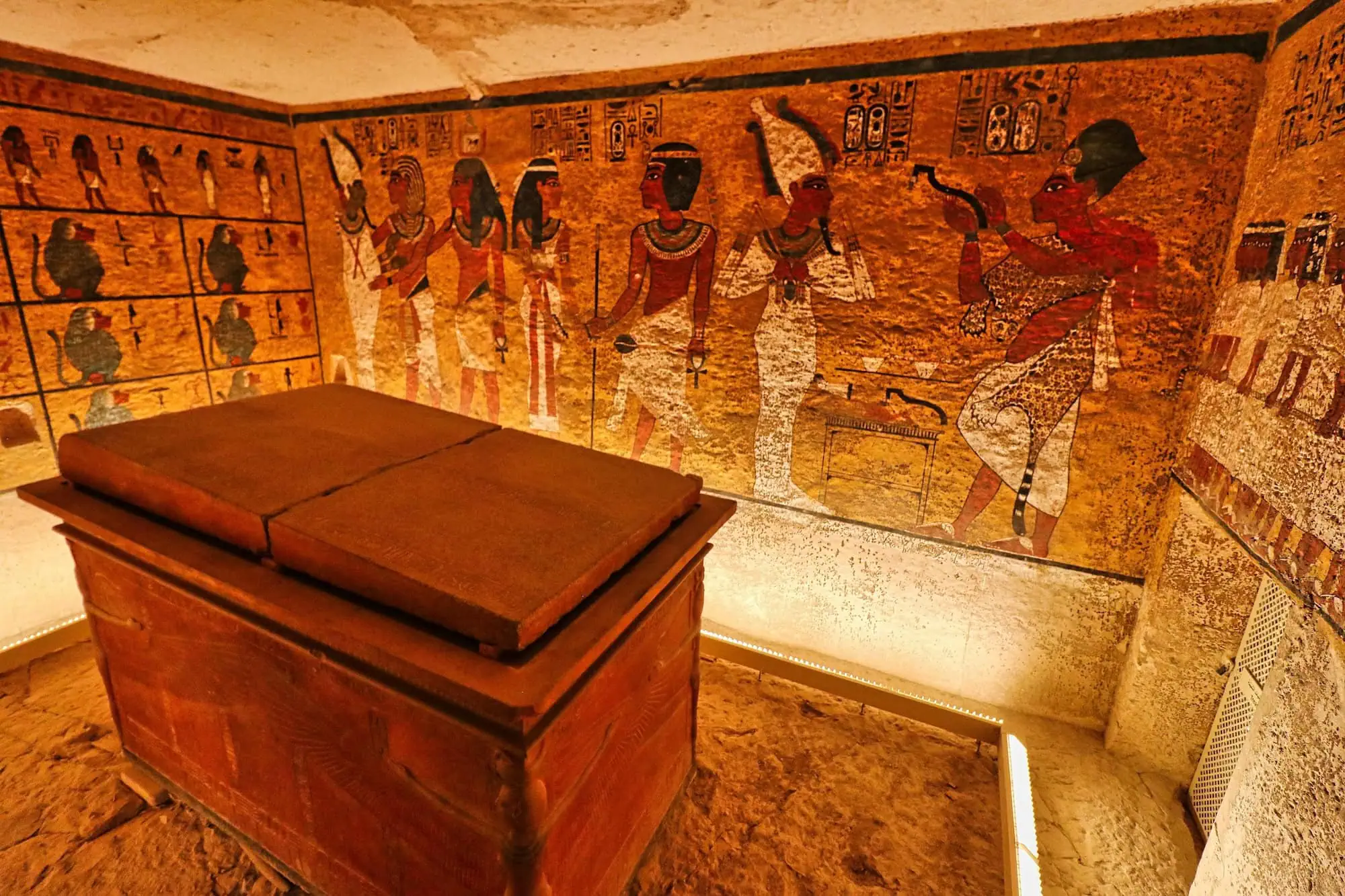
KV62, the tomb of Tutankhamun, remains the most famous discovery here. While smaller than other royal tombs, it contained over 5,000 artifacts when Howard Carter opened it in 1922. The tomb’s antechamber still displays many original pieces, including the famous golden funeral mask.
Our expert guides know which tombs offer the best preservation and most accessible explanations of ancient Egyptian beliefs about death and resurrection. Some chambers require additional tickets, but the investment provides access to artwork and hieroglyphs found nowhere else on earth.
Tomb Architecture and Religious Significance
Royal tomb construction followed strict religious guidelines. Each tomb descended into the earth following the sun’s nightly journey through the underworld. Corridor walls depicted this journey stage by stage, creating a three-dimensional religious text.
The deeper chambers held the most sacred elements. Here, pharaohs’ mummified remains rested surrounded by everything needed for eternal life.
West Bank Adventures Beyond the Tombs
Mortuary Temple of Hatshepsut
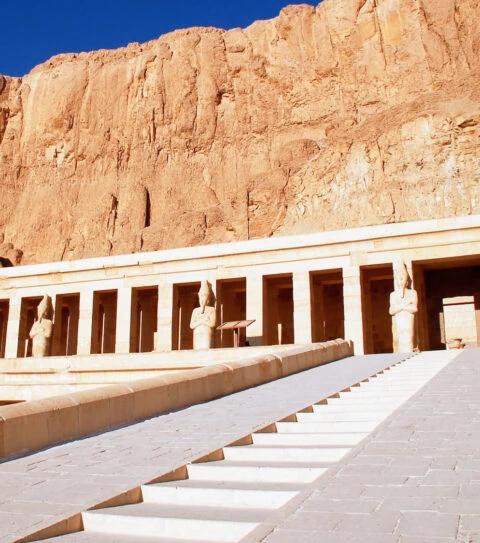
Egypt’s most successful female pharaoh chose a dramatic backdrop for her memorial temple. Built into the cliff face at Deir el-Bahri, this three-tiered structure demonstrates architectural innovation centuries ahead of its time. Hatshepsut ruled for 22 years during Egypt’s 18th Dynasty, commissioning trading expeditions that brought exotic goods from the land of Punt.
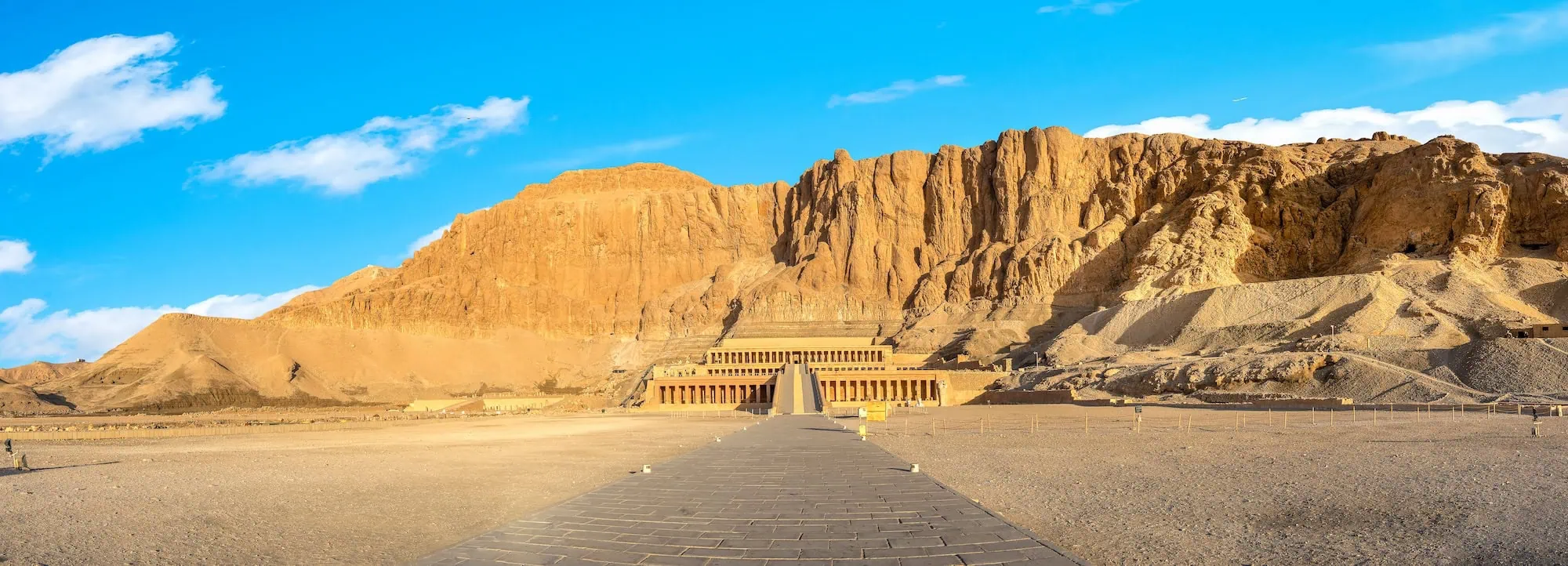
The design of Queen Hatshepsut’s mortuary temple integrates natural rock formations with human engineering. Each terrace connects through ramps and colonnades that frame spectacular views across the Nile Valley. Ancient reliefs show Hatshepsut’s divine birth and successful military campaigns, though many were defaced by later pharaohs who attempted to erase her from history.
Colossi of Memnon: Ancient Sound Phenomena
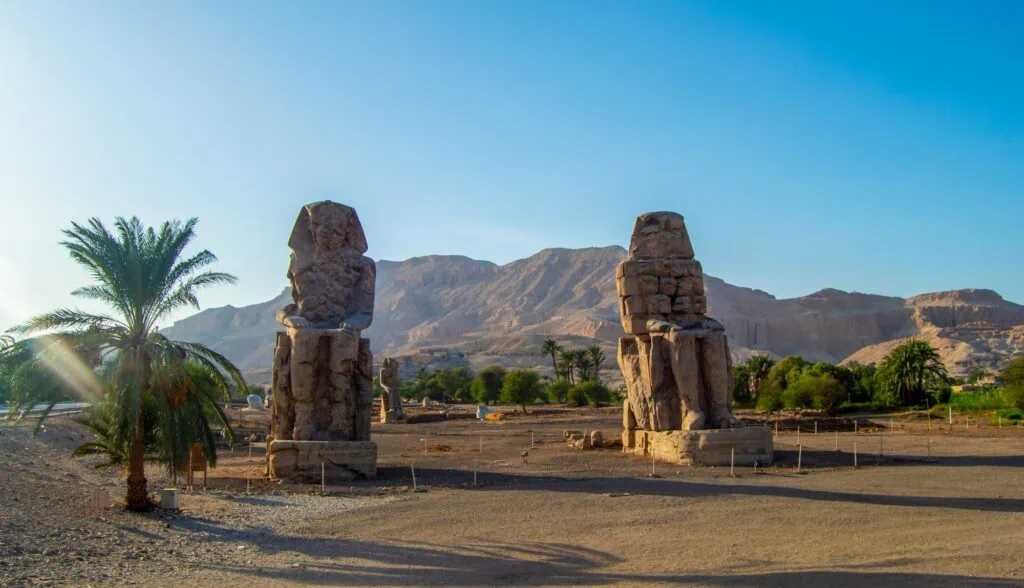
The Colossi of Memnon, twin statues that once guarded the entrance to Amenhotep III’s mortuary temple, still stand where the main temple structures have long since disappeared. Each statue rises 18 meters (59 feet) tall and weighs approximately 720 tons. Ancient Greek and Roman tourists came here specifically to hear the northern statue’s mysterious dawn sounds, believing they heard the voice of the mythical Memnon greeting his mother, the goddess of dawn.
Modern archaeology explains the sounds as thermal expansion in cracked stone, but experiencing sunrise here still creates an unforgettable moment.
Hot Air Balloon Flights Over Ancient Luxor
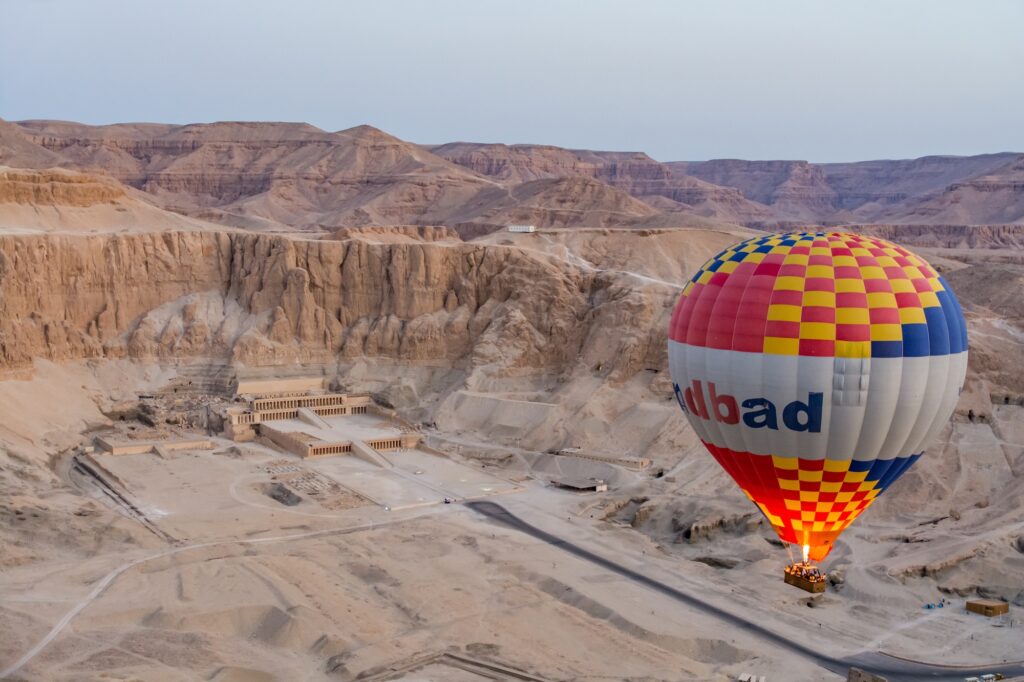
Luxor hot air balloon flights reveal the city’s archaeological landscape from the pharaohs’ perspective. Rising with the sun, you’ll drift silently over the Valley of the Kings, watching shadows recede from temple courtyards and tomb entrances. The Nile appears as a green ribbon cutting through desert landscapes largely unchanged since ancient times.
Professional balloon operators maintain strict safety protocols while providing informed commentary about the monuments below. Flight duration typically ranges from 45 to 60 minutes, depending on wind conditions. The experience concludes with traditional champagne celebration and flight certificates.
Advanced booking ensures availability, especially during peak season from October through April when weather conditions remain most favorable for flights.
Photography Tips for Aerial Views
Morning flights offer optimal lighting conditions for photography. The low-angle sunlight creates dramatic shadows that highlight architectural details invisible from ground level. Wide-angle lenses capture the full scope of temple complexes, while telephoto lenses isolate specific monuments against desert backgrounds.
Professional photographers often recommend bringing extra batteries, as cold morning air reduces battery life significantly.
East Bank Treasures and Modern Luxor Life
Luxor Museum: Context for Ancient Discoveries
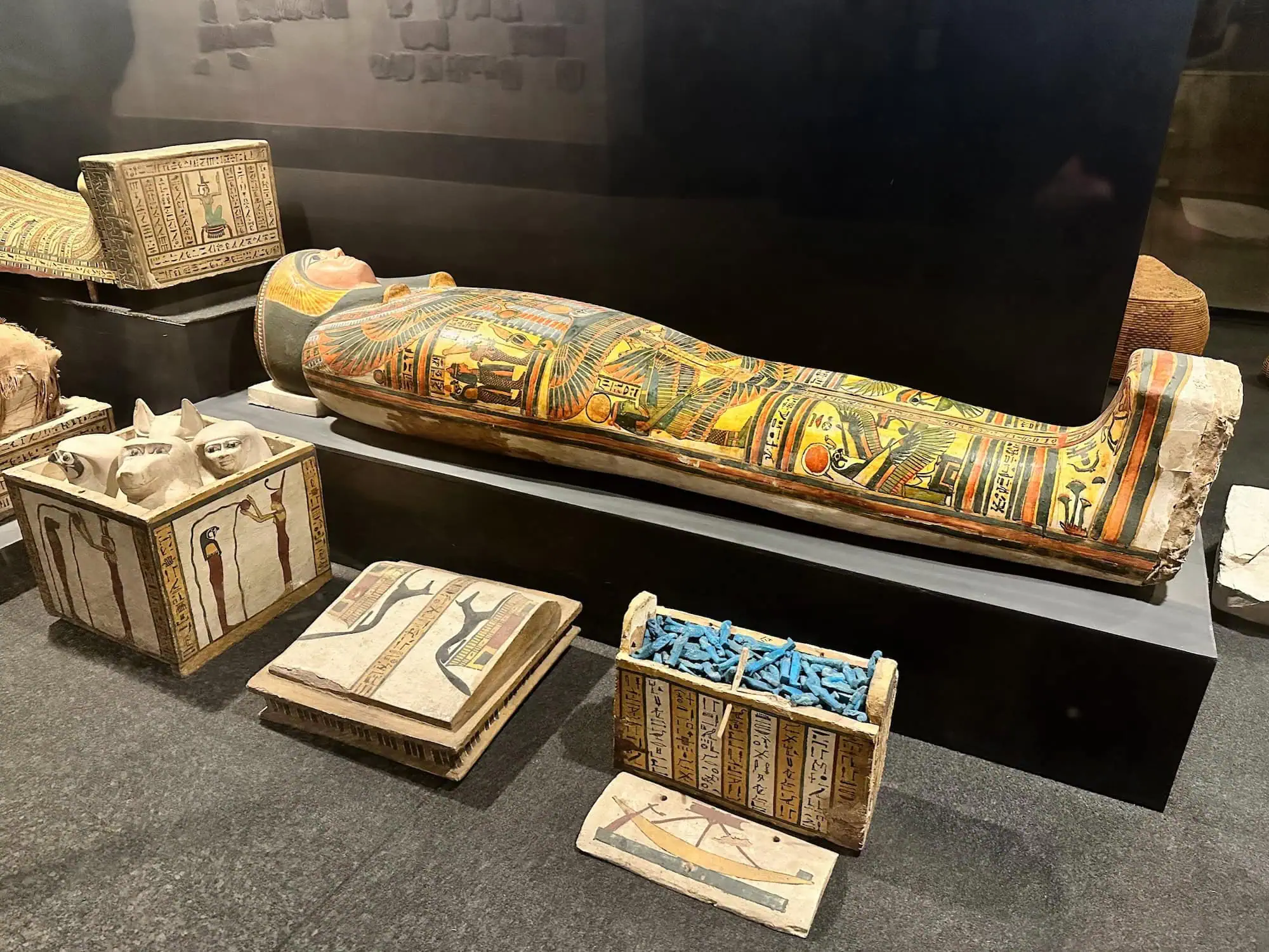
This compact museum houses some of Egypt’s finest artifacts in climate-controlled galleries designed for optimal viewing. Unlike the overcrowded Egyptian Museum in Cairo, Luxor Museum allows intimate encounters with masterpieces. The royal mummy room contains the remains of Ramesses I and other New Kingdom pharaohs displayed with dignity and scientific explanation.
Recent acquisitions include artifacts from ongoing excavations at nearby archaeological sites. Interactive displays explain mummification processes and ancient Egyptian religious beliefs using actual examples from local tomb discoveries.
Museum visits work best when scheduled between major temple tours, providing air-conditioned respite while deepening understanding of what you’ve seen carved in stone.
Traditional Markets and Local Crafts
Luxor’s souq maintains authentic character despite tourist traffic. Local artisans still practice traditional crafts including hand-weaving, metalwork, and stone carving techniques passed down through generations. Alabaster workshops near the Valley of the Kings demonstrate how craftsmen create vases and sculptures using methods unchanged since pharaonic times.
Skilled negotiation remains part of the cultural experience, though aggressive bargaining often produces better results when conducted with humor and patience rather than confrontation.
Planning Your Luxor Experience
Best Times to Visit Different Sites
Temperature considerations significantly impact comfort levels during site visits. Summer months (May through September) see daytime temperatures regularly exceeding 40°C (104°F), making early morning and late afternoon the only comfortable times for extensive outdoor exploration.
Winter months provide ideal conditions for full-day archaeological tours. December through February sees daytime temperatures around 25°C (77°F) with minimal rainfall. However, these months also bring peak tourist crowds to major attractions.
Shoulder seasons (March-April and October-November) offer excellent compromise between weather comfort and crowd levels. Temple complexes remain accessible throughout the day while maintaining manageable visitor numbers.
Transportation Between Sites
The West Bank archaeological sites spread across several kilometers of desert landscape. Private transportation eliminates time constraints and provides flexibility for spontaneous discoveries. Our modern, air-conditioned vehicles come with experienced drivers who know optimal routes and timing for different attractions.
Bicycle rentals offer adventurous alternatives for the physically fit, though desert heat and distances make this option suitable only during cooler months. Local ferry services connect the East and West banks regularly, providing scenic Nile crossings that showcase traditional Egyptian river life.
Accommodation Strategy for Maximum Exploration
East Bank hotels provide convenient access to Luxor Temple, the museum, restaurants, and shopping. Many offer Nile views and easy walking access to major amenities. West Bank accommodations place you closer to the Valley of the Kings and major tombs, often in quieter settings with better sunrise views.
Our decades of experience help travelers choose locations that match their specific interests and mobility requirements.
See Luxor’s Greatest Sites the Way They Were Meant to Be Seen
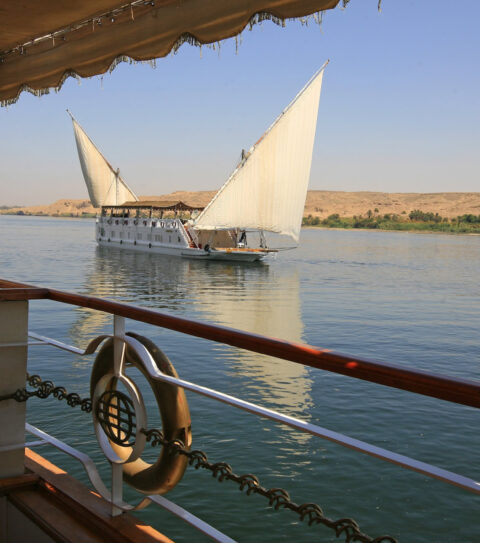
Luxor Egypt’s attractions are best experienced as part of a wider journey along the Nile — approaching Karnak, the Valley of the Kings, and Hatshepsut’s temple the same way travelers have for thousands of years. Since 1955, we’ve been crafting Egypt tours with Nile cruise that weave Luxor’s ancient wonders together with Cairo’s pyramids and Aswan’s serene temples, all guided by expert Egyptologists and designed entirely around you.
Frequently Asked Questions
Three to four days allows comfortable exploration of major sites without rushing, including time for a hot air balloon ride and Nile activities.
Early morning (6:00 am/06:00) offers cooler temperatures and better lighting for photography, plus smaller crowds before tour groups arrive.
Most tombs allow photography for an additional fee, typically 100-300 Egyptian pounds depending on the tomb’s significance and preservation.
Yes, Luxor maintains heavy tourism police presence and has excellent safety records. Our guides provide additional security awareness and local knowledge.
Standard site tickets can be purchased at entrances, but special tombs like Tutankhamun or Nefertari require advance booking, especially in peak season.
Lightweight, long-sleeved clothing protects from sun while showing respect at religious sites. Comfortable walking shoes are essential for uneven ancient surfaces.
Allow minimum three hours for a thorough visit, though temple enthusiasts often spend entire mornings exploring different sections and photographing details.
Major sites provide basic facilities, though quality varies. We recommend bringing water and using hotel facilities before beginning tours.
Absolutely, though younger children may tire quickly in the heat. Interactive elements like hieroglyph identification games keep kids engaged with ancient history.
Karnak served as a vast religious complex for multiple deities, while Luxor Temple focused specifically on royal coronation and renewal ceremonies.
Professional guides transform stone carvings into vivid historical narratives, explaining religious significance and architectural innovations invisible to casual visitors.
Egyptian pounds work everywhere, though some vendors accept US dollars or euros at less favorable exchange rates than official sites.
Design Your Custom Tour
Explore Egypt your way by selecting only the attractions you want to visit