What is the Best Time to Visit the Pyramids in Egypt?
The pyramids await, but timing matters more than you think.
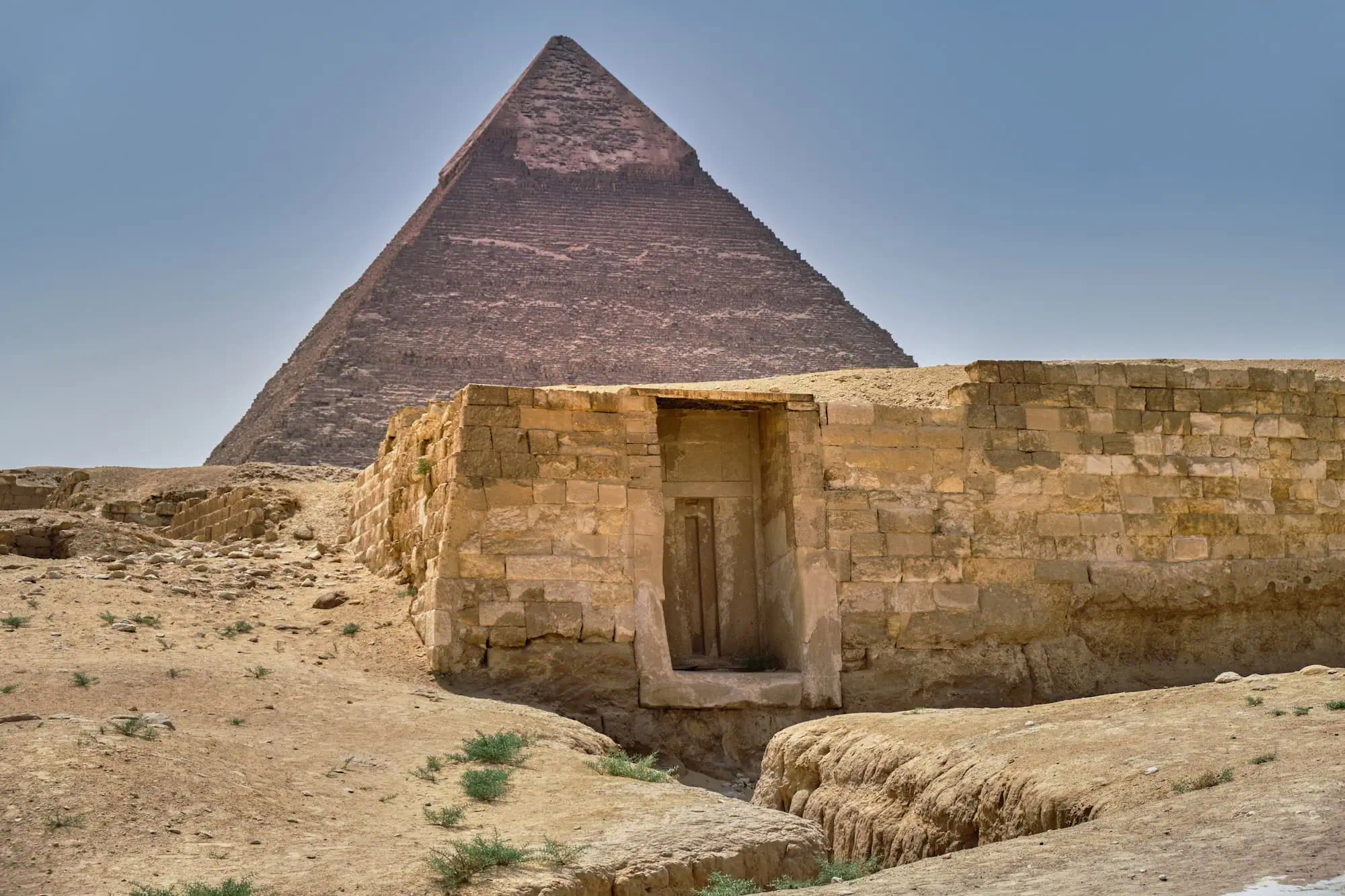
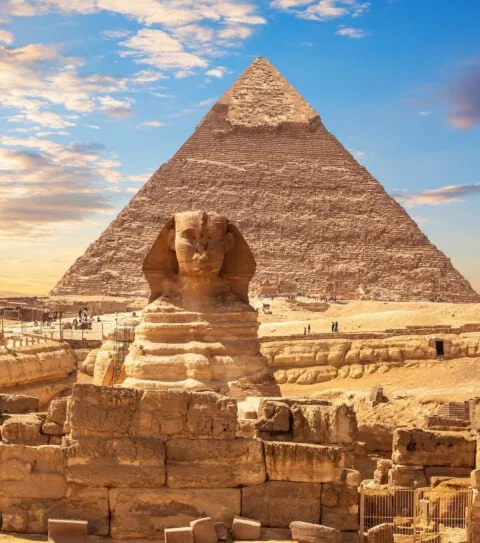
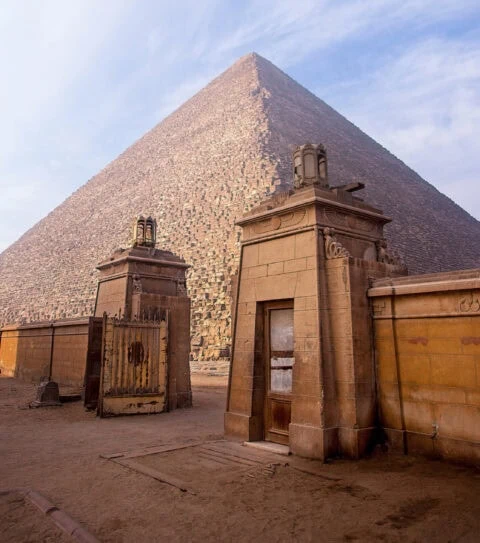
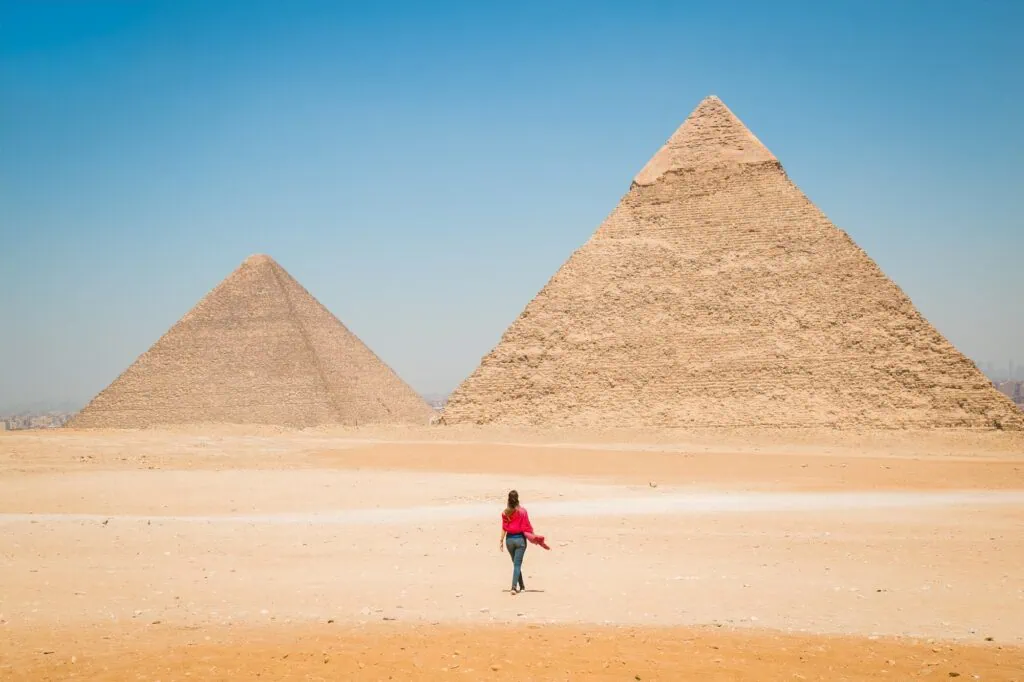
Standing before the Great Pyramid of Giza isn’t just about checking off a bucket list item – it’s about experiencing one of humanity’s greatest achievements under the right conditions. Weather, crowds, and even your energy levels all shift dramatically depending on when you visit. The difference between a magical encounter and an exhausting ordeal often comes down to choosing the right season, month, or even time of day.
We’ve guided thousands of travelers through this ancient wonder, and the patterns are clear: the best experiences happen when you align your visit with Egypt’s climate, tourist seasons, and your personal preferences.
Table of Contents
Peak Season vs. Off-Season: Finding Your Sweet Spot
Winter months from December through February consistently deliver the most comfortable pyramid visits. Temperatures hover around 18-22°C (64-72°F) during the day, making the climb inside the Great Pyramid manageable without excessive sweating. The dry, cool air also means less fatigue as you explore the Giza complex on foot.
December: The Golden Month
December stands out as particularly excellent. Morning temperatures around 15°C (59°F) create perfect conditions for early visits, while afternoons rarely exceed 20°C (68°F). Tourist numbers remain moderate compared to European summer holidays, giving you breathing room at key photo spots around the pyramids.
January and February: Crisp and Clear
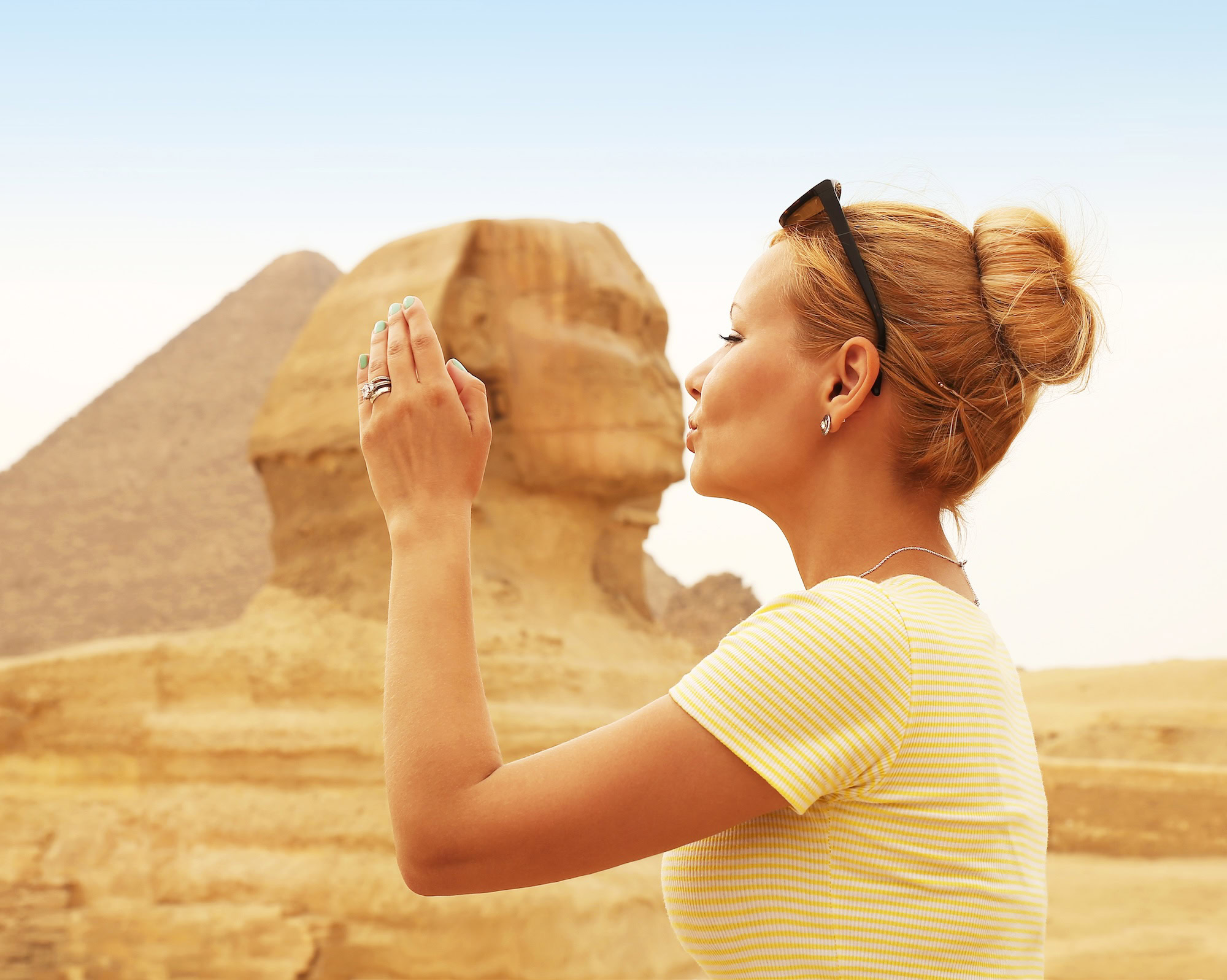
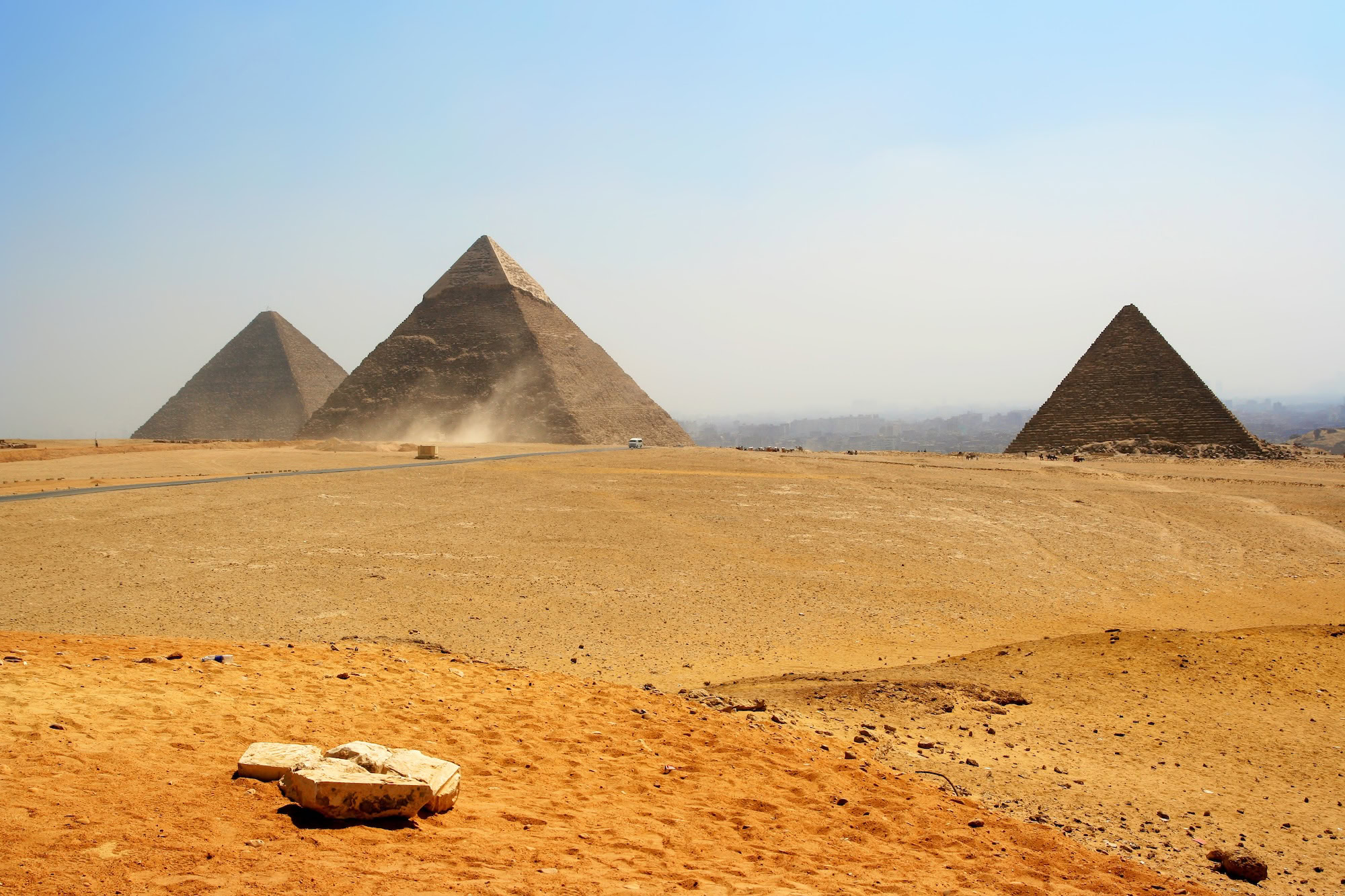
January brings the coolest temperatures but also the clearest skies. Visibility extends for kilometers across the desert, making this the ideal time for those panoramic shots with Cairo’s skyline in the background. February starts warming slightly but maintains that comfortable winter feel that makes spending 4-6 hours at the site genuinely enjoyable.
Spring Shoulder Season Benefits
March through May offers an interesting alternative. Early spring temperatures range from 20-28°C (68-82°F), still very manageable for most visitors. The key advantage here is fewer crowds and slightly lower accommodation rates in Cairo. However, occasional sandstorms can occur, particularly in March and April.
Summer Challenges and Hidden Opportunities
Egyptian summers from June through August present real obstacles for pyramid visits. Daily temperatures regularly exceed 35°C (95°F), with July and August often reaching 40°C (104°F) or higher. The combination of heat and humidity makes climbing inside the pyramids particularly challenging.
Most tourists avoid summer entirely, which creates an unexpected benefit for heat-tolerant travelers. Sites remain open, crowds thin dramatically, and you’ll have some of the most famous monuments almost to yourself. Early morning visits become crucial – arriving at 7:00 am (07:00) when gates open allows you to explore before the sun reaches its full intensity.
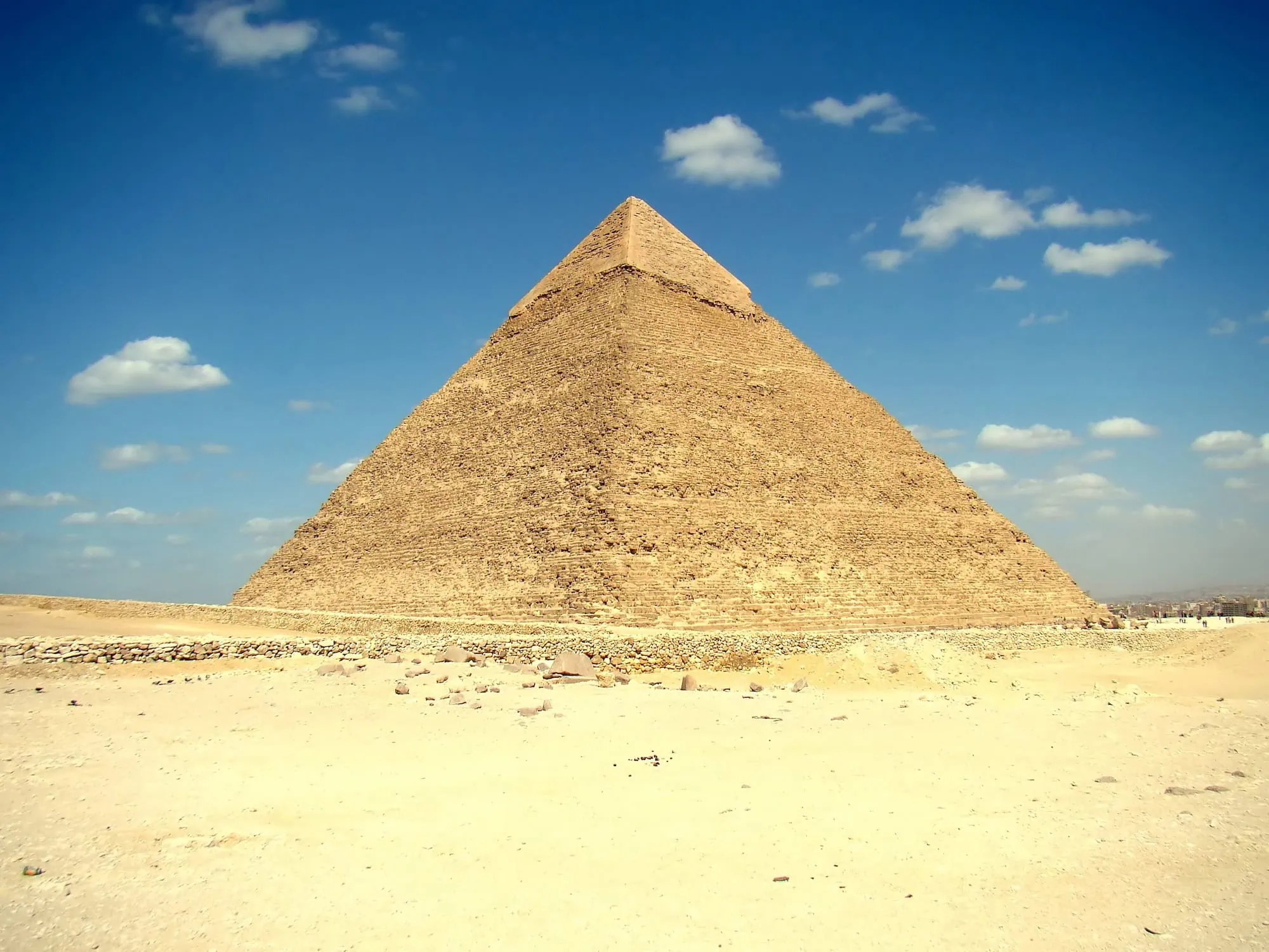
Summer visitors need specific preparation. Light-colored, loose-fitting clothing becomes essential. We always recommend bringing more water than you think you’ll need – at least 2 liters per person for a full day visit. The inside of the Great Pyramid feels even hotter due to poor ventilation, so limit your time inside to 15-20 minutes maximum.
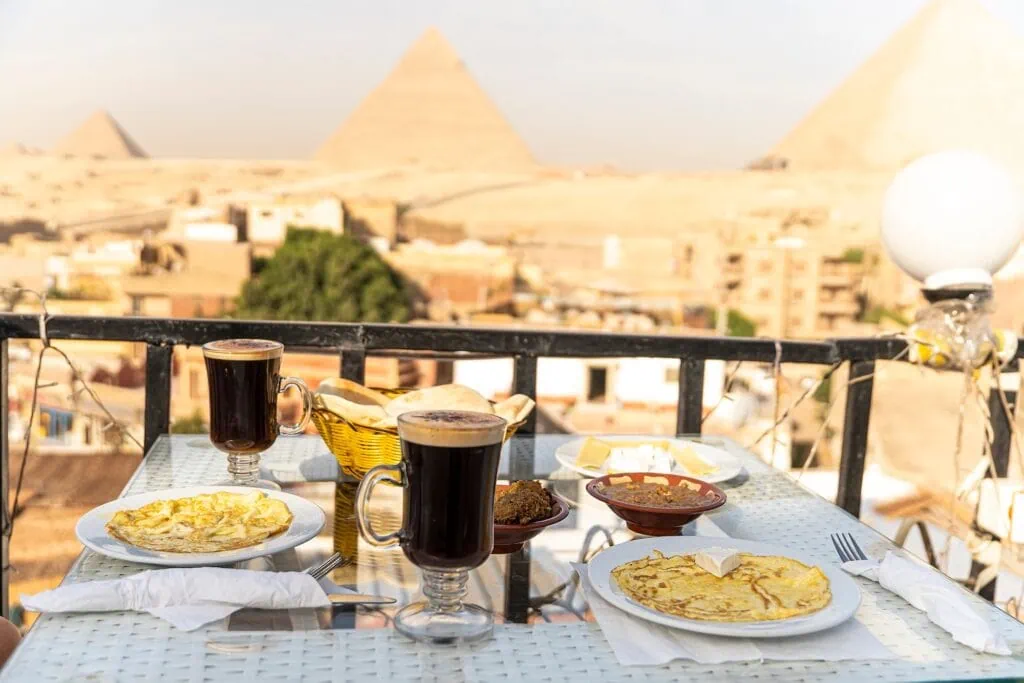
Air conditioning in nearby restaurants and the visitor center provides necessary relief between exploration phases. Many summer visitors adopt a rhythm: explore for 90 minutes, rest in shade or AC for 30 minutes, then continue.
Daily Timing Strategies That Work
Early Morning Magic
The period between 7:00 am (07:00) and 10:00 am (10:00) consistently provides the best pyramid experience regardless of season. Soft morning light creates ideal photography conditions, with the sun casting long shadows that emphasize the pyramids’ geometric precision. Temperatures remain at their daily minimum, and tourist buses haven’t yet arrived in full force.
Afternoon Considerations
Midday visits from 11:00 am (11:00) to 2:00 pm (14:00) work well in winter but become increasingly difficult as temperatures rise in spring and summer. The harsh overhead sun creates flat lighting for photos and intense heat reflection from the limestone blocks.
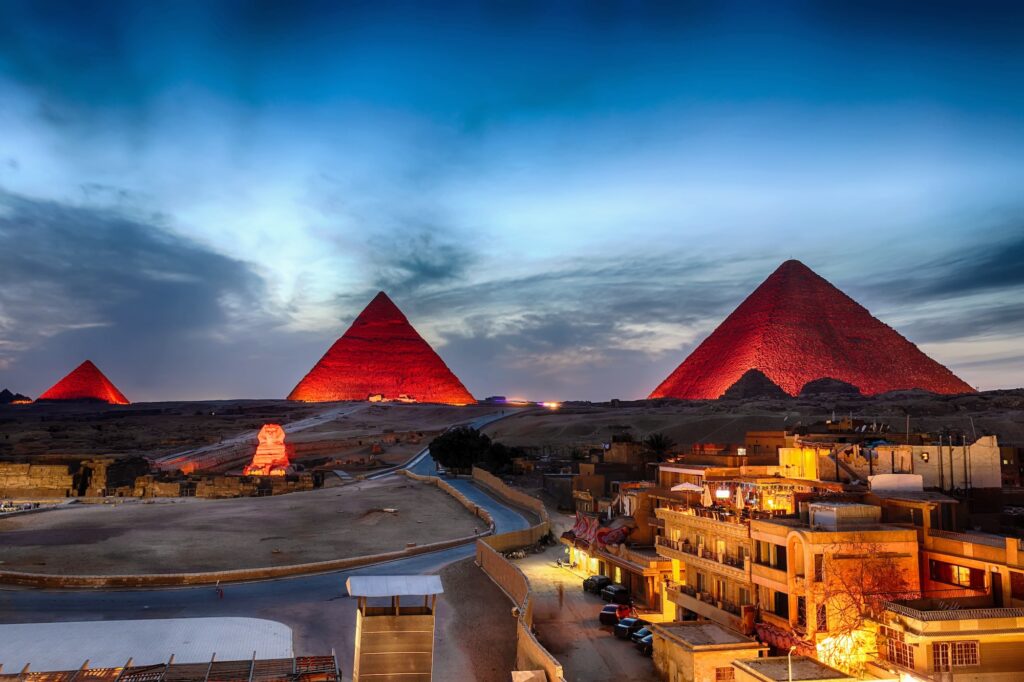
Late afternoon visits after 3:00 pm (15:00) offer golden hour photography opportunities, especially in winter when the sun sets around 5:00 pm (17:00). The challenge is managing your energy throughout the day and coordinating with the site’s closing times, which vary by season.
Weather Patterns Beyond Temperature
Wind and Sandstorms
Desert winds peak during spring months, particularly March and April. While dramatic, sandstorms typically last only a few hours and often clear to reveal exceptionally clear air afterward. If you’re visiting during this period, maintain flexible scheduling – you might need to shift your pyramid visit by a day or two.
Humidity Factors
Cairo’s proximity to the Nile Delta means humidity levels affect comfort more than temperature alone suggests. December and January offer the driest conditions, while summer combines high temperatures with moderate humidity that makes heat feel more oppressive.
Rainfall Rarity
Rain remains extremely rare in the Giza area, occurring perhaps 2-3 days per year, typically in January or February. When it does rain, the brief showers often create stunning atmospheric conditions with dramatic cloud formations over the pyramids.
Crowd Management Throughout the Year
Tourist patterns follow predictable seasonal rhythms that significantly impact your experience. European and American holiday seasons from December through March bring the highest visitor numbers, with peak density occurring between 10:00 am (10:00) and 2:00 pm (14:00).
Ramadan Considerations
During Ramadan, which shifts each year based on the lunar calendar, daily rhythms change substantially. Morning visits often encounter fewer crowds as local tourism decreases, but afternoon heat becomes more challenging as temperatures rise. Evening visits after Iftar create unique opportunities for those comfortable with later exploration.
Local Holiday Impact
Egyptian national holidays and school breaks affect domestic tourism patterns. Summer months see increased Egyptian family visits, particularly on weekends, despite the challenging heat. Understanding these patterns helps us schedule visits during quieter periods.
Practical Logistics by Season
Winter visits require minimal special preparation beyond comfortable walking shoes and layers for temperature variation between morning and afternoon. Spring visits benefit from light scarves to protect against occasional dust and wind.
Summer logistics become more complex. We recommend booking accommodations with reliable air conditioning well in advance. Transportation between Cairo hotels and Giza works best in early morning hours before traffic peaks and temperatures soar.
Ticket Availability and Pricing
Peak season from December through February sees higher demand for special access tickets to enter inside the Great Pyramid. Advance booking becomes essential during these months. Summer months typically offer same-day availability but present physical challenges that offset the convenience.
Standard entry tickets to the Giza complex cost 540 EGP for international visitors, with additional fees for pyramid interior access ranging from 900-1800 EGP depending on which pyramid you choose. Prices remain consistent year-round, unlike many other tourist destinations.
Transportation Timing
Traffic between central Cairo and Giza varies significantly by season and time of day. Winter morning rushes occur later, around 8:00 am (08:00), while summer patterns shift earlier as people adapt to heat. Allow 45-90 minutes for transportation depending on your departure point and time of day.
Integration with Broader Egypt Travel
Nile Cruise Connections
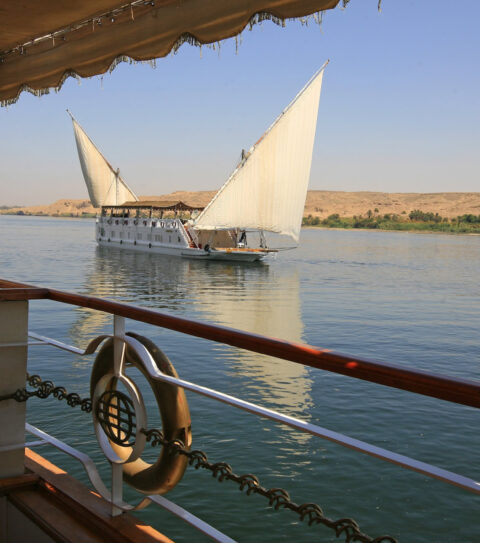
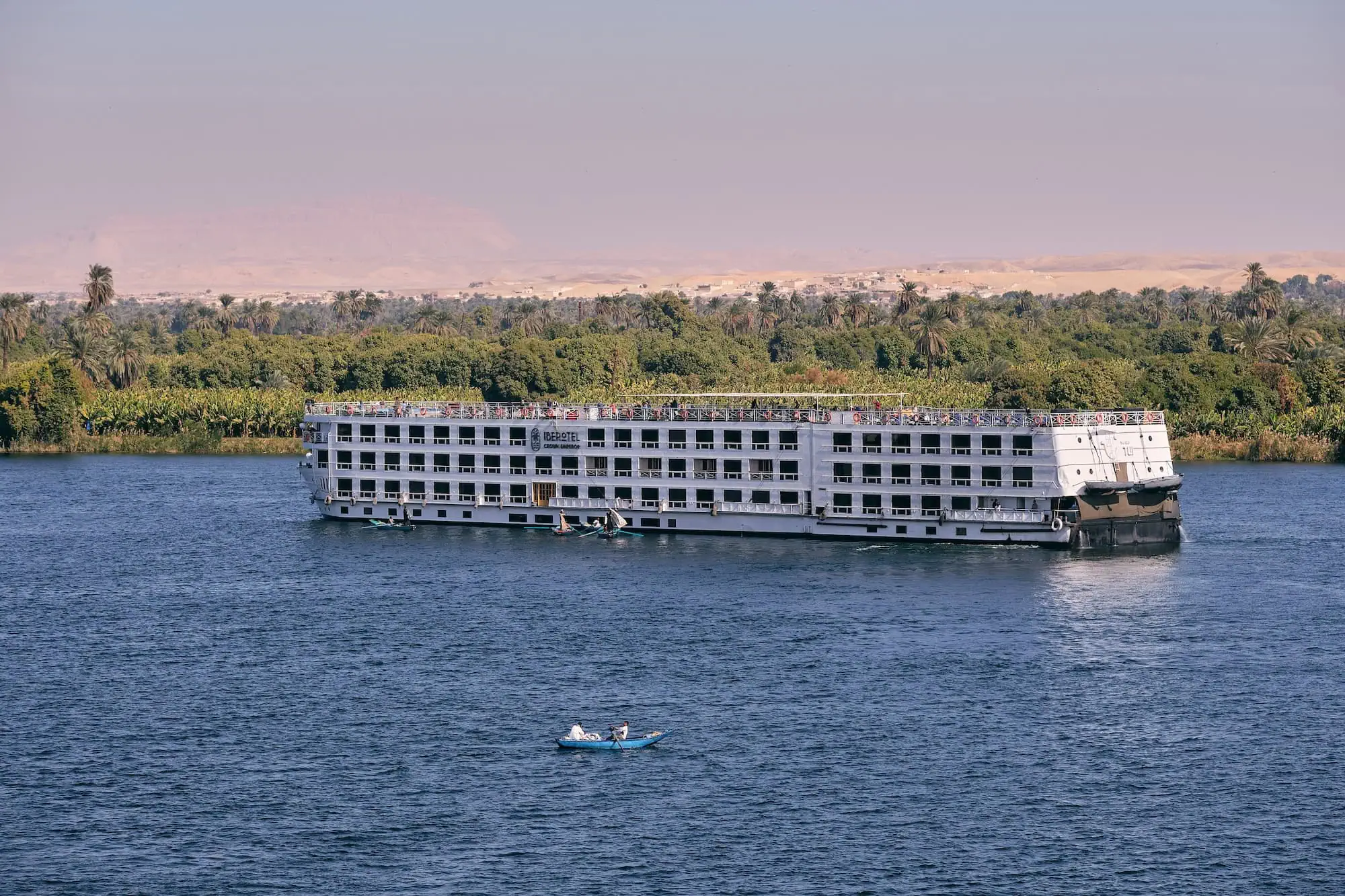
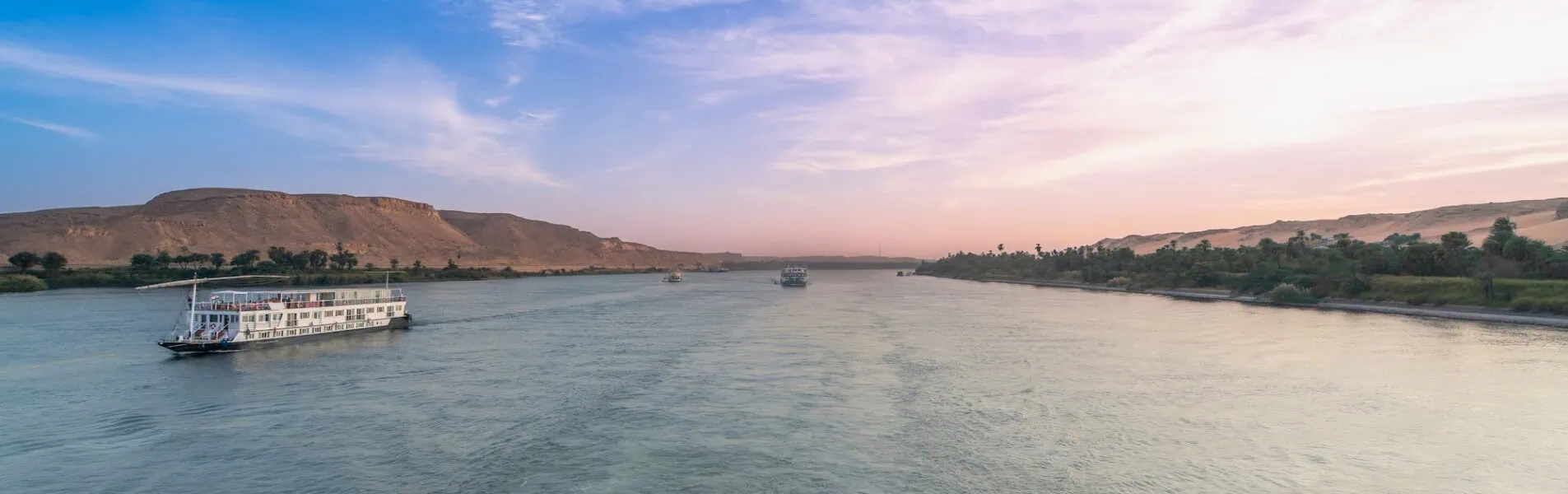
Most Nile Cruise Tours in Egypt operate year-round, but the experience varies dramatically by season. Winter cruises between Luxor and Aswan offer comfortable deck time and clear views of riverside temples, while summer cruises require more time in air-conditioned interior spaces. Combining pyramid visits with cruise schedules works best when both occur during the same favorable season.
Red Sea Extensions
Many travelers combine pyramid visits with Red Sea resort time in Sharm El Sheikh or Hurghada. This combination works exceptionally well in winter when both Cairo and coastal areas offer comfortable temperatures. Summer combinations require careful planning – the Red Sea coastal heat can be as challenging as Cairo’s inland conditions.
Alexandria Day Trips
The Mediterranean coastal city of Alexandria offers relief from Cairo’s heat during summer months. Combining Alexandria’s sea breezes with early morning pyramid visits creates a manageable summer Egypt experience. Winter travel allows comfortable exploration of both destinations without weather constraints.

Special Considerations for Different Traveler Types
Family Travel Timing
Families with children find winter visits most manageable. School holiday periods in December and January create natural timing, though crowds increase accordingly. Spring break timing in March offers moderate temperatures with slightly fewer families competing for optimal viewing spots.
Photography Enthusiasts
Serious photographers often prefer shoulder seasons when dramatic weather creates unique lighting conditions. Late spring sandstorms, when safely managed, produce atmospheric effects impossible to achieve during clear winter days. Golden hour timing becomes crucial regardless of season.
Cultural Event Coordination
Egypt hosts various cultural festivals and events throughout the year that can enhance or complicate pyramid visits. The Cairo International Film Festival in November brings additional visitors but also cultural programming that enriches the overall travel experience.
Frequently Asked Questions
December is widely considered the best month to visit the Pyramids of Giza because it combines comfortable temperatures, clear skies, and manageable visitor numbers. Daytime highs typically average around 68°F (20°C), making extended outdoor exploration far more comfortable than during summer. December also offers excellent visibility for photography and sightseeing. While January and February provide similar weather, December often strikes the best balance between climate and crowd levels.
Arriving when the gates open at 7:00 am is the best strategy for visiting the pyramids in any season. Early morning visitors enjoy cooler temperatures, softer lighting, and significantly smaller crowds than those arriving later in the day. The first two hours after opening are often the quietest, particularly around the Great Pyramid and the Great Sphinx. Book the first morning slot to avoid both heat and peak tour-group arrivals.
No, summer visits to the pyramids are entirely possible, but they require careful planning around the heat. Between June and August, temperatures regularly exceed 95°F (35°C) and can surpass 104°F (40°C) during heat waves. Starting your visit before 8:00 am, wearing lightweight clothing, and carrying plenty of water can make the experience much more comfortable. Summer also brings fewer crowds and sometimes shorter ticket lines.
No, pyramid interiors often feel warmer than the outside air because of limited ventilation and accumulated body heat from visitors. Conditions inside the Great Pyramid can feel 9-18°F (5-10°C) warmer than outdoor temperatures, especially during busy periods. The narrow passageways restrict airflow, creating a warmer and more humid environment. Visitors who are sensitive to heat or confined spaces may find morning visits more comfortable.
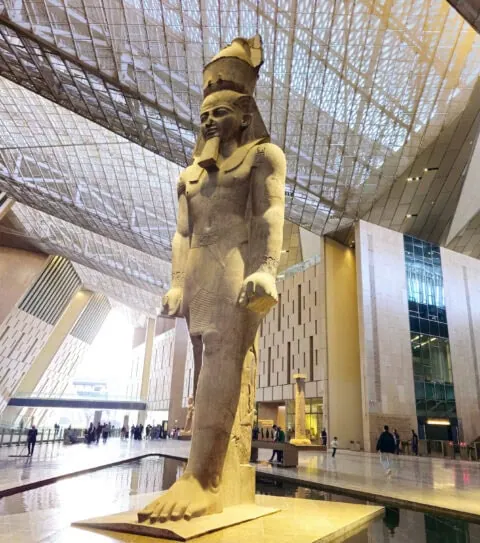
A complete visit to the Giza Plateau typically takes 4-6 hours, depending on how many attractions you include. Most visitors spend time at the Great Pyramid, the Pyramid of Khafre, the Pyramid of Menkaure, the Great Sphinx, and several panoramic viewpoints. Entering a pyramid interior can add 30-60 minutes, while nearby attractions such as the Grand Egyptian Museum require additional time. A half-day itinerary is usually ideal for a comprehensive experience.
No month is completely unsuitable for visiting the pyramids, but July and August are the most challenging because temperatures frequently exceed 104°F (40°C). The intense heat can make midday sightseeing uncomfortable, particularly on the exposed Giza Plateau where shade is limited. Travelers who visit during these months should plan early morning excursions and prioritize hydration. Those seeking maximum comfort generally prefer the cooler period between October and April.
Clothing choices should vary by season, but lightweight, breathable layers work well year-round at the pyramids. Winter visitors between December and February often need a light jacket for mornings and evenings, while spring and fall are ideal for long sleeves that provide sun protection. During summer, loose cotton or linen clothing, light colors, and a wide-brimmed hat help manage temperatures that can exceed 95°F (35°C). Comfort and sun protection should guide every seasonal wardrobe choice.
No, entrance fees for the Pyramids of Giza remain the same throughout the year and do not vary by season. Visitors pay a standard admission fee for access to the Giza Plateau, while separate tickets are required for entering pyramid interiors and certain special attractions. Although ticket prices may occasionally be revised by Egyptian authorities, they are not adjusted according to demand, weather, or tourism seasons. Check official pricing before your visit for the latest rates.
General admission tickets are usually available on the day of your visit, but interior pyramid access is best reserved in advance during peak travel months. Between October and April, demand for entry into the Great Pyramid can be significantly higher, particularly around holidays and weekends. Booking several days ahead helps secure your preferred date and reduces waiting times. Advance planning is especially valuable if your itinerary includes multiple Cairo attractions.
Pyramid closures due to weather are extremely rare and usually occur only during severe sandstorms or exceptional safety events. Most weather conditions, including high temperatures and moderate winds, do not affect normal operations at the Giza Plateau. When closures occur, they are typically temporary and may last only a few hours until conditions improve. Travelers should monitor local forecasts during spring, when desert winds occasionally increase.
The best times for pyramid photography are early morning between 7:00 am and 9:00 am and late afternoon between 3:00 pm and 5:00 pm. These periods provide softer light, improved contrast, and fewer harsh shadows than midday conditions. Morning is often preferred because visitor numbers are lower and visibility tends to be clearer. Photographers seeking iconic views of the Great Pyramid and Sphinx should prioritize the first hours after opening.
Yes, coordinating a pyramid visit with a Nile cruise can create a more comfortable and efficient Egypt itinerary. The most favorable period for both experiences is generally October through April, when temperatures in Cairo, Luxor, and Aswan are suitable for outdoor sightseeing. Combining these highlights during the same season reduces exposure to extreme heat and improves overall travel comfort. Many visitors begin in Cairo before continuing south to the Nile Valley.
Explore our most popular guides and expert tips to make your trip safe, smooth, and unforgettable.
Plan Your Egypt Adventure with Confidence
How to Plan a Trip Egypt
Step-by-step guide to help you plan the perfect Egypt trip — from routes and budget to booking.
Best Time to Visit Egypt
Learn the best months to visit Egypt based on weather, crowds, and local travel experiences.
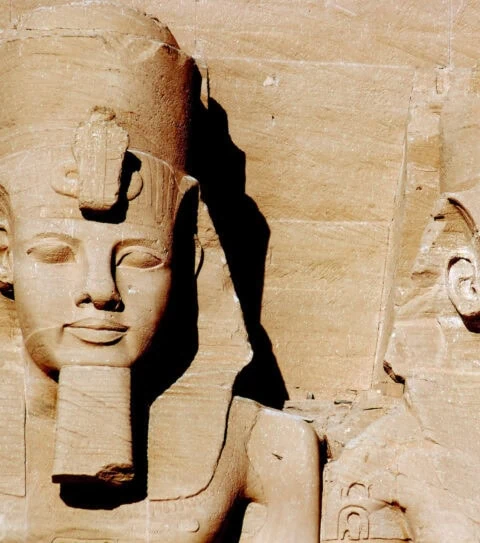
Must Visit Places in Egypt
Explore Egypt’s top sights — from pyramids to temples — and hidden gems worth seeing.
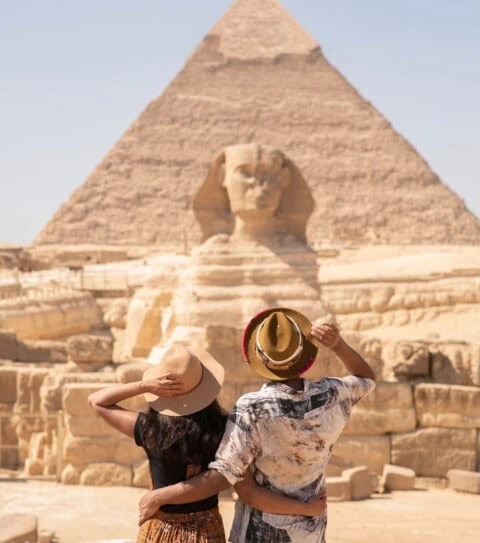
Top-Rated Egypt Tours
Handpicked private tours with local guides — our most loved and best-reviewed experiences.
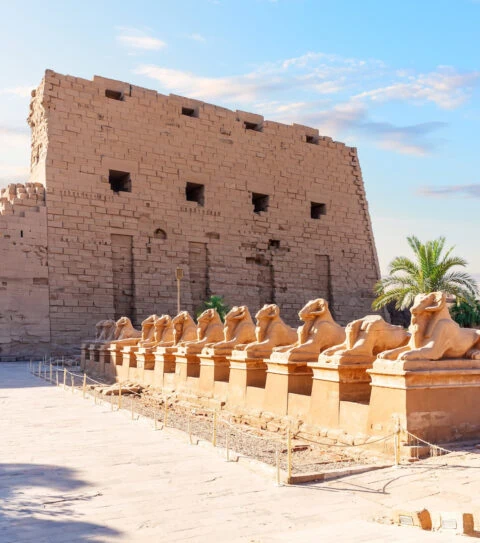
How Many Days to Visit Egypt?
Find out how many days you need in Egypt — from quick trips to full itineraries.
Egypt Visa Requirements
Check if you need a visa and get simple, up-to-date entry info based on your nationality.
Is it Safe to Travel to Egypt?
Is Egypt safe? Get honest safety tips, area advice, and what to know before you travel.
What to Pack for Egypt
A quick packing guide with essentials, cultural tips, and clothing advice for your Egypt trip.
Design Your Custom Tour
Explore Egypt your way by selecting only the attractions you want to visit