Is July a Good Time to Visit Egypt?
July in Egypt means one thing above all: intense heat.
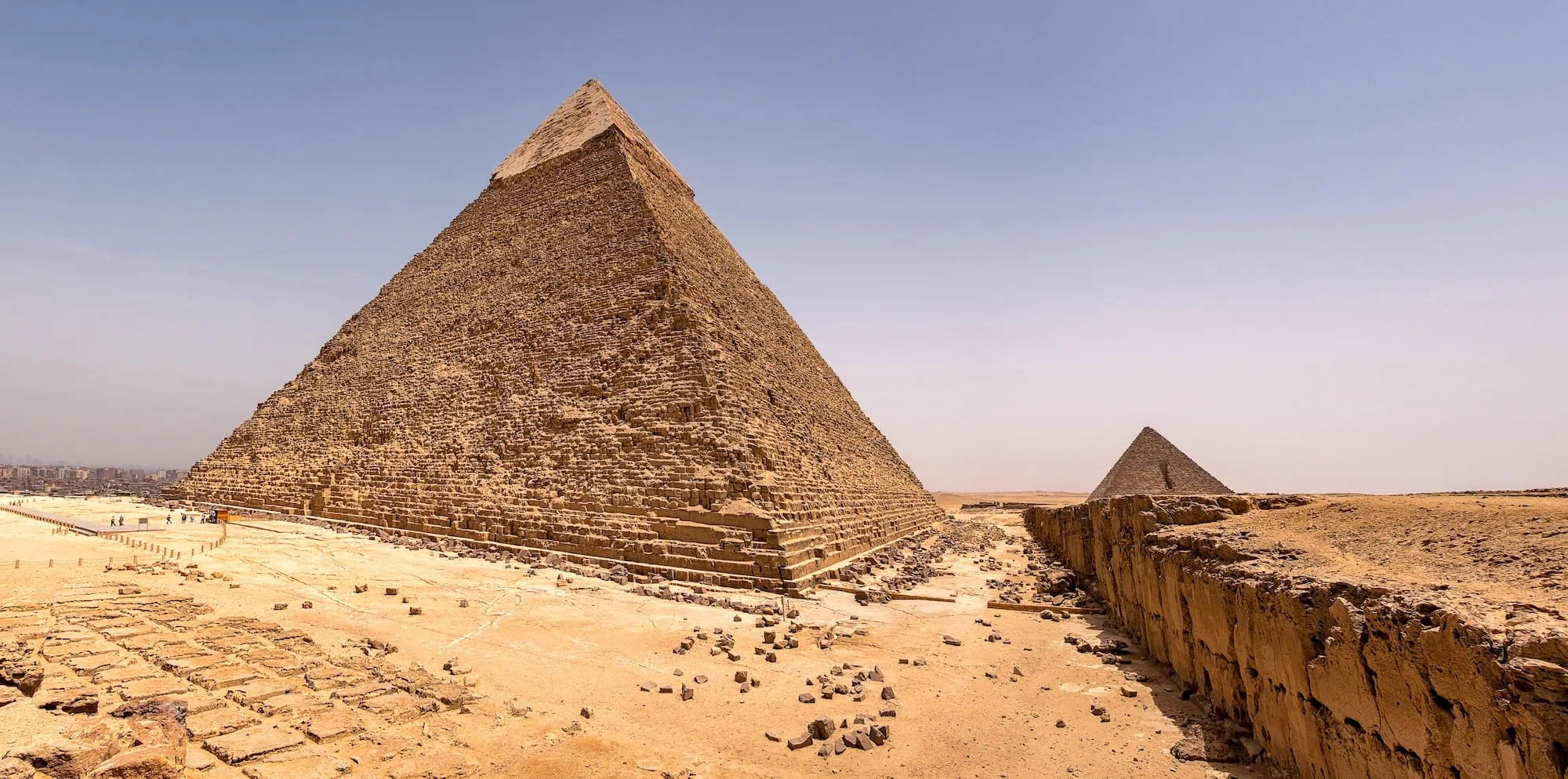
While most travelers avoid Egypt during its hottest month, July offers unique advantages that savvy visitors can leverage. We’ve guided thousands of travelers through Egypt’s summer season over our decades of experience, and the reality is more nuanced than simple weather warnings suggest. Fewer crowds, significantly lower prices, and surprisingly comfortable coastal conditions create opportunities that don’t exist during peak season. The key lies in understanding where to go, what to expect, and how to plan strategically.
Summer travel requires different strategies, but it can deliver exceptional experiences when approached correctly.
Table of Contents
Understanding Egypt’s July Climate Reality
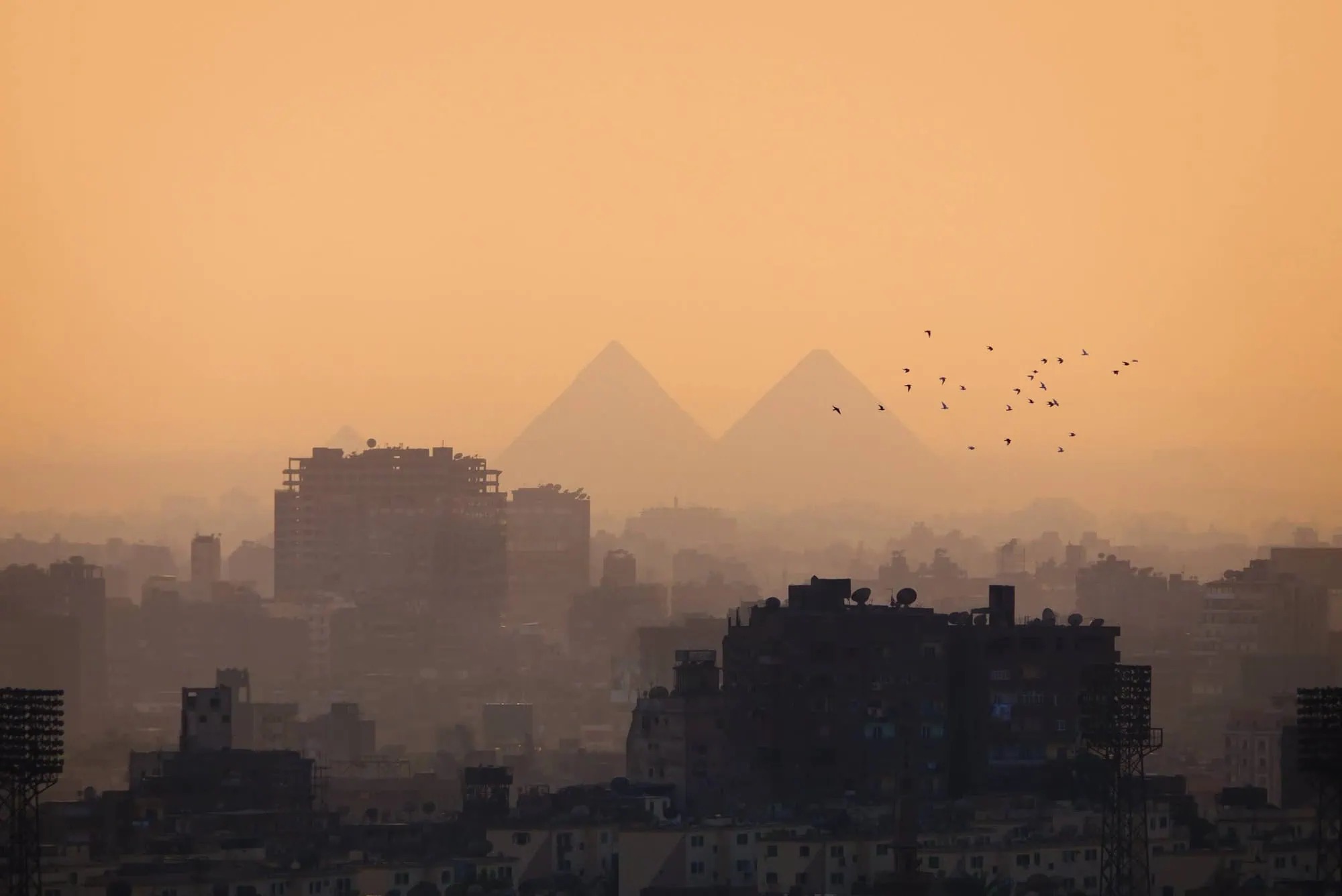
Egypt’s summer heat varies dramatically by region. Cairo sees daytime temperatures reaching 35°C (95°F), while Upper Egypt destinations like Luxor and Aswan experience even more intense conditions at 42°C (107°F). These aren’t just numbers on a weather app – they represent genuinely challenging conditions for outdoor sightseeing.
Northern Coastal Relief
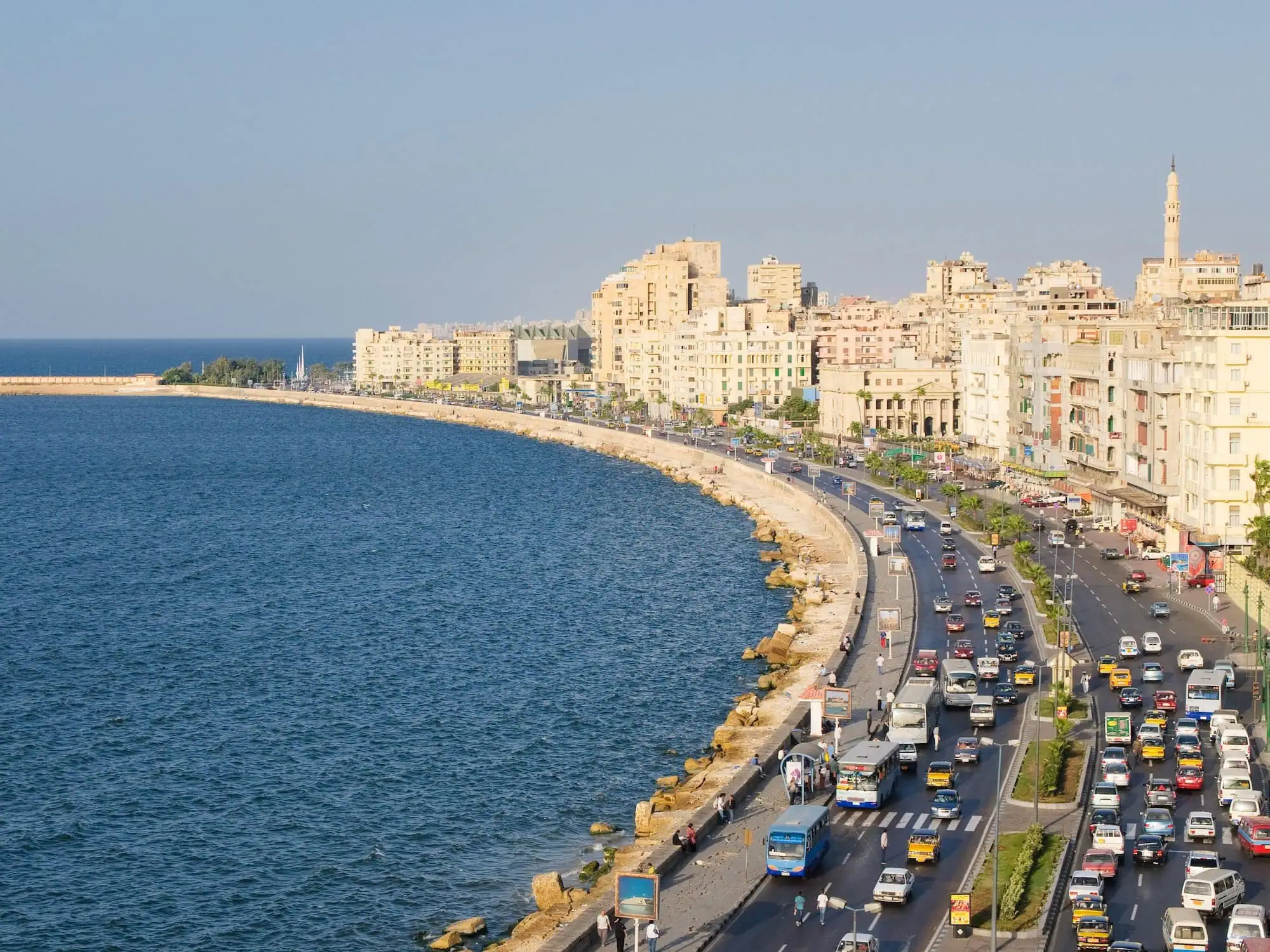
Alexandria and the Mediterranean coast provide Egypt’s most comfortable July conditions. Sea breezes keep temperatures around 29°C (84°F), making this region surprisingly pleasant during summer months. The contrast with inland destinations is remarkable.
Red Sea Advantages
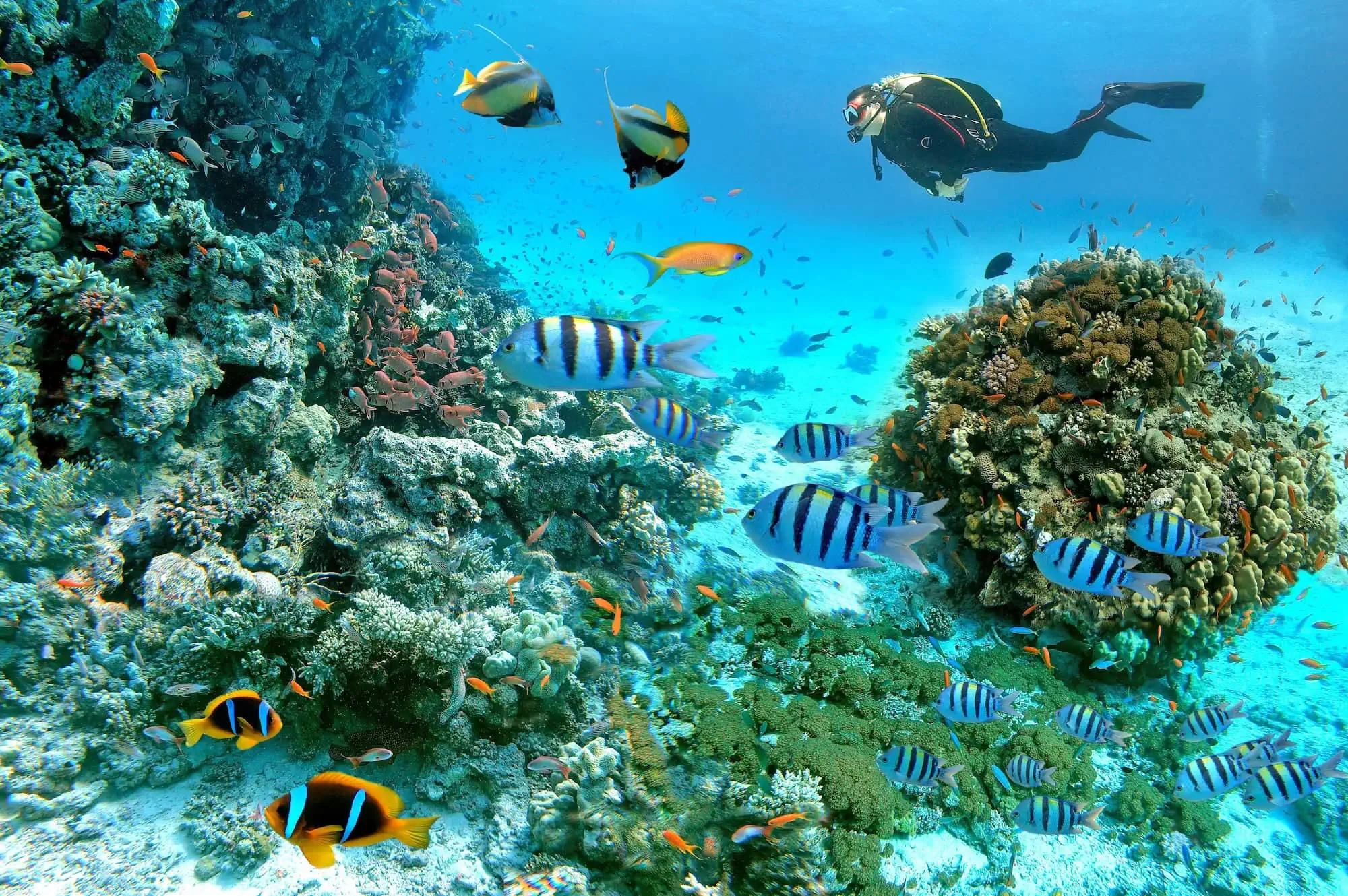
Hurghada and Sharm el-Sheikh benefit from constant sea breezes and water activities that provide natural cooling. While air temperatures still reach 35°C (95°F), the Red Sea maintains perfect conditions for diving, snorkeling, and water sports.
Desert Extremes
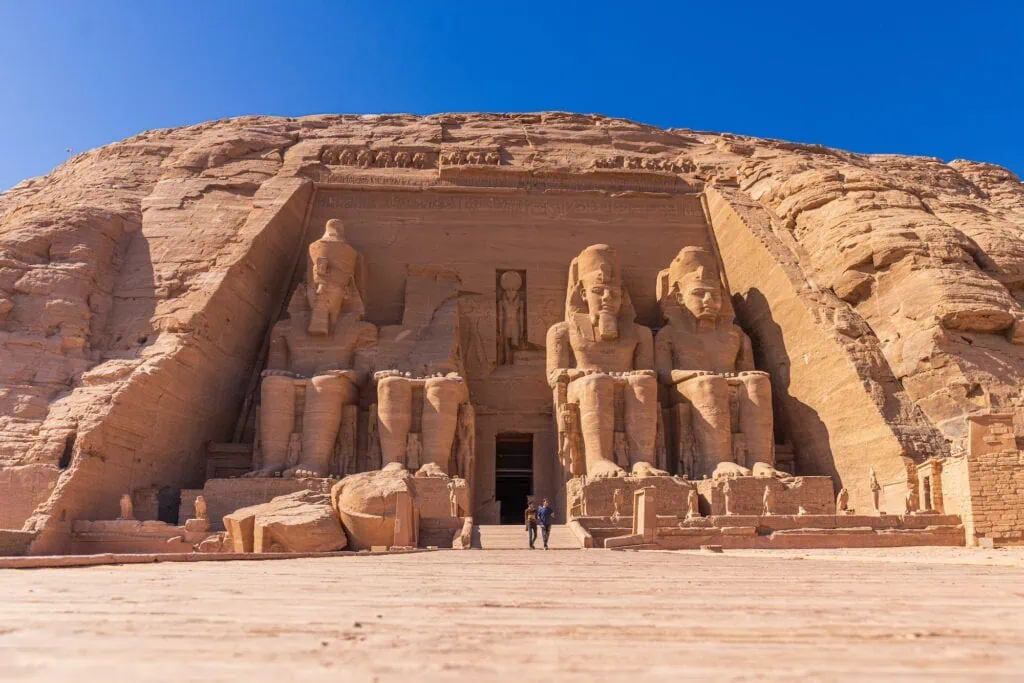
Abu Simbel and other southern destinations experience the harshest conditions. Temperatures can exceed 45°C (113°F) during midday hours, making outdoor exploration genuinely dangerous without proper precautions.
Evening Temperature Drop
Most Egyptian destinations cool significantly after sunset, with evening temperatures dropping to 22-25°C (72-77°F). This creates comfortable conditions for late-night exploration and dining.
Low Season Benefits That Actually Matter
July’s reputation as Egypt’s least favorable travel month creates unexpected advantages. Tourist numbers drop by roughly 70% compared to peak winter months, transforming typically crowded attractions into peaceful experiences.
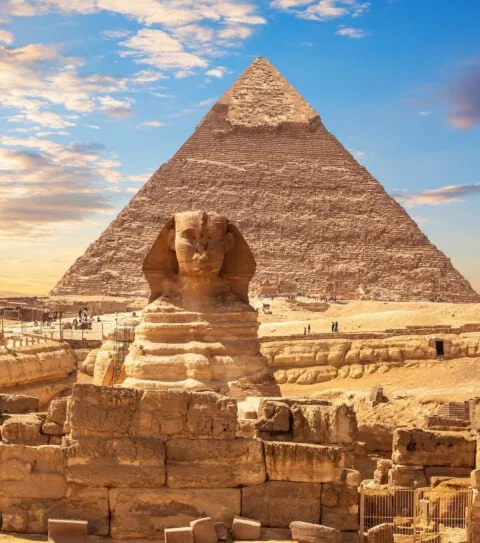
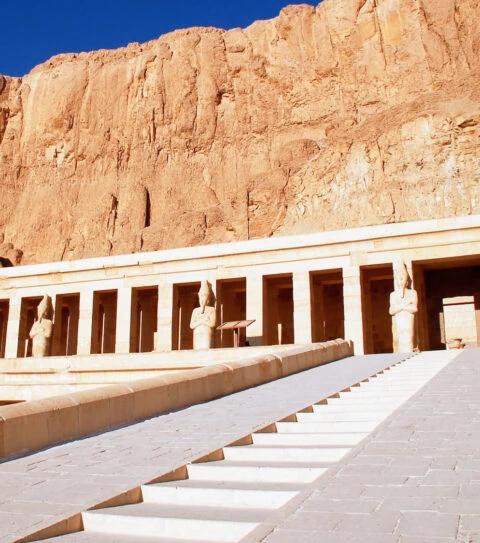
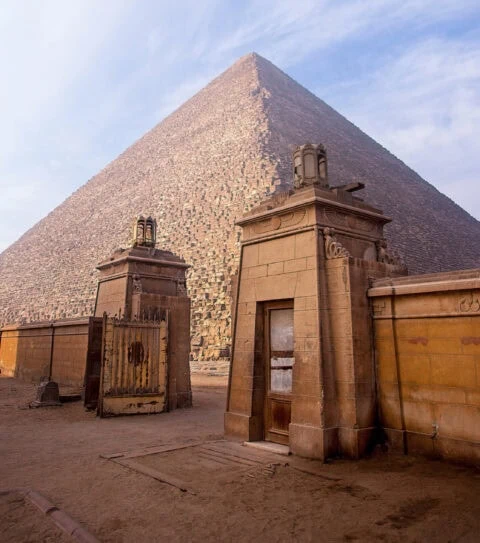
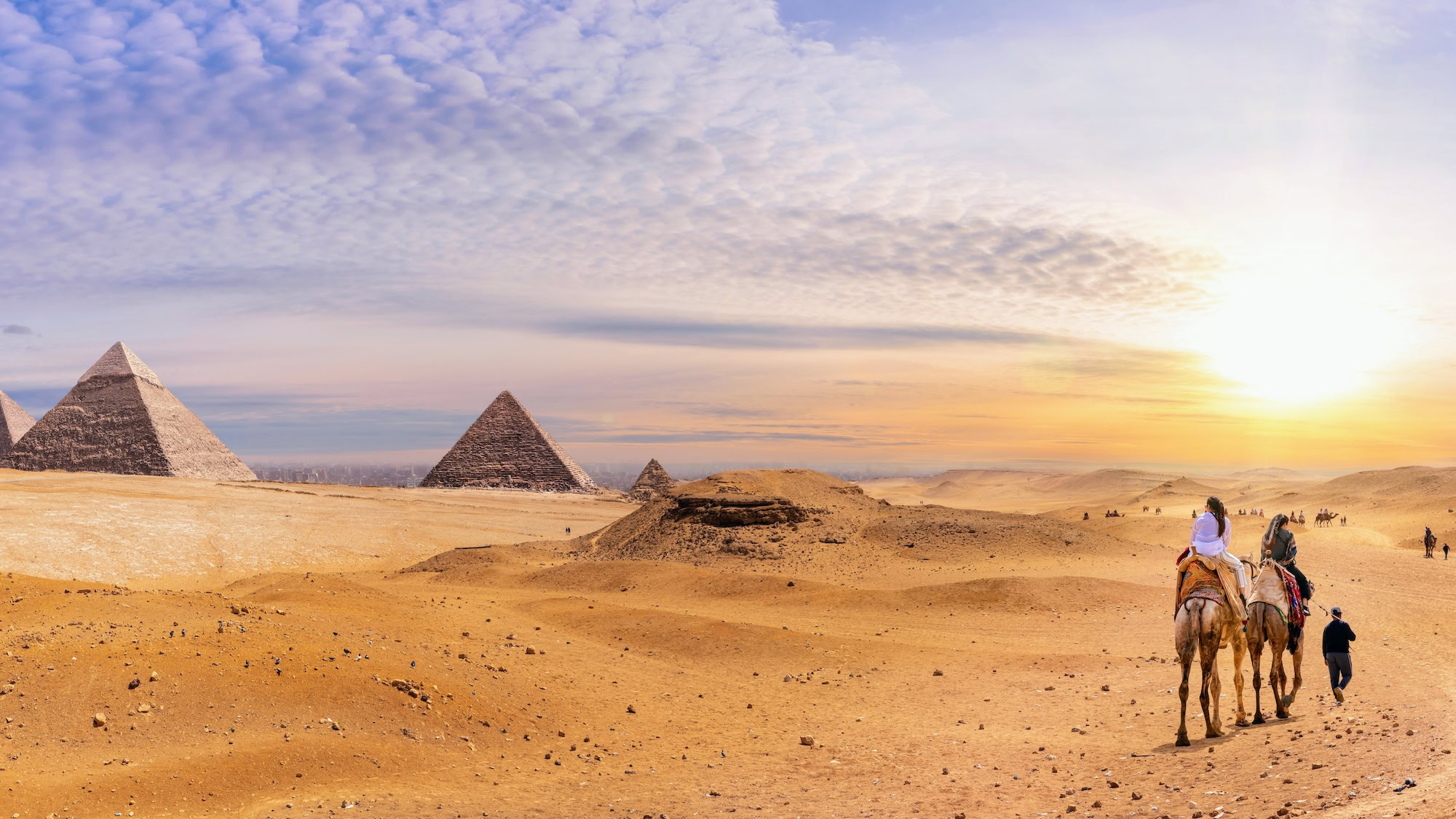
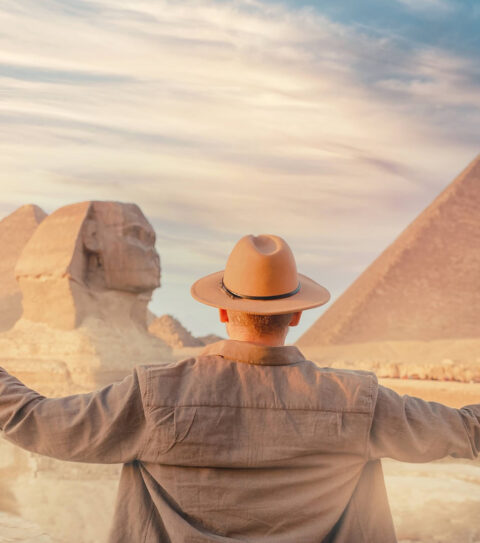
The Pyramids of Giza become surprisingly intimate. We’ve arranged private sunrise visits where families have the entire complex virtually to themselves – an impossibility during peak season. The same applies to the Valley of the Kings, Abu Simbel, and other iconic sites.
Hotel rates plummet across all categories. Luxury Nile cruise ships offer rates 40-60% below winter prices, while five-star Cairo hotels provide exceptional value. Flight costs from major international airports also decrease significantly during this low-demand period.
Restaurant reservations become effortless. Popular venues that require weeks of advance booking during winter welcome walk-in guests during July.
Strategic Approaches for July Travel
Timing Outdoor Activities
Morning exploration works best between 6:00 am (06:00) and 10:00 am (10:00). We schedule all major archaeological site visits during these cooler hours, allowing travelers to experience iconic locations before heat becomes overwhelming.
Evening activities resume around 5:00 pm (17:00) when shadows begin providing relief. Sunset visits to the Pyramids or Abu Simbel create magical experiences without the midday intensity.
Air-Conditioned Havens
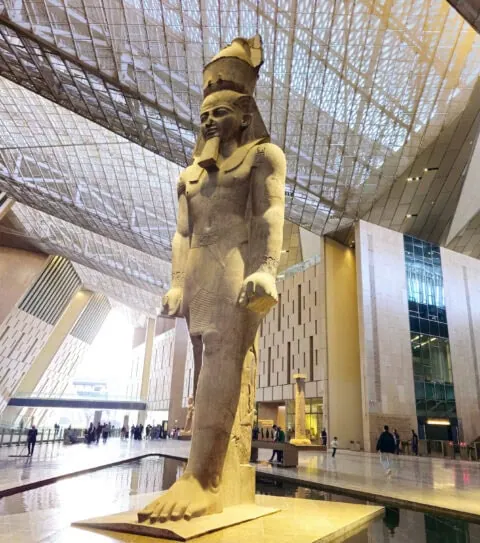
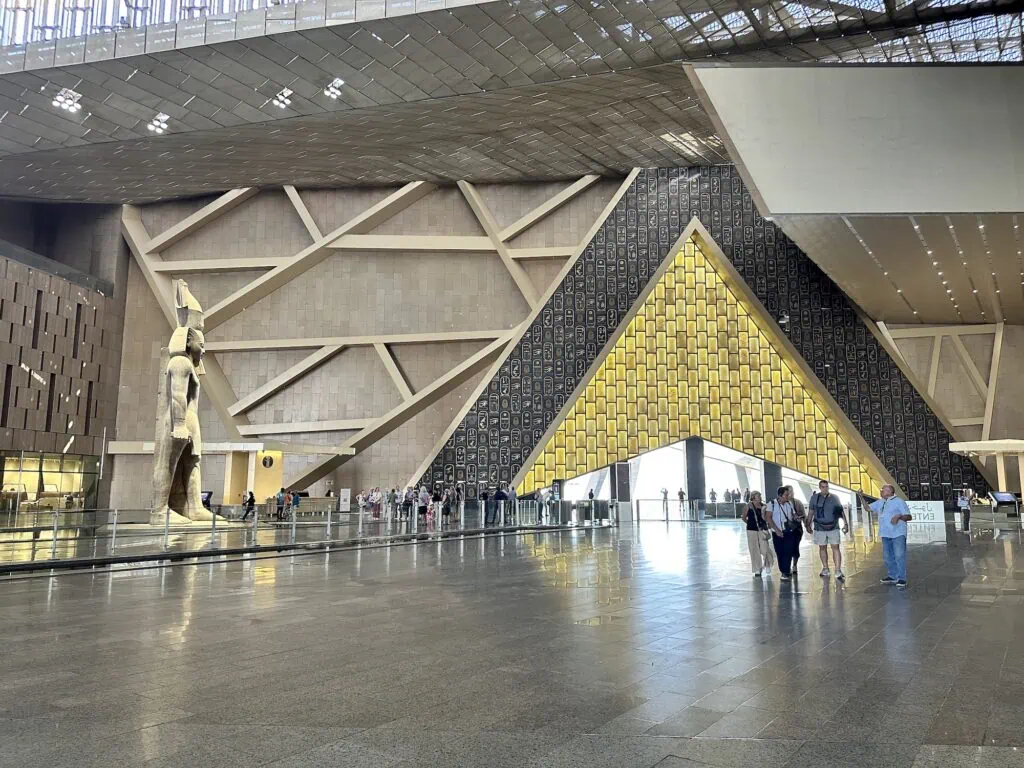
Grand Egyptian Museum becomes a perfect midday refuge. Spending 2-3 hours exploring its climate-controlled galleries allows visitors to experience world-class artifacts while avoiding peak heat. Similarly, shopping in Khan el-Khalili’s covered bazaars provides cultural immersion with natural cooling.
Modified Itinerary Planning
Traditional sightseeing schedules require complete restructuring for July travel. We design split-day itineraries: morning archaeological exploration, afternoon hotel rest or indoor activities, then evening cultural experiences. This rhythm respects the climate while maintaining rich experiences.
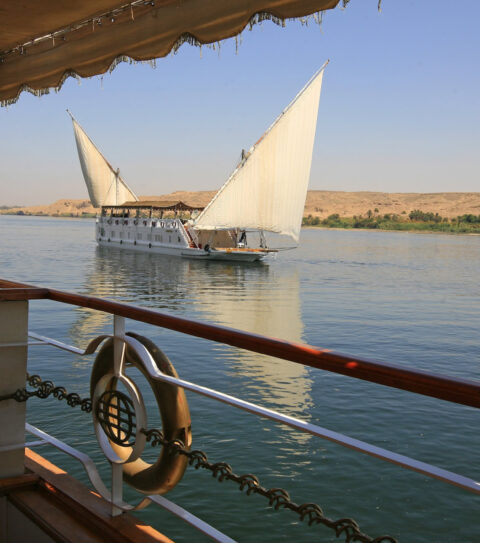
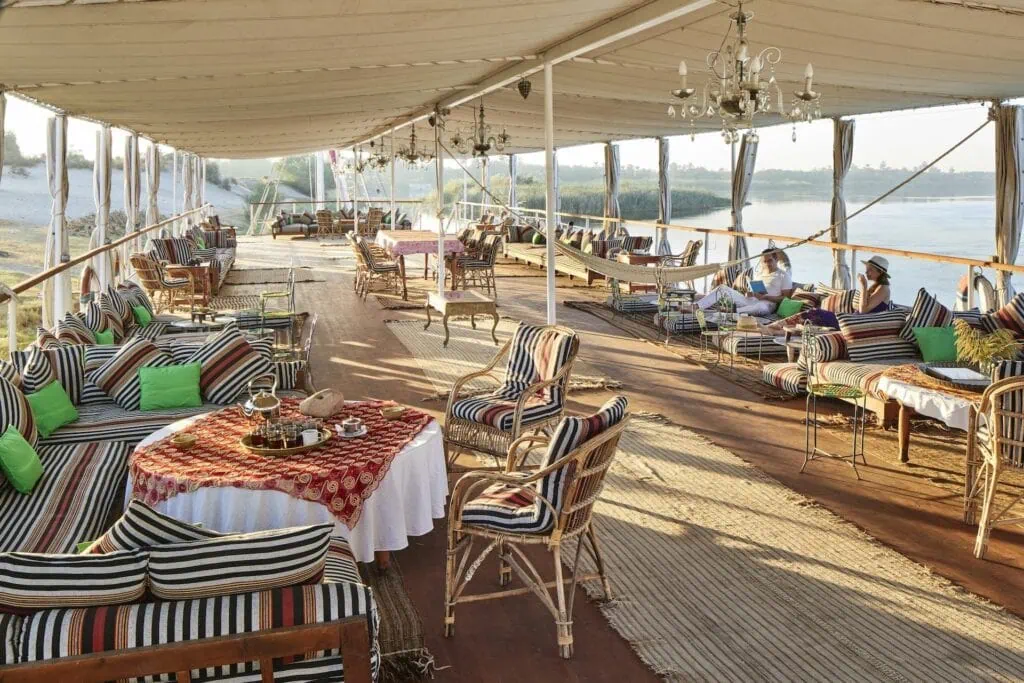
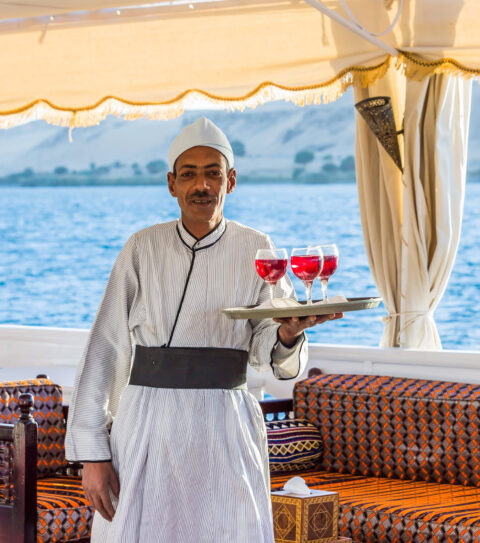
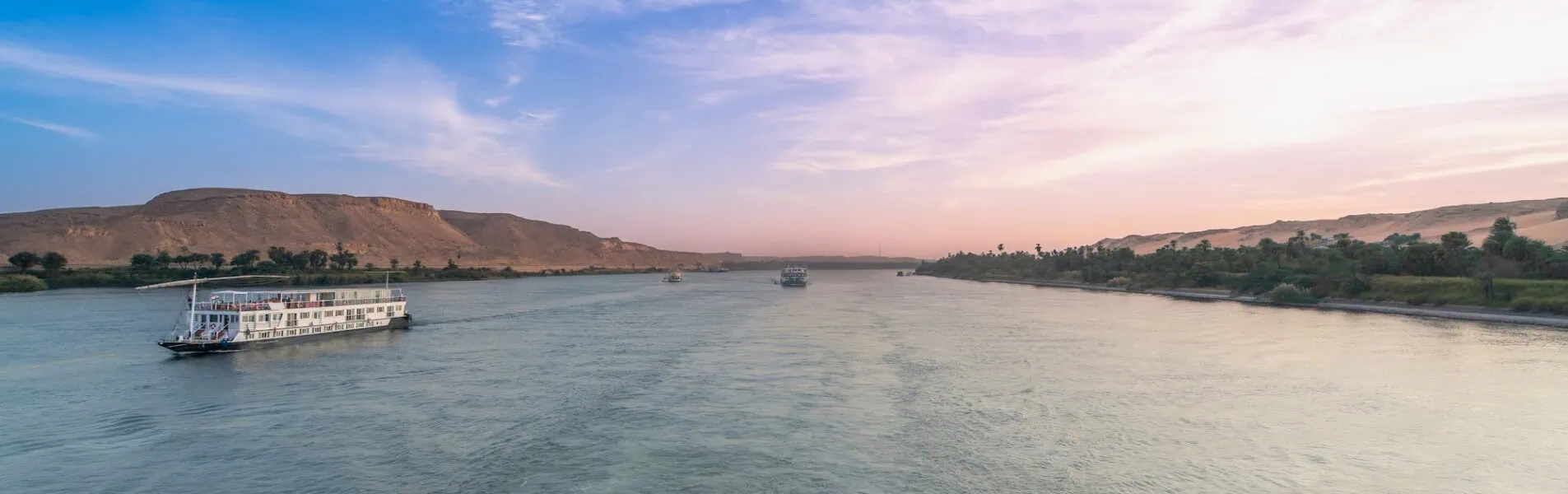
Nile cruises work particularly well during July. Ships provide constant air conditioning, and sailing between Luxor and Aswan happens mostly during cooler evening hours. Shore excursions occur during optimal morning times.
Regional Destination Strategy
The Red Sea coast emerges as July’s clear winner for Egyptian travel. Hurghada offers world-class diving conditions, with water temperatures around 26°C (79°F) and exceptional underwater visibility. The constant sea breeze makes beachfront hotels genuinely comfortable.
Sharm el-Sheikh provides similar advantages with additional luxury resort options. Many properties offer all-inclusive packages specifically designed for summer guests, including extensive spa facilities for midday relaxation.
Cairo requires careful planning but remains accessible. The city’s numerous air-conditioned attractions – from museums to shopping centers to restaurants – provide endless indoor options. Early morning walks through Islamic Cairo or Coptic Quarter become feasible with proper hydration.
Alexandria transforms into Egypt’s summer capital. The Mediterranean influence moderates temperatures significantly, while the city’s coastal promenades provide pleasant evening strolls. We often recommend combining Red Sea relaxation with Alexandria’s cultural attractions during July itineraries.
Upper Egypt destinations like Luxor and Aswan demand respect for the heat. These locations work best for experienced travelers who understand the challenges and accept modified sightseeing schedules.
Desert Expedition Considerations
Western Desert oases like Siwa become virtually inaccessible during July’s peak heat. White Desert camping expeditions move to other months, as overnight temperatures still exceed comfortable levels.
Health and Safety Protocols
Heat exhaustion represents a genuine concern during July travel. We provide comprehensive safety briefings for all summer travelers, emphasizing hydration schedules and recognition of heat stress symptoms. Carrying electrolyte supplements becomes essential rather than optional.
Sunscreen requirements intensify dramatically. SPF 50+ applications every two hours prevent serious burns, while protective clothing covers exposed skin during any outdoor time. Wide-brimmed hats and UV-protective sunglasses become necessary equipment.
Medical facilities in major destinations provide excellent care, but prevention remains the priority. We maintain partnerships with local medical services and ensure all travelers have comprehensive insurance coverage.
Transportation and Logistics
Air-conditioned vehicles become absolutely critical for July travel. We provide modern, well-maintained transportation with backup cooling systems for all transfers and sightseeing. Walking between attractions simply isn’t feasible during midday hours.
Domestic flights between destinations often face delays due to extreme heat affecting aircraft performance. Building buffer time into schedules prevents missed connections and stress.
Train travel on air-conditioned services works well for longer routes like Cairo to Aswan. The comfort of climate-controlled cabins makes overland travel pleasant while avoiding outdoor exposure.
Accommodation Requirements
Hotel air conditioning must function perfectly during July stays. We verify all accommodations personally and maintain relationships with properties known for reliable cooling systems. Backup generators become important considerations for power-sensitive travelers.
Pool facilities provide essential cooling options. Most quality hotels maintain comfortable water temperatures and offer poolside service during daylight hours.
Cultural Events and Seasonal Activities
Ramadan sometimes coincides with July travel, creating unique cultural opportunities alongside additional challenges. Restaurant hours shift dramatically, while evening celebrations provide authentic local experiences after sunset cooling begins.
Local festivals adapt to summer heat with later start times and indoor venues. Cairo’s cultural calendar actually intensifies during summer months as residents embrace evening activities.
Shopping experiences improve significantly with empty souks and eager merchants. Negotiating becomes more relaxed when vendors aren’t managing crowds, creating better prices and more personal service.
Frequently Asked Questions
July is widely considered Egypt’s hottest travel month, but it is not necessarily the worst month to visit. Daytime temperatures regularly exceed 95°F (35°C) in Cairo and can surpass 105°F (41°C) in Luxor and Aswan. In exchange for the heat, travelers benefit from significantly lower prices, fewer crowds, and greater hotel availability. Visitors who schedule outdoor activities during the early morning and evening often find July surprisingly manageable.
Yes, the Pyramids of Giza can be visited safely during July with proper planning and heat precautions. Temperatures on the Giza Plateau often exceed 95°F (35°C) by late morning, making arrival between opening time and 10:00 am the most comfortable option. Bringing water, sunscreen, sunglasses, and a hat is essential because shade is limited throughout the site. Early visits also provide better photography conditions and smaller crowds.
Yes, many hotels across Egypt offer substantial discounts during July because it falls within the low summer tourism season. Rate reductions of 30% to 60% compared with peak winter months are common, particularly in Cairo, Luxor, and Aswan. Luxury properties that may be difficult to book in January often have excellent availability in July. Travelers willing to manage the summer heat can often access significantly higher-quality accommodations for the same budget.
No, July is considered one of the best months for diving and snorkeling in the Red Sea. Water temperatures typically range from 79°F to 82°F (26°C to 28°C), creating comfortable conditions for extended time in the water. Destinations such as Hurghada, Sharm El Sheikh, Marsa Alam, and Dahab benefit from sea breezes that help moderate surface temperatures. Underwater visibility is often excellent, making July attractive for both beginner and experienced divers.
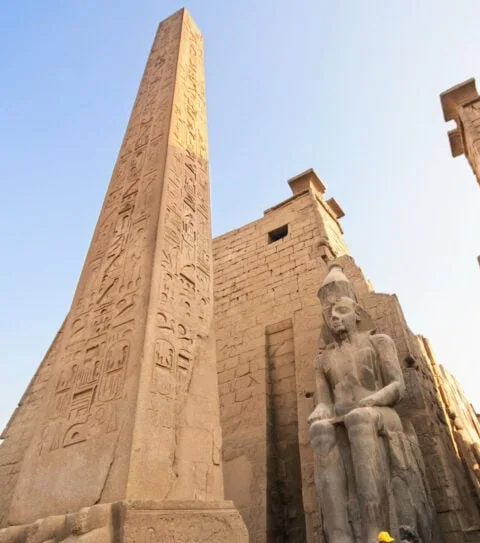
No, Luxor remains fully accessible during July, although visitors should adjust their schedules to account for extreme heat. Daytime temperatures frequently exceed 104°F (40°C), especially around archaeological sites such as Karnak Temple and the Valley of the Kings. Most experienced travelers begin sightseeing shortly after sunrise and return to indoor or air-conditioned environments during the afternoon. Early planning allows visitors to experience Luxor’s major attractions comfortably despite the summer conditions.
Yes, domestic flights in Egypt generally operate reliably during July, although occasional delays can occur during periods of extreme heat or heavy airport traffic. Major routes connecting Cairo, Luxor, Aswan, Hurghada, and Sharm El Sheikh continue normal operations throughout the summer. Travelers with tight schedules should allow extra connection time when planning onward transportation. Building flexibility into your itinerary helps minimize disruption if weather-related operational delays occur.
Some restaurants and cafés reduce activity during the hottest afternoon hours, but most tourist-oriented establishments remain open throughout the day. In destinations such as Cairo, Alexandria, Hurghada, and Sharm El Sheikh, dining activity often shifts toward the evening when temperatures become more comfortable. Extended evening service is common during the summer season. Travelers will generally find more vibrant restaurant atmospheres after sunset than during the hottest part of the afternoon.
Yes, Alexandria is noticeably cooler than most inland Egyptian destinations during July. Located on the Mediterranean coast, the city benefits from sea breezes that often keep temperatures approximately 10°F to 18°F (6°C to 10°C) lower than those in Cairo, Luxor, or Aswan. Daytime highs commonly remain in the low to mid-80s°F (around 29°C to 32°C). This cooler climate makes Alexandria one of Egypt’s most comfortable summer destinations.
Yes, Nile cruises operate safely throughout July and remain one of the most comfortable ways to experience Upper Egypt. Modern cruise ships feature air-conditioned cabins, dining rooms, and lounges designed for Egypt’s summer climate. Shore excursions to sites such as Edfu Temple, Kom Ombo Temple, and the Valley of the Kings are typically scheduled during cooler morning hours. Evening deck time is often pleasant due to breezes along the Nile River.
SPF 50 or higher is strongly recommended for travel in Egypt during July due to intense ultraviolet exposure and prolonged sunshine. In many regions, UV levels remain very high throughout the day, especially in desert environments and open archaeological sites. Sunscreen should be reapplied approximately every two hours and after swimming or excessive perspiration. Combining sunscreen with protective clothing, sunglasses, and a wide-brimmed hat provides the best protection against sunburn.
Yes, July often features seasonal evening festivals, outdoor entertainment, and increased nightlife activity because many social events shift to cooler nighttime hours. Coastal destinations such as Alexandria, Hurghada, and Sharm El Sheikh are particularly active during summer evenings. Cultural performances, local music events, and waterfront gatherings become more common after sunset. These nighttime experiences provide a different perspective on Egypt compared with the traditional winter tourism season.
Travelers visiting Egypt in July can often save 40% to 50% compared with peak-season travel costs. Lower demand typically results in discounted hotel rates, promotional tour pricing, and more competitive airfare options. Savings are often most noticeable at four-star and five-star hotels, Nile cruises, and private guided experiences. For travelers who prioritize value and can accommodate the summer temperatures, July offers some of the strongest travel deals of the year.
Explore our most popular guides and expert tips to make your trip safe, smooth, and unforgettable.
Plan Your Egypt Adventure with Confidence
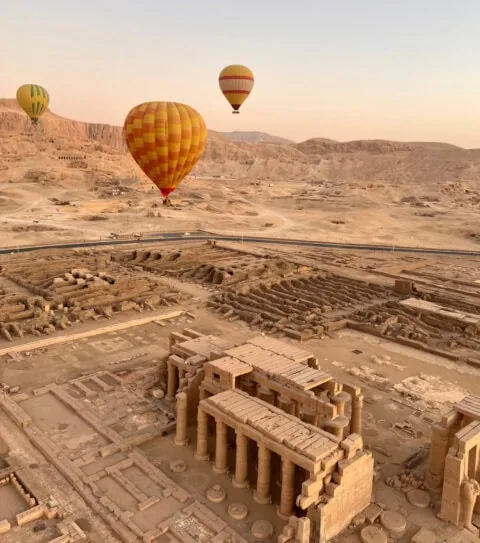
How to Plan a Trip Egypt
Step-by-step guide to help you plan the perfect Egypt trip — from routes and budget to booking.
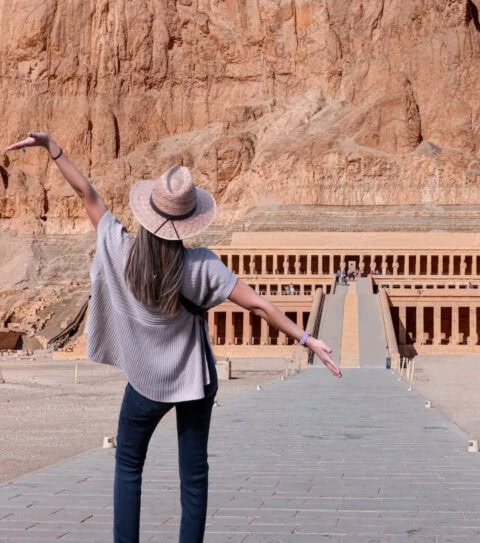
Best Time to Visit Egypt
Learn the best months to visit Egypt based on weather, crowds, and local travel experiences.
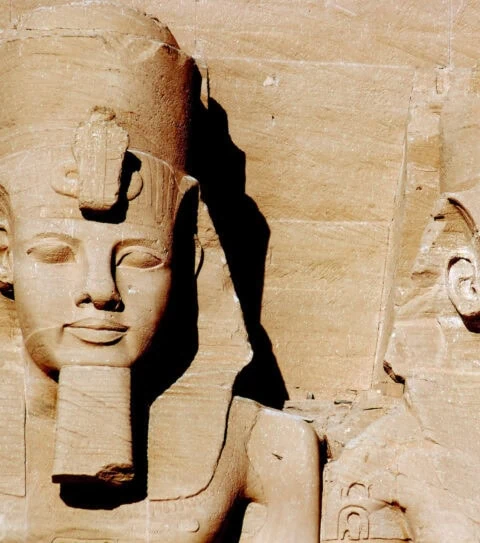
Must Visit Places in Egypt
Explore Egypt’s top sights — from pyramids to temples — and hidden gems worth seeing.
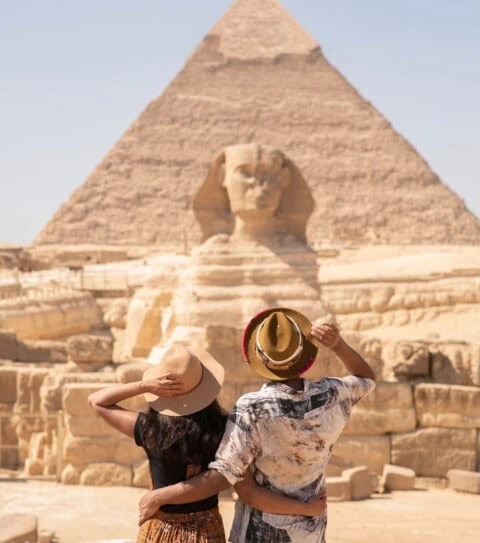
Top-Rated Egypt Tours
Handpicked private tours with local guides — our most loved and best-reviewed experiences.
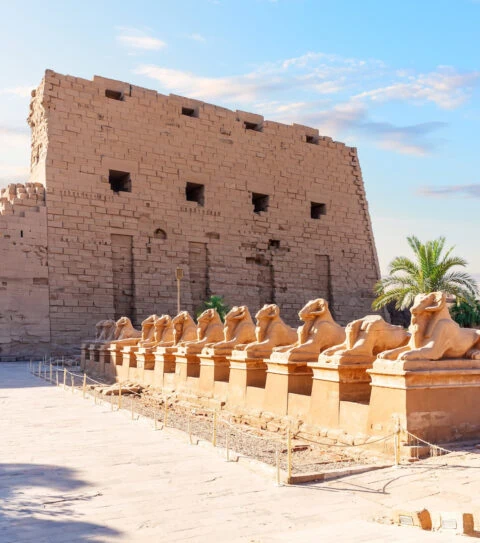
How Many Days to Visit Egypt?
Find out how many days you need in Egypt — from quick trips to full itineraries.
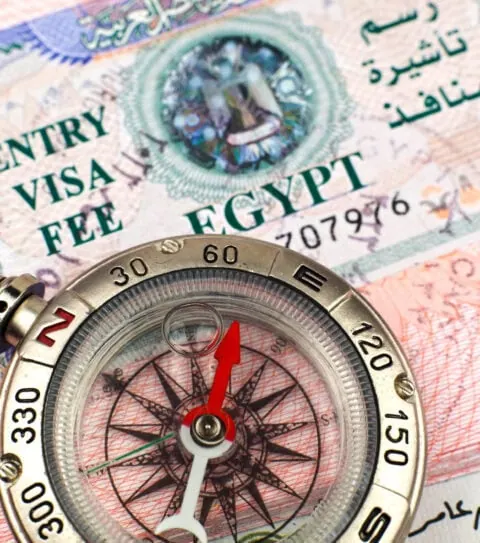
Egypt Visa Requirements
Check if you need a visa and get simple, up-to-date entry info based on your nationality.
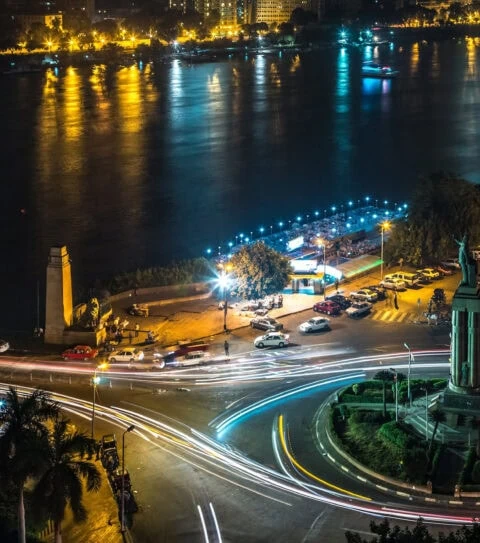
Is it Safe to Travel to Egypt?
Is Egypt safe? Get honest safety tips, area advice, and what to know before you travel.
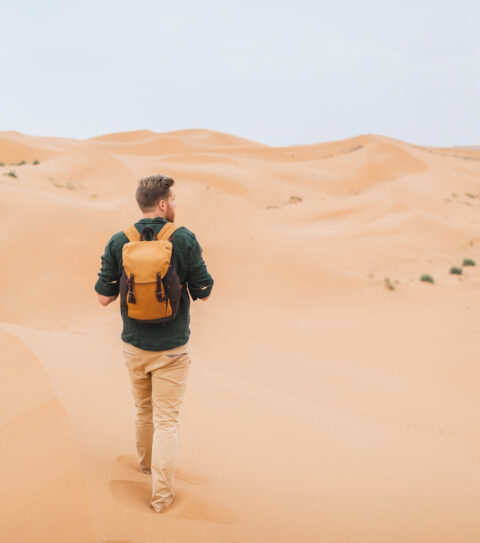
What to Pack for Egypt
A quick packing guide with essentials, cultural tips, and clothing advice for your Egypt trip.
Design Your Custom Tour
Explore Egypt your way by selecting only the attractions you want to visit