

Can You Cruise the Nile River?
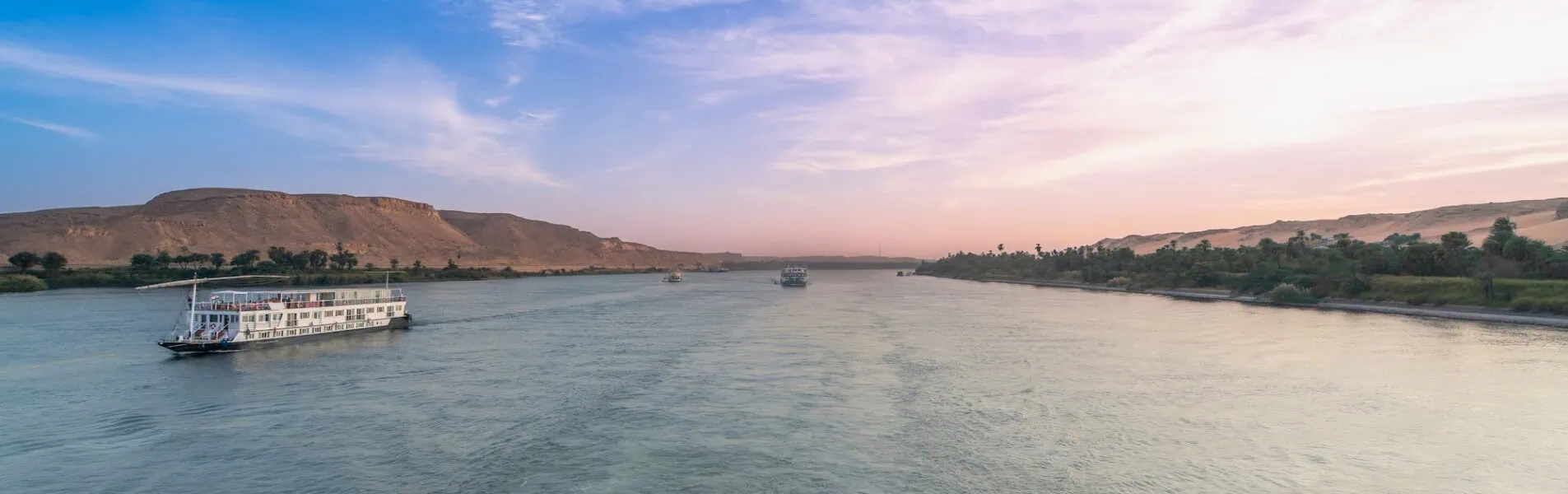
Yes, you absolutely can cruise the Nile River – it’s one of Egypt’s most spectacular travel experiences.
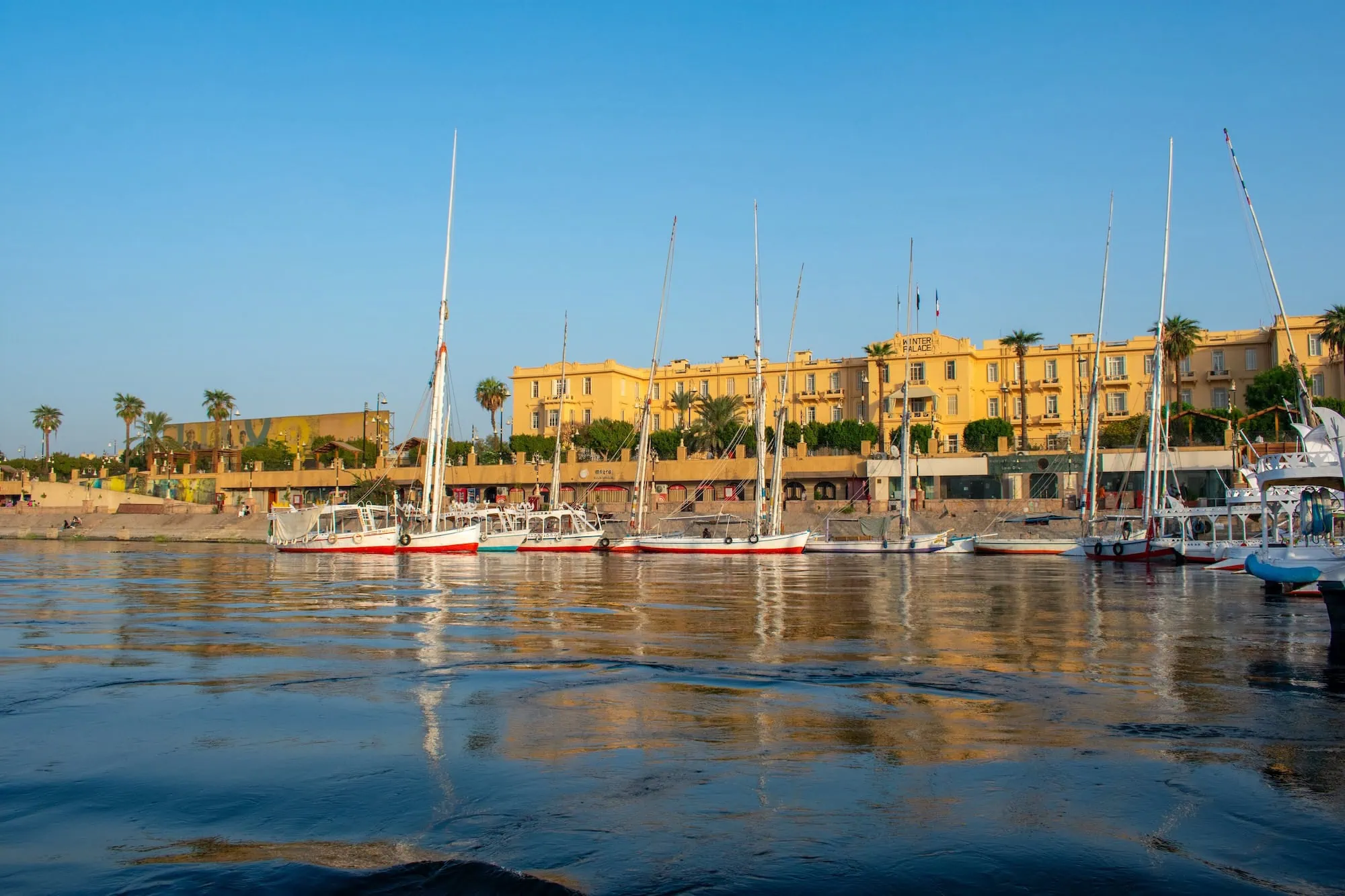
Nile River cruising offers an extraordinary journey through the heart of ancient Egyptian civilization, where you’ll sail past temples that have stood for millennia while enjoying modern luxury onboard. The traditional route between Luxor and Aswan showcases Egypt’s greatest archaeological treasures, from the Valley of the Kings to Abu Simbel, making it a bucket-list adventure for history enthusiasts and curious travelers alike. We’ve been organizing these unforgettable journeys for decades, combining our expertise with carefully selected vessels to create the perfect Egyptian adventure.
Whether you’re drawn to the grandeur of traditional cruise ships or the intimate charm of traditional dahabiya sailing boats, Egypt’s legendary river welcomes millions of visitors each year to experience its timeless magic.
Table of Contents
Types of Nile River Cruises Available
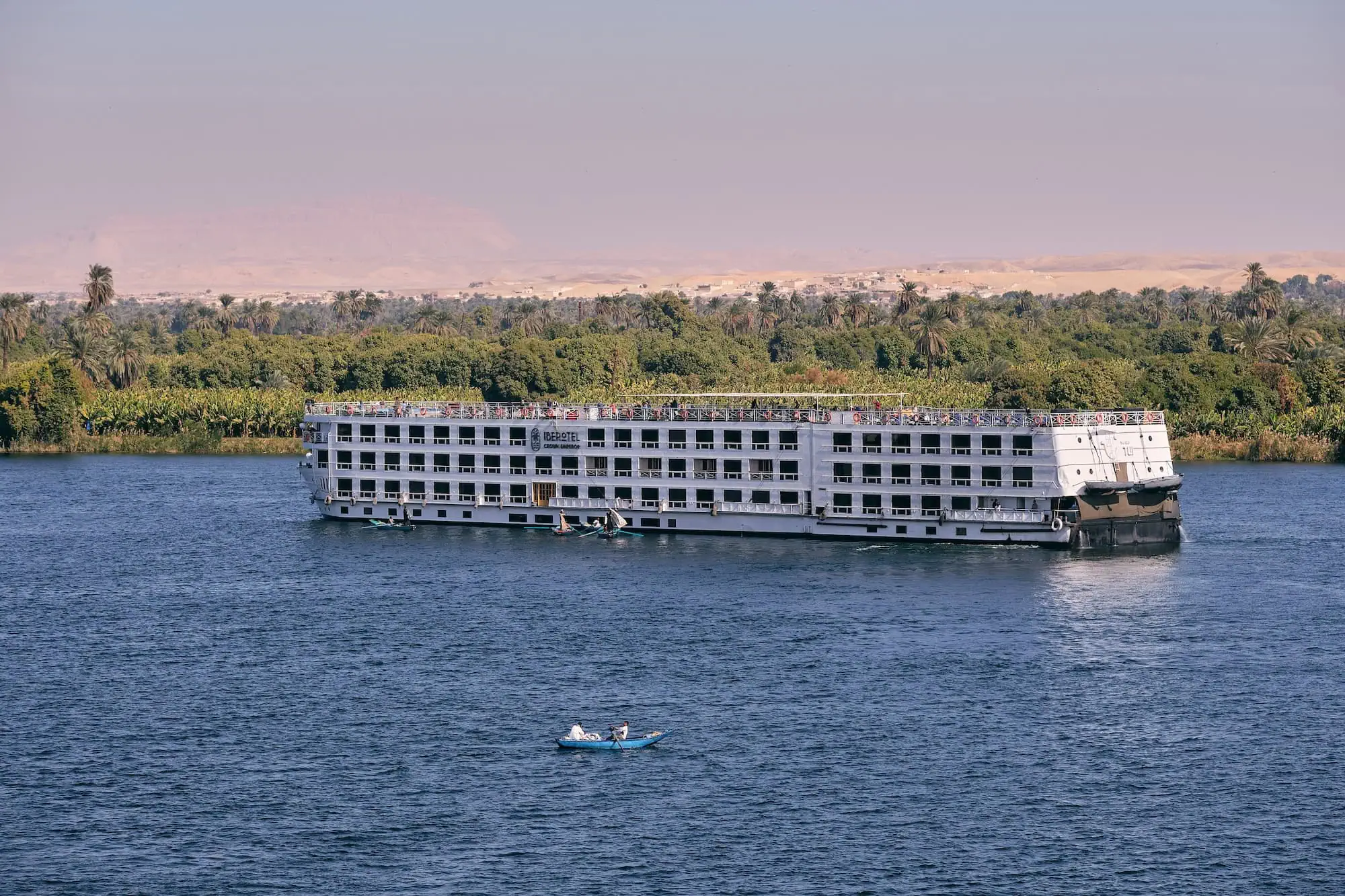
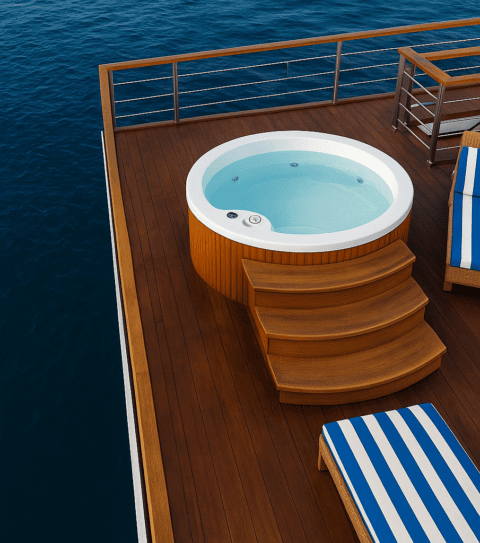
Standard Nile cruises between Luxor and Aswan represent the most popular option for first-time visitors. These comfortable vessels typically accommodate 50-150 passengers and feature air-conditioned cabins, dining rooms, sun decks, and small swimming pools. The journey covers approximately 200 kilometers (124 miles) of the Nile, with stops at major archaeological sites including Karnak Temple, Edfu Temple, and Kom Ombo Temple.
Traditional Dahabiya Sailing Boats
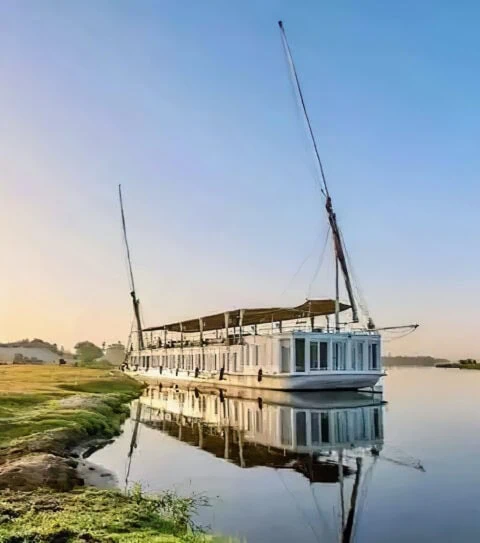
Dahabiya cruises offer an entirely different experience aboard traditional wooden sailing vessels. These boutique boats carry only 8-12 passengers, creating an intimate atmosphere reminiscent of 19th-century Nile travel. Unlike motorized cruise ships, dahabiyas rely on wind power and the river current, making stops at smaller villages and archaeological sites that larger vessels cannot access.
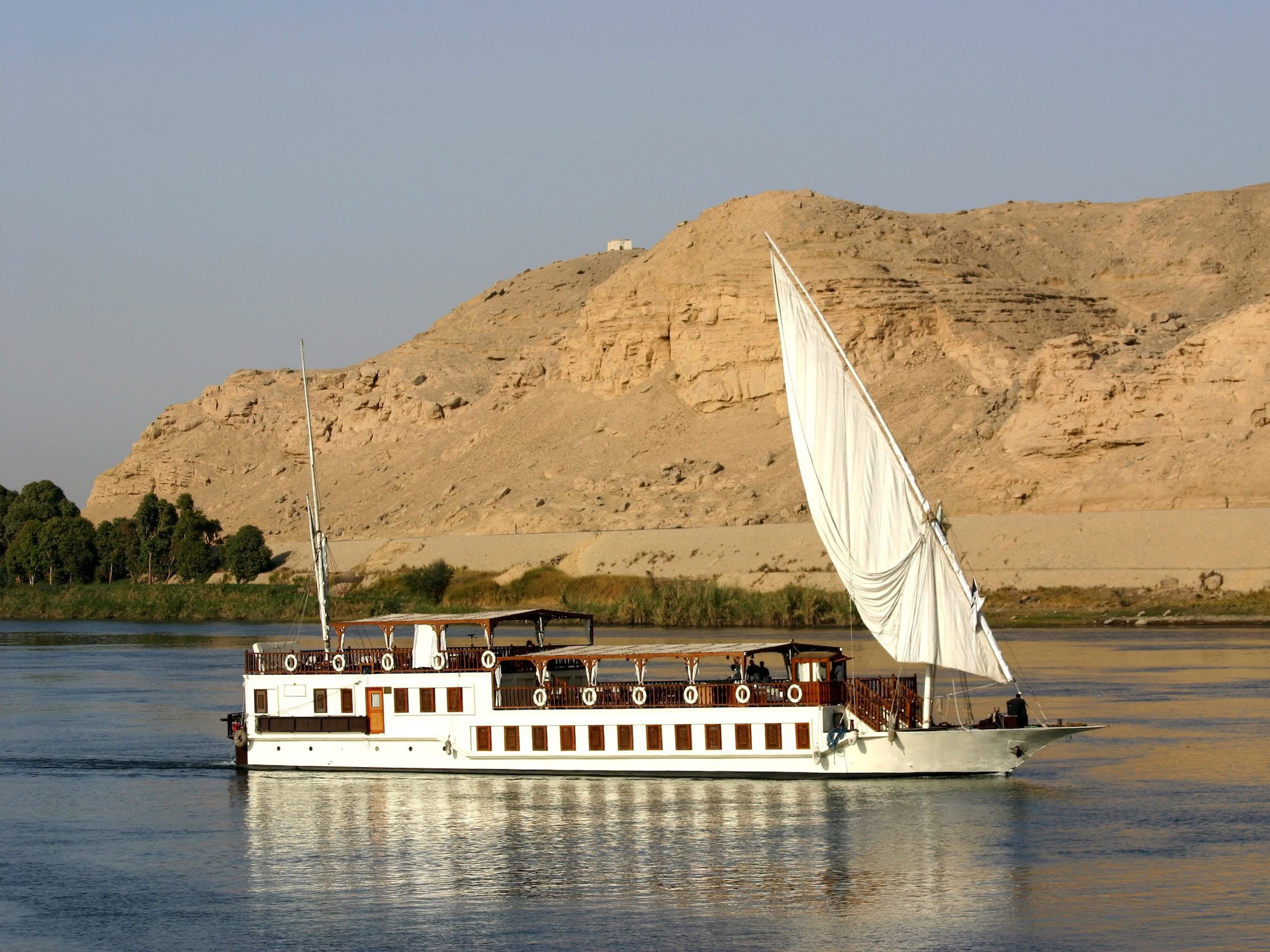
The unhurried pace allows deeper cultural connections with local communities. You’ll witness daily life along the riverbanks, visit local markets, and enjoy personalized attention from the small crew.
Lake Nasser Cruises
Lake Nasser cruises venture into southern Egypt’s vast reservoir, created by the Aswan High Dam. These 3-4 day journeys focus primarily on Abu Simbel and other Nubian monuments relocated during the dam’s construction. The lake’s remote setting offers complete tranquility, with star-filled nights and dramatic desert landscapes.
Best Time to Cruise the Nile
Egypt’s climate significantly impacts your cruising experience. The ideal months run from October through April, when daytime temperatures range from 20-30°C (68-86°F) and evenings remain pleasantly cool.
Winter months (December – February) provide the most comfortable weather for sightseeing, though this is also peak tourist season. Expect higher prices and more crowded temples during this period. We recommend booking 2-3 months in advance for winter travel.
Spring (March – April) and autumn (October – November) offer excellent compromises between weather and crowds. Temperatures are mild, tourist numbers decrease, and you’ll often find better pricing on both cruises and excursions.
Summer cruising (May – September) requires careful consideration. While dramatically fewer tourists visit during these months, temperatures regularly exceed 40°C (104°F), making temple visits challenging during midday hours. However, modern cruise ships provide excellent air conditioning, and early morning excursions remain enjoyable.
Popular Nile Cruise Routes and Destinations
The Classic Luxor to Aswan Route
Most Nile cruises follow the traditional Luxor-Aswan route, though some operate in reverse. This 3-7 night journey showcases Egypt’s most significant archaeological sites while providing comfortable transportation between destinations.
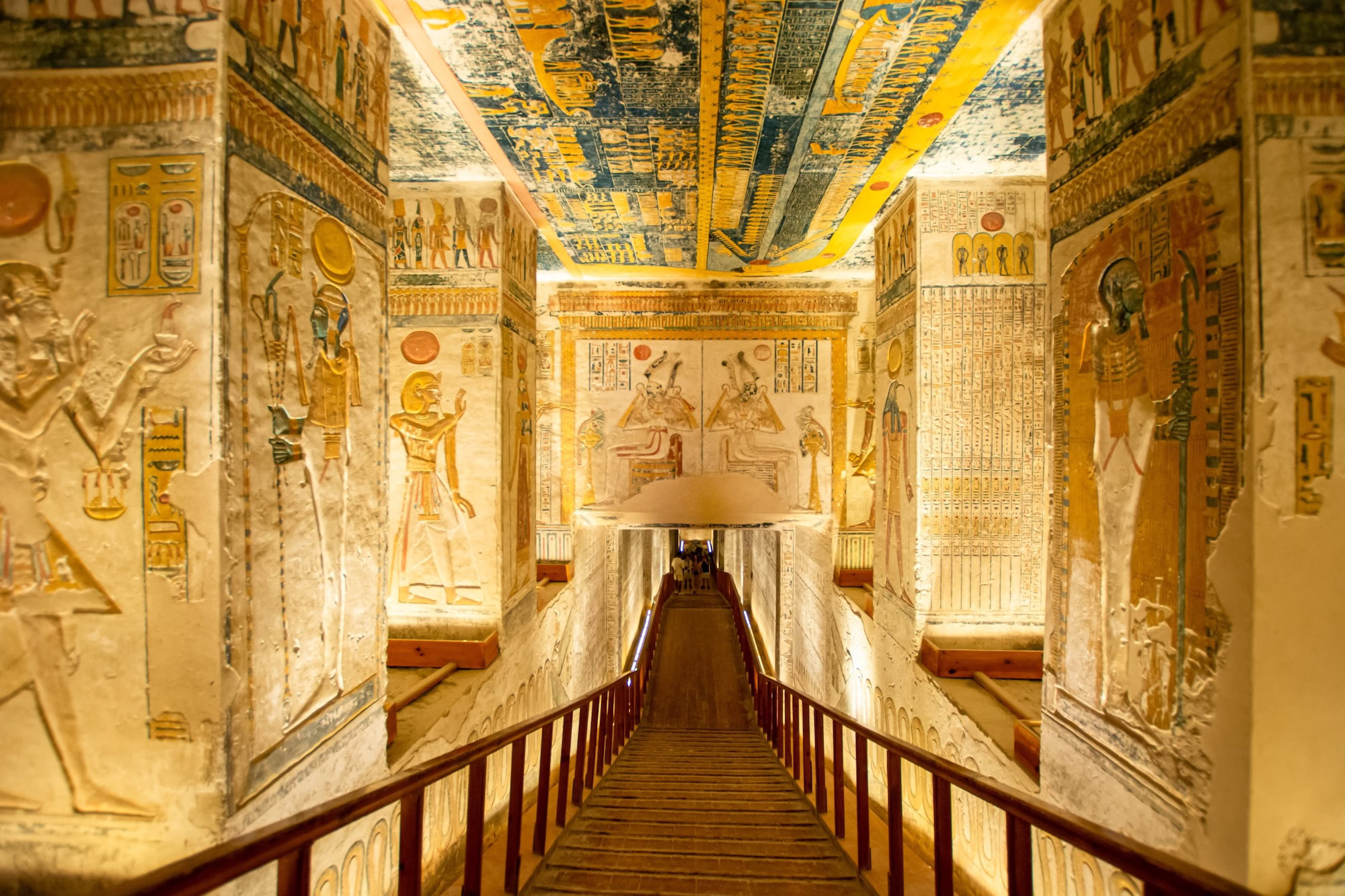
Starting in Luxor, you’ll explore the East Bank’s Karnak Temple complex and Luxor Temple before crossing to the West Bank’s Valley of the Kings, where pharaohs were buried in elaborately decorated tombs. The valley contains over 60 tombs, including Tutankhamun’s famous burial chamber.
Edfu and Kom Ombo Temples
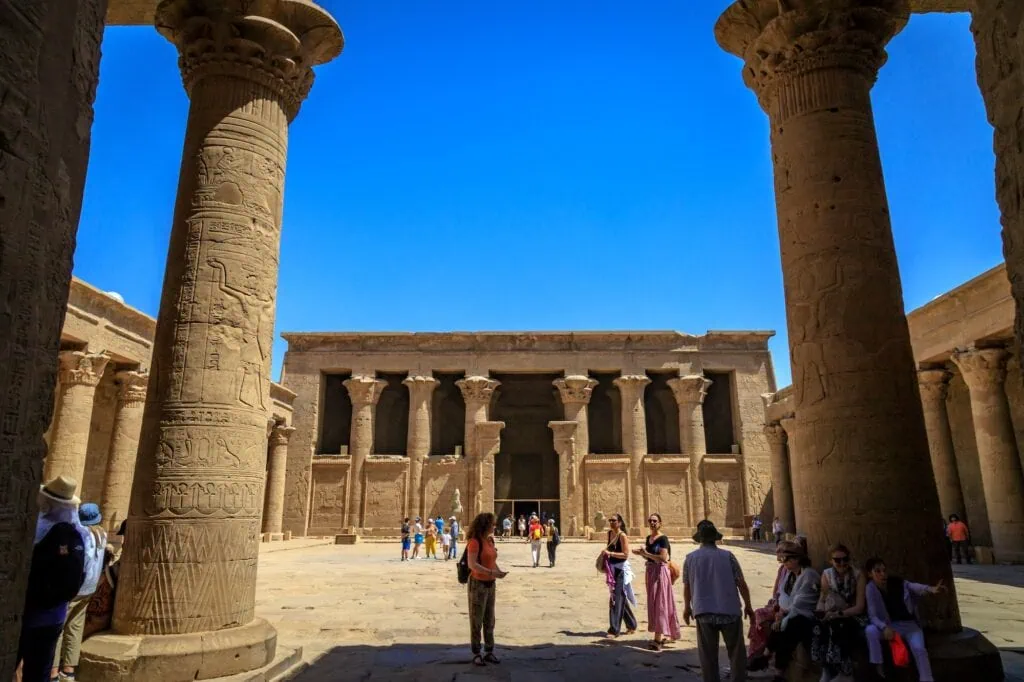
Sailing south, your cruise stops at Edfu Temple, dedicated to the falcon god Horus. This remarkably preserved Ptolemaic temple provides insight into ancient Egyptian religious practices and architectural techniques. The temple’s detailed hieroglyphs and massive columns create an impressive backdrop for exploration.
Kom Ombo Temple offers a unique dual dedication to Sobek (crocodile god) and Horus. The temple’s riverside location provides stunning sunset photography opportunities, while its medical instruments carvings suggest it may have served as an ancient healing center.
Aswan Highlights
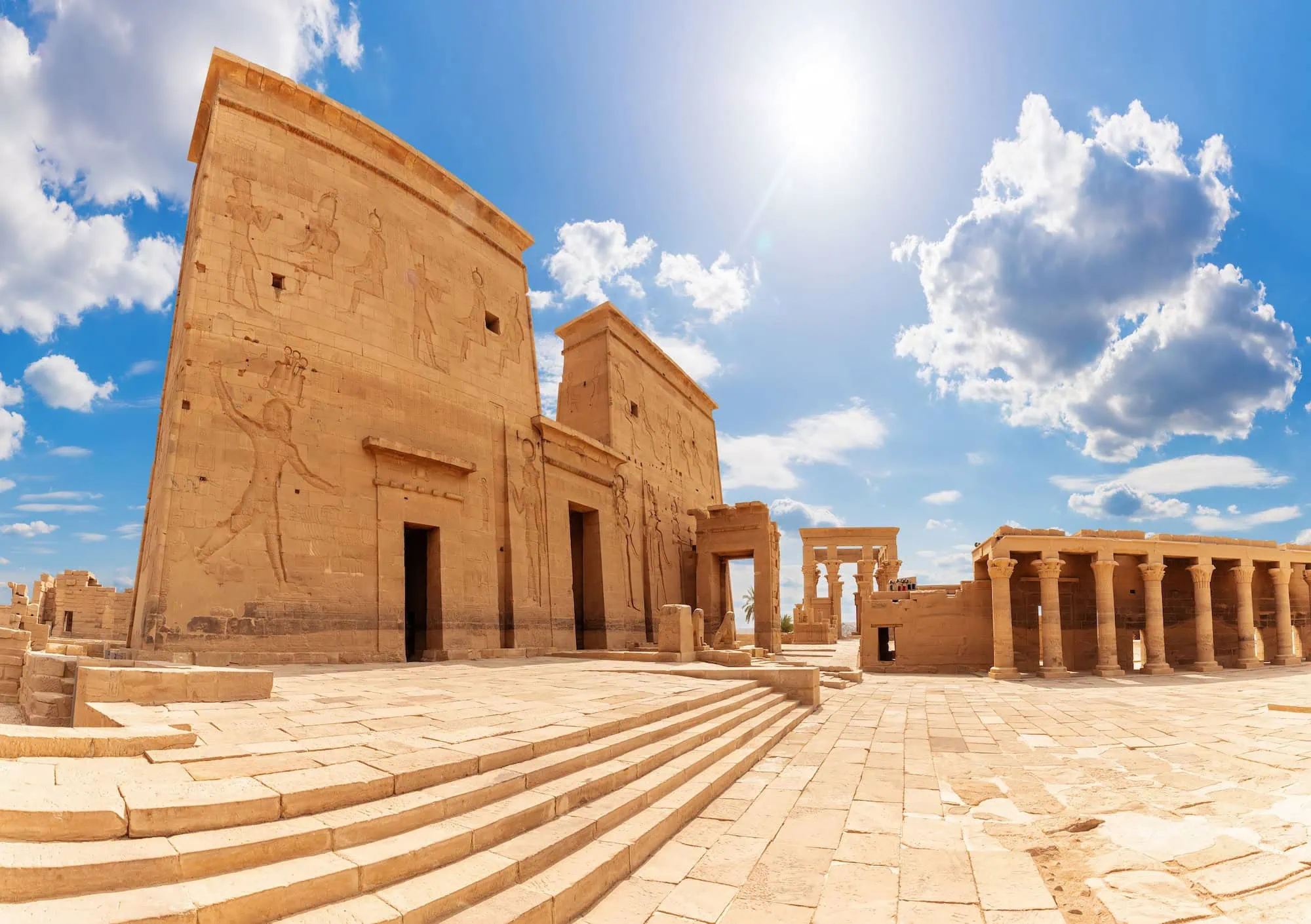
Aswan serves as the southern terminus for most Nile cruises. The city’s granite quarries supplied stone for Egypt’s greatest monuments, and you can still visit the famous Unfinished Obelisk. Philae Temple, relocated to Agilkia Island, honors the goddess Isis and requires a short boat ride to reach.
The Aswan High Dam represents modern Egypt’s engineering achievement, while the traditional felucca sailboats offer peaceful sunset cruises around Elephantine Island.
What to Expect Onboard Your Nile Cruise
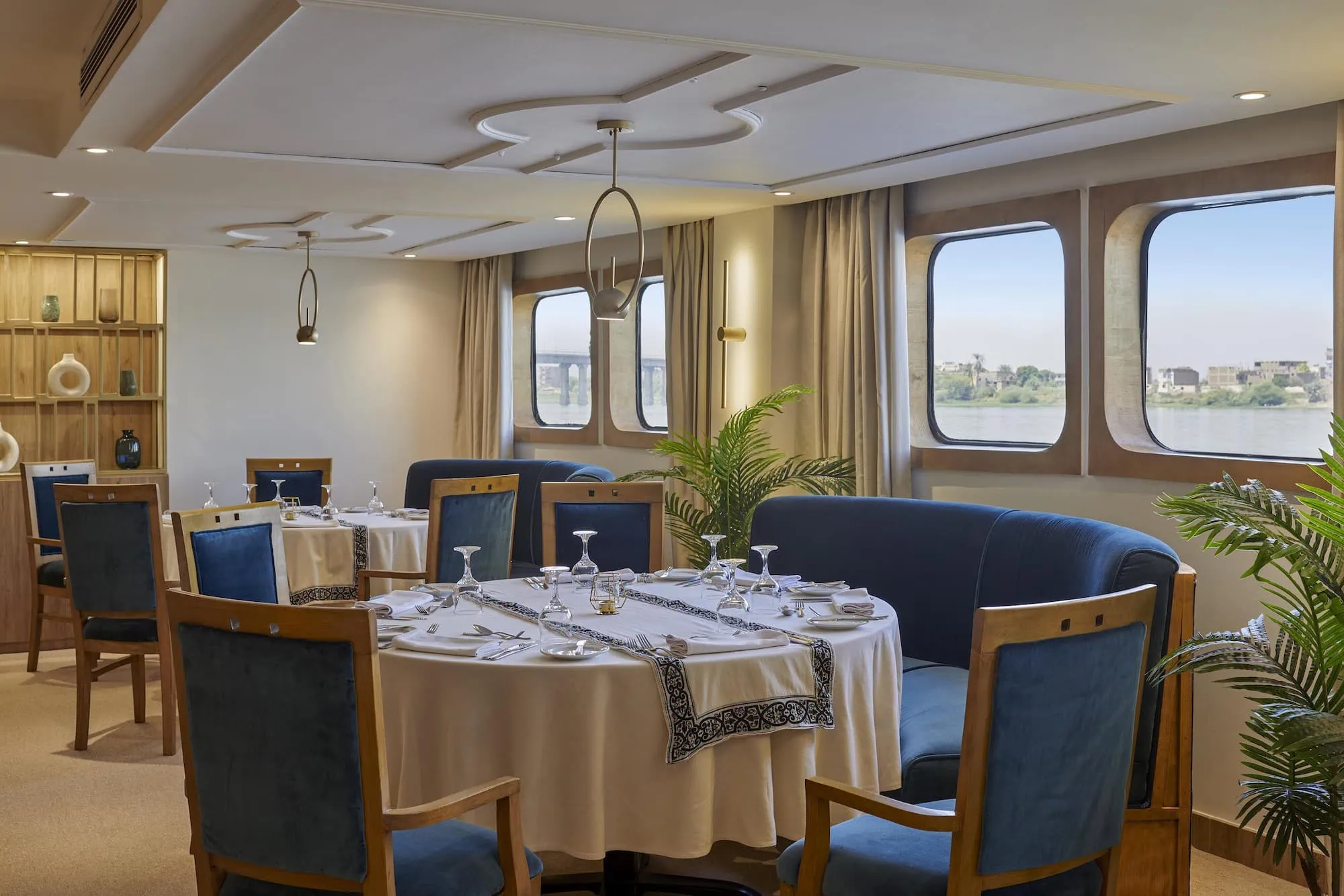
Nile cruise ships vary considerably in amenities and comfort levels. Most feature air-conditioned cabins with private bathrooms, restaurants serving both international and Egyptian cuisine, and sun decks for river viewing. Evening entertainment often includes traditional music, belly dancing performances, and themed parties.
Meals typically follow buffet style, though some premium vessels offer restaurant-style dining. Egyptian specialties like koshari, ful medames, and fresh Nile fish appear alongside familiar international dishes. Vegetarian and special dietary requirements can usually be accommodated with advance notice.
Daily schedules balance organized excursions with leisure time. Most temple visits occur during cooler morning hours, while afternoons allow relaxation onboard as you sail to the next destination. Our private guides ensure small group experiences of up to 12 participants, providing more personalized attention than typical large tour groups.
Cruise Duration and Itinerary Options
3-4 Night Short Cruises
Perfect for travelers with limited time, short cruises focus on essential highlights between Luxor and Aswan. These condensed itineraries visit Karnak Temple, Valley of the Kings, Edfu Temple, and Philae Temple while providing a taste of Nile cruising luxury.
7 Night Extended Cruises
Longer cruises allow more thorough exploration of each destination, with additional stops at lesser-known sites. Extended itineraries might include Dendara Temple north of Luxor or Abu Simbel excursions from Aswan, providing deeper immersion in Egyptian history.
Combination Packages
Many travelers combine Nile cruises with Cairo visits or Red Sea resort stays. Popular combinations include 3-4 nights in Cairo visiting the Pyramids and the Grand Egyptian Museum, followed by a Nile cruise, then relaxation in Hurghada or Sharm El Sheikh.
Practical Planning for Your Nile Cruise
Visa Requirements for U.S. Visitors
American citizens need a tourist visa for Egypt, easily obtained online through the official e-visa system for $25. The process takes 3-7 business days, and your passport must be valid for at least 6 months. Europeans can also use the e-visa system, while some nationalities receive visas on arrival at Egyptian airports.
Health and Safety Considerations
Modern Nile cruise ships maintain high safety standards with professional crews and modern navigation equipment. The river itself is calm and wide, making seasickness extremely rare. However, travelers should bring motion sickness medication if they’re particularly sensitive.
Tap water isn’t recommended for drinking, but cruise ships provide bottled water. Most vessels have medical staff or first aid facilities onboard. Travel insurance covering medical evacuation is strongly recommended.
Packing Essentials
Egyptian temples require conservative dress – long pants and shirts covering shoulders are mandatory for both men and women. Comfortable walking shoes with good grip are essential for navigating ancient stone surfaces. Wide-brimmed hats and strong sunscreen protect against intense desert sun.
Evenings can be surprisingly cool, especially during winter months, so pack light layers. Most cruise ships maintain casual dress codes, though some feature formal nights.
Choosing the Right Cruise Line and Ship
Nile cruise operators range from budget-friendly options to ultra-luxury experiences. Research ship amenities, cabin sizes, and inclusions carefully before booking. Some key factors to consider include crew-to-passenger ratios, excursion quality, and food standards.
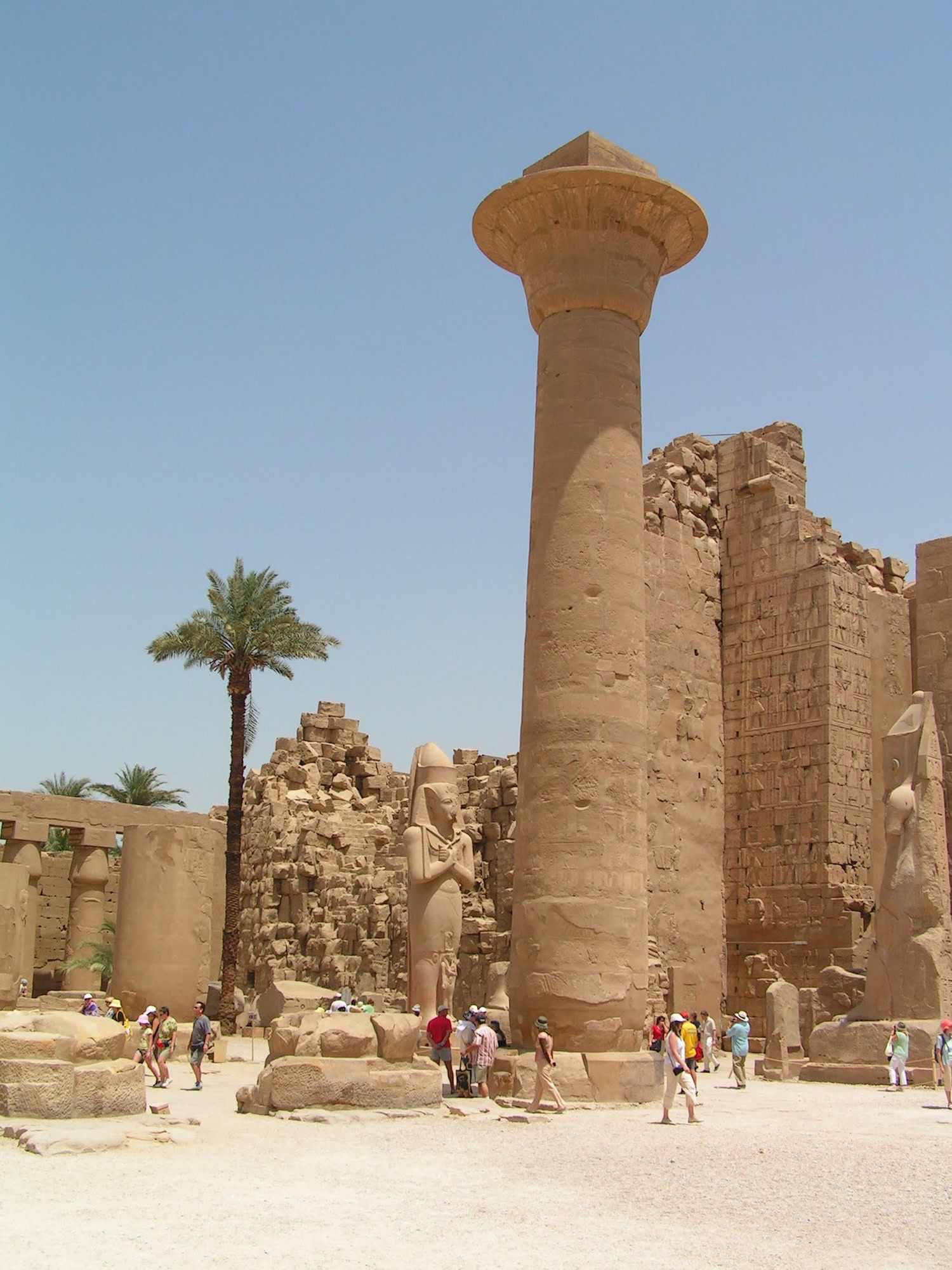
Premium operators often provide professional Egyptologists as guides, while budget cruises might use local guides with varying English proficiency. The difference in educational value can be significant, particularly at complex sites like Karnak Temple where historical context enhances the experience dramatically.
Ship age and maintenance standards vary widely. Newer vessels typically feature better air conditioning, more reliable electricity, and updated safety equipment. However, some older ships offer more character and charm, particularly traditional-style boats.
We partner exclusively with carefully vetted operators who meet our strict standards for safety, service, and authenticity. Our decades of experience in Egyptian tourism allow us to match travelers with vessels that best suit their preferences and budget.
Frequently Asked Questions
Most Nile cruises last between 3 and 7 nights, with 4- and 5-night itineraries being the most popular choice for first-time visitors. A typical 4-night cruise from Luxor to Aswan includes Egypt’s most famous ancient sites, including Karnak Temple, Edfu Temple, Kom Ombo Temple, and Philae Temple. Shorter cruises focus on highlights, while 7-night itineraries offer a more relaxed pace and additional sightseeing opportunities. Choose at least 4 nights if you want a balanced experience without feeling rushed.
Yes, the Nile River is considered very safe for cruising, with calm navigation conditions, professional crews, and established tourism infrastructure along the Luxor-Aswan route. Modern cruise vessels operate under Egyptian maritime regulations and carry safety equipment, trained staff, and emergency communication systems. The Nile cruise corridor is one of Egypt’s most visited tourism regions, welcoming thousands of international travelers each week. Reputable operators also coordinate closely with local tourism authorities to maintain high safety standards.
Most Nile cruises include visits to Karnak Temple, Luxor Temple, the Valley of the Kings, Edfu Temple, Kom Ombo Temple, and Philae Temple. These sites span more than 1,500 years of ancient Egyptian history and feature some of the country’s best-preserved monuments. Karnak alone covers more than 100 hectares, while Edfu Temple is considered one of the most complete temples from the Ptolemaic period. A cruise allows travelers to explore several of Egypt’s most important archaeological sites in one journey.
Yes, Nile cruises operate throughout the year, although October through April offers the most comfortable weather for sightseeing. During these months, daytime temperatures in Luxor and Aswan typically range from 68-86°F (20-30°C), making temple visits more enjoyable. Summer cruises from June through August often feature lower prices and fewer crowds, but temperatures can exceed 100°F (38°C). For the best balance of weather and comfort, many travelers choose late fall or early spring departures.
Dahabiyas are traditional Nile sailing vessels that typically carry 8-12 guests, while standard cruise ships usually accommodate 50-150 passengers and offer more onboard facilities. Dahabiyas provide a quieter, more intimate experience with flexible itineraries and smaller groups. Larger ships generally include amenities such as swimming pools, entertainment programs, fitness areas, and multiple dining venues. Travelers seeking privacy often prefer dahabiyas, while those wanting more services and facilities usually choose conventional cruise ships.
No special vaccinations are required specifically for a Nile cruise, and malaria prophylaxis is generally not necessary for travel within Egypt’s main tourist regions. Travelers should ensure routine vaccinations are current and may wish to discuss hepatitis A or hepatitis B protection with their healthcare provider. Most travel clinics recommend consulting a doctor at least 4-6 weeks before departure. Standard hygiene precautions and bottled water consumption help reduce common travel-related health concerns.
Nile cruise prices typically range from $200 to $800 per person per night, depending on vessel category, cabin type, travel season, and included services. Budget-friendly cruises usually include accommodations, meals, and guided excursions, while luxury cruises may add premium dining, larger suites, and personalized experiences. Peak season departures between October and April generally command higher rates than summer sailings. Comparing inclusions rather than headline prices often provides the best value assessment.
Yes, most Nile cruises include all meals as part of the cruise fare, typically covering breakfast, lunch, and dinner each day. Menus usually combine international dishes with traditional Egyptian specialties such as kofta, grilled meats, rice dishes, and fresh salads. Meals may be served buffet-style or in a restaurant setting depending on the vessel. Travelers with dietary requirements such as vegetarian, vegan, or gluten-free diets can often be accommodated with advance notice.
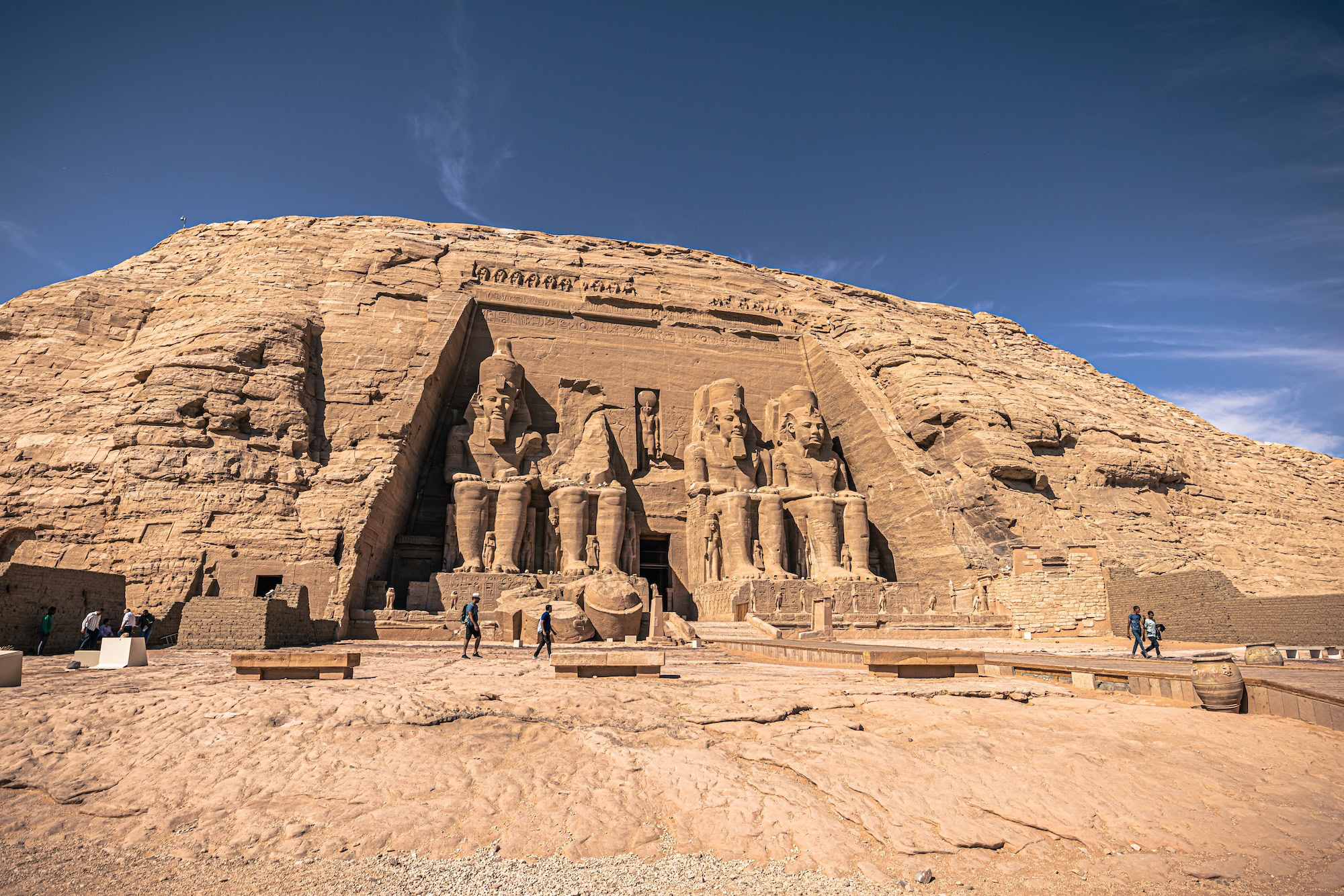
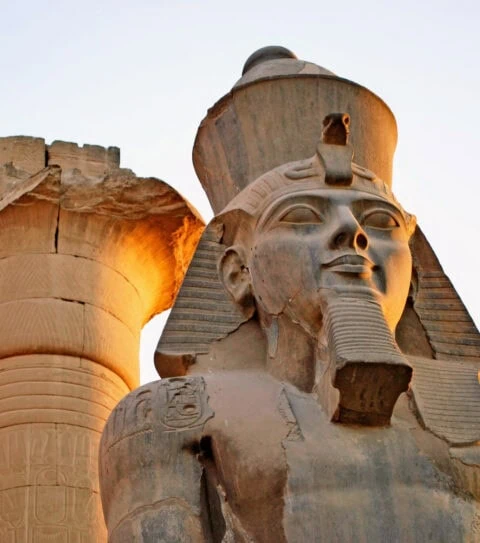
Yes, Abu Simbel is one of the most popular extensions to a Nile cruise and is commonly visited from Aswan as a day trip. The UNESCO World Heritage Site lies approximately 280 kilometers (174 miles) south of Aswan and is famous for the colossal temples built by Ramses II. Many travelers add Abu Simbel before or after their cruise, while others choose longer Lake Nasser cruises that include the temples as part of the itinerary.
The best cabin location depends on your priorities, but upper-deck cabins are generally preferred for their panoramic Nile views and increased natural light. Higher decks often provide easier access to sun decks, lounges, and observation areas. Lower-deck cabins can be quieter and may experience less movement during docking procedures. Travelers who value scenery usually favor upper levels, while those focused on stability and privacy may prefer lower-deck accommodations.
Yes, tipping is customary on Nile cruises and forms an important part of service staff income throughout Egypt’s tourism sector. A common guideline is approximately $3-5 USD per guest per day, usually collected and distributed among crew members. This gratuity typically covers housekeeping staff, restaurant personnel, and other onboard service teams. Carrying small denominations in U.S. dollars or Egyptian pounds makes tipping easier and helps recognize consistently good service.
Design Your Custom Tour
Explore Egypt your way by selecting only the attractions you want to visit