Best Things to Do in Egypt – Explore Egypt’s Finest
Egypt calls to every traveler’s soul with promises of ancient mysteries and modern adventures.
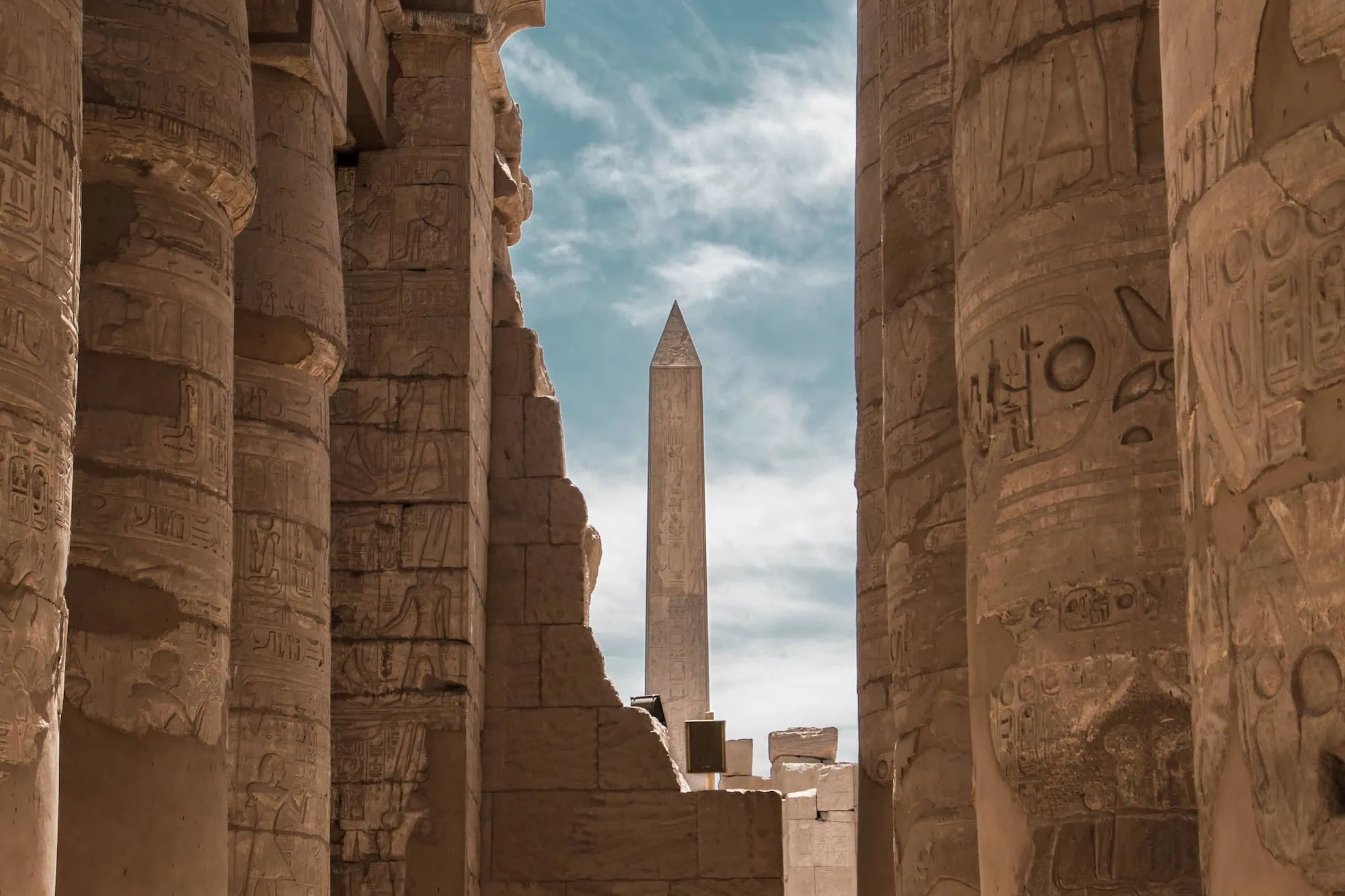
From the moment you step off the plane, you’ll feel the weight of history beneath your feet and the warmth of a culture that has captivated visitors for millennia. The pyramids stand as eternal guardians of secrets, while the Nile River flows with stories that span thousands of years. But Egypt offers far more than its famous monuments – coral reefs teem with life in the Red Sea, desert landscapes reveal hidden canyons, and bustling markets overflow with treasures waiting to be discovered.
We’ve explored every corner of this remarkable country to bring you the most authentic experiences. Whether you’re drawn to archaeological wonders or seeking adventure beyond the guidebooks, Egypt will exceed every expectation.
Table of Contents
The Pyramids of Giza: Where Ancient Wonder Meets Modern Marvel
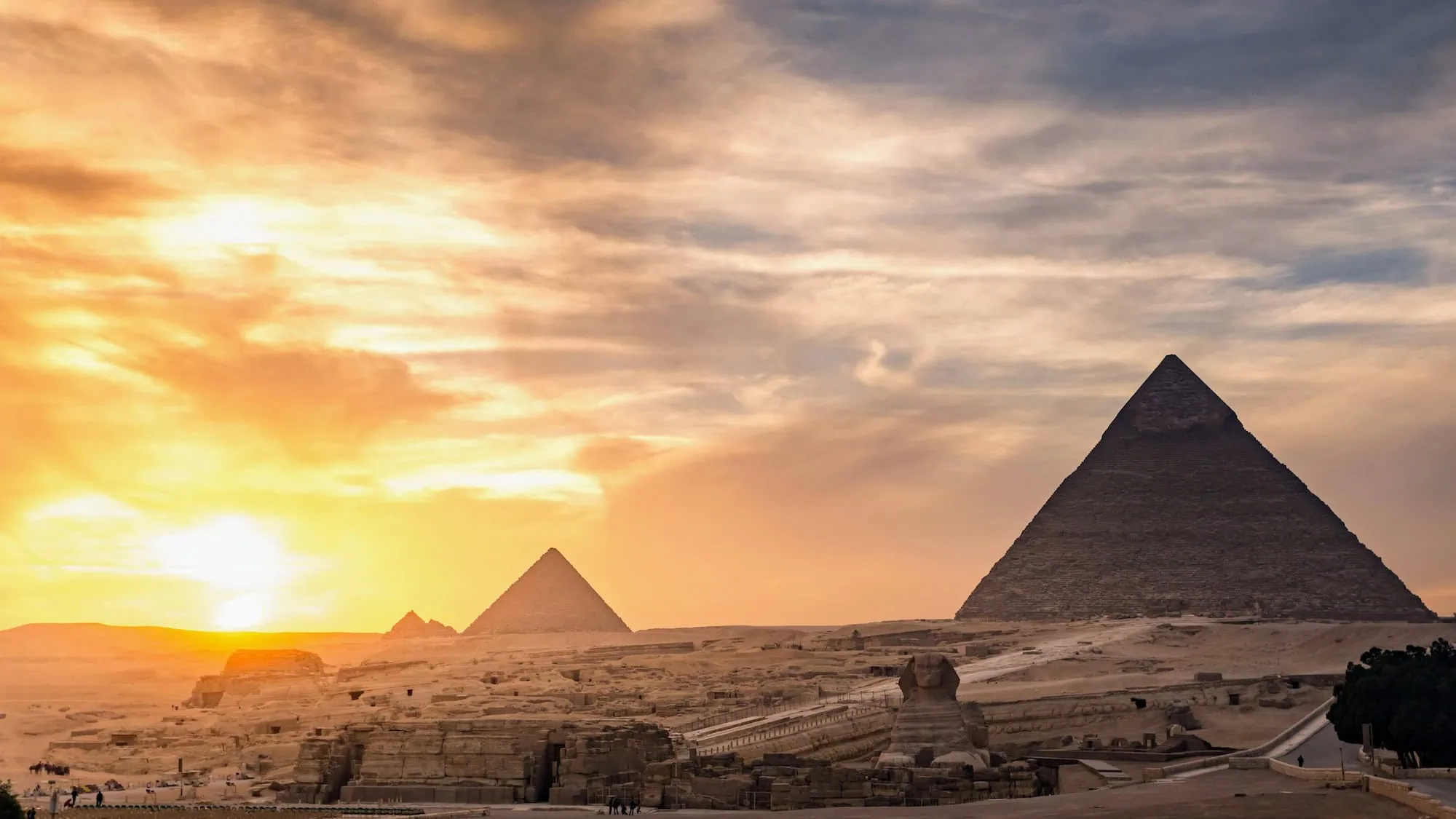
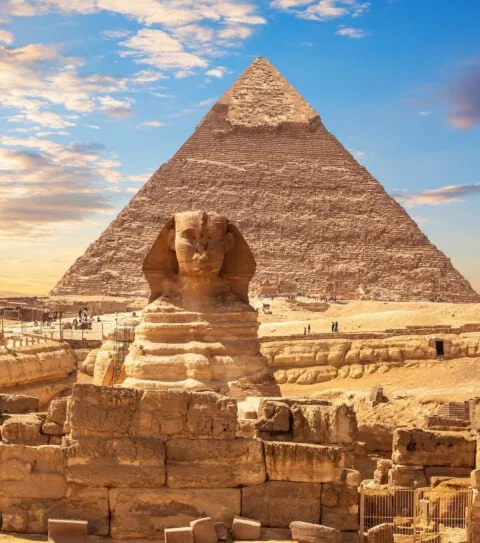
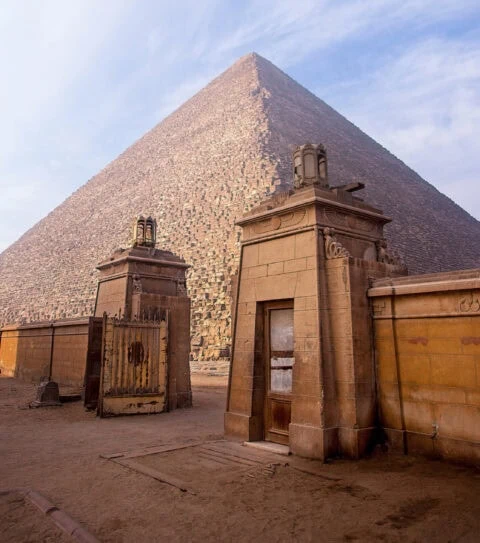
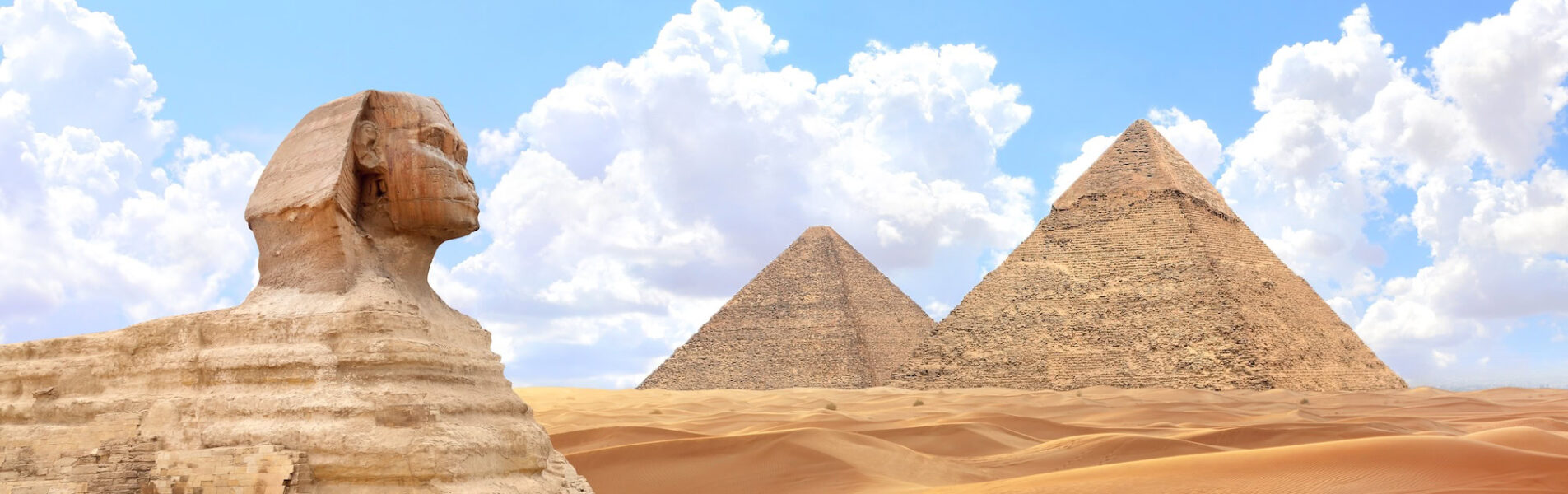
Standing before the Great Pyramid feels like touching eternity itself. These monuments represent humanity’s earliest architectural masterpiece, and they remain the only surviving wonder of the ancient world.
The complex includes three main pyramids, with the Great Pyramid of Khufu towering 146 meters (481 feet) above the desert floor.
Exploring the Pyramid Interior
Venturing inside the Great Pyramid requires physical preparation and mental readiness. The entrance leads through narrow, steep passages that climb at a 26-degree angle. The journey to the King’s Chamber involves crawling through the Grand Gallery, where limestone blocks have stood undisturbed for over 4,500 years. Many visitors find the experience claustrophobic, but reaching the burial chamber creates an unforgettable connection to ancient Egypt.
The air inside stays cool year-round, around 20°C (68°F), providing relief from the desert heat. We recommend booking interior access in advance, as daily tickets are limited to preserve the structure.
The Great Sphinx Guardian
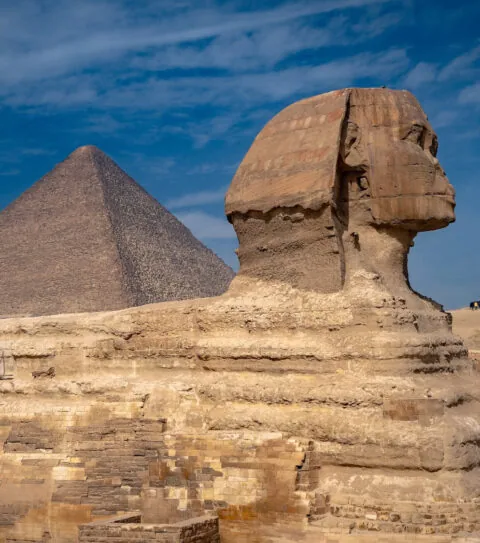
Adjacent to the pyramids, the Sphinx presents one of archaeology’s greatest mysteries. Carved from a single limestone outcrop, this half-human, half-lion statue measures 73 meters (240 feet) long and 20 meters (66 feet) high. Recent studies suggest the Sphinx may be older than the pyramids themselves, adding layers to its enigmatic presence.
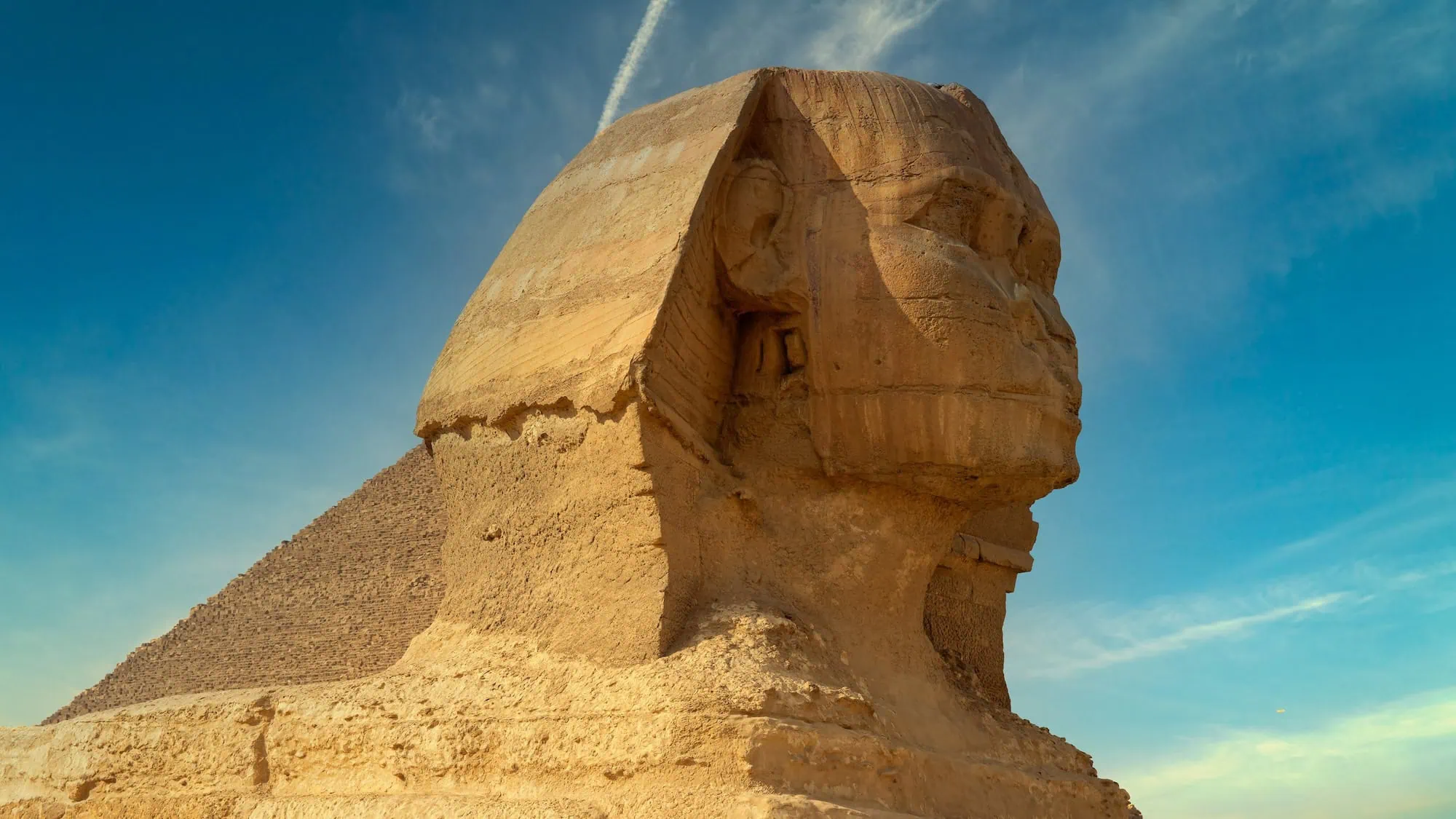
The best photography happens during the golden hour, roughly 6:00 am to 8:00 am (06:00 to 08:00) when soft light illuminates the monument’s weathered features. Camel rides around the complex offer unique perspectives, though we suggest negotiating prices beforehand to avoid disputes.
Sound and Light Spectacular
Evening shows transform the Giza complex into a theatrical stage where history comes alive through narration and colored lighting. Performances occur nightly at 7:00 pm (19:00) during winter months and 8:00 pm (20:00) in summer. The 45-minute presentation covers Egyptian civilization from the pharaohs through modern times, making complex history accessible to all ages.
Sailing the Nile: River of Life and Legend
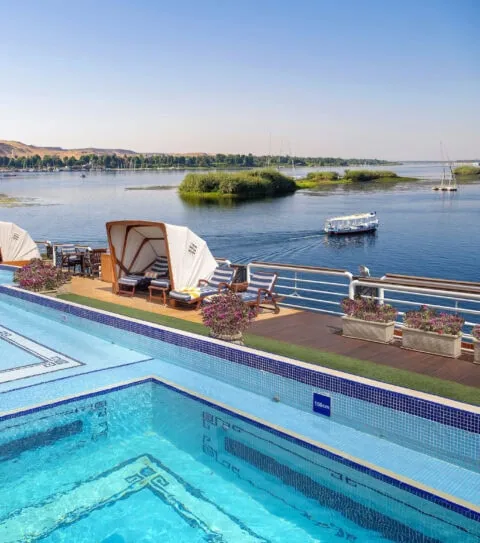
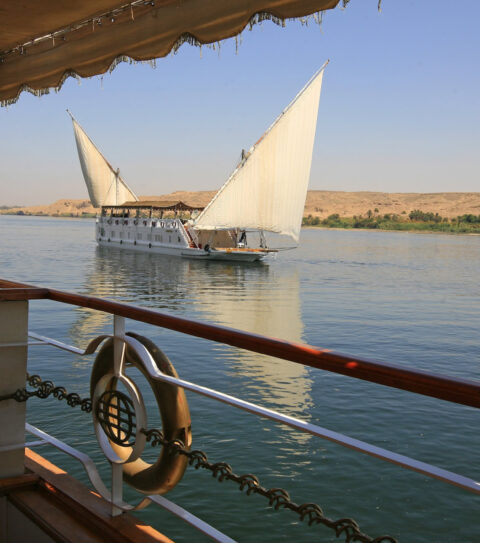
The Nile River cruise experience connects you to Egypt’s lifeline in ways that overland travel cannot match. This waterway has sustained civilizations for over 5,000 years, and cruising between Luxor and Aswan reveals landscapes virtually unchanged since pharaonic times. Traditional feluccas with white sails dot the water, while modern cruise ships provide comfortable bases for exploration.
Luxury Nile cruises typically span three to seven days, with stops at major archaeological sites along the route. Our cruises feature air-conditioned cabins, sun decks for Nile viewing, and small group excursions with qualified Egyptologists. Onboard dining showcases regional specialties alongside international cuisine, creating a culinary journey that complements the historical discoveries.
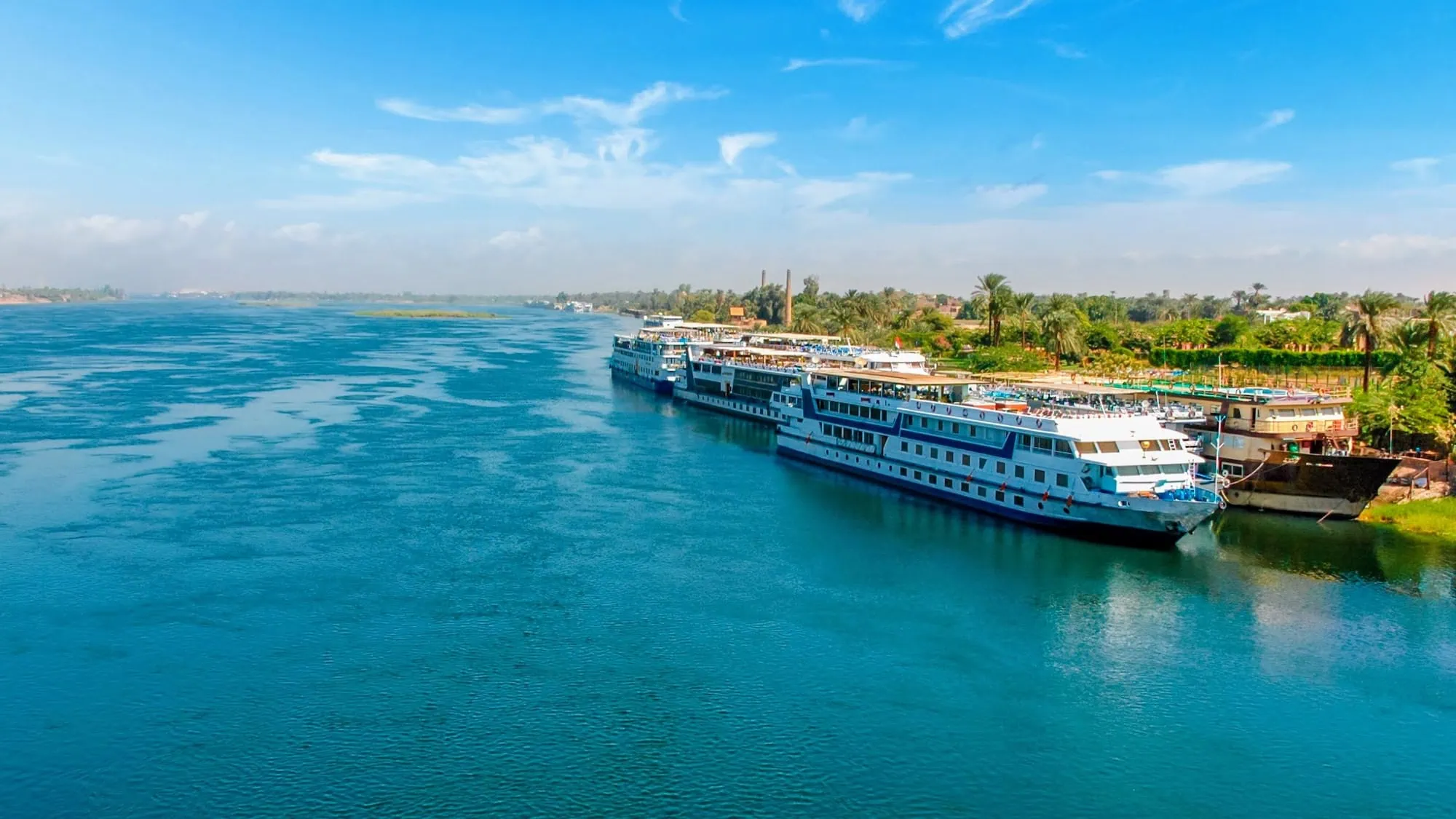
The river journey offers practical advantages beyond its romantic appeal. Unpacking once while visiting multiple destinations eliminates the hassle of constant hotel changes. Shore excursions are included in most packages, with small groups of up to 12 participants ensuring personalized attention at each site.
Sailing Between Sacred Sites
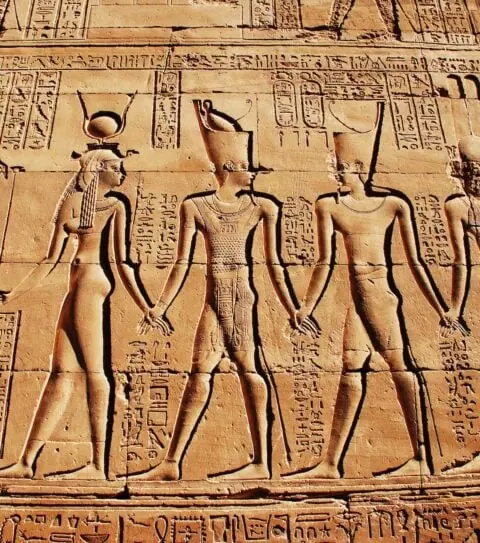
Departures from Luxor head south toward Aswan, passing temple complexes that rise directly from the riverbank. Edfu Temple, dedicated to the falcon god Horus, represents one of Egypt’s best-preserved ancient structures. The journey continues to Kom Ombo, where a unique double temple honors both Sobek the crocodile god and Horus simultaneously.
River life unfolds at a gentle pace that allows deep appreciation for the surroundings. Farmers tend crops using methods their ancestors practiced millennia ago. Children wave from riverbank villages where time seems suspended. The desert meets fertile green fields in sharp contrast, demonstrating the Nile’s life-giving power across an otherwise arid landscape.
Valley of the Kings: Royal Burial Ground of Eternity
Hidden within limestone cliffs on Luxor’s west bank lies the most significant royal necropolis ever discovered. Valley of the Kings contains 63 known tombs, including that of Tutankhamun, though archaeologists believe more remain buried beneath centuries of desert sand and debris.
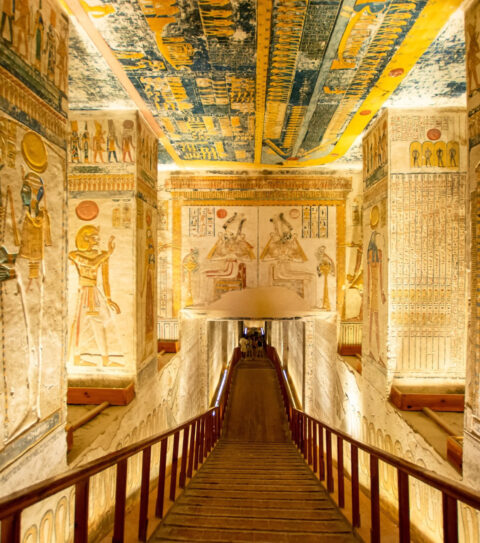
Each tomb tells a unique story through hieroglyphic texts and painted scenes that guided pharaohs through the afterlife journey. The artwork demonstrates ancient Egyptian beliefs about death, rebirth, and the soul’s eternal voyage through the underworld. Colors remain remarkably vibrant after thousands of years, protected by the desert’s dry climate and the tombs’ sealed environments.
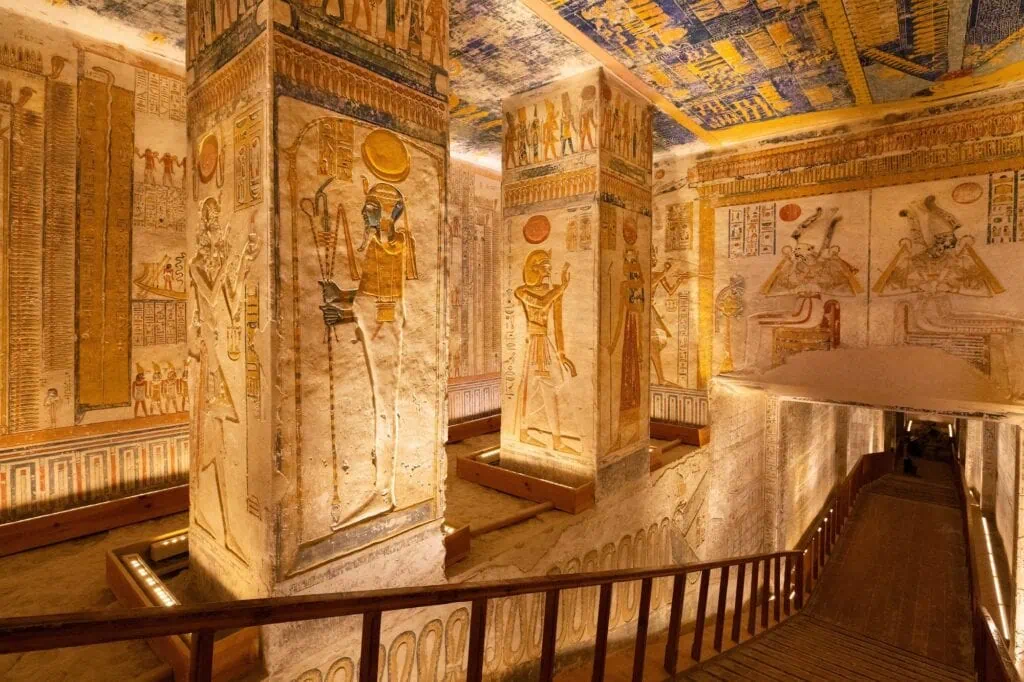
Tomb access operates on a ticket system, with different categories based on significance and preservation requirements. Standard tickets include three tombs, while special tickets provide access to Tutankhamun’s tomb or Seti I’s elaborately decorated burial chamber. We recommend arriving early, around 7:00 am (07:00), to avoid crowds and afternoon heat that can reach 45°C (113°F) during summer months.
The tomb of Seti I stands apart for its artistic complexity and excellent preservation. Descending passages lead through multiple chambers adorned with scenes from the Book of the Dead and astronomical ceiling paintings. This tomb requires special tickets due to limited daily access, but the experience justifies the additional cost for serious archaeology enthusiasts.
Photography inside most tombs requires separate tickets, and flash photography is prohibited to protect the ancient artwork. Many visitors find that simply experiencing these spaces creates more lasting memories than attempting to capture them through camera lenses.
Archaeological Discoveries Continue
Recent excavations have revealed new tombs and artifacts, making each visit potentially different from the last. In 2019, archaeologists discovered a cache of 30 mummies in wooden sarcophagi, demonstrating that Valley of the Kings continues yielding secrets after more than a century of professional excavation.
Abu Simbel: Ramesses II’s Monument to Power
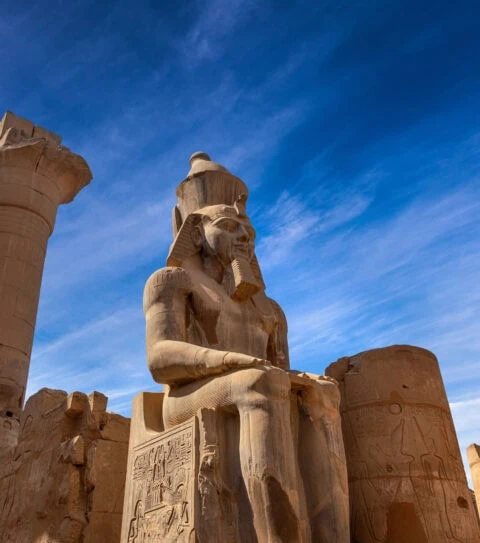
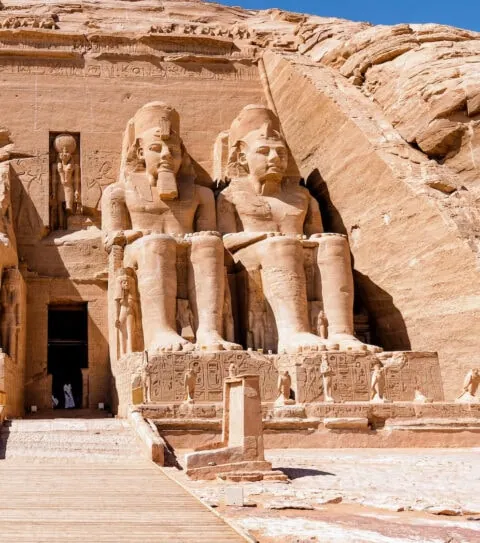
Four colossal statues of Ramesses II, each standing 20 meters (65 feet) tall, guard the entrance to Abu Simbel temples near Egypt’s southern border with Sudan. Built during the 13th century BCE, these temples demonstrate pharaonic power and religious devotion on a massive scale. The larger temple honors Ramesses II himself, while the smaller temple commemorates his beloved wife Queen Nefertari.
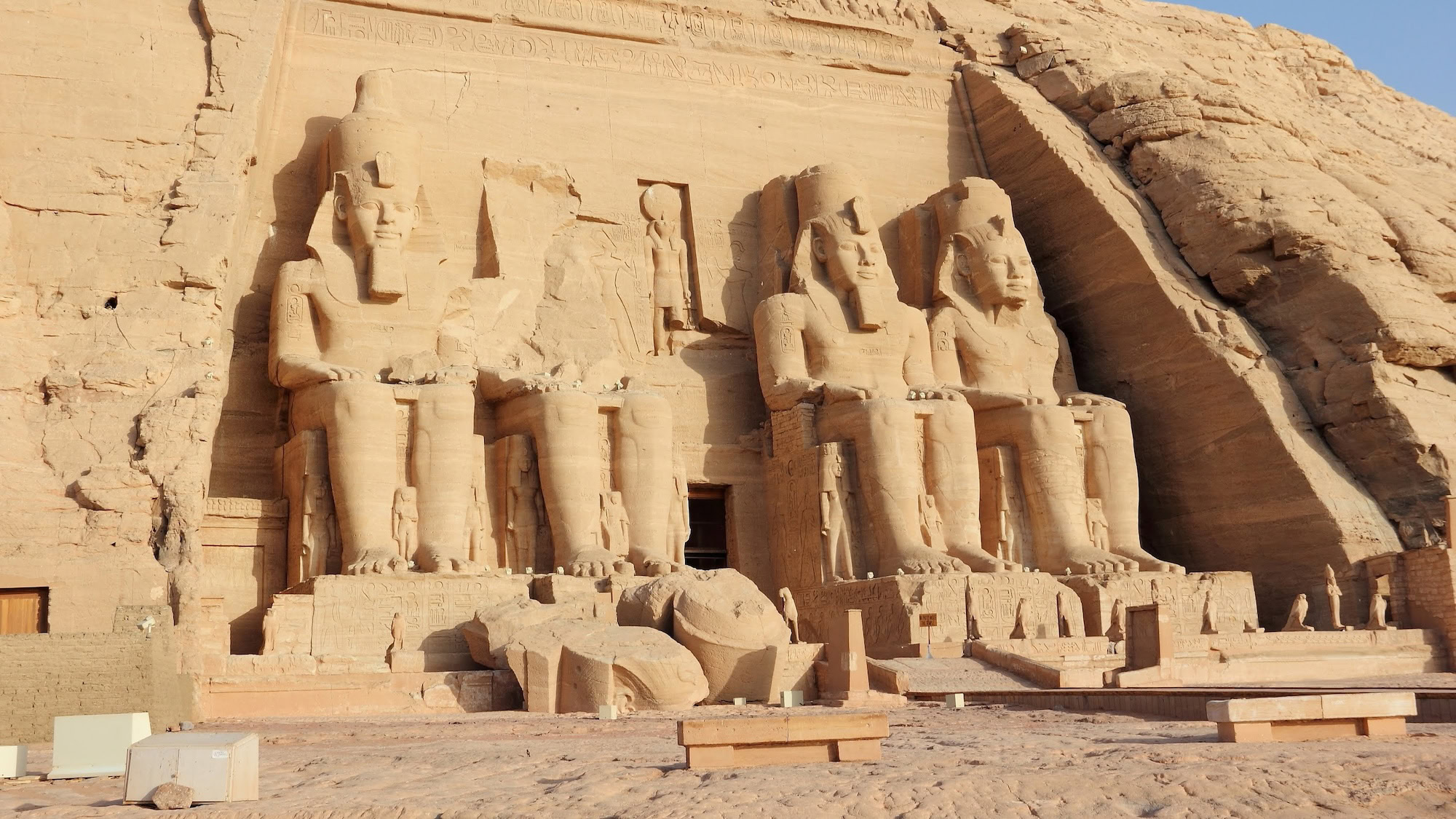
The temples’ modern story proves as remarkable as their ancient origins. Rising Nile waters from the Aswan High Dam construction threatened to submerge Abu Simbel entirely. UNESCO coordinated an international rescue effort that dismantled both temples stone by stone, relocating them 65 meters (213 feet) higher up the cliff face. This engineering marvel preserved the monuments for future generations while maintaining their original orientation and astronomical alignments.
Solar Alignment Phenomenon
Twice yearly, on February 22nd and October 22nd, sunrise penetrates the temple’s inner sanctuary to illuminate statues of Ramesses II and the gods Ra and Amun. This solar phenomenon demonstrates ancient Egyptian astronomical knowledge and architectural precision. The third statue, representing Ptah the underworld god, remains in shadow as intended by the original designers.
These illumination events attract visitors from around the world, creating festivals that celebrate both ancient wisdom and modern preservation efforts. We arrange special tours during these dates, though booking well in advance is essential due to limited accommodation in the area.
Grand Egyptian Museum and Cultural Treasures
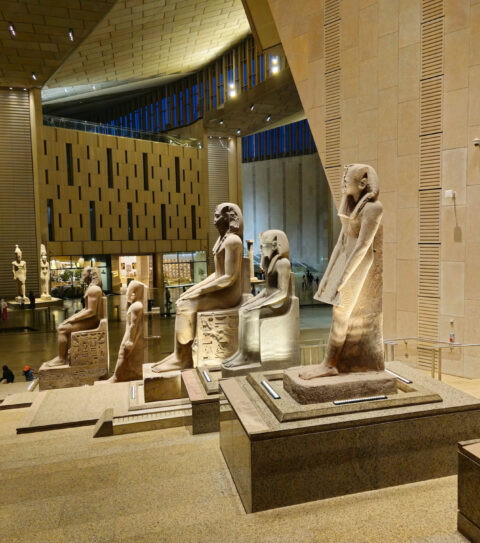
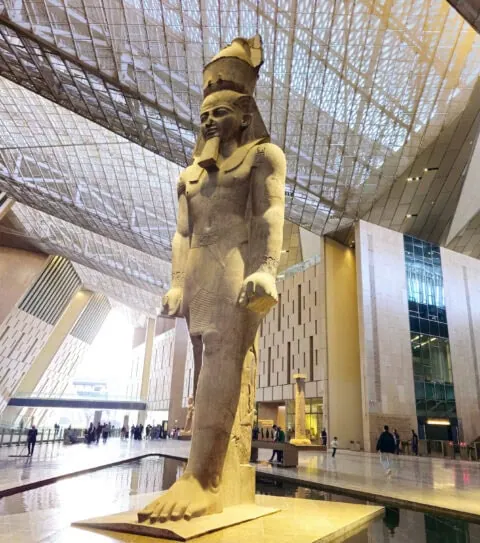
The recently opened Grand Egyptian Museum near Giza showcases Egypt’s archaeological treasures in a state-of-the-art facility designed specifically for preservation and education. This massive complex houses over 100,000 artifacts, including the complete Tutankhamun collection displayed together for the first time since the tomb’s discovery in 1922.
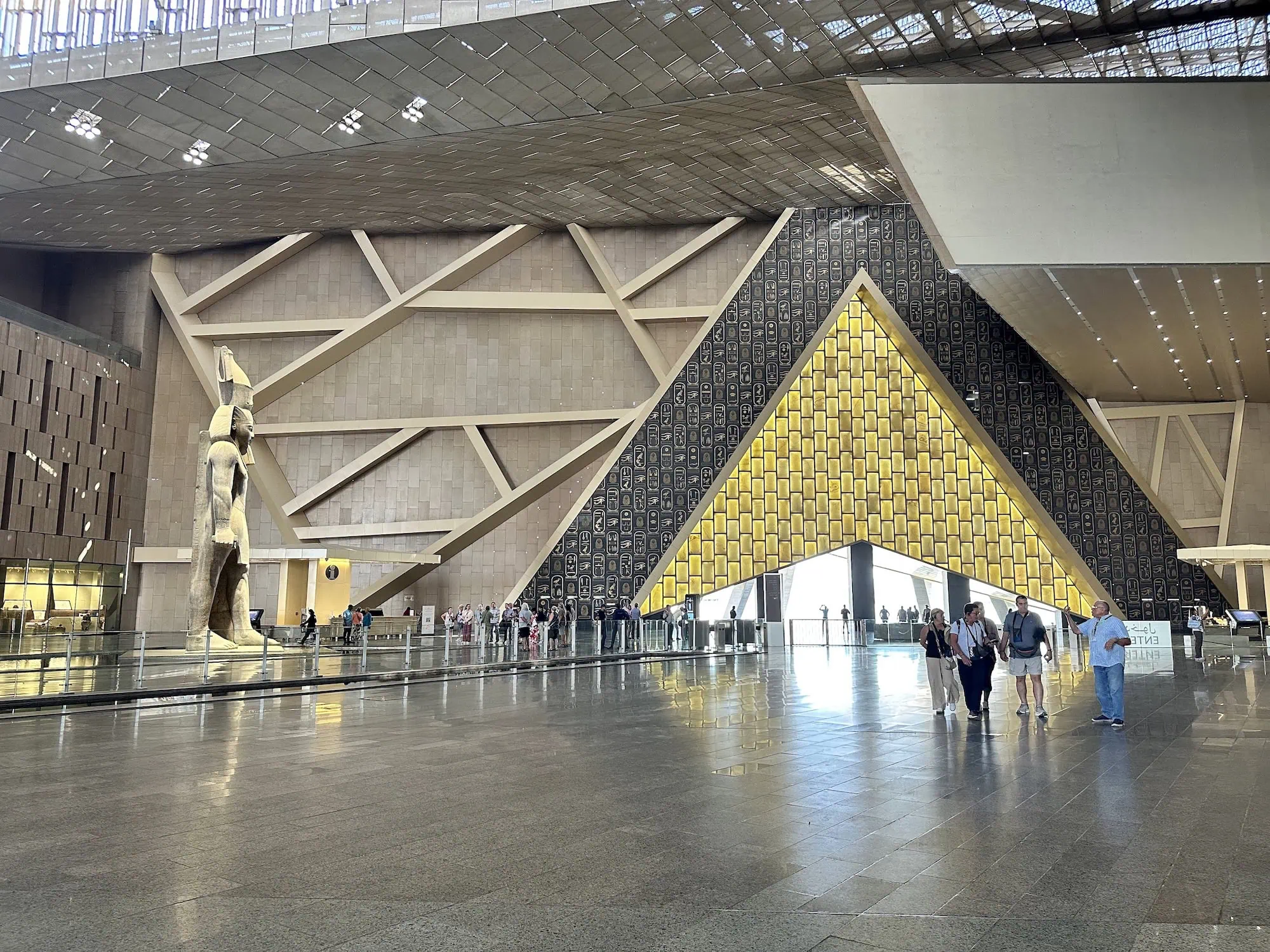
Interactive exhibits use cutting-edge technology to bring ancient Egypt to life through virtual reality experiences, 3D models, and multimedia presentations. The museum’s conservation laboratories operate behind glass walls, allowing visitors to observe restoration work in progress. Climate-controlled galleries ensure optimal conditions for fragile materials like papyrus scrolls, wooden artifacts, and delicate jewelry.
Tutankhamun’s Complete Legacy
The young pharaoh’s burial treasures span multiple galleries, revealing the incredible craftsmanship of ancient Egyptian artisans. Golden burial masks, ceremonial weapons, furniture, and personal items paint a complete picture of royal life and death beliefs. The famous golden burial mask, weighing 10.23 kilograms (22.5 pounds) of solid gold, serves as the collection’s centerpiece.
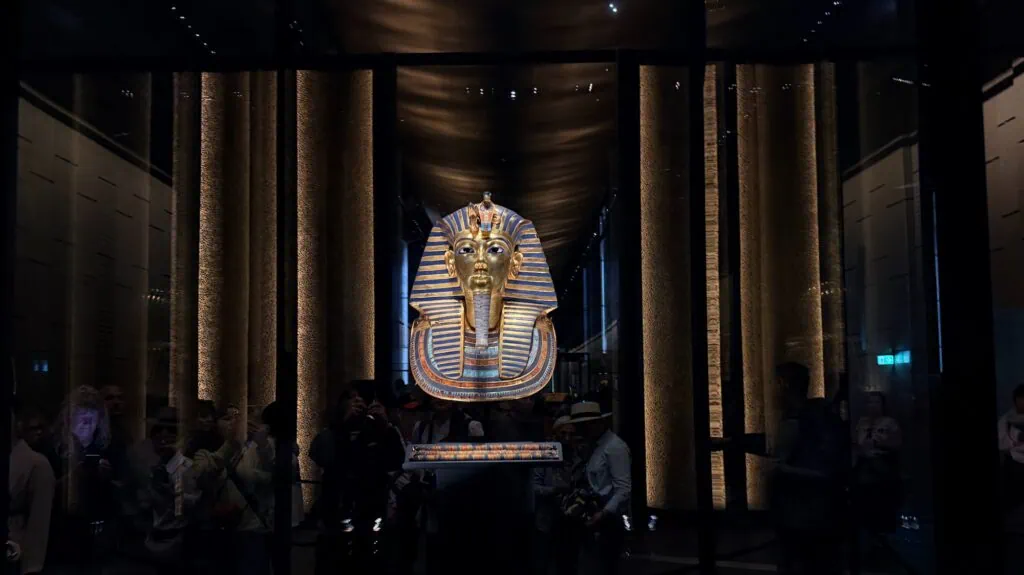
Many artifacts display intricate details invisible to the naked eye, enhanced through high-powered magnification systems that reveal previously hidden craftsmanship techniques. Hieroglyphic inscriptions receive detailed translations, making ancient texts accessible to modern visitors regardless of their archaeological background.
Egyptian Museum in Cairo
The original Egyptian Museum in Tahrir Square continues operating alongside its modern counterpart, housing an extensive collection of mummies, statues, and artifacts spanning Egypt’s entire pharaonic period. The building itself represents early 20th-century museum design, with natural lighting and spacious halls that create an intimate connection between visitors and ancient objects.
The mummy room contains royal remains including Ramesses II, Seti I, and other notable pharaohs whose preserved bodies offer direct connections to historical figures known primarily through written records. Advanced preservation techniques maintain these remains while allowing scientific study that continues revealing new information about ancient Egyptian life, health, and burial practices.
Luxor: The World’s Greatest Open-Air Museum
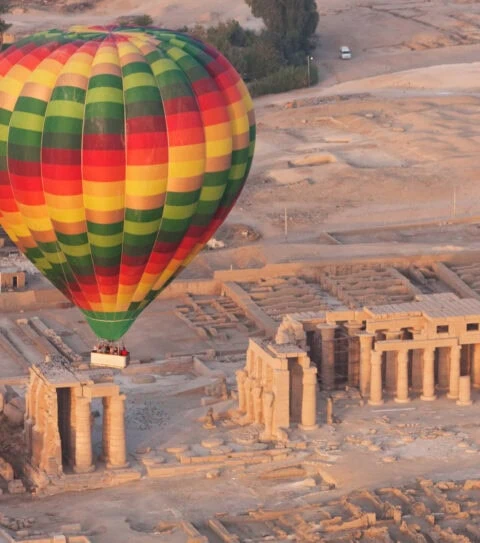
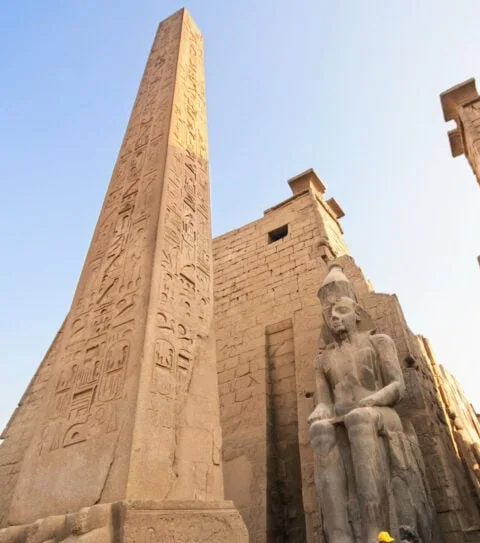
Ancient Thebes, known today as Luxor, contains the highest concentration of monumental architecture anywhere in the world. The city sits on both banks of the Nile, with massive temple complexes that served as Egypt’s religious and political center for over 1,500 years. Walking through Luxor means stepping directly into spaces where pharaohs worshipped, made important decisions, and celebrated religious festivals.
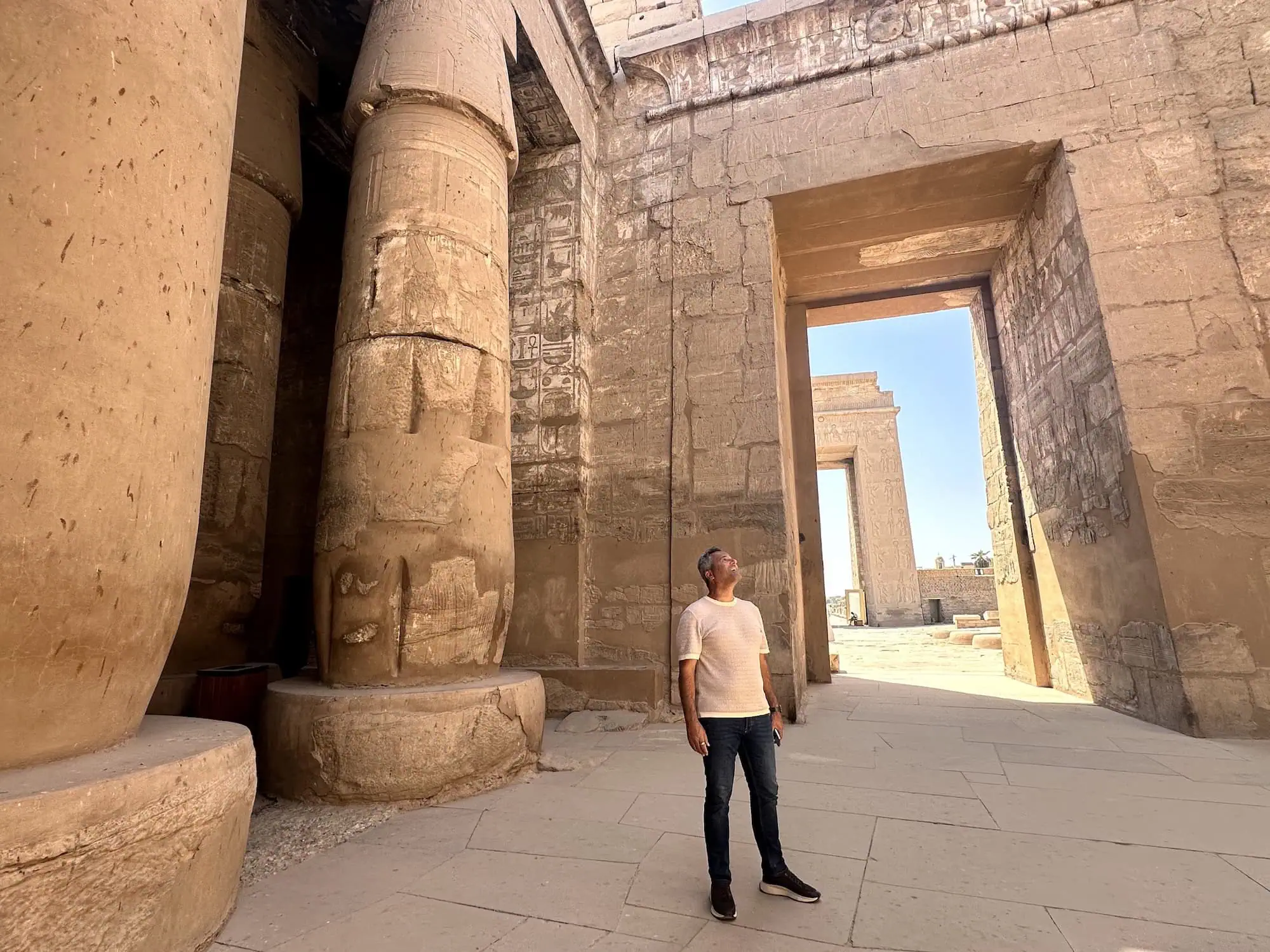
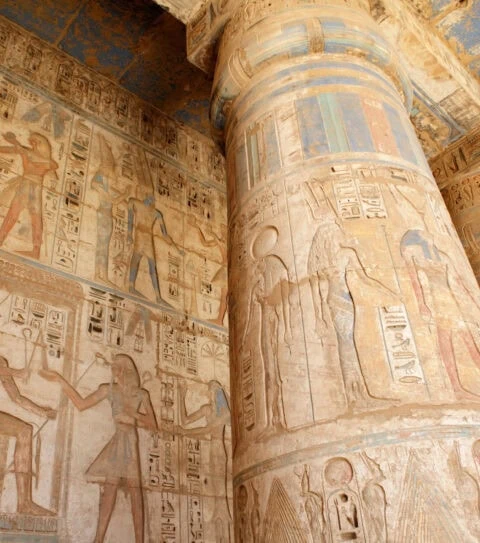
Karnak Temple Complex alone covers 100 hectares (247 acres) and represents 2,000 years of continuous construction by successive pharaohs. The Great Hypostyle Hall contains 134 massive columns, each capable of holding 50 people on its capital. Hieroglyphic inscriptions cover every surface, creating the world’s largest religious text carved in stone.
East Bank Monuments
The east bank represents the land of the living in ancient Egyptian cosmology. Luxor Temple connects to Karnak through the Avenue of Sphinges, a 2.7-kilometer (1.7-mile) processional road lined with sphinx statues that once hosted annual religious ceremonies. Recent restoration has reopened this ancient highway, allowing visitors to walk the same path used by pharaohs during sacred festivals.
Karnak’s sacred lake provided purification water for temple rituals and housed sacred boats during religious ceremonies. The lake measures 120 meters by 77 meters (394 by 252 feet) and maintains constant water levels through underground connections to the Nile, demonstrating ancient engineering sophistication that continues functioning today.
West Bank Necropolis
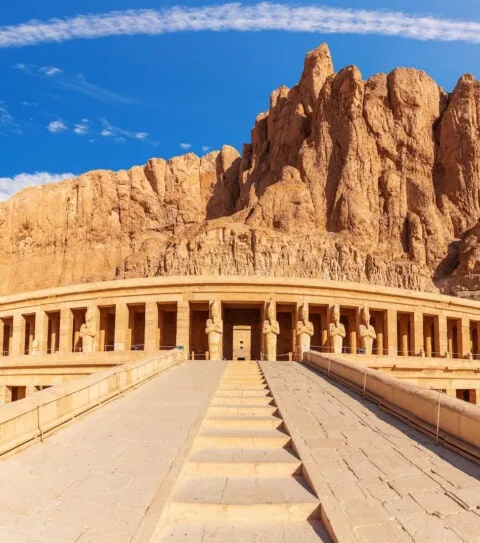
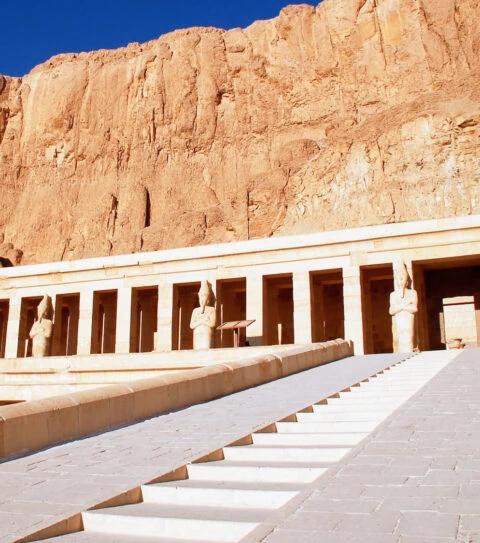
Crossing the Nile to Luxor’s west bank transports visitors into the ancient realm of the dead. Beyond Valley of the Kings, numerous other burial sites reveal different aspects of ancient Egyptian society. Valley of the Queens contains tombs of royal wives and children, with Queen Nefertari’s tomb featuring some of Egypt’s finest painted decoration.
Noble tombs scattered across the hillsides demonstrate how wealthy officials prepared for eternity. These smaller tombs often contain more detailed daily life scenes than royal burials, showing agricultural work, banquet scenes, and family activities that provide intimate glimpses into ancient Egyptian society beyond the royal court.
Red Sea Adventures: Egypt’s Underwater Paradise
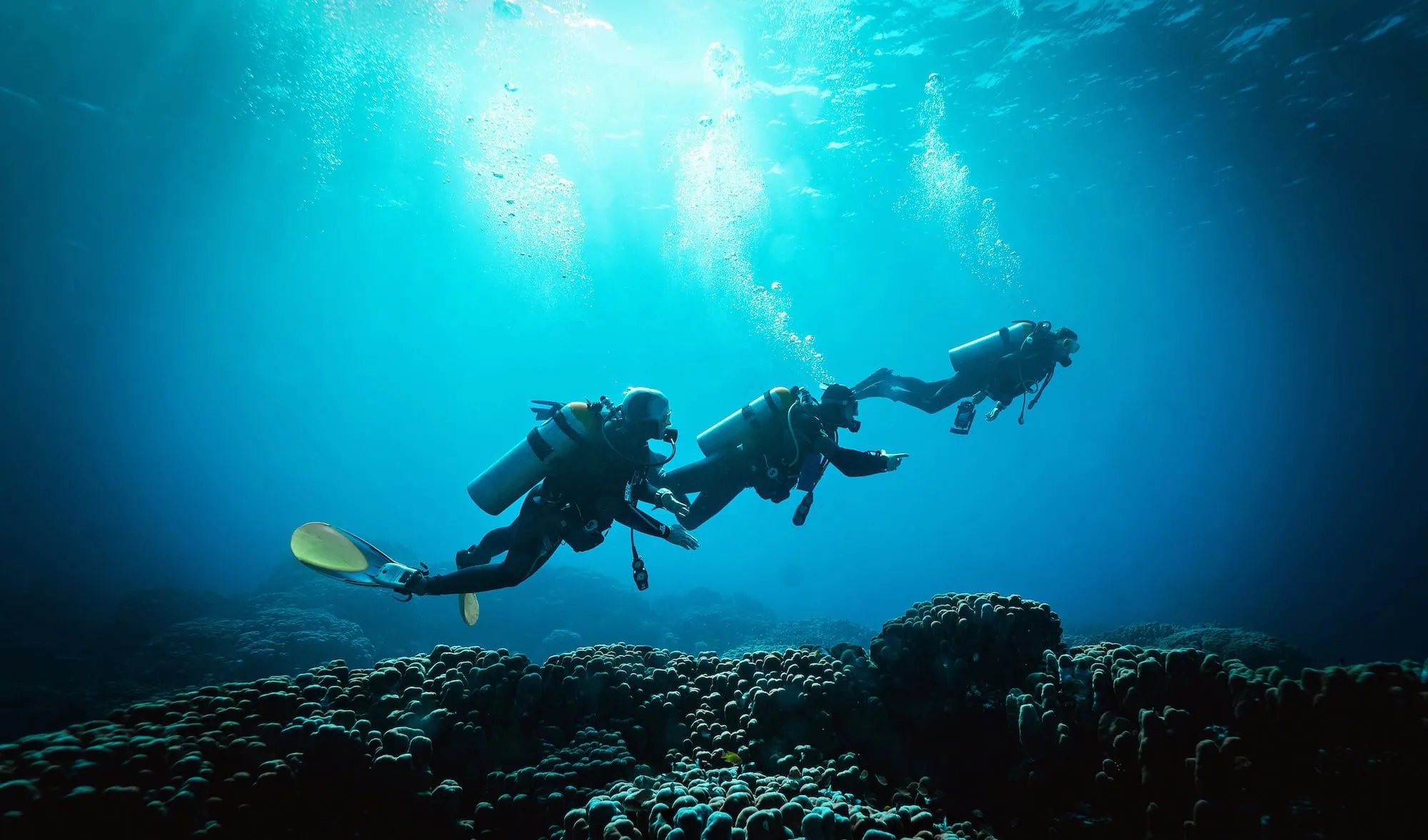
Egypt’s Red Sea coastline offers some of the world’s most pristine coral reef diving and snorkeling experiences. The sea’s unique geography creates perfect conditions for marine life, with water temperatures ranging from 22°C to 28°C (72°F to 82°F) year-round and visibility often exceeding 30 meters (100 feet).
Dahab’s Blue Hole
The Blue Hole near Dahab represents one of the Red Sea’s most famous diving sites. This circular reef formation drops to depths exceeding 100 meters (328 feet), creating a natural aquarium teeming with coral formations and tropical fish. The site’s accessibility from shore makes it perfect for both beginners and experienced divers.
Snorkeling at the Blue Hole reveals colorful coral gardens in shallow waters where non-divers can observe the same marine diversity that attracts underwater photographers from around the world. Napoleon wrasse, schools of barracuda, and countless reef fish species create an underwater spectacle that rivals any nature documentary.
Sharm El Sheikh Diving Capital
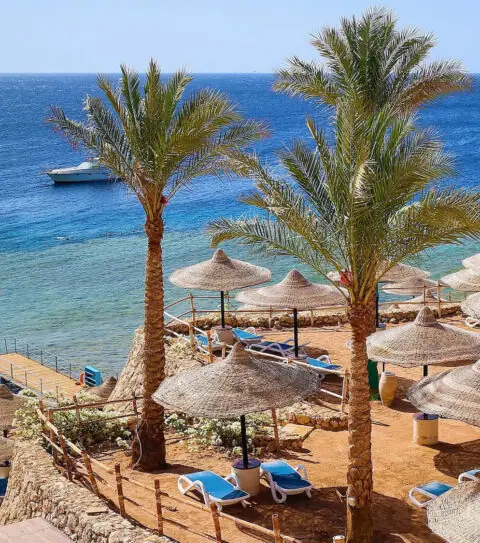
Sharm El Sheikh serves as the Red Sea’s diving headquarters, with numerous dive operators offering courses, equipment, and boat trips to offshore reefs. The nearby Ras Mohammed National Park protects some of the region’s most pristine coral formations, while Tiran Island’s reefs offer encounters with larger marine species including sharks, rays, and sea turtles.
Hurghada, further north along the coast, provides similar diving opportunities with the added advantage of shorter travel distances from Cairo and Luxor. Resort hotels along both coastlines offer diving packages that combine underwater adventures with traditional beach relaxation.
Sinai Peninsula: Desert Adventures and Sacred Mountains
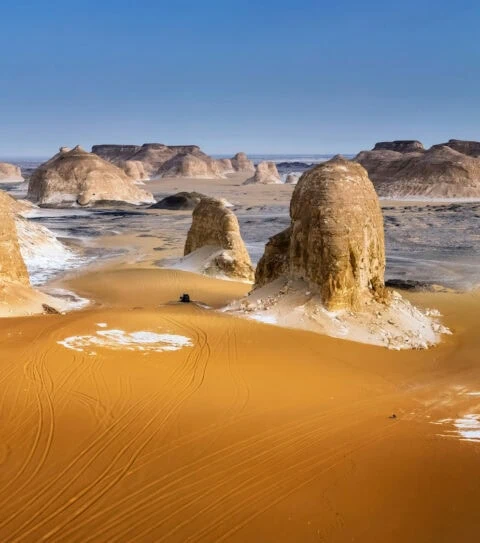
The Sinai Peninsula bridges Africa and Asia, creating unique landscapes that combine dramatic mountains, hidden canyons, and Bedouin cultural experiences. This region offers adventures beyond Egypt’s more famous historical sites, appealing to travelers seeking natural wonders and outdoor challenges.
Mount Sinai Pilgrimage
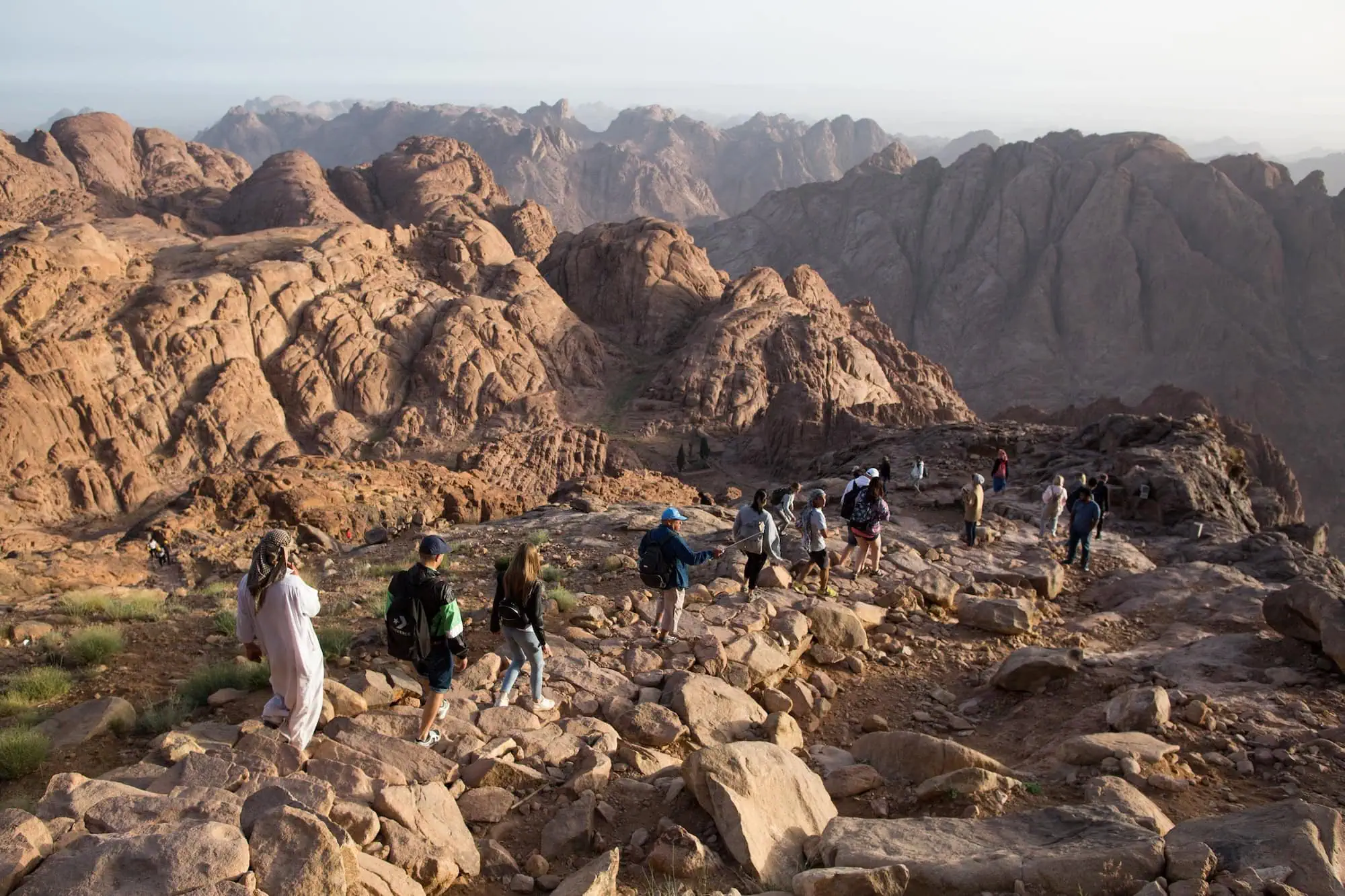
Mount Sinai, known locally as Jebel Musa, attracts both religious pilgrims and adventure seekers to its 2,285-meter (7,497-foot) summit. The traditional climbing route follows ancient pilgrim paths that wind through rocky valleys and up steep mountain faces. Most ascents begin around 2:00 am (02:00) to reach the summit for sunrise, creating unforgettable moments as the first light illuminates surrounding peaks.
Saint Catherine’s Monastery sits at the mountain’s base, claiming to be the world’s oldest continuously operating Christian monastery. The 6th-century complex houses irreplaceable manuscripts, icons, and religious artifacts while maintaining active monastic traditions. The burning bush, identified by tradition as the site of Moses’s divine encounter, grows within the monastery’s protected walls.
Colored Canyon Exploration
Hidden within the Sinai’s eastern mountains, the Colored Canyon reveals nature’s artistry through wind and water erosion over millions of years. Narrow passages between red, yellow, and purple sandstone walls create natural sculptures that seem almost artificial in their perfection. The canyon requires moderate fitness levels as visitors must climb over rocks and squeeze through narrow sections.
These geological formations demonstrate the region’s ancient history when the area lay beneath tropical seas. Fossil remains embedded in canyon walls tell stories of marine life from epochs long past, while mineral deposits create the spectacular color variations that give the canyon its name.
Planning Your Egyptian Adventure
Egypt rewards travelers who plan thoughtfully while remaining open to spontaneous discoveries. The country’s size and diversity mean that most visitors must choose between different regional focuses rather than attempting to see everything in a single trip.
Best Travel Seasons
October through April provides optimal weather conditions for archaeological site visits, with daytime temperatures ranging from 20°C to 30°C (68°F to 86°F) and minimal rainfall. Summer months can be challenging for outdoor activities, with temperatures often exceeding 40°C (104°F) in Upper Egypt and desert regions.
Red Sea coastal areas maintain pleasant conditions year-round for water activities, though summer temperatures make midday sun exposure potentially dangerous without proper protection. We provide comprehensive packing lists and seasonal advice to ensure comfort regardless of travel dates.
Visa Requirements for International Visitors
U.S. citizens can obtain tourist visas upon arrival at major airports for $25 USD, valid for 30 days with single entry. Alternatively, electronic visas purchased online provide the same access while avoiding airport lines. Passports must remain valid for at least six months beyond the intended departure date.
European Union citizens follow identical visa procedures, while some nationalities including those from Latin American countries may require advance visa applications through Egyptian consulates. We assist with current visa requirements as regulations occasionally change based on diplomatic agreements.
Cultural Considerations and Local Customs
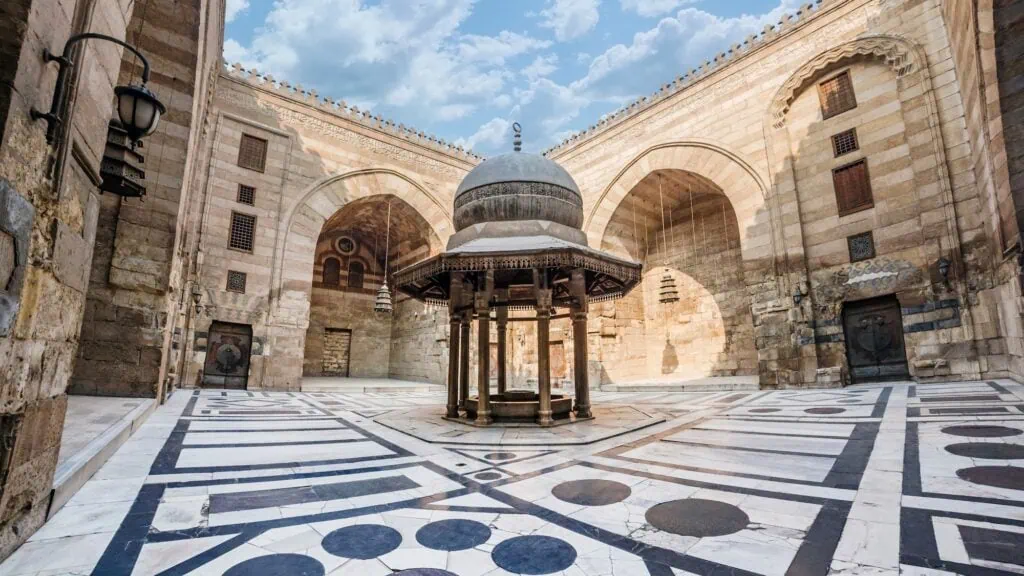
Egyptian society values respect for religious and cultural traditions. Modest dress helps visitors feel more comfortable in local communities, particularly when visiting religious sites where covering shoulders and knees is required. Many mosques welcome respectful non-Muslim visitors outside prayer times, offering insights into Islamic architecture and spiritual practices.
Tipping, known locally as “baksheesh,” represents an important part of Egyptian service culture. Small tips for guides, drivers, and service staff demonstrate appreciation while supporting local economies. We provide specific guidance on appropriate amounts for different services to ensure cultural sensitivity.
Our decades of experience organizing Egyptian adventures means we understand both the incredible opportunities and potential challenges of travel in this fascinating country. From securing special tomb access to arranging private archaeological guides, we ensure your Egyptian experience exceeds expectations while running smoothly from arrival to departure.
Frequently Asked Questions
A minimum of 7-10 days allows time for Cairo’s pyramids and museums, a Nile cruise between Luxor and Aswan, plus one additional region like the Red Sea coast.
Domestic flights connect major destinations quickly, while overnight trains provide comfortable transportation between Cairo and southern cities. We arrange all transportation as part of comprehensive tour packages.
Yes, with proper planning and local guidance. We provide female travelers with specific advice about cultural norms and arrange trusted female guides when requested.
Pyramid interiors involve narrow, steep passages that may be challenging for claustrophobic visitors. External exploration still provides incredible experiences with the monuments and Sphinx.
Lightweight, breathable clothing that covers arms and legs, comfortable walking shoes, sun protection, and layers for temperature variations between regions and seasons.
Peak season (October-April) requires 2-3 months advance booking for best availability. Special access permits for certain tombs need even earlier arrangement.
Shore excursions during multi-day Nile cruises operate as small groups with up to 12 participants, ensuring more personalized experiences than large tour groups.
East bank contains active temples like Karnak and Luxor Temple, while west bank houses burial sites including Valley of the Kings and Queens, representing ancient concepts of life and death.
Yes, water temperatures stay comfortable throughout the year, ranging from 22°C to 28°C (72°F to 82°F), though summer air temperatures can be quite hot.
No special permits are required, but the remote location near Sudan’s border means most visitors join organized tours or flights from Aswan rather than traveling independently.
Egyptian pounds (EGP) are preferred for local transactions, though US dollars are widely accepted. We recommend bringing cash as credit card acceptance remains limited outside major hotels and tourist sites.
Polite but firm responses work best. Our guided tours include pre-arranged shopping stops at reputable stores, eliminating pressure while supporting local artisans who create authentic Egyptian crafts.
Design Your Custom Tour
Explore Egypt your way by selecting only the attractions you want to visit
Don’t miss Egypt’s greatest treasures