Holidays to Egypt in January
Cool desert mornings, sunny afternoons, and ancient wonders without the crowds — January is one of the best times to discover Egypt.
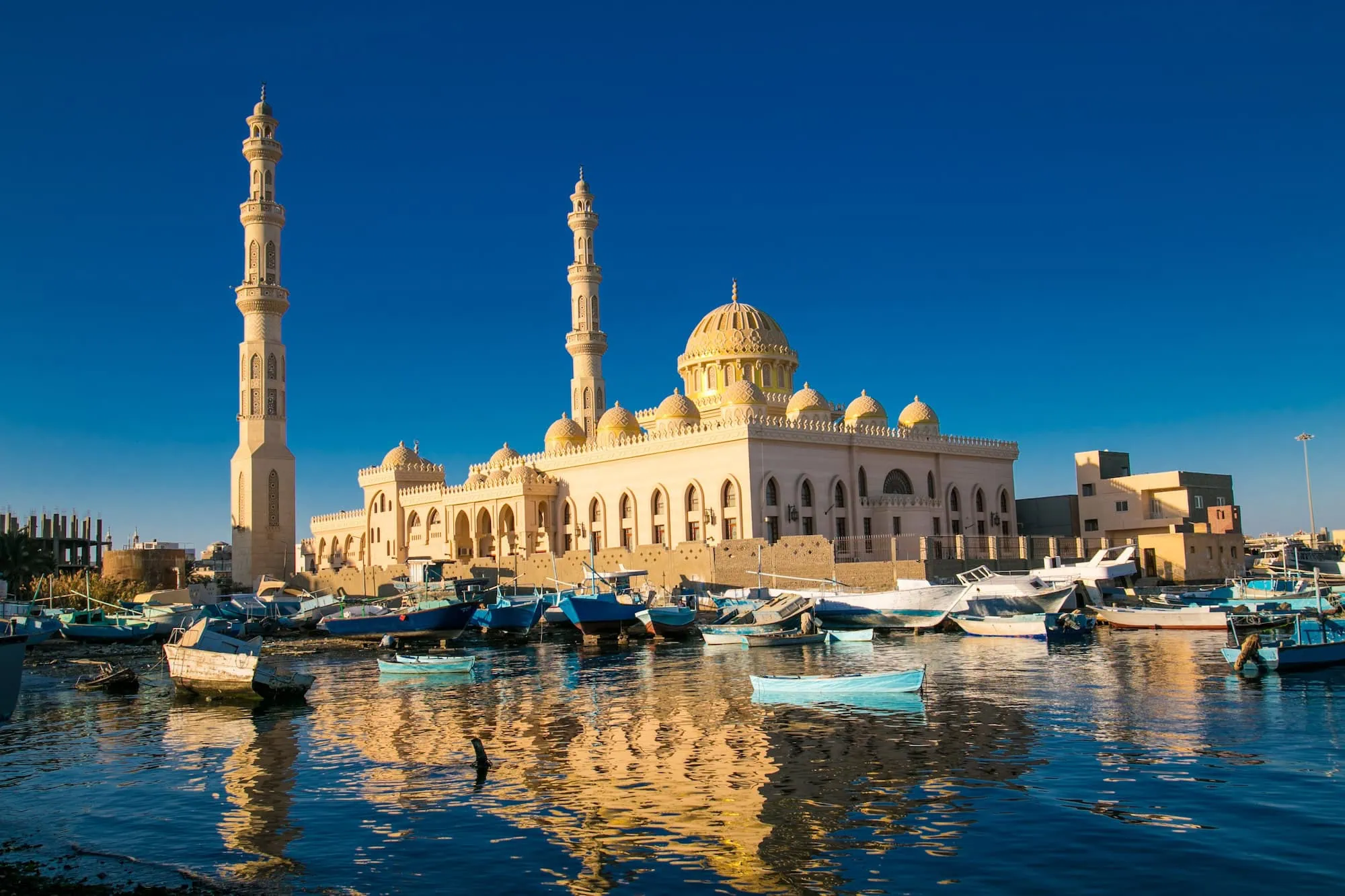
January strikes Egypt’s sweet spot for travelers seeking warm sunshine during winter months. While cold weather grips much of the northern hemisphere, Egypt basks in mild temperatures averaging 20°C (68°F) during the day and cooling to comfortable 10°C (50°F) at night.
This creates ideal conditions for exploring ancient wonders without the scorching heat that defines summer visits. January also marks the peak tourist season, bringing vibrant energy to archaeological sites and bustling markets across the country. We’ve helped thousands of travelers discover Egypt’s treasures during these optimal winter months, and January consistently delivers exceptional experiences for first-time visitors and seasoned Egypt enthusiasts alike.
Table of Contents
Why January Weather Makes Egypt Irresistible
Egypt’s January climate transforms the country into a traveler’s paradise. Daytime temperatures hover around 18-22°C (64-72°F) in Cairo and Luxor, perfect for walking through temple complexes and climbing inside pyramids. The Red Sea coastal areas maintain slightly warmer conditions at 23-25°C (73-77°F), making beach activities comfortable without overwhelming heat.
Clear Skies and Gentle Breezes
Rain remains virtually nonexistent throughout January, with most regions experiencing fewer than three rainy days the entire month. This reliability lets you plan outdoor adventures with confidence. Morning mist occasionally blankets the Nile Valley, creating mystical atmospheres around temple ruins before burning off by mid-morning.
Desert winds stay mild during January, unlike the fierce khamsin winds that sweep across Egypt in spring months. Gentle northern breezes from the Mediterranean provide natural cooling, especially appreciated during midday temple visits.
Comfortable Evening Temperatures
Nights cool significantly, dropping to 8-12°C (46-54°F) in most areas. Pack layers for evening cruises down the Nile and nighttime sound-and-light shows at the pyramids. Aswan experiences the warmest nighttime temperatures, while Alexandria can feel quite chilly after sunset.
Perfect Photography Conditions
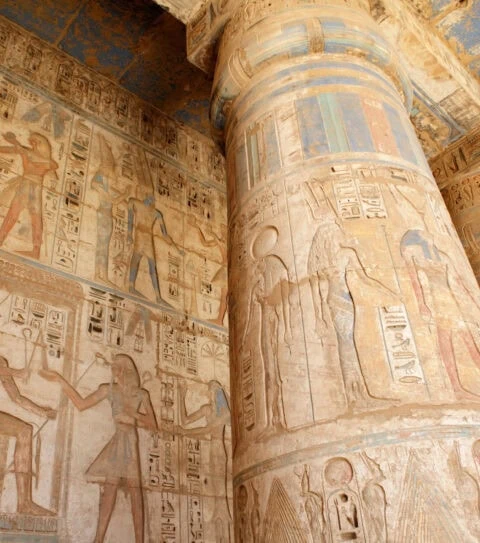
January’s soft sunlight creates excellent photography opportunities throughout the day. Harsh shadows that plague summer visits disappear, revealing intricate hieroglyphic details and architectural features. Golden hour extends longer during winter months, providing magical lighting for monument photography.
Top Destinations to Experience During January
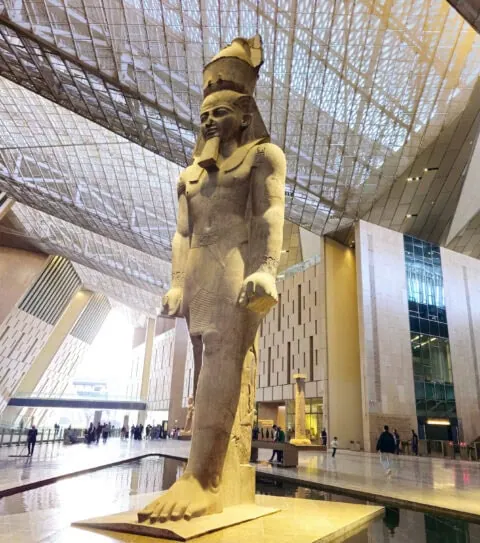
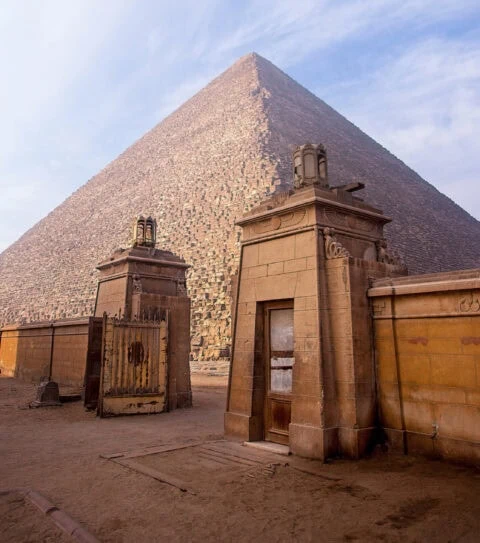
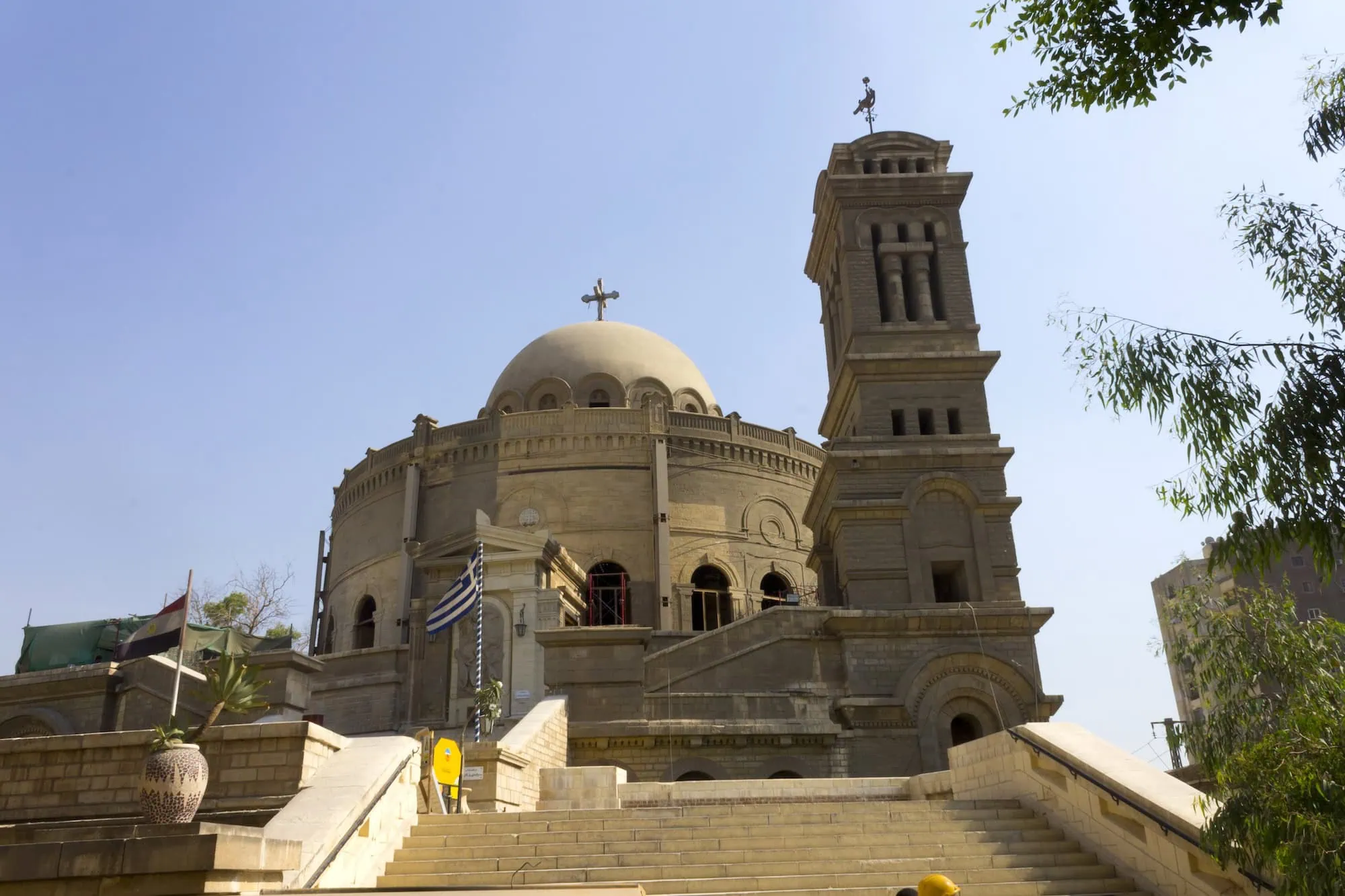
Cairo buzzes with activity during January’s peak season. The Grand Egyptian Museum showcases artifacts without overwhelming summer crowds, while the narrow streets of Islamic Cairo remain comfortable for extended walking tours. Our private guides navigate you through Coptic Cairo’s historic churches and synagogues, sharing stories that bring ancient history to life.
Luxor’s Archaeological Treasures
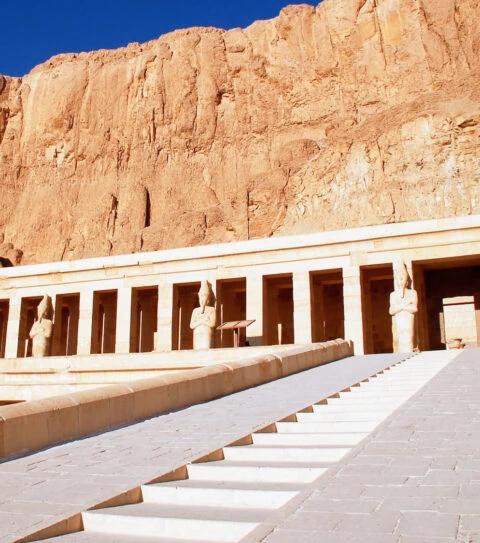
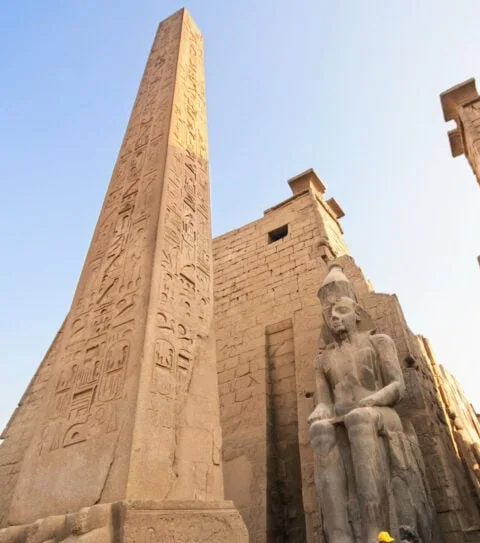
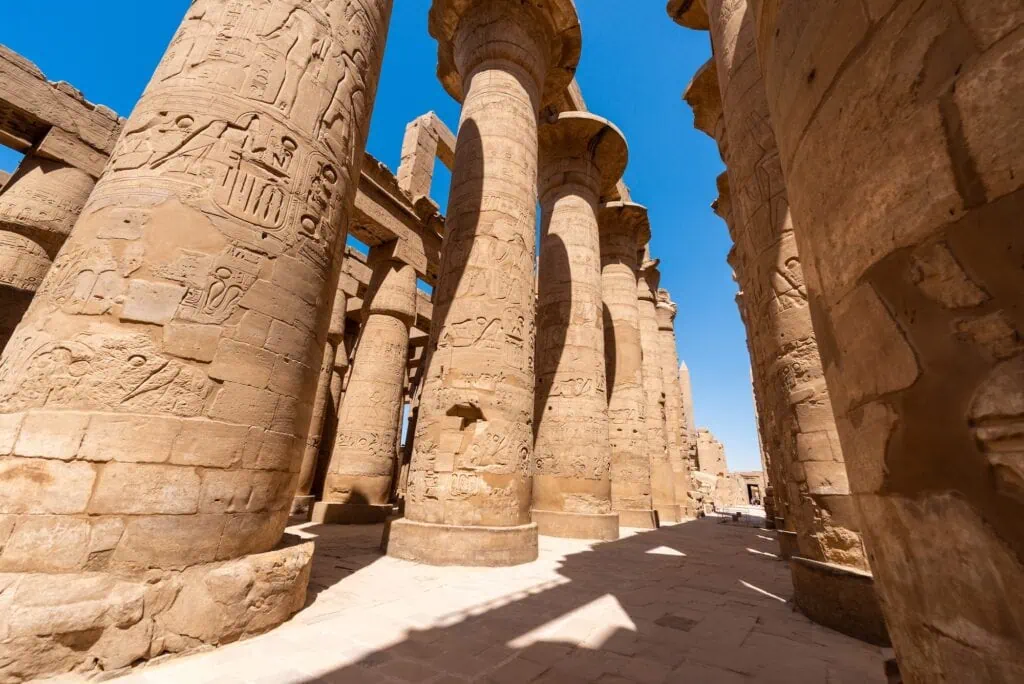
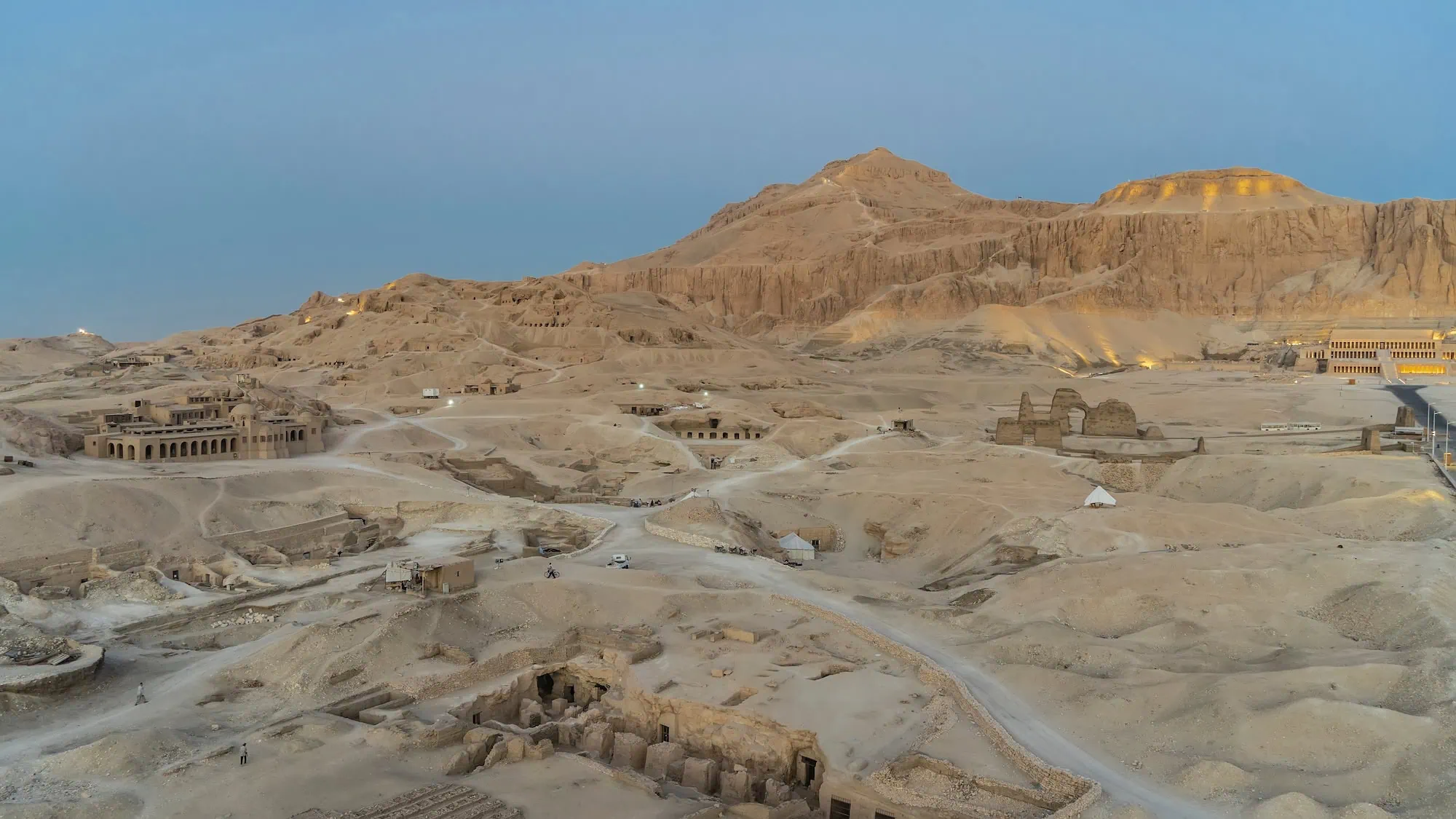
Luxor transforms into an archaeologist’s dream during January. Valley of the Kings opens all accessible tombs, including recently restored burial chambers typically closed during extreme heat. Karnak Temple Complex allows thorough exploration without heat exhaustion, while Luxor Temple’s evening illumination creates spectacular photo opportunities.
Aswan’s Nubian Culture
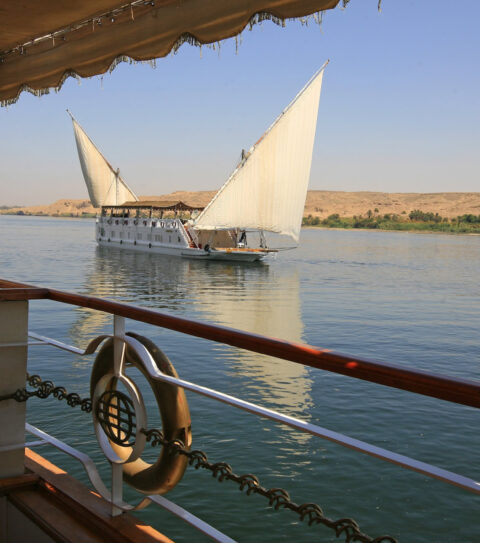
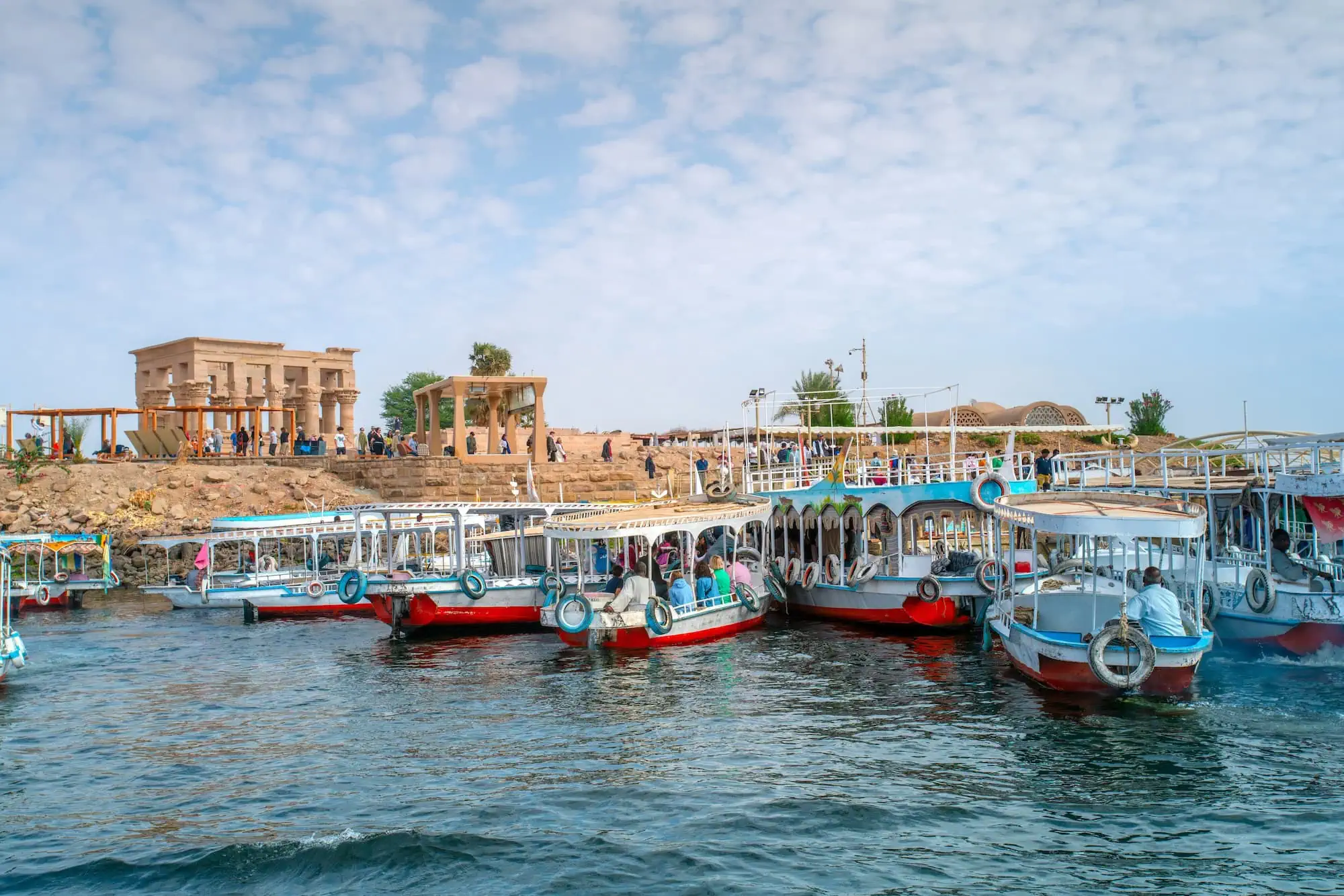
Aswan maintains Egypt’s warmest January temperatures, making it ideal for felucca sailing and Nubian village visits. Philae Temple sits beautifully on its island setting, accessible via traditional boats that operate comfortably in cool weather. The Aswan High Dam and Unfinished Obelisk become fascinating stops without summer’s punishing sun.
Alexandria’s Mediterranean Charm
Egypt’s northern coastal gem offers a completely different January experience. Temperatures range from 12-18°C (54-64°F), creating perfect conditions for exploring the Bibliotheca Alexandrina and walking along the corniche. The city’s European-influenced architecture and seaside cafes provide refreshing contrasts to Upper Egypt’s ancient monuments.
Nile River Cruising in January Conditions
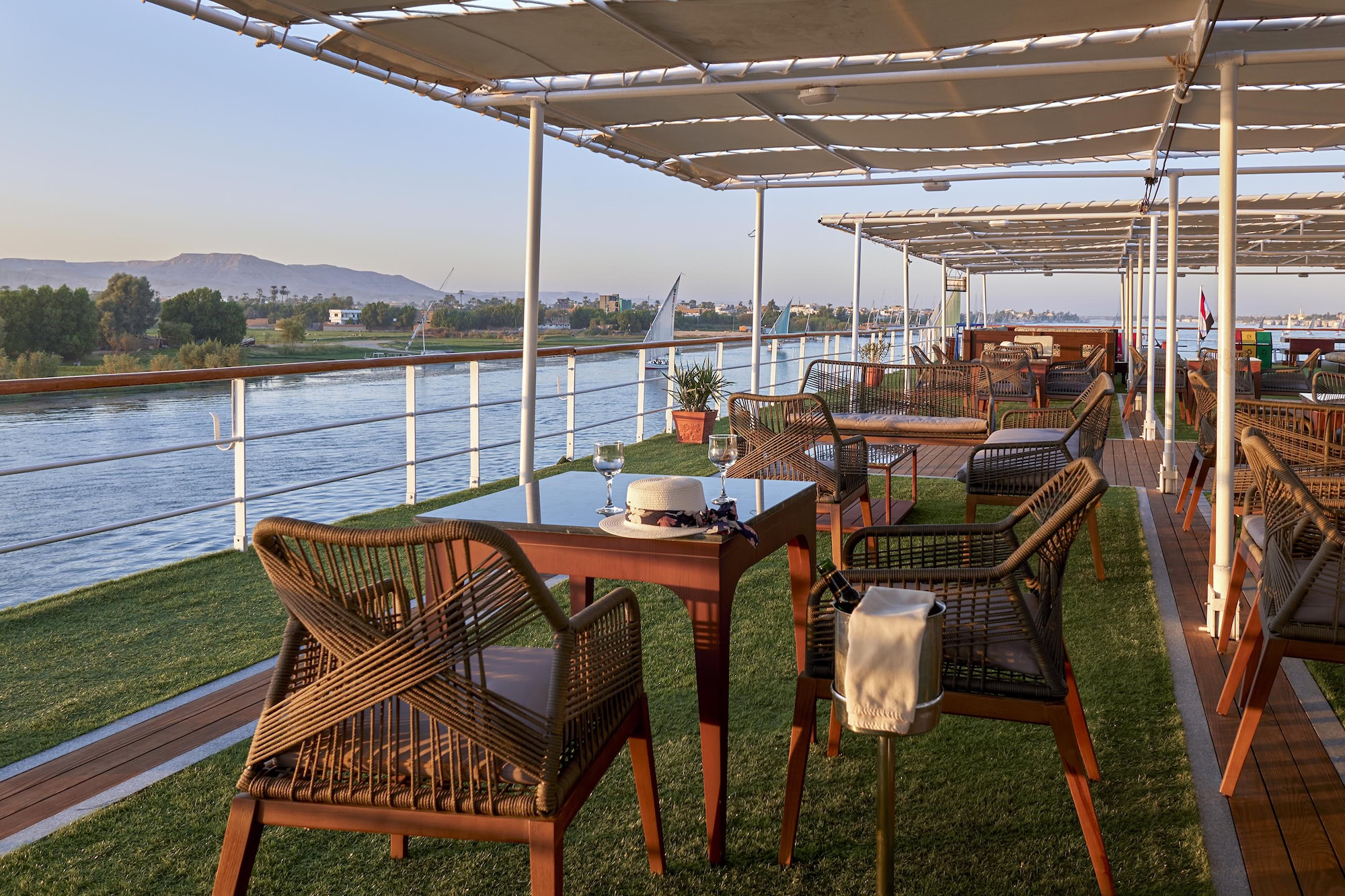
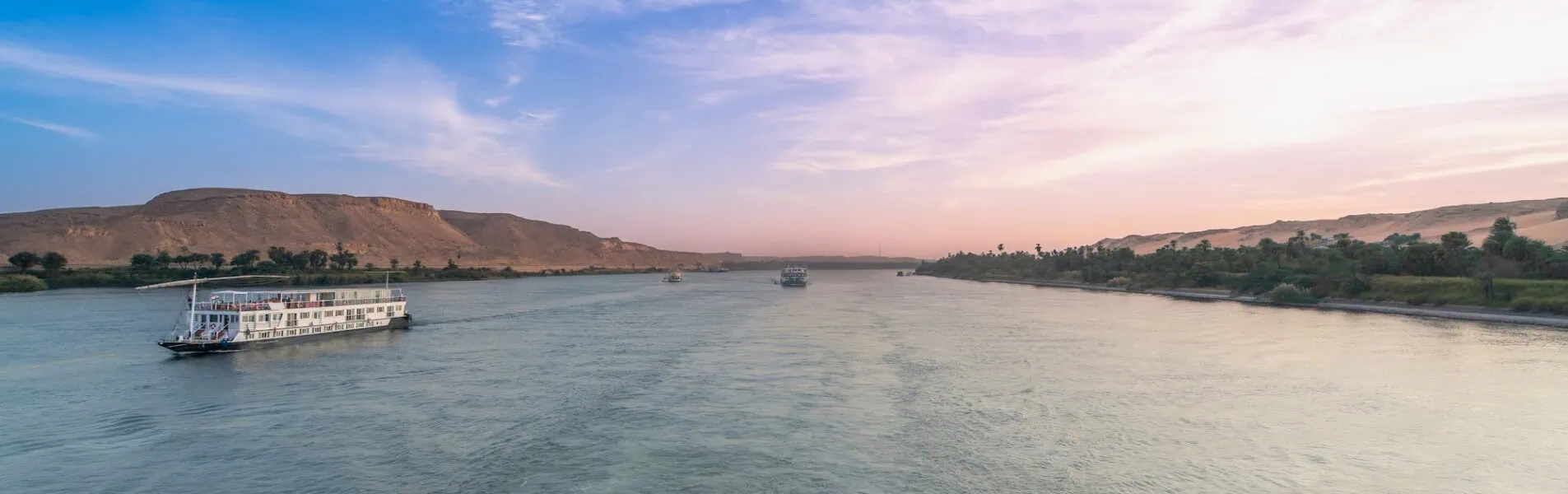
January ranks as the premium month for Nile cruising between Luxor and Aswan. River temperatures remain comfortable for deck relaxation, while daily excursions to temples and tombs avoid oppressive heat. Evening entertainment on cruise ships benefits from cool breezes that make outdoor dining pleasant.
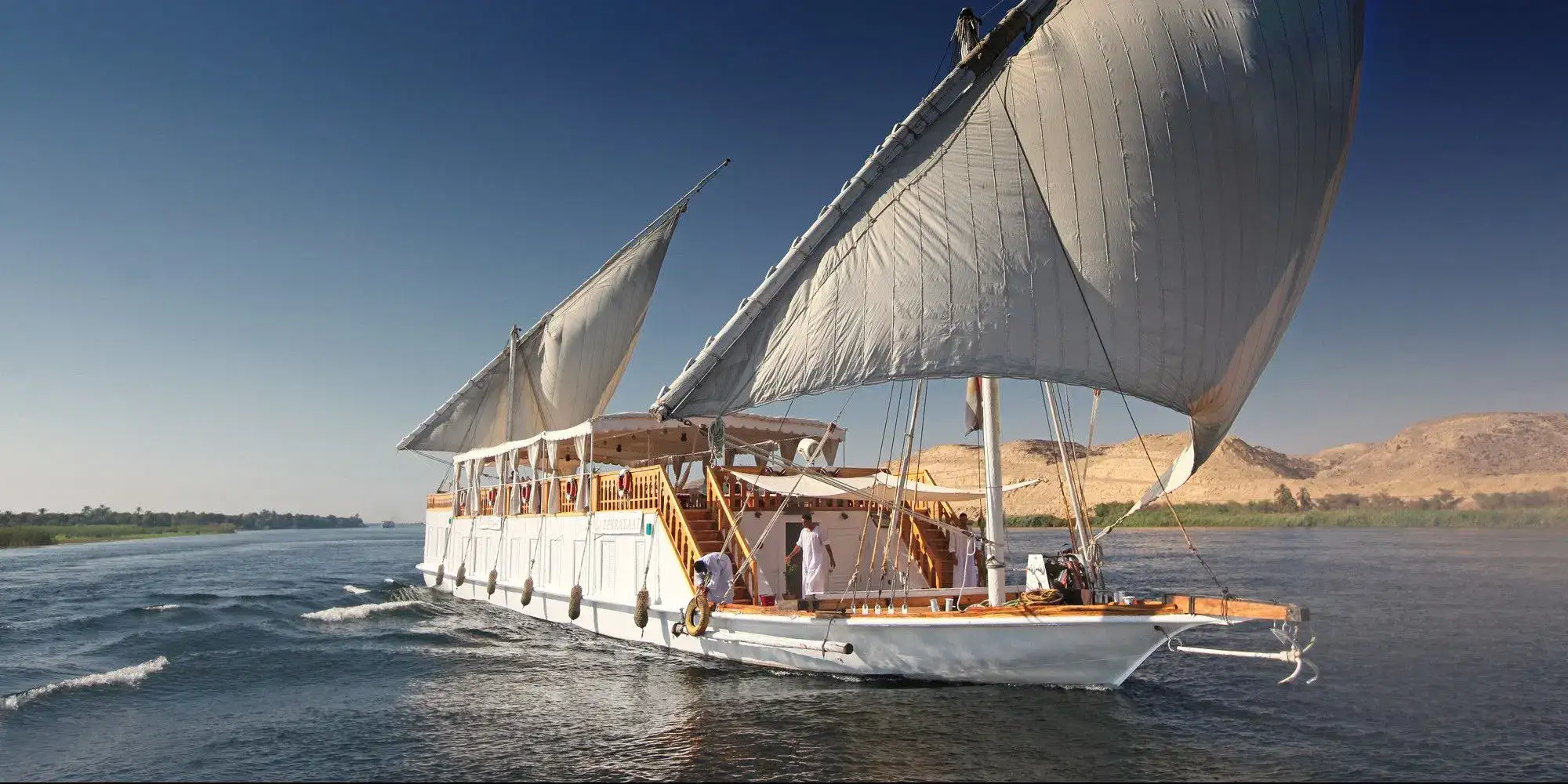
Traditional felucca boats operate at their best during January winds. These authentic sailing vessels catch gentle breezes perfectly, providing peaceful journeys around Elephantine Island and through Aswan’s granite islands.
Our carefully selected Nile cruise vessels feature experienced crews who understand January’s unique sailing conditions. They time departures to maximize daylight temple visits while ensuring comfortable evening navigation.
Temple Visits Without Summer Crowds
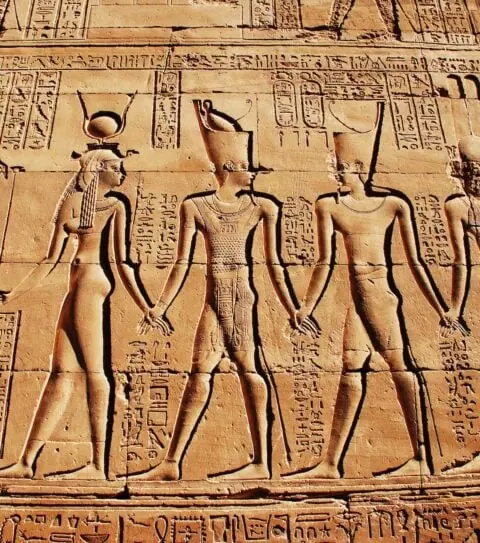
Edfu Temple and Kom Ombo Temple welcome visitors in manageable numbers during January mornings. These stops allow detailed exploration of hieroglyphic decorations and architectural features often missed during rushed summer visits. Small group excursions from cruise ships maintain intimate experiences while providing expert archaeological insights.
Red Sea Diving and Beach Activities
January brings exceptional diving conditions to the Red Sea. Water temperatures stabilize around 21-23°C (70-73°F), supporting vibrant coral reefs and diverse marine life. Visibility often exceeds 30 meters (100 feet), creating perfect conditions for underwater photography and marine observation.

Hurghada and Sharm El Sheikh experience their most comfortable beach weather during January. Resort pools and private beaches become appealing alternatives to hot summer conditions that can limit outdoor activities. Snorkeling excursions to protected coral reefs provide unforgettable encounters with tropical fish species.
Wind and Water Sports
January’s consistent northern winds create ideal conditions for windsurfing and kitesurfing along the Red Sea coast. Professional instruction becomes more comfortable without extreme heat, while equipment rental rates remain competitive during peak season.
Scuba diving centers operate at full capacity with excellent visibility and comfortable water entry. Advanced diving courses benefit from January’s stable weather patterns and reduced current variations.
Desert Adventures and Oasis Exploration
January transforms Egypt’s deserts into accessible adventure playgrounds. Daytime temperatures in the Western Desert reach comfortable levels for camel trekking and 4×4 expeditions. Siwa Oasis experiences perfect weather for exploring ancient ruins and natural hot springs.
White Desert camping becomes feasible during January nights, when temperatures drop enough to make sleeping under stars comfortable rather than cold. Sunrise photography in the desert reveals stunning limestone formations without requiring extremely early departures to avoid heat.
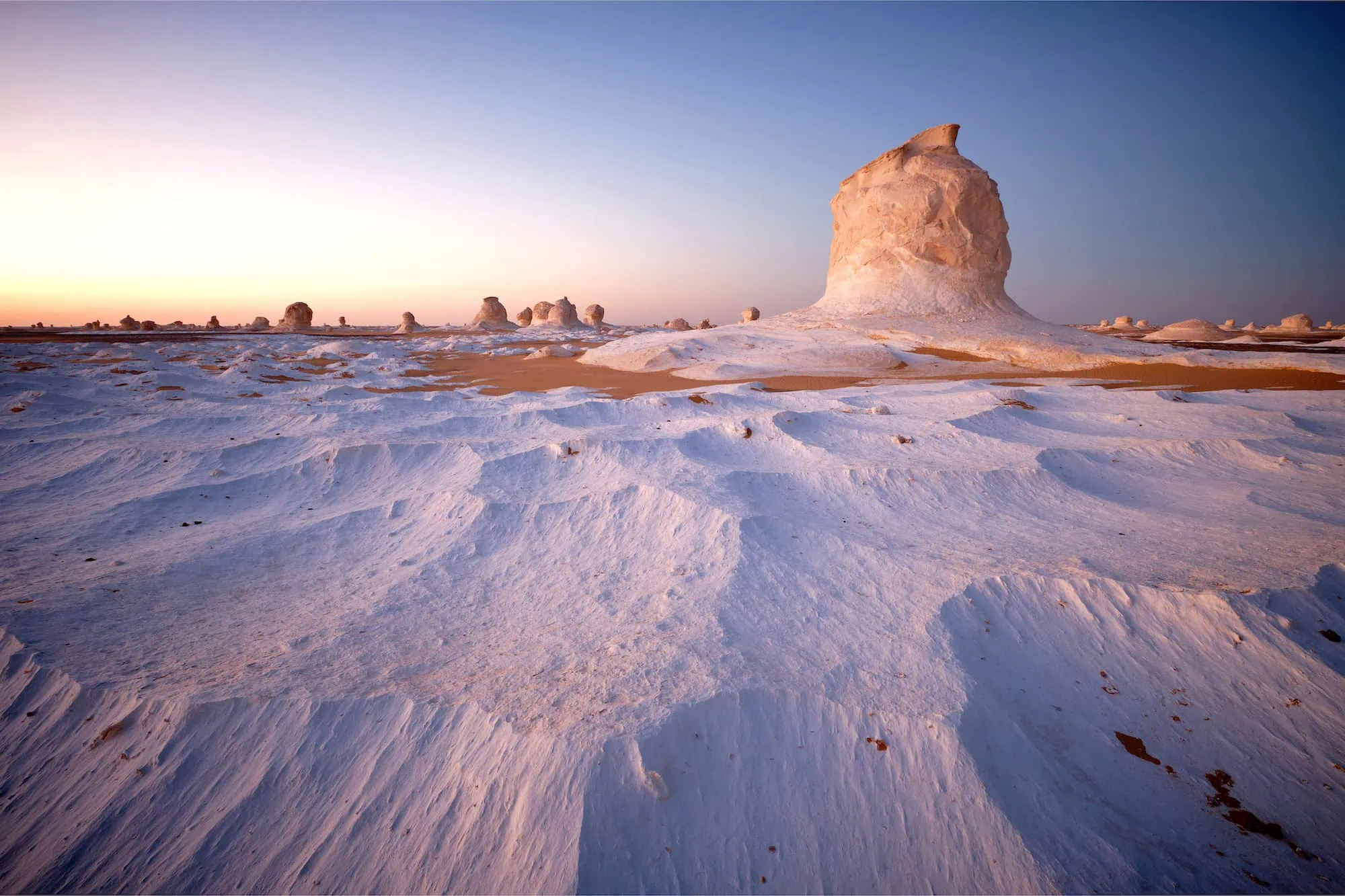
Our desert expedition specialists know exactly how to layer clothing for January desert adventures, ensuring comfort during temperature transitions from warm days to cool evenings.
Bahariya Oasis offers hot spring relaxation that feels particularly luxurious during January’s cooler temperatures. The contrast between warm mineral waters and cool desert air creates therapeutic experiences impossible to replicate during hotter months.
Bedouin Cultural Experiences
Desert communities welcome visitors most warmly during January months. Traditional Bedouin hospitality includes sharing meals around evening fires that provide perfect ambiance in cool weather. Storytelling sessions under star-filled skies create authentic cultural connections enhanced by January’s comfortable temperatures.
Planning Your January Egypt Adventure
January requires advance planning due to peak season demand. Flight prices typically increase 20-30% compared to shoulder months, while hotel rates reach annual maximums. Book accommodations at least three months ahead, particularly for luxury Nile cruises and boutique desert camps.
Pack layers for temperature variations throughout each day. Lightweight long pants and breathable long-sleeve shirts provide sun protection during temple visits while ensuring comfort in air-conditioned vehicles and buildings. Evening temperatures require light jackets or sweaters, especially in Alexandria and desert locations.
Visa Requirements Made Simple
U.S. visitors obtain Egyptian tourist visas upon arrival at major airports for $25, valid for 30 days. The process takes 15-30 minutes during peak January arrivals. European Union citizens follow identical procedures, while Canadian and Australian travelers enjoy the same straightforward entry process. Latin American visitors should check specific country requirements, as most follow similar visa-on-arrival policies.
Health and Safety Considerations
January’s mild temperatures reduce heat-related health risks significantly. Sunscreen remains essential due to desert sun intensity and reflection from light-colored monuments. Hydration needs decrease compared to summer visits, but consistent water intake remains important during active sightseeing days.
Our customer support ensures immediate assistance if weather conditions change unexpectedly. Modern air-conditioned vehicles provide comfortable transportation between destinations, while experienced guides adjust itineraries based on daily conditions.
Cultural Events and Seasonal Highlights
January coincides with several Egyptian cultural celebrations that enhance travel experiences. Coptic Christmas (January 7) brings special church services and community gatherings accessible to respectful visitors. Traditional festivals in Upper Egyptian villages showcase authentic folklore and music during cool evening celebrations.
Museum special exhibitions often debut in January, taking advantage of peak tourist season to display rare artifacts and traveling collections. The Egyptian Museum in Cairo frequently opens special halls during January months, providing exclusive viewing opportunities for recently discovered treasures.
Frequently Asked Questions
Pack layers for Egypt in January, including lightweight daytime clothing, a light jacket or sweater for evenings, comfortable walking shoes, sunscreen, and a hat. Daytime temperatures in Cairo and Luxor often range from 18-25°C (64-77°F), while evenings can feel noticeably cooler, especially in desert areas and along the Nile. Many archaeological sites involve several hours of walking on stone surfaces, so supportive footwear is essential. Dressing in layers allows you to adapt comfortably throughout the day.
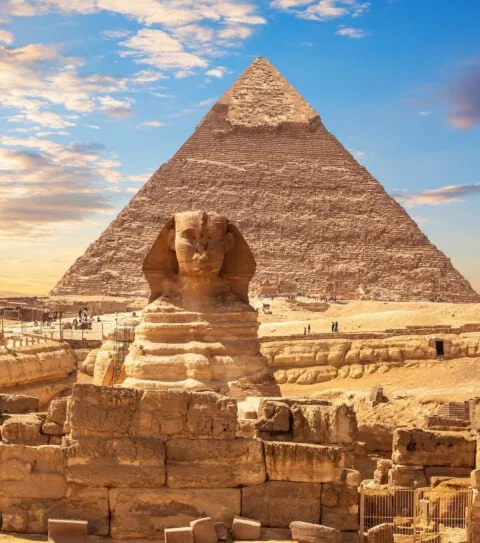
January is one of Egypt’s busiest tourism months, but the comfortable weather generally outweighs the larger crowds. Popular attractions such as the Pyramids of Giza, Karnak Temple, and the Valley of the Kings attract high visitor numbers, particularly during mid-morning hours. Hotels, Nile cruises, and domestic flights often operate at near-capacity levels. The advantage is that all tourism services are running at full strength. Book major attractions and accommodations well in advance.
Yes, January is still an excellent month for swimming in the Red Sea, with water temperatures typically ranging from 21-23°C (70-73°F). Resorts in Hurghada, Sharm El Sheikh, and Marsa Alam remain popular throughout winter because sea temperatures stay relatively stable compared to air temperatures. Snorkeling and diving conditions are often excellent thanks to clear visibility and calm seas. Many visitors find the water more comfortable than Mediterranean destinations during the same season.
Yes, you should bring some warm clothing for January evenings, even though daytime temperatures are generally pleasant. In Cairo, Alexandria, and desert regions, nighttime temperatures can drop to around 8-12°C (46-54°F). A light jacket, sweater, or fleece is usually sufficient for most travelers. During Nile cruises and early morning excursions to sites such as Abu Simbel, extra layers can make outdoor sightseeing considerably more comfortable.
January is one of the best months for desert camping in Egypt because temperatures are comfortable and conditions are generally stable. Daytime temperatures are warm enough for exploration, while cool nights create ideal conditions for campfires and stargazing. Destinations such as the White Desert and Siwa Oasis are particularly enjoyable during winter. Unlike summer, when temperatures can exceed 40°C (104°F), January allows for longer outdoor activities with much lower heat-related risk.
Every major region of Egypt performs well in January, but Aswan is often considered the warmest and most comfortable destination. Daytime temperatures in Aswan frequently reach 24-26°C (75-79°F), making sightseeing at Philae Temple, Abu Simbel, and Nubian villages especially pleasant. Cairo offers ideal conditions for historical exploration, while Alexandria provides a different Mediterranean atmosphere. Travelers looking for maximum warmth often prioritize Upper Egypt during January.
Most Egyptian attractions maintain their standard operating schedules in January, although some tourism services may adjust slightly to accommodate peak-season demand. Major sites such as the Pyramids of Giza, Karnak Temple, and the Egyptian Museum generally operate normal hours. Because January attracts large visitor numbers, arriving early remains important for avoiding queues and crowded viewing areas. The cooler weather also allows visitors to comfortably spend more time at each site.
January is one of the best months of the year for a Nile cruise because temperatures are ideal for both sailing and sightseeing. Cruises between Luxor and Aswan typically last 3 to 5 days and include visits to temples such as Edfu, Kom Ombo, and Karnak. Comfortable daytime temperatures allow passengers to enjoy open decks without intense summer heat. For many travelers, January offers the most enjoyable overall Nile cruise experience.
For January travel, booking at least 3-4 months in advance is strongly recommended. January falls within Egypt’s peak tourism season, and demand for quality hotels, Nile cruise cabins, domestic flights, and experienced guides can be very high. Travelers planning visits around New Year holidays often reserve even earlier. Early booking typically provides better accommodation choices and may also secure more favorable pricing before peak demand drives rates higher.
January stands out because it combines Egypt’s most comfortable sightseeing weather with fully operational tourism infrastructure. Temperatures across much of the country are mild, rainfall remains minimal, and outdoor exploration is far easier than during summer. Major archaeological sites, Nile cruises, and Red Sea resorts are all functioning at full capacity. This combination of favorable climate and strong service levels makes January one of Egypt’s most sought-after travel periods.
Yes, January offers excellent photography conditions thanks to cooler temperatures, softer sunlight, and generally clear skies. Photographers can comfortably spend extended periods at outdoor sites such as the Pyramids of Giza, Abu Simbel, and Karnak Temple without the extreme heat common in summer. Morning and late-afternoon light is particularly attractive for landscape and architectural photography. The season also allows for longer shooting sessions with less physical fatigue.
January is one of Egypt’s most stable weather months, with very few significant weather-related disruptions. Rainfall is rare in most regions, particularly in Upper Egypt around Luxor and Aswan. Coastal areas and Alexandria may occasionally experience light winter showers, while some locations can see early morning fog. These conditions are usually short-lived and rarely affect travel plans. Overall, January is considered one of the most reliable months for sightseeing throughout Egypt.
Explore our most popular guides and expert tips to make your trip safe, smooth, and unforgettable.
Plan Your Egypt Adventure with Confidence
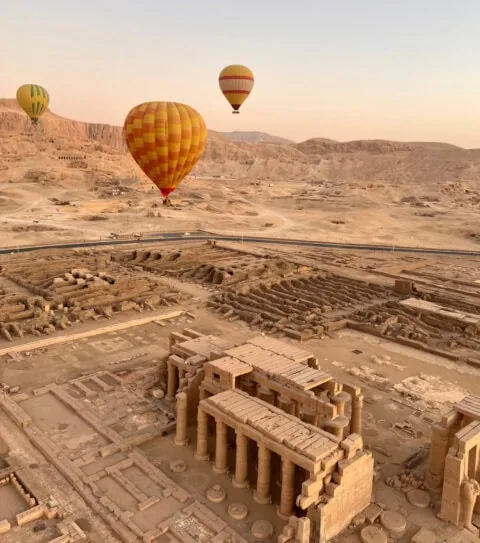
How to Plan a Trip Egypt
Step-by-step guide to help you plan the perfect Egypt trip — from routes and budget to booking.
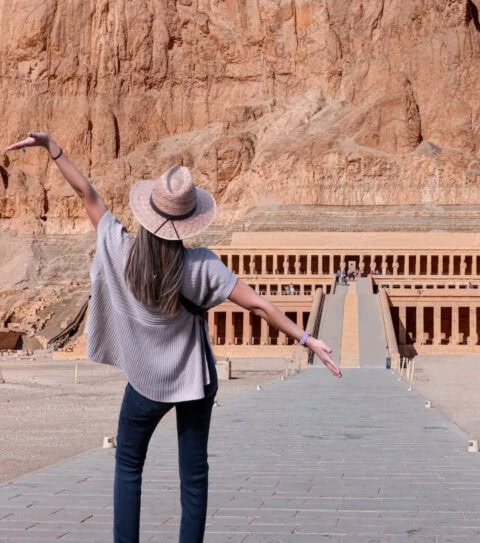
Best Time to Visit Egypt
Learn the best months to visit Egypt based on weather, crowds, and local travel experiences.
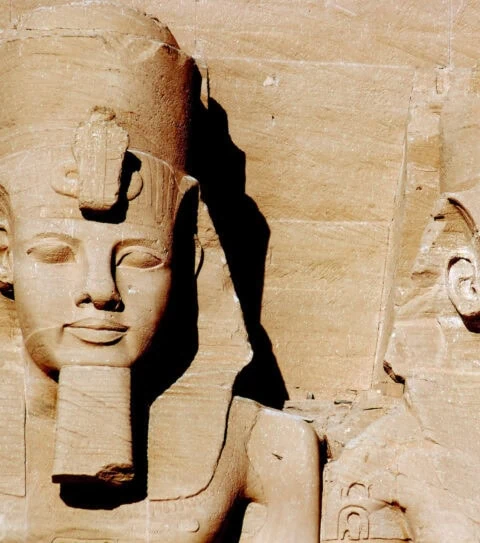
Must Visit Places in Egypt
Explore Egypt’s top sights — from pyramids to temples — and hidden gems worth seeing.
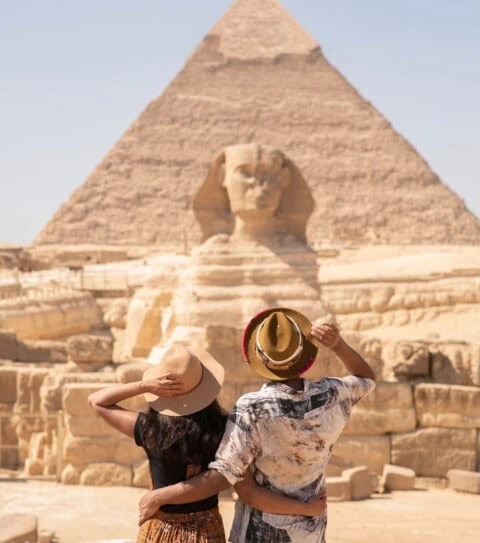
Top-Rated Egypt Tours
Handpicked private tours with local guides — our most loved and best-reviewed experiences.
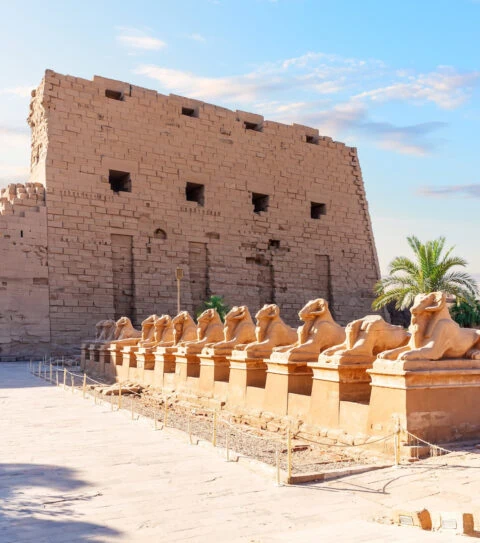
How Many Days to Visit Egypt?
Find out how many days you need in Egypt — from quick trips to full itineraries.
Egypt Visa Requirements
Check if you need a visa and get simple, up-to-date entry info based on your nationality.
Is it Safe to Travel to Egypt?
Is Egypt safe? Get honest safety tips, area advice, and what to know before you travel.
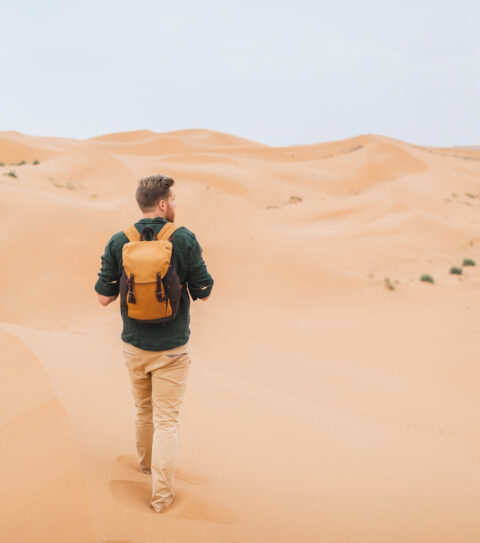
What to Pack for Egypt
A quick packing guide with essentials, cultural tips, and clothing advice for your Egypt trip.
Design Your Custom Tour
Explore Egypt your way by selecting only the attractions you want to visit