

Giza Pyramids Sound and Light Show – The Best of Both Worlds
Ever wondered what happens when ancient history meets cutting-edge technology beneath the desert stars?
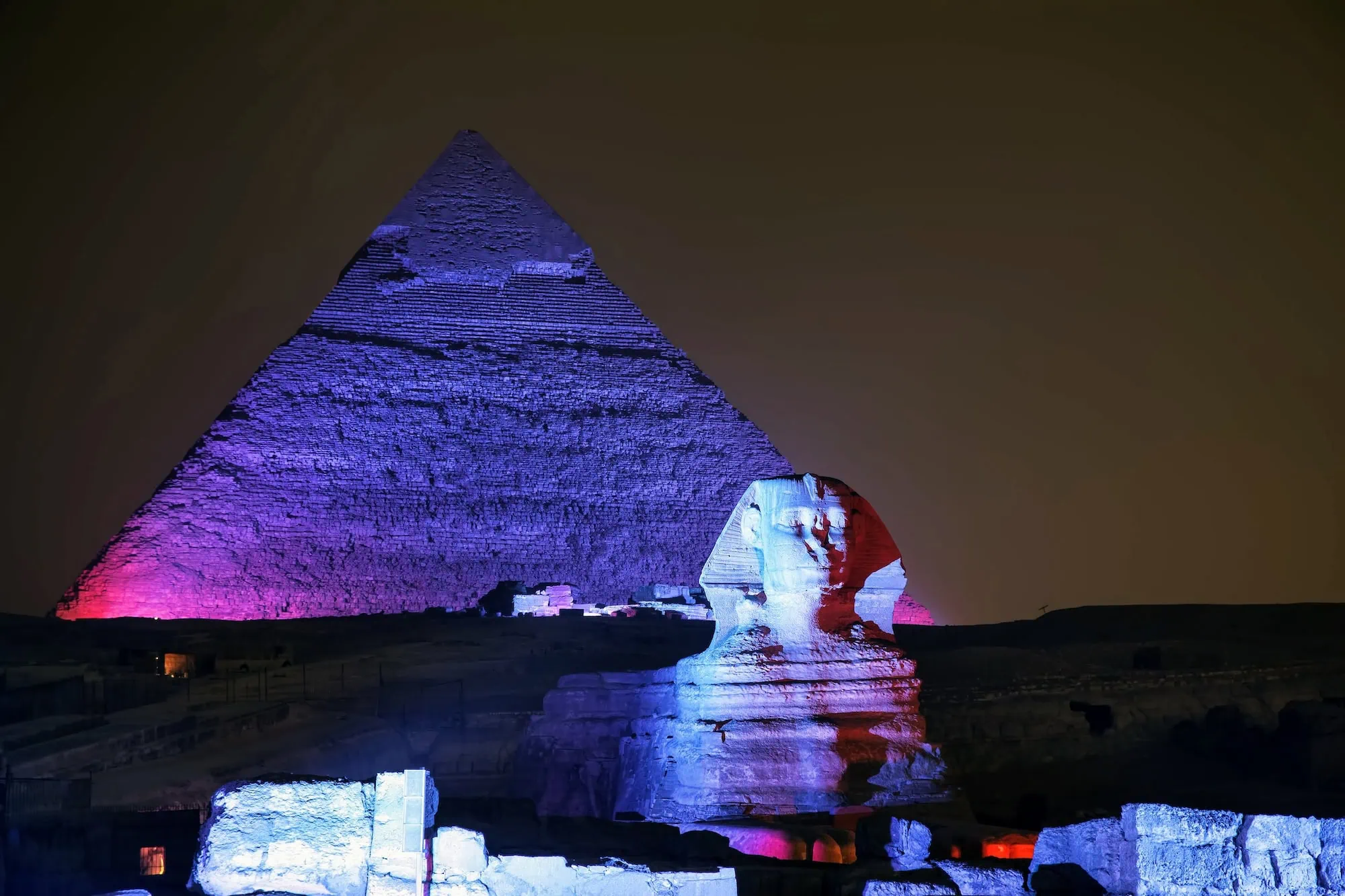
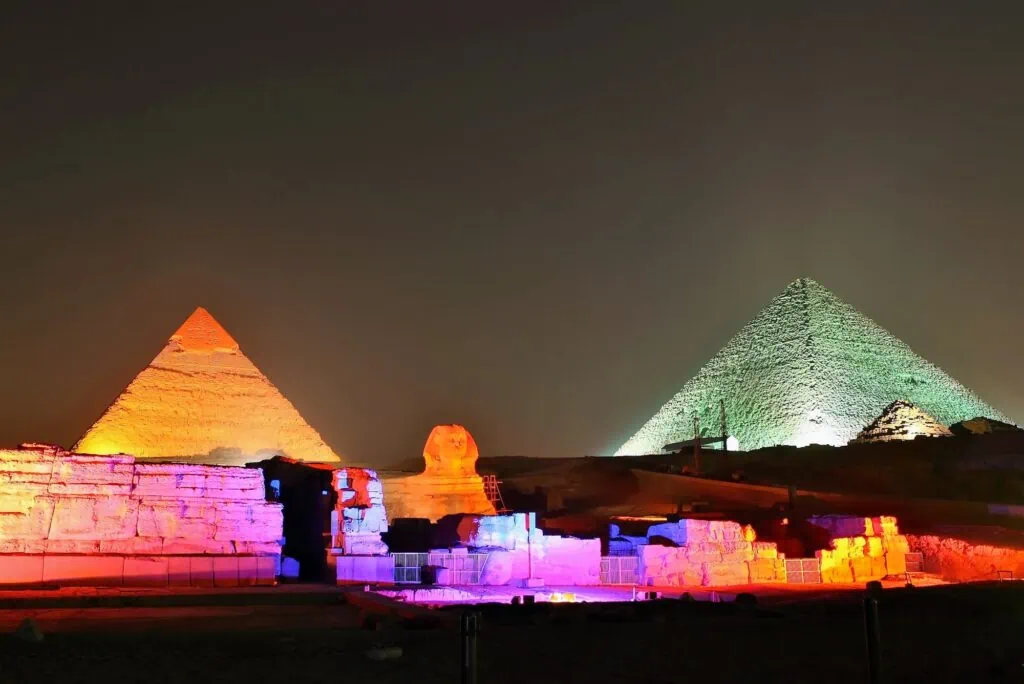
The Giza Pyramids Sound and Light Show transforms one of the world’s greatest archaeological sites into a breathtaking multimedia spectacle. Using advanced laser projections, dramatic sound effects, and carefully choreographed lighting, this nighttime experience brings 4,500 years of Egyptian history to life against the backdrop of the Great Pyramid and the Sphinx. We’ve guided countless travelers through this unforgettable journey, and we’re here to help you plan yours.
Whether you’re visiting Cairo for the first time or returning to explore deeper layers of Egypt’s rich heritage, this show offers a completely different perspective on these iconic monuments than any daytime visit could provide.
Table of Contents
Why the Sound and Light Show is Worth Your Time
The magic begins the moment darkness falls over the Giza Plateau. Ancient pharaohs seem to whisper their secrets as colored lights dance across limestone blocks that have stood for millennia.
A Journey Through Ancient Egypt
The 45-minute show tells the story of ancient Egypt through the voices of the Sphinx and various pharaohs. You’ll hear tales of Khufu, Khafre, and Menkaure – the builders of the three main pyramids – while stunning visual effects illuminate these massive structures. The narration, available in multiple languages including English, Arabic, French, German, and Spanish, guides you through different periods of Egyptian history.
Modern Technology Meets Ancient Wonder
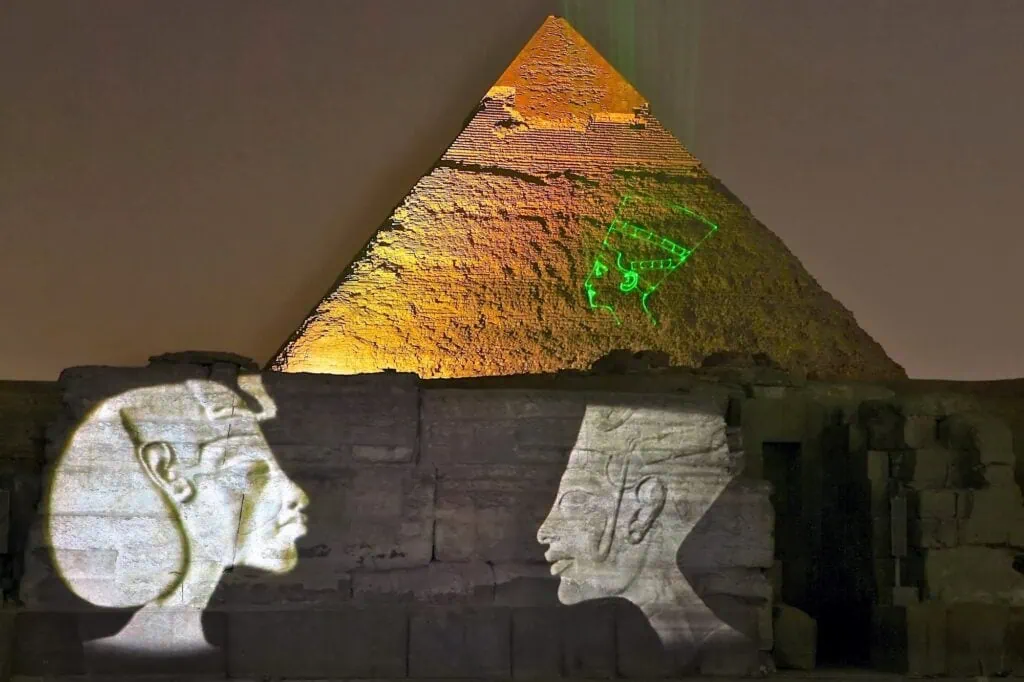
State-of-the-art projection mapping technology transforms the pyramid surfaces into giant canvases. Lasers paint intricate hieroglyphs and images across the ancient stones, while surround sound systems ensure every whisper and musical note reaches you clearly. The UNESCO World Heritage site becomes an outdoor theater unlike anywhere else on Earth.
Timing Your Visit Perfectly
Shows run nightly year-round, with two performances each evening during peak season (October through April) and one during summer months. The first show typically starts at 7:30 pm (19:30) during winter and 8:30 pm (20:30) in summer, with times adjusted seasonally to begin after sunset.
Choosing Your Seating
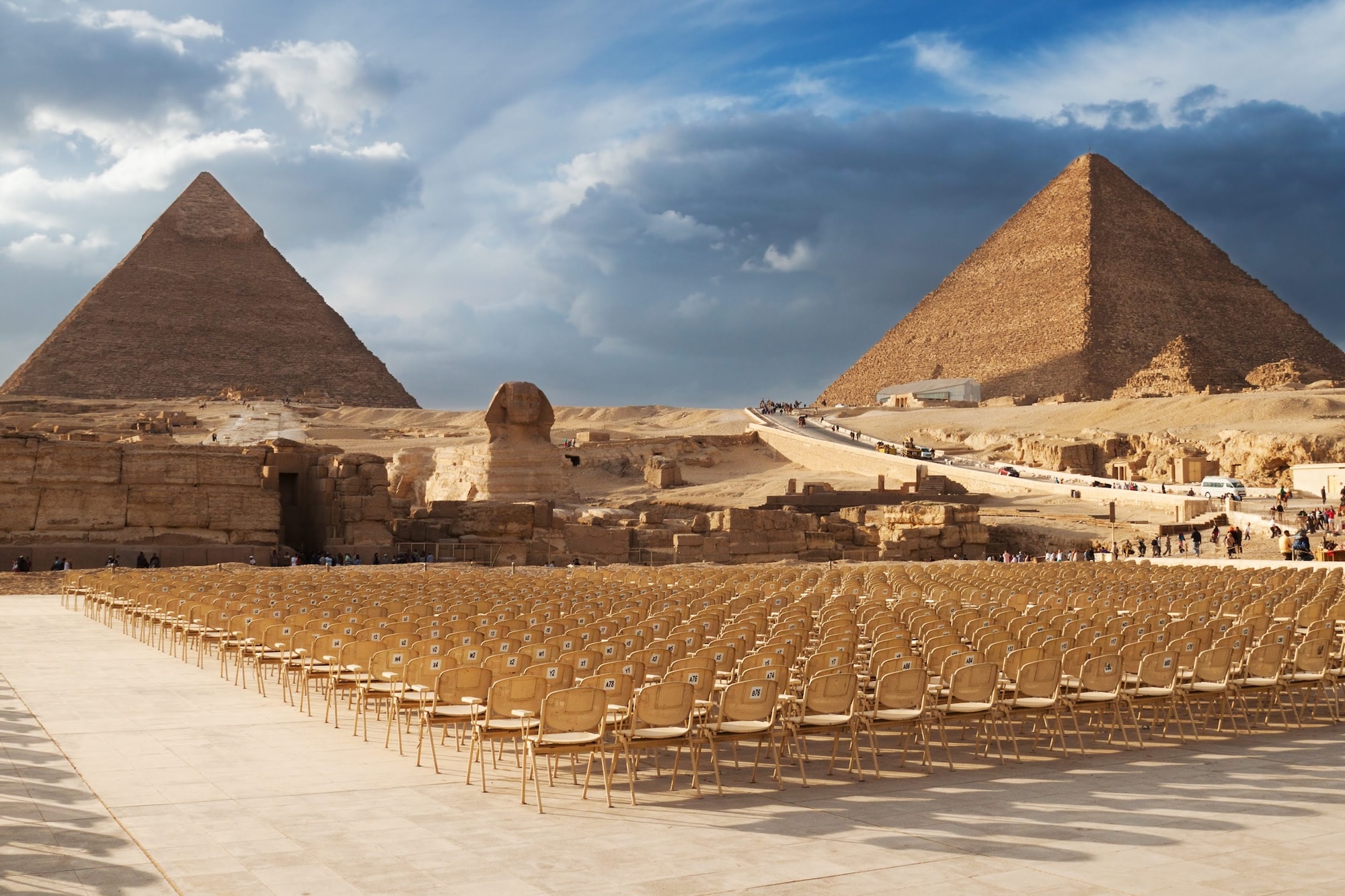
The amphitheater offers various seating categories. Standard seating provides excellent views of all three pyramids and the Sphinx, while VIP sections offer more comfortable chairs and better positioning for photography. Premium seating includes refreshments and priority entrance, though the visual experience remains spectacular from any location.
Booking Your Tickets: Options and Prices
Multiple booking platforms offer tickets to the Sound and Light Show, each with distinct advantages depending on your travel style and preferences.
Official tickets through the Egyptian Ministry of Tourism typically cost $15-25 USD for standard seating, with VIP options ranging from $35-50 USD. These prices fluctuate based on seasonal demand and special events. We recommend booking at least 48 hours in advance, especially during peak tourist seasons from December through March.
Private Tours vs. Group Experiences
Private tour packages often include hotel pickup, professional guides, and premium seating arrangements. These comprehensive options range from $75-150 USD per person and eliminate transportation concerns while adding expert commentary about the site’s history. Group tours through established operators offer similar convenience at lower prices, typically $45-85 USD per person.
Many travelers prefer the flexibility of purchasing tickets independently and arranging their own transportation. Taxi rides from central Cairo hotels cost approximately $15-20 USD each way, while ride-sharing services offer similar pricing with upfront cost transparency.
Getting There and What to Expect
The Sound and Light Show takes place at the Giza Plateau, approximately 18 kilometers (11 miles) southwest of central Cairo. The venue sits directly facing the three pyramids, with the Great Sphinx positioned prominently in the foreground.
Transportation Options
Hotel pickup services are available through most tour operators and provide the most convenient experience. These typically include air-conditioned vehicles with professional drivers who know the area well. Departure times are coordinated to ensure arrival 30-45 minutes before show time.
Independent travelers can reach the venue by taxi, Uber, or organized shuttle services. The journey from downtown Cairo takes 45-60 minutes depending on traffic conditions. Evening traffic tends to be lighter than daytime, but we always recommend allowing extra time.
Security and Entry Process
All visitors pass through security screening similar to airport procedures. Cameras and mobile phones are permitted, though flash photography is prohibited during the performance. Large bags and professional video equipment require special permission from site management.
The gates open approximately one hour before show time, allowing visitors to explore the gift shop and grab refreshments before finding their seats. Restroom facilities are available on-site, though we recommend using them before the show begins to avoid disrupting other guests.
What to Bring
Desert temperatures drop significantly after sunset, especially during winter months. Light jackets or sweaters are essential from November through February, when evening temperatures can fall to 10°C (50°F). Comfortable walking shoes help navigate the slightly uneven terrain around the seating area.
The Show Experience: What You’ll See and Hear
Silence falls over the gathered crowd as spotlights illuminate the Great Sphinx. Then, in a voice both ancient and eternal, the monument begins to speak.
The performance unfolds in carefully orchestrated segments, each focusing on different aspects of Egyptian civilization. Pharaonic dynasties come to life through dramatic narration while laser projections create hieroglyphic messages across pyramid surfaces. Musical compositions blend traditional Egyptian instruments with modern orchestral arrangements, creating an audio landscape that feels both authentic and contemporary.
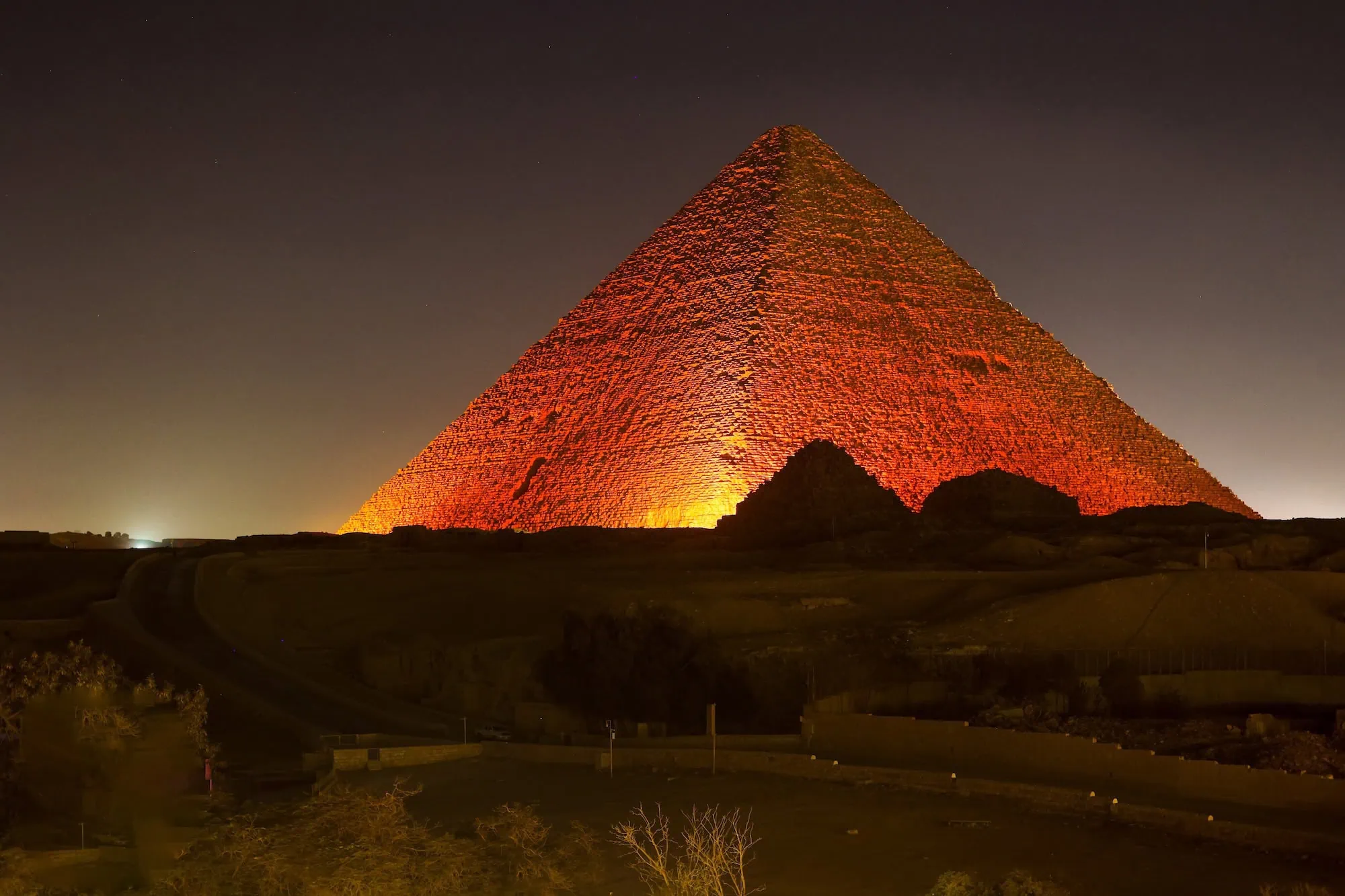
Visual effects range from subtle color washes that emphasize the monuments’ natural beauty to dramatic sequences showing the construction process of the pyramids themselves. One particularly striking moment recreates the original polished limestone casing that once covered the Great Pyramid, giving modern audiences a glimpse of how these structures appeared to ancient eyes.
The Sphinx serves as the primary narrator, sharing wisdom accumulated over millennia while different pyramid faces light up to represent various pharaohs telling their stories. Khufu describes the massive undertaking of building the Great Pyramid, while Khafre and Menkaure add their own perspectives on royal power and divine responsibility.
Photography enthusiasts will find numerous opportunities for stunning shots, though tripods are not permitted in the seating area. The constantly changing light patterns create new compositions every few minutes, making each moment of the show visually unique.
Planning Your Sound and Light Show Visit
Best Time of Year
The show operates year-round, but certain seasons offer distinct advantages. Winter months (December through February) provide the most comfortable viewing temperatures, though you’ll need warm clothing. Spring and fall offer ideal weather conditions with moderate temperatures and clear skies.
Summer viewing can be challenging due to high daytime temperatures, but the later start times mean more comfortable evening conditions. Ramadan schedules may affect show times, so verify current schedules when planning visits during this period.
Combining with Other Attractions
Many visitors pair the Sound and Light Show with daytime pyramid exploration, creating a comprehensive Giza experience. This combination allows you to appreciate the monuments in both natural sunlight and dramatic artificial illumination. However, spending an entire day at the plateau can be physically demanding.
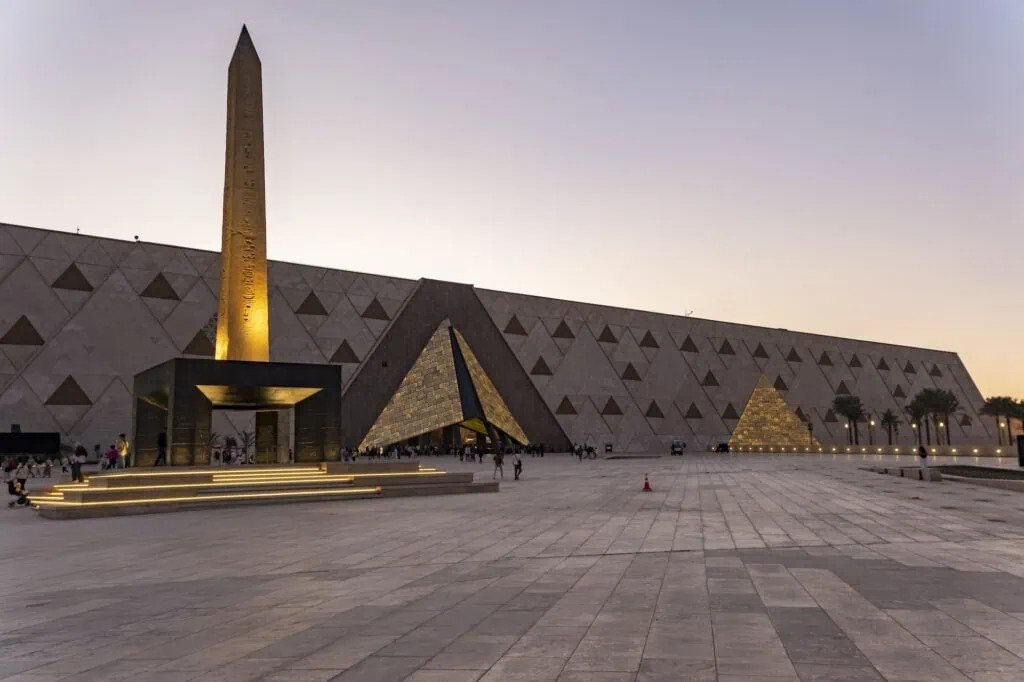
Alternative approaches include visiting the pyramids on one day and returning for the evening show, or combining the show with other Cairo attractions like the Grand Egyptian Museum or Coptic Cairo. We often recommend the Sound and Light Show as a perfect finale to your Egyptian adventure, allowing the experience to serve as a memorable conclusion to your journey.
Language Considerations
English performances typically occur several times per week, with Arabic shows more frequent. Other languages including French, German, Spanish, Italian, Japanese, and Russian operate on rotating schedules. Check current language schedules when booking, as these can change based on seasonal demand and group bookings.
Some visitors enjoy attending shows in Arabic even without language comprehension, as the visual elements tell much of the story independently. The dramatic music and sound effects create an engaging experience regardless of narrative understanding.
End Your Day With Egypt’s Most Iconic Spectacle
The Giza Pyramids Sound and Light Show transforms ancient history into a captivating evening experience, where the stories of the pharaohs unfold against the illuminated pyramids. With EgyptToursPlus, we seamlessly incorporate this magical moment into a private journey that connects Cairo’s highlights with the timeless wonders of the Nile.
You choose your travel dates, your pace, and the experiences that define your itinerary. From exclusive evening access and expert-guided touring to premium accommodations and effortless logistics, we design every element around you—so your Egypt journey feels smooth, immersive, and truly unforgettable.
Frequently Asked Questions
The Giza Pyramids Sound and Light Show lasts approximately 45 minutes, with continuous narration, music, and projection effects and no scheduled intermission. Most visitors spend closer to 2 hours total when including arrival, security checks, seating, and departure from the Giza Plateau area. The presentation uses the Great Sphinx and surrounding pyramids as illuminated backdrops while narrating thousands of years of Egyptian history. Evening traffic around Giza can add significant delays, so arriving at least 30 minutes early is strongly recommended.
Yes, the Giza Pyramids Sound and Light Show is suitable for families and children, with storytelling focused on ancient Egyptian history, pharaohs, and the construction of the pyramids. The outdoor performance includes dramatic lighting, music, and narration projected across the Sphinx and surrounding monuments, which many children find visually engaging. However, younger children under age 6 may struggle with the 45-minute seated format and late evening timing. Bringing light jackets and snacks helps families stay comfortable during cooler months.
The Sound and Light Show at the Giza Pyramids usually continues during light wind or mild rain, with cancellations generally limited to severe weather or technical safety concerns. Cairo’s climate remains dry for most of the year, especially between April and October, so weather-related disruptions are relatively uncommon compared to other outdoor attractions worldwide. If cancellations occur, operators typically offer rescheduling options or refunds depending on ticket conditions. Winter evenings between December and February can become surprisingly cold, so layered clothing is advisable.
Personal photography and video recording are permitted during the Giza Pyramids Sound and Light Show, although flash photography and tripods are generally prohibited. Flash can disrupt both audience viewing and the carefully designed projection effects displayed across the Sphinx and pyramid facades. Smartphones and handheld cameras work well because the show relies heavily on large-scale lighting rather than subtle details. Visitors seeking the clearest photos should sit closer to the center viewing area and avoid obstructed side angles whenever possible.
Booking Giza Pyramids Sound and Light Show tickets 2-3 days in advance is usually sufficient during standard travel periods, while peak tourism months from October through April may require reservations up to one week ahead. Sunset and early evening performances tend to fill fastest because temperatures are cooler and visibility conditions are better. VIP seating categories often sell out before standard sections during holidays and weekends. Egypt Tours Plus generally recommends pre-booking to avoid last-minute availability issues during busy seasons.
Yes, restroom facilities are available at the Giza Pyramids Sound and Light Show venue and can typically be accessed before the performance begins and during emergencies. Facilities are located near the main entrance and seating areas, although visitors are encouraged to use them before the show starts because movement during the presentation can disturb other guests. The venue handles large evening crowds during peak season, so arriving early helps avoid restroom lines and security delays before seating opens.
VIP seating at the Giza Pyramids Sound and Light Show generally provides more comfortable chairs, improved viewing angles, and closer proximity to the central projection area facing the Sphinx. Some VIP packages may also include refreshments or priority entrance depending on the operator and booking platform. Standard seating still offers clear views of the illuminated monuments but may sit farther from the primary audio speakers and projection focus points. Visitors primarily interested in photography often prefer centrally positioned VIP sections.
Same-day tickets for the Giza Pyramids Sound and Light Show are sometimes available at the venue, but availability can become limited during weekends, holidays, and peak travel months between October and April. Evening shows attract both international visitors and Cairo residents, especially during cooler weather periods. Purchasing tickets in advance reduces the risk of arriving to sold-out seating categories or long entry queues. Travelers combining the show with pyramid tours often benefit from prearranged transportation and confirmed reservations.
The Giza Pyramids Sound and Light Show venue offers limited wheelchair accessibility because the site sits within an active archaeological zone with uneven ground surfaces and older infrastructure. Some seating areas and pathways can accommodate visitors with mobility limitations, but assistance may still be necessary depending on crowd levels and terrain conditions. Contacting the venue or tour provider in advance is important for arranging suitable access and transportation logistics. Early arrival also helps staff guide visitors to the most accessible seating sections.
Visitors should wear comfortable evening clothing and closed-toe walking shoes for the Giza Pyramids Sound and Light Show because the venue involves outdoor seating and uneven ground near the archaeological plateau. Winter evenings between December and February can drop below 15°C (59°F), making light jackets or layered clothing advisable after sunset. During warmer months, breathable fabrics remain more comfortable because residual heat from the desert terrain can linger into the evening. Avoid overly formal clothing since the environment remains casual and outdoors.
Visitors should allow 2-3 hours total for the complete Giza Pyramids Sound and Light Show experience, including transportation, security screening, seating, the 45-minute presentation, and departure traffic afterward. Evening congestion around the Giza Plateau often increases significantly after sunset, especially during weekends and peak tourism periods. Many travelers combine the show with dinner in Giza or a late afternoon pyramid visit before returning to central Cairo. Arriving early also improves seating choices and photography opportunities before darkness fully sets in.
Design Your Custom Tour
Explore Egypt your way by selecting only the attractions you want to visit