Best Museums in Egypt: From the Grand Egyptian Museum to Hidden Collections
Egypt’s museums house the world’s most spectacular collection of ancient artifacts.
Walking through these halls, you’ll encounter treasures that have captivated humanity for millennia. From King Tutankhamun’s golden mask to perfectly preserved royal mummies, Egypt’s museums offer direct access to 5,000 years of civilization. The country’s museum landscape has transformed dramatically in recent years, with new world-class facilities complementing historic institutions.
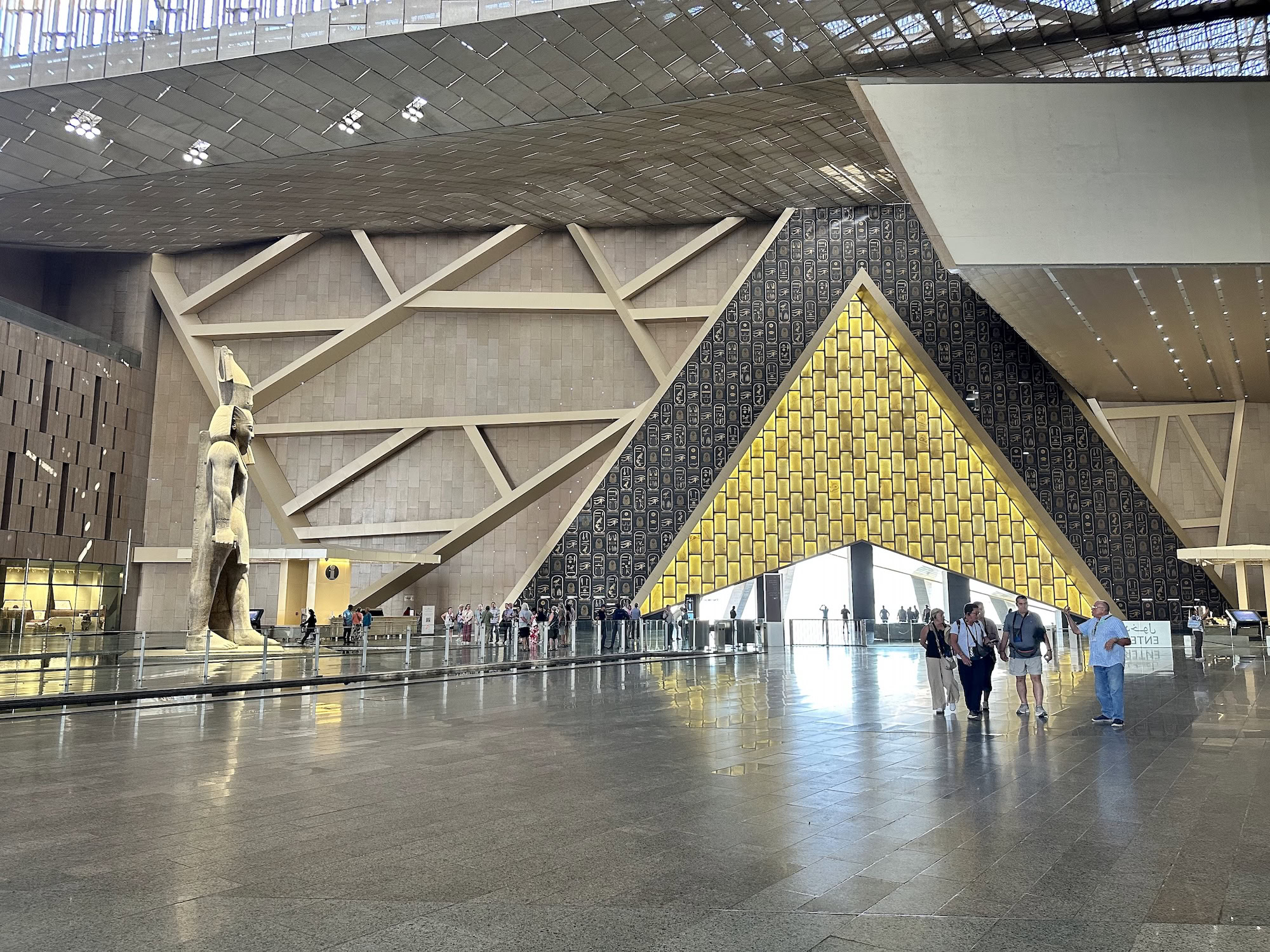
We’ve explored every major museum across Egypt to help you plan the perfect cultural journey. This guide covers the essential museums, hidden gems, and practical tips you need to make the most of your Egyptian museum adventure.
Essential Museums Every Visitor Must Experience
Grand Egyptian Museum: New Crown Jewel
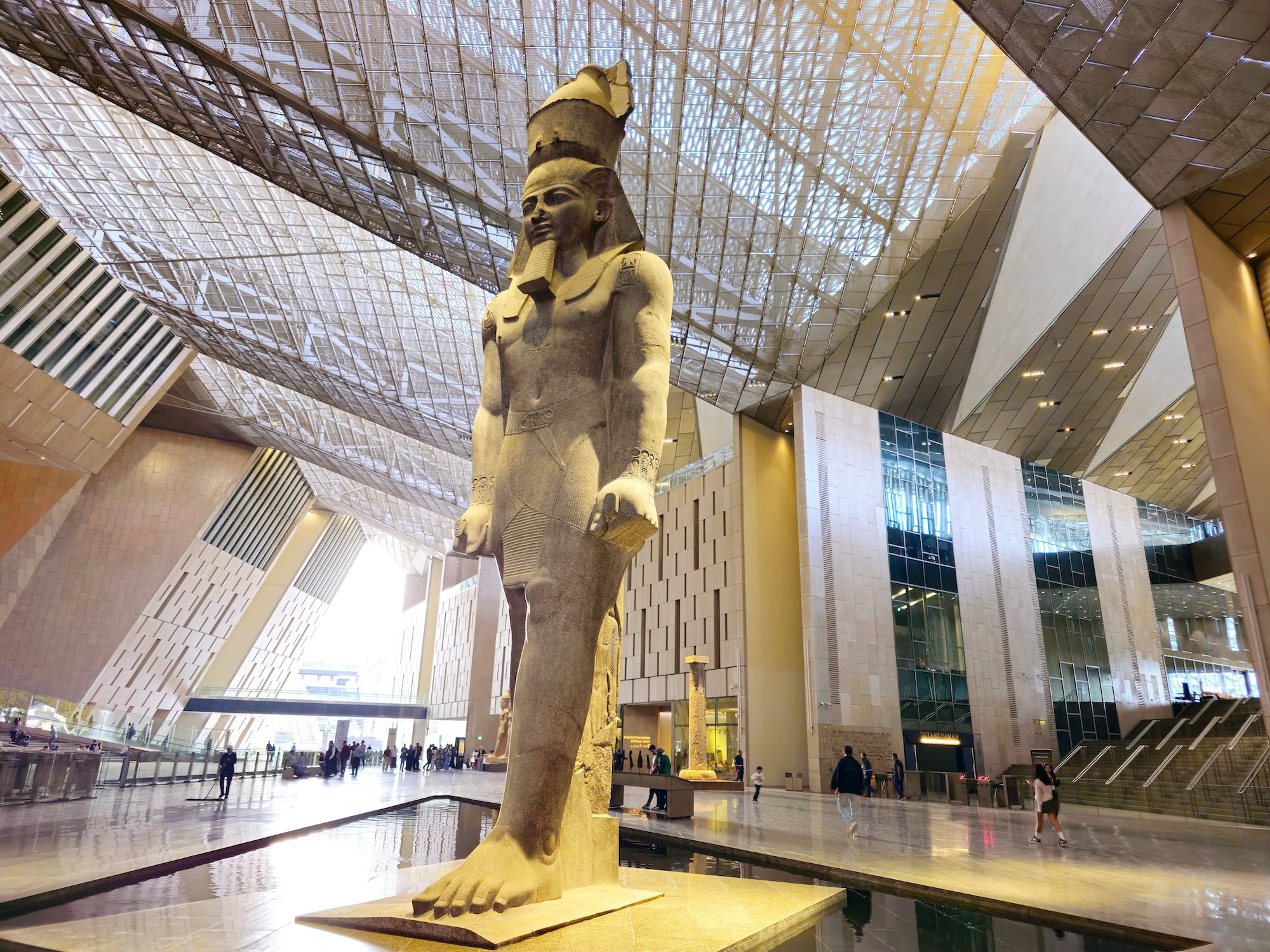
Newly opened near the Giza pyramids, the Grand Egyptian Museum represents the future of Egyptian cultural preservation. This state-of-the-art facility houses King Tut’s complete collection in a purpose-built environment with excellent signage and modern amenities.
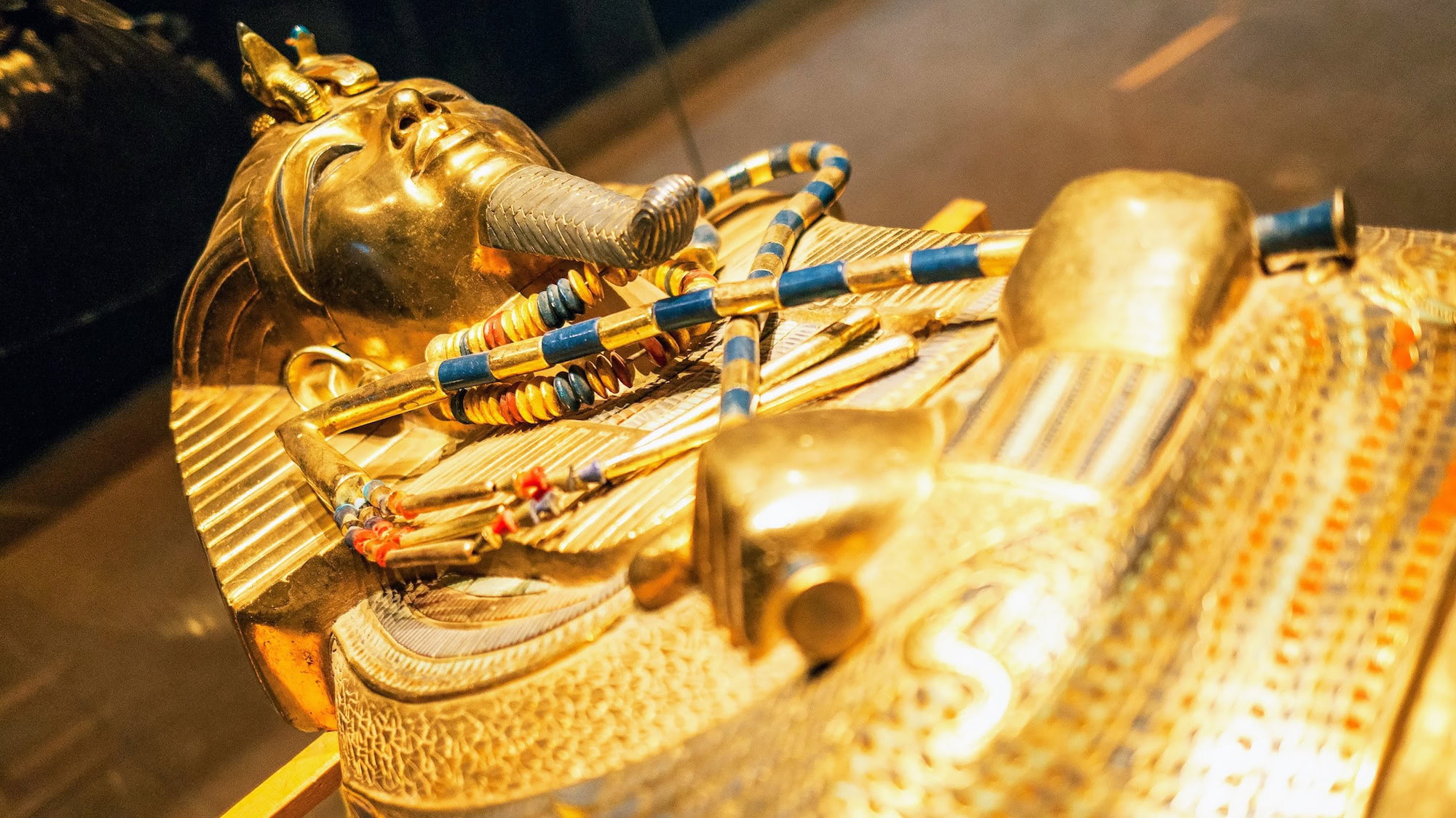
The museum’s design integrates cutting-edge technology with ancient Egyptian aesthetics. Clean bathrooms, air conditioning, and professional tour guides make this the most visitor-friendly museum experience in Egypt.
The Egyptian Museum: Treasure Trove
The Egyptian Museum in Cairo remains the cornerstone of any cultural visit to Egypt. Located in Tahrir Square, this pink palace has guarded Egypt’s greatest treasures since 1902.
Home to over 120,000 artifacts, the Egyptian Museum overwhelms first-time visitors with its sheer volume of ancient treasures.
The museum’s layout can feel chaotic, but this adds to its authentic charm. Ancient Egyptian tools, bronze cat statues, and papyrus scrolls fill every corner. Plan at least three hours for a thorough visit, though you could easily spend an entire day exploring.
National Museum: Royal Mummies Await
Located in Fustat, National Museum of Egyptian Civilization (NMEC) specializes in Egypt’s cultural evolution from prehistoric times to the modern era. The highlight remains the Royal Mummies Hall, where 20 ancient pharaohs rest in climate-controlled splendor.
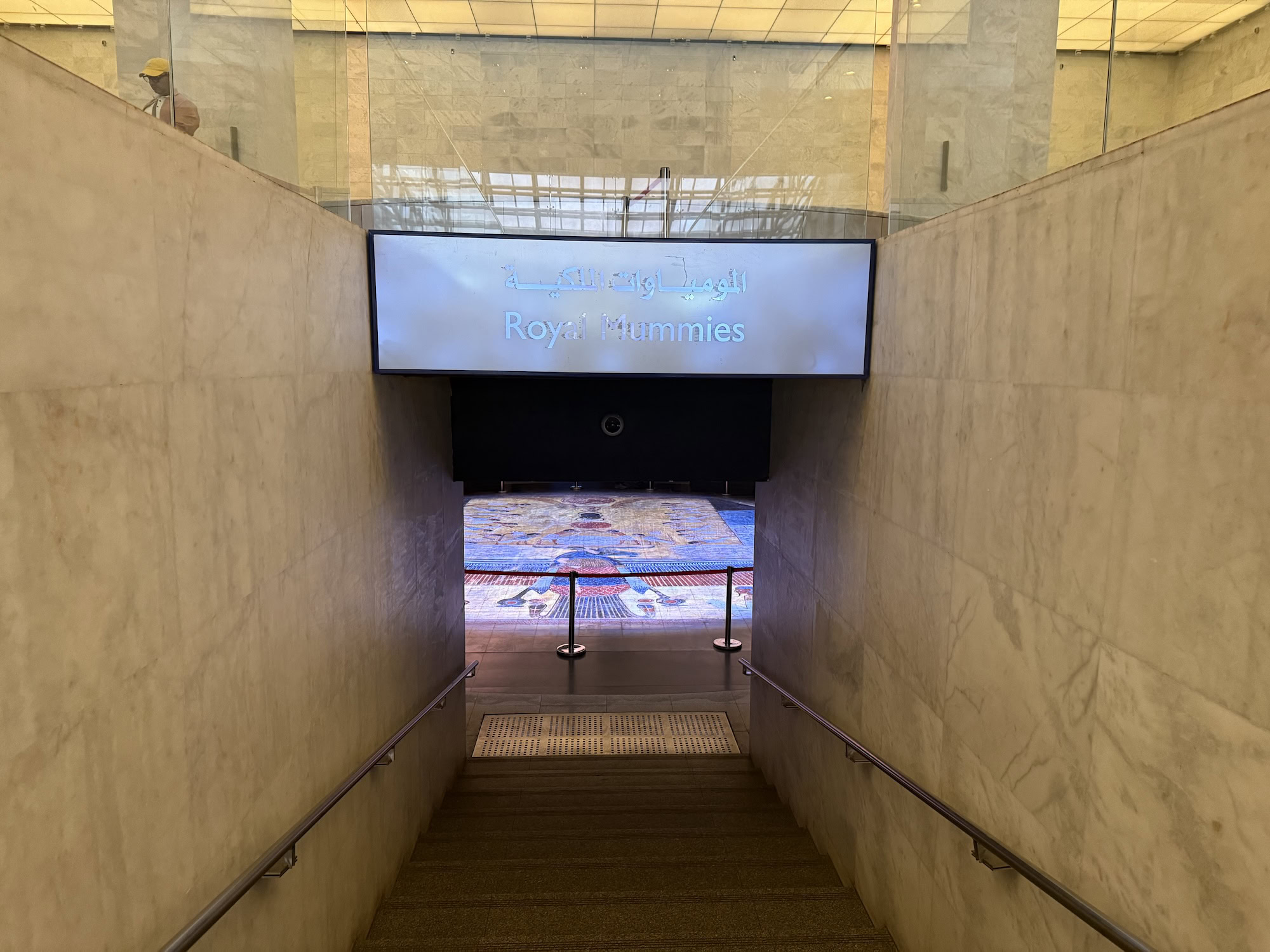
The museum’s multimedia presentations bring Egyptian history to life through interactive displays and detailed explanations. Unlike the crowded Egyptian Museum, NMEC offers a more peaceful, educational experience.
Cairo’s Hidden Museum Treasures
Beyond the famous trio, Cairo harbors numerous specialized museums that reveal different aspects of Egyptian culture.
The Gayer-Anderson Museum occupies two 17th-century houses connected by a bridge, showcasing Islamic art and Ottoman palace life. Each room transports visitors to different historical periods, from medieval Islamic Cairo to British colonial times. The museum’s bronze cat statue, dedicated to the goddess Bastet, represents one of ancient Egypt’s most perfect animal sculptures.
Museum of Islamic Art houses the world’s finest collection of Islamic artifacts. Manuscripts, ceramics, and metalwork span 1,400 years of Islamic civilization. The museum’s recent renovation has created spacious galleries with excellent lighting that highlights intricate calligraphy and geometric patterns.
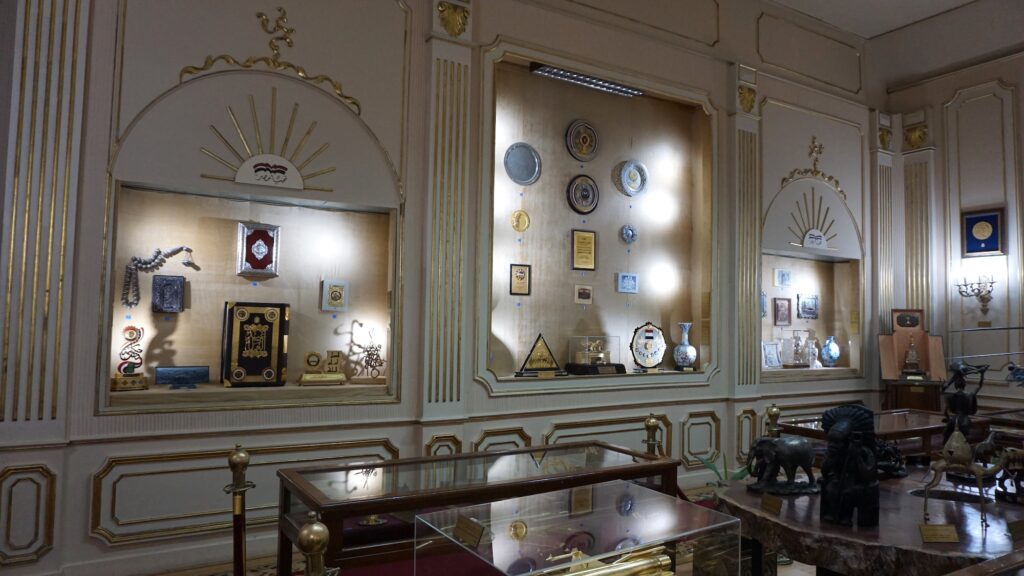
Coptic Museum preserves Egypt’s Christian heritage in the heart of Old Cairo. Ancient Coptic artifacts, including early Christian papyri and wooden icons, tell the story of Christianity’s deep roots in Egyptian soil. The museum sits within the Roman fortress of Babylon, adding historical layers to your visit.
Museums Beyond Cairo Worth the Journey
Alexandria’s Cultural Renaissance
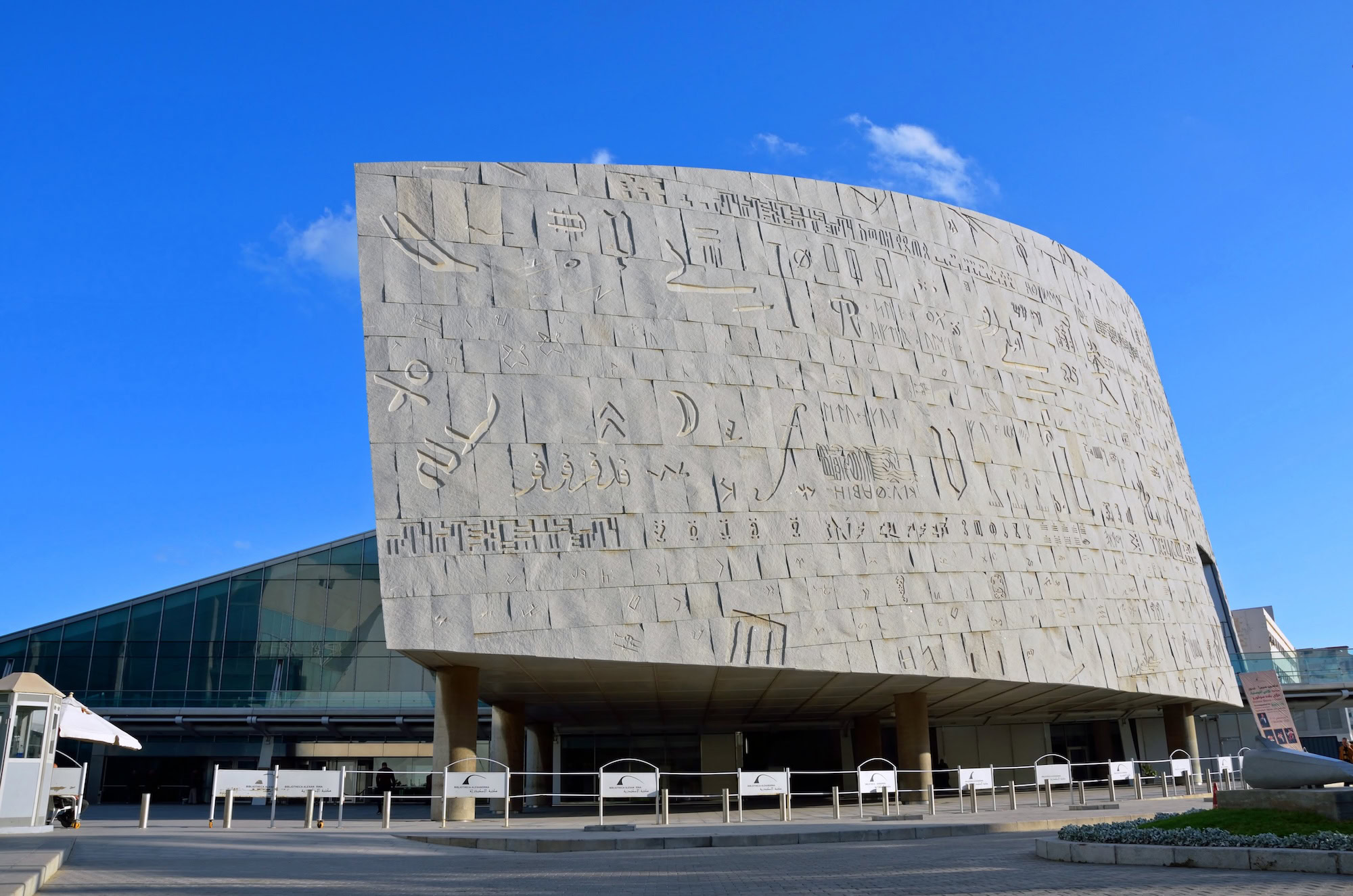
Bibliotheca Alexandrina stands as a modern tribute to the ancient Library of Alexandria. This architectural marvel houses manuscripts, planetarium shows, and rotating exhibitions that connect Egypt’s past with its future. The building itself, resembling a tilted sun disk, creates an inspiring backdrop for learning.
Alexandria National Museum occupies a restored Italian-style palace, displaying artifacts from Alexandria’s Greek, Roman, and Islamic periods. The museum’s manageable size allows for thorough exploration without feeling overwhelmed.
Upper Egypt’s Archaeological Gems
Luxor Museum presents carefully selected artifacts from Theban tombs and temples. Quality trumps quantity here, with each piece professionally displayed and explained. The museum’s royal mummy collection includes Ramesses I, returned from American museums in 2003.
Aswan’s Nubian Museum celebrates the culture of ancient Nubia, submerged beneath Lake Nasser when the Aswan High Dam was built. Traditional Nubian architecture houses artifacts, photographs, and dioramas that preserve this lost civilization.
Crocodile Museum in Kom Ombo displays mummified crocodiles and artifacts from the nearby Temple of Sobek. These perfectly preserved reptiles once lived as sacred animals in temple pools.
Planning Your Museum Journey
Strategic Timing and Logistics
Morning visits between 9:00 am (09:00) and 11:00 am (11:00) offer the best experience at major museums. Crowds build throughout the day, particularly at the Egyptian Museum and Grand Egyptian Museum. Tour groups typically arrive between noon and 2:00 pm (14:00), making early morning exploration essential for photography and peaceful contemplation.

Cairo’s museums cluster in different neighborhoods, making geographic planning crucial. The Egyptian Museum, Museum of Islamic Art, and Coptic Museum form a manageable downtown circuit. Dedicate separate days to NMEC in Fustat and the Grand Egyptian Museum near Giza.
Transportation between museums requires planning. Metro connections work well for central Cairo museums, while taxis or private cars become necessary for reaching Giza or Fustat locations. We arrange private drivers for our guests, ensuring comfortable transitions between sites without navigation stress.
Essential Practical Information
Museum ticket prices vary significantly, from 30 Egyptian pounds for smaller institutions to 500 pounds for Grand Egyptian Museum VIP access. Many museums offer student discounts with valid identification. Photography tickets cost extra at most locations, typically 50-100 pounds additional.
Climate-controlled environments protect artifacts but create temperature shifts. Bring layers, especially during summer months when outdoor temperatures reach 104°F (40°C) while museum interiors maintain 68°F (20°C). Comfortable walking shoes are essential, as museum floors include marble, stone, and concrete surfaces.
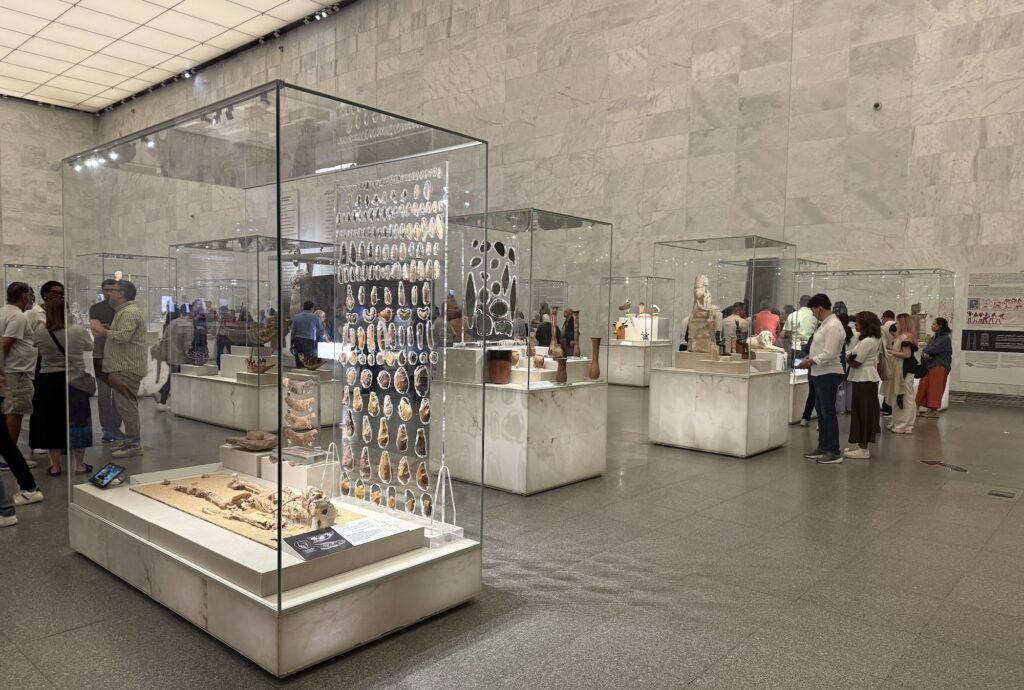
Security procedures at major museums include bag checks and metal detectors. Leave large bags at your hotel, as storage facilities at museums are limited. Most museums prohibit food and beverages inside galleries, though cafés operate in some locations.
Maximizing Your Museum Experience
Professional Egyptian guides transform museum visits from simple sightseeing into deep cultural education. Our decades of expertise in Egyptian tourism mean we work exclusively with certified Egyptologists who bring artifacts to life through storytelling and historical context. These guides navigate crowds efficiently while ensuring you see the most significant pieces within your available time.
Small group experiences enhance learning opportunities. While large tour groups rush past displays, intimate groups of up to 12 participants allow for questions, detailed explanations, and personal attention to individual interests. This approach proves particularly valuable in the Egyptian Museum, where 120,000 artifacts can overwhelm independent visitors.
Advanced booking prevents disappointment, especially for timed entry slots at the Grand Egyptian Museum or Royal Mummies Hall. We handle all ticket arrangements, entrance coordination, and timing optimization as part of our comprehensive tour packages. This eliminates stress while ensuring access to restricted areas and special exhibitions.
Specialized Collections and Themes
Religious and Cultural Diversity
Egypt’s museums showcase remarkable religious diversity spanning millennia. Ancient Egyptian temples, Coptic Christianity, and Islamic civilization each contributed distinct artistic traditions. The Museum of Islamic Art displays Quran manuscripts with gold illumination, while the Coptic Museum preserves early Christian textiles and wooden crosses.
Jewish heritage appears in synagogue artifacts and medieval documents housed in various Cairo institutions. This religious tapestry reflects Egypt’s position as a crossroads of faith and culture.
Royal Power and Death Culture
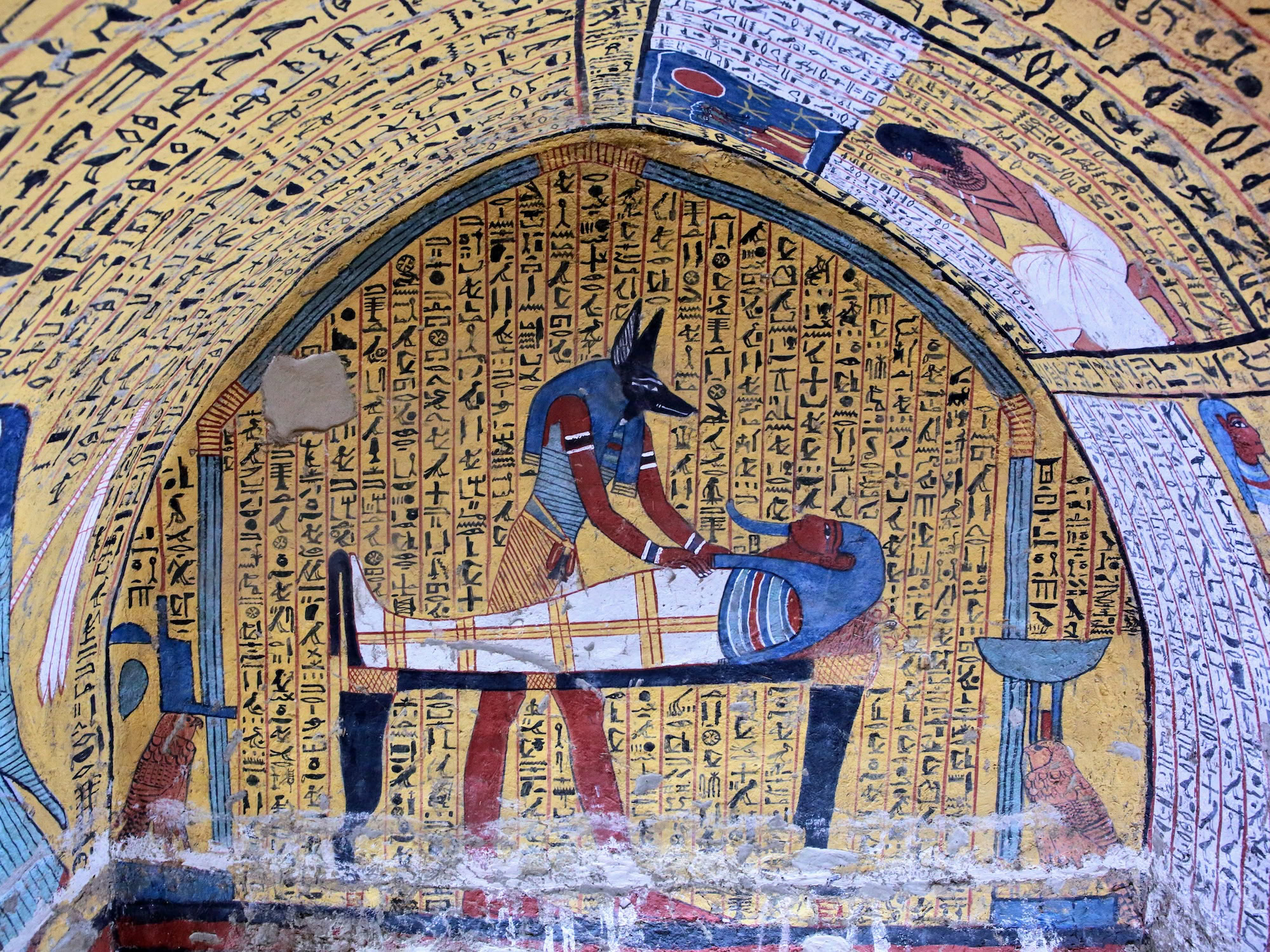
Mummy collections fascinate visitors with their preservation techniques and burial customs. Royal mummies underwent complex mummification processes involving natron salt, resin applications, and careful wrapping procedures. CT scans reveal details about ancient diseases, dental health, and cause of death among Egyptian rulers.
Tomb culture extended beyond mummification to include elaborate burial goods. Golden jewelry, ceremonial weapons, and everyday objects accompanied pharaohs into the afterlife. These collections demonstrate ancient Egyptian beliefs about death, resurrection, and eternal life.
Ancient Egyptian tools and daily life objects provide insight into ordinary citizens’ experiences. Agricultural implements, household items, and children’s toys reveal a civilization focused on family, work, and religious observance. Bronze cat statues, popular household items, show the importance of pets in Egyptian society.
Modern Museum Innovation
Contemporary museum design enhances visitor experience through technology integration and improved accessibility. The Grand Egyptian Museum employs virtual reality presentations, interactive touchscreens, and multilingual audio guides. These innovations help international visitors understand complex historical concepts and religious practices.
Preservation technology protects fragile artifacts through climate control, specialized lighting, and security systems. Nitrogen environments prevent deterioration while allowing public display. Museum professionals continuously monitor temperature, humidity, and light exposure to ensure artifact longevity.
Educational programs connect ancient civilization with modern learning. School groups, university partnerships, and public lectures expand museum impact beyond tourism. These initiatives strengthen Egypt’s commitment to cultural preservation and international education.
Digital archives make Egyptian artifacts accessible worldwide through online databases and virtual tours. High-resolution photography and 3D scanning preserve visual records while reducing handling of fragile objects. This technology democratizes access to Egyptian culture for global audiences.
Ready to experience Egypt’s history beyond museum walls?
Explore our expertly crafted Egypt tour packages and turn iconic artifacts and ancient stories into unforgettable, real-life experiences.
Frequently Asked Questions
When are Egyptian museums least crowded?
Early mornings between 9:00 am and 11:00 am offer the quietest experience, especially weekdays.
How much time should I allocate for the Egyptian Museum?
Plan minimum three hours for highlights, though a full day allows thorough exploration.
Are photography tickets worth the extra cost?
Yes, especially for King Tutankhamun artifacts and royal mummies for irreplaceable travel documentation.
Which museum offers the best air conditioning and facilities?
The Grand Egyptian Museum and NMEC provide the most modern amenities and comfortable temperatures.
Can I visit multiple museums in one day?
Two museums per day maximum works best, allowing proper exploration without exhaustion.
Do I need a guide for museum visits?
Professional guides significantly enhance understanding, especially at the Egyptian Museum where context isn’t clear.
What’s the difference between the Egyptian Museum and Grand Egyptian Museum?
The Egyptian Museum offers traditional displays in historic building while GEM provides modern presentation.
Are museum tickets included in tour packages?
Most comprehensive Egypt tours include major museum admissions, though special exhibitions require additional fees.
Which museums display royal mummies?
NMEC houses the primary Royal Mummies Hall, while the Egyptian Museum displays some mummies.
How do museum locations affect transportation planning?
Cairo museums cluster in different areas – plan geographically to minimize travel time between institutions.
What should I bring for museum visits?
Comfortable shoes, layers for temperature changes, camera with photography ticket, and water bottle.
Are there museums suitable for children?
NMEC and Grand Egyptian Museum offer interactive displays that effectively engage younger visitors.
Design Your Custom Tour
Explore Egypt your way by selecting only the attractions you want to visit