

Museum of Islamic Art, Cairo – The Finest of its Kind in the World
Cairo’s cultural landscape transformed forever when one remarkable institution opened its doors.
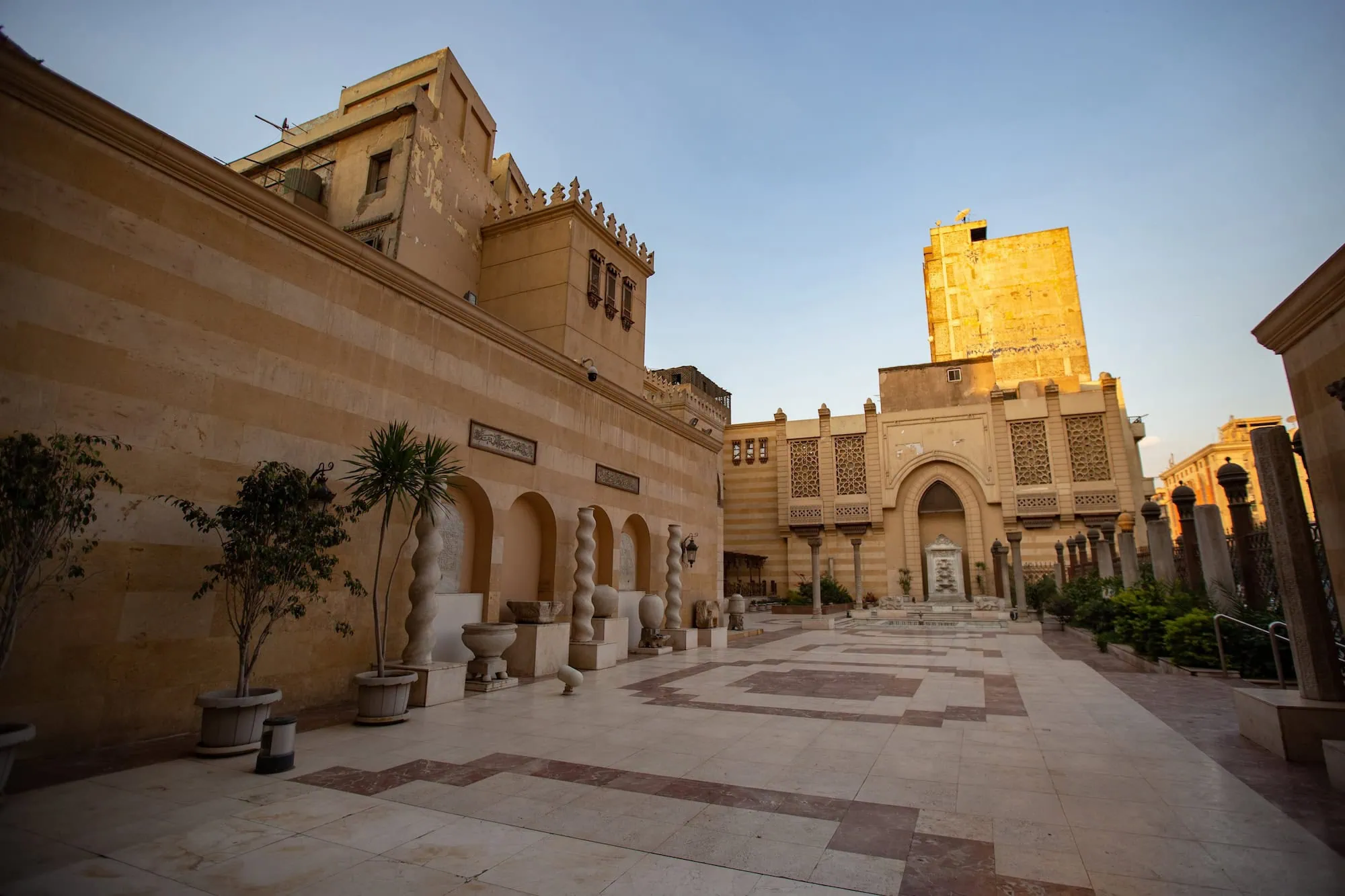
The Museum of Islamic Art in Cairo stands as the world’s largest specialized collection of Islamic artifacts, housing over 100,000 precious items that span centuries of Islamic civilization. Located in the heart of historic Islamic Cairo on Port Said Street, this cultural treasure showcases everything from intricate Mamluk metalwork to rare astronomical instruments that revolutionized medieval science. We’ve explored every corner of this magnificent museum to bring you the essential information for planning your visit.
Understanding what makes this museum extraordinary requires looking beyond its impressive size to discover the stories these artifacts tell about Islamic culture, science, and artistry.
Table of Contents
History and Significance
The Museum of Islamic Art traces its origins to 1903 AD, when Khedive Abbas Helmy II established this institution during Egypt’s cultural renaissance. The museum’s founding represented a pivotal moment in preserving Islamic heritage, creating the first dedicated space for showcasing the artistic achievements of Islamic civilization.
Early Years Development
The museum initially focused on collecting artifacts from across the Islamic world, with particular emphasis on pieces from Egypt’s rich Mamluk period. Curators traveled extensively, acquiring masterpieces from various Islamic dynasties that would later form the core of today’s world-renowned collection.
Modern Challenges Restoration
A devastating explosion in 2014 severely damaged the museum building and threatened countless priceless artifacts. This tragedy sparked an international restoration effort that demonstrated the global importance of the museum’s collection. The painstaking reconstruction process took three years, incorporating modern security systems and climate control while preserving the building’s historic Mamluk architectural style.
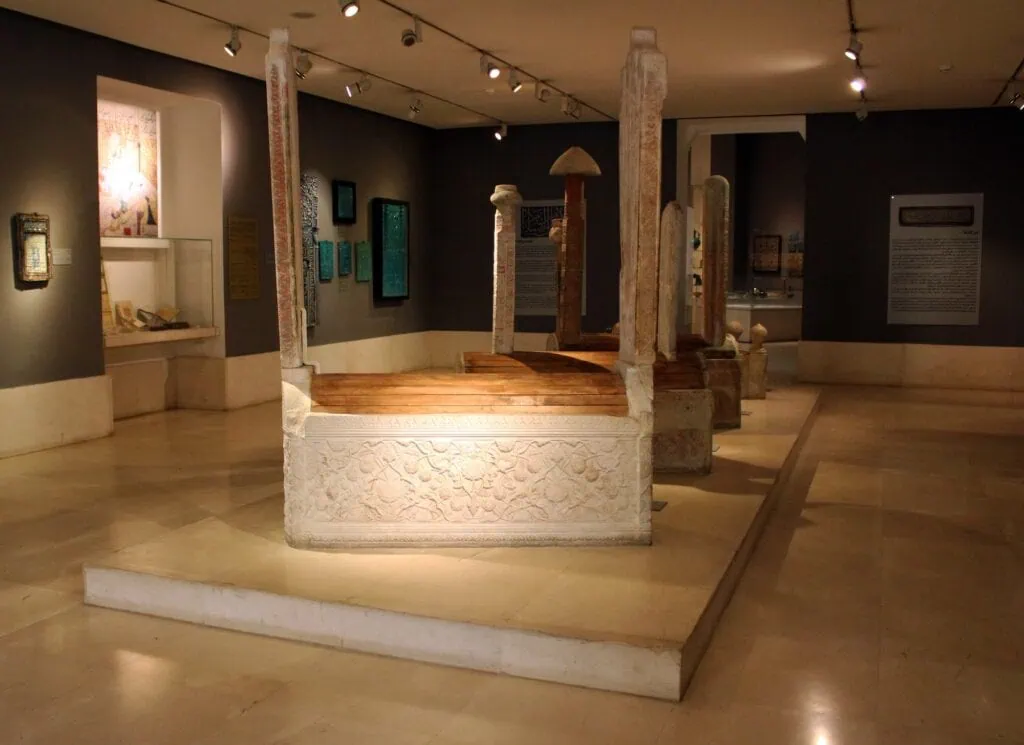
When the museum reopened in 2017, it emerged as a state-of-the-art facility that maintains its historical character. The restoration earned international recognition, with prominent visitors including kings and heads of state who have described the museum as a “Mecca for those seeking to understand Islamic art and culture.”
World’s Largest Islamic Collection
Walking through the museum’s galleries reveals the extraordinary scope of Islamic artistic achievement across more than a millennium. The collection encompasses artifacts from Spain to Central Asia, representing the geographic reach of Islamic civilization. Each piece tells part of a larger story about cultural exchange, technological innovation, and artistic evolution. The museum’s curators have organized displays chronologically and thematically, allowing visitors to trace the development of Islamic art forms across different regions and periods.
Manuscripts and Calligraphy
The manuscript collection includes rare texts like the “Kitab fil-adwiya al-mufrada,” showcasing the pinnacle of Islamic calligraphy and illumination. These handwritten volumes demonstrate how Islamic scholars preserved and advanced knowledge in fields ranging from medicine to philosophy. The intricate geometric patterns and flowing Arabic scripts represent centuries of artistic refinement.
Metalwork and Weaponry
Mamluk metalworkers achieved extraordinary technical skill, creating pieces that combined functionality with breathtaking beauty. The collection includes ceremonial weapons, household items, and religious objects that showcase techniques like damascening and inlay work. Many pieces bear the names and titles of their original owners, providing direct connections to historical figures.
Ceramics and Glass
Islamic potters and glassmakers developed techniques that influenced ceramic production across the medieval world. The museum displays lusterwares from Fatimid Egypt, stunning mosque lamps from the Mamluk period, and delicate glass vessels that demonstrate the sophisticated chemistry knowledge of medieval Islamic artisans.
Scientific Instruments Innovation
Medieval Islamic scholars made groundbreaking contributions to astronomy, mathematics, and engineering that are beautifully documented in the museum’s scientific instrument collection.
Astronomical Tools
The astrolabe collection represents one of the museum’s most scientifically significant holdings. These sophisticated instruments allowed medieval astronomers to make precise calculations about celestial movements, navigate vast distances, and determine prayer times with remarkable accuracy. Each astrolabe demonstrates the mathematical sophistication of Islamic scholars who advanced Greek and Persian astronomical knowledge.
Medical Surgical Instruments
Islamic physicians developed surgical techniques and medical instruments centuries ahead of their European contemporaries. The museum’s medical collection includes surgical tools, pharmaceutical implements, and illustrated medical texts that reveal the advanced state of Islamic medicine. These artifacts show how Islamic hospitals and medical schools maintained the highest standards of medical practice during the medieval period.
Engineering Marvels
Mechanical devices in the collection demonstrate Islamic engineers’ mastery of complex machinery. Water clocks, mechanical calculators, and precision instruments showcase technological achievements that laid foundations for later European scientific developments. These pieces reveal how Islamic civilization maintained and advanced technical knowledge during centuries when much of Europe remained focused on agricultural pursuits.
Textiles and Decorative Arts
The museum’s textile collection provides intimate glimpses into daily life across the Islamic world. Silk fragments from medieval Egypt, prayer rugs from Persia, and ceremonial robes from Ottoman Turkey demonstrate the sophistication of Islamic textile production. Weavers developed complex dyeing techniques, created intricate patterns, and established trade networks that connected Europe with Asia. Many textiles incorporate verses from the Quran or geometric patterns that reflect Islamic artistic principles.
Carpet weaving reached extraordinary artistic heights in Islamic lands, with master weavers creating pieces that served both practical and spiritual purposes. The museum’s carpet collection includes examples from major weaving centers, showing regional variations in technique, pattern, and color. These carpets often feature symbolic motifs that held deep meaning for their original owners.
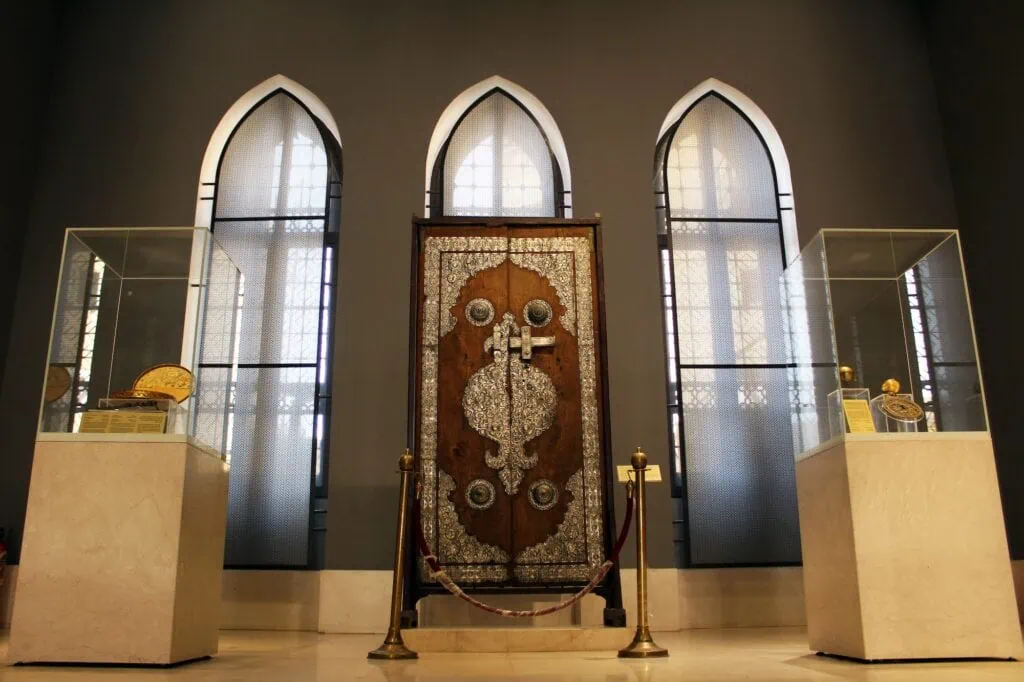
Ivory carvings, jewelry, and decorative objects round out this section of the collection. Skilled craftsmen created pieces that adorned palaces, mosques, and wealthy homes across the Islamic world. The technical precision and artistic vision evident in these smaller objects demonstrates how Islamic artistic principles influenced every aspect of material culture.
Planning Your Museum Visit
Practical Information Ticketing
The Museum of Islamic Art operates daily from 9:00 am (09:00) to 5:00 pm (17:00), making it accessible for most travel schedules. Adult admission costs 340 Egyptian pounds, while children must be accompanied by adults at all times. Photography with mobile phones is permitted free of charge, allowing visitors to capture memories of their experience.
The museum building includes modern amenities that enhance the visitor experience. An elevator provides access to all floors, accessible toilets accommodate visitors with mobility needs, and the gift shop offers carefully selected books and reproductions. The museum library serves researchers and serious students of Islamic art, though advance arrangements may be required for access.
Getting There Location
Located on Port Said Street in the Bab AL-Khalq area, the museum sits in the heart of Islamic Cairo. This central location makes it easy to combine a museum visit with exploration of nearby historic mosques and monuments. The area around the museum contains numerous restaurants and cafes where visitors can reflect on their experience while enjoying traditional Egyptian cuisine.
Transportation options include taxis, rideshare services, and public transportation. Visitors should allow extra time for navigating Cairo’s busy streets, particularly during peak hours. The museum’s location within Islamic Cairo means that walking between nearby attractions is often feasible for those comfortable with urban exploration.
The Museum of Islamic Art is ideally positioned within one of Cairo’s richest historic districts, making it easy to extend your visit with nearby landmarks. Just a short walk away, visitors can explore the Ibn Tulun Mosque, one of Cairo’s oldest and largest mosques, known for its distinctive spiral minaret and expansive courtyard. Also nearby is the Gayer-Anderson Museum, a restored historic residence offering insight into domestic life in Ottoman-era Cairo.
For those interested in a broader architectural journey, Al-Muizz Street is within reach and features a remarkable concentration of Islamic monuments spanning multiple dynasties. Combining the museum with these surrounding sites allows visitors to move seamlessly from curated collections to authentic, in-situ architectural experiences, creating a more comprehensive understanding of Islamic art and history.
Maximizing Your Experience
A typical visit requires 2-3 hours to see the major highlights, though art enthusiasts often spend entire days exploring the collection’s depth. The museum’s layout encourages a chronological approach, but visitors can also focus on specific interests like scientific instruments or decorative arts.
We recommend starting with the museum’s orientation materials, which provide context for understanding the collection’s significance. The building itself deserves attention, as the restored architecture demonstrates traditional Islamic building techniques adapted for modern museum requirements.
Nearby Attractions Islamic Cairo
Historic Mosques Monuments
The Museum of Islamic Art serves as an excellent introduction to the broader treasures of Islamic Cairo. Within walking distance, visitors can explore active mosques that represent various periods of Islamic architecture. The Mosque of Sultan Hassan, the Citadel of Saladin, and numerous smaller mosques provide context for the artifacts displayed in the museum.
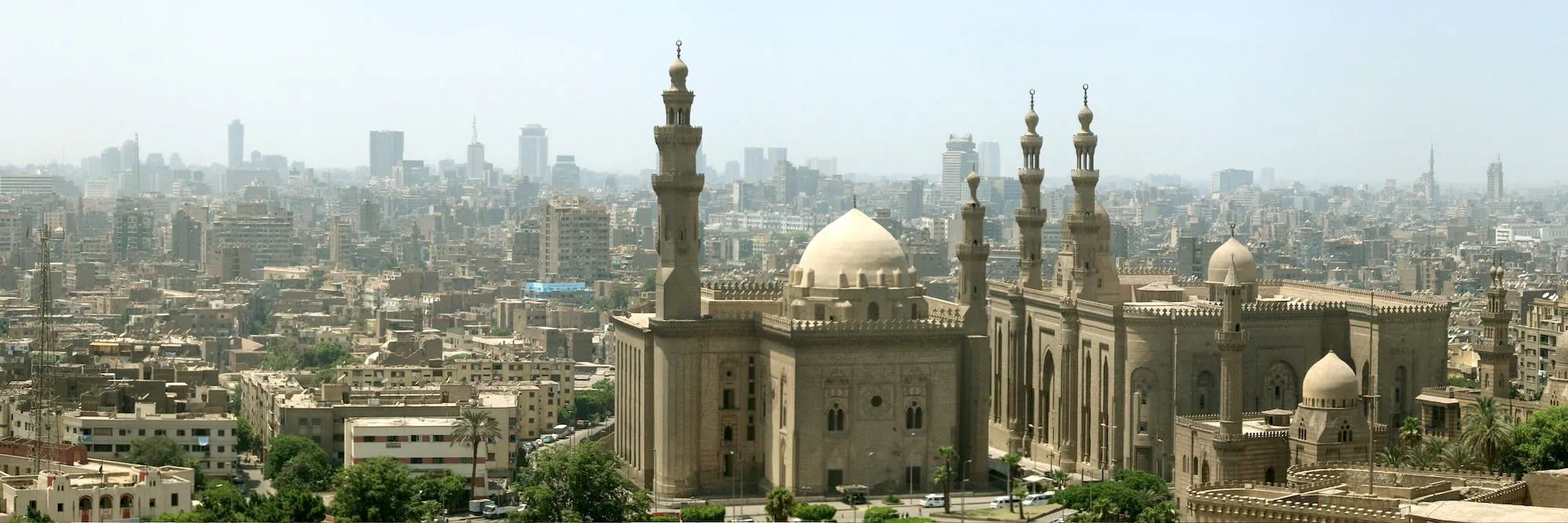
Each monument tells part of Cairo’s story as a major center of Islamic learning and culture. The architectural styles represented in these buildings directly relate to decorative techniques and artistic motifs found in museum exhibits.
Cultural Integration
Combining museum visits with exploration of living Islamic Cairo creates a comprehensive cultural experience. Traditional craft workshops, spice markets, and tea houses maintain connections to the historical periods represented in the museum’s collection. This integration of past and present helps visitors understand how Islamic artistic traditions continue to influence contemporary Egyptian culture.
Special Collections Hidden Gems
The museum’s lesser-known treasures often provide the most memorable experiences for visitors willing to explore beyond the major galleries.
Rare Manuscripts Books
The manuscript collection includes scientific treatises, literary works, and religious texts that demonstrate the breadth of Islamic intellectual achievement. Many manuscripts feature miniature paintings that represent some of the finest examples of Islamic artistic tradition. These books served scholars, rulers, and wealthy merchants across the medieval Islamic world.
Personal Daily Objects
Everyday objects like the “Iron Sufi’s hand-bag” provide intimate connections to individual lives from centuries past. These personal items humanize the grand sweep of Islamic history, showing how ordinary people incorporated artistic beauty into daily routines. Kitchen implements, cosmetic containers, and clothing accessories reveal the material culture of different social classes.
Royal Ceremonial Pieces
Items like the “Pitcher Belonging to Tabtaq” represent the highest levels of medieval Islamic craftsmanship. These pieces were created for rulers and wealthy patrons who could afford the most skilled artisans available. The technical excellence and artistic sophistication of these objects demonstrates why Islamic art influenced decorative traditions across Europe and Asia.
Educational Programs Research
The Museum of Islamic Art serves as more than a display space, functioning as an active center for Islamic art research and education. Scholars from around the world utilize the museum’s resources for academic research, while educational programs introduce new generations to Islamic cultural achievements.
The museum’s research library contains specialized texts on Islamic art history, archaeology, and cultural studies. These resources support both casual visitors seeking deeper understanding and professional researchers conducting academic investigations.
Temporary exhibitions regularly feature focused explorations of specific aspects of Islamic art, providing returning visitors with new discoveries. These special displays often incorporate recent acquisitions or present familiar objects in new contexts that reveal previously unexplored connections.
Global Impact Cultural Diplomacy
As the world’s largest specialized collection of Islamic art, the museum plays a crucial role in international cultural diplomacy and understanding. Distinguished visitors including UNESCO officials and heads of state have recognized the museum’s importance in preserving and interpreting Islamic cultural heritage.
The museum’s influence extends beyond its physical walls through digital initiatives, traveling exhibitions, and scholarly publications. These programs make the collection accessible to global audiences while supporting research into Islamic art and culture worldwide.
The museum also serves as a model for other institutions seeking to preserve and present Islamic cultural heritage. Its combination of scholarly rigor, public accessibility, and modern presentation techniques influences museum practices internationally.
Discover The Artistic Legacy Of Islamic Cairo
The Museum of Islamic Art in Cairo offers an extraordinary journey through centuries of craftsmanship, design, and cultural expression—revealing a refined side of Egypt’s heritage often overlooked. With EgyptToursPlus, we seamlessly incorporate this enriching experience into a private journey that connects Cairo’s cultural depth with Egypt’s most iconic highlights.
You choose your travel dates, your pace, and the experiences that shape your route. From immersive cultural stops to historic landmarks and comfortable stays, we tailor every detail around your preferences—ensuring a smooth, refined, and deeply personal travel experience from beginning to end.
Frequently Asked Questions
The Museum of Islamic Art in Cairo is typically open daily from 9:00 am to 5:00 pm, with adult international tickets recently priced around EGP 340. Located in the Bab al-Khalq district, the museum is one of Cairo’s premier cultural institutions and security screening at the entrance can add extra waiting time during busy periods. Ticket policies occasionally change during national holidays or special exhibitions, so travelers should confirm current pricing shortly before visiting. Arriving at opening time provides the quietest gallery experience.
The Museum of Islamic Art houses more than 100,000 artifacts spanning over 1,400 years of Islamic civilization, making it one of the world’s largest specialized Islamic art collections. Its holdings include objects from Egypt, Persia, Andalusia, Ottoman Turkey, and Mughal India, covering subjects from science and religion to daily life and craftsmanship. Only a portion of the collection is displayed at one time due to conservation requirements and gallery limitations. The museum’s scale rewards visitors who move slowly through the chronological and thematic exhibits.
Yes, mobile phone photography is generally permitted free of charge throughout most areas of the Museum of Islamic Art, although flash photography and professional equipment may require additional permission. Restrictions exist because repeated exposure to strong light can damage manuscripts, textiles, woodwork, and painted ceramics preserved inside climate-controlled galleries. Temporary exhibitions may occasionally prohibit photography due to loan agreements or conservation concerns. Visitors should always follow posted signage and avoid blocking gallery circulation while taking photos.
The Museum of Islamic Art is located on Port Said Street in Cairo’s historic Bab al-Khalq district, approximately 2 km southeast of Tahrir Square. Its central position places it near several major Islamic Cairo landmarks, including historic mosques, traditional markets, and medieval streets dating to the Fatimid and Mamluk periods. The museum is easily reached by taxi, ride-sharing apps, or organized tours exploring Islamic Cairo. Traffic congestion around Port Said Street can become heavy during late afternoon commuting hours.
In January 2014, a large explosion targeting Cairo Police Headquarters severely damaged the Museum of Islamic Art because the museum stands directly across the street from the blast site. Hundreds of artifacts suffered damage ranging from shattered glass cases to structural impact on galleries and ceilings. International restoration teams, including support from UNESCO and the United Arab Emirates, helped fund and coordinate repairs before the museum reopened in 2017. The restoration became one of Egypt’s most important modern cultural preservation projects.
The Museum of Islamic Art displays manuscripts, carved woodwork, ceramics, textiles, jewelry, scientific instruments, metalwork, weapons, and glassware from across the Islamic world. Collections span multiple dynasties including Fatimid, Ayyubid, Mamluk, and Ottoman periods, illustrating how Islamic artistic traditions evolved over more than a millennium. Some galleries focus on everyday domestic objects, while others highlight astronomy, medicine, and Quranic calligraphy. The diversity of artifacts makes the museum valuable for both art lovers and visitors interested in Islamic scientific history.
Most visitors spend 2 to 3 hours exploring the Museum of Islamic Art’s main galleries, although researchers and art enthusiasts can easily spend an entire day studying the collection. The museum’s thematic organization encourages slower viewing because galleries cover architecture, medicine, astronomy, religion, and decorative arts across several centuries. Visitors combining the museum with nearby Islamic Cairo attractions should still reserve at least half a day for the experience. Early morning visits generally provide the calmest galleries and best viewing conditions.
Yes, the Museum of Islamic Art includes modern accessibility features such as elevators, ramps, and accessible restrooms designed to accommodate visitors with mobility limitations. Many improvements were integrated during the major restoration completed after the 2014 explosion, allowing easier movement through multi-level gallery spaces. Some surrounding sidewalks in Bab al-Khalq may still present uneven surfaces typical of historic Cairo districts. Visitors requiring additional assistance should contact the museum or arrange guided transportation in advance for a smoother experience.
The Museum of Islamic Art contains an important collection of medieval scientific instruments, including astrolabes, surgical tools, compasses, and astronomical devices that demonstrate the scientific achievements of Islamic civilization between the 8th and 15th centuries. Many objects reveal how scholars in Cairo, Damascus, and Baghdad advanced mathematics, navigation, medicine, and astronomy during Europe’s medieval period. The astrolabes are especially significant because they were used for navigation, timekeeping, and determining prayer directions. These galleries help visitors understand Islamic civilization beyond architecture and religion alone.
Yes, the Museum of Islamic Art sits within easy reach of several major Islamic Cairo attractions including the Citadel of Saladin, Al-Azhar Mosque, Khan el-Khalili Bazaar, and historic Mamluk mosques along Al-Muizz Street. Its central location makes it an ideal starting point for exploring Cairo’s medieval heritage in a single day. Many visitors combine the museum with nearby religious monuments because the collections provide historical context for the architecture seen throughout the district. Comfortable walking shoes are strongly recommended for exploring surrounding historic streets.
The Museum of Islamic Art maintains educational and research resources including a specialized library, temporary exhibitions, lectures, and programs focused on Islamic history, conservation, and decorative arts. Scholars and students frequently use the museum’s collections to study calligraphy, manuscript preservation, and medieval scientific development across the Islamic world. Educational activities often expand during school holidays and cultural festivals in Cairo. Visitors interested in deeper academic context should check current programming schedules before arrival because workshops and lectures vary throughout the year.
The museum’s three-year restoration after the 2014 explosion combined modern conservation technology with careful preservation of its original neo-Mamluk architectural design. Restoration teams repaired damaged galleries, restored shattered artifacts, upgraded climate-control systems, and introduced stronger security infrastructure to protect the collection long term. International specialists worked alongside Egyptian conservators to stabilize fragile manuscripts, ceramics, and woodwork affected by the blast. When the museum reopened in 2017, it emerged as one of the most technologically advanced museum spaces in Egypt.
Design Your Custom Tour
Explore Egypt your way by selecting only the attractions you want to visit