

Coptic Museum – The World’s Biggest Collection of Coptic Artifacts
Experience Cairo’s hidden gem in Old Cairo.
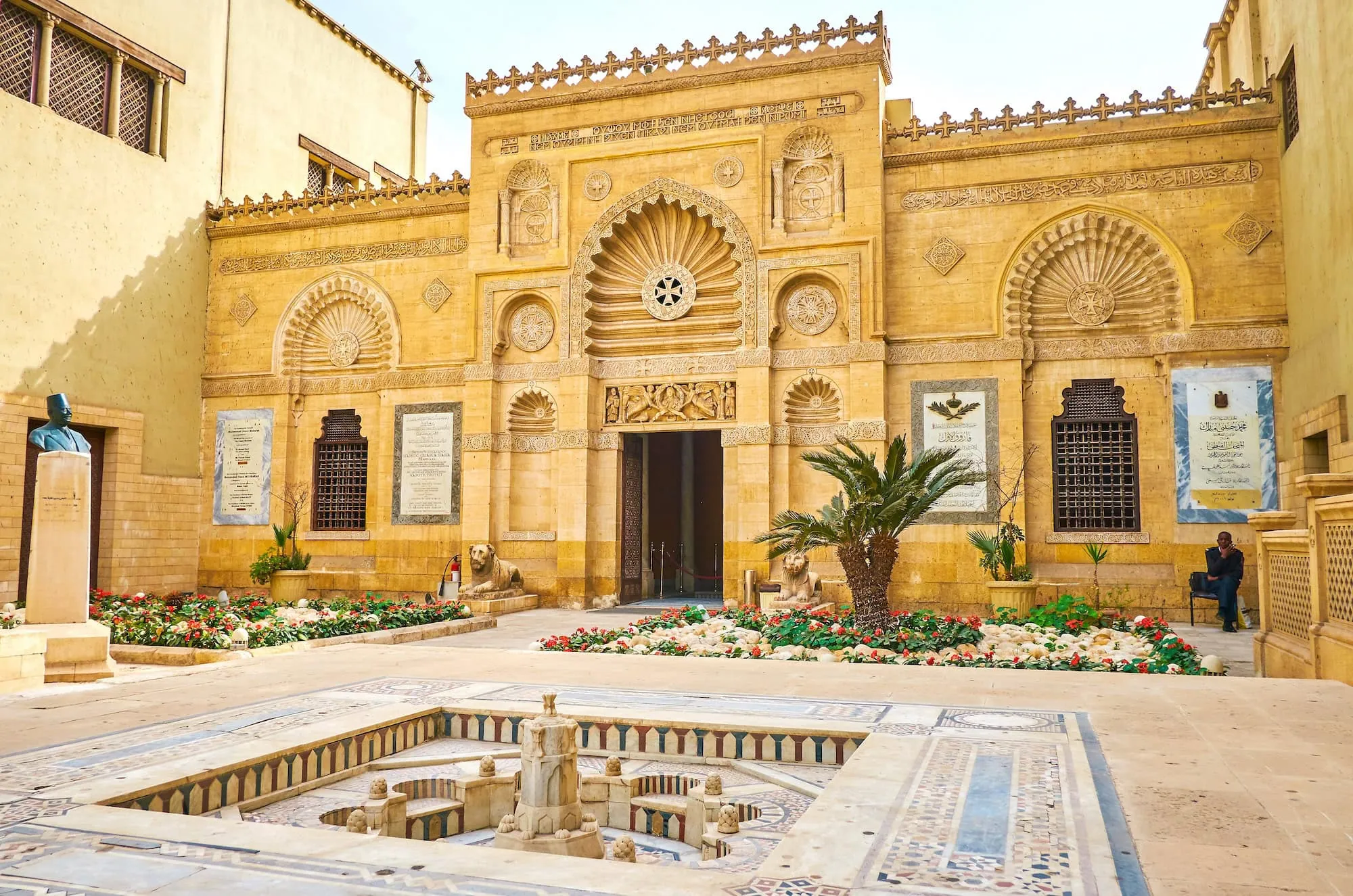
The Coptic Museum stands as Egypt’s most significant repository of Christian artifacts, housing over 16,000 pieces that span nearly two millennia of Coptic Orthodox tradition. Founded by Marcus Simaika Pasha in 1908 and officially inaugurated on March 14, 1910, this remarkable institution preserves the largest collection of Coptic art anywhere in the world. We guide travelers through this cultural treasure where ancient manuscripts, stunning icons, and intricate woodwork tell the story of Christianity’s deep roots in Egypt.
Our expertise in Egyptian cultural sites ensures you experience every meaningful detail during your visit to this extraordinary museum in the heart of Old Cairo.
Table of Contents
Discovering the Museum’s Rich Heritage
The museum’s founding represents one of the most significant preservation efforts in Egyptian cultural history. Marcus Simaika Pasha envisioned a dedicated space where Coptic Christian heritage could be properly displayed and protected. His collaboration with Pope Cyril V established the foundation for what would become an internationally recognized institution.
The building itself reflects thoughtful architectural planning, with its facade designed to echo the 12th-century Al-Aqmar Mosque, creating a harmonious blend within Old Cairo’s historic landscape.
World’s Largest Coptic Collection
The museum houses an unparalleled assemblage of artifacts spanning from the early Christian period through the Islamic era. Ancient manuscripts include the remarkable 1,600-year-old Book of Psalms, one of the oldest surviving Christian texts in existence. Visitors encounter magnificent decorated manuscripts that showcase the evolution of Coptic script and illumination techniques across centuries.
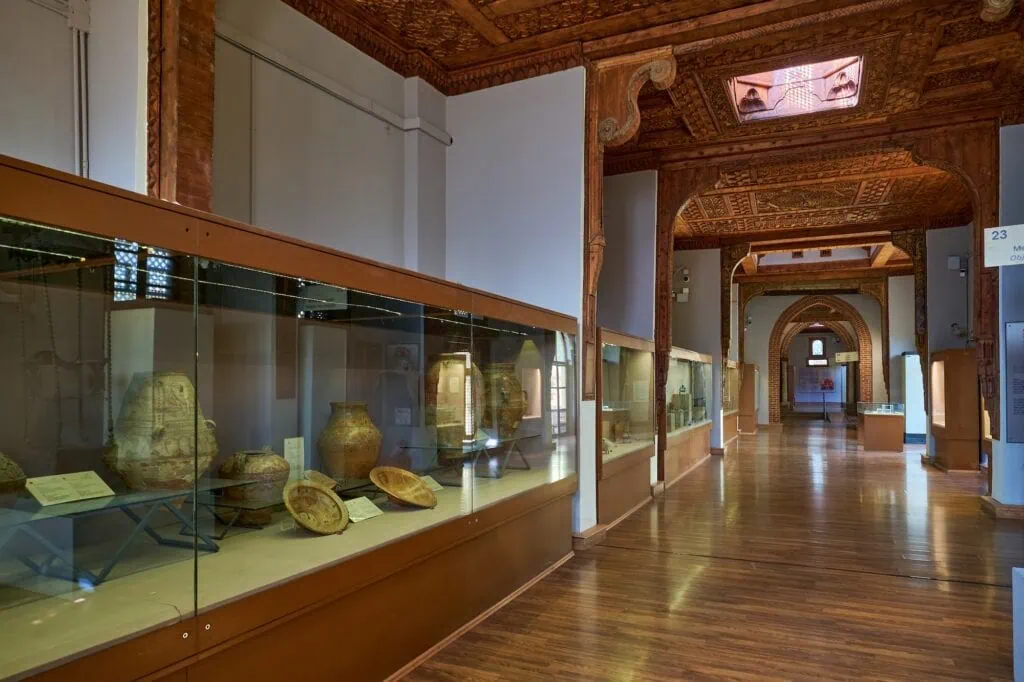
Religious icons depicting the Virgin Mary, Jesus Christ, and various saints demonstrate the distinctive artistic style that emerged from Egypt’s Christian communities. These painted wooden panels reveal both Byzantine influences and unique Egyptian interpretations of Christian iconography.
Architectural Elements and Monastic Treasures
Stone carvings and architectural fragments from ancient monasteries provide insight into early Christian building practices. The 6th-century stone pulpit represents exceptional craftsmanship from the monastery of Saint Jeremiah at Saqqara. Intricate woodwork demonstrates the sophisticated joinery techniques developed by Coptic artisans, particularly in creating altar screens and liturgical furniture.
Textile collections include ceremonial vestments, tapestries, and burial shrouds that showcase both religious symbolism and everyday life in Christian Egypt. These fabrics often feature Coptic text interwoven with decorative patterns that blend Christian and Pharaonic motifs.
Manuscripts and Literary Heritage
The manuscript collection extends far beyond religious texts to include scientific, historical, and literary works. Documents in Coptic, Arabic, and Greek languages illustrate the multilingual nature of Egyptian Christian scholarship. Many manuscripts preserve unique copies of texts that exist nowhere else, making the museum an invaluable resource for researchers and scholars worldwide.
Papyrus fragments from the Nag Hammadi Library represent some of the earliest Christian writings, offering extraordinary glimpses into the development of Christian thought and practice in Egypt.
Planning Your Visit to Old Cairo
Visiting hours run from 9:00 am (09:00) to 5:00 pm (17:00) daily, providing ample time to explore the extensive collections. We recommend allowing at least 90 minutes for a thorough visit, though many travelers find themselves spending considerably longer absorbing the wealth of artifacts and their historical contexts. The museum’s chronological arrangement helps visitors understand the evolution of Coptic art and culture across different periods.
Ticket Information and Pricing Structure
Adult admission costs 280 Egyptian pounds for international visitors, while students with valid identification pay 140 Egyptian pounds. Egyptian nationals receive significantly reduced rates at 20 Egyptian pounds for adults. Children under six years enter free of charge. Photography with mobile phones is permitted without additional fees, though professional camera equipment may require special permission.
The museum accepts both cash and credit card payments. We suggest confirming current pricing before your visit, as rates occasionally adjust.
Getting There and Location Details
The Coptic Museum sits in the heart of Coptic Cairo, easily accessible by metro to the Mar Girgis station. This location places you within walking distance of several other significant Christian sites, including the Hanging Church and Saint Sergius and Bacchus Church. The museum’s position within the ancient fortress of Babylon provides additional historical context for understanding the area’s strategic importance throughout Egyptian history.
Taxi services and ride-sharing apps provide convenient transportation options from central Cairo hotels. The journey typically takes 20-30 minutes depending on traffic conditions.
Experiencing Egypt’s Christian Story Through Guidance
Our qualified Egyptologists enhance museum visits by providing detailed explanations of artifacts and their historical significance. Understanding the connections between different pieces requires expertise that comes from years of study and experience with Egyptian Christian heritage. We ensure travelers grasp not only what they’re viewing but why these artifacts matter in the broader context of world Christianity.
The museum’s layout follows a logical progression through different periods and artistic styles. Expert guides help visitors appreciate subtle details in iconography, understand the symbolism embedded in decorative motifs, and recognize the influences of various cultural traditions on Coptic art.
Many artifacts carry stories that extend beyond their physical appearance. The development of monasticism in Egypt, the role of Coptic communities during different historical periods, and the preservation of Christian traditions through centuries of change all become clear through knowledgeable interpretation.
Our guides speak multiple languages and adapt their presentations to match visitors’ interests and background knowledge. Whether you’re approaching from an art history perspective, religious studies background, or general cultural curiosity, we tailor the experience accordingly.
Notable Artifacts and Artistic Masterpieces
The museum’s standout pieces deserve special attention during any visit. The ancient Book of Psalms represents extraordinary preservation across sixteen centuries. Written in Coptic script, this manuscript demonstrates both the linguistic evolution of Egyptian Christianity and the dedication of monastic communities to preserving religious texts.
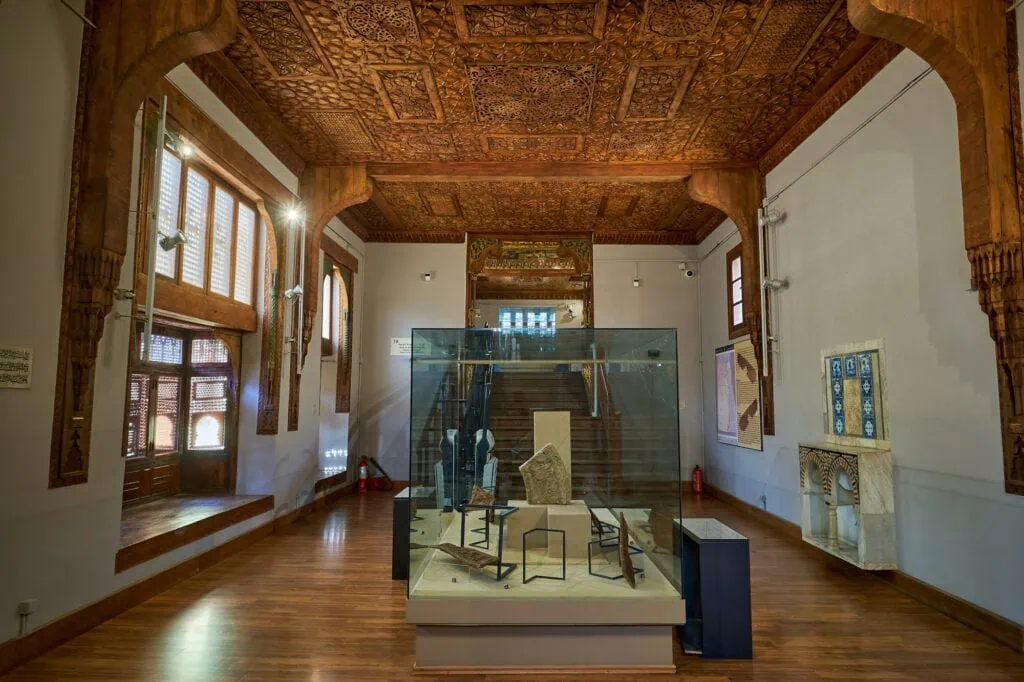
Stone reliefs from the monastery of Saint Jeremiah showcase the sophisticated sculptural traditions that developed in Egyptian monasteries. These pieces often combine Christian symbolism with decorative elements drawn from Pharaonic and Greco-Roman artistic traditions.
Icons and Religious Art
Portrait-style icons reveal the distinct Coptic approach to religious imagery. Unlike Byzantine traditions, Egyptian Christian artists often incorporated facial features and clothing styles that reflected local populations. Images of the Virgin Mary frequently show distinctly Egyptian characteristics, while maintaining the spiritual qualities essential to religious art.
Wooden panels demonstrate remarkable preservation, with original pigments often surviving intact. The techniques used in creating these works reflect centuries of artistic development within Egyptian Christian communities.
Textiles and Ceremonial Objects
Liturgical vestments display intricate embroidery and weaving techniques passed down through generations of Coptic artisans. Gold thread work, silk tapestries, and linen ceremonial cloths showcase both the wealth of some Christian communities and their dedication to creating beautiful religious objects.
Burial textiles provide insight into Christian funeral practices and beliefs about the afterlife. Many feature inscriptions in Coptic text alongside decorative patterns that blend religious and cultural symbolism.
Manuscripts and Illuminated Texts
Beyond the famous Book of Psalms, the collection includes numerous illuminated manuscripts with colorful illustrations depicting biblical scenes. These works often feature unique interpretations of familiar Christian stories, influenced by Egyptian artistic traditions and local cultural elements.
Scientific and historical manuscripts demonstrate the intellectual achievements of Coptic scholars. Works on astronomy, mathematics, and medicine illustrate the broad learning cultivated in Egyptian monasteries and Christian schools.
Discover The Rich Heritage Of The Coptic Museum
The Coptic Museum reveals a fascinating layer of Egypt’s history—where art, faith, and tradition come together in one of the world’s most important collections of early Christian heritage. With EgyptToursPlus, we seamlessly include this cultural highlight in a private journey that connects Cairo’s historic depth with Egypt’s most iconic landmarks.
You choose your travel dates, your pace, and the experiences that shape your route. From cultural immersion and historical sites to comfortable stays and smooth transitions, we tailor every detail around your preferences—ensuring a refined, effortless, and deeply personal travel experience.
Frequently Asked Questions
Most visitors spend 60 to 90 minutes exploring the Coptic Museum, while travelers with strong interest in Christian art, manuscripts, or Egyptian religious history often stay 2 to 3 hours. Founded in 1908, the museum houses one of the world’s most important collections of Coptic artifacts, including textiles, icons, woodwork, and early biblical manuscripts. Its galleries trace Egypt’s transition from the Pharaonic and Greco-Roman eras into Christianity. Arriving early helps visitors move through the quieter galleries at a more relaxed pace.
Yes, English-speaking guides are available at the Coptic Museum, and specialized Egyptologists can provide deeper interpretation of Coptic Christian history, symbolism, and art. Guided visits are especially valuable because many artifacts date from the 3rd to 12th centuries and contain layered religious and cultural references that casual visitors may miss. Tours often include explanations of iconography, monastic traditions, and the development of Christianity in Egypt. Booking guides in advance is recommended during peak travel months between October and April.
Mobile phone photography is generally permitted inside the Coptic Museum without flash, although professional cameras and tripods usually require special permission from museum authorities. Flash photography is restricted because repeated exposure can damage fragile textiles, painted icons, and ancient manuscripts preserved in low-light conditions. Certain temporary exhibitions may also prohibit photography entirely due to conservation or loan agreements. Visitors should check posted signs carefully and ask museum staff before photographing sensitive collections or restricted galleries.
Early morning between 9:00 am and 10:30 am is usually the quietest time to visit the Coptic Museum, especially on weekdays outside Egyptian public holidays. Tour groups visiting Old Cairo often arrive closer to midday after stops at the Hanging Church or Ben Ezra Synagogue, which increases congestion in narrower galleries. Morning visits also provide cooler temperatures and better opportunities to examine delicate artifacts without crowd pressure. Visitors interested in photography should prioritize the first opening hour for the calmest conditions.
The Coptic Museum has improved accessibility in recent years, although parts of the historic structure still present challenges due to stairs, uneven flooring, and older architectural layouts. Main galleries and several exhibit areas are accessible, but some sections of Old Cairo surrounding the museum involve narrow paths and stone surfaces that may require assistance. Visitors using wheelchairs or mobility aids should contact the museum in advance to confirm current accommodations. Private guided tours can also help simplify navigation through the complex.
Large bags are subject to security inspection at the Coptic Museum, and food, drinks, and oversized luggage are not permitted inside gallery spaces. These restrictions help protect fragile artifacts including ancient textiles, illuminated manuscripts, and carved wooden screens dating back more than 1,000 years. Basic storage facilities are typically available near the entrance for personal belongings that cannot enter the galleries. Carrying only essential items makes security screening faster, especially during busy tour periods in Old Cairo.
The Egyptian Museum focuses primarily on Pharaonic civilization, while the Coptic Museum specializes in Egypt’s Christian heritage from roughly the 3rd through 12th centuries CE. Located in Old Cairo, the museum offers a different historical perspective through icons, manuscripts, church architecture, and monastic artifacts that document the rise of Christianity in Egypt after the Roman era. Together, the two museums present complementary narratives of Egyptian identity across different civilizations. Many travelers combine both sites to understand Egypt beyond the ancient pharaohs alone.
Yes, the Coptic Museum is centrally positioned within Old Cairo and easily combined with nearby landmarks such as the Hanging Church, Saint Sergius and Bacchus Church, and Ben Ezra Synagogue. Most of these attractions lie within a few hundred meters of one another inside the Babylon Fortress district, making the area ideal for a half-day cultural itinerary. Visitors interested in Egypt’s religious diversity often explore Christian, Jewish, and Islamic heritage sites in the same day. Comfortable walking shoes are strongly recommended because of uneven stone pathways.
The Coptic Museum offers educational programs and group-learning opportunities focused on Egyptian Christian history, religious art, and manuscript preservation, although advance booking is usually required for school or university groups. Programs often include guided interpretation of artifacts, workshops on Coptic symbolism, and discussions about Egypt’s multicultural religious heritage. Because the museum preserves objects spanning more than 1,500 years, it is particularly valuable for students studying archaeology, theology, or Middle Eastern history. Early scheduling is advisable during academic travel seasons.
Most exhibit labels at the Coptic Museum are presented in both Arabic and English, with selected galleries also including French translations for major artifacts and historical explanations. Bilingual labeling helps international visitors understand the religious and artistic significance of objects ranging from early Christian manuscripts to intricately carved wooden icon screens. Some older displays may contain limited interpretive detail compared with newer museum standards, so guided tours can provide valuable historical context. English-speaking visitors generally navigate the museum comfortably without translation difficulties.
Yes, the Coptic Museum gift shop sells books, postcards, reproductions, and scholarly publications focused on Coptic Christian art, Egyptian church history, and manuscript traditions. Many titles are difficult to find outside Egypt and include research on iconography, monastic communities, and archaeological discoveries from Old Cairo. Visitors interested in academic or religious history often purchase exhibition catalogs and illustrated references covering the museum’s permanent collection. Browsing the shop before leaving is worthwhile because inventory changes regularly and specialized publications can sell out quickly.
Individual visitors generally do not need to book Coptic Museum tickets in advance, although organized groups and guided tours benefit from prior arrangements to ensure smooth entry and guide availability. The museum is less crowded than Cairo’s major Pharaonic attractions, but weekends, school holidays, and peak winter tourism months can still increase visitor numbers. Advance planning becomes especially useful for travelers combining multiple Old Cairo sites in one itinerary. Morning arrivals typically experience the shortest entrance queues and quieter galleries.
Design Your Custom Tour
Explore Egypt your way by selecting only the attractions you want to visit