7 Days in Egypt – What to See in Egypt in 7 Days
Egypt awaits with endless wonders ready to transform your perspective.
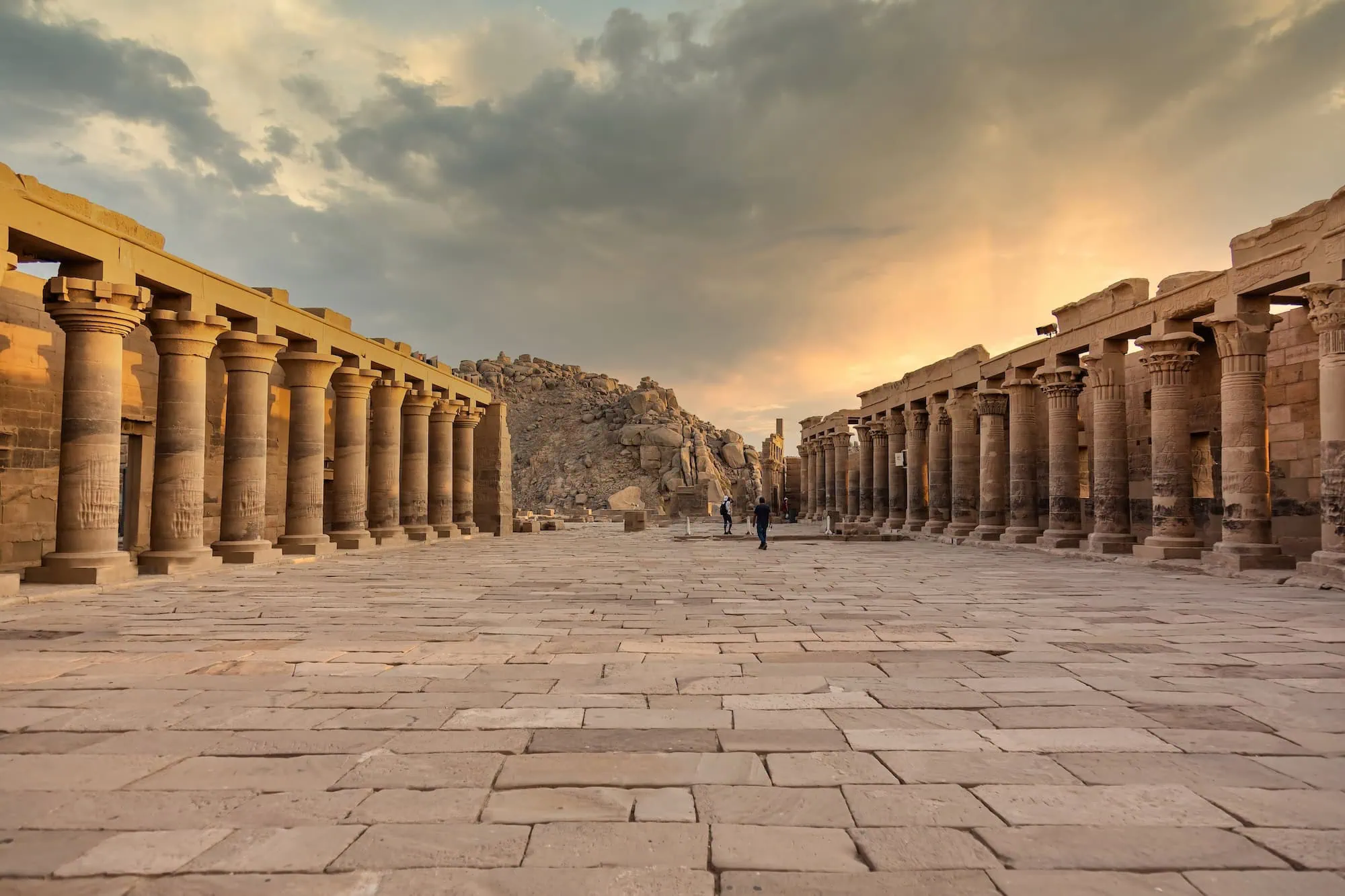
Planning a week in Egypt opens doors to experiences that span millennia. Ancient pyramids tower against modern Cairo’s bustling streets while the Nile River carries stories of pharaohs and queens through landscapes that remain virtually unchanged since biblical times. Our decades of expertise guiding travelers through Egypt’s treasures ensures every moment of your seven days maximizes both discovery and comfort.
Your journey deserves careful planning to capture Egypt’s most essential experiences. From Cairo’s iconic monuments to Luxor’s temple complexes, each day builds upon the last to create memories that last forever.
Table of Contents
Day-by-Day Cairo Foundation Experience
Your Egyptian adventure begins in Cairo, where ancient meets contemporary in the most captivating way. Most international flights arrive at Cairo International Airport, making the capital city your natural starting point. Smart travelers dedicate their first two days to Cairo’s essential sights, allowing time to adjust while experiencing Egypt’s most famous treasures.
The Giza Plateau and Pyramid Complex
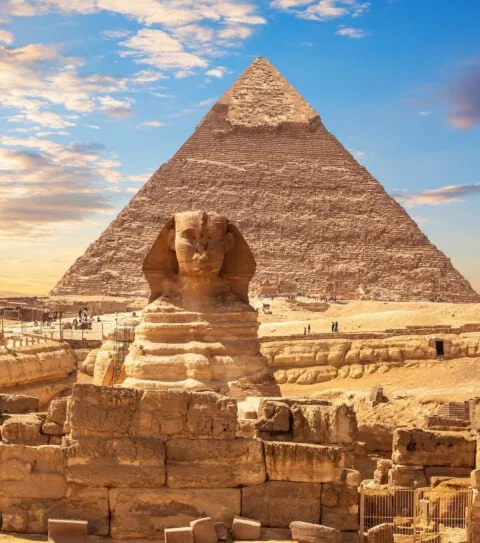
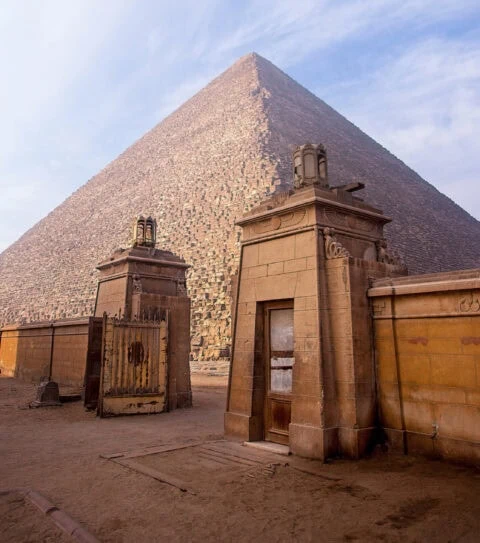
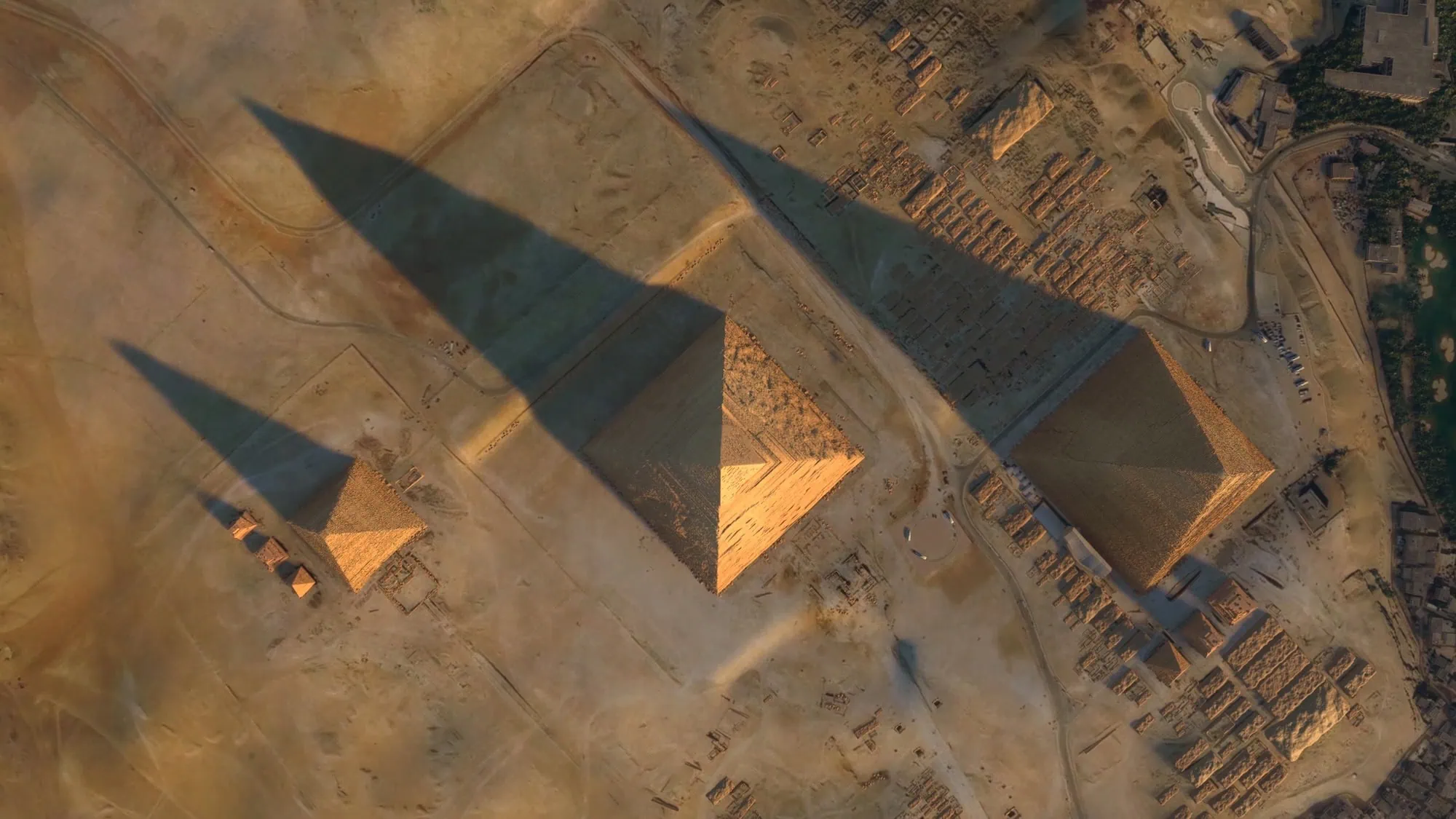
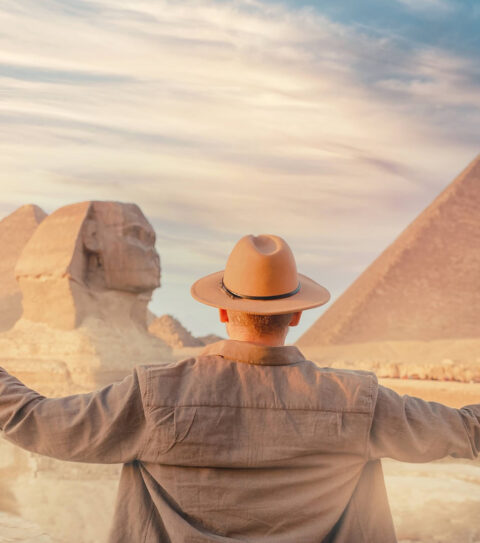
Start early at the Giza Plateau to beat crowds and heat. The Great Pyramid stands 146 meters (480 feet) tall, representing humanity’s oldest surviving wonder of the ancient world. Walking around the pyramid’s base takes approximately 20 minutes, giving you perspective on its massive scale. Your private guide explains construction techniques that continue baffling engineers today.
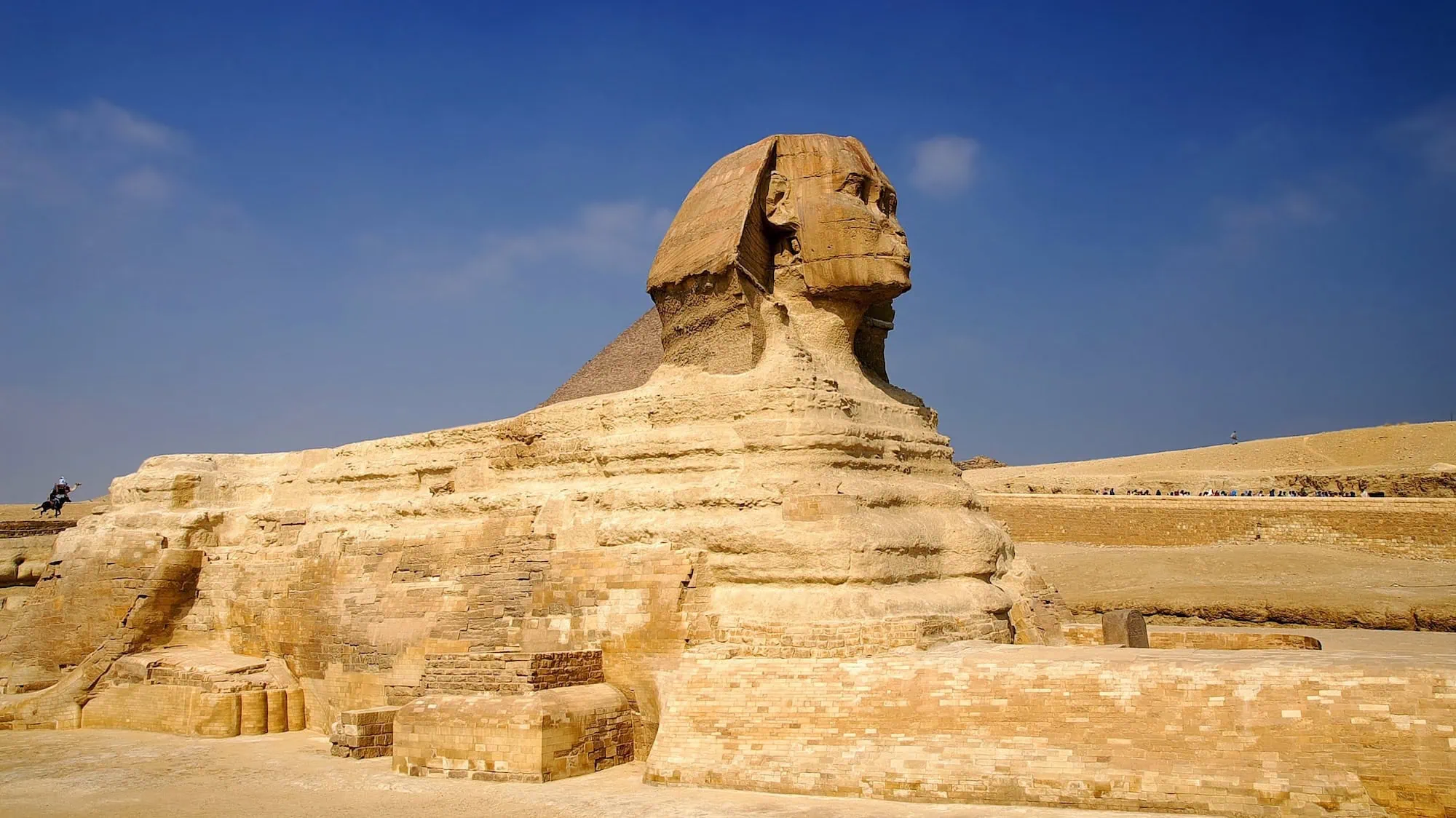
The Sphinx guards these monuments with timeless mystery. Dating back 4,500 years, this limestone statue combines human intelligence with leonine strength in ways that captivated ancient visitors just as it amazes modern travelers.
Egyptian Museum Treasures
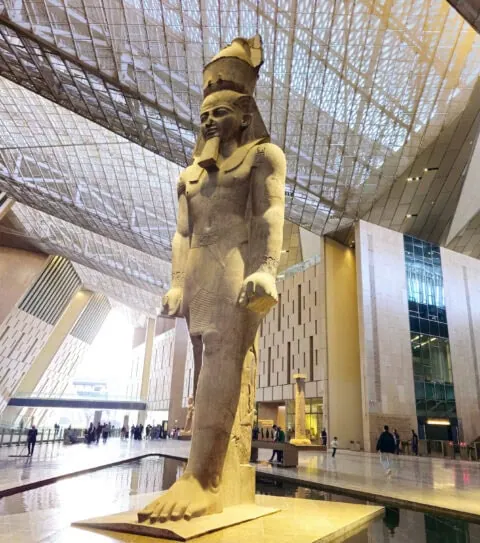
Cairo’s Grand Egyptian Museum presents one of the most comprehensive collections of ancient Egyptian artifacts in the world. While the Tutankhamun galleries are a major highlight, the museum’s scale allows visitors to explore spacious halls featuring monumental statues, royal mummies, and lesser-known objects displayed with clear context. The mummy collections offer detailed insight into ancient embalming techniques and funerary practices.
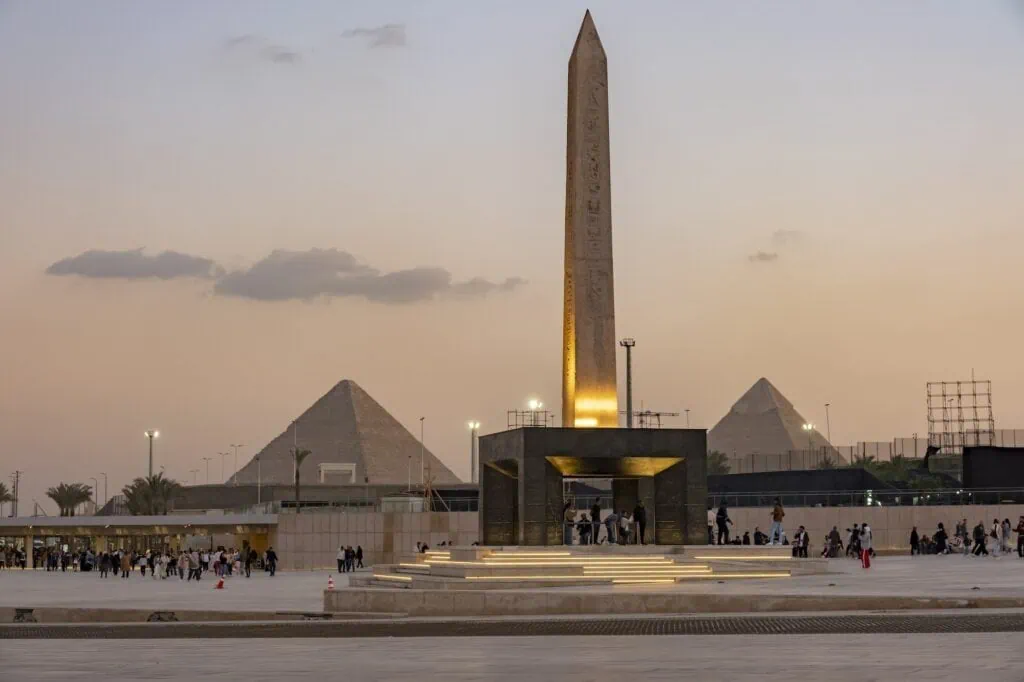
Plan a minimum of three hours for your visit. Our qualified Egyptologists guide you through the vast galleries, focusing on key pieces that illustrate Egypt’s history from the earliest periods through later eras.
Islamic Cairo Walking Tour
Old Cairo’s narrow streets contain architectural gems spanning 1,000 years. The Citadel of Saladin offers panoramic city views while demonstrating medieval Islamic military engineering. Khan El Khalili bazaar provides authentic shopping experiences away from tourist traps, where local artisans still practice trades passed down through generations.
Upper Egypt’s Temple Complexes and Nile Cruising
Day three through five transport you to Upper Egypt, where pharaonic monuments reach their most spectacular expressions. Flying from Cairo to Luxor takes just over an hour, immediately placing you among Egypt’s greatest archaeological sites. These three days combine extensive temple exploration with relaxing Nile cruise experiences.
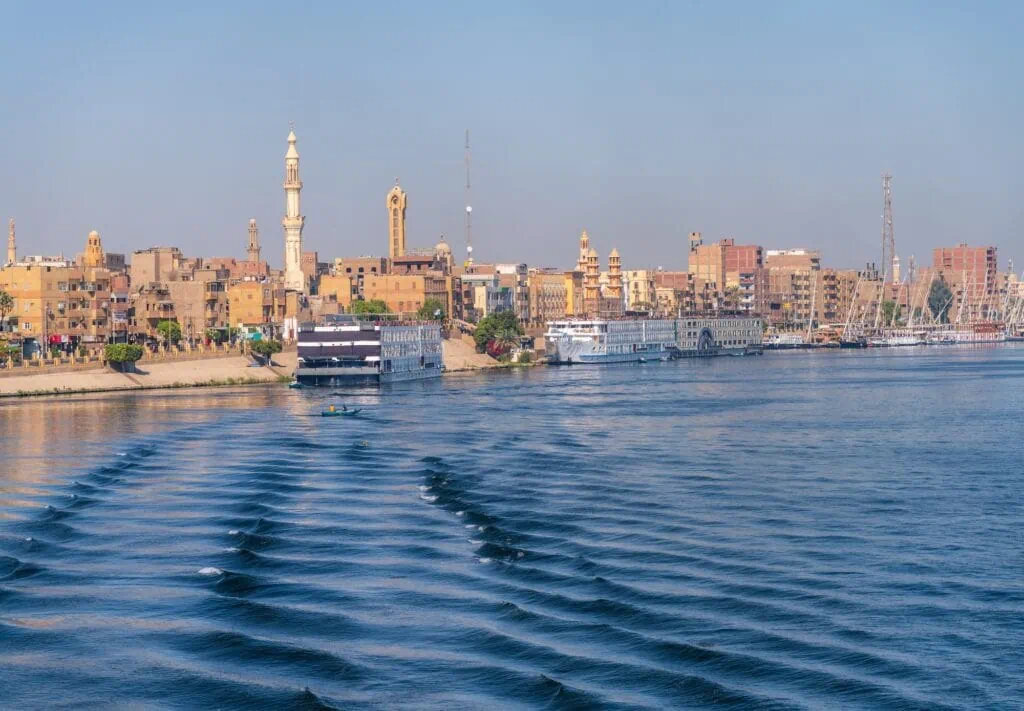
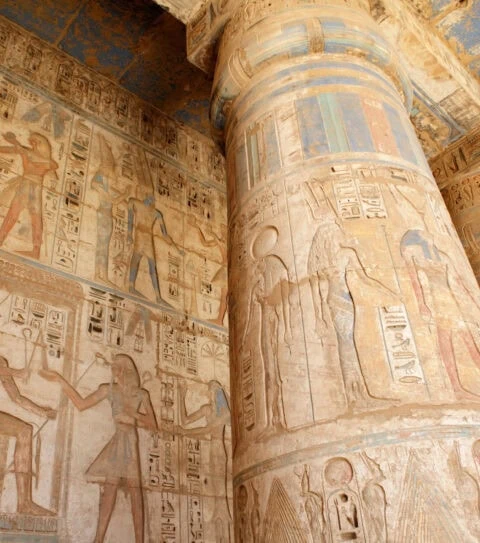
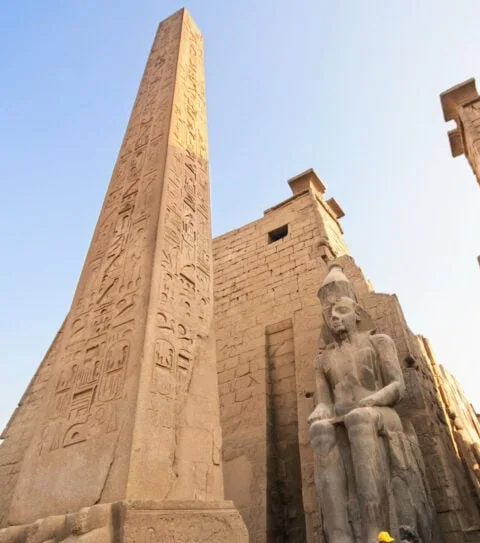
Luxor Temple illuminates beautifully after sunset, when golden lighting reveals hieroglyphic details invisible during harsh daylight hours. The temple sits directly in Luxor city center, making evening visits convenient after dinner. Karnak Temple Complex, just 3 km (1.9 miles) away, represents ancient Egypt’s largest religious site with construction spanning 2,000 years.
Valley of the Kings Underground Tombs
Cross the Nile to the Valley of the Kings, where 63 discovered tombs hold Egypt’s most powerful rulers. Tutankhamun’s tomb, though small, contains the only intact burial chamber ever found. Ramses VI’s tomb features ceiling paintings that map ancient Egyptian cosmology in breathtaking detail. Each tomb requires separate tickets, with photography permissions available for additional fees.
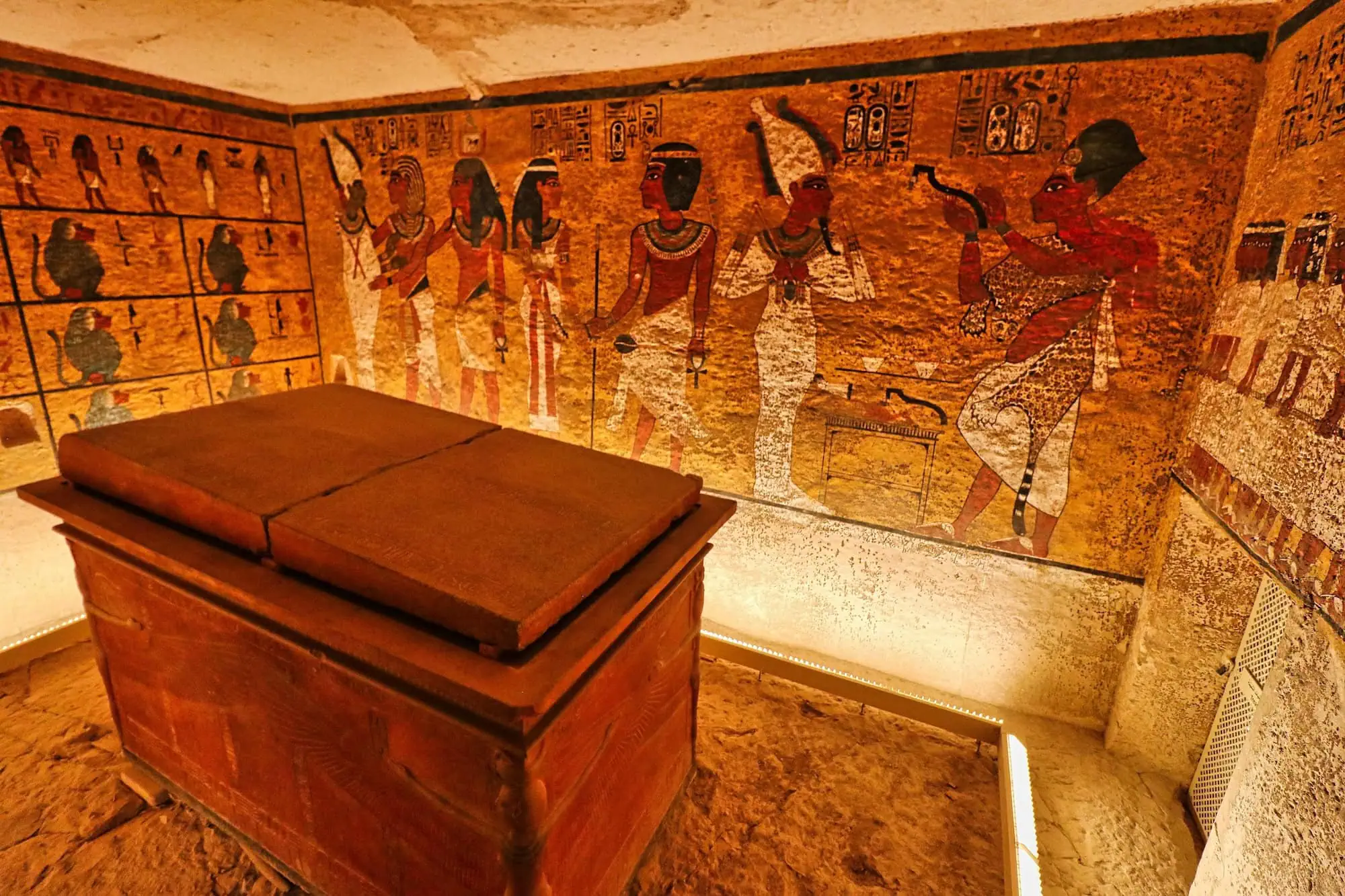
Temperature inside tombs remains constant at 25°C (77°F) year-round, providing relief from desert heat. Your private guide explains burial customs while pointing out artistic elements that casual visitors overlook.
Nile Cruise Between Luxor and Aswan
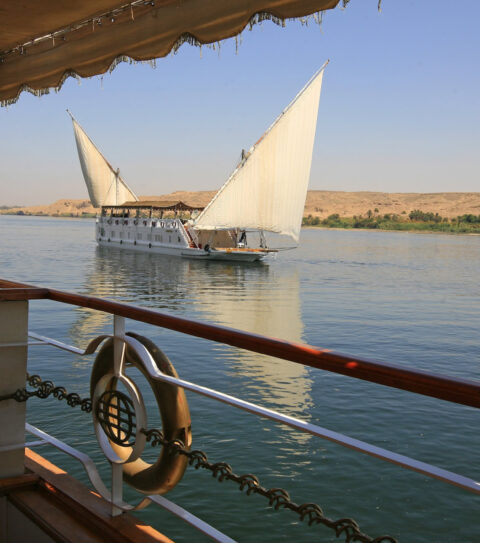
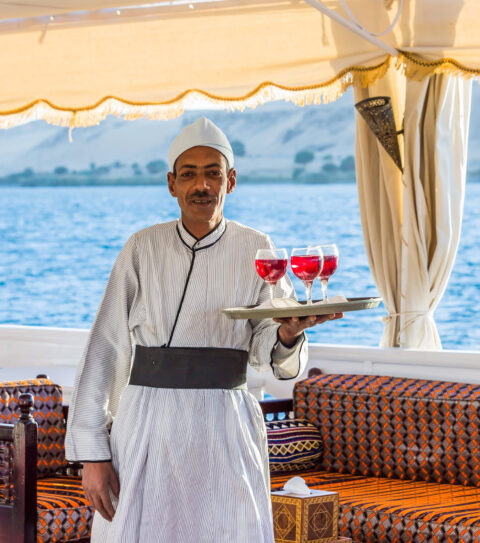
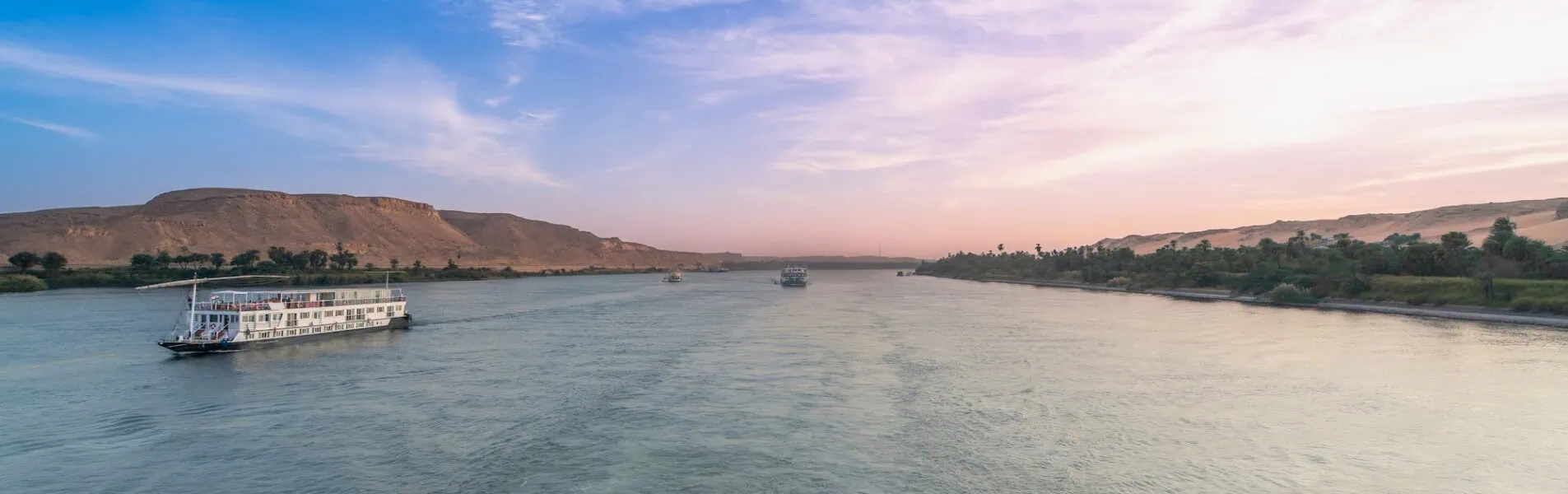
Board your Nile cruise vessel for two nights of riverside luxury. Modern cruise ships feature air-conditioned cabins, sun decks, and dining rooms serving both international and Egyptian cuisine. Evening entertainment includes traditional music and dance performances.
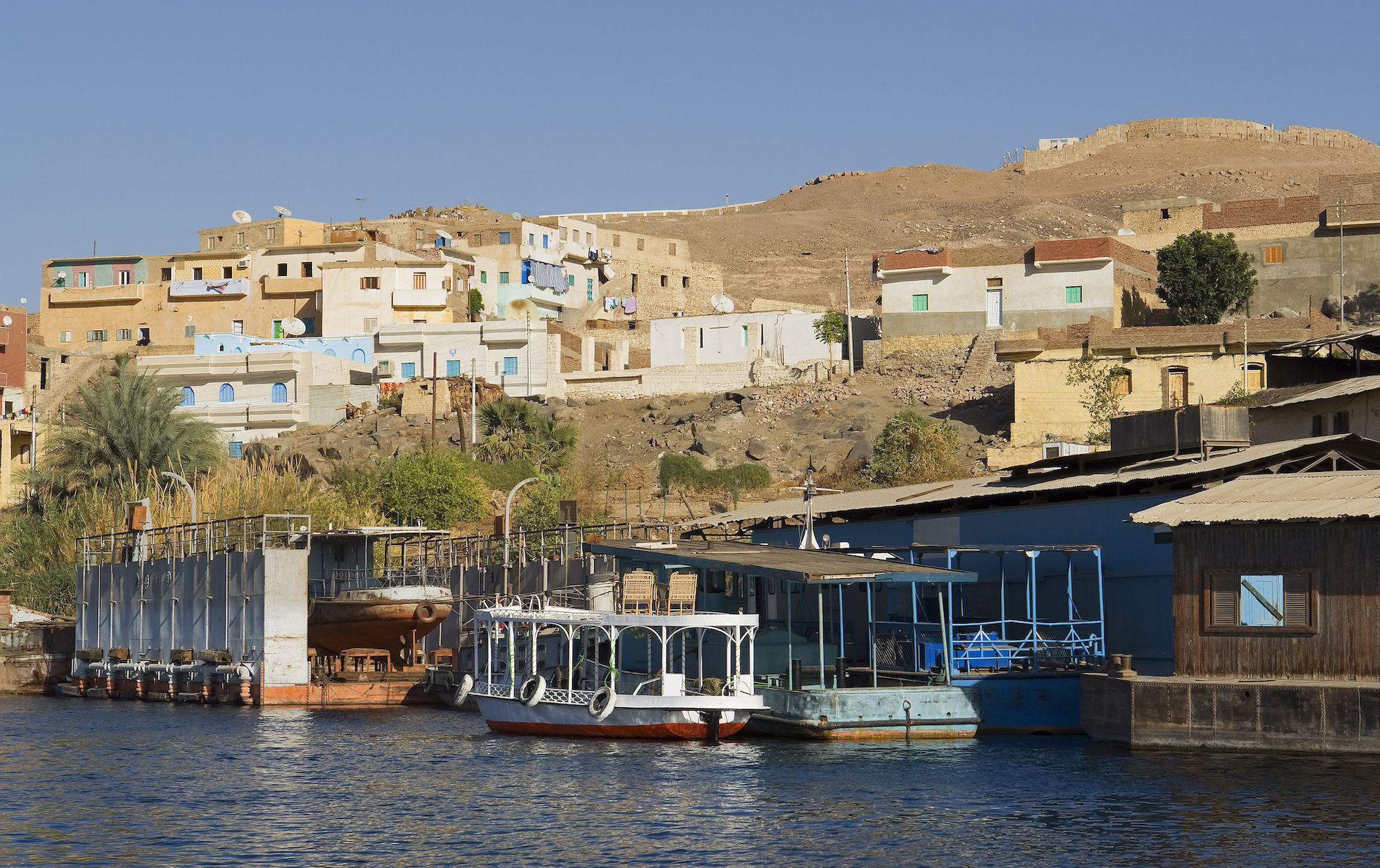
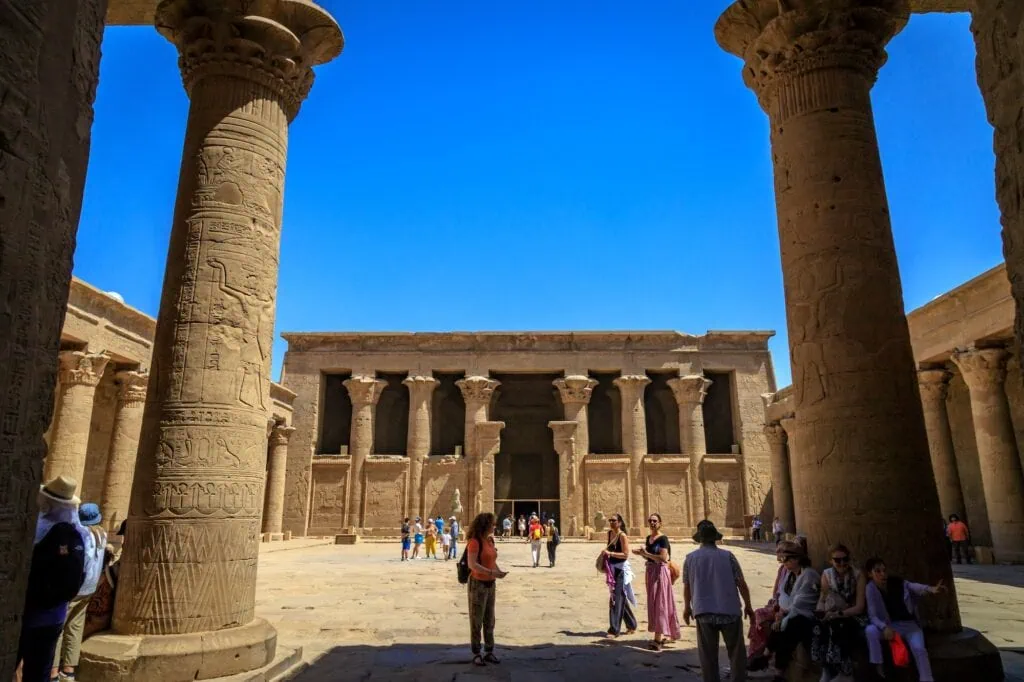
Sail past farming villages where daily life continues much as it did centuries ago. Farmers use irrigation techniques inherited from ancient times, while children wave from mudrick houses that blend seamlessly with surrounding landscape. Group excursions to Edfu and Kom Ombo temples are included in cruise packages, offering small group experiences with maximum 12 participants.
Aswan’s Nubian Culture and Natural Beauty
Day six centers on Aswan, Egypt’s most southern city and gateway to Nubian culture. The High Dam demonstrates modern Egyptian engineering while creating Lake Nasser, one of the world’s largest artificial lakes. Philae Temple, relocated to Agilkia Island to save it from flooding, showcases ancient Egyptian architectural adaptation.
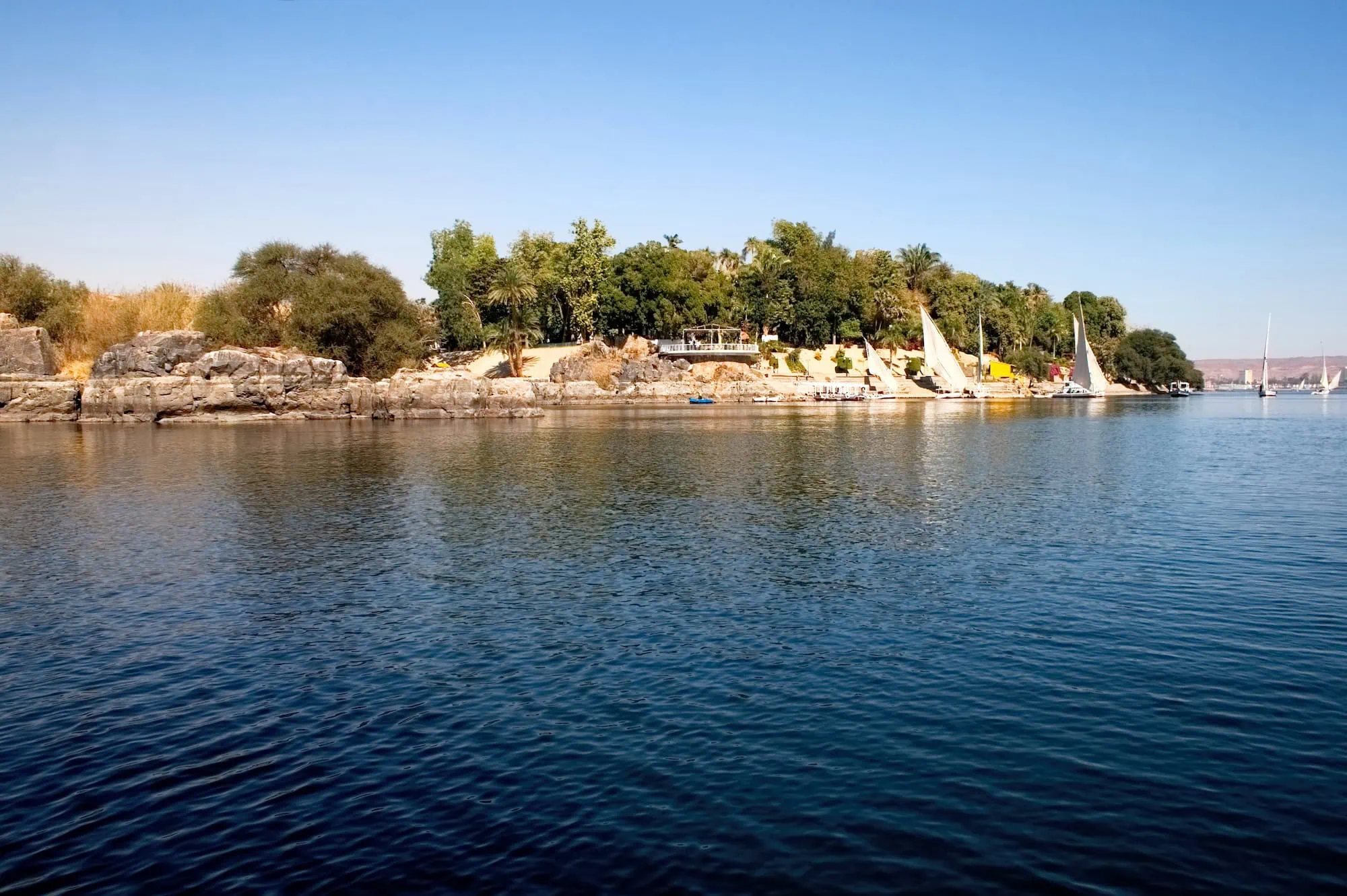
Felucca sailing provides peaceful contrast to busy sightseeing schedules. These traditional wooden boats navigate Nile waters using wind power alone, exactly as they have for thousands of years. Sunset felucca rides offer photography opportunities with Elephantine Island’s granite boulders creating dramatic silhouettes.
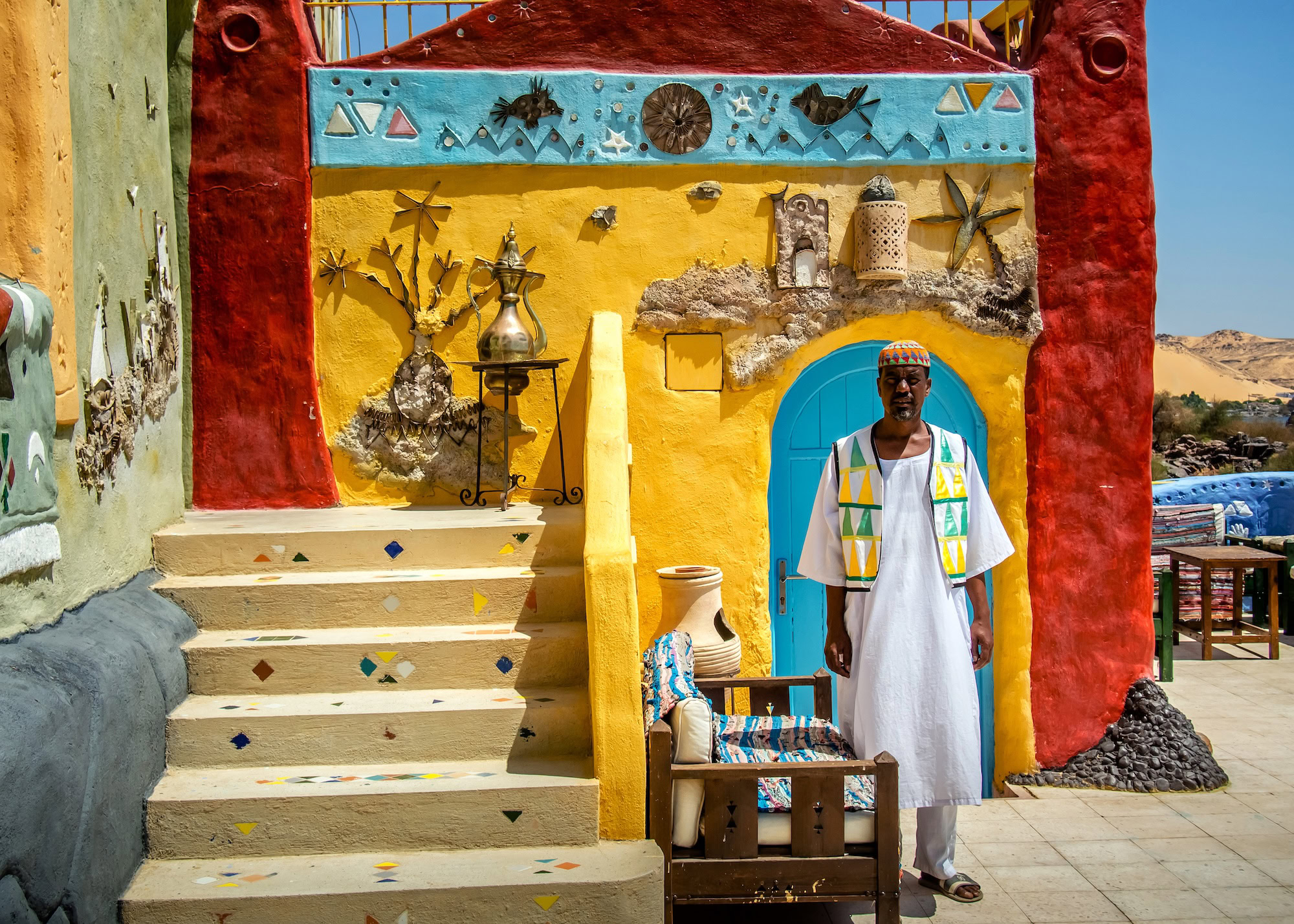
Nubian villages retain distinct cultural identity through colorful architecture and traditional crafts. Local families welcome visitors into homes decorated with geometric patterns that reflect African influences. Shopping for authentic Nubian handicrafts supports local communities while providing unique souvenirs unavailable elsewhere in Egypt.
Optional Abu Simbel Day Trip
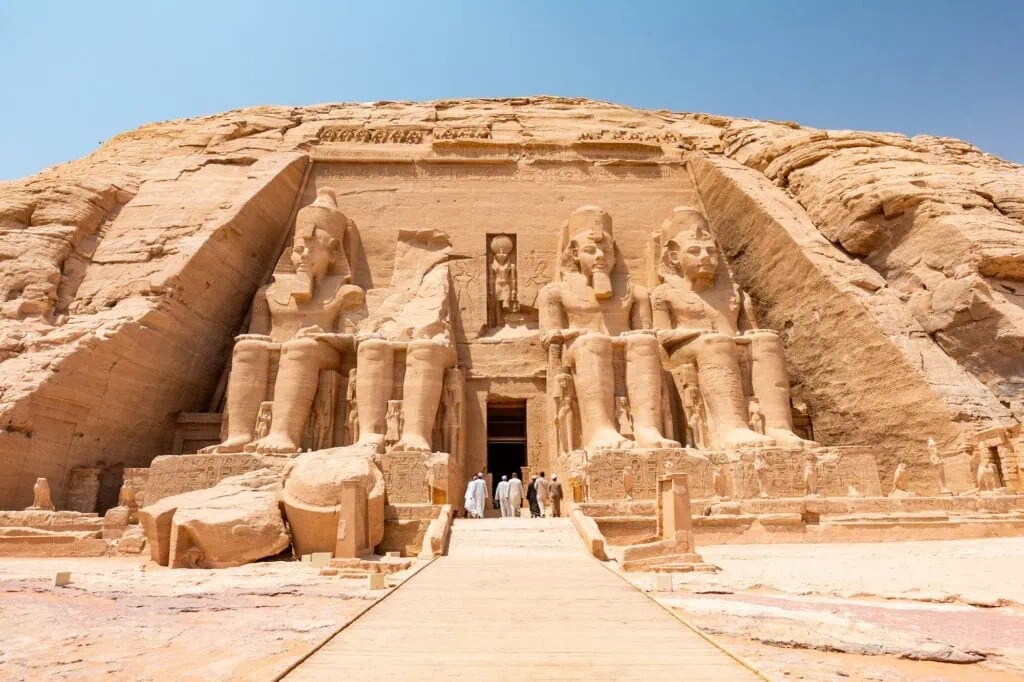
Abu Simbel represents ancient Egypt’s most ambitious architectural achievement. These twin temples, carved directly into cliff faces, required complete relocation during the 1960s to escape rising lake waters. The journey requires either a 3-hour drive each way or a short flight from Aswan.
Ramses II designed Abu Simbel to demonstrate Egyptian power to approaching Nubian armies. The temple’s massive facade features four seated statues of the pharaoh, each standing 20 meters (66 feet) tall. Twice yearly, sunlight penetrates the temple’s inner sanctuary to illuminate specific statues, demonstrating ancient astronomical knowledge.
Red Sea Relaxation and Water Activities
Your final day offers choice between additional Cairo sightseeing or Red Sea coastal relaxation. Many travelers opt for Hurghada or Sharm El Sheikh to decompress after intense cultural immersion. These resort towns feature some of the world’s finest coral reefs, perfect for snorkeling or diving.
Red Sea waters maintain visibility of 30-40 meters (98-131 feet) year-round, with water temperatures ranging from 22°C (72°F) in winter to 28°C (82°F) in summer. Coral gardens support over 1,000 fish species, including colorful parrotfish, angelfish, and occasional dolphin pods.
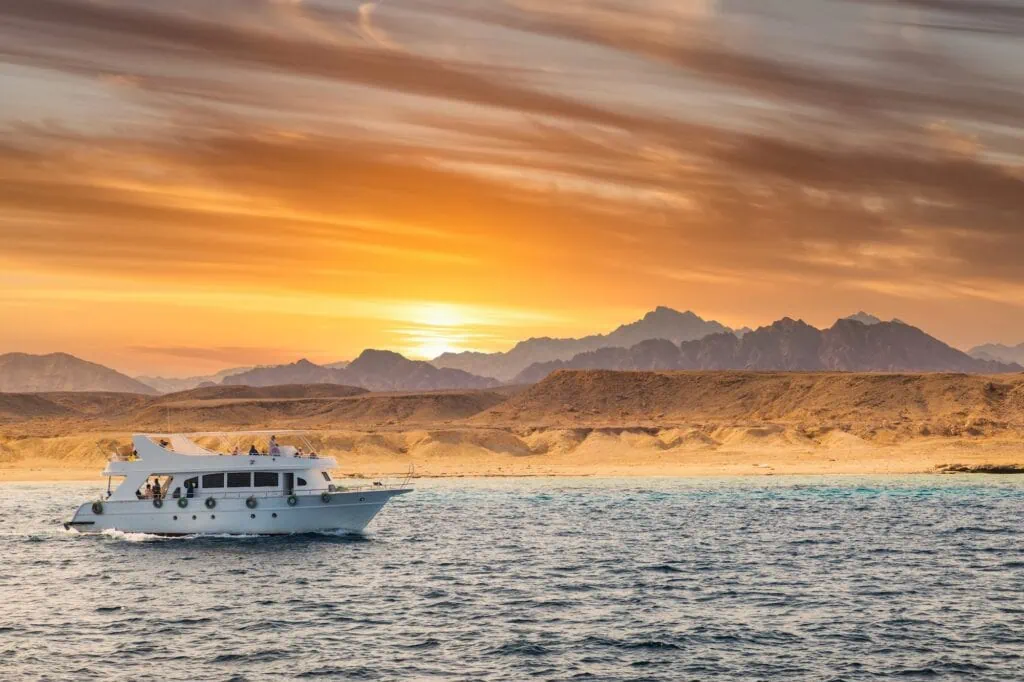
Beach resorts provide full-service relaxation with spa treatments, swimming pools, and seaside dining. After six days of temples and tombs, lounging by crystal-clear waters offers perfect balance to your Egyptian adventure.
Essential Planning Considerations
Visa Requirements and Entry Process
U.S. visitors obtain Egyptian tourist visas upon arrival at Cairo International Airport for $25 USD, valid for 30 days. Alternatively, apply online through Egypt’s official e-visa portal before departure. Your passport must be valid for at least six months beyond your planned departure date.
European Union citizens follow identical visa requirements, while Latin American visitors should verify specific country agreements as some nations enjoy visa-free access for short stays. Canadian and Australian travelers use the same visa-on-arrival process as Americans.
Transportation Between Cities
Domestic flights connect major destinations efficiently. Cairo to Luxor takes 1 hour 15 minutes, while Luxor to Aswan requires 45 minutes by air. Train service operates between these cities but requires significantly more time – approximately 10 hours from Cairo to Aswan.
Our private drivers use modern, air-conditioned vehicles for ground transportation. Highway conditions between major tourist areas meet international standards, though desert roads require experienced local drivers familiar with current conditions.
Climate and Seasonal Considerations
Egypt’s desert climate creates dramatic temperature variations between seasons. Winter months (December through February) offer comfortable daytime temperatures of 20-25°C (68-77°F) with cool evenings requiring light jackets. Summer temperatures often exceed 40°C (104°F), making early morning and late afternoon the most comfortable sightseeing times.
Spring (March – May) and autumn (September – November) provide ideal weather conditions for extensive outdoor exploration. These shoulder seasons also feature smaller crowds at major monuments, allowing more intimate experiences with Egypt’s treasures.
Maximizing Your Seven-Day Investment
Budget planning affects experience quality significantly in Egypt. Mid-range travelers should allocate $100-150 USD per person daily for comfortable accommodations, meals, transportation, and entrance fees. Luxury experiences, including premium Nile cruises and five-star hotels, range from $300-500 USD daily per person.
Our tailored itineraries eliminate common tourist traps while ensuring you experience Egypt’s most essential highlights. Private guides provide personalized attention that group tours cannot match, while our 24/7 customer support ensures smooth travel even when unexpected situations arise.
Book internal flights early to secure preferred departure times and avoid disappointment during peak travel seasons. Monument entrance tickets can be purchased on-site, but popular tombs in the Valley of the Kings often sell out during busy periods.
Cultural Immersion Beyond Tourist Sites
Egyptian hospitality extends far beyond hotel service. Local families often invite respectful visitors for tea, providing authentic cultural exchange opportunities. Learning basic Arabic greetings enhances these interactions significantly, while showing respect for local customs.
Traditional Egyptian meals feature fresh ingredients and bold flavors developed over centuries. Street food offers safe, delicious options when purchased from busy stalls with high turnover. Koshari, Egypt’s national dish, combines rice, pasta, lentils, and chickpeas with tangy tomato sauce and crispy fried onions.
Shopping in local markets requires patience and good humor. Vendors expect bargaining, with fair prices typically ranging from 30-50% of initial asking prices. Quality varies significantly, so examine handicrafts carefully before purchasing.
Frequently Asked Questions
October through April is generally the best period for a 7-day Egypt itinerary because daytime temperatures are comfortable for extended outdoor sightseeing. In Cairo, Luxor, and Aswan, temperatures often range between 20-30°C (68-86°F), making visits to the Pyramids, Karnak Temple, and Abu Simbel far more enjoyable than during summer heat. Winter months are the busiest, while October, November, March, and April often provide an excellent balance of weather and crowd levels.
A week-long Egypt trip typically costs between $700 and $1,050 per person for a comfortable mid-range experience, while luxury itineraries often range from $2,100 to $3,500 or more. Costs vary based on hotel category, domestic flights, Nile cruises, private guides, and dining choices. A 7-day itinerary covering Cairo, Luxor, and Aswan generally represents the best balance between sightseeing and value. Booking accommodations and flights early can help reduce overall expenses.
Bottled water is the safest and most widely recommended choice for visitors traveling in Egypt. Although local residents routinely use municipal water supplies, travelers may experience stomach discomfort from unfamiliar mineral content and treatment systems. Sealed bottled water is inexpensive, widely available in hotels, restaurants, and convenience stores, and often costs less than $1 USD per bottle. Carry water during sightseeing, especially when exploring outdoor sites under Egypt’s strong desert sun.
Photography is permitted at many Egyptian archaeological sites, but rules and fees vary by location. Some pyramid interiors, royal tombs, and museum galleries require separate photography tickets that may range from approximately $10 to $30 USD equivalent, while others include photography with admission. Flash photography is often prohibited because it can damage fragile pigments and artwork. Always check current regulations at the entrance, as policies can change between sites and seasons.
Lightweight clothing that covers the shoulders and knees is the most appropriate choice for visiting Egyptian temples and mosques. Breathable fabrics such as cotton and linen help visitors stay comfortable in temperatures that frequently exceed 25°C (77°F). Religious sites place greater emphasis on modest dress, while archaeological sites require protection from sun exposure and uneven terrain. Comfortable walking shoes, a hat, and sunscreen are just as important as respectful clothing choices.
Domestic flights between Egypt’s major tourist destinations are relatively short, with Cairo to Luxor taking about 1 hour 15 minutes, Luxor to Aswan around 45 minutes, and Aswan to Cairo roughly 1 hour 30 minutes. These flight times make air travel the fastest way to connect the country’s key historical sites. Compared with overnight trains or long road journeys, flying allows travelers to maximize sightseeing time during a 7-day itinerary.
No special permit is required for most tourists visiting Abu Simbel beyond a valid Egyptian tourist visa and standard admission ticket. The UNESCO World Heritage site lies approximately 280 km (174 miles) south of Aswan, so transportation planning is often more important than paperwork. Visitor numbers can be high during peak season, especially in the morning. Booking transportation and entrance arrangements in advance helps ensure a smoother visit.
Most Nile cruise packages include cabin accommodation, daily meals, guided sightseeing excursions, and transportation between major riverfront attractions. Standard itineraries typically visit Karnak Temple, Luxor Temple, Edfu Temple, Kom Ombo, and Aswan over three to five nights. Evening entertainment, such as cultural performances, is often included as well. Drinks, gratuities, and optional excursions like Abu Simbel are commonly charged separately, so travelers should review inclusions carefully before booking.
Yes, tourist visas can often be extended within Egypt through designated immigration and passport offices in major cities such as Cairo and Alexandria. The process generally requires a valid passport, supporting documentation, and sufficient processing time. Because procedures and waiting periods can vary, travelers should begin the extension process well before their visa expires. Planning ahead helps avoid unnecessary stress and potential overstays.
Tipping, known locally as “baksheesh,” is a standard part of Egyptian service culture and is widely expected. Travelers commonly tip guides $5-10 USD per day, drivers $3-5 USD daily, and hotel staff $1-2 USD for helpful services such as luggage assistance. Restaurant tips of 10-15% are also common when service charges are not already included. Carrying small denomination Egyptian pound notes makes tipping easier and more practical.
Arriving at major monuments when they open, typically around 8:00 am, offers the best opportunity to avoid crowds and enjoy cooler temperatures. This is especially true at the Pyramids of Giza, the Valley of the Kings, and Karnak Temple, where tour groups often arrive later in the morning. Early visits also provide softer light for photography and a more relaxed atmosphere. Book the first available entry slot whenever possible.
Comprehensive travel insurance is strongly recommended for any trip to Egypt, even though it is not generally required for entry. A good policy should cover medical emergencies, trip cancellations, lost baggage, and evacuation costs if needed. Healthcare quality varies between major cities and remote areas, and unexpected disruptions can occur during international travel. Insurance provides financial protection that can save thousands of dollars in emergency situations.
Explore our most popular guides and expert tips to make your trip safe, smooth, and unforgettable.
Plan Your Egypt Adventure with Confidence
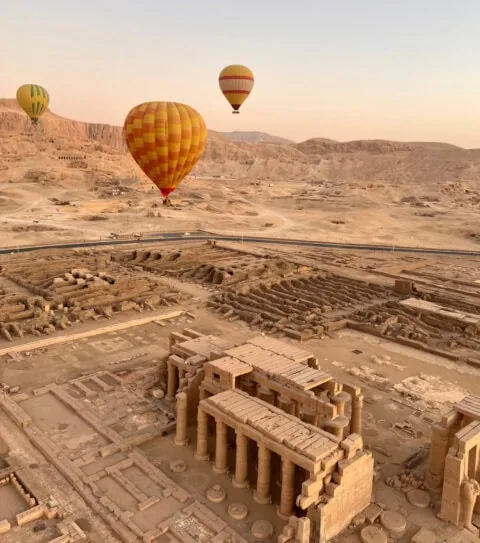
How to Plan a Trip Egypt
Step-by-step guide to help you plan the perfect Egypt trip — from routes and budget to booking.
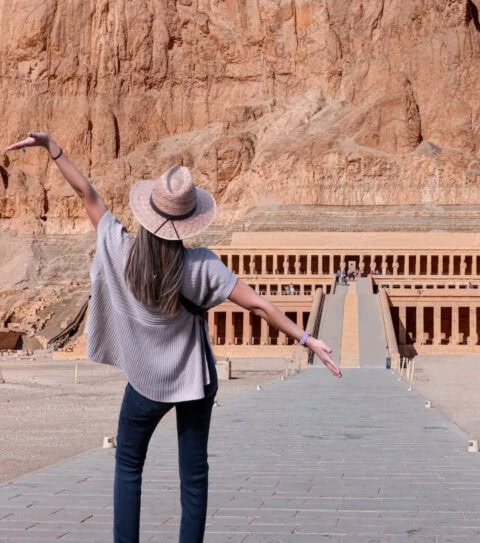
Best Time to Visit Egypt
Learn the best months to visit Egypt based on weather, crowds, and local travel experiences.
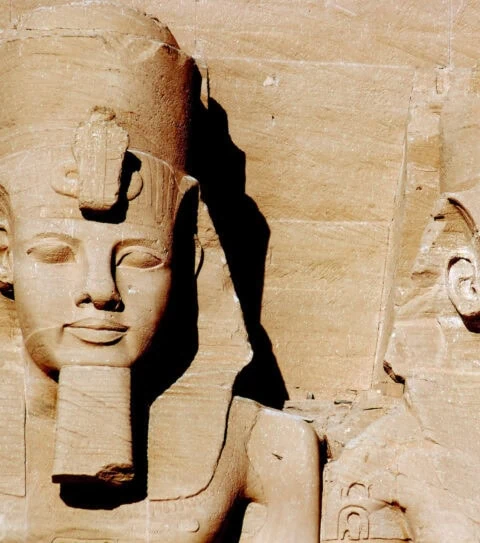
Must Visit Places in Egypt
Explore Egypt’s top sights — from pyramids to temples — and hidden gems worth seeing.
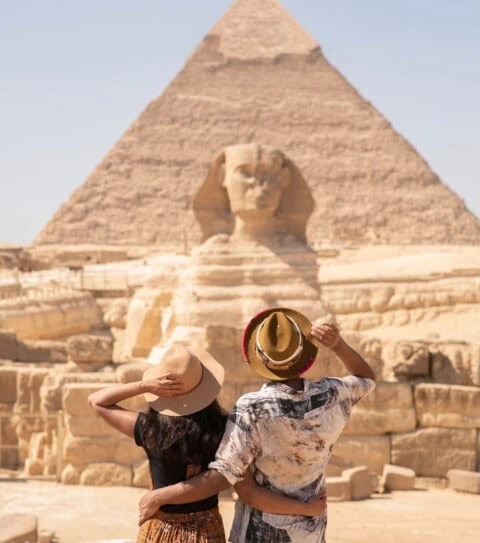
Top-Rated Egypt Tours
Handpicked private tours with local guides — our most loved and best-reviewed experiences.
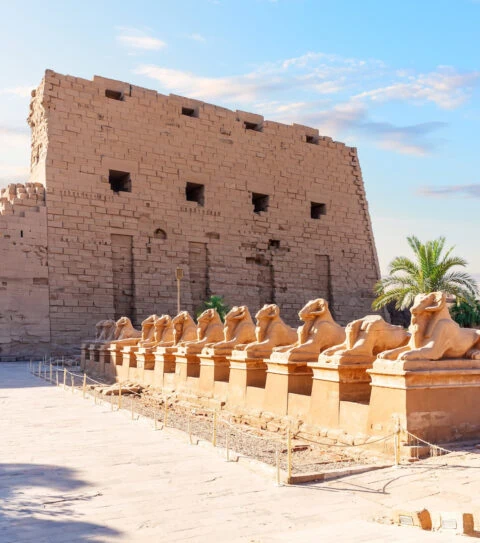
How Many Days to Visit Egypt?
Find out how many days you need in Egypt — from quick trips to full itineraries.
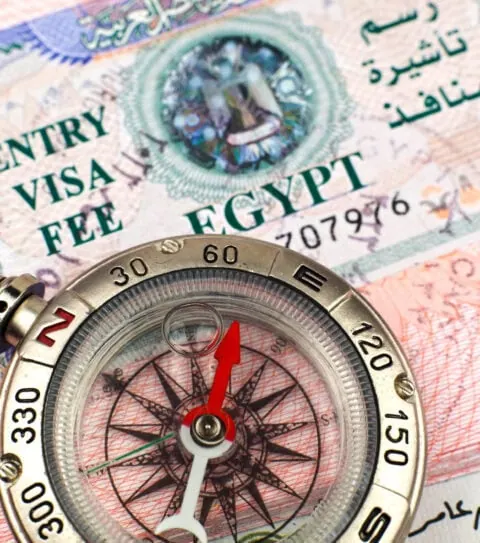
Egypt Visa Requirements
Check if you need a visa and get simple, up-to-date entry info based on your nationality.
Is it Safe to Travel to Egypt?
Is Egypt safe? Get honest safety tips, area advice, and what to know before you travel.
What to Pack for Egypt
A quick packing guide with essentials, cultural tips, and clothing advice for your Egypt trip.
Design Your Custom Tour
Explore Egypt your way by selecting only the attractions you want to visit