6 Days in Egypt – What to See in Egypt in 6 Days
Planning the perfect six-day Egyptian adventure requires strategic thinking and local expertise.
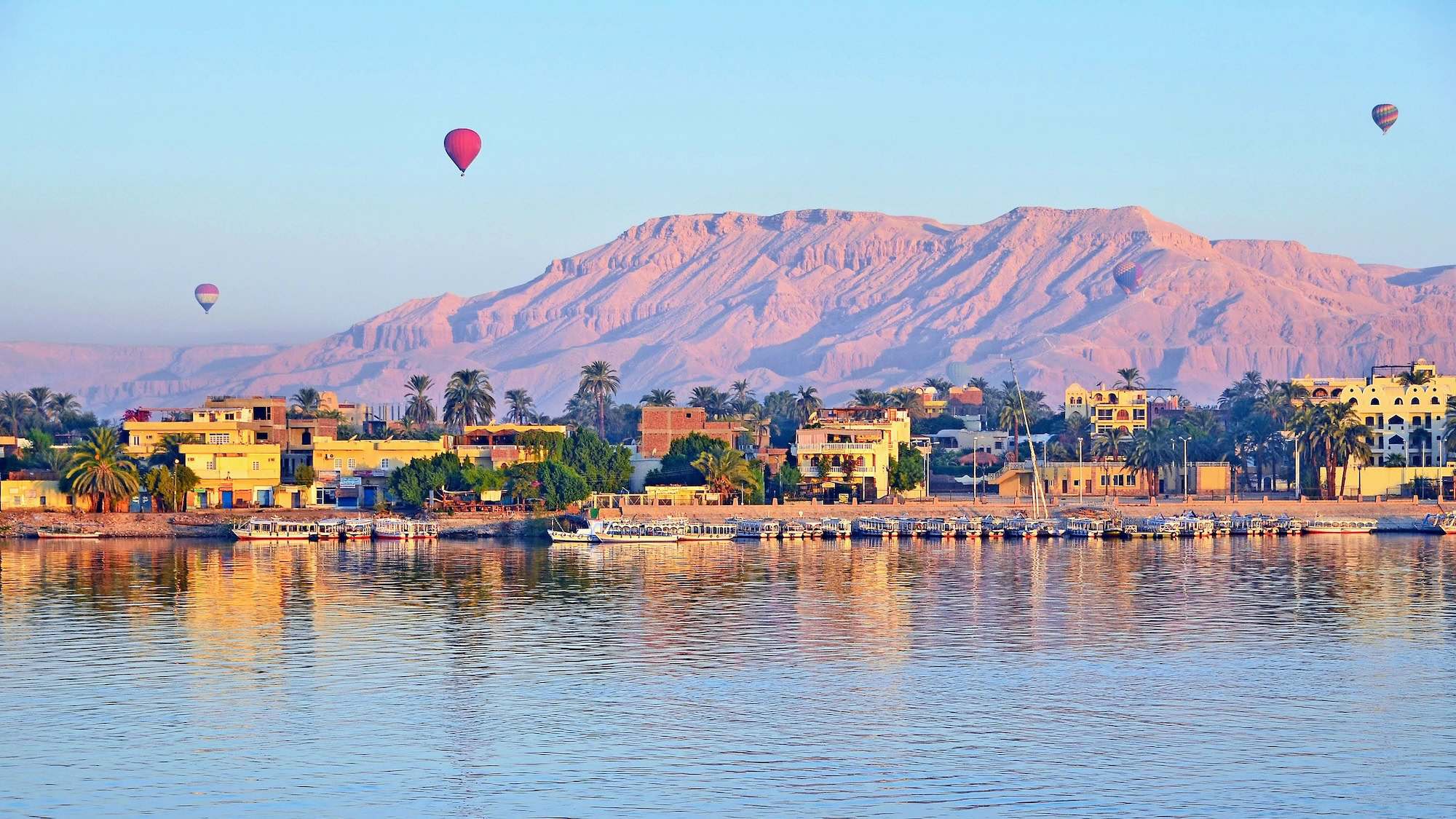
Most visitors underestimate Egypt’s rich diversity, rushing through iconic sites without experiencing the country’s layered history and vibrant culture. We’ve crafted countless itineraries for travelers seeking that perfect balance between must-see monuments and authentic Egyptian experiences. Our decades of expertise have shown us exactly how to maximize six days while avoiding tourist traps and overcrowded moments.
This comprehensive guide breaks down everything you need to create an unforgettable Egyptian journey, from Cairo’s bustling streets to Luxor’s ancient temples.
Table of Contents
Essential Days 1-2: Cairo’s Ancient Heart
Cairo demands at least two full days to properly appreciate its treasures. The city serves as Egypt’s cultural and historical gateway, housing some of the world’s most significant archaeological collections.
The Great Pyramids of Giza Complex
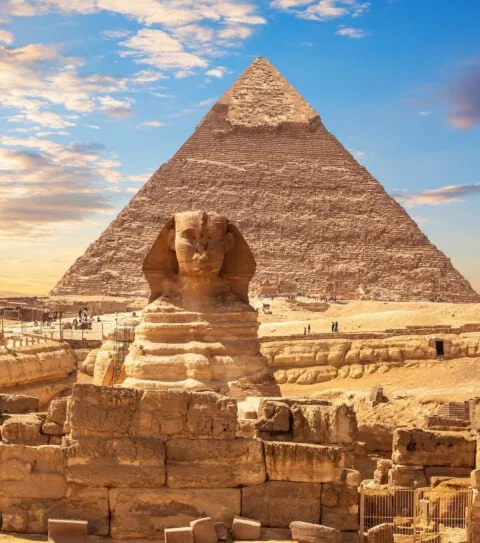
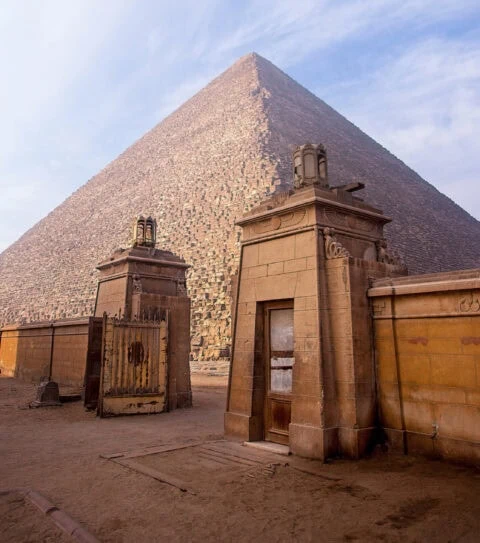
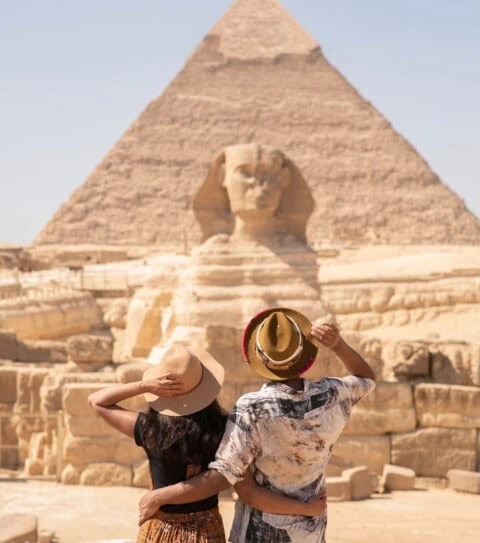
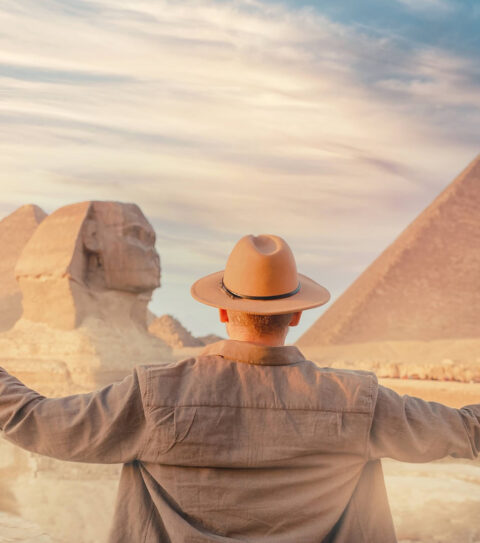
Start early at the Giza plateau before crowds arrive around 9:00 am (09:00). The Great Pyramid of Khufu stands 146 meters (479 feet) tall and remains the only surviving Wonder of the Ancient World. Walking around the pyramid’s base takes approximately 20 minutes, giving you perspective on its massive 2.3 million stone blocks.
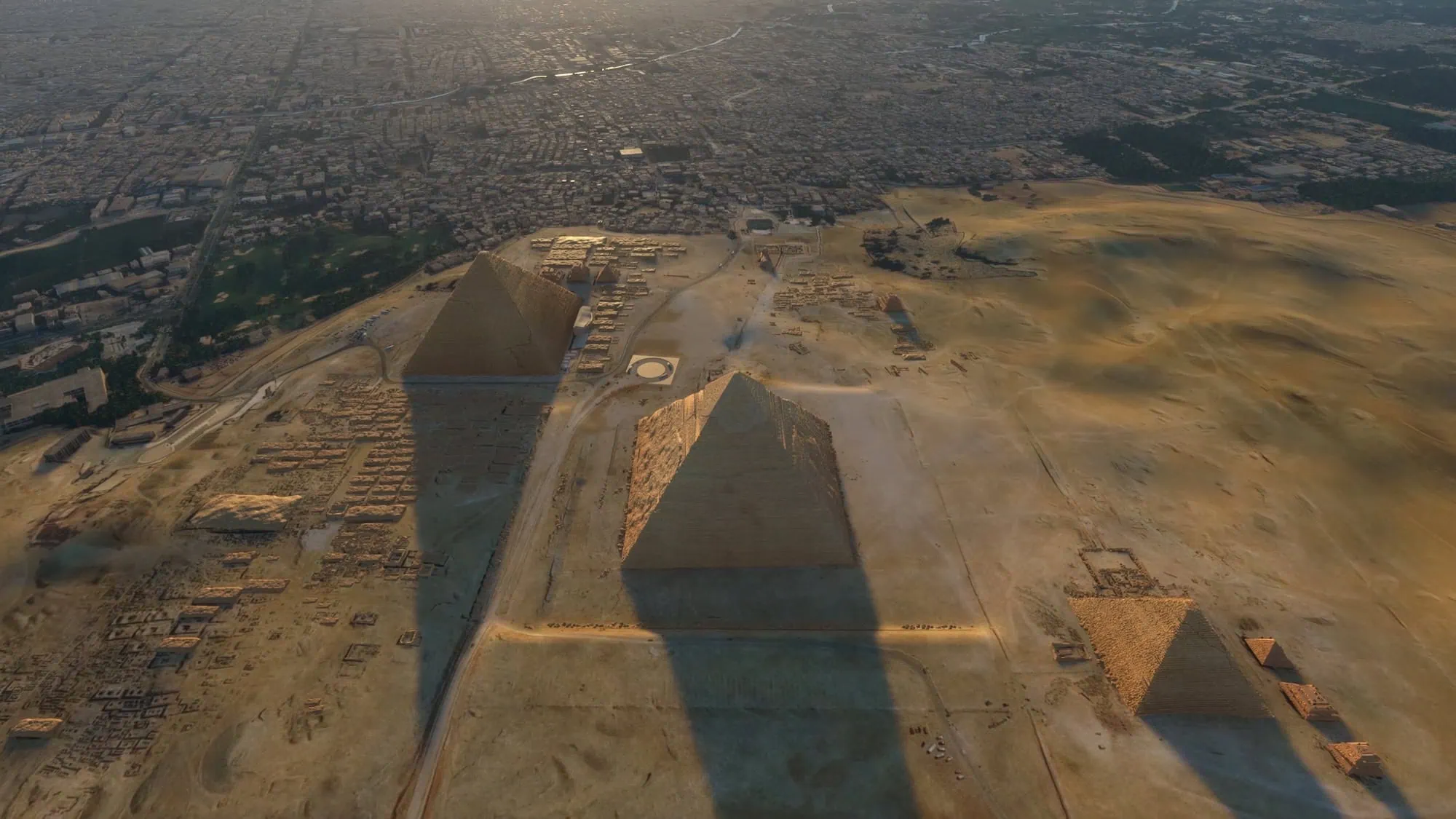
The Sphinx, carved from a single limestone ridge, measures 73 meters (240 feet) long and faces due east toward the rising sun. Our private guides explain the restoration efforts and recent archaeological discoveries that most visitors never hear about.
Grand Egyptian Museum and Cairo Exploration
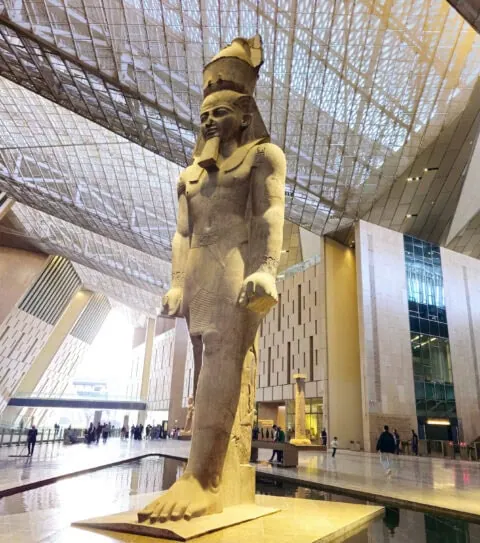
Cairo’s Grand Egyptian Museum presents an extensive collection of ancient Egyptian artifacts displayed across vast, modern galleries, covering more than 5,000 years of history. The museum houses the complete Tutankhamun collection, including his solid gold funerary mask, alongside monumental statues and royal mummies that offer a direct connection to Egypt’s pharaonic past.
Beyond the museum, Cairo’s historic areas such as Khan el-Khalili provide insight into local life and traditional crafts. The market’s narrow streets are lined with workshops and shops where artisans continue techniques passed down through generations.
Coptic Cairo’s Religious Heritage
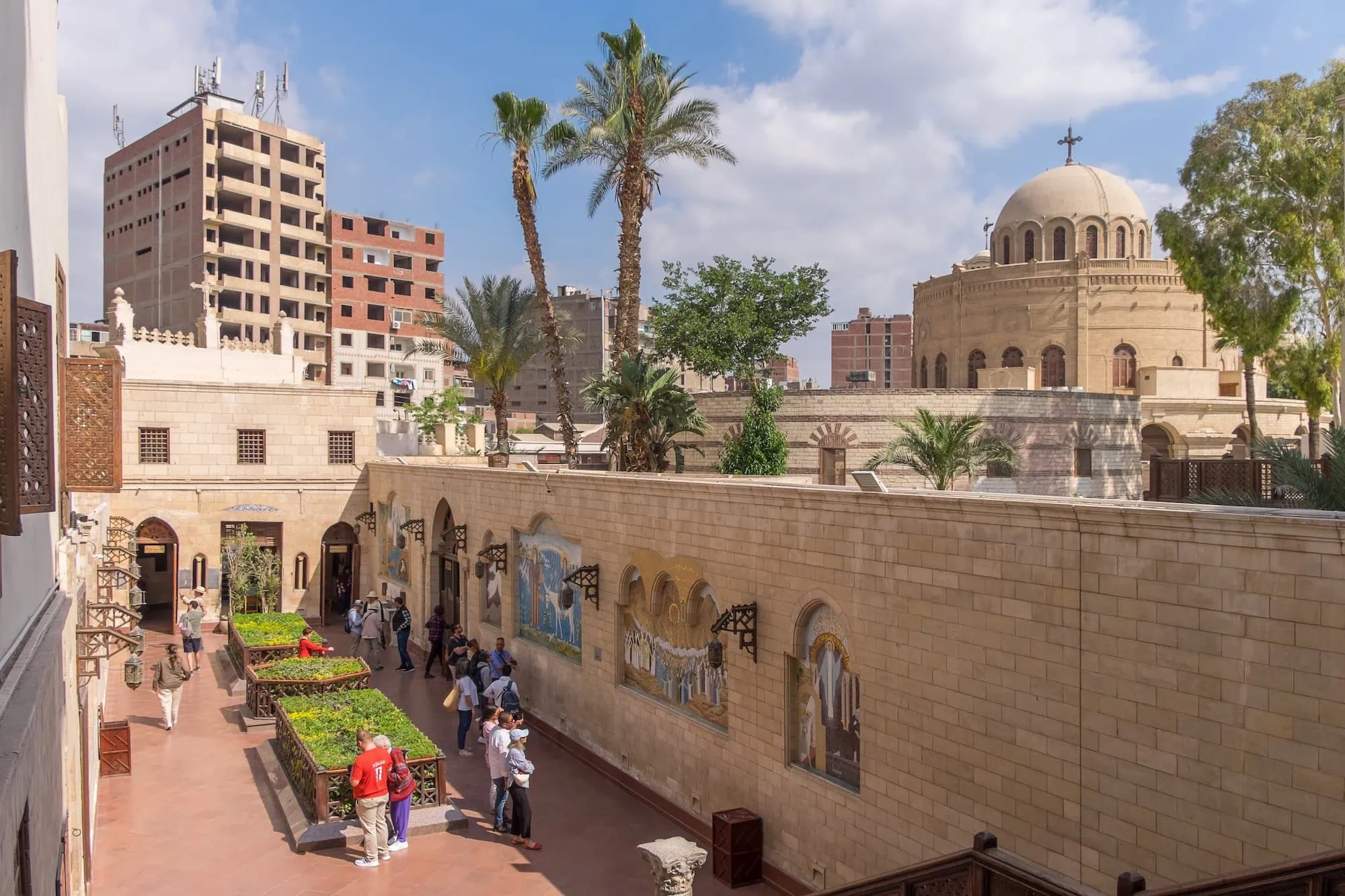
Old Cairo preserves Egypt’s early Christian history through magnificent churches and Roman ruins. The Hanging Church, suspended above ancient Roman towers, dates to the 3rd century AD. The area’s narrow streets reveal layers of Roman, Byzantine, and Islamic architecture.
Day 3: Flight to Luxor and East Bank Wonders
Luxor transforms your Egyptian experience from pyramids to temples. This ancient Thebes served as Egypt’s capital for over 1,500 years and contains the world’s largest open-air museum.
The morning flight from Cairo takes 1.5 hours, landing you in Upper Egypt where pharaohs built their most ambitious monuments. Luxor’s dry climate preserves colors and carvings that have faded elsewhere in Egypt. We arrange private transportation from the airport, avoiding the typical tourist bus experience that wastes precious vacation time.
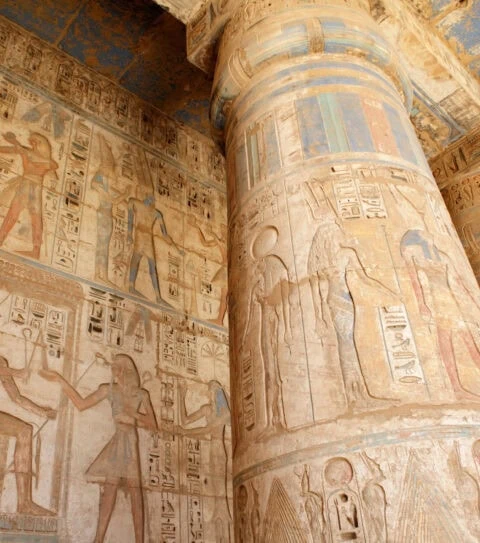
Karnak Temple Complex spans over 2 square kilometers (0.8 square miles) and took 1,300 years to complete. The Great Hypostyle Hall contains 134 massive columns, each decorated with intricate hieroglyphs telling stories of pharaonic victories and religious ceremonies. Walking through this forest of stone columns at sunset creates an almost mystical atmosphere.
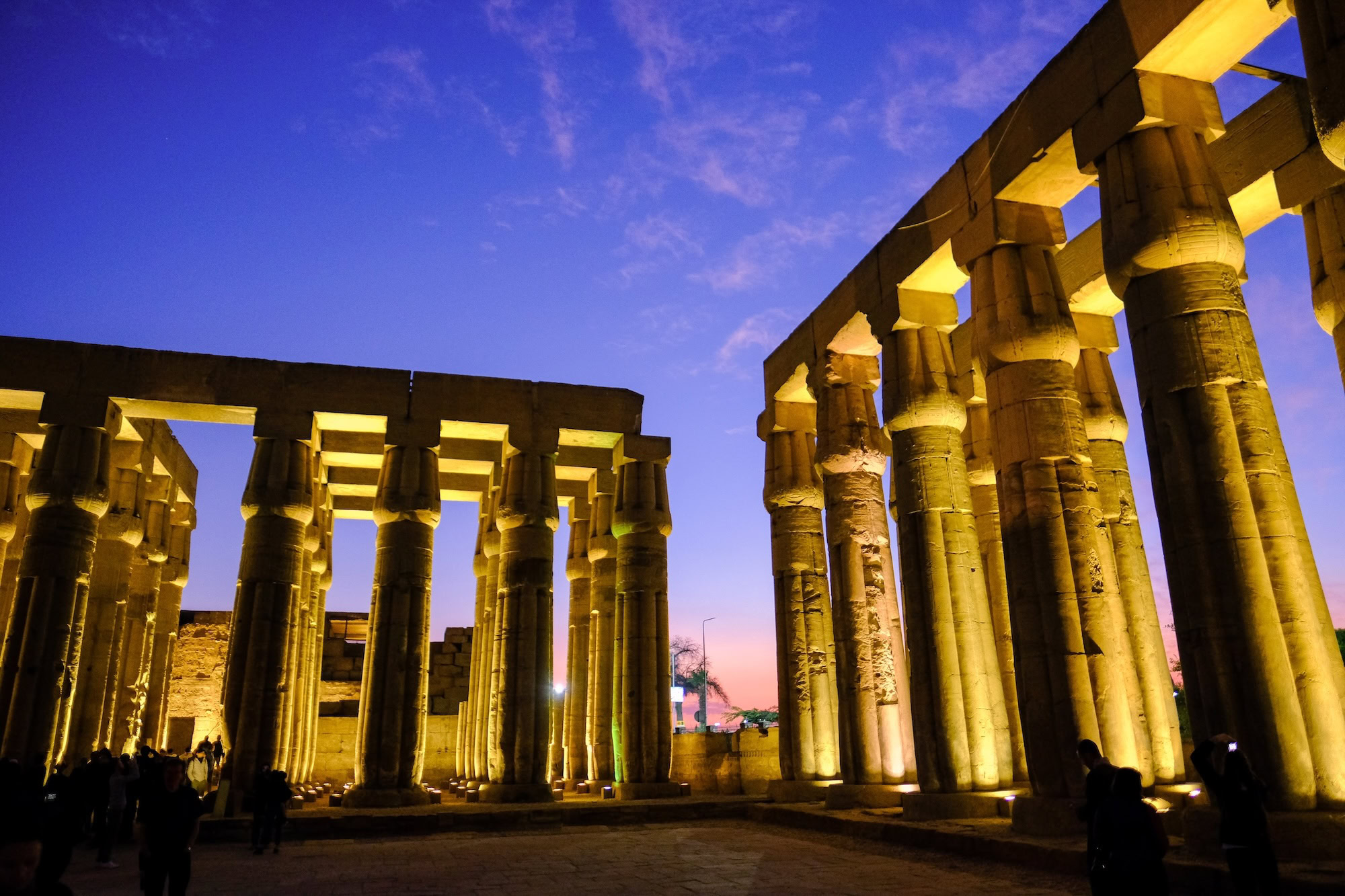
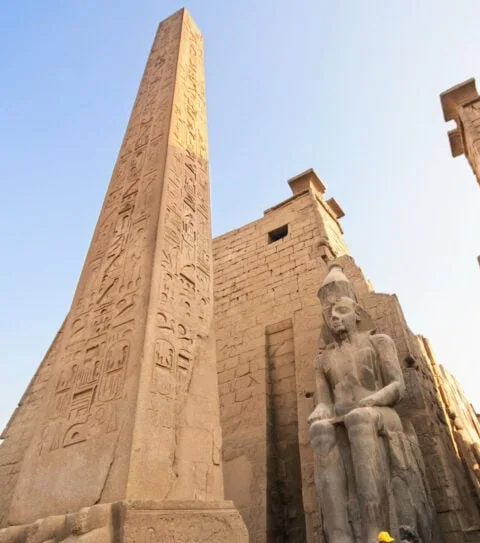
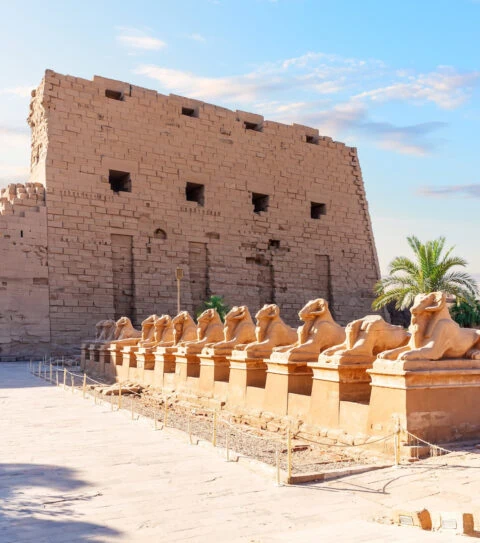
Luxor Temple connects to Karnak via the ancient Avenue of Sphinxes, recently restored to its original 2.7-kilometer (1.7-mile) length. The temple’s evening illumination highlights architectural details invisible during daylight hours.
Valley of the Kings and West Bank Exploration
The western desert holds Egypt’s most famous burial grounds. Sixty-three royal tombs have been discovered in the Valley of the Kings, though only a selection remains open to visitors at any time.
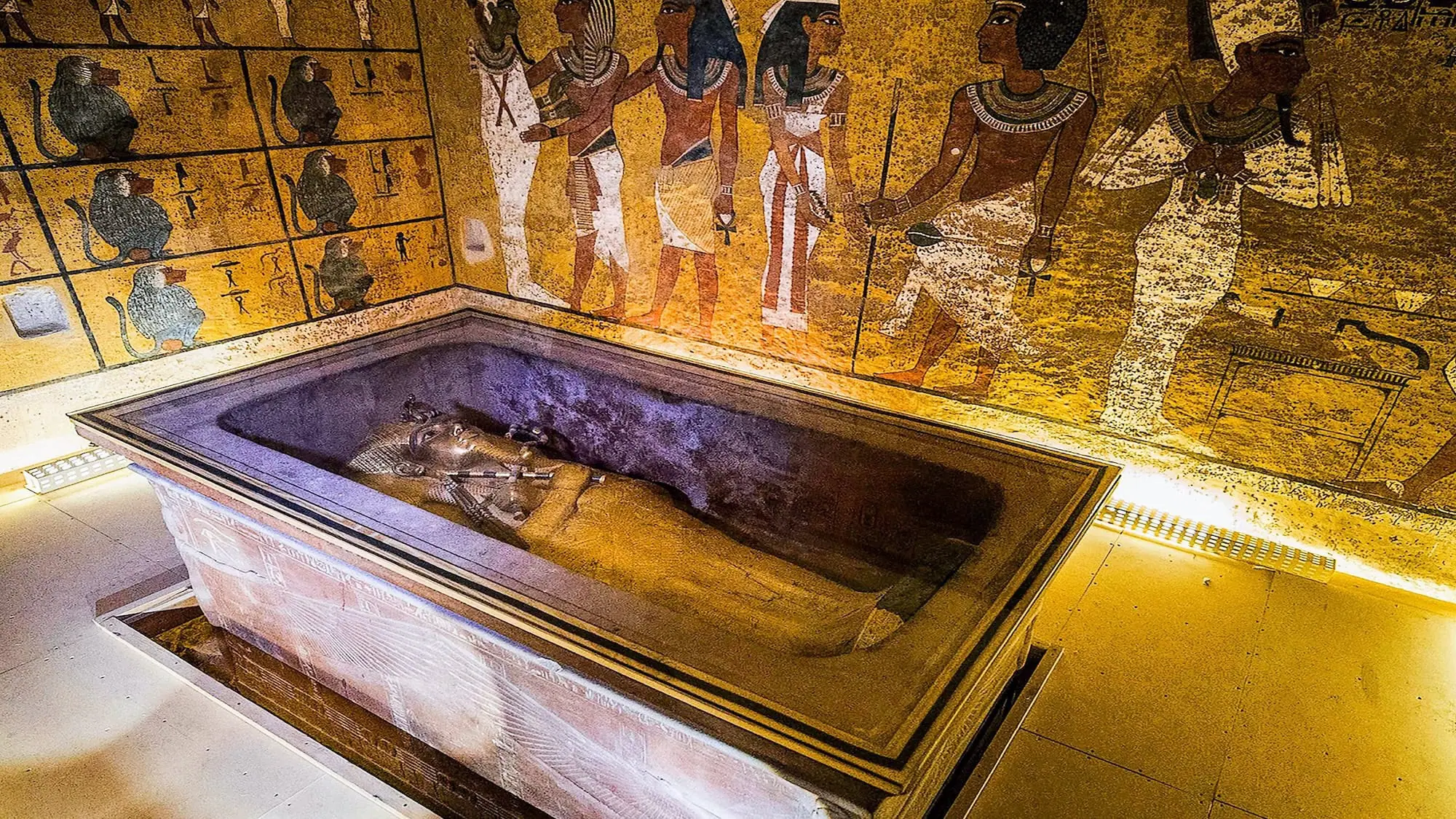
Tutankhamun’s tomb, though small compared to other royal burials, still contains the pharaoh’s mummy in its original golden sarcophagus. The tomb’s discovery in 1922 by Howard Carter sparked worldwide Egyptomania that continues today. Howard Carter’s house nearby has been converted into a museum showcasing the discovery process.
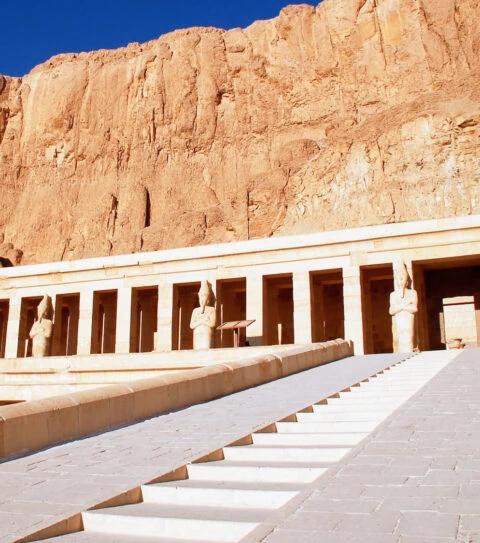
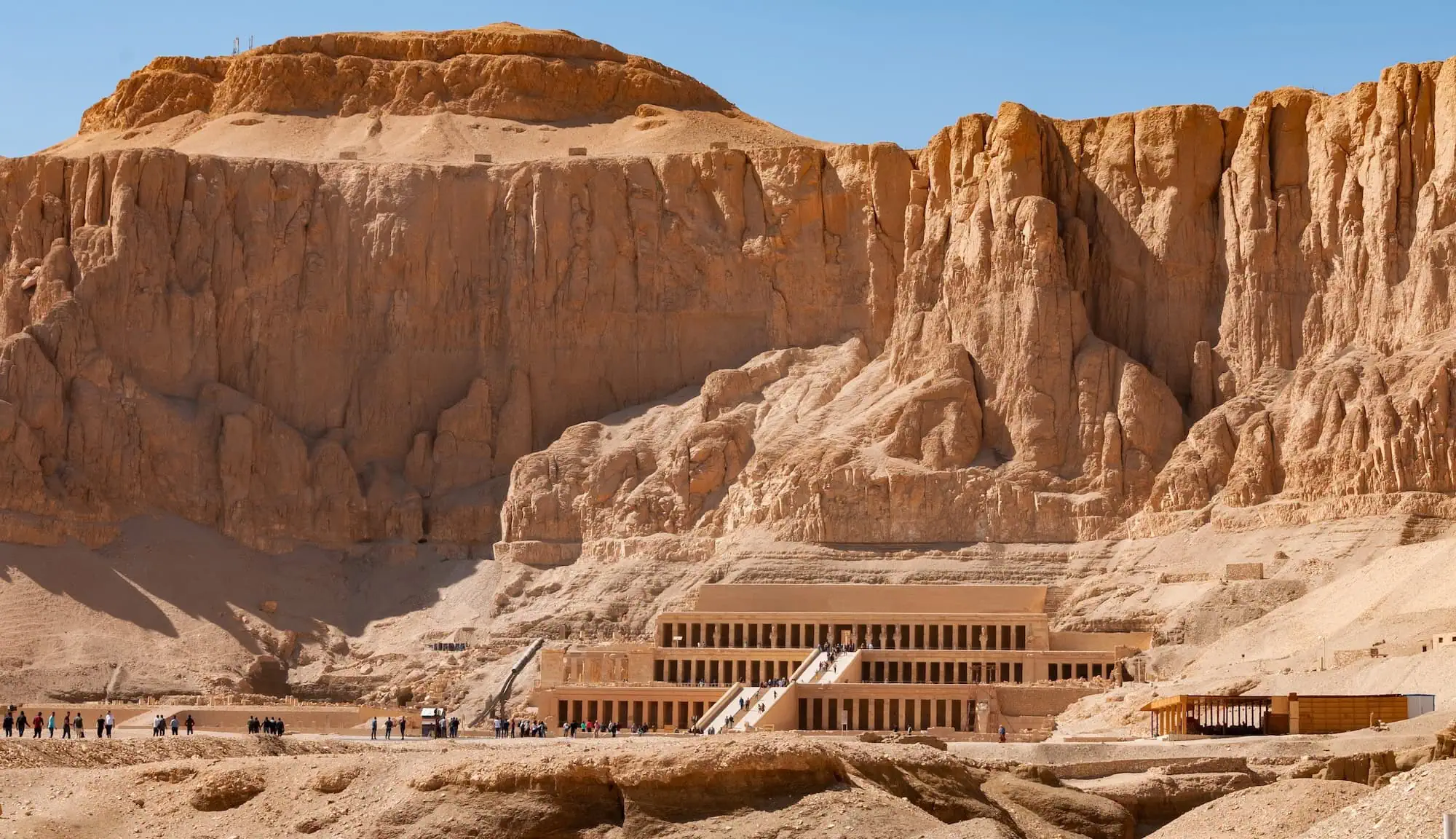
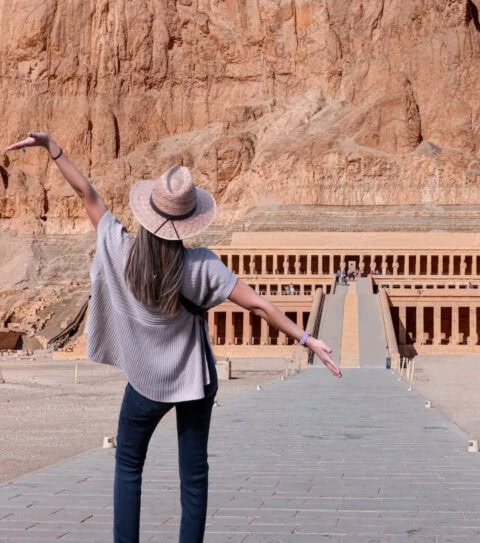
Queen Hatshepsut’s mortuary temple demonstrates female pharaonic power through its unique terraced design built into limestone cliffs. This architectural marvel took 15 years to complete and served as both temple and tomb for Egypt’s most successful female ruler.
The Colossi of Memnon, two massive seated statues standing 18 meters (59 feet) tall, once marked the entrance to Amenhotep III’s mortuary temple. Ancient Greeks and Romans traveled here to hear the northern statue’s mysterious dawn song, caused by thermal expansion of cracked stone.
Traditional Village Experiences
West Bank villages maintain agricultural traditions unchanged for centuries. Local families still use traditional irrigation methods along the Nile’s fertile banks, growing sugarcane, wheat, and vegetables that supply Luxor’s markets.
Days 4-5: Aswan’s Natural Beauty and Nubian Culture
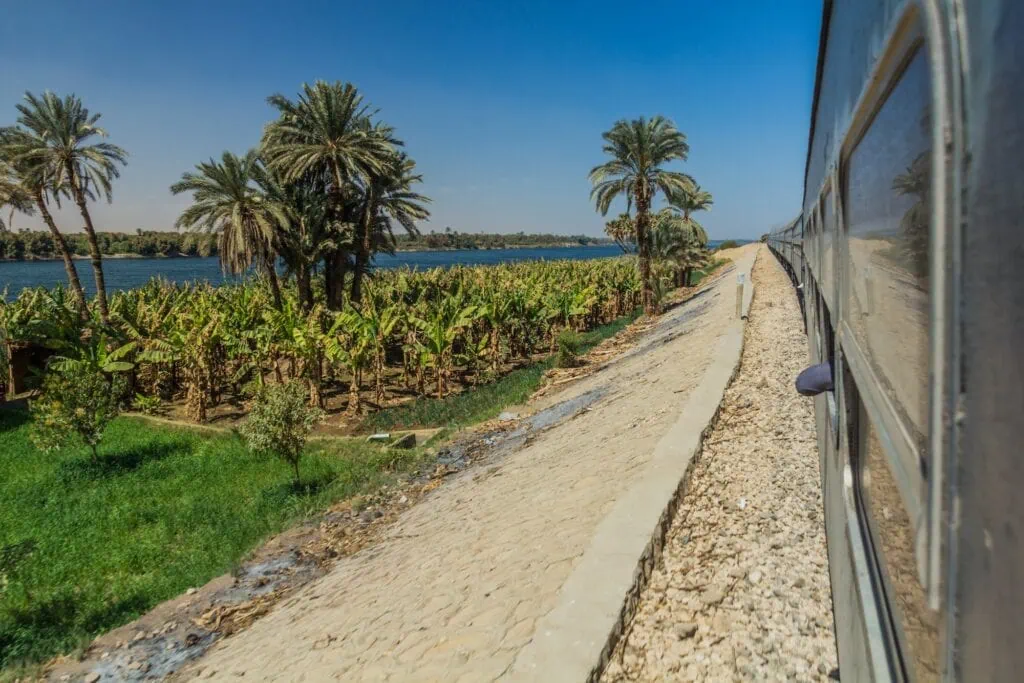
The train journey from Luxor to Aswan takes 3.5 hours through rural Egyptian landscapes most tourists never see. Sugarcane fields, traditional villages, and desert vistas provide glimpses into everyday Egyptian life beyond major monuments.
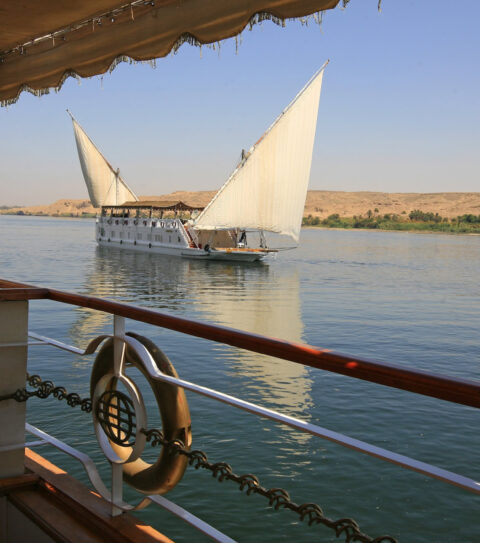
Aswan’s location at the First Cataract made it ancient Egypt’s southern frontier and gateway to Africa. The city’s relaxed atmosphere contrasts sharply with Cairo’s intensity and Luxor’s tourist focus. Modern Aswan stretches along the Nile’s most beautiful section, where granite islands and traditional feluccas create picture-perfect scenes.
Philae Temple and Engineering Marvels
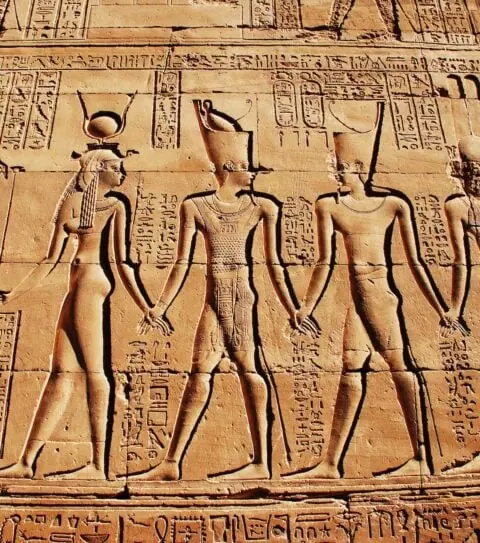
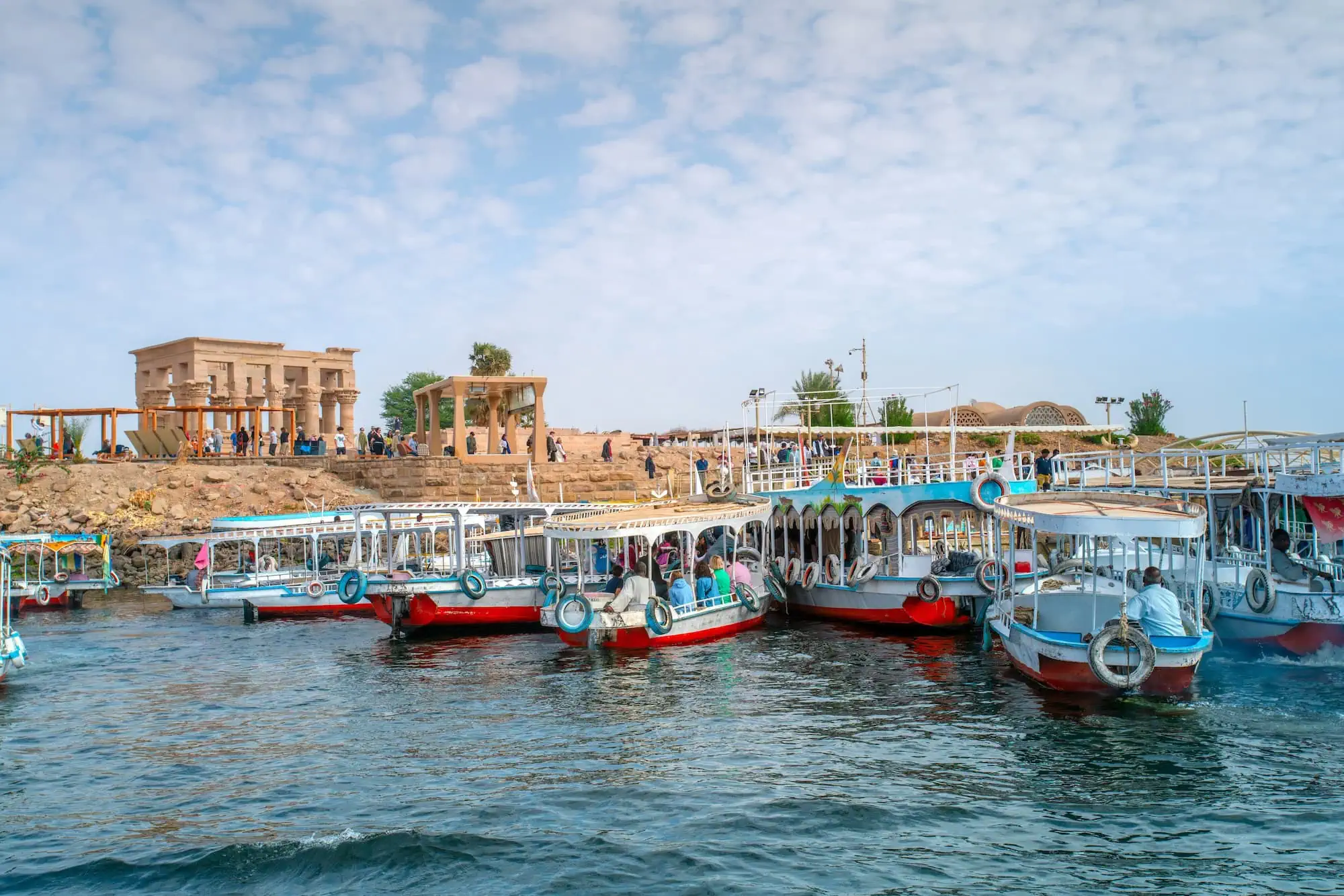
Philae Temple’s relocation to Agilkia Island represents one of UNESCO’s greatest rescue operations. The entire temple complex was dismantled block by block and reconstructed when the High Dam threatened to flood the original site. The temple’s island setting makes it accessible only by motorboat, creating a sense of discovery often missing from more accessible monuments.
The Aswan High Dam transformed Egypt’s economy and ecology when completed in 1970. This engineering marvel controls the Nile’s annual flood while generating electricity for much of the country. Lake Nasser, the reservoir created by the dam, stretches 550 kilometers (342 miles) into Sudan.
Nubian Cultural Immersion
Nubian villages relocated above the High Dam maintain distinct cultural traditions through colorful architecture, unique languages, and traditional crafts. Local families welcome visitors into their homes, sharing traditional meals and explaining how dam construction affected their communities.
The spice markets and traditional handicraft workshops provide authentic shopping opportunities. Nubian artisans create distinctive jewelry, textiles, and pottery using techniques passed down through generations. These purchases directly support local families rather than large tourism operators.
Elephantine Island’s archaeological sites span over 3,000 years, from ancient Egyptian temples to medieval Islamic monuments. The island’s Nubian Museum houses artifacts rescued from areas now underwater, telling the story of Nubian civilization from prehistoric times to the present.
Day 6: Abu Simbel Adventure and Return to Cairo
Abu Simbel requires an early start but rewards visitors with Egypt’s most impressive temple complex. The 3-hour drive through desert landscapes takes you deep into southern Egypt, near the Sudanese border. Most tours depart Aswan at 4:00 am (04:00) to avoid desert heat and return by early afternoon.
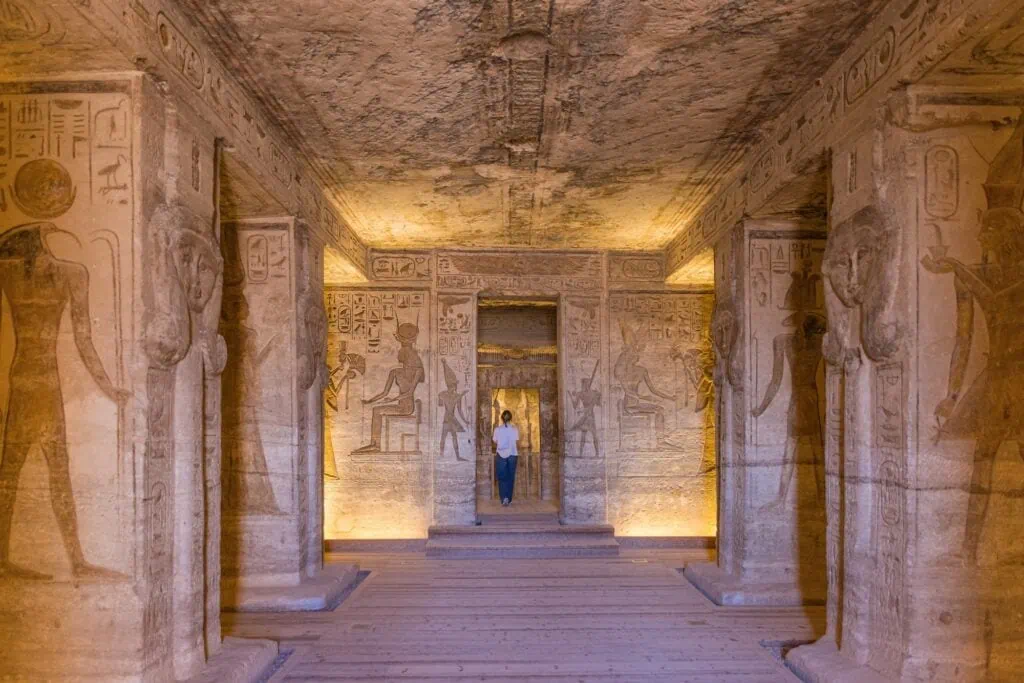
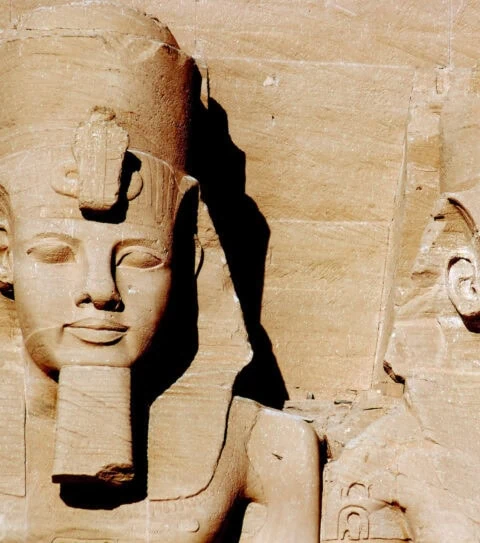
Ramesses II built these twin temples to demonstrate Egyptian power to southern neighbors and celebrate his military victories. The Great Temple’s four seated colossi, each 20 meters (66 feet) tall, were carved directly from the cliff face. The smaller temple honors Queen Nefertari, showing her equal in size to the pharaoh in several scenes – an unprecedented honor in Egyptian art.
The temples’ relocation above Lake Nasser’s waterline required cutting the monuments into 1,036 numbered blocks and rebuilding them 65 meters (213 feet) higher. UNESCO’s four-year project cost $40 million but saved these masterpieces for future generations.
Inside the Great Temple, the inner sanctuary aligns with the rising sun twice yearly – on Ramesses II’s birthday and coronation day. The astronomical precision demonstrates ancient Egyptian mathematical and engineering skills that continue to amaze modern scientists.
The afternoon flight back to Cairo provides time for final shopping or museum visits before international departures. Cairo International Airport requires arrival 3 hours before international flights, so plan accordingly for evening departures.
Practical Planning Considerations
Optimal Travel Timing
October through April provides ideal weather conditions with daytime temperatures ranging from 20-28°C (68-82°F). Summer months can reach 45°C (113°F) in southern Egypt, making outdoor exploration uncomfortable during midday hours.
Transportation and Logistics
Domestic flights between Cairo, Luxor, and Aswan save significant travel time compared to overland options. The Cairo-Luxor flight takes 1.5 hours versus 10-12 hours by train or car. We coordinate all transportation to maximize your sightseeing time while ensuring comfort throughout your journey.
Entry Requirements and Documentation
U.S. visitors must obtain a tourist visa, available on arrival for $25 USD or through e-visa applications before travel. The visa allows 30-day stays for tourism purposes. European Union citizens follow the same process, while some African and Middle Eastern nationalities may require advance visa applications through Egyptian consulates.
Cultural Considerations
Egypt’s predominantly Muslim culture appreciates respectful dress, especially when visiting religious sites. Covering shoulders and knees shows cultural sensitivity and ensures entry to all monuments and mosques. Casual photography is generally acceptable at tourist sites, though some locations require additional photo tickets.
Making Your Egyptian Dream Reality
Six days allows substantial exploration of Egypt’s highlights while maintaining a comfortable pace. The itinerary balances must-see monuments with cultural experiences that provide deeper understanding of Egyptian civilization past and present.
Our tailored itineraries reflect decades of experience crafting memorable Egyptian journeys. We handle logistics, provide expert guides, and ensure smooth transitions between destinations so you can focus on experiencing Egypt’s wonders rather than worrying about travel details.
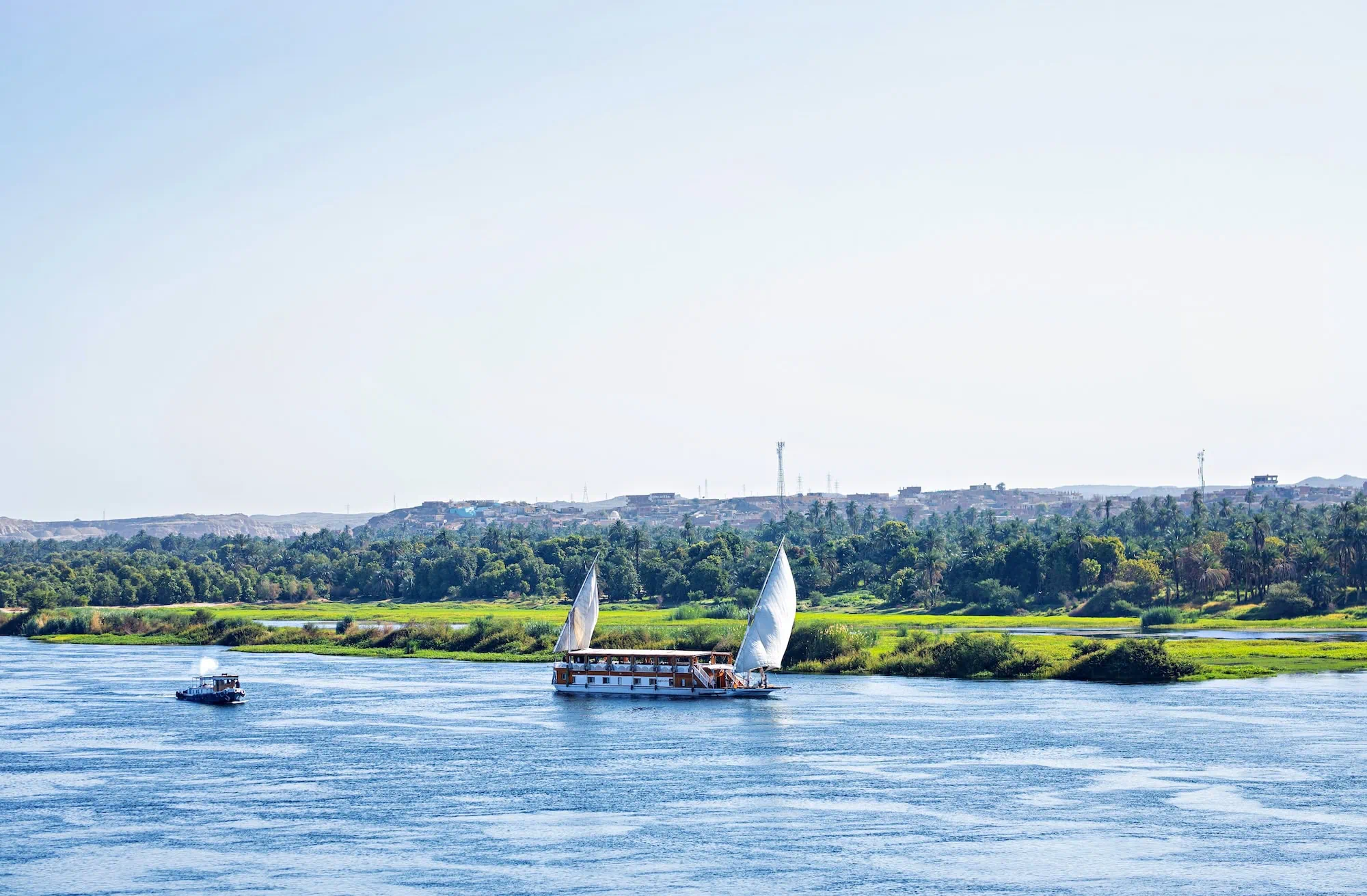
The memories you’ll create exploring ancient temples, sailing traditional feluccas, and connecting with local cultures will last a lifetime. Egypt’s magic lies not just in its monuments but in the warmth of its people and the continuity of traditions that link modern Egypt to its pharaonic past.
Frequently Asked Questions
Most travelers should budget between $1,200 and $2,500 per person for a 6-day Egypt trip, depending on hotel category, transportation, included tours, and dining preferences. Mid-range itineraries typically cover Cairo, Luxor, and Aswan with domestic flights, guided sightseeing, and comfortable accommodations. Luxury trips featuring Nile cruises or premium hotels can exceed this range, while budget travelers may spend less. Booking flights and hotels several months ahead often improves overall value.
Yes, Egypt’s main tourist destinations are generally considered safe for international visitors and are protected by extensive security measures. Major sites such as the Pyramids of Giza, Karnak Temple, Abu Simbel, and leading hotels maintain security screening, surveillance systems, and dedicated tourist police presence. Millions of travelers visit Egypt annually without incident. As with any destination, follow local guidance, use reputable transportation, and keep valuables secure while sightseeing.
What’s the best way to get between Cairo, Luxor, and Aswan?
A: Domestic flights are the fastest and most efficient way to travel between Cairo, Luxor, and Aswan, with most journeys taking between 1 and 2 hours. By comparison, train and road travel can require 8-12 hours depending on the route. Flights maximize sightseeing time on a 6-day itinerary and reduce travel fatigue. Travelers who enjoy scenery and overnight journeys may still find sleeper trains a worthwhile alternative.
No special vaccinations are required for most travelers entering Egypt, but routine immunizations should be up to date before departure. Many travel health professionals also recommend considering Hepatitis A because it can be transmitted through contaminated food or water. Requirements can vary based on your travel history and country of origin. Consult a travel clinic or physician 4-8 weeks before departure for personalized medical advice.
Yes, visitors can enter the Great Pyramid of Khufu with a separate admission ticket, but access is controlled and daily visitor numbers are limited. The route includes narrow ascending passages leading to the King’s Chamber, requiring moderate physical effort and comfort in confined spaces. Interior visits provide a rare opportunity to experience the world’s last surviving Ancient Wonder from within. Purchase entry tickets early in the day, especially during the busy October-April travel season.
Lightweight, modest clothing that covers the shoulders, knees, and chest is the best choice for visiting Egypt’s temples and mosques. Natural fabrics such as cotton and linen help manage temperatures that often exceed 25°C (77°F) during much of the year. Religious sites may deny entry to visitors wearing revealing clothing, while temple complexes often involve extensive walking in direct sun. Comfortable walking shoes and a sun hat are highly recommended.
Allow 3-4 hours for the Giza Pyramids, 2-3 hours for major temple complexes, and a full day for Abu Simbel to experience each site properly. Large archaeological areas such as Karnak Temple cover more than 100 hectares and reward unhurried exploration. Rushing through multiple monuments in one day often reduces enjoyment and historical understanding. Building extra time into your schedule allows for photography, museum exhibits, and unexpected discoveries.
Yes, tipping is a normal and expected part of daily life in Egypt, and the practice is commonly known as “baksheesh.” Restaurant tips of 10-15% are standard when service charges are not already included, while guides and drivers often receive additional daily gratuities. Small tips may also be given for hotel assistance or helpful service. Carrying small Egyptian pound notes makes tipping easier throughout your trip.
Egypt’s peak travel season from October through April offers mild daytime temperatures generally ranging from 15-25°C (59-77°F), making outdoor sightseeing far more comfortable than in summer. Cairo, Luxor, and Aswan experience sunny days with very little rainfall, while evenings can become noticeably cooler, especially in desert regions. These conditions are ideal for exploring archaeological sites that involve hours of walking outdoors. Pack layers for early mornings and nighttime excursions.
Photography is permitted at many Egyptian archaeological sites, but rules vary by monument, museum, and tomb. Basic photography is often included with admission, while some locations charge additional fees or restrict flash photography to protect fragile artwork and pigments. Tripods may also require special authorization. Always check posted regulations before taking pictures, particularly inside decorated tombs in the Valley of the Kings and museum galleries.
Booking an Egypt tour 2-3 months in advance is recommended, especially for travel between October and April when demand is highest. Early reservations improve access to premium Nile cruises, sought-after hotels, domestic flights, and limited-capacity attractions such as Abu Simbel excursions. Holiday periods including Christmas and New Year often sell out even earlier. Advance planning also provides more itinerary flexibility and better pricing options.
Yes, Egypt applies standard international customs and airport security regulations, with additional restrictions on certain specialized items. Drones generally require official permits, and some prescription medications may need supporting documentation from a physician. Travelers should keep medicines in original packaging and carry copies of prescriptions when appropriate. Before departure, review current customs guidelines to avoid delays when entering the country.
Explore our most popular guides and expert tips to make your trip safe, smooth, and unforgettable.
Plan Your Egypt Adventure with Confidence
How to Plan a Trip Egypt
Step-by-step guide to help you plan the perfect Egypt trip — from routes and budget to booking.
Best Time to Visit Egypt
Learn the best months to visit Egypt based on weather, crowds, and local travel experiences.
Must Visit Places in Egypt
Explore Egypt’s top sights — from pyramids to temples — and hidden gems worth seeing.
Top-Rated Egypt Tours
Handpicked private tours with local guides — our most loved and best-reviewed experiences.
How Many Days to Visit Egypt?
Find out how many days you need in Egypt — from quick trips to full itineraries.
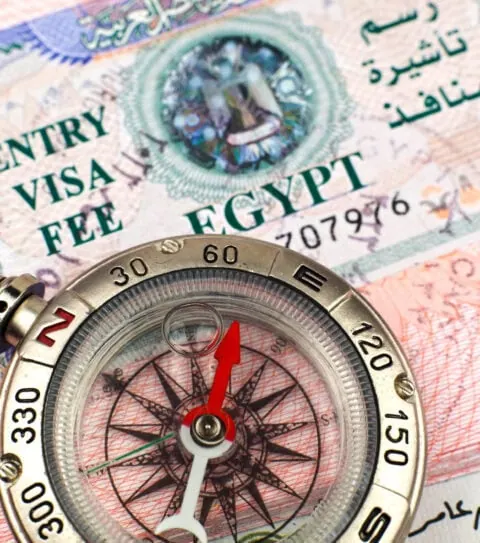
Egypt Visa Requirements
Check if you need a visa and get simple, up-to-date entry info based on your nationality.

Is it Safe to Travel to Egypt?
Is Egypt safe? Get honest safety tips, area advice, and what to know before you travel.
What to Pack for Egypt
A quick packing guide with essentials, cultural tips, and clothing advice for your Egypt trip.
Design Your Custom Tour
Explore Egypt your way by selecting only the attractions you want to visit