

Howard Carter House – The Man Who Found the Tomb of Tutankhamen
Step into the world where one of archaeology’s greatest mysteries was solved.
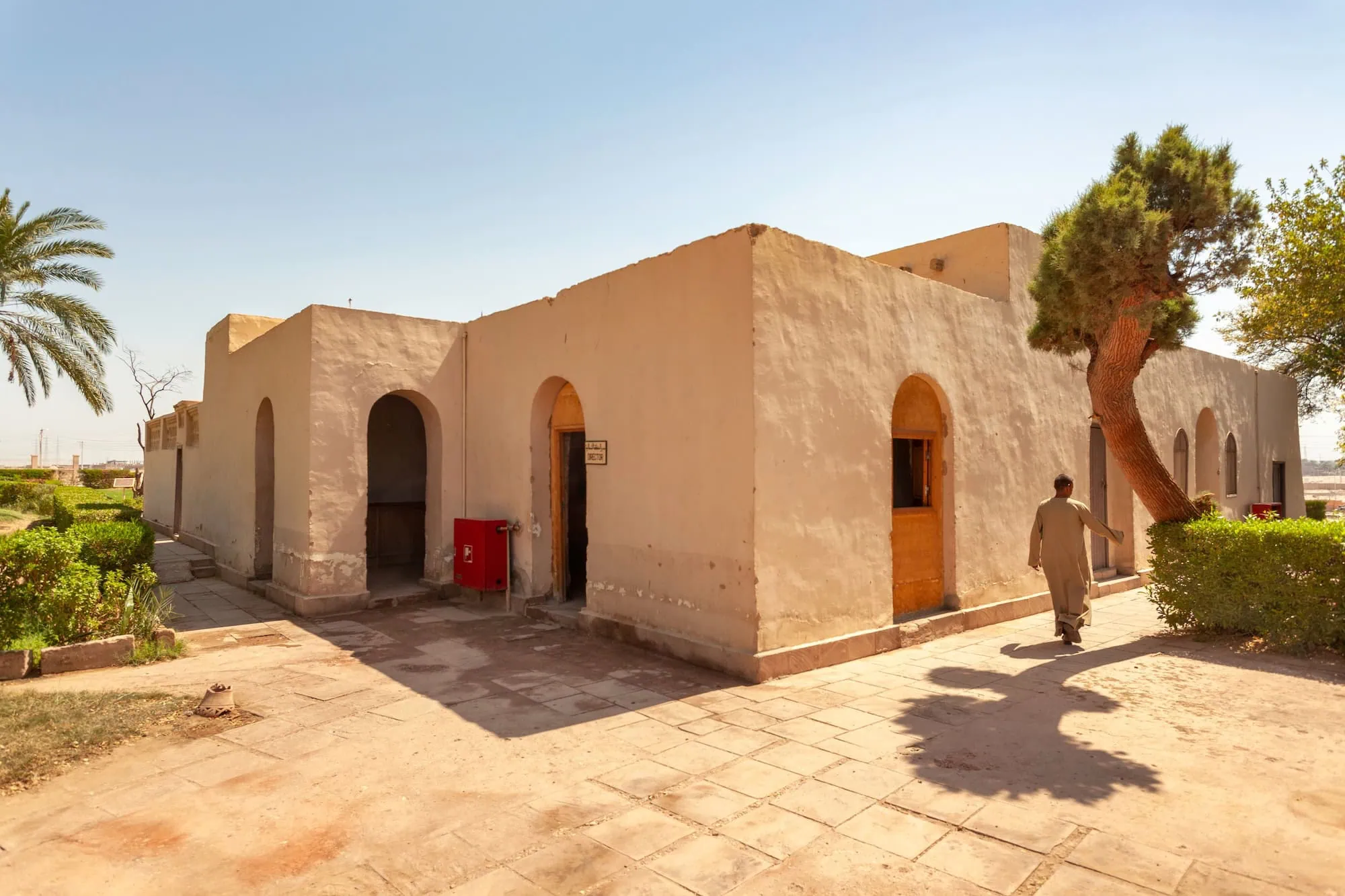
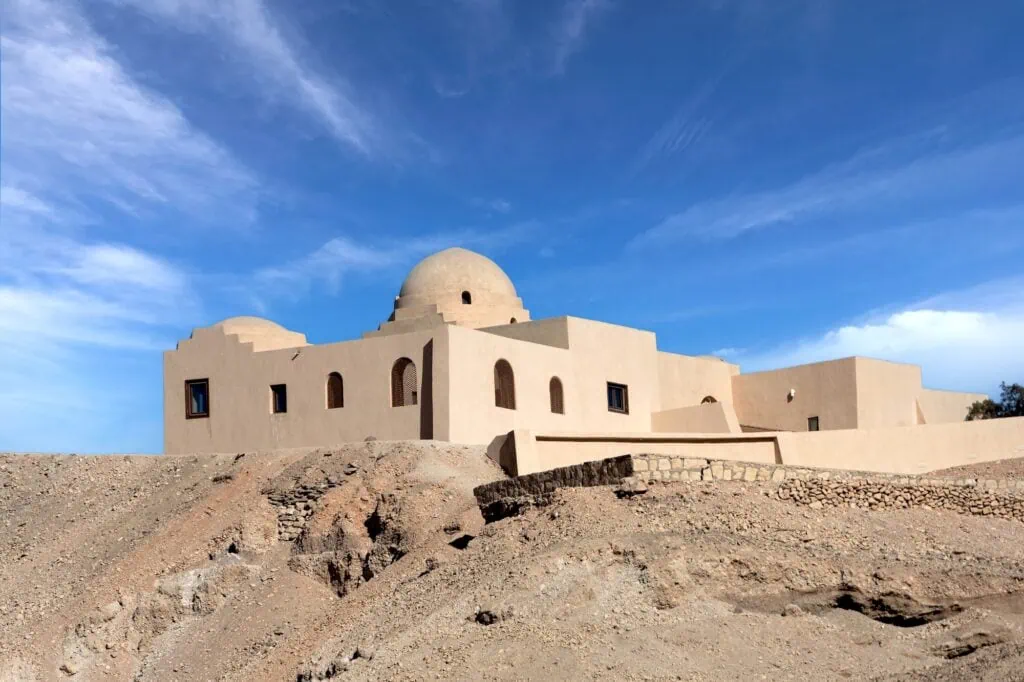
In 1922, British archaeologist Howard Carter made the discovery that would define his legacy and captivate the world for generations. His humble mudbrick house on Luxor’s West Bank became the headquarters for the most famous archaeological find in history – the tomb of Tutankhamun. Today, visitors can explore this intimate museum and experience the personal side of the man who opened the door to the boy king’s eternal resting place.
The house preserves not only Carter’s belongings and photographs but also recreates the atmosphere of early 20th-century archaeological expeditions in Egypt. Our decades of expertise guiding travelers through Egypt’s archaeological wonders makes us uniquely qualified to help you understand why Carter’s modest home deserves a place on your Luxor itinerary.
Table of Contents
The Man Behind the Discovery
Howard Carter’s journey to archaeological fame began far from the Valley of the Kings. Born in 1874 in England, he started his career as an artist, copying tomb paintings and developing the keen eye for detail that would later prove invaluable. When he arrived in Egypt in 1891, few could have predicted that this young man would become one of the most celebrated names in Egyptology.
His partnership with wealthy British aristocrat Lord Carnarvon transformed both their lives. Carnarvon provided the financial backing, while Carter brought the archaeological expertise and unwavering determination. Together, they spent years methodically searching the Valley of the Kings, facing disappointment after disappointment as other excavators found little more than empty tombs and scattered artifacts.
The House That Became History
Carter built his mudbrick residence in 1910, choosing a strategic location that offered convenient access to his excavations. The house featured a distinctive domed central hall surrounded by two bedrooms, work spaces, and a photographic darkroom – essential for documenting discoveries in an era before digital photography. Local residents knew the property as “Ulwit al-Dibban,” and it served as Carter’s Luxor base until his death in 1939.
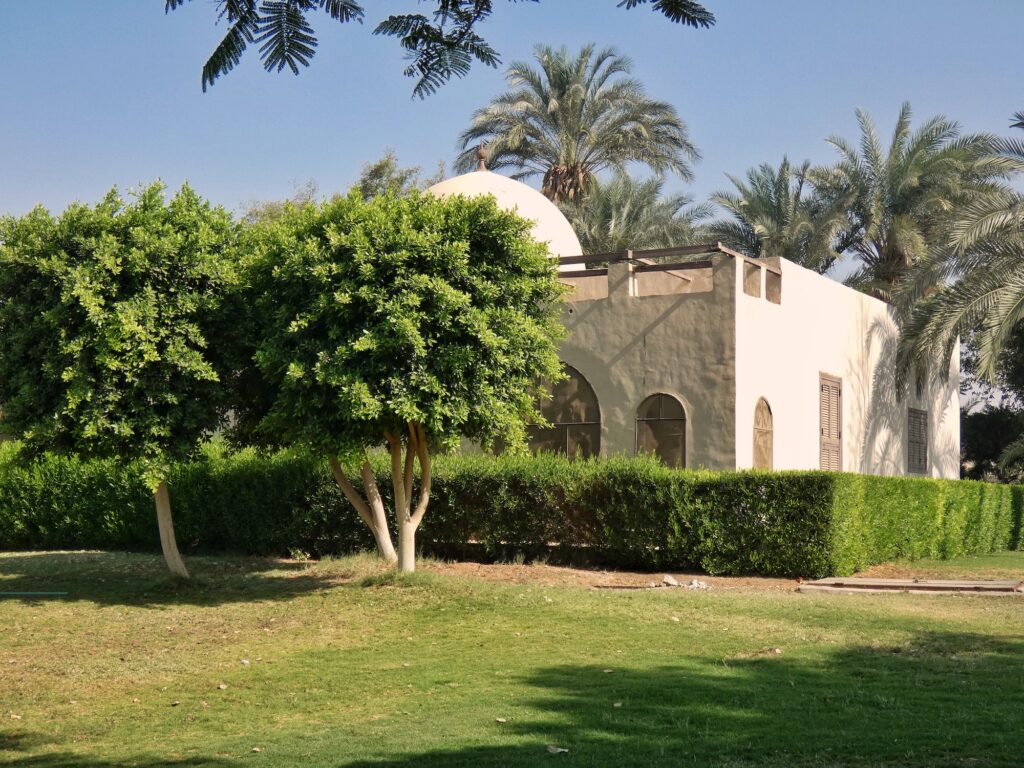
The building’s simple exterior belied its importance as the nerve center of archaeological operations. Here, Carter planned excavation strategies, processed artifacts, and maintained correspondence with colleagues worldwide. The darkroom proved particularly crucial, as Carter understood the importance of photographic documentation in validating his discoveries.
November 1922: The Month Everything Changed
The breakthrough came after years of seemingly fruitless searching. On November 4, 1922, Carter’s team uncovered stone steps leading to a sealed doorway. The anticipation was almost unbearable as Carter enlarged the hole in the door and peered inside by candlelight. His famous words – “wonderful things” – announced to the world that they had found something extraordinary.
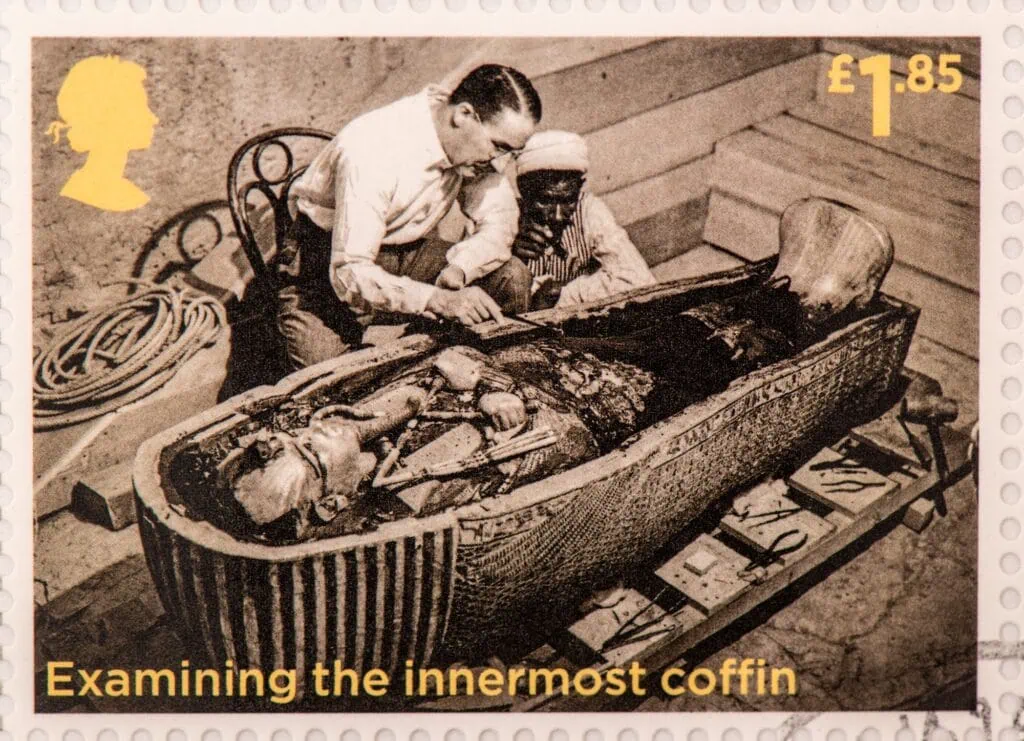
The discovery of Tutankhamun’s intact tomb amazed archaeologists and the general public alike. For the first time in modern history, explorers had found a pharaoh’s burial chamber with its treasures untouched for over 3,000 years. News of the find spread globally, making Carter an international celebrity and transforming archaeology from an academic pursuit into front-page news.
Inside the Howard Carter House Museum
Walking through Carter’s preserved home feels like stepping back in time to the golden age of Egyptian archaeology. The museum conversion in 2009 carefully maintained the original atmosphere while making the space accessible to visitors. Every room tells part of the story, from Carter’s personal quarters to his professional workspace.
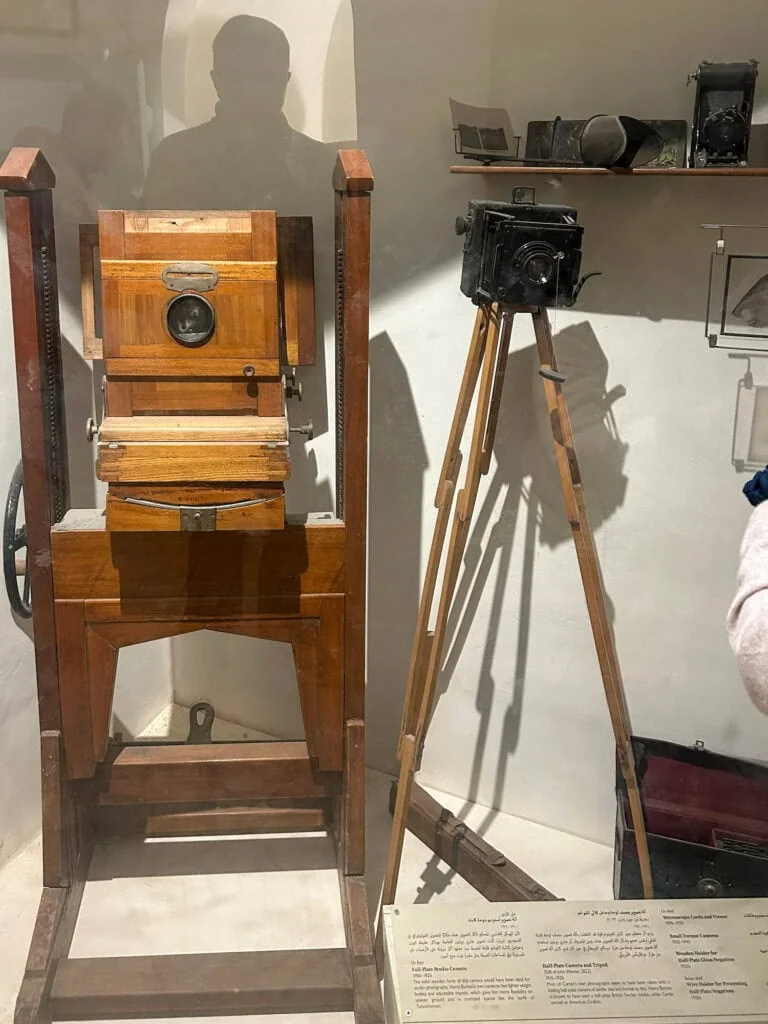
The collection includes Carter’s walking canes, hats hanging by the doorway, and his classic typewriter – the same machine he used to document the most famous archaeological discovery in history. Photographs line the walls, showing Carter and his team at work, Lord Carnarvon during site visits, and the painstaking process of cataloging Tutankhamun’s burial treasures. The darkroom remains largely as Carter left it, complete with developing equipment and chemical baths.
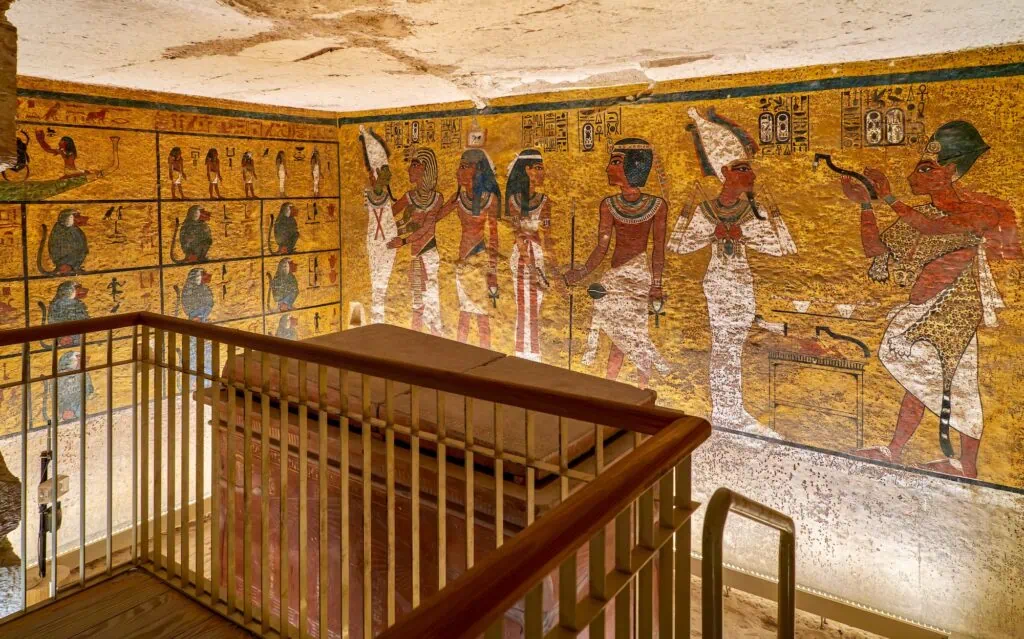
Perhaps most remarkably, visitors can explore a detailed replica of Tutankhamun’s tomb, created by Factum Arte in 2014. This precise reproduction allows guests to experience the boy king’s final resting place without the crowds and restrictions of the actual KV62 tomb in the Valley of the Kings. The replica showcases the tomb’s famous golden walls and intricate burial chamber paintings in stunning detail.
Personal artifacts scattered throughout the house create an intimate portrait of Carter’s daily life. His books on Egyptology, personal correspondence, and everyday objects like cups and plates remind visitors that behind the legendary discovery was a dedicated scholar who called this modest house home for nearly three decades.
Planning Your Visit
Tickets and Timing
Foreign visitors pay 220 EGP for adults and 110 EGP for students with valid identification (students must be under 24 years old). Egyptian nationals enjoy significantly reduced rates of 10 EGP for adults and 5 EGP for students. Children under six enter free of charge, as do Egyptians with special needs.
The house operates from 6:00 am to 5:00 pm (06:00-17:00) daily, with the last entry at 5:00 pm. Summer and winter hours remain consistent, though during Ramadan, operating hours may be adjusted. We recommend arriving at least one hour before closing time to fully appreciate the exhibits without feeling rushed.
Photography using mobile phones incurs no additional charge, making it easy to capture memories of your visit. Professional camera equipment may require special permission and fees.
Best Time to Experience Carter’s Legacy
October through March offers the most comfortable weather for exploring Luxor’s West Bank attractions. Morning visits work particularly well, as the smaller crowds allow for a more intimate experience compared to major sites like the Valley of the Kings or Karnak Temple. The house’s compact size means you can thoroughly explore everything in 45 minutes to an hour.
Consider visiting Carter’s house as part of a broader West Bank itinerary. Many travelers find it meaningful to tour the Valley of the Kings first, then visit Carter’s house to gain background context about the discoveries. This sequence helps visitors better appreciate the magnitude of finding Tutankhamun’s tomb and understand the man who made it possible.
Combining Your Visit with Other West Bank Sites
Archaeological Context Tours
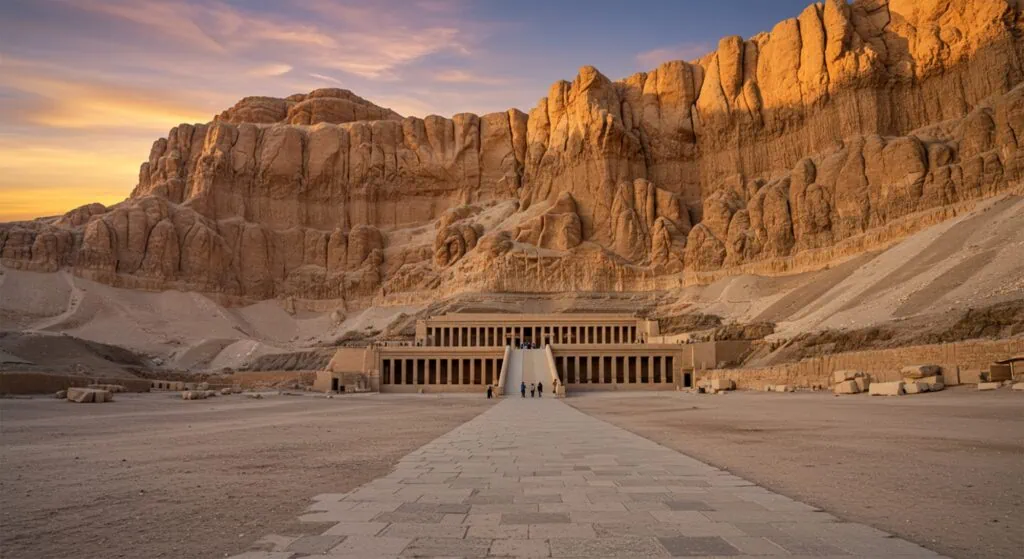
The Howard Carter House pairs naturally with other West Bank attractions, creating a comprehensive archaeological narrative. Start your day at the Valley of the Kings to see where Carter made his famous discovery, then visit his house to understand the personal side of the expedition. Finish at Hatshepsut’s Temple to appreciate the broader scope of ancient Theban architecture.
This combination offers multiple perspectives on Egyptian archaeology – from the grandeur of royal tombs to the intimate details of excavation life. The contrast between massive monuments and Carter’s modest home highlights the human dedication required to unlock ancient secrets.
Transportation between sites is straightforward via taxi or private guide services. Most tour packages include West Bank sites together, recognizing that visitors want to maximize their time exploring this UNESCO World Heritage area. Hot air balloon rides and horse riding excursions provide alternative ways to see the region from different vantage points.
The ARCE Restoration Project
The American Research Center in Egypt (ARCE) undertook a comprehensive restoration project focusing on three main areas: structural stabilization, climate control improvements, and artifact preservation. This work ensures that future generations can continue experiencing Carter’s legacy in an authentic setting.
Structural repairs addressed decades of wear while maintaining the building’s original character. Climate control systems now protect both the building and its contents from Egypt’s harsh desert environment. The preservation work extends to Carter’s personal belongings, photographs, and the replica tomb installation.
Step Into The Story Behind The Discovery
Howard Carter House offers a rare, personal glimpse into the life of the man behind one of history’s greatest discoveries. Set near the Valley of the Kings, it adds depth and context to your journey through Luxor—connecting iconic sites with the human story behind them. With EgyptToursPlus, we seamlessly include this unique stop in a private itinerary designed to bring Egypt’s past to life in a more meaningful way.
You choose your travel dates, your pace, and the experiences that shape your route. From historic insights and guided exploration to Nile cruises and refined comfort throughout, we tailor every detail around your preferences—ensuring a smooth, immersive, and deeply personal travel experience.
Frequently Asked Questions
Most visitors spend 45-60 minutes exploring Howard Carter House, though history enthusiasts often stay longer to examine the exhibits and reconstructed living spaces in detail. The modest residence on Luxor’s West Bank was Carter’s base during the discovery of Tutankhamun’s tomb in 1922, one of archaeology’s most famous finds. Visitors typically tour the study, bedroom, terrace, and replica burial chamber nearby. The site works especially well as part of a half-day Valley of the Kings itinerary.
Yes, the Factum Arte replica of Tutankhamun’s tomb is widely considered worth visiting because it reproduces the original burial chamber with remarkable precision while reducing pressure on the fragile original tomb in the Valley of the Kings. Advanced 3D scanning captured microscopic details, including wall textures, cracks, and painted surfaces from KV62. Many visitors find the replica calmer and easier to appreciate than the often-crowded original chamber. It also provides valuable context for understanding conservation efforts in Luxor.
Mobile phone photography is generally permitted inside Howard Carter House, although professional cameras, tripods, lighting equipment, or commercial filming may require additional permits and fees from Egyptian antiquities authorities. The preserved furnishings, photographs, and personal artifacts make the interior especially appealing for documentary-style photography. Flash use may be restricted in certain exhibit areas to protect sensitive materials from long-term light exposure. Early morning visits usually provide the best interior lighting and fewer visitors in photographs.
Howard Carter House is relatively accessible compared to many archaeological sites in Luxor because the building is compact and involves fewer steep staircases or underground chambers. Most rooms are on manageable ground-level pathways, although uneven flooring and the original mudbrick-style construction may still create minor obstacles for wheelchair users or visitors needing assistance. The surrounding West Bank terrain can also be dusty and uneven in places. Private transportation directly to the entrance helps simplify access considerably.
Early morning is the best time to visit Howard Carter House if you want a quieter experience with fewer tour groups and better opportunities for photography. Most larger West Bank excursions prioritize the Valley of the Kings first, so visitor numbers often increase later in the morning between approximately 10:00 am and noon. Cooler temperatures during the first opening hours also make walking between nearby attractions more comfortable, especially from May through September when Luxor’s midday heat regularly exceeds 38°C (100°F).
Howard Carter House differs from Luxor’s major temples and tomb complexes because it offers a personal, human-scale perspective on archaeology rather than monumental ancient architecture. Instead of towering columns or royal burial chambers, visitors see Carter’s restored living quarters, excavation tools, photographs, and documents connected to the 1922 discovery of Tutankhamun’s tomb. The quieter atmosphere contrasts sharply with busy sites like Karnak Temple or the Valley of the Kings. Many travelers appreciate the intimate connection to modern archaeological history.
Hiring a guide at Howard Carter House is highly recommended because much of the site’s significance comes from the historical context surrounding Carter’s excavation work and the discovery of Tutankhamun’s tomb. Experienced Egyptologists explain the relationships between Carter, Lord Carnarvon, and the broader archaeological community of the early 20th century. Without interpretation, many objects may appear deceptively simple. Guided visits also connect the house meaningfully to nearby sites such as KV62 in the Valley of the Kings.
Yes, Howard Carter House is commonly combined with Valley of the Kings tours because both sites are located on Luxor’s West Bank within a short driving distance of each other. The pairing creates strong historical continuity, allowing visitors to see both the archaeologist’s residence and the royal tombs he helped uncover, including Tutankhamun’s burial chamber discovered in 1922. Many full-day itineraries also include Hatshepsut Temple or the Colossi of Memnon. Visiting Carter House afterward adds valuable historical perspective.
Howard Carter House differs from traditional Egyptian museums because it preserves the atmosphere of an actual archaeological expedition headquarters rather than displaying artifacts in formal gallery spaces alone. Visitors move through reconstructed living rooms, offices, and workspaces used during the excavation of Tutankhamun’s tomb in the 1920s. Personal belongings, archival photographs, maps, and excavation equipment create a direct connection to the daily realities of field archaeology. The experience feels more intimate and narrative-driven than larger national museums in Cairo or Luxor.
Advance booking is not usually required for Howard Carter House because tickets can typically be purchased directly at the entrance on the day of your visit. However, organized West Bank tours often include admission arrangements in advance, which simplifies transportation logistics and scheduling alongside nearby archaeological sites. Visitor numbers remain lower than at major Luxor attractions, so long ticket lines are uncommon. Travelers visiting during winter peak season from December through February may still prefer prearranged tours for convenience.
Howard Carter House welcomes visitors of all ages, and children under six are commonly admitted free under Egyptian antiquities policies at many smaller heritage sites. The compact layout and short visit duration make the attraction easier for families than larger archaeological complexes requiring extensive walking in the heat. Older children interested in archaeology, treasure discovery, or ancient Egypt often engage strongly with the Tutankhamun connection. Parents should still supervise carefully around delicate exhibits and historical furnishings.
Visitors to Howard Carter House should bring bottled water, comfortable walking shoes, sunscreen, sunglasses, and a hat because the site is usually combined with outdoor West Bank attractions under strong desert sun. Lightweight clothing is recommended, particularly between April and October when daytime temperatures in Luxor frequently exceed 35°C (95°F). Cameras or smartphones are useful for documenting the preserved interiors and replica tomb areas. Carrying small cash notes can also help with tickets, tips, or nearby refreshments.
Design Your Custom Tour
Explore Egypt your way by selecting only the attractions you want to visit