What to See in Egypt?
Egypt captures imaginations like no other destination.
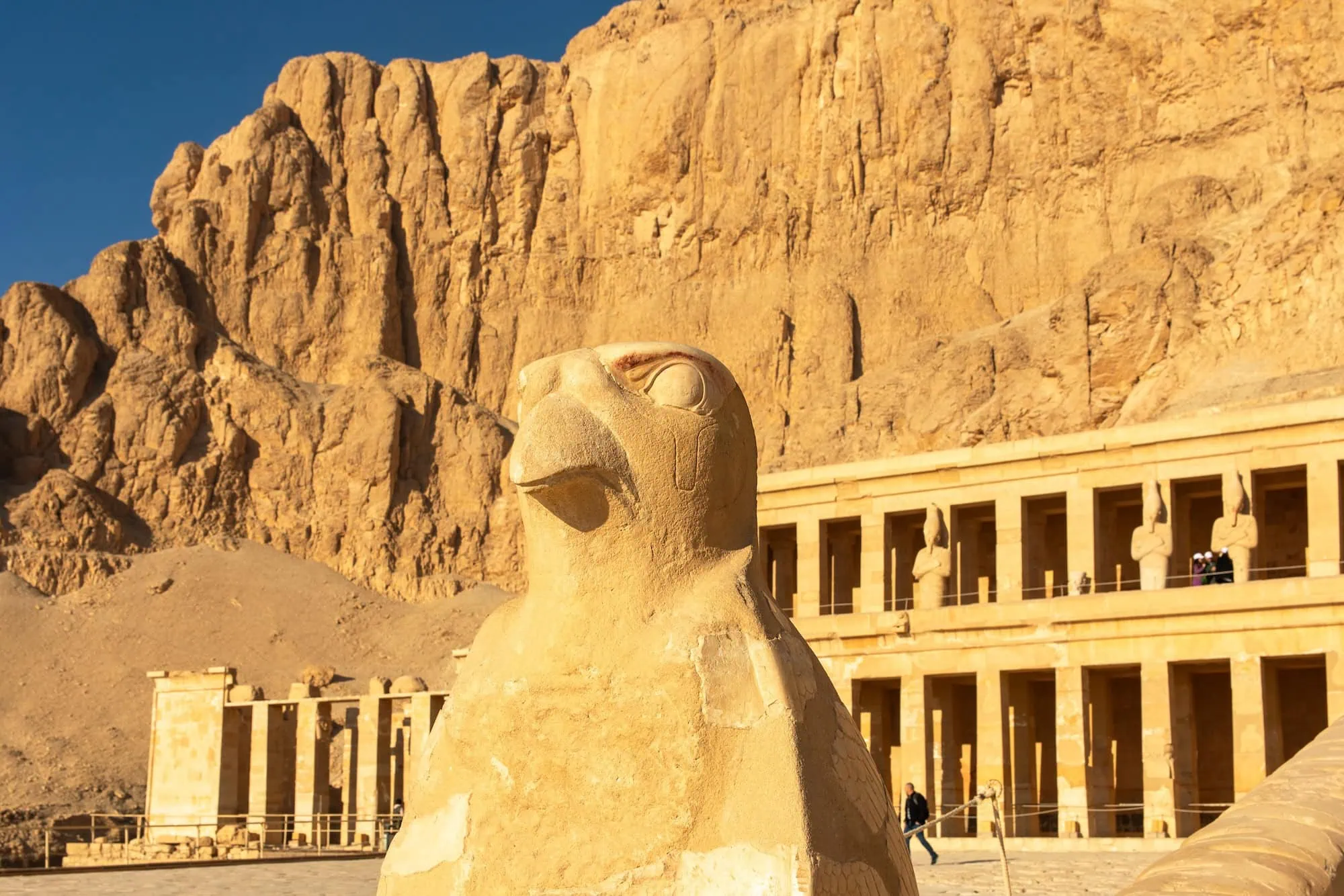
Walking through ancient temples where pharaohs once ruled, sailing the legendary Nile River as traders did thousands of years ago, and standing before monuments that have defied time for millennia creates memories that last forever. The country seamlessly blends its remarkable archaeological treasures with vibrant modern culture, offering experiences from bustling Cairo markets to pristine Red Sea diving spots. Whether you’re drawn by the mystique of ancient civilizations or the warmth of Egyptian hospitality, this comprehensive guide reveals the essential destinations that make Egypt an unforgettable journey.
We’ve curated the most spectacular sights based on decades of guiding travelers through Egypt’s wonders, ensuring you experience the very best this extraordinary country offers.
Table of Contents
Ancient Wonders that Define Egypt
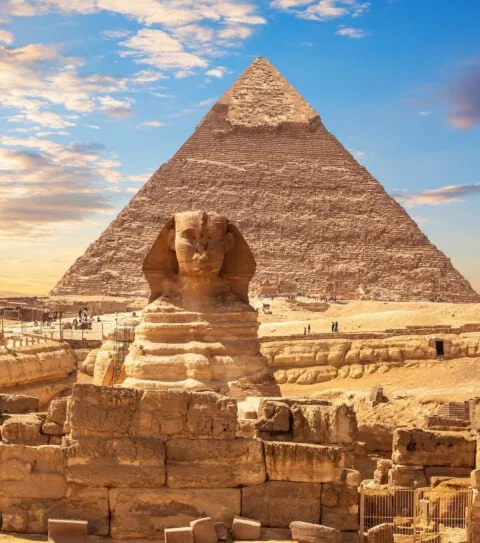
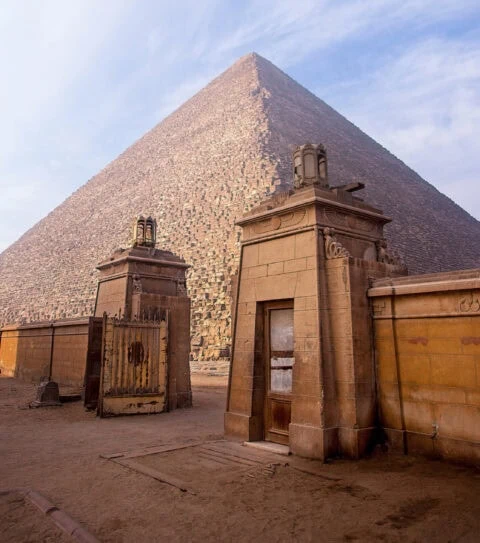
The Giza Pyramids stand as humanity’s most recognizable achievement, rising from the desert just 20 km (12 miles) southwest of Cairo. These monuments represent more than tourist attractions – they’re windows into a civilization that mastered engineering 4,500 years ago.
Great Pyramid and Sphinx Complex
The Great Pyramid of Khufu commands immediate respect as the sole surviving Wonder of the Ancient World. Standing 146 meters (479 feet) tall originally, this architectural marvel contains approximately 2.3 million stone blocks, each weighing between 2.5 to 15 tons. We arrange private access that lets you explore the inner chambers, including the King’s Chamber, where you’ll experience the profound silence that has existed for millennia.
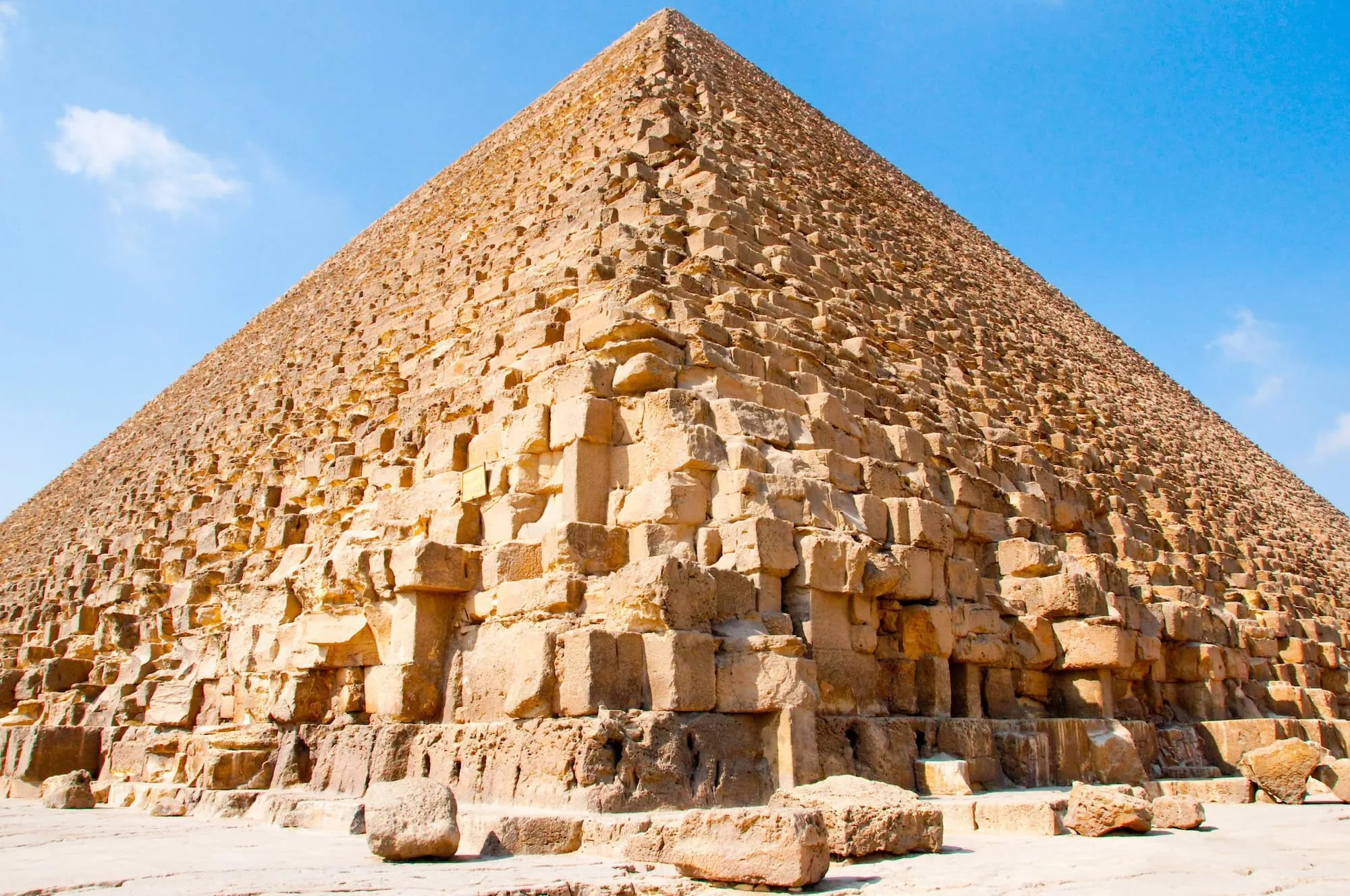
The Great Sphinx guards the complex with its lion’s body and human head carved from a single limestone block. Recent archaeological discoveries suggest the monument is even older than previously thought, adding layers to its already mysterious presence.
Saqqara’s Step Pyramid
Saqqara deserves equal attention as Egypt’s oldest pyramid complex. The Step Pyramid of Djoser, built around 2670 BCE, represents humanity’s first attempt at monumental stone architecture. Unlike the smooth-sided pyramids at Giza, this six-step structure reveals the evolutionary process of pyramid building.
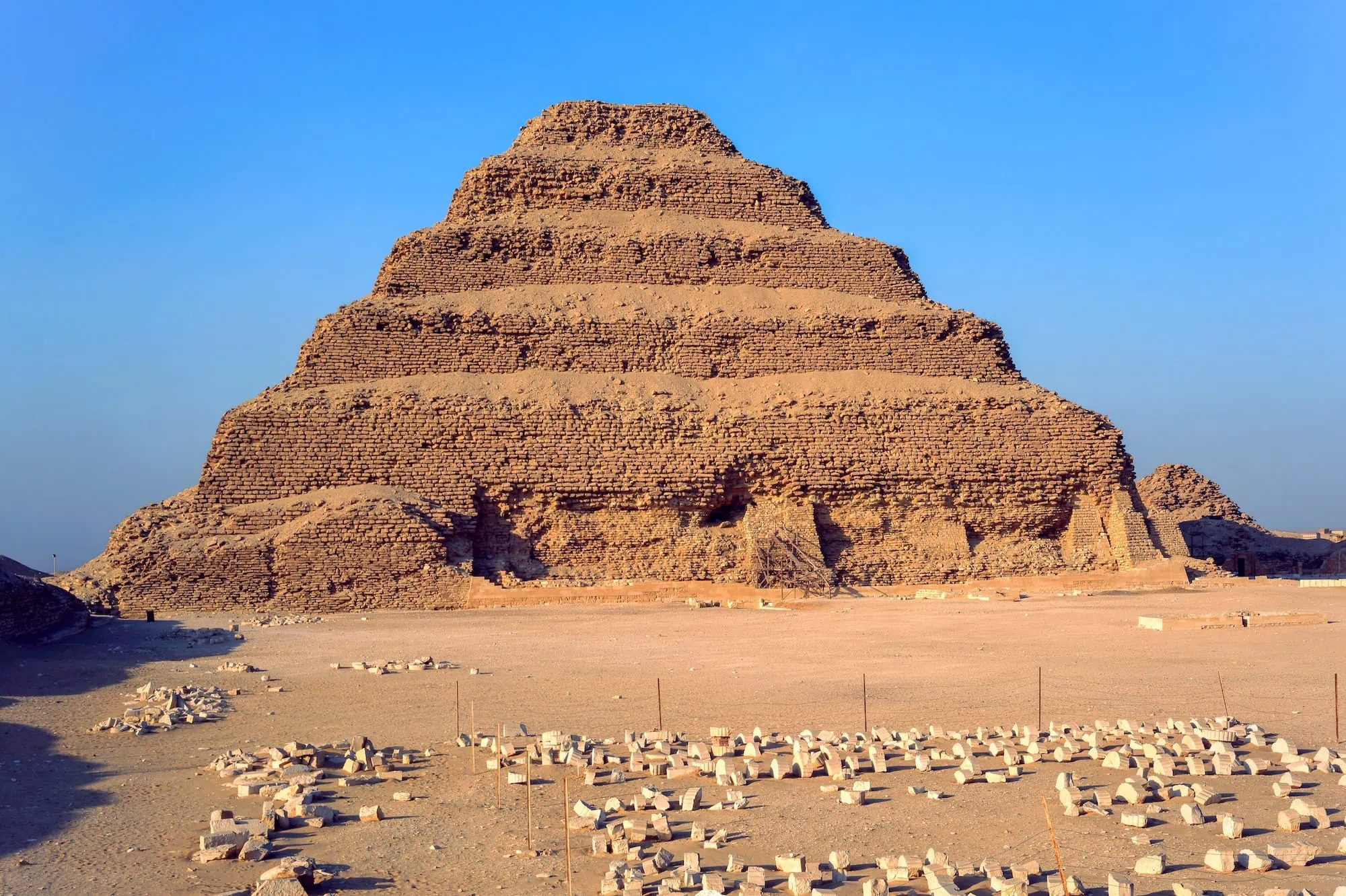
The surrounding complex includes beautifully preserved tomb paintings and the Imhotep Museum, showcasing artifacts that illuminate daily life in ancient Memphis.
Abu Simbel Rock Temples
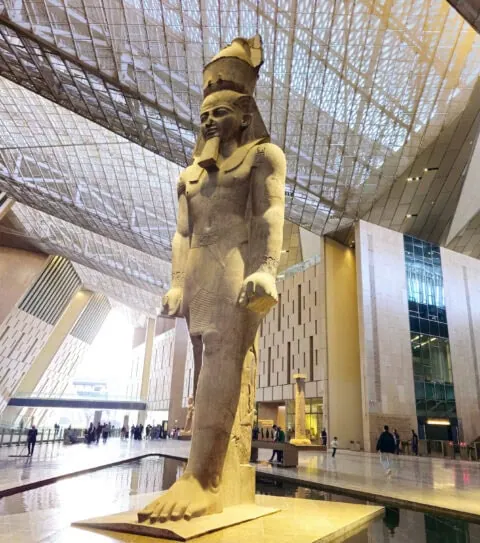
Abu Simbel demonstrates Ramesses II’s architectural ambition on an unprecedented scale. These twin temples, carved directly into cliffsides near the Sudanese border, feature four colossal statues of the pharaoh, each standing 20 meters (65 feet) tall.
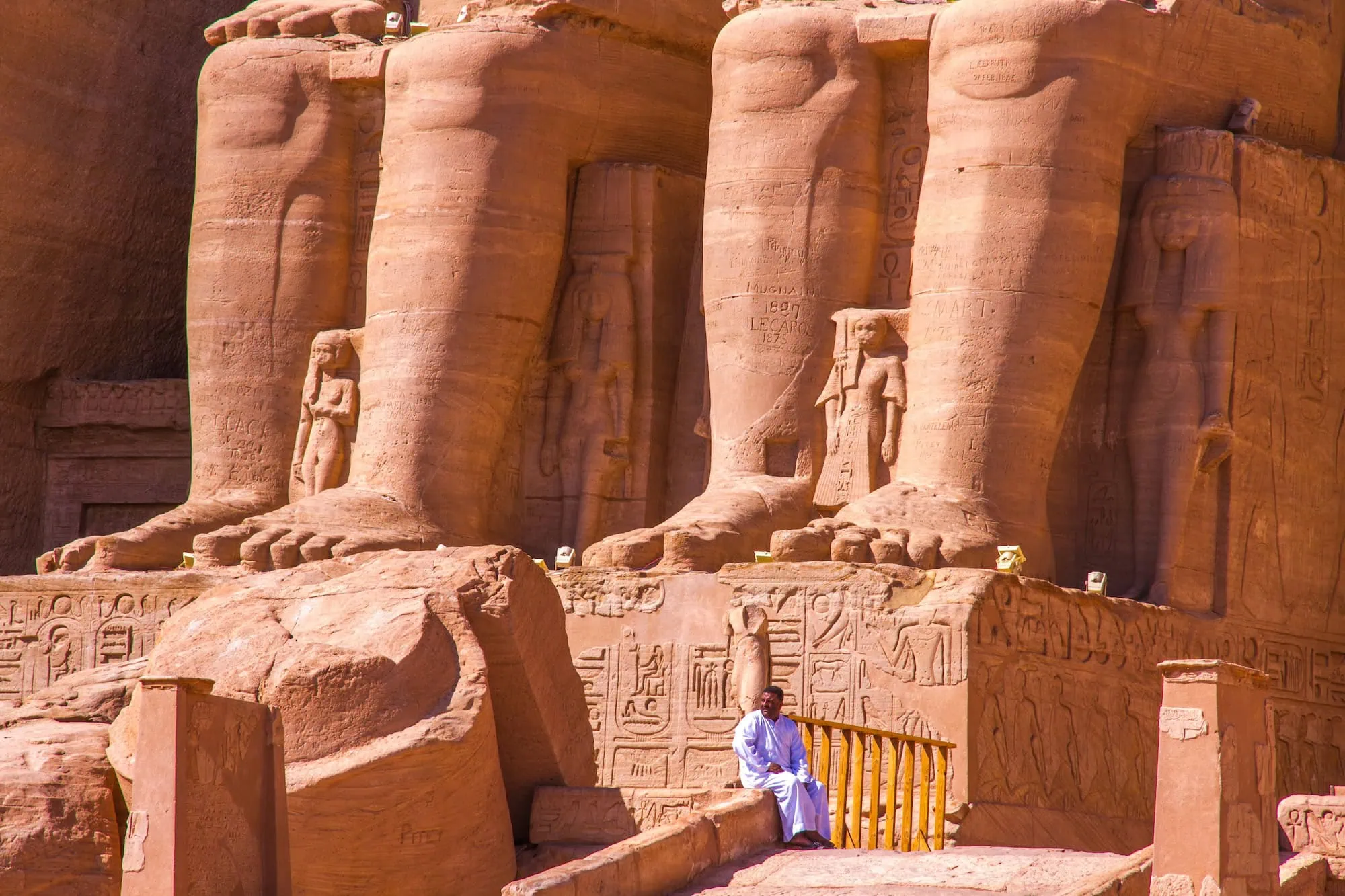
The temples’ relocation in the 1960s to save them from flooding represents one of archaeology’s greatest achievements. We coordinate flights from Aswan to maximize your time at this remote but essential destination.
Luxor: World’s Greatest Open-Air Museum
Luxor concentrates more ancient monuments within its boundaries than perhaps any other city on Earth.
The Valley of the Kings served as the royal necropolis for nearly 500 years, containing 63 discovered tombs including Tutankhamun’s famous burial site. Each tomb tells unique stories through intricate wall paintings that have retained their original colors for over 3,000 years. King Tut’s tomb reveals the incredible wealth and artistry of the New Kingdom period, while Ramesses VI’s tomb showcases astronomical ceiling decorations that ancient priests used for religious ceremonies.
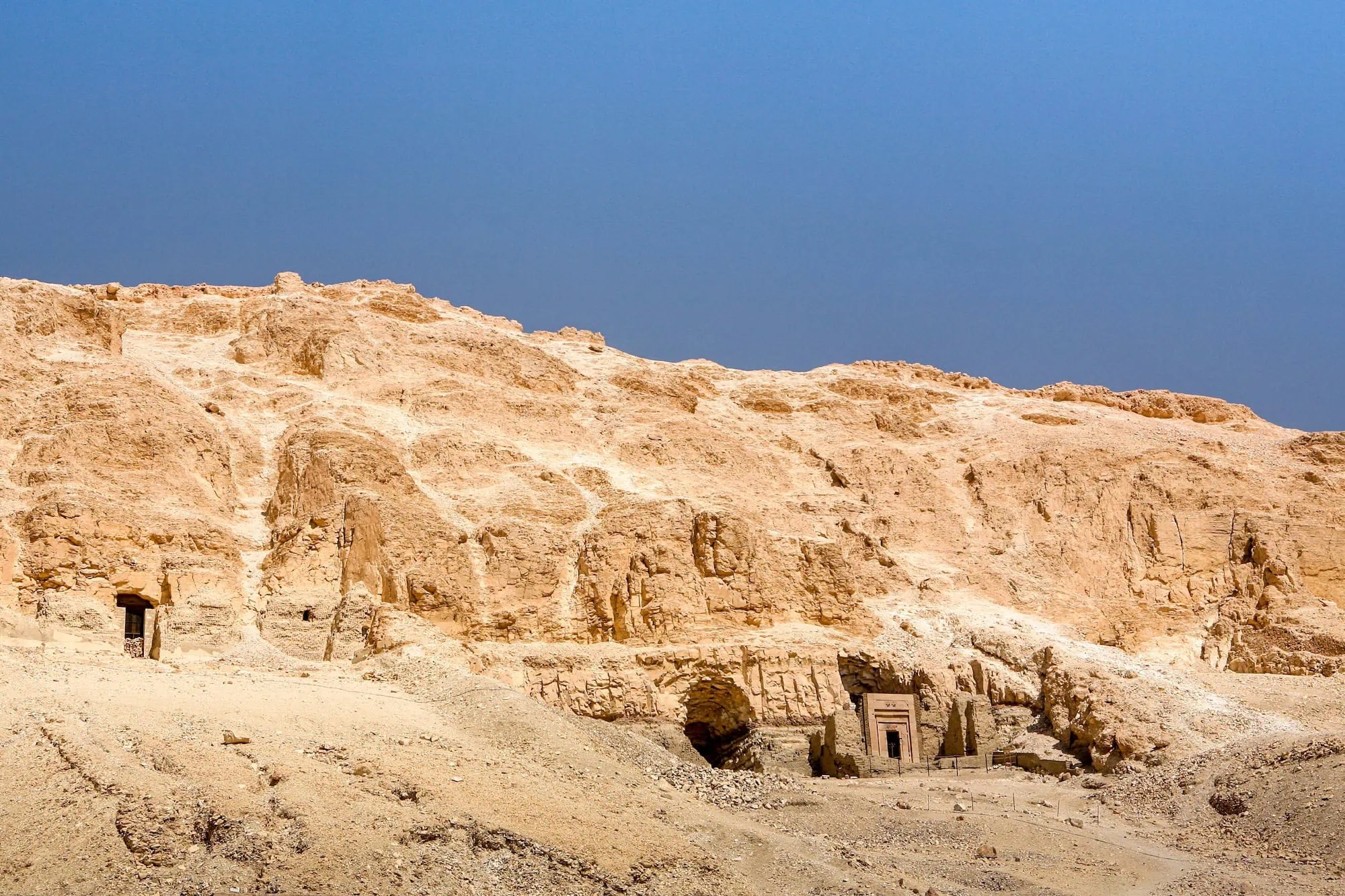
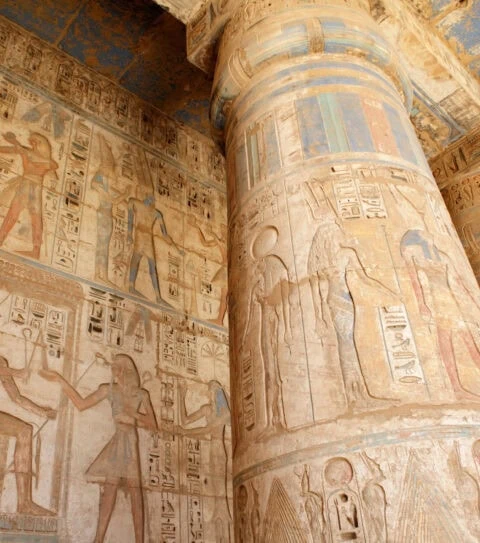
Karnak Temple Complex sprawls across 100 hectares (247 acres), making it larger than most ancient cities. The Great Hypostyle Hall alone contains 134 massive columns, some reaching 23 meters (75 feet) in height. Construction spanned over 2,000 years, with each pharaoh adding sections to honor different gods.
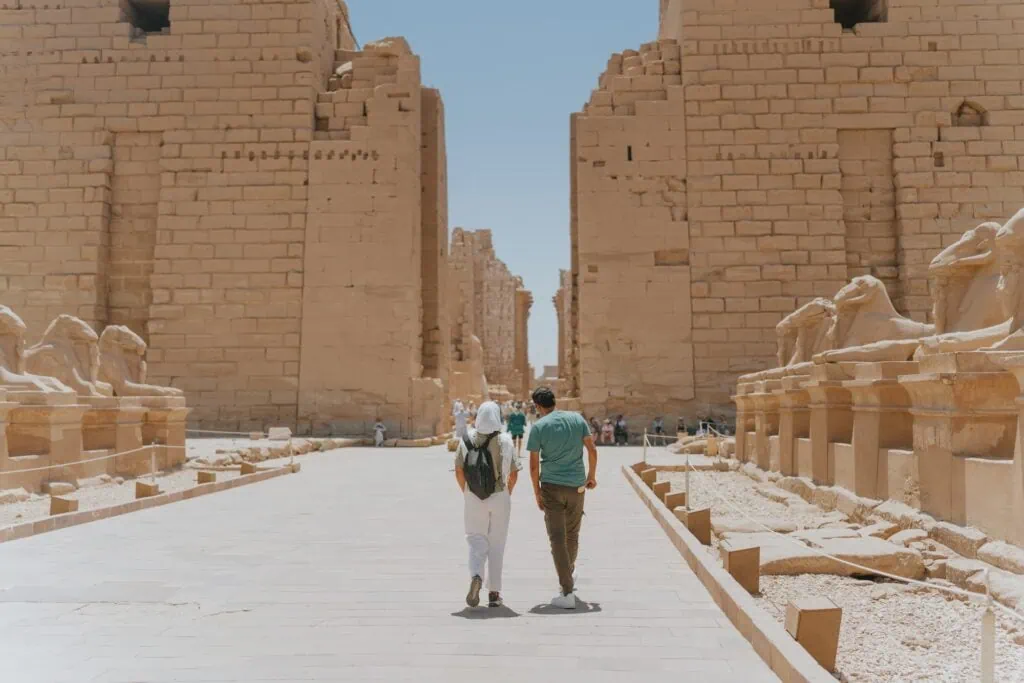
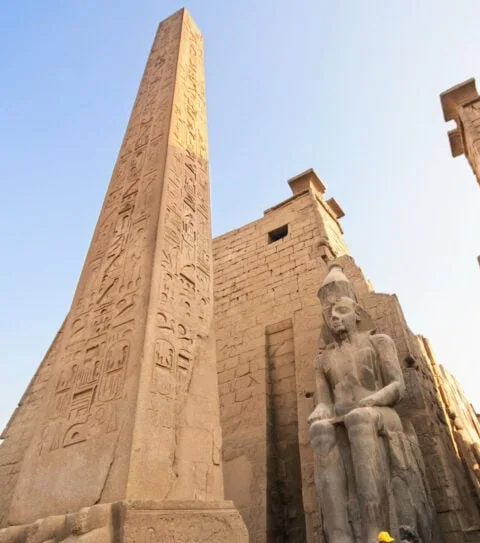
Luxor Temple connects to Karnak via the ancient Avenue of Sphinxes, recently restored to its original 2.7 km (1.7 mile) length. Unlike other temples dedicated to gods, Luxor Temple celebrated the divine nature of kingship itself.
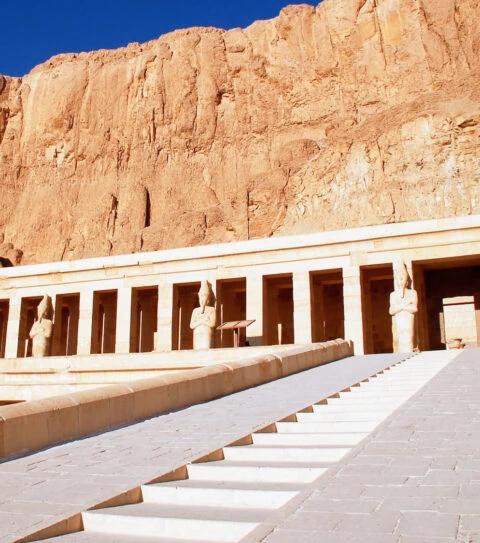
The Valley of the Queens houses the tombs of royal wives and children, including Queen Nefertari’s tomb with the finest painted decorations in Egypt. Queen Hatshepsut’s Mortuary Temple rises dramatically from the desert floor in terraced levels against towering cliffs, representing one of ancient architecture’s most innovative designs.
Nile River Cruising and Temples
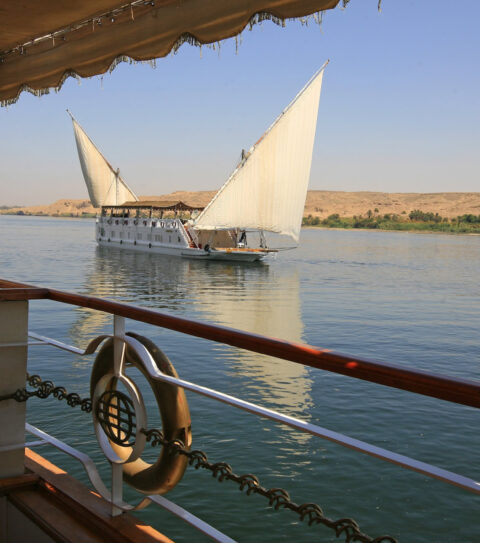
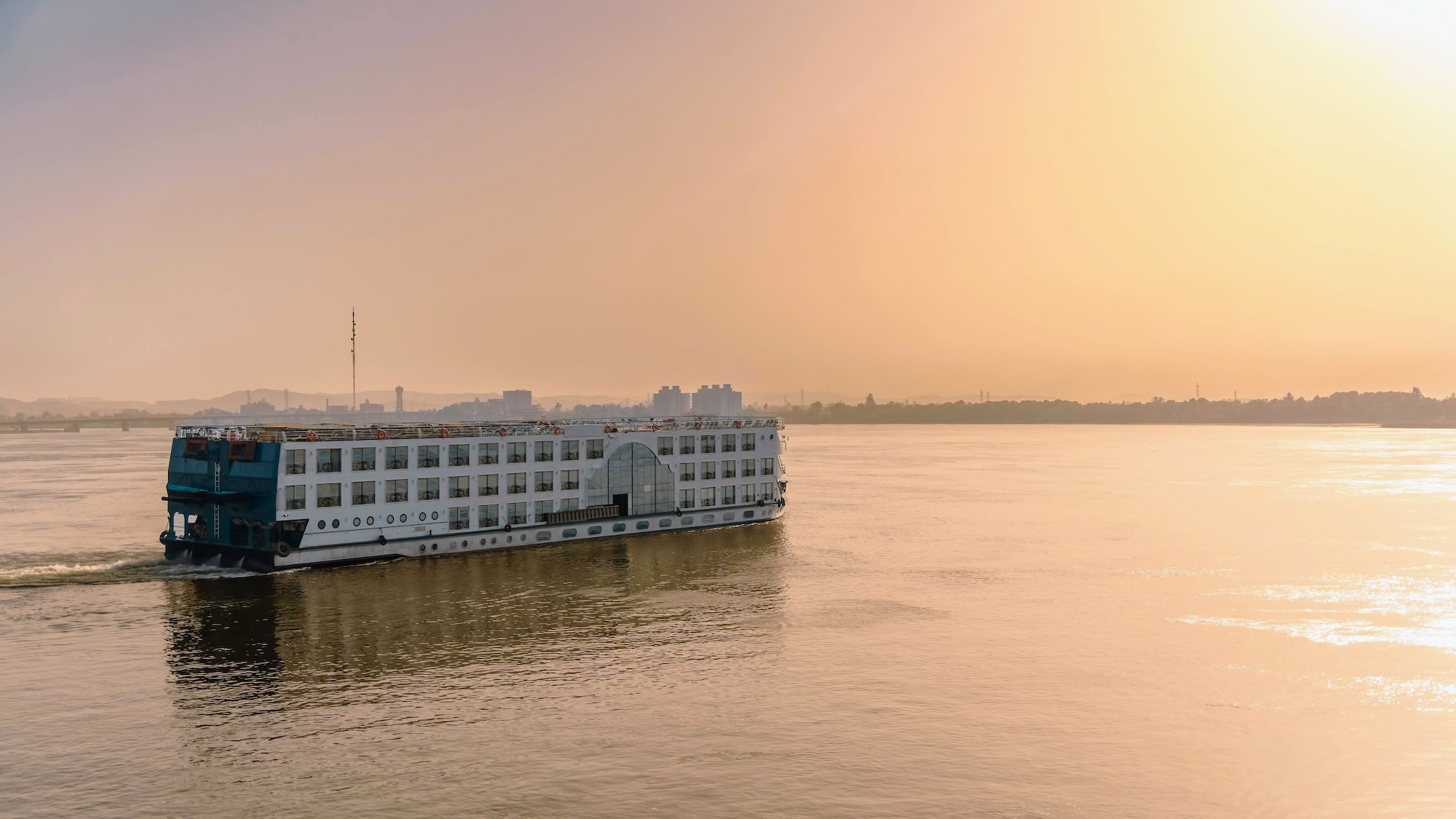
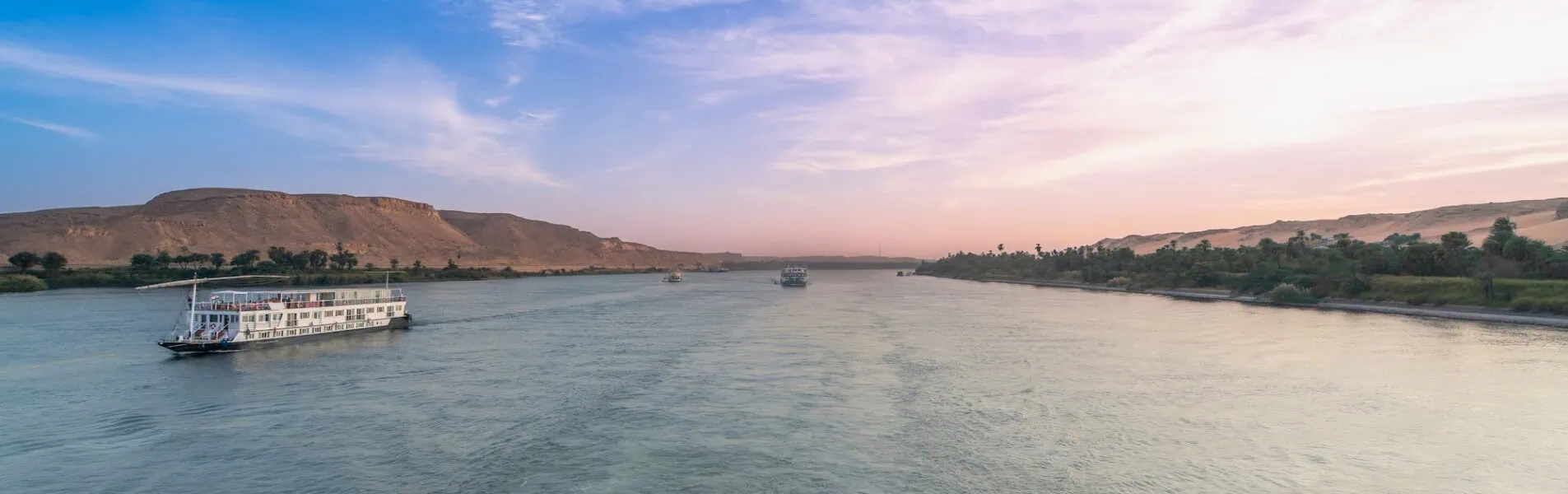
Sailing between Luxor and Aswan recreates the journeys of ancient merchants and pilgrims. Modern cruise ships provide comfortable bases for exploring riverside temples while you experience the timeless rhythm of Nile life.
Edfu and Kom Ombo Temples
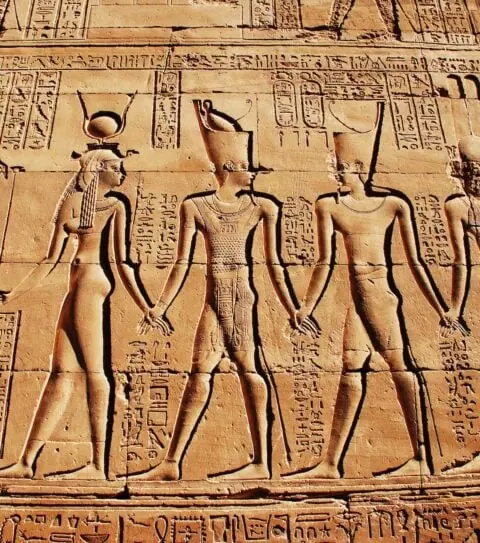
Edfu Temple dedicated to the falcon god Horus represents Egypt’s best-preserved ancient temple. Construction began in 237 BCE during Ptolemaic rule, and remarkably, the entire structure remains nearly intact including its massive entrance pylon and detailed wall reliefs.
Kom Ombo’s unique double temple honors both Sobek the crocodile god and Haroeris the falcon god. The temple’s position on a bend in the Nile provided strategic importance, and its medical instruments depicted on the walls suggest it functioned as an ancient healing center.
Philae Temple and High Dam
Philae Temple sits on Agilkia Island near Aswan, relocated stone by stone when the High Dam created Lake Nasser. Dedicated to the goddess Isis, this temple complex continued functioning well into the Christian era, making it one of the last active ancient Egyptian temples.
The Aswan High Dam itself represents modern Egypt’s engineering achievement. Completed in 1970, it controls Nile flooding and generates significant electricity for the country. Lake Nasser stretches 500 km (310 miles) behind the dam, creating the world’s largest artificial lake.
Islamic Cairo’s Medieval Splendor
Cairo’s Islamic quarter preserves the largest collection of historic Islamic architecture in the world. Over 600 classified monuments span from the 7th century to the Ottoman period.
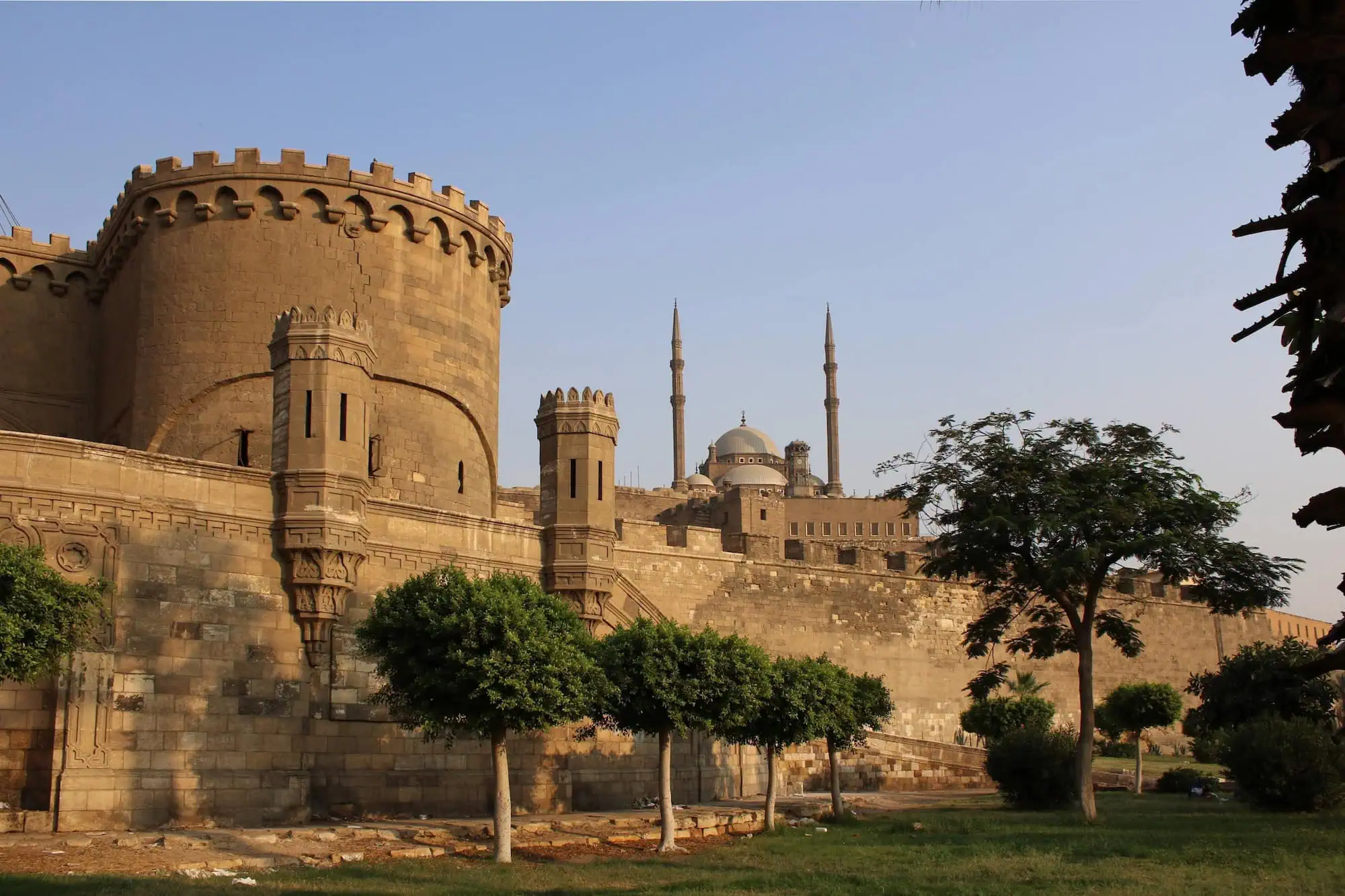
The Citadel of Saladin dominates Cairo’s skyline from its position on Mokattam Hills. Built in 1176 CE to defend against Crusader attacks, it houses the magnificent Mosque of Muhammad Ali with its distinctive Ottoman architecture and alabaster interior walls.
Khan el-Khalili bazaar has operated continuously for over 600 years, maintaining its role as Cairo’s commercial heart. The maze of narrow streets contains workshops where craftsmen practice techniques unchanged for centuries. Al-Azhar Mosque, founded in 970 CE, remains one of Islam’s most important centers of learning, with thousands of students from across the Muslim world attending its university.
The Hanging Church represents Cairo’s significant Coptic Christian heritage. Built above a Roman fortress gatehouse, this 7th-century church contains some of Egypt’s finest religious art and holds services in ancient Coptic language.
Red Sea Coastal Paradise
Egypt’s Red Sea coastline offers some of the world’s finest diving and beach experiences along 1,200 km (746 miles) of pristine shoreline.
Hurghada has evolved from a small fishing village into Egypt’s premier beach resort destination. The surrounding reefs support incredible marine biodiversity, including over 1,000 fish species and 200 coral varieties. We arrange dive excursions to sites like the SS Thistlegorm wreck, considered among the world’s top shipwreck dives.
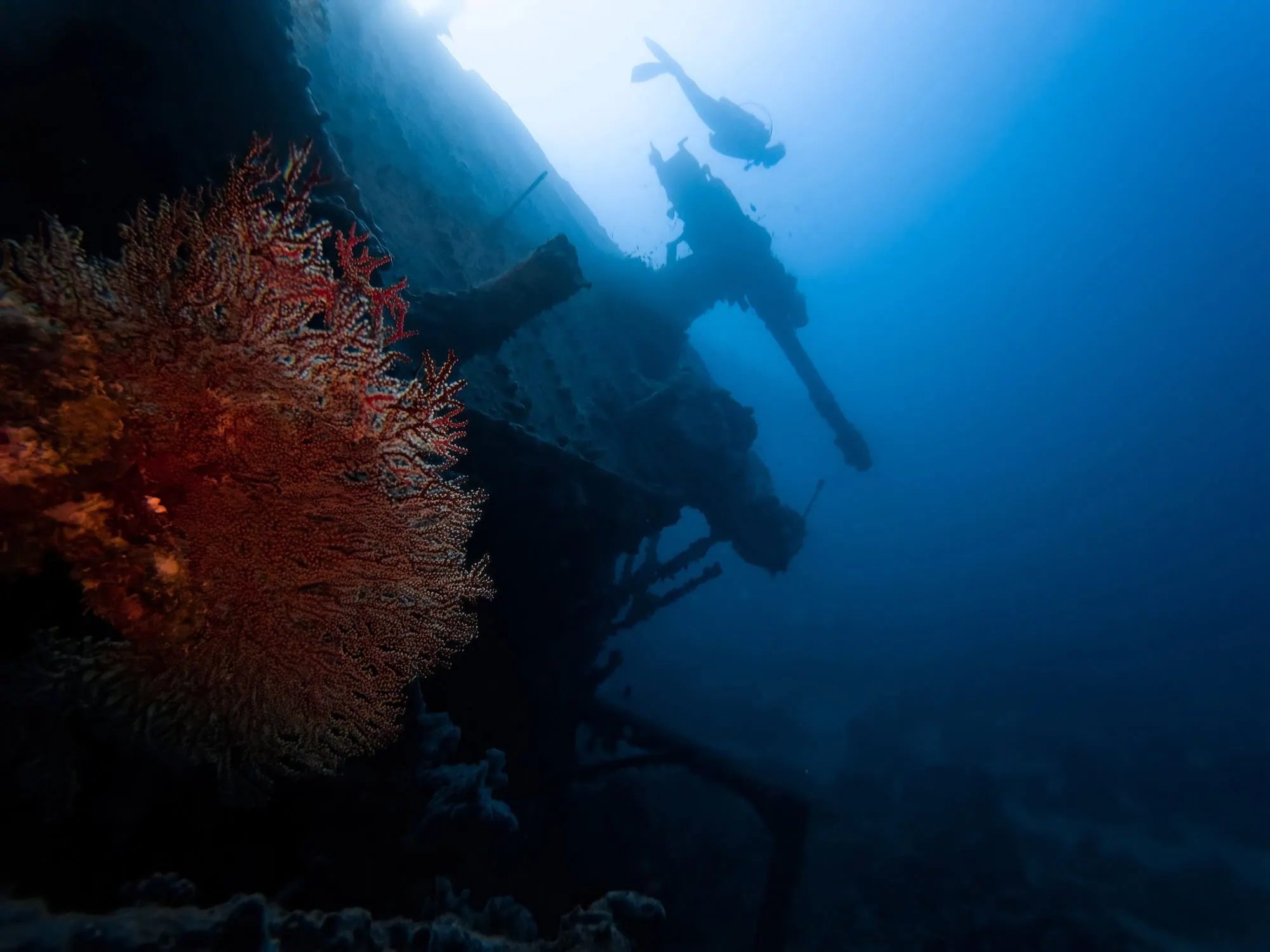
Sharm El Sheikh sits at the southern tip of the Sinai Peninsula, providing access to Ras Mohammed National Park where the Red Sea meets the Gulf of Suez. The convergence creates unique underwater ecosystems that attract whale sharks, dolphins, and rare coral formations.
Marsa Alam offers a more tranquil alternative with pristine reefs just meters from shore. Spinner dolphins regularly visit Samadai Reef, creating unforgettable snorkeling encounters in crystal-clear waters with visibility exceeding 30 meters (98 feet).
Alexandria’s Mediterranean Heritage
Alexandria preserves its legacy as the ancient world’s center of learning and culture.
The modern Library of Alexandria honors its ancient predecessor while functioning as a cutting-edge research facility. The building’s distinctive tilted disk design houses over 8 million books and multiple museums, including the Antiquities Museum with underwater archaeological discoveries from the ancient harbor.
Pompey’s Pillar rises 25 meters (82 feet) from the ruins of the ancient Serapeum temple complex. Despite its name, the column actually commemorated Emperor Diocletian and represents one of the largest ancient monolithic columns ever erected.
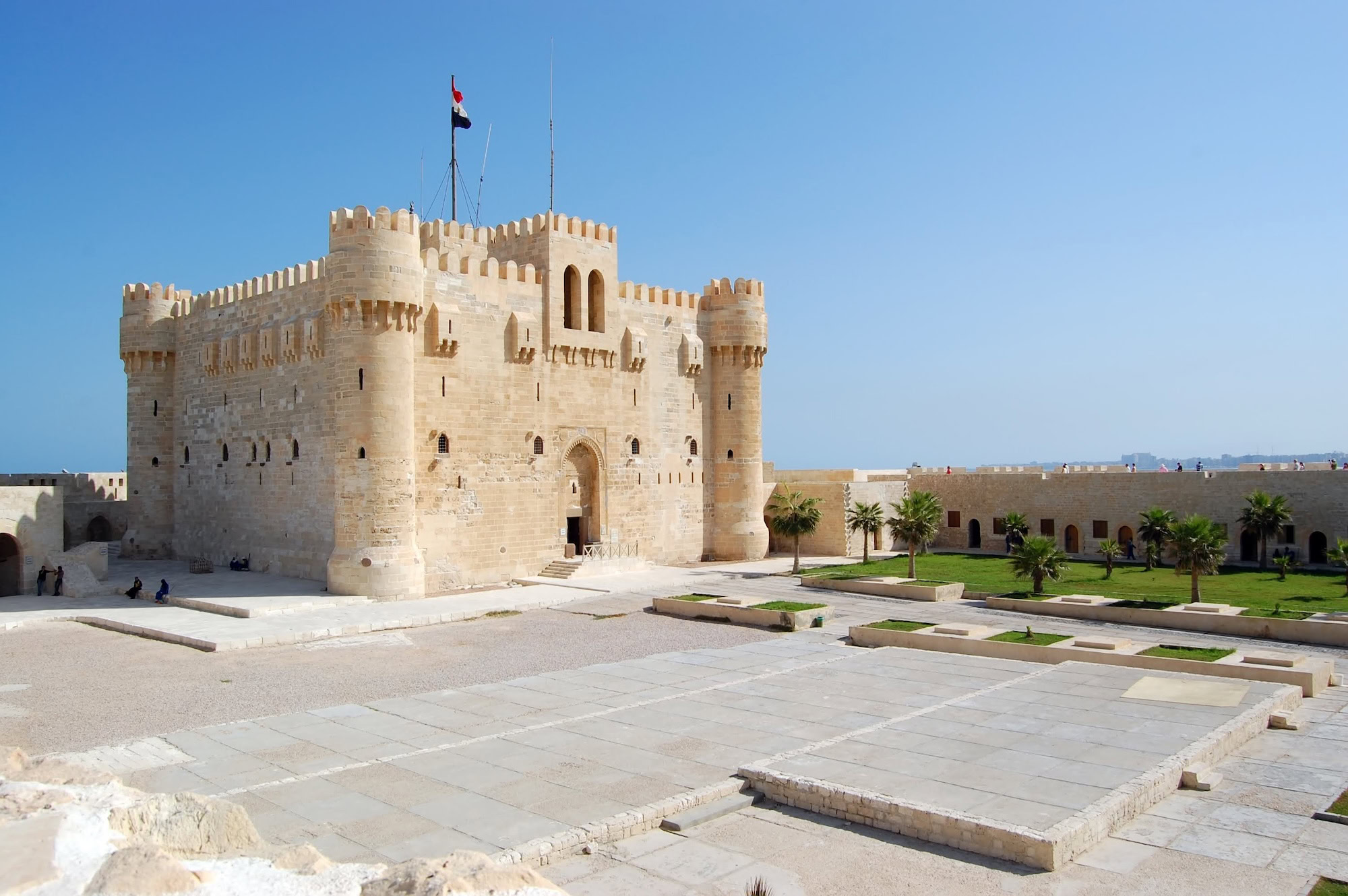
The Citadel of Qaitbay occupies the site where the legendary Lighthouse of Alexandria once stood. Built in the 15th century using stones from the collapsed lighthouse, it protected Alexandria’s harbor for centuries and now houses a naval museum.
Catacombs of Kom el Shoqafa combine Egyptian, Greek, and Roman burial traditions in underground tombs carved from solid rock. These 1st-century CE chambers feature unique artistic fusion showing how cultures blended in ancient Alexandria.
Practical Planning for Egyptian Adventure
Entry requirements vary by nationality, but U.S. visitors can obtain visas on arrival at major airports for $25 USD, or apply online in advance through the official e-visa portal. Europeans enjoy similar processes, while some Latin American countries may require advance applications. Processing typically takes 24-72 hours for online applications.
The ideal visiting period spans October through April when temperatures range from 20-25°C (68-77°F) during the day and drop to comfortable levels at night. Summer months see temperatures exceeding 40°C (104°F), particularly in southern regions like Aswan and Abu Simbel.
Transportation between destinations requires strategic planning given Egypt’s size. Domestic flights connect major cities efficiently, with Cairo-Aswan flights taking 90 minutes versus 12-hour overland journeys. We coordinate private transfers with professional drivers for maximum comfort and safety.
Currency considerations include carrying U.S. dollars for tips and small purchases, though most hotels and restaurants accept credit cards. ATMs are widely available in tourist areas but may be limited in remote locations.
At Egypt Tours Plus, our decades of expertise ensure seamless experiences through proper permit arrangements, qualified guides, and modern transportation. We provide 24/7 support throughout your journey, allowing you to focus on Egypt’s wonders rather than logistics. Our private guides offer personalized attention that transforms sightseeing into genuine cultural immersion.
Frequently Asked Questions
You need at least 7-10 days to see Egypt’s major highlights, while 12-14 days allows for a more complete and comfortable experience. A typical itinerary includes Cairo and the Pyramids of Giza, Luxor’s Valley of the Kings, Aswan, and Abu Simbel. Adding extra days makes it easier to include a 3- to 4-night Nile cruise or Red Sea destinations such as Hurghada. Travelers who try to fit everything into one week often spend too much time in transit.
The best way to see the Pyramids of Giza is with an early morning visit beginning around 8:00 am, when temperatures are cooler and crowds are lighter. The Giza Plateau covers several square kilometers and includes the Great Pyramid of Khufu, the Pyramid of Khafre, the Pyramid of Menkaure, and the Great Sphinx. A knowledgeable guide helps explain the site’s 4,500-year history and architectural significance. Arrive early to enjoy clearer views and better photography conditions.
No, most international visitors are advised to drink bottled water rather than tap water while traveling in Egypt. Although municipal water is treated in major cities such as Cairo and Alexandria, differences in mineral content and local plumbing can cause stomach discomfort for travelers. Bottled water is inexpensive and widely available in hotels, restaurants, supermarkets, and tourist sites. Many experienced travelers also use bottled water for brushing their teeth during longer stays.
Yes, visitors can enter many pyramids and tombs in Egypt by purchasing additional admission tickets. At Giza, access is periodically available inside the Great Pyramid of Khufu and other pyramids, while Luxor’s Valley of the Kings includes multiple decorated royal tombs open on a rotating basis. Some high-demand sites, such as Tutankhamun’s tomb, require separate tickets. During peak travel months, booking early helps avoid disappointment and long lines.
Conservative clothing that covers the shoulders and knees is recommended when visiting Egypt’s temples, mosques, and religious landmarks. Sites such as the Mosque of Muhammad Ali in Cairo and Al-Azhar Mosque expect respectful attire, and women may need a head covering when entering active places of worship. Lightweight, breathable fabrics work best in Egypt’s climate. Comfortable walking shoes are equally important because many archaeological sites involve uneven stone pathways and extensive walking.
Tipping, known locally as baksheesh, is a normal and expected part of daily life in Egypt. In restaurants, a gratuity of 10-15% is customary if service is not already included. Hotel staff, drivers, guides, and porters are also commonly tipped for good service. Exact amounts vary by situation, location, and service level, but carrying small Egyptian pound notes makes tipping easier and more convenient throughout your trip.
Yes, a Nile cruise is one of the most rewarding ways to experience Egypt because it combines transportation, sightseeing, accommodation, and guided visits into a single itinerary. Most cruises operate between Luxor and Aswan over 3 to 5 days, stopping at major sites such as Karnak Temple, Edfu Temple, and Kom Ombo. The journey follows the same river that shaped ancient Egyptian civilization. Travelers seeking a relaxed pace often consider a Nile cruise the highlight of their trip.
Luxor is best known for monumental pharaonic temples and royal tombs, while Aswan is known for Nubian culture, scenic Nile landscapes, and access to Abu Simbel. Luxor contains iconic sites such as Karnak Temple, Luxor Temple, and the Valley of the Kings. Aswan features Philae Temple, the Aswan High Dam, and traditional Nubian villages. Many travelers find Luxor more archaeology-focused, while Aswan offers a slower pace and stronger cultural experiences.
Photography is allowed at many Egyptian attractions, but rules vary significantly from site to site. Outdoor photography is generally permitted at major locations such as the Pyramids of Giza and Karnak Temple, while museums, tombs, and pyramid interiors may require additional tickets or special permissions. Flash photography is often prohibited because it can damage ancient pigments and artifacts. Always check current regulations at the entrance, as policies can change over time.
Yes, the Red Sea can be enjoyed year-round because water temperatures generally remain between 22°C and 28°C (72°F to 82°F). Destinations such as Hurghada, Marsa Alam, and Sharm El Sheikh offer excellent swimming, snorkeling, and diving conditions in every season. Even during winter, the water remains comfortable compared with many Mediterranean destinations. Divers are particularly drawn to the region’s coral reefs, clear visibility, and abundant marine life.
Booking Egypt tours 3-6 months in advance is recommended, especially if you plan to travel between October and April. Early reservations improve access to preferred hotels, Nile cruise cabins, experienced guides, and domestic flights to destinations such as Abu Simbel. Peak travel periods around Christmas, New Year, and Easter can sell out well in advance. Travelers with fixed vacation dates usually benefit from securing arrangements as early as possible.
Explore our most popular guides and expert tips to make your trip safe, smooth, and unforgettable.
Plan Your Egypt Adventure with Confidence
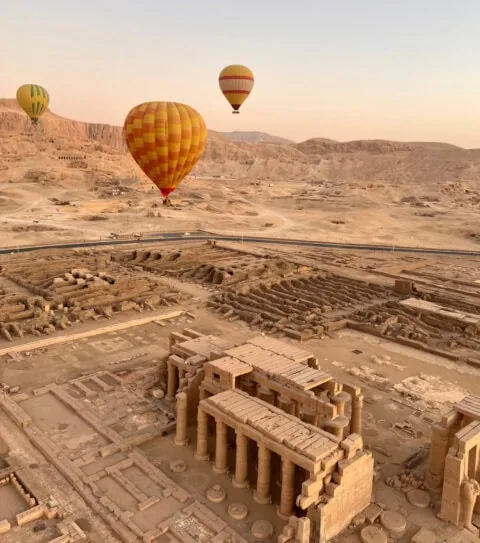
How to Plan a Trip Egypt
Step-by-step guide to help you plan the perfect Egypt trip — from routes and budget to booking.
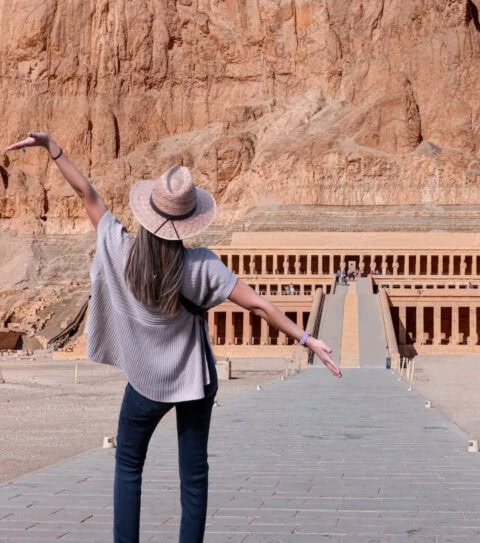
Best Time to Visit Egypt
Learn the best months to visit Egypt based on weather, crowds, and local travel experiences.
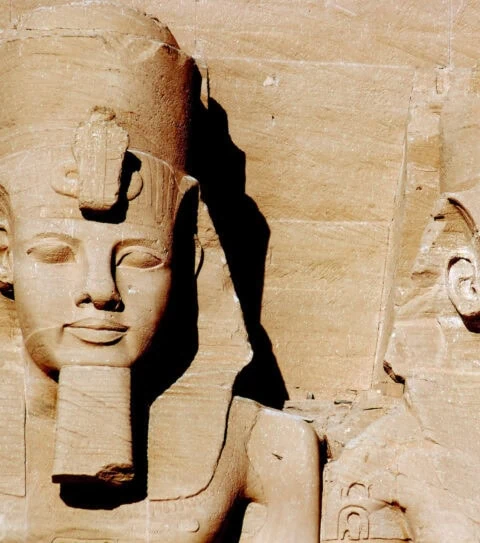
Must Visit Places in Egypt
Explore Egypt’s top sights — from pyramids to temples — and hidden gems worth seeing.
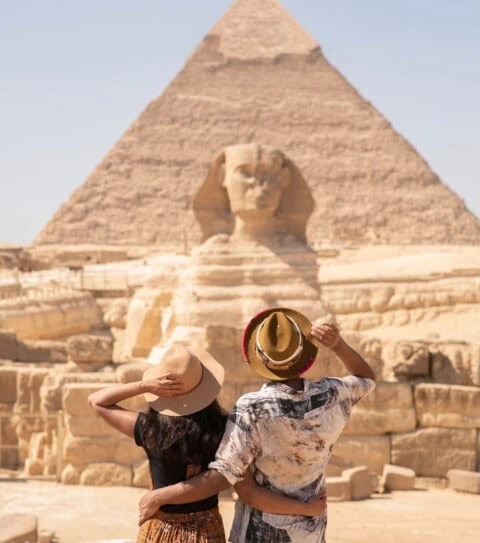
Top-Rated Egypt Tours
Handpicked private tours with local guides — our most loved and best-reviewed experiences.
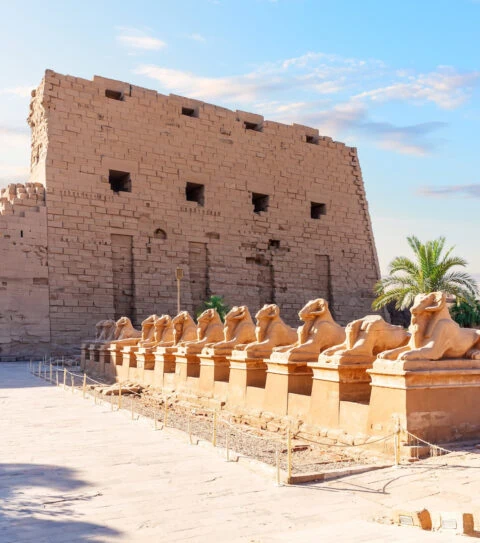
How Many Days to Visit Egypt?
Find out how many days you need in Egypt — from quick trips to full itineraries.
Egypt Visa Requirements
Check if you need a visa and get simple, up-to-date entry info based on your nationality.
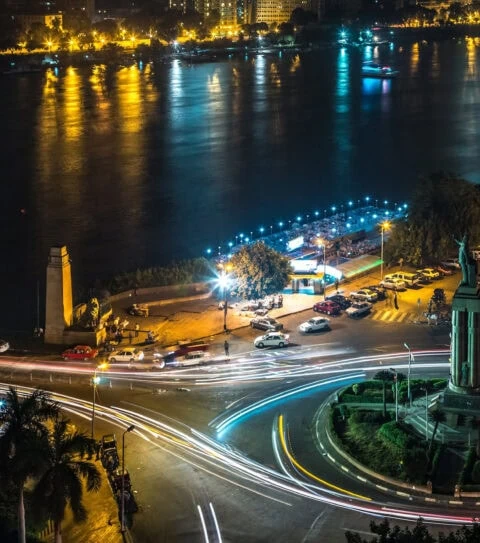
Is it Safe to Travel to Egypt?
Is Egypt safe? Get honest safety tips, area advice, and what to know before you travel.
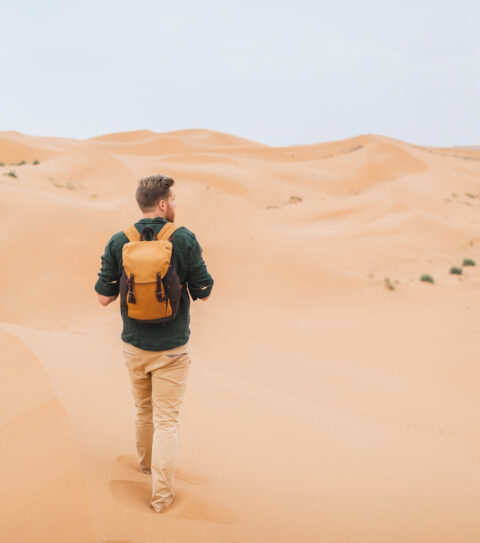
What to Pack for Egypt
A quick packing guide with essentials, cultural tips, and clothing advice for your Egypt trip.
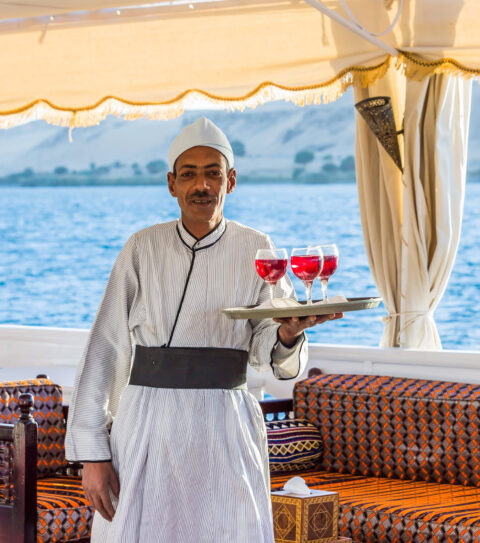
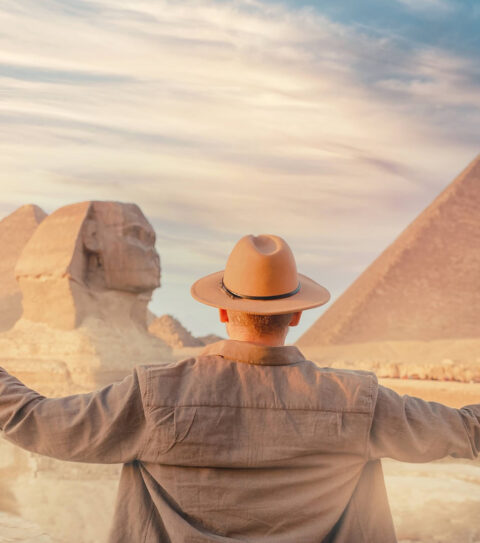
Design Your Custom Tour
Explore Egypt your way by selecting only the attractions you want to visit