Colored Canyon Egypt – A Hidden Gem in the Sinai Mountains
Every traveler dreams of finding that one place where nature’s artistry leaves them speechless.
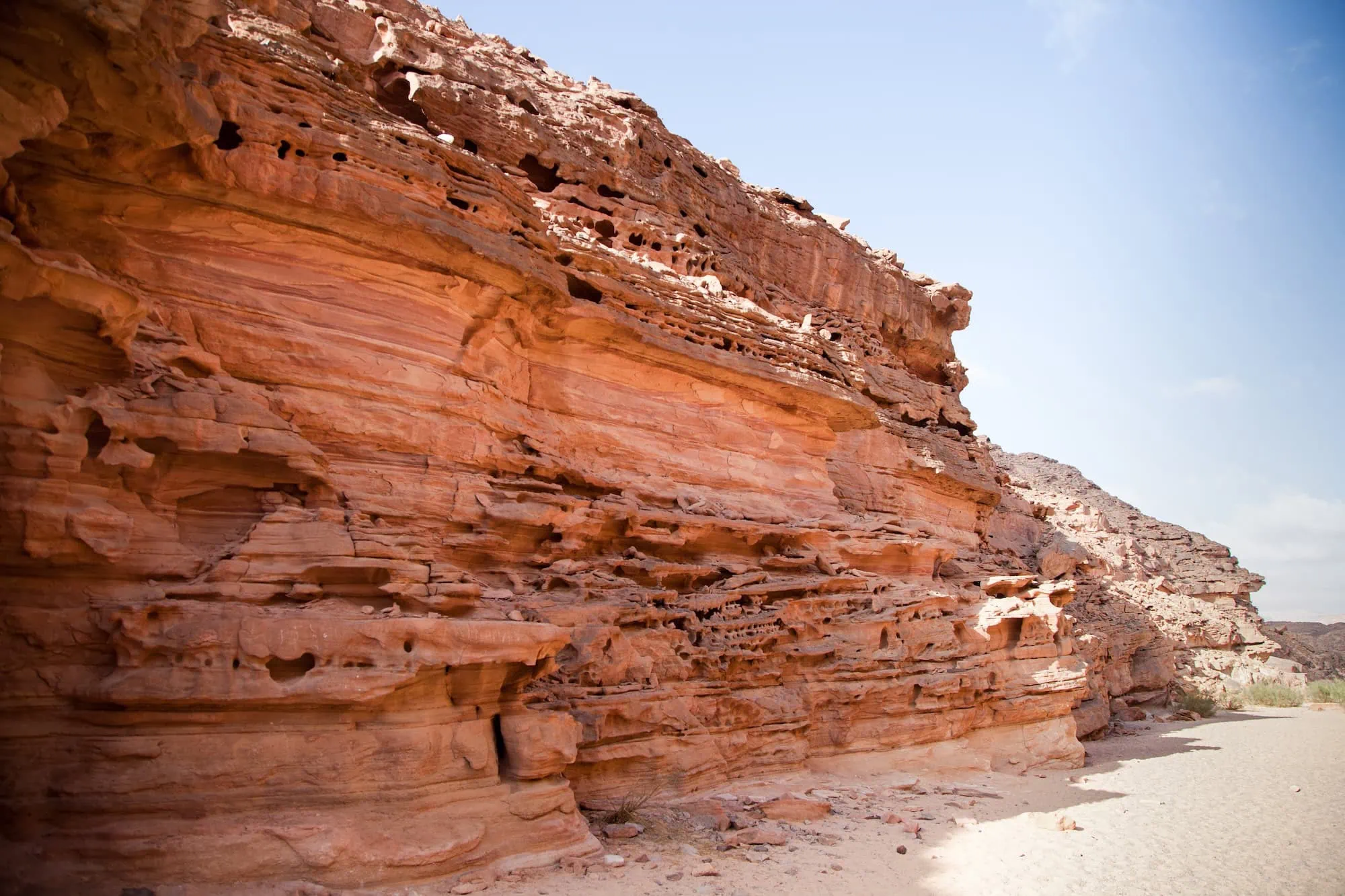
Egypt’s Colored Canyon delivers exactly that experience through its maze of narrow sandstone passages painted in vibrant reds, golds, and purples by millions of years of geological forces. Located 90 kilometers north of Dahab in the Sinai Peninsula, this natural wonder stands as one of Egypt’s most spectacular hiking destinations. However, navigating the complexities of visiting this remote location requires careful planning and awareness of potential tourist traps that can derail your adventure.
Understanding what makes this destination special – and how to experience it authentically – will transform your visit from a simple sightseeing trip into an unforgettable journey through one of nature’s most impressive creations.
Table of Contents
Real Canyon vs Tourist Traps
Authenticity matters when you’re traveling thousands of miles for a once-in-a-lifetime experience. The genuine Colored Canyon near Nuweiba offers world-class hiking through narrow slots carved by ancient water flows, while impostor locations like Salama Canyon are often marketed using misleading photos from Arizona’s famous Antelope Canyon.
Identifying Authentic Location
GPS coordinates 29°08′46″N 34°35′41.50″E mark the entrance to the real Colored Canyon, approximately 30 minutes by 4WD from Nuweiba. This 5-kilometer-long formation extends up to 30 meters deep in places, creating cathedral-like chambers where sunlight filters through narrow openings above. The authentic canyon requires permits and guided access, which many tour operators skip when taking visitors to easier alternatives.
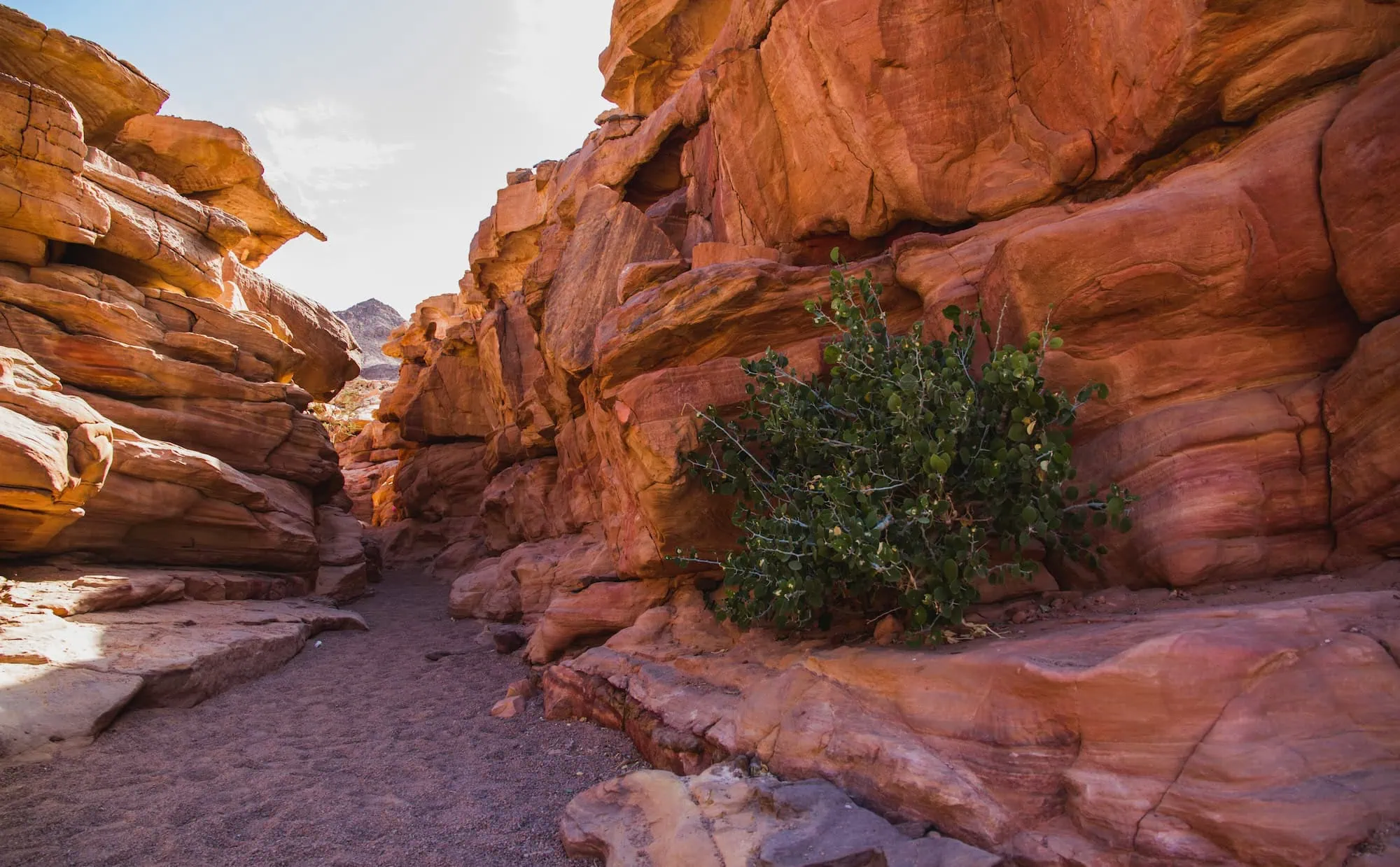
Legitimate operators will clearly specify “Colored Canyon near Nuweiba” rather than vague descriptions. We’ve seen countless travelers disappointed after being taken to less impressive substitute locations marketed with photos borrowed from world-famous slot canyons in other countries.
Warning Signs Canyon Switching
Tour operators advertising unusually low prices often substitute the real destination with Salama Canyon or other nearby formations. When booking, ask specifically about the exact location and request to see the required permits. Authentic tours typically cost between $150-180 USD for two people and always require advance military clearance due to the canyon’s proximity to sensitive border areas.
Photos showing impossibly perfect lighting or colors that seem too vibrant usually indicate marketing materials borrowed from other international destinations. Real Colored Canyon photos show beautiful but more subdued earth tones with occasional brilliant color displays during optimal lighting conditions.
Planning Your Canyon Adventure
Military checkpoints and permit requirements make spontaneous visits impossible. Every visitor must secure advance authorization through licensed tour operators who maintain proper relationships with local authorities and Bedouin communities.
The best time for visiting runs from October through April when temperatures remain manageable for hiking. Summer temperatures can exceed 45°C (113°F), making the confined canyon spaces dangerously hot. Early morning departures around 7:00 am provide optimal lighting conditions as the sun angle creates the most dramatic color displays on the canyon walls.
Weather patterns in the Sinai Peninsula can change rapidly. Flash flood risks during rare rainfall events make local guide knowledge essential for safety. Professional operators monitor weather forecasts and maintain communication with local Bedouin communities who understand the area’s unique conditions.
Essential Preparation Requirements
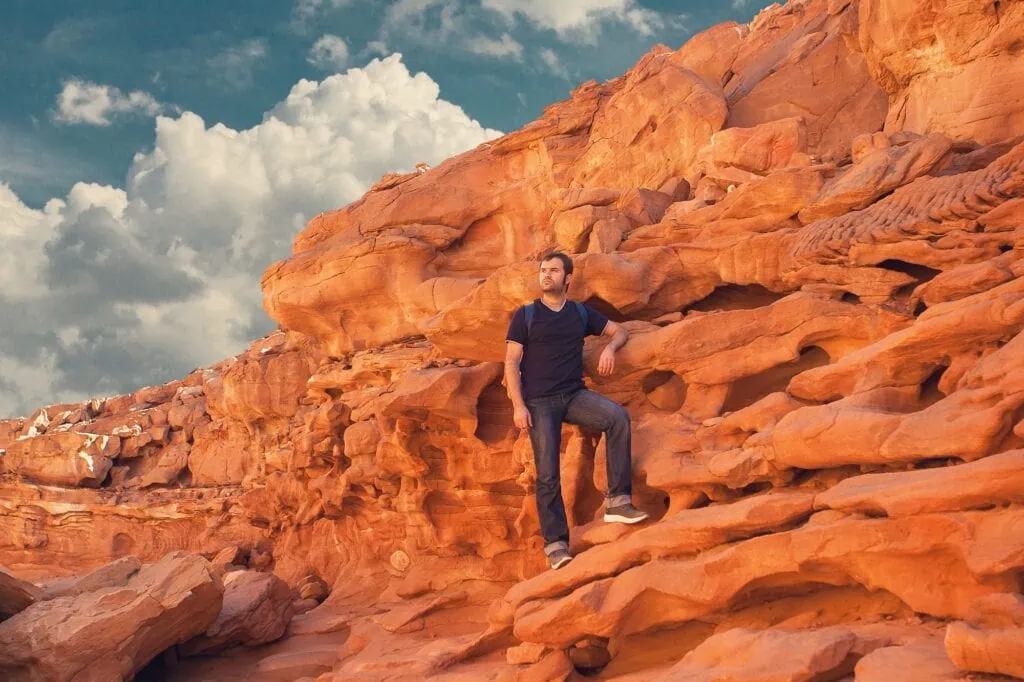
Physical fitness demands moderate hiking ability over uneven terrain. The circular trail covers approximately 2.8 kilometers with several sections requiring careful navigation through narrow passages less than one meter wide. Some areas involve basic scrambling over rocky obstacles, though no technical climbing skills are needed.
Pack lightweight, breathable clothing in neutral colors to avoid disturbing the natural environment. Sturdy hiking boots provide essential ankle support on loose rock surfaces. Bring at least 3 liters of water per person, high-energy snacks, and sun protection including hat and sunglasses.
Photography equipment should include extra batteries as the extreme temperatures drain power quickly. A headlamp or flashlight helps navigate the darkest sections where canyon walls block most natural light.
Hiking Experience Inside Canyon
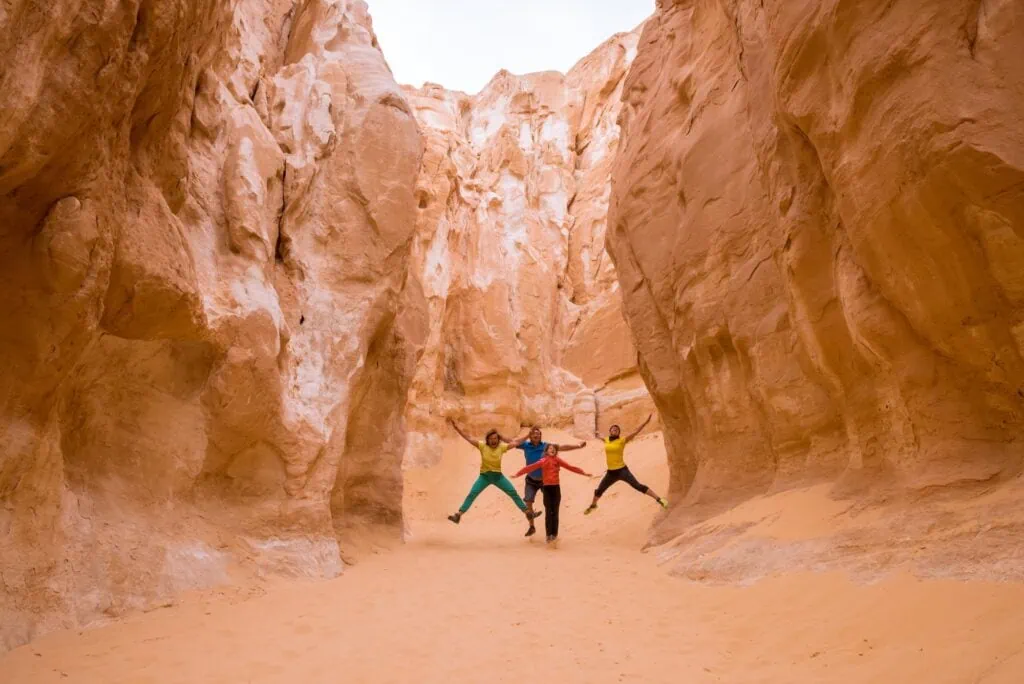
Nature reveals its artistic masterpiece gradually as you descend into the canyon system. Initial sections open relatively wide before narrowing into intimate passages where walls tower overhead in sculpted waves of red and orange stone.
The famous “slots” sections create the most dramatic photography opportunities. Here, indirect sunlight bounces off curved walls to illuminate the rock in supernatural shades of purple, gold, and crimson. These moments last only minutes as the sun angle changes, making timing and patience crucial for capturing the canyon’s full beauty. Local guides understand exactly when and where these magical lighting conditions occur throughout the day.
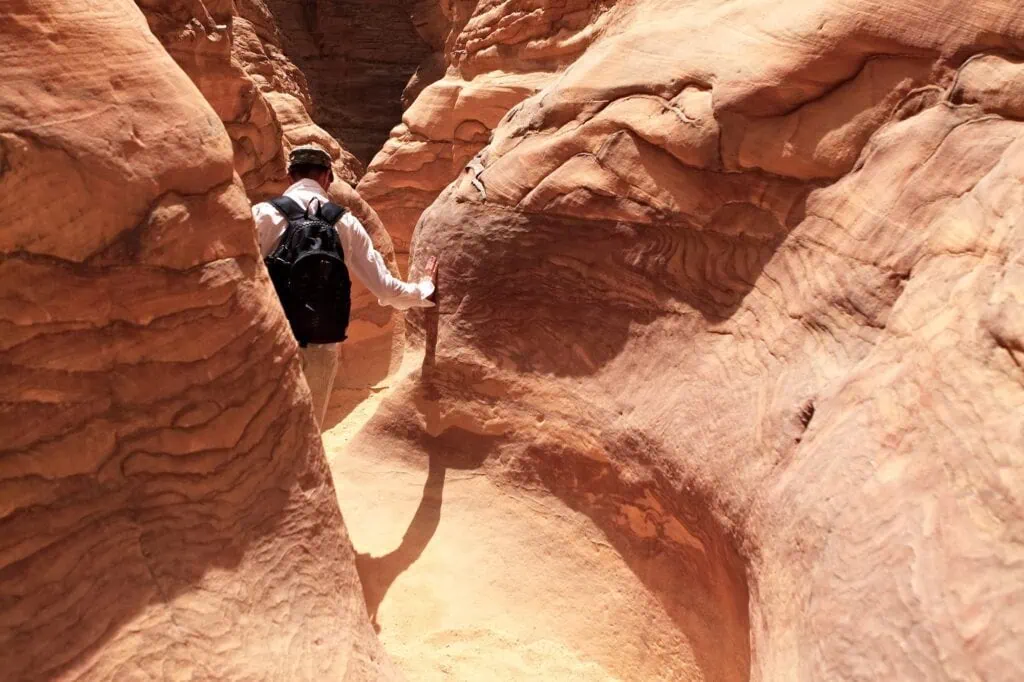
Geological formations tell stories spanning millions of years. The colored bands result from different mineral deposits laid down during various prehistoric periods when this area lay beneath ancient seas. Iron oxide creates the dominant red hues, while other minerals contribute purple, yellow, and white striations throughout the rock layers.
Complete Sinai Peninsula Experience
Most visitors combine their Colored Canyon adventure with other Sinai Peninsula highlights to justify the journey to this remote region. Popular combinations include the Blue Hole near Dahab, one of the world’s most famous diving sites, and visits to traditional Bedouin communities in nearby Ein Khudra.
Traditional Bedouin Culture
Ein Khudra oasis provides authentic cultural encounters with local Bedouin families who have lived in this desert region for centuries. These communities offer traditional meals, camel riding experiences, and insights into desert survival techniques passed down through generations. The contrast between the geological wonders of the canyon and the rich human heritage of the Sinai creates a well-rounded cultural experience.
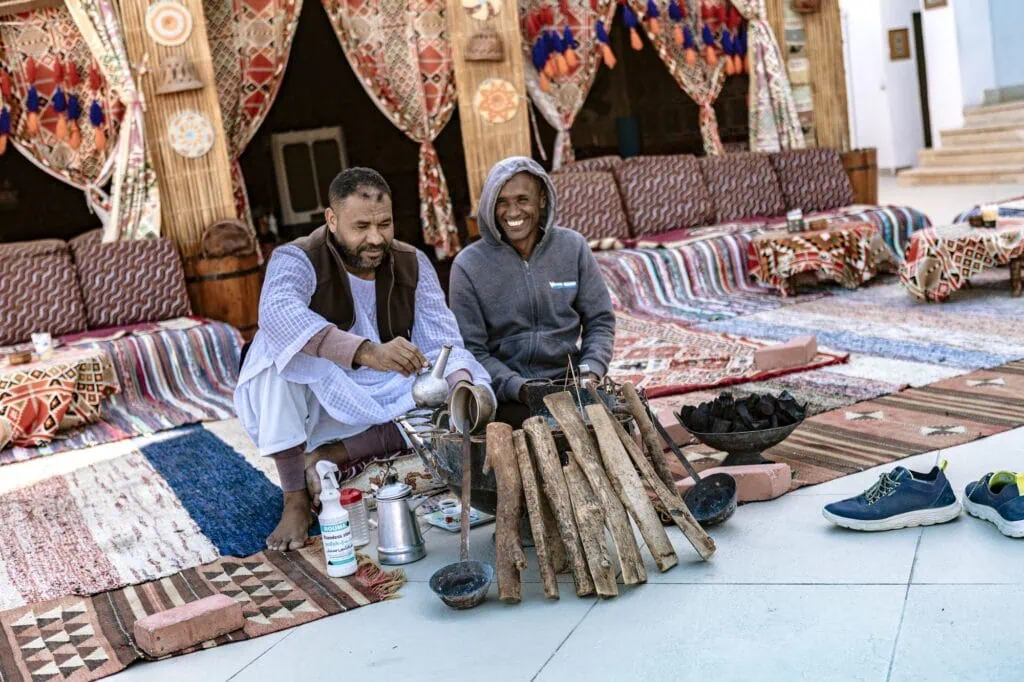
Bedouin guides often share stories about the area’s history, including its significance in biblical traditions and its role in modern regional politics. Their knowledge of local wildlife, plant life, and seasonal changes adds depth to your understanding of this unique ecosystem.
White Canyon Geological Wonders
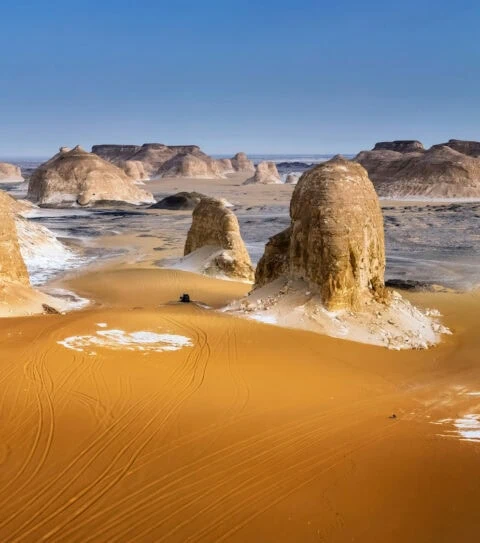
White Canyon offers a completely different but equally impressive geological experience within the same region. Where Colored Canyon showcases vibrant mineral displays, White Canyon presents pure limestone formations carved into smooth, flowing shapes. The two destinations complement each other perfectly, providing visitors with diverse examples of how different geological processes create distinct natural artworks.
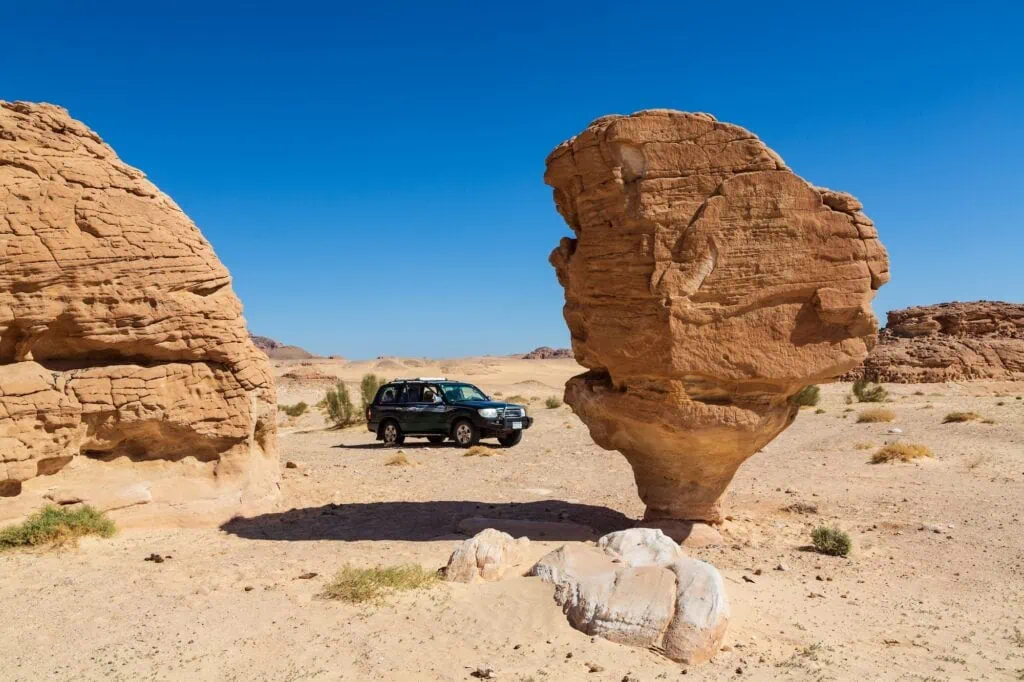
Mushroom Rock and other unusual formations scattered throughout the area create opportunities for additional photography and exploration. These weathered sandstone sculptures demonstrate how wind erosion shapes desert landscapes over geological time scales.
Practical Logistics and Booking
Professional tour operators handle all permit requirements, transportation, and safety protocols for Colored Canyon visits. We recommend booking through established companies with proven track records and proper licensing rather than attempting to arrange independent visits.
Transportation requires 4WD vehicles capable of handling desert terrain. The final approach to the canyon involves rough tracks that standard vehicles cannot navigate safely. Reputable operators maintain well-equipped Toyota Land Cruisers or similar vehicles with air conditioning, first aid supplies, and communication equipment.
Most tours depart from Sharm El Sheikh, Dahab, or Taba with pickup times between 6:00 am and 7:30 am. Total trip duration typically ranges from 8-10 hours including transport time. Some operators offer overnight options with desert camping experiences for travelers wanting additional time to explore the region.
Understanding Costs Value
Premium pricing reflects the complex logistics involved in accessing this protected area. Legitimate operators must pay for military permits, guide fees, vehicle maintenance, and fuel costs for long-distance desert travel. Tours priced significantly below $150 USD per person often cut corners through unauthorized access or destination substitution.
Value comes from professional guidance, safety equipment, proper permits, and the assurance of visiting the authentic destination. We’ve found that travelers who initially book cheaper alternatives often end up disappointed and need to arrange second trips to see the real canyon.
Group size affects both price and experience quality. Private tours offer maximum flexibility for photography and exploration but cost more per person. Small groups of 4-6 people provide good value while maintaining intimacy with the natural environment.
Photography Tips Best Practices
Canyon photography requires patience and understanding of how light behaves in confined spaces. The most dramatic shots occur when indirect sunlight illuminates one wall while leaving others in shadow, creating natural spotlighting effects on the colored rock formations.
Technical Photography Considerations
Wide-angle lenses capture the canyon’s scale and dramatic proportions, while telephoto lenses isolate specific color patterns and textures. Tripods prove challenging in narrow sections, so image stabilization becomes essential for sharp handheld shots in low light conditions.
Shoot in RAW format to maximize post-processing flexibility. The extreme contrast between bright sky openings and shadowed canyon walls requires careful exposure balance or HDR techniques. Many photographers bracket their shots to ensure proper exposure across the full tonal range.
Respect for the environment means avoiding touching walls or disturbing rock formations for better angles. The sandstone surface is surprisingly fragile and oil from human hands can permanently stain the natural colors. Professional photographers use natural light exclusively rather than artificial flash which can damage both the visual experience and the rock surface over time.
Step Into The Colors Of The Canyon
The Colored Canyon is one of Sinai’s most striking natural wonders—where narrow passages, layered rock formations, and shifting light create an unforgettable desert experience. With EgyptToursPlus, we seamlessly include this unique adventure in a private journey that blends Sinai’s raw beauty with Egypt’s most iconic cultural highlights.
You choose your travel dates, your pace, and the experiences that shape your route. From desert exploration and coastal escapes to cultural landmarks and refined comfort, we tailor every detail around your preferences—ensuring a smooth, expertly planned, and deeply personal travel experience.
Frequently Asked Questions
Hiking through Egypt’s Colored Canyon near Nuweiba typically takes 2 to 3 hours, depending on pace, photography stops, and group fitness levels. The canyon features narrow sandstone corridors, twisting rock formations, and layered mineral colors shaped by millions of years of geological erosion in the Sinai Peninsula. Some sections require careful footing and light scrambling through tight passageways. Most tours also include transportation time from Dahab or Sharm El Sheikh, making the full excursion a half-day or full-day activity.
Children aged 8 and older can usually visit Colored Canyon safely if they are physically active and supervised closely by adults throughout the hike. The route includes uneven rock surfaces, narrow passages, and occasional scrambling sections that may challenge younger children or inexperienced hikers. Sinai desert temperatures can also become intense outside winter months, particularly between late morning and midafternoon. Families generally find early morning departures more comfortable because canyon temperatures rise quickly after sunrise.
Colored Canyon is known for its dramatic slot-canyon formations and vividly layered sandstone walls, while Salama Canyon is generally wider, less complex, and easier to access. Located near Nuweiba in Egypt’s Sinai Peninsula, Colored Canyon features narrow winding passages carved through mineral-rich rock that displays shades of red, yellow, purple, and gold under changing sunlight. Salama Canyon, by contrast, offers a gentler desert walking experience with fewer tight sections. Travelers seeking the more visually striking geological experience typically prioritize Colored Canyon.
Independent visits to Colored Canyon are generally not permitted because the Sinai region operates under security controls that require organized access and local coordination. Most visitors enter through licensed tour operators who arrange transportation, checkpoints, and Bedouin guide support for the desert route near Nuweiba. Mobile signal coverage can also be inconsistent within the canyon area, making local navigation expertise especially important. Organized tours help ensure compliance with regional travel regulations and improve overall safety in this remote desert environment.
Travelers should request direct confirmation that the itinerary specifically includes Colored Canyon near Nuweiba because some operators substitute easier or less visually impressive Sinai canyons in promotional material. Asking for recent photos, permit details, and exact route descriptions helps verify the intended destination before booking. Colored Canyon is famous for its narrow multicolored sandstone corridors, which look noticeably different from wider desert wadis such as Salama Canyon. Confirming details in writing can also reduce misunderstandings on the day of departure.
Colored Canyon is widely considered worth the higher tour pricing because of its unique geology, remote desert location, and the logistical coordination required to access the site safely. Tours typically include transportation through Sinai checkpoints, licensed local guides, and off-road travel across rugged desert terrain near Nuweiba. The canyon’s twisting sandstone walls display striking natural mineral coloration rarely seen elsewhere in Egypt. Smaller group tours often provide a quieter hiking experience and better opportunities for photography inside the narrow rock formations.
olored Canyon can be visited during summer, but conditions become extremely demanding because Sinai desert temperatures frequently exceed 113°F (45°C) between June and August. The narrow canyon passages trap heat and provide limited airflow during midday hours, increasing dehydration and fatigue risks for hikers. October through April generally offers significantly safer and more comfortable hiking conditions with cooler daytime temperatures and better walking conditions. Travelers visiting outside winter should prioritize sunrise departures and carry substantial water supplies.
Colored Canyon tours should ideally be booked at least 3 to 7 days in advance, particularly during Egypt’s peak travel season between October and April. Advance booking allows operators time to arrange transportation permits, Bedouin guide coordination, and suitable four-wheel-drive vehicle availability for the Sinai desert route near Nuweiba. Last-minute bookings may still be possible during quieter tourism periods, although vehicle capacity and security approvals can become limiting factors. Early reservations also improve the likelihood of smaller group sizes.
Colored Canyon itself does not have permanent bathroom facilities, restaurants, or visitor infrastructure because it remains a remote natural desert site in South Sinai. Most organized tours include scheduled stops at roadside camps, rest areas, or Bedouin stations before and after the canyon hike where basic restroom facilities are available. Travelers should prepare for minimal amenities once inside the canyon environment. Carrying water, tissues, and small personal supplies is strongly recommended for comfort during the hiking portion of the excursion.
Reputable tour operators monitor Sinai weather conditions closely and may postpone or cancel Colored Canyon excursions when flash flood risks, heavy rain, or severe winds create unsafe hiking conditions. Although rainfall in the region is infrequent, narrow slot canyons can become dangerous very quickly during sudden desert storms because water funnels rapidly through confined passages. Most professional operators offer rescheduling or refund options when tours are canceled for safety reasons. Travelers visiting during winter months should remain especially aware of changing weather forecasts.
The Colored Canyon hike requires a moderate level of physical fitness because visitors navigate uneven rock surfaces, narrow sandstone passages, and occasional scrambling sections throughout the route. While the trail does not involve technical climbing or ropes, hikers should feel comfortable walking for 2 to 3 hours in warm desert conditions with limited shade. Some passageways are also quite narrow, requiring careful movement between rock walls. Lightweight hiking shoes with good grip are strongly recommended for stability on sandy and rocky terrain.
Drones are generally prohibited at Colored Canyon because the Sinai Peninsula includes military-sensitive zones and tightly monitored border regions near Israel and the Gulf of Aqaba. Egyptian drone regulations are strict nationwide, and unauthorized drone use can result in confiscation, fines, or legal complications at checkpoints and airports. Standard handheld cameras and smartphones are normally permitted for personal photography throughout the canyon hike. Travelers interested in landscape photography often achieve the best lighting conditions during early morning or late afternoon tours.
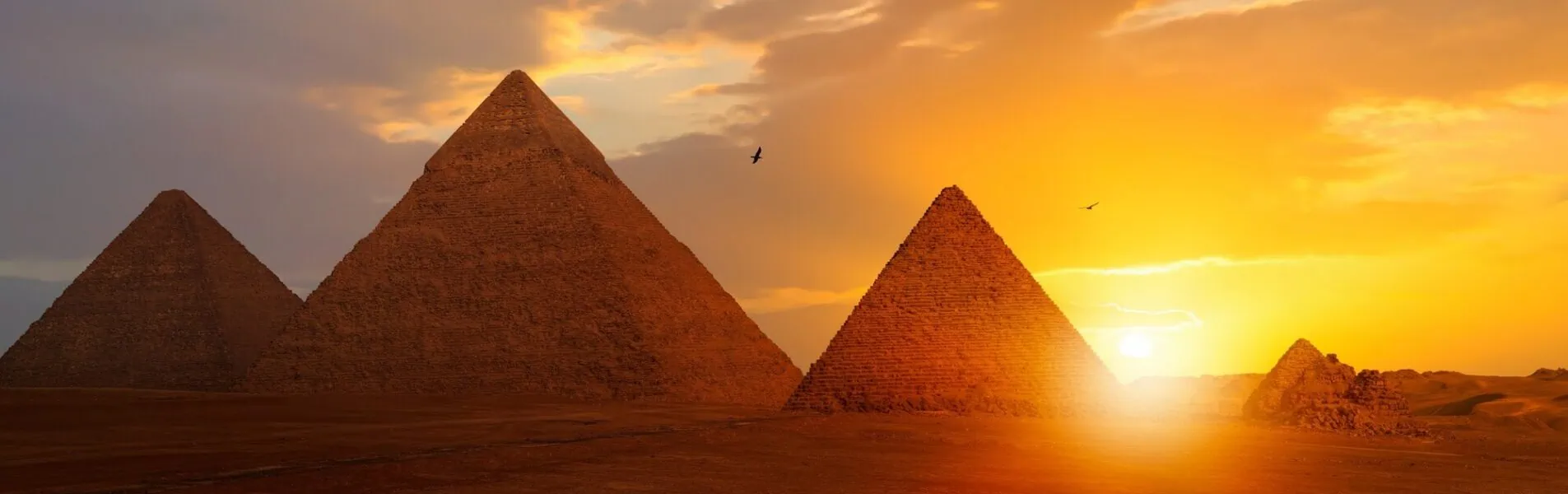
Design Your Custom Tour
Explore Egypt your way by selecting only the attractions you want to visit
Don’t miss Egypt’s greatest treasures