8 Days in Egypt – What to see in Egypt in 8 Days
Egypt beckons with ancient mysteries and modern wonders.
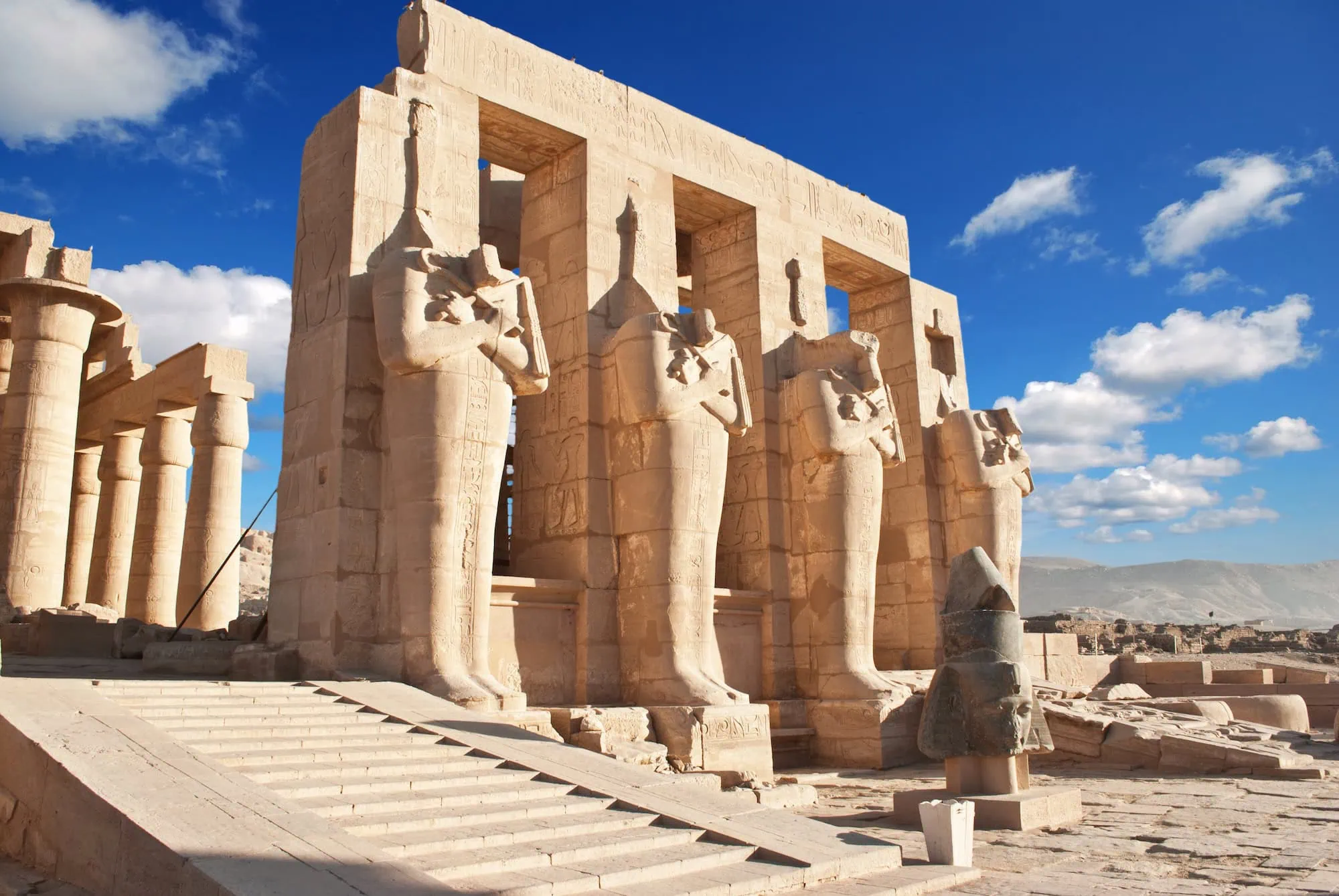
Planning eight days in Egypt means juggling world-famous pyramids, serene Nile waters, and bustling bazaars while making every moment count. We’ve crafted countless journeys through this timeless land, watching travelers transform from curious visitors into devoted Egypt enthusiasts. Our decades of expertise have shown us that eight days creates the perfect rhythm – enough time to dive deep into pharaonic history without feeling rushed, yet focused enough to create lasting memories.
This comprehensive itinerary balances must-see monuments with authentic cultural experiences, ensuring your Egyptian adventure exceeds every expectation.
Table of Contents
Day 1-3: Cairo’s Ancient Heart and Modern Soul
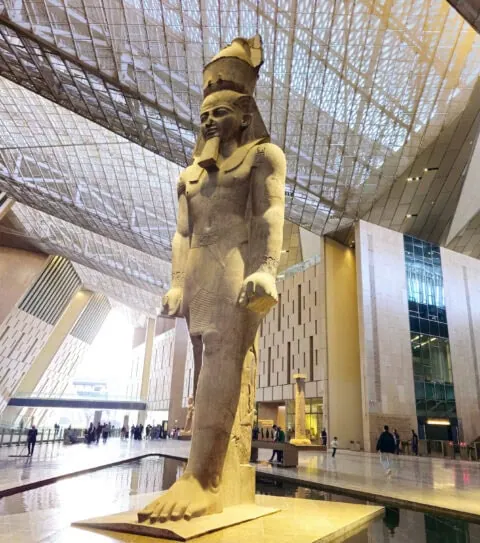
Your Egyptian journey begins in Cairo, home to the Grand Egyptian Museum, where contemporary architecture stands against the desert plateau near the Giza pyramids. Most international flights arrive at Cairo International Airport, making the capital a natural starting point for exploring Egypt’s cultural heritage.
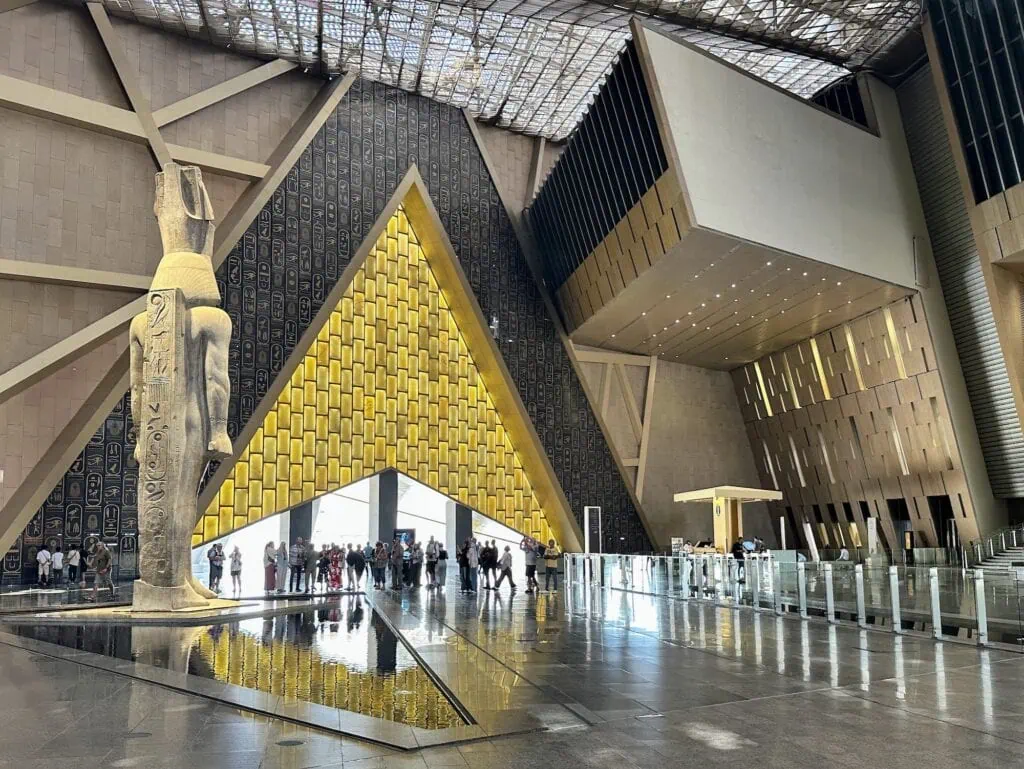
We recommend dedicating your first morning to the Grand Egyptian Museum, one of the largest archaeological museums in the world. Its galleries present thousands of artifacts spanning over 5,000 years of ancient Egyptian history, including monumental sculptures, royal collections, and the complete treasures of Tutankhamun. Beyond the iconic highlights, the museum also displays everyday objects, finely crafted jewelry, and mummies that offer insight into both royal and daily life in ancient Egypt. Plan a minimum of three hours, as the scale and depth of the collection merit unhurried exploration.
The Giza Plateau Experience
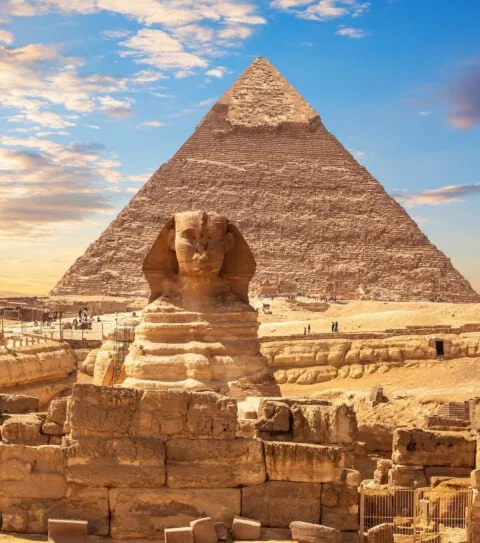
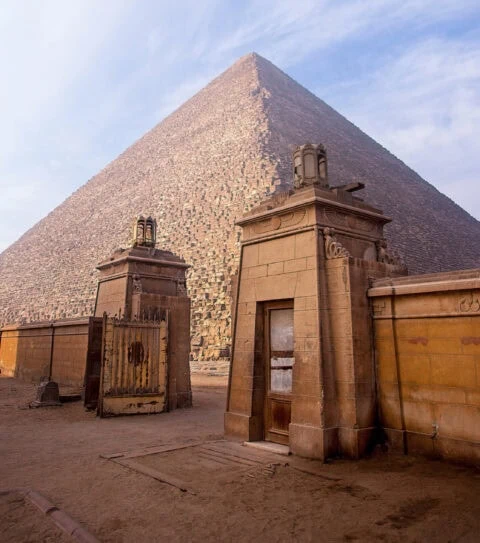
No Egyptian adventure feels complete without standing before the Great Pyramid of Giza. Built over 20 years using approximately 2.3 million stone blocks, this 146-meter (481-foot) monument dominated the horizon for nearly 4,000 years as the world’s tallest structure. Our private guides share insights that typical tour groups miss – architectural secrets, recent archaeological discoveries, and the fascinating logistics of pyramid construction.
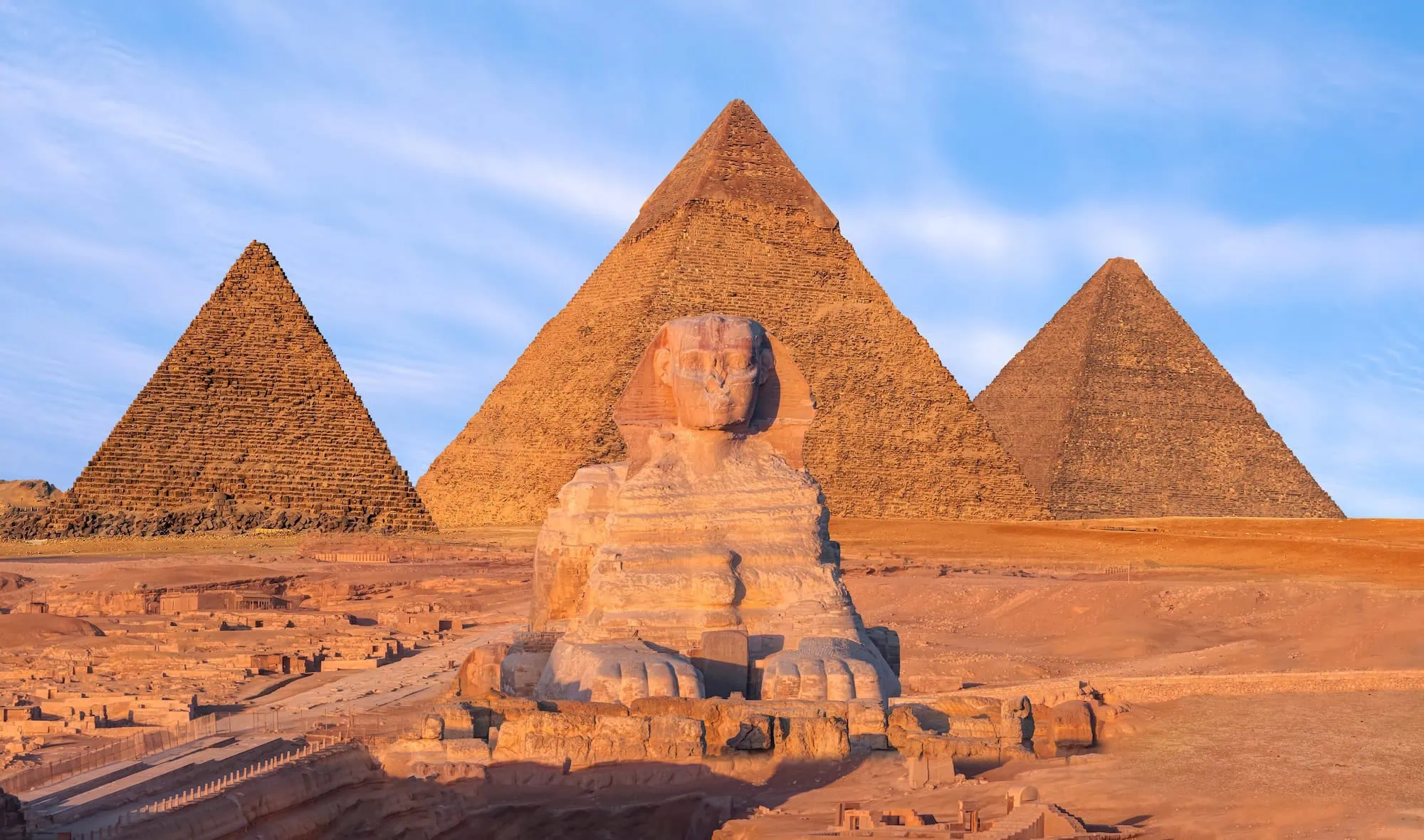
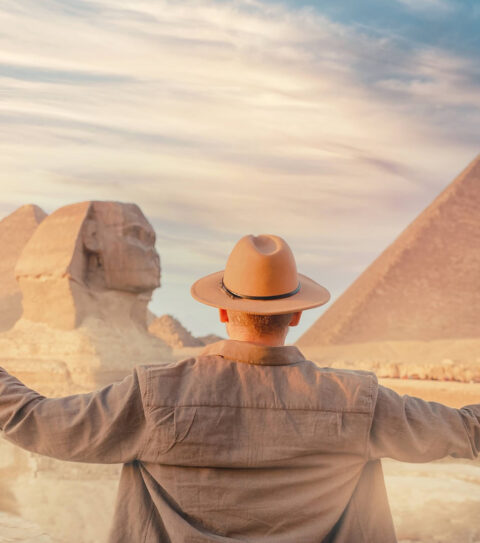
The Sphinx guards nearby, its limestone features weathered by millennia of desert winds. Recent restoration efforts have revealed traces of original paint, suggesting this iconic monument once displayed vibrant colors that matched its imposing presence.
Islamic Cairo’s Spiritual Journey
Your second day should explore Islamic Cairo, where medieval architecture creates an open-air museum of spiritual devotion. The Citadel of Saladin offers panoramic city views while housing the magnificent Mosque of Muhammad Ali. Its Ottoman-inspired domes and minarets contrast beautifully with Mamluk architecture found throughout the district.
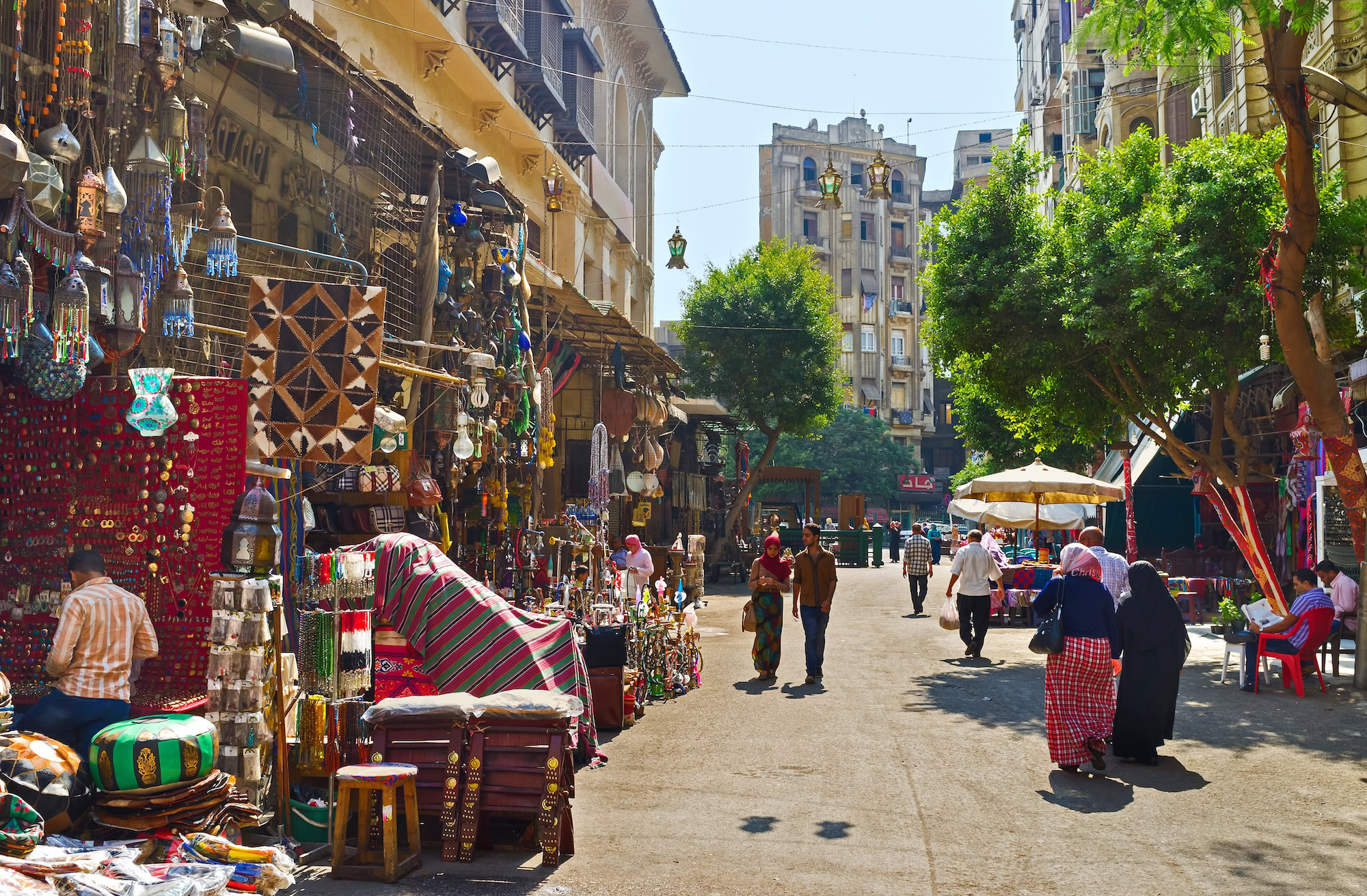
Navigate the narrow streets of Khan el-Khalili bazaar, where copper artisans hammer intricate designs and spice vendors display pyramids of saffron, cardamom, and hibiscus. Haggling remains an expected part of the experience – start at 30% of the quoted price and enjoy the theatrical negotiations that follow.
The Al-Azhar Mosque, founded in 970 AD, continues functioning as both worship space and university, making it one of the oldest continuously operating educational institutions worldwide. Its courtyard provides peaceful respite from Cairo’s intensity while showcasing classic Islamic architectural elements.
Luxor: The World’s Greatest Open-Air Museum
Fly south to Luxor on your fourth morning, where the Nile divides the city between the living (East Bank) and the dead (West Bank). This ancient Thebes served as Egypt’s capital during the New Kingdom, when pharaohs commanded vast Mediterranean and African territories.
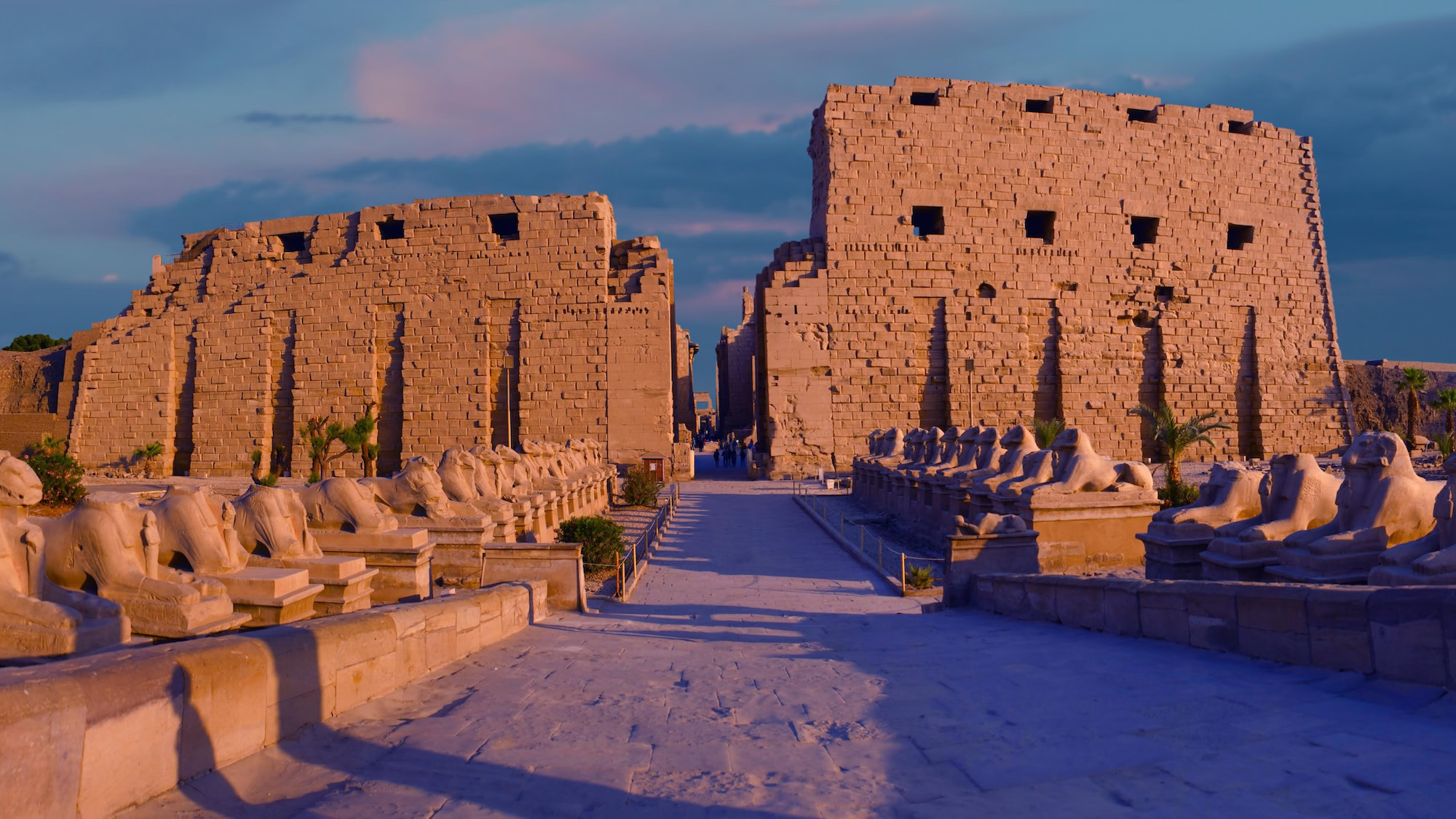
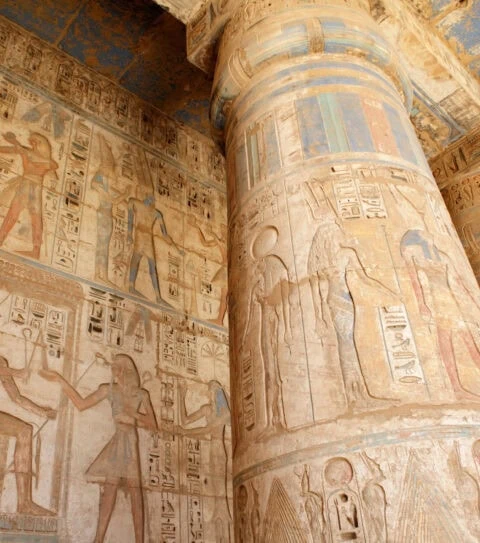
The Karnak Temple Complex spans over 2 square kilometers (0.8 square miles), making it larger than most ancient cities. Construction continued for over 1,300 years as successive pharaohs added halls, obelisks, and sanctuaries. The Great Hypostyle Hall contains 134 massive columns, each capable of supporting a modern apartment building. Walk slowly through this forest of stone – original paint traces still appear on several surfaces, hinting at the explosion of color that once decorated these sacred spaces.
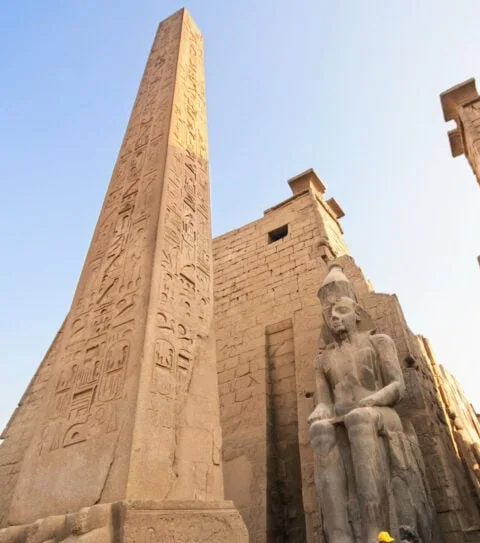
Luxor Temple connects to Karnak via a 3-kilometer (1.9-mile) avenue lined with sphinx statues, recently restored and reopened to visitors. Evening illumination transforms both temples into mystical experiences, with strategic lighting emphasizing architectural details invisible during daylight hours. We arrange private evening visits when crowds thin and temperatures cool, creating intimate encounters with ancient grandeur.
Valley of the Kings Underground
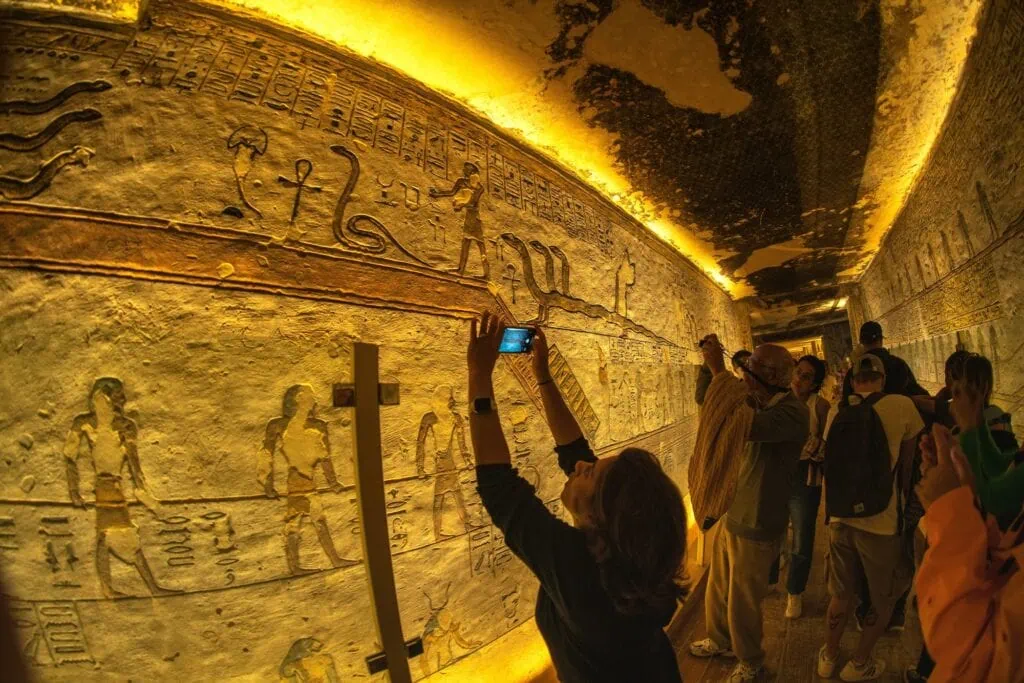
Cross to Luxor’s West Bank for one of archaeology’s most significant sites. The Valley of the Kings contains 63 discovered tombs, including Tutankhamun’s famous resting place. Standard tickets include three tomb visits; we recommend Ramesses VII for well-preserved paintings, Seti I for intricate astronomical ceilings, and Ramesses IX for detailed religious scenes.
Each tomb descent feels like entering a pharaoh’s private world. Hieroglyphic texts cover every available surface, providing detailed instructions for navigating the afterlife. Recent color analysis reveals that ancient artists used expensive pigments – gold leaf, lapis lazuli, and cinnabar – demonstrating the immense resources devoted to ensuring royal immortality.
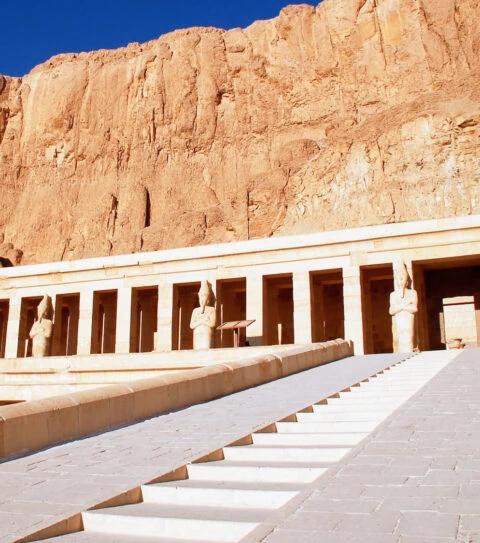
The nearby Mortuary Temple of Hatshepsut rises in terraced splendor against limestone cliffs. This female pharaoh ruled for 22 years during Egypt’s golden age, commissioning architecture that still appears remarkably modern. Her innovative design integrates natural rock formations with human craftsmanship, creating harmony between built and natural environments.
Nile River Cruise: Floating Through History
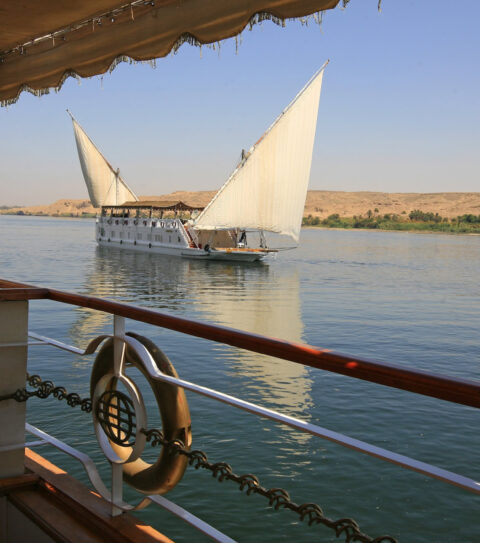
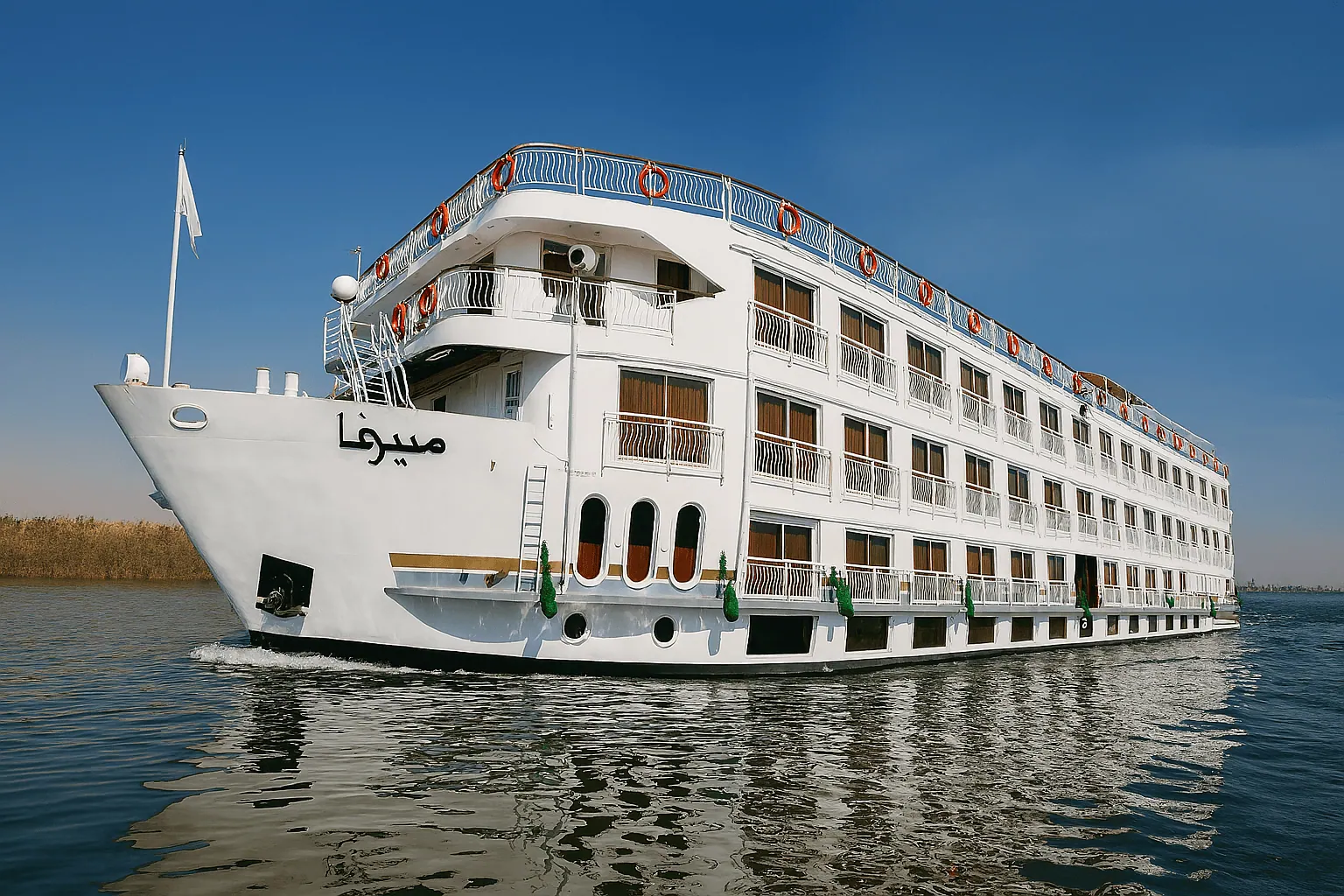
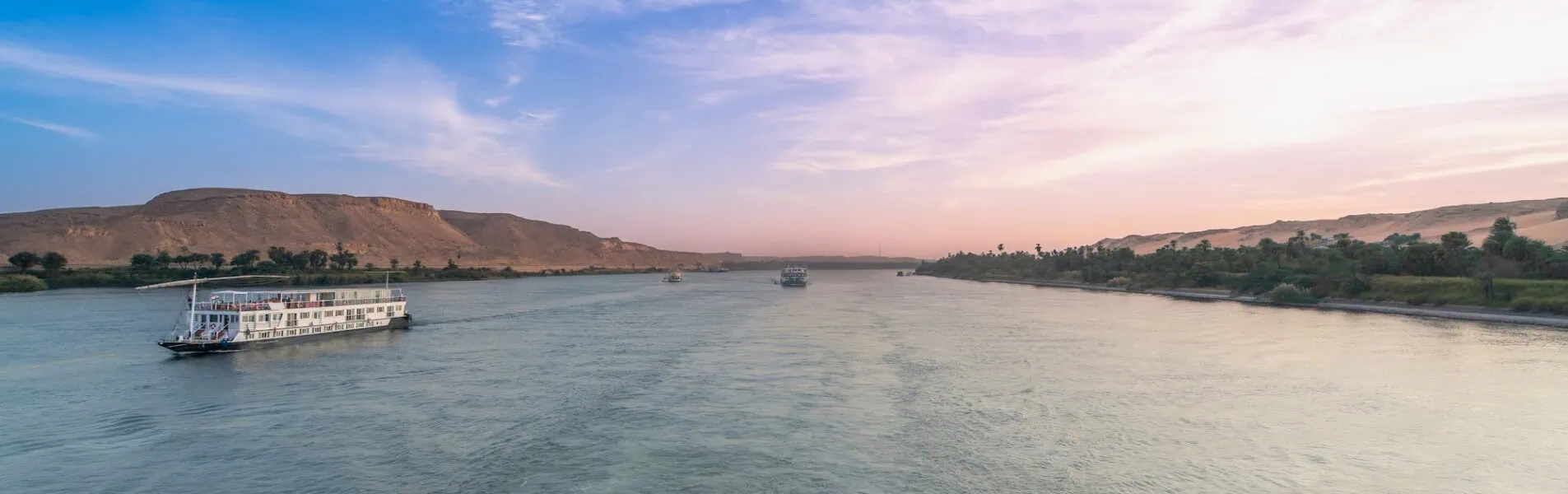
Your Luxor-Aswan Nile cruise begins on day five, offering three days of gentle sailing punctuated by temple visits and cultural discoveries. Modern cruise ships feature climate-controlled cabins, swimming pools, and dining rooms serving both international and Egyptian cuisine, but the real attraction lies outside your cabin windows.
Edfu and Kom Ombo Temples
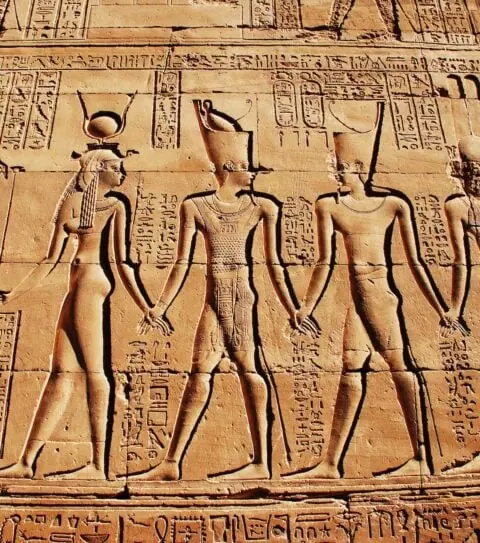
Edfu Temple, dedicated to the falcon god Horus, represents Egypt’s best-preserved ancient temple. Construction began in 237 BC during Ptolemaic rule, when Greek pharaohs maintained Egyptian religious traditions while adding Hellenistic architectural elements. The temple’s massive pylon gates rise 36 meters (118 feet) high, decorated with scenes of divine battles between good and evil.
Kom Ombo Temple uniquely honors two gods – Sobek the crocodile deity and Haroeris the falcon god – with perfectly symmetrical design reflecting this dual dedication. Crocodile mummies discovered nearby now display in the temple’s museum, providing insight into ancient animal worship practices. Evening visits reveal detailed astronomical calendars carved into stone ceilings, demonstrating sophisticated mathematical knowledge.
Small group excursions typically include 8-12 participants, creating more intimate experiences than typical large tours while still providing expert guidance and cultural context.
Aswan’s Nubian Heritage
Arrive in Aswan on day seven, where granite quarries supplied stone for monuments throughout Egypt. The Unfinished Obelisk remains attached to bedrock, abandoned when cracks appeared during carving. Had workers completed this monument, it would have stood 42 meters (138 feet) tall and weighed over 1,100 tons, making it ancient Egypt’s largest obelisk.
Philae Temple occupies Agilkia Island, relocated stone by stone when the High Dam threatened to submerge this sacred site permanently. Dedicated to Isis, goddess of motherhood and healing, the temple complex includes Roman-era additions that demonstrate cultural continuity across millennia. Evening sound and light shows illuminate architectural details while narrating Isis and Osiris mythology.
Visit a Nubian village to experience contemporary culture rooted in ancient traditions. Nubian houses display bright geometric patterns, while families maintain crocodiles as protective symbols. Traditional music features unique rhythms and instruments rarely heard elsewhere in Egypt, reflecting this community’s distinct cultural identity despite centuries of external influence.
Abu Simbel: Ramesses II’s Eternal Monument
Your final day includes an early morning flight or drive to Abu Simbel, where Ramesses II commissioned two temples carved directly into solid rock cliff faces. The Great Temple’s facade features four colossal statues of the pharaoh, each measuring 20 meters (66 feet) tall and weighing approximately 1,200 tons.
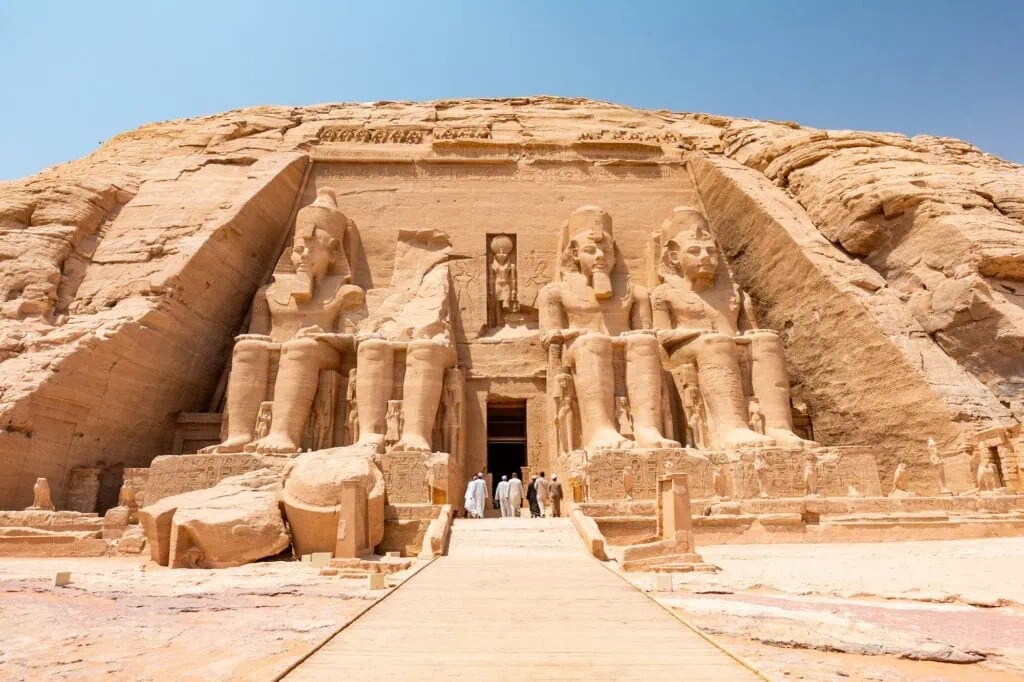
Twice yearly – on February 22nd and October 22nd, corresponding to Ramesses II’s birthday and coronation day – sunlight penetrates the temple’s inner sanctuary to illuminate three of four seated statues. This astronomical precision demonstrates advanced mathematical and engineering knowledge that continues impressing modern architects and astronomers.
The temples’ 1960s relocation project ranks among archaeology’s greatest achievements. When the High Dam threatened permanent submersion, UNESCO coordinated an international effort that dismantled both temples into 1,036 numbered blocks, then reassembled them 65 meters (213 feet) higher on artificial hills designed to match original orientations exactly.
Adjacent to the Great Temple, the smaller temple honors Queen Nefertari, featuring some of ancient Egypt’s most beautiful carved reliefs. Hieroglyphic texts praise her wisdom and beauty while depicting her participating in religious ceremonies typically reserved for pharaohs, demonstrating her unusual political influence.
Essential Practical Information for Your Egyptian Adventure
Visa requirements vary by nationality, but most visitors need arrangements before arrival. U.S. citizens can obtain 30-day tourist visas on arrival for $25 USD, while European Union citizens enjoy similar privileges. Latin American and Asian visitors should verify requirements with Egyptian consulates, as some nationalities need advance applications. Processing typically takes 5-7 business days when required.
Egyptian summer temperatures frequently exceed 40°C (104°F), making October through April ideal visiting months. Winter daytime temperatures average 20-25°C (68-77°F), perfect for outdoor exploration, while nights can drop to 10°C (50°F) in desert areas. Pack layers accordingly.
Currency exchange works best with major hotels or established exchange offices rather than airport counters, where rates often disadvantage travelers. Credit cards gain acceptance in tourist areas, but cash remains essential for bazaars, tips, and rural excursions. ATMs appear throughout major cities but less frequently in smaller towns.
Our modern air-conditioned vehicles ensure comfortable transportation between destinations while personal drivers provide flexibility for spontaneous photo stops or extended temple visits. Private guides speak multiple languages and hold official licenses, guaranteeing accurate historical information and cultural context that enhances every site visit.
Twenty-four hour customer support means assistance remains available throughout your journey, whether you need restaurant recommendations, medical referrals, or itinerary adjustments. Our decades of Egyptian expertise help solve problems before they impact your vacation experience.
Frequently Asked Questions
October through April is the best time for an 8-day Egypt itinerary because temperatures are comfortable across Cairo, Luxor, Aswan, and the Red Sea coast. Daytime highs typically range from 20-30°C (68-86°F), making long visits to outdoor sites such as the Pyramids of Giza, Karnak Temple, and Abu Simbel much more enjoyable. Rainfall is minimal throughout most of the country. For the best balance of weather and crowds, consider traveling in October, November, March, or April.
No mandatory vaccinations are required for most travelers visiting Egypt, but Hepatitis A and typhoid vaccines are commonly recommended by travel health professionals. These vaccinations provide added protection against illnesses that can be transmitted through food or water. Travelers should also ensure routine immunizations are current before departure. Consult a travel clinic or physician at least 4-6 weeks before your trip to receive personalized medical advice based on your itinerary and health history.
Most travelers should budget approximately $30-50 USD per day for food in Egypt, depending on dining preferences and location. Local restaurants serving dishes such as koshari, grilled meats, and mezze can be very affordable, while upscale restaurants in Cairo or luxury hotels charge significantly more. Over an 8-day trip, food expenses typically range from $240 to $400 per person. Mixing local eateries with occasional fine dining offers excellent value and variety.
Bottled water is the safest and most widely recommended option for visitors traveling in Egypt. While treated municipal water is used daily by local residents, travelers may experience digestive discomfort due to unfamiliar mineral content and water treatment systems. Most hotels, Nile cruise ships, and tour providers supply complimentary bottled water, and additional bottles are inexpensive and readily available. Staying hydrated is especially important when visiting outdoor archaeological sites in warm weather.
Modest clothing that covers the shoulders and knees is appropriate for visiting Egypt’s mosques and temples. Women should carry a lightweight scarf for mosque visits, as head coverings may be required in active religious sites. Loose-fitting cotton or linen clothing provides comfort in Egypt’s warm climate while respecting local customs. Comfortable walking shoes are equally important because major sites such as Karnak Temple and the Giza Plateau require extensive walking.
Most major Egyptian attractions require at least 2-4 hours to explore properly, while museums and large archaeological complexes may need a full day. The Pyramids of Giza typically take 2-3 hours, Karnak Temple often requires 3-4 hours, and institutions such as the Grand Egyptian Museum can easily fill an entire day. Rushing between sites reduces the experience considerably. Building extra time into your itinerary allows for photography, exhibits, and guided interpretation.
Photography is allowed at many Egyptian sites, but additional photography tickets are often required for tombs, museums, and special archaeological areas. Flash photography remains prohibited in many locations because it can damage ancient pigments and artwork that are thousands of years old. Rules vary by site and may change over time. Always check posted regulations before entering a tomb or monument, particularly in the Valley of the Kings and similar protected areas.
Friendly negotiation is a normal part of shopping in Egyptian bazaars, and starting around 30% of the initial asking price is a common strategy. Markets such as Cairo’s Khan el-Khalili often involve a conversational bargaining process that both buyers and sellers expect. Remaining polite, patient, and good-humored usually leads to better outcomes than aggressive negotiation. If a price feels unreasonable, simply thank the vendor and continue browsing.
Most modern Nile cruise ships provide Wi-Fi in public areas and sometimes in cabins, but internet quality can vary considerably along the route. Connectivity is generally strongest when ships are docked near cities such as Luxor or Aswan and weaker while sailing through rural stretches of the Nile Valley. Travelers who require dependable access for work or communication should consider purchasing an Egyptian SIM card with mobile data as a backup solution.
Booking an 8-day Egypt itinerary 2-3 months in advance is recommended for the best selection of hotels, Nile cruises, and domestic flights. Popular travel periods between October and April often see strong demand for premium accommodations and sought-after cruise departures. Travelers visiting during Christmas, New Year, or Easter should consider booking even earlier. Advance planning also improves itinerary flexibility and can help secure better pricing.
Egypt primarily uses Type C and Type F electrical outlets with a standard voltage of 220V and a frequency of 50Hz. Travelers from North America and other regions using different plug types should bring a universal adapter and check whether their devices support dual voltage. This is particularly important for camera chargers, laptops, and personal electronics. Packing a compact travel adapter before departure can prevent unnecessary inconvenience during your trip.
Women are not required to follow a strict dress code in Egypt, but modest clothing is generally the most comfortable and culturally appropriate choice. Lightweight long pants, maxi skirts, loose shirts, and dresses that cover the shoulders are commonly worn by both visitors and local women. More conservative attire can help reduce unwanted attention, particularly outside resort areas. Carrying a scarf is useful for mosque visits and cooler evenings during winter travel.
Explore our most popular guides and expert tips to make your trip safe, smooth, and unforgettable.
Plan Your Egypt Adventure with Confidence
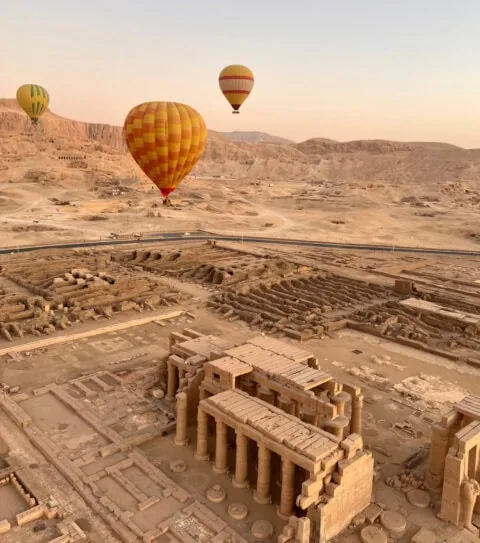
How to Plan a Trip Egypt
Step-by-step guide to help you plan the perfect Egypt trip — from routes and budget to booking.
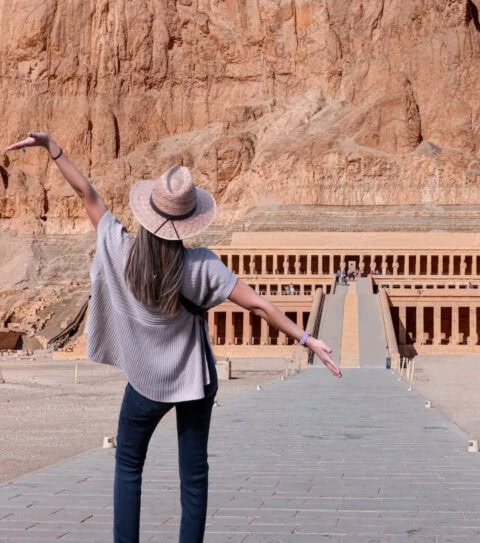
Best Time to Visit Egypt
Learn the best months to visit Egypt based on weather, crowds, and local travel experiences.
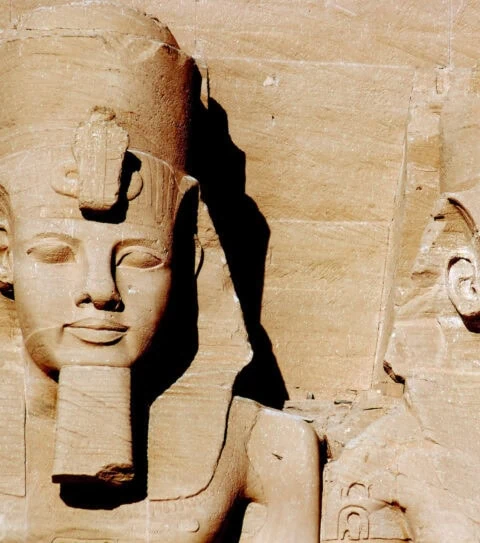
Must Visit Places in Egypt
Explore Egypt’s top sights — from pyramids to temples — and hidden gems worth seeing.
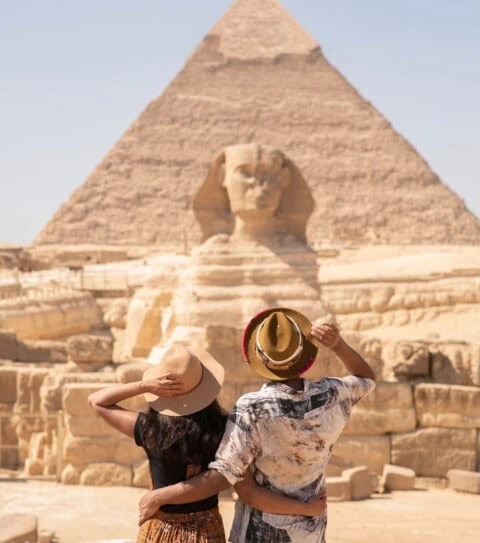
Top-Rated Egypt Tours
Handpicked private tours with local guides — our most loved and best-reviewed experiences.
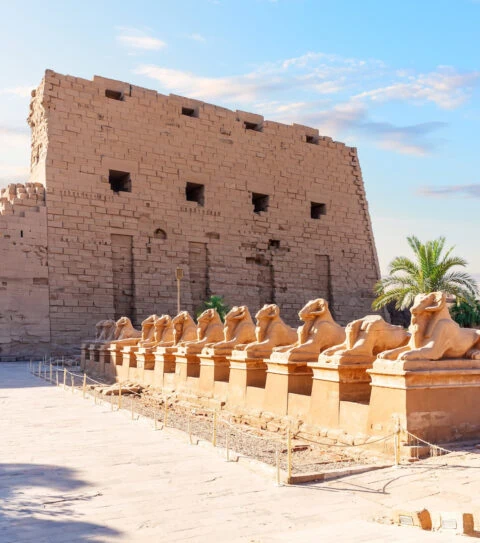
How Many Days to Visit Egypt?
Find out how many days you need in Egypt — from quick trips to full itineraries.
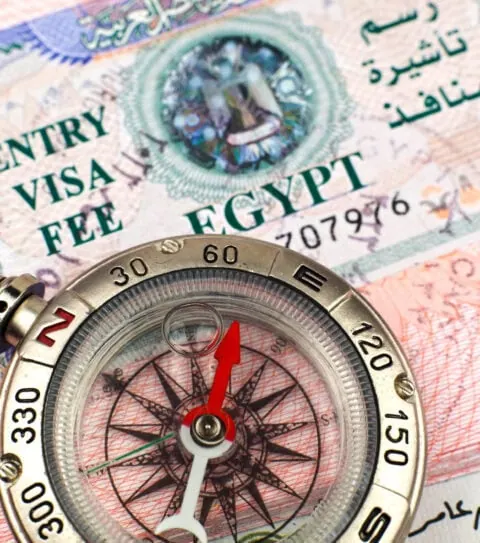
Egypt Visa Requirements
Check if you need a visa and get simple, up-to-date entry info based on your nationality.
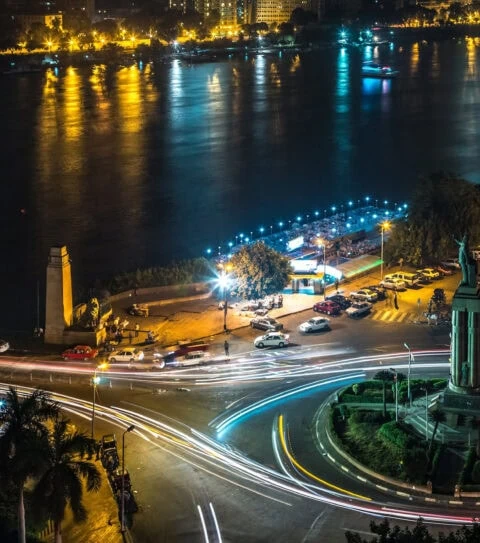
Is it Safe to Travel to Egypt?
Is Egypt safe? Get honest safety tips, area advice, and what to know before you travel.
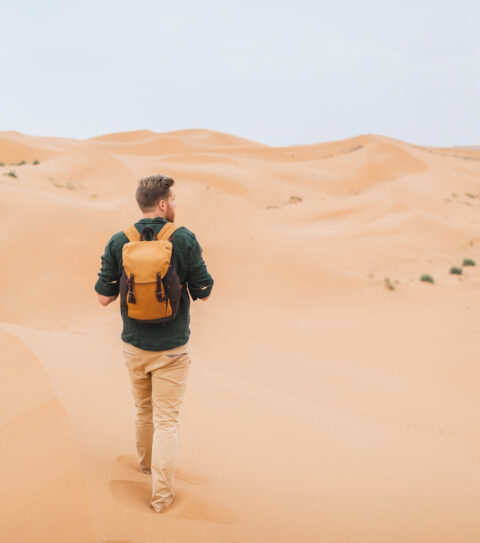
What to Pack for Egypt
A quick packing guide with essentials, cultural tips, and clothing advice for your Egypt trip.
Design Your Custom Tour
Explore Egypt your way by selecting only the attractions you want to visit