Is March a Good Time to Visit Egypt?
March offers Egypt at its absolute best.
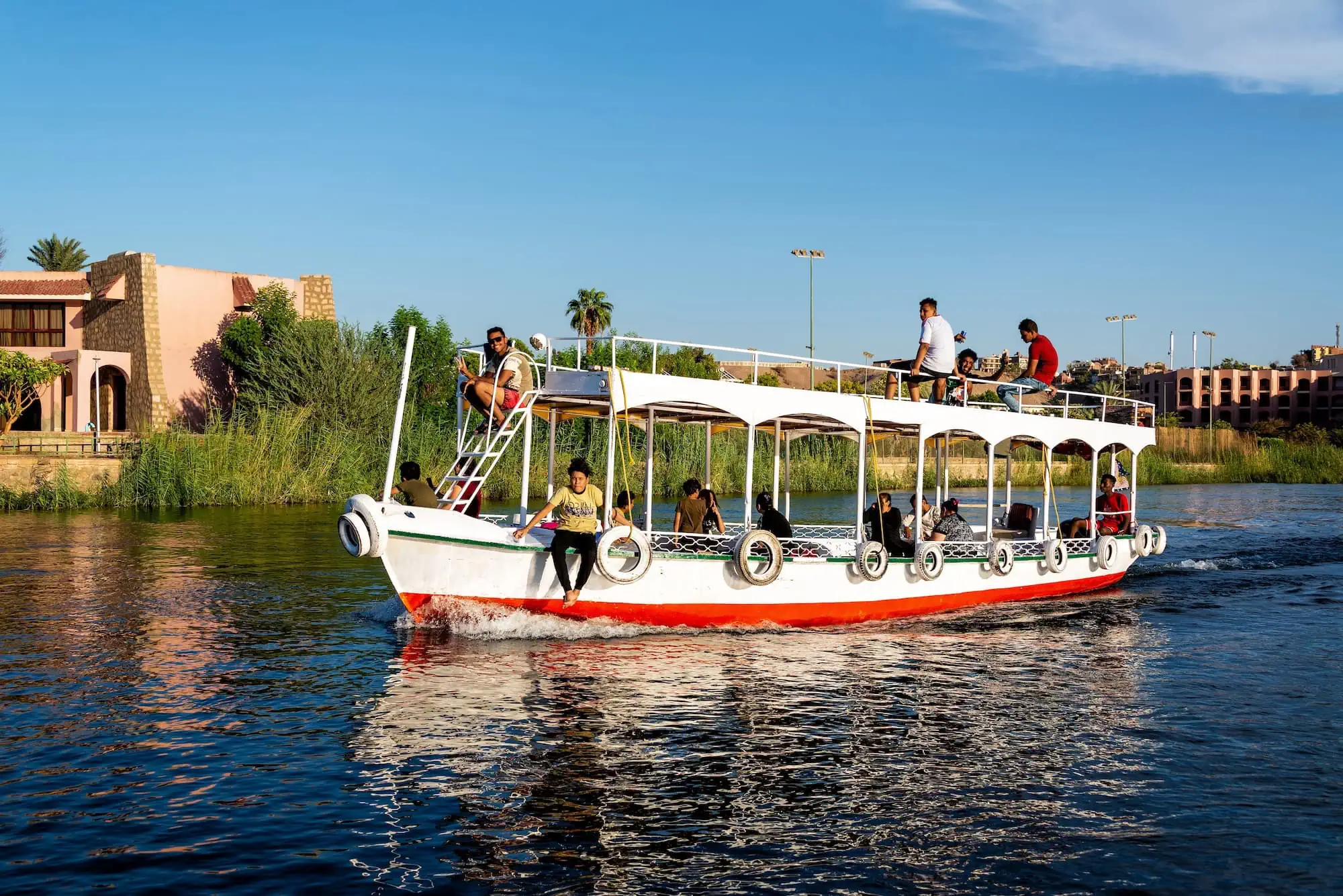
In 2026, Ramadan is expected to run approximately from mid-February to mid-March, meaning that early March travel will overlap with the holy month, while late March will fall just after Ramadan ends.
The North African country transforms during this transitional month, delivering comfortable temperatures that make exploring ancient wonders genuinely enjoyable. We’ve guided thousands of travelers through Egypt during various seasons, and our experience consistently shows March provides that sweet spot between winter’s tourist crowds and summer’s intense heat. This timing allows you to experience the country’s incredible heritage sites, take leisurely Nile cruises, and wander through bustling markets without the exhaustion that comes with extreme weather.
Traveling during Ramadan also offers a unique cultural perspective, with quieter daytime streets and lively evenings after sunset. While sightseeing continues as normal, daily rhythms shift slightly, which can positively shape the travel experience when properly planned.
Whether you’re dreaming of standing before the Pyramids of Giza or sailing between Luxor and Aswan, March creates ideal conditions for the Egypt adventure you’ve always imagined.
Table of Contents
Perfect Weather for Exploring Ancient Egypt
March delivers Egypt’s most comfortable temperatures of the year. Daytime highs reach a pleasant 24-27°C (75-81°F) across most of the country, while evenings cool to 12-16°C (54-61°F) – perfect for those romantic dinners overlooking the Nile.
Temperature Variations Across Egypt
Cairo enjoys mild spring weather with average highs of 25°C (77°F). The Mediterranean coast around Alexandria stays refreshingly cool at 22°C (72°F), ideal for combining cultural sites with seaside relaxation.
Southern Egypt, including Luxor and Aswan, warms slightly more with temperatures reaching 27°C (81°F). These conditions are absolutely perfect for exploring the Valley of the Kings or Abu Simbel without the oppressive heat that defines summer months.
Why March Weather Beats Other Seasons
January and February can surprise visitors with unexpectedly chilly mornings, sometimes dipping to 8°C (46°F) in Cairo. Summer months from June through August become genuinely uncomfortable, with temperatures soaring above 35°C (95°F) and humidity making outdoor exploration exhausting.
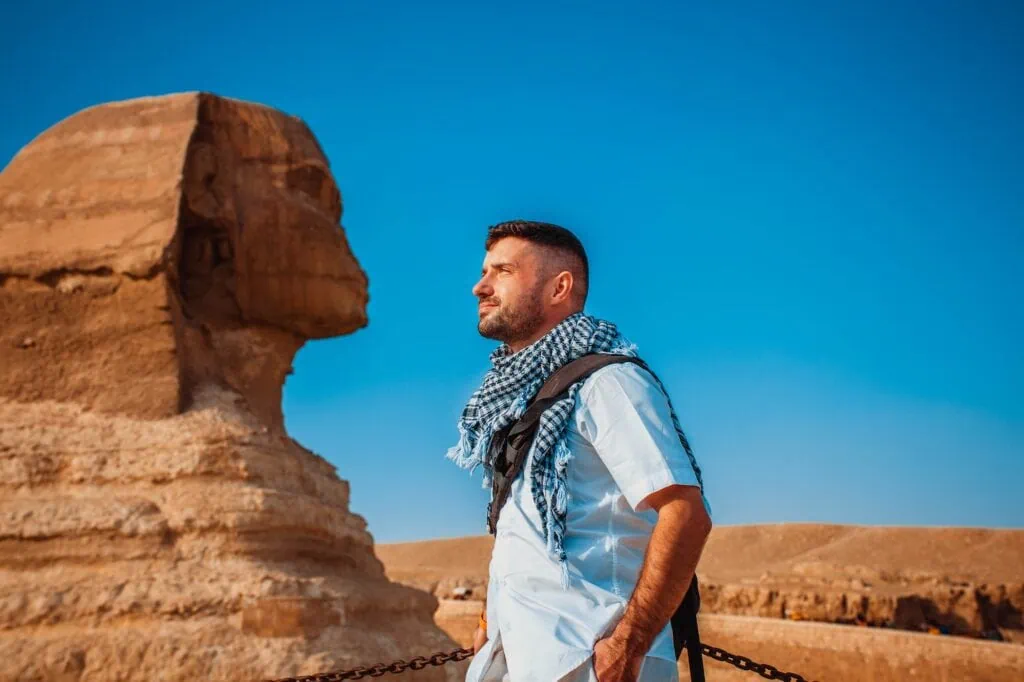
March strikes the perfect balance. You’ll pack light cotton clothing and comfortable walking shoes without needing heavy jackets or constant air conditioning breaks.
Fewer Crowds, Better Experiences
The tourist masses that flood Egypt during winter holidays begin dispersing by March. This timing puts you at the tail end of peak season, meaning you’ll encounter significantly fewer crowds at major attractions while still enjoying reliable weather and full service availability.
Ramadan further contributes to a calmer daytime atmosphere, especially in cities like Cairo and Luxor. Popular sites such as the Pyramids of Giza, Karnak Temple, and the Valley of the Kings often feel less rushed during fasting hours, creating a more relaxed sightseeing experience.
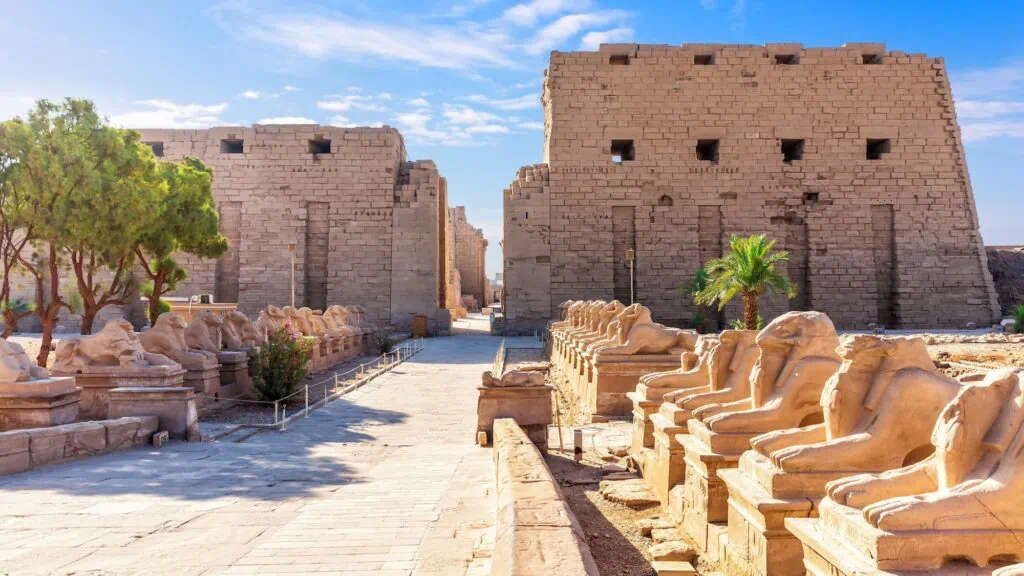
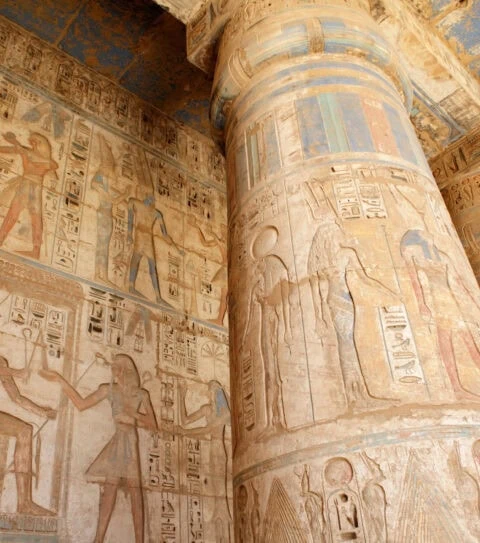
Standing inside the Great Pyramid becomes a more contemplative experience rather than a crowded shuffle. Temple complexes like Karnak allow you to actually appreciate the intricate hieroglyphics without constantly waiting for photo opportunities. The famous Abu Simbel temples offer those Instagram-worthy shots without dozens of other tourists in the background.
Restaurant reservations become easier to secure, particularly in popular areas like Old Cairo or Luxor’s East Bank. Hotel staff have more time for personal attention, and our private guides can spend extra moments explaining historical details that get rushed during busier periods. Local markets in Khan el-Khalili feel more authentic when merchants aren’t overwhelmed with peak-season crowds.
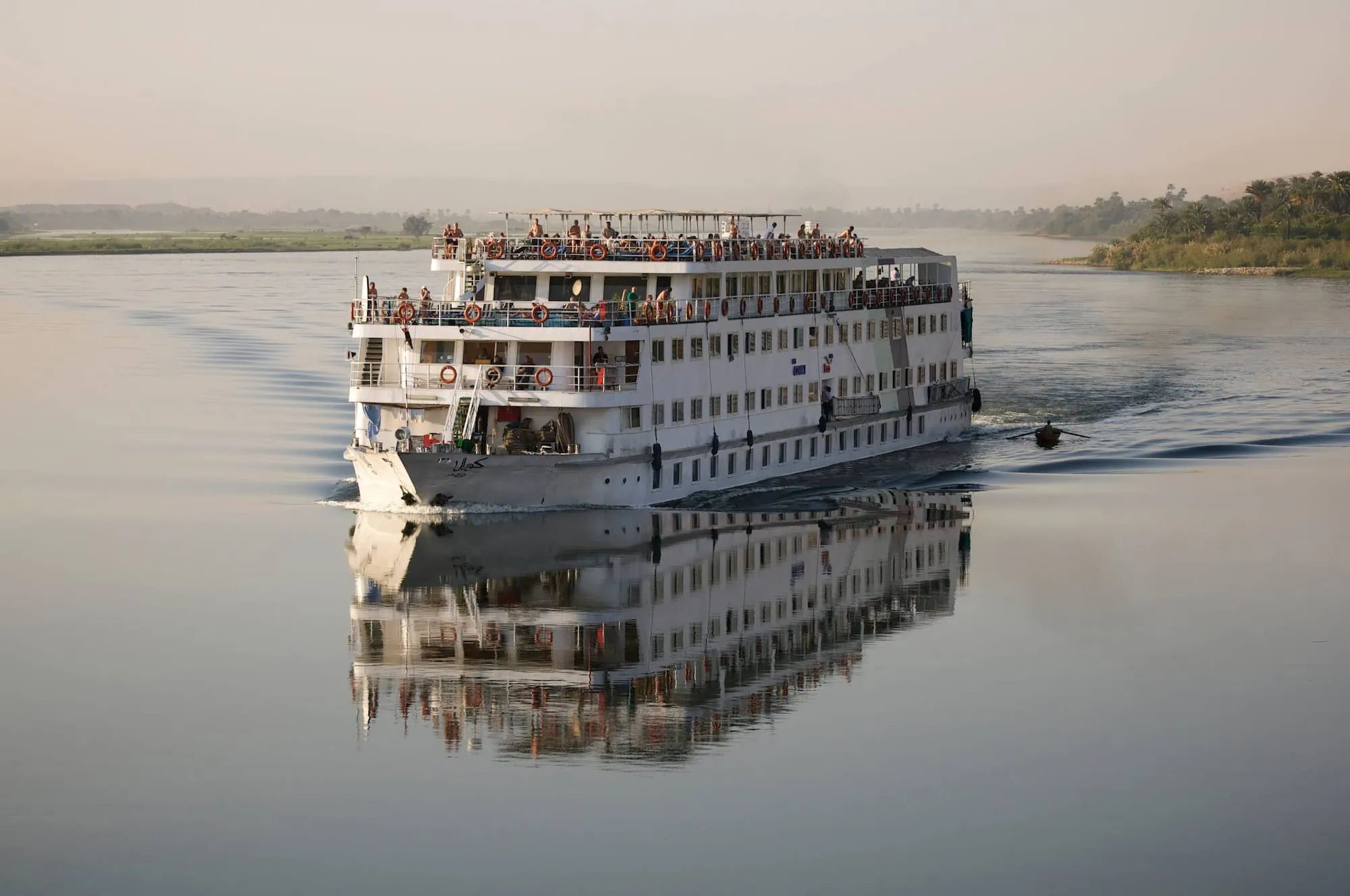
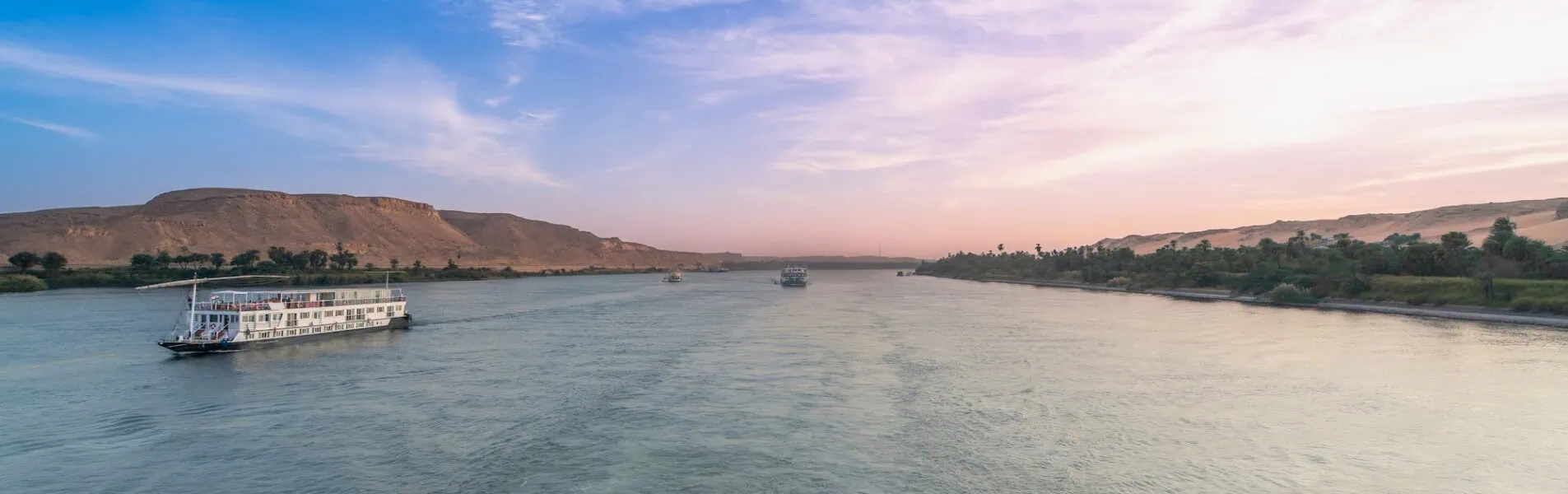
Popular Nile cruise routes between Luxor and Aswan operate with better availability and more relaxed schedules. River traffic decreases, creating a more serene sailing experience past ancient temples and traditional villages.
During Ramadan (February–mid March 2026), some cafés and local restaurants may open later in the day, particularly outside major hotels. However, tourist-oriented restaurants, hotels, and Nile cruise ships continue to serve meals as usual.
Ideal Conditions for Must-See Attractions
March creates optimal sightseeing conditions across Egypt’s diverse landscape. The moderate temperatures transform potentially exhausting experiences into genuinely enjoyable adventures.
Pyramid Complex Exploration
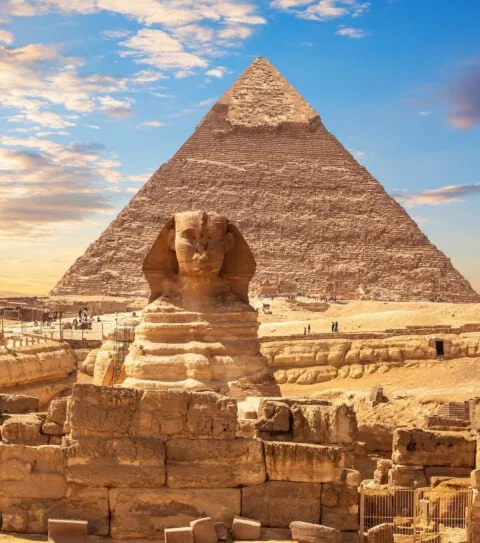
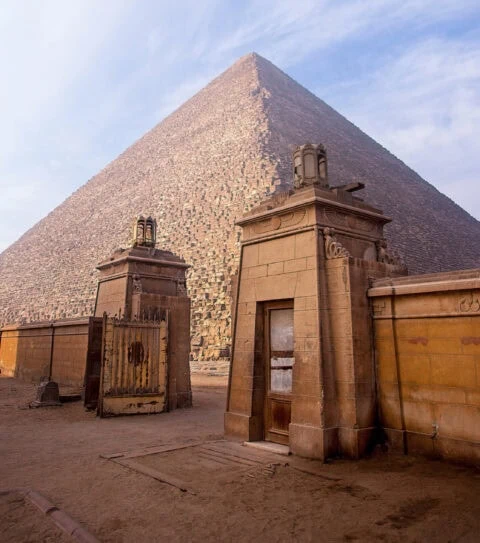
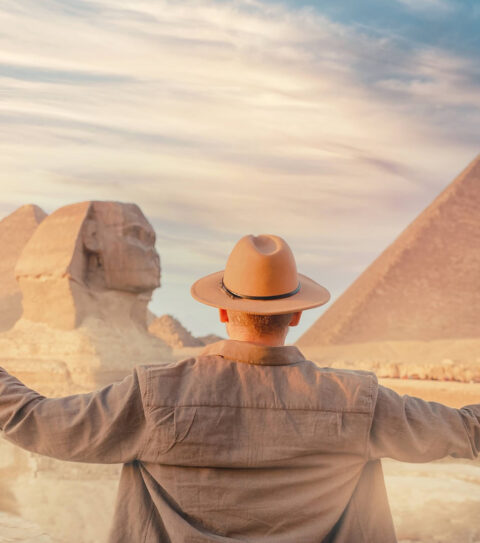
The Giza Plateau becomes infinitely more pleasant in March weather. Walking between the Great Pyramid, Sphinx, and surrounding mastaba tombs requires considerable time outdoors – something that becomes uncomfortable during summer heat or winter’s unpredictable cool spells.
Climbing inside the pyramids, particularly the Great Pyramid’s narrow passages, stays comfortable rather than stifling. The 15-minute walk to reach the burial chamber won’t leave you exhausted before experiencing this ancient wonder.
Luxor’s Open-Air Museums
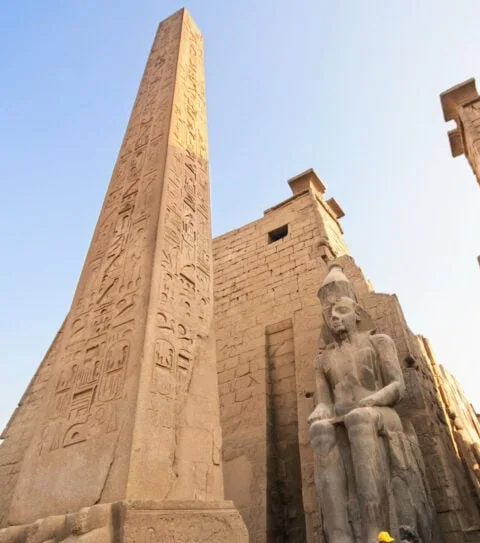
Luxor’s incredible concentration of temples and tombs truly shines in March. The Valley of the Kings involves significant outdoor walking between tomb entrances, plus time spent inside ancient burial chambers that can feel cramped in extreme temperatures.
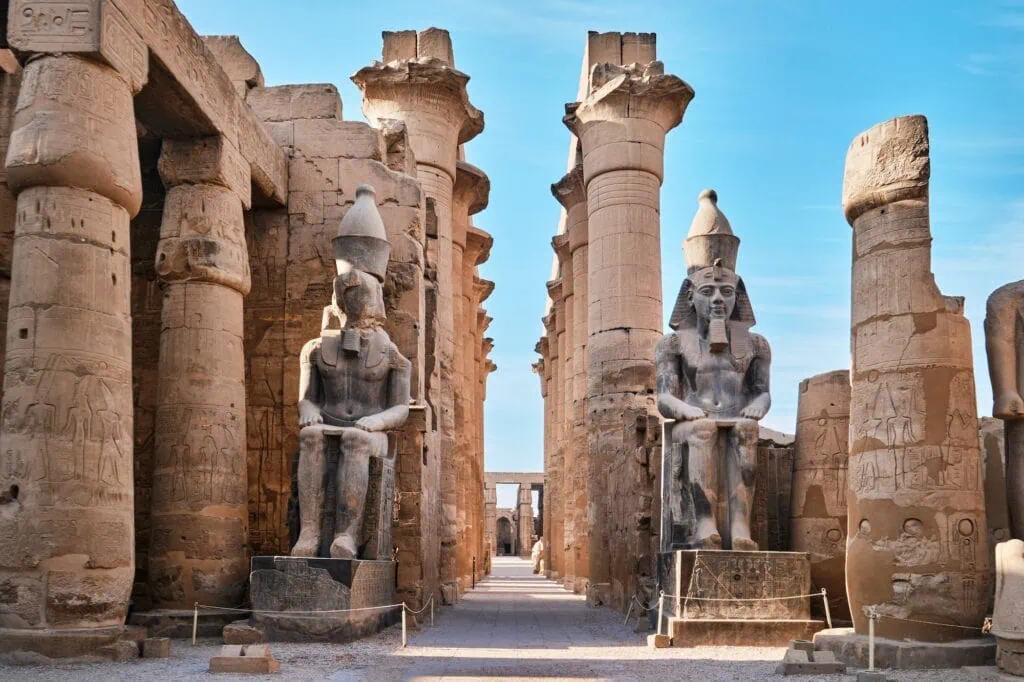
Karnak Temple Complex requires several hours to properly explore its massive halls, towering columns, and sacred lake. March’s moderate weather lets you appreciate these architectural marvels without rushing through due to heat exhaustion.
Red Sea Coast Activities
Egypt’s Red Sea resorts around Hurghada and Sharm El Sheikh offer perfect conditions for both relaxation and underwater adventures. Water temperatures hover around 22°C (72°F) – ideal for snorkeling and diving without thick wetsuits, yet refreshing after warm, sunny days on deck.
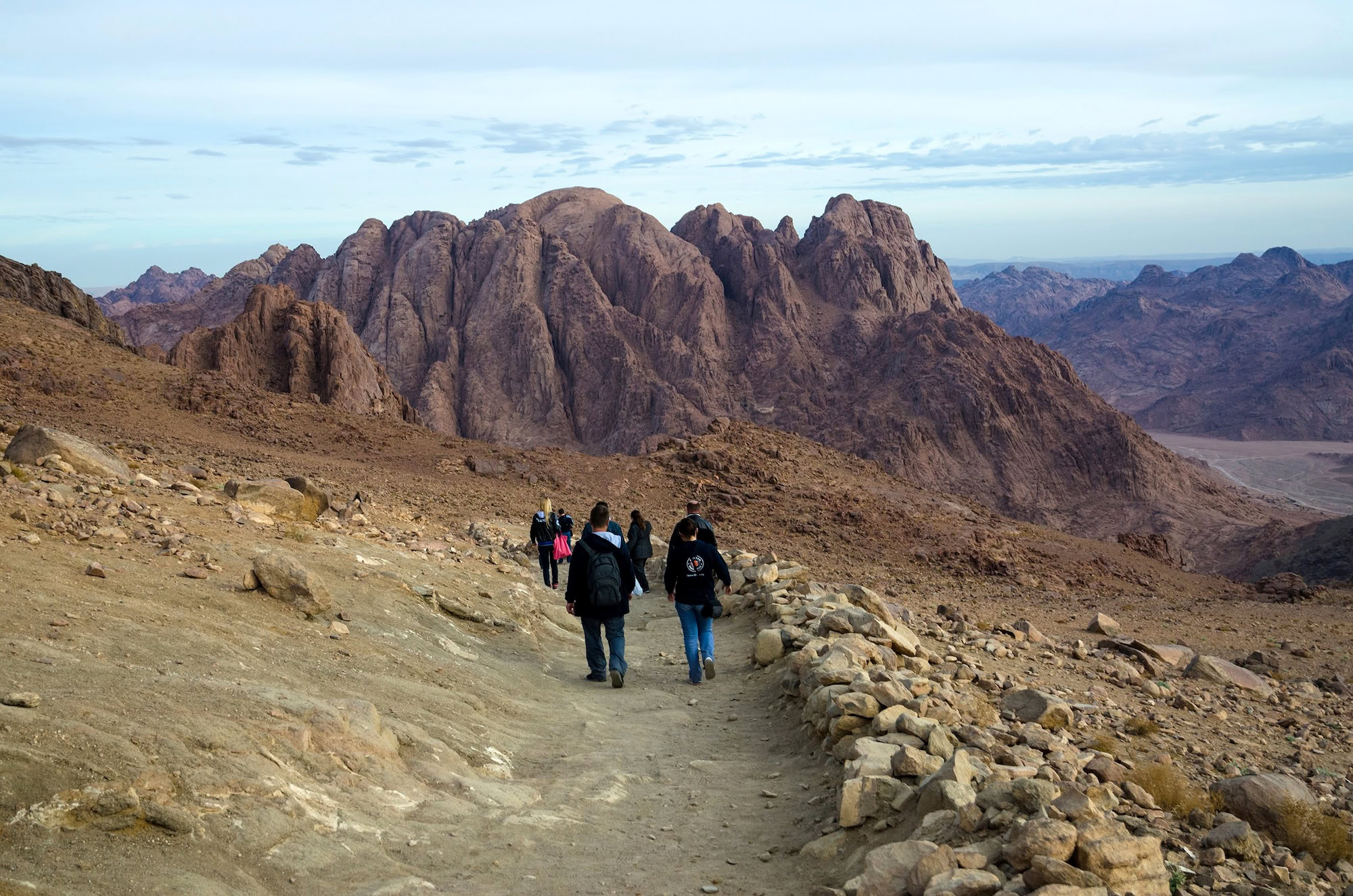
Beach activities become genuinely enjoyable rather than requiring constant shade-seeking. Desert excursions to places like the Colored Canyon or Mount Sinai remain comfortable for all fitness levels.
Smart Budget Considerations
March technically falls within Egypt’s high season, meaning you’ll pay premium rates for hotels and tours. However, the value proposition becomes compelling when you consider the enhanced experience quality.
Flight prices to Cairo typically peak during December and January holidays, then begin moderating by March. We often see 15-20% savings compared to peak winter months, particularly for mid-week departures. European travelers benefit from spring break availability, while American visitors can take advantage of pre-summer travel deals.
Hotel rates remain elevated but stabilize compared to holiday surges. Luxury properties along the Nile or in historic Cairo neighborhoods maintain peak pricing, but availability improves dramatically. This means better room selections and enhanced service levels rather than the bare-minimum accommodations sometimes offered during sold-out periods.
Tour group sizes naturally decrease as family vacations wind down, creating more intimate experiences. Private guides have increased availability, allowing for customized itineraries that might be impossible to arrange during peak demand periods. Restaurant reservations become readily available, especially at highly sought-after venues in Cairo or Luxor.
Nile Cruise Value
March represents excellent timing for Nile cruises between Luxor and Aswan. While prices remain at high-season levels, the experience quality improves significantly. River traffic decreases, creating more peaceful sailing conditions and better photo opportunities at riverside temples.
Cruise ships operate with lower occupancy rates, meaning more space at pools, quieter dining rooms, and enhanced personal service. Shore excursions to temples like Kom Ombo and Edfu become more enjoyable with smaller group sizes that move efficiently through ancient sites.
Cultural Events and Local Life
March brings several unique opportunities to experience Egypt beyond typical tourist activities. The weather creates perfect conditions for cultural exploration while local life adapts to the approaching warmer months.
Spring festivals begin emerging throughout the country. Coptic Christian communities celebrate various saints’ days, often involving colorful processions through historic neighborhoods. Islamic cultural events take advantage of the pleasant weather for outdoor gatherings and community celebrations.
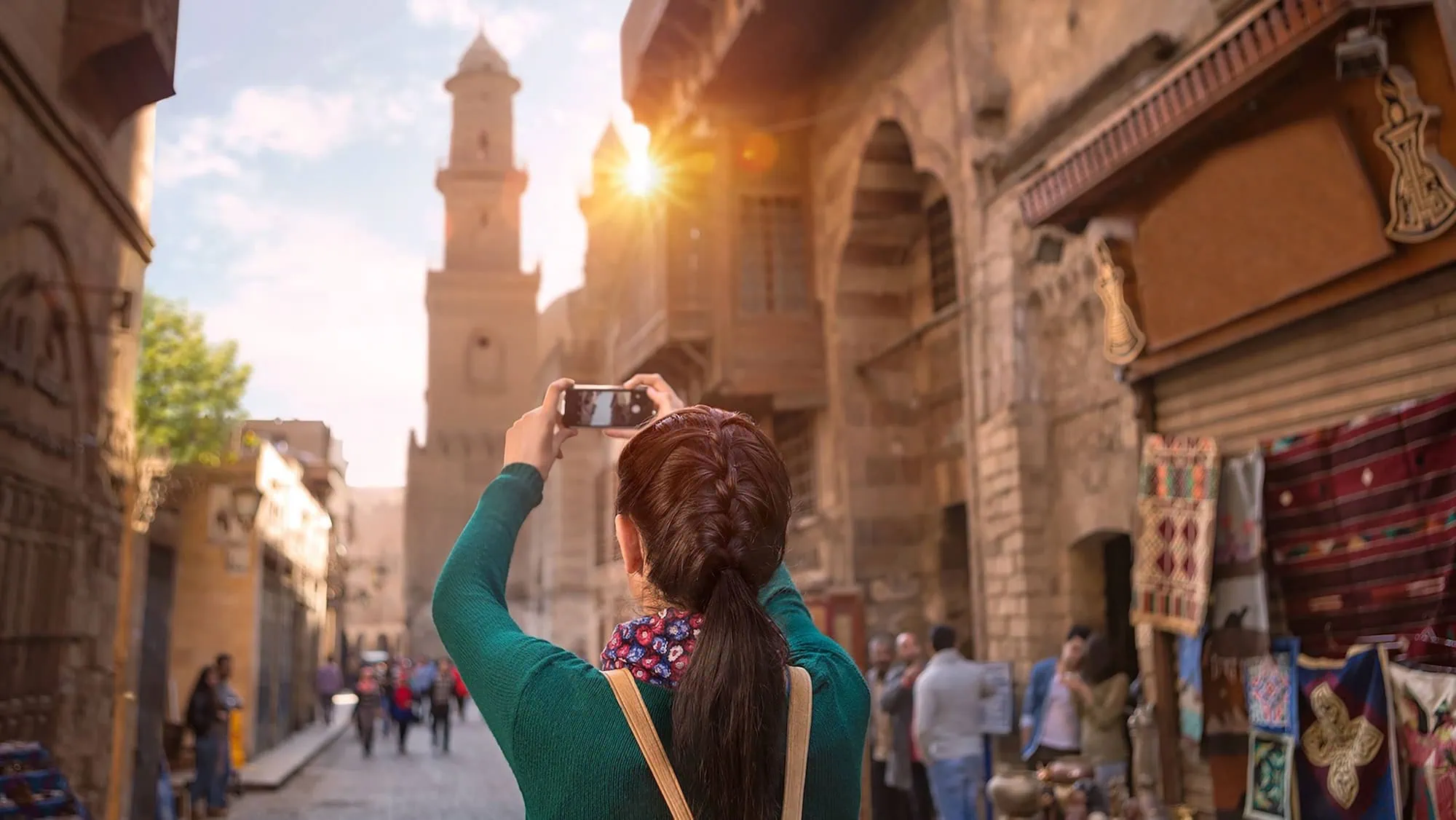
Local markets become more vibrant as vendors spend longer hours outdoors. Spice markets in Aswan, textile souks in Cairo, and craft workshops in Luxor all benefit from comfortable working conditions that encourage longer browsing and more authentic interactions with artisans.
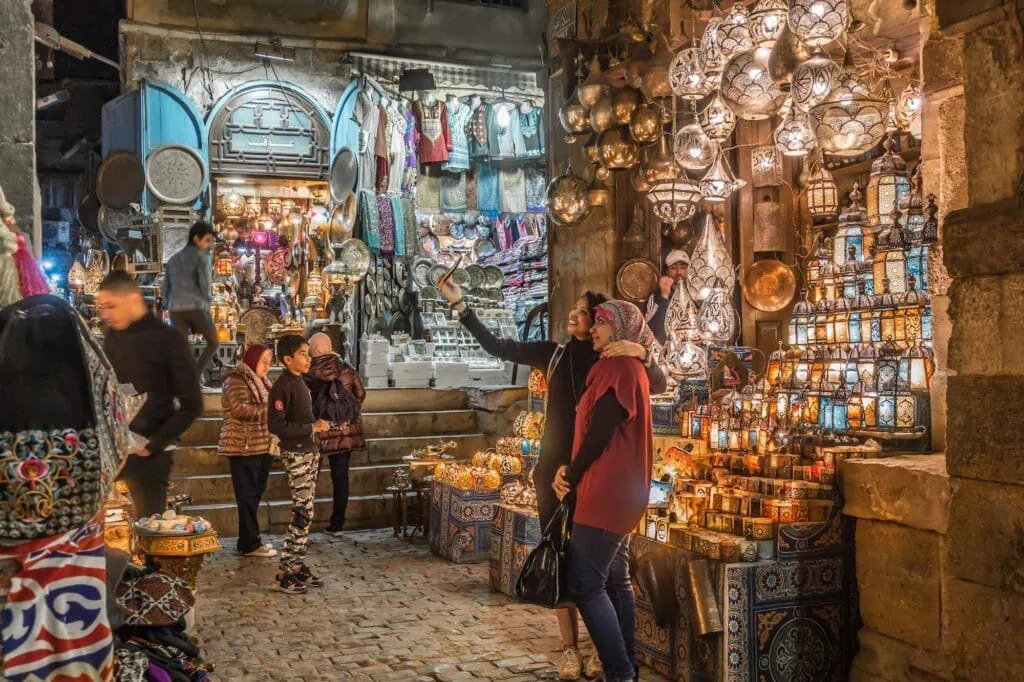
Cairo’s café culture truly shines during March evenings. Traditional ahwas (coffee houses) extend their outdoor seating, creating perfect spots for people-watching while sipping mint tea or Turkish coffee. The city’s Nile Corniche becomes a pleasant evening stroll rather than a hurried dash between air-conditioned buildings.
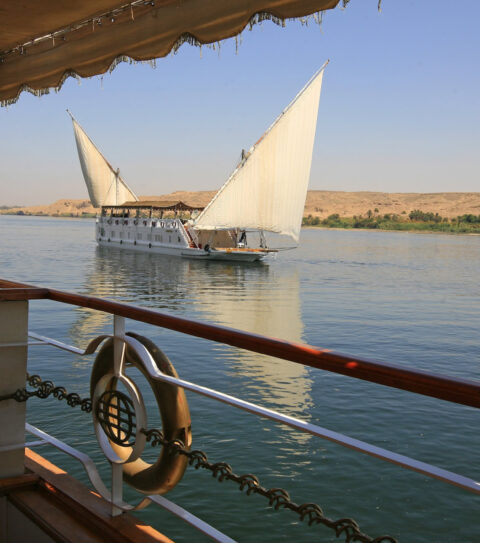
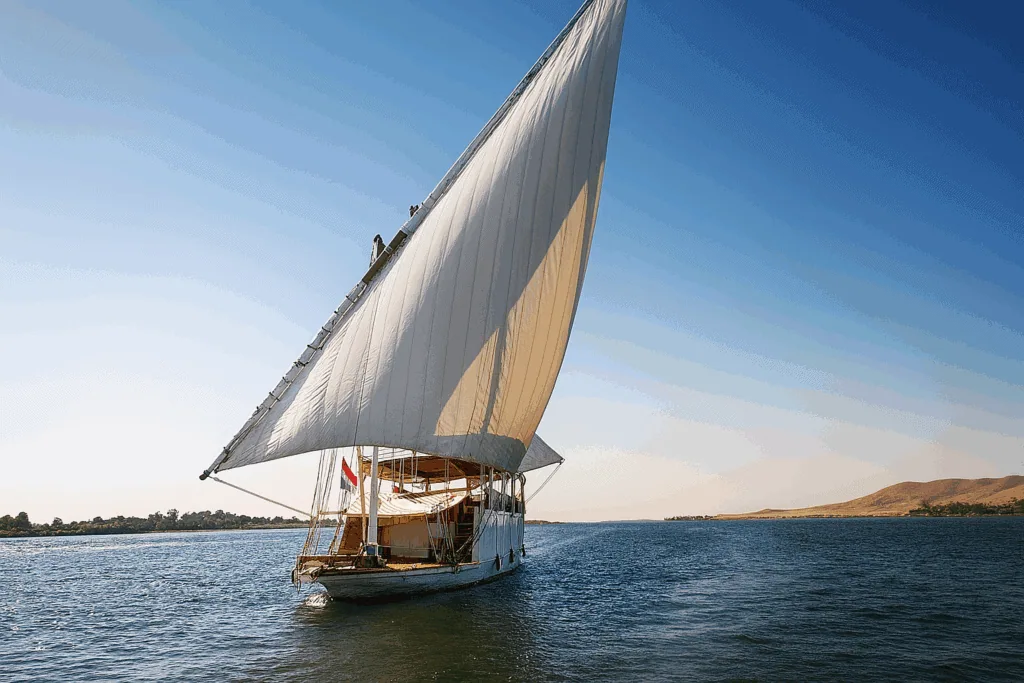
Traditional felucca sailing on the Nile reaches ideal conditions – gentle breezes, comfortable temperatures, and clear skies create memorable sunset experiences that feel rushed or uncomfortable during extreme weather periods.
During Ramadan, Egypt takes on a distinct cultural character. Days are quieter, while evenings come alive after iftar (the breaking of the fast). Streets fill with families, cafés buzz late into the night, and decorative Ramadan lanterns (fanous) illuminate neighborhoods. For travelers, this creates memorable evenings and a deeper connection to local traditions.
Local markets adjust their hours, often staying open later into the night. Café culture shifts accordingly, with traditional ahwas becoming social hubs after sunset. This makes March—especially late March after Ramadan ends—an excellent time to enjoy both cultural authenticity and full daytime activity.
Smart Planning Considerations for March 2026
Best Timing: Travelers seeking minimal impact should plan for mid-to-late March 2026, when Ramadan has ended but weather conditions remain ideal.
Sightseeing: All major attractions remain open during Ramadan, including temples, museums, and archaeological sites.
Tours & Guides: Guided tours operate normally, with slight schedule adjustments to optimize comfort during fasting hours.
Dining: Hotels, Nile cruises, and tourist restaurants serve food throughout the day; local eateries may open mainly after sunset.
Atmosphere: Expect peaceful mornings, quieter afternoons, and vibrant evenings—especially in historic districts and along the Nile.
Frequently Asked Questions
Mid to late March generally offers the best weather conditions in Egypt, with warm daytime temperatures, cooler evenings, and a lower chance of lingering winter weather. Cairo often experiences highs around 24-28°C (75-82°F), while Luxor and Aswan remain comfortably warm without the intense heat of late spring. March also brings longer daylight hours for sightseeing and photography. Travelers seeking the best balance of weather and crowd levels should target the second half of the month.
No, March is busy but typically less crowded than the peak winter months of December, January, and February. The Pyramids of Giza continue to attract strong visitor numbers thanks to pleasant temperatures, yet queues and congestion are often more manageable than during the holiday season. Weekends, public holidays, and school breaks can still increase attendance. Arriving when the site opens in the morning provides a quieter experience and better photography conditions.
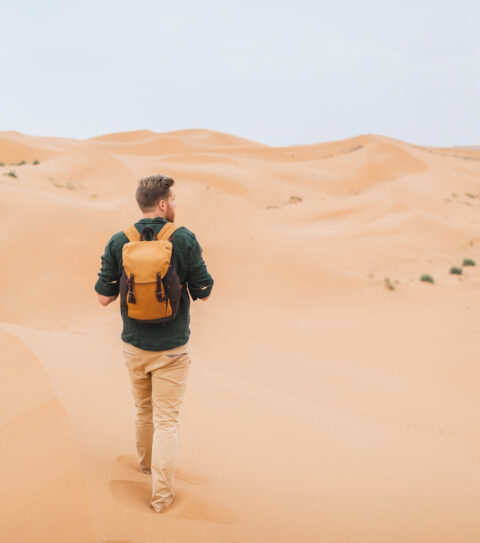
Pack lightweight clothing for daytime sightseeing, along with a light jacket or sweater for cooler evenings and early mornings. March temperatures can range from around 12-16°C (54-61°F) at night in Cairo to over 25°C (77°F) during the day. Comfortable walking shoes are essential for sites such as the Pyramids of Giza, Karnak Temple, and the Valley of the Kings. Sunscreen, sunglasses, and a wide-brimmed hat should also be included.
Yes, March is one of the best months for a Nile cruise between Luxor and Aswan. Daytime temperatures are typically warm enough for outdoor sightseeing while remaining comfortable for temple visits and deck activities. Visibility is often excellent for photography, and visitor numbers are usually lower than during the busiest winter weeks. The combination of pleasant weather, manageable crowds, and full cruise schedules makes March a highly desirable cruising month.
Southern Egypt remains pleasantly warm in March, with cities such as Aswan typically reaching around 27°C (81°F) during the day. Luxor often experiences similar temperatures, creating excellent conditions for exploring outdoor archaeological sites. Unlike April and May, extreme afternoon heat is generally uncommon during March. Visitors can comfortably tour attractions such as Abu Simbel, Philae Temple, and the Valley of the Kings throughout much of the day.
No, air conditioning is helpful but not essential for every activity in Egypt during March. Many outdoor attractions are comfortable thanks to moderate spring temperatures, especially in Cairo and northern Egypt. Hotels, cruise ships, restaurants, and museums generally provide air conditioning, but visitors often find mornings and evenings pleasant enough without it. March is one of the few months when extended outdoor sightseeing remains comfortable across much of the country.
Yes, the Red Sea is suitable for swimming in March, with water temperatures averaging around 22°C (72°F). Popular destinations such as Hurghada, Sharm El Sheikh, and Marsa Alam offer comfortable conditions for swimming, snorkeling, and diving. Visibility is often excellent, and marine life remains active throughout the season. Most visitors can swim comfortably without heavy wetsuits, making March a popular month for Red Sea vacations.
March is generally one of Egypt’s most stable weather months, although occasional rain showers can occur in northern regions and along the Mediterranean coast. Desert winds may occasionally bring dust or reduced visibility, but significant disruptions are uncommon. Southern destinations such as Luxor and Aswan experience very little rainfall. Travelers can expect mostly sunny days and reliable sightseeing conditions, making March a dependable month for touring.
March usually falls within Egypt’s high tourism season, but prices are often lower than the peak holiday period of December and January. Hotels, Nile cruises, and guided tours may still command premium rates because of favorable weather, yet availability is typically better. Travelers often find stronger value compared with winter peak dates while still enjoying excellent conditions. Booking early can help secure the best rates on popular experiences.
Yes, March is one of the best months for desert excursions in Egypt because temperatures remain moderate throughout most desert regions. Destinations such as the White Desert, Bahariya Oasis, and Siwa Oasis are far more comfortable in March than during the summer months. Daytime conditions support hiking, camping, and off-road exploration without extreme heat. Many travelers specifically choose March for desert adventures due to the favorable climate.
Almost any time of day can work for sightseeing in Egypt during March, but the period between 10:00 am and 5:00 pm often provides the most comfortable temperatures and best natural lighting. Unlike summer months, midday heat is usually manageable across most destinations. Early mornings remain ideal for popular attractions and photography, while late afternoons provide softer light at sites such as the Pyramids of Giza and Luxor Temple.
Yes, advance booking is recommended because March remains part of Egypt’s popular travel season. Experiences such as Nile cruises, Luxor hot air balloon flights, and premium guided tours can sell out, especially during school holidays and Easter periods. Reserving several weeks or months ahead provides greater choice in hotels, cruise cabins, and tour schedules. Early booking is particularly important for travelers seeking specific dates or luxury accommodations.
Explore our most popular guides and expert tips to make your trip safe, smooth, and unforgettable.
Plan Your Egypt Adventure with Confidence
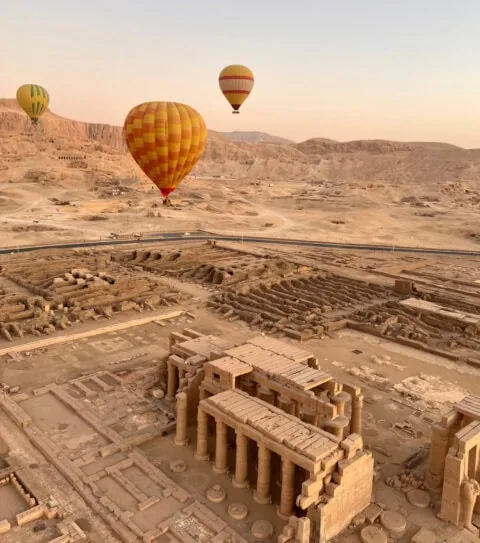
How to Plan a Trip Egypt
Step-by-step guide to help you plan the perfect Egypt trip — from routes and budget to booking.
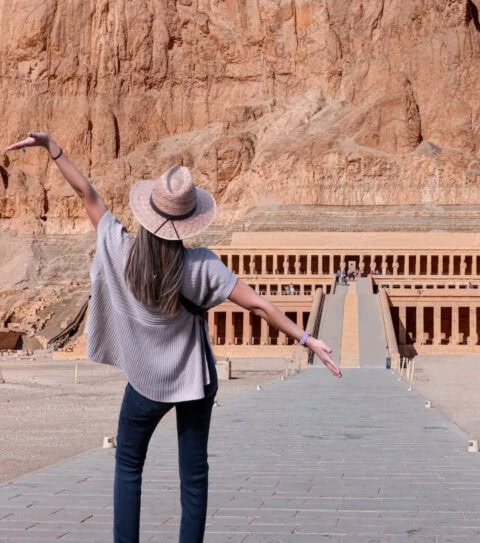
Best Time to Visit Egypt
Learn the best months to visit Egypt based on weather, crowds, and local travel experiences.
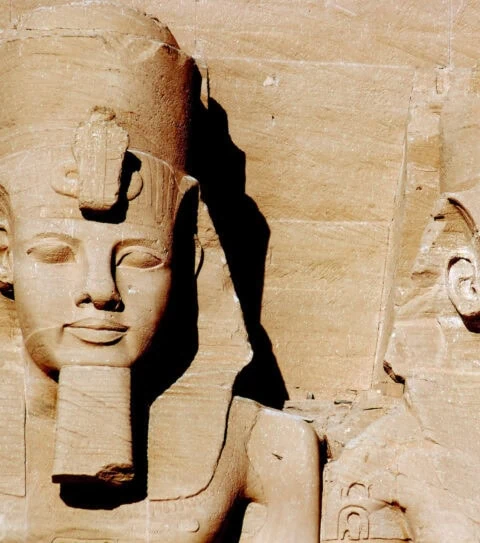
Must Visit Places in Egypt
Explore Egypt’s top sights — from pyramids to temples — and hidden gems worth seeing.
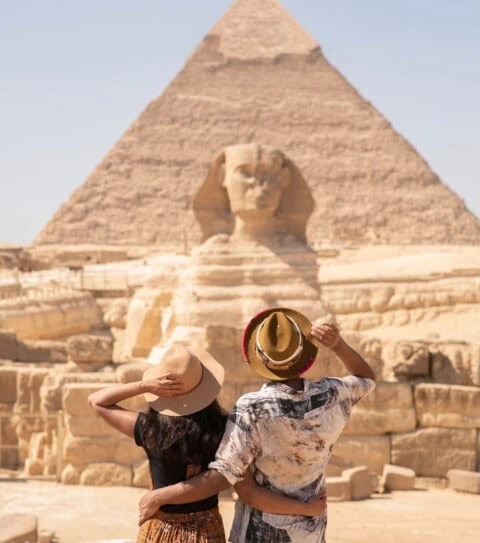
Top-Rated Egypt Tours
Handpicked private tours with local guides — our most loved and best-reviewed experiences.
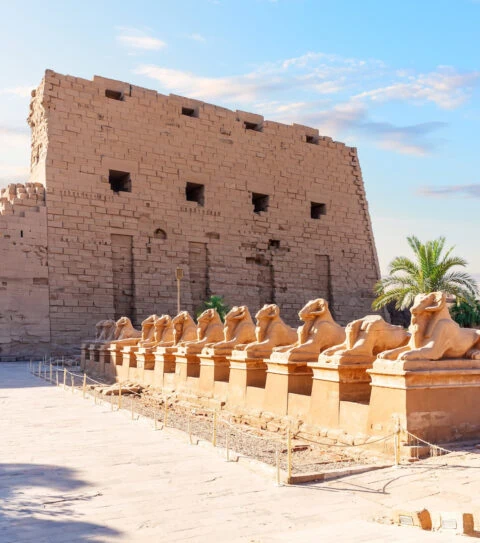
How Many Days to Visit Egypt?
Find out how many days you need in Egypt — from quick trips to full itineraries.
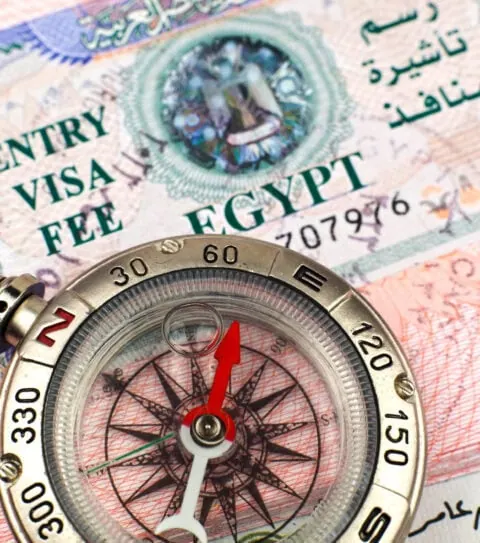
Egypt Visa Requirements
Check if you need a visa and get simple, up-to-date entry info based on your nationality.
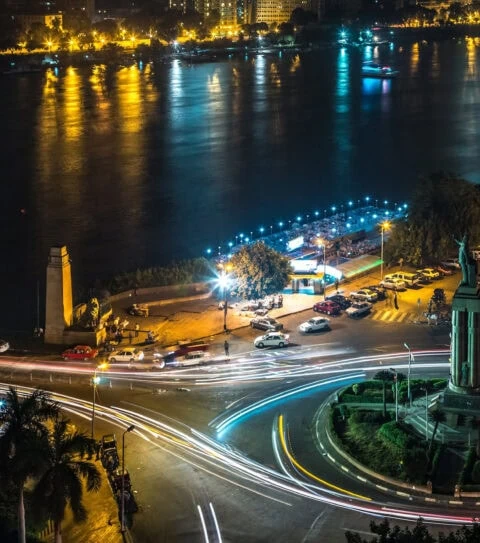
Is it Safe to Travel to Egypt?
Is Egypt safe? Get honest safety tips, area advice, and what to know before you travel.
What to Pack for Egypt
A quick packing guide with essentials, cultural tips, and clothing advice for your Egypt trip.
Design Your Custom Tour
Explore Egypt your way by selecting only the attractions you want to visit