Popular Cities in Egypt: Where History, Culture & Daily Life Meet
Egypt calls to travelers with promises of ancient wonders and modern adventures.
From the bustling streets of Cairo where pyramids rise against urban skylines to the tranquil banks of the Nile in Aswan, Egypt’s cities offer experiences that span millennia. Whether you’re drawn to Alexandria’s Mediterranean charm, Luxor’s unparalleled archaeological treasures, or the Red Sea’s crystal-clear waters in Hurghada, each destination tells its own captivating story. Planning your Egyptian adventure means choosing between incredible options, each offering unique perspectives on this remarkable country.
We’ve explored every corner of Egypt to bring you insider knowledge on the cities that truly capture the essence of this ancient land.
Cairo: Where Ancient Meets Modern
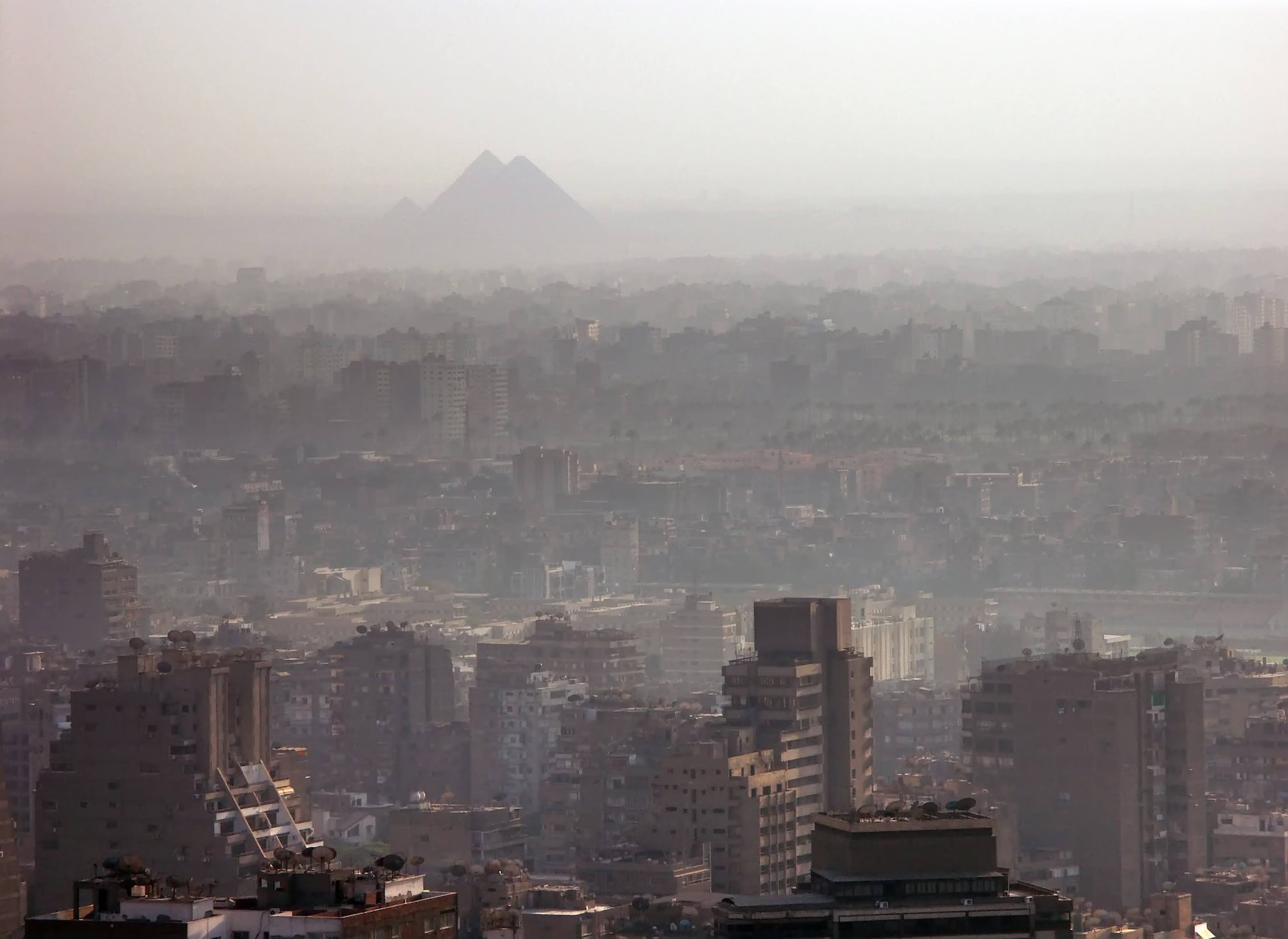
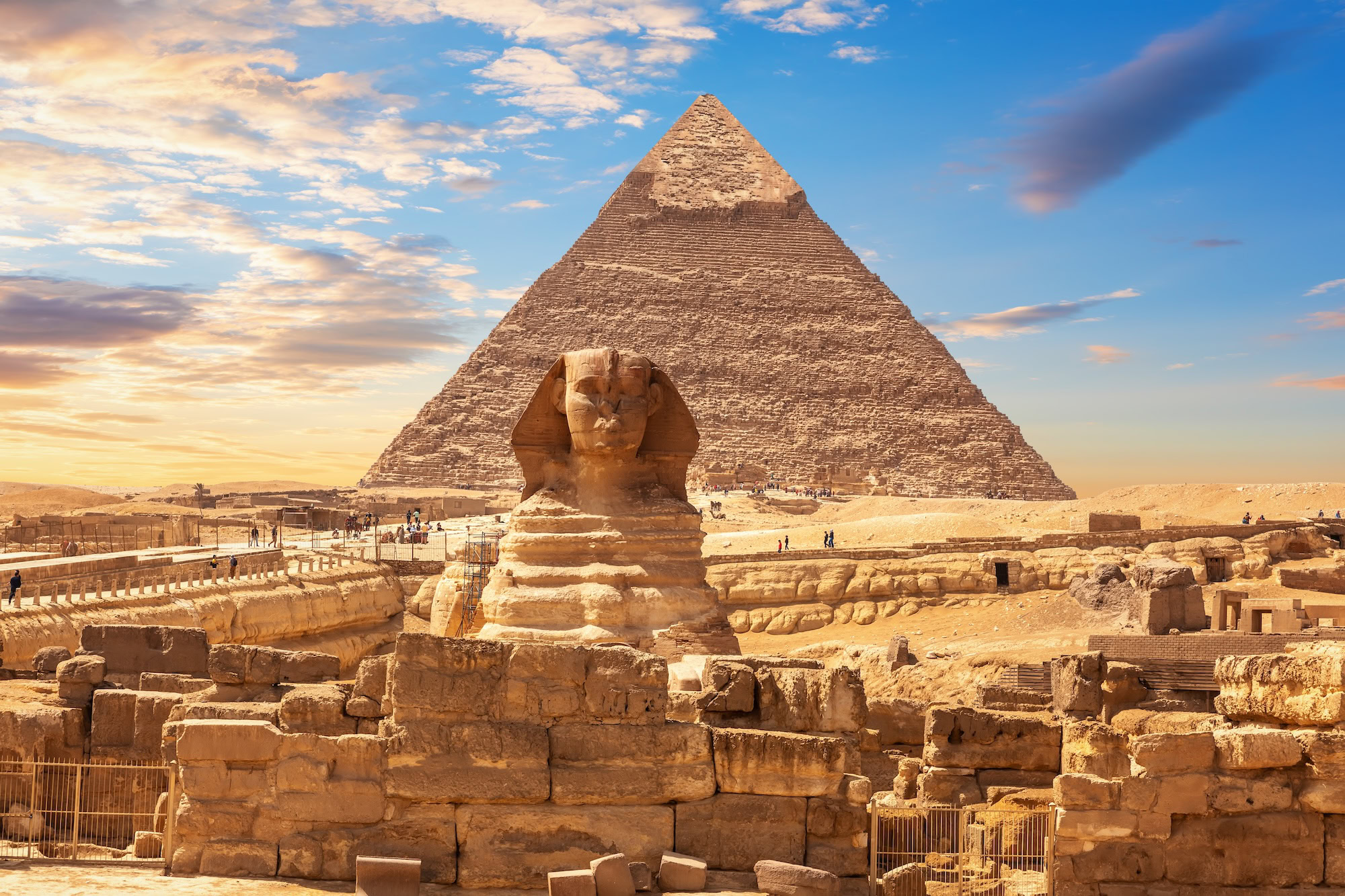
Cairo pulses with an energy unlike anywhere else on earth. Home to over 20 million people, Egypt’s capital seamlessly blends 4,000 years of history with contemporary urban life. The Giza pyramid complex sits just outside the city center, while the Khan el-Khalili bazaar buzzes with the same commercial spirit that has driven trade here for centuries.
The Pyramid Complex and Beyond
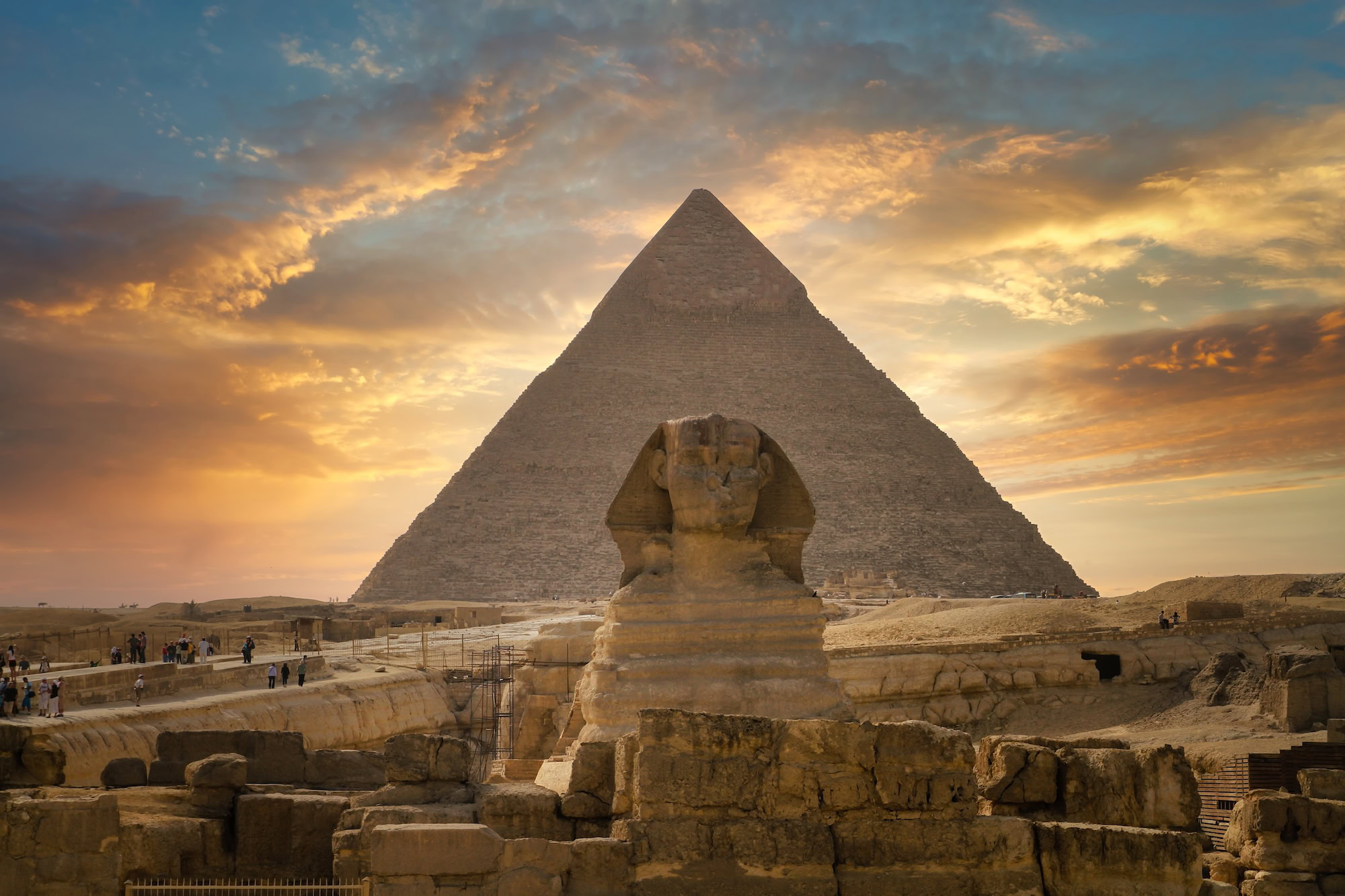
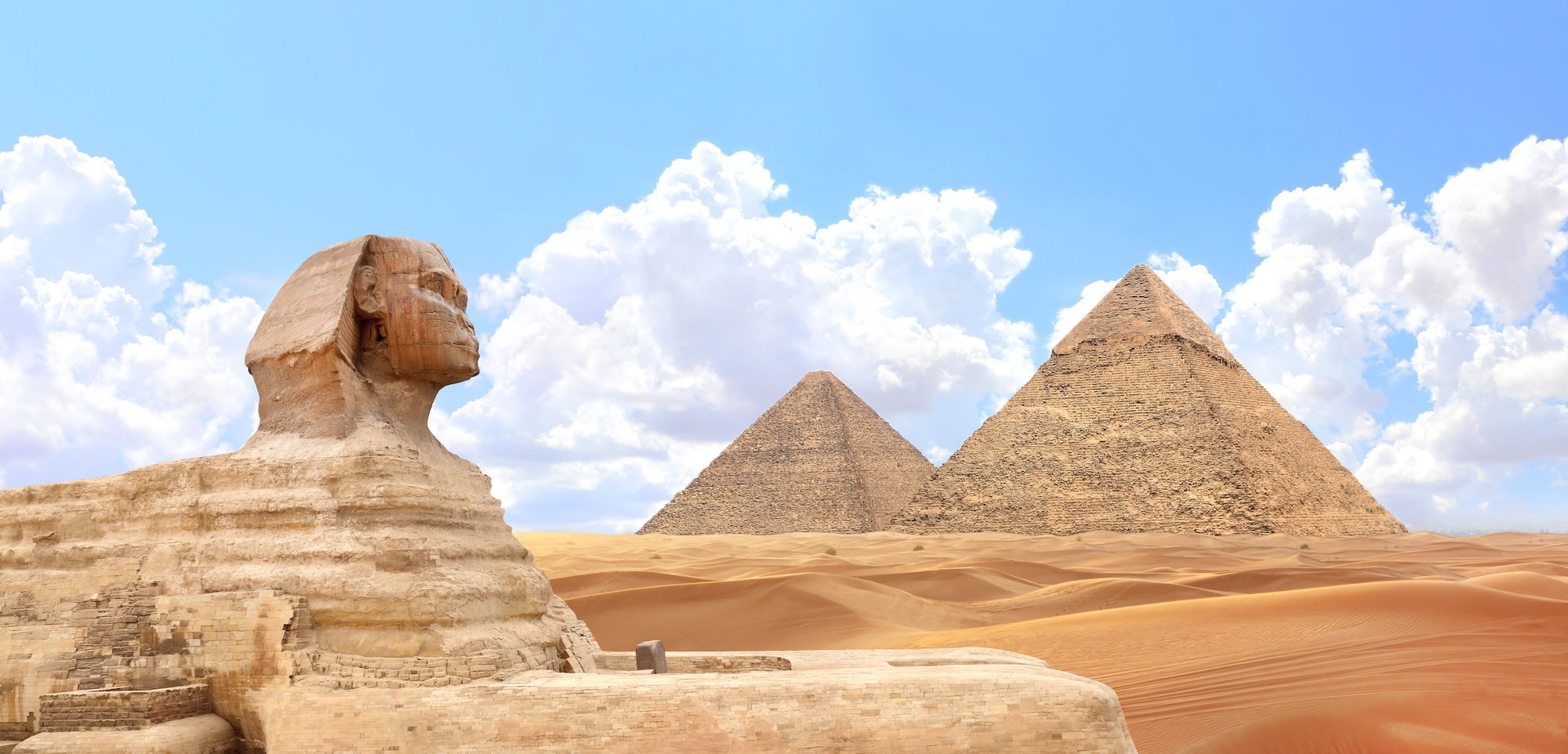
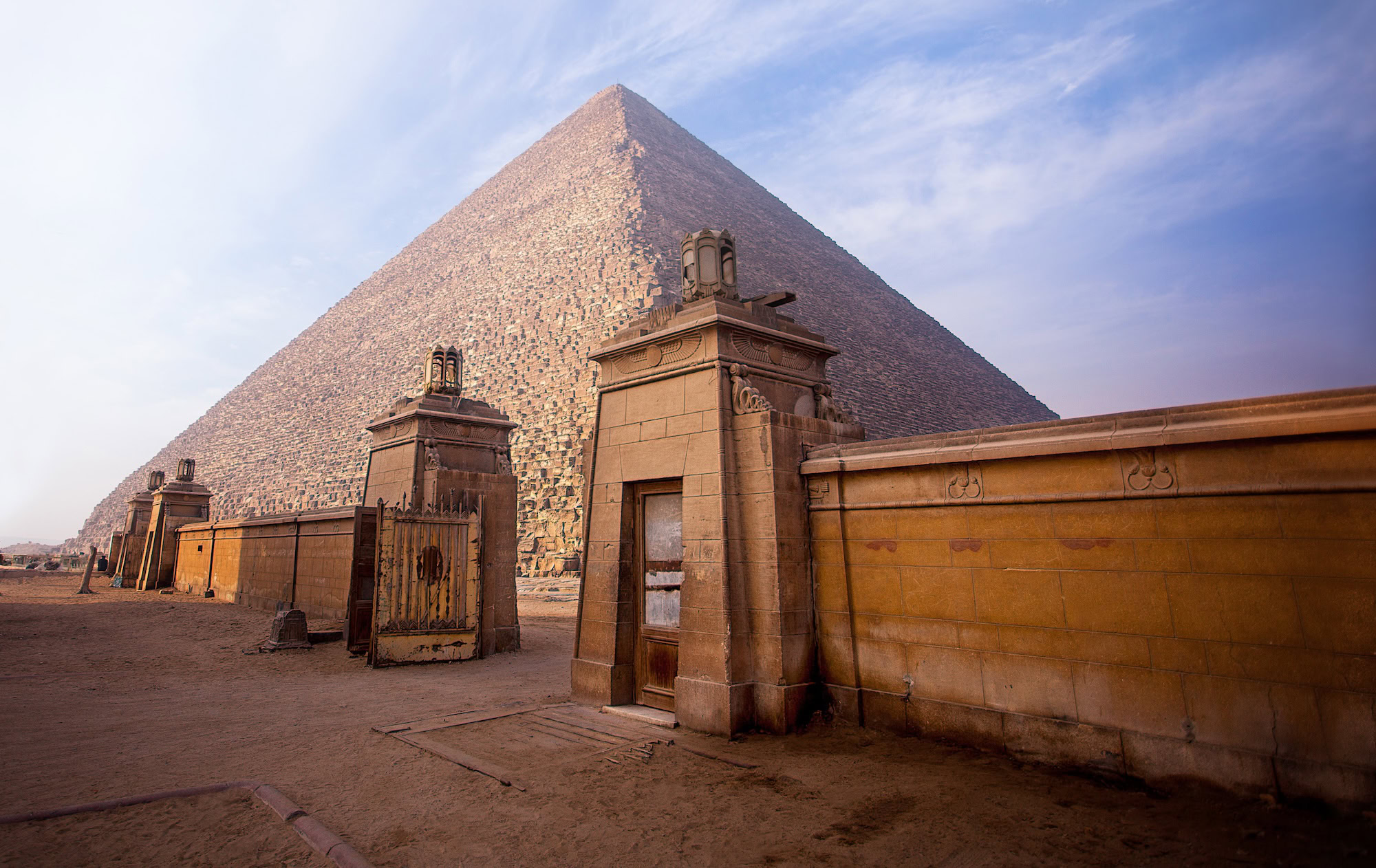
The Great Pyramid of Giza stands as Cairo’s crown jewel, the only surviving Wonder of the Ancient World. Visiting early morning allows you to witness sunrise over these monuments before crowds arrive. The nearby Sphinx guards its secrets while the Solar Boat Museum reveals fascinating details about ancient Egyptian burial practices.
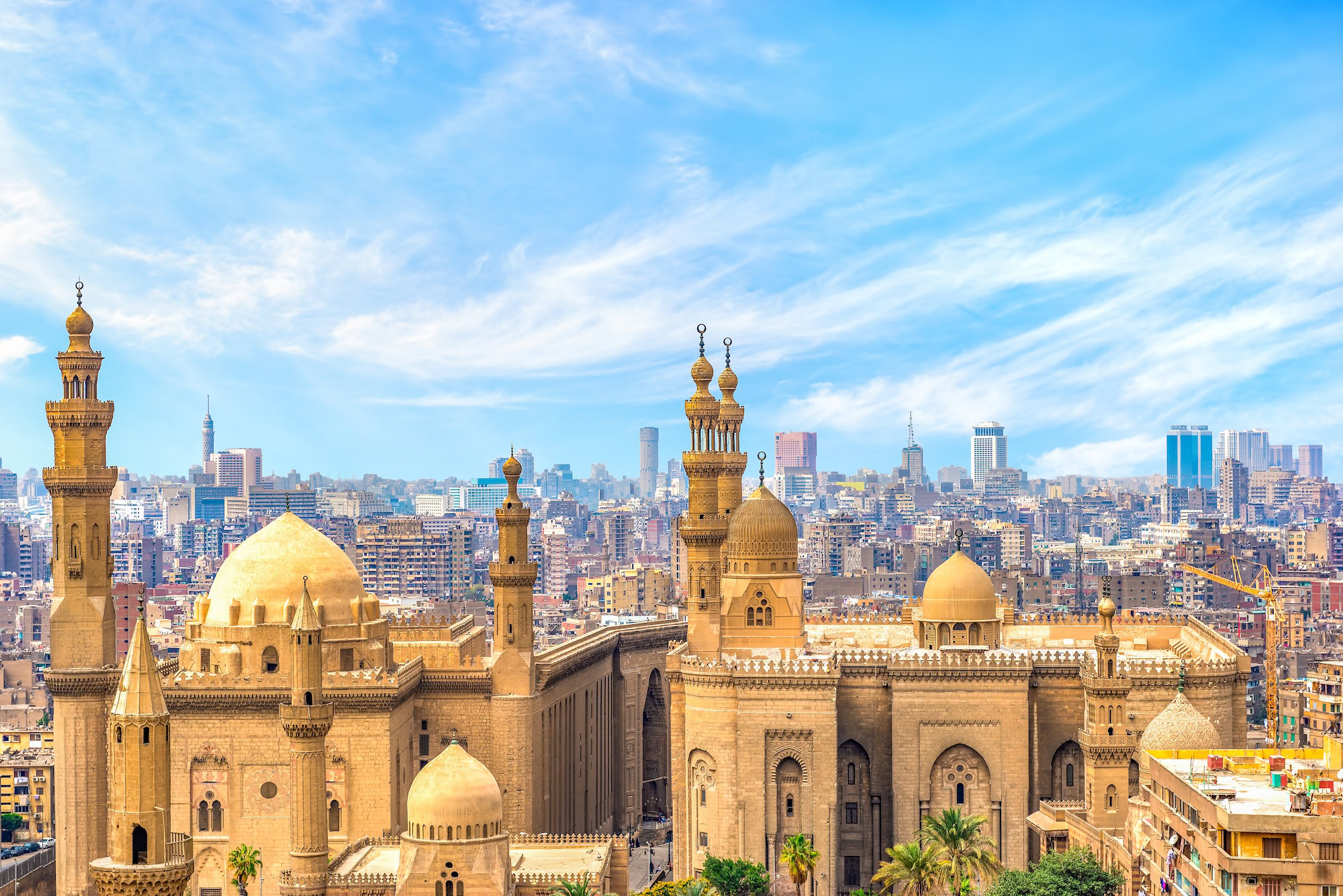
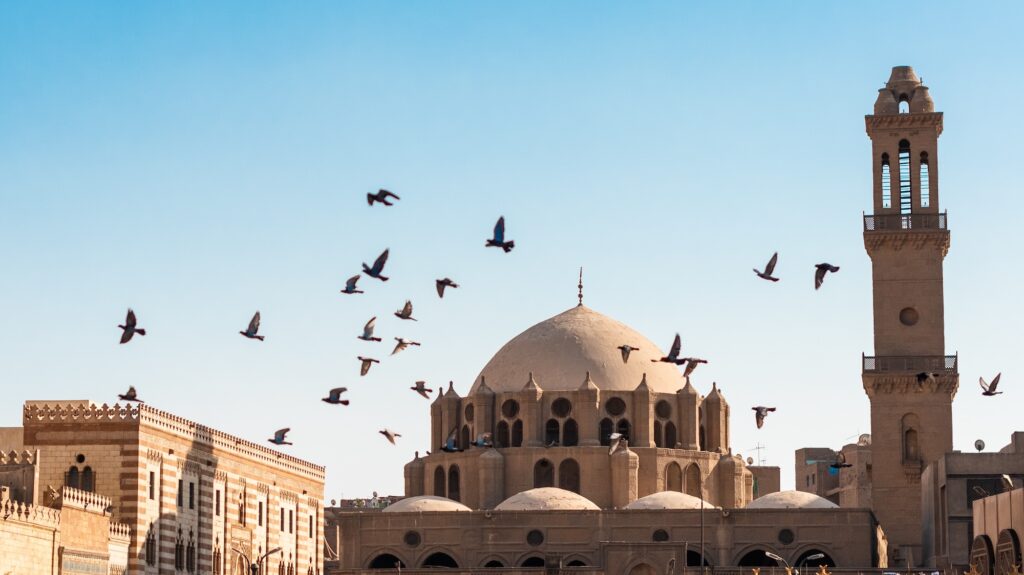
Islamic Cairo deserves equal attention with its stunning mosque architecture and medieval streets. The Citadel of Saladin offers panoramic city views, while Al-Azhar Mosque represents one of the Islamic world’s most important centers of learning.
Museums and Cultural Treasures
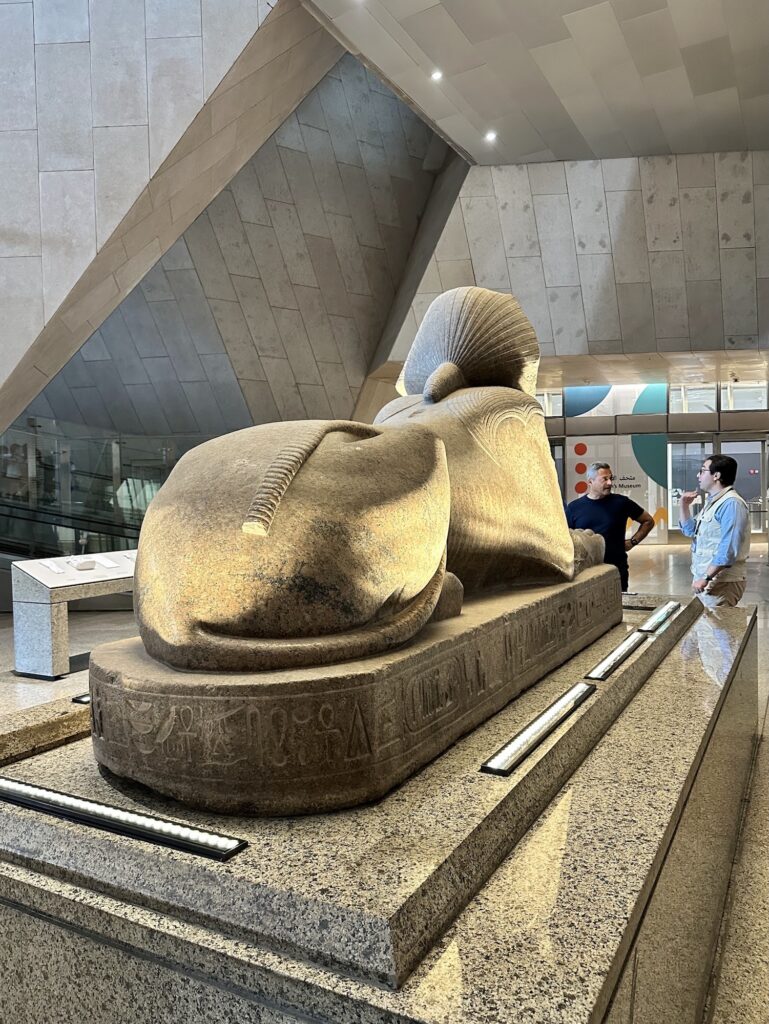
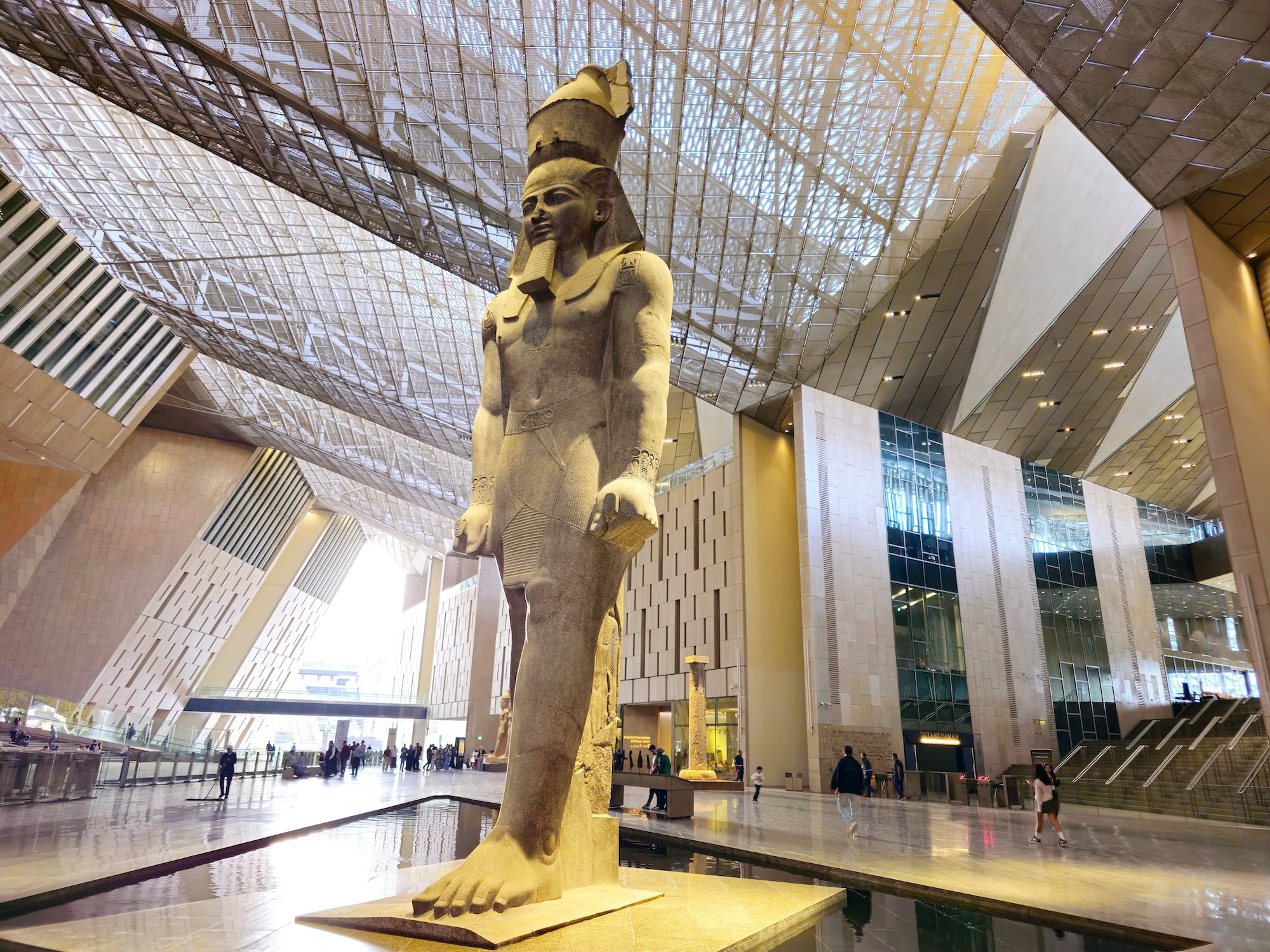
The Grand Egyptian Museum is now fully open and stands as the world’s largest museum dedicated to ancient Egyptian civilization. Located near the Giza Pyramids, it showcases an unparalleled collection of artifacts, including the complete treasures of Tutankhamun displayed together for the first time, offering a state-of-the-art and immersive journey through Egypt’s remarkable past.
Coptic Cairo tells the story of Egypt’s Christian heritage through beautiful churches and the fascinating Coptic Museum.
Getting Around the Capital
Cairo’s metro system provides efficient transportation between major attractions, though taxis and ride-sharing apps offer more flexibility. Traffic can be intense, so allow extra time for travel between destinations. Many visitors find guided tours helpful for navigating the city’s complex layout and understanding historical contexts.
Luxor: The World’s Greatest Open-Air Museum
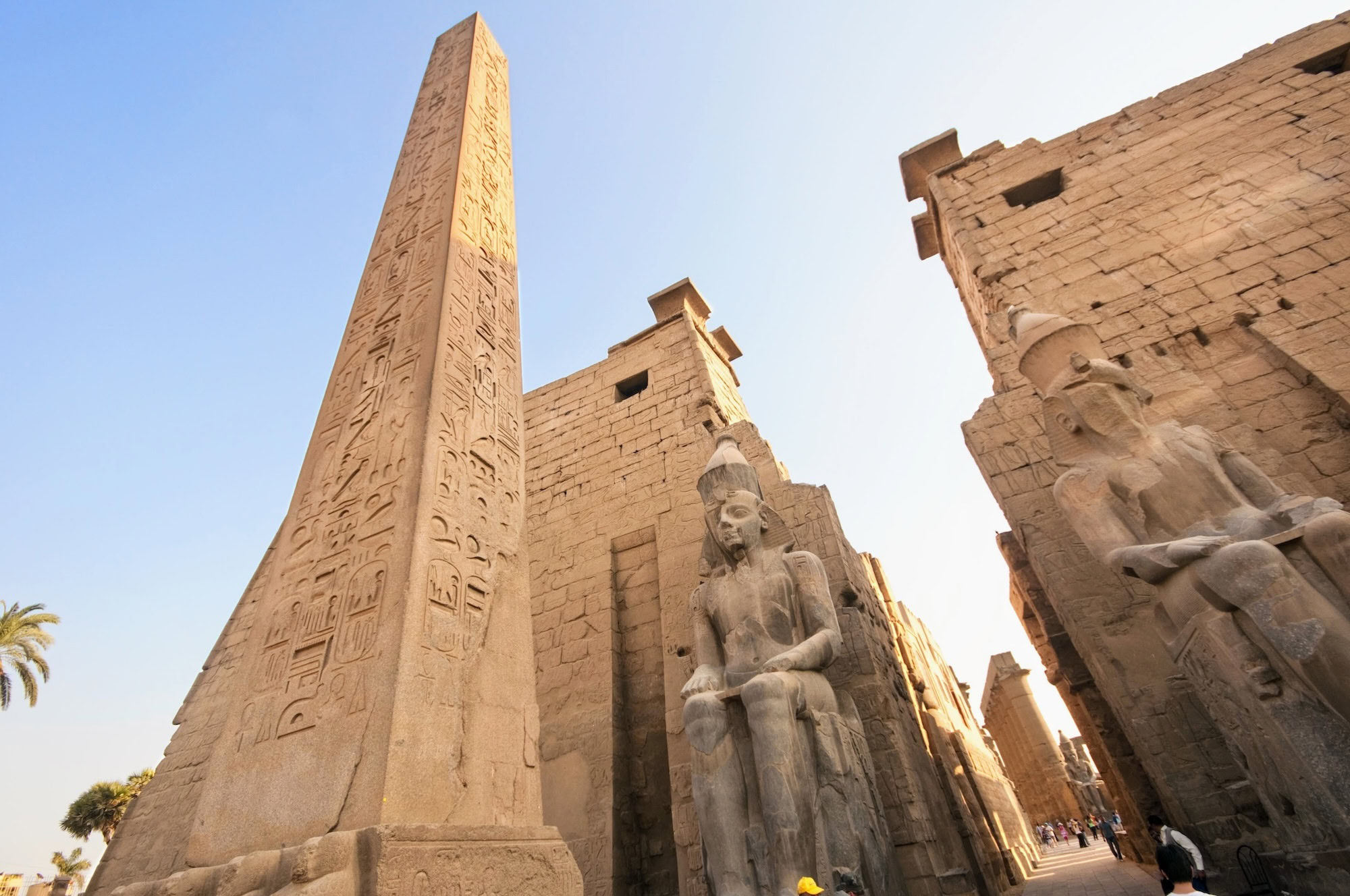
Ancient Thebes reveals its secrets through Luxor’s extraordinary archaeological sites. This peaceful city along the Nile’s east bank serves as the gateway to some of Egypt’s most magnificent temples and tombs. The contrast between Luxor’s modern amenities and its ancient monuments creates an almost surreal atmosphere.
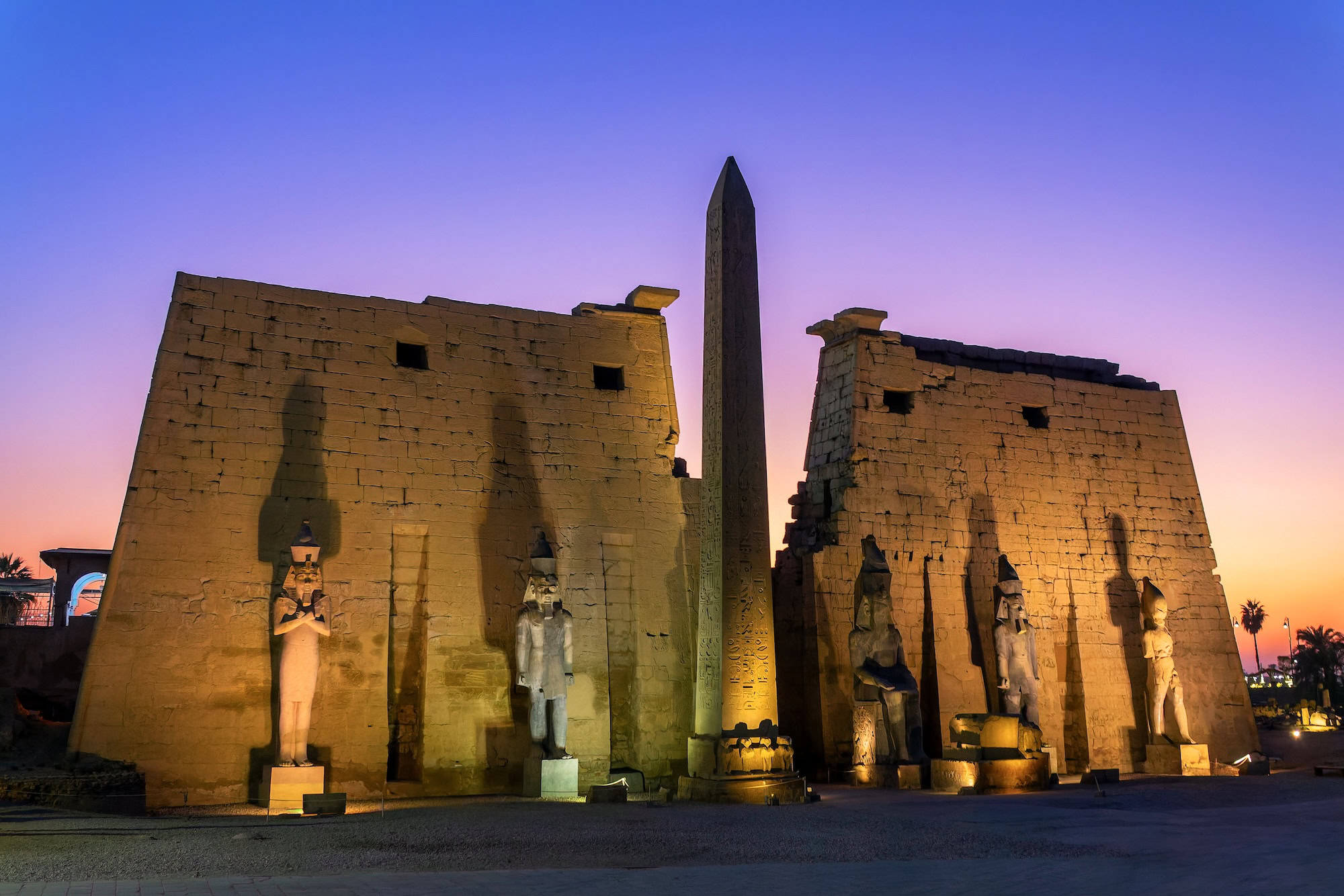
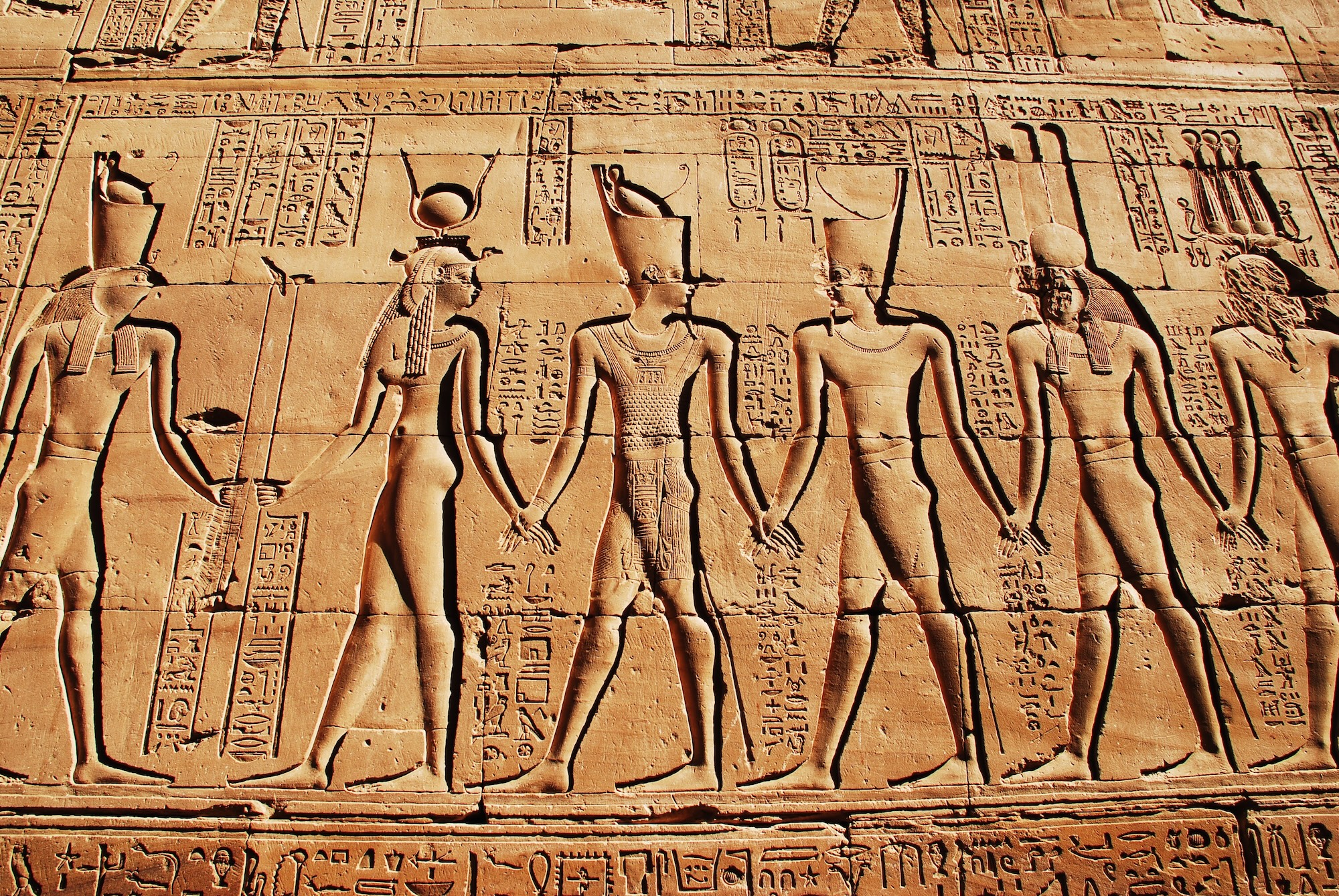
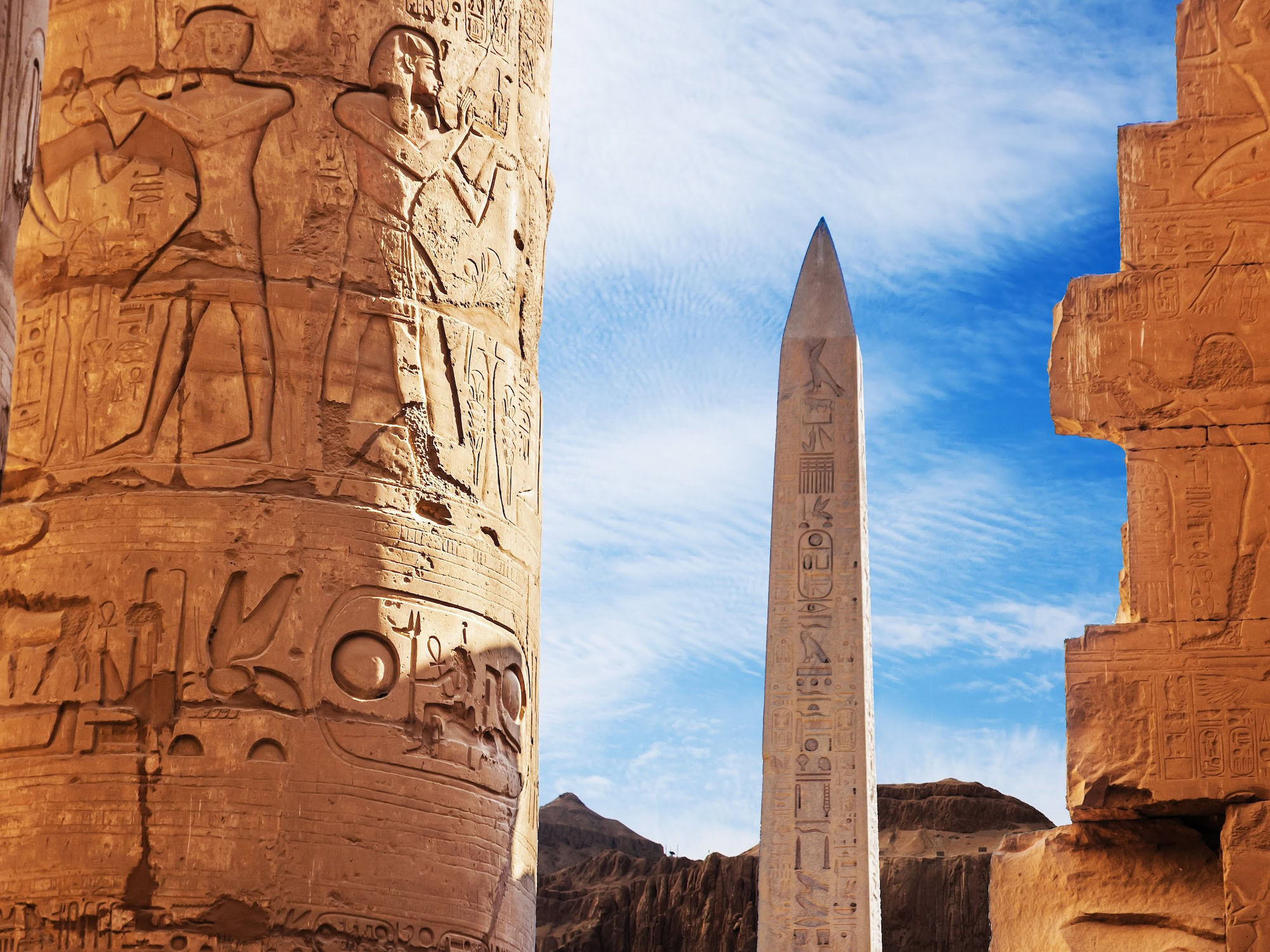
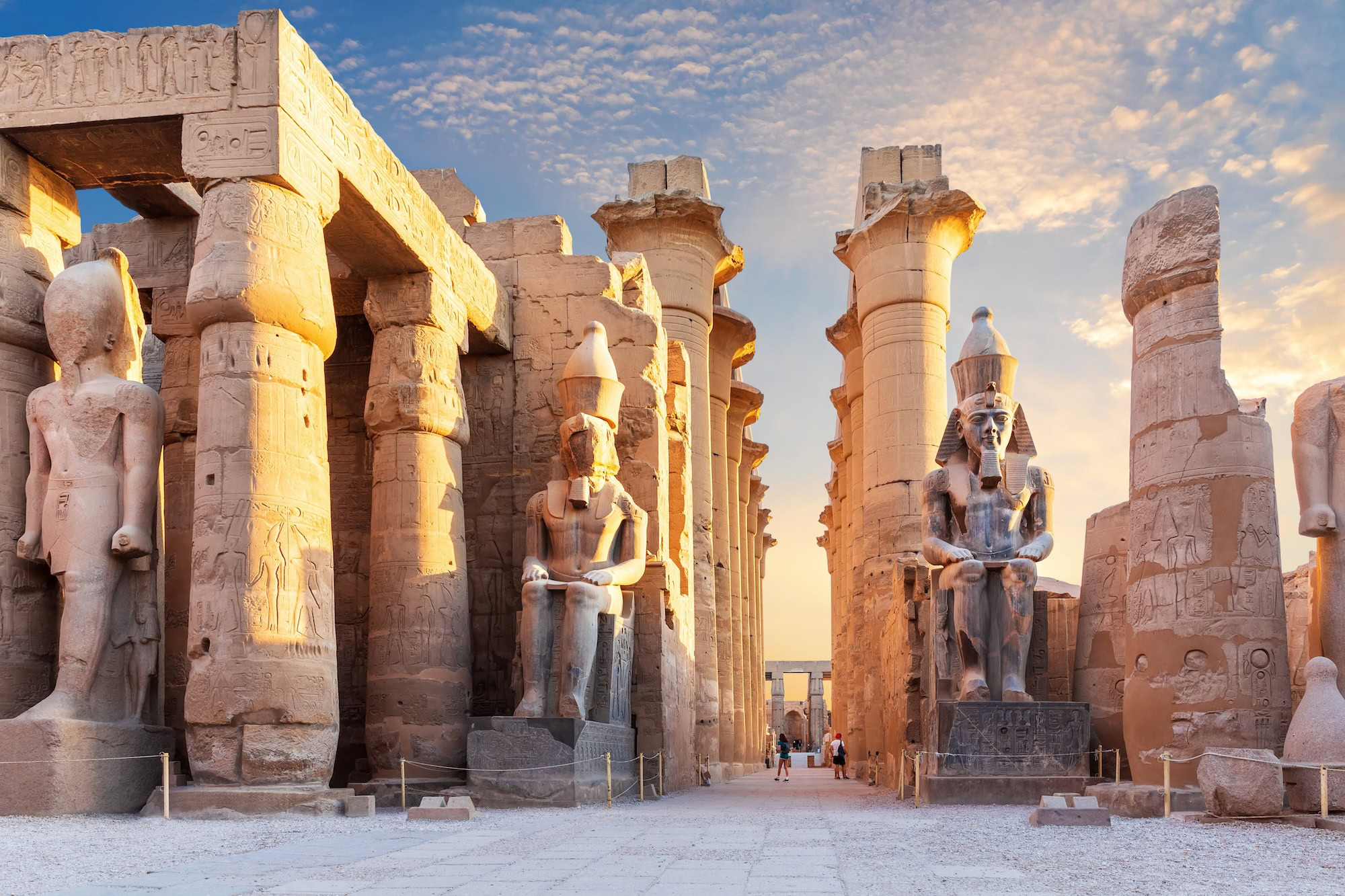
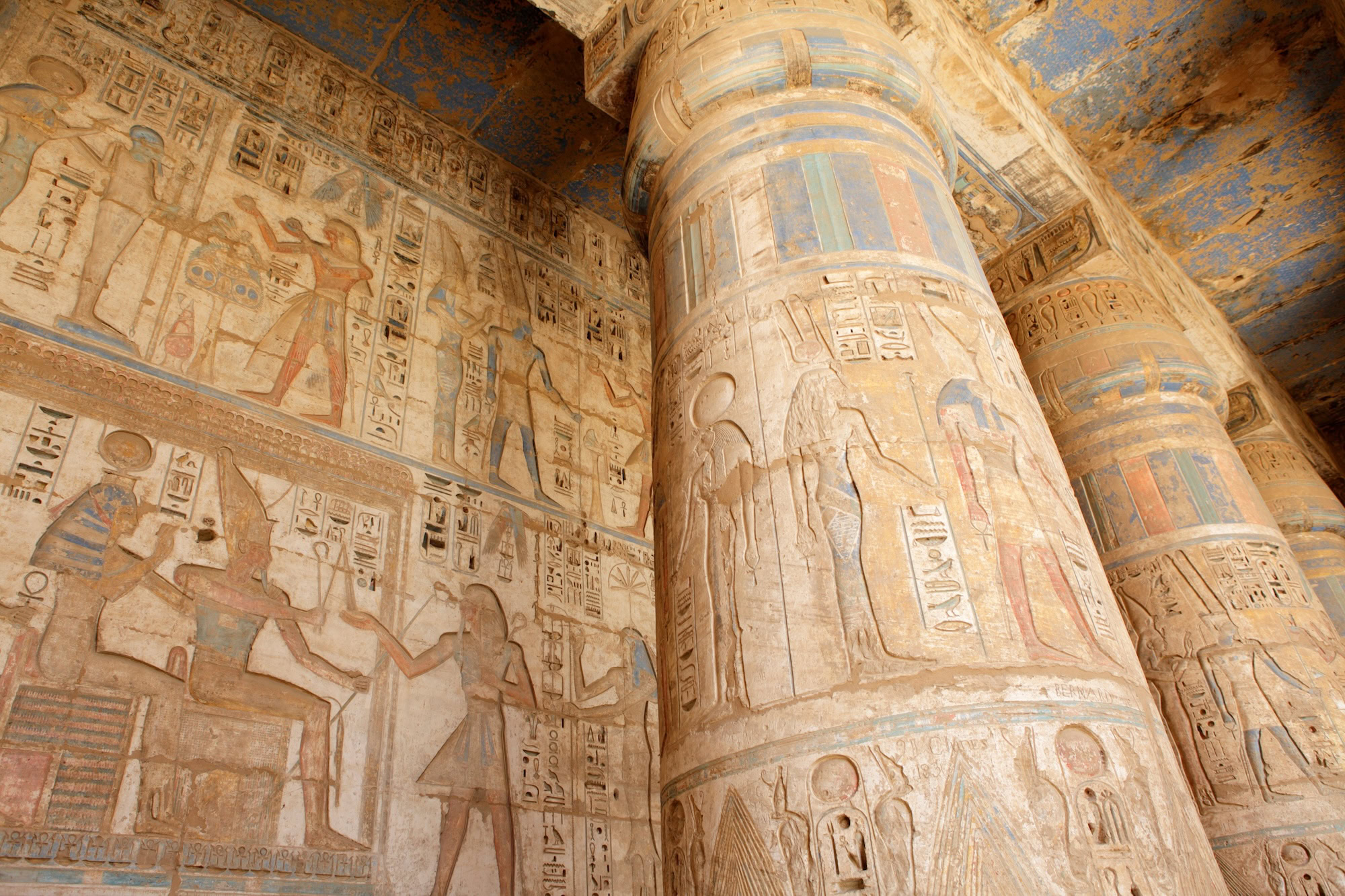
Luxor Temple illuminates beautifully at night, transforming the sandstone columns into golden pillars. Karnak Temple Complex, connected to Luxor Temple by the ancient Avenue of Sphinxes, represents centuries of pharaonic building projects. Walking through Karnak’s hypostyle hall feels like entering a stone forest where massive columns dwarf visitors.
The Valley of the Kings, across the Nile on the west bank, holds the tombs of Egypt’s most powerful pharaohs. Tutankhamun’s tomb, though small, offers incredible detail in its wall paintings. The tomb of Ramesses VI displays some of the finest examples of ancient Egyptian art. Hot air balloon rides at dawn provide breathtaking aerial views of the Valley of the Kings and the entire Luxor region.
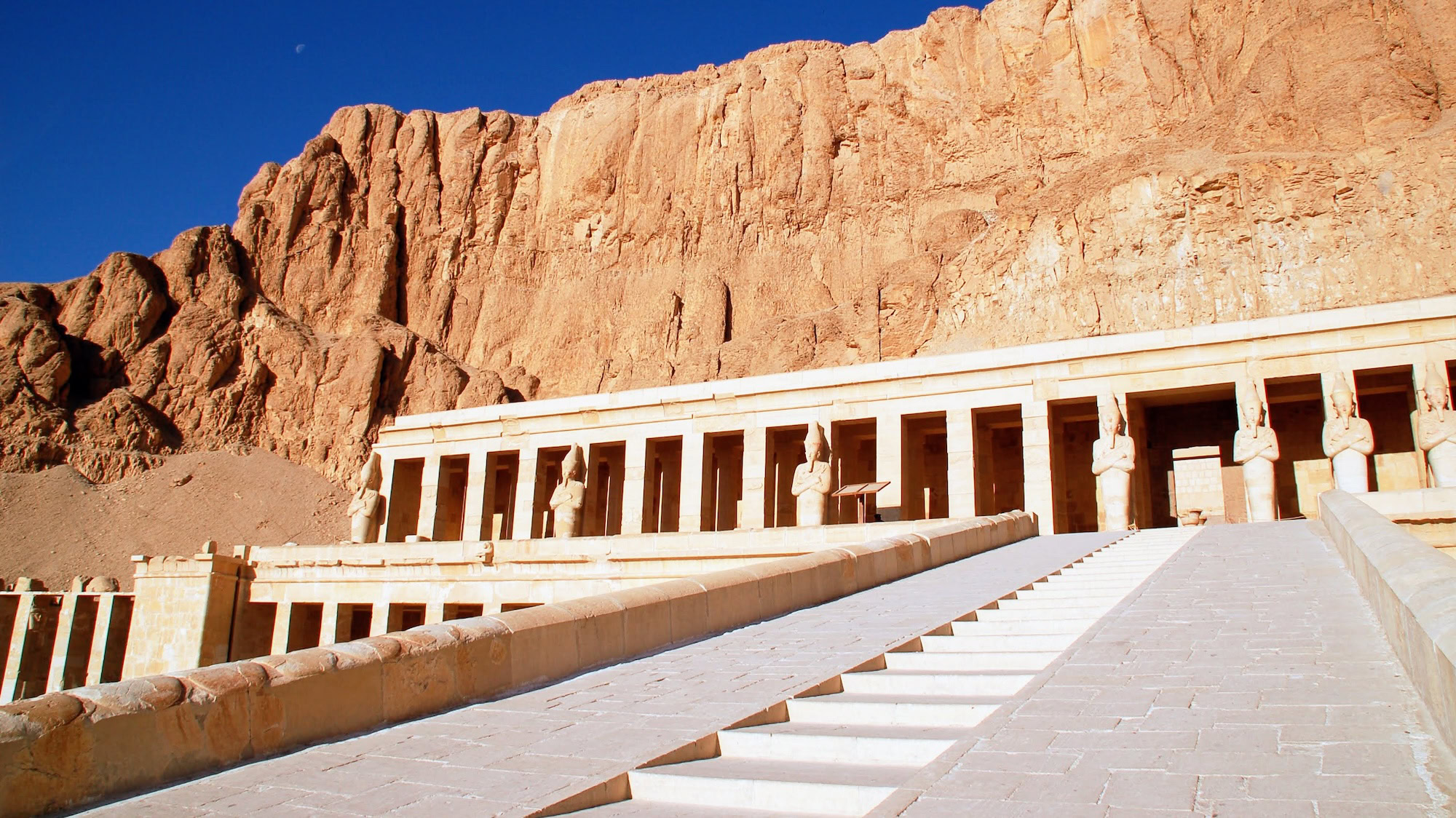
Queen Hatshepsut’s Mortuary Temple rises dramatically from the desert cliffs, its modern architectural lines challenging assumptions about ancient design capabilities. The Colossi of Memnon, two massive seated statues, mark the entrance to what was once the largest temple complex in Egypt.
Planning Your Luxor Visit
Most visitors spend 2-3 days in Luxor to properly explore both banks of the Nile. Winter months from November to March offer the most comfortable temperatures for extensive outdoor exploration. We recommend starting early each day, as afternoon heat can be intense even in cooler months.
Alexandria: Mediterranean Elegance
Alexandria stretches along Egypt’s Mediterranean coast, where sea breezes carry hints of the city’s cosmopolitan past. Founded by Alexander the Great, this historic port city once housed the ancient world’s greatest library and lighthouse. Modern Alexandria retains its international character while celebrating its Egyptian identity.
The Bibliotheca Alexandrina stands as a stunning tribute to the ancient Library of Alexandria. This modern architectural marvel contains millions of books and several museums. The library’s distinctive disc-shaped design has become Alexandria’s contemporary symbol.
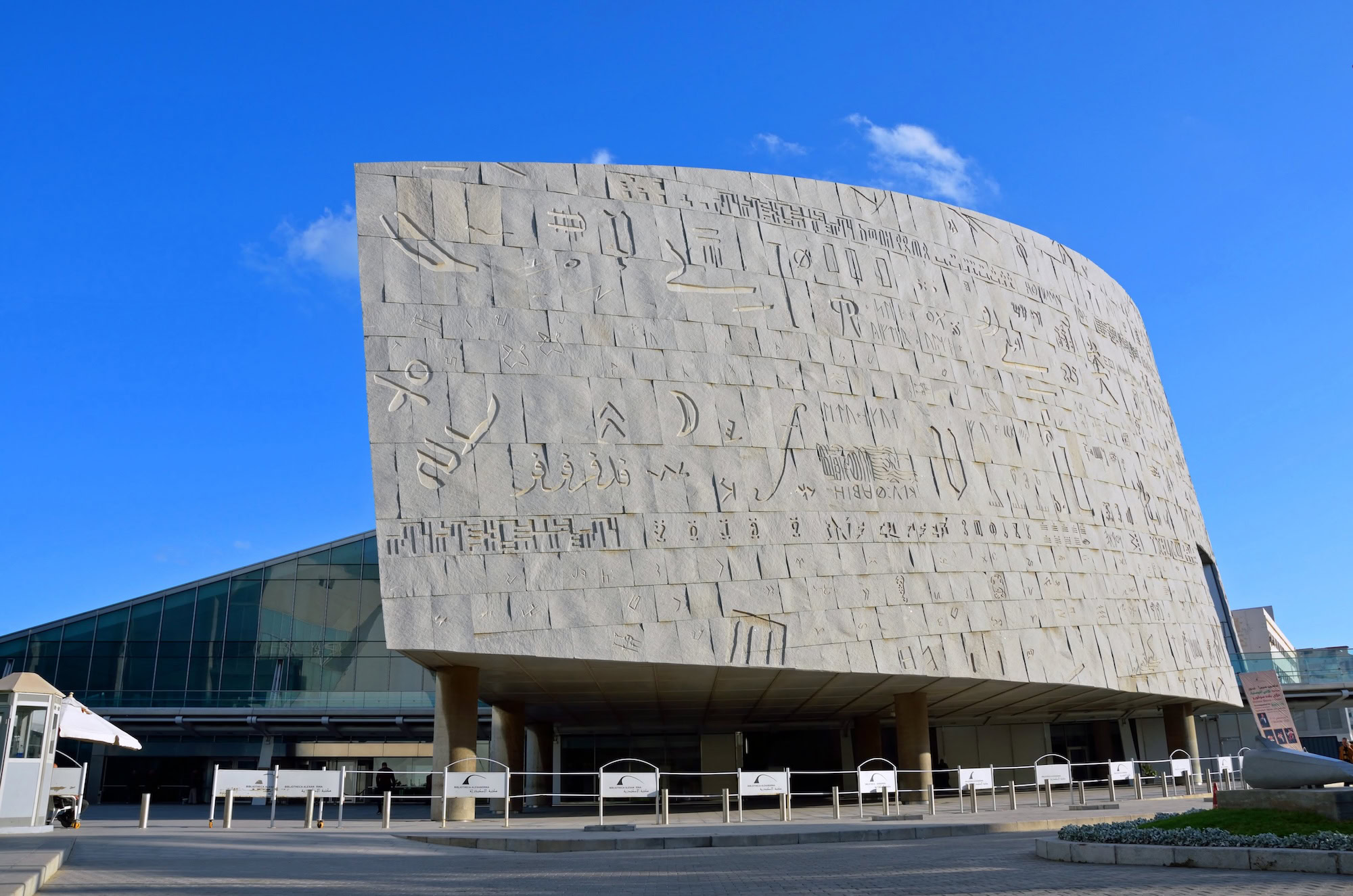
Pompey’s Pillar rises 25 meters above the city, one of the few remaining monuments from ancient Alexandria. The nearby Catacombs of Kom el Shoqafa represent a unique blend of Egyptian, Greek, and Roman burial traditions. These underground tombs feature intricate carvings and mysterious chambers.
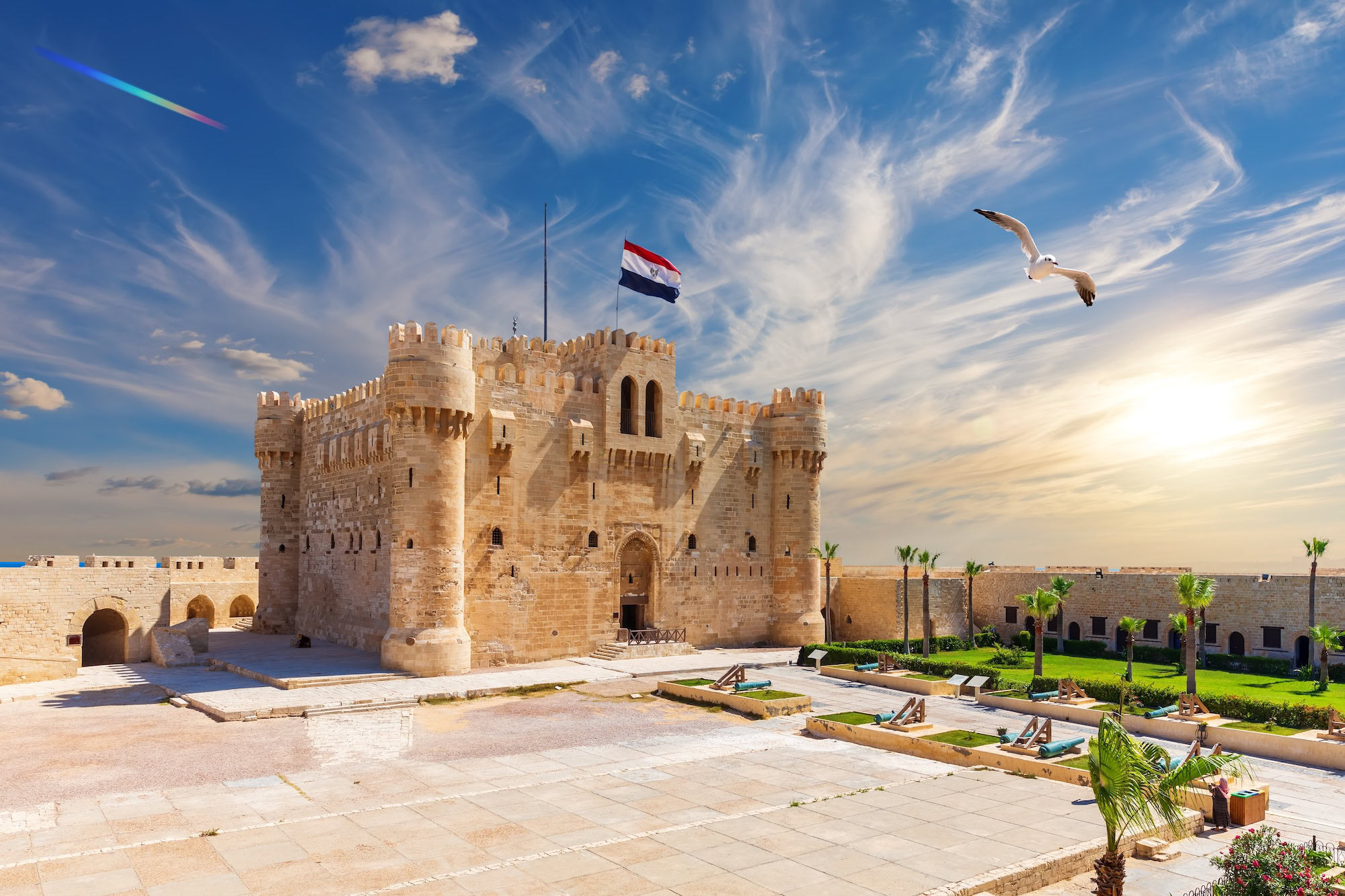
Alexandria’s Corniche offers pleasant walks along the Mediterranean, with cafes serving fresh seafood and traditional Egyptian dishes. The Citadel of Qaitbay, built on the probable site of the ancient Pharos Lighthouse, provides excellent views of the harbor and city.
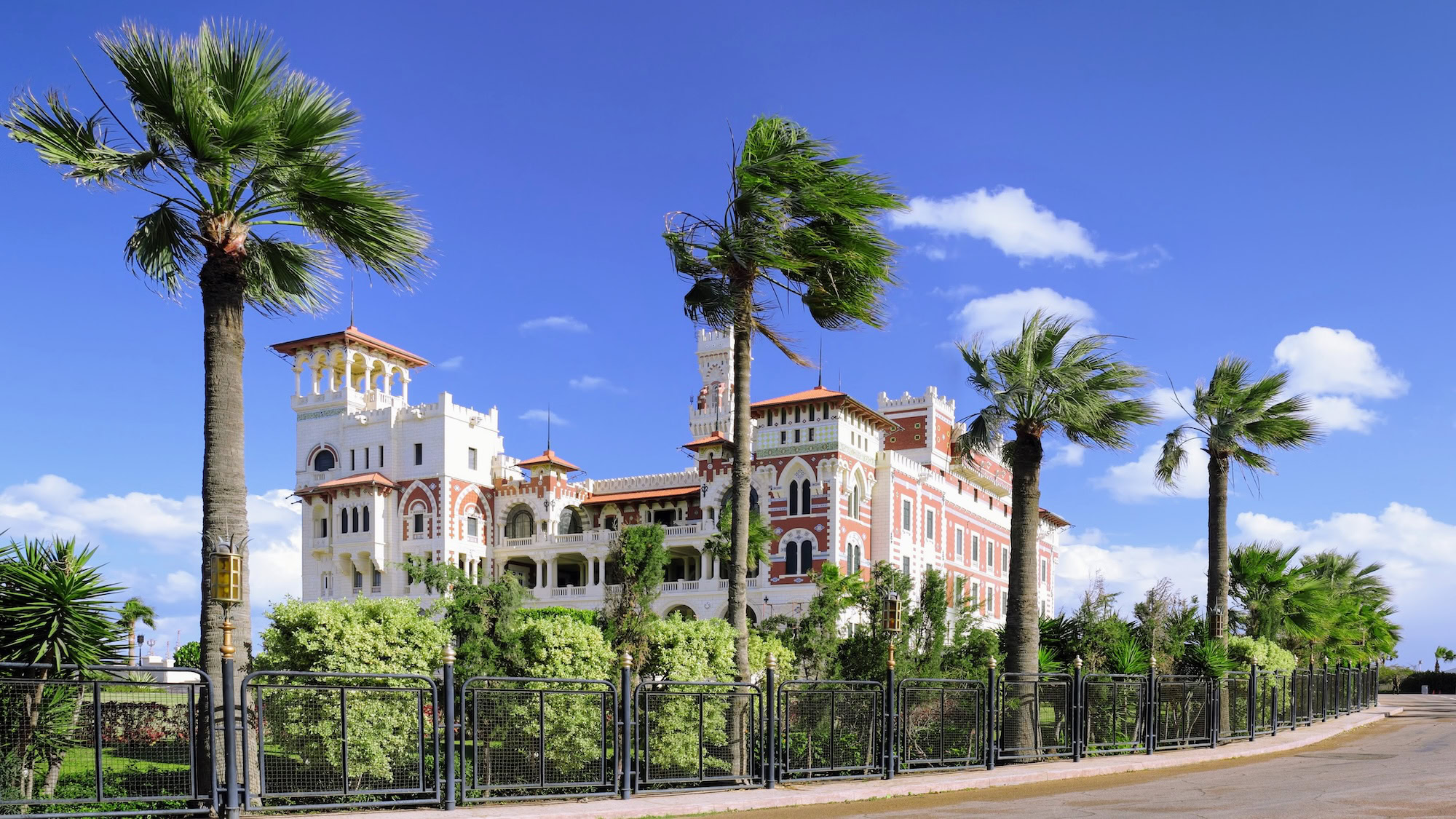
The city’s beaches attract both locals and tourists, particularly during summer months when Cairo residents escape inland heat. Montazah Palace and its surrounding gardens create a peaceful retreat from urban energy.
Cultural Life in Alexandria
Alexandria maintains a vibrant cultural scene with theaters, art galleries, and literary cafes reflecting its intellectual heritage. The city’s diverse population has created a unique culinary landscape where Mediterranean influences blend with traditional Egyptian flavors. Evening strolls through the old town reveal architectural remnants from Alexandria’s days as a major international port.
Aswan: Peaceful Retreat Along the Nile
Aswan offers tranquility that larger Egyptian cities cannot match. This southern city serves as the gateway to Nubia, where ancient cultures flourished along the Nile’s banks. The rhythm of life slows here, allowing visitors to appreciate Egypt’s natural beauty alongside its cultural treasures.
Nile Island Adventures
Elephantine Island sits in the Nile opposite Aswan’s main city center. Archaeological sites here reveal settlements dating back 3,000 years. The Aswan Museum displays artifacts from the region’s rich history. Traditional Nubian villages on the island maintain customs and architecture distinct from mainstream Egyptian culture.
Kitchener’s Island, also called Botanical Island, houses an impressive collection of tropical plants brought from around the world. Walking through these gardens provides a peaceful contrast to Egypt’s desert landscapes.
Ancient Monuments and Modern Wonders
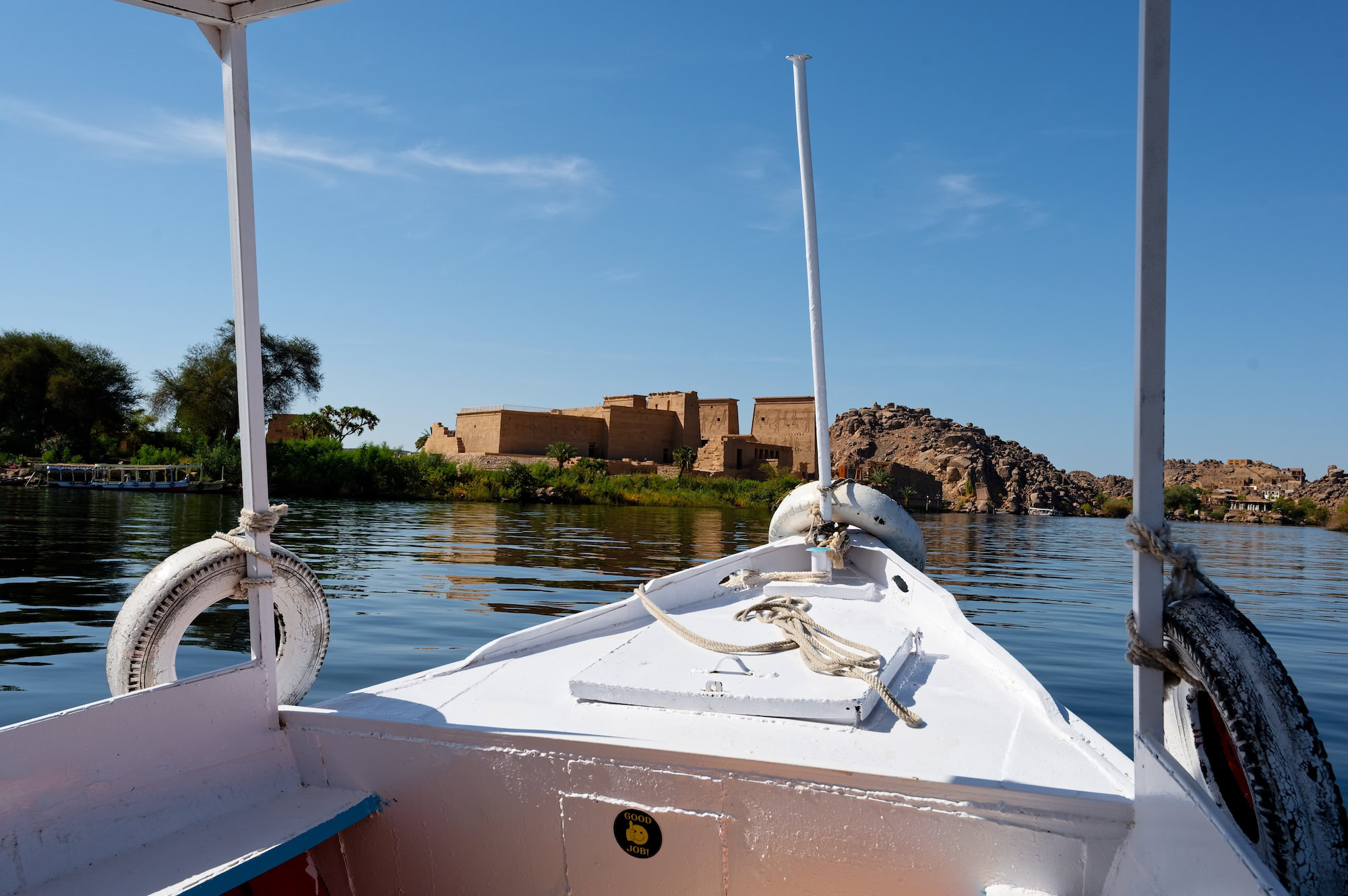
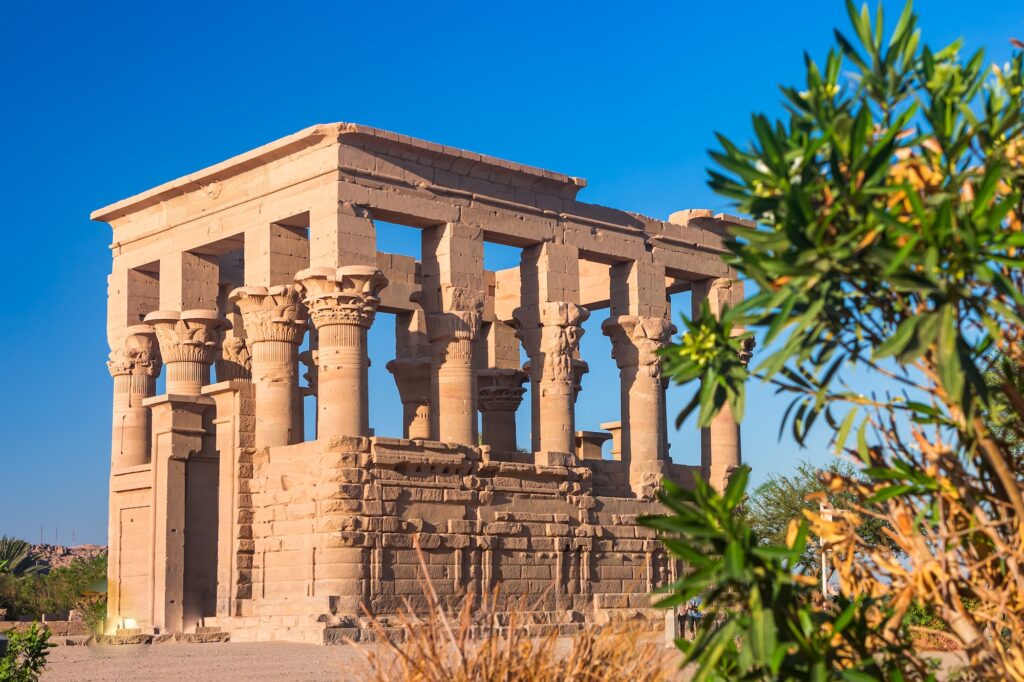
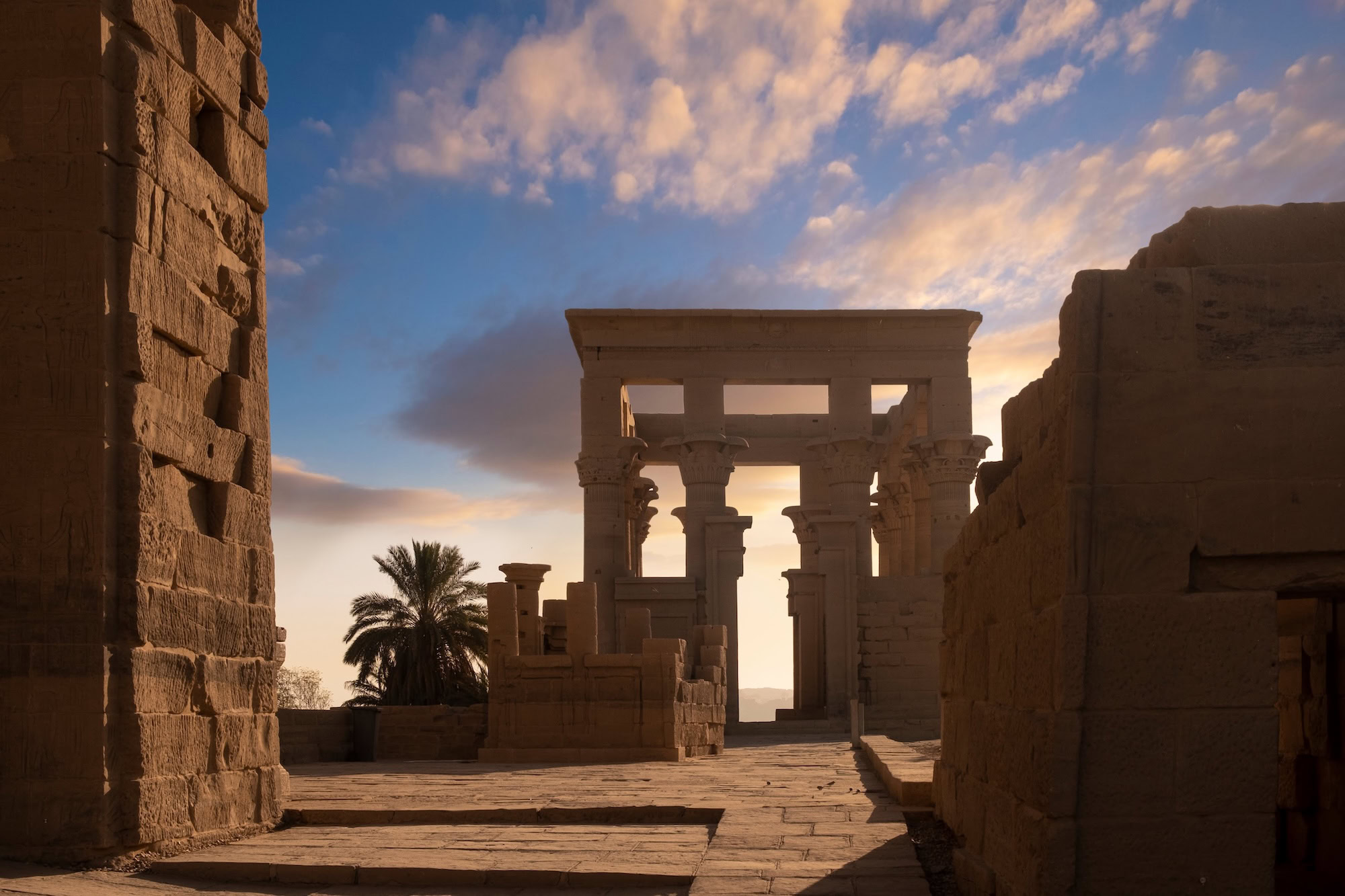
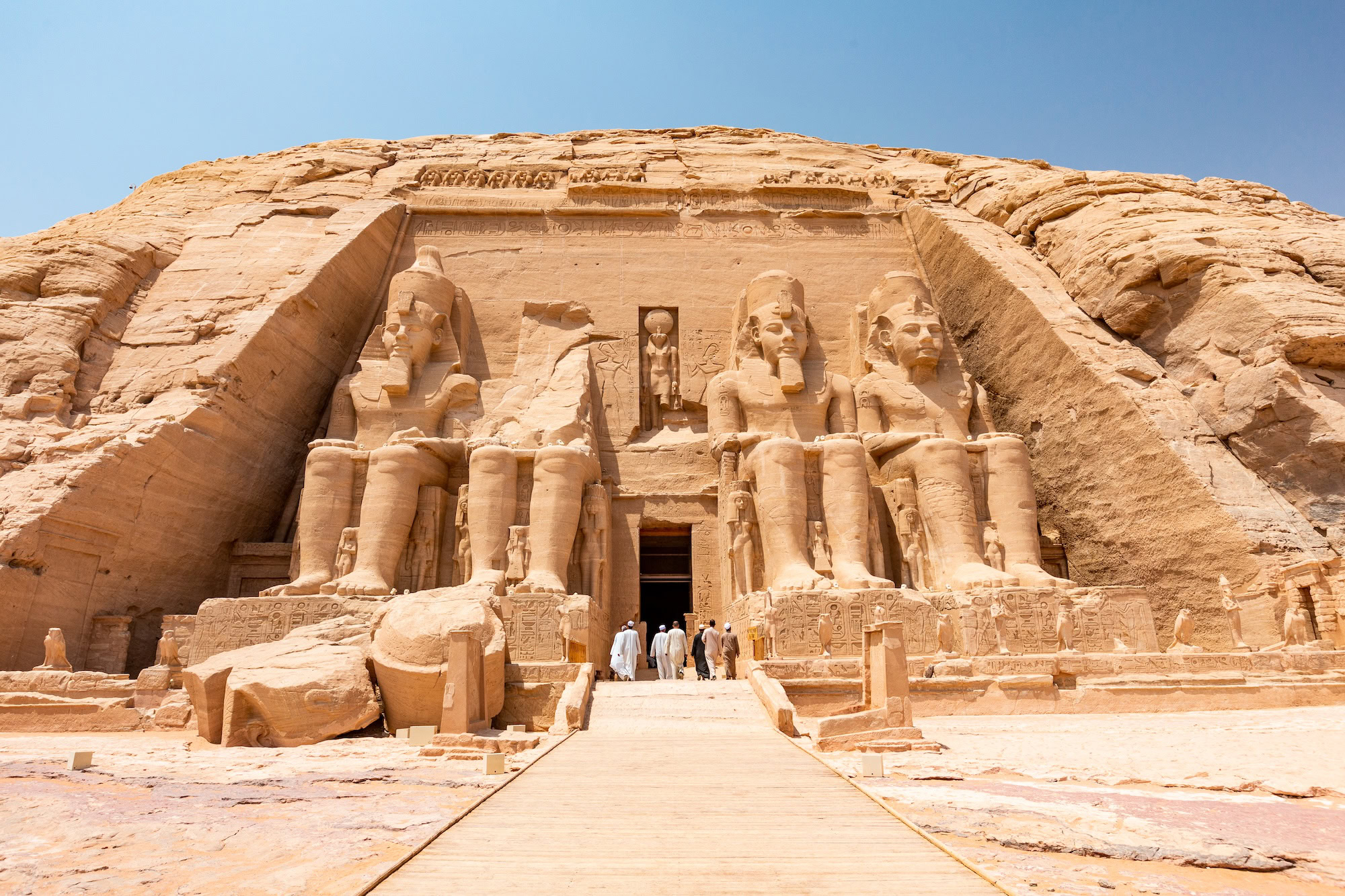
The Temple of Philae, relocated to Agilkia Island to save it from rising waters behind the Aswan High Dam, honors the goddess Isis. Evening sound and light shows bring the temple’s history to life. Abu Simbel, though requiring a separate journey, represents one of Egypt’s most spectacular archaeological achievements. These massive temples, also relocated to escape flooding, demonstrate both ancient architectural genius and modern preservation efforts.
The Aswan High Dam ranks among the 20th century’s most significant engineering projects. This massive structure controls Nile flooding while generating electricity for much of Egypt. Lake Nasser, created by the dam, stretches far into Sudan.
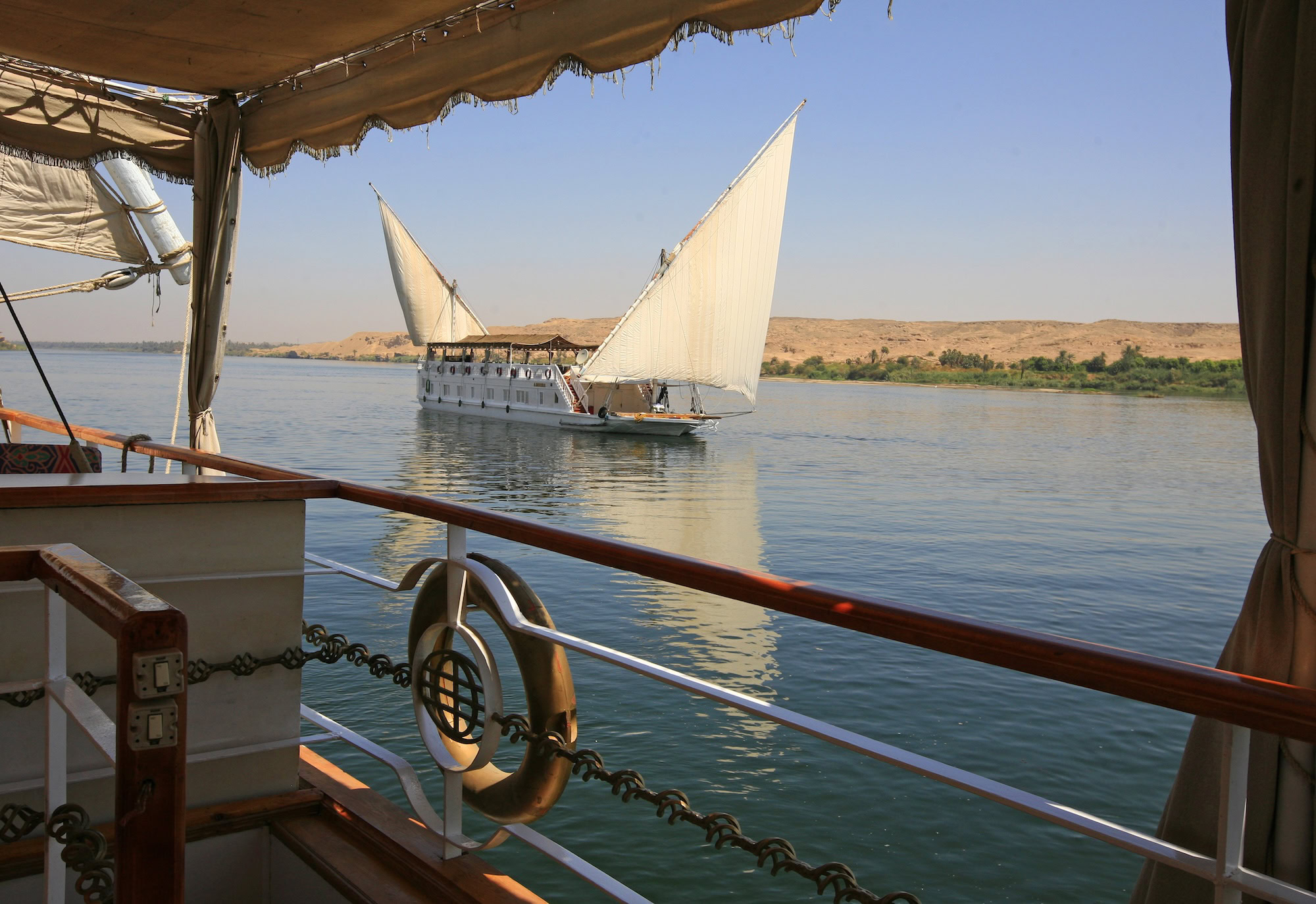
Traditional felucca sailboats provide peaceful transportation along the Nile. These wooden boats have carried passengers and cargo for centuries. Sunset felucca rides reveal why travelers have found the Nile so captivating throughout history.
Red Sea Coastal Cities
Egypt’s Red Sea coast combines world-class diving with resort luxury. Two cities dominate this region, each offering different experiences for beach and water sport enthusiasts.
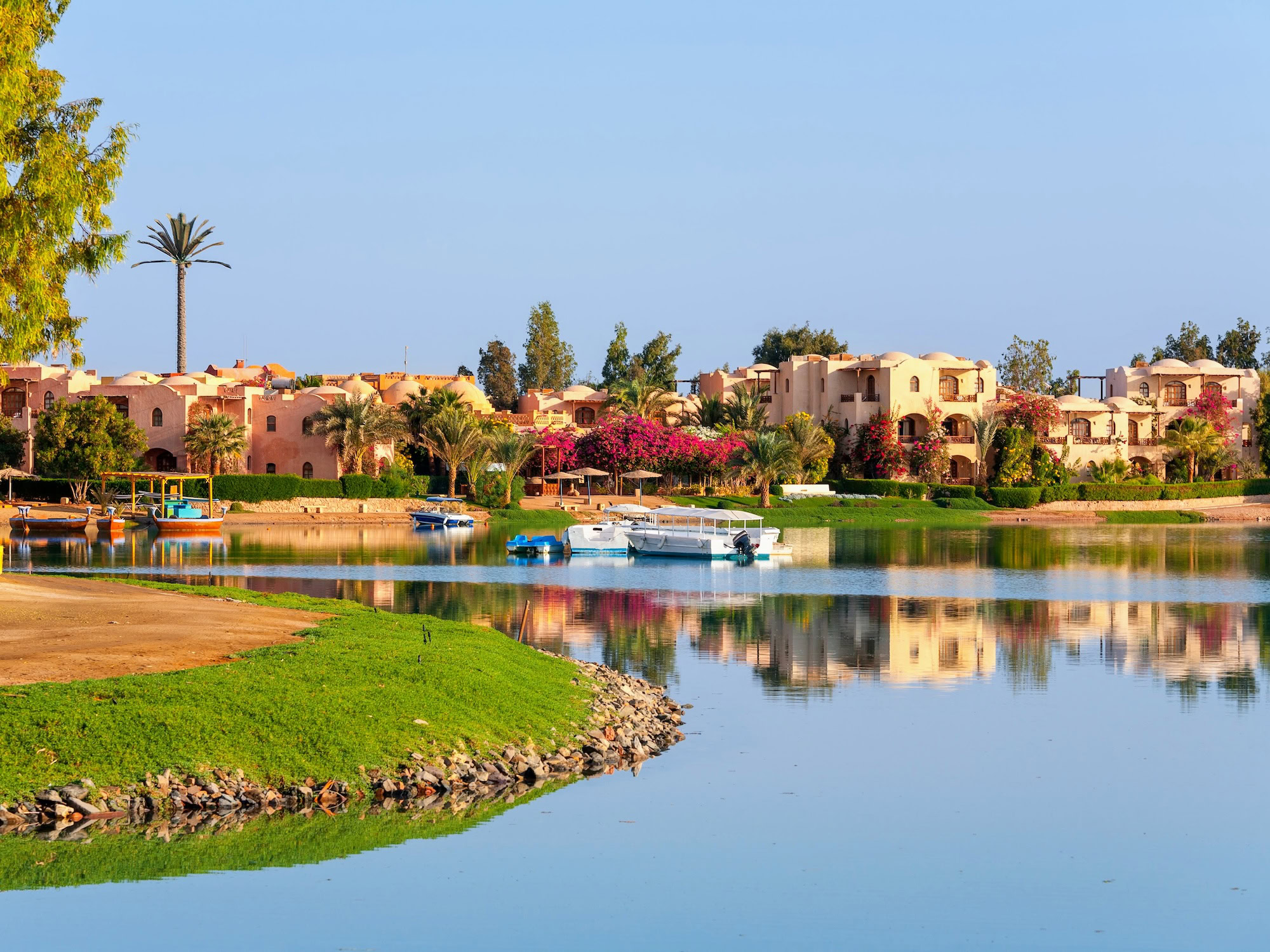
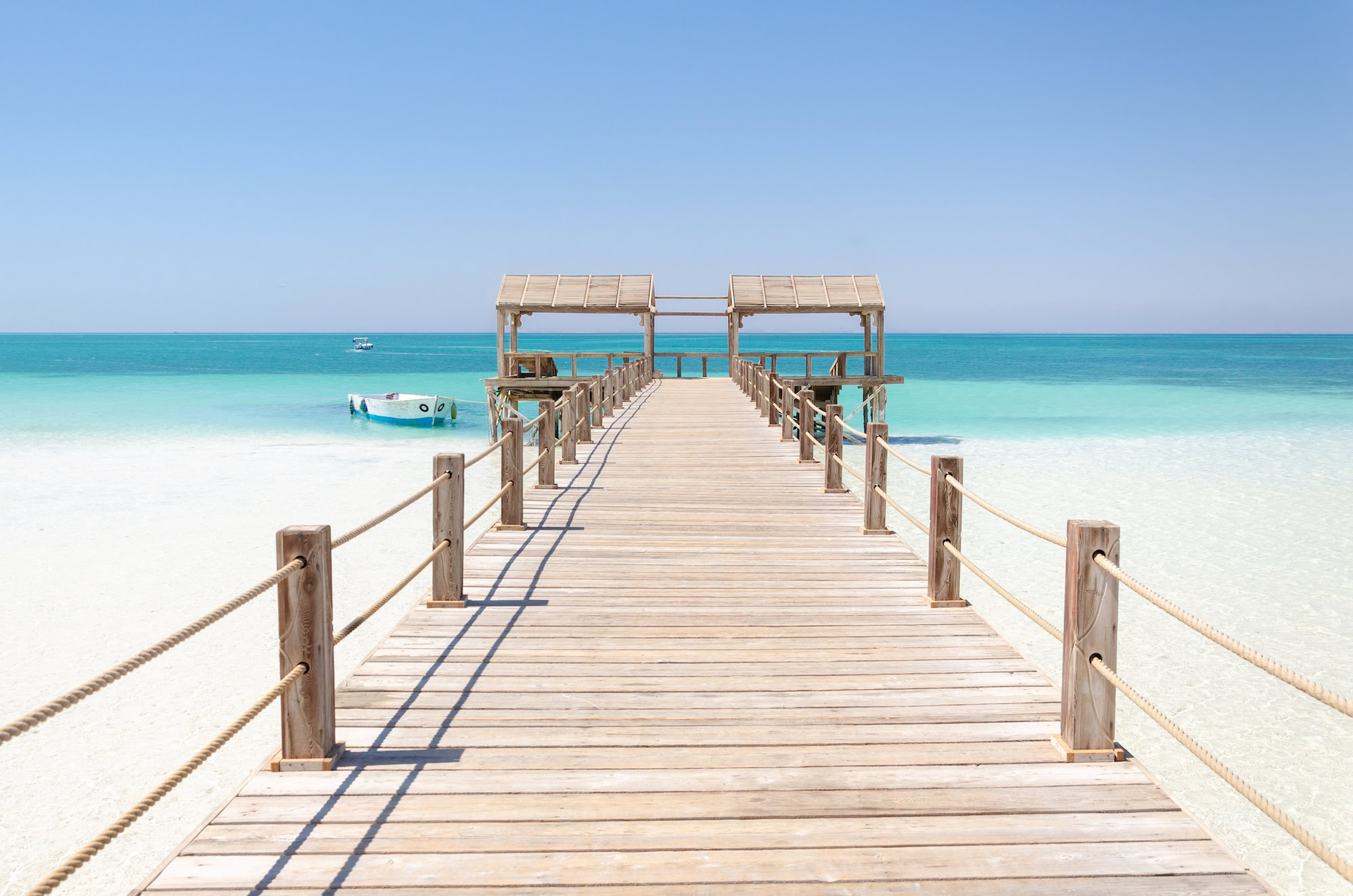
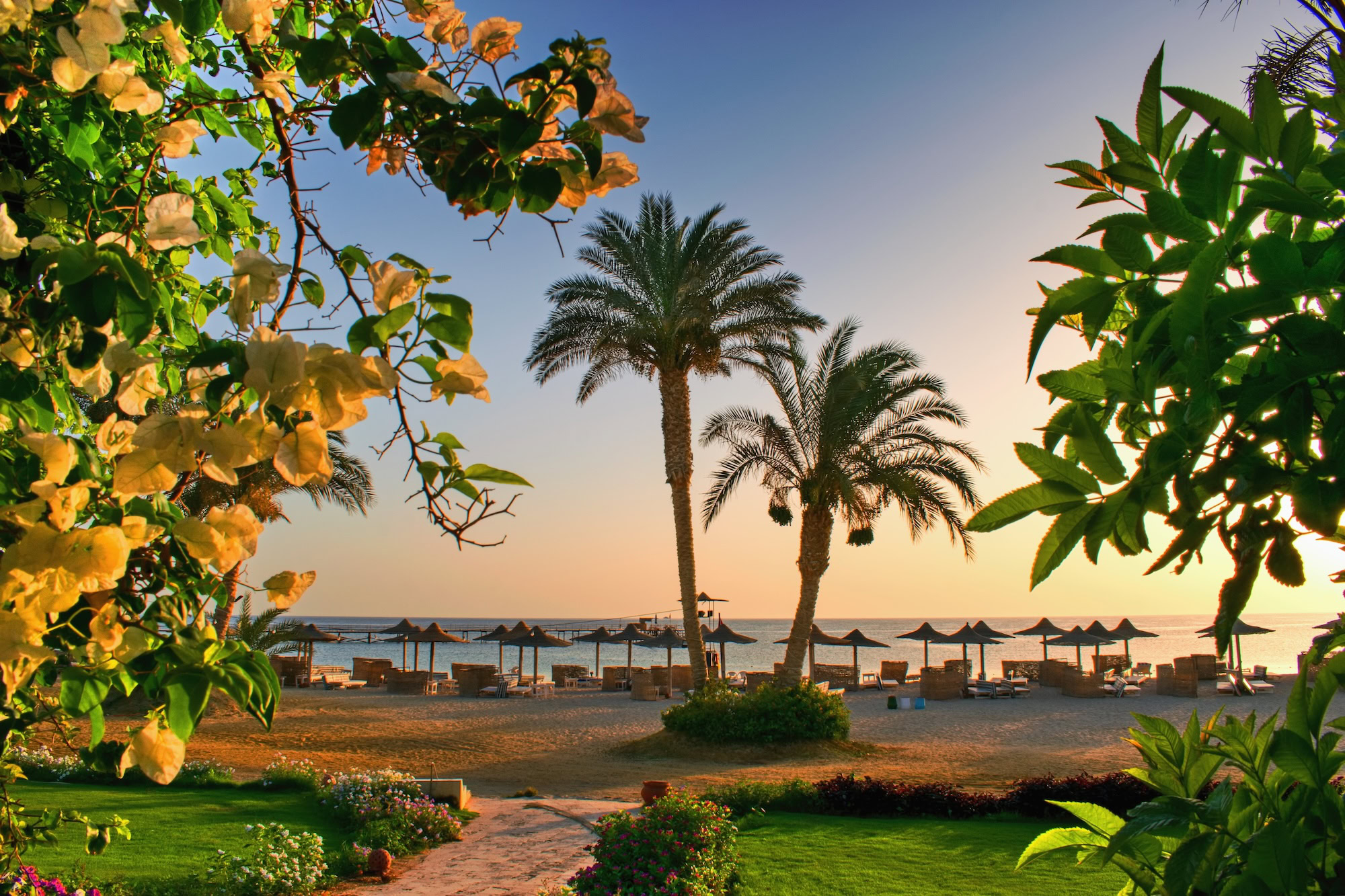
Hurghada developed from a small fishing village into Egypt’s premier beach destination. The city center bustles with shops, restaurants, and nightlife, while resort areas provide quieter beachfront relaxation. Red Sea diving here reveals some of the world’s most pristine coral reefs.
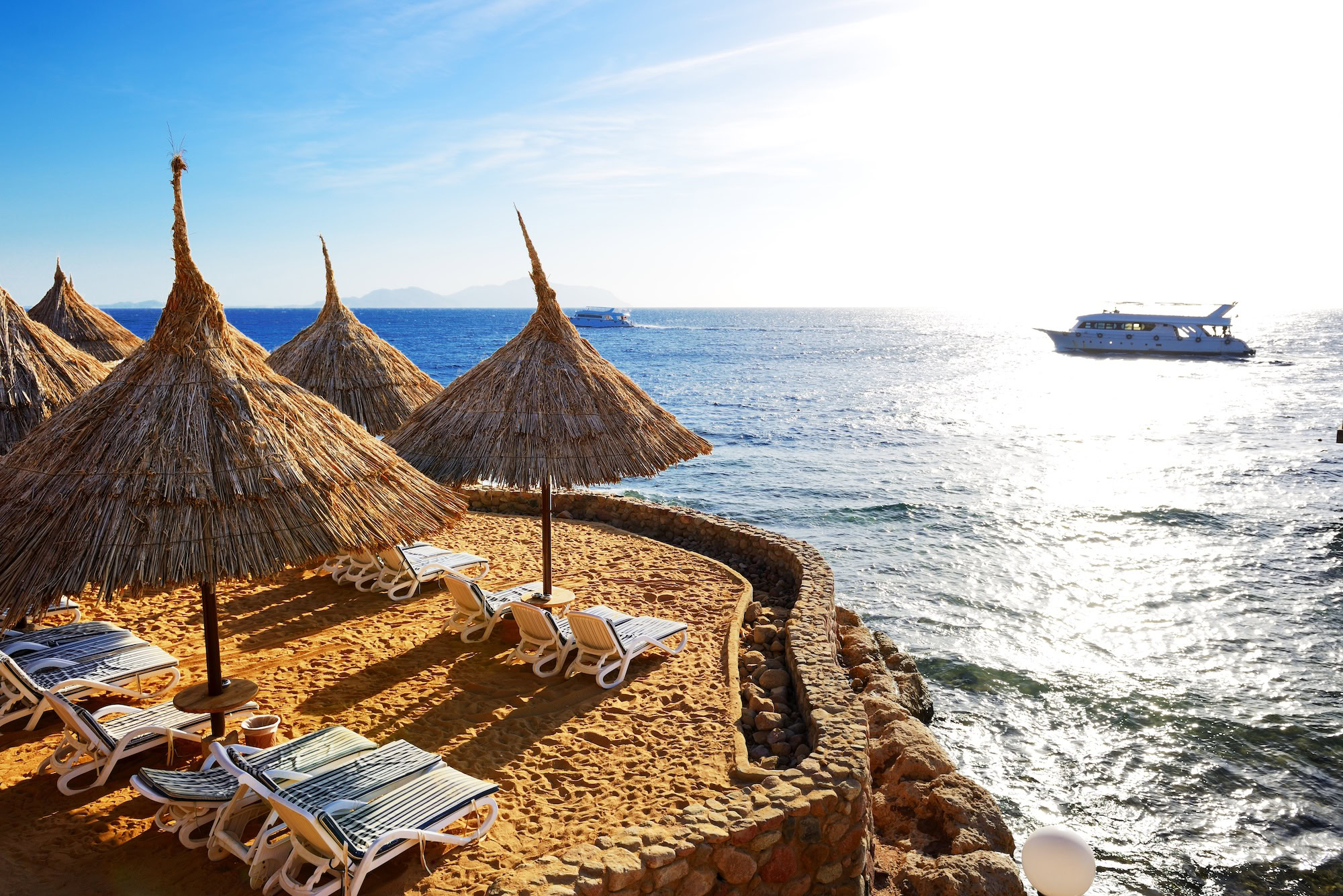
Sharm El Sheikh occupies the southern tip of the Sinai Peninsula, where the Red Sea meets the Gulf of Aqaba. This resort town attracts divers from around the globe who come to explore sites like the SS Thistlegorm wreck and the colorful reefs of Ras Mohammed National Park.
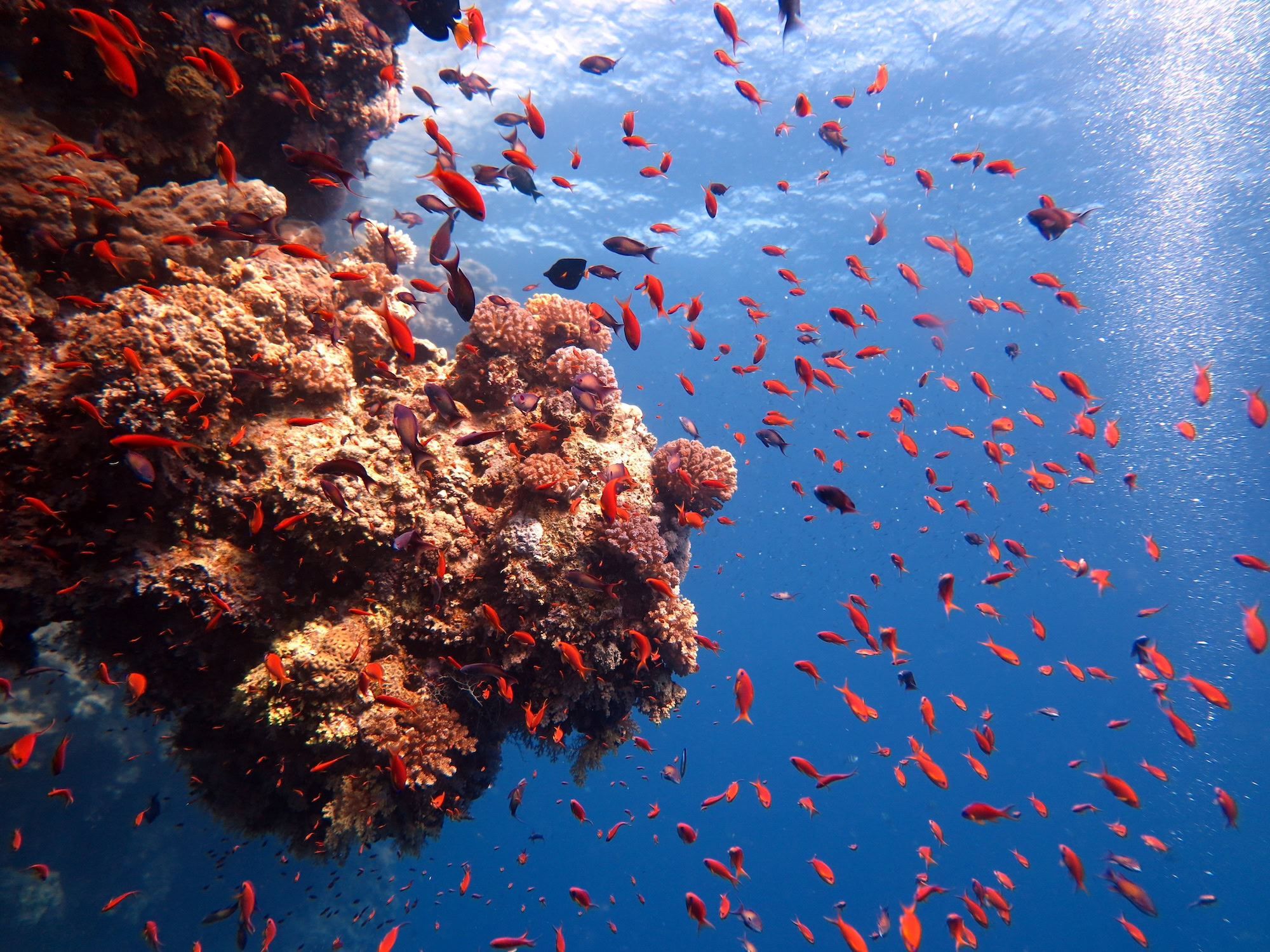
Both cities offer excellent facilities for water sports including snorkeling, diving, windsurfing, and deep-sea fishing. Desert safari excursions provide land-based adventures, often including camel rides and Bedouin cultural experiences.
Exploring Beyond the Main Cities
Egypt’s smaller cities and towns offer authentic experiences away from major tourist centers. Edfu, between Luxor and Aswan, houses one of Egypt’s best-preserved temples. Kom Ombo’s unique double temple honors both Sobek the crocodile god and Horus the falcon god.
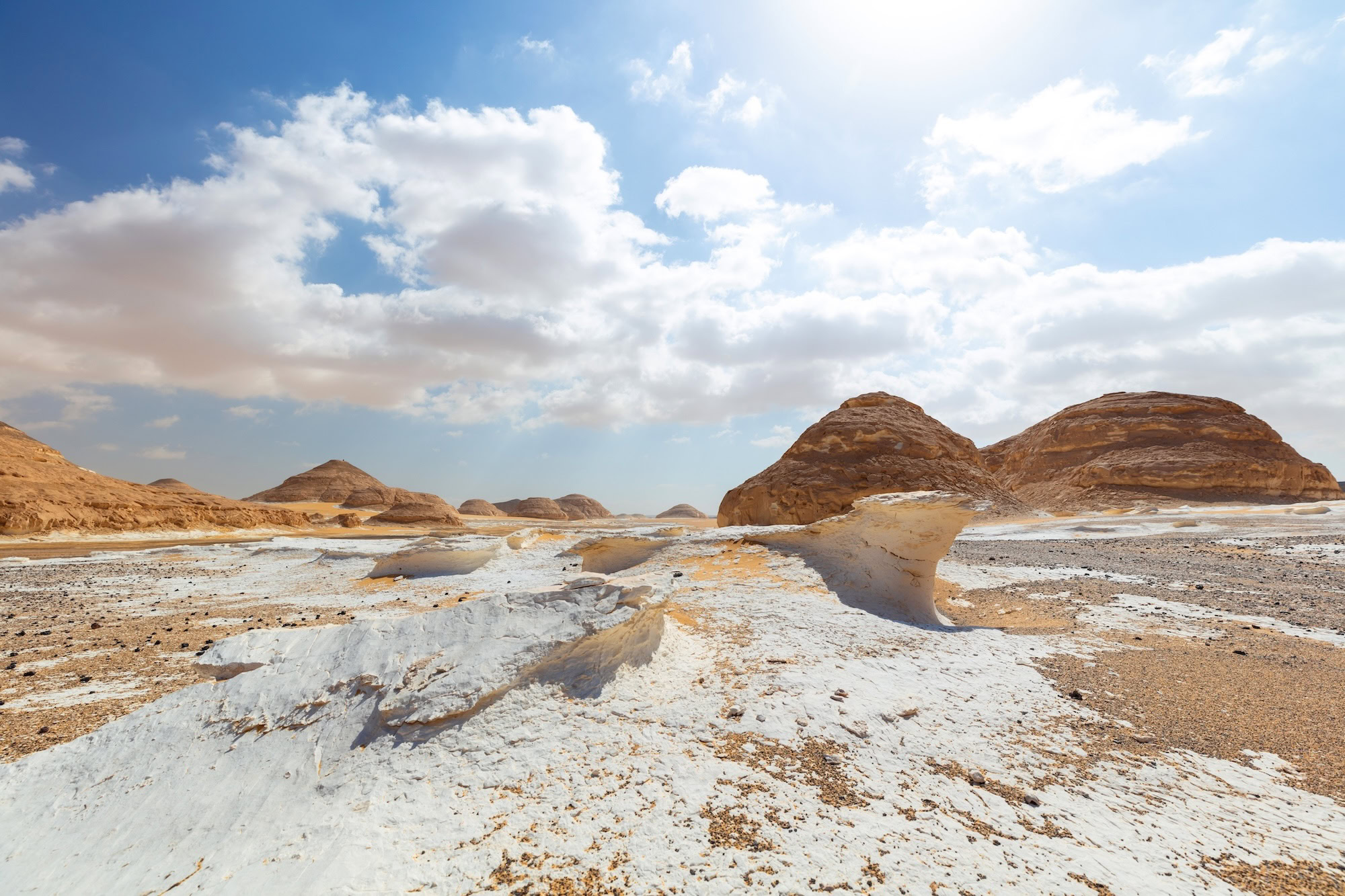
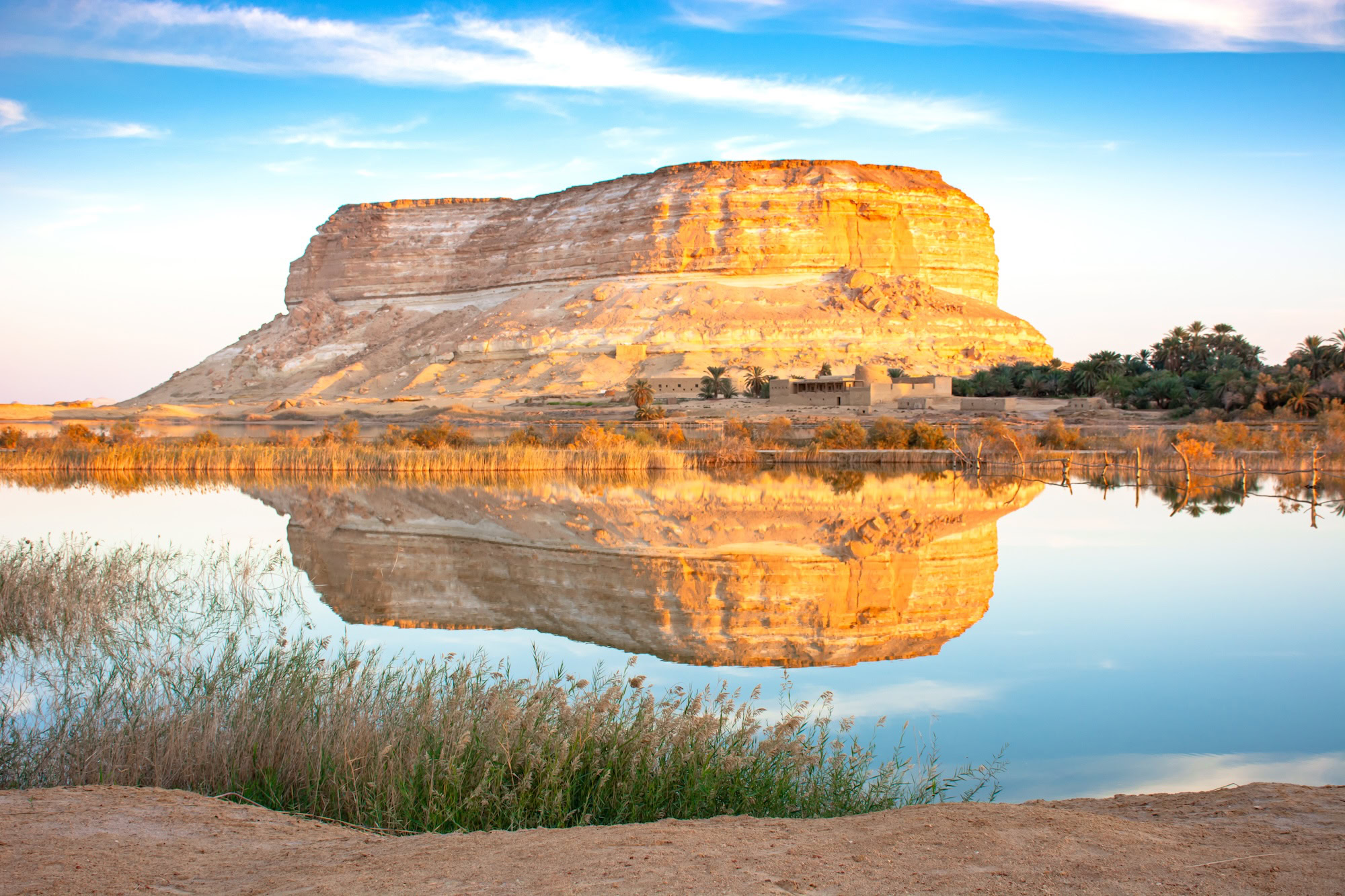
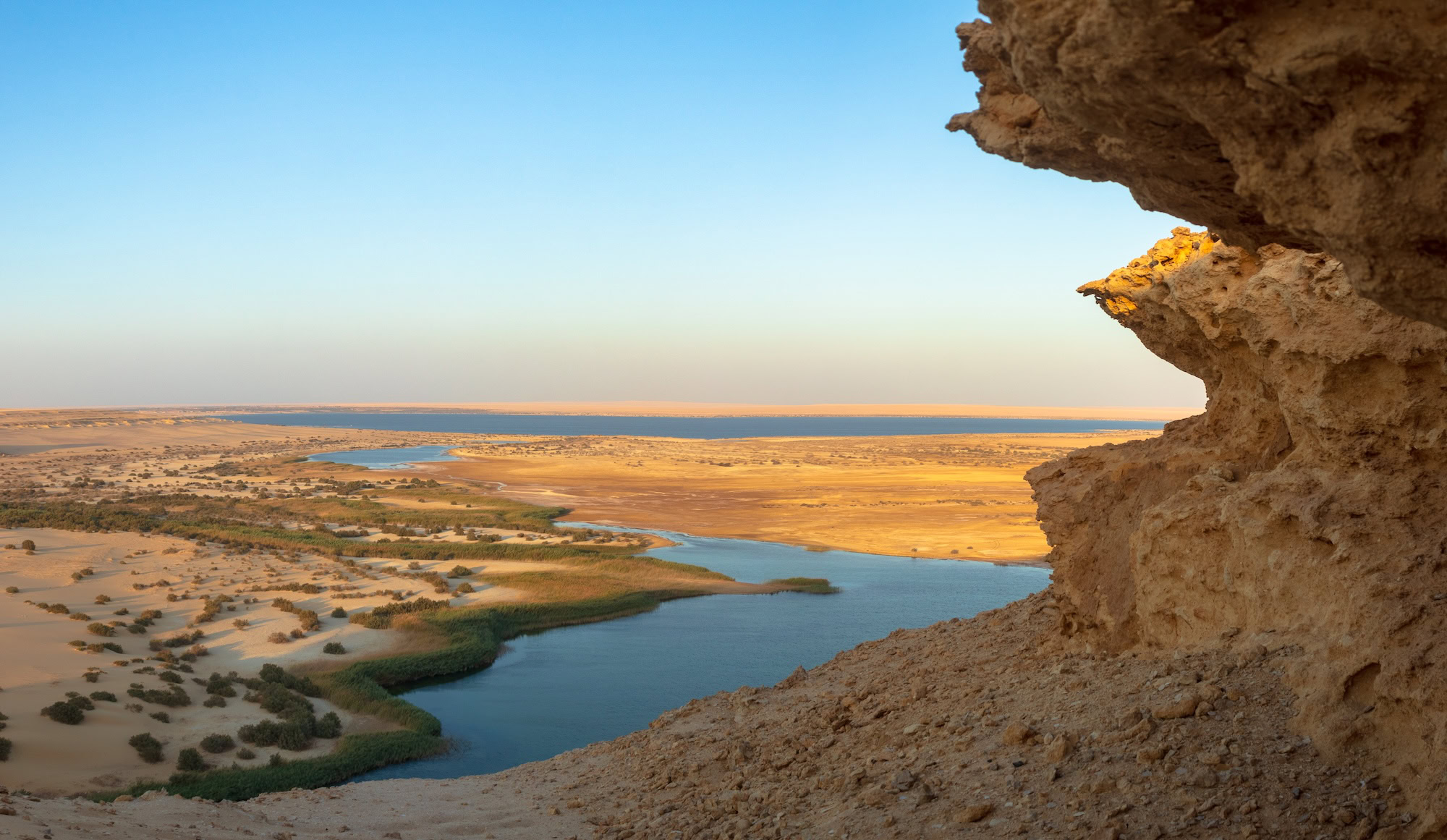
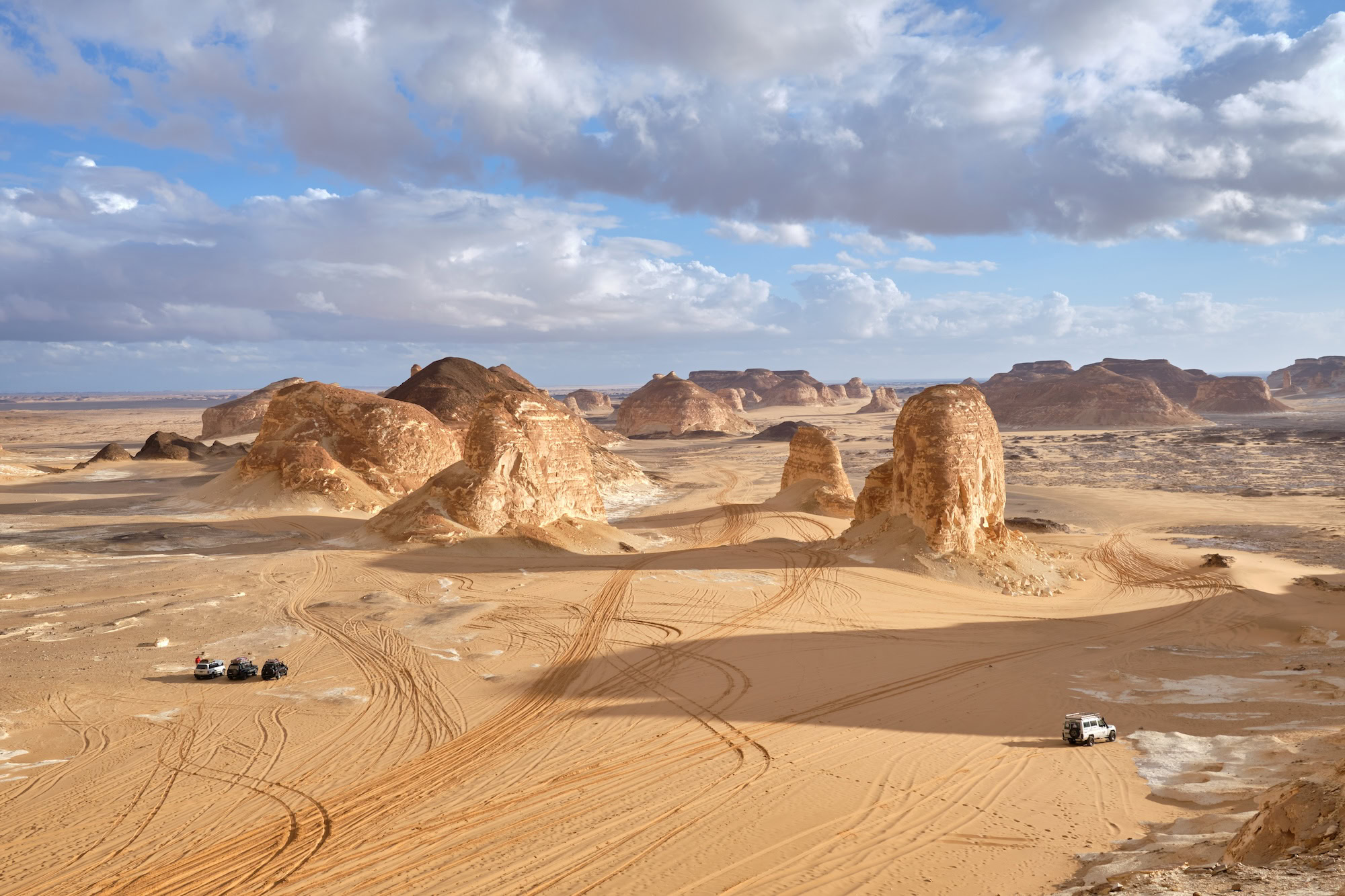
The Western Desert holds oases like Siwa, where traditional Berber culture persists. White Desert National Park showcases surreal limestone formations. These remote and culturally rich landscapes are best explored on professionally guided Western Desert tours, where careful planning and local expertise turn challenging logistics into seamless adventures.
These destinations require more planning but reward adventurous travelers with unforgettable experiences.
Planning Your Multi-City Journey
Most visitors combine 2-3 Egyptian cities in one trip. Cairo serves as the natural starting point with its international airport and central location. Domestic flights connect major cities quickly, while trains provide scenic overland travel options. Nile cruises between Luxor and Aswan combine transportation with sightseeing, allowing passengers to visit riverside temples while enjoying comfortable accommodations.
Winter months from December through February offer the most pleasant weather for extensive travel. Summer temperatures can exceed 100°F (38°C) in southern cities like Luxor and Aswan. Coastal cities remain more comfortable year-round due to sea breezes.
Our decades of experience in Egypt have taught us that successful trips balance must-see monuments with authentic cultural experiences. Private guides provide deeper insights into historical sites while helping navigate local customs and logistics.
Frequently Asked Questions
Which Egyptian city should first-time visitors prioritize?
Cairo offers the most comprehensive introduction to Egypt, combining world-famous pyramids with extensive museums and vibrant urban culture.
How many days are needed to see Egypt’s top cities properly?
Plan at least 7-10 days to visit Cairo, Luxor, and Aswan comfortably, with additional time for Red Sea relaxation or Alexandria exploration.
What’s the best way to travel between Egyptian cities?
Domestic flights save time for long distances, while trains offer scenic routes between major destinations. Nile cruises combine transportation with sightseeing.
Are Egyptian cities safe for tourists?
Major tourist cities maintain good security with visible police presence around attractions. Following standard travel precautions ensures safe, enjoyable visits.
Which season offers the best weather for visiting multiple cities?
November through March provides comfortable temperatures for extensive sightseeing, though coastal cities remain pleasant year-round.
Can you visit Egypt’s popular cities without speaking Arabic?
English is widely spoken in tourist areas, hotels, and restaurants. Many signs include English translations in major cities.
How far in advance should you book accommodations in popular cities?
Book 2-3 months ahead for winter season travel, especially in Luxor and Aswan where luxury options are limited.
What’s the most efficient way to see Luxor’s attractions?
Dedicate one full day to the east bank (Karnak and Luxor temples) and another to the west bank (Valley of Kings, Hatshepsut Temple).
Are there dress codes for visiting religious sites in Egyptian cities?
Modest clothing covering shoulders and knees is required at mosques and some ancient temples. Many sites provide covering garments at entrances.
Which Egyptian city offers the best nightlife and dining?
Cairo provides the most diverse entertainment and restaurant options, while Alexandria offers excellent seafood and Mediterranean-influenced cuisine.
Do you need guides to explore Egypt’s popular cities independently?
While possible to explore independently, qualified guides greatly enhance understanding of historical sites and help navigate cultural nuances.
What unique experiences distinguish each major Egyptian city?
Cairo combines ancient monuments with modern urban energy, Luxor offers unmatched archaeological density, Aswan provides peaceful Nile culture, and Red Sea cities focus on marine adventures.
From bustling cities to remote oases
Regions and Cities of Egypt
Design Your Custom Tour
Explore Egypt your way by selecting only the attractions you want to visit
The Best of Egypt Tailored Just for You
Private Guided Egypt Tours
Top-Rated Egypt Tours
Discover timeless wonders with our top-rated private Egypt tours—crafted for those who seek the extraordinary.
Tours w/ Nile Cruises
Sail the Nile in comfort and elegance—where every bend unveils a new chapter of Egypt’s timeless story.
Luxury Egypt Tours
Experience Egypt in style—with private guides, 5-star comfort, and exclusive access to iconic wonders.
Egypt Christmas Tours
Celebrate Christmas with ancient wonders, golden sunshine, and epic moments on a magical journey.
Egypt Easter Tours
Make this Easter extraordinary with a sun-filled escape to Egypt—where timeless wonders and landscapes await.
Egypt Accessible Tours
Discover Egypt without limits—our accessible tours are thoughtfully designed to ensure comfort and ease.