Cairo Top Attractions – The Insiders Guide
Cairo overwhelms visitors with thousands of years of history packed into a single city.
Walking through Cairo means stepping through time itself — a city where the top attractions span ancient pyramids rising from desert sands, medieval mosques echoing with centuries of prayer, and modern cafes buzzing with life alongside pharaonic treasures that have survived since before Rome existed. Decades of designing Cairo tour packages — and wider Egypt tour packages that start or end in the capital — have taught us exactly which experiences will leave you speechless and which ones might disappoint.
Cairo rewards careful planning. The right timing, proper guidance, and knowing which attractions deserve your limited vacation days makes the difference between an ordinary trip and memories that last forever. Our Cairo travel guide pulls together everything worth knowing before you arrive.
What follows is the shortlist we actually recommend to travelers — the attractions worth your time, the ones worth skipping, and how to see them without the crowds.
Table of Contents
Essential Ancient Monuments That Define Cairo
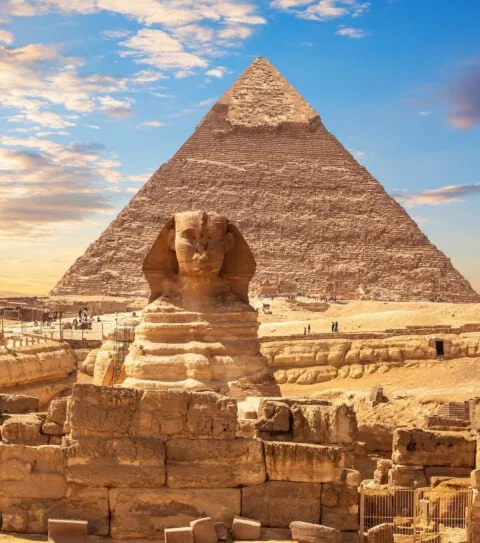
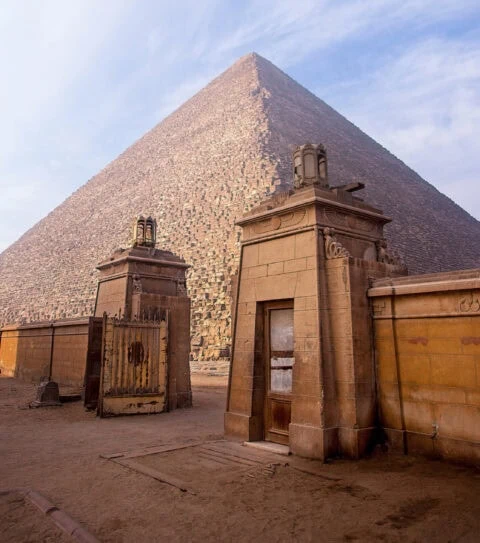
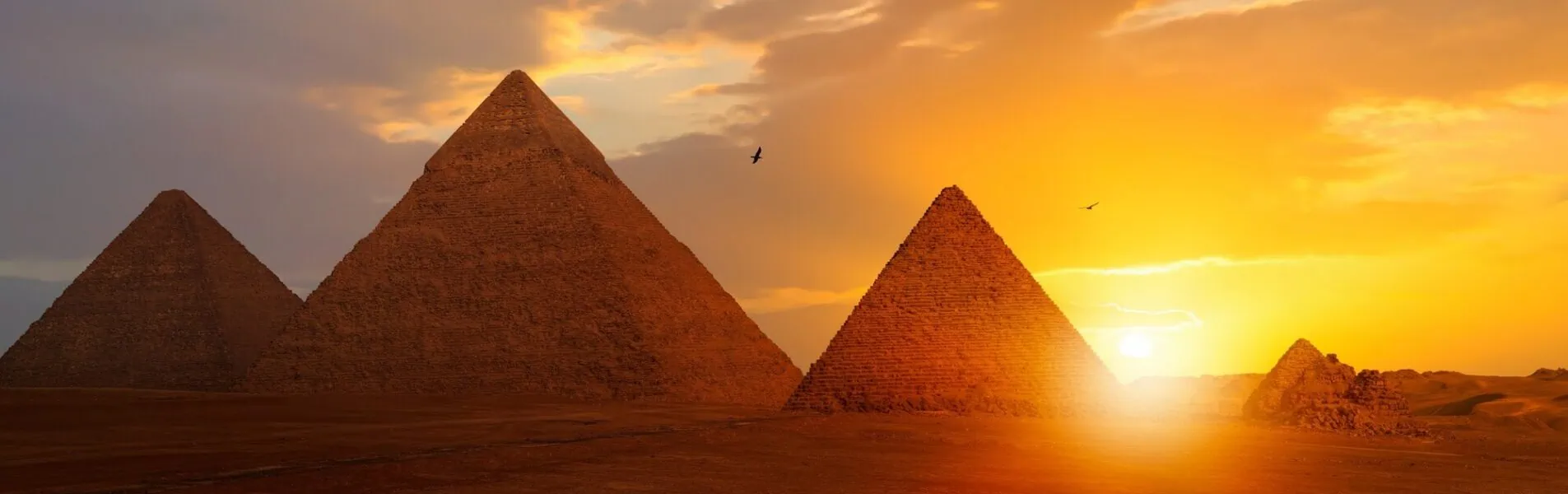
The Giza Pyramids complex commands respect as humanity’s oldest intact wonder. Standing before the Great Pyramid of Khufu reveals engineering mastery that modern technology still struggles to fully explain. These monuments survived 4,500 years of earthquakes, invasions, and weather because ancient Egyptian builders understood permanence in ways we’re only beginning to appreciate.
Great Pyramid and Sphinx
Morning visits between 8:00 am (08:00) and 10:00 am (10:00) offer cooler temperatures and softer lighting for photographs. The pyramid’s interior chambers require separate tickets and physical fitness for climbing through narrow passages. Many visitors underestimate the steep ascent and tight spaces inside.
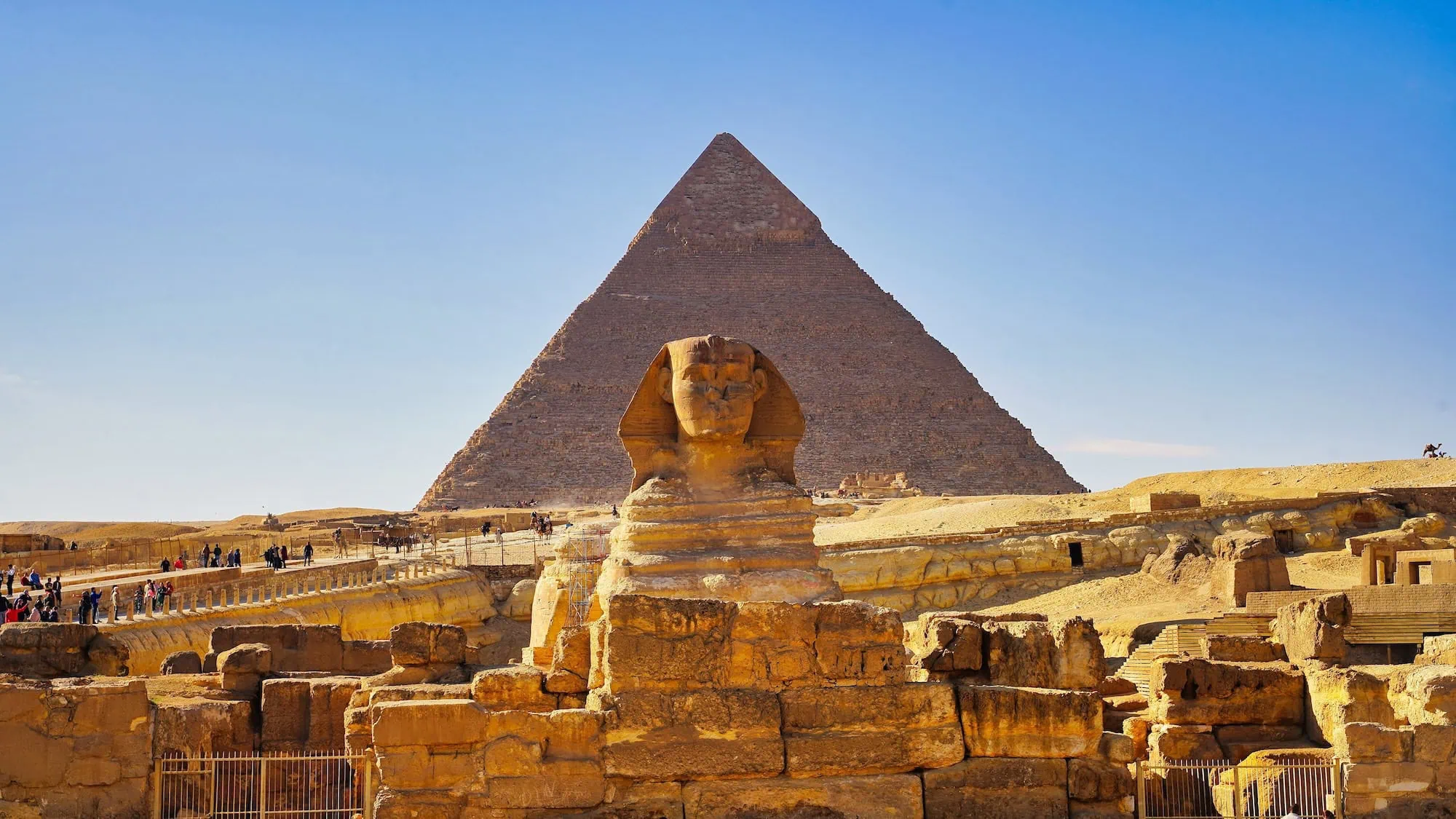
The Sphinx sits 73 meters (240 feet) long and guards secrets archaeologists continue debating. Recent restoration work revealed details invisible for centuries, making current visits particularly rewarding for history enthusiasts.
Saqqara’s Step Pyramid Complex
Saqqara predates Giza by several centuries and showcases pyramid evolution from simple mastaba tombs to the world’s first stone pyramid. The Step Pyramid of Djoser represents humanity’s earliest attempt at monumental stone architecture. Walking through Saqqara’s vast necropolis reveals tomb decorations with colors still vibrant after millennia.
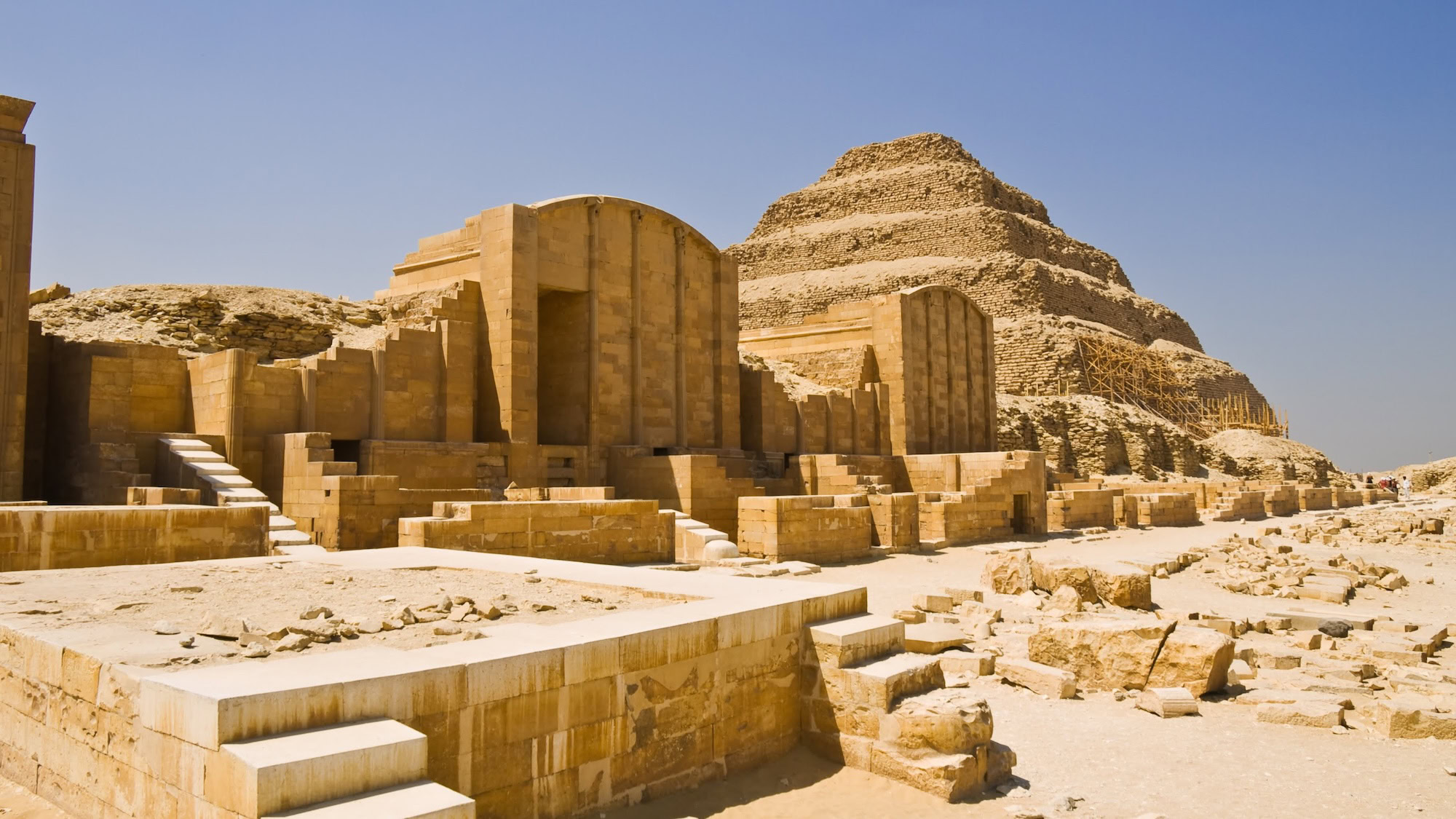
Private guides here prove invaluable because most tomb inscriptions lack English explanations, and the site’s historical significance becomes clear only with proper context.
Memphis and Ramesses Statue
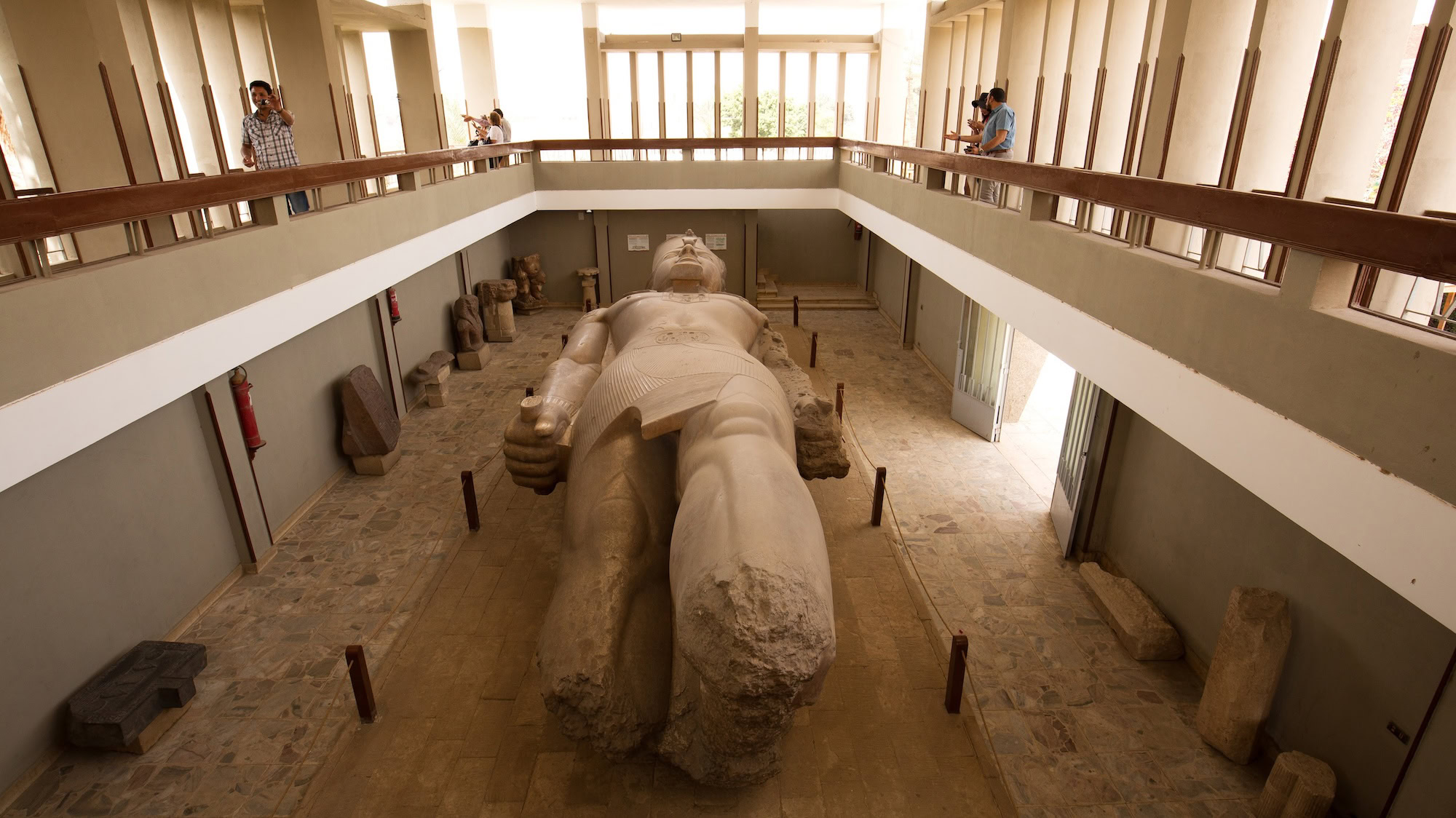
Memphis served as Egypt’s capital for over 1,000 years before Cairo existed. The outdoor museum displays a massive limestone statue of Ramesses II lying horizontally due to earthquake damage. This colossus once stood 13 meters (43 feet) tall and dominated the ancient city’s main temple complex.
Museums That Preserve Five Millennia
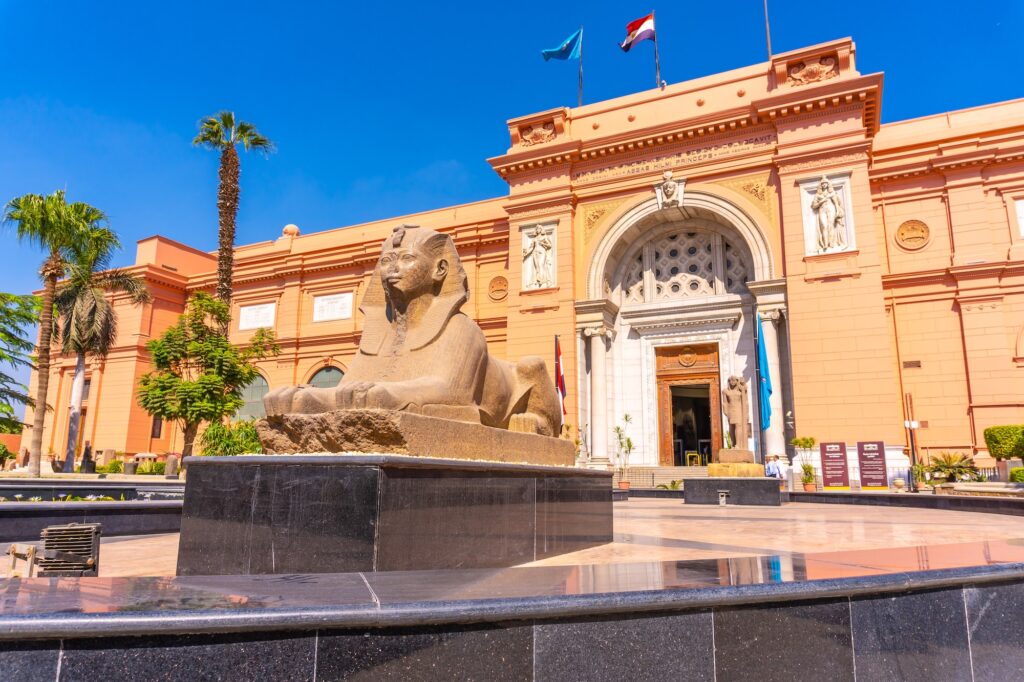
The Egyptian Museum in Tahrir Square houses the world’s most comprehensive collection of ancient Egyptian artifacts. Two floors contain over 120,000 items, though only a fraction displays publicly. The museum’s layout can confuse first-time visitors because exhibits follow historical periods rather than geographic organization.
Grand Egyptian Museum
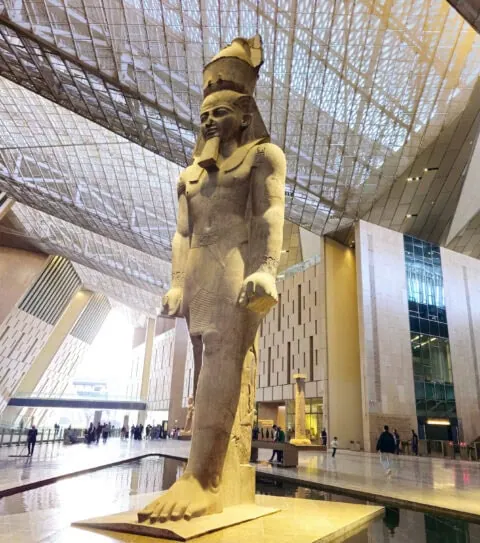
The Grand Egyptian Museum near the Giza Pyramids is now welcoming visitors, marking a new era in the presentation of Egypt’s ancient heritage. This world-class facility houses the complete collection of Tutankhamun’s treasures, displayed together for the first time, alongside thousands of artifacts previously kept in storage and never shown to the public.
The museum itself is an architectural landmark. Floor-to-ceiling glass walls frame panoramic views of the pyramids, while advanced climate-controlled galleries ensure optimal preservation of fragile ancient materials. Spacious exhibition halls, immersive displays, and modern visitor facilities redefine the museum experience in Egypt.
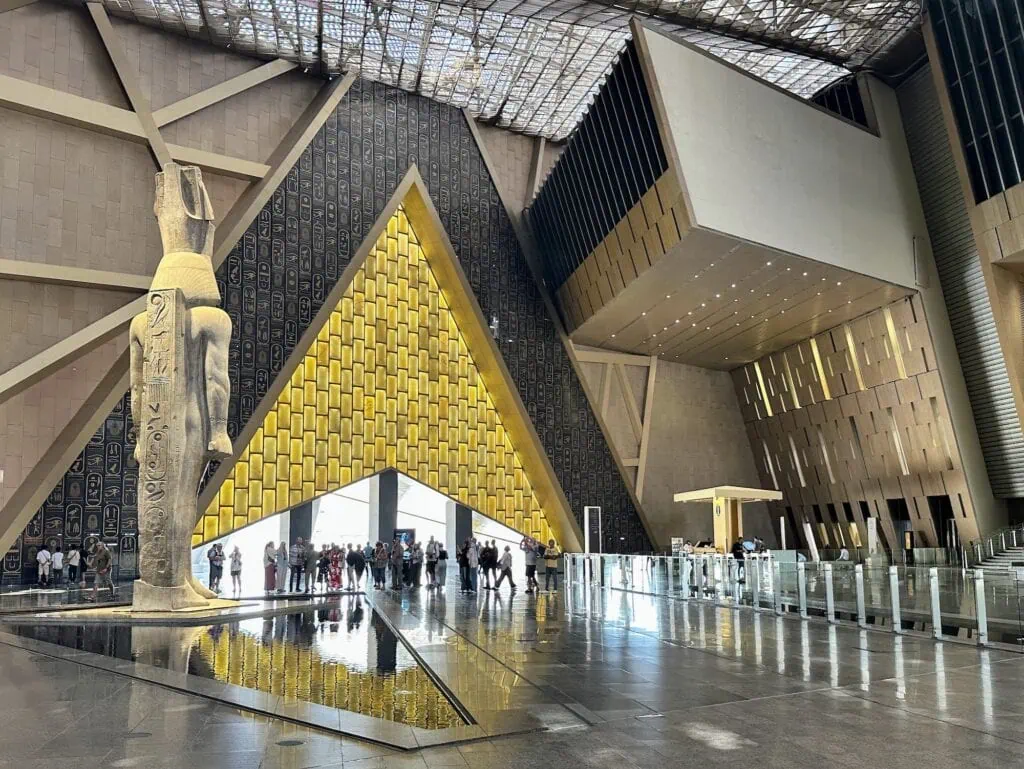
Today, guests can explore the museum’s full-scale galleries as part of a seamless and professionally guided visit, connecting the iconic monuments of Giza with the masterpieces they once concealed.
Islamic Cairo Medieval Architecture
Khan el-Khalili Bazaar operates continuously since the 14th century and remains Cairo’s commercial heart. Narrow alleyways wind between workshops where craftsmen practice trades their families have maintained for generations. The bazaar’s authentic sections require navigation skills because tourist-focused shops near the entrances don’t represent the market’s true character — which is why every well-designed Cairo city tour leads you past them and into the working quarters where locals actually shop.
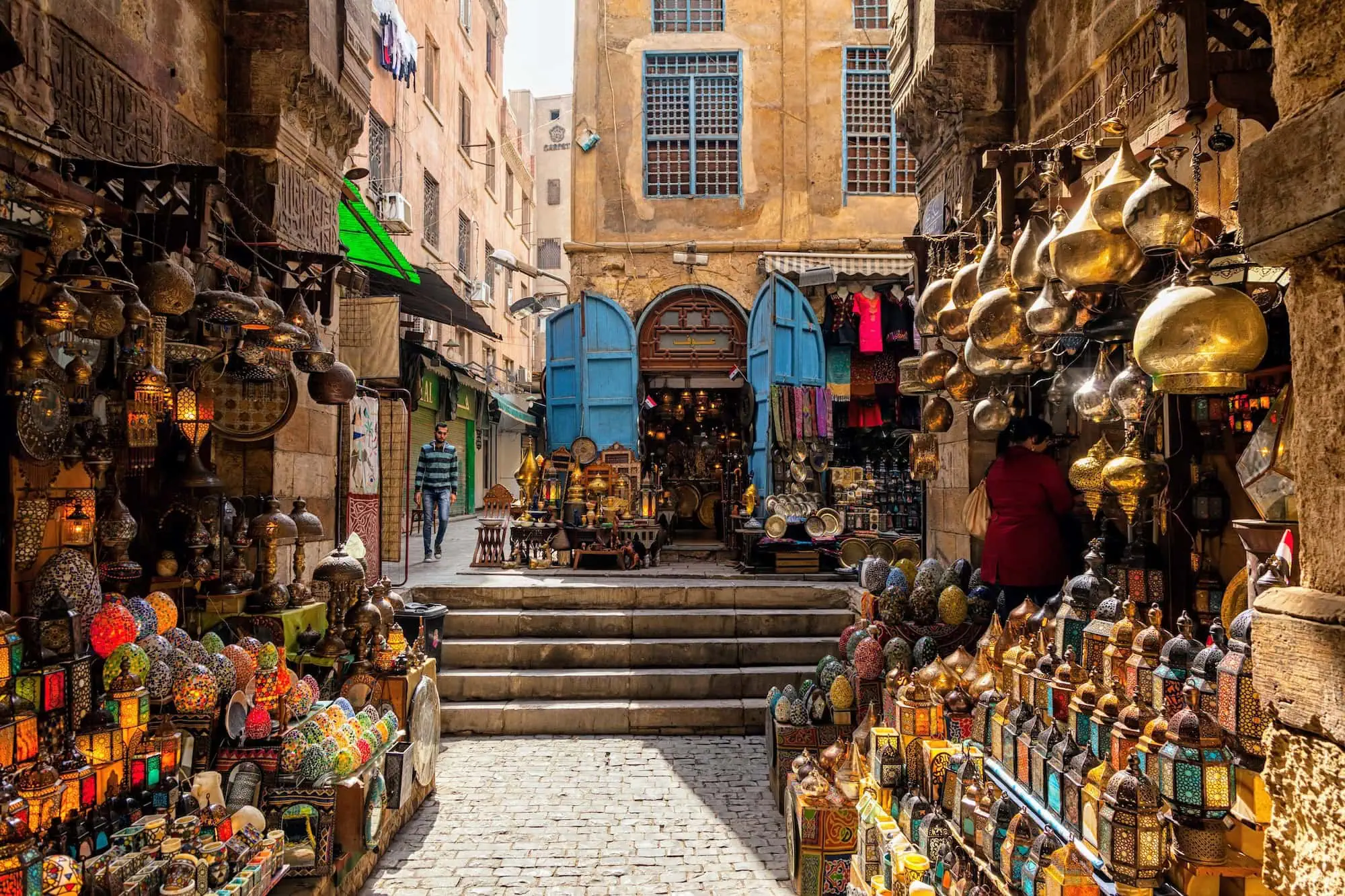
Successful bargaining starts at roughly 30% of quoted prices, though quality varies dramatically between vendors. Handmade items cost significantly more than machine-produced alternatives, and experienced buyers learn to distinguish between authentic craftsmanship and mass-produced replicas.
The Al-Hussein Mosque sits at the spiritual heart of medieval Islamic Cairo, believed to house the head of Imam Hussein — the Prophet Muhammad’s grandson. Originally built in 1154 under the Fatimids, the mosque visitors see today was reconstructed in 1874 by Khedive Isma’il in a distinctive blend of Italian Gothic and Ottoman styles — a fusion known as “Islamic eclecticism.” Its real draw isn’t scale but sanctity: it’s one of the holiest Shia sites outside Iraq, and the atmosphere during prayer — especially around Ashura — is unlike anywhere else in Cairo.
The nearby Sultan Hassan Mosque showcases Islamic architecture at its most ambitious scale. Construction began in 1356 and demonstrates sophisticated mathematical principles in its proportions and decorative patterns. The mosque’s main hall reaches 36 meters (118 feet) high and creates acoustic effects that amplify prayers throughout the space.
Al-Azhar Mosque functions as both worship space and university, maintaining its educational role for over 1,000 years. Students from across the Islamic world study here, continuing traditions that predate European universities by centuries.
Coptic Cairo’s Christian Heritage
Coptic Cairo preserves Egypt’s Christian history through churches built on Roman fortress foundations. The Hanging Church appears to float above ground level because it sits atop Roman towers from the Babylon Fortress. Interior columns incorporate ancient Roman materials, and wall paintings depict Christian scenes using artistic techniques borrowed from pharaonic traditions.
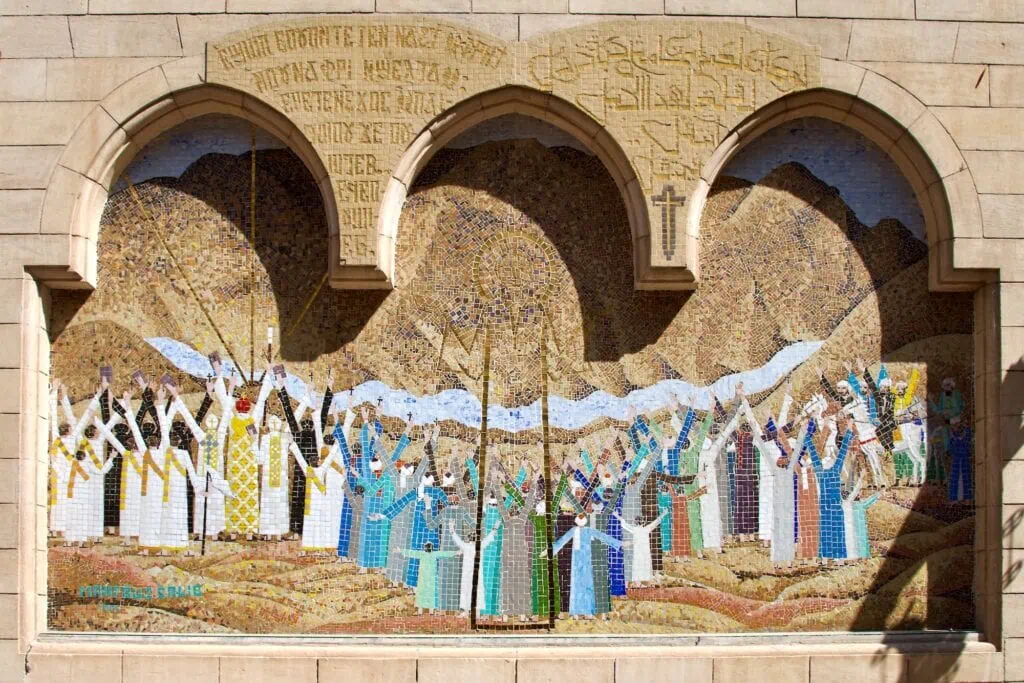
Saint Sergius Church traditionally marks the Holy Family’s refuge during their flight into Egypt. Archaeological excavations beneath the church revealed layers of earlier religious buildings, suggesting continuous worship at this location for nearly 2,000 years.
The Ben Ezra Synagogue documents Cairo’s Jewish community history and houses a geniza (repository) that preserved medieval manuscripts for centuries. These documents provide scholars with unprecedented insights into medieval Mediterranean trade, family life, and religious practices.
Citadel of Saladin and Muhammad Ali
Saladin’s Citadel dominates Cairo’s skyline from Mokattam Hills and served as Egypt’s governmental center for 700 years. The fortress walls incorporate stones from smaller pyramids, demonstrating medieval builders’ practical approach to available materials. Strategic positioning provides panoramic city views that explain why rulers chose this location for their administrative capital.
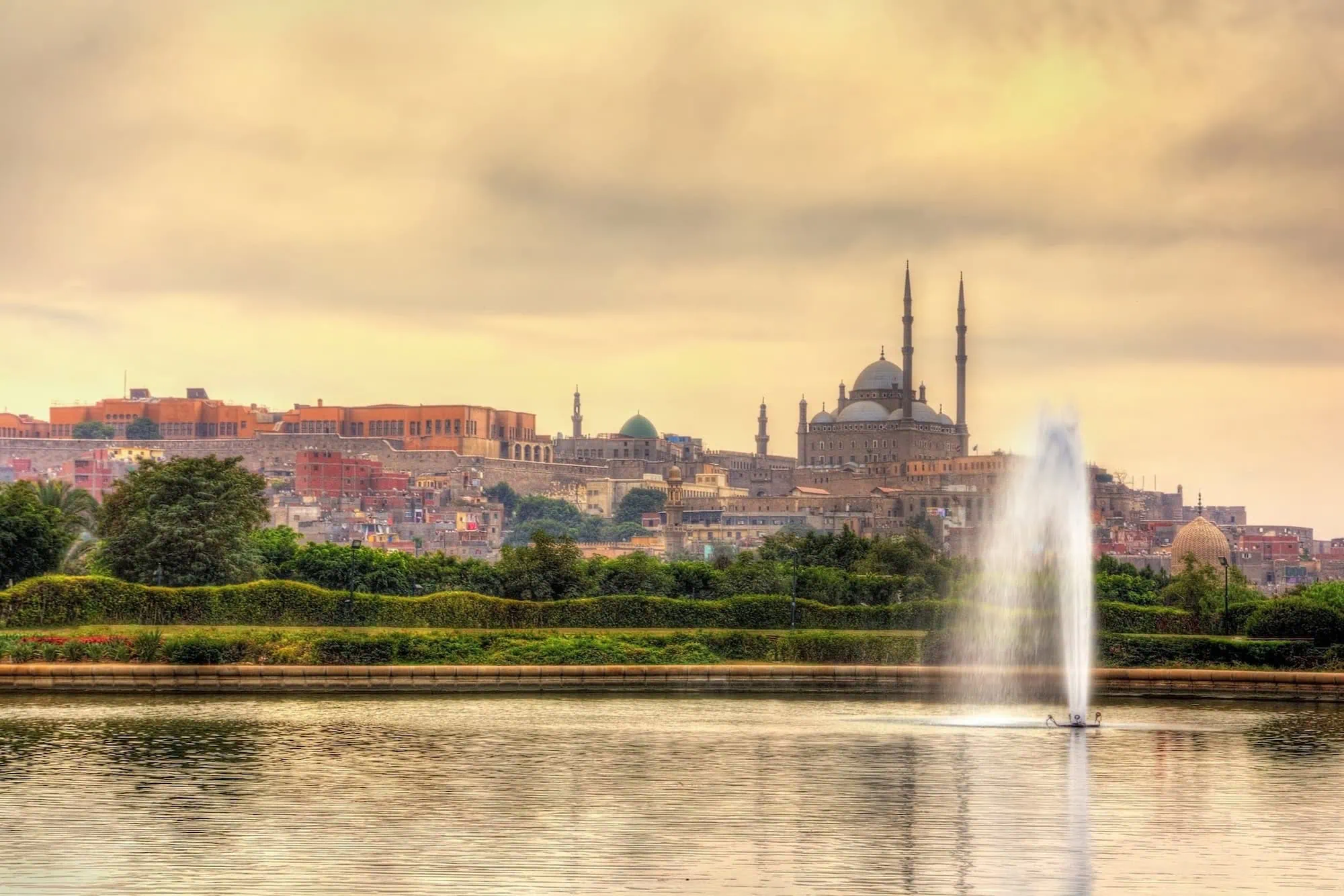
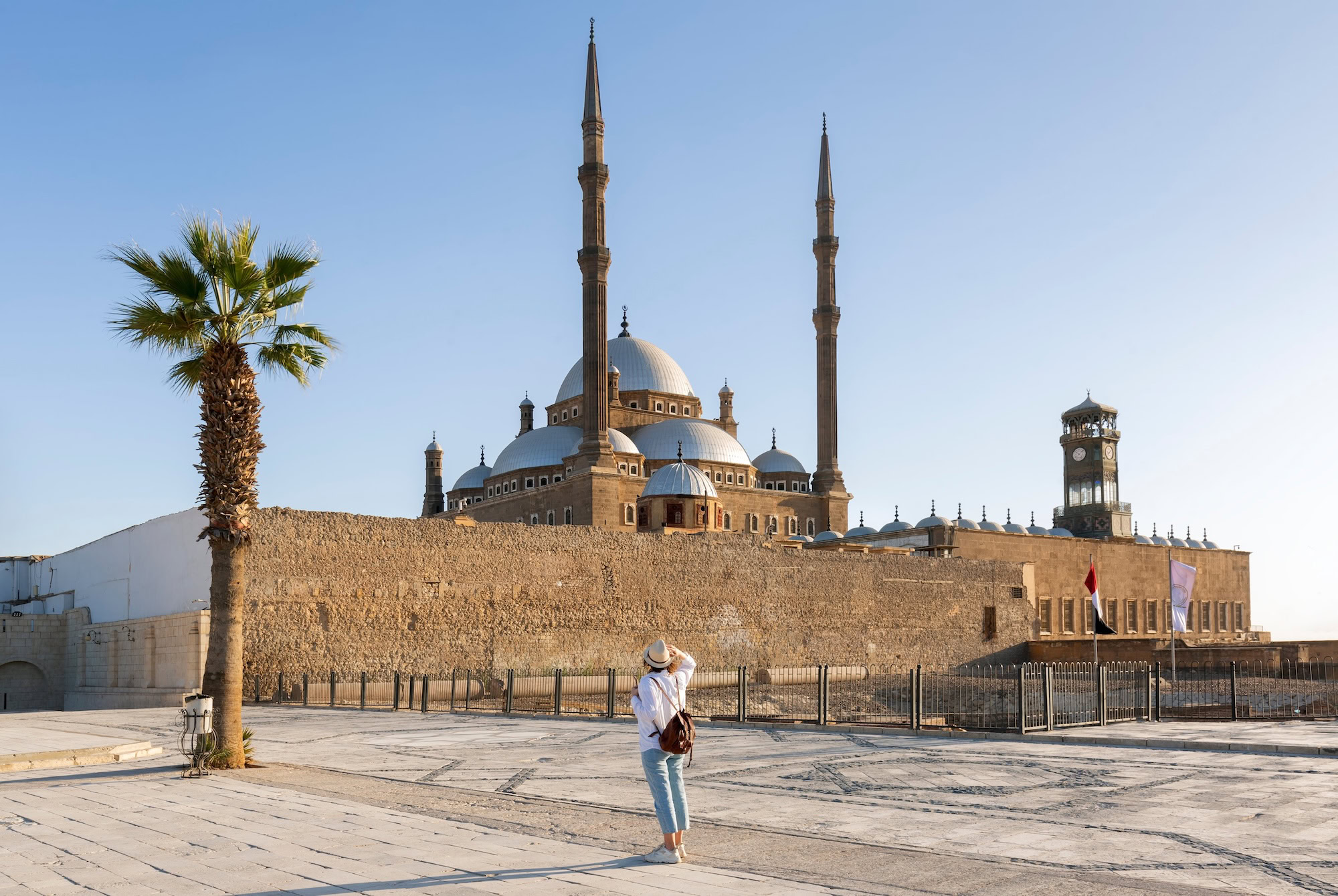
The Muhammad Ali Mosque inside the citadel combines Ottoman architectural elements with local Egyptian touches. Twin minarets rise 82 meters (269 feet) and visible from across Cairo. The mosque’s interior marble comes from Ottoman quarries, while alabaster decorations showcase local craftsmanship.
Afternoon visits between 2:00 pm (14:00) and 4:00 pm (16:00) offer the best lighting for photography, though morning hours provide clearer air quality for distant views.
Nile River Experiences
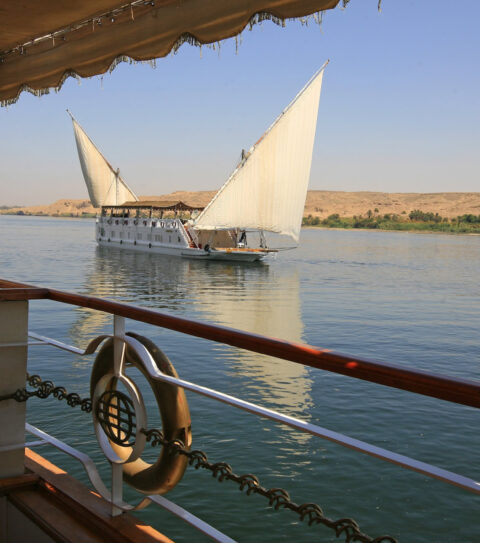
Traditional felucca boats offer peaceful escapes from Cairo’s intensity without requiring full-day commitments. These wooden sailboats navigate the Nile using techniques unchanged for centuries, and skilled captains can catch wind currents invisible to passengers. A felucca ride costs significantly less than a dinner cruise and provide intimate perspectives of riverfront architecture.
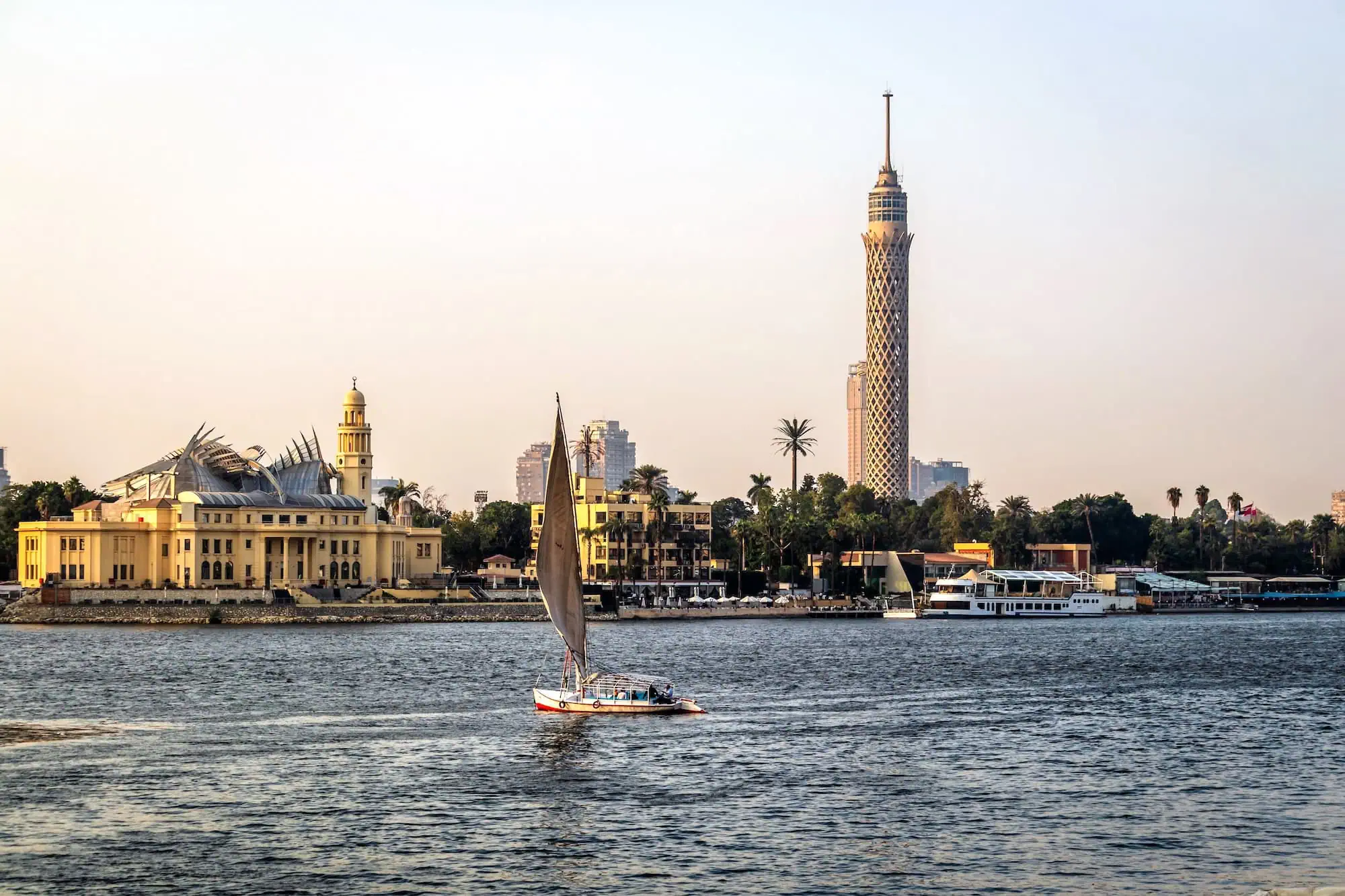
Sunset timing varies throughout the year, with summer sunsets occurring around 7:00 pm (19:00) and winter sunsets around 5:30 pm (17:30). Weather conditions affect sailing possibilities, particularly during spring months when desert winds can create challenging river conditions.
Dinner Cruises and Entertainment
Multi-level cruise boats provide restaurant dining with traditional entertainment, though quality varies between operators. Better cruises include live music, folk dancing, and whirling dervish performances alongside international buffet meals. Standard cruises last approximately 3 hours and include transportation from major hotels.
Booking directly through established operators ensures better service than tourist market purchases, which often involve commission-heavy middlemen who may misrepresent actual cruise quality.
Planning Your Cairo Adventure Successfully
Cairo rewards visitors who plan strategically rather than attempting to see everything quickly. Three full days allows comfortable exploration of major attractions without exhausting schedules, though dedicated history enthusiasts easily spend weeks discovering lesser-known sites.
Entry visa requirements for U.S. visitors include obtaining tourist visas either upon arrival at Cairo International Airport for $25 USD or through Egyptian consulates before travel. Europeans, Latin Americans, and most other nationalities follow similar processes, though some countries have reciprocal agreements allowing longer stays without additional fees.
Transportation and Getting Around
Cairo Metro provides efficient transportation between major tourist areas for minimal cost, though stations lack comprehensive English signage. The system operates from 5:00 am (05:00) until midnight (24:00) with separate cars designated for women during peak hours.
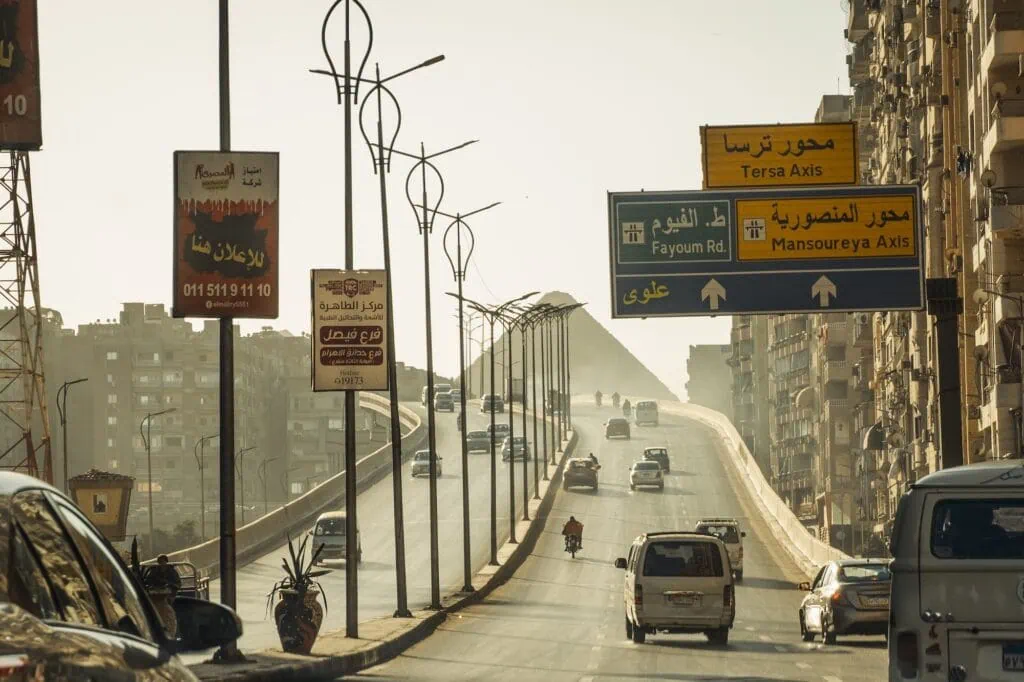
Private transportation with experienced drivers proves valuable for pyramid visits because public transportation requires multiple connections and significant walking in desert heat. Professional drivers know alternative routes during Cairo’s frequently congested traffic periods.
We arrange comfortable, air-conditioned vehicles with knowledgeable drivers who understand tourist attraction timing and can adjust schedules based on your interests and energy levels.
Weather Considerations and Best Times
Cairo’s climate varies dramatically between seasons, affecting comfort levels and attraction accessibility. Summer temperatures regularly exceed 35°C (95°F) with intense sun exposure that makes outdoor exploration challenging between 11:00 am (11:00) and 4:00 pm (16:00).
Winter months from December through February provide ideal weather conditions with daytime temperatures around 20°C (68°F) and minimal rainfall. Spring and fall offer moderate temperatures but occasional dust storms that can limit visibility and affect respiratory comfort.
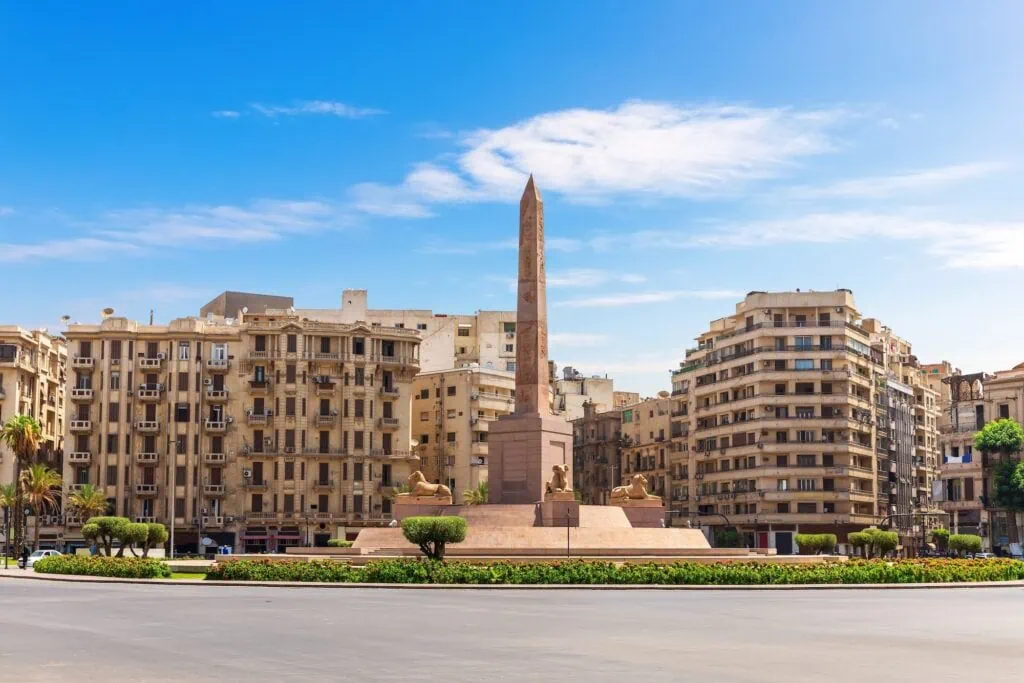
Early morning starts become essential during warmer months, allowing major outdoor attractions before heat peaks. Indoor museums and air-conditioned spaces provide comfortable midday alternatives when outdoor exploration becomes uncomfortable.
Hidden Gems Beyond the Tourist Circuit
Ibn Tulun Mosque represents one of Cairo’s oldest intact Islamic structures and receives far fewer visitors than more famous sites. Built in 879 AD, the mosque showcases early Islamic architectural principles with remarkably preserved original elements. The spiral minaret offers city views without the crowds found at more popular locations.
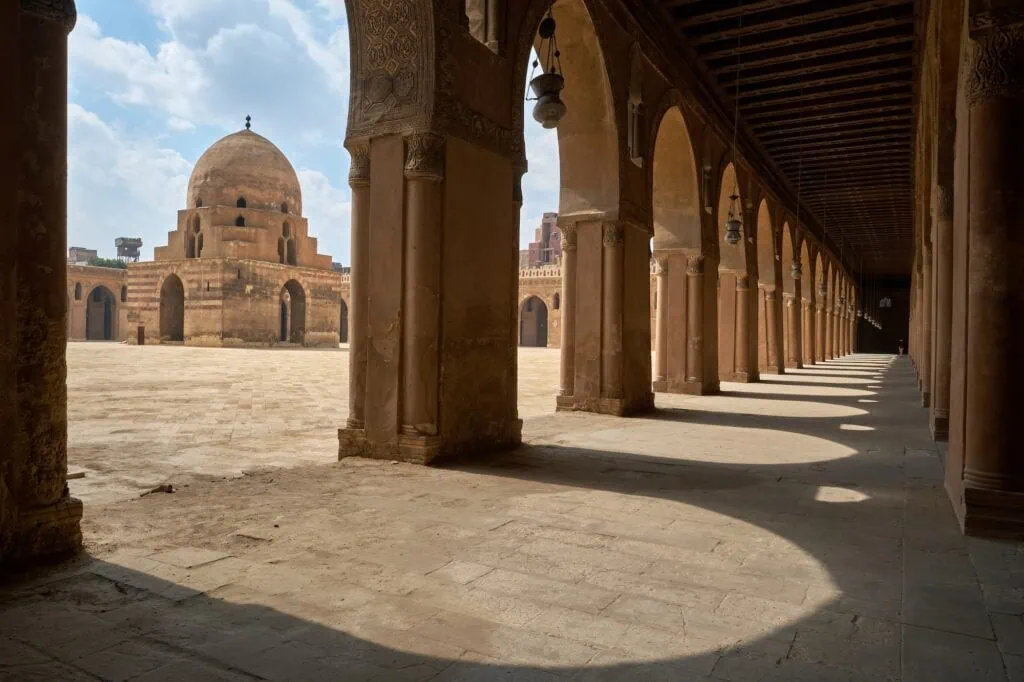
The City of the Dead (Northern Cemetery) functions as both active burial ground and residential neighborhood where families live among elaborate mausoleums. This unique community demonstrates how death and life interweave in Egyptian culture, though visitors should approach respectfully and preferably with local guidance.
Al-Muez Street stretches over one kilometer through Islamic Cairo and contains the world’s largest collection of medieval Islamic architecture. Walking the full length reveals architectural evolution across different Islamic periods, from Fatimid through Ottoman influences.
Traditional Crafts and Authentic Shopping
Tentmakers’ Street specializes in appliqué fabric work using techniques passed through generations. Artisans create intricate patterns for religious and ceremonial purposes, and visitors can observe the complete creation process from design cutting through final stitching.
The Copper Market produces handmade items using traditional metalworking methods. Skilled craftsmen shape copper into both functional items and decorative pieces, often incorporating calligraphy and geometric patterns characteristic of Islamic art traditions.
Quality authentic items require investment beyond typical souvenir budgets, but properly made traditional crafts last decades with appropriate care and represent genuine cultural preservation efforts.
Culinary Adventures and Food Culture
Cairo’s food scene reflects influences from across the Mediterranean, Middle East, and Africa through centuries of trade and cultural exchange. Traditional restaurants often occupy buildings with histories spanning several centuries, and family recipes pass through generations without written documentation.

Ful medames serves as Egypt’s national breakfast dish and appears on tables across all social classes. Street vendors prepare excellent versions alongside upscale restaurant interpretations, though preparation methods and ingredient quality vary significantly.
Street Food Safety Recommendations
Busy street food stalls with high customer turnover generally provide safer options than establishments with slow-moving inventory. Fresh preparation and hot serving temperatures help ensure food safety, while vendors with long lines often indicate local approval and quality consistency.
Popular items include koshari (Egypt’s national dish combining rice, lentils, and pasta), fresh fruit juices from vendors with visible fruit preparation, and traditional sweets like baklava and knafeh from established pastry shops.
Cairo Rewards Travelers Who Plan Well
The difference between an exhausting, overcrowded trip and one you’ll remember forever comes down to three things: the right order, the right timing, and the right guide. That’s exactly what our travel concierges design — privately, around your interests, your pace, and your dates.
Start Your Custom Egypt Tour →
A dedicated Travel Concierge will send you a proposal within 1–12 hours. No templates. No pressure.
Frequently Asked Questions
Early morning between 8:00 am and 10:00 am offers cooler temperatures and better lighting.
Plan 3-4 hours minimum to see major highlights, though enthusiasts easily spend full days.
Bottled water is recommended as local water may cause digestive issues for visitors.
Conservative clothing covering arms and legs is required, women need head coverings.
The museum sits approximately 2 km from the Pyramid complex with shuttle transportation available.
Photography requires separate tickets with additional fees, flash photography is prohibited.
Feluccas offer authentic sailing experiences lasting 1-2 hours, dinner cruises provide restaurant meals.
Major sites accept walk-in visitors, though advance booking ensures specific time slots.
Tourist visas typically process within 30-45 minutes, peak times may extend waiting.
Private transfers provide most comfort, official airport taxis offer budget-friendly alternatives.
Yes, starting around 30% of quoted prices is standard practice and expected.
No age restrictions exist, but narrow passages make visits challenging for small children.
Design Your Custom Tour
Explore Egypt your way by selecting only the attractions you want to visit
Explore must-see sights across Sinai, the Sahara, along the Nile, and around Lake Nasser — complete regional guides.
Attractions Along Egypt’s Iconic Routes & Regions
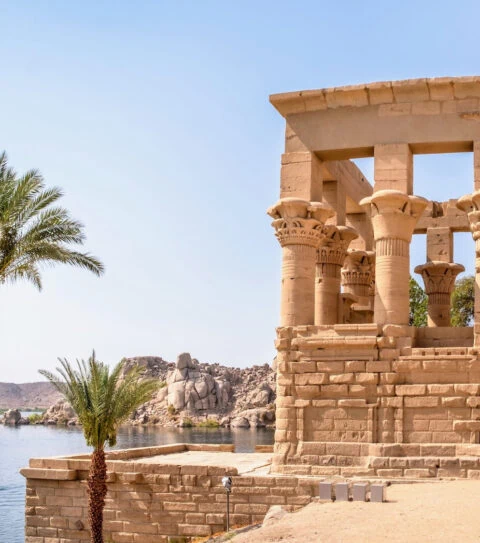
Nile Valley Attractions
Explore key sites along the Nile — from Cairo and Luxor to Aswan’s temples and timeless river life.

Sinai Attractions
From Red Sea beaches to sacred peaks, discover Sinai’s full range of natural, cultural, and historic sights.