

Morocco Travel Safety – Staying Safe during Your Stay
Morocco beckons with ancient cities and desert landscapes.
Understanding travel safety in Morocco requires more than reading generic warnings. The country has evolved significantly over the past decade, with infrastructure improvements and enhanced security measures making it increasingly accessible to international visitors. Government agencies worldwide provide varying assessments, from the U.S. State Department’s Level 2 advisory to more nuanced regional guidance from European authorities.
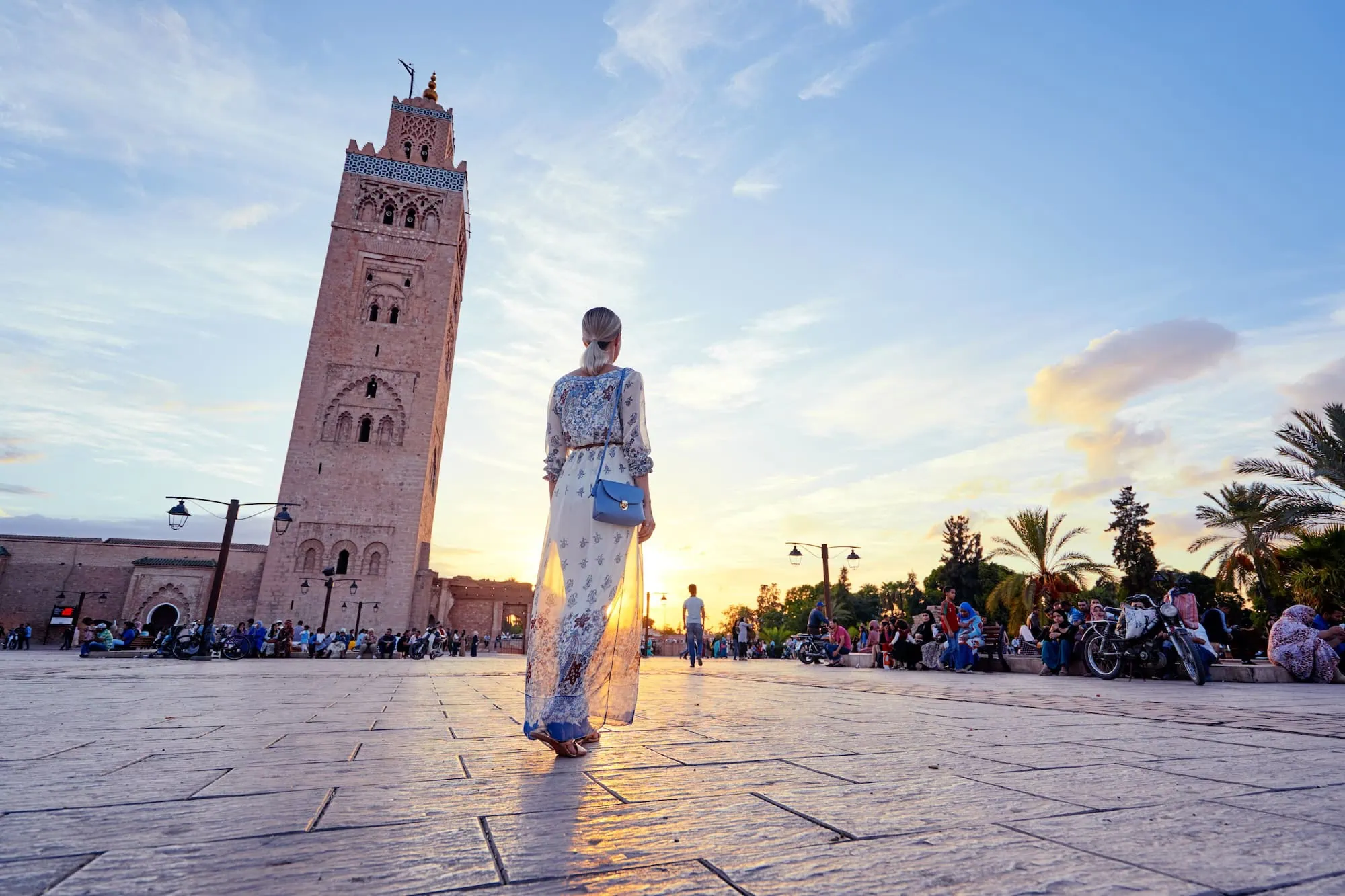
Current security conditions reflect Morocco’s position as a stable North African destination, though like any international travel, certain precautions enhance your experience and ensure peace of mind.
Current Security Climate and Threat Assessment
Morocco maintains relatively stable security conditions compared to neighboring regions. Terrorist groups have historically targeted tourist areas, prompting sustained vigilance from local authorities and international security services.
The primary concern stems from potential attacks by extremist organizations, including Daesh affiliates and other radical cells. These groups continue plotting possible attacks against Western targets, particularly in areas frequented by tourists. However, Moroccan security forces have demonstrated effectiveness in preventing major incidents through comprehensive counterterrorism operations.
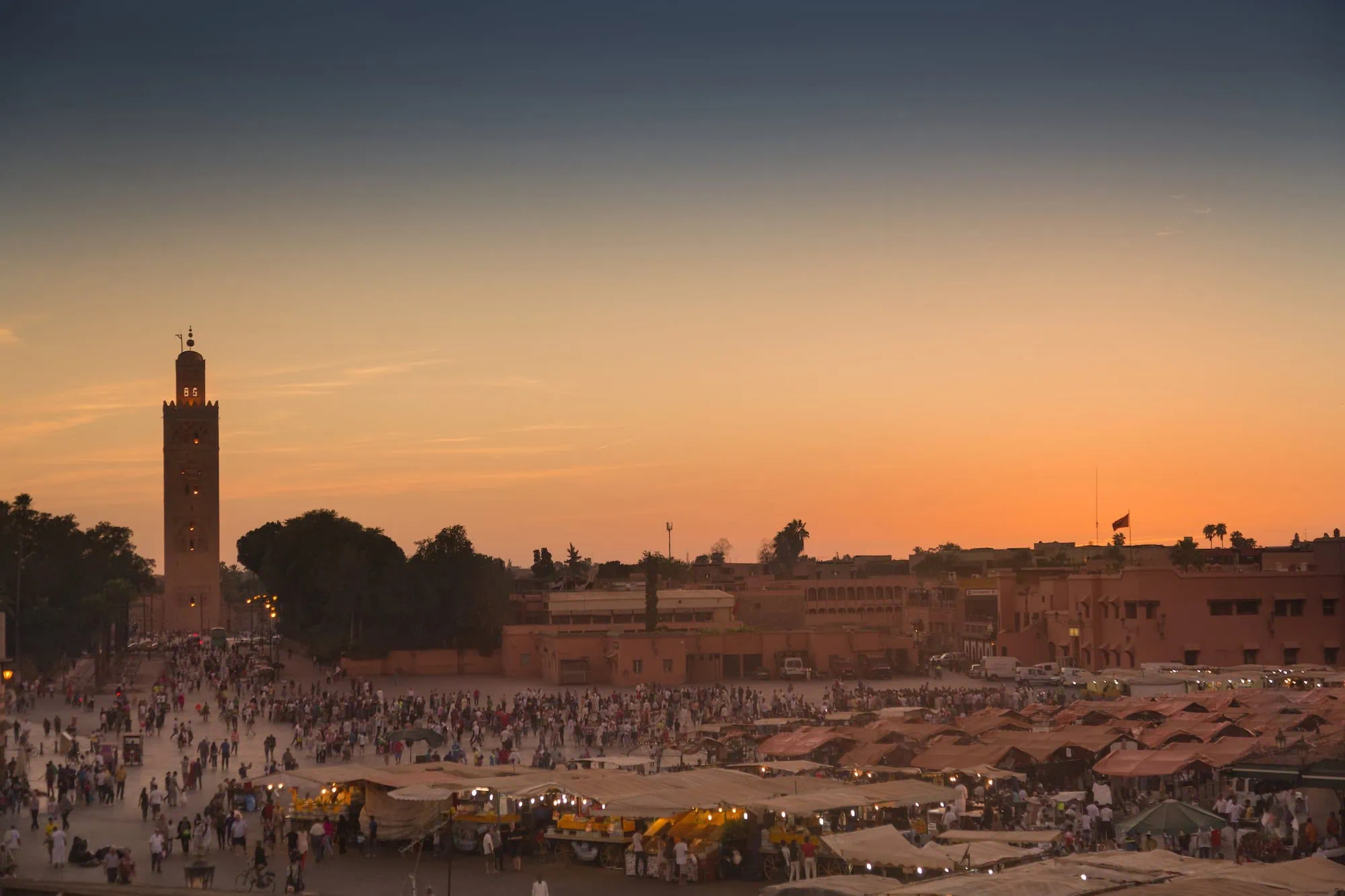
Government Risk Classifications
The U.S. Department of State maintains a Level 2 travel advisory, recommending increased caution due to terrorism concerns. This classification places Morocco in a moderate risk category, below countries requiring visitors to reconsider travel entirely.
Canadian authorities provide more granular regional assessments, advising complete avoidance of Western Sahara border regions due to military presence and landmine risks. British government guidance similarly emphasizes high terrorist threat levels while acknowledging Morocco’s cooperation with international security efforts.
Regional Security Variations
Northern Morocco, including cities like Tangier and Tetouan, experiences different security dynamics than southern regions. Border areas with Algeria present elevated risks due to smuggling activities and limited government presence.
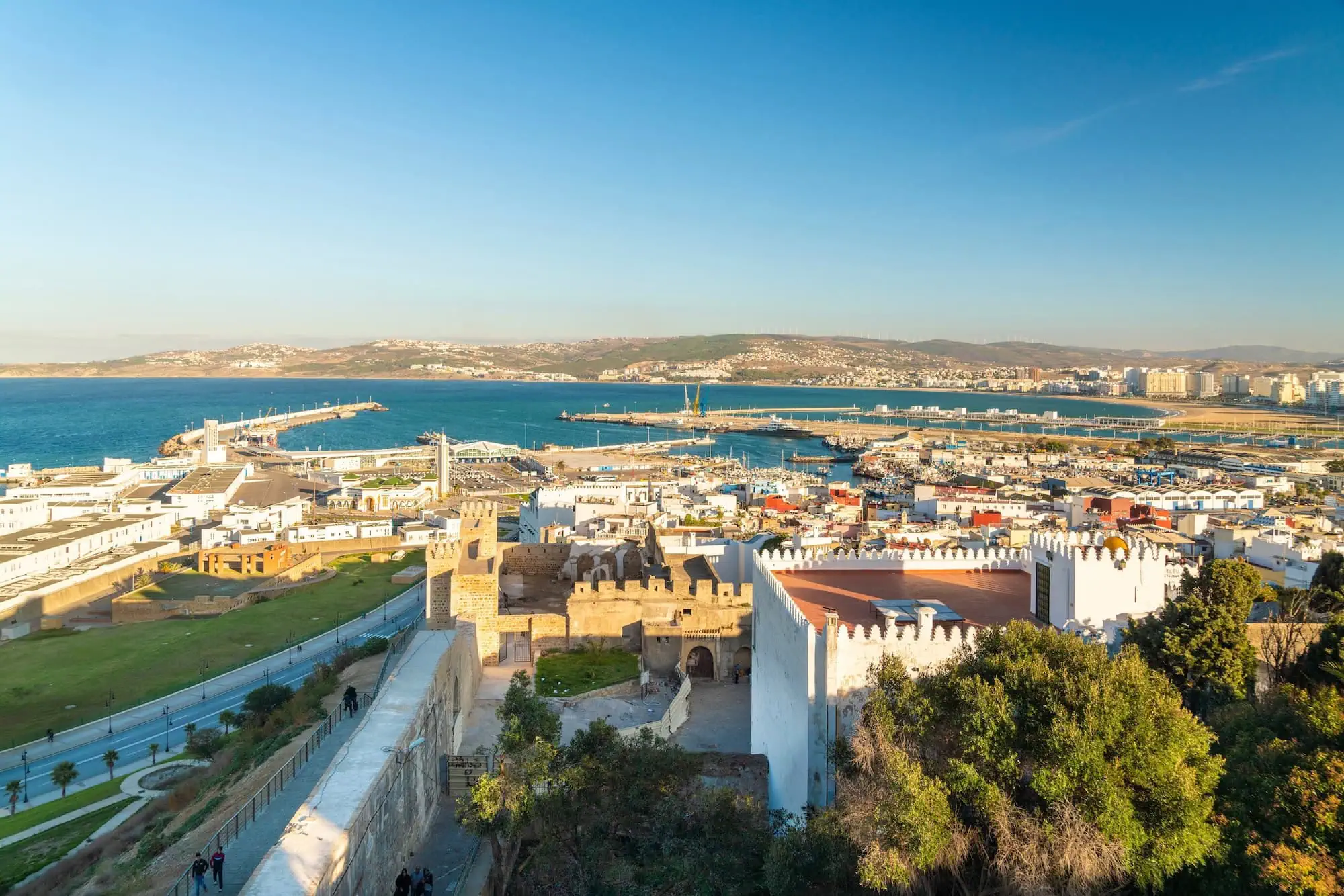
The Western Sahara region requires particular attention. Military checkpoints and unexploded ordnance create hazards for travelers venturing into disputed territories. Most tour operators avoid these areas entirely, focusing on established tourist circuits through Marrakech, Fez, and coastal destinations.
Expert Security Assessments
Travel security specialists consistently rate Morocco favorably among North African destinations. Lucas Peters, a recognized authority on regional travel safety, notes Morocco’s “incredibly safe destination” status stems from stable governance and visible police presence in tourist areas.
Understanding Crime Patterns and Personal Safety
Petty crime represents the most common safety concern for visitors. Pickpocketing, bag snatching, and tourist-targeted scams occur frequently in medinas and crowded markets.
Organized criminal activity typically focuses on smuggling rather than targeting tourists directly. Violent crime against visitors remains uncommon, though isolated incidents of robbery and assault do occur, particularly in less populated areas or during late-night hours.
Urban Crime Hotspots
Casablanca’s economic districts and Marrakech’s Jemaa el-Fnaa square see concentrated criminal activity. Pickpockets operate in groups, creating distractions while accomplices target valuables. ATM skimming devices occasionally surface at tourist-frequented banks, making cash withdrawal vigilance essential.
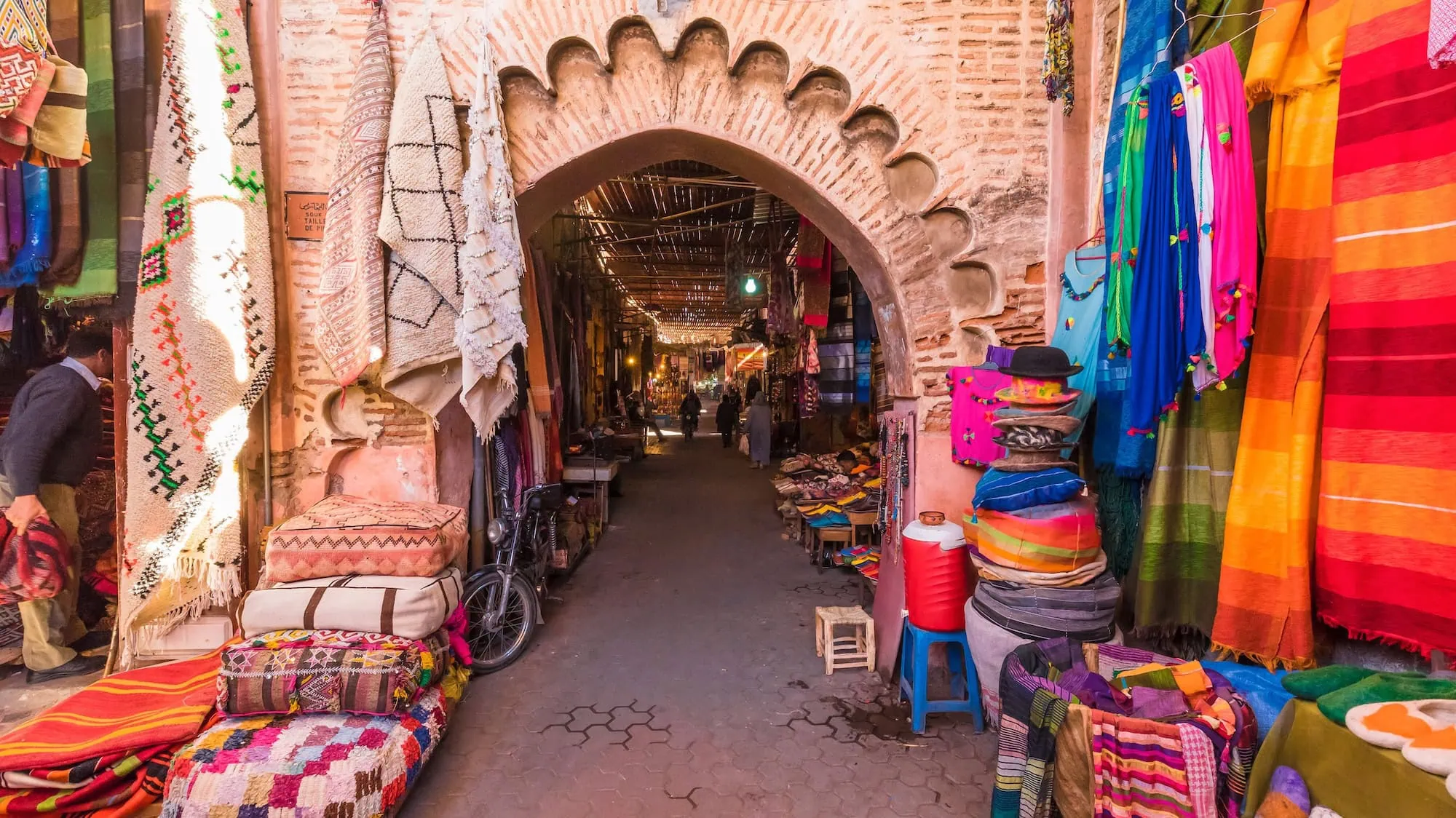
Fez’s winding medina presents unique challenges. Visitors can easily become disoriented, creating opportunities for scam artists posing as helpful guides. Legitimate tour operators provide identification and work through established channels, unlike street approaches that often lead to overcharging or worse.
Transportation Security Considerations
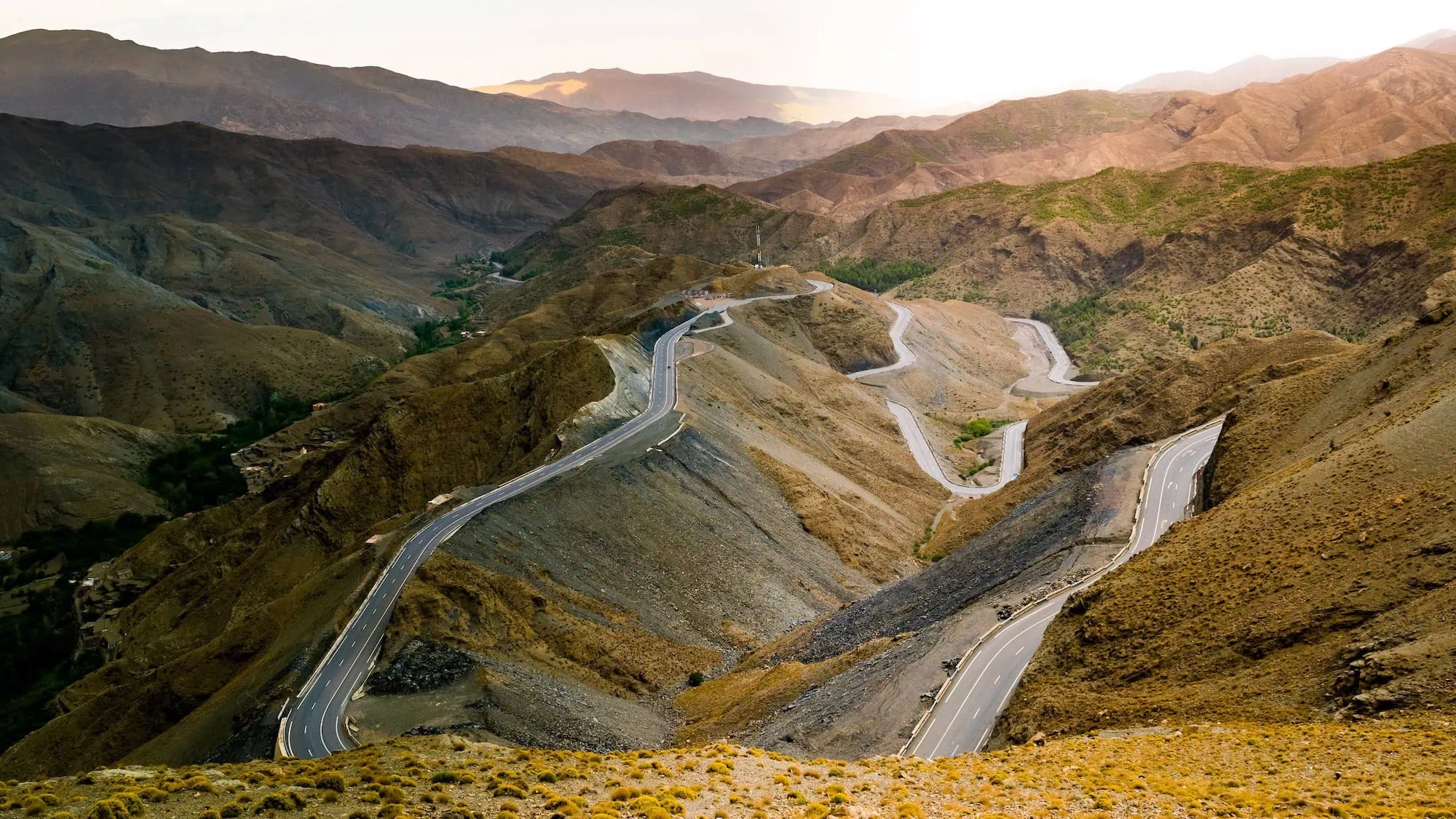
Road conditions vary dramatically between regions. Modern highways connecting major cities meet international standards, while rural mountain roads may lack proper lighting or safety barriers. Night driving presents particular hazards due to poor visibility and increased accident rates.
Bus transportation through established companies maintains good safety records, though private operators may cut corners on vehicle maintenance. Rail services between major destinations offer secure, comfortable alternatives to road travel.
Domestic flights operate safely, though weather conditions can cause delays during certain seasons. Airport security matches international standards, with thorough screening procedures that may extend wait times during peak travel periods.
Cultural Navigation and Legal Considerations
Morocco’s Islamic culture and legal system create important considerations for international visitors. Respecting local customs prevents misunderstandings and ensures positive interactions with residents.
Religious observances, particularly during Ramadan, affect daily routines and business hours. Tourists should adjust expectations and show appropriate sensitivity to fasting practices and prayer times. Dress codes in religious sites require modest coverage, with specific requirements for entering mosques.
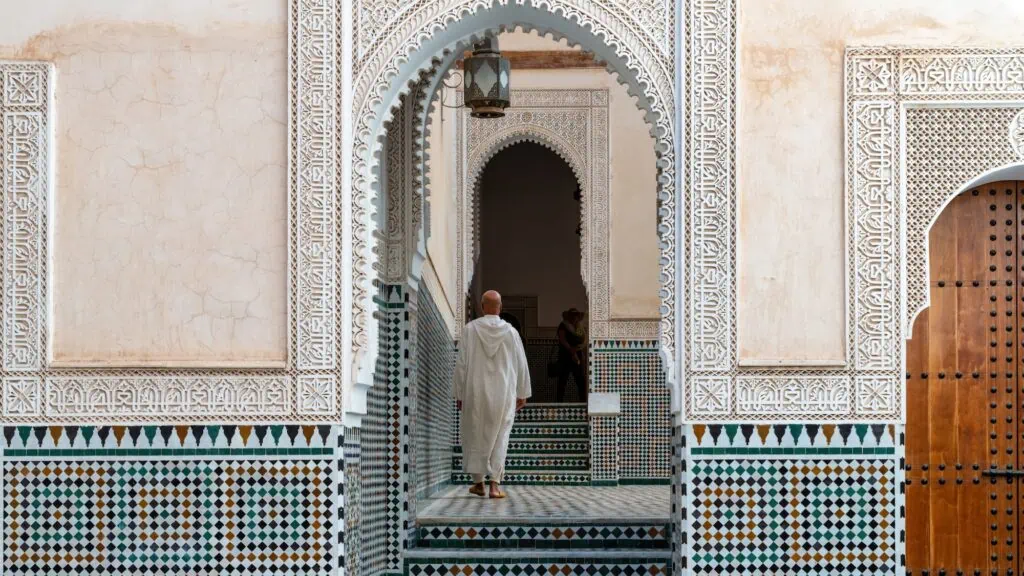
Legal differences between Morocco and Western countries can create unexpected complications. Islamic law influences various aspects of daily life, from alcohol availability to relationship norms. British and American citizens accustomed to different legal frameworks may inadvertently violate local regulations without realizing potential consequences.
Public displays of affection between unmarried couples or same-sex partners may cause offense or legal issues. LGBTQ+ travelers should research current conditions and exercise discretion, as attitudes and enforcement vary by region and local authority. Photography restrictions apply near government buildings, military installations, and sometimes religious sites, requiring awareness of local sensitivities.
Women’s Safety Considerations
Female travelers, particularly those traveling alone, may encounter specific challenges related to cultural expectations and gender roles. Verbal harassment occurs frequently in tourist areas, ranging from persistent vendor attention to more concerning behavior.
Conservative dress reduces unwanted attention and demonstrates cultural respect. Covering shoulders, avoiding shorts or short skirts, and choosing modest necklines help female visitors navigate social situations more comfortably.
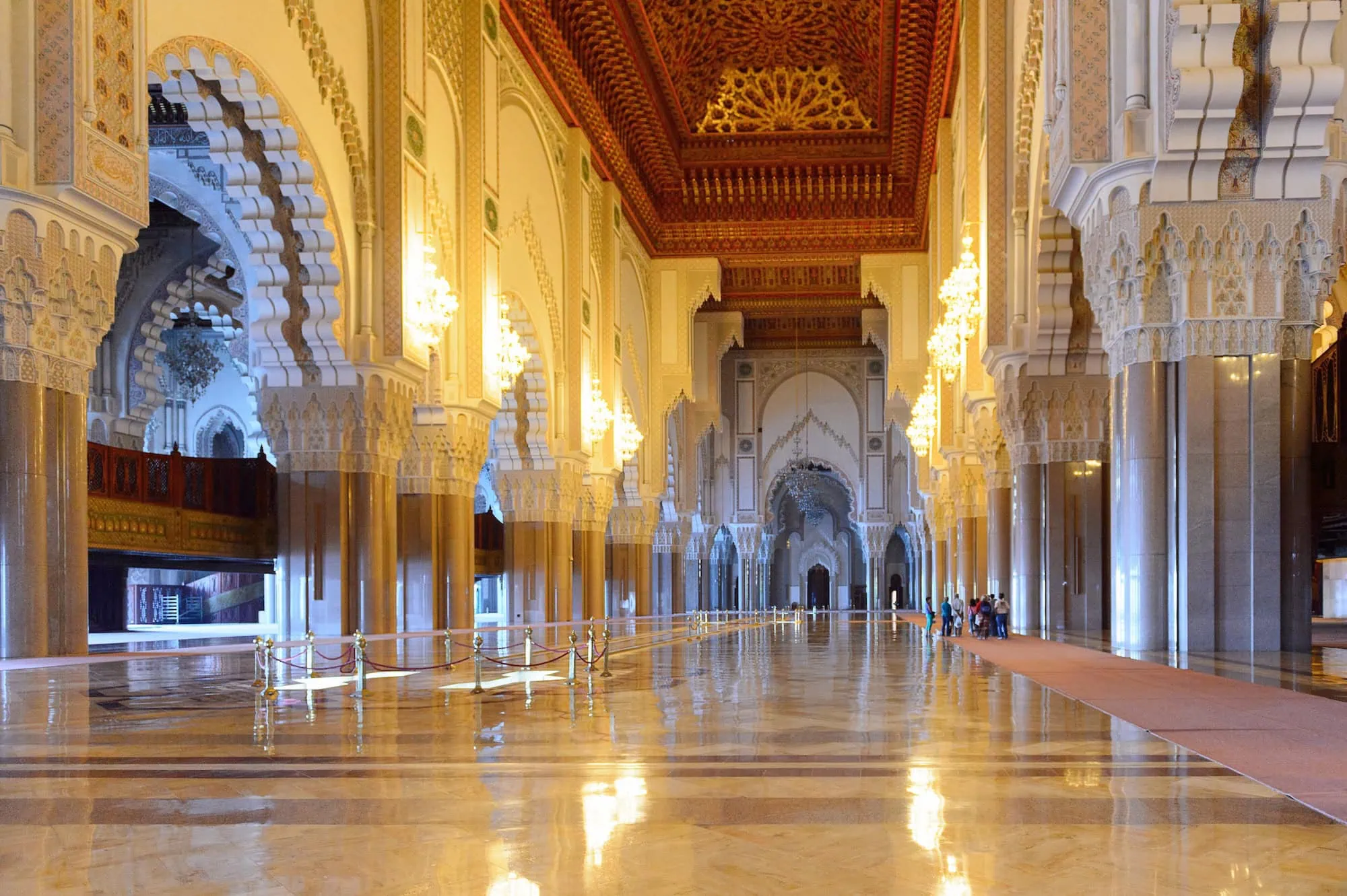
Solo female travelers report varying experiences depending on destination choice and cultural preparation. Organized tours provide additional security layers, while independent travel requires greater vigilance and cultural sensitivity.
Emergency Preparedness and Health Safety
Medical facilities in major Moroccan cities provide adequate care for routine issues, though specialized treatment may require evacuation to European facilities. Travel insurance should include comprehensive medical coverage and emergency evacuation provisions.
Medical System Overview
Private hospitals in Casablanca and Rabat offer higher standards than public facilities, though costs reflect this quality difference. Prescription medications may differ from home country equivalents, making advance preparation important for travelers with ongoing medical needs.
Emergency services operate in Arabic and French primarily, though tourist areas increasingly provide English-speaking support. The national emergency number (15) connects to medical services, while police (19) and fire services (15) maintain separate systems.
Natural Disaster Preparedness
Earthquakes pose genuine risks in Morocco, with seismic activity occurring throughout the country. The Atlas Mountains region experiences particular vulnerability, though building codes in tourist areas generally meet safety standards.
Flash flooding affects certain regions during winter months, particularly in desert areas where sudden storms can create dangerous conditions. Weather monitoring becomes crucial when planning outdoor activities or remote area excursions.
Extreme heat during summer months requires preparation and adjustment of activity levels. Dehydration and heat-related illnesses affect visitors unaccustomed to high temperatures, particularly in interior regions and desert destinations.
Regional Destination Safety Profiles
Different regions present unique safety considerations requiring tailored approaches to travel planning.
Atlantic Coast Cities
Casablanca offers Morocco’s most cosmopolitan environment with international business presence and modern infrastructure. Crime levels remain moderate, focused on petty theft rather than violent offenses. The city’s economic opportunities attract migration from rural areas, creating some social tensions but generally maintaining stability.
Rabat’s capital status brings enhanced security presence and government oversight. Tourist areas receive particular attention from authorities, creating relatively safe environments for visitors. The city’s smaller size compared to Casablanca allows easier navigation and reduced exposure to urban crime patterns.
Imperial Cities
Marrakech represents Morocco’s most visited destination, with corresponding tourism infrastructure and security measures. The medina’s maze-like structure requires navigation awareness, though tourist police maintain visible presence in major squares and attractions.
Fez presents more challenging navigation due to its complex medina layout and less developed tourism infrastructure. Visitors benefit from guided experiences rather than independent exploration, particularly for first-time visitors unfamiliar with North African cultural norms.
Desert and Mountain Regions
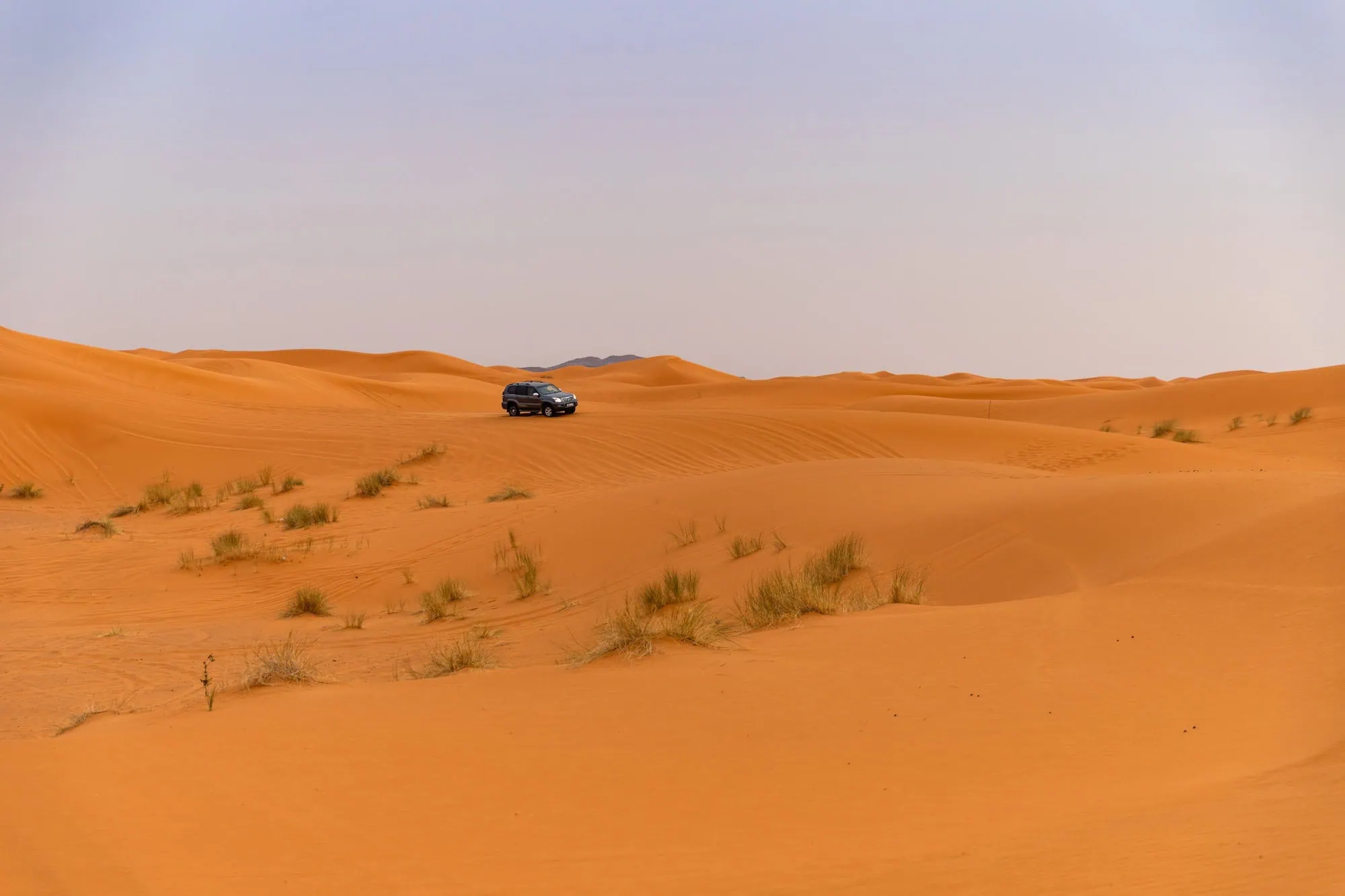
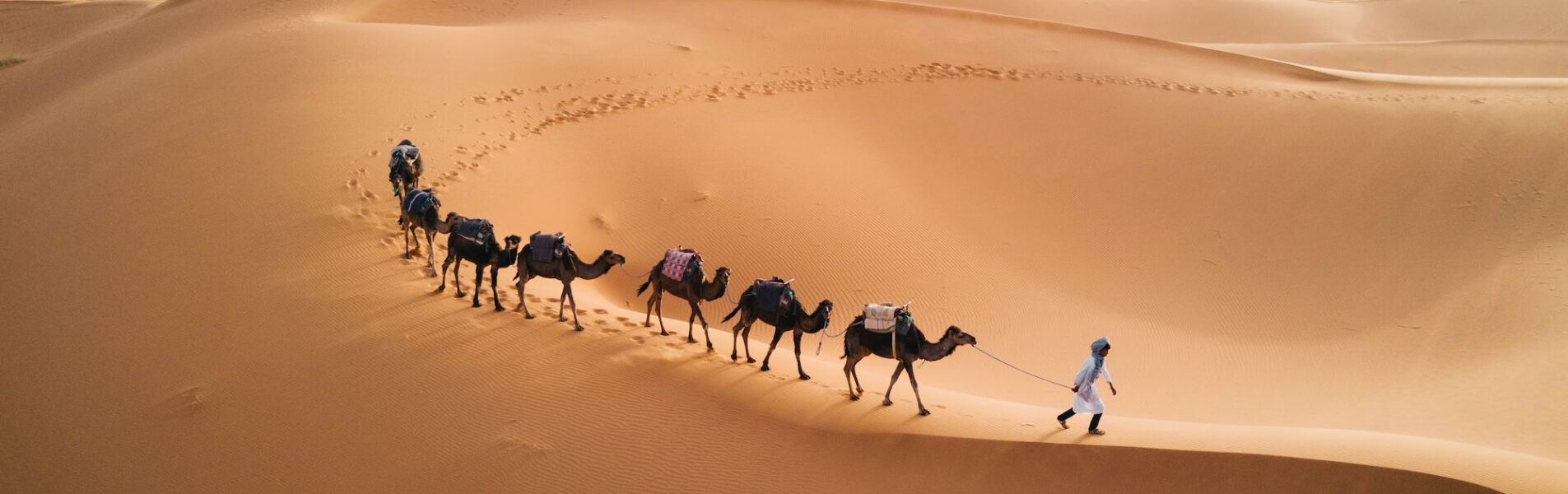
Sahara Desert excursions through reputable operators maintain excellent safety records, though independent travel requires desert survival knowledge and appropriate equipment. Weather conditions can change rapidly, making professional guidance valuable for inexperienced desert travelers.
Atlas Mountains trekking presents moderate risks similar to mountain hiking worldwide. Proper equipment, weather awareness, and guide services reduce risks significantly. Remote areas may have limited communication coverage, making emergency response challenging.
Border Regions
Northern borders with Spain maintain heavy security due to migration pressures and smuggling concerns. Authorized crossing points operate normally, though extended wait times occasionally occur during peak periods.
Eastern borders with Algeria remain officially closed, with military presence and restricted access throughout most border regions. Travelers should avoid unauthorized border crossings and respect military checkpoint requirements.
Practical Safety Implementation
Daily safety practices significantly impact overall travel security and enjoyment.
Start each day by informing someone reliable about your planned activities and expected return times. This simple practice creates accountability and enables rapid response if issues arise.
Maintain situational awareness in crowded areas, keeping valuable items secure and avoiding displays of expensive electronics or jewelry. Distribute cash, cards, and documents across multiple locations to minimize loss impact from theft or accidents.
Research local emergency numbers and keep them readily accessible. Learn basic Arabic or French phrases for emergency situations, though English-speaking help increasingly available in tourist areas.
Establish communication routines with family or friends at home, providing regular updates about your safety and itinerary changes. Modern connectivity makes this easier than ever, though remote areas may have limited coverage.
Choose accommodation through established booking platforms or recommendations from trusted sources. Budget options exist throughout Morocco, though security standards vary significantly between different price ranges and operators.
Frequently Asked Questions
Morocco maintains Level 2 travel advisory status for Americans, indicating increased caution needed but generally safe conditions for tourism.
Western Sahara border regions, remote Algeria border areas, and unlit rural roads at night pose elevated risks for visitors.
Terrorist attacks targeting tourists remain rare, though threat potential exists and requires basic security awareness and precautions.
Routine vaccinations are sufficient for most areas, though hepatitis A and typhoid vaccines provide additional protection for some travelers.
Bottled water is recommended for tourists, as local water systems may cause digestive issues for visitors unaccustomed to regional bacteria.
Private hospitals in major cities provide adequate care, though comprehensive travel insurance including evacuation coverage remains advisable.
Venomous snakes and scorpions exist but encounters remain uncommon in tourist areas with proper precautions and awareness.
Main highways meet international standards, though rural roads and night driving present increased risks requiring caution and preparation.
Contact emergency services (15), notify your embassy if serious, and ensure your travel insurance includes evacuation coverage for major incidents.
Use official guides, agree on prices beforehand, avoid street approaches, and stay with group tours in medina areas.
Tourism continues normally during Ramadan, though visitors should respect fasting practices and adjusted business hours throughout the holy month.
Design Your Custom Tour
Explore Egypt & Morocco your way by selecting only the attractions you want to visit