The Blue Hole – A SCUBA Diving Hotspot Unlike Any Other
Every diver has heard the stories. This legendary dive site in Dahab has earned its reputation as both magnificent and unforgiving.
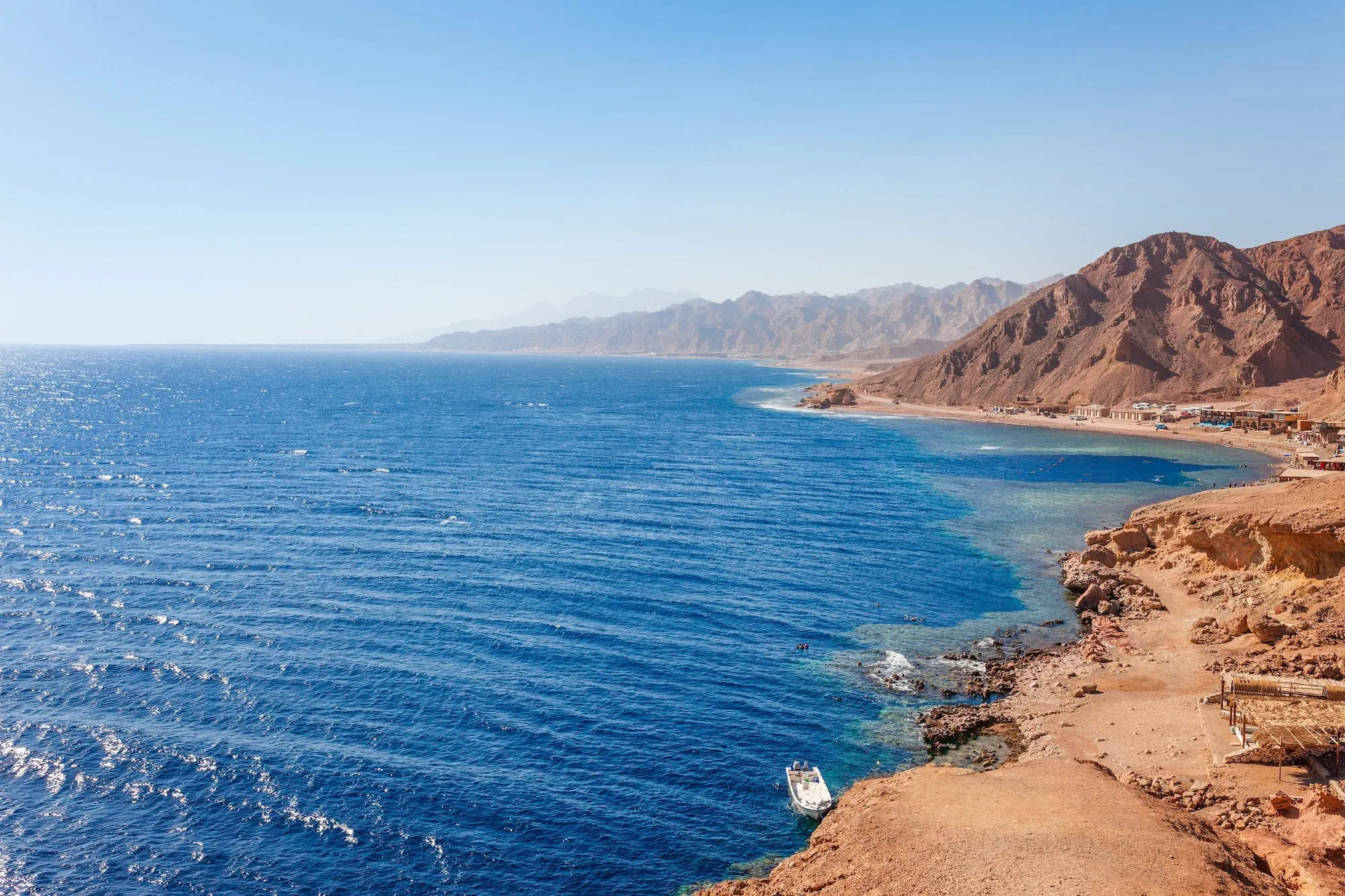
Located just 10 kilometers (6 miles) north of Dahab on Egypt’s Sinai Peninsula, the Blue Hole draws thousands of divers annually to experience its crystal-clear waters and dramatic underwater topography. Whether you’re planning your first visit or considering technical diving through the famous Arch, understanding what makes this site special is essential for your Red Sea adventure.
We’ve guided divers through these waters for over two decades, watching the site evolve while maintaining its raw beauty and challenge.
Table of Contents
Understanding the Blue Hole’s Unique Geography
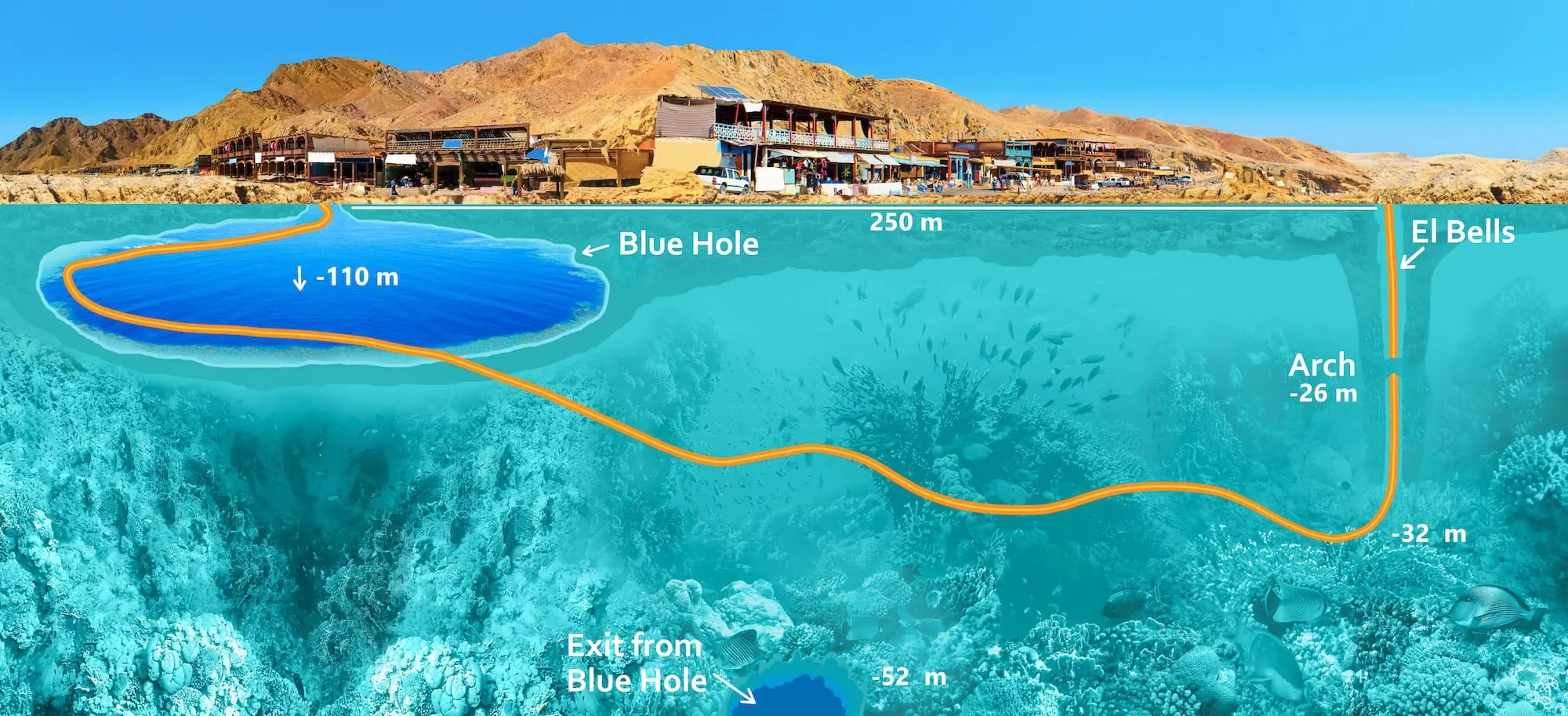
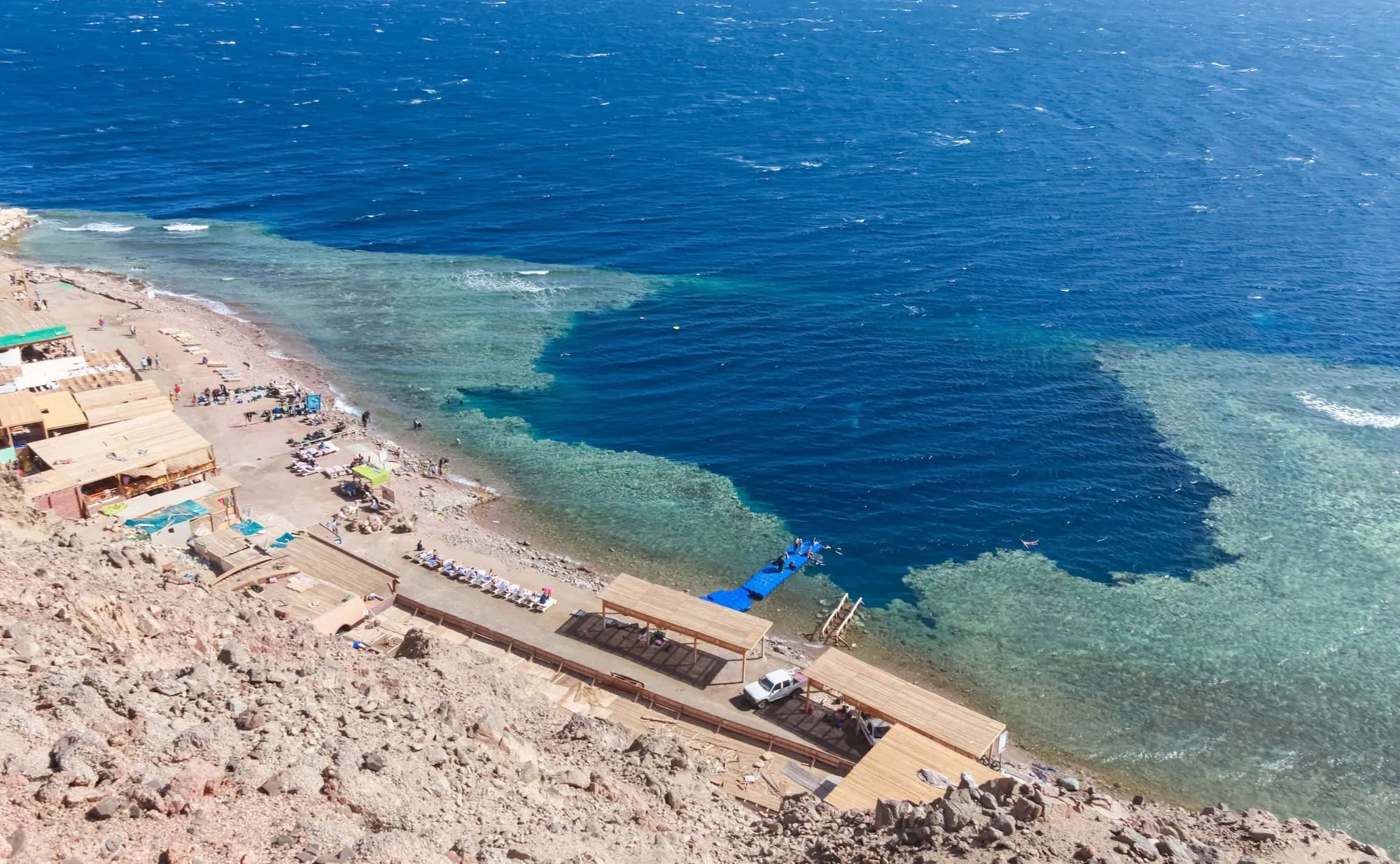
The Blue Hole sits as a circular submarine sinkhole roughly 100 meters (330 feet) across, with depths extending beyond 100 meters (330 feet) in the center. What sets this location apart is The Arch – an underwater tunnel connecting the hole to the open Red Sea at a depth of 55 meters (180 feet).
Most recreational diving happens at The Bells, a narrow chimney-like entrance on the seaward side where depths remain comfortable for Open Water divers. The contrast between these two entry points creates distinct diving experiences on the same reef system.
The Bells Entry Point
The Bells offers the safest introduction to Blue Hole diving. This natural chimney descends to about 30 meters (100 feet), where it opens onto a sandy slope leading toward the main hole. Advanced Open Water certification is typically required, though some dive centers accept Open Water divers with additional briefing.
Marine life concentrates along the coral walls here. Schools of glass sweepers create silver curtains in the deeper sections, while napoleon wrasse and reef sharks patrol the drop-offs. The visibility often exceeds 30 meters (100 feet), making underwater photography particularly rewarding.
The Arch Challenge
Technical divers come specifically for The Arch passage. This underwater tunnel spans roughly 26 meters (85 feet) in length, with its ceiling at 55 meters (180 feet) depth. The passage connects the Blue Hole’s interior to the Red Sea wall, creating a dramatic swim-through experience.
Attempting The Arch requires technical diving certification and proper gas planning. Many divers underestimate the narcosis effects at this depth, leading to poor decision-making. We only recommend this dive for certified technical divers with deep air or trimix experience.
Gorilla Head Coral Formation
The distinctive coral formation known as Gorilla Head marks another popular diving area. This massive coral head sits between The Bells and the main Blue Hole, offering shelter for various marine species. The formation’s unique shape makes it an excellent navigation reference point during drift dives.
Planning Your Blue Hole Dive Experience
Advanced Open Water certification represents the minimum requirement for most Blue Hole diving. However, your actual diving experience matters more than certification level alone.
Entry and Current Conditions
The Blue Hole can be accessed year-round, though wind conditions affect surface conditions significantly. Spring months (March – May) typically offer the calmest seas, while winter brings stronger winds that can create challenging entry conditions.
Current patterns change throughout the day. Morning dives often feature minimal current, making them ideal for less experienced divers. Afternoon conditions can produce stronger currents suitable for drift diving techniques.
We recommend checking conditions with local dive centers before planning your dive day. Weather can shift quickly along this exposed coastline, turning calm conditions rough within hours.
Equipment Considerations
Standard recreational diving equipment works well for Blue Hole diving. However, the site’s depth and potential for stronger currents make certain equipment choices more important.
A dive computer with conservative algorithms helps manage the deeper profiles common here. Many divers find themselves deeper than planned due to the site’s dramatic topography and excellent visibility.
Reef hooks prove valuable during drift sections, particularly when photographing marine life along the walls. The current can pick up unexpectedly, making neutral buoyancy control essential.
Marine Life and Underwater Photography
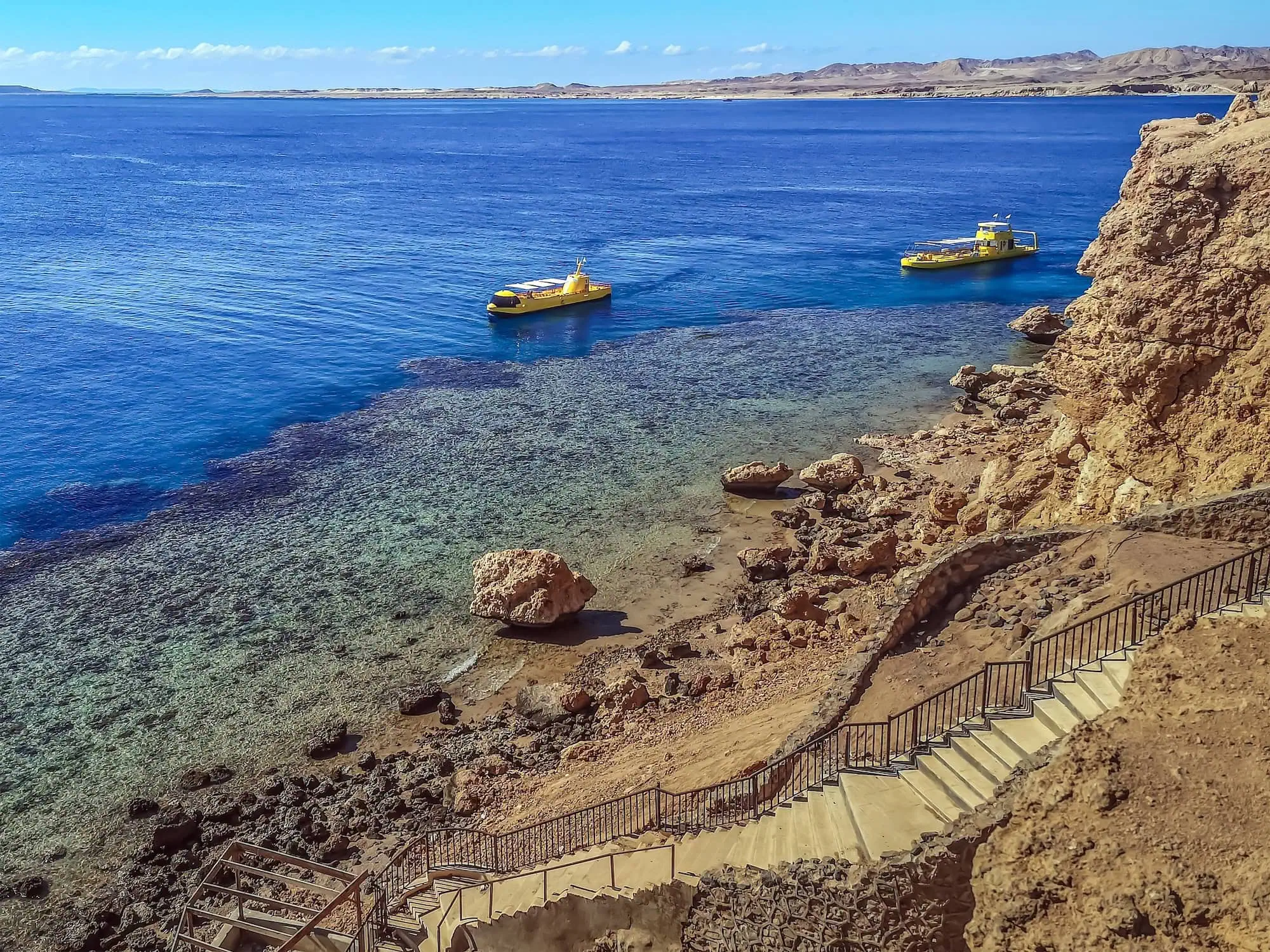
The Red Sea’s renowned biodiversity reaches peak display at the Blue Hole. Coral coverage extends from shallow lagoon areas to the deeper walls, creating habitat diversity that supports both small reef fish and larger pelagic species.
Anthias create colorful displays along the coral walls, particularly dense around Gorilla Head. Lionfish hunt in sandy areas between coral formations, while large grouper often rest in the deeper overhangs.
Photographers should plan for varying light conditions. The hole’s depth creates dramatic lighting contrasts, with bright sandy areas transitioning to darker coral walls within short distances.
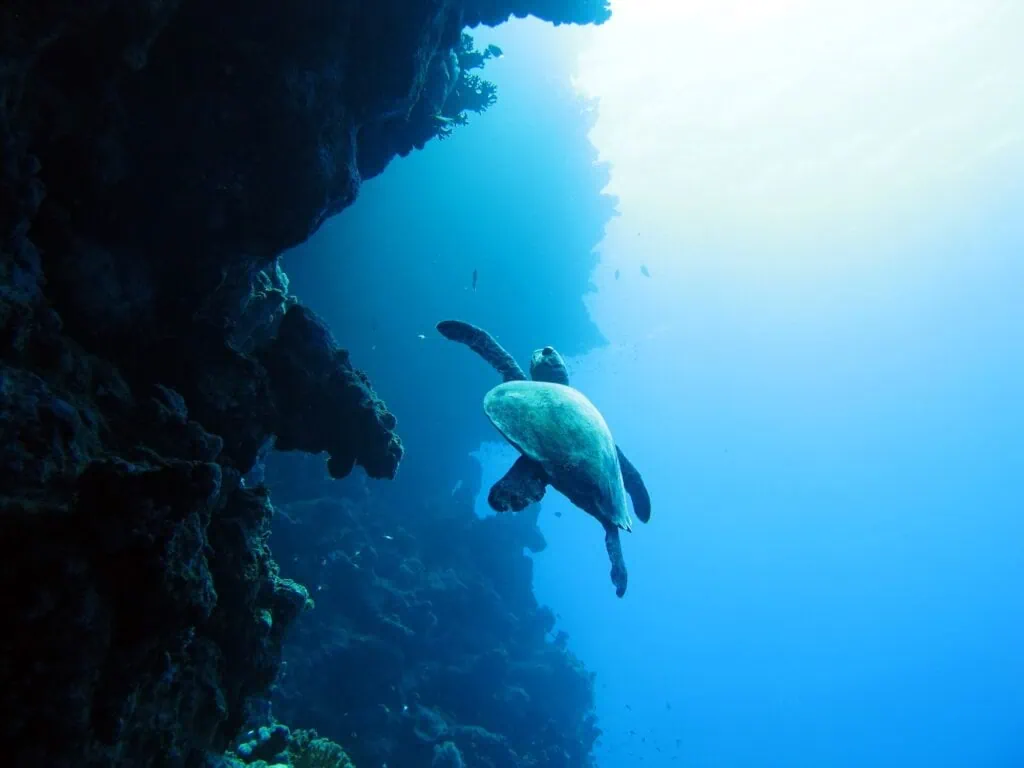
Macro photography opportunities include nudibranch species along the coral walls and various crustaceans hiding in coral formations. Wide-angle photography captures the site’s dramatic scale, particularly when shooting upward from deeper sections toward the surface.
Blue-spotted stingrays frequently rest on sandy areas between coral formations. These encounters provide excellent photo opportunities while demonstrating proper marine life interaction techniques.
Freediving at the Blue Hole
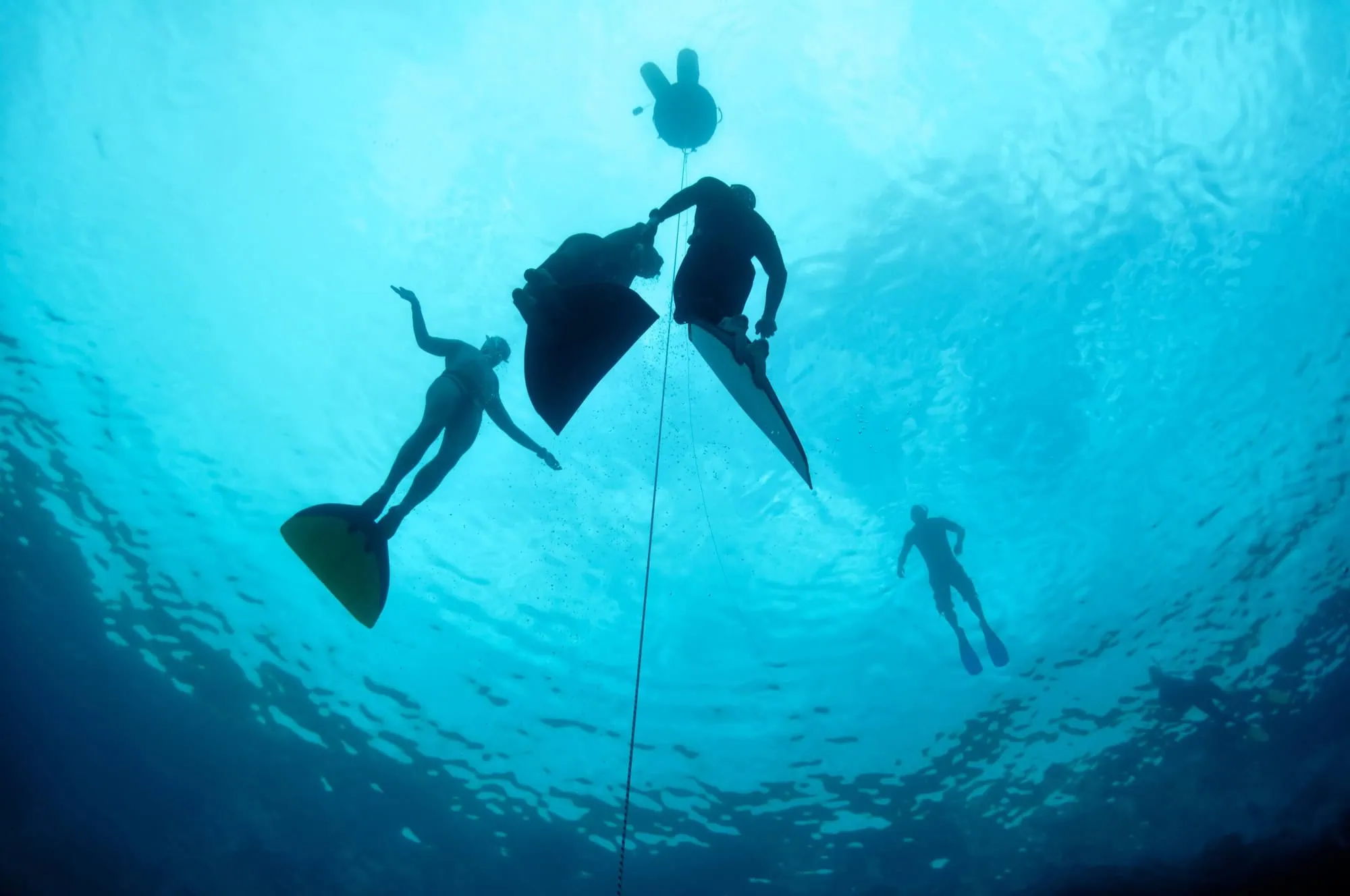
The Blue Hole attracts freedivers seeking depth training and personal challenges. The site’s protected lagoon area offers ideal conditions for freediving practice, with easy entry and minimal current.
Freediving here requires proper certification and buddy system protocols. The site’s depth and isolation make safety procedures non-negotiable. Several freediving schools operate in Dahab, providing structured training programs for all levels.
Competition freediving events occasionally use the Blue Hole for depth attempts, though recreational freediving remains the primary activity.
Safety Considerations and Risk Management
The Blue Hole’s reputation includes its association with diving fatalities, earning it the unfortunate nickname “diver’s cemetery.” Understanding and respecting the risks makes safe diving possible.
Most incidents occur when divers attempt The Arch beyond their certification and experience level. Nitrogen narcosis at 55 meters (180 feet) impairs judgment significantly, leading to poor decisions about gas management and navigation.
Technical diving protocols apply to all Arch attempts. This includes proper gas planning, decompression procedures, and emergency protocols. We strongly discourage any Arch attempts without appropriate technical certification and local guidance.
Emergency Procedures
The nearest hyperbaric chamber operates in Sharm El Sheikh, approximately 100 kilometers (62 miles) from Dahab. Emergency evacuation requires coordination between local dive centers, emergency services, and chamber staff.
All Blue Hole diving should include proper emergency action planning. This covers surface support protocols, emergency contact information, and evacuation procedures specific to this remote location.
Dive insurance covering hyperbaric treatment and emergency evacuation is strongly recommended for all Blue Hole diving. Standard travel insurance typically excludes diving-related incidents.
Getting to the Blue Hole
The Blue Hole sits along the coastal road connecting Dahab to Nuweiba, making it easily accessible by various transportation methods.
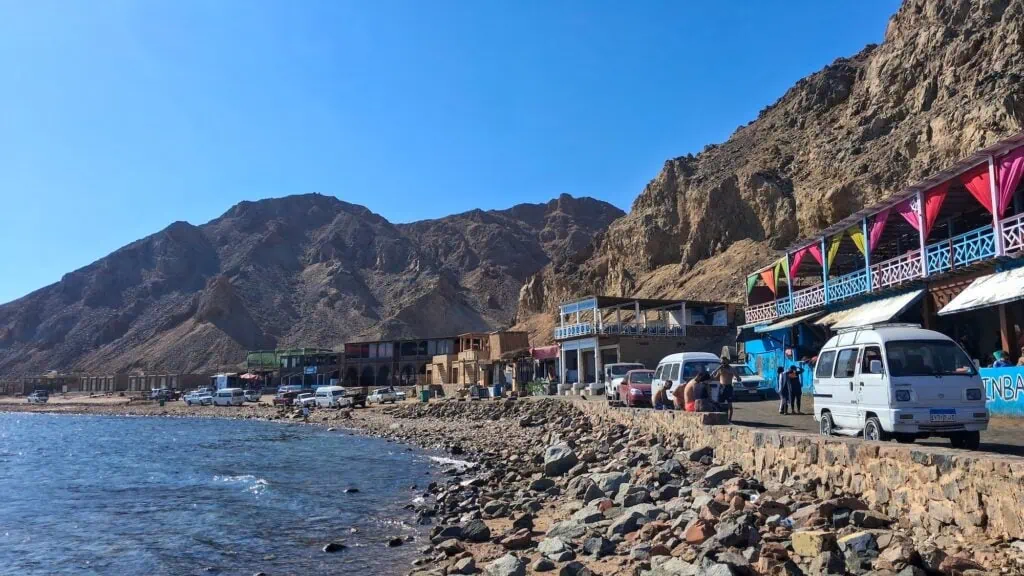
Most visitors reach the site via taxi or organized dive trips from Dahab. The journey takes approximately 15 minutes by road, with parking available near the entry point. Some dive centers include transportation in their dive packages, while independent divers can arrange private transport.
Entrance Fees and Facilities
Entry fees apply to Blue Hole access, payable at the site entrance. Fees support site maintenance and safety equipment positioning. Payment is typically required in Egyptian pounds, though some operators accept USD.
Basic facilities include restroom access and a small refreshment stand. More complete facilities are available in Dahab, where most divers prefer to base their accommodation and dining.
Equipment rental is available through Dahab dive centers, though bringing personal gear is recommended for comfort and familiarity.
Best Time to Visit
Year-round diving is possible at the Blue Hole, though seasonal variations affect conditions significantly.
Spring Season
Spring (March – May) offers optimal conditions with calm seas and excellent visibility. Water temperatures range from 22-26°C (72-79°F), making 5mm wetsuits comfortable for most divers. This period sees increased tourist activity, requiring advance booking for popular dive times.
Summer Season
Summer (June – August) brings the warmest water temperatures, often exceeding 28°C (82°F). While comfortable for diving, increased tourist numbers can make the site crowded. Early morning dives help avoid peak crowds while maintaining good conditions.
Winter Considerations
Winter months can produce strong winds affecting surface conditions. However, underwater visibility often improves during this period, and marine life activity increases with cooler water temperatures. Thicker wetsuit protection becomes necessary, with 7mm suits recommended for extended bottom times.
Blue Hole vs Other Red Sea Dive Sites
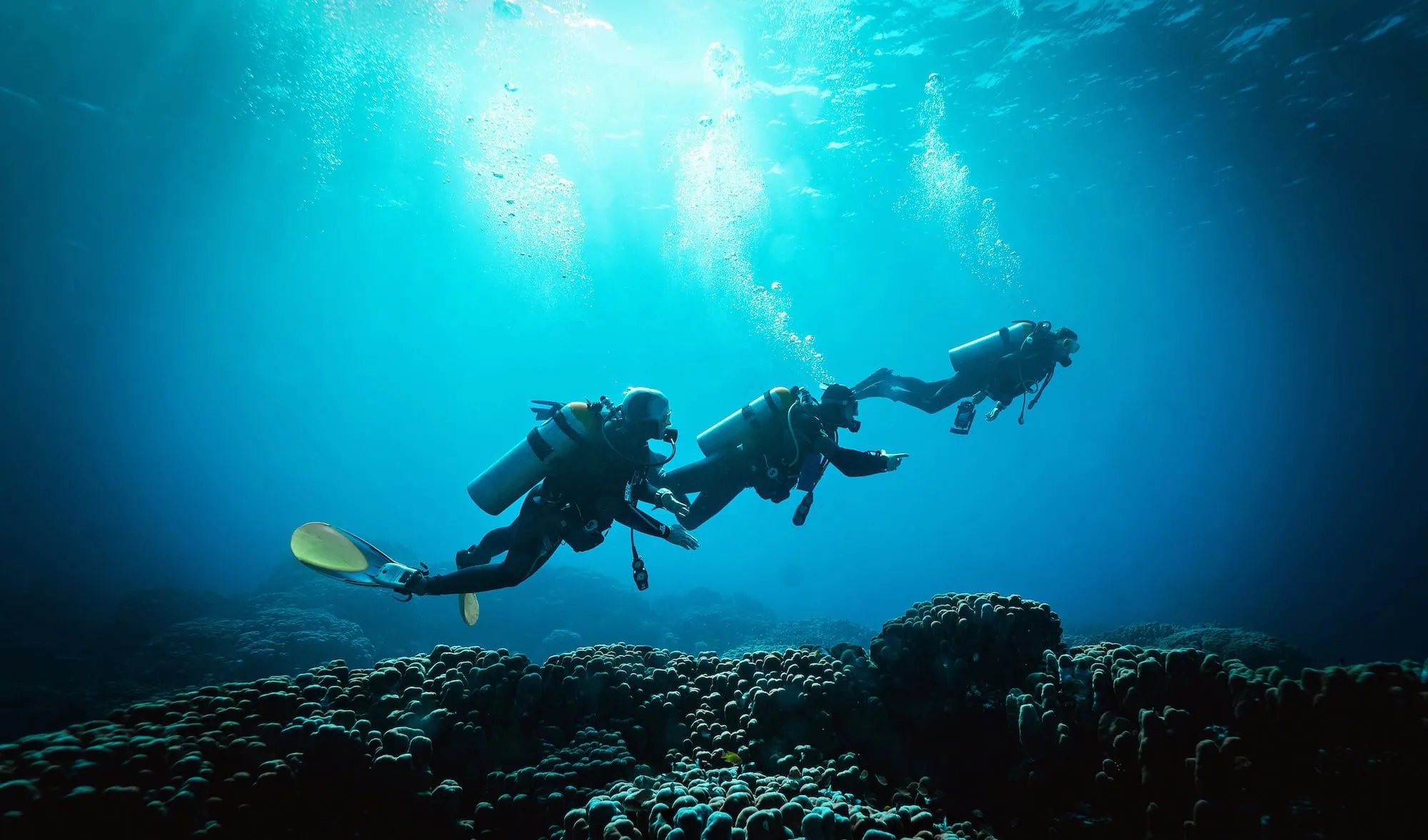
The Blue Hole offers a unique diving experience distinct from other Red Sea locations. While sites like Ras Mohammed and Brother Islands feature extensive coral walls and shark encounters, the Blue Hole provides an intimate geological formation with specific technical challenges.
Dahab’s diving scene centers around easy shore access and relaxed diving schedules. This contrasts with boat-based diving from Sharm El Sheikh or Hurghada, where schedules are more structured but site variety is greater.
The Blue Hole works well as part of a broader Red Sea diving itinerary. Many divers combine Blue Hole experiences with boat diving from other ports, creating comprehensive exposure to the region’s diving opportunities.
Dive Into The Magic Of The Blue Hole
The Blue Hole is one of Egypt’s most iconic natural wonders—where crystal-clear waters, vibrant marine life, and dramatic underwater landscapes create an unforgettable experience. With EgyptToursPlus, we seamlessly combine this Red Sea highlight with a private journey that connects coastal beauty to Egypt’s rich cultural and historical treasures.
You choose your travel dates, your pace, and the experiences that shape your itinerary. Whether you’re drawn to diving, snorkeling, or a balanced journey across Egypt, we tailor every detail to your preferences—ensuring a smooth, comfortable, and deeply personal travel experience.
Frequently Asked Questions
Advanced Open Water is the minimum requirement for most areas.
No, The Arch requires technical diving certification and proper gas planning.
Maximum depth exceeds 100 meters, though recreational diving stays above 30 meters.
Yes, the lagoon area offers excellent snorkeling with beautiful coral gardens.
Anthias, lionfish, grouper, napoleon wrasse, reef sharks, and diverse coral formations.
Approximately 10 kilometers north of Dahab, requiring a 15-minute drive.
Basic facilities include restrooms and refreshments, complete services available in Dahab.
Morning dives offer calmest conditions, afternoon suitable for drift diving.
Standard equipment works well, though conservative dive computer and reef hooks recommended.
Open Water divers can access certain areas with supervision, better suited for intermediate divers.
Design Your Custom Tour
Explore Egypt your way by selecting only the attractions you want to visit
Don’t miss Egypt’s greatest treasures