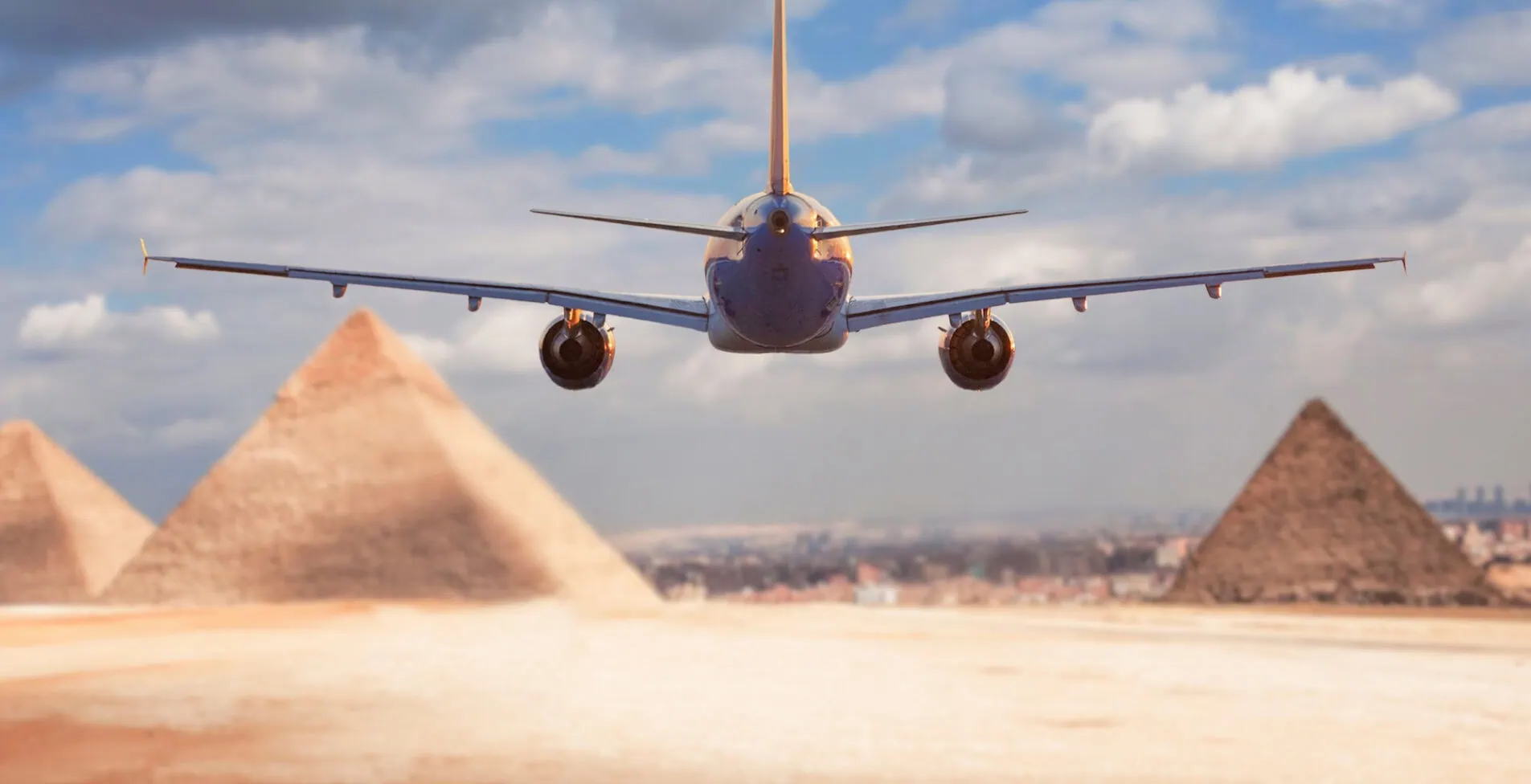
Experience Egypt With Confidence and Wonder
Egypt Travel Guide: Everything You Need to Travel to Egypt
Why travel to Egypt? Because no other country offers the same density of ancient monuments, the same length of continuous civilization, and the same year-round combination of culture, river, desert, and coast in a single trip. This Egypt travel guide covers what to see, when to visit, how to plan, and what to expect — drawing on Egypt Tours Plus’ experience arranging private journeys here since 1955.
Quick Jump: Why Travel to Egypt | Travel Wiki | Attractions
Deep-Dive Egypt Travel Insights
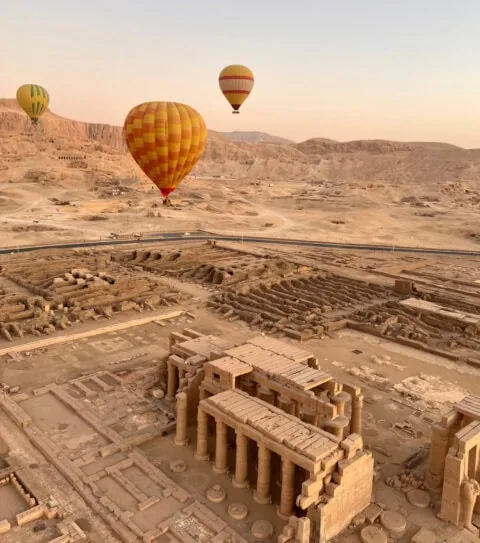
How to Plan a Trip Egypt
Step-by-step guide to help you plan the perfect Egypt trip — from routes and budget to booking.
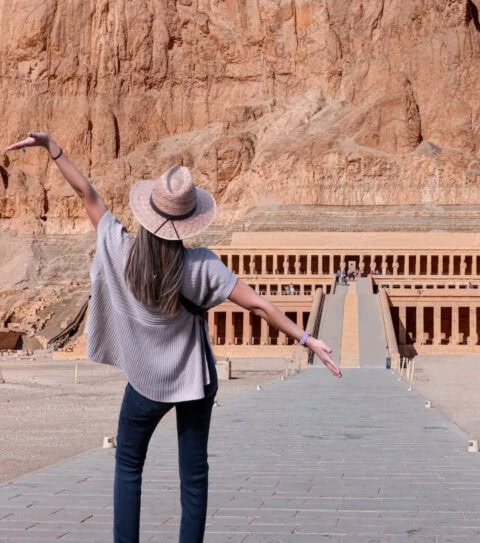
Best Time to Visit Egypt
Learn the best months to visit Egypt based on weather, crowds, and local travel experiences.
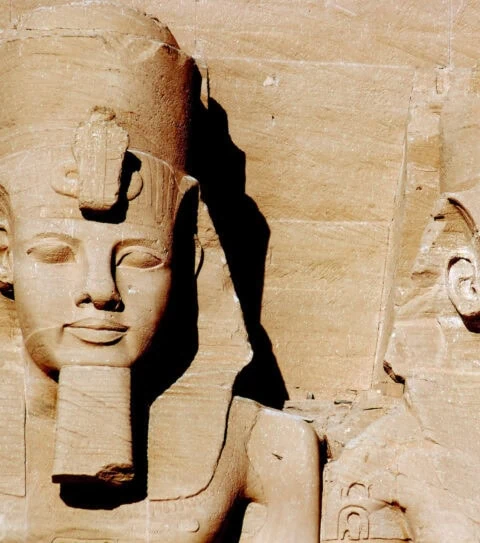
Must Visit Places in Egypt
Explore Egypt’s top sights — from pyramids to temples — and hidden gems worth seeing.
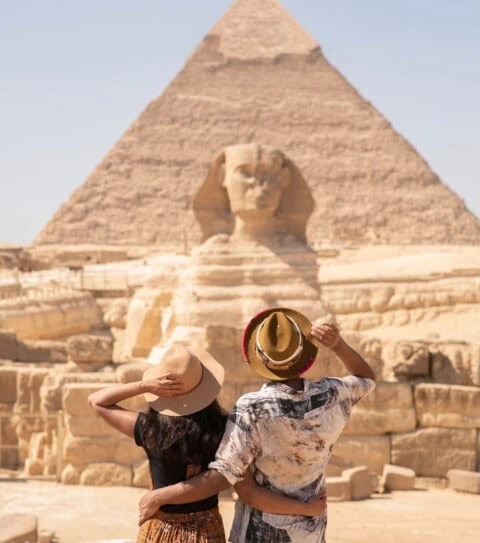
Top-Rated Egypt Tours
Handpicked private tours with local guides — our most loved and best-reviewed experiences.
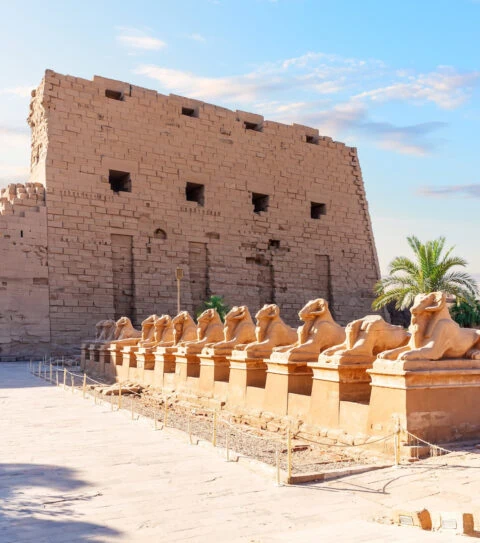
How Many Days to Visit Egypt?
Find out how many days you need in Egypt — from quick trips to full itineraries.
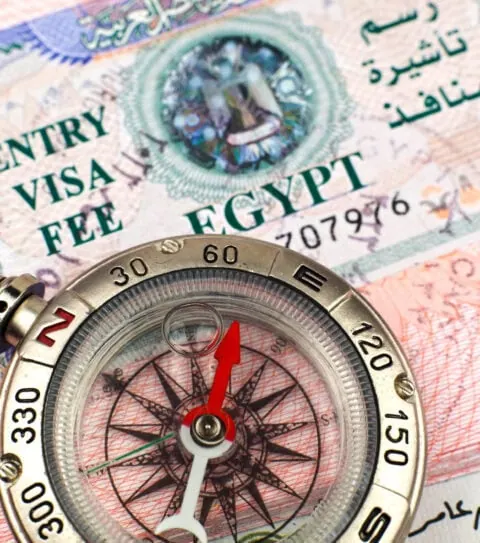
Egypt Visa Requirements
Check if you need a visa and get simple, up-to-date entry info based on your nationality.
Is it Safe to Travel to Egypt?
Is Egypt safe? Get honest safety tips, area advice, and what to know before you travel.
What to Pack for Egypt
A quick packing guide with essentials, cultural tips, and clothing advice for your Egypt trip.
Search or filter by place or interest
Egypt Travel Guides & Inspiration
Why Travel to Egypt: A Country Like No Other
Why travel to Egypt when there are so many other interesting countries to visit? Because no other country offers the same density of ancient sites within a single trip. The Giza Pyramids and Sphinx, the Karnak and Luxor temple complexes, the Valley of the Kings, Abu Simbel, the Grand Egyptian Museum, the Coptic monasteries, Alexandria’s Greco-Roman heritage, and the Red Sea coral reefs all sit within one country and can be combined into a single 10 to 14-day journey.
People travel to Egypt for the combination of experiences that no other country offers in one trip — exploring ancient pyramids, entering the tombs of the great pharaohs, cruising the Nile between Luxor and Aswan, crossing the Western Desert to the White Desert and Siwa Oasis, and snorkeling or diving the Red Sea coral reefs along the eastern coast. Egypt Tours Plus has been arranging these journeys privately since 1955.
Table of Contents
The Giza Plateau and Great Pyramids
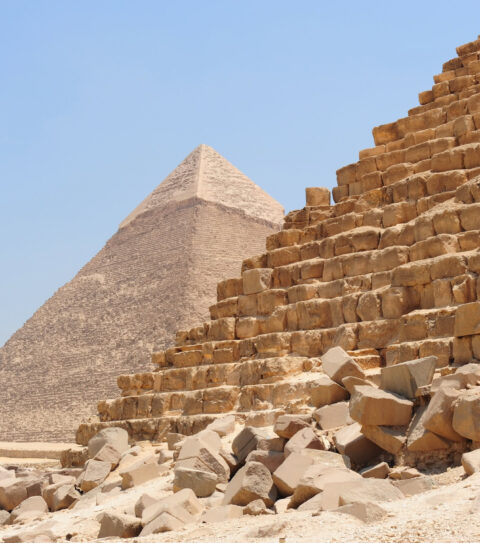
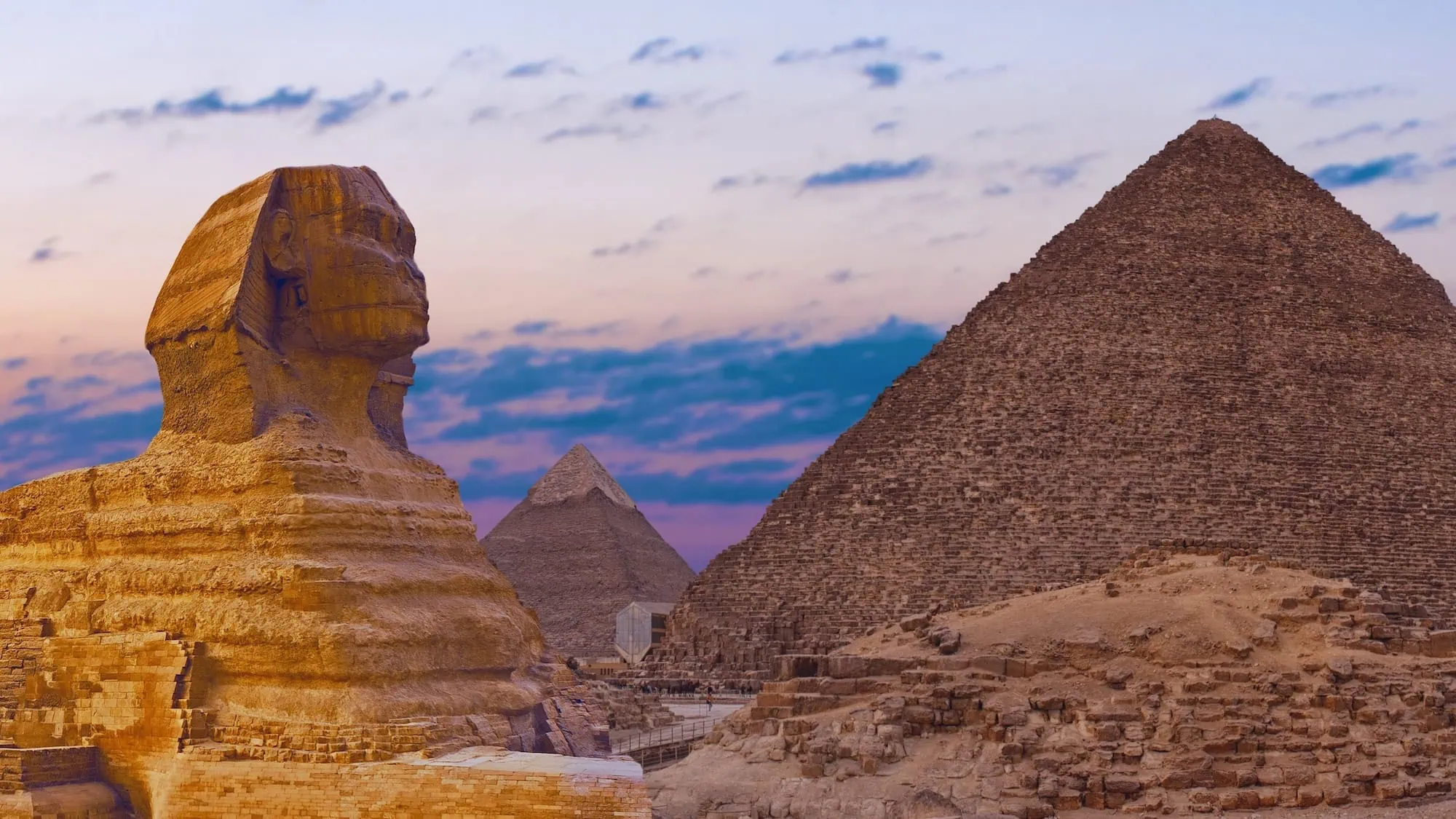
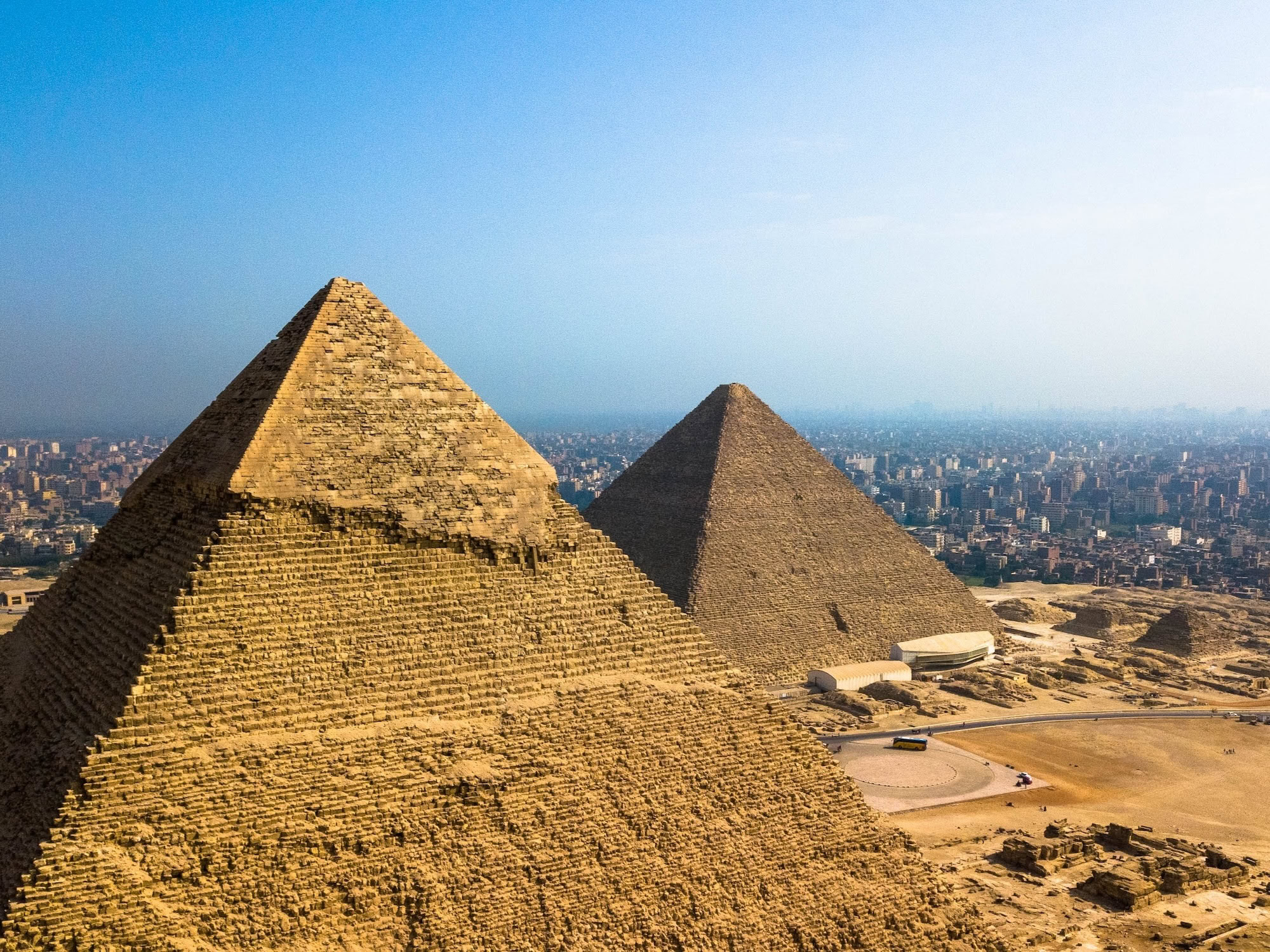
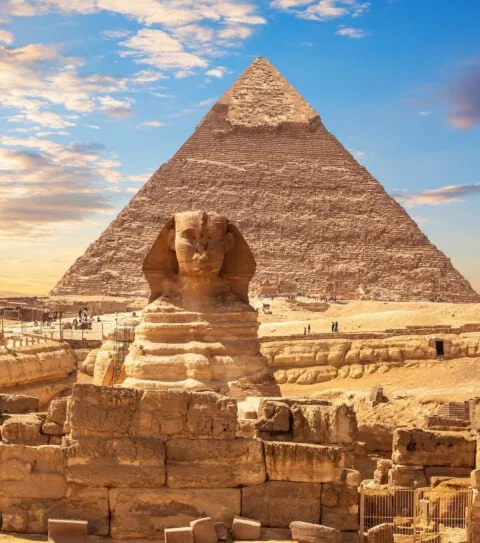
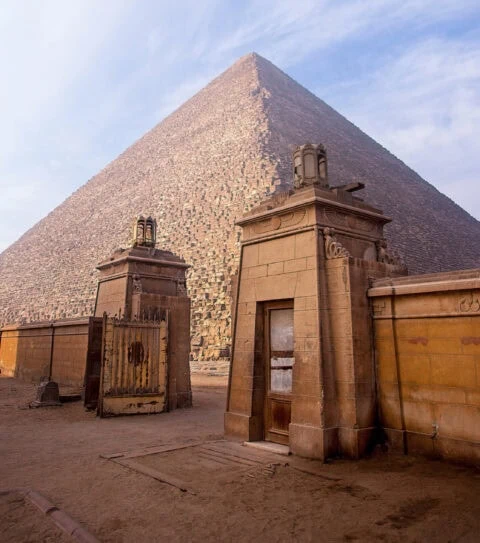
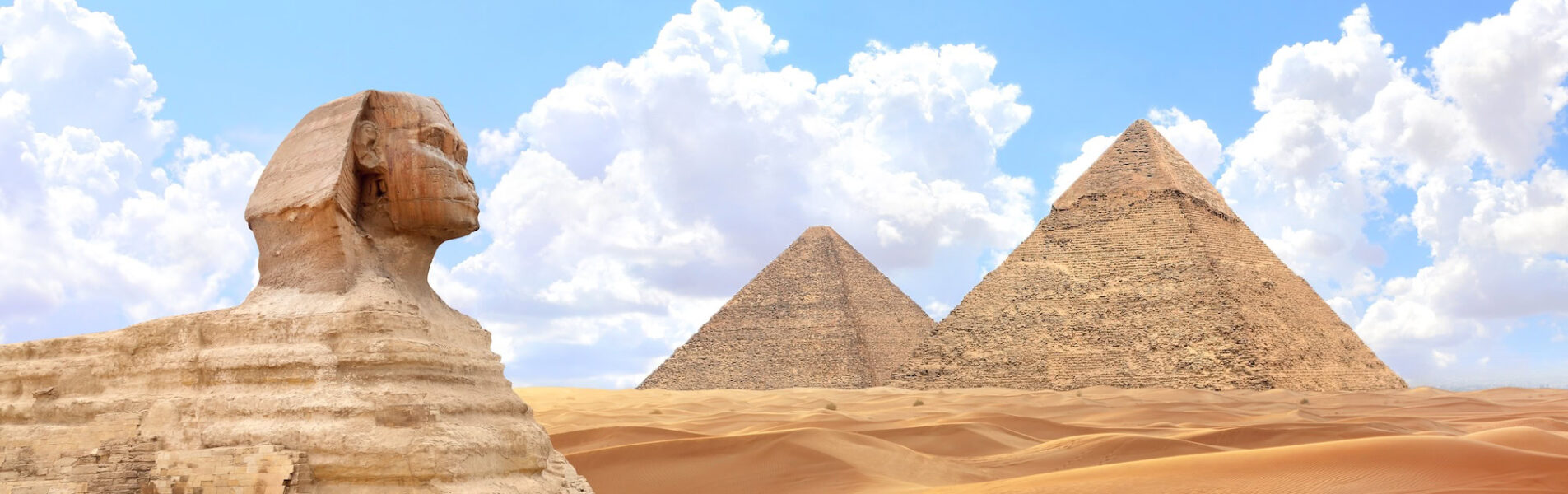
The Giza Plateau is Egypt’s most-visited site and the country’s defining ancient image. Declared a UNESCO World Heritage Site in 1979, the plateau is home to the three Great Pyramids — Khufu (originally 147 metres tall, the largest and oldest, built around 2560 BC), Khafre (slightly smaller but built on higher ground so it appears equally large), and Menkaure (65 metres tall, the smallest of the three). All Egypt Tours Plus itineraries include a private Giza Pyramids tour, typically combined with the Sphinx, the Valley Temple, and the new Grand Egyptian Museum 2 kilometres away.
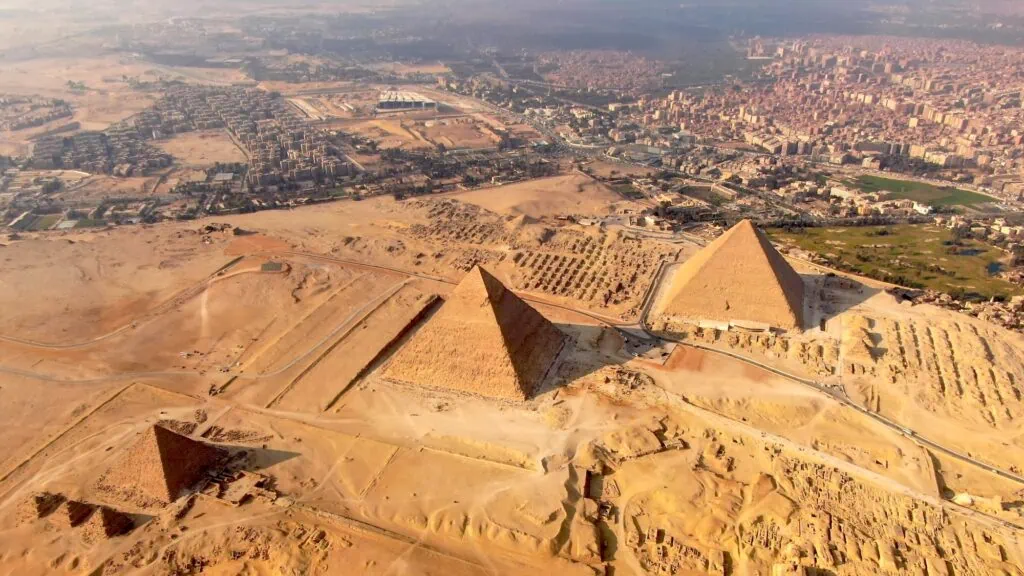
The Giza necropolis also houses the Great Sphinx of Giza and the Valley Temple of Khafre. The Sphinx is 73 metres long, 20 metres tall, and carved from a single limestone outcrop on the plateau. Mainstream Egyptology dates the Sphinx to the reign of Khafre around 2500 BC, making it the largest monolithic statue from the ancient world. The Sphinx faces due east toward the rising sun, with the Valley Temple at its feet serving as the original ceremonial entrance to Khafre’s pyramid complex.
Cruising the Nile River
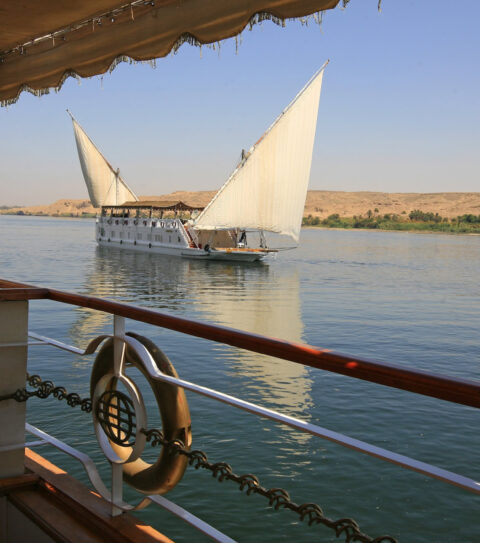
The Nile has been Egypt’s lifeline for over 6,000 years and remains the best way to experience the temple corridor between Luxor and Aswan. Nile River cruises typically run 4 days and 3 nights for the standard Luxury Nile Cruise format, with shore visits to Karnak, Luxor Temple, the Valley of the Kings, Edfu, Kom Ombo, and Philae depending on direction. 7-night extended cruises and traditional dahabiya sailings (8 to 16 passengers on twin-mast wooden vessels) offer alternative formats for travelers wanting deeper exploration or maximum intimacy.
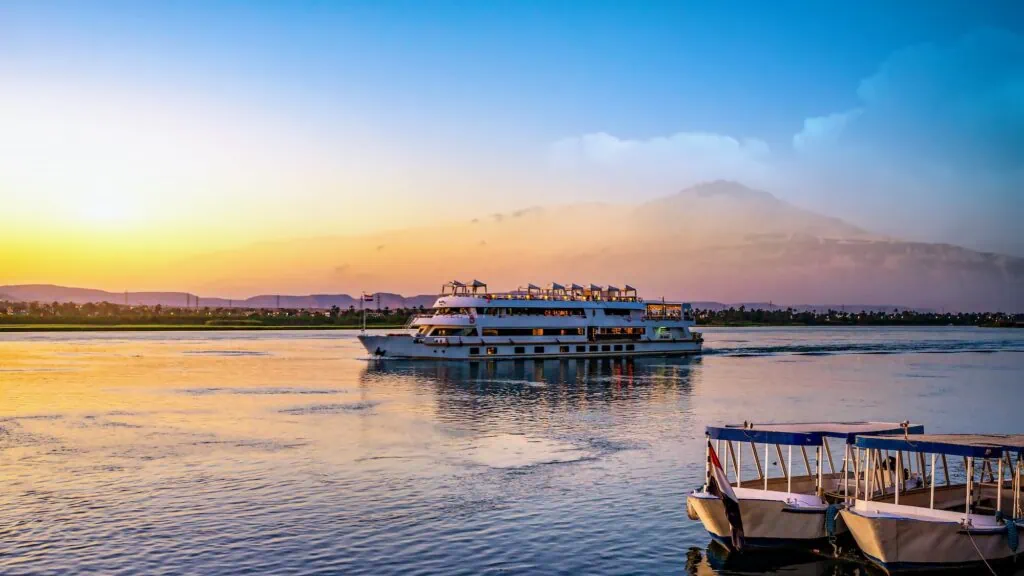
A Nile cruise gives you immersive access to the Nile Valley with shore visits at major temples between Luxor and Aswan — including Karnak, Edfu, and Philae. Abu Simbel is typically accessed by short flight from Aswan rather than by cruise (the temples are 280 km south of Aswan on Lake Nasser). Choose between a 5-star Luxury Nile Cruise ship or a traditional Dahabiya Nile Cruise, depending on your preference for amenities versus intimacy.
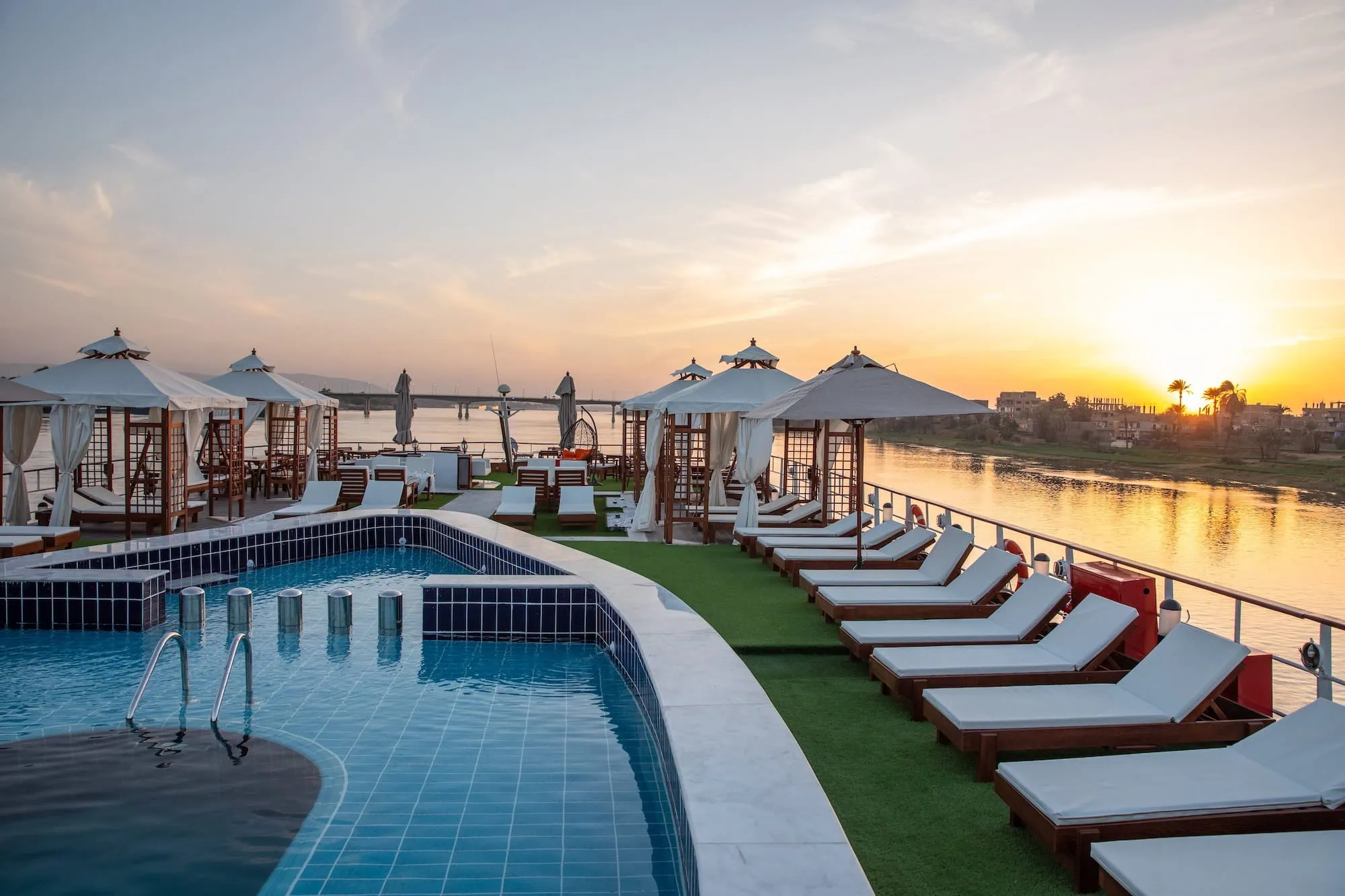
Recommended: Egypt Tours with Nile Cruise
The Western Desert and the Sahara
Egypt’s Western Desert is part of the larger Sahara and covers two-thirds of the country’s land area. The most-visited desert destinations include the White Desert National Park near Farafra Oasis (famous for its surreal chalk formations carved by wind erosion), Bahariya Oasis (gateway for most desert safaris from Cairo), and Siwa Oasis (a remote Berber-Egyptian community near the Libyan border, famous for its salt lakes and the Oracle of Amun temple visited by Alexander the Great in 331 BC).
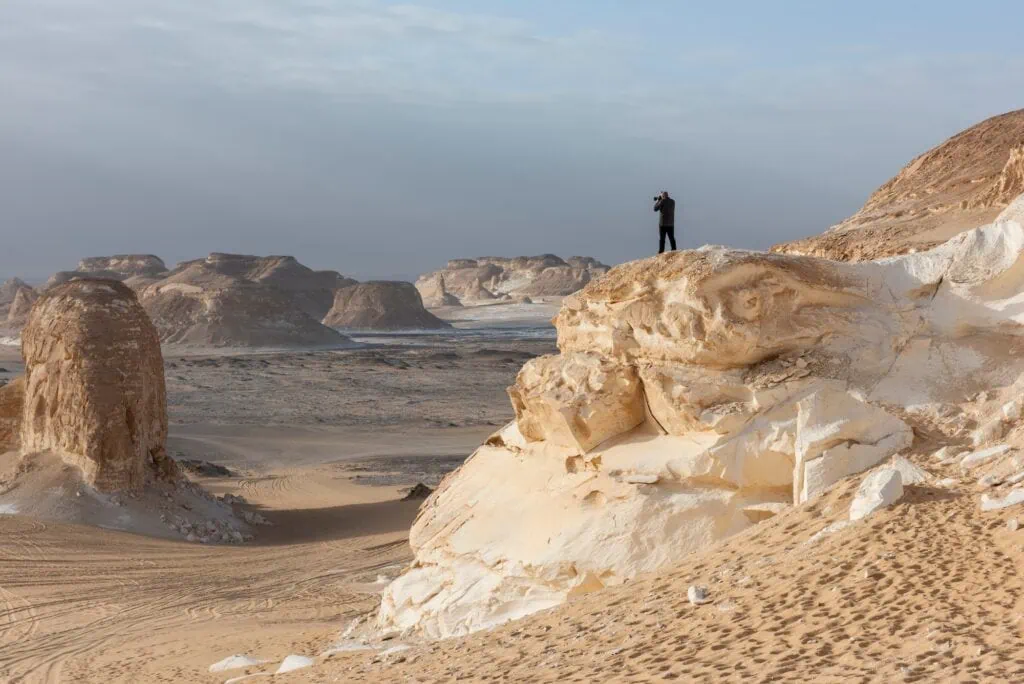
Most desert programs include camel trekking through dune fields, 4×4 desert safaris, swimming in natural hot springs, and overnight camping under genuinely dark skies far from coastal lights. Summer temperatures regularly exceed 40°C (104°F), so most desert touring runs October through April.
The Red Sea Coast and Coral Reefs
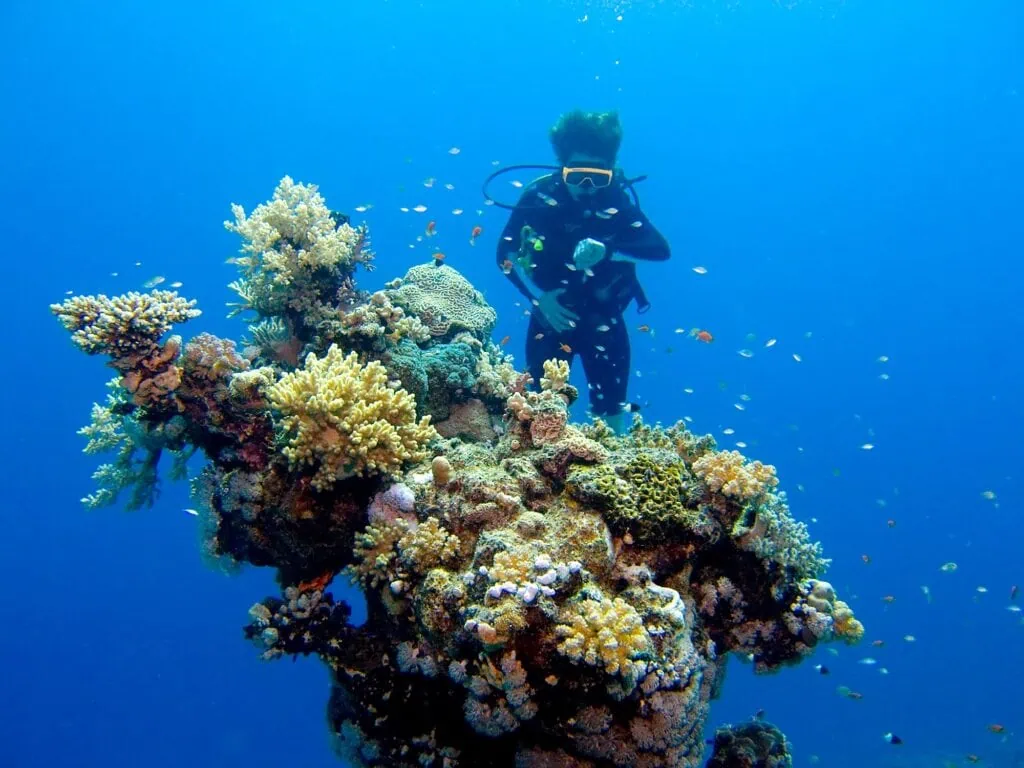
Egypt’s Red Sea coast stretches over 1,500 kilometres from the Gulf of Suez south toward the Sudanese border, with the most-developed resort areas at Hurghada, Sharm El Sheikh, Marsa Alam, Dahab, and El Gouna. The Red Sea coral reefs are among the world’s oldest still-active reef systems, with the most-developed reefs at sites like Ras Mohammed National Park near Sharm El Sheikh.
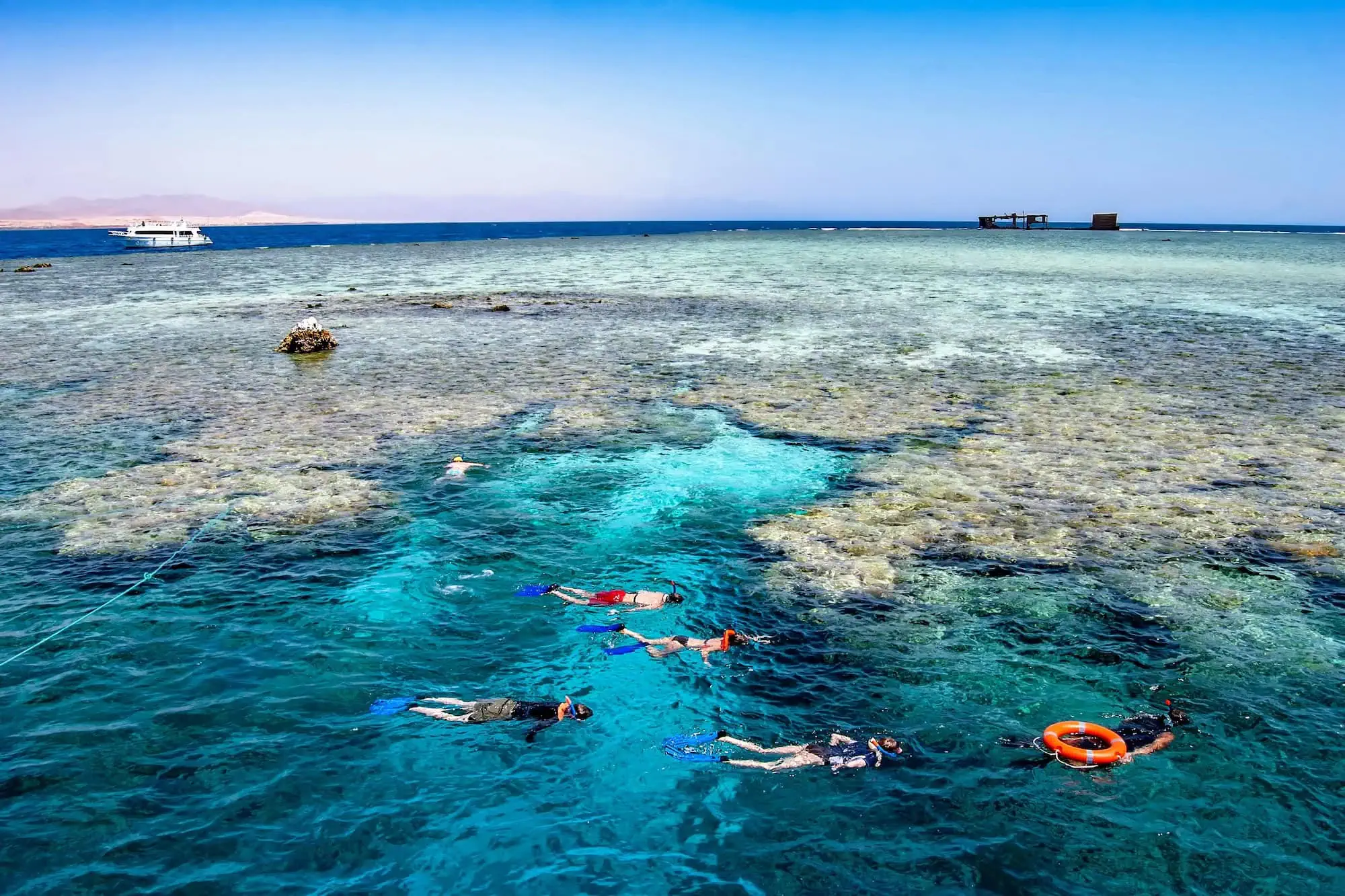
The coast houses over 1,200 fish species and 200 coral species, with water temperatures of 22 to 28°C year-round making it one of the world’s most accessible diving destinations. Beyond diving, the region offers windsurfing and kitesurfing (Dahabia is Egypt’s wind-sports capital), traditional Bedouin desert excursions into Sinai, and combined Cairo and Red Sea itineraries that pair ancient sites with beach relaxation.
Ancient Temples Across Egypt
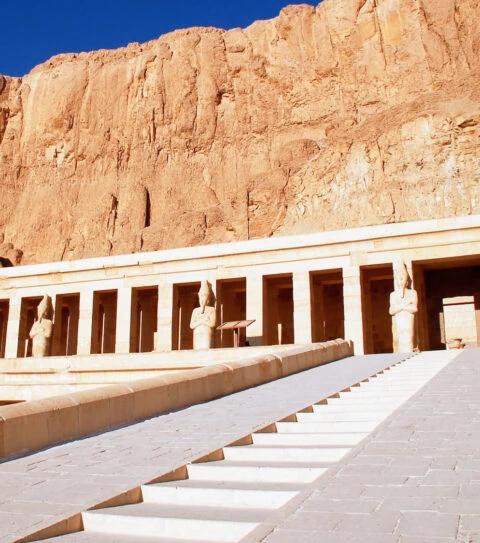
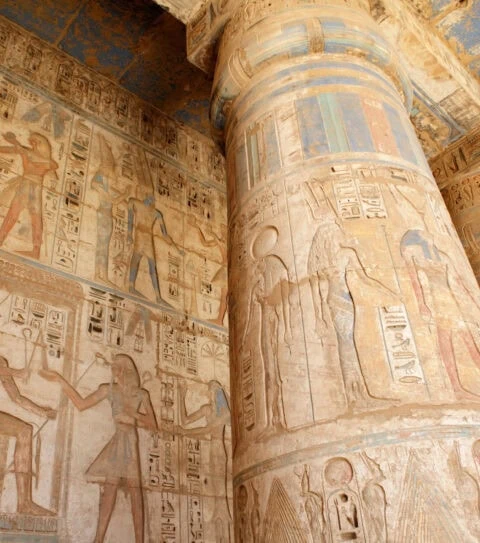
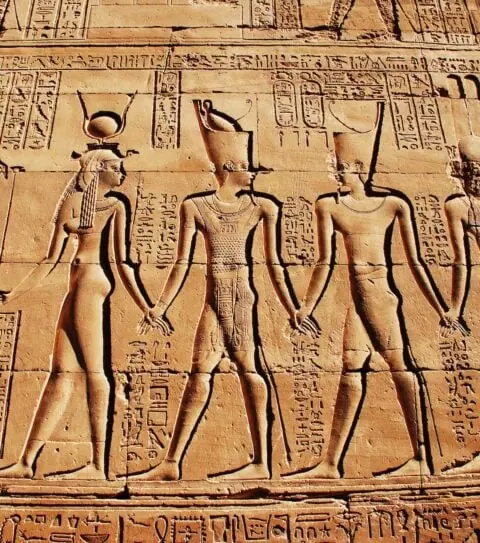
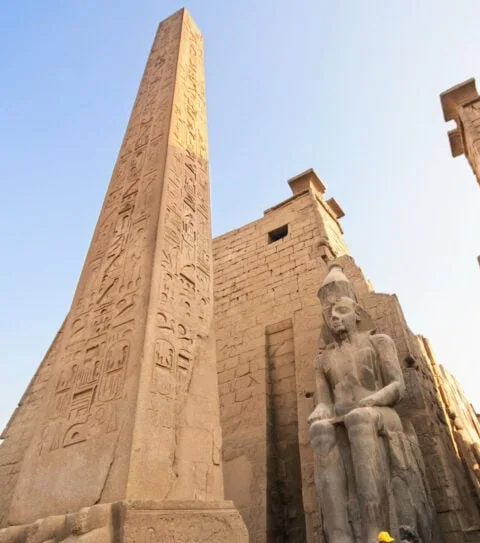
Egypt has more standing ancient temples than any other country. The most-visited temples include Karnak in Luxor (the largest religious complex ever built, spanning 200 hectares with construction across 2,000 years), Luxor Temple in the heart of Luxor city, Edfu Temple (dedicated to Horus and one of Egypt’s best-preserved temples), Kom Ombo (unique double temple dedicated to both Sobek and Haroeris), Philae (dedicated to Isis, on its island near Aswan), and Abu Simbel in the far south.
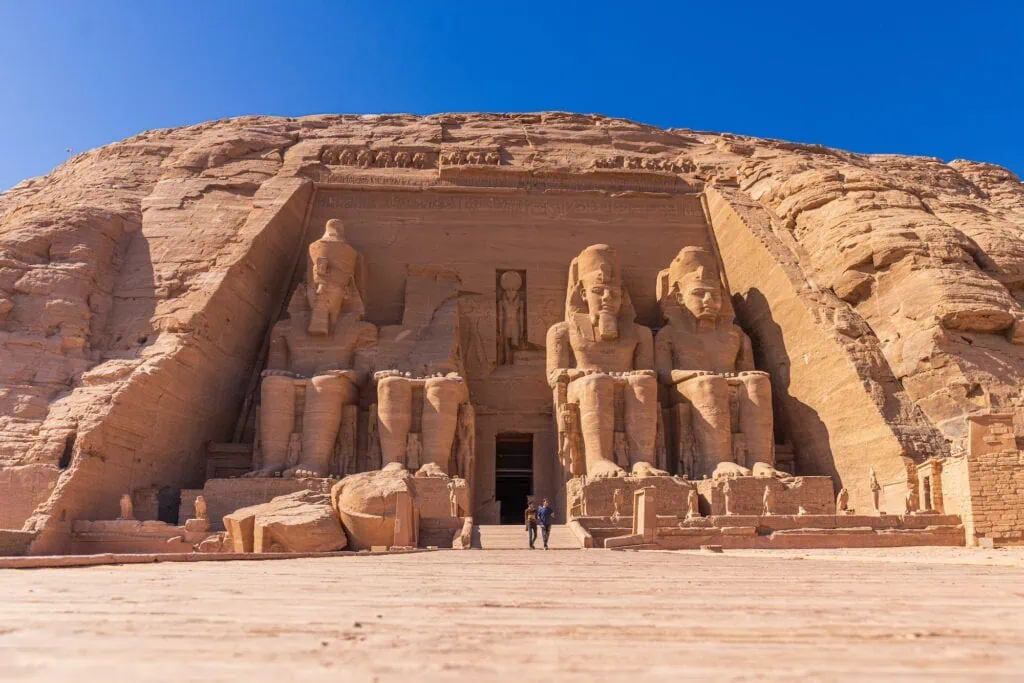
Abu Simbel houses two rock-cut temples — the Great Temple of Ramses II (with four 20-metre seated colossi at the entrance) and the smaller Temple of Hathor dedicated to Queen Nefertari. Both temples were relocated 65 metres higher between 1964 and 1968 to save them from the rising waters of Lake Nasser created by the Aswan High Dam, in one of the most ambitious archaeological rescue operations in history.
The Valley of the Kings
The Valley of the Kings holds 65 royal tombs cut into the limestone cliffs on the West Bank of Luxor, used as the burial ground for pharaohs of the New Kingdom from approximately 1550 to 1077 BC. The site has been continuously excavated since the early 1800s, with the most recent tomb (KV64) discovered in 2011 and KV65 currently under investigation. Roughly 8 to 12 tombs are open to visitors at any time, on a rotating schedule that allows ongoing conservation work.
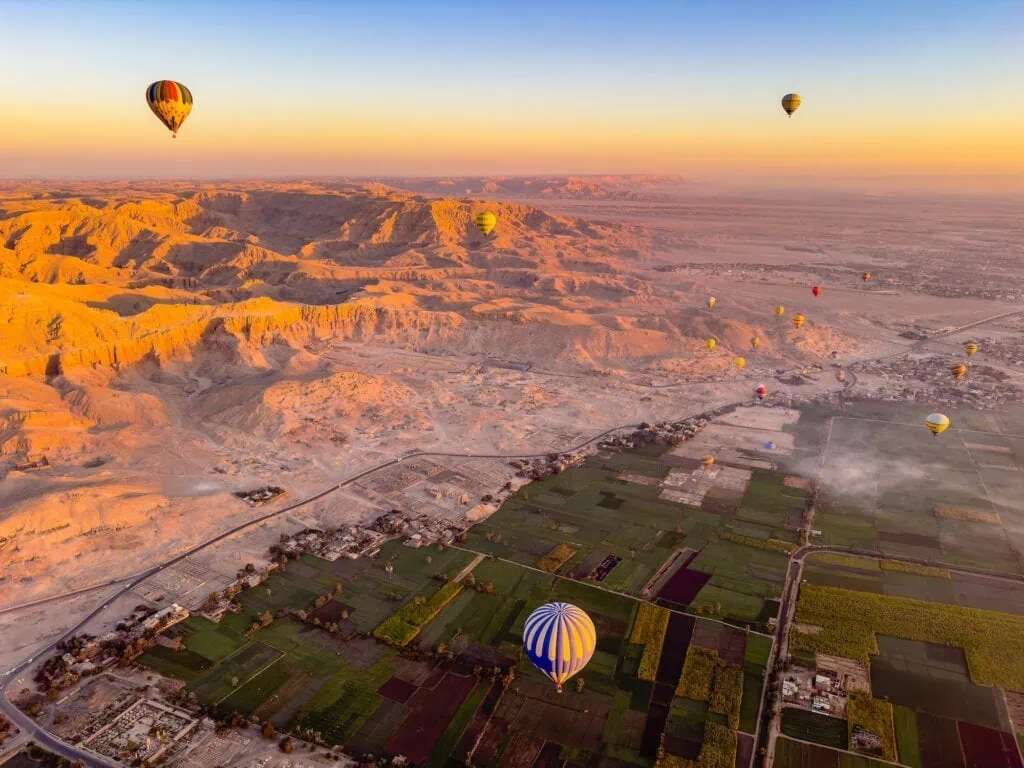
The valley’s most famous tomb is KV62 (Tutankhamun’s), discovered intact by Howard Carter in 1922 after almost a decade of searching. KV62 remains open to visitors with a separate entrance ticket beyond the standard Valley of the Kings admission, and the pharaoh’s mummy is displayed in the tomb’s burial chamber. Tutankhamun’s complete burial collection of more than 5,000 items has now been moved to the new Grand Egyptian Museum near the Giza Pyramids, where it is displayed together for the first time since the tomb’s discovery.
Egypt’s Museums Including the Grand Egyptian Museum
Most artifacts excavated from Egypt’s pyramids, temples, and tombs are displayed in three major Cairo museums — the Grand Egyptian Museum at Giza, the historic Egyptian Museum at Tahrir Square, and the National Museum of Egyptian Civilization (NMEC) in Fustat.
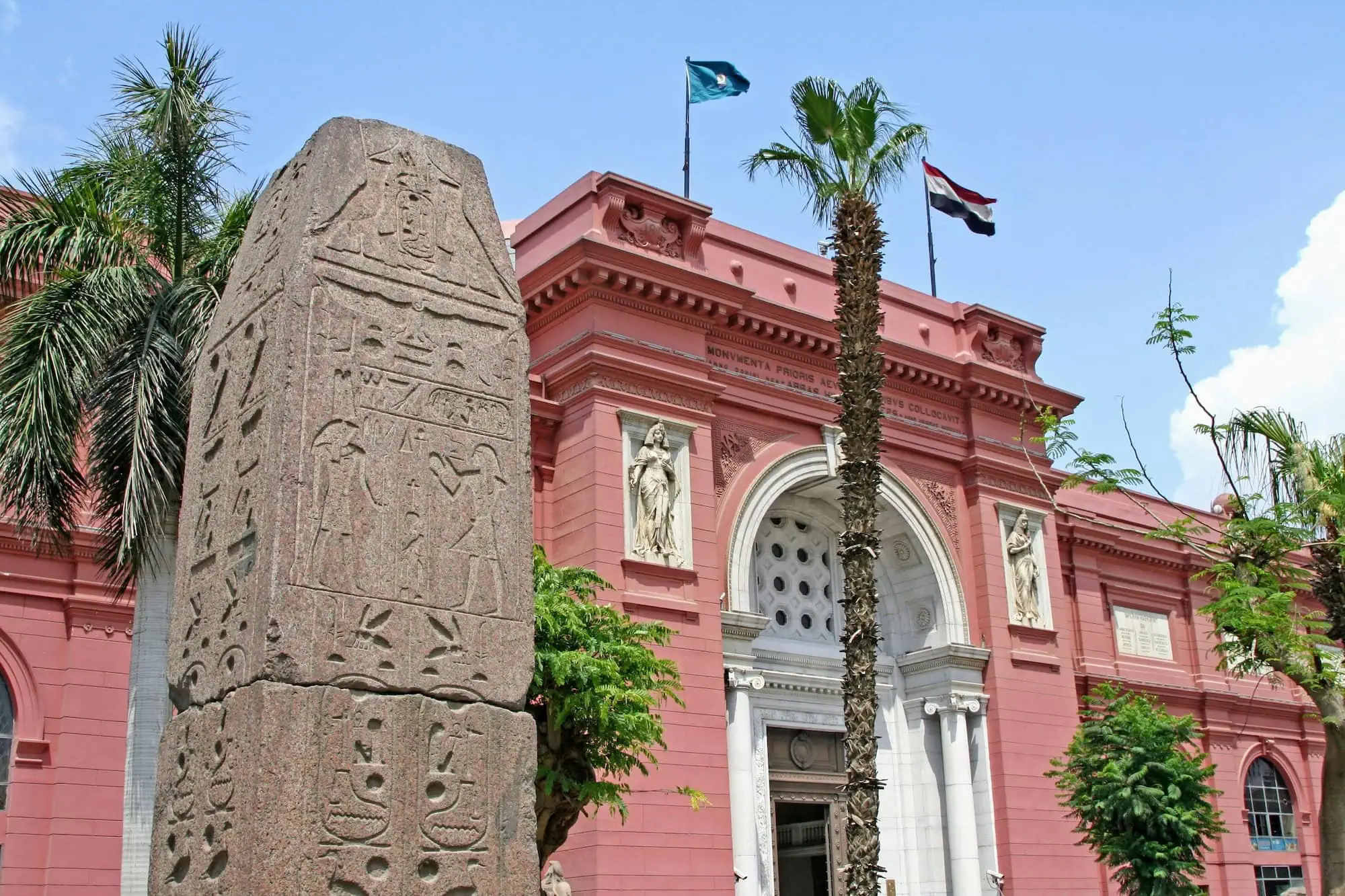
The Egyptian Museum at Tahrir Square opened in 1902 (designed by French architect Marcel Dourgnon) and remained the world’s primary Egyptian antiquities museum for over a century. Following the move of the Tutankhamun collection to the Grand Egyptian Museum, Tahrir now serves as a complementary stop with strong holdings in Old Kingdom and Greco-Roman artifacts.
The Grand Egyptian Museum (GEM)
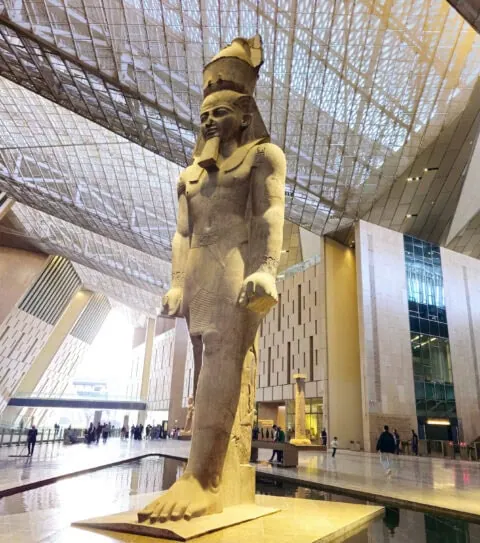
The Grand Egyptian Museum (GEM) opened fully in 2024 and is the world’s largest archaeological museum dedicated to a single civilization. Located 2 kilometres from the Giza Plateau, GEM houses over 100,000 artifacts spread across purpose-built galleries with direct sight lines to the Pyramids of Giza.
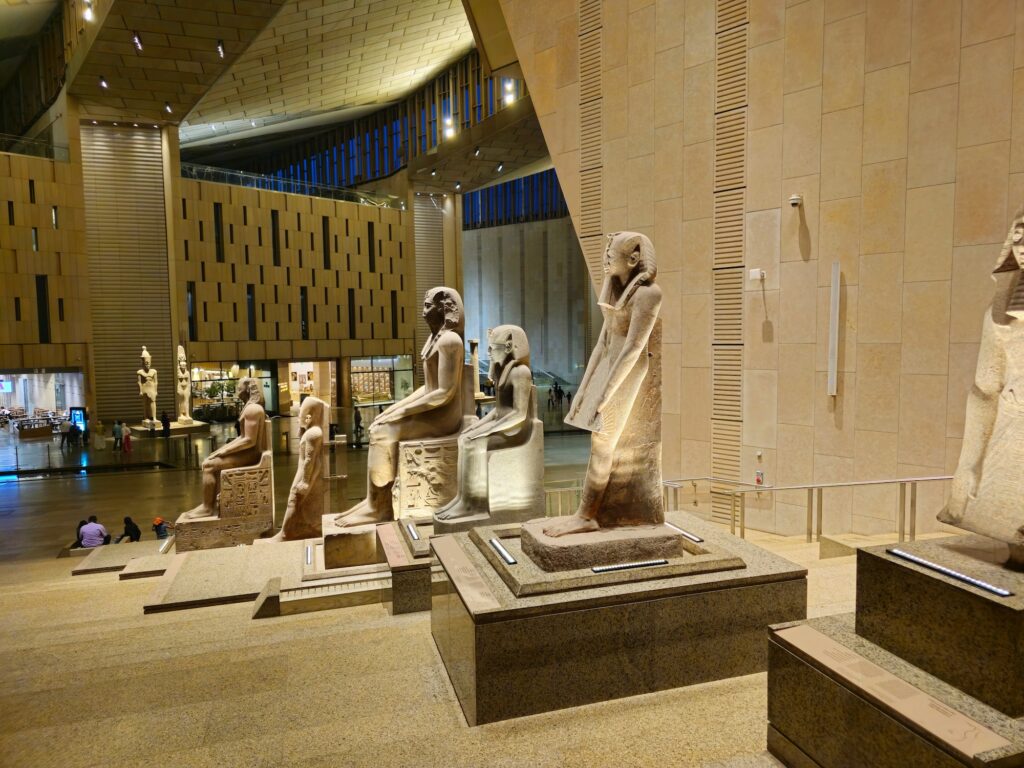
The museum’s most celebrated holding is the complete Tutankhamun burial collection of more than 5,000 items, displayed together for the first time since the tomb’s discovery in 1922. The Solar Boat of Khufu, originally housed beside the Great Pyramid, has also been relocated to GEM in its purpose-built gallery. The grand staircase atrium with monumental pharaonic statues sets the architectural tone for the entire museum experience.
Planning Your Egypt Vacation
Most Egypt vacations run 8 to 14 days and combine 2 to 3 destinations: Cairo (Pyramids, Sphinx, Grand Egyptian Museum, Khan El-Khalili), a 4-night Nile cruise between Luxor and Aswan with shore visits to the major temples, and often a 4 to 7-night Red Sea coastal stretch or an Alexandria extension.
Travelers wanting depth at every site or multi-country routes through Jordan, Greece, or Morocco typically extend to 14 to 21 days. Solo travelers, couples, families with children of all ages, and multi-generational groups all work well in Egypt with the right itinerary design.
Tell your dedicated Travel Concierge what pulls at you most about Egypt, and we’ll build the days around it. Egypt Tours Plus has been arranging private journeys here since 1955 and was awarded TripAdvisor Travelers’ Choice every year from 2020 through 2026. First-draft itineraries back in your inbox within 1 to 12 hours.
Frequently Asked Questions
October through April offers Egypt’s ideal travel conditions with daytime temperatures of 20 to 25°C (68 to 77°F).
December and January are peak season with the most comfortable weather but also the largest crowds and highest prices. Late October through early December and February through April are sweet-spot months with excellent weather and slightly thinner crowds.
May through September regularly exceeds 35°C (95°F) and approaches 40°C (104°F) at midday in southern regions like Aswan and Abu Simbel, requiring early-morning visits with extended midday breaks.
Summer travelers benefit from significantly lower prices (typically 15 to 25 percent below peak season) and warmer Red Sea water for diving, while winter travelers get the most comfortable temple-touring conditions.
Egypt is very safe for tourists, with extensive Tourist Police presence at major attractions, hotels, and transportation hubs. Tourist areas in Cairo, Luxor, Aswan, the Red Sea coast, and the Pyramids see consistent professional security.
Egypt Tours Plus has been arranging private journeys here since 1955 and provides 24/7 in-country support throughout your trip.
The only region currently advised against by most foreign offices is North Sinai, which is not part of standard Egypt itineraries. South Sinai (where Sharm El Sheikh and Dahab sit) is fully open and operates normally.
Standard travel precautions apply: keep copies of your passport, secure valuables in hotel safes, drink bottled water, and use registered taxis or your provided driver rather than unmarked vehicles. The UK Foreign Office and US State Department update specific advisories periodically worth checking before travel.
Most international visitors enter Egypt on a tourist visa for $25 USD valid for 30 days, available either online before departure through Egypt’s e-visa system or on arrival at major airports including Cairo, Hurghada, and Sharm El Sheikh.
The e-visa system handles US, UK, EU, Canadian, Australian, and many Latin American passport holders in advance. Travelers from other countries should verify current requirements with their local Egyptian consulate.
Travelers arriving directly at Sharm El Sheikh Airport who plan to stay only in the Sinai resorts (Sharm El Sheikh, Dahab, Nuweiba, Taba) can request a free Sinai-only permit valid for 15 days, but this excludes mainland Egypt. Most travelers choose the standard 30-day tourist visa for itinerary flexibility.
Your passport must be valid for at least six months beyond your travel dates.
For October through April, pack layered clothing for evenings (temperatures can drop to 10 to 15°C / 50 to 59°F at night, especially in the desert) plus standard sightseeing essentials.
For May through September, lightweight breathable cotton or linen, a wide-brimmed hat, sunglasses, and high-SPF sunscreen are non-negotiable.
For all seasons, bring comfortable walking shoes (you’ll do significant walking on uneven stone surfaces at archaeological sites), modest dress for mosque visits (long sleeves and trousers or skirts that cover knees), a refillable water bottle, and a light scarf for women visiting religious sites.
For Red Sea time, add reef-safe sunscreen, multiple swimsuits, and water shoes. A small daypack is useful for site visits, and prescription medications should be carried in original packaging with their accompanying prescriptions.
Full Guide: What to Pack for Egypt
Egypt accommodates a wide range of budgets and offers exceptional value compared to most major destinations.
Backpacker-style independent travel costs roughly $40 to $70 USD per day with hostels, local food, and public transport. Mid-range private tours with 4-star hotels, a Luxury Nile cruise, internal flights, private Egyptologist guide, and full logistics typically run $200 to $350 USD per person per day.
Premium and luxury packages with 5-star properties, dahabiya cruises, and full private logistics run $400 to $800+ USD per person per day. Single-occupancy supplements apply to solo travelers (typically 30 to 50 percent above per-person rates), and high-season rates (December and January) typically run 15 to 25 percent above off-peak.
Major cost factors include hotel category, length of trip, choice of cruise vessel, inclusions like Abu Simbel as flight vs. road trip, and number of internal flights. Your dedicated Travel Concierge sends a tailored quote within 1 to 12 hours.
A Nile cruise is the optimal way to experience the temple corridor between Luxor and Aswan and is included in most Egypt itineraries.
The standard Luxury Nile Cruise runs 4 days and 3 nights with shore visits to Karnak and Luxor temples, the Valley of the Kings, Edfu (dedicated to Horus), Kom Ombo (the unique double temple), and Philae (dedicated to Isis), with order depending on direction.
Dahabiya cruises (8 to 16 passengers on traditional twin-mast sailing vessels) offer the most intimate Nile experience, sailing the quieter stretch between Luxor or Esna and Aswan with stops at smaller sites larger ships sail past.
Lake Nasser cruises depart from Aswan and reach Abu Simbel by water for travelers wanting that distinctive perspective. We typically recommend including a Nile cruise unless you have less than 7 days total in Egypt or are specifically focused on Cairo and the Red Sea coast.
Egypt’s official currency is the Egyptian Pound (EGP, also written as LE for the French livre égyptienne).
US dollars and euros are widely accepted at hotels, tour operators, larger restaurants, and some shops in tourist areas, particularly for larger transactions. For day-to-day expenses like local restaurants, taxis, baksheesh (tipping), and small purchases at markets like Khan El-Khalili, Egyptian Pounds are essential.
ATMs are widely available in cities and at major hotels and dispense Egyptian Pounds. Major international credit cards (Visa, Mastercard, American Express) are accepted at hotels, larger restaurants, and tour operators, but cash is preferred at smaller establishments.
Currency exchange rates fluctuate, so check current rates before travel. We recommend bringing some US dollars or euros for arrival expenses and changing larger amounts at hotels or licensed exchange offices rather than at airports (which typically offer worse rates).
Tap water in Egypt is treated and considered safe for brushing teeth, showering, and general hygiene throughout the country.
For drinking, we recommend sticking to bottled water (available everywhere for $0.50 to $1 USD per bottle) or filtered water provided by your hotel or Nile cruise. This is standard advice for most travelers visiting destinations with different water mineral content and bacterial profiles than home, regardless of treatment quality.
Ice in major hotels, restaurants used to tourist clientele, and on Nile cruises is typically made from filtered water and safe to consume. Avoid ice at smaller local establishments unless you’ve confirmed it’s made from bottled water.
Carrying a refillable water bottle is encouraged, and most hotels and cruise ships provide complimentary bottled water in rooms and refill stations in common areas.
Arabic is Egypt’s official language, with Egyptian Arabic (the most widely understood Arabic dialect in the Arab world thanks to Egypt’s historic film and television industry) being the everyday spoken form.
English is widely spoken in tourist areas, by hotel staff, at major restaurants, by licensed Egyptologist guides, and at tour operators. You can navigate any standard Egypt itinerary entirely in English without difficulty.
Many Egyptians working in tourism also speak French, Italian, Spanish, German, or other European languages. Egypt Tours Plus matches travelers with Egyptologist guides who speak their preferred language including English, Italian, Spanish, Portuguese, German, French, and others available on request.
Learning a few basic Arabic phrases (such as shukran for “thank you” and salaam alaikum for “hello”) is appreciated by locals and adds to the cultural experience.
For peak-season travel (October through April, especially December and January), we recommend starting the planning conversation 4 to 6 months ahead to secure preferred 5-star hotels, dahabiya cabins, and Egyptologist guides.
Off-peak summer trips can be planned 2 to 3 months out. For Christmas, New Year, and Easter periods, 6 months ahead is essential.
Once you contact us, your dedicated Travel Concierge sends your first-draft itinerary back within 1 to 12 hours, and most travelers go through 2 to 4 rounds of revisions before finalizing.
We’ve also built complete Egypt tours and packages with as little as 4 to 6 days’ notice when needed, though hotel and cruise availability narrows considerably. For multi-country tours combining Egypt with Jordan, Greece, or Morocco, 6 to 8 months advance booking is recommended due to coordination across multiple destinations.
Egypt has no strict legal dress code outside religious sites, but modest dress shows respect and is more comfortable in the climate.
For ancient Egyptian temple visits (Karnak, Luxor, Edfu, Kom Ombo, Philae, Abu Simbel), there are no specific dress requirements, though long trousers or skirts and short-sleeved or long-sleeved tops are recommended for sun protection and for comfort on uneven stone surfaces.
For mosque visits (such as the Mosque of Muhammad Ali at the Citadel, Al-Azhar, or Ibn Tulun), modest dress is essential. Women need long sleeves, a long skirt or trousers, and a headscarf covering hair (often provided at the entrance). Men need long trousers and short-sleeved or long-sleeved shirts. Shoes are removed before entering the prayer hall.
Coptic churches and Christian monasteries (such as St. Catherine’s Monastery in Sinai) follow similar modest-dress guidelines, with knees and shoulders covered for both men and women.
No vaccines are mandatory for entry into Egypt for travelers from most countries.
Routine immunizations should be current, including measles-mumps-rubella, diphtheria-tetanus-pertussis, and seasonal flu. The CDC and WHO recommend Hepatitis A and typhoid vaccinations for most travelers due to potential exposure through food and water.
Hepatitis B is recommended for stays of one month or longer, or for travelers with potential exposure through medical procedures or close contact. Rabies vaccination is recommended for travelers planning extensive desert or rural travel where access to immediate medical care is limited.
A yellow fever vaccination certificate is required only for travelers arriving from countries with active yellow fever transmission (parts of sub-Saharan Africa and South America). Consult your healthcare provider 4 to 6 weeks before departure for personalized recommendations based on your itinerary and medical history.
Design Your Custom Tour
Explore Egypt your way by selecting only the attractions you want to visit