Top 7 Most Famous Pyramids in Egypt
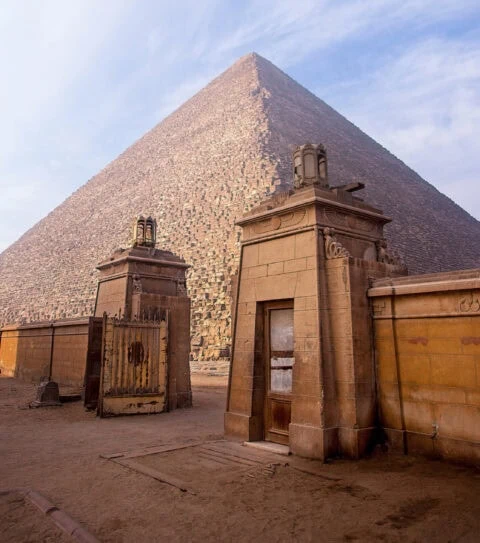
The Great Pyramid of Giza stands as humanity’s oldest wonder.
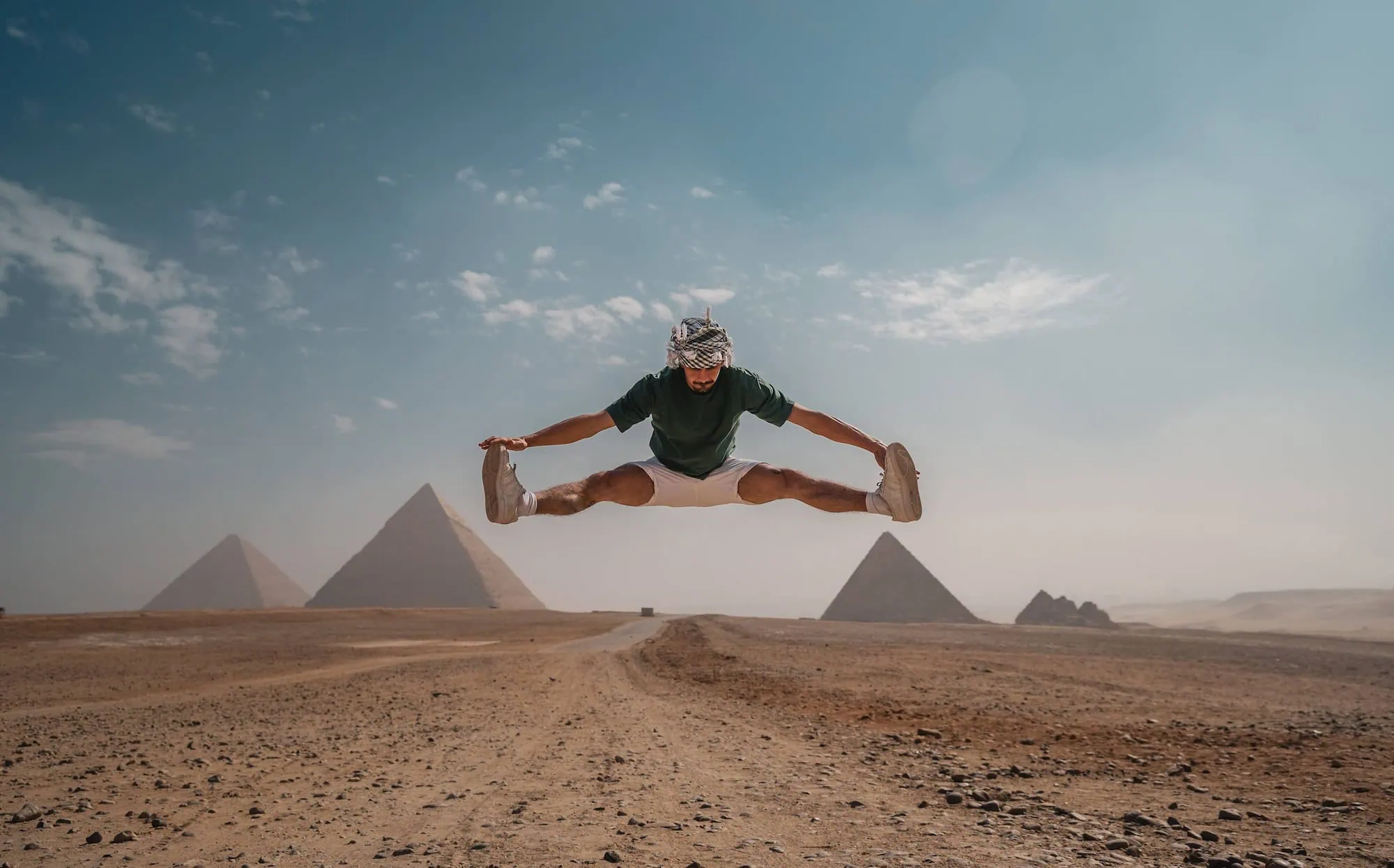
Ancient Egypt’s pyramid-building tradition spans over a millennium, creating monuments that continue to baffle architects and engineers today. From the experimental Step Pyramid at Saqqara to the mathematical precision of Giza’s giants, these structures represent the pinnacle of pharaonic power and engineering mastery. Each pyramid tells a unique story of religious belief, royal ambition, and technological innovation that shaped one of history’s greatest civilizations.
We’ve explored Egypt’s pyramid fields for decades, guiding travelers through these magnificent monuments while sharing the latest archaeological discoveries. Our expertise helps visitors understand not just what they’re seeing, but why these structures remain among the world’s most compelling ancient mysteries. For travelers focused specifically on the Giza plateau, our privately guided Giza Pyramids Tours combine the Great Pyramid, the Sphinx, and Khafre’s Valley Temple into half-day, full-day, and multi-day itineraries.
Table of Contents
The Magnificent Giza Complex
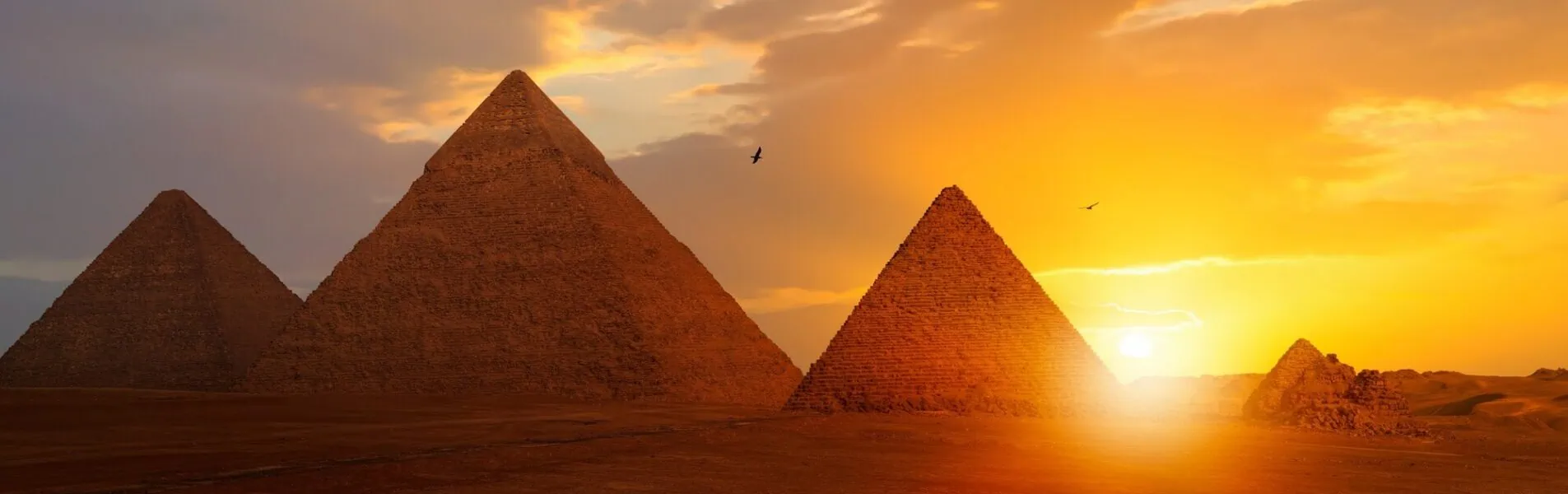
Standing on the Giza Plateau, you witness architecture that has inspired humanity for 4,500 years. The three main pyramids — those of Khufu, Khafre, and Menkaure — represent the height of Old Kingdom achievement, built during the Fourth Dynasty when pharaonic power reached unprecedented levels.
#1 The Great Pyramid of Khufu
Khufu’s monument originally stood 146 meters (480 feet) tall, constructed from approximately 2.3 million stone blocks. Each block averages 2.5 tons, with some granite slabs in the King’s Chamber weighing up to 80 tons. The precision remains astounding – the base perimeter varies by just 2.3 centimeters (0.9 inches) from a perfect square.
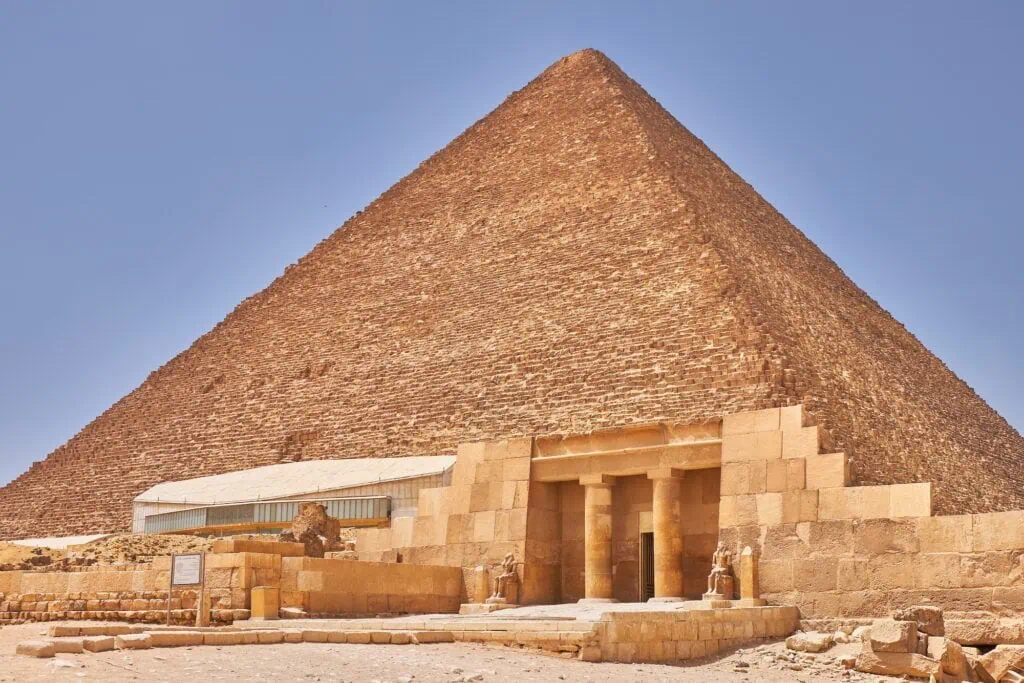
Recent discoveries using cosmic ray imaging revealed a massive void within the structure, suggesting our understanding of pyramid construction remains incomplete. Workers likely used ramps, levers, and coordinated teams of thousands to position stones with mathematical accuracy that modern construction struggles to match.
#2 Pyramid of Khafre (Chephren)
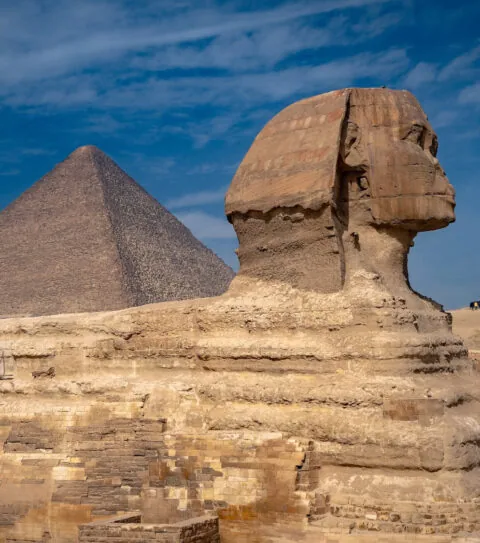
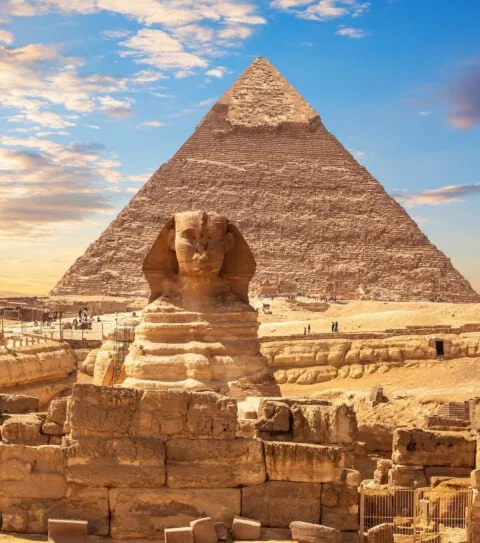
Though appearing larger due to its elevated position, Khafre’s pyramid stands slightly shorter at 136 meters (446 feet). The pharaoh chose a nearby location that creates an optical illusion of greater size – a deliberate design showcasing royal cunning alongside engineering skill.
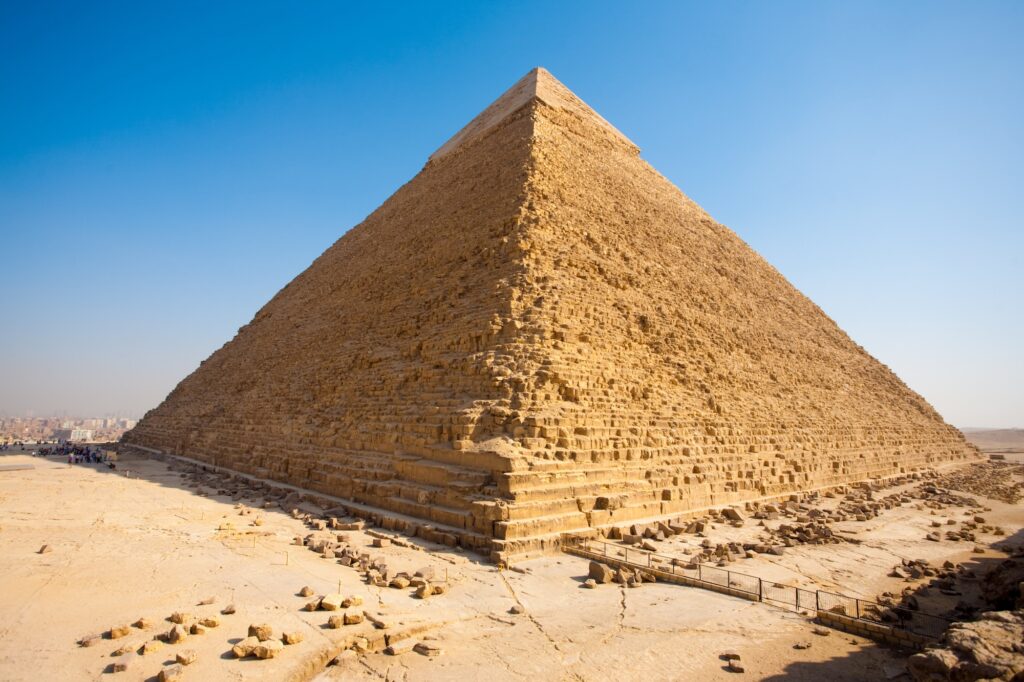
The pyramid retains some original Tura limestone casing at its peak, offering glimpses of how these monuments gleamed white across the desert. Adjacent stands the Great Sphinx, carved from the same limestone quarry that provided building material, creating an integrated complex of unprecedented scale.
#3 Pyramid of Menkaure (Mycerinus)
The smallest of Giza’s trio measures 65 meters (213 feet) high but compensates with remarkable granite casing on its lower courses. Menkaure’s builders imported this harder stone from Aswan, located over 900 kilometers (560 miles) south, demonstrating the resources commanded by Fourth Dynasty pharaohs.
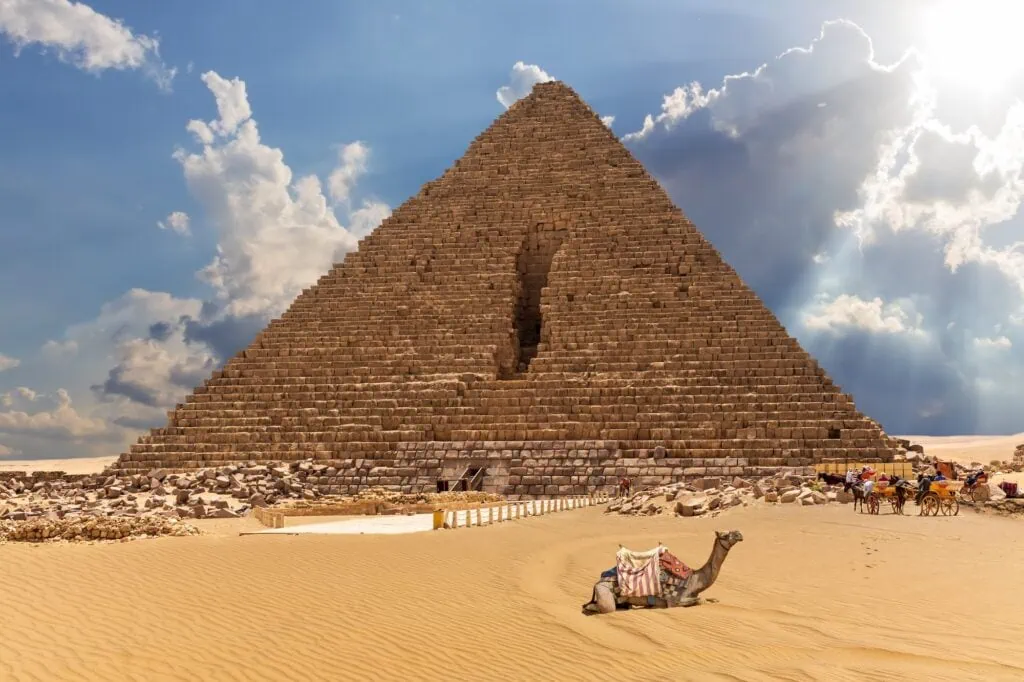
Archaeological evidence suggests construction remained unfinished at Menkaure’s death, with his successor completing the work using mudbrick rather than stone. This historical detail reveals how pyramid projects could span multiple reigns and adapt to changing circumstances.
#4 Step Pyramid of Pharaoh Djoser
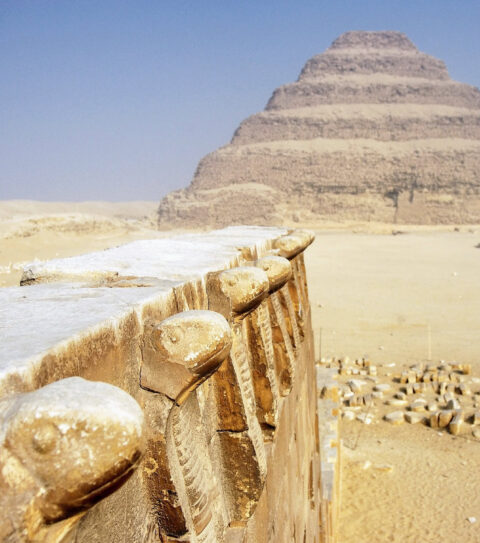
Djoser’s Step Pyramid transformed royal tomb architecture forever. Built around 2670 BC, this structure introduced stone masonry on a monumental scale, replacing traditional mudbrick mastabas with six distinctive tiers rising 60 meters (197 feet) above the desert floor.
Imhotep, the pyramid’s architect, revolutionized construction by stacking progressively smaller mastabas to create the stepped profile. This technique distributed weight more effectively than earlier building methods while creating a symbolic stairway for the pharaoh’s soul to reach the heavens. The complex includes courtyards, temples, and underground galleries extending over 5.5 kilometers (3.4 miles) beneath the monument.
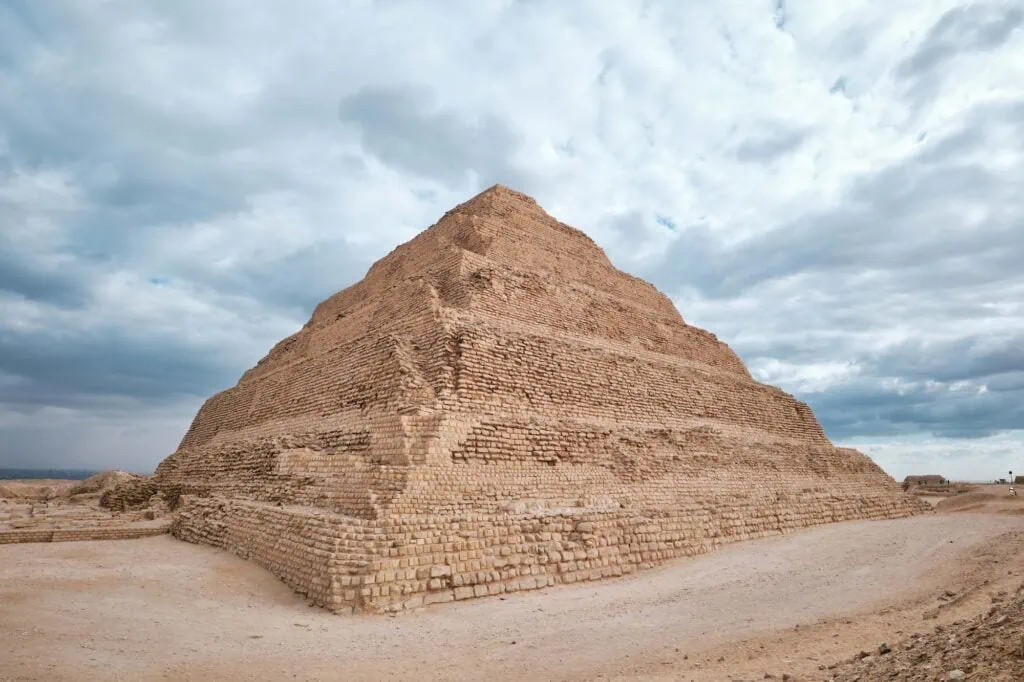
Recent restoration work has reopened interior chambers to visitors, revealing intricate blue-green faience tiles that decorated underground rooms. These decorative elements represent some of humanity’s earliest known architectural ornamentation, showcasing artistic sophistication that paralleled engineering innovation. The Step Pyramid complex covers 15 hectares (37 acres), making it larger than many modern city blocks.
Dahshur’s Experimental Monuments
Twenty-six kilometers (16 miles) south of Giza, Dahshur contains pyramids that chronicle the transition from stepped to smooth-sided construction. Pharaoh Sneferu built both monuments here during his 24-year reign, learning through trial and error how to create the perfect pyramid form later perfected at Giza.
#5 The Bent Pyramid
Construction began at a steep 54-degree angle before architects suddenly changed to 43 degrees halfway up, creating the distinctive “bent” profile. This alteration likely prevented structural collapse as builders recognized their initial angle created excessive stress on lower courses. The pyramid stands 105 meters (344 feet) tall with its unique dual-angle design intact.
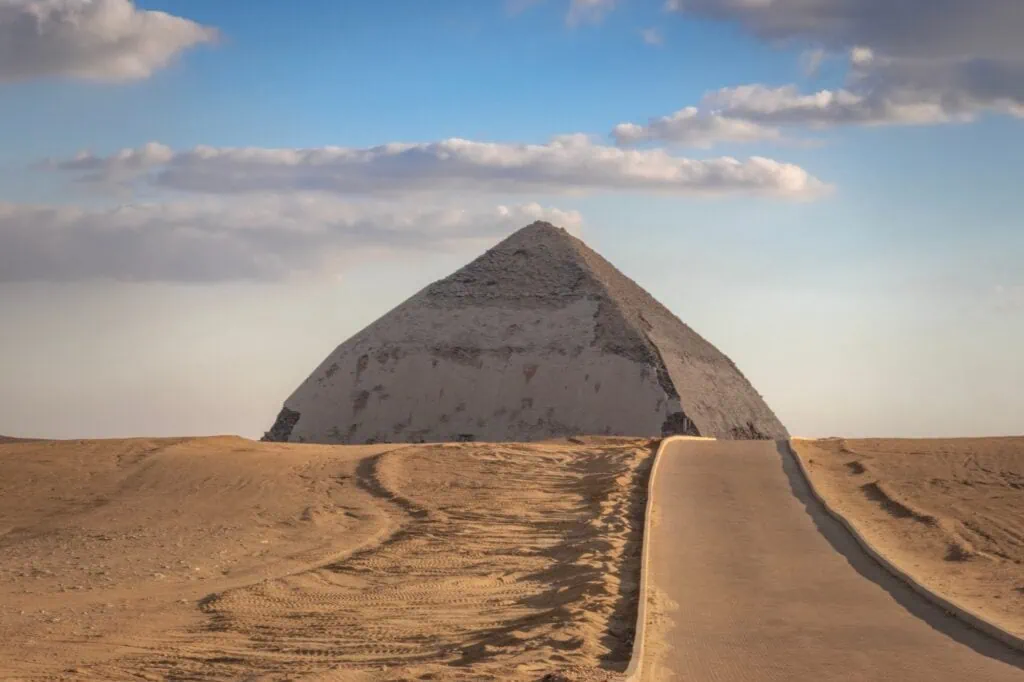
Interior passages remain exceptionally well-preserved, featuring corbelled ceilings that demonstrate advanced knowledge of load distribution. Visitors can explore both the northern and western entrances, experiencing the claustrophobic passages that pharaoh’s builders navigated during construction.
#6 The Red Pyramid
Sneferu’s second attempt achieved the smooth-sided form that became the standard. Built at the corrected 43-degree angle learned from the Bent Pyramid, this monument rises 104 meters (341 feet) and contains some of the largest interior chambers of any pyramid. The reddish limestone gives the structure its modern name, though it originally gleamed white with Tura limestone casing.
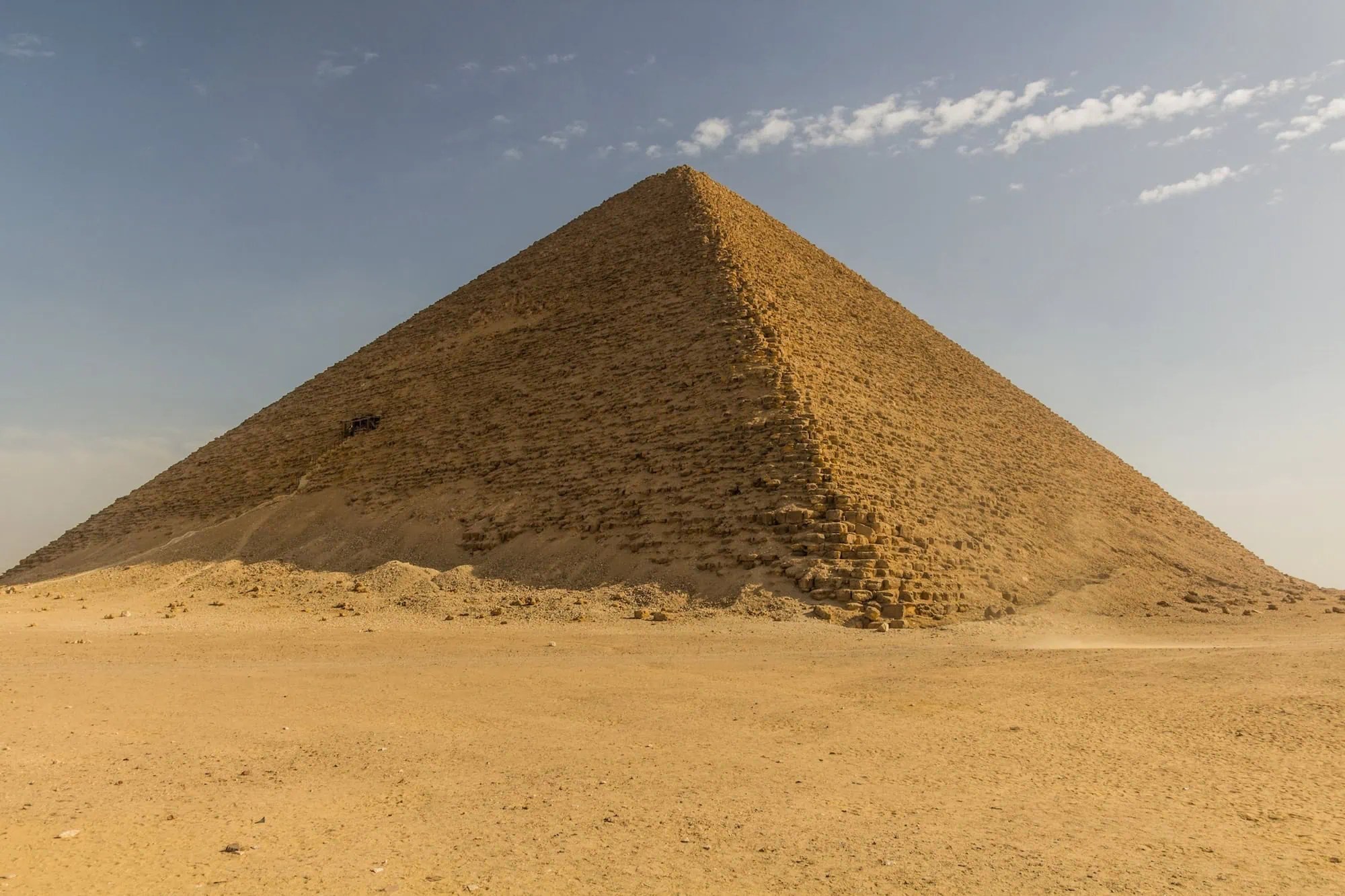
The Red Pyramid’s interior features three chambers connected by long passages, with the burial chamber reaching heights of 15 meters (49 feet). This spacious design contrasts sharply with the cramped passages found in most pyramids, suggesting architectural experimentation continued even after achieving the basic pyramidal form.
#7 The Meidum Pyramid
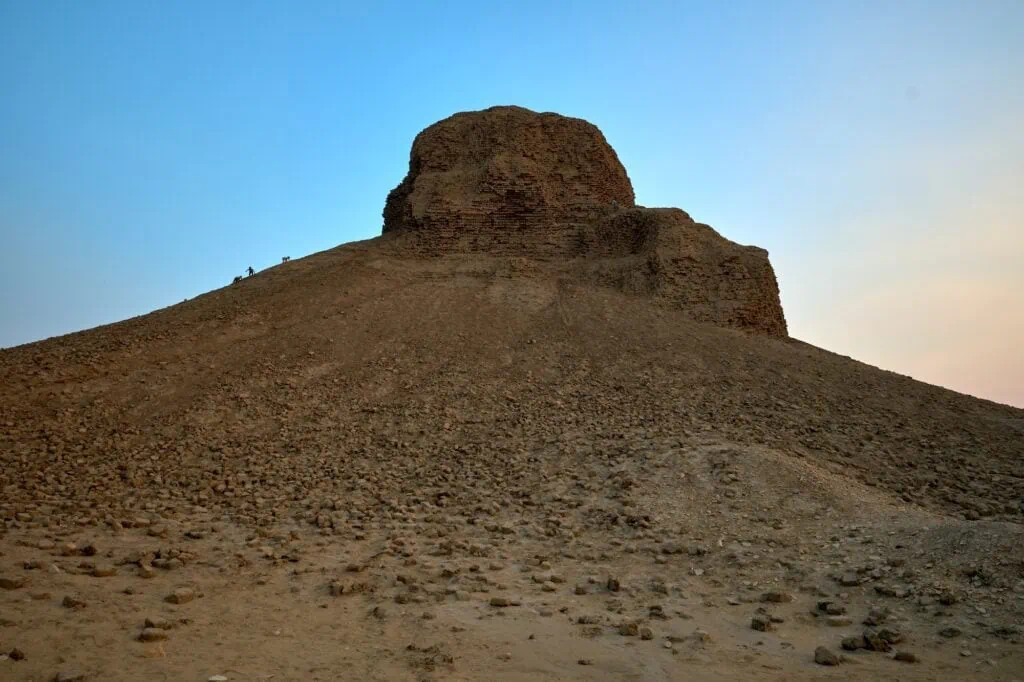
Located about 100 kilometers (62 miles) south of modern Cairo, the Meidum Pyramid represents one of ancient Egypt’s earliest experiments in pyramid construction. Often considered the second pyramid built after Djoser’s Step Pyramid at Saqqara, it marks an important transition in the evolution from stepped structures to the smooth-sided pyramids that later defined the Giza Plateau.
Archaeologists believe construction began during the reign of Pharaoh Huni, the last ruler of the Third Dynasty. After Huni’s death, his successor Sneferu continued the project, making the Meidum Pyramid an important link between early pyramid experimentation and the more refined monuments later built at Dahshur and Giza.
The pyramid was originally designed as a stepped structure. During construction, however, builders attempted to transform it into a smooth-sided pyramid by filling in the steps with additional limestone casing. Structural weaknesses eventually caused the outer casing to collapse, leaving the tower-like core that visitors see today. This dramatic failure likely led to the project being abandoned before completion.
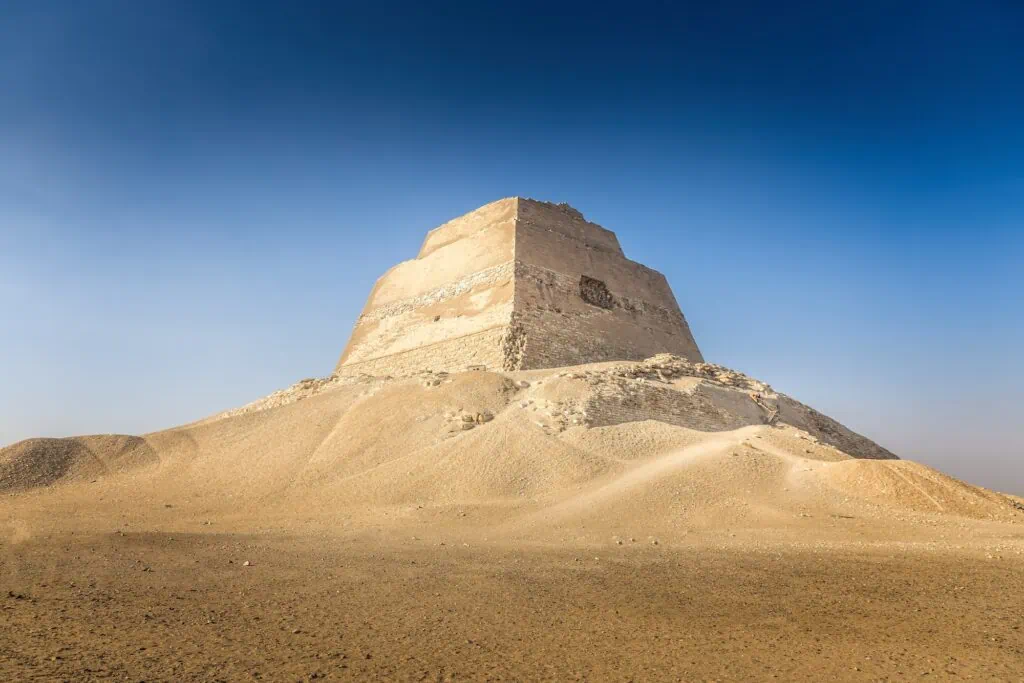
Despite its partially collapsed state, the Meidum Pyramid remains one of Egypt’s most historically significant pyramids. The site provides valuable insight into the architectural trials that ultimately led to the successful design of later pyramids such as the Bent Pyramid and the Red Pyramid of Sneferu.
Today, many travelers visit the Meidum Pyramid as part of a broader exploration of Egypt’s pyramid fields. Visitors staying in Cairo often combine a trip to Meidum with tours to other historic landmarks such as the Cairo Citadel and the famous Khan el-Khalili Bazaar. The site offers a fascinating glimpse into the early experimentation that shaped Egypt’s most iconic monuments.
Lesser-Known Pyramid Treasures
Black Pyramid of Amenemhat III
Located at Dahshur, this Middle Kingdom monument earned its name from darkened mudbrick construction. Built around 1850 BC, it represents later pyramid-building techniques using different materials and construction methods than Old Kingdom predecessors. The pyramid originally stood 75 meters (246 feet) tall but weathering has reduced it to roughly half that height.
Interior chambers feature complex layouts designed to confuse tomb robbers, including multiple false passages and hidden entrances. Recent archaeological work has revealed intact burial chambers containing Middle Kingdom artifacts that provide insights into later pharaonic burial practices.
Pyramid of Unas
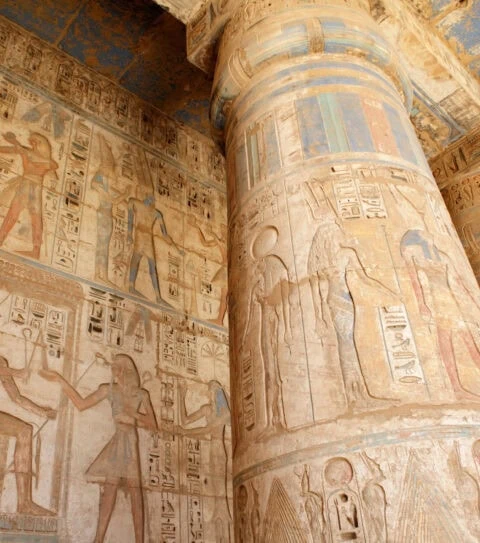
The last pharaoh of the Fifth Dynasty created the first pyramid decorated with hieroglyphic texts. These Pyramid Texts represent humanity’s oldest known religious literature, covering chamber walls with spells intended to ensure royal resurrection and safe passage to the afterlife.
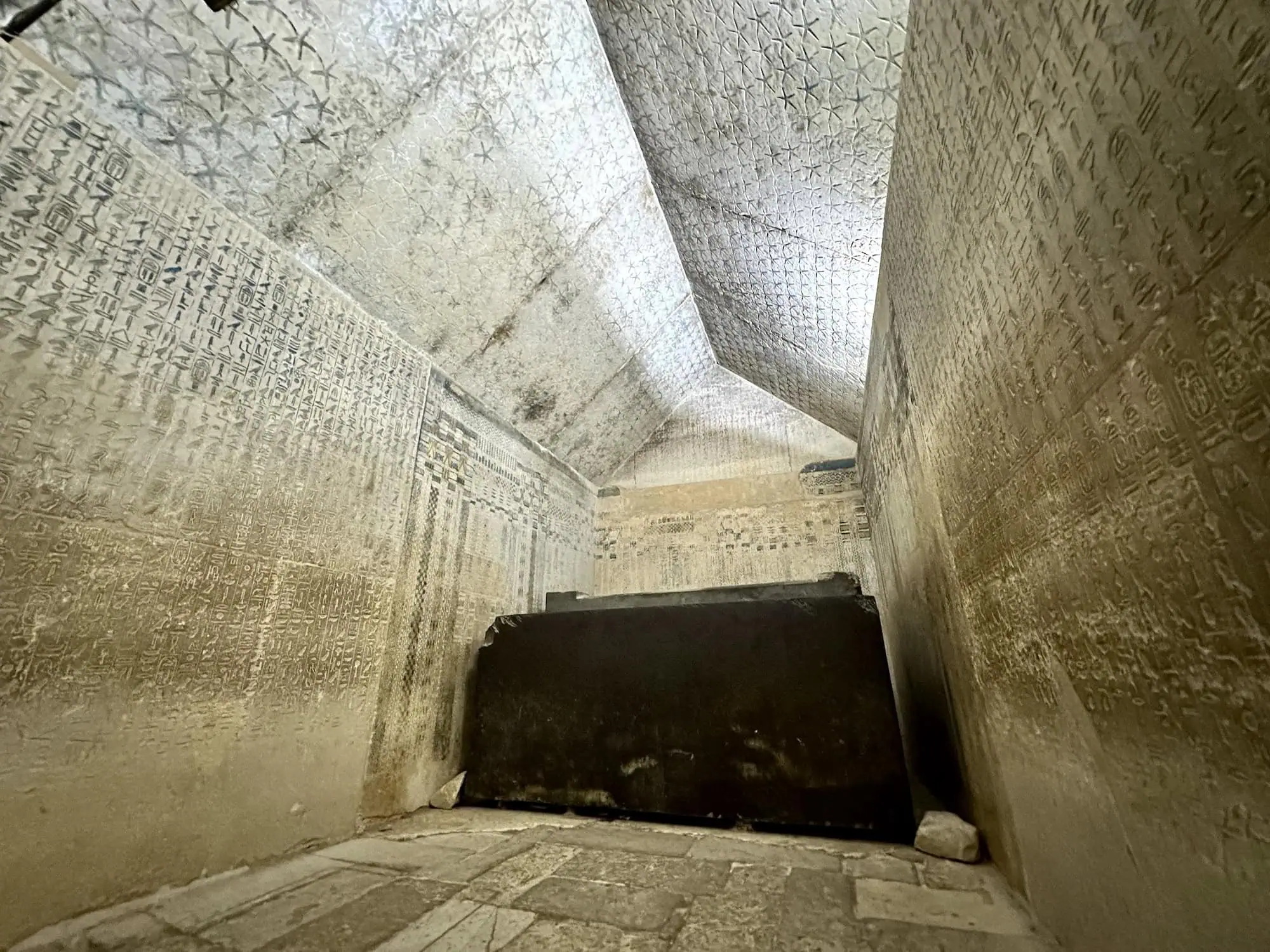
Though small at 43 meters (141 feet) high, Unas’s pyramid introduced textual decoration that influenced tomb design for centuries. The inscribed passages provide detailed information about ancient Egyptian religious beliefs and ceremonial practices that archaeologists continue studying today.
Modern Pyramid Exploration
Today’s visitors can explore pyramid interiors using modern lighting and safety equipment while experiencing spaces that remained sealed for millennia. Each monument offers different access options, from the Great Pyramid’s Grand Gallery to the Red Pyramid’s expansive chambers.
We arrange private access to pyramid interiors during optimal lighting conditions, allowing photographers and history enthusiasts to experience these monuments without crowds. Our qualified Egyptologist guides explain construction techniques, religious symbolism, and recent archaeological discoveries that continue reshaping our understanding of ancient Egyptian civilization.
Climate control systems now protect interior chambers from humidity damage caused by visitor breath, while new entrance procedures ensure monument preservation for future generations. Special photography tickets allow visitors to document their experience inside these ancient wonders, creating lasting memories of humanity’s most impressive architectural achievements.
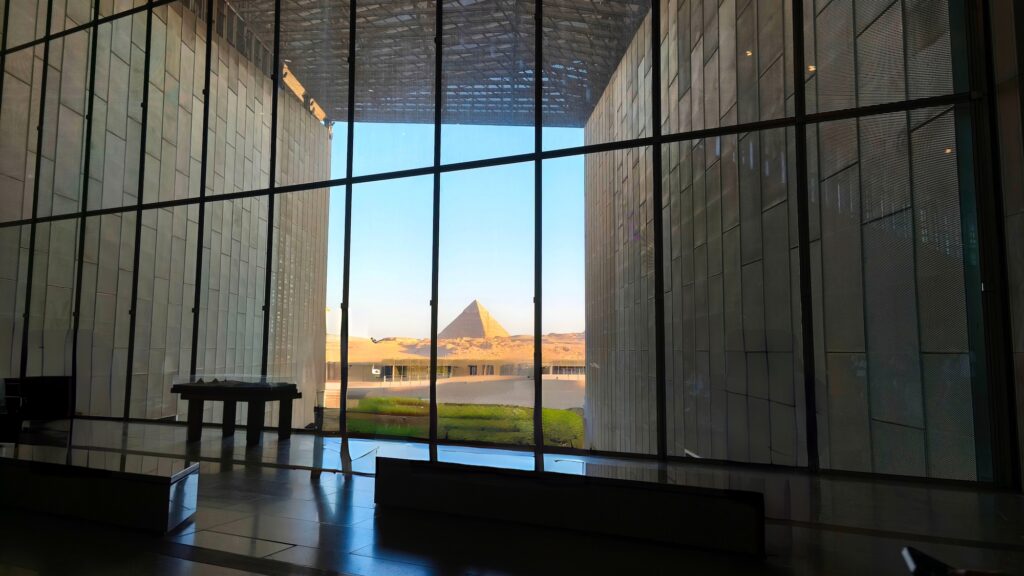
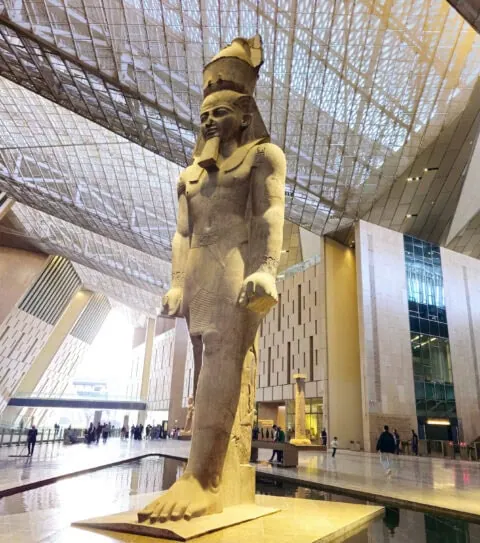
Advanced booking prevents disappointment as daily visitor numbers remain limited to protect these fragile monuments. We can also coordinate your visit with nearby highlights at the Giza Plateau, including the Grand Egyptian Museum where the Solar Boat is displayed today, as well as the Sphinx complex—creating a seamless experience that maximizes your time exploring the pyramids.
Planning Your Pyramid Adventure
The pyramid fields lie approximately 20 kilometers (12 miles) southwest of central Cairo, accessible by modern highway in air-conditioned vehicles. We provide pickup service from Cairo hotels at 8:00 am (08:00) for optimal lighting and smaller crowds during morning hours.
Each pyramid requires different entrance fees and advance booking procedures. Interior photography requires separate tickets costing additional fees beyond standard entrance costs.
Comfortable walking shoes remain essential as pyramid exploration involves uneven surfaces, narrow passages, and steep inclines. We recommend bringing water, sun protection, and light layers suitable for desert conditions that can range from 15°C to 35°C (59°F to 95°F) depending on season and time of day.
See These Pyramids in Person, Privately Guided
The Great Pyramid, the Sphinx, the Step Pyramid of Djoser, the Bent Pyramid at Dahshur — these monuments sit within an hour’s drive of each other on the desert plateau south of Cairo. A single full-day Pyramid combo tour can cover Giza, Saqqara, and Dahshur, while multi-day Egypt tours give the Pyramids the time they actually deserve alongside the Nile temples and Valley of the Kings.
Tell your Travel Concierge what pulls at you most about these monuments, and we’ll build the days around it. Private Egyptologist guide and personal driver throughout, with your first-draft itinerary back in your inbox within 1 to 12 hours.
Frequently Asked Questions
A focused visit to all seven famous pyramids requires 2 to 3 full days. The three Giza pyramids (Khufu, Khafre, and Menkaure) plus the Sphinx fit comfortably into one full day, while a second day combines Saqqara (Step Pyramid of Djoser) with the Dahshur pyramids (Bent Pyramid and Red Pyramid). The Meidum Pyramid sits 100 km south of Cairo and typically requires its own half-day, often combined with Faiyum Oasis. Most travelers who want depth at every site allocate 3 days; those happy with a faster pace can cover Giza-Saqqara-Dahshur in a single intensive long day.
Six of the seven famous pyramids offer interior access, though the experience varies significantly. The Great Pyramid of Khufu allows visitors into the King’s Chamber via the Grand Gallery (separate $20 USD ticket, capped at 300 visitors per day). The Pyramid of Khafre, the Step Pyramid of Djoser (recently reopened after restoration), the Bent Pyramid, and the Red Pyramid all permit interior visits with standard tickets. The Pyramid of Menkaure interior access rotates and is sometimes closed for conservation. The Meidum Pyramid is accessible from the outside only, with no public interior access at present.
October through April offers ideal pyramid-visiting conditions with daytime temperatures of 20 to 25°C (68 to 77°F). December and January are peak season with the most comfortable weather but also the largest crowds and highest prices. May through September regularly exceeds 35°C (95°F) and approaches 40°C (104°F) at midday in Giza and Dahshur, requiring early-morning visits with extended midday breaks. For the best photographic light and the smallest crowds, plan visits between October and early December or late February through April.
Pyramid interiors involve narrow ascending corridors, low ceilings (some require crouching for 30 metres or more), and limited ventilation. The Great Pyramid’s Grand Gallery and the Bent Pyramid’s interior passages are particularly tight. Travelers with claustrophobia should consider skipping interior visits and focus on exterior architecture, the Sphinx complex, and the Solar Boat at the Grand Egyptian Museum. The Red Pyramid offers the most spacious interior chambers (the burial chamber rises 15 metres) and is the easiest pyramid to visit for those concerned about confined spaces. The Step Pyramid’s restored interior is also relatively accessible.
The pyramid sites cluster within a manageable area south of Cairo. The three Giza pyramids stand together on the same plateau. Saqqara (home of the Step Pyramid) sits 25 km (15 miles) south of Giza, about 30 to 45 minutes by road. Dahshur (home of the Bent Pyramid and Red Pyramid) is 10 km (6 miles) further south, about 15 minutes from Saqqara. The Meidum Pyramid is the outlier at 100 km (62 miles) south of Cairo, roughly 90 minutes by road and typically visited on a separate trip combined with Faiyum Oasis. A full Giza-Saqqara-Dahshur loop in one day is geographically straightforward.
Each pyramid site requires a separate entrance ticket. The Giza ticket includes the three pyramids’ exteriors, the Sphinx, and the Valley Temple of Khafre, but interior access to the Great Pyramid requires a separate add-on ticket. Saqqara and Dahshur each have their own entrance fees. The Solar Boat exhibit, formerly accessed with the Giza ticket, is now part of the Grand Egyptian Museum and requires a separate GEM ticket. Photography tickets for pyramid interiors and tripod permits are also priced separately from standard entrance fees. Your Travel Concierge handles all advance ticket bookings as part of your custom Egypt tour.
Most pyramid interiors are open to children accompanied by adults, but the experience is physically demanding and not always suitable for younger ages. Interior corridors require crouching, climbing wooden ramps, and navigating low-light conditions. The Bent Pyramid and the Great Pyramid have particularly tight passages. The Red Pyramid is the most child-friendly interior thanks to its wider chambers. Pyramid exteriors, the Sphinx complex, and camel rides at Giza work well for all ages. Camel riding has a minimum age of 8 at most operators. Many families with younger children focus on the exteriors and skip the interior climbs entirely.
Photography inside pyramid interiors requires a separate ticket purchased at the entrance gate (typically $10 to $15 USD on top of the interior access fee). Standard hand-held camera and smartphone photography is permitted with this ticket. Professional equipment, including tripods, additional lighting, and drones, requires advance permits arranged through Egypt’s Ministry of Tourism and Antiquities. Photography is restricted in some specific areas (for example, the burial chamber of the Great Pyramid is sometimes off-limits depending on conservation conditions). Your Travel Concierge can arrange the appropriate permits if photography is central to your visit.
Egypt’s pyramid sites remain active archaeological zones. In 2017, muon imaging scans revealed a previously unknown internal void inside the Great Pyramid of Khufu, demonstrating that even the most-studied monuments still hold undiscovered features. At Saqqara, excavations between 2018 and 2024 uncovered hundreds of sealed sarcophagi, mummies, and intact tombs from the Late Period and Greco-Roman era, with finds continuing into 2026. The Cemetery of the Pyramid Workers near Giza, discovered in 1990, settled the long-running myth about slave labor by demonstrating that the pyramids were built by paid workers organized in rotating crews. New discoveries are announced regularly by the Ministry of Tourism and Antiquities.
Egypt’s Supreme Council of Antiquities manages active preservation across all pyramid sites. Daily visitor caps protect interior chambers from humidity damage caused by accumulated breath (the Great Pyramid is capped at 300 daily interior visitors, Nefertari’s tomb at 150). Climate control systems regulate temperature and moisture in the most fragile chambers. Restoration projects include the recent reopening of the Step Pyramid of Djoser after a decade-long conservation effort. The relocation of the Solar Boat to the climate-controlled Grand Egyptian Museum is part of broader efforts to move portable artifacts into modern storage. Visitor pathway management, restricted-access zones, and ongoing structural monitoring are now standard at all major sites.
Pyramid sites can be visited independently, but a private Egyptologist guide significantly enhances the experience. Without a guide, visitors typically see stones and walk away without context. With a guide, the construction techniques, religious symbolism, hieroglyphic inscriptions, and recent archaeological discoveries become accessible. Egypt Tours Plus’ private guides hold advanced degrees in Egyptology, archaeology, or related fields, and adapt their explanations to your specific interests. They also handle ticket queues, photography permits, and logistics between sites. Independent visits work for travelers already deeply familiar with Egyptian history; for everyone else, a private guide pays back its cost in depth of understanding.
Pyramid exteriors and the surrounding plateaus are largely accessible by wheelchair or with mobility aids, with paved or compacted pathways between the main viewing points at Giza, Saqqara, and Dahshur. Interior pyramid exploration is not currently accessible — all pyramid interiors involve narrow ascending corridors, steep ramps, and tight chambers that require climbing on hands and knees in some sections. The Grand Egyptian Museum is fully accessible with elevators, ramps, and dedicated wheelchair routes throughout. Camel and horse rides at Giza can be adapted for travelers with limited mobility. Our accessible Egypt tours are specifically designed for travelers who need adapted itineraries.
Design Your Custom Tour
Explore Egypt your way by selecting only the attractions you want to visit
Don’t miss Egypt’s greatest treasures