The 5 Best Holiday Destinations in Egypt – Discover the Top Vacation Spots in Egypt
Egypt calls to modern travelers like few destinations can. Ancient wonders rise from golden sands while coral reefs bloom beneath azure waters, creating a tapestry of experiences that span millennia.
Our decades of guiding visitors through this remarkable land have shown us that Egypt rewards those who venture beyond the obvious, revealing layers of history, culture, and natural beauty that few countries can match. Whether you’re drawn to towering pyramids, tranquil Nile waters, or vibrant underwater worlds, Egypt delivers moments that reshape how you see the ancient world.
This guide explores Egypt’s most compelling destinations, each offering distinct experiences that cater to different travel dreams and timelines.
Cairo’s Cultural Tapestry and Timeless Monuments
The rhythm of Cairo hits you immediately – millions of lives intersecting across centuries of accumulated history.
Giza Pyramid Complex: Engineering Beyond Imagination
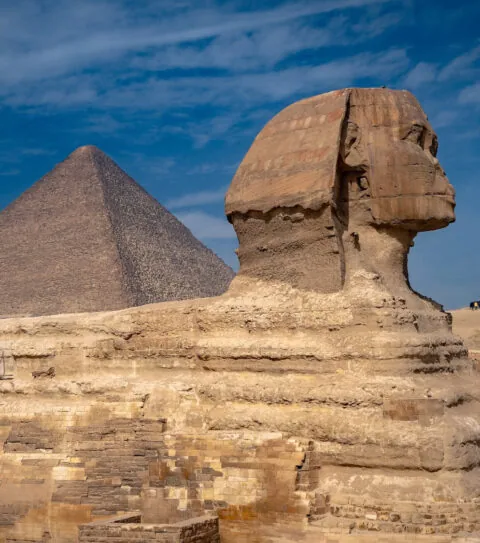
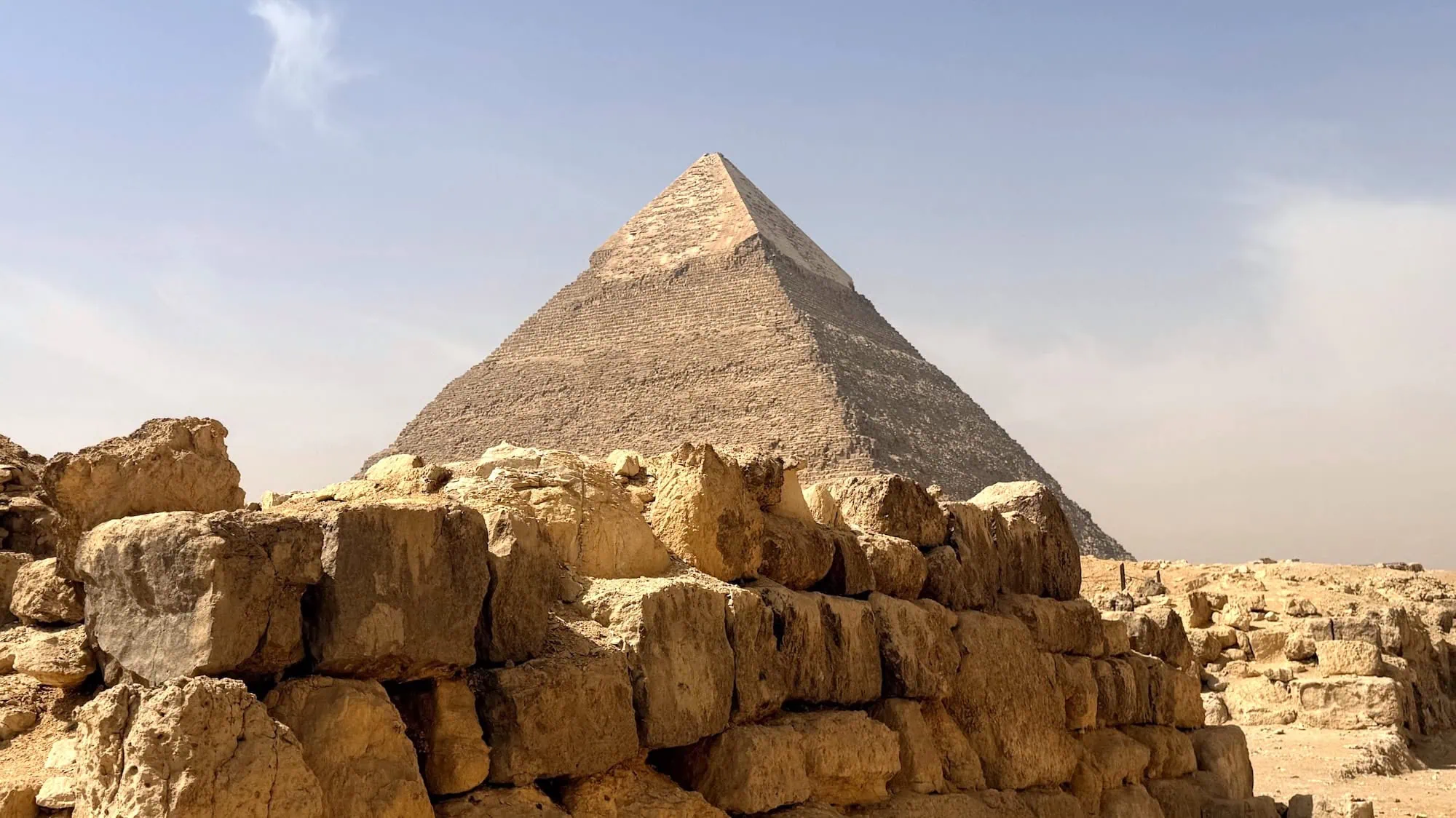
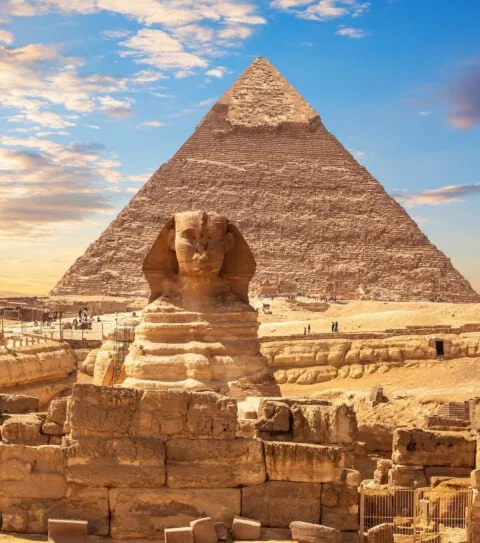
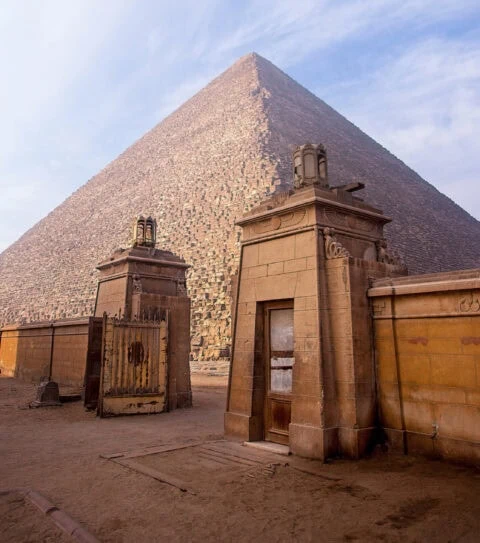
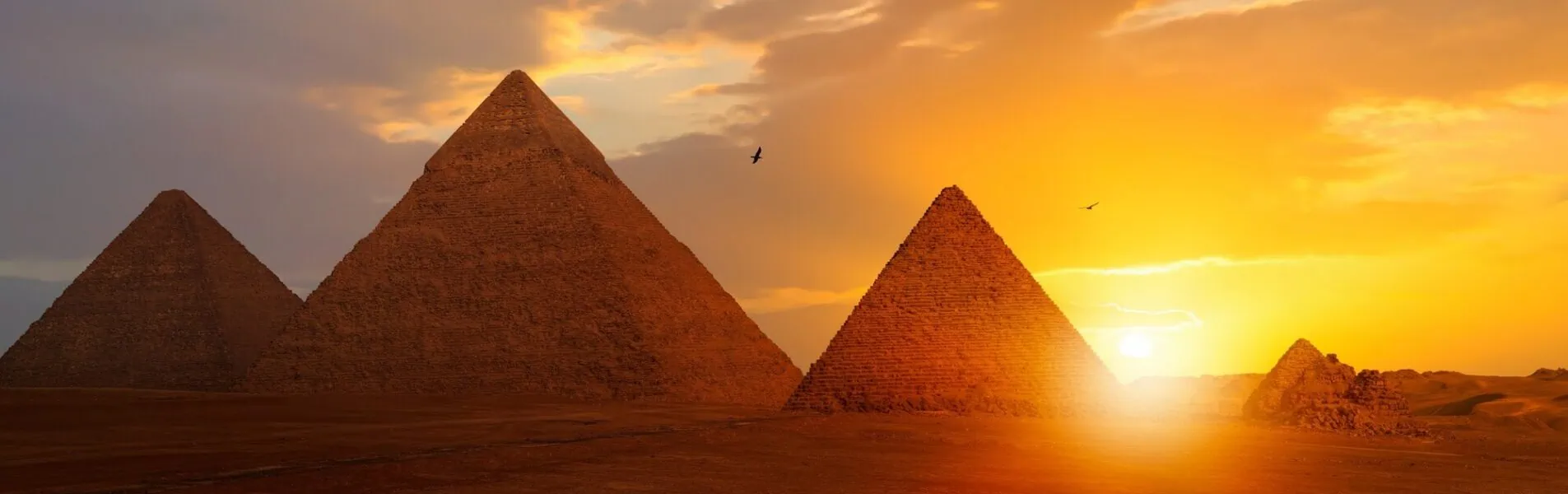
Standing before the Great Pyramid of Giza transforms abstract knowledge into visceral understanding. These monuments to Khufu, Khafre, and Menkaure represent pinnacles of ancient Egyptian engineering that continue puzzling modern architects. The Sphinx guards these treasures with enigmatic permanence, its weathered features having witnessed Alexander the Great, Napoleon, and countless others who came seeking answers to humanity’s greatest questions.
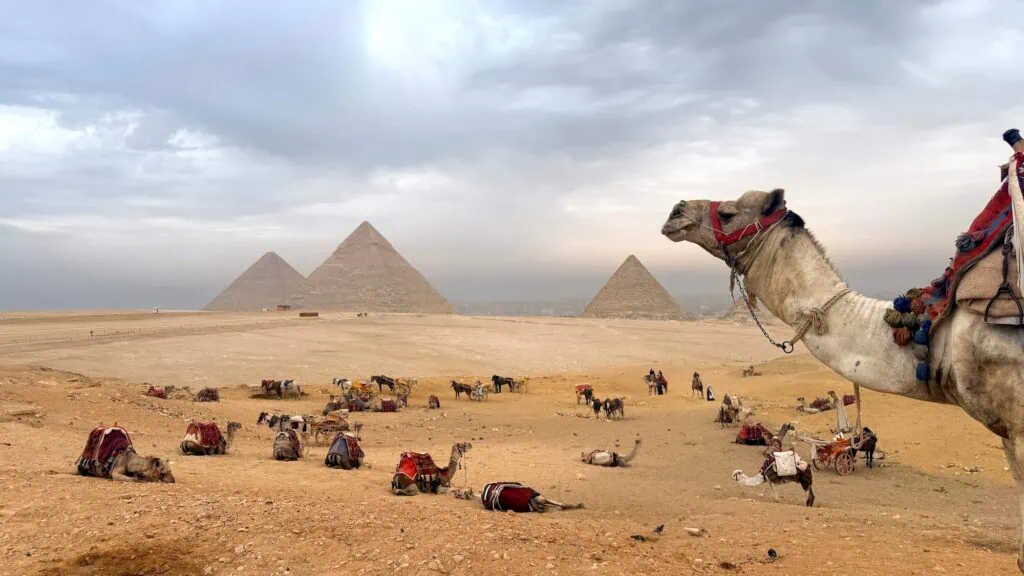
Morning visits offer the best lighting for photography and smaller crowds before tour buses arrive around 10:00 am (10:00). Our private guides provide context that transforms stone blocks into stories of pharaohs, workers, and the civilization that created these enduring wonders.
Islamic Cairo’s Living Heritage
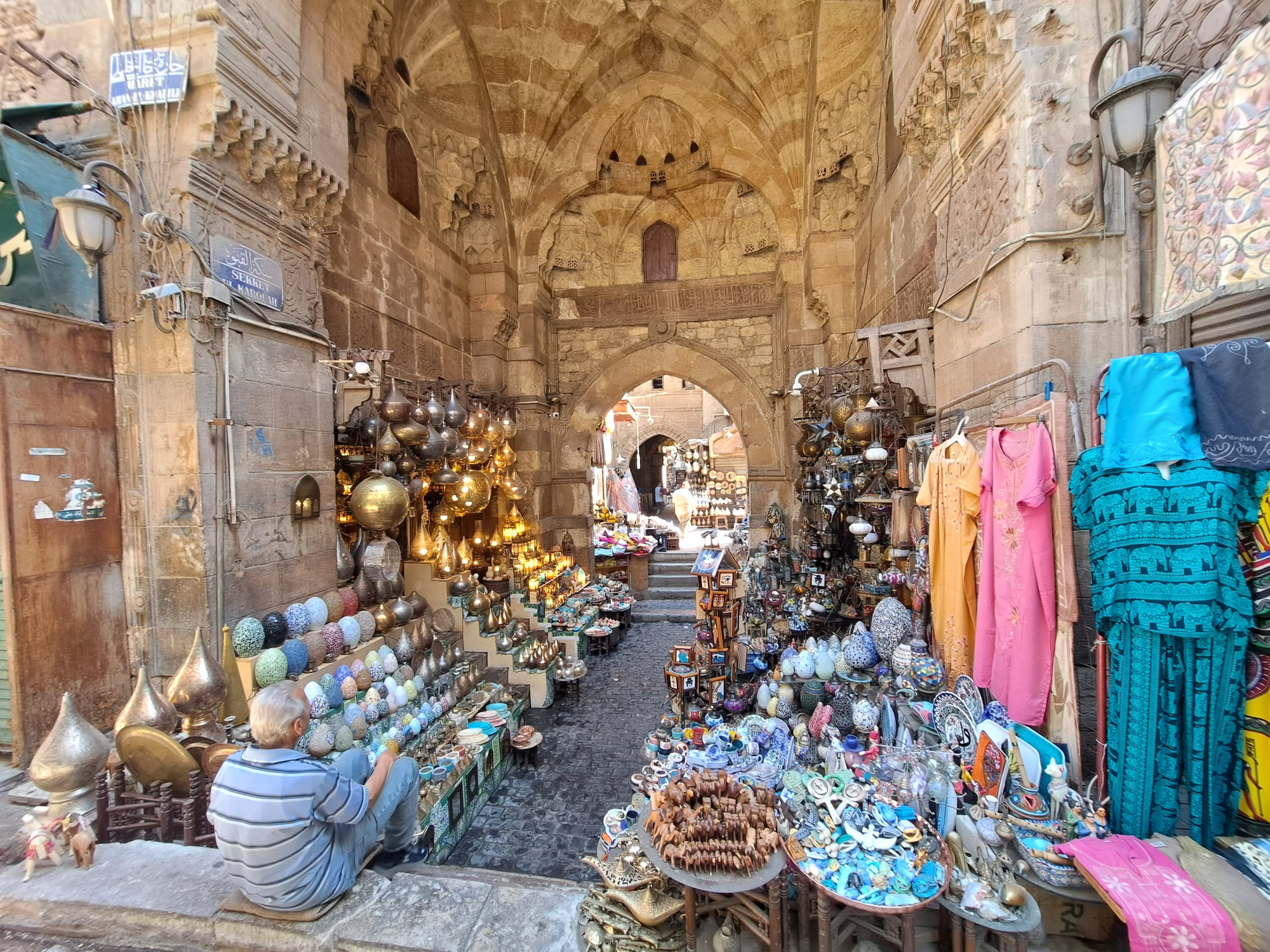
Medieval streets wind through Islamic Cairo, where 14th-century mosques still call the faithful to prayer five times daily. The Khan El-Khalili bazaar pulses with commerce that has continued unbroken for over 600 years, offering everything from handwoven textiles to aromatic spices that fill narrow alleyways with intoxicating scents.
The Citadel of Saladin provides panoramic views across the sprawling metropolis, while the Mosque of Muhammad Ali showcases Ottoman architectural influences that shaped Cairo’s skyline. These neighborhoods reveal Egypt’s Islamic golden age through structures that remain functional parts of daily life rather than static museum pieces.
Egyptian Museum’s Archaeological Treasures
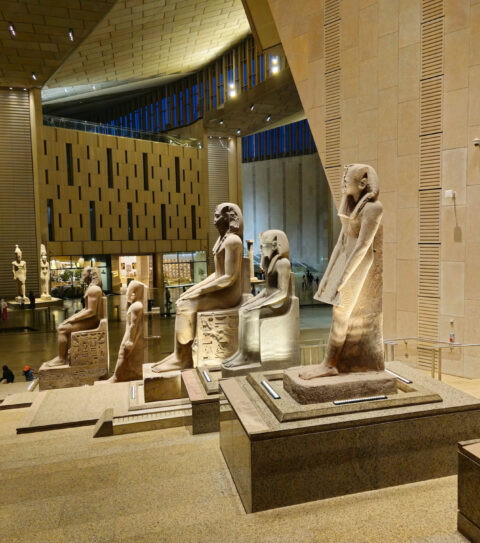
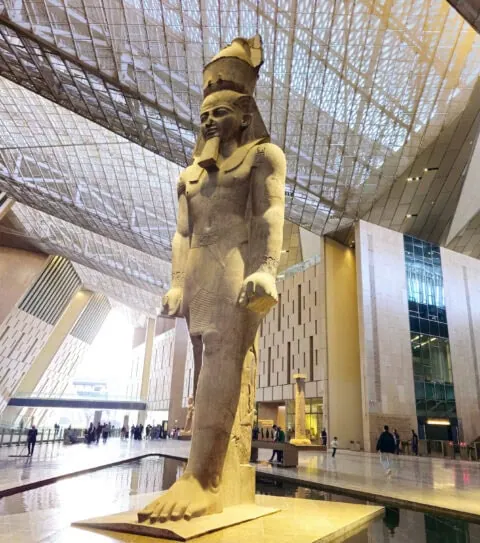
The Grand Egyptian Museum houses over 100,000 artifacts, making it one of the largest archaeological museums in the world. Its scale and modern design allow visitors to experience ancient Egypt in a more structured and immersive way. While the treasures of Tutankhamun remain a central highlight, the museum’s true strength lies in its expansive narrative—covering thousands of years of Egyptian history from prehistory to the Greco-Roman period.
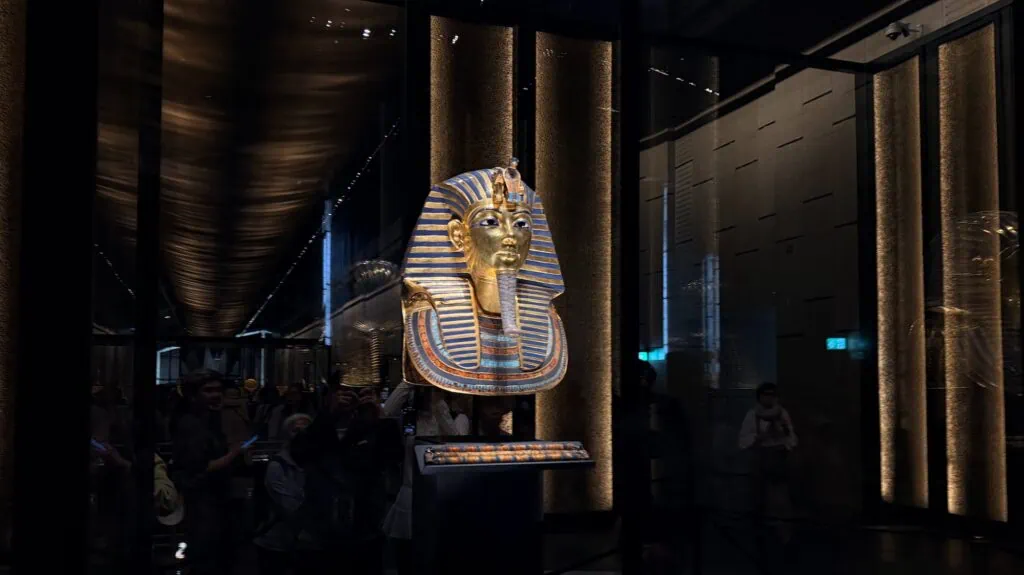
From monumental statues and royal artifacts to mummies, papyri, and everyday objects, the collections reveal how ancient Egyptians lived, ruled, worshipped, and prepared for the afterlife.
Given the museum’s size, we recommend focusing on key themes or historical periods rather than trying to see everything in one visit. Our expert guides ensure that each section is placed in context, helping visitors connect individual artifacts to the broader story of Egypt’s civilization.
Luxor: The World’s Greatest Open-Air Museum
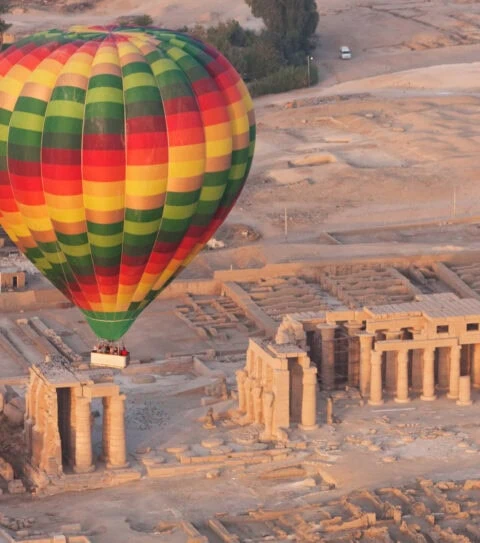
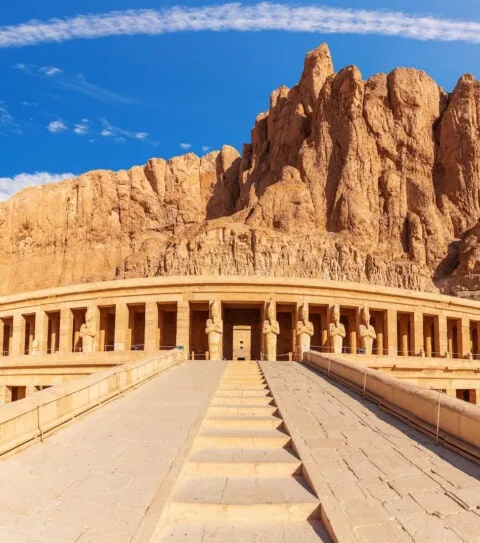
Ancient Thebes earned its reputation through sheer concentration of monumental architecture. Modern Luxor preserves roughly one-third of the world’s recoverable antiquities within a relatively compact area, making it essential for understanding pharaonic Egypt’s zenith.
The city divides naturally between the East Bank’s temples dedicated to life and the West Bank’s monuments honoring death and rebirth. This geographic separation reflects ancient Egyptian cosmology, where the sun’s daily journey symbolized eternal cycles of renewal. Walking through Luxor means stepping through chapters of a 3,000-year-old story written in stone.
Karnak Temple Complex
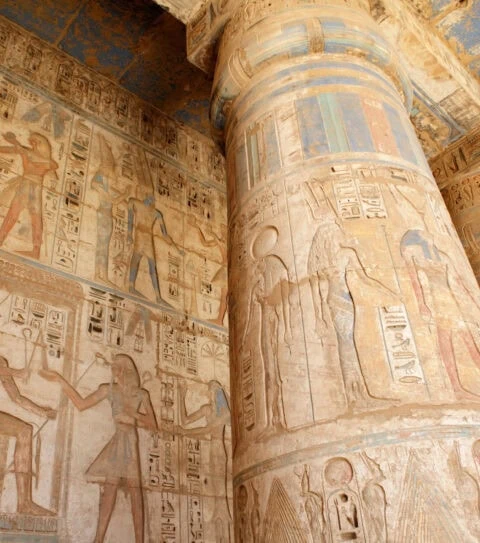
Karnak Temple represents the accumulated devotion of dozens of pharaohs over two millennia. The Great Hypostyle Hall contains 134 columns, each large enough to hold 50 people on its capital. Hieroglyphic inscriptions cover every available surface, creating a library of ancient Egyptian religious texts, historical records, and artistic achievement.
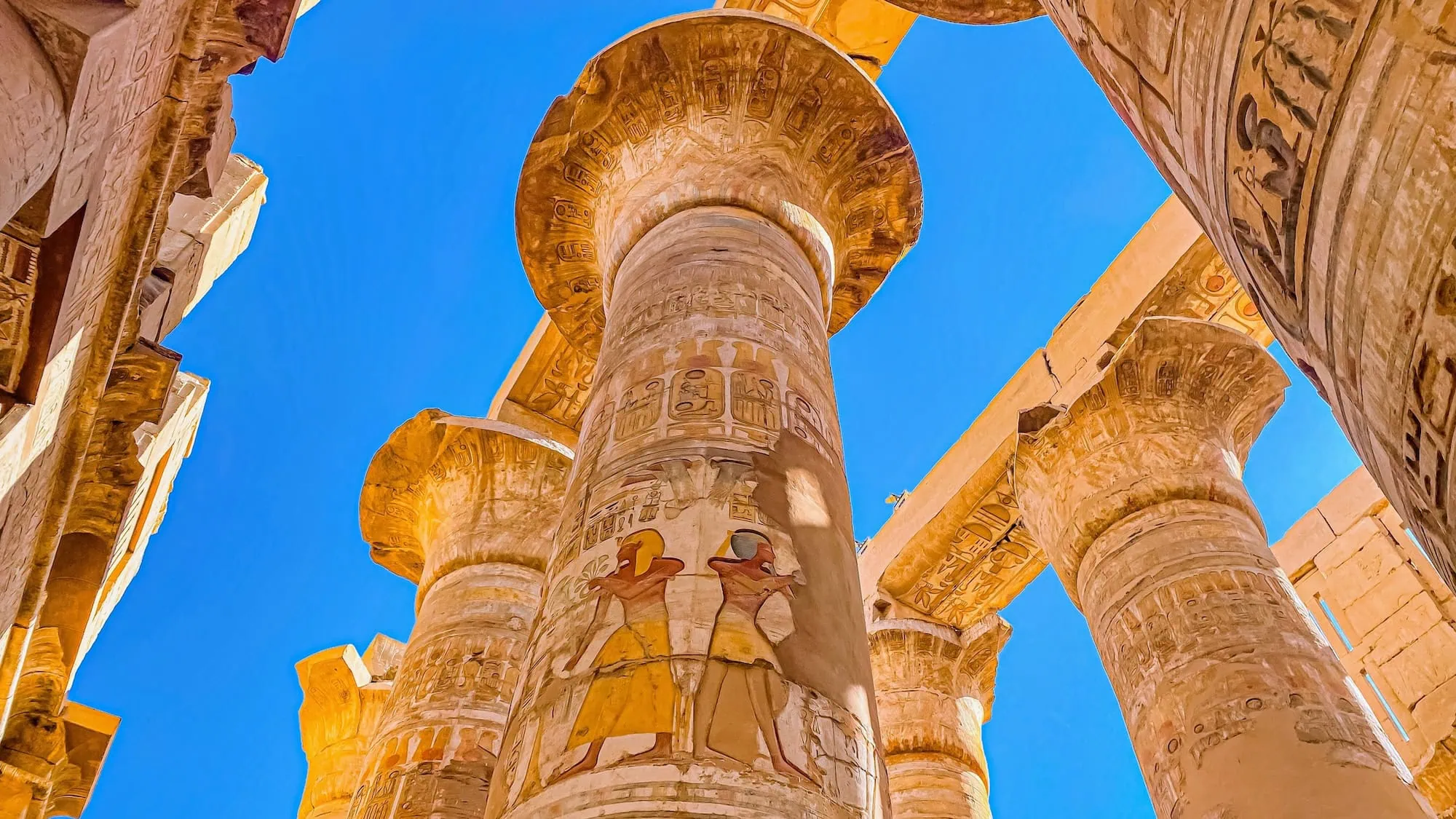
The complex grew organically as successive rulers added their contributions, resulting in a sprawling testament to Egyptian architectural evolution. Sound and light shows held in the evening illuminate the temples dramatically, though we prefer morning visits when golden sunlight reveals intricate carvings more clearly.
Valley of the Kings
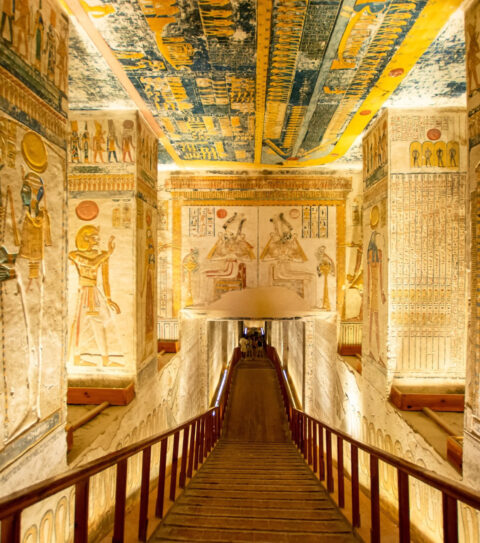
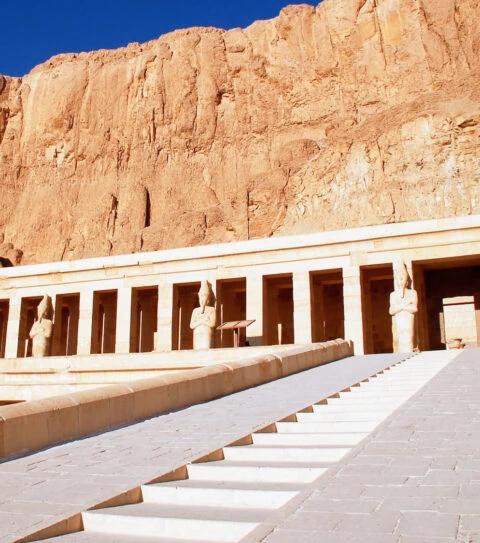
Pharaohs chose this isolated valley for their eternal rest, carving elaborate tombs into limestone cliffs that rise dramatically from the desert floor. Tutankhamun’s tomb remains the most famous discovery, but dozens of other royal burials contain equally remarkable artwork and artifacts. The tomb of Ramses VI displays some of the finest astronomical ceilings in Egypt, while Seti I’s tomb extends over 100 meters (328 feet) into the bedrock.
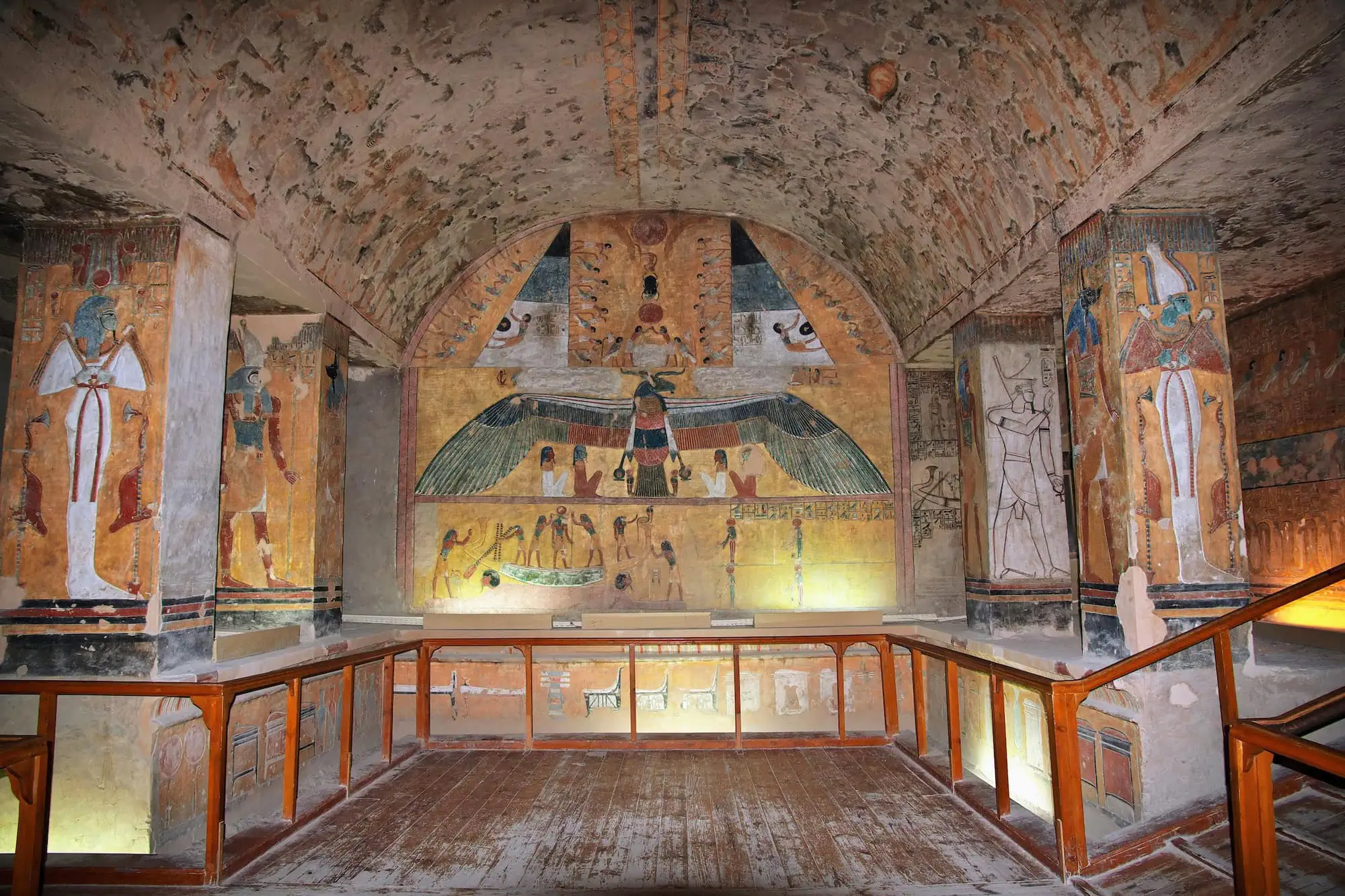
Access to specific tombs rotates to preserve these irreplaceable treasures, so advance planning helps ensure you experience the most significant chambers currently open to visitors.
Luxor Temple’s Urban Integration
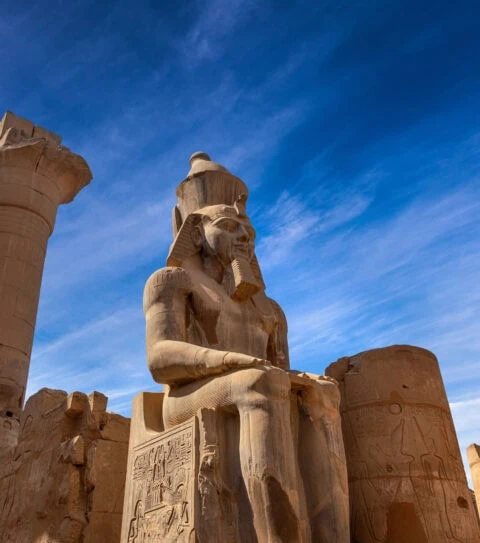
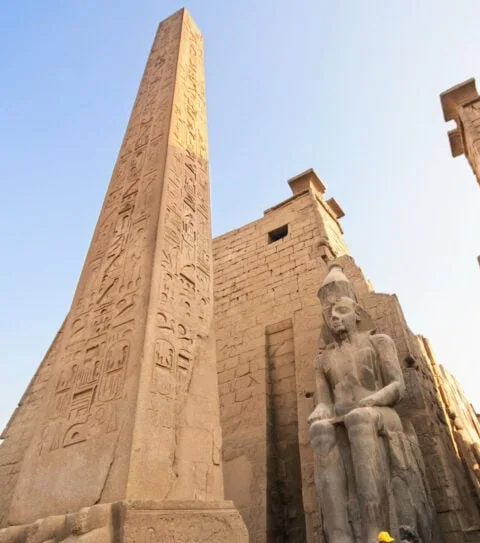
Unlike most Egyptian temples, Luxor Temple sits within the modern city rather than in isolated desert locations. This integration creates fascinating juxtapositions where ancient columns rise between contemporary buildings and the Avenue of Sphinxes connects directly to Karnak Temple through city streets.
Built primarily by Amenhotep III and Ramses II, the temple dedicated itself to the rejuvenation of kingship during annual Opet festivals. Roman additions and a medieval mosque built within the complex demonstrate how successive civilizations adapted rather than destroyed their predecessors’ achievements.
Aswan’s Nile River Serenity
Egypt’s southernmost major city maintains an atmosphere distinctly different from Cairo’s intensity or Luxor’s tourist focus. Aswan serves as the gateway to Nubian culture, where traditional villages dot islands in the Nile and ancient customs persist alongside modern Egyptian life.
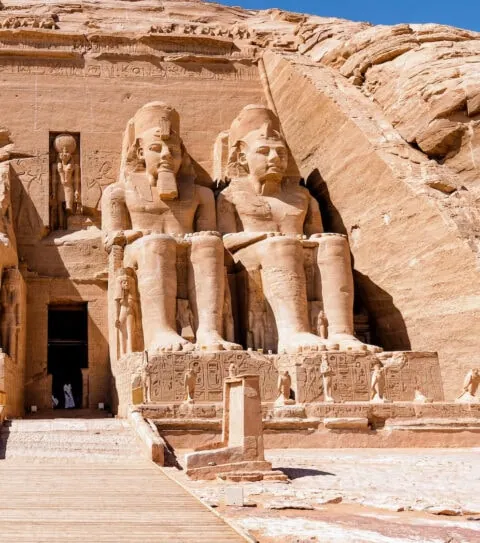
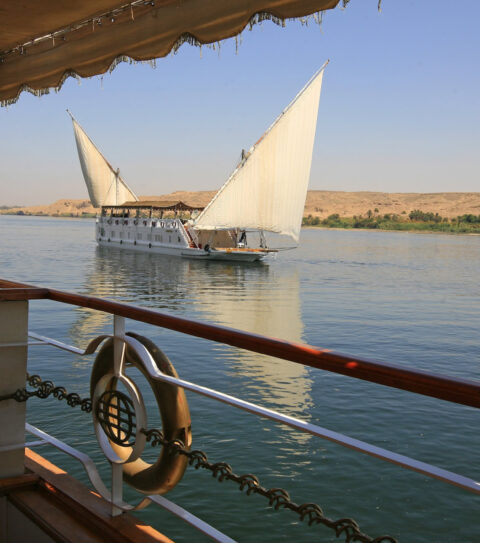
The Aswan High Dam created Lake Nasser, fundamentally changing this region’s geography while enabling the monumental effort to relocate Abu Simbel’s temples. Felucca sailing remains popular here because consistent winds and the river’s manageable width create ideal conditions for these traditional Nile boats.
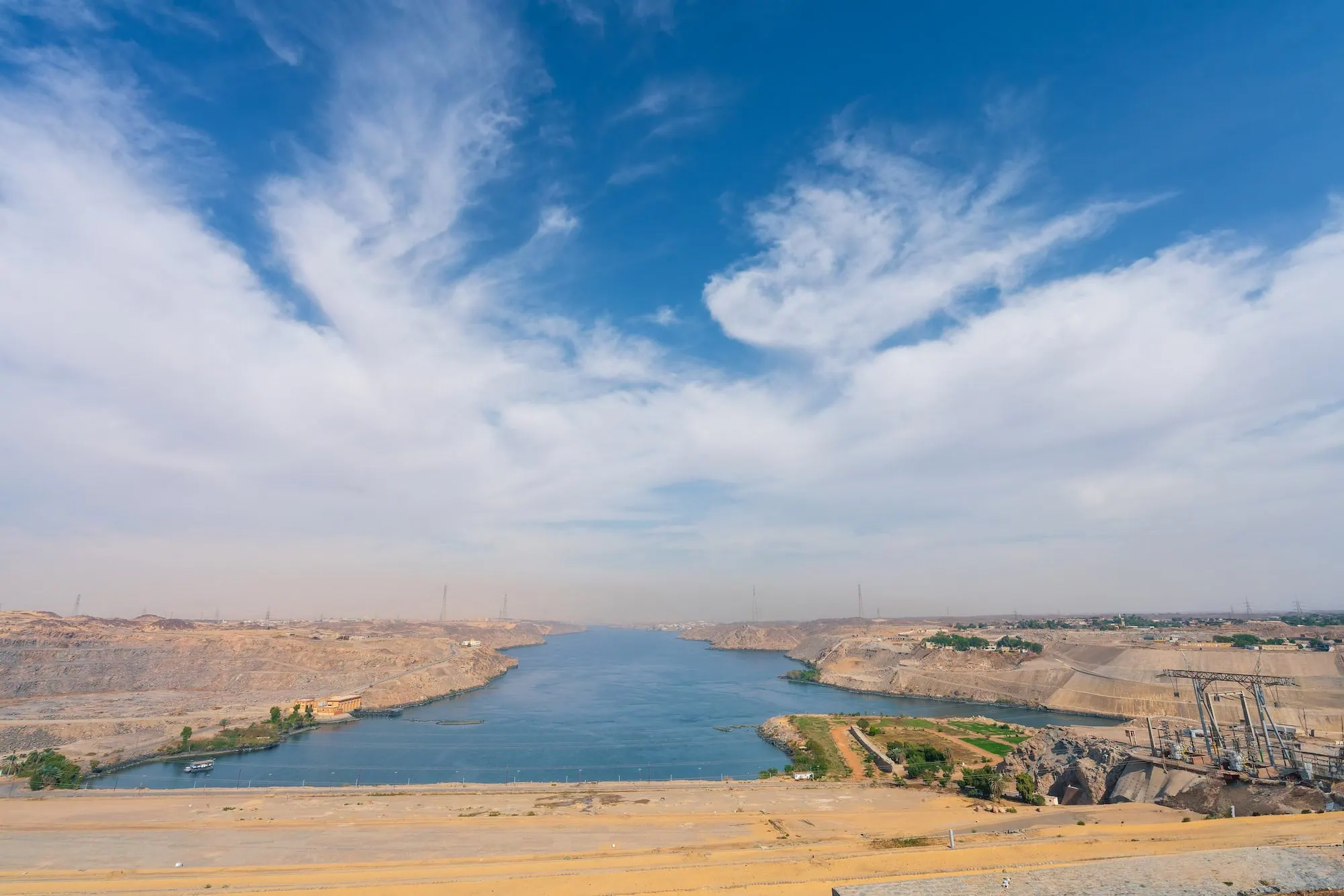
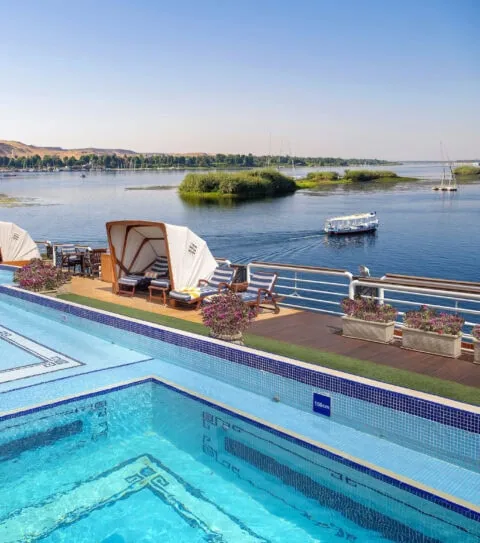
Our Nile cruises between Luxor and Aswan include stops at Kom Ombo and Edfu temples, allowing travelers to experience the river as ancient Egyptians did while enjoying modern comfort and cuisine. These multi-day journeys operate with small groups of up to 12 participants, creating intimate settings for learning about Egypt’s river-centered civilization.
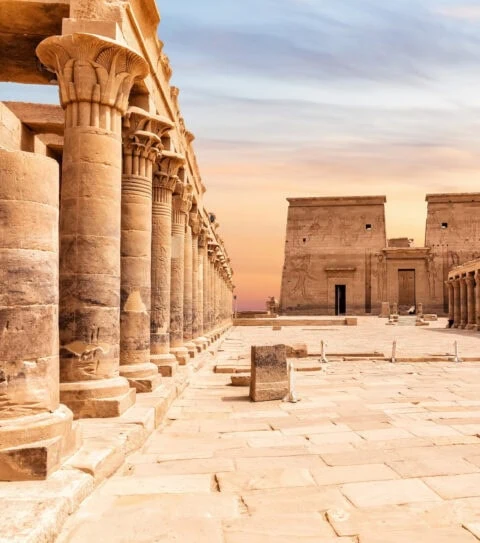
The Philae Temple complex, relocated to Agilkia Island after the High Dam’s construction, honors Isis and represents one of Egypt’s last active temples before Christianity’s spread. Evening sound and light shows here create magical experiences as recorded narratives bring ancient rituals to life against temple walls reflected in dark Nile waters.
Red Sea Adventures: Hurghada and Sharm
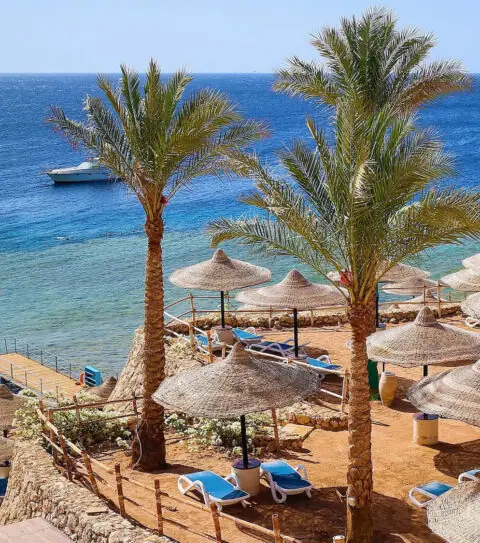
Egypt’s Red Sea coastline transforms completely from the Nile Valley’s historical focus to contemporary resort experiences centered on marine environments. Hurghada attracts visitors seeking balance between cultural exploration and beach relaxation. The city serves as a base for desert safaris into the Eastern Desert while offering world-class diving and snorkeling opportunities.
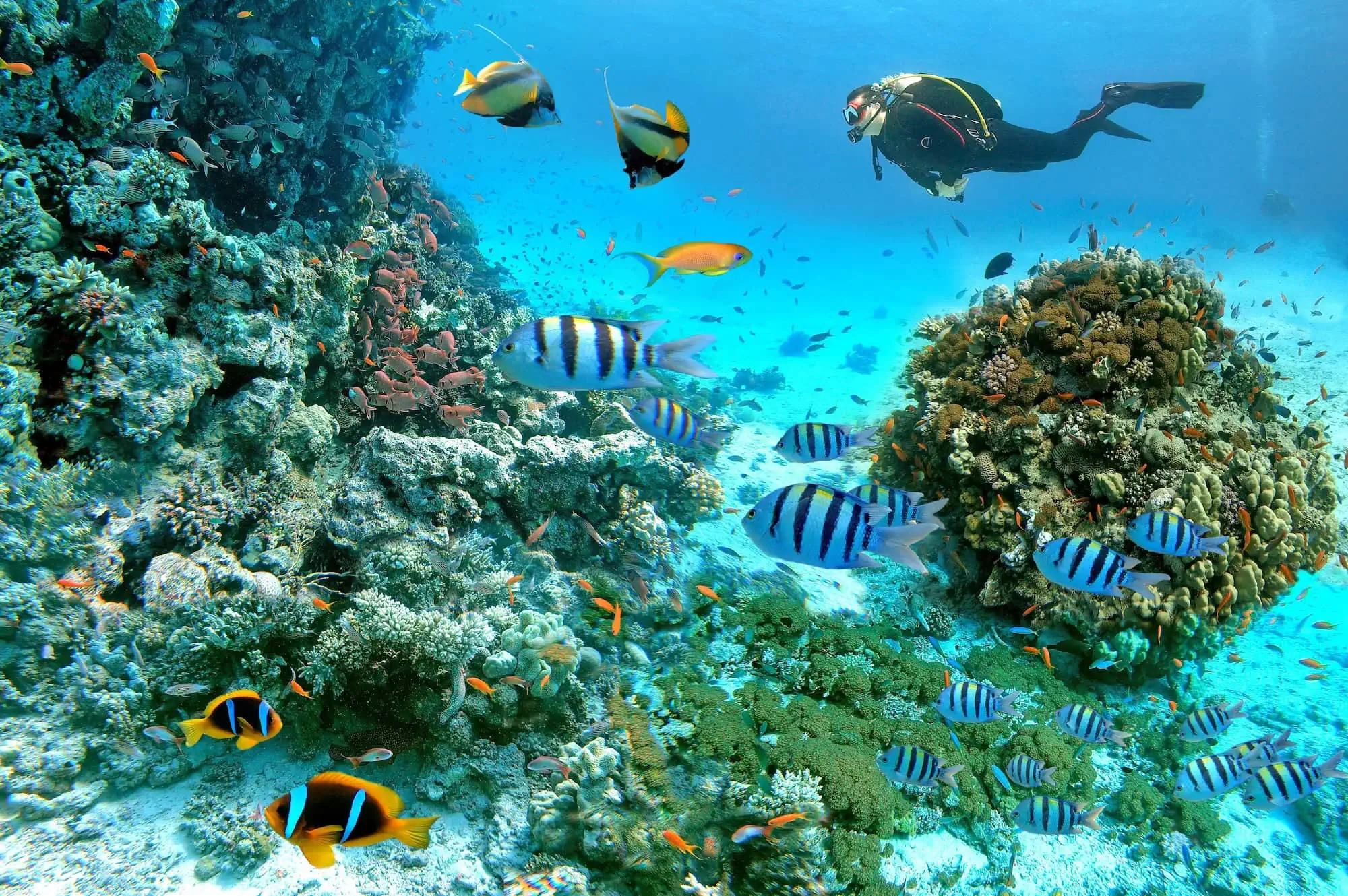
Coral reefs here support over 1,000 species of fish, creating underwater landscapes that rival tropical destinations worldwide. Sharm El Sheikh occupies the southern tip of the Sinai Peninsula, where desert mountains meet crystal-clear waters.
Ras Mohammed National Park protects some of the Red Sea’s most pristine coral ecosystems, while the wreck of the SS Thistlegorm offers advanced divers access to a World War II cargo ship filled with military vehicles and equipment. Both destinations provide year-round sunshine with water temperatures rarely dropping below 22°C (72°F), making them ideal for winter escapes.
Marine Life and Diving Excellence
Red Sea waters maintain exceptional visibility, often exceeding 30 meters (98 feet), creating ideal conditions for underwater photography and marine observation. Dolphins frequent these waters, while seasonal migrations bring whale sharks and manta rays within reach of experienced divers.
Marsa Alam, south of Hurghada, offers encounters with dugongs – rare marine mammals that graze on seagrass beds in shallow lagoons. Elphinstone Reef provides advanced diving with strong currents that attract pelagic species, while Abu Dabbab’s protected bay allows snorkelers to observe green sea turtles feeding in natural habitat.
Western Desert’s Otherworldly Landscapes
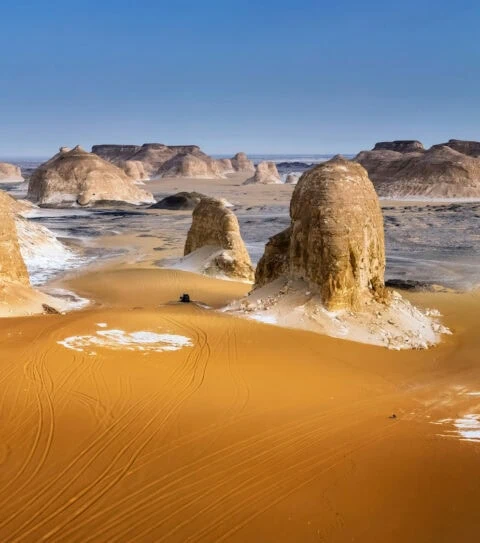
Beyond the Nile Valley lies Egypt’s Western Desert, covering roughly two-thirds of the country with landscapes that seem transported from science fiction films. The White Desert near Farafra Oasis contains bizarre chalk formations sculpted by wind into mushroom shapes, arches, and abstract sculptures that glow ethereally under moonlight.
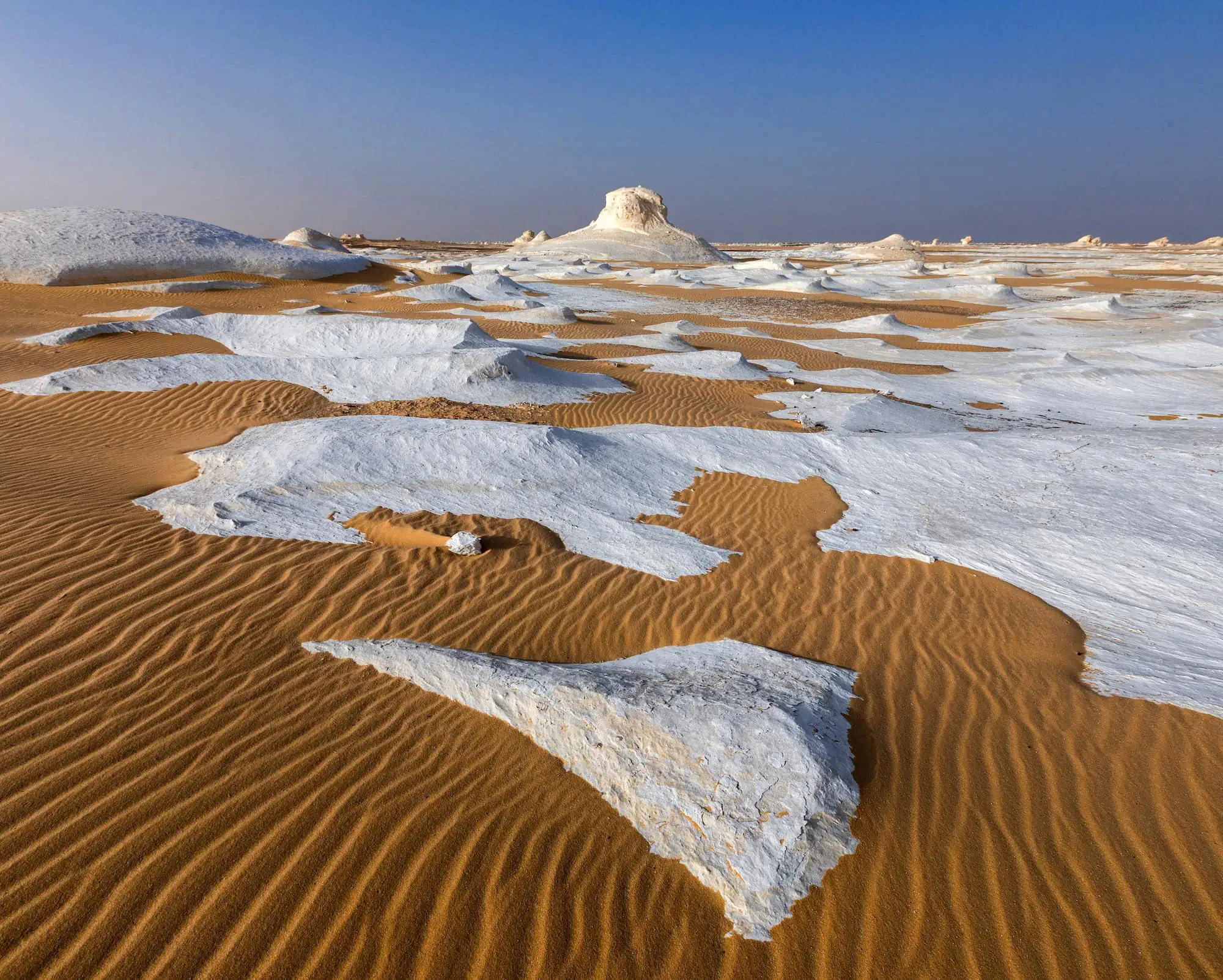
Desert safaris here reveal how geological processes create art on massive scales, while camping beneath star-filled skies unmarred by light pollution provides perspective on humanity’s place in the universe. Crystal Mountain and the nearby Valley of Agabat showcase different geological processes, where ancient seas left deposits that now sparkle in desert sunlight.
These formations require 4×4 vehicles and experienced guides to reach safely, but reward adventurous travelers with truly unique photographic opportunities. The Black Desert presents volcanic landscapes where iron-rich rocks create dark, Mars-like terrain contrasting sharply with surrounding golden sands. Bahariya Oasis provides a base for multi-day desert expeditions while offering hot springs and palm groves that demonstrate how life persists in harsh environments.
Alexandria’s Mediterranean Character
Egypt’s second-largest city maintains distinctly different character from other Egyptian destinations, blending Mediterranean influences with pharaonic foundations and Islamic heritage. The ancient Library of Alexandria once represented the pinnacle of human knowledge, and its modern successor continues this tradition with contemporary architecture housing millions of volumes and research facilities.
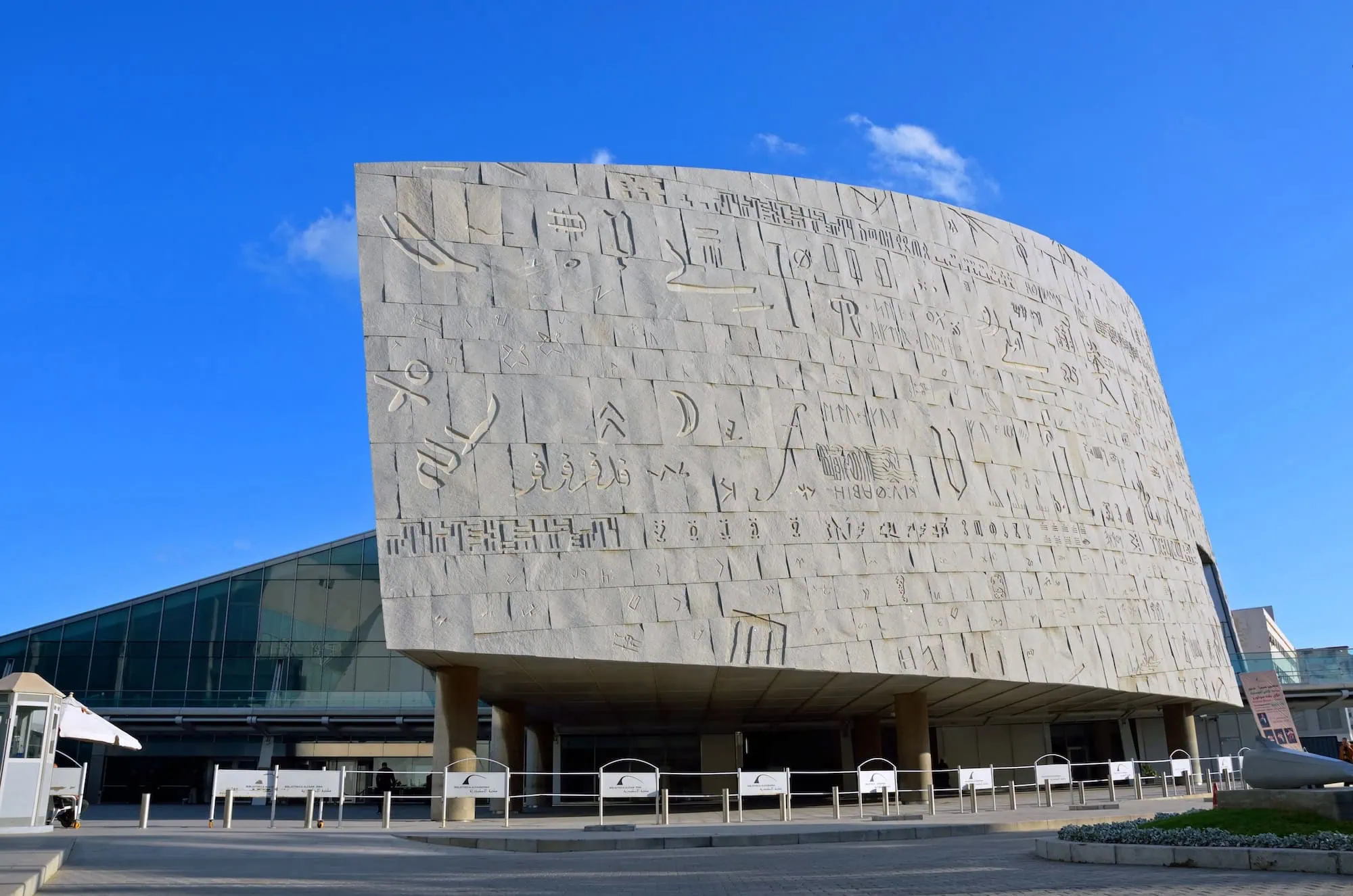
The Bibliotheca Alexandrina serves both as library and cultural center, hosting international conferences and exhibitions that connect Egypt with global academic communities. Roman catacombs and amphitheaters remind visitors that Alexandria was founded by Alexander the Great and ruled by Ptolemaic pharaohs who were actually Greek.
This multicultural heritage created unique architectural styles and cultural traditions that persist in Alexandria’s cosmopolitan atmosphere. The Corniche waterfront stretches for miles along the Mediterranean, lined with cafes serving fresh seafood and traditional Egyptian dishes with coastal variations. Montaza Palace and its gardens provide peaceful retreats from urban energy while showcasing early 20th-century royal architecture.
Planning Your Egyptian Adventure
Egypt rewards different travel styles and interests, from cultural immersion to active adventure to luxurious relaxation. First-time visitors often focus on Cairo and Luxor to experience Egypt’s most iconic monuments, while returning travelers explore destinations like Aswan, Alexandria, or the Western Desert.
Nile cruises combine multiple sites efficiently while providing comfortable accommodation and dining, particularly appealing for travelers who prefer not to change hotels frequently. Red Sea destinations work well as standalone beach holidays or as relaxing conclusions to cultural tours. Many visitors find that ending Egypt trips with a few days by the sea helps process the intense cultural experiences that historical sites provide.
Our private guides and modern, air-conditioned vehicles ensure comfortable travel between destinations while providing expert commentary that transforms sightseeing into education. We arrange all permits, tickets, and logistics, allowing you to focus on experiencing rather than planning.
Seasonal considerations matter in Egypt. Winter months from November through March offer the most comfortable weather for cultural touring, while summer temperatures make early morning starts essential for outdoor activities. Red Sea destinations remain pleasant year-round due to coastal breezes and water activities.
Frequently Asked Questions
November through March provides ideal temperatures for exploring outdoor monuments, with comfortable daytime highs.
A minimum of 7-10 days allows visits to major sites, though 2 weeks provides comprehensive coverage.
Most sites allow general photography for free, but tomb photography often requires additional fees.
Independent travel is possible, but qualified guides provide invaluable historical context and cultural navigation.
Modest clothing covering shoulders and knees is required, with head coverings for women in some locations.
We recommend bottled water throughout Egypt to ensure comfort for sensitive stomachs.
3-6 months advance booking ensures availability for preferred dates and accommodations, especially during peak season.
Most sites welcome all ages, though some tombs have steep stairs or low ceilings.
Routine vaccinations should be current, with hepatitis A and typhoid recommended by doctors.
Yes, U.S. citizens require tourist visas available on arrival for $25 USD or through consulates.
Budget $30-50 USD daily for meals and shopping, though costs vary between tourist and local areas.
Egypt works well for families, though desert heat and extensive walking require preparation and flexible scheduling.
Design Your Custom Tour
Explore Egypt your way by selecting only the attractions you want to visit
Don’t miss Egypt’s greatest treasures