How to travel from Egypt to Israel
Planning a cross-border adventure requires proper preparation.
Traveling between Egypt and Israel opens up incredible opportunities to explore two of the Middle East’s most historically rich destinations. While both countries offer distinct cultural experiences, the journey between them involves specific documentation requirements, border procedures, and transport options that can significantly impact your travel plans.
Understanding these logistics beforehand ensures a smooth transition and maximizes your time exploring ancient pyramids, vibrant markets, and sacred sites across both nations. We’ve guided thousands of travelers through this route over our decades of experience, and we know exactly what works best for different travel styles and budgets.
Table of Contents
Essential Documentation and Visa Requirements
Most travelers need advance planning for proper documentation. U.S. citizens must obtain an Israeli tourist visa upon arrival or through an Electronic Travel Authorization (ETA) system, with passport validity extending at least six months beyond your intended departure date. European Union citizens enjoy visa-free entry for up to 90 days, while Latin American visitors should check specific bilateral agreements as requirements vary by nationality.
Egyptian Exit Requirements
Your Egyptian tourist visa must remain valid through your departure date. Immigration officers at border crossings will stamp your passport with an exit seal, officially concluding your Egyptian stay. Keep all hotel receipts and tour documentation readily available, as border officials occasionally request proof of your activities within Egypt.
Egyptian authorities require departure tax payment at some crossing points. This fee ranges from $10-25 USD depending on your chosen border terminal and payment method.
Israeli Entry Documentation
Israeli immigration follows airport-style security procedures regardless of your entry point. Border officials conduct thorough questioning about your travel purposes, accommodation plans, and intended duration of stay. Having confirmed hotel reservations, return flight tickets, and a clear itinerary significantly expedites this process.
Photography restrictions apply at all Israeli border facilities. Store cameras and mobile phones securely before approaching immigration counters to avoid confiscation or delays.
Border Crossing Options and Procedures
Three main crossing points connect Egypt and Israel, each offering different advantages based on your travel route and schedule.
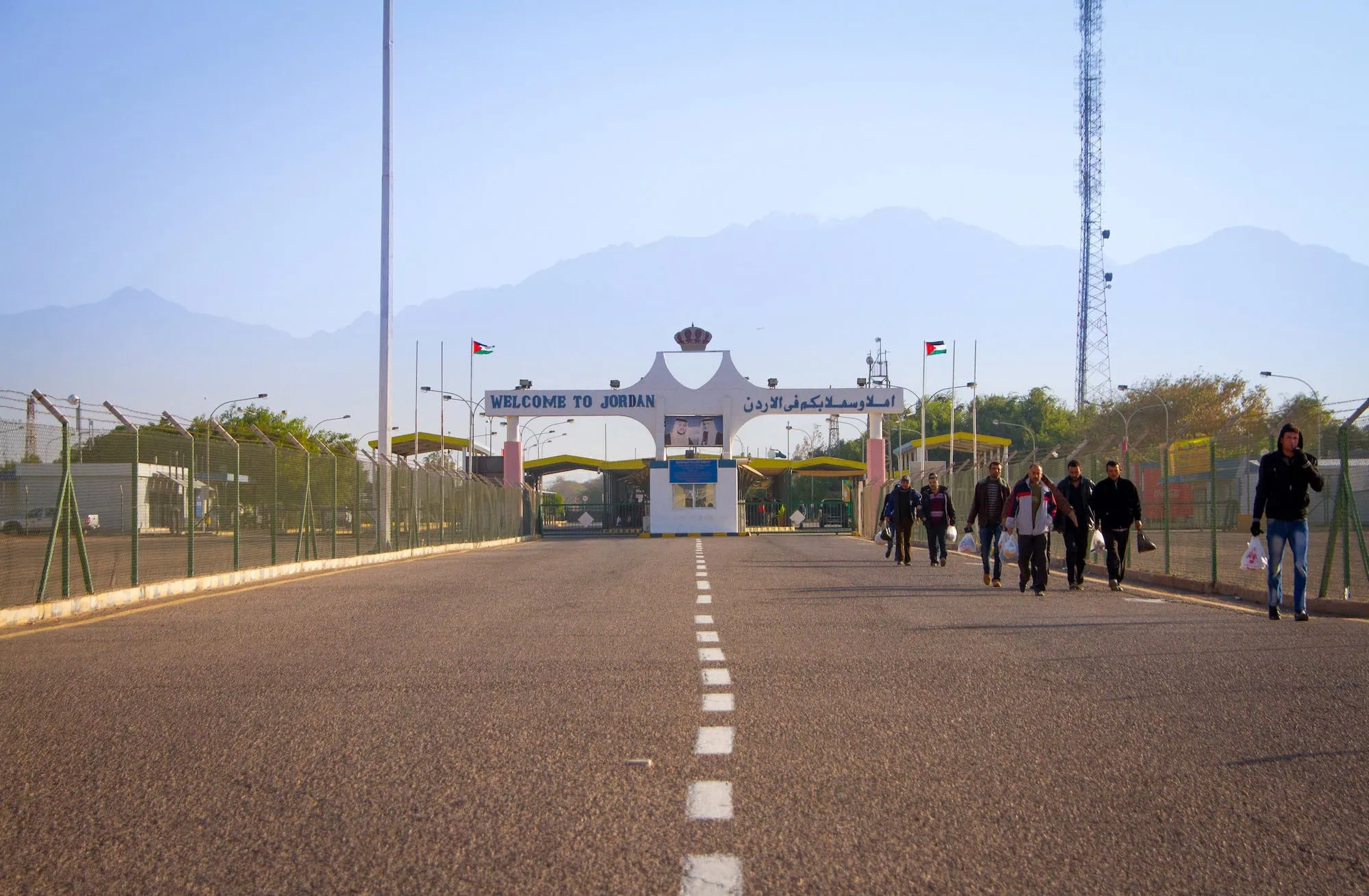
The Taba-Eilat crossing operates daily from 6:30 am (06:30) to 8:00 pm (20:00), making it the most convenient option for travelers continuing to southern Israel or Jordan. Located directly between the resort towns of Taba and Eilat, this crossing provides immediate access to Red Sea accommodations and serves as a gateway to Petra via the nearby Aqaba border.
Processing times at Taba-Eilat typically range from 45 minutes to two hours depending on season and day of the week. Fridays and Jewish holidays see reduced operating hours, so plan accordingly if traveling during these periods.
Alternative Crossing Routes
The Rafah crossing primarily serves Gaza Strip access and involves complex security protocols unsuitable for typical tourism. Most leisure travelers should avoid this route entirely due to political sensitivities and lengthy processing requirements.
Some travelers consider routing through Jordan via the King Hussein Bridge, though this adds significant time and expense to your journey. The multi-step process involves Egyptian exit at Taba, entry into Jordan at Aqaba, overland transport to Amman, then crossing into Israel at the Allenby Bridge terminal.
Transportation Methods and Routes
Direct bus service connects Cairo to Jerusalem via Amman, offering the most economical cross-border option at approximately $36-66 USD for the complete journey.
Cairo to Jerusalem Bus Route
The primary route departs Cairo’s Ramses Station or Turgoman Terminal, traveling first to the Taba border crossing. Journey duration averages 13 hours and 10 minutes including border processing and transfer times. Operators like East Delta Travel and SuperJet provide comfortable coaches with air conditioning and reclining seats for the long-distance portion.
At Taba, passengers must disembark with all luggage for immigration procedures. After clearing Egyptian and Israeli controls, travelers board connecting services to Jerusalem, Tel Aviv, or other Israeli destinations. Some operators coordinate these transfers, while others require independent arrangements with Israeli bus companies like Egged or Dan.
Private transfer services offer greater flexibility and comfort for families or travelers with tight schedules. Professional drivers familiar with border procedures can navigate documentation requirements while providing door-to-door service. Costs range from $200-400 USD depending on vehicle type and final destination.
Ferry Options via Aqaba
Seasonal ferry services operate between Nuweiba and Aqaba, providing an alternative to overland border crossings. These vessels accommodate both passengers and vehicles, appealing to travelers with rental cars or extensive luggage. Ferry schedules vary significantly by season, with reduced frequency during winter months.
The Nuweiba-Aqaba route takes approximately four hours including boarding and customs procedures. From Aqaba, travelers continue overland to Israel via the Yitzhak Rabin crossing, adding another 30-45 minutes to the total journey time.
Timing and Seasonal Considerations
Border crossing efficiency depends heavily on timing and seasonal factors that experienced travelers learn to navigate strategically.
Peak tourist seasons from October through April see increased processing times at all crossing points. December and January represent the busiest periods, with wait times potentially extending beyond three hours during holiday weeks. Conversely, summer months offer quicker processing despite extreme heat conditions.
Optimal Crossing Times
Early morning departures provide the best combination of efficiency and comfort. Arriving at border facilities by 7:00 am (07:00) or 8:00 am (08:00) typically ensures processing before midday heat peaks and afternoon crowds accumulate. Late afternoon crossings often experience delays as facilities prepare for evening closures.
Weekend considerations affect both countries differently. Israeli borders observe different schedules during Shabbat, while Egyptian facilities maintain consistent operations throughout the week. Religious holidays in either country can create unexpected closures or modified operating hours.
Business travelers often prefer weekday crossings to avoid leisure tourist crowds, though processing times remain subject to security conditions and staffing levels at individual facilities.
Costs and Budget Planning
Understanding the complete cost structure helps travelers budget accurately for cross-border journeys.
Breakdown of Essential Expenses
Visa fees represent the largest single expense for most travelers. Israeli tourist visas cost $20-30 USD for most nationalities, while Egyptian visas range from $25-60 USD depending on duration and entry type. Multiple-entry options provide value for travelers planning to return to Egypt after visiting Israel.
Transportation costs vary dramatically by chosen method. Budget bus services start around $35 USD for the complete Cairo-Jerusalem route, while private transfers can exceed $400 USD for premium vehicles and personalized service. Ferry options fall between these extremes at approximately $80-120 USD per person including port fees.
Border crossing fees add $10-25 USD depending on terminal and payment method. Some facilities accept multiple currencies, while others require specific denominations or payment cards. Carrying small bills in both Egyptian pounds and US dollars ensures flexibility at all crossing points.
Additional Travel Expenses
Currency exchange rates fluctuate daily, affecting your purchasing power in both countries. Israeli shekels and Egyptian pounds are not commonly exchanged outside the region, so plan conversions carefully to avoid loss on unused currency.
Travel insurance covering multiple countries costs approximately $2-5 USD per day for comprehensive coverage. Policies specifically including Middle Eastern destinations often exclude certain activities or regions, so review coverage details carefully before purchasing.
Local transport from border terminals to final destinations adds $20-80 USD depending on distance and chosen vehicle type. Jerusalem, Tel Aviv, and other major Israeli cities have reliable public transport connections from border areas.
Practical Tips for Smooth Crossings
Successful border crossings result from careful preparation and realistic expectations about processing procedures.
Dress conservatively for immigration interviews, avoiding military-style clothing, political symbols, or revealing garments that might complicate security screening. Conservative appearance demonstrates respect for local customs while facilitating professional interactions with border officials.
Pack essential documents in easily accessible locations within your carry-on luggage. Passport, visa pages, hotel confirmations, and return tickets should be immediately available without unpacking other items. Consider document copies stored separately from originals as backup protection.
Language barriers rarely pose significant problems at major crossings, as immigration staff typically speak English alongside Arabic and Hebrew. However, having key phrases written in local languages can expedite certain procedures and demonstrate cultural awareness.
Technology and Communication
Mobile phone service often experiences interruptions near border areas due to network transitions between countries. Download offline maps and essential contact information before approaching crossing points to maintain connectivity regardless of signal availability.
International roaming charges can accumulate quickly during border procedures. Consider activating international plans or purchasing local SIM cards after clearing immigration to manage communication costs effectively.
Photography restrictions apply strictly at all border facilities. Store cameras securely and avoid any recording equipment until explicitly permitted by security personnel.
Safety and Security Considerations
Both Egyptian and Israeli border areas maintain high security standards with professional staff trained to assist international travelers.
Current regional conditions remain stable for tourism purposes, with established protocols ensuring civilian safety throughout crossing procedures. Military presence at borders serves protective rather than restrictive purposes, contributing to overall traveler security.
Health and Medical Considerations
No specific vaccinations are required for Egypt-Israel travel, though routine immunizations should be current. Both countries maintain modern medical facilities near border areas, providing emergency care if needed during transit.
Heat exhaustion poses the primary health risk during summer border crossings. Carry sufficient water, wear sun protection, and plan rest stops during extended wait times. Air-conditioned waiting areas are available at all major terminals.
Travel insurance covering emergency medical evacuation provides peace of mind for travelers with pre-existing conditions or concerns about accessing familiar healthcare systems.
Frequently Asked Questions
The Egypt-Israel border crossing typically takes between 45 minutes and 2 hours, although processing times can be longer during holidays, weekends, and peak tourist seasons. The Taba-Eilat crossing is the busiest route for travelers moving between Sinai and southern Israel. Processing includes passport checks, visa verification when required, customs inspections, and exit or entry fee procedures. Arriving early in the day usually results in shorter wait times and smoother border formalities.
Yes, many nationalities can enter Israel without obtaining a visa in advance, while others may qualify for electronic travel authorization or visa-on-arrival arrangements depending on current regulations. Entry requirements vary by passport nationality and can change periodically. Travelers should verify requirements with official Israeli immigration sources before departure. Having proof of accommodation, onward travel, and sufficient funds can help facilitate a smoother arrival process.
Traveling overland by bus through the Taba-Eilat border crossing is generally the cheapest way to get from Cairo to Jerusalem. Budget travelers can often complete the journey for approximately $36-66 USD, excluding personal expenses and any border-related fees. The route typically involves a long-distance bus from Cairo to Taba, border processing, and onward transportation through Israel. Expect total travel times of 10-15 hours depending on connections and border conditions.
For most travelers, a passport valid for at least six months beyond the date of entry and any required visas or travel authorizations are sufficient. Immigration officials may also request proof of accommodation, return or onward tickets, and evidence of sufficient funds for your stay. Requirements differ by nationality and travel purpose. Checking both Egyptian and Israeli entry regulations before departure helps avoid delays or unexpected issues at the border.
The Taba-Eilat border crossing is generally considered the fastest and most convenient option for tourists traveling between Egypt and Israel. Located at the northern tip of the Gulf of Aqaba, it connects Egypt’s Sinai Peninsula with the Israeli resort city of Eilat. The crossing is well-equipped for international visitors and handles large volumes of leisure travelers. Crossing during weekday mornings often results in the shortest processing times.
Bringing a rental car across the Egypt-Israel border is technically possible in some cases but is usually impractical for most tourists. Cross-border vehicle travel often requires special insurance, written authorization from the rental company, vehicle registration documents, and additional customs procedures. Many rental agreements prohibit international border crossings entirely. Most travelers find it simpler to return their vehicle before crossing and arrange transportation on the other side.
Limited currency exchange services are available at major border crossings, including the Taba-Eilat terminal, but exchange rates are often less favorable than those offered by banks, airports, or city exchange offices. Travelers may need Egyptian pounds (EGP), Israeli shekels (ILS), or international payment cards depending on their itinerary. Carrying a small amount of local currency before arriving at the border can make transportation and incidental purchases easier.
If entry permission or a visa request is denied at the border, travelers are generally required to return immediately to their point of departure. Immigration authorities may not provide detailed explanations for every decision, and transportation costs associated with returning are usually the traveler’s responsibility. Having confirmed accommodation reservations, onward travel plans, and complete documentation can reduce the likelihood of complications. Always verify eligibility before beginning your journey.
Yes, children typically require their own passports and any applicable visas, travel authorizations, or entry permits when crossing between Egypt and Israel. Many countries no longer allow children to travel solely under a parent’s passport. Additional documentation may be required if a child is traveling with only one parent or with guardians. Families should review current entry requirements carefully before departure to avoid delays during immigration processing.
Yes, solo travelers regularly cross between Egypt and Israel without problems, particularly through the well-established Taba-Eilat border crossing. Border facilities are staffed by security personnel and immigration officials on both sides, and thousands of travelers use the route annually. As with any international crossing, keep passports, money, and important documents secure and easily accessible. Planning transportation and accommodations in advance helps ensure a smoother experience.
No official luggage storage facilities are typically available at the Egypt-Israel border terminals, so travelers should plan to keep all belongings with them throughout the crossing process. Border procedures may involve walking between checkpoints, customs inspections, and multiple document checks. Packing efficiently and minimizing unnecessary baggage can make the experience significantly easier. Travelers carrying large suitcases should allow extra time for inspections and movement through the terminal.
Standard security restrictions apply at Egypt-Israel border crossings, including limits on weapons, explosives, and certain hazardous materials. Electronics, prescription medications, drones, and religious items may receive additional scrutiny during inspections. Travelers carrying medication should keep it in original packaging and, when possible, carry supporting prescriptions or medical documentation. Reviewing the latest customs and security guidelines before travel can help prevent delays and confiscations at the border.
Explore our most popular guides and expert tips to make your trip safe, smooth, and unforgettable.
Plan Your Egypt Adventure with Confidence
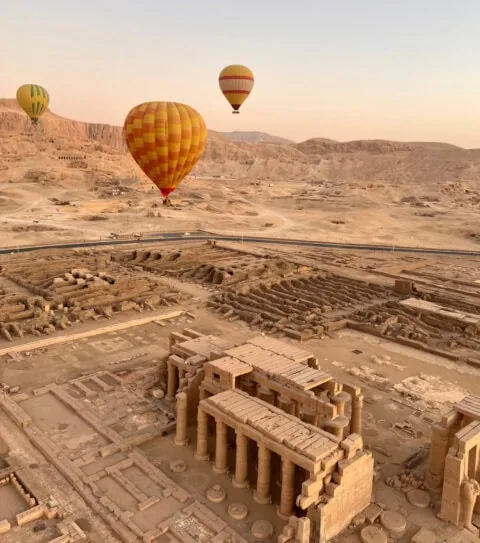
How to Plan a Trip Egypt
Step-by-step guide to help you plan the perfect Egypt trip — from routes and budget to booking.
Best Time to Visit Egypt
Learn the best months to visit Egypt based on weather, crowds, and local travel experiences.
Must Visit Places in Egypt
Explore Egypt’s top sights — from pyramids to temples — and hidden gems worth seeing.
Top-Rated Egypt Tours
Handpicked private tours with local guides — our most loved and best-reviewed experiences.
How Many Days to Visit Egypt?
Find out how many days you need in Egypt — from quick trips to full itineraries.
Egypt Visa Requirements
Check if you need a visa and get simple, up-to-date entry info based on your nationality.

Is it Safe to Travel to Egypt?
Is Egypt safe? Get honest safety tips, area advice, and what to know before you travel.

What to Pack for Egypt
A quick packing guide with essentials, cultural tips, and clothing advice for your Egypt trip.

Design Your Custom Tour
Explore Egypt your way by selecting only the attractions you want to visit