Great Non Touristy Things to do in Egypt
Most travelers follow the same crowded route through Egypt.
While millions flock to the Great Pyramids and Luxor’s famous temples each year, Egypt’s most authentic experiences lie scattered across forgotten corners of this ancient land. From bedouin camps in remote oases to Nubian villages along the Nile’s quieter banks, we’ve discovered extraordinary places that reveal Egypt’s soul beyond the tourist trail. These hidden gems offer genuine connections with local communities, pristine natural beauty, and archaeological wonders without the overwhelming crowds.
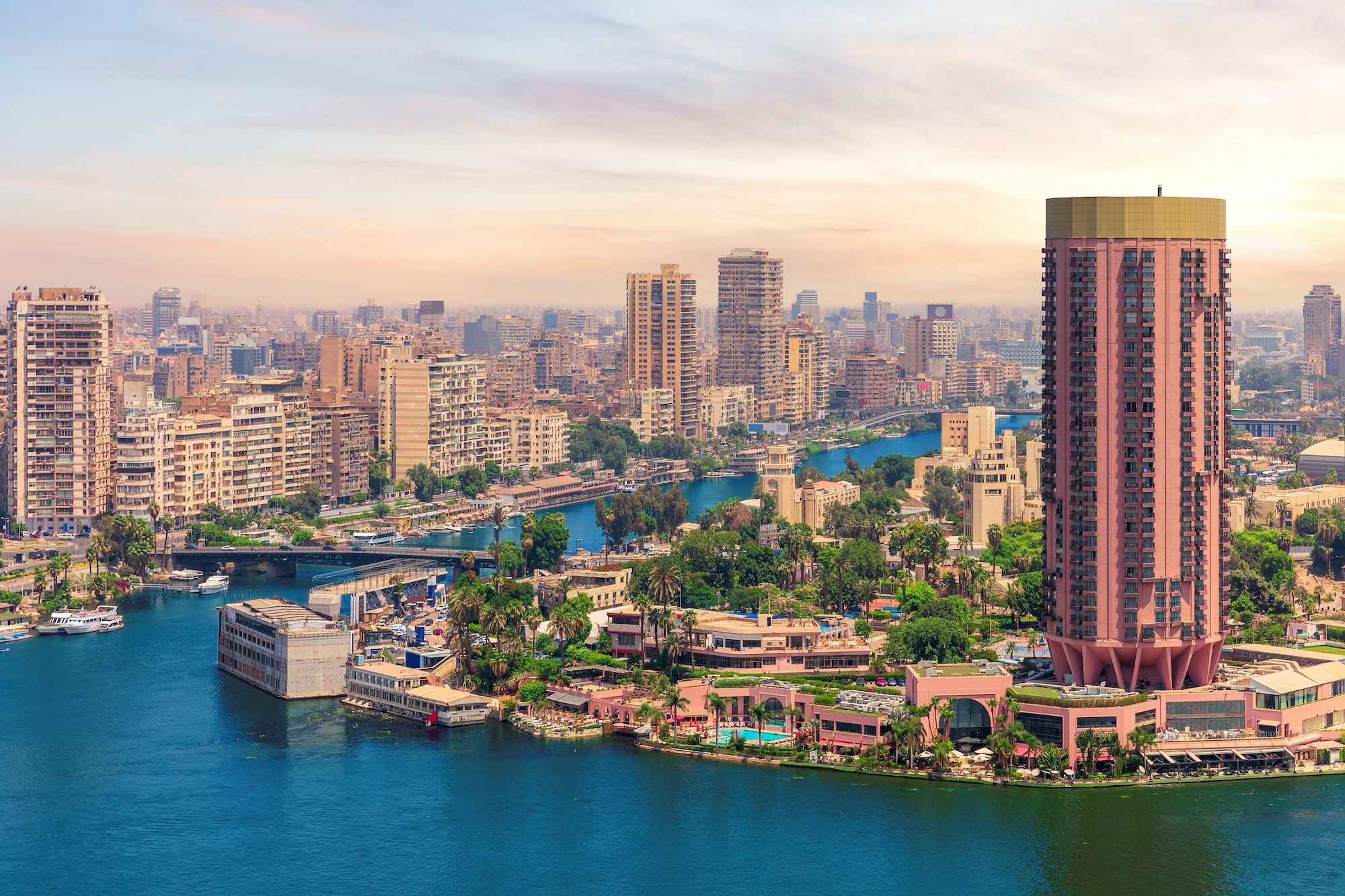
Our decades of expertise guiding travelers through Egypt has revealed secret spots that even seasoned explorers miss.
Explore Egypt’s Forgotten Oases and Desert Communities
The Western Desert holds secrets that most visitors never discover. Siwa Oasis, nearly 600 kilometers (373 miles) from Cairo, offers a completely different perspective on Egyptian life.
Ancient Salt Lakes and Natural Springs
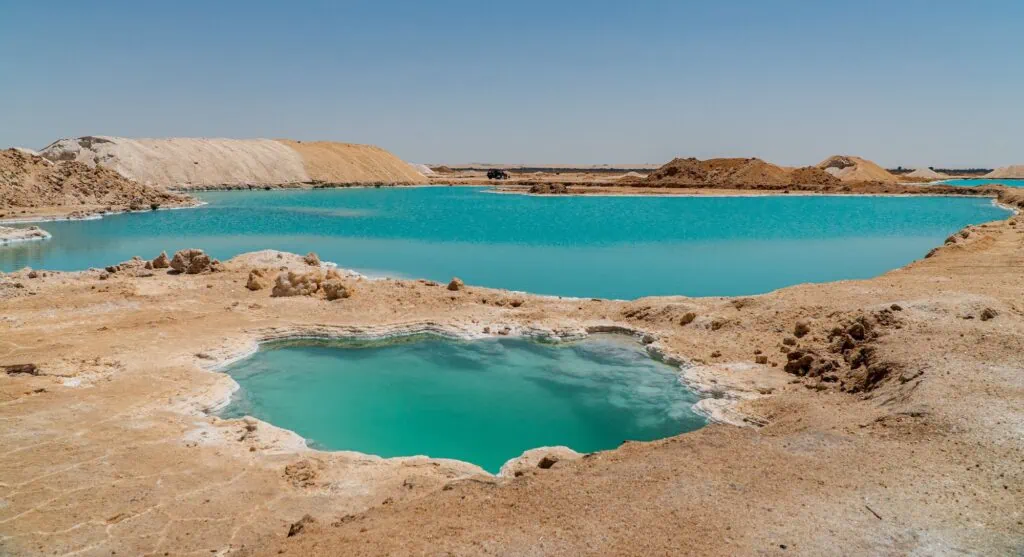
Siwa’s salt lakes create mirror-like reflections of palm trees and distant mountains. The water contains such high mineral content that floating becomes effortless. Local Berber communities have used these therapeutic waters for generations, and you’ll often find families enjoying evening swims as the desert cools.
Traditional mud-brick architecture dominates the landscape here. Houses blend seamlessly into rocky outcrops, and narrow alleyways wind between structures that have stood for centuries.
Berber Culture and Traditional Crafts
Siwan Berber culture remains largely unchanged despite modern influences. Women create intricate silver jewelry using techniques passed down through families. Men tend date palm groves that produce some of Egypt’s finest dates, harvested each autumn in community celebrations.
The Berber language, Siwi, is still spoken daily alongside Arabic. Evening gatherings often include traditional music played on handmade instruments, creating an atmosphere that feels removed from the 21st century.
Desert Adventures Beyond Tourist Routes
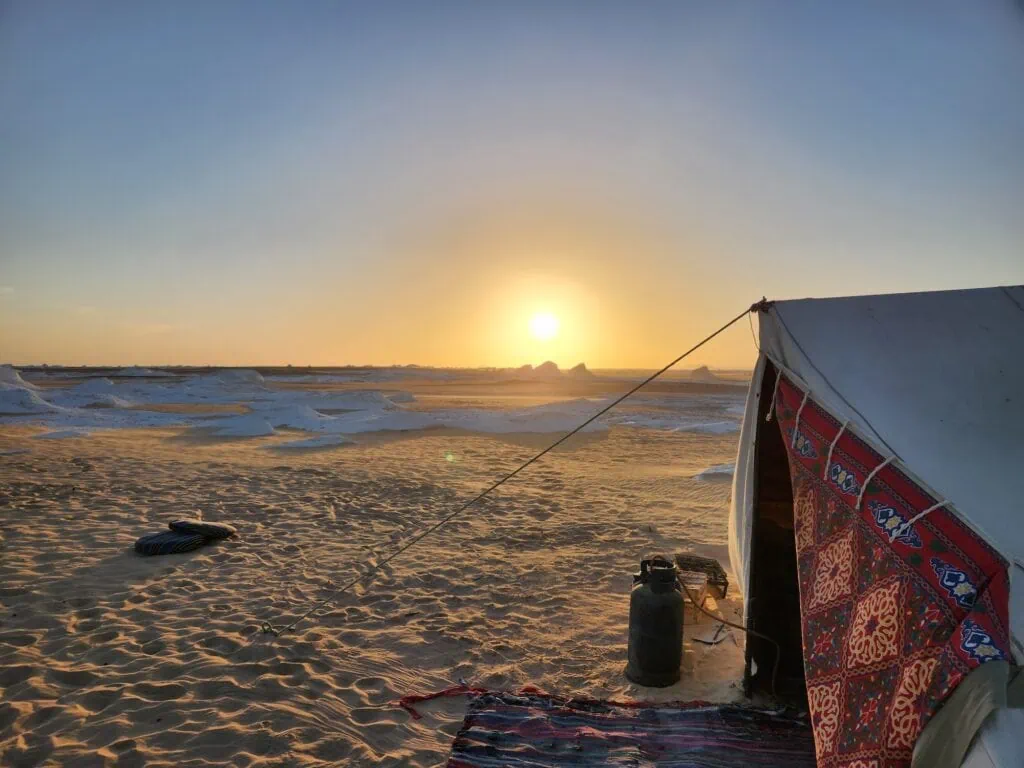
Local guides lead camel treks to fossil-rich areas where ancient sea creatures lie embedded in desert rocks. These formations date back millions of years when the Sahara was covered by ocean waters. Night camping experiences include traditional bedouin meals cooked in underground sand ovens.
Four-wheel drive expeditions reach remote hot springs where temperatures reach 40°C (104°F) year-round. The contrast between cool desert nights and warm spring waters creates an otherworldly experience.
Discover Authentic Nile Communities Away from Cruise Ships
River life continues much as it has for millennia in villages that cruise ships rarely visit. These communities offer genuine insights into rural Egyptian culture without commercial tourism pressures.
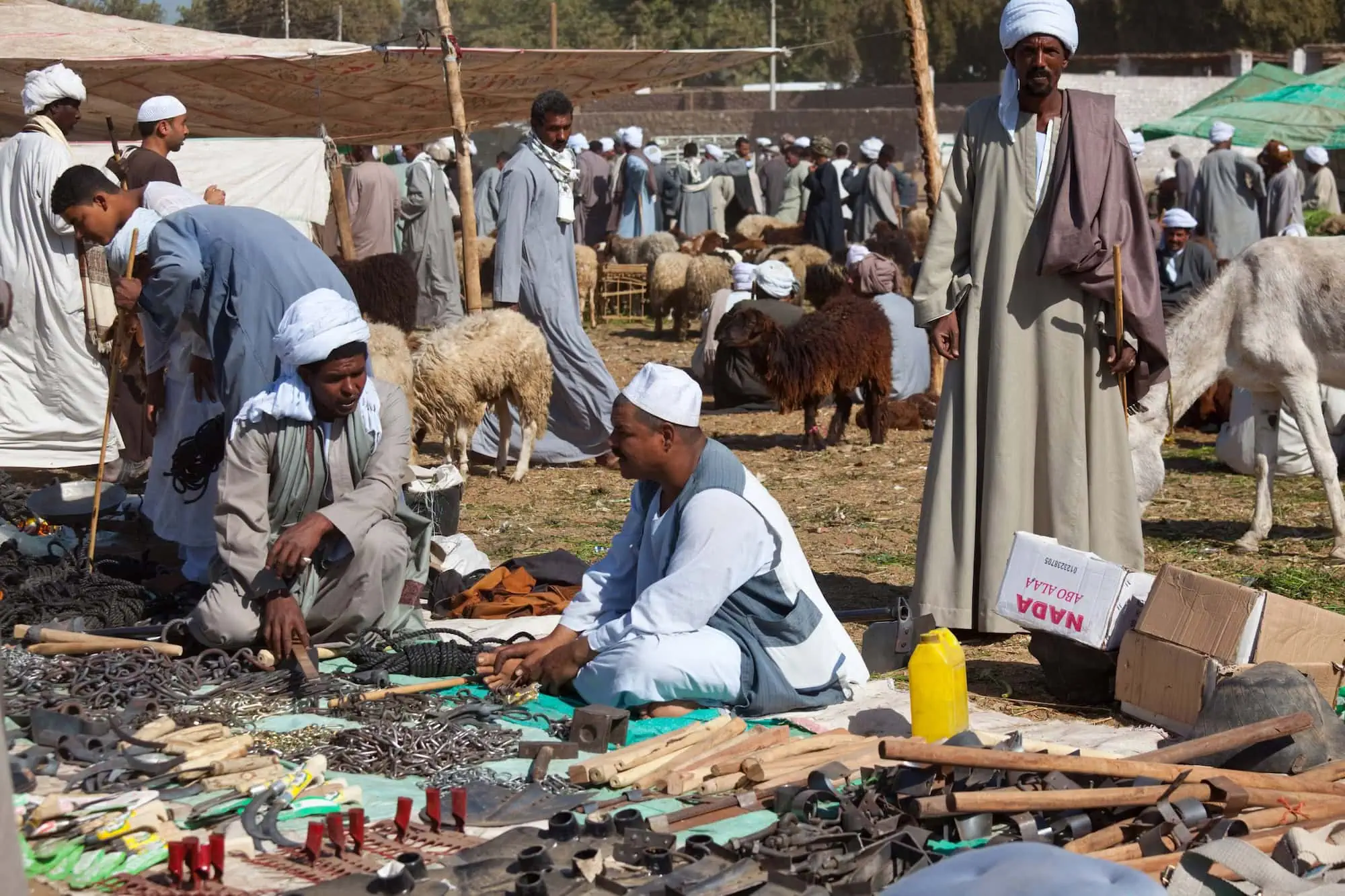
Daraw, located north of Aswan, hosts one of Egypt’s largest camel markets every Tuesday and Sunday. Traders arrive from Sudan, bringing camels across desert routes used for over a thousand years. The atmosphere buzzes with negotiations conducted in multiple languages while animals rest in the shade of ancient trees. Local tea vendors serve glasses of sweet mint tea from brass samovars, and the air fills with incense and spices from nearby stalls.
Nag el-Balida presents authentic Nubian culture without tourist performances. Families welcome visitors into colorful houses decorated with traditional geometric patterns painted in bright blues, yellows, and greens. Women demonstrate bread-making techniques using clay ovens, while men craft small wooden boats identical to those their ancestors used for Nile fishing. Children play traditional games in village squares, creating scenes that photographers treasure.
The agricultural rhythms of these communities follow flood seasons and harvest cycles. During planting season, entire families work together in fields using methods unchanged for generations. Water buffalo provide power for plowing, and irrigation channels distribute Nile water through intricate systems maintained by village councils.
Lesser-Known Archaeological Treasures
Egypt contains thousands of archaeological sites beyond the famous monuments. Many remain virtually empty despite containing remarkable artifacts and architecture.
Medinet Habu Temple Complex
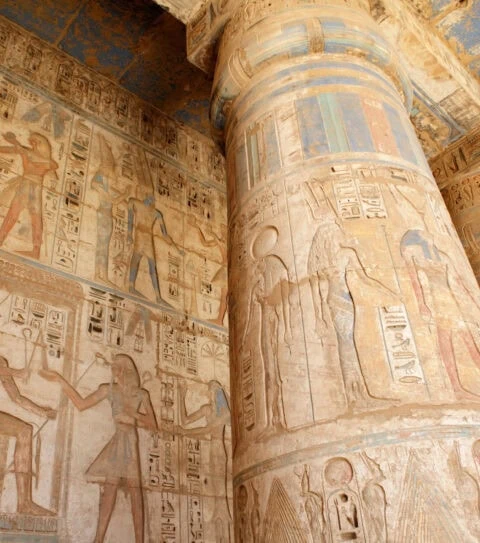
This massive temple complex rivals Karnak in scope but receives a fraction of the visitors. Built by Ramesses III, the site contains some of Egypt’s best-preserved hieroglyphic inscriptions and colorful wall paintings. Morning visits often mean having entire chambers to yourself, allowing quiet contemplation of 3,000-year-old art.
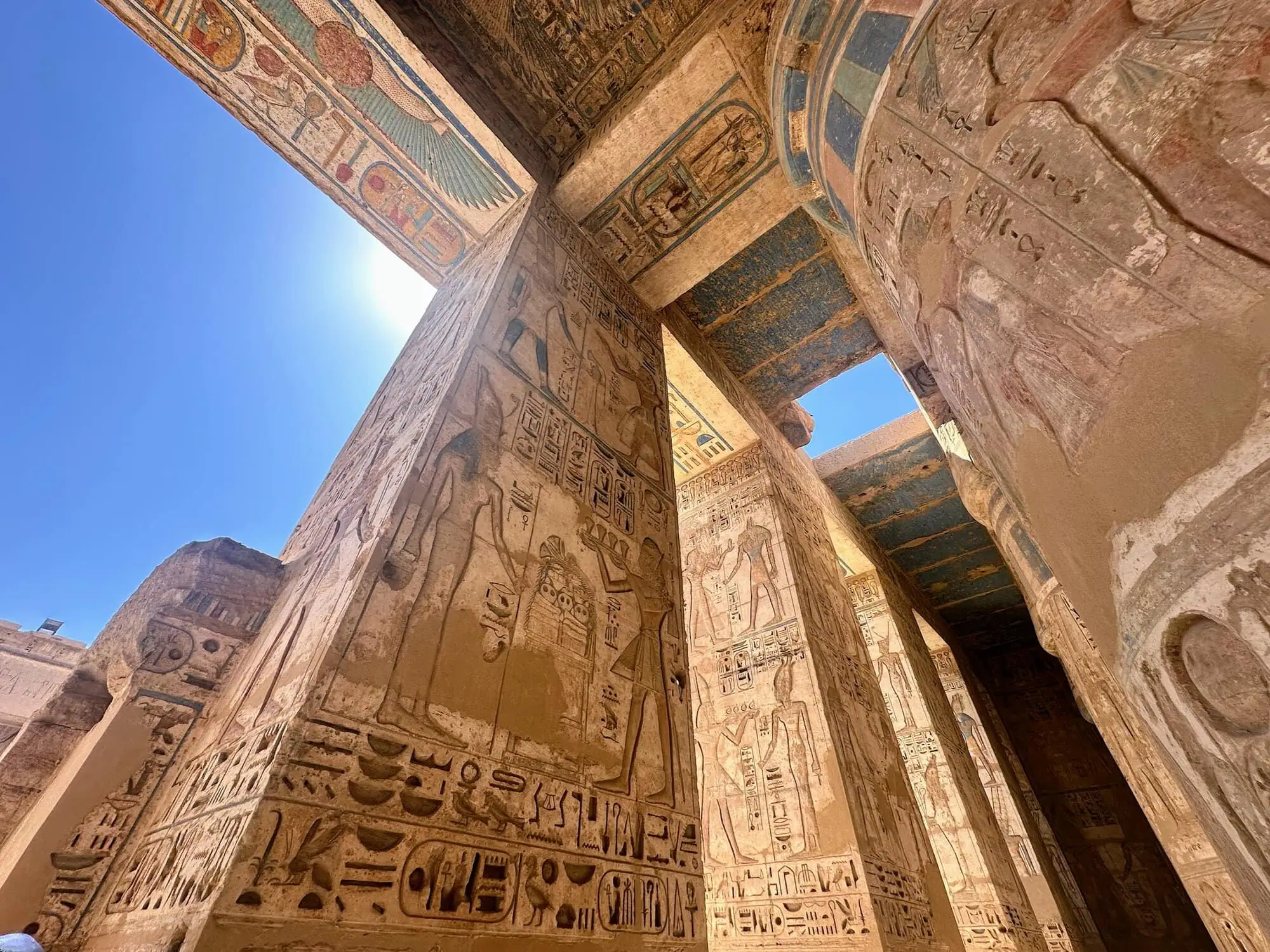
The temple’s defensive walls and fortress-like appearance reflect turbulent times when Egypt faced invasions from Sea Peoples. Battle scenes depicted on walls show naval warfare with remarkable detail, including ship designs and warrior clothing that provide invaluable historical evidence.
Kalabsha Temple’s Relocated Glory
Originally built during Roman times, this temple was completely dismantled and reconstructed to save it from Lake Nasser’s rising waters. The relocation project, completed in the 1970s, moved every stone block to higher ground near Aswan.
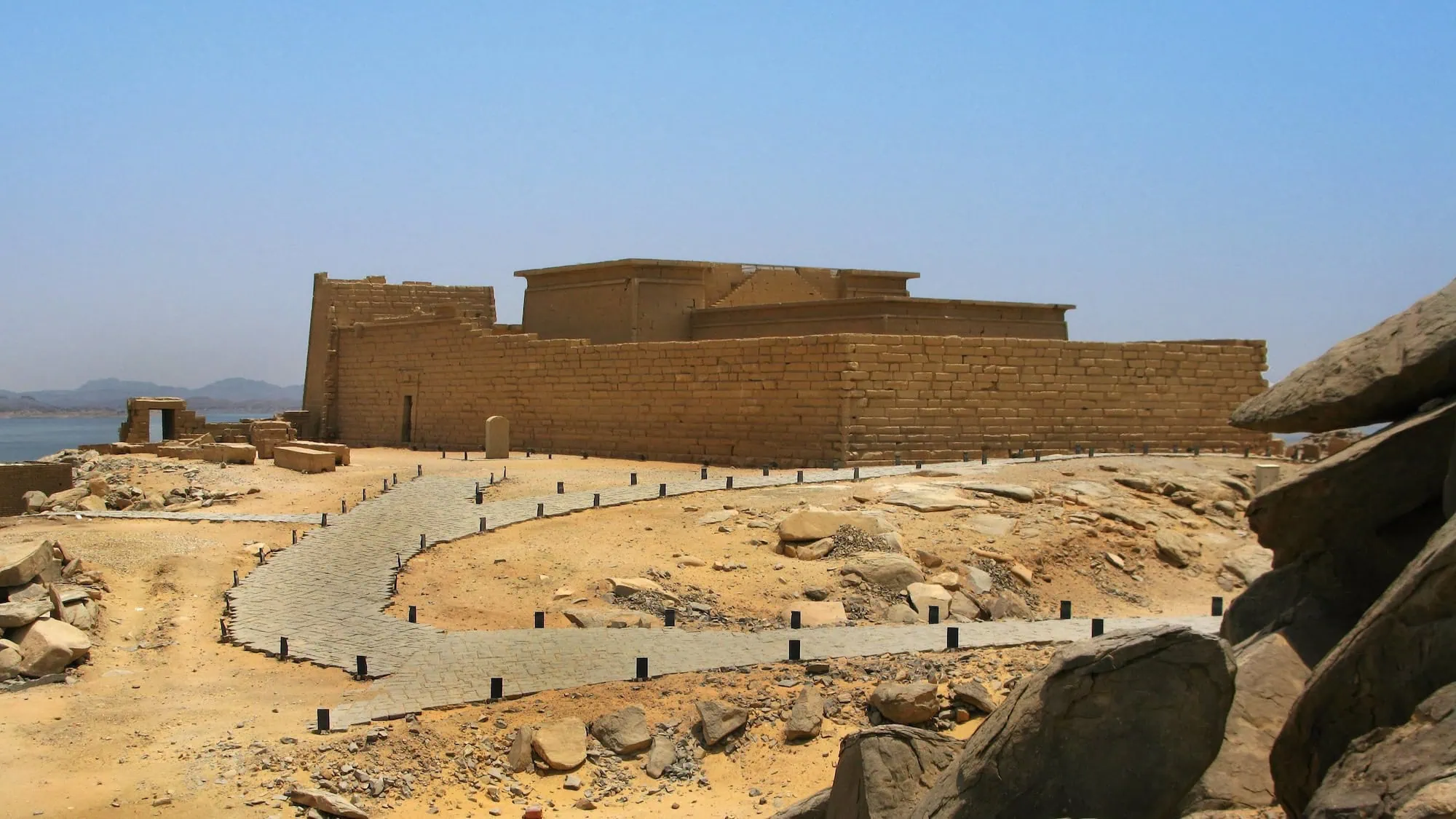
Few tourists make the boat journey to reach this isolated temple, despite its excellent preservation and stunning lake views. The dedication to Nubian god Mandulis reflects the cultural blending that occurred as Roman, Egyptian, and Nubian civilizations interacted along the Nile.
Cave Church of Saint Simon
Carved directly into Mokattam Hills outside Cairo, this Coptic Christian site accommodates up to 20,000 worshippers in underground chambers. The Garbage City community, known locally as Zabbaleen, maintains this spiritual center while operating one of the world’s most efficient recycling systems.
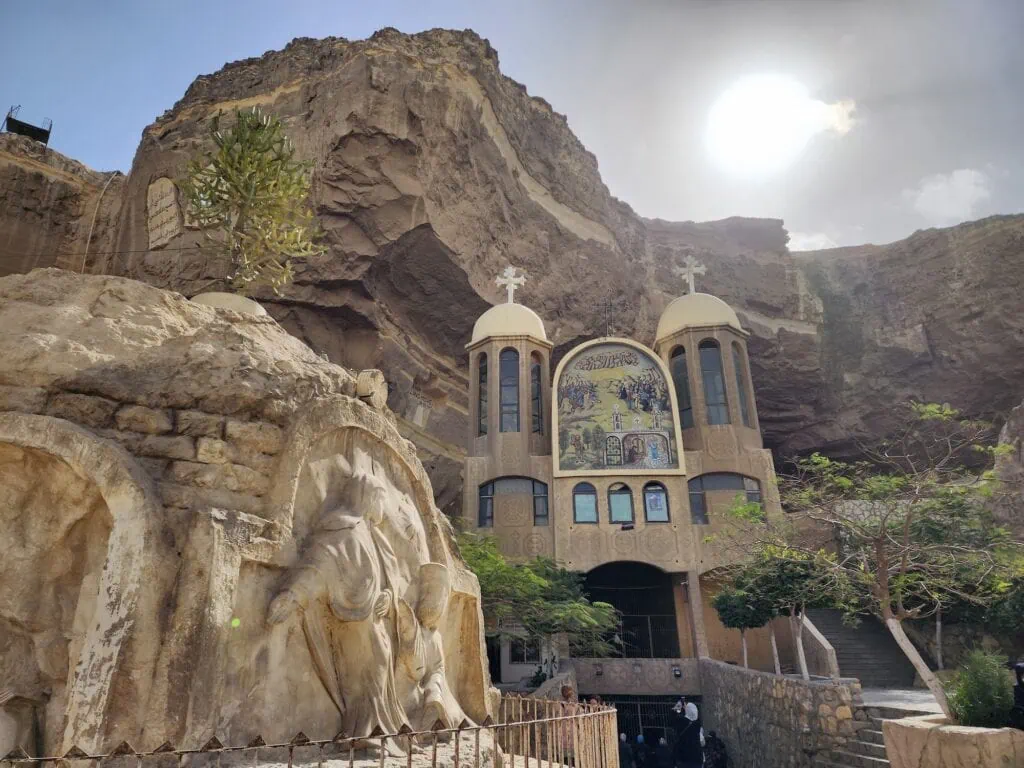
Underground galleries connect multiple worship spaces, each carved from solid rock. Religious artwork covers walls and ceilings, created by community artists using traditional Byzantine styles. The largest chamber features natural acoustics that carry prayers and hymns throughout the cave system.
Red Sea Coast Beyond Resort Areas
Egypt’s Red Sea coastline extends far beyond Hurghada and Sharm el-Sheikh, encompassing pristine areas where coral reefs thrive undisturbed.
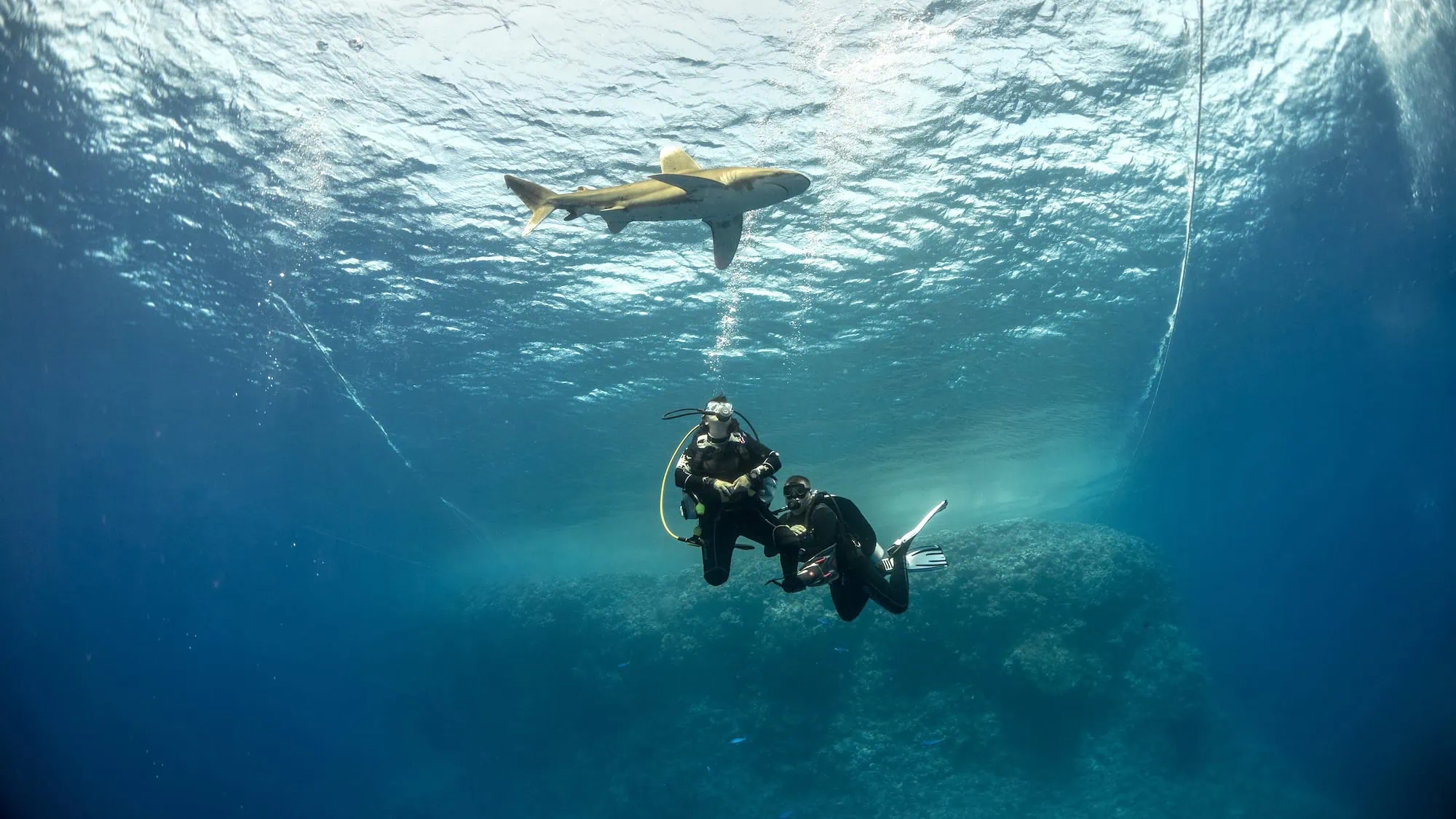
Marsa Alam region offers world-class diving without crowds. Elphinstone Reef, accessible by day boat from Port Ghalib, attracts hammerhead sharks and oceanic whitetip sharks. The reef walls drop dramatically into deep blue water, creating conditions perfect for encountering large pelagic species.
Local Bedouin communities along this coast maintain traditional lifestyles while offering authentic cultural experiences. Camel riding expeditions explore inland wadis where acacia trees provide shade for desert wildlife. Evening meals prepared over open fires feature fresh fish caught that morning, seasoned with herbs gathered from desert plants.
Sharm El Luli beach remains largely undeveloped despite crystal-clear waters and excellent snorkeling. The protected bay hosts diverse marine life including dolphins, sea turtles, and colorful reef fish. Camping is permitted with proper permits, allowing overnight stays under star-filled desert skies.
Mangrove forests near Al-Quseer create unique ecosystems where saltwater and desert environments meet. These areas support bird species rarely seen elsewhere in Egypt, including various herons, kingfishers, and migrant waterfowl. Kayaking through mangrove channels reveals hidden lagoons where dugongs occasionally graze on seagrass beds.
Traditional Markets and Local Food Culture
Authentic Egyptian markets operate according to local rhythms rather than tourist schedules. These venues offer genuine cultural exchanges and exceptional local cuisine.
Luxor’s Local Market District
Away from tourist bazaars near the temples, Luxor’s residential market areas serve local families with fresh produce, spices, and household goods. Morning hours bring the freshest vegetables from nearby farms, while afternoon vendors specialize in prepared foods and traditional crafts.
Ful medames, Egypt’s national breakfast dish, reaches perfection at small stalls where beans cook slowly in copper pots throughout the night. Vendors serve this protein-rich meal with fresh baladi bread, tahini, and pickled vegetables, creating a complete meal for less than two dollars.
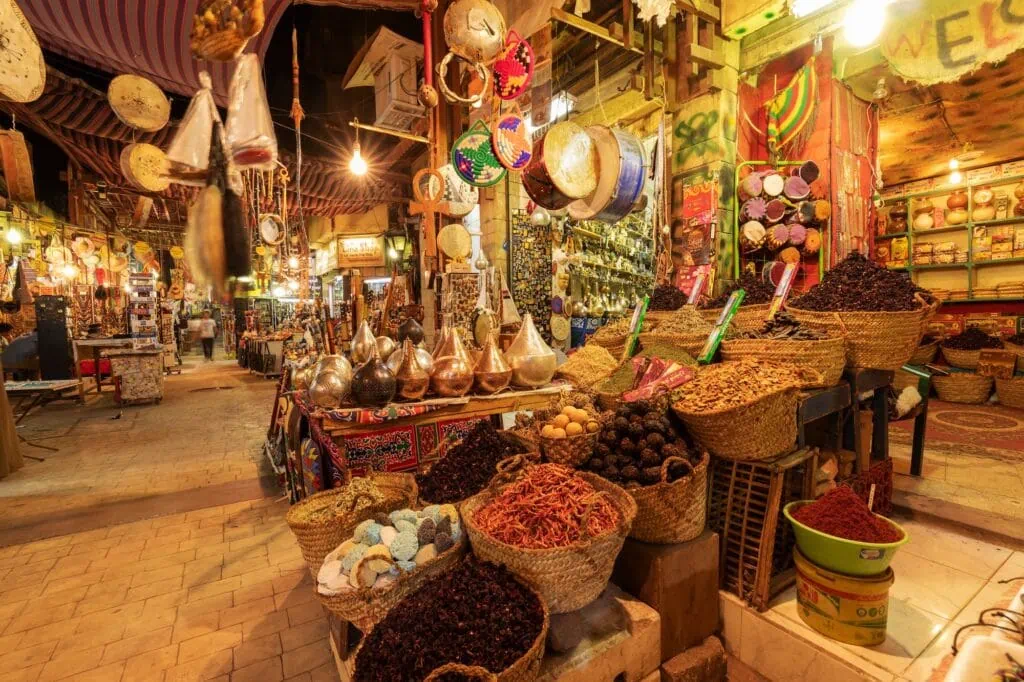
Traditional coffee houses in these market districts maintain customs dating back centuries. Men gather for backgammon games while sipping Turkish coffee served in small glasses. The atmosphere encourages conversation, and foreign visitors often find themselves included in discussions about politics, sports, and daily life.
Alexandria’s Seafood Markets
Alexandria’s Corniche fish market operates daily from 5:00 am (05:00) to 10:00 am (10:00), when Mediterranean fishing boats return with overnight catches. Red mullet, sea bass, and shrimp arrive still glistening with seawater, sorted into wooden crates by experienced fish handlers.
Nearby restaurants prepare purchases according to your specifications, grilling whole fish over charcoal fires while you wait. Simple preparations highlight the seafood’s natural flavors, served with rice, salad, and fresh bread for remarkably reasonable prices.
The market’s social atmosphere includes vendors calling out daily specials, customers examining fish for freshness, and children playing between stalls while parents shop. This authentic slice of Mediterranean Egypt operates with minimal tourist presence despite Alexandria’s popularity as a destination.
Mountain Adventures in Sinai Peninsula
Sinai’s mountainous interior offers hiking, climbing, and spiritual experiences far from coastal resort areas. These landscapes shaped by geological forces and religious history provide profound connections with natural and cultural heritage.
Mount Catherine, Egypt’s highest peak at 2,629 meters (8,625 feet), requires a challenging predawn hike to reach sunrise viewpoints. The trail winds through granite formations and high-altitude desert vegetation found nowhere else in Egypt. Local Bedouin guides share knowledge about medicinal plants and traditional navigation techniques used for centuries.
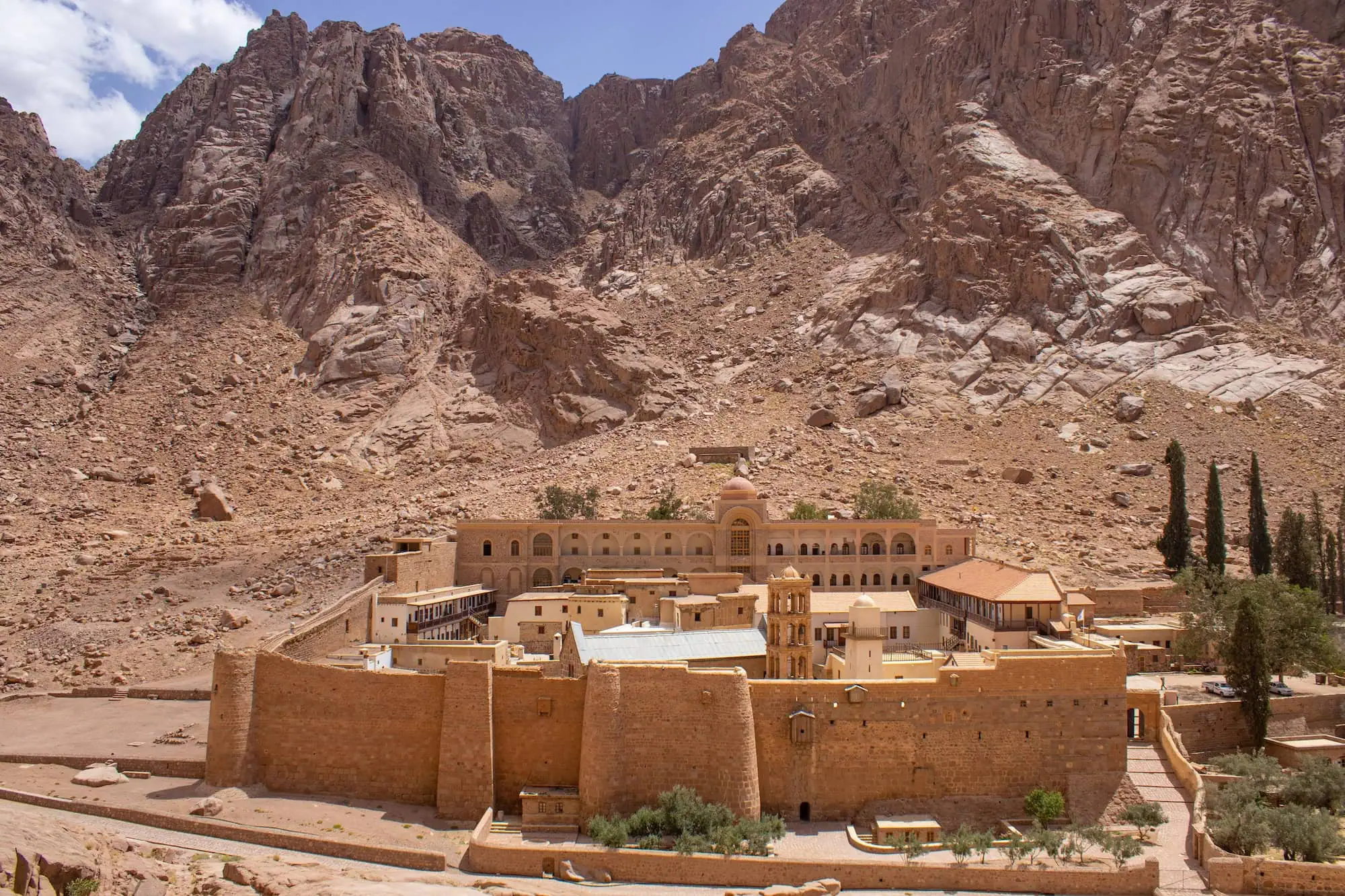
Saint Catherine’s Monastery, built in the 6th century, houses one of the world’s oldest continuously operating libraries. The collection includes manuscripts in Greek, Arabic, Syriac, and other ancient languages, many predating the spread of Islam. The monastery’s isolation protected these documents through periods when libraries elsewhere faced destruction.
Colored Canyon near Nuweiba showcases geological artistry created by flash floods carving through multicolored sandstone. The narrow passage walls display layers of red, yellow, purple, and orange rock formations. Photography enthusiasts find endless compositions as light changes throughout the day, highlighting different mineral deposits.
Blue Desert, painted by Belgian artist Jean Verame in the 1980s, presents surreal landscape art covering multiple granite boulders with bright blue paint. The environmental art project creates striking contrasts against natural rock colors and desert vegetation, sparking ongoing debates about art’s relationship with wilderness preservation.
Transportation and Practical Considerations
Reaching Egypt’s hidden destinations requires different approaches than standard tourist routes. We provide private transportation with experienced drivers familiar with remote area conditions, ensuring safe and comfortable access to these special places.
Four-wheel drive vehicles handle desert roads to oases and archaeological sites. Our drivers carry communication equipment and emergency supplies, following safety protocols developed through years of desert travel experience. Modern air-conditioned vehicles maintain comfortable temperatures during long journeys across varied terrain.
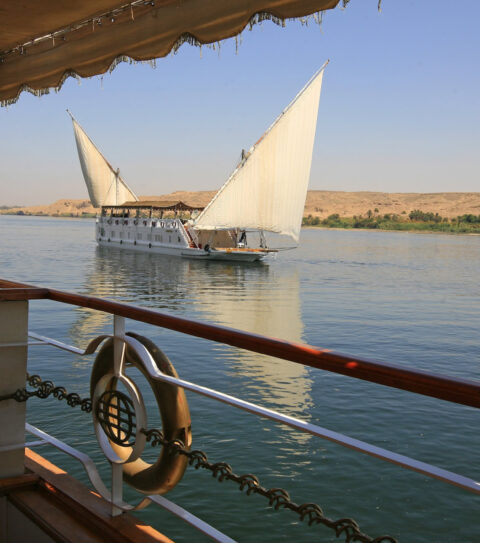
Nile transport to remote villages utilizes traditional felucca sailboats and modern motor boats depending on distances and passenger preferences. Local boat captains understand seasonal water conditions and can navigate channels that larger cruise ships cannot access.
Accommodations in remote areas range from eco-lodges to traditional guesthouses run by local families. These options provide authentic experiences while maintaining reasonable comfort levels. We arrange stays that support community economies and environmental conservation efforts.
Frequently Asked Questions
October through April offers comfortable temperatures for desert exploration and outdoor activities, with daytime highs around 25°C.
We handle all permit applications through our established relationships with Egyptian antiquities authorities, ensuring proper documentation for your visit.
Layered clothing, sturdy hiking boots, sun protection, and plenty of water are essential. We provide detailed packing lists.
Yes, when visited with experienced local guides and proper preparations. We maintain constant communication and follow established safety protocols.
Remote area visits typically cost 20-30% more than standard tours due to specialized transportation and guide requirements.
Absolutely. We design custom itineraries combining several remote areas with efficient routing and appropriate time allocations.
Basic equipment like flashlights and comfortable walking shoes suffice for most sites. We provide specialized equipment when required.
Our guides facilitate meaningful exchanges, and many locals speak basic English. Simple Arabic phrases often lead to connections.
Most locations allow general photography, but some archaeological sites require additional permits for professional equipment or commercial use.
We recommend booking 4-6 weeks ahead to secure permits and coordinate with local communities, especially during peak seasons.
Basic medical care exists in larger towns, but we carry comprehensive first aid supplies and maintain emergency evacuation protocols.
Local restaurants and family-run establishments serve authentic Egyptian cuisine. We can arrange special dietary accommodations with advance notice.
Design Your Custom Tour
Explore Egypt your way by selecting only the attractions you want to visit