What are the Must Visit Places in Egypt?
Egypt beckons with treasures that have captivated humanity for thousands of years.
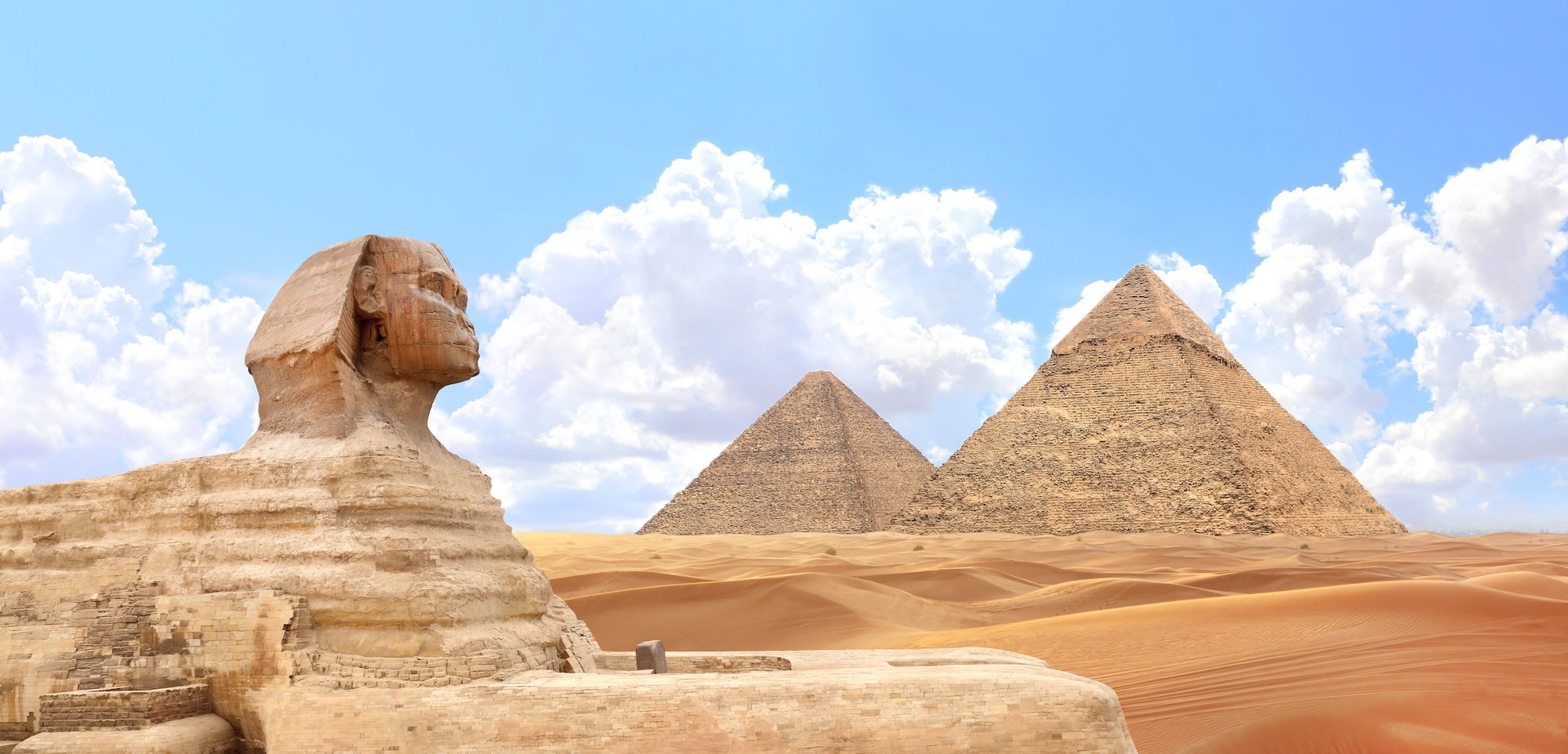
From the iconic pyramids rising from golden desert sands to the ancient temples lining the life-giving Nile River, this timeless land offers experiences that transform every traveler. Our decades of expertise guiding visitors through Egypt’s wonders have shown us that planning the right itinerary makes all the difference between a good trip and an unforgettable journey.
Whether you’re drawn to pharaonic monuments, bustling bazaars, or serene Nile cruises, we’ll help you discover the destinations that should top your Egypt bucket list.
Table of Contents
The Timeless Giants: Pyramids of Giza
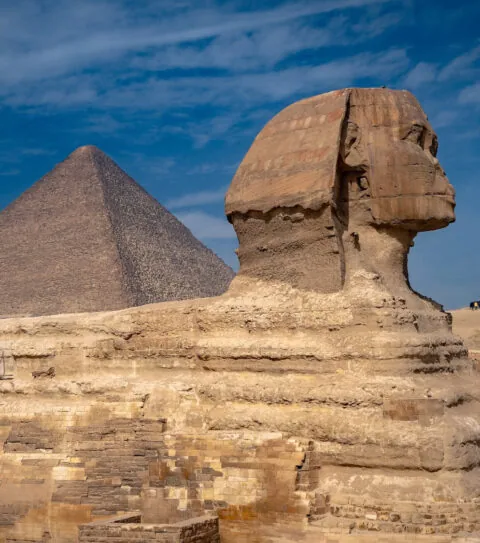
Standing before the Great Giza Pyramid, you’re face-to-face with the only surviving Wonder of the Ancient World. These monuments were already ancient when Cleopatra ruled Egypt, built around 4,500 years ago as eternal resting places for pharaohs.
The Great Pyramid Complex
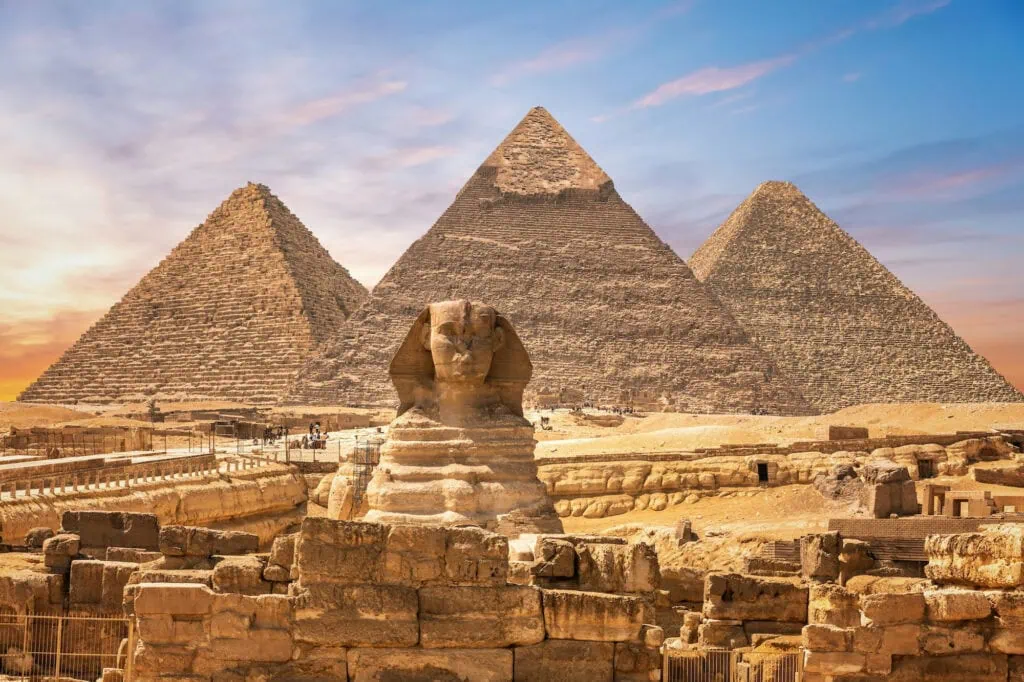
The Great Pyramid of Khufu towers 146 meters (479 feet) above the Giza plateau, constructed from over 2 million stone blocks. Each block weighs between 2.5 and 15 tons, assembled with precision that still puzzles engineers today. You can enter the pyramid’s interior chambers, though spaces are narrow and climbing requires good physical condition.
The nearby Pyramid of Khafre appears taller due to its elevated position, while the smaller Pyramid of Menkaure completes this trio of royal tombs. Each pyramid represents decades of construction involving thousands of workers.
The Great Sphinx and Valley Temple
The enigmatic Sphinx guards the pyramid complex with its lion’s body and pharaoh’s head carved from a single limestone outcrop. Measuring 73 meters (240 feet) long and 20 meters (66 feet) high, this monument has watched over Giza for over 4,500 years.
The nearby Valley Temple showcases ancient Egyptian masonry at its finest, with massive granite blocks fitted together without mortar.
Planning Your Pyramid Visit
Early morning visits offer the best lighting and cooler temperatures, especially during summer months when afternoon heat can reach 40°C (104°F). We recommend arriving by 8:00 am (08:00) to avoid crowds and harsh sun.
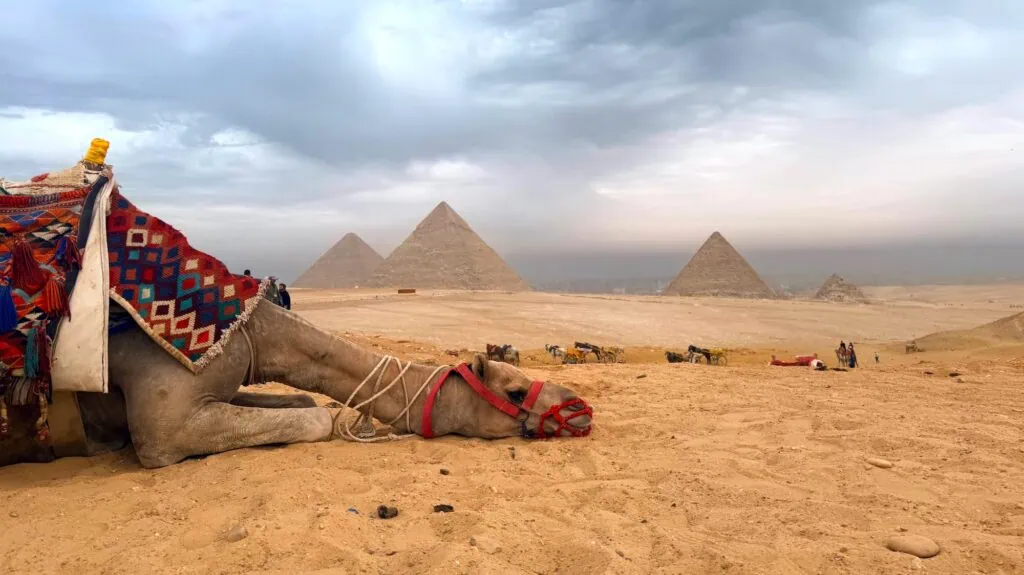
Interior pyramid access requires separate tickets with limited daily availability. Our private guides secure these tickets in advance and provide historical context that brings these ancient monuments to life.
Valley of the Kings: Royal Necropolis in Luxor
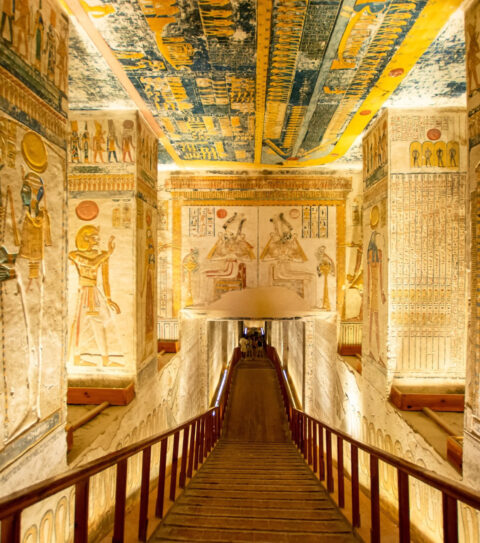
This desert valley — known today as the Valley of the Kings — served as the burial ground for Egypt’s most powerful pharaohs during the New Kingdom period, roughly 1550 to 1077 BCE.
Hidden in limestone cliffs across the Nile from modern Luxor, 63 tombs have been discovered here, including the famous tomb of Tutankhamun. The valley was chosen for its remoteness and the pyramid-shaped peak of Al-Qurn that naturally crowned this royal cemetery. Each tomb was carved deep into rock faces, decorated with vivid wall paintings depicting the pharaoh’s journey through the afterlife.
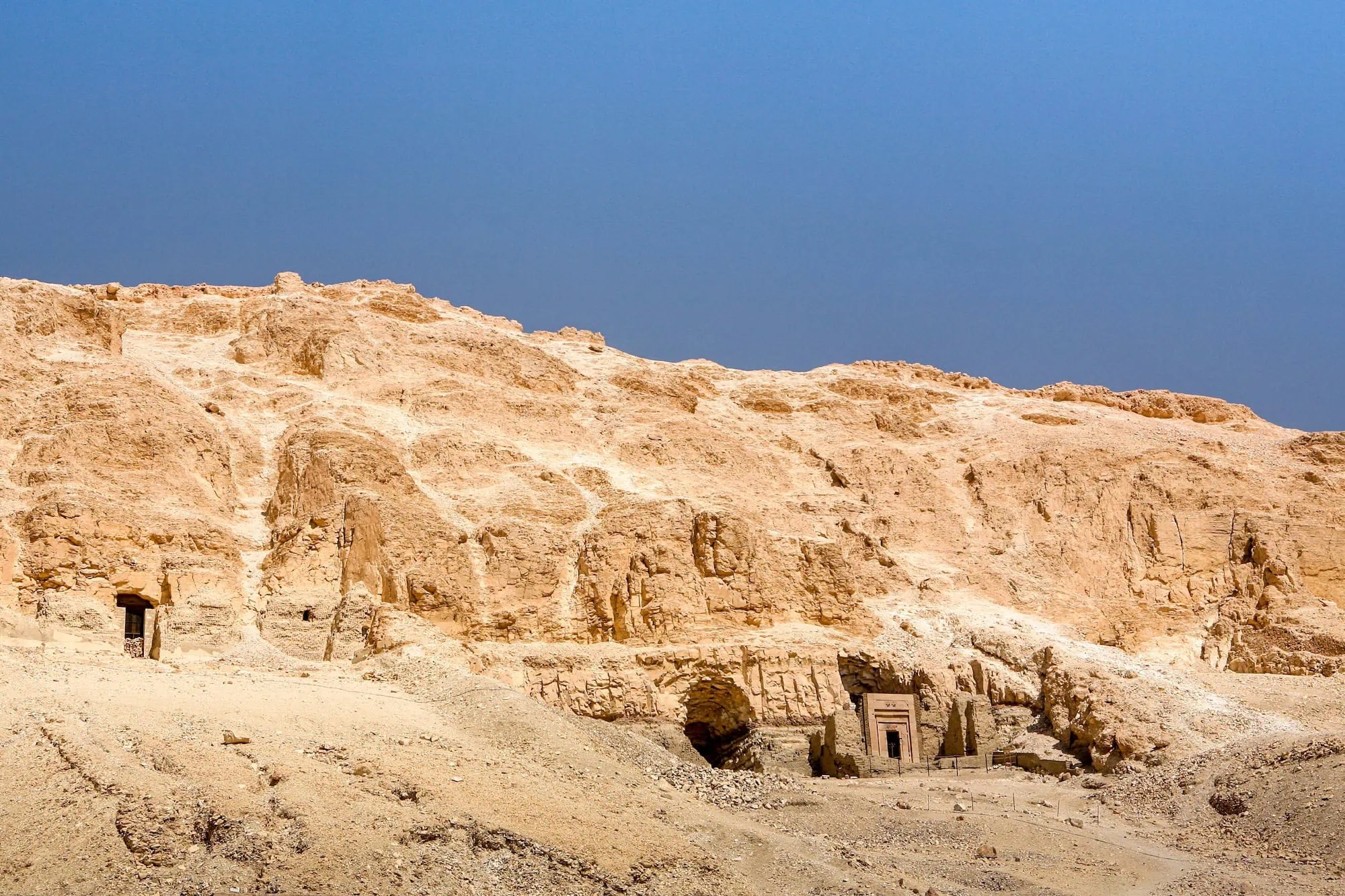
Howard Carter’s discovery of Tutankhamun’s intact tomb in 1922 revealed treasures now displayed in the new Grand Egyptian Museum. The boy king’s mummy remains in his original tomb, displayed in a climate-controlled glass case.
Tomb access rotates to protect these ancient sites from damage. Standard tickets include three tombs, while special tickets grant access to Tutankhamun’s tomb or the elaborate tomb of Ramesses VI. Wall paintings in Seti I’s tomb are considered among the finest examples of ancient Egyptian art, with intricate scenes from the Book of the Dead covering every surface.
Our qualified Egyptologists explain the religious symbolism and historical significance of each tomb’s unique decorations, transforming your visit from sightseeing into deep cultural understanding.
Abu Simbel: Ramesses II’s Desert Masterpiece
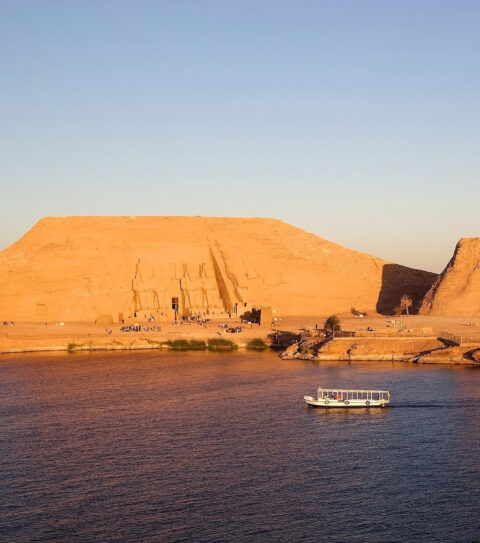
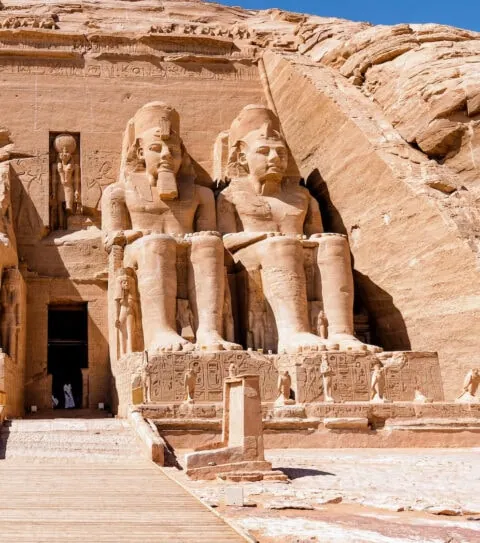
The Abu Simbel temples — two massive structures carved directly into cliffsides — showcase the power and ambition of Egypt’s greatest pharaoh, Ramesses II.
The Great Temple’s Architectural Marvel
Four colossal statues of Ramesses II, each standing 20 meters (65 feet) tall, guard the temple entrance. These monuments were positioned precisely so that twice yearly – on February 22 and October 22 – the rising sun penetrates the temple’s inner sanctuary to illuminate statues of three gods and the pharaoh.
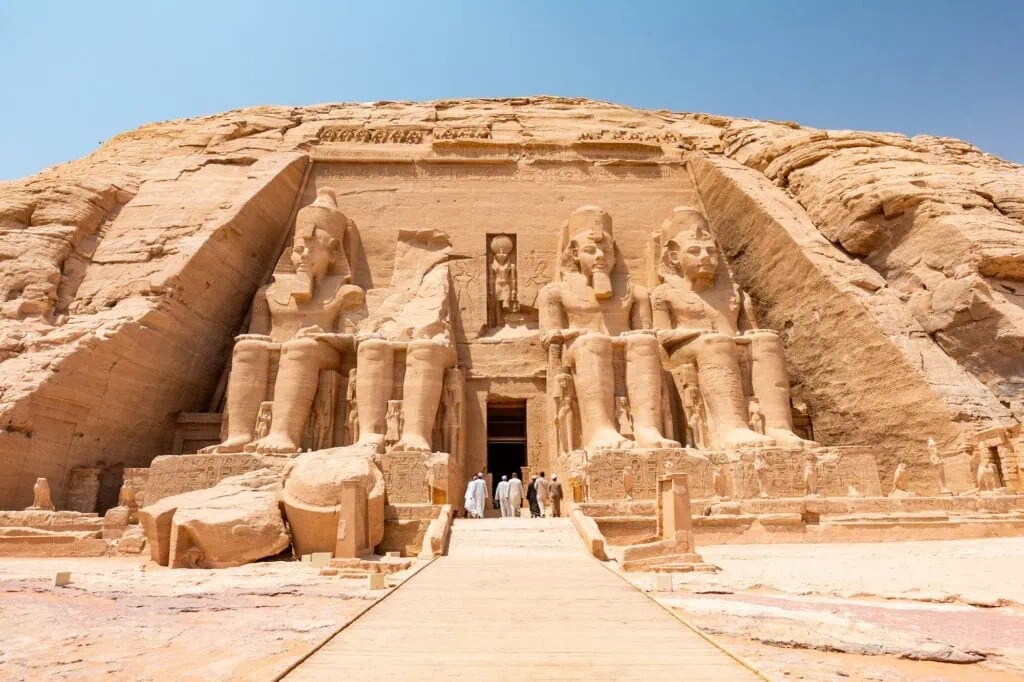
This astronomical alignment demonstrates the sophisticated mathematical and engineering knowledge of ancient Egyptian architects. The temple’s interior halls feature battle scenes from Ramesses II’s military campaigns, particularly his famous confrontation with the Hittites at Kadesh.
The Relocation Miracle
When the Aswan High Dam threatened to submerge Abu Simbel beneath Lake Nasser’s waters, UNESCO coordinated the temples’ complete relocation between 1964 and 1968. Engineers cut the monuments into massive blocks, moving them 65 meters (213 feet) higher and 200 meters (656 feet) back from their original location.
This preservation project cost $40 million and involved experts from 50 countries, saving one of humanity’s greatest architectural achievements.
Reaching Abu Simbel
Most visitors fly from Cairo or Aswan to Abu Simbel’s small airport, located just 4 km (2.5 miles) from the temples. The flight from Aswan takes 45 minutes, while driving requires 3.5 hours through desert landscapes.
We arrange comfortable transportation and coordinate timing with Nile cruise schedules for seamless day trips from Aswan.
Luxor Temple and Karnak: Sacred Architecture
Luxor Temple’s Urban Setting
Unlike most Egyptian temples built outside populated areas, Luxor Temple sits in the heart of modern Luxor city. Amenhotep III began construction around 1400 BCE, creating a temple dedicated to the Theban Triad of gods.
The temple’s avenue of ram-headed sphinxes once connected Luxor Temple to Karnak Temple complex, 2.7 km (1.7 miles) to the north. This processional way hosted annual Opet Festival celebrations where sacred barques carried god statues between the temples.
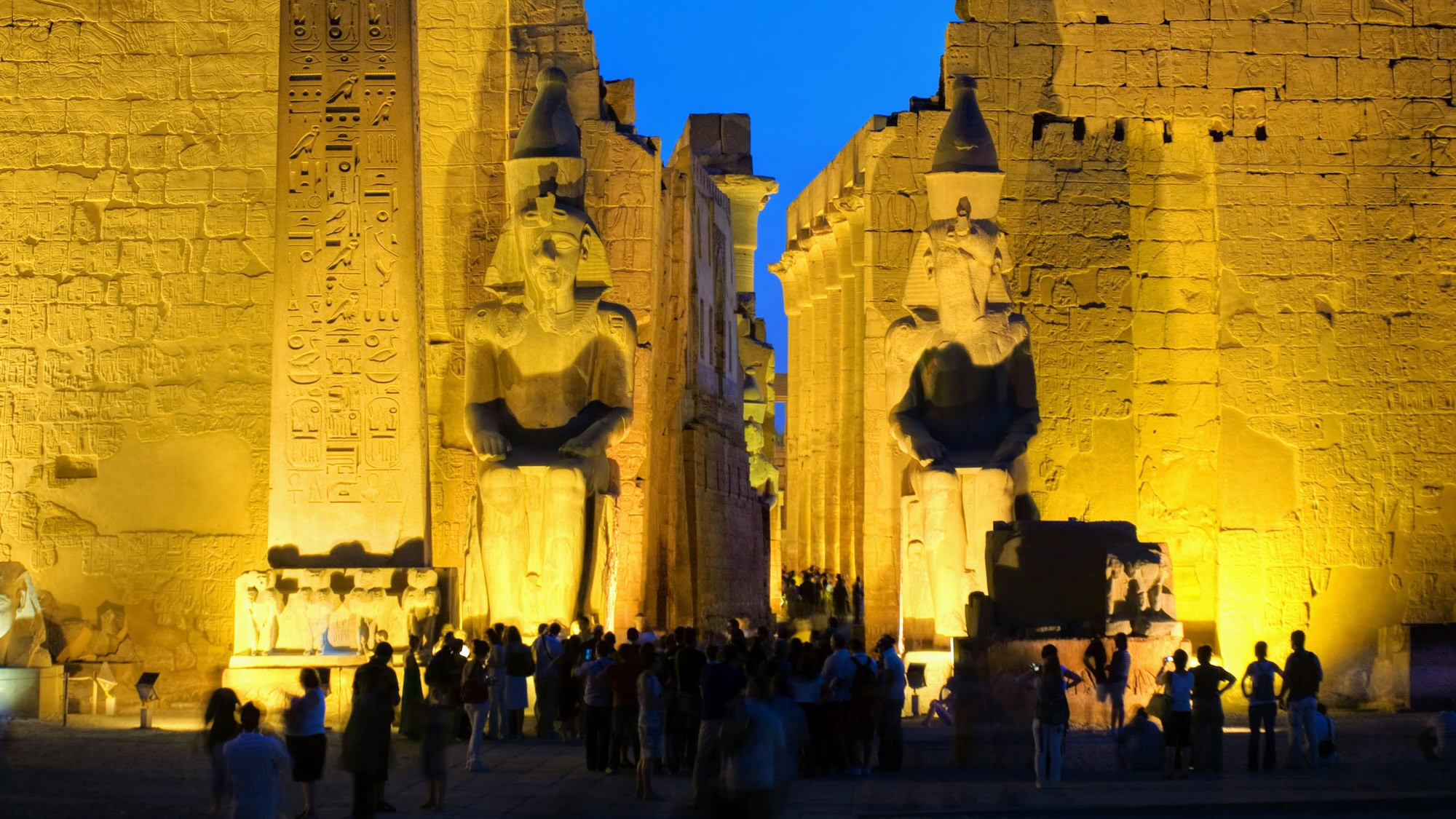
Roman additions include a chapel built by Emperor Diocletian, while Islamic elements appear in the form of Abu Haggag Mosque, constructed atop the temple’s ruins.
Karnak Temple Complex
Covering over 100 hectares (247 acres), Karnak Temple represents 1,300 years of continuous construction by multiple pharaohs. The Great Hypostyle Hall contains 134 massive columns arranged in 16 rows, each column capable of supporting Notre Dame Cathedral’s entire structure.
The Karnak Sound and Light Show illuminates the temple’s monuments after dark, bringing Egypt’s history to life through dramatic lighting and storytelling. Shows run nightly with presentations in multiple languages.
The Sacred Lake provided water for temple rituals, while the Festival Hall of Thutmose III showcases a unique tent-pole architectural style inspired by military campaign pavilions.
Exploring Both Temples
Morning visits to Karnak work best for photography, as eastern light enhances the sandstone columns’ warm colors. Luxor Temple’s evening illumination creates magical atmosphere for sunset visits.
Our expert guides coordinate timing between both sites, ensuring you experience each temple’s highlights without rushing through these magnificent complexes.
Aswan: Nubian Culture and Natural Beauty
Aswan provides a gentler pace after the intensive sightseeing in Luxor and Cairo, offering granite quarries, Nubian villages, and the engineering marvel of the High Dam.
The Unfinished Obelisk in Aswan’s ancient granite quarries would have stood 42 meters (137 feet) tall and weighed 1,200 tons if completed. Cracks in the stone forced workers to abandon this colossal project, providing insight into ancient quarrying techniques. Tool marks and splitting methods remain visible in the granite, showing how obelisks found in temples worldwide were extracted and shaped.
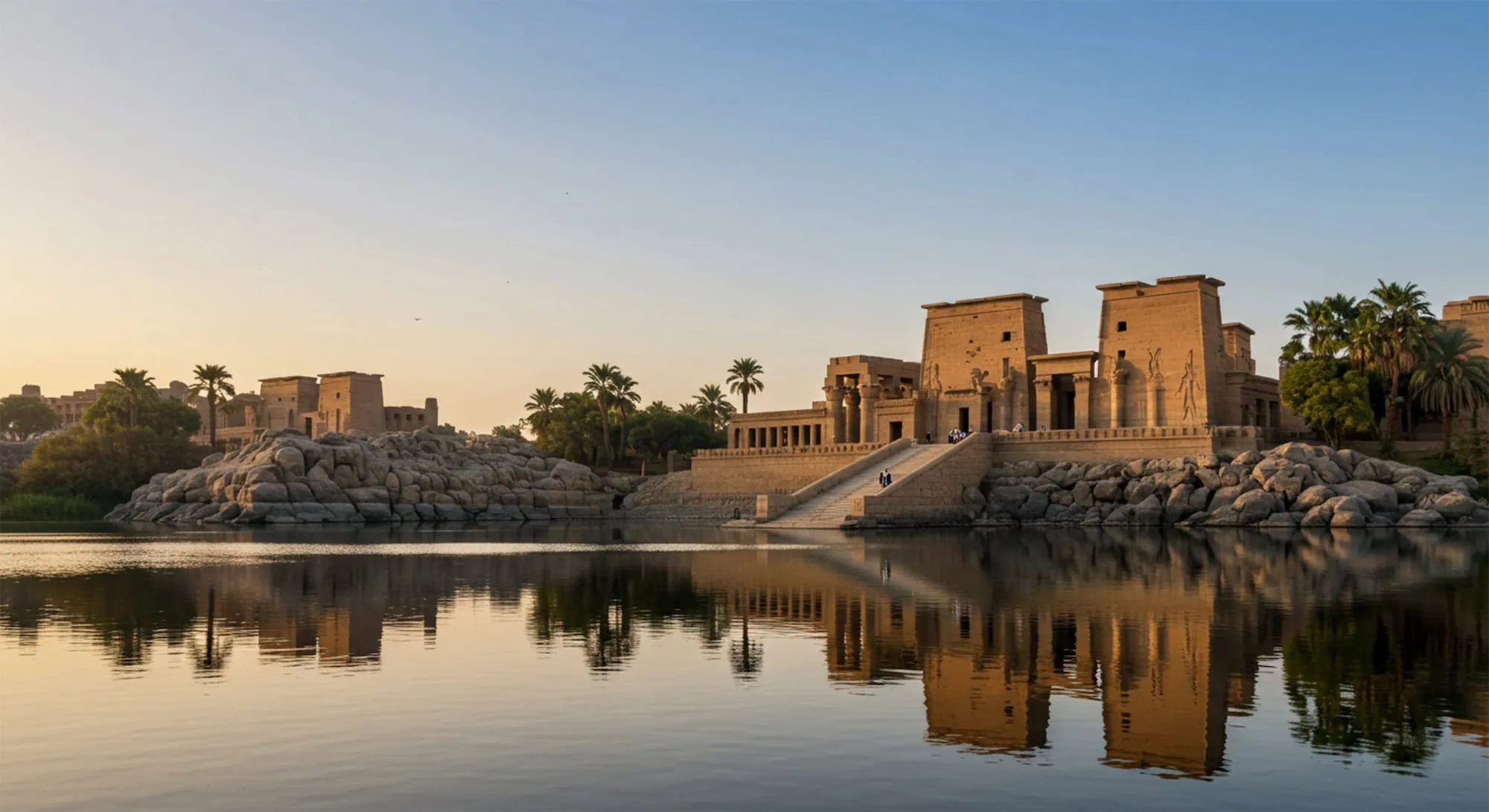
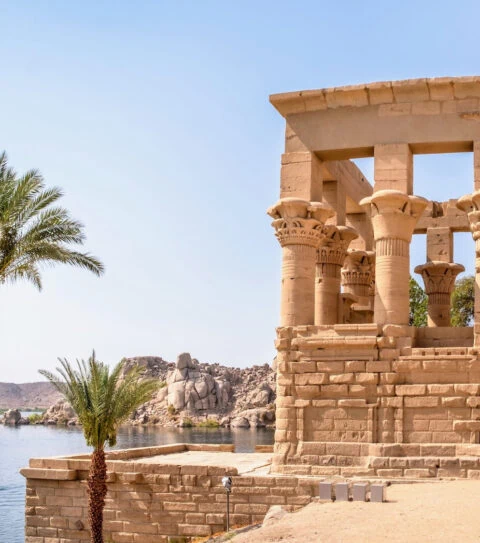
Philae Temple sits on Agilkia Island, relocated during the 1960s when the High Dam flooded its original location on Philae Island. This temple complex dedicated to the goddess Isis represents the final flowering of pharaonic architecture, with construction continuing into the Roman period.
Motor boats ferry visitors to the island temple, where sound and light shows bring the mythological stories of Isis and Osiris to life against the temple’s preserved reliefs.
Aswan High Dam created Lake Nasser, one of the world’s largest artificial lakes, stretching 500 km (311 miles) south into Sudan. The dam controls the Nile’s annual flooding while generating hydroelectric power for much of Egypt.
Nubian villages along the Nile’s banks preserve distinct cultural traditions separate from mainstream Egyptian society. Colorful houses painted in bright blues and yellows reflect Nubian aesthetic preferences, while traditional music and cuisine offer authentic cultural experiences.
We arrange felucca sailboat trips to visit Nubian communities, supporting local families through responsible tourism that respects cultural boundaries.
Egyptian Museum and Archaeological Treasures
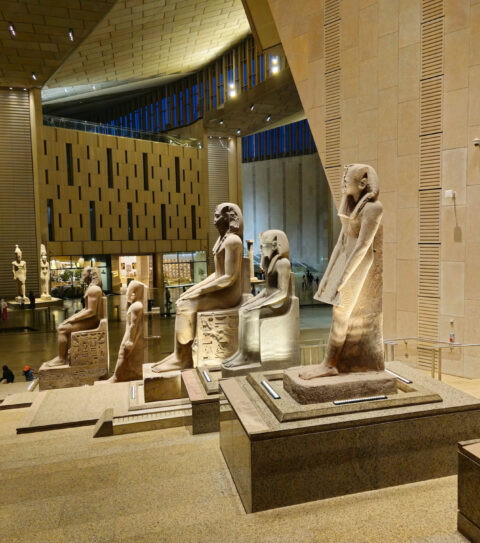
The Grand Egyptian Museum (GEM), now officially open near the Giza pyramids, represents the world’s largest archaeological museum dedicated to a single civilization. Designed as a state-of-the-art cultural landmark, it showcases Egypt’s most iconic treasures in a modern setting built for optimal preservation and immersive storytelling.
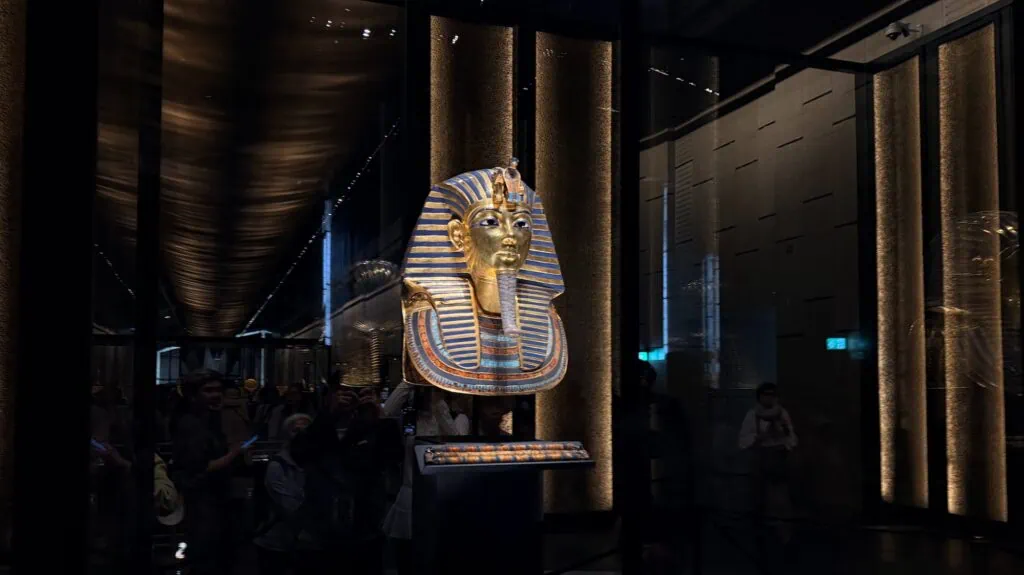
At the heart of the museum is the complete collection of King Tutankhamun, displayed together for the first time. The exhibition features over 5,000 artifacts from his tomb, including the legendary golden funerary mask, royal jewelry, chariots, and ceremonial objects—offering an unparalleled insight into life and death in ancient Egypt’s 18th Dynasty.
The museum also presents an extensive collection of royal statues, monumental sculptures, and artifacts spanning 5,000 years of history. Visitors are welcomed by the impressive Grand Staircase lined with colossal statues of pharaohs, leading into galleries that trace the evolution of ancient Egyptian art and civilization.
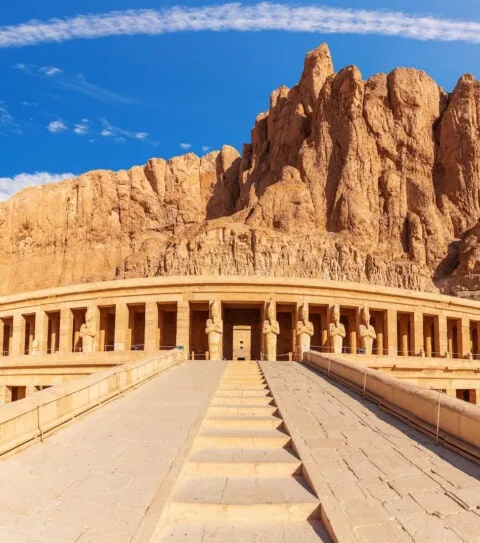
In addition, the Royal Mummies—featuring rulers such as Ramesses II and Queen Hatshepsut—are exhibited with advanced interpretation, supported by modern technologies like CT scanning that reveal new details about their lives and health.
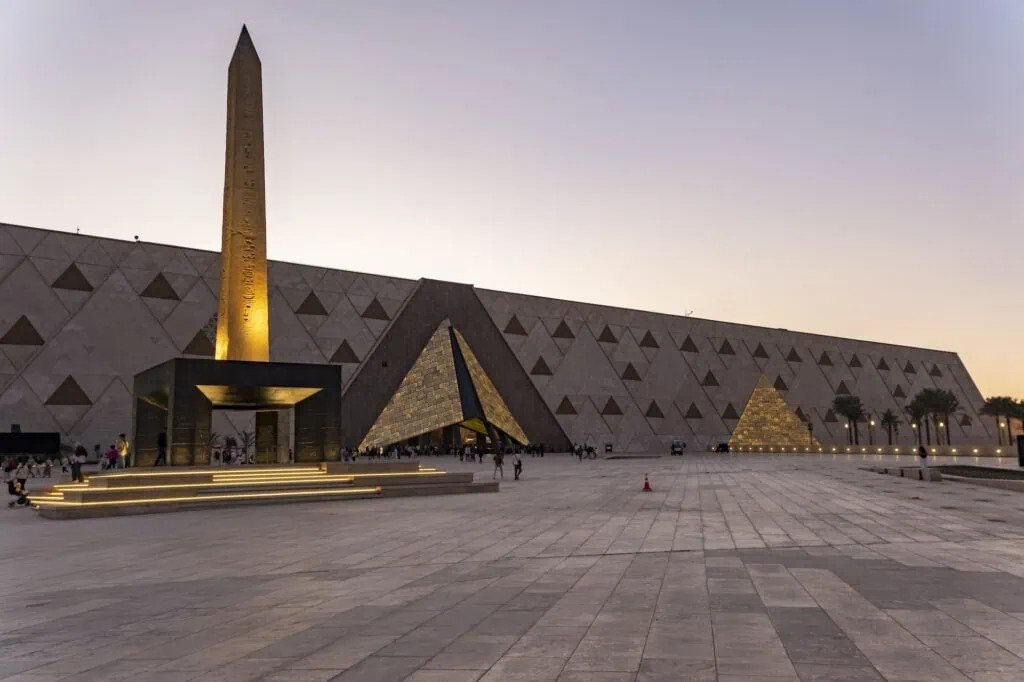
Located just minutes from the pyramids, the Grand Egyptian Museum redefines how Egypt’s heritage is experienced—combining world-class curation, cutting-edge conservation, and a setting that connects directly to the country’s most iconic monuments.
Alexandria: Mediterranean Heritage
Founded by Alexander the Great in 331 BCE, Alexandria served as Egypt’s intellectual and commercial capital for over 1,000 years, home to the ancient world’s greatest library and lighthouse.
Modern Alexandria balances Mediterranean sophistication with Egyptian warmth along sweeping corniche waterfront. The Bibliotheca Alexandrina, also known as the New Library of Alexandria, pays homage to the ancient Library of Alexandria, featuring striking modern architecture and world-class research facilities. Its planetarium, manuscript museum, and cultural exhibitions make it far more than a symbolic gesture.

The Citadel of Qaitbay occupies the site where the Lighthouse of Alexandria, one of the Seven Wonders of the Ancient World, once guided ships for over 1,500 years. The fortress, built in the 15th century using stones from the collapsed lighthouse, offers panoramic Mediterranean views and houses a naval museum.
Underground, the Catacombs of Kom el Shoqafa represent the largest Roman burial site in Egypt, combining Egyptian, Roman, and Greek decorative elements. Three levels of tombs carved into bedrock accommodate both cremation urns and traditional Egyptian sarcophagi, reflecting Alexandria’s multicultural heritage.
The Roman Theater discovered in the 1960s features marble seats and mosaic floors, hosting cultural performances that connect modern Alexandria to its ancient entertainment traditions.
Alexandria’s coastal setting makes it ideal for escaping Cairo’s intensity, with fresh seafood restaurants, historic coffee houses, and beaches providing relaxation between cultural site visits.
Red Sea Coastal Destinations
Sharm El Sheikh: Underwater Paradise
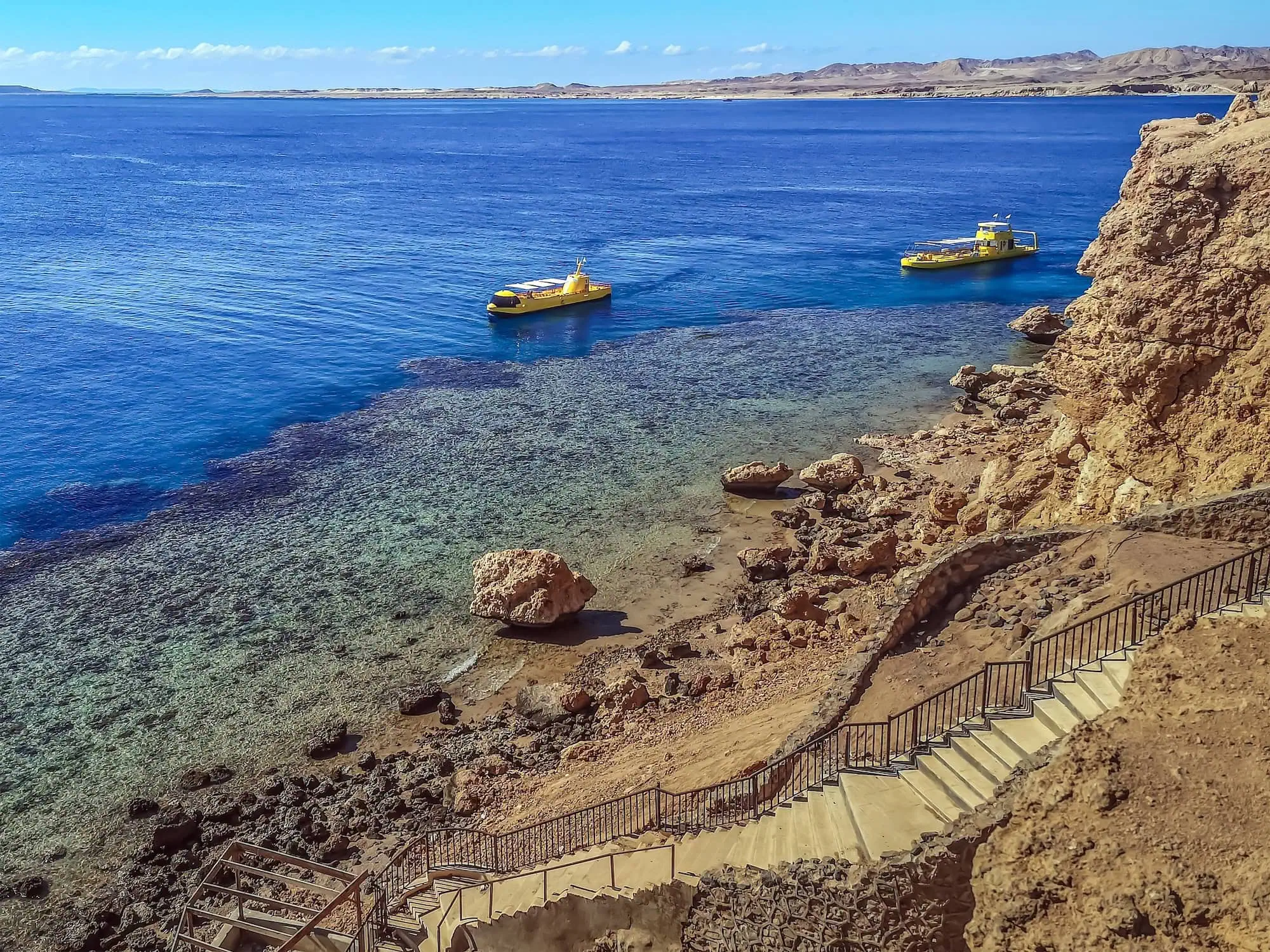
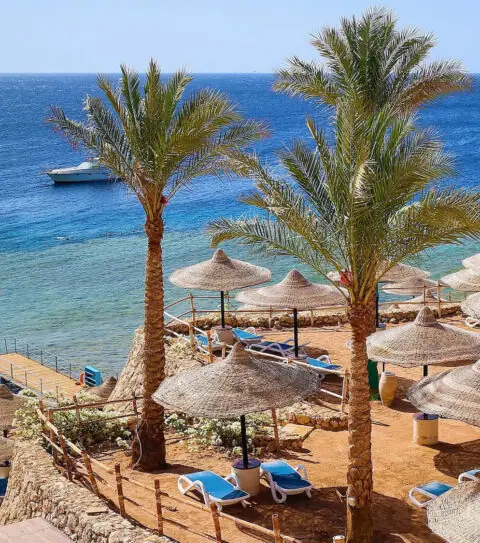
The Sinai Peninsula’s southern tip offers world-renowned diving and snorkeling in crystal-clear Red Sea waters. Ras Mohammed National Park protects pristine coral reefs teeming with tropical fish, manta rays, and occasional dolphin encounters.
Coral gardens at depths ranging from 5 to 30 meters (16 to 98 feet) accommodate all skill levels, from beginners to technical divers. Water temperatures remain comfortable year-round, varying between 21°C (70°F) in winter and 28°C (82°F) in summer.
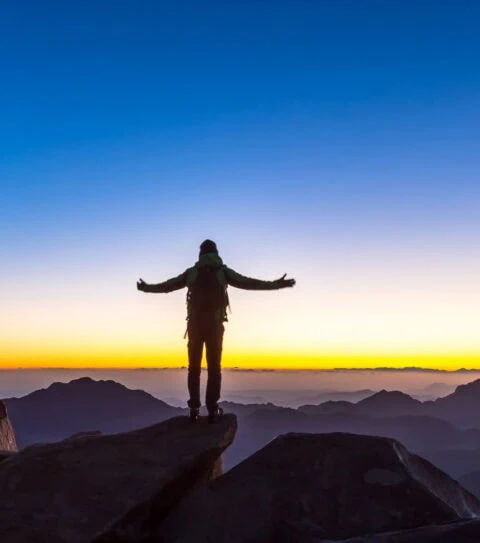
St. Catherine’s Monastery, built in the 6th century CE, sits at Mount Sinai’s base where Moses is believed to have received the Ten Commandments. This UNESCO World Heritage site houses the world’s oldest continuously operating library, containing ancient manuscripts and icons that survived the Byzantine iconoclastic period.
Hurghada: Resort Convenience
Hurghada’s purpose-built resort infrastructure provides easy access to Red Sea diving combined with comprehensive tourist facilities. The town serves as the launching point for diving trips to Brother Islands and Daedalus Reef, world-famous sites accessible only by live-aboard diving boats.
Desert safari excursions from Hurghada explore Eastern Desert landscapes, visiting Bedouin communities and experiencing traditional desert hospitality. Quad biking and camel trekking provide adventure activities between underwater explorations.
Red Sea coastal destinations work perfectly as relaxing conclusions to intensive cultural touring, offering beach resorts with spa services and water sports.
Siwa Oasis: Desert Sanctuary
Isolated in the Western Desert, 300 km (186 miles) from the Mediterranean coast, Siwa Oasis preserves Berber culture and natural desert beauty far from mainstream tourism.
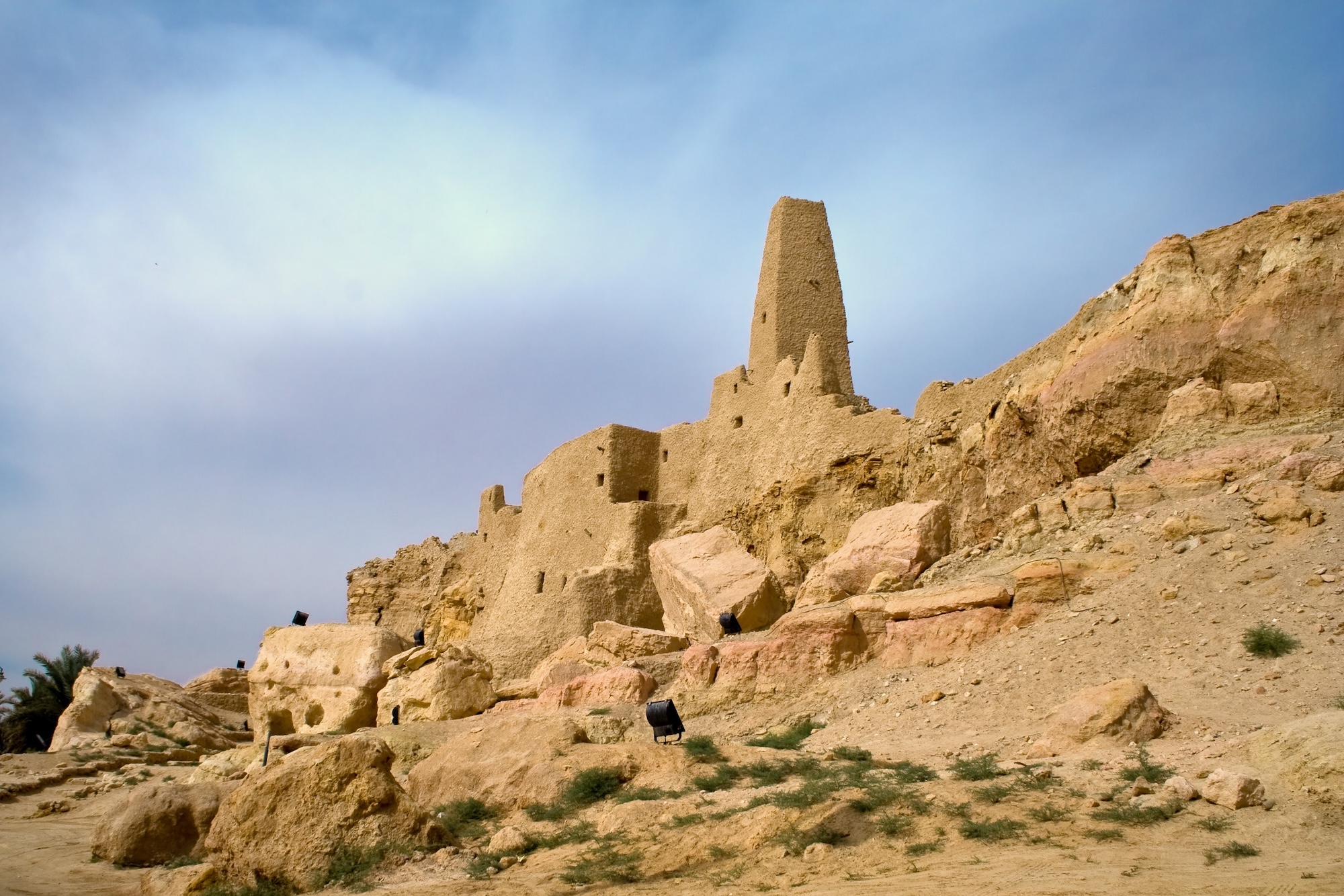
Cleopatra’s Pool (Ain Juba) provides natural spring swimming in crystal-clear waters surrounded by date palms and desert landscapes. The spring maintains constant temperatures around 28°C (82°F) throughout the year, creating an otherworldly bathing experience.
The Oracle Temple where Alexander the Great sought divine confirmation of his godhood sits atop Aghurmi Hill, offering panoramic views across the oasis. Though partially ruined, remaining walls and chambers convey the mystical atmosphere that drew ancient pilgrims across dangerous desert routes.
Traditional Siwan architecture features buildings constructed from salt-rich local clay that naturally air-conditions interiors during desert heat. The old town of Shali, abandoned in the 1920s after destructive rains, creates a haunting landscape of melting clay structures.
Siwa’s isolation preserved the Siwi language and customs distinct from mainstream Egyptian culture, with traditional crafts, olive groves, and date farming continuing much as they have for centuries.
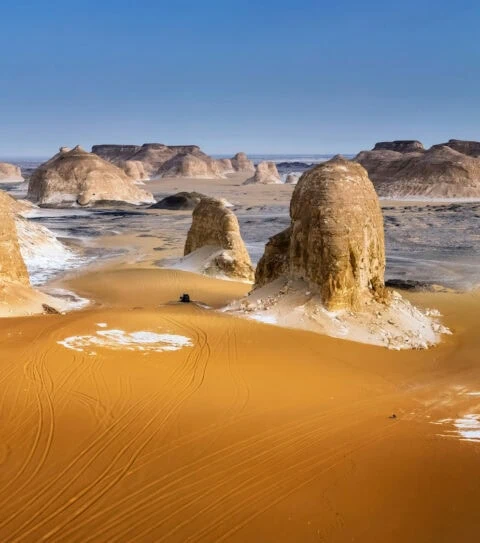
Great Sand Sea dunes surrounding the oasis offer spectacular sunset viewing and overnight desert camping experiences under unpolluted night skies brilliant with stars.
Khan el-Khalili: Historic Bazaar Experience
Cairo’s medieval bazaar district, Khan el-Khalili, offers authentic Middle Eastern shopping within a labyrinth of narrow streets in the heart of Islamic Cairo, dating back to the late 14th century.
Traditional craftspeople work in family workshops passed down through generations, creating handmade jewelry, textiles, and metalwork using ancient techniques. Watching artisans at work provides insight into crafts that supplied royal courts and international trade networks for centuries.
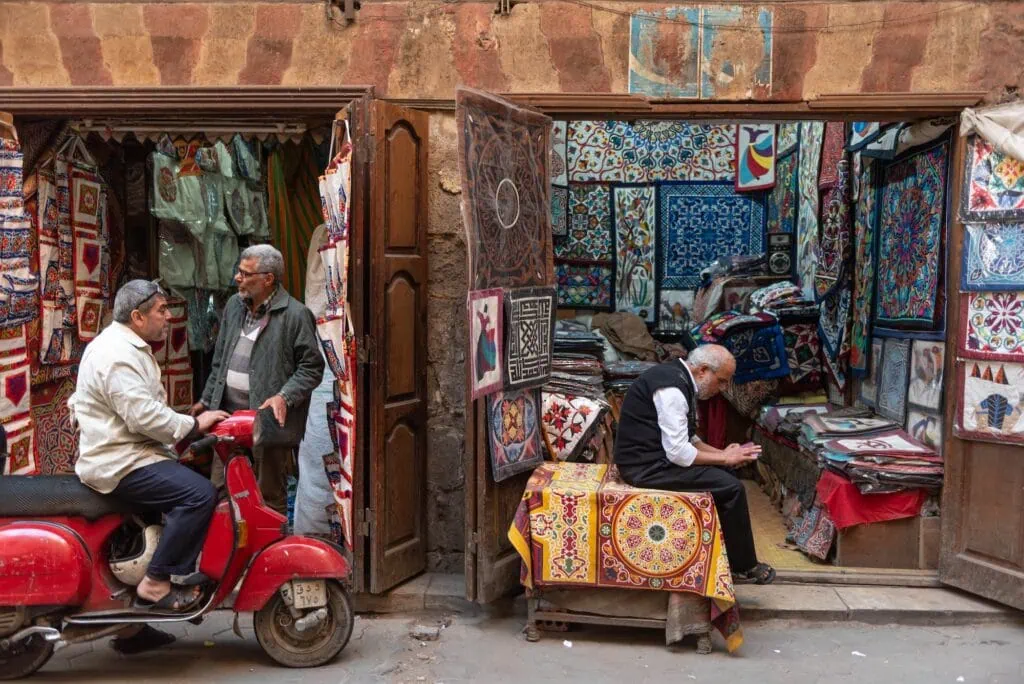
Spice merchants display aromatic pyramids of saffron, cardamom, and regional spices essential to Egyptian cuisine. Coffee shops serve traditional Turkish coffee and mint tea while backgammon games unfold at worn wooden tables where scholars and merchants have gathered for generations.
Antique dealers offer everything from authentic artifacts to skillful reproductions, requiring careful evaluation and negotiation. Silver jewelry featuring Islamic calligraphy and traditional Bedouin designs represents some of the bazaar’s finest craftsmanship.
The adjacent Al-Hussein Mosque provides spiritual atmosphere and architectural beauty, while nearby Islamic monuments showcase medieval Cairo’s religious significance.
Navigating Khan el-Khalili requires patience and bargaining skills, with final prices typically 30-50% below initial quotes. Our guides provide cultural context and negotiation assistance to ensure fair prices and authentic purchases.
Nile River Cruise Adventures
Sailing between Luxor and Aswan aboard a traditional Nile cruise vessel provides the perfect pace for absorbing Egypt’s riverside monuments and landscapes.
Cruise ships feature climate-controlled cabins, sundeck pools, and dining rooms serving international and Egyptian cuisine while temples and villages pass slowly along the riverbanks. This leisurely travel method allows deep appreciation of the Nile’s role in Egyptian civilization.
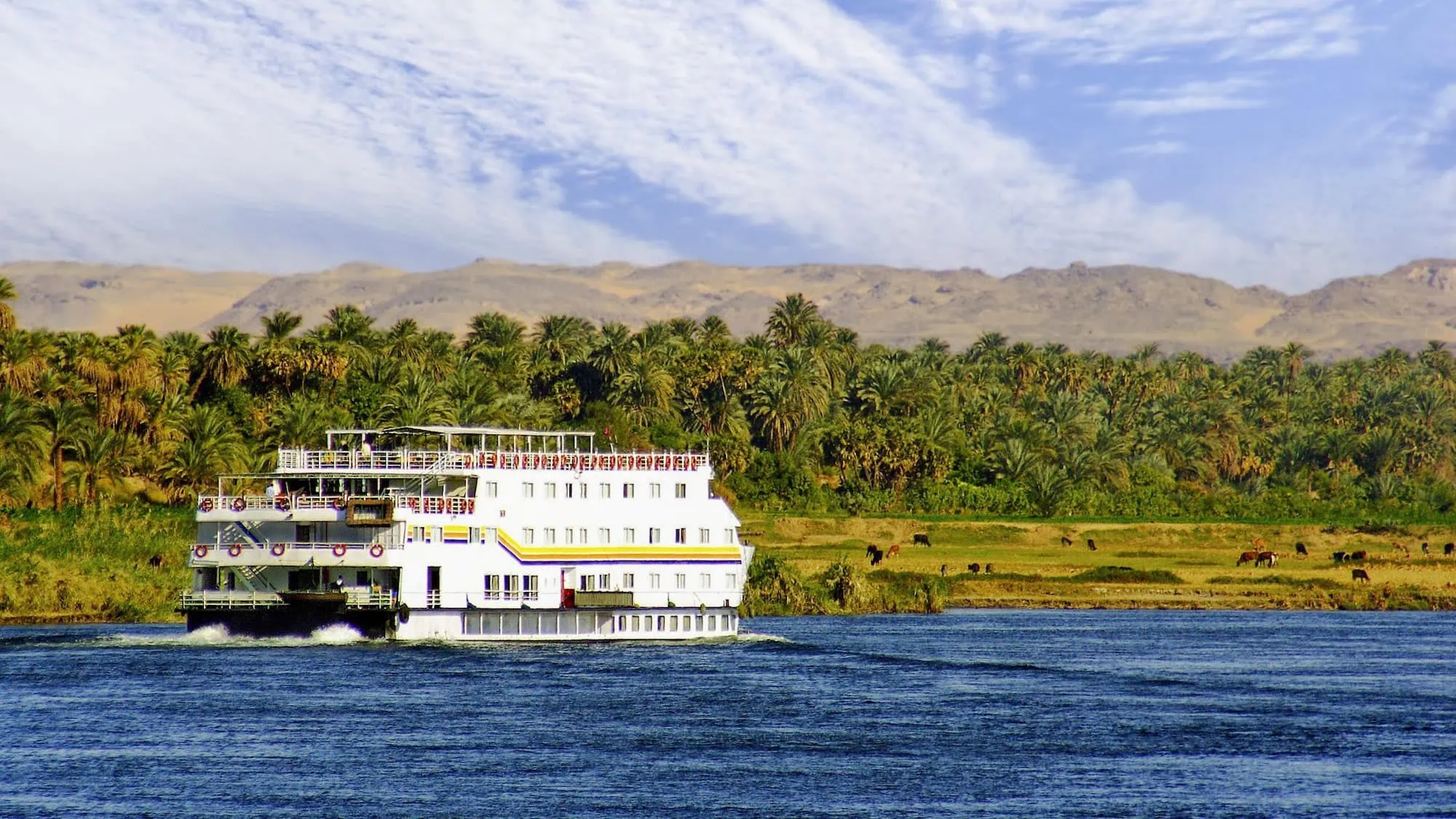
Temple stops include Edfu’s well-preserved Horus Temple and Kom Ombo’s unusual double temple dedicated to both Sobek the crocodile god and Horus the falcon-headed deity. These temples feature detailed hieroglyphic inscriptions and relief carvings that complement the major sites in Luxor.
Traditional felucca sailboats offer more intimate Nile experiences, powered only by wind and requiring basic accommodation in nearby hotels or camping on riverbanks. These wooden boats, essentially unchanged for centuries, provide authentic connection to Egypt’s maritime heritage.
Sunset viewing from the Nile reveals Egypt’s agricultural landscapes, with green irrigation channels contrasting sharply against desert hills. Water buffalo, date palms, and mud-brick villages create timeless scenes that would be familiar to ancient travelers.
Our cruise selections include luxury vessels with spa services and cultural programs, as well as smaller boats for more personalized experiences.
What’s the Best Way to Visit Egypt’s Must-See Places?
The best way to experience the must-visit places in Egypt — from the Pyramids and the Valley of the Kings to Abu Simbel, Edfu, and Philae — is on a private land tour combined with a multi-day Nile cruise. It’s the only way to reach the riverside temples the same way the ancient Egyptians did.
See all our Nile cruise tour packages — private guided, fully personalized, and crafted by Egypt specialists with 70+ years of heritage.
Frequently Asked Questions
The best time to visit Egypt’s major attractions is from October through April, when daytime temperatures typically range from 15°C to 25°C (59°F to 77°F) in much of the country. These cooler months are ideal for exploring outdoor sites such as the Giza Pyramids, Karnak Temple, Abu Simbel, and the Valley of the Kings. Rainfall is minimal across most of Egypt year-round, but winter offers the most comfortable sightseeing conditions. Book early if traveling between December and February, as this is peak season.
Most travelers need 10 to 15 days to comfortably explore Egypt’s most important attractions, including Cairo, Luxor, Aswan, Abu Simbel, and a Nile cruise. A shorter 7-day itinerary can cover the highlights, but often requires domestic flights and a faster pace. Egypt stretches more than 1,000 km along the Nile Valley, so travel logistics matter. Ten days is often considered the ideal balance between comprehensive sightseeing and a relaxed vacation experience.
Yes, Egypt’s major archaeological sites are generally considered safe for international visitors and are protected by dedicated tourism security measures. Attractions such as the Giza Pyramids, Abu Simbel, Karnak Temple, and the Valley of the Kings receive millions of visitors annually and feature controlled entrances, visitor services, and security personnel. Travelers should still follow standard precautions, stay with licensed guides when possible, and remain aware of their surroundings. Most visits take place without incident.
Visitors should wear modest clothing that covers the shoulders and knees when visiting Egyptian temples, mosques, and religious sites. Comfortable walking shoes are equally important because many ancient monuments feature uneven stone surfaces, stairs, and large archaeological areas. Lightweight fabrics work best, especially between March and October when temperatures can exceed 30°C (86°F). Women visiting active mosques should carry a scarf for head covering when required by local customs.
Photography is permitted in many Egyptian monuments, but rules vary by site and some locations require additional photography tickets. Flash photography is commonly prohibited because repeated exposure can damage ancient pigments, inscriptions, and delicate wall paintings. Certain tombs in the Valley of the Kings and pyramid interiors may have separate restrictions or fees. Visitors should always verify current regulations at the entrance, as photography policies can change as conservation requirements evolve.
Yes, advance bookings are strongly recommended for Egypt’s most popular experiences, particularly during the peak travel season from October through April. Abu Simbel flights, premium Nile cruise cabins, and special-access tombs such as Tutankhamun’s tomb often have limited availability. Booking several weeks or even months ahead provides greater flexibility, better hotel choices, and smoother logistics. Travelers visiting during Christmas, New Year, or Easter should secure reservations as early as possible.
Plan at least 3 to 4 hours for Cairo’s Egyptian Museum if you want to see the major highlights, including treasures from Tutankhamun’s tomb and important royal artifacts. The museum houses more than 100,000 objects spanning thousands of years of Egyptian history, making it impossible to see everything in a single visit. History enthusiasts often spend a full day exploring the collections. Arriving early helps avoid peak visitor traffic and allows for a more comfortable experience.
Many modern Nile cruise ships offer elevators, accessible cabins, and assistance for travelers with mobility limitations, making river travel relatively comfortable. However, shore excursions to sites such as Philae Temple, Kom Ombo, Karnak, and the Valley of the Kings often involve uneven surfaces, stairs, and extended walking. Accessibility standards vary between vessels and ports. Travelers with mobility concerns should discuss specific requirements before booking to ensure appropriate accommodations are available.
Egyptian pounds (EGP) are the most practical currency for shopping in Khan el-Khalili, especially for smaller purchases, snacks, and everyday souvenirs. While some larger merchants may accept US dollars or major credit cards, local currency usually simplifies transactions and provides more transparent pricing. The market has operated for more than 600 years and remains one of Cairo’s busiest commercial districts. Carrying small denominations can make bargaining and routine purchases much easier.
Yes, direct flights between Cairo and Abu Simbel are available and typically take about 90 minutes, making them the fastest way to reach the famous temples of Ramses II and Queen Nefertari. Abu Simbel is located near Lake Nasser in southern Egypt, approximately 280 km southwest of Aswan. Flying allows visitors to maximize sightseeing time and avoid lengthy road journeys. Morning flights are especially popular because they align well with guided tour schedules.
Booking an Egypt tour 2 to 3 months in advance is generally recommended for the best selection of hotels, Nile cruises, guides, and domestic flights. Peak travel periods such as December, January, and Easter often sell out earlier, particularly for luxury accommodations and premium cruise cabins. Early booking also allows more flexibility when building customized itineraries. Travelers planning holiday-season visits may benefit from reserving arrangements even further in advance.
No special vaccinations are required for most travelers entering Egypt, although routine immunizations should be up to date before departure. Health authorities commonly recommend protection against hepatitis A because it can be transmitted through food and water in many destinations worldwide. Depending on individual circumstances and travel plans, some travelers may also discuss additional vaccinations with their healthcare provider. Consult a medical professional at least 4 to 6 weeks before travel for personalized advice.
Don’t miss Egypt’s greatest treasures
Highlights of Egypt
Design Your Custom Tour
Explore Egypt your way by selecting only the attractions you want to visit
Explore must-see sights across Sinai, the Sahara, along the Nile, and around Lake Nasser — complete regional guides.
Attractions Along Egypt’s Iconic Routes & Regions
Nile Valley Attractions
Explore key sites along the Nile — from Cairo and Luxor to Aswan’s temples and timeless river life.
Sinai Attractions
From Red Sea beaches to sacred peaks, discover Sinai’s full range of natural, cultural, and historic sights.