Is it Safe for Gay Couples to Travel to Egypt?
LGBTQ+ travelers often feel uncertain when planning trips to Egypt.
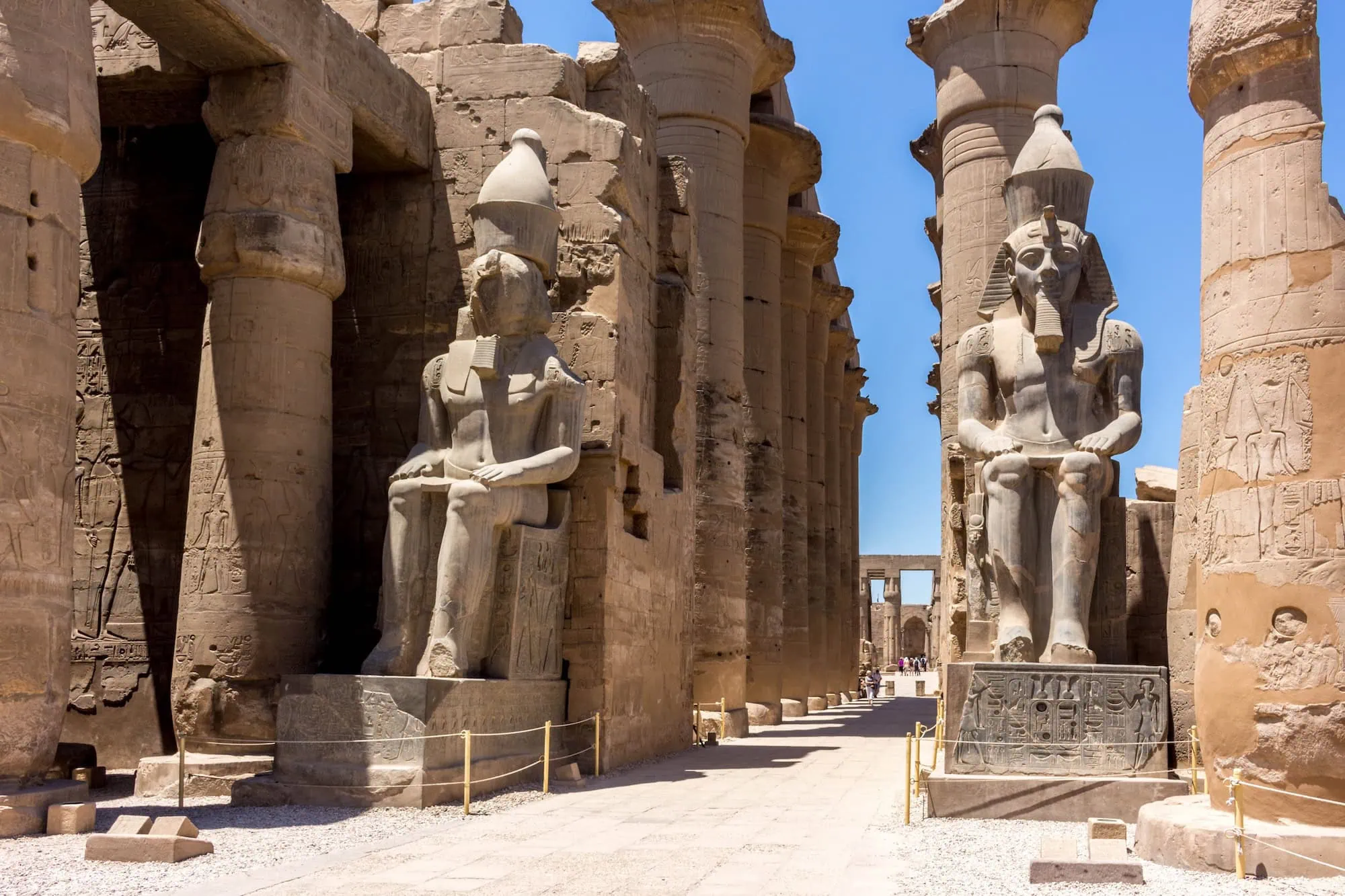
Egypt presents complex realities for gay couples seeking to explore its ancient wonders and modern culture. While millions of international tourists visit safely each year, same-sex travelers face unique considerations that require careful planning and cultural awareness. The country’s legal framework, social dynamics, and tourism industry create a landscape where discretion becomes essential for a successful visit.
Our comprehensive approach helps you navigate Egypt’s rich destinations while prioritizing your safety and comfort. Understanding local customs, legal realities, and practical precautions allows gay couples to experience the pyramids, Nile cruises, and cultural treasures with confidence.
Table of Contents
Understanding Egypt’s Legal and Social Environment
Egyptian law doesn’t explicitly criminalize homosexuality, but authorities frequently use morality and debauchery statutes for prosecution. These broadly interpreted laws carry sentences ranging from several months to 17 years imprisonment. Recent cases demonstrate how police operations specifically target gay individuals through dating apps and social media platforms.
Current Legal Framework
Morality laws serve as the primary tool for prosecuting LGBTQ+ individuals in Egypt. The “debauchery” statutes allow authorities significant discretion in interpretation and enforcement. Egyptian courts have consistently upheld these prosecutions, particularly in cases involving public displays or perceived promotion of same-sex relationships.
Foreign nationals face additional risks including deportation, travel bans, and diplomatic complications. Embassy support varies significantly, with some countries providing limited assistance for citizens arrested under these circumstances.
Social Climate and Public Attitudes
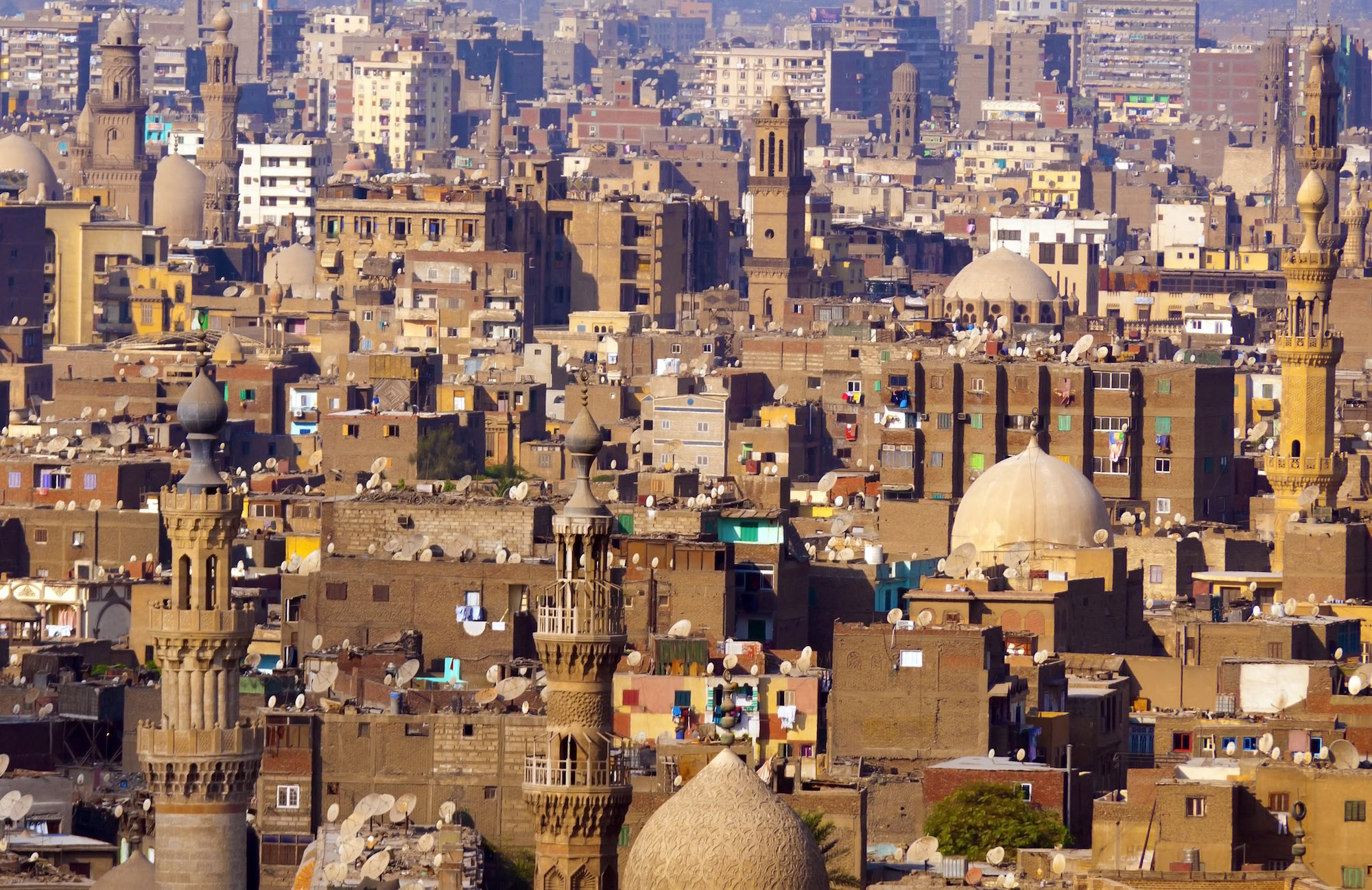
Egyptian society maintains traditional views on sexuality and gender roles. Public opinion surveys consistently show strong opposition to LGBTQ+ rights and visibility. Conservative religious influences shape social expectations across urban and rural communities.
However, Egypt’s tourism-dependent economy creates protective factors for foreign visitors. Hotel staff, tour guides, and service providers prioritize tourist satisfaction and safety as economic imperatives. This economic relationship often provides practical protection for discreet travelers.
Digital Surveillance Risks
Egyptian police actively use dating applications like Grindr to create fake profiles and entrap gay men. These operations result in arrests, interrogations, and prosecutions under morality laws. Social media monitoring extends to platforms like Facebook, Instagram, and Twitter for content deemed inappropriate.
VPN usage provides some protection but isn’t foolproof against sophisticated surveillance. Avoiding dating apps entirely during your visit eliminates this particular risk vector completely.
Cultural Navigation and Behavioral Guidelines
Physical affection between Egyptian men appears common in public settings but carries different cultural meanings than in Western contexts. Male friends regularly hold hands, link arms, and exchange kisses on cheeks as standard social behavior. These gestures express friendship and respect rather than romantic interest.
Gay couples must completely avoid public displays of affection during their Egyptian travels. Holding hands, kissing, embracing, or any romantic gestures risk attracting unwanted attention and potential legal consequences. Even behaviors considered innocent in your home country may be misinterpreted or reported to authorities.
Hotel interactions require particular discretion. Request rooms with separate beds if asked about sleeping arrangements. Many international hotel chains maintain professional standards but staff personal attitudes vary. Five-star properties typically offer more privacy and less intrusive service.
Restaurant and public space behavior should mirror that of business colleagues or friends. Avoid intimate conversations, prolonged eye contact, or any behavior suggesting romantic involvement. Egyptian social norms emphasize respect for traditional family values in public settings.
Transportation presents fewer risks when using private drivers or tour guides. Reputable companies focus on customer service rather than personal relationships. Group tours with other international travelers provide additional social cover and shared experiences.
Practical Safety Strategies
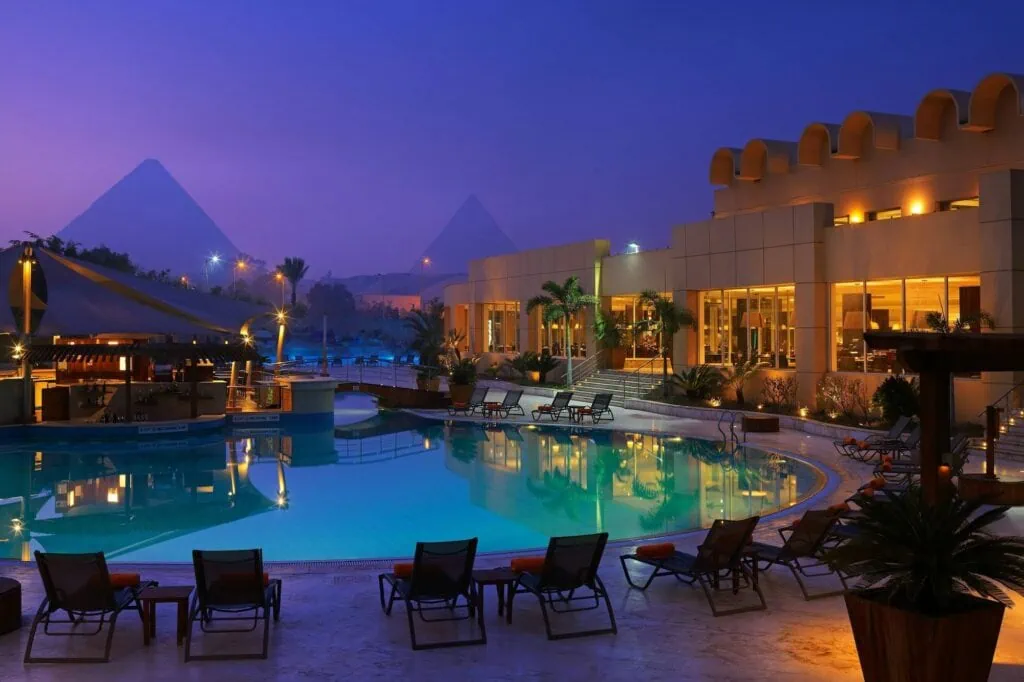
Choose accommodation carefully by selecting recognized international hotel brands with strong corporate policies. Hilton, Marriott, Intercontinental, and similar chains maintain consistent service standards and staff training protocols. These properties typically respect guest privacy and avoid unnecessary intrusions into personal matters.
Travel Documentation and Logistics
Book hotel rooms using one person’s name to avoid complications during check-in procedures. Many Egyptian hotels automatically assume separate beds for same-gender bookings unless specifically requested otherwise. Single supplement payments allow solo room bookings without questions about relationships.
Travel insurance should cover emergency evacuation and legal assistance for various scenarios. Verify coverage includes situations related to local law violations, regardless of their validity in your home country. Keep embassy contact information readily accessible throughout your trip.
Communication and Emergency Planning
Hire reputable local guides through established tour companies rather than independent operators found on streets or tourist areas. Professional guides prioritize customer safety and possess extensive knowledge about navigating social situations appropriately.
Inform trusted contacts at home about your itinerary and establish regular check-in schedules. Provide embassy information and emergency contacts to someone who can advocate on your behalf if communication breaks down unexpectedly.
Purchase local SIM cards upon arrival for reliable communication throughout Egypt. International roaming often experiences connectivity issues, particularly in remote archaeological sites and desert locations.
Destination-Specific Considerations for Gay Travelers
Cairo and Giza
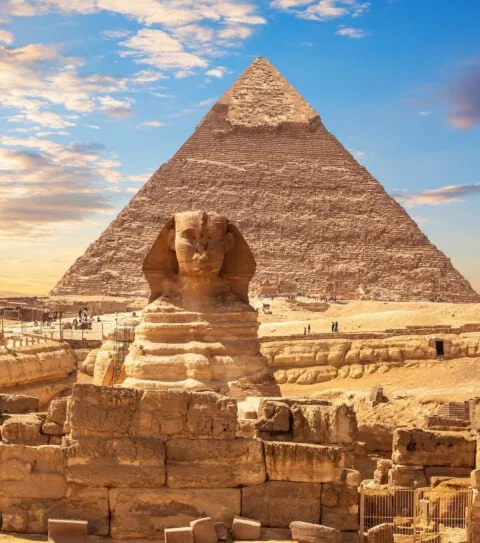
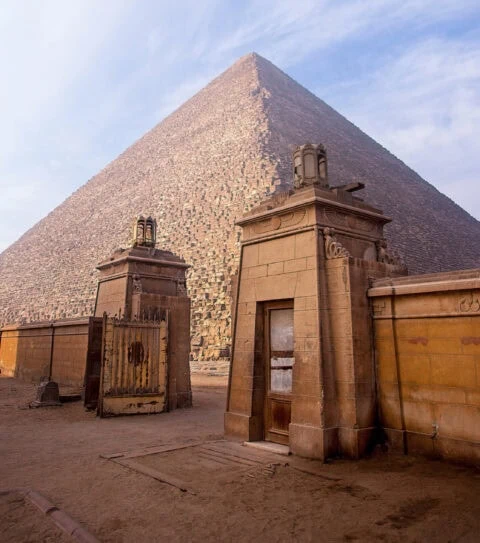
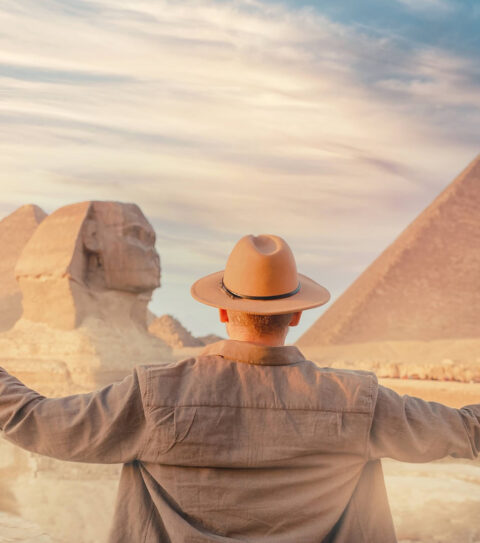
Cairo offers the most anonymity due to its size and international tourist population. The Giza pyramid complex attracts visitors from every continent, making foreign couples less conspicuous among diverse crowds. Hotel choices in Zamalek and Garden City neighborhoods provide upscale accommodations with international standards.
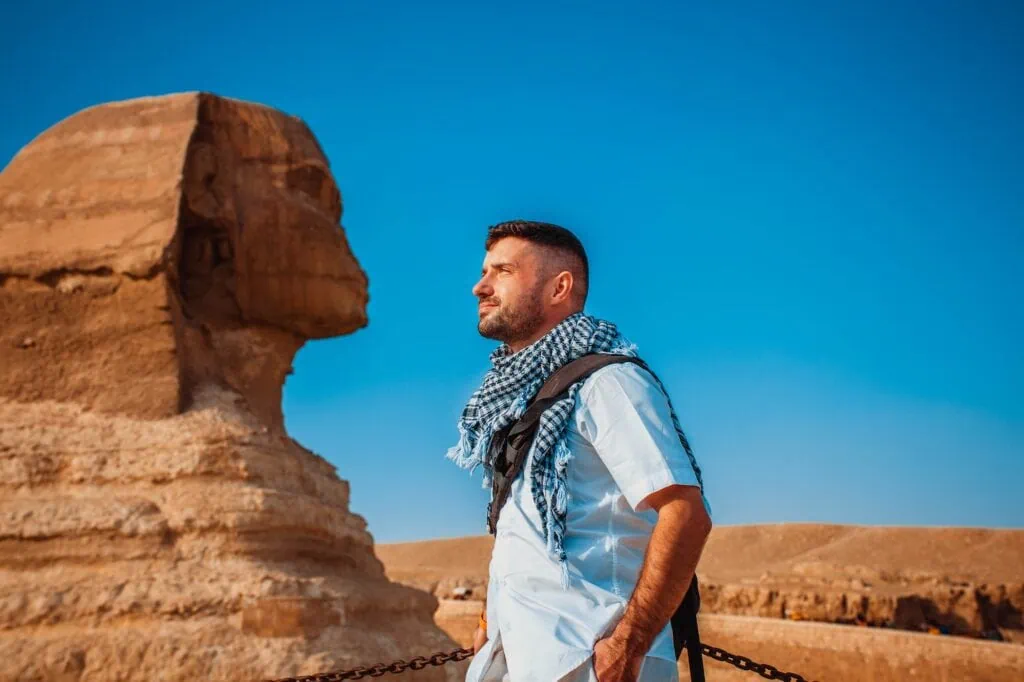
Downtown Cairo requires additional caution due to conservative local populations and increased police presence. Coptic Cairo and Islamic Cairo involve walking through traditional neighborhoods where visitors should maintain especially respectful behavior.
Luxor and Upper Egypt
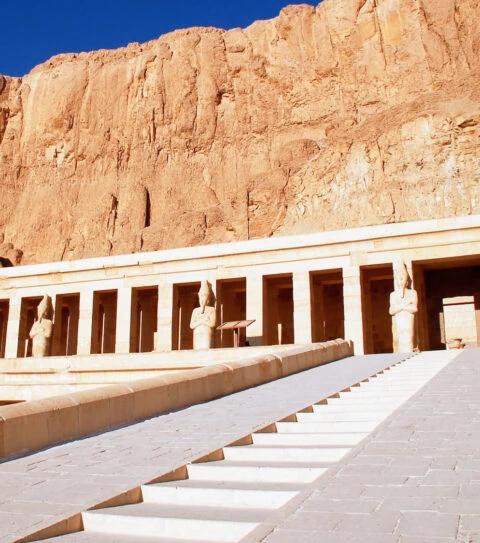
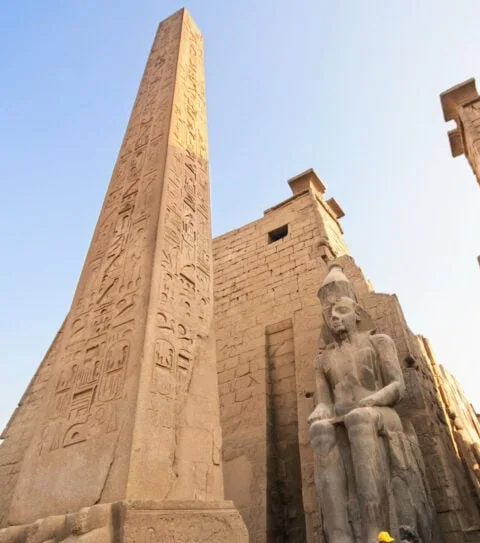
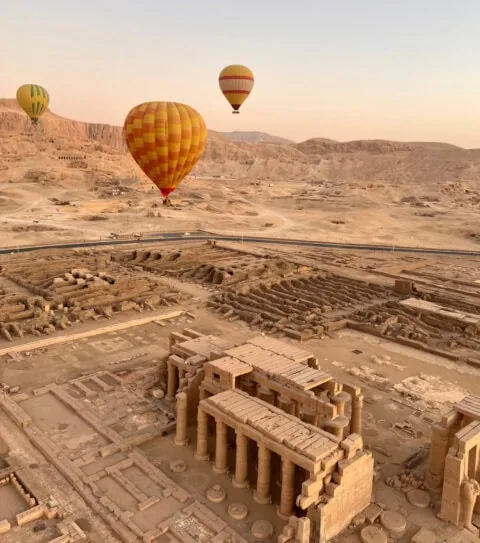
Luxor presents unique challenges as a smaller city with fewer international tourists compared to Cairo. Valley of the Kings and Karnak Temple visits occur in groups with local guides who may have varying comfort levels with foreign customs. Private tour arrangements provide more control over social dynamics.
Upper Egyptian communities maintain particularly traditional values regarding family structures and social behavior. Hotel options include several international properties along the Nile, but local staff attitudes may differ from Cairo establishments.
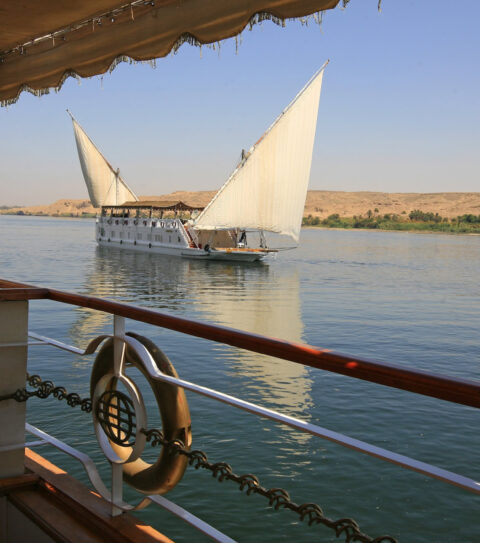
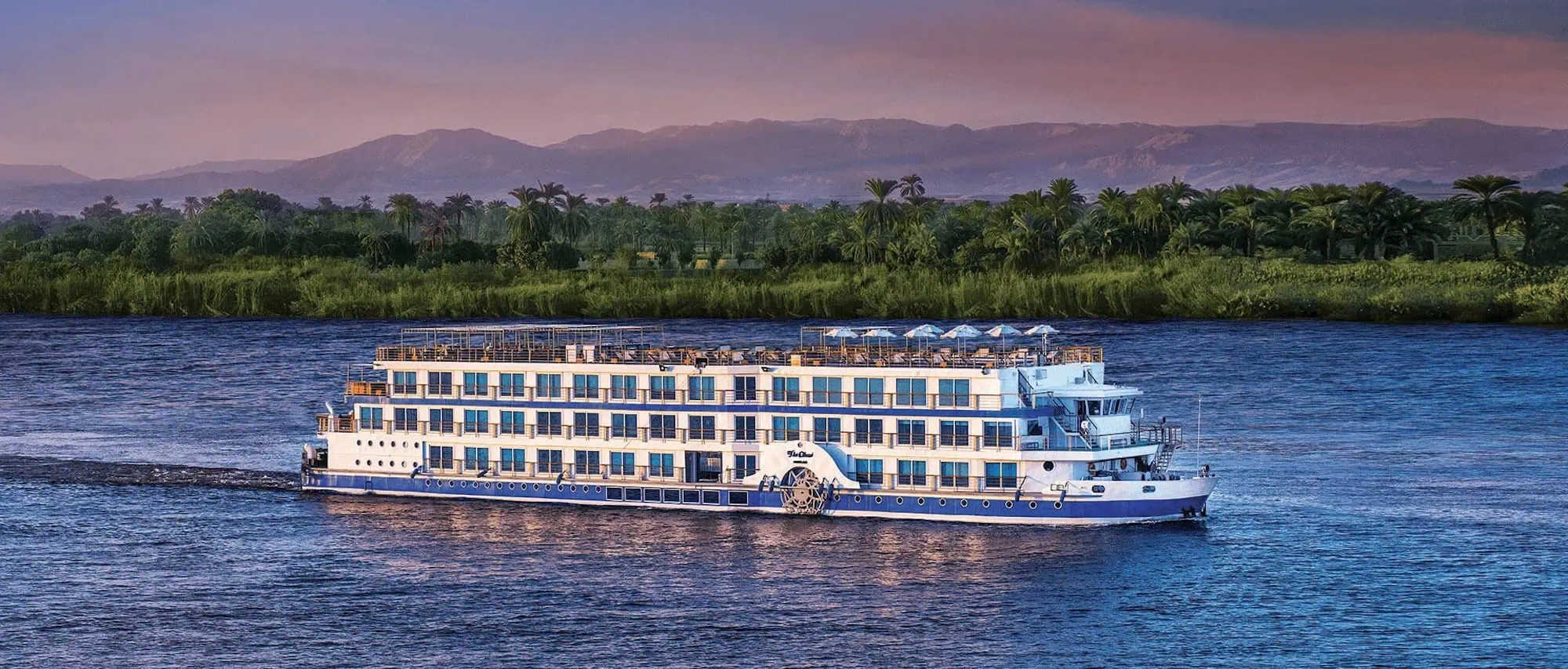
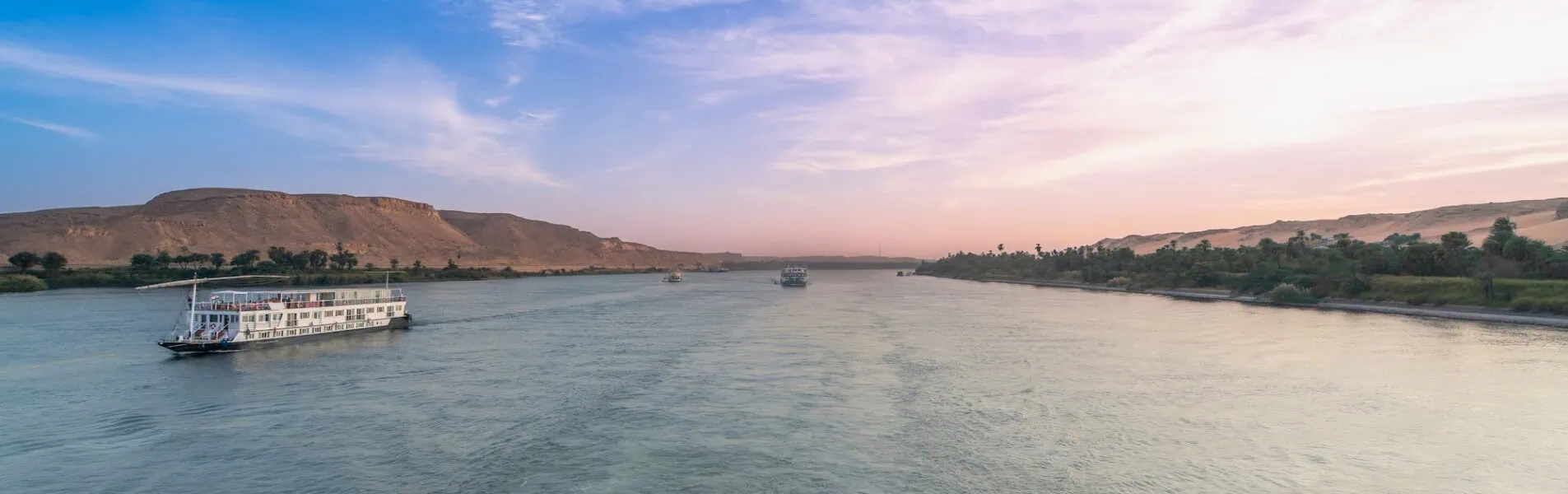
Nile cruise experiences typically involve spending several days with the same passenger group and crew. Small group cruises (maximum 12 participants) offer more intimate settings but require consistent discretion throughout the journey. Evening entertainment and dining occur in shared spaces with other travelers.
Red Sea Coastal Areas
Sharm El Sheikh and Hurghada cater extensively to European tourists, creating more relaxed atmospheres regarding diverse visitor backgrounds. Resort environments focus on guest comfort and satisfaction, with staff trained to accommodate international clientele preferences.
Beach activities and water sports provide excellent opportunities for couples to enjoy shared experiences while maintaining appropriate public behavior. Resort pools and private beach areas offer more relaxed settings than city environments.
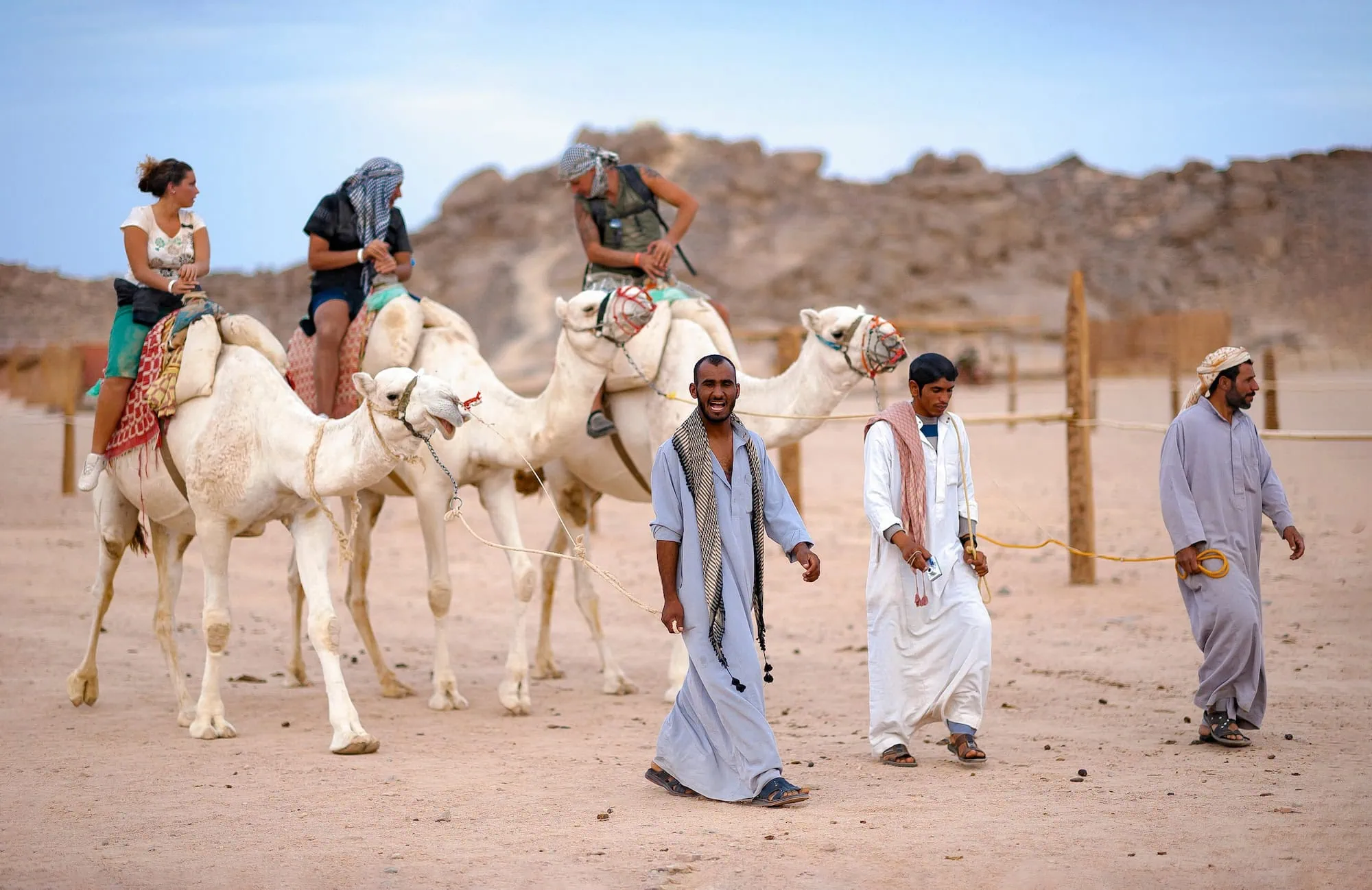
However, these coastal destinations still operate under Egyptian law and social expectations. Resort staff may include individuals from more conservative Upper Egyptian backgrounds, creating potential complications despite the tourist-focused environment.
Health and Medical Considerations
Pack essential medications in original packaging with prescription documentation to avoid customs complications. Egypt’s pharmacies stock many common medications but specific brands or formulations may be unavailable. Travel insurance should cover prescription replacement and emergency medical care.
Stomach issues affect most visitors due to dietary changes and local water quality. Pack appropriate medications for digestive problems and maintain hydration throughout your visit. Hotel restaurants and established tourist dining venues provide safer food options than street vendors.
Medical facilities in major tourist areas maintain reasonable standards, with private hospitals in Cairo and resort areas offering superior care. However, smaller cities may have limited medical resources and language barriers can complicate emergency situations.
Frequently Asked Questions
Yes, many gay couples visit Egypt safely each year by remaining discreet about their relationship in public. Egypt welcomes millions of international visitors annually, including travelers from countries with diverse LGBTQ+ communities. The key consideration is behavior rather than identity. Public displays of affection are generally uncommon in Egypt, even among heterosexual couples, particularly outside tourist resorts. Maintaining privacy about your relationship significantly reduces the likelihood of unwanted attention.
No, separate hotel rooms are usually not necessary, especially at internationally managed hotels and major tourist properties in Cairo, Luxor, Aswan, and Red Sea resorts. Many hotels routinely accommodate friends, colleagues, and family members sharing rooms. If questions arise during check-in, requesting a twin room with two separate beds can avoid unnecessary discussion. Confirm room preferences in advance so your arrival process remains smooth and straightforward.
No, using dating apps in Egypt carries significant risks and is widely discouraged by human rights organizations and travel safety experts. Reports over the past decade have documented cases involving fake profiles, surveillance, and entrapment targeting LGBTQ+ individuals through platforms such as Grindr and similar apps. The risk is substantially higher than in many Western countries. Avoid sharing personal information, hotel details, or meeting strangers through dating applications while in Egypt.
If authorities question your relationship, the safest approach is to present yourselves as friends, colleagues, or travel companions and remain calm and cooperative. Foreign tourists are rarely the focus of such interactions, but discretion is important. Keep travel documents readily accessible and avoid carrying messages, photos, or social media content that could attract unwanted scrutiny. If detained or questioned extensively, contact your embassy or consulate as soon as possible.
Yes, Nile cruises are generally safe for gay travelers who maintain the same level of discretion recommended elsewhere in Egypt. Most cruises operate between Luxor and Aswan over 3 to 7 days, creating a social environment where guests and crew interact regularly. Professional cruise staff are primarily focused on hospitality and guest comfort. Because fellow passengers see each other repeatedly throughout the voyage, keeping personal relationships private helps avoid unnecessary attention.
No, foreign same-sex couples should not assume local male friendship customs will be interpreted the same way. In Egypt, male friends may occasionally walk arm-in-arm or hold hands as a cultural expression of friendship, not romance. However, similar behavior between foreign travelers may be perceived differently by observers. Public displays of affection can attract attention regardless of sexual orientation, so maintaining personal space is generally the safest approach.
Cairo and major Red Sea resort destinations are generally considered the most comfortable environments for LGBTQ+ visitors. Cairo, a metropolitan area of more than 20 million people, offers greater anonymity because of its size and diverse population. Resort destinations such as Hurghada and Sharm El Sheikh host large numbers of international tourists year-round and are accustomed to visitors from many cultural backgrounds. Tourist-focused areas typically attract less scrutiny than smaller towns.
Yes, registering your trip with your embassy or consulate is a sensible precaution, especially for international travel. Many governments offer traveler registration services that allow embassies to provide updates during emergencies, civil disruptions, or natural disasters. Embassy contact information should be saved on your phone and carried in printed form as a backup. This recommendation applies to all travelers, regardless of sexual orientation or travel style.
If hotel staff appear uncomfortable, remain polite, professional, and focused on resolving practical issues related to your stay. Most hotels serving international tourists have experience hosting guests from many backgrounds and prioritize customer service standards. Misunderstandings are often cultural rather than personal. If a staff member behaves unprofessionally, request assistance from a supervisor or hotel manager and document any serious incidents for reference.
Yes, organized group tours generally provide an additional layer of comfort and logistical support for travelers concerned about local sensitivities. Professional guides manage transportation, accommodations, and site visits while helping guests navigate cultural expectations. Group travel also reduces situations where travelers must explain personal relationships or arrangements independently. Many visitors find that structured itineraries make it easier to focus on Egypt’s historical sites rather than social concerns.
At airports and border checkpoints, present yourselves as friends, colleagues, or travel companions and keep interactions straightforward and factual. Egypt’s major international gateways, including Cairo International Airport, process millions of passengers annually and focus primarily on immigration, customs, and security procedures. Carry separate identification documents and avoid displaying intimate photos, messages, or items that could prompt unnecessary personal questions. Efficient, low-profile interactions are usually the best approach.
Yes, gay couples can visit Egypt’s mosques, churches, monasteries, and other religious sites provided they follow local customs and dress codes. Many religious attractions require modest clothing, with shoulders and knees covered, and some mosques may require women to cover their hair. Respectful behavior is expected from all visitors regardless of nationality or orientation. Maintain appropriate personal space and focus on observing the site’s cultural and historical significance.
Explore our most popular guides and expert tips to make your trip safe, smooth, and unforgettable.
Plan Your Egypt Adventure with Confidence
How to Plan a Trip Egypt
Step-by-step guide to help you plan the perfect Egypt trip — from routes and budget to booking.
Best Time to Visit Egypt
Learn the best months to visit Egypt based on weather, crowds, and local travel experiences.
Must Visit Places in Egypt
Explore Egypt’s top sights — from pyramids to temples — and hidden gems worth seeing.
Top-Rated Egypt Tours
Handpicked private tours with local guides — our most loved and best-reviewed experiences.
How Many Days to Visit Egypt?
Find out how many days you need in Egypt — from quick trips to full itineraries.
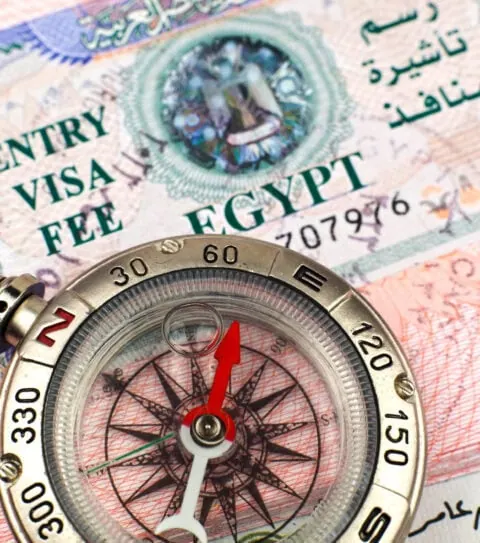
Egypt Visa Requirements
Check if you need a visa and get simple, up-to-date entry info based on your nationality.
Is it Safe to Travel to Egypt?
Is Egypt safe? Get honest safety tips, area advice, and what to know before you travel.
What to Pack for Egypt
A quick packing guide with essentials, cultural tips, and clothing advice for your Egypt trip.
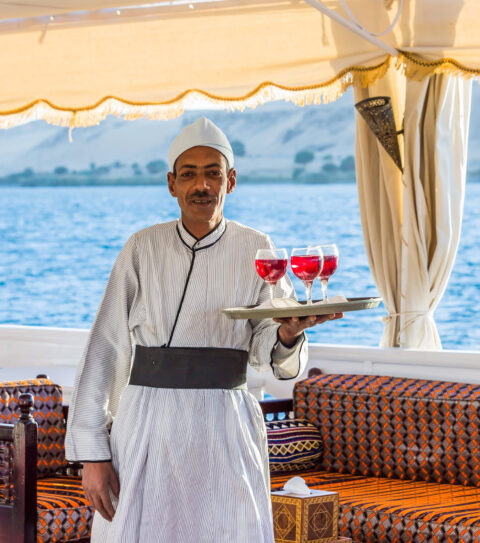
Design Your Custom Tour
Explore Egypt your way by selecting only the attractions you want to visit