What to Wear in Cairo
Cairo isn’t just about pyramids and museums – it’s about feeling confident while you explore them.
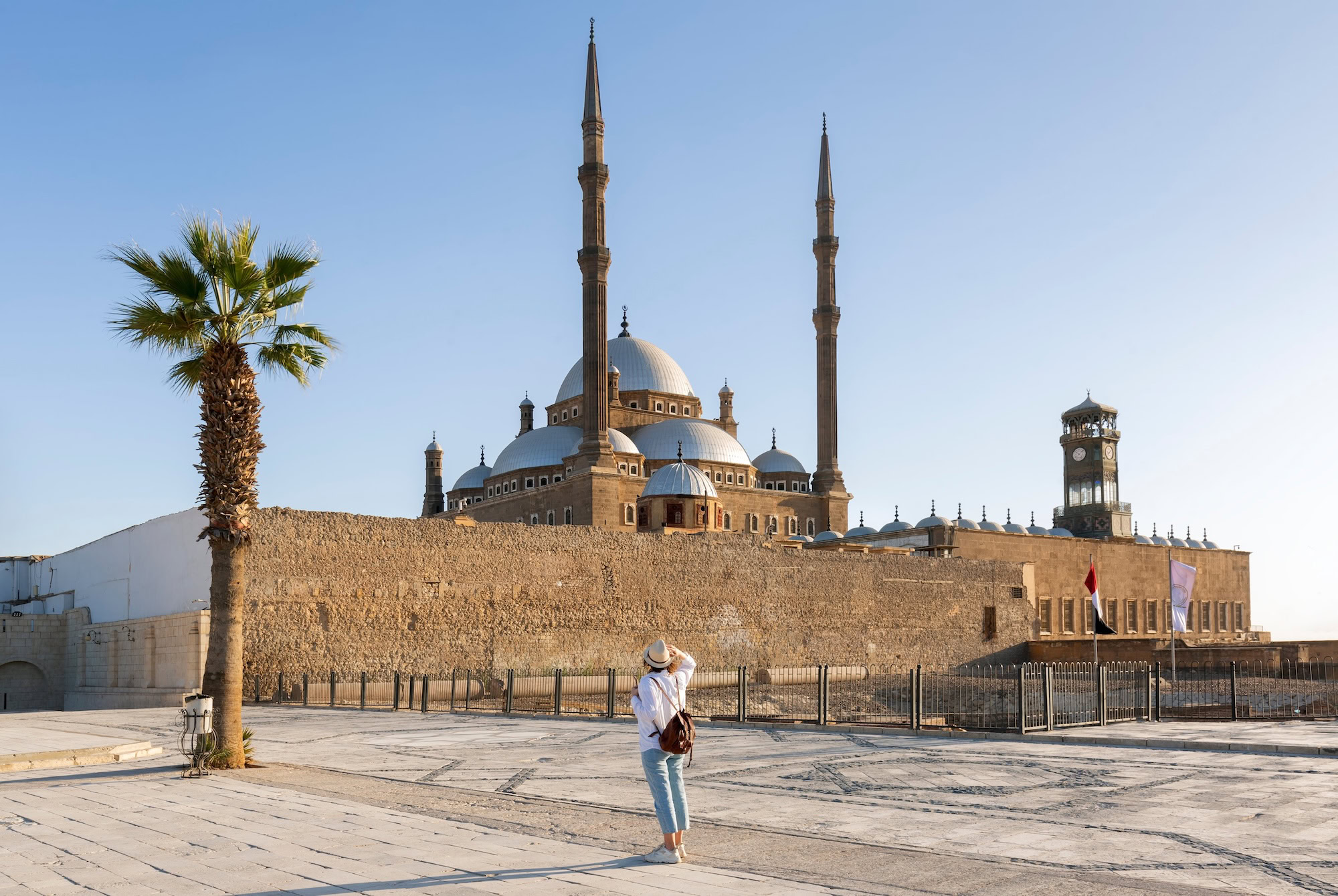
Choosing the right clothes for Egypt’s capital requires more than grabbing summer basics from your closet. The desert climate, cultural expectations, and endless walking through ancient sites create a unique set of wardrobe challenges. You’ll face scorching sun one moment and air-conditioned relief the next, all while navigating cobblestone streets and sandy pathways.
We’ve guided thousands of travelers through Cairo’s fashion maze, and the difference between a comfortable trip and a miserable one often comes down to what’s in your suitcase.
Your clothing choices will impact every moment of your Egyptian adventure. From sunrise visits to the Giza Pyramids to evening strolls through Khan el-Khalili bazaar, the right outfit keeps you cool, covered, and culturally appropriate.
Table of Contents
Understanding Cairo’s Climate and Seasons
Cairo operates on extremes that catch most visitors off guard. Summer temperatures regularly climb above 35°C (95°F), while winter evenings can drop to a surprisingly cool 8°C (46°F). The city sits in a desert climate with almost zero rainfall, creating bone-dry conditions that affect how your body responds to heat and cold.
Summer Weather Realities
Peak summer brings relentless heat that starts early and lingers late. By 8:00 am (08:00), temperatures already reach 28°C (82°F). The sun’s intensity at this latitude means UV exposure happens fast – many travelers experience sunburn within 30 minutes of unprotected exposure.
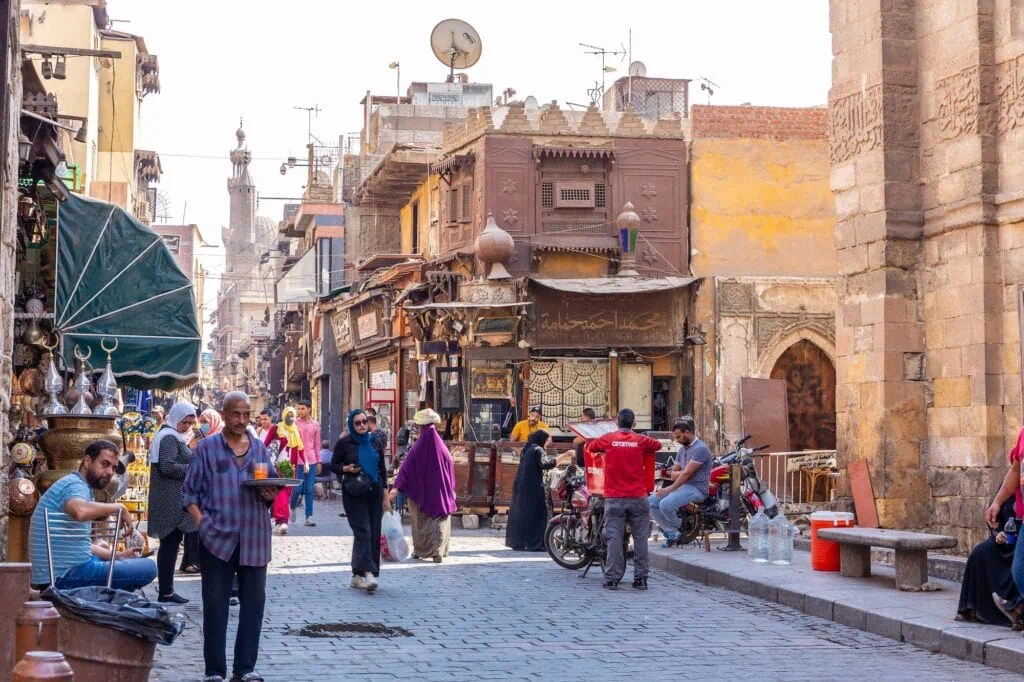
Air conditioning provides constant relief indoors, but the shock of moving between 40°C (104°F) streets and 20°C (68°F) interiors affects clothing choices.
Desert winds carry fine sand particles that settle on everything, including your clothes and skin. Lightweight, long-sleeved options become essential rather than optional during summer months.
Winter Surprises
Winter in Cairo feels deceptively mild during the day but changes dramatically after sunset. Daytime temperatures hover around 20-25°C (68-77°F), perfect for sightseeing. However, nights drop to 8-12°C (46-54°F), especially in December and January. The dry air makes these cooler temperatures feel more penetrating than humidity-adjusted climates.
Shoulder Season Sweet Spots
April and October offer Cairo’s most comfortable weather. Temperatures range from 25-30°C (77-86°F) during the day with pleasant evenings around 15-18°C (59-64°F). These months provide the easiest dressing conditions for tourists.
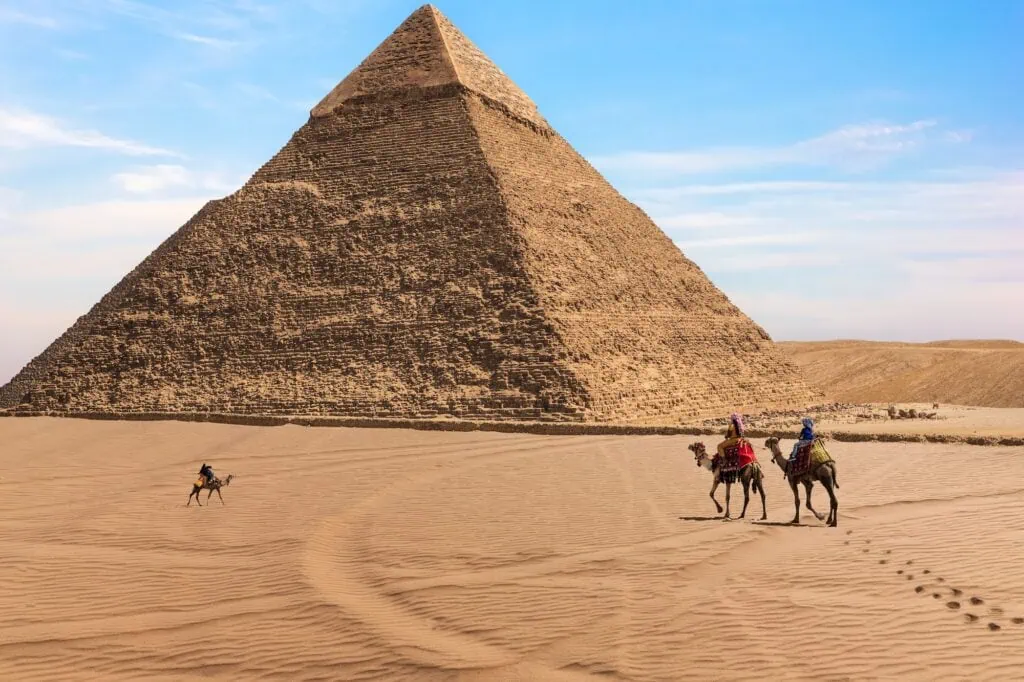
Essential Clothing Items for Cairo
Every successful Cairo wardrobe starts with versatile basics that handle multiple situations. These foundation pieces work across seasons, cultural requirements, and activity levels.
Lightweight long pants become your best friend in Cairo. Cotton or linen blends offer breathability while providing essential coverage for mosque visits and sun protection. Dark colors hide dust better than light ones, though they absorb more heat. We recommend bringing 3-4 pairs for week-long trips – more than you’d pack for typical beach destinations.
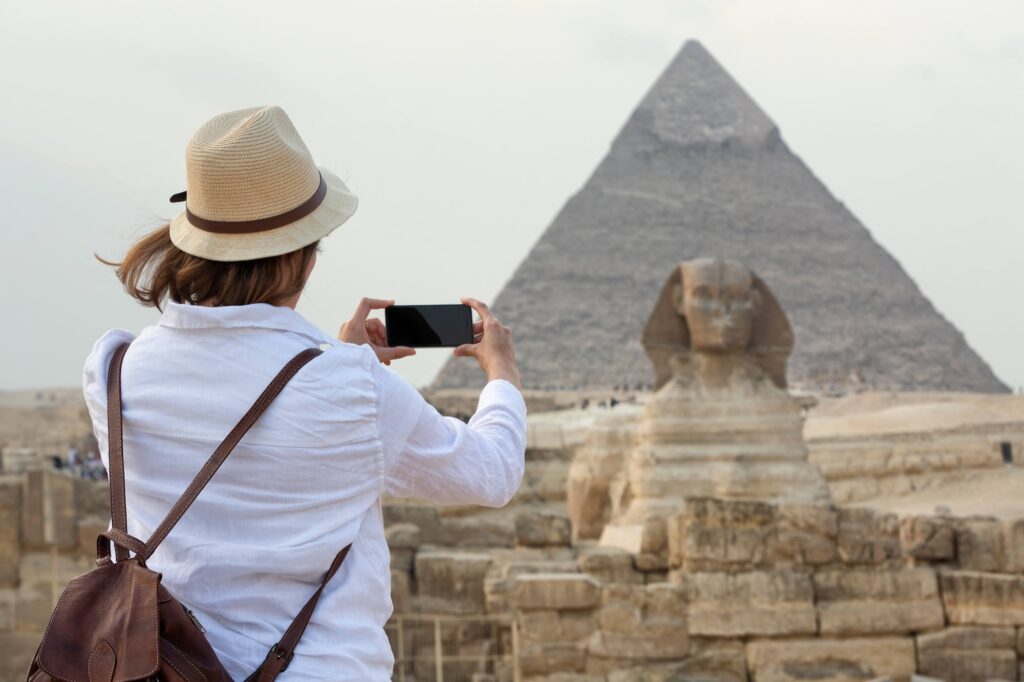
Cotton t-shirts and blouses form your daily uniform. Short sleeves work perfectly for most activities, but pack at least two long-sleeved options for extra sun protection and conservative dressing requirements. Natural fibers outperform synthetic materials in Cairo’s dry heat. Your body will appreciate the breathing room cotton provides during long sightseeing days.
A light jacket or cardigan handles Cairo’s temperature variations and indoor air conditioning. Choose something easy to carry when not wearing – you’ll put it on and take it off frequently throughout each day. Denim jackets work well for casual activities, while lightweight blazers serve dressier evening occasions.
Comfortable walking shoes cannot be overstated in importance. Cairo’s streets combine smooth pavement with uneven stones, sand, and occasionally muddy patches near the Nile. Closed-toe shoes protect feet from dust and debris while providing ankle support for climbing pyramid steps and navigating archaeological sites.
Modest Dressing Guidelines
Cairo operates with conservative clothing expectations that apply to all visitors regardless of religion or background. Understanding these guidelines helps you blend in comfortably while showing respect for local culture.
Shoulders and knees should remain covered in most public spaces. This rule applies year-round and affects both men and women, though enforcement varies by neighborhood. Tourist areas show more flexibility, but religious sites maintain strict dress codes. Tank tops and short shorts immediately mark you as a tourist and may prevent entry to certain locations.
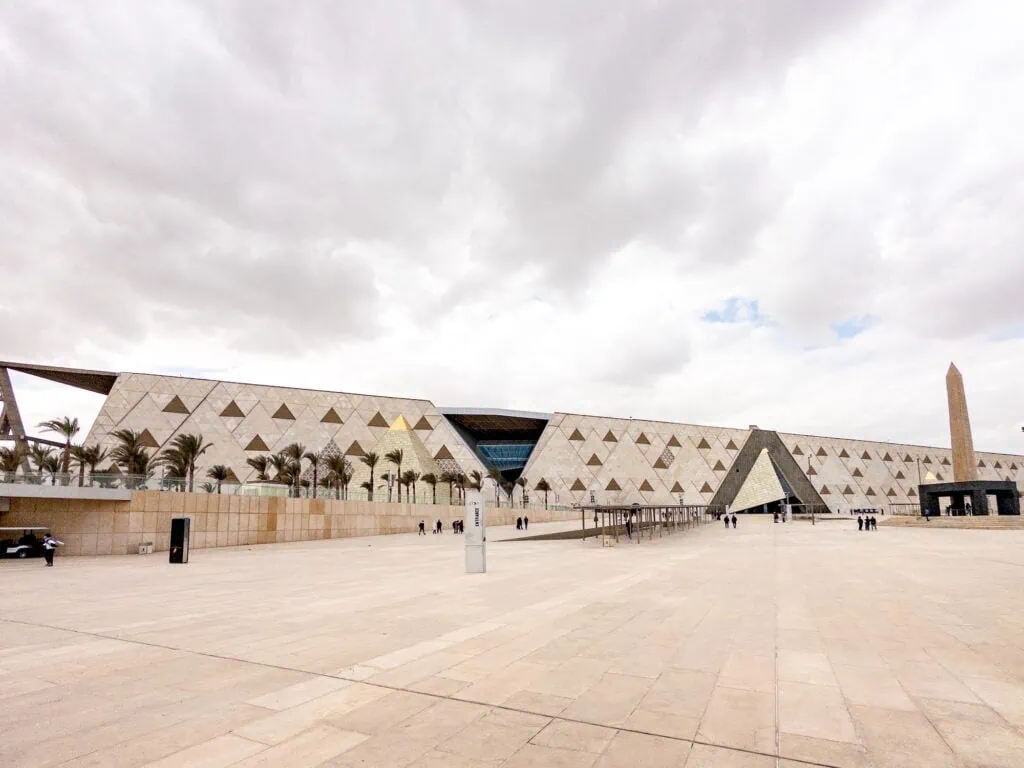
The concept of “modest” extends beyond simple coverage. Tight-fitting clothes that emphasize body contours can attract unwanted attention even when technically covering appropriate areas. Loose-fitting garments provide cultural comfort plus practical cooling benefits in hot weather.
Women’s Specific Considerations
Women face additional modesty expectations in Cairo. Low-cut necklines, visible bra straps, and form-fitting clothes can create uncomfortable situations. A lightweight scarf serves multiple purposes – covering hair for mosque visits, protecting shoulders from sun exposure, and providing an extra layer for air-conditioned spaces.
Maxi dresses and long skirts offer excellent coverage while maintaining style and comfort. Choose breathable fabrics that don’t cling to the body. Many female travelers find these options more comfortable than pants in Cairo’s heat.
Men’s Guidelines
Men should avoid sleeveless shirts and very short shorts in most areas of Cairo. Long pants or knee-length shorts work well for sightseeing activities. Polo shirts and casual button-downs provide appropriate coverage while maintaining comfort.
Seasonal Packing Strategies
Your packing approach should shift significantly based on travel dates. Cairo’s seasonal variations require different strategies for comfortable dressing.
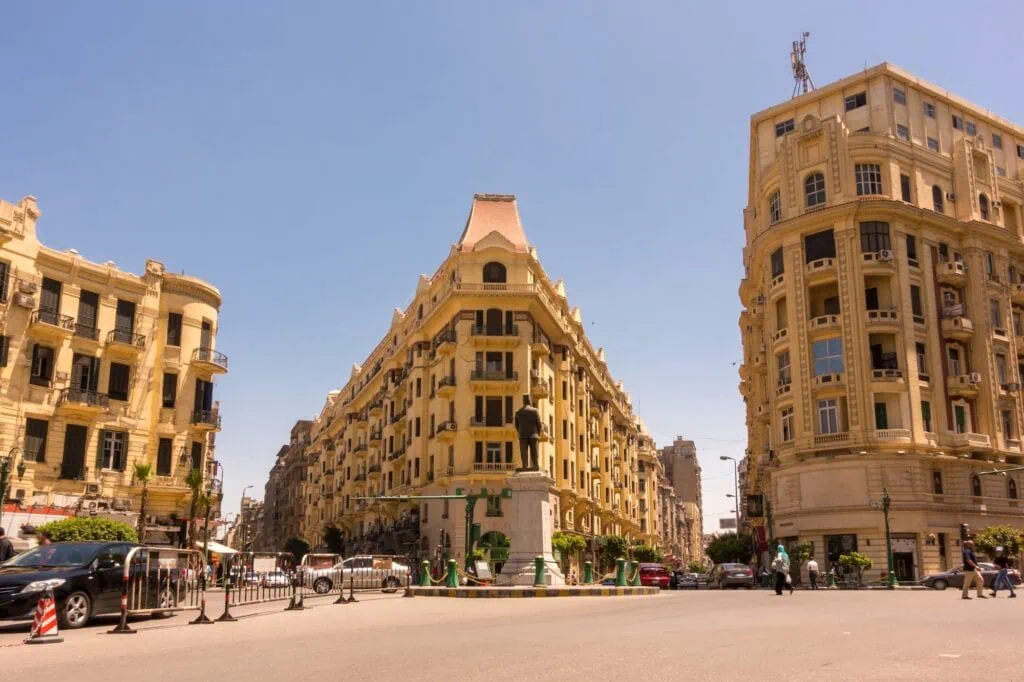
Summer Packing (May – September): Start with sun protection as your primary concern. Lightweight, long-sleeved shirts become essential rather than optional. Pack more shirts than you normally would – you’ll want fresh clothes after sweaty sightseeing sessions. Light-colored clothing reflects heat better, but expect frequent washing due to dust and perspiration. Bring a wide-brimmed hat and quality sunglasses. Your morning outfit might work until noon, then require complete changes for afternoon activities.
Winter Packing (November – March): Layer-friendly pieces work best during winter months. Pack long pants, long-sleeved shirts, and a warm jacket for evening activities. The temperature swings surprise many visitors – comfortable afternoon wear becomes inadequate for dinner outings. Bring closed-toe shoes with good traction for potentially wet conditions during rare rainfall. A medium-weight sweater handles indoor air conditioning and cool evenings.
Shoulder Season Advantages: April and October allow the most clothing flexibility. You can pack fewer total items since outfit changes happen less frequently. Standard travel clothing works well – avoid both extreme summer and winter preparations. Light layers handle day-to-night temperature changes without bulk.
Specific Activity Clothing
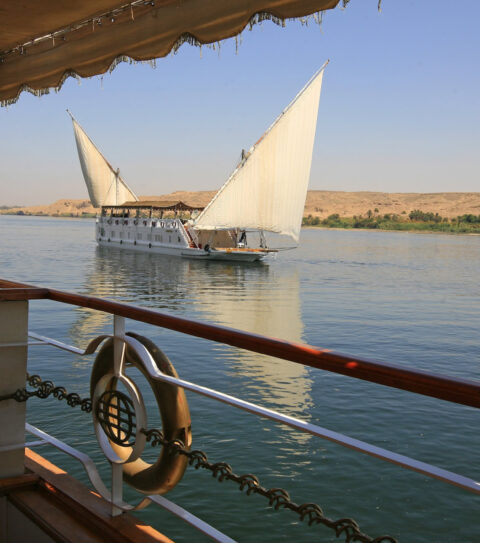
Different Cairo experiences require specialized clothing approaches. Museum visits demand comfortable walking shoes and moderate layering for air conditioning. Pyramid climbing needs sturdy, closed-toe shoes with good grip plus sun protection gear. Nile dinner cruises call for dressier evening wear that still respects modesty guidelines.
Market shopping in Khan el-Khalili requires clothes you don’t mind getting dusty plus secure pockets for valuables. Desert excursions to nearby sites need complete sun coverage and sand-resistant fabrics. Evening entertainment venues allow dressier options while maintaining cultural sensitivity.
Footwear for Cairo’s Diverse Terrain
Cairo’s streets present unique challenges that standard tourist footwear often can’t handle. The combination of ancient cobblestones, modern pavement, sandy areas, and indoor spaces requires thoughtful shoe selection.
Walking shoes with good traction become essential for pyramid visits and archaeological sites. The limestone blocks at Giza can be surprisingly slippery, especially early morning when dew creates slick surfaces. Many tourists underestimate the physical demands of climbing into pyramid chambers or navigating uneven temple floors.
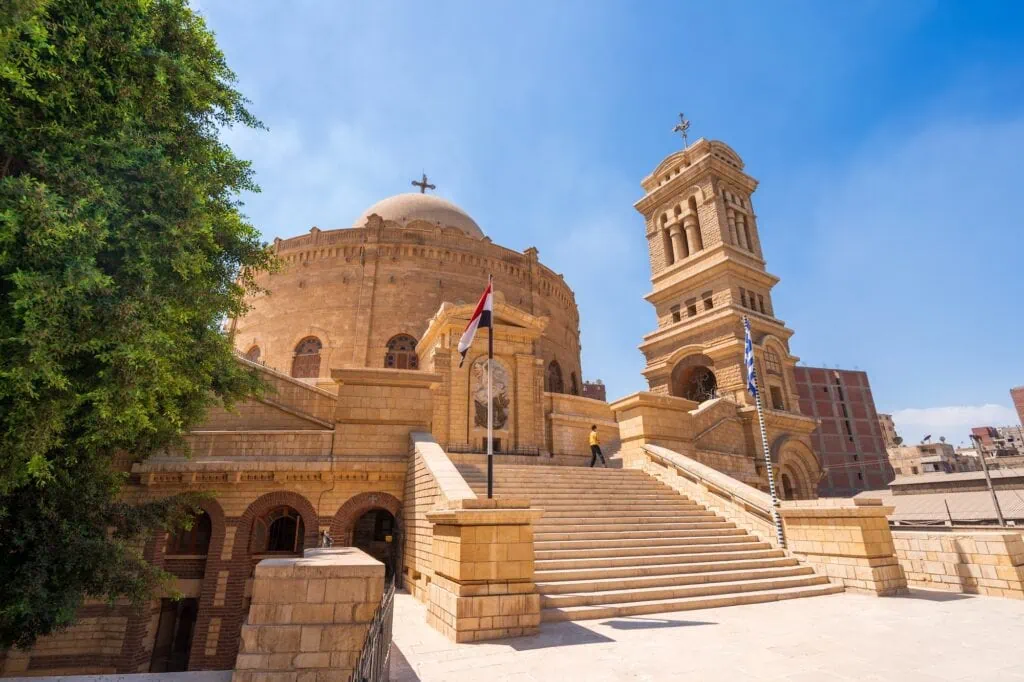
Dust penetration affects all shoe types in Cairo. Closed-toe designs protect feet from sand and debris that accumulates throughout sightseeing days. Open-toed sandals quickly become uncomfortable as fine particles work their way inside. Even with closed shoes, expect to empty sand from your footwear each evening.
Comfortable Options by Activity
Museum visits allow more flexibility in footwear choices. Indoor floors stay clean and level, making dress shoes or nice sneakers appropriate. However, long walking distances between exhibits still demand comfort over pure style considerations.
Street markets and bazaar exploration needs sturdy construction and secure fit. Cobblestone pathways and crowded conditions make ankle support important. Slip-on styles create security concerns in busy areas where pickpocketing occurs.
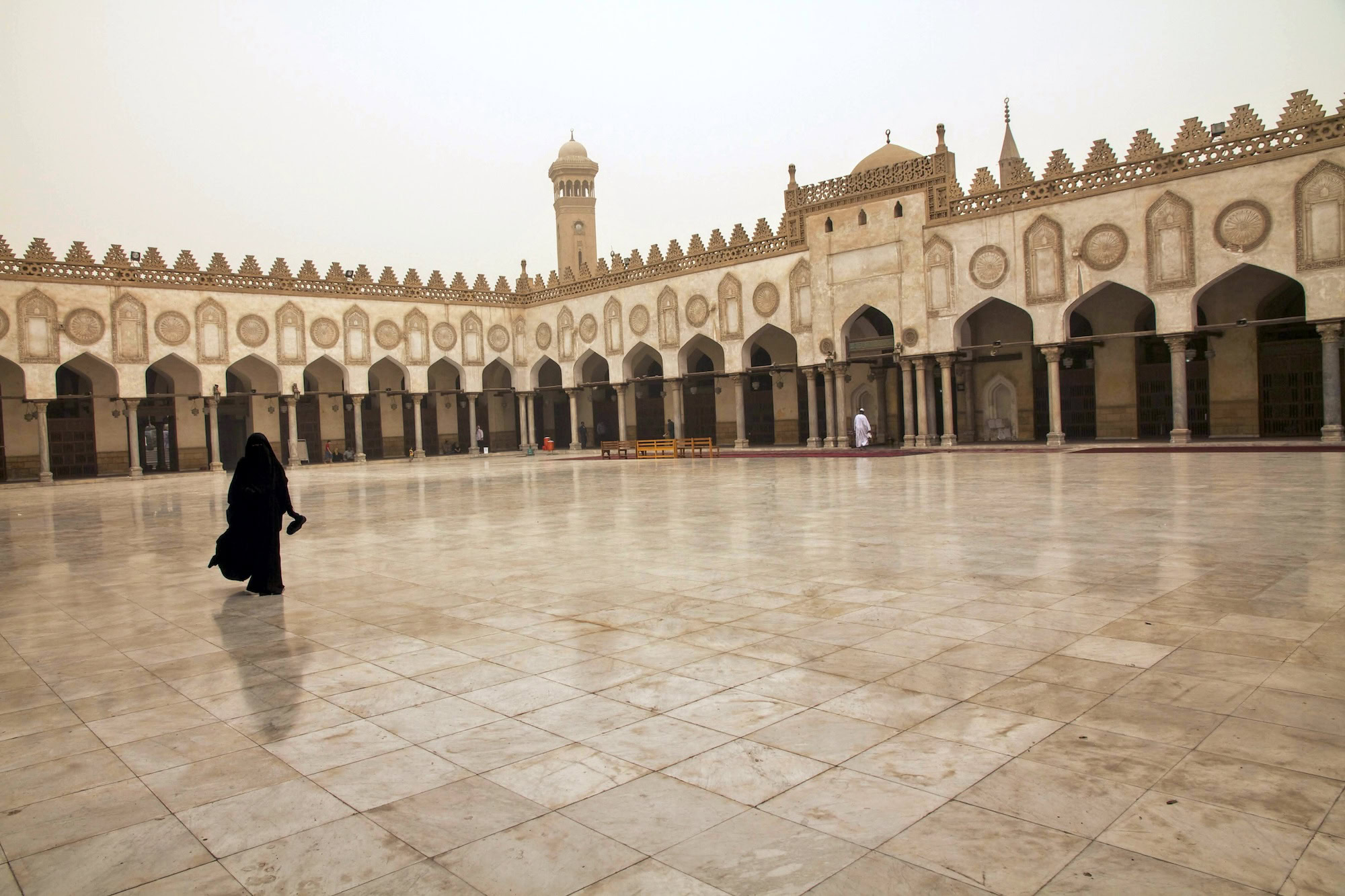
Religious site visits require easy removal shoes for mosque entries. Slip-on sneakers or loafers work better than elaborate lacing systems. Keep in mind that you’ll walk on various floor surfaces – from ancient stone to modern carpeting – after removing footwear.
Accessories and Sun Protection
Cairo’s intense sun and dusty conditions make accessories functional necessities rather than optional style additions. The right accessories dramatically improve comfort levels during outdoor activities.
Essential Sun Protection Gear
A wide-brimmed hat provides crucial face and neck protection that sunscreen alone can’t match. Choose styles that won’t blow off in desert winds – many areas around Cairo experience consistent breezes that catch broad hat brims. Chin straps or adjustable sizing help secure hats during windy pyramid visits.
Quality sunglasses become mandatory equipment rather than fashion choices. The desert environment reflects intense light from sand, stone, and building surfaces. Polarized lenses reduce glare from the Nile River and modern glass buildings throughout downtown Cairo.
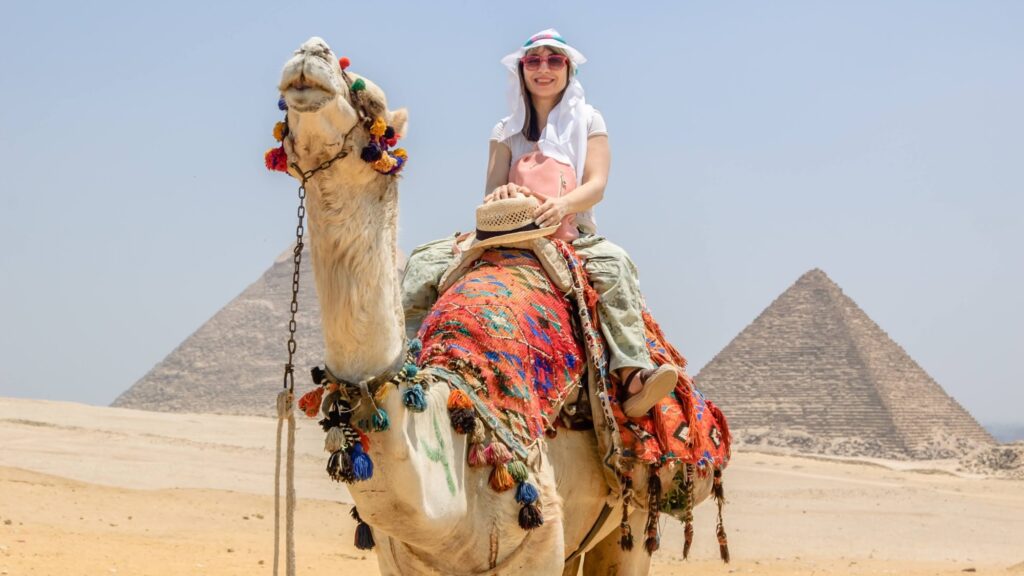
Lightweight scarves serve multiple protective purposes. They shield neck and shoulders from sun exposure, provide dust barriers for face coverage during sandstorms, and offer modesty adjustments for unexpected religious site visits. Choose breathable fabrics that don’t trap heat against skin.
Practical Daily Accessories
A comfortable day pack distributes weight better than shoulder bags during long sightseeing sessions. Look for designs with multiple compartments to organize essentials like water bottles, cameras, and small purchases from markets. Interior pockets provide security for important documents and extra cash.
Water bottles require constant refilling in Cairo’s dry climate. Insulated designs keep drinks cooler longer, though most tourist areas offer frequent refill opportunities. Some travelers prefer hydration backpacks for hands-free water access during active pyramid exploration.
Shopping for Clothes in Cairo
Cairo offers excellent opportunities to supplement your travel wardrobe with locally-appropriate clothing. Understanding where and how to shop helps you find quality pieces while experiencing local culture.
Modern shopping malls throughout Cairo stock international brands alongside Egyptian-made clothing. City Stars Mall and Mall of Egypt feature familiar retailers with clothing suited to local climate conditions. These venues offer fixed pricing and air-conditioned shopping comfort.
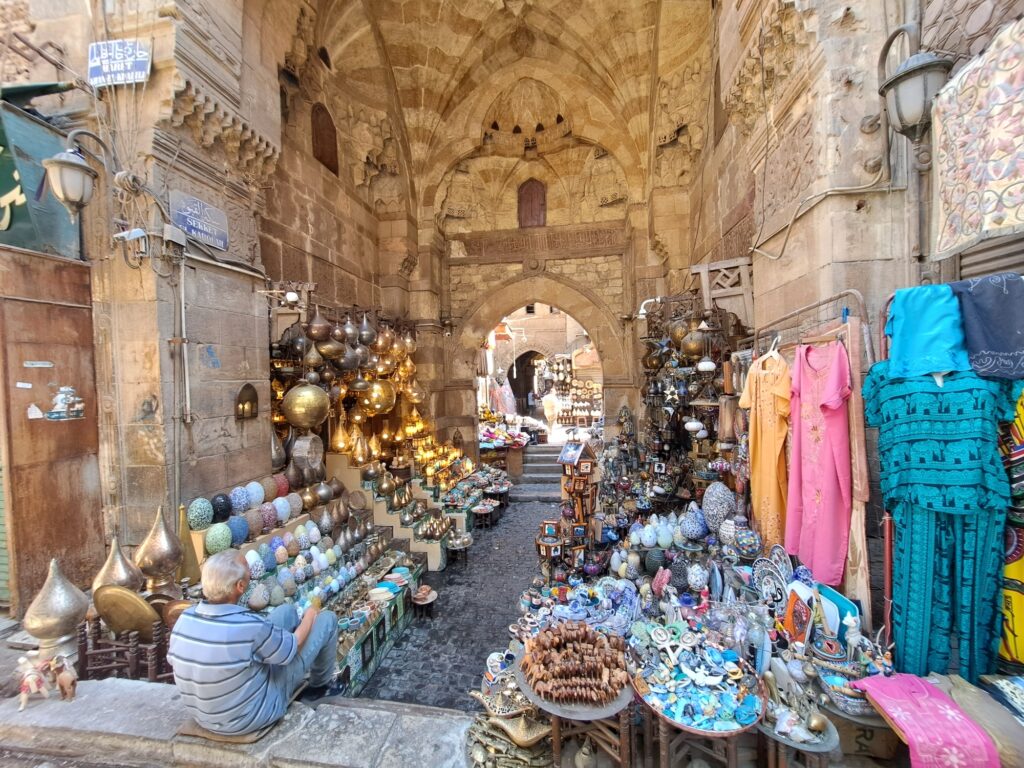
Traditional markets provide more authentic shopping experiences with negotiation opportunities. Khan el-Khalili bazaar sells cotton galabiyyas, scarves, and traditional Egyptian clothing alongside tourist souvenirs. Expect to bargain – initial prices often start 3-4 times higher than acceptable final costs.
Local Fabric Advantages
Egyptian cotton enjoys worldwide reputation for quality and comfort in hot climates. Locally-made shirts, pants, and dresses often cost less than imported alternatives while providing superior breathability. Many travelers find Egyptian cotton clothing becomes their preferred hot-weather gear long after returning home.
Linen production in Egypt creates excellent lightweight options for Cairo’s climate. Local shops offer linen pants, shirts, and dresses that pack small and wash easily in hotel sinks. These natural fiber options often outperform synthetic travel clothing for comfort and durability.
Frequently Asked Questions
Avoid wearing very short shorts, tank tops, low-cut tops, and excessively tight or revealing clothing in Cairo. While Egypt’s capital is more cosmopolitan than many parts of the country, modest dress remains the social norm, especially in residential neighborhoods, markets, and religious areas. Clothing that covers shoulders and extends to at least the knees generally attracts less attention and shows cultural awareness. Modest attire also makes entering mosques and historic Islamic sites much easier.
Yes, sandals are safe in Cairo, but closed-toe shoes are often more practical for daily sightseeing. Sidewalks can be uneven, streets may be dusty, and major attractions such as Khan el-Khalili and the Pyramids of Giza involve significant walking. Closed-toe walking shoes provide better protection from dirt, crowds, and rough surfaces. If you pack sandals, choose sturdy walking styles rather than beach flip-flops for greater comfort.
You do not need formal clothing for most visits to Cairo, but one smart outfit is useful for upscale restaurants, luxury hotels, or evening Nile dinner cruises. Business-casual attire is generally sufficient, such as a collared shirt and slacks for men or a modest dress or elegant separates for women. Cairo’s top dining venues rarely require strict dress codes, but polished clothing helps you feel comfortable in more refined settings.
For a week in Cairo, packing 8-10 complete outfits is usually sufficient, especially if you plan multiple daily activities. Daytime sightseeing at archaeological sites can be hot and dusty, while evenings may call for a fresh change of clothes. Lightweight garments are easy to layer and rewear when needed. Travelers visiting between November and February should also include a sweater or light jacket for cooler evenings.
Yes, Cairo offers excellent shopping opportunities for modest and climate-appropriate clothing after arrival. Large malls such as Citystars and Cairo Festival City Mall carry international brands, while local shops sell high-quality Egyptian cotton and linen garments. Prices are often lower than in North America or Europe, particularly for locally produced items. Buying a few pieces locally can be a practical solution if you underestimate the weather or dress requirements.
Cotton and linen are the best fabrics for Cairo’s climate because they allow airflow and remain comfortable in hot, dry conditions. Summer temperatures frequently exceed 35°C (95°F), making breathable natural fibers far more comfortable than heavy synthetic materials. Linen dries quickly and feels cool against the skin, while Egyptian cotton is known worldwide for its softness and durability. Loose-fitting garments made from these fabrics provide the best overall comfort.
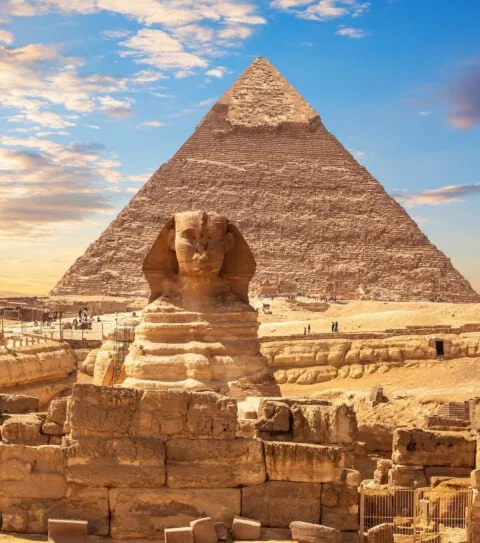
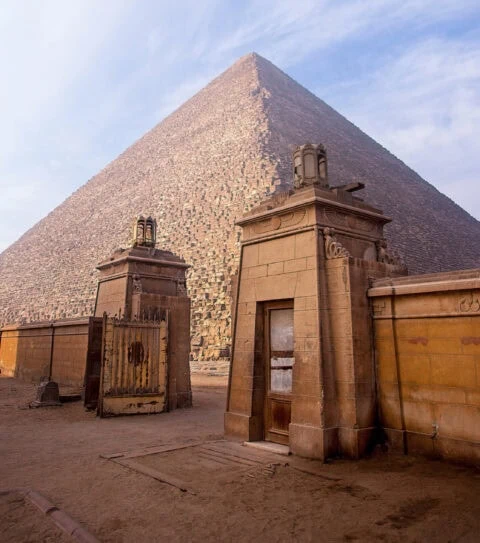
Pyramid visits require practical clothing rather than special clothing. Wear comfortable walking shoes, a hat, sunglasses, and lightweight garments that provide sun protection while remaining breathable. The Giza Plateau has little natural shade, and visitors often spend 3-4 hours exploring the pyramids and the Great Sphinx. Dusty conditions are common, particularly on windy days, so avoid clothing that requires frequent cleaning or delicate care.
Most restaurants in Cairo accept casual clothing, but upscale venues generally prefer smart casual or business-casual attire. Luxury hotels along the Nile, fine-dining establishments in Zamalek, and premium rooftop restaurants often expect guests to avoid athletic wear, beachwear, and overly revealing outfits. A collared shirt, dress, blouse, or neat trousers is usually sufficient. Dressing slightly smarter for evening dining helps match local expectations without requiring formalwear.
Yes, packing a light jacket is recommended for Cairo regardless of the season. Air-conditioned hotels, restaurants, museums, and transportation can feel surprisingly cool, especially after spending hours outdoors. During winter months from December through February, evening temperatures may drop to around 10-15°C (50-59°F). A lightweight jacket, cardigan, or fleece adds comfort without taking up much luggage space.
Closed-toe walking shoes or lightweight hiking shoes work best for exploring sandy areas around the pyramids. The terrain at Giza combines packed sand, loose gravel, stone pathways, and uneven surfaces, making sturdy footwear more comfortable than sandals. Good traction helps when climbing small slopes or navigating less-developed sections of the plateau. Shoes with breathable materials are ideal because temperatures can rise quickly during midday visits.
Yes, you can wear shorts in Cairo, particularly in tourist areas, hotels, and modern districts, but knee-length shorts are generally the most comfortable cultural choice. Longer shorts attract less attention and are more appropriate when visiting traditional neighborhoods or family-oriented public spaces. Many travelers find lightweight pants equally comfortable because they provide better sun protection. Long pants are especially useful when visiting mosques or conservative areas.
No, women are not generally required to cover their hair in Cairo, and many Egyptian women choose not to wear a headscarf. However, a scarf is useful when visiting mosques such as the Mosque of Muhammad Ali in the Citadel, where female visitors are often asked to cover their hair. Carrying a lightweight scarf also provides protection from sun, wind, and dust during outdoor sightseeing.
Explore our most popular guides and expert tips to make your trip safe, smooth, and unforgettable.
Plan Your Egypt Adventure with Confidence
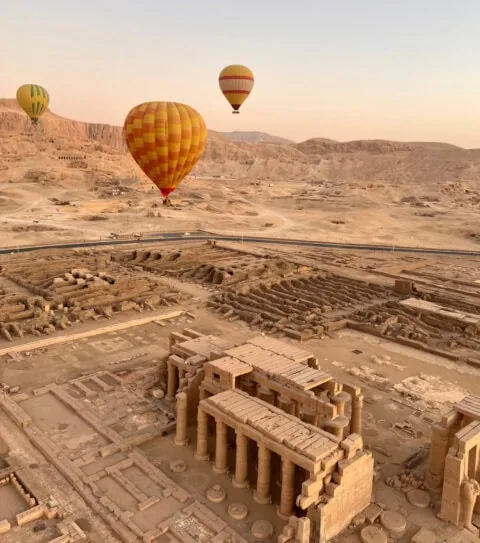
How to Plan a Trip Egypt
Step-by-step guide to help you plan the perfect Egypt trip — from routes and budget to booking.
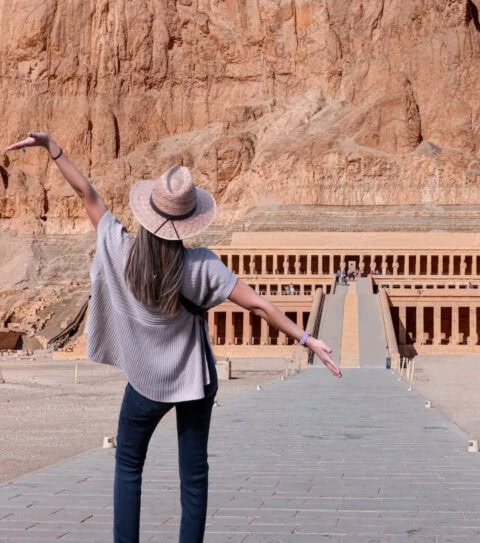
Best Time to Visit Egypt
Learn the best months to visit Egypt based on weather, crowds, and local travel experiences.
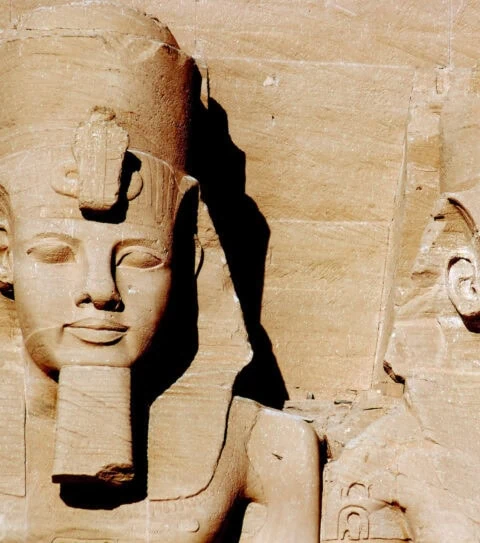
Must Visit Places in Egypt
Explore Egypt’s top sights — from pyramids to temples — and hidden gems worth seeing.
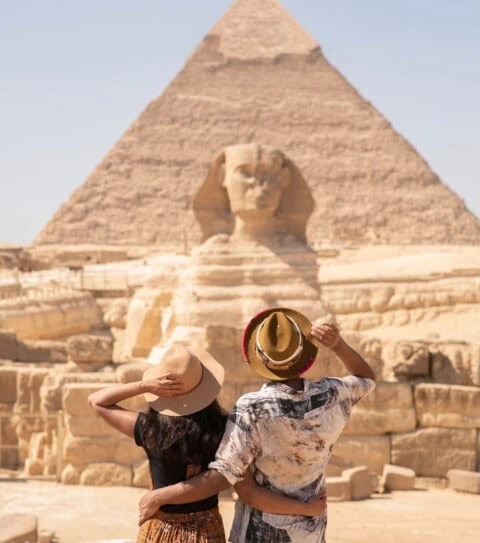
Top-Rated Egypt Tours
Handpicked private tours with local guides — our most loved and best-reviewed experiences.
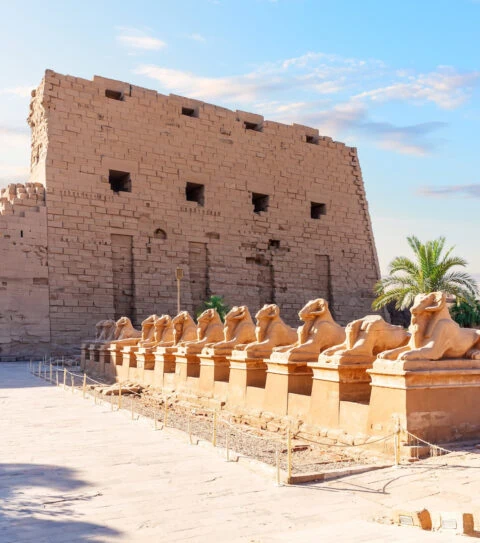
How Many Days to Visit Egypt?
Find out how many days you need in Egypt — from quick trips to full itineraries.
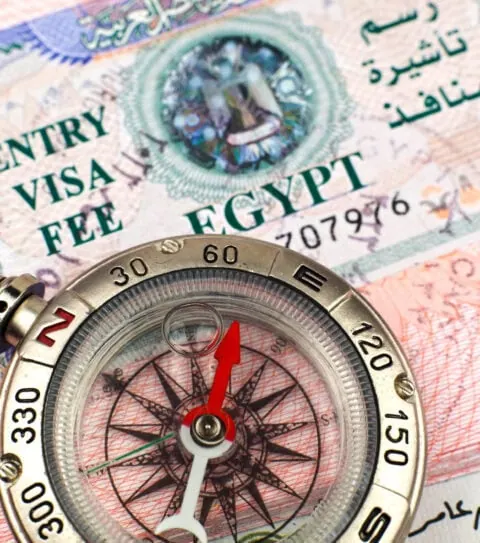
Egypt Visa Requirements
Check if you need a visa and get simple, up-to-date entry info based on your nationality.
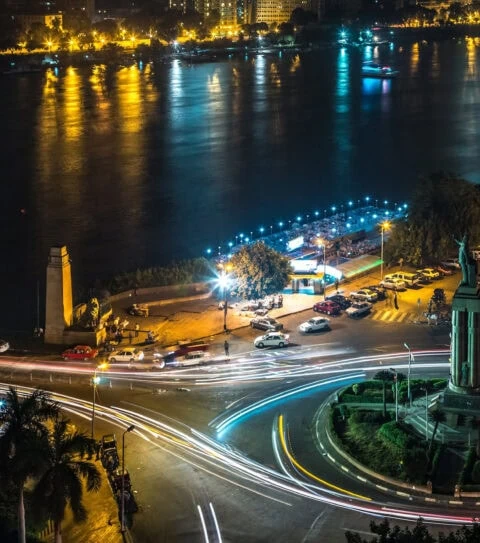
Is it Safe to Travel to Egypt?
Is Egypt safe? Get honest safety tips, area advice, and what to know before you travel.
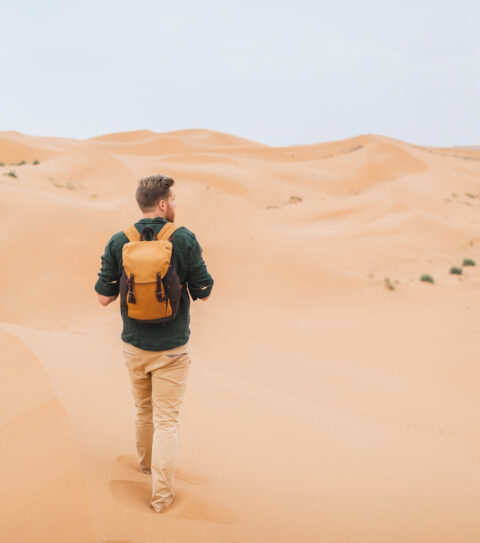
What to Pack for Egypt
A quick packing guide with essentials, cultural tips, and clothing advice for your Egypt trip.
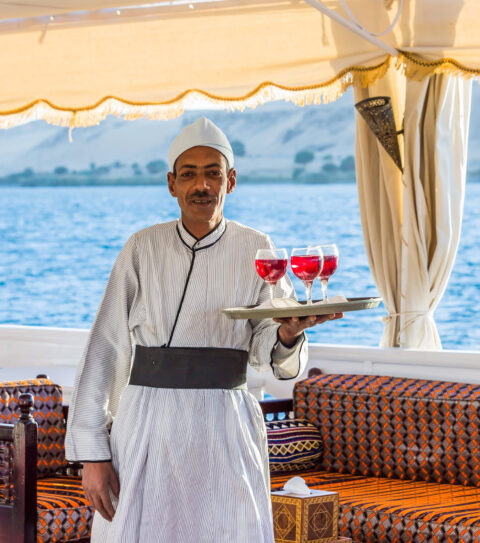
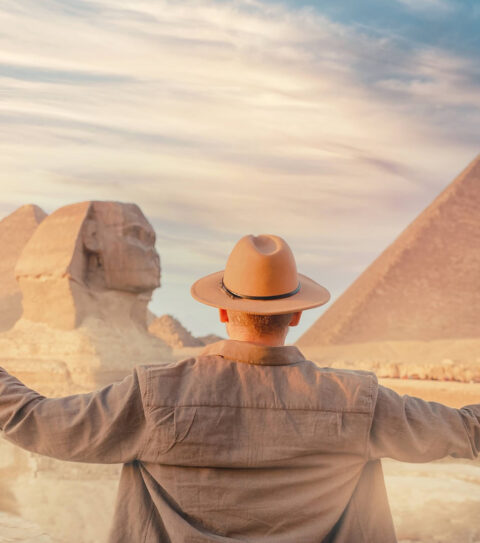
Design Your Custom Tour
Explore Egypt your way by selecting only the attractions you want to visit