Egypt Tours from Ireland
Ireland to Egypt flights are surprisingly straightforward. Most travelers from Dublin or Cork can reach Cairo within 8-10 hours, often with just one connection through Amsterdam, Frankfurt, or Istanbul.
The journey might seem distant, but Egypt’s ancient wonders and warm climate make it a favorite winter escape for Irish families and solo adventurers alike. We’ve organized hundreds of departures from major Irish airports, and the logistics are simpler than most people expect.
Egyptian visas for Irish passport holders cost €25 and process in minutes upon arrival at Cairo International Airport. The temperature difference can be dramatic – while Dublin averages 8°C (46°F) in January, Cairo enjoys pleasant 18°C (64°F) days perfect for sightseeing.
Why Egypt Appeals to Irish Travelers
The connection runs deeper than convenient flights. Irish visitors consistently rank Egypt among their top three international destinations, drawn by historical parallels and cultural warmth that feels surprisingly familiar.
Ancient Stories That Resonate
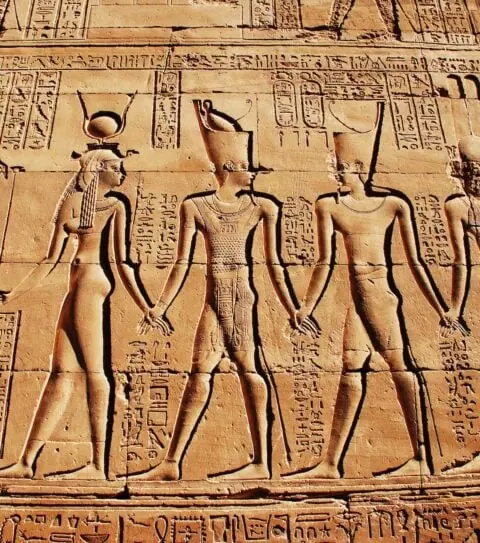
Egyptian mythology shares fascinating similarities with Celtic traditions. Both cultures revered powerful goddesses, practiced elaborate burial rituals, and passed down epic tales through generations.
Standing before the Valley of the Kings, many Irish visitors comment on feeling an unexpected sense of recognition – as if these ancient stories echo their own heritage. The storytelling tradition particularly resonates.
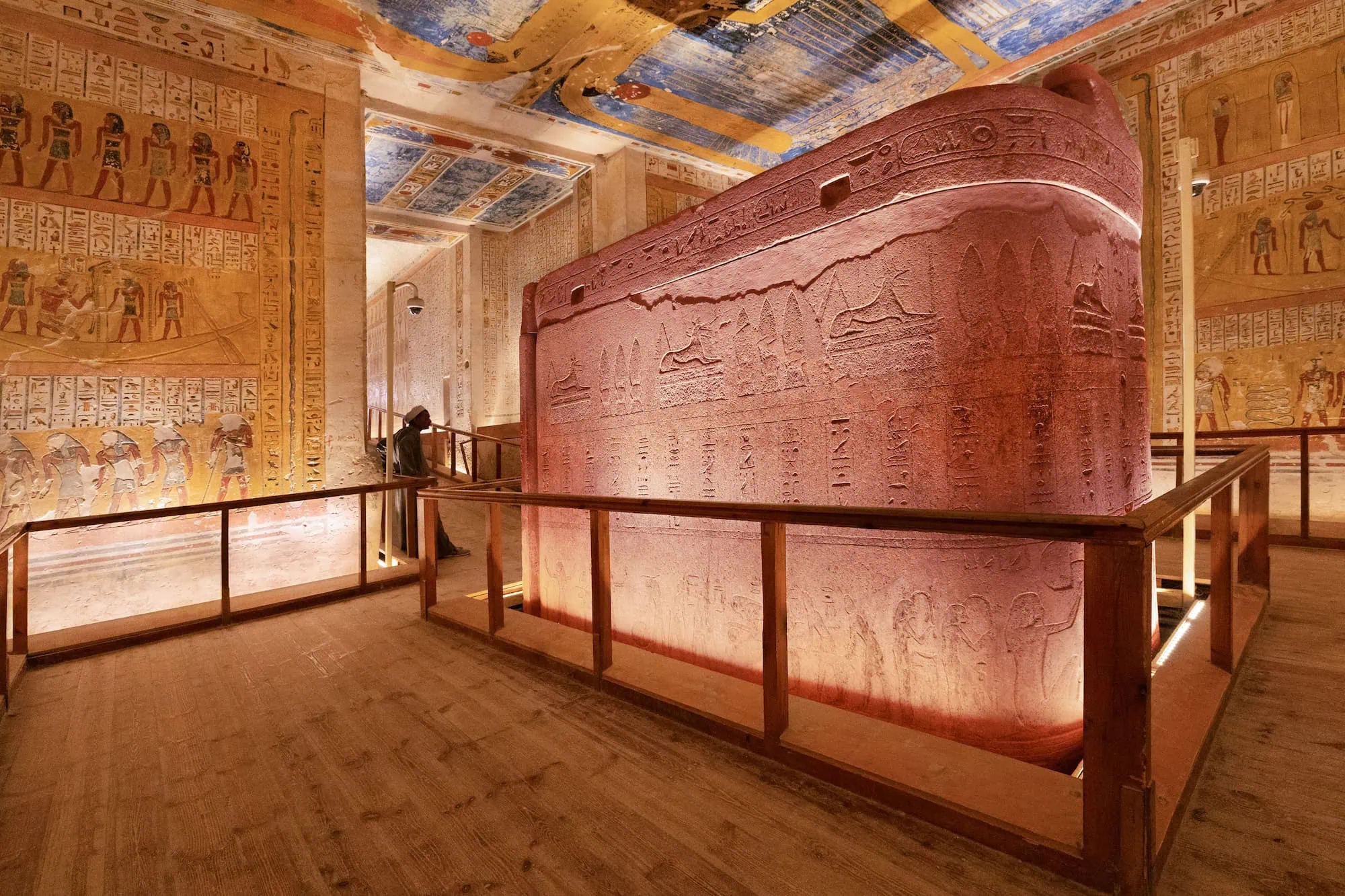
Egyptian guides naturally weave historical narratives with personal anecdotes, much like traditional Irish seanchaí storytellers. This approach transforms pyramid visits from simple sightseeing into immersive cultural experiences.
Climate and Timing Advantages
Ireland’s mild, wet winters make Egypt’s dry, sunny season (October through April) incredibly appealing. While Dublin experiences 15-20 rainy days monthly during winter, Cairo averages just 2-3 days of rain across the entire season.
Peak travel months for Irish visitors are December, January, and February. Temperatures range from 15-20°C (59-68°F) during the day, dropping to 8-12°C (46-54°F) at night – comfortable for exploring without the exhausting heat of summer months.
Value and Accessibility
The Euro’s strength against the Egyptian pound creates exceptional value. A high-quality private day tour with qualified Egyptologist guides costs roughly €60-80 per person, including entrance fees and transportation.
Comparable experiences in Western European destinations would cost double or triple. Direct flight connections through Amsterdam (KLM) and Frankfurt (Lufthansa) offer convenient scheduling.
Most departures from Dublin arrive in Cairo by late evening, allowing full next-day sightseeing with minimal jet lag adjustment.
Essential Egypt Destinations from Ireland
Cairo dominates most itineraries, and rightfully so. The city houses one-third of Egypt’s major archaeological sites within a 30-kilometer radius.
However, the real magic happens when combining Cairo’s cultural intensity with Egypt’s diverse regional experiences.
Cairo: The Gateway Experience
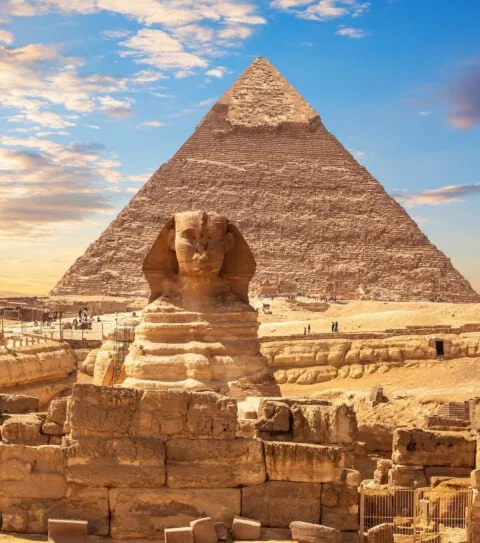
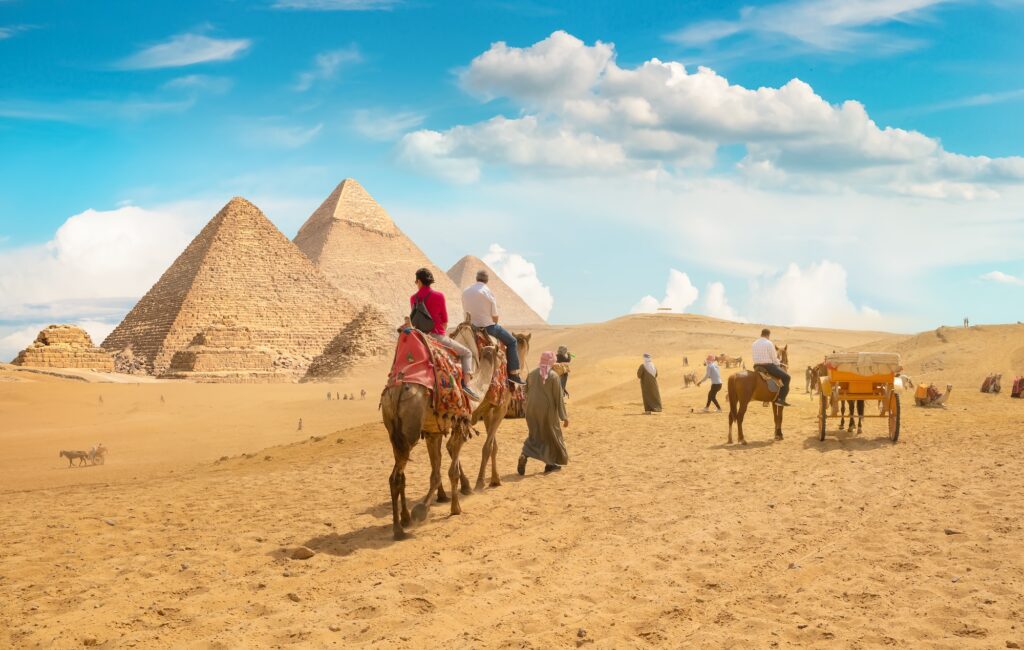
Every Egypt tour from Ireland begins in Cairo, home to 10 million people and 4,000 years of continuous history. The Giza Pyramid complex sits just 12 kilometers (7.5 miles) from central Cairo – closer than Dublin Airport to the city center.
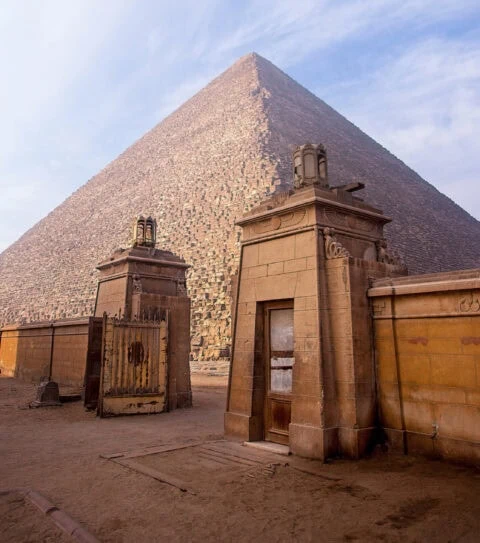
The Great Pyramid remains the only surviving Wonder of the Ancient World. Built for Pharaoh Khufu around 2580 BCE, it originally stood 146 meters (480 feet) tall and contains approximately 2.3 million stone blocks.
Irish visitors often express amazement at the precision – the base covers 5.3 hectares (13 acres) with sides varying by less than 2 centimeters.
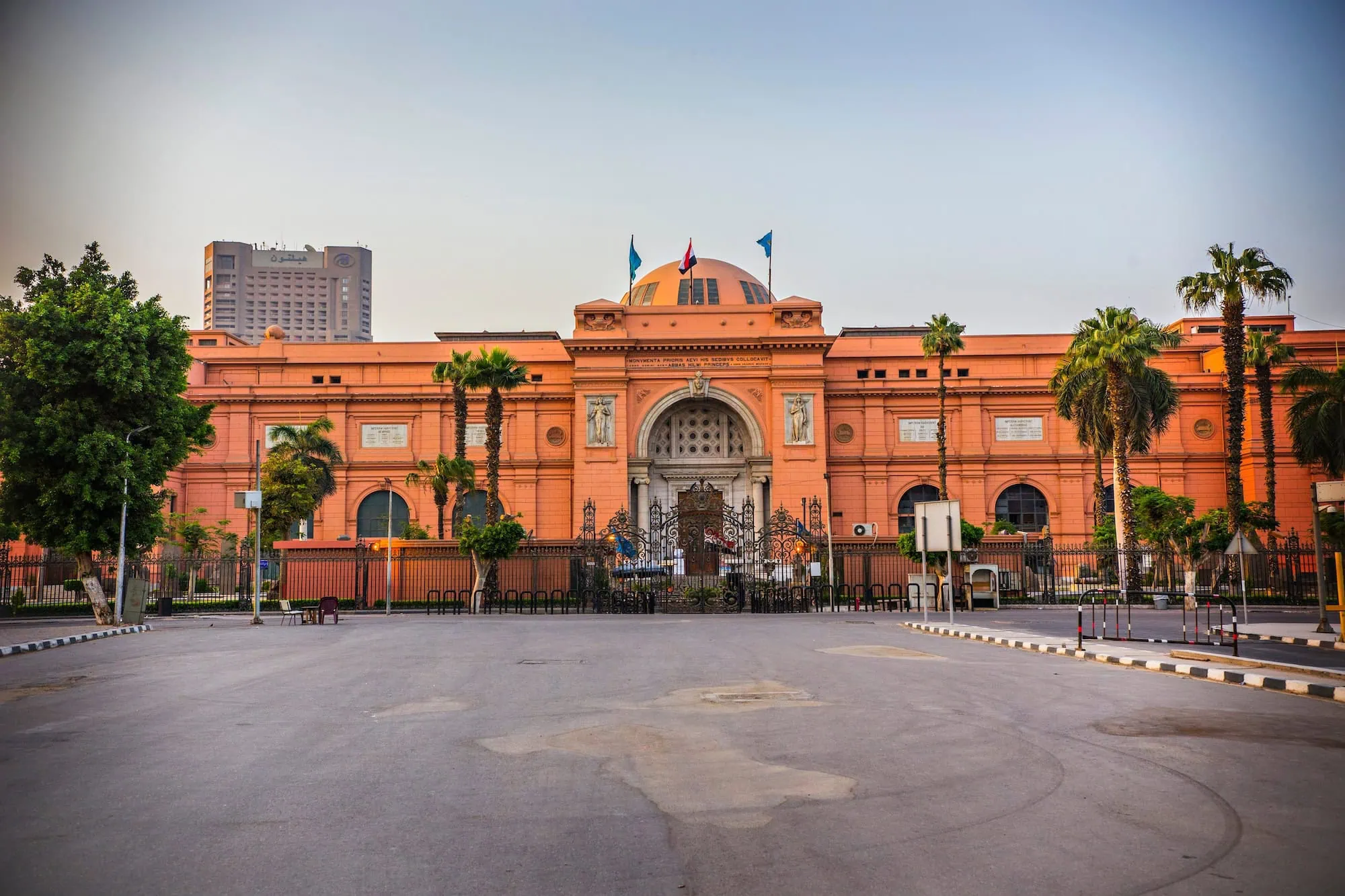
The Egyptian Museum houses the world’s largest collection of ancient Egyptian artifacts, including Tutankhamun’s golden burial mask and sarcophagus. Allow minimum 3-4 hours for a comprehensive visit with a qualified guide.
Khan el-Khalili bazaar offers authentic shopping experiences. Unlike tourist-focused markets elsewhere, locals still shop here for spices, textiles, and household goods. Bargaining is expected – start at roughly 30% of the quoted price and negotiate upward.
Luxor: The Open-Air Museum
Former Thebes served as Egypt’s capital for over 1,500 years. Today’s Luxor concentrates more temples, tombs, and monuments than anywhere else in Egypt.
The city divides naturally into east and west banks, each requiring full-day exploration.
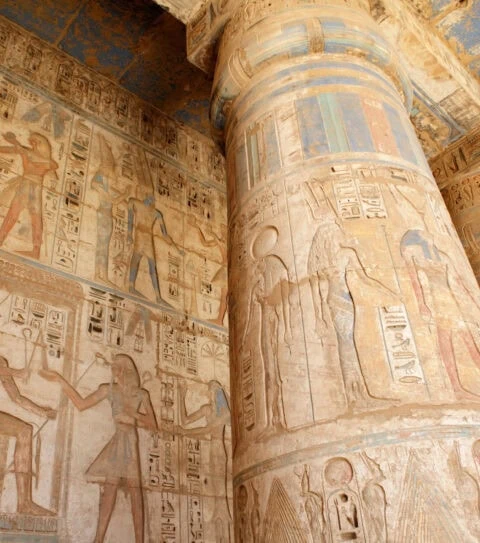
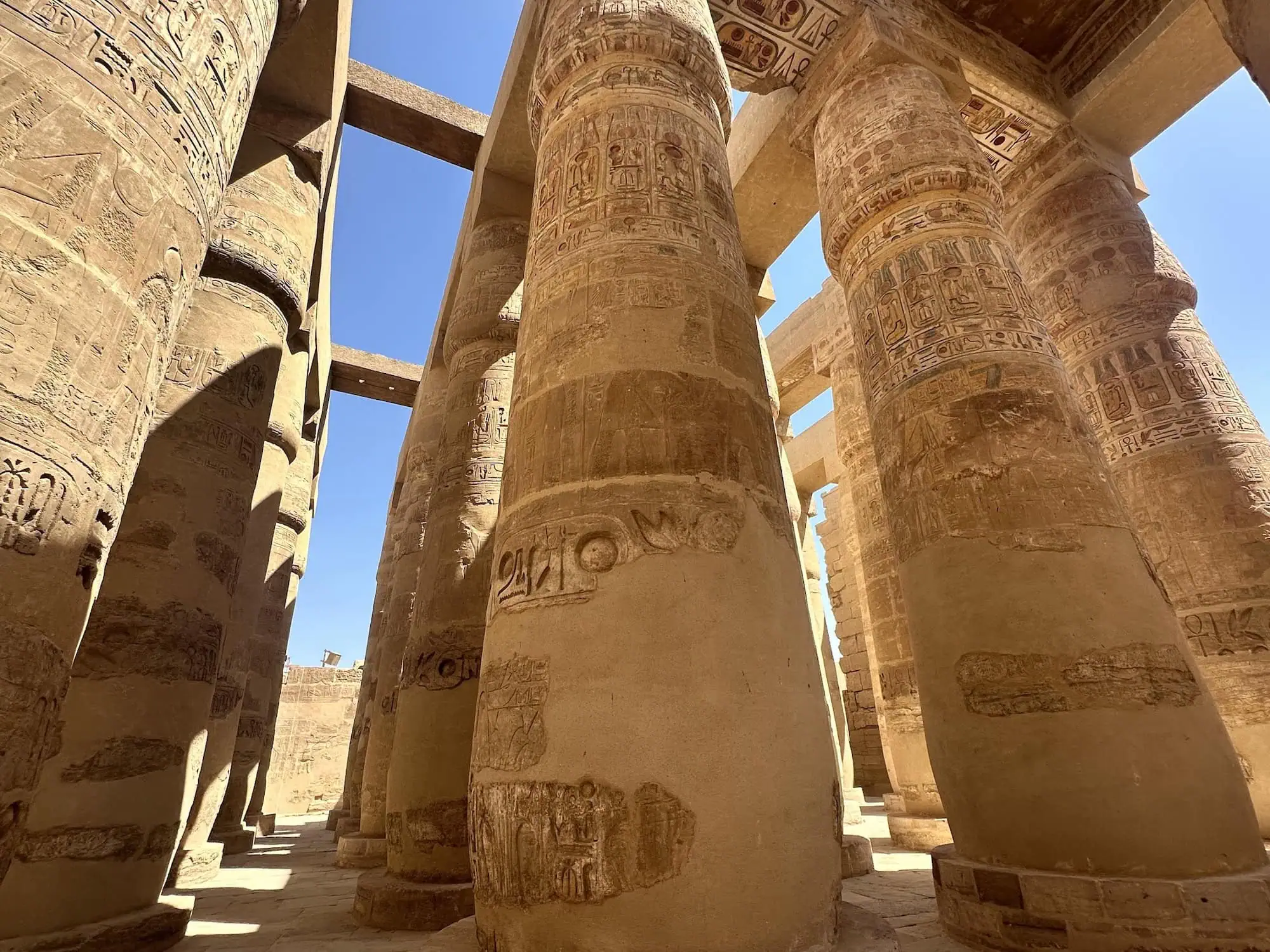
Karnak Temple Complex spans 100 hectares (247 acres) – larger than most Irish towns. Construction continued for 2,000 years across multiple pharaonic dynasties. The Great Hypostyle Hall contains 134 massive columns, each 15 meters (49 feet) tall and 3 meters (10 feet) in diameter.
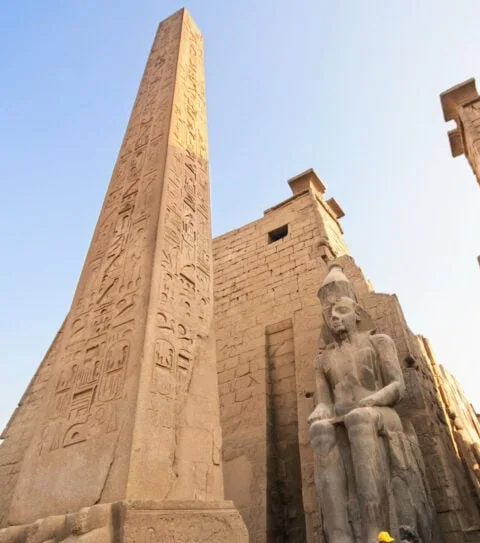
Evening sound and light shows run at 7:30 pm (19:30) during winter months. Luxor Temple connects to Karnak via the ancient Avenue of Sphinxes, recently restored and reopened to visitors.
Valley of the Kings houses 65 documented pharaonic tombs cut directly into limestone cliffs. Standard entrance tickets include three tomb visits, with additional fees for special tombs like Tutankhamun (€15 extra) or Ramses VI (€10 extra).
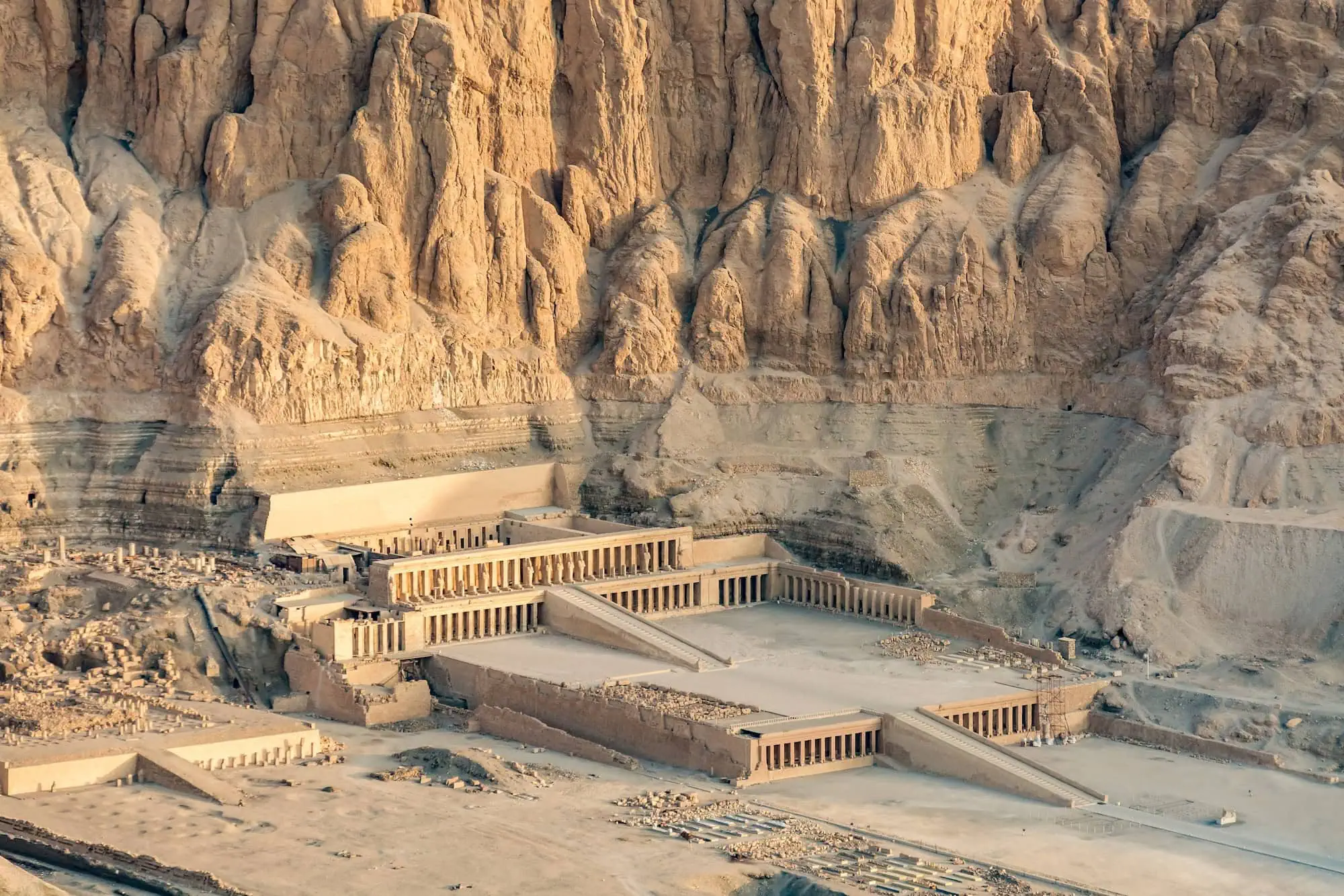
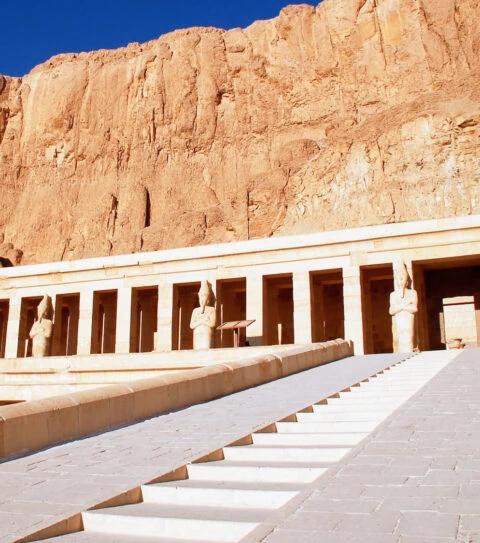
Hatshepsut Temple rises in three distinctive terraces against dramatic cliff faces. Egypt’s most successful female pharaoh ruled for 22 years and commissioned this architectural masterpiece around 1470 BCE.
Aswan: Nubian Culture and Beauty
Aswan offers Egypt’s most relaxed pace and stunning Nile scenery. The city sits at the first cataract, where granite outcrops create natural rapids and islands. Temperatures run 2-3°C warmer than Cairo year-round.
Philae Temple sits on Agilkia Island, accessible only by motorboat. UNESCO relocated the entire temple complex during the 1970s to save it from Aswan High Dam flooding.
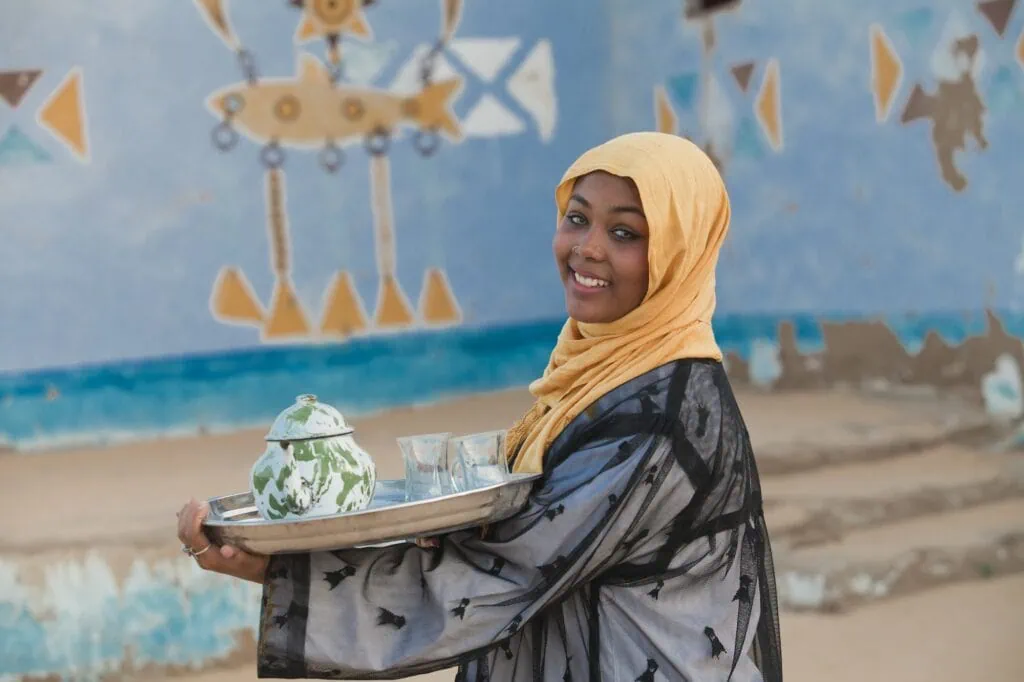
Nubian Villages offer cultural experiences beyond pharaonic history. Traditional houses painted in bright blues, yellows, and oranges create Instagram-worthy backdrops. Local families welcome visitors for traditional meals – expect spiced rice, grilled fish, and strong Nubian tea.
Aswan High Dam created Lake Nasser, one of the world’s largest artificial lakes stretching 550 kilometers (342 miles) south into Sudan. The dam’s construction represented modern Egypt’s largest engineering project.
Nile Cruise Experiences: Floating History
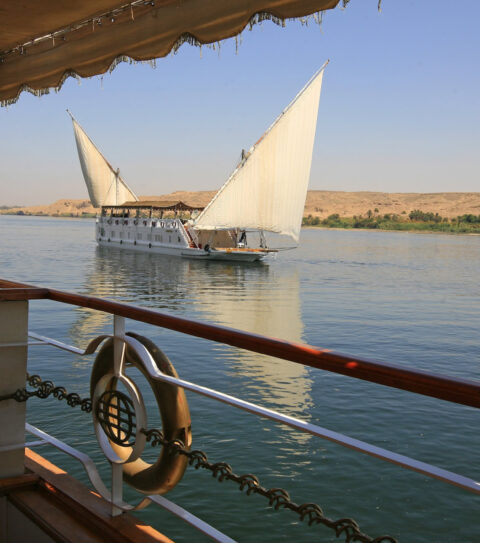
Nile cruising remains Egypt’s signature travel experience, combining comfortable accommodation with daily archaeological excursions. Modern cruise ships feature air conditioning, swimming pools, and quality dining while maintaining traditional sailboat aesthetics.
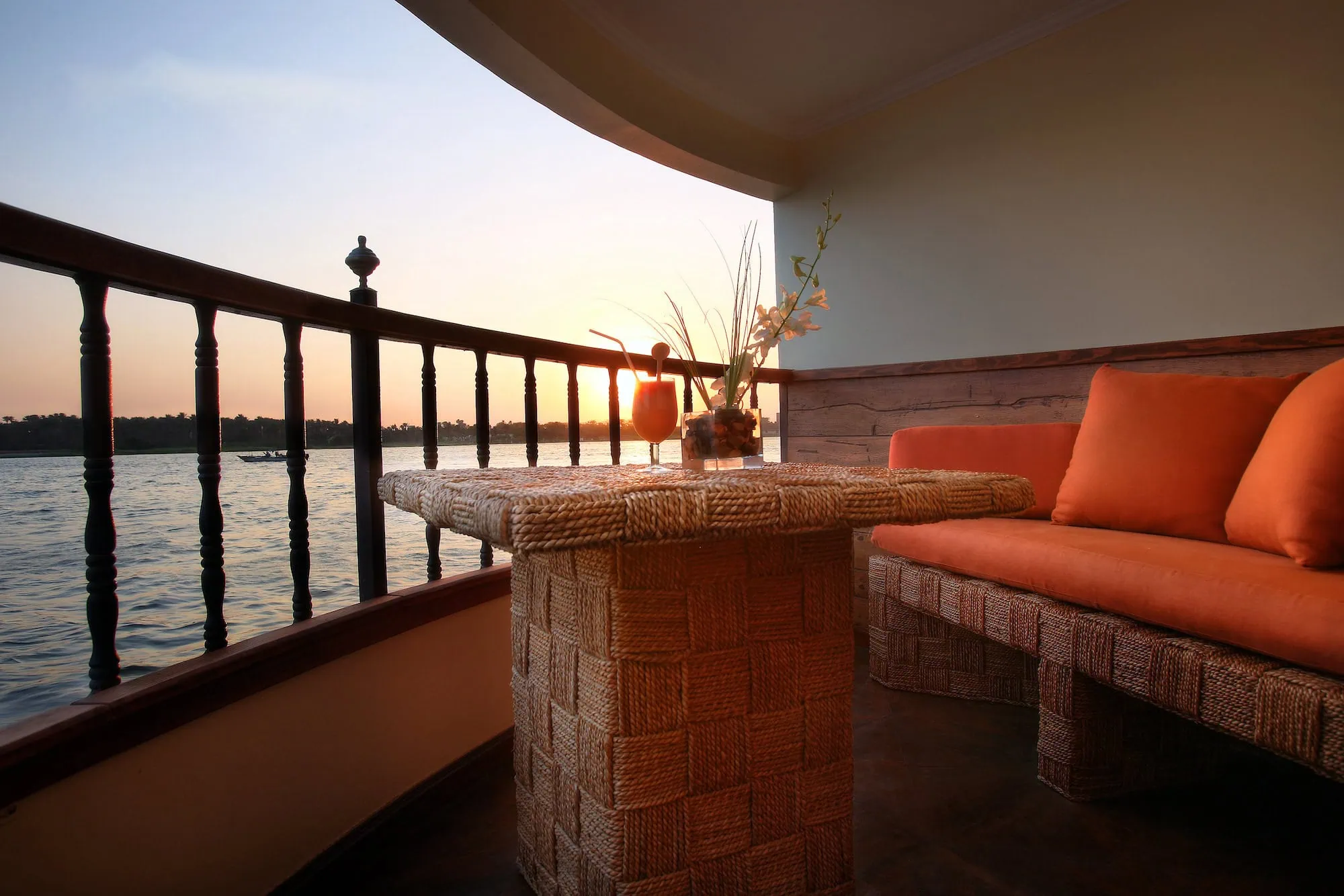
Standard Luxor-Aswan cruises last 4-5 days sailing south, or 3-4 days returning north. The southbound journey allows more relaxed scheduling, with longer stops at Edfu and Kom Ombo temples.
Cruise Ship Categories
5-Star Deluxe Ships accommodate 70-150 passengers with spacious cabins, multiple dining venues, and premium service standards. Cabin sizes typically range 20-25 square meters (215-270 square feet) with panoramic windows or private balconies.
4-Star Standard Ships offer smaller vessels with 40-80 passengers providing intimate atmosphere and personalized service. These ships often provide better temple access due to flexible scheduling and smaller group sizes for excursions.
Luxury Boutique Options like Oberoi or Sonesta limit capacity to 30-60 passengers. Butler service, gourmet dining, and private terraces justify higher rates.
Temple Stops and Highlights
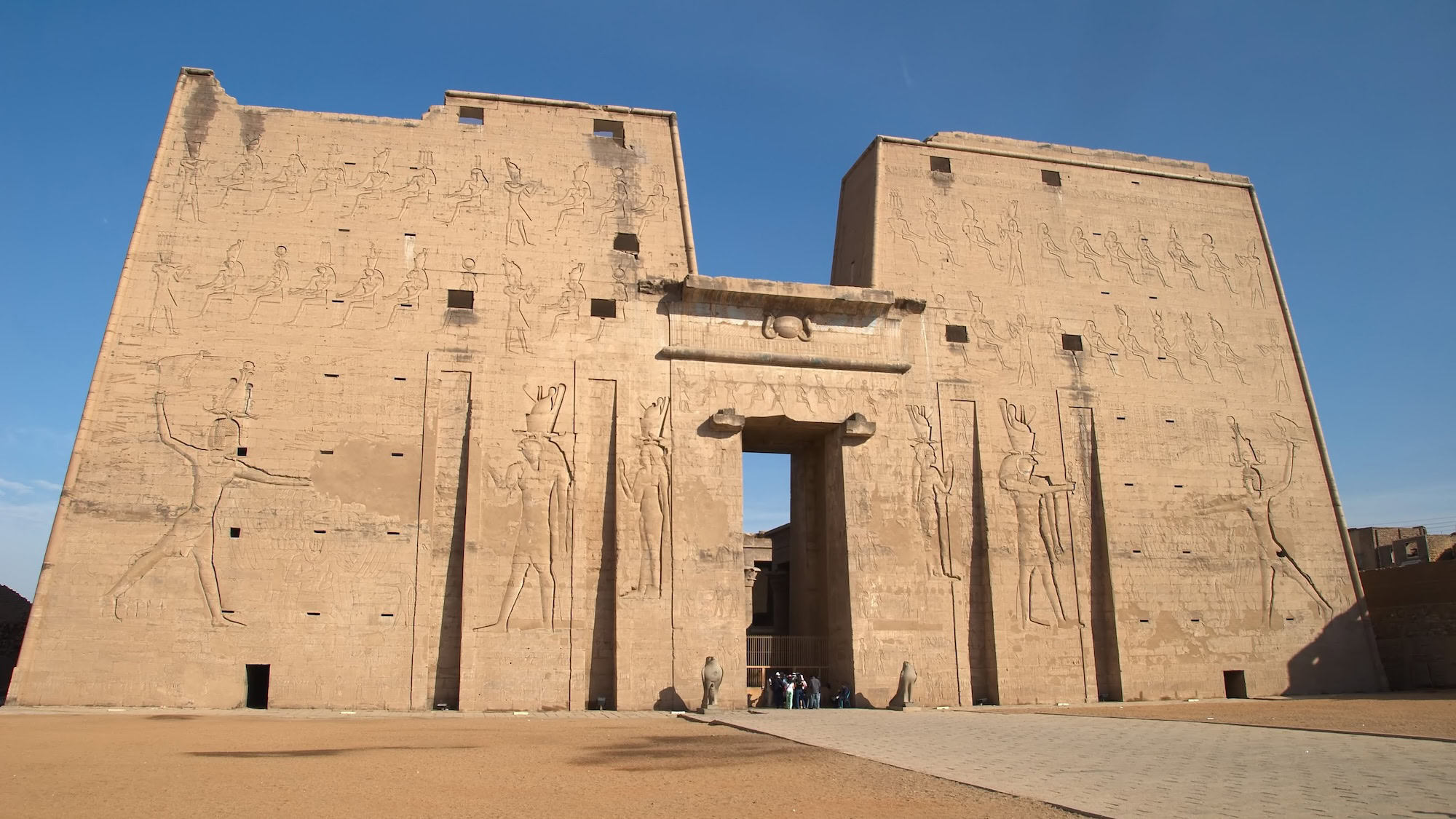
Edfu Temple honors Horus, the falcon-headed god. This Ptolemaic temple (built 237-57 BCE) represents Egypt’s best-preserved ancient temple. Horse-drawn carriages transport visitors from the Nile dock to temple entrances.
Kom Ombo Temple uniquely serves two gods: Sobek (crocodile deity) and Horus. The temple’s dual design creates perfect symmetry, with separate entrances, halls, and sanctuaries for each god.
Night sailing between Kom Ombo and Aswan offers spectacular stargazing opportunities. Light pollution remains minimal along the Nile, revealing constellations rarely visible from Irish cities.
Practical Planning: Visas and Health
US passport holders receive 30-day tourist visas upon arrival for €25, payable in USD, EUR, or GBP. The process takes 5-10 minutes at dedicated visa counters before passport control.
European Union citizens, including Irish travelers, follow identical visa procedures and fees. Canadian and Australian visitors receive the same treatment.
No mandatory vaccinations exist for Egypt travel from Ireland, though hepatitis A and typhoid shots provide additional protection. Traveler’s diarrhea affects 20-30% of visitors during their first week.
Currency and Payment Methods
The Egyptian pound (EGP) fluctuates against major currencies but generally provides excellent value for Irish visitors. Current exchange rates hover around 0.60-0.80 EGP per Euro.
Cash remains king for small vendors, taxi drivers, and local restaurants. ATMs dispense Egyptian pounds in major denominations, though some machines limit daily withdrawals to 2,000-3,000 EGP.
Baksheesh (small tips) oils social interactions throughout Egypt. Budget €5-10 daily per person for various service providers: hotel housekeeping, restaurant servers, taxi drivers, and guide services.
Choosing Between Tour Styles
Tour format significantly impacts your Egyptian experience. Private tours offer flexibility and personalized attention, while group tours provide social interaction and cost advantages.
Private Tours: Maximum Flexibility
Private tours accommodate 2-8 passengers with dedicated vehicles, drivers, and guides. This format allows spontaneous itinerary changes, extended site visits, and personalized explanations based on individual interests.
Costs run 40-60% higher than group tours, though per-person prices decrease with larger private parties. Photography enthusiasts particularly appreciate private tours for optimal timing and positioning at monuments.
Group Tours: Social and Economical
Small group tours (8-16 participants) balance personal attention with cost efficiency. Most participants appreciate meeting like-minded travelers while sharing extraordinary experiences.
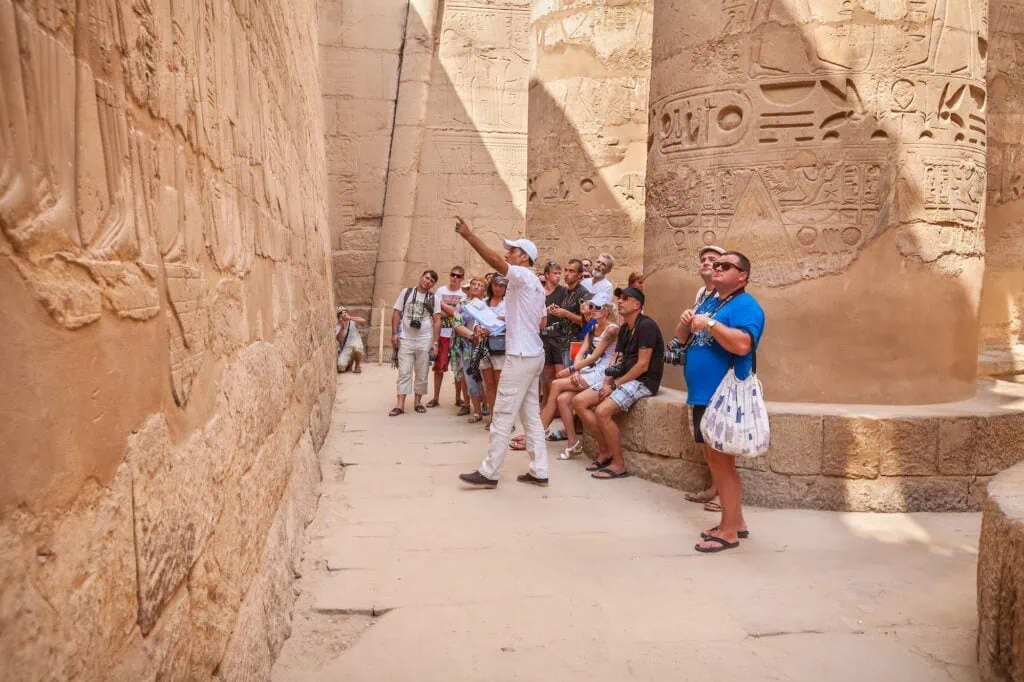
International mix including Europeans, Americans, Canadians, and Australians creates diverse perspectives on Egyptian culture and history. Group rates reduce per-person expenses by 30-40% compared to private arrangements.
Red Sea Extensions: Beach Adventures
Egypt’s Red Sea coast offers world-class diving, snorkeling, and beach relaxation just 90 minutes from Cairo by air. Two main resort areas serve different preferences and budgets.
Hurghada: Family-Friendly Resort Hub
Hurghada accommodates families and budget-conscious travelers with numerous all-inclusive resorts, sandy beaches, and calm waters. The city has grown rapidly since the 1980s, evolving from fishing village to major tourism center.
Giftun Island Marine Park, 45 minutes by boat, protects pristine coral reefs and diverse marine life. Day trips include equipment, lunch, and multiple diving/snorkeling sites.
Sharm El Sheikh: Premium Diving
Sharm El Sheikh attracts serious divers and snorkelers to the Sinai Peninsula’s dramatic underwater landscapes. Ras Mohammed National Park and the famous Blue Hole rank among the world’s top diving sites.
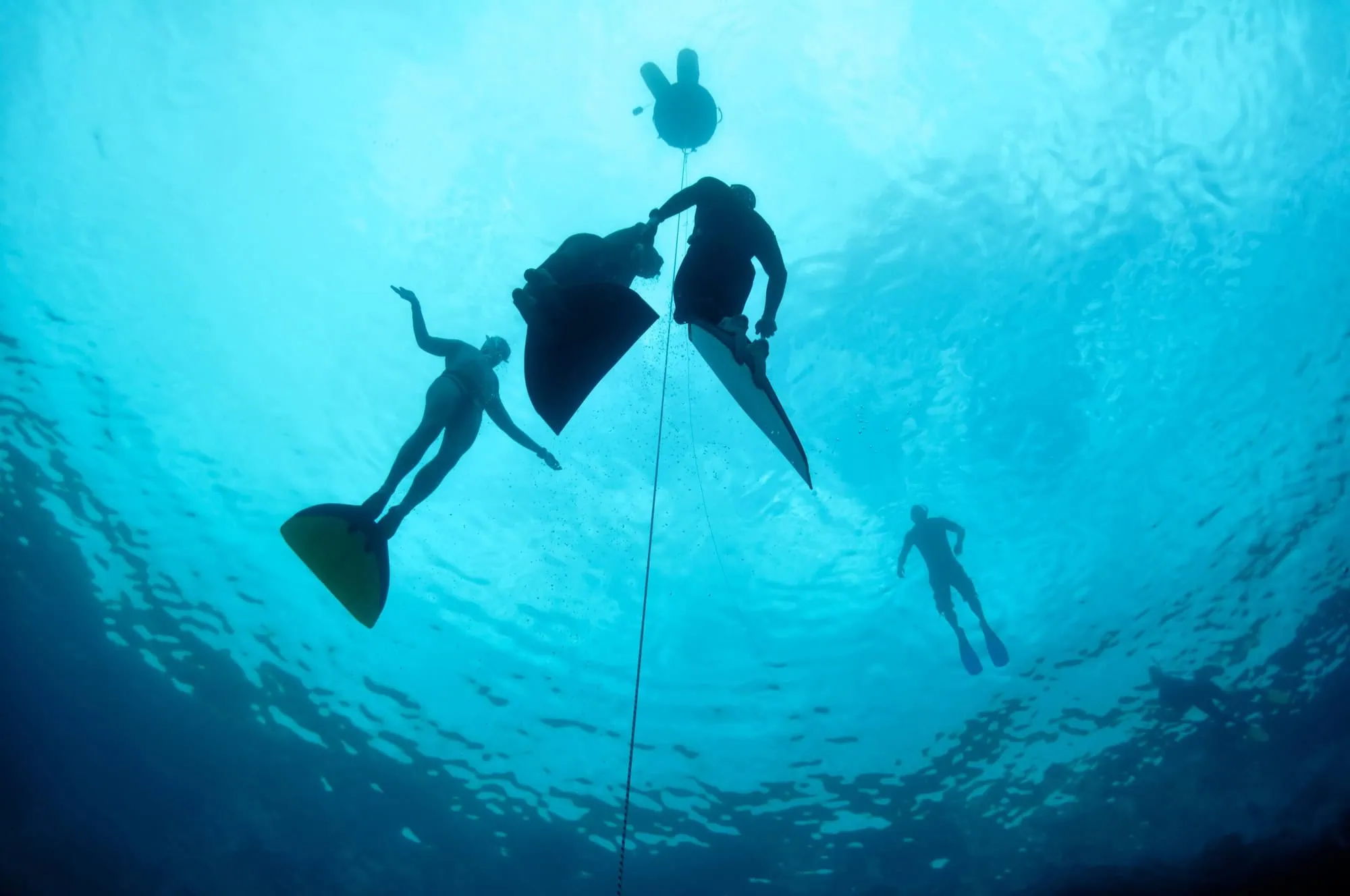
The Red Sea supports over 1,000 fish species and 200 coral varieties. Professional dive centers offer PADI and SSI certification courses, equipment rental, and guided excursions.
Cultural Insights and Local Interactions
Understanding Egyptian social customs enhances every interaction and demonstrates respect for local culture. Egyptian hospitality runs deep, though tourist areas sometimes feel commercialized.
Religious and Social Considerations
Egypt remains predominantly Muslim (90%) with a significant Coptic Christian minority (10%). Islamic traditions influence daily life, though tourist areas maintain relaxed atmospheres welcoming international visitors.
Conservative dress shows respect, particularly when visiting religious sites. Women should cover shoulders and knees, while men should avoid shorts and sleeveless shirts at mosques and churches.
Five daily prayer calls echo across Egyptian cities, with the most noticeable at dawn (around 5:00 am/05:00) and sunset. Business hours sometimes adjust around Friday midday prayers.
Language and Communication
Arabic serves as Egypt’s official language, though English proficiency varies widely by region and education level. Tourist areas maintain high English standards among service providers.
Egyptians often speak louder and more expressively than Irish visitors expect. This reflects cultural enthusiasm rather than aggression. Personal space preferences also differ.
Haggling remains standard practice in bazaars and with taxi drivers. Start negotiations at 30-40% of quoted prices and work upward gradually.
Frequently Asked Questions
Plan minimum 8-10 days to experience Cairo, a Nile cruise, and one additional region like the Red Sea coast.
November through March offers ideal weather with warm days averaging 20-25°C and cool nights.
No mandatory vaccinations required from Ireland, though hepatitis A and typhoid shots provide extra protection.
Mid-range Egypt tours from Ireland cost €1,200-2,000 per person for 8-10 days including flights and tours.
Yes, tourist areas maintain strong security presence with dedicated tourist police and minimal incidents.
Euros exchange easily at banks and hotels, though US dollars often receive slightly better rates.
Stick to bottled water throughout your trip – available everywhere for under €1.
Lightweight, breathable clothing with long sleeves for sun protection and warm layers for winter evenings.
Budget €5-10 daily per person for various tips including guides, drivers, and hotel staff.
Major hotels and cruise ships accept cards, though cash remains essential for local vendors and taxis.
Egypt runs 2 hours ahead of Irish time year-round, as Egypt doesn’t observe daylight saving changes.
Most sites accept walk-in visitors, though special tombs like Tutankhamun require separate tickets with limited availability.
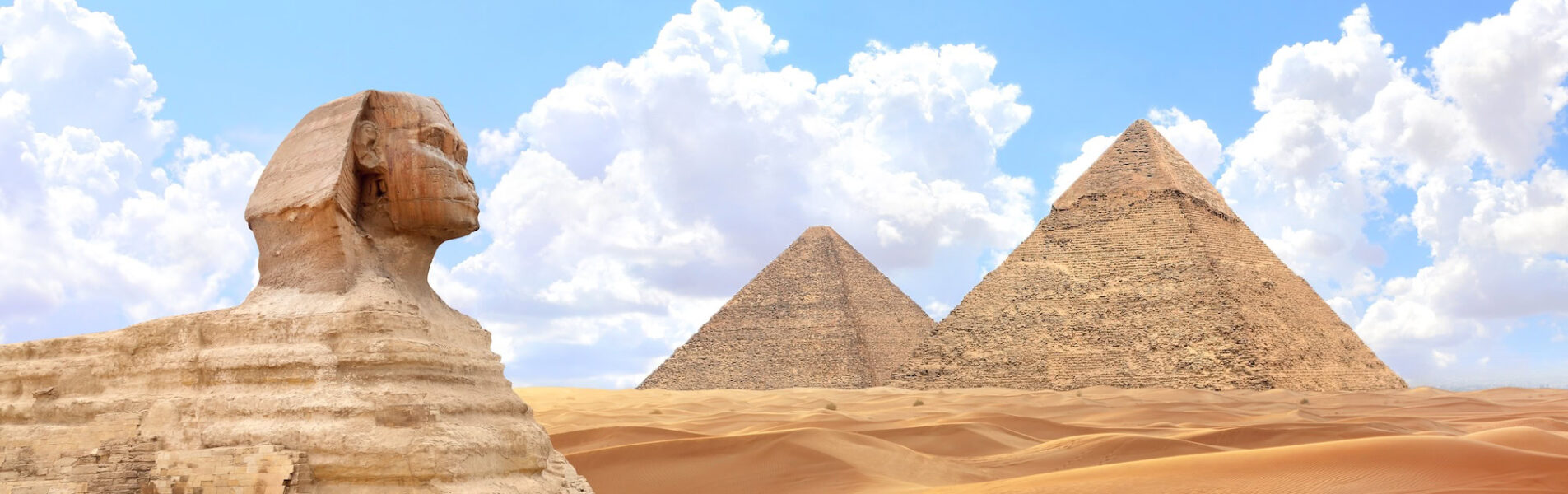
Design Your Custom Tour
Explore Egypt your way by selecting only the attractions you want to visit