Minya Egypt: Unveiling the Archaeological Heart of the Nile Valley
Most travelers rush between Cairo and Luxor, missing one of Egypt’s most authentic treasures entirely.
Located 245 km (152 miles) south of Cairo on the western bank of the Nile River, Minya stands as a remarkable testament to Egypt’s layered history. This provincial capital has quietly preserved some of the country’s most significant archaeological sites while maintaining its role as a thriving modern city. With nearly 300,000 inhabitants—including one of Egypt’s largest Coptic Christian communities—Minya offers visitors an unfiltered glimpse into both ancient and contemporary Egyptian life.
We’ve spent decades guiding travelers through Egypt’s hidden corners, and Minya consistently surprises even the most seasoned explorers with its depth of history and warmth of local culture.
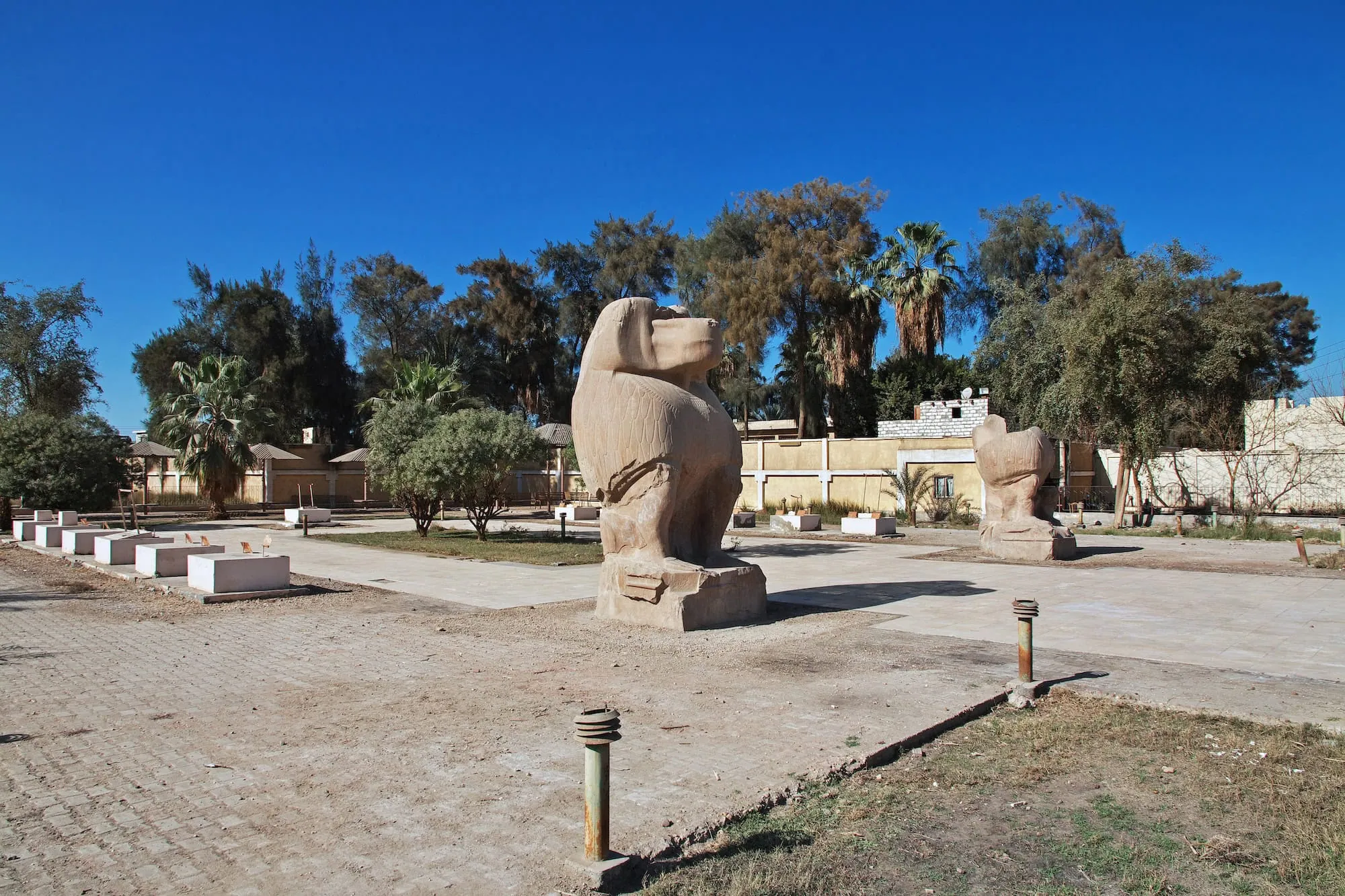
Historical Significance Through the Ages
Minya’s story begins in Egypt’s predynastic period, long before the pyramids rose from Giza’s sands. The city derives its name from the ancient settlement of Menat Khufu, established during the 4th Dynasty as a regional administrative center.
Pharaonic Foundations
Archaeological evidence reveals continuous habitation spanning over 5,000 years. During the Old Kingdom, this region served as the capital of the Oryx nome, one of ancient Egypt’s most important administrative districts. The area gained particular prominence during the reign of Akhenaten, whose revolutionary capital at nearby Tell el-Amarna challenged traditional Egyptian religious practices.
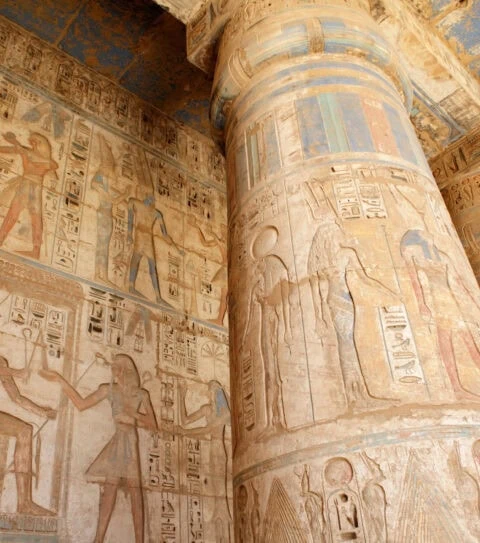
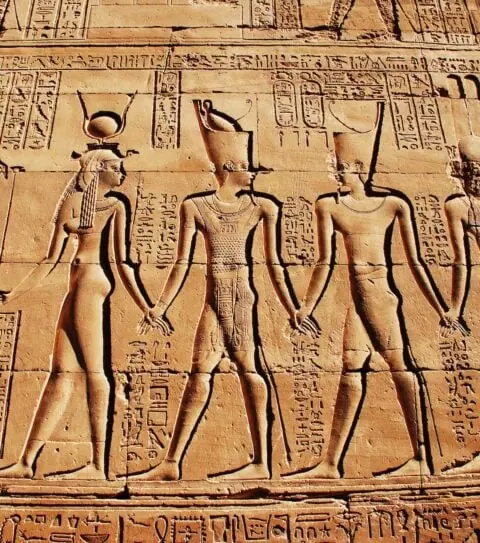
The pharaonic influence extends throughout the surrounding landscape. Beni Hasan’s Middle Kingdom tombs showcase daily life from 4,000 years ago through vivid wall paintings that remain remarkably preserved. These aren’t the grand royal tombs of the Valley of the Kings, but rather intimate portraits of provincial governors and their families.
Greco-Roman and Islamic Periods
Greek and Roman rule brought new architectural styles and administrative systems. The Ptolemaic period left numerous monuments, while Roman engineering improved irrigation systems that still influence local agriculture today.
Islamic conquest in the 7th century transformed Minya’s cultural identity. The city’s Arabic name evolved from its Coptic origins, literally meaning “monastery”—a reference to the numerous Christian monasteries that once dotted the surrounding hills.
Archaeological Treasures of the Region
Minya’s archaeological wealth rivals any destination in Egypt, yet receives a fraction of the tourist attention.
Beni Hasan: Window to Ancient Daily Life
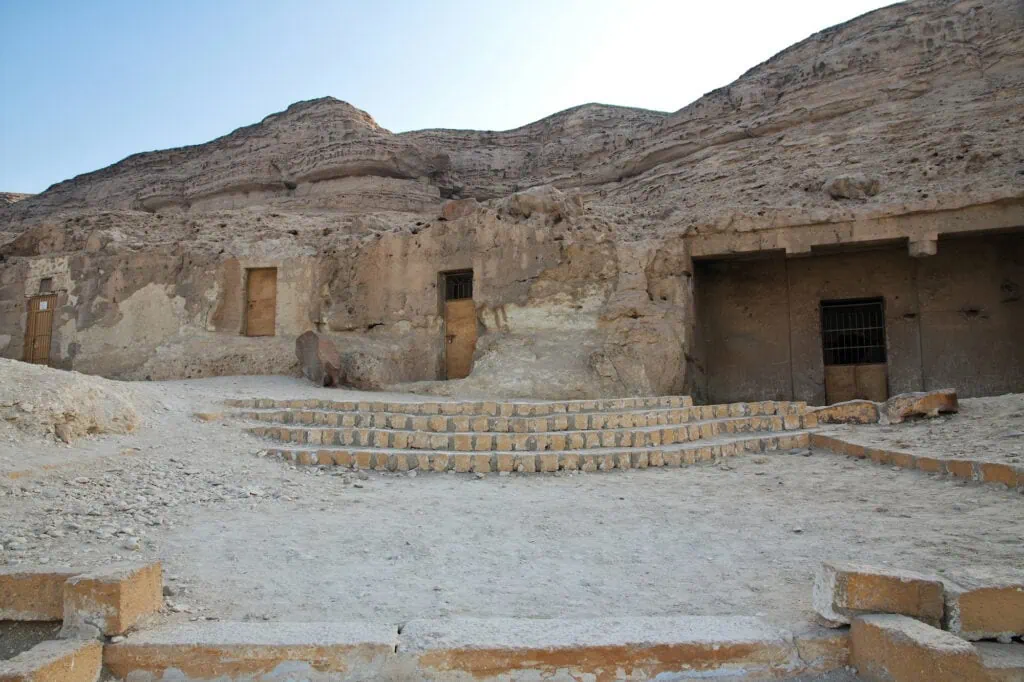
Thirty-nine rock-cut tombs carved into limestone cliffs reveal how provincial nobility lived during Egypt’s Middle Kingdom. Unlike royal tombs focused on the afterlife, these chambers celebrate earthly existence through detailed scenes of wrestling matches, military expeditions, and craft workshops.
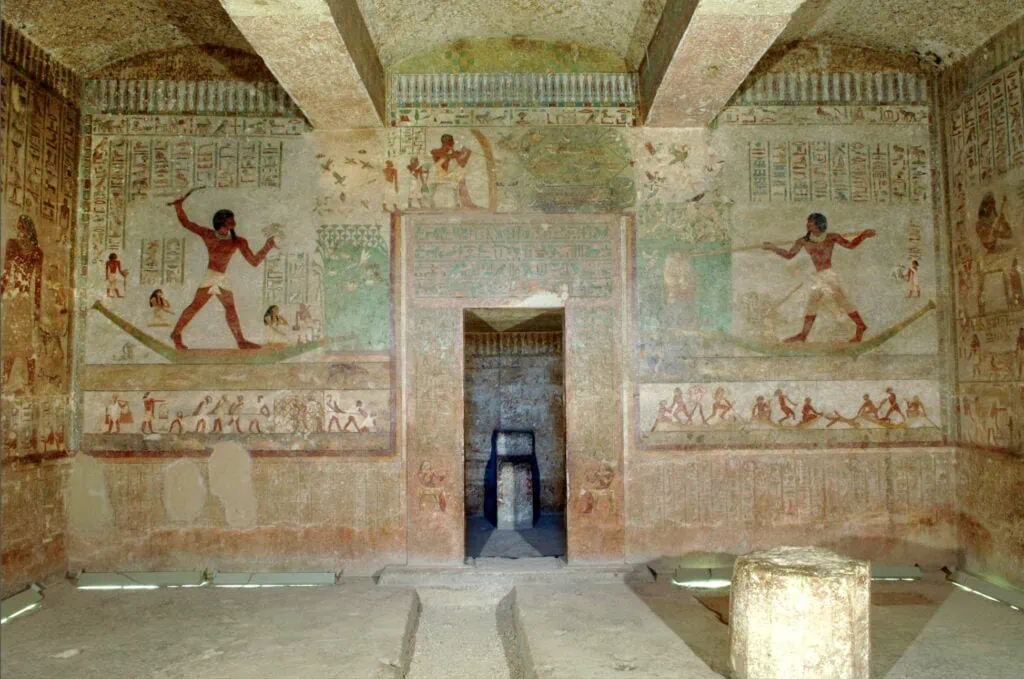
The tomb of Khnumhotep II stands out for its exceptional preservation and artistic quality. Wall paintings depict foreign delegations bringing exotic animals as tribute, including the earliest known representation of horses in Egyptian art.
Tell el-Amarna: Akhenaten’s Revolutionary Capital
Twenty kilometers south of Minya lie the ruins of Akhetaten, the short-lived capital built by the “heretic pharaoh” Akhenaten. This archaeological site preserves the only planned city from ancient Egypt that was inhabited for just 17 years before abandonment.
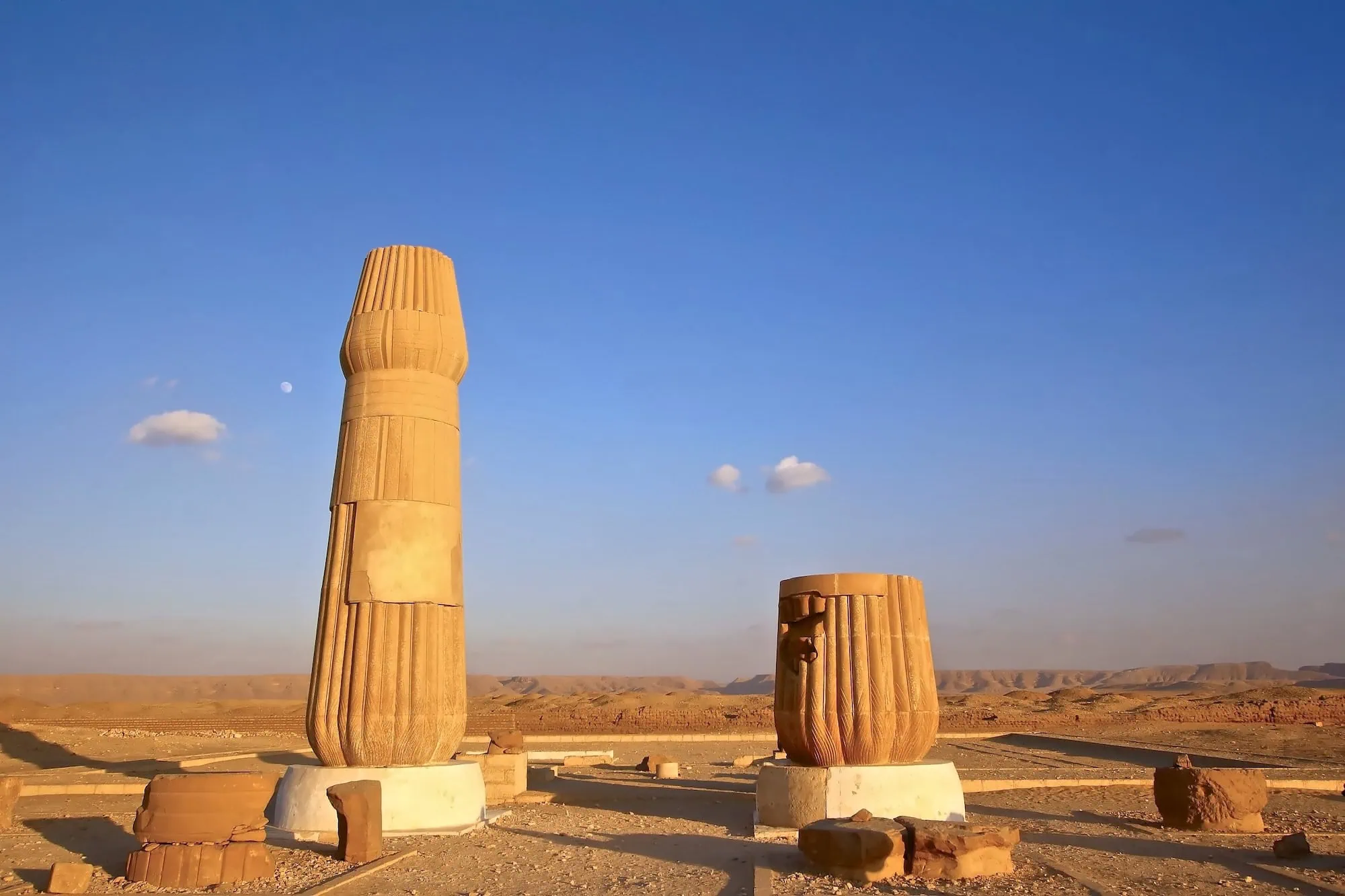
Recent excavations have uncovered workers’ villages, administrative buildings, and royal palaces that provide unprecedented insights into daily life during one of history’s most dramatic religious revolutions. The famous Amarna Letters—diplomatic correspondence between Egypt and its neighbors—were discovered here, revolutionizing our understanding of ancient international relations.
Tuna el-Gebel: Sacred Animal Cemetery
This vast necropolis served as the burial ground for sacred animals associated with Thoth, god of wisdom. Underground galleries stretch for kilometers, containing thousands of mummified ibises, baboons, and other creatures considered sacred in ancient Egyptian religion.
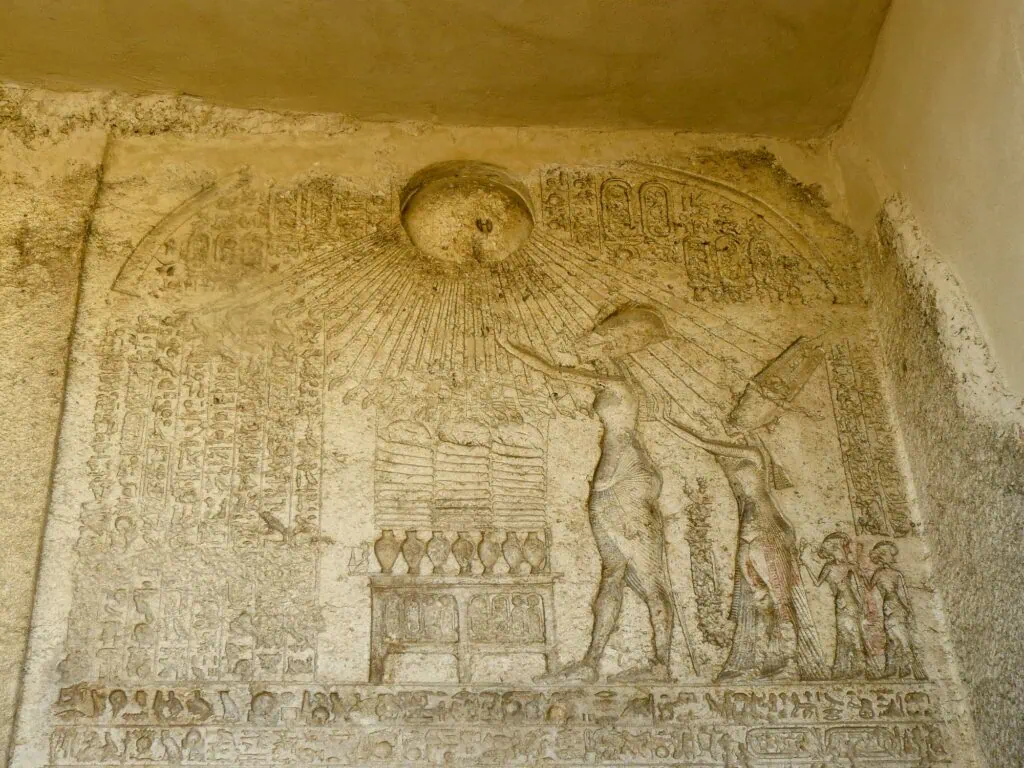
The site also houses the tomb of Petosiris, a high priest whose elaborate decorations blend traditional Egyptian artistic styles with Greek influences, marking a fascinating period of cultural transition.
Modern Minya and Regional Significance
Today’s Minya balances its ancient heritage with contemporary economic and cultural vitality.
The city serves as capital of Al-Minya governorate and functions as Upper Egypt’s administrative hub. Cotton processing, flour mills, and sugar refineries drive the local economy, while traditional carpet weaving continues centuries-old crafts. Modern infrastructure includes railway connections linking Cairo to southern destinations and automobile ferry services crossing the Nile.
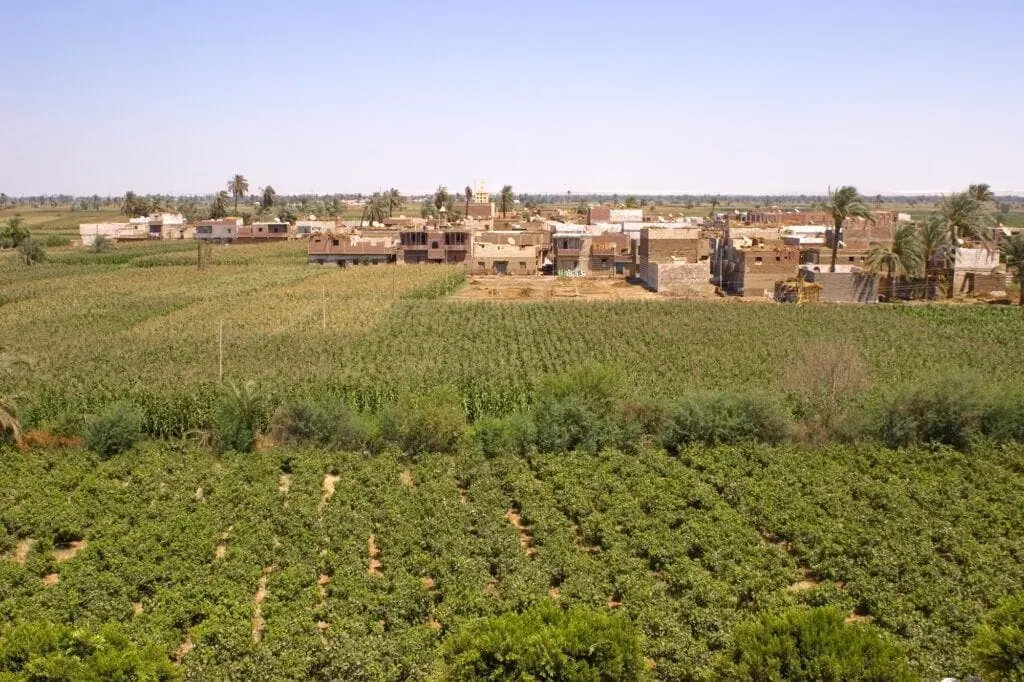
Minya’s population of approximately 300,000 includes Egypt’s highest concentration of Coptic Christians outside Cairo and Alexandria—nearly 50% of residents. This religious diversity creates a unique cultural atmosphere where ancient Christian monasteries operate alongside Islamic mosques, and traditional festivals celebrate both faiths.
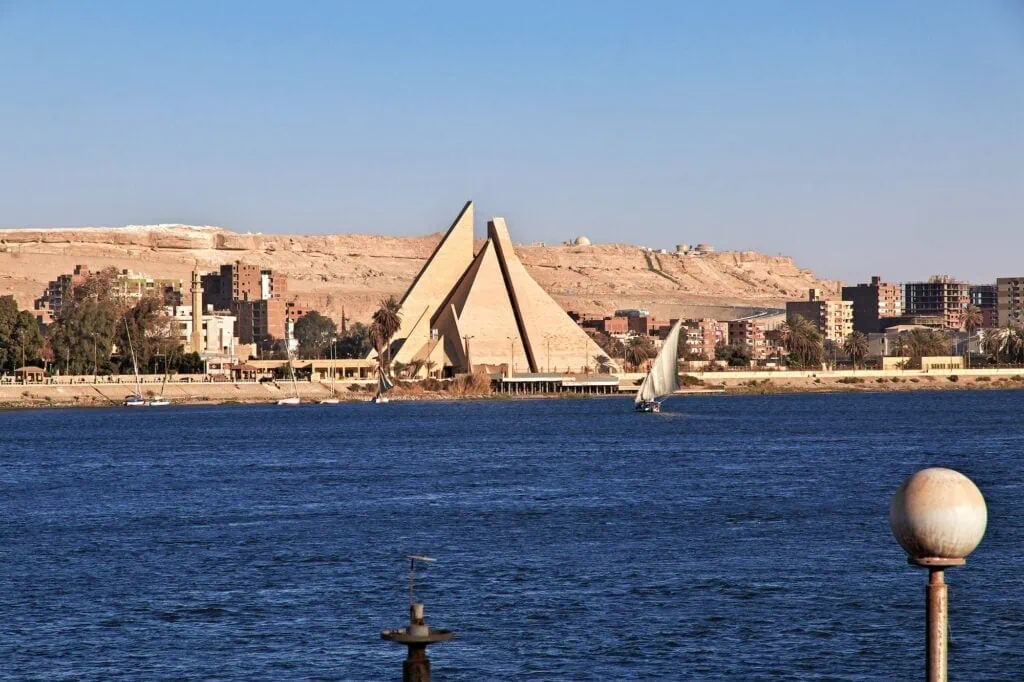
The Minya Corniche provides a pleasant riverside promenade where locals gather during cooler evening hours. Colonial-era architecture lines many streets, reflecting the city’s 19th and early 20th-century development under British influence.
Climate and Geography
Minya experiences a hot desert climate typical of Upper Egypt, with significant daily temperature variations that can exceed 16°C (29°F) between day and night.
Summer temperatures frequently reach 40°C (104°F) during peak hours, while winter days remain pleasant at 20-25°C (68-77°F). Rainfall occurs rarely—typically less than 5mm annually—making the Nile River absolutely essential for regional agriculture and daily life.
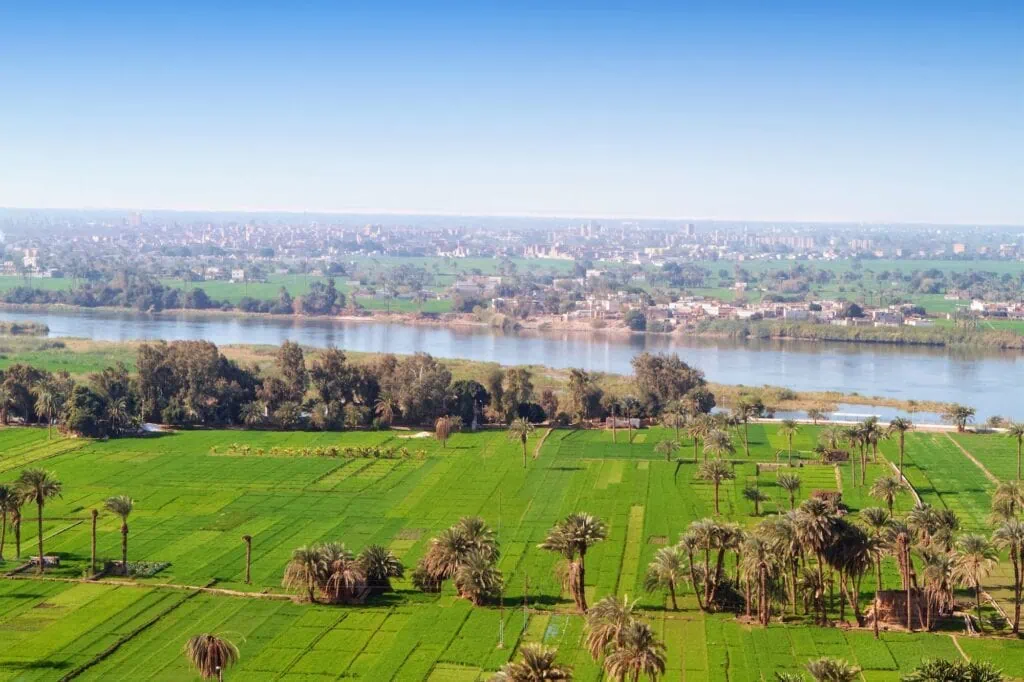
The surrounding landscape consists of fertile agricultural strips along the Nile’s banks, gradually transitioning to limestone cliffs and desert plateaus where most archaeological sites are located. This geography naturally preserved ancient monuments while protecting them from urban development and flooding.
Strategic Location Benefits
Minya’s position roughly halfway between Cairo and Luxor made it a crucial stop along ancient trade routes. Modern travelers benefit from this same geographic advantage—the city provides convenient access to archaeological sites while offering authentic Egyptian experiences away from mass tourism.
Railway connections operate multiple daily services to Cairo (approximately 4 hours) and southward destinations. The regional airport handles domestic flights, though most international visitors arrive via Cairo.
Cultural Life and Local Traditions
Walking through Minya’s markets and neighborhoods reveals authentic Egyptian culture largely unchanged by tourism pressure.
Traditional crafts flourish throughout the region. Local artisans produce handwoven carpets using techniques passed down through generations, while metalworkers create decorative items using ancient methods. Agricultural festivals celebrate harvest seasons, particularly for cotton and sugar cane crops that sustain the regional economy.
The city’s religious diversity creates fascinating cultural combinations. Coptic Christmas celebrations in January feature processions through historic neighborhoods, while Islamic holy days bring their own traditional observances. Both communities participate in secular festivals celebrating Egyptian national holidays.
Local cuisine reflects regional agricultural abundance. Restaurants serve traditional Upper Egyptian dishes featuring fresh vegetables, Nile fish, and locally produced bread baked in traditional ovens. Street vendors offer seasonal fruits and traditional sweets that vary according to religious calendar observations.
Educational and Cultural Institutions
Minya University serves thousands of students from across Upper Egypt, creating a vibrant intellectual atmosphere. The institution’s archaeology department actively participates in regional excavations and research projects.
The Akhenaten Museum houses artifacts discovered at nearby archaeological sites, including stunning examples of Amarna period art that revolutionized Egyptian artistic conventions. Recent renovations have improved display quality and visitor accessibility.
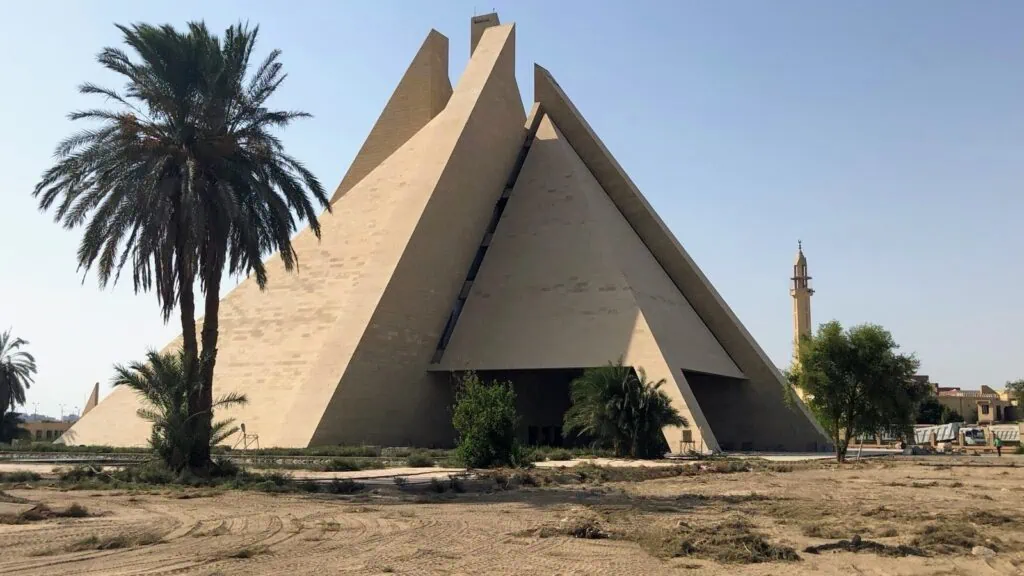
Several active monasteries in surrounding hills welcome respectful visitors interested in Coptic Christian traditions. These institutions maintain libraries containing ancient manuscripts and continue traditional crafts like icon painting and manuscript illumination.
Visiting Minya: Practical Considerations
We recommend allocating at least two full days to properly explore Minya’s archaeological sites and experience local culture.
Most international visitors require tourist visas obtained either in advance or upon arrival in Egypt. U.S. citizens can purchase 30-day tourist visas at major airports for $25 USD. European Union citizens enjoy similar visa-on-arrival privileges, while some Latin American nationalities may require advance approval—check current requirements before travel.
Accommodation Options
The Grand Aton Hotel provides comfortable riverside accommodations with Nile views and modern amenities. Room rates typically range from $60-120 USD depending on season and room category. Horus Resort offers similar standards with additional recreational facilities.
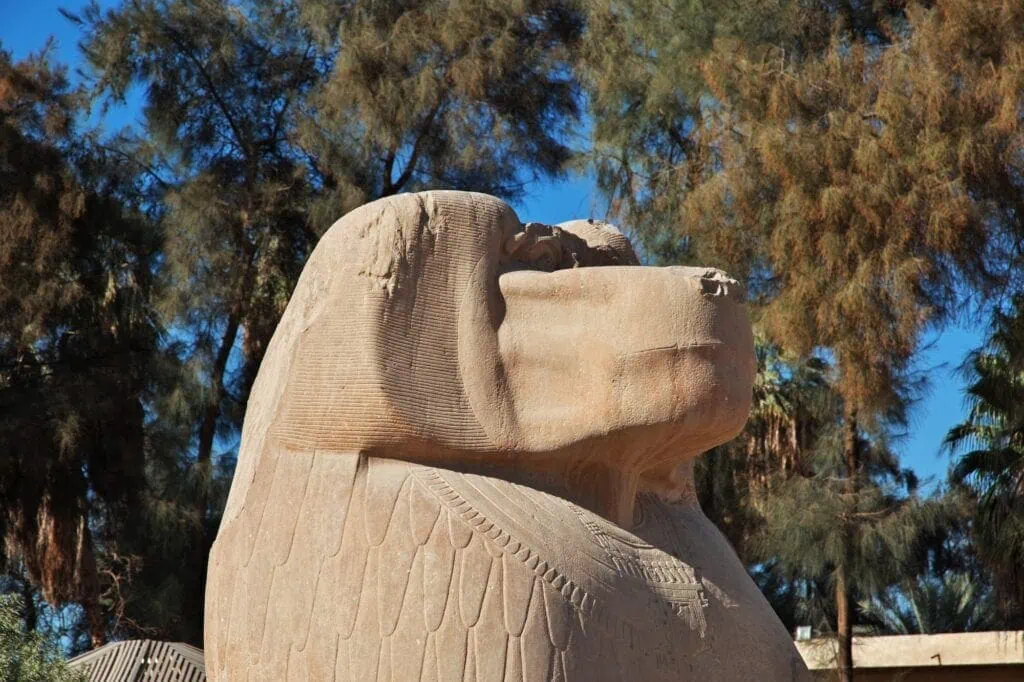
Budget travelers can find clean, basic accommodations starting around $25-35 USD per night. Mid-range options with air conditioning and private bathrooms cost $40-60 USD.
Transportation and Tours
Local tourist police may accompany visitors to certain archaeological sites as a security precaution. This service comes at no additional cost and provides opportunities to learn about regional history from knowledgeable local guides.
We arrange private transportation and expert Egyptologist guides for comprehensive Minya explorations. Our carefully planned itineraries balance major archaeological sites with authentic cultural experiences, ensuring visitors gain deep appreciation for this remarkable region.
Rental cars are available, though local drivers provide valuable navigation assistance and cultural insights that enhance the overall experience.
Frequently Asked Questions
Minya is located 245 km (152 miles) south of Cairo, approximately a 4-hour train journey or 3.5-hour drive depending on traffic conditions.
October through March offers the most comfortable weather, with daytime temperatures ranging from 20-25°C (68-77°F) and cool evenings.
Yes, Minya is generally safe for tourists. Local tourist police provide additional security at archaeological sites when needed.
We recommend minimum two full days to properly explore major archaeological sites like Beni Hasan, Tell el-Amarna, and Tuna el-Gebel.
Independent visits are possible, though guided tours provide essential historical context and help navigate the extensive archaeological site effectively.
Arabic is the primary language. Many tourism professionals speak English, while older residents may speak some French from colonial period education.
Minya’s regional airport handles domestic flights from Cairo. Most international visitors travel by train or road from Cairo International Airport.
Lightweight, long-sleeved clothing and comfortable walking shoes are recommended. Bring sun protection including hats and sunscreen.
Photography is generally permitted for personal use. Some sites charge additional fees for camera usage or restrict flash photography.
Egyptian pounds (EGP) are the local currency. US dollars and euros are widely accepted at hotels and major tourist services.
Yes, several banks operate ATM machines accepting international cards. We recommend carrying some cash for small purchases and tips.
Egyptian cuisine includes many vegetarian dishes. Local restaurants serve fresh vegetables, legumes, rice, and traditional bread suitable for vegetarian diets.
Explore our most popular guides and expert tips to make your trip safe, smooth, and unforgettable.
Plan Your Egypt Adventure with Confidence
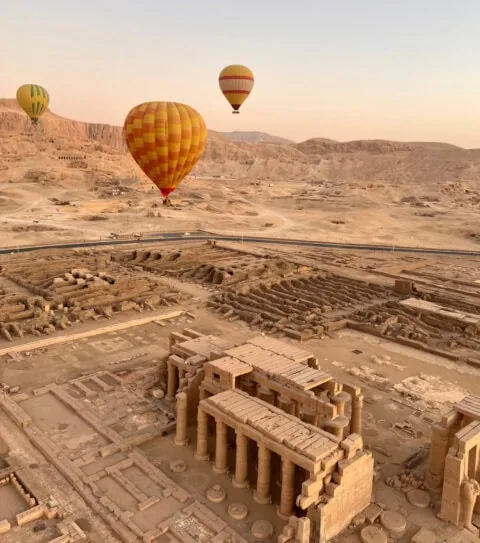
How to Plan a Trip Egypt
Step-by-step guide to help you plan the perfect Egypt trip — from routes and budget to booking.
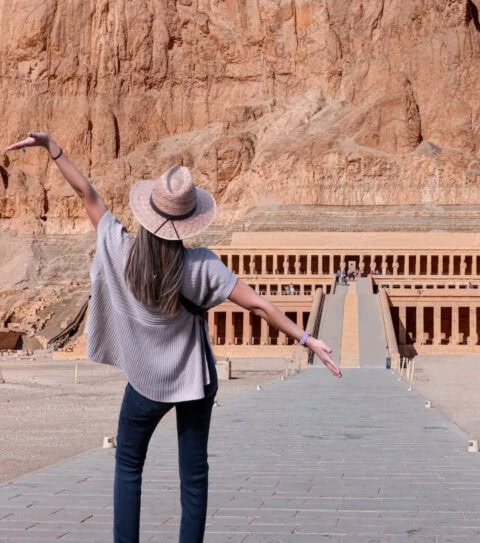
Best Time to Visit Egypt
Learn the best months to visit Egypt based on weather, crowds, and local travel experiences.
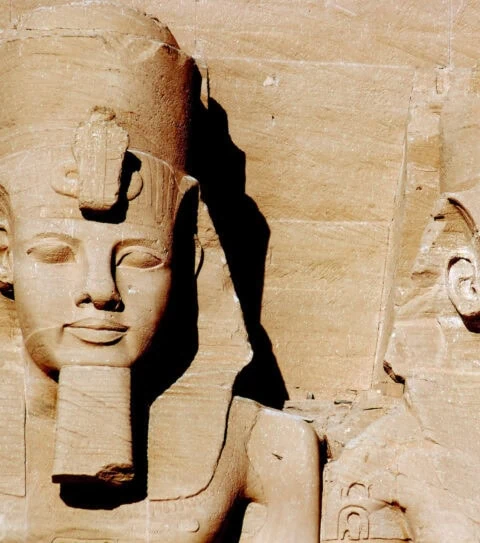
Must Visit Places in Egypt
Explore Egypt’s top sights — from pyramids to temples — and hidden gems worth seeing.
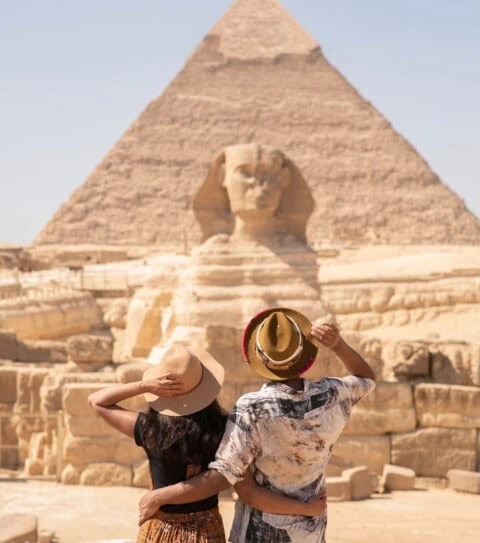
Top-Rated Egypt Tours
Handpicked private tours with local guides — our most loved and best-reviewed experiences.
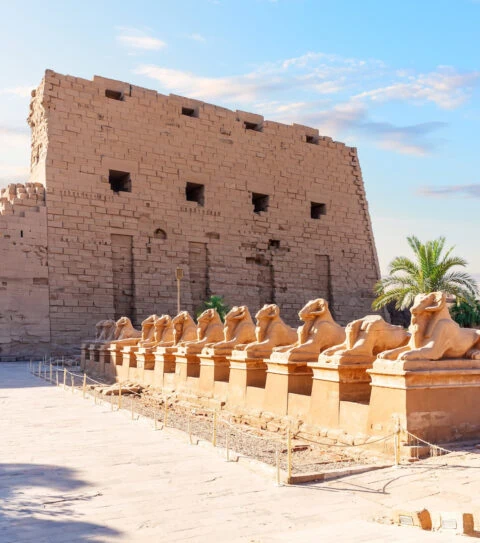
How Many Days to Visit Egypt?
Find out how many days you need in Egypt — from quick trips to full itineraries.
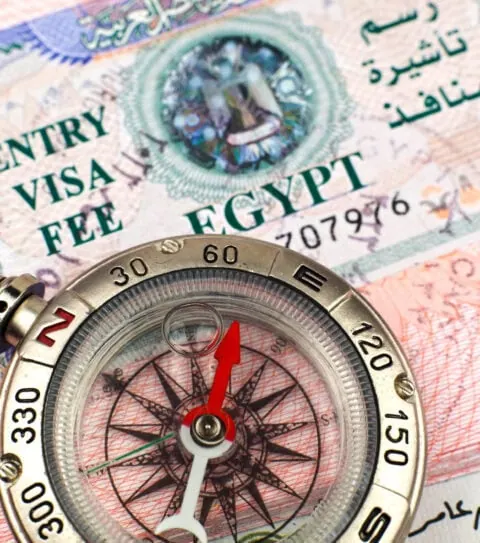
Egypt Visa Requirements
Check if you need a visa and get simple, up-to-date entry info based on your nationality.
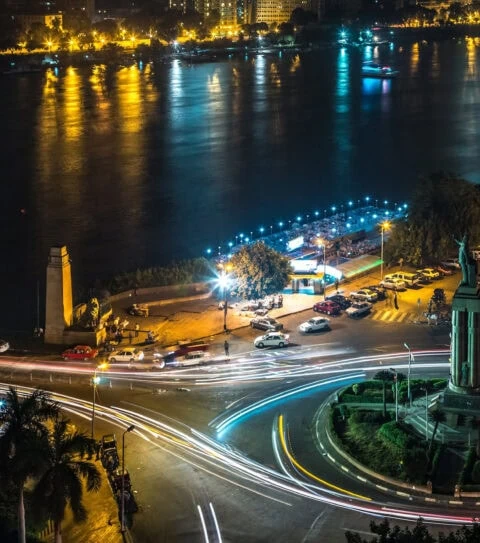
Is it Safe to Travel to Egypt?
Is Egypt safe? Get honest safety tips, area advice, and what to know before you travel.
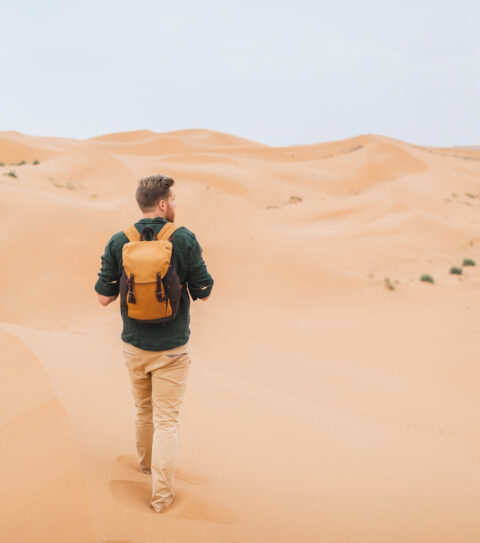
What to Pack for Egypt
A quick packing guide with essentials, cultural tips, and clothing advice for your Egypt trip.

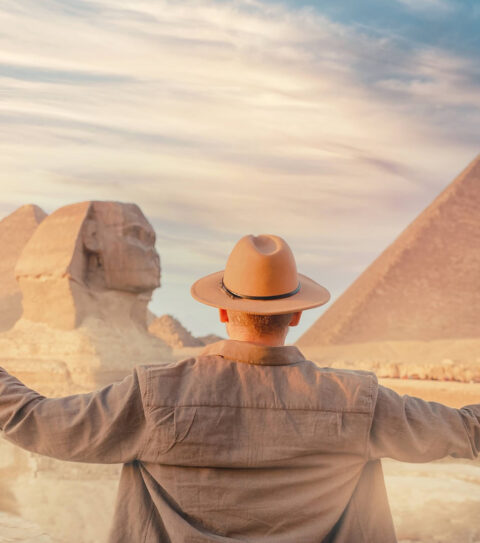
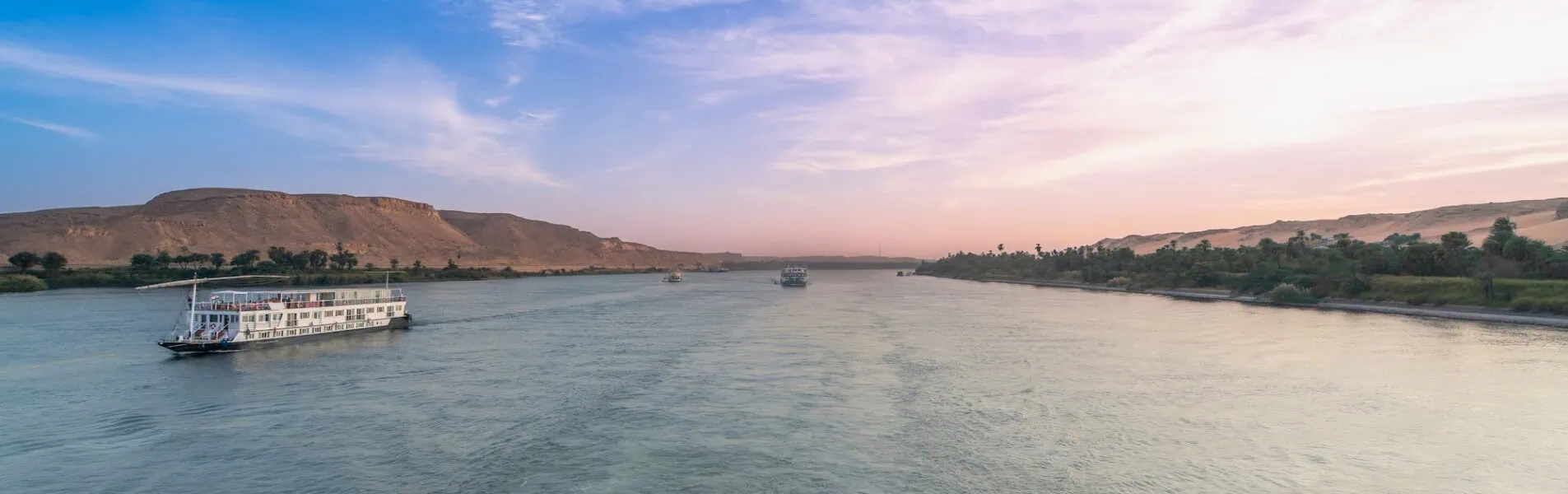
Design Your Custom Tour
Explore Egypt your way by selecting only the attractions you want to visit