

Is Travel to Jordan Safe?
Planning a trip to Jordan? Recent Middle Eastern tensions have changed the safety landscape significantly.
Jordan remains one of the most stable countries in a volatile region, but current geopolitical developments require careful consideration. Multiple government travel advisories from the United States, Canada, United Kingdom, and Australia now recommend reconsidering travel due to heightened security risks.

The situation involves regional conflict escalation, potential terrorist threats, and military activity that could impact civilian travel. Understanding these risks helps you make informed decisions about visiting this historically fascinating destination.
We’ll guide you through current safety conditions, practical precautions, and realistic expectations for Jordan travel in 2026.
Table of Contents
Current Security Situation and Government Warnings
Four major Western governments have issued elevated travel warnings for Jordan throughout 2026. The US State Department upgraded its advisory to “Reconsider Travel” – the second-highest warning level – citing terrorism and armed conflict risks.
Official Travel Advisory Updates
Canada’s government specifically warns against non-essential travel due to “risk of falling military debris” and regional conflict spillover. Their advisory emphasizes signing up for Registration of Canadians Abroad before any Jordan visit. Australian authorities echo these concerns, noting that “regional conflict is likely to escalate further” and recommending travelers reconsider their need to visit.
Iran-Related Security Concerns
British intelligence highlights threats from “Iran-aligned militia groups” targeting US and Western interests throughout the region. These groups have explicitly threatened attacks on facilities and personnel connected to countries supporting Israel. The UK Foreign Office confirms that “terrorists are likely to try to carry out attacks” in Jordan, though specific targets remain unclear.
Border Area Restrictions
Northern and eastern border regions face particular restrictions. Military installations near Syria and Iraq experience heightened activity, with some areas completely off-limits to civilians. The Jordanian government has implemented additional security measures around these sensitive zones.
Regional Conflict Impact on Tourism
Regional tensions directly affect Jordan’s tourism infrastructure and visitor experience. Military aircraft activity has increased significantly, occasionally disrupting civilian air traffic. Several international airlines adjusted their flight schedules to avoid potential airspace conflicts during peak tension periods.
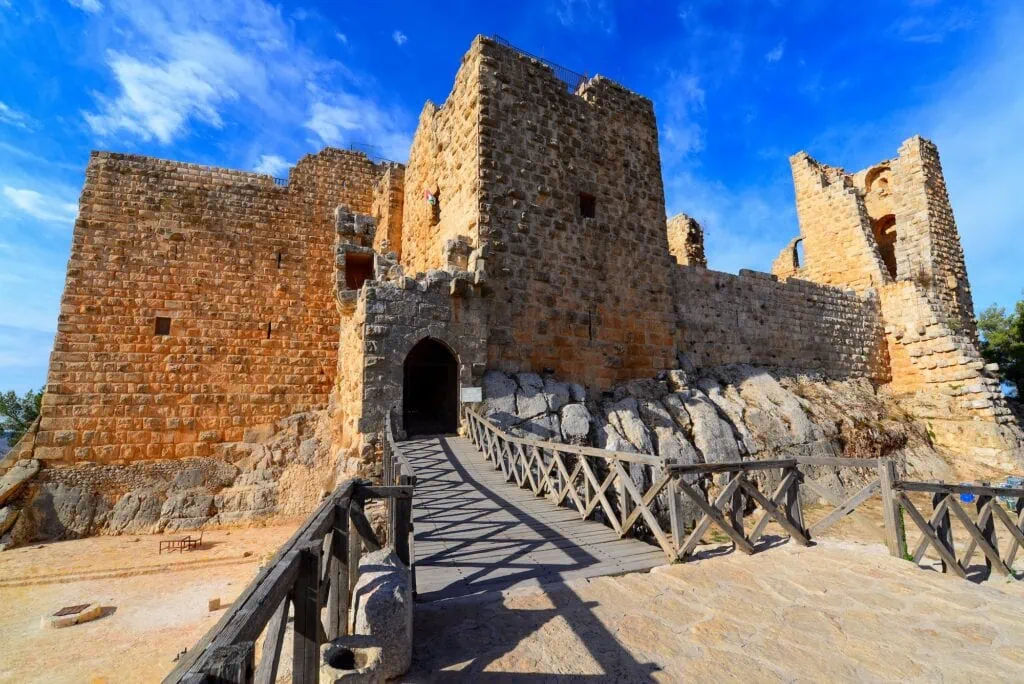
Tourism sites near border areas now operate under enhanced security protocols. Popular attractions like Jerash and Ajloun Castle maintain normal operations but with increased security presence. The famous Desert Highway connecting major cities remains open, though checkpoints have become more frequent and thorough.
Hotels in major tourist areas – Amman, Petra, Wadi Rum, and Aqaba – report normal occupancy but acknowledge guest concerns about safety. Many establishments have implemented additional security measures and emergency communication systems for international visitors.
Petra and Southern Jordan Safety
Petra Archaeological Park continues operating normally, with no specific security incidents reported at the site. However, the journey to Petra now involves additional security checkpoints along the King’s Highway and Desert Highway routes. Tour operators have adjusted itineraries to allow extra travel time for these enhanced security procedures.
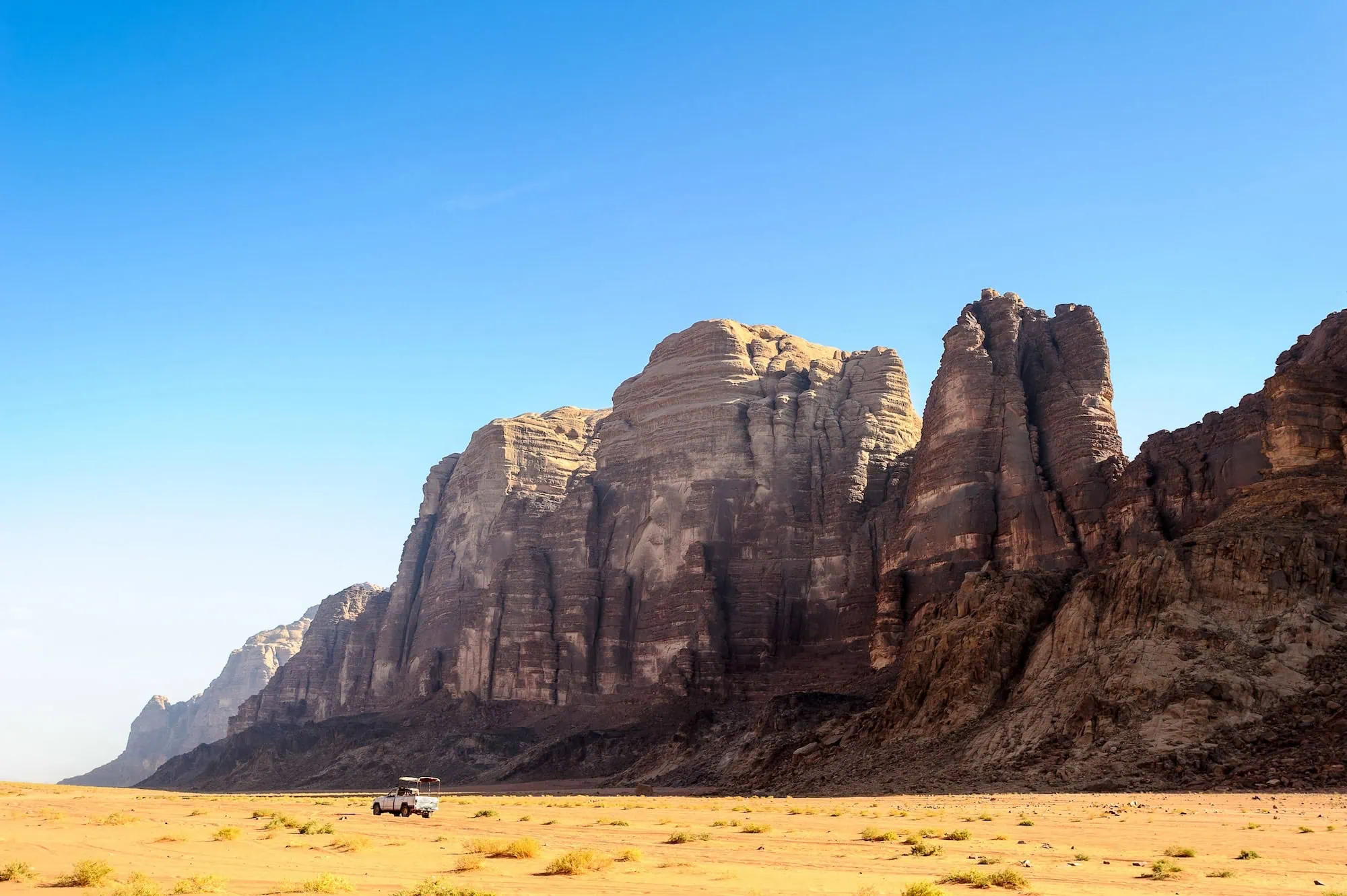
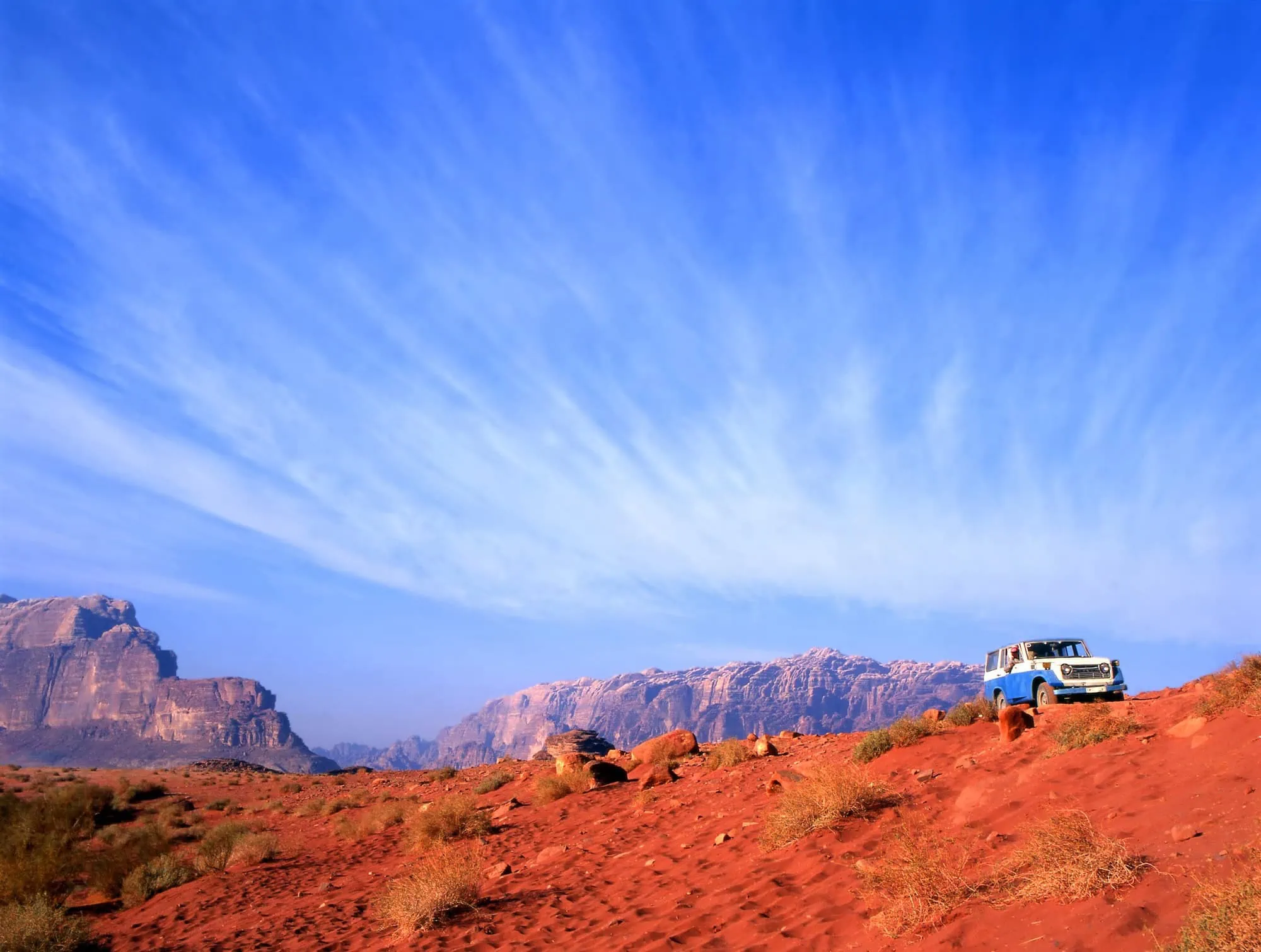
Wadi Rum Protected Area maintains its appeal for overnight camping and desert excursions. Local Bedouin guides report business continuing despite regional tensions, though they advise staying informed about daily security updates.
Terrorist Threats and Practical Precautions
Intelligence agencies classify Jordan’s terrorist threat level as “likely” – meaning attacks could occur without specific warning. These threats primarily target government facilities, military installations, and locations associated with Western interests.
Tourist areas face lower direct risk but aren’t immune to potential incidents. Crowded markets, transportation hubs, and popular restaurants could become targets of opportunity. The key lies in understanding risk levels rather than assuming complete safety or extreme danger.
High-Risk Locations to Monitor
Military facilities and government buildings throughout Jordan maintain elevated security. US Embassy areas in Amman require particular caution, as these locations face specific threats from Iran-aligned groups. Large shopping centers and hotels hosting international conferences represent softer targets that require awareness.
Transportation Security Measures
Queen Alia International Airport operates under enhanced security protocols, including extended security screening times and additional passenger verification procedures. Domestic transport between cities now involves more frequent identity checks and vehicle inspections.
Public transportation in Amman includes increased police presence, particularly on routes serving tourist areas and government districts. Private tour operators often provide the safest transportation option, as they maintain direct communication with security services.
Emergency Preparedness and Communication
Government evacuation planning has intensified across the region. US authorities ordered departure of non-emergency personnel from diplomatic facilities, indicating serious preparation for potential escalation scenarios. This doesn’t mean imminent danger, but reflects precautionary planning.
Registration with Home Country Services
Every major Western government strongly recommends citizen registration before Jordan travel. Americans should enroll in STEP (Smart Traveler Enrollment Program), Canadians in Registration of Canadians Abroad, Brits in travel advice updates, and Australians in travel registration services.
Emergency Contact Information
Embassies maintain 24-hour emergency contact systems for their citizens. Phone networks generally remain stable, but having multiple communication methods ensures reliability. International roaming agreements work normally, though data speeds may slow during peak usage periods.
Evacuation Route Planning
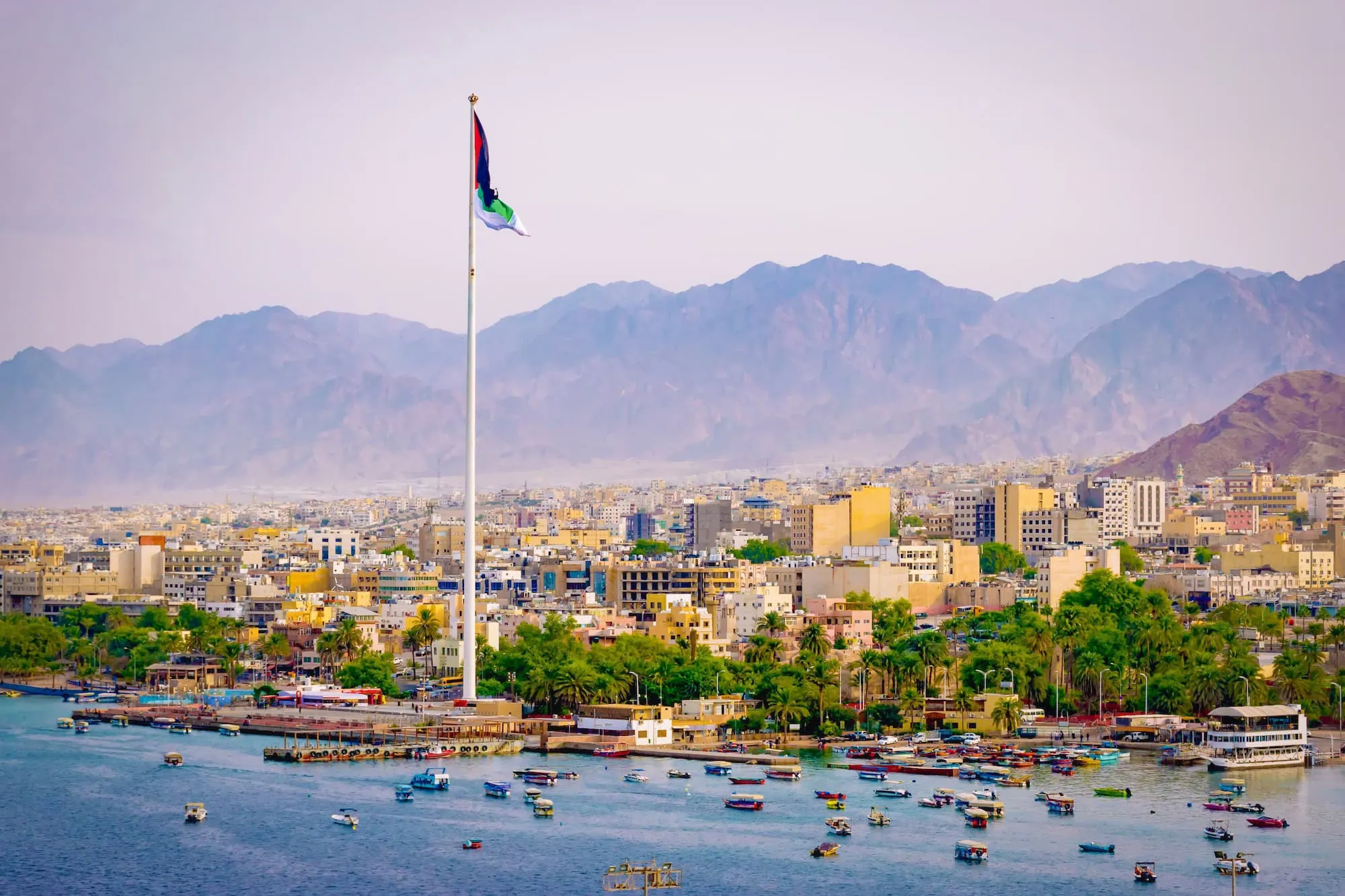
Aqaba provides the most reliable exit route due to its Red Sea port connections and proximity to Saudi Arabia and Israel borders. King Hussein Bridge to the West Bank offers another option, though this crossing faces periodic closures during tension spikes. Amman airport remains the primary evacuation point but could face disruptions during conflict escalation.
What International Visitors Can Expect
Jordan’s tourism industry continues operating despite regional challenges. Hotels, restaurants, and attractions maintain services, though with adjusted security measures. Visitor numbers have declined significantly, creating a quieter but potentially more intimate travel experience.
Local hospitality remains exceptional, with Jordanian people continuing to welcome international visitors warmly. However, conversations often include current events and regional concerns. Many locals express genuine worry about their country’s future stability while maintaining pride in Jordan’s peaceful reputation.
Daily Life and Tourist Experience
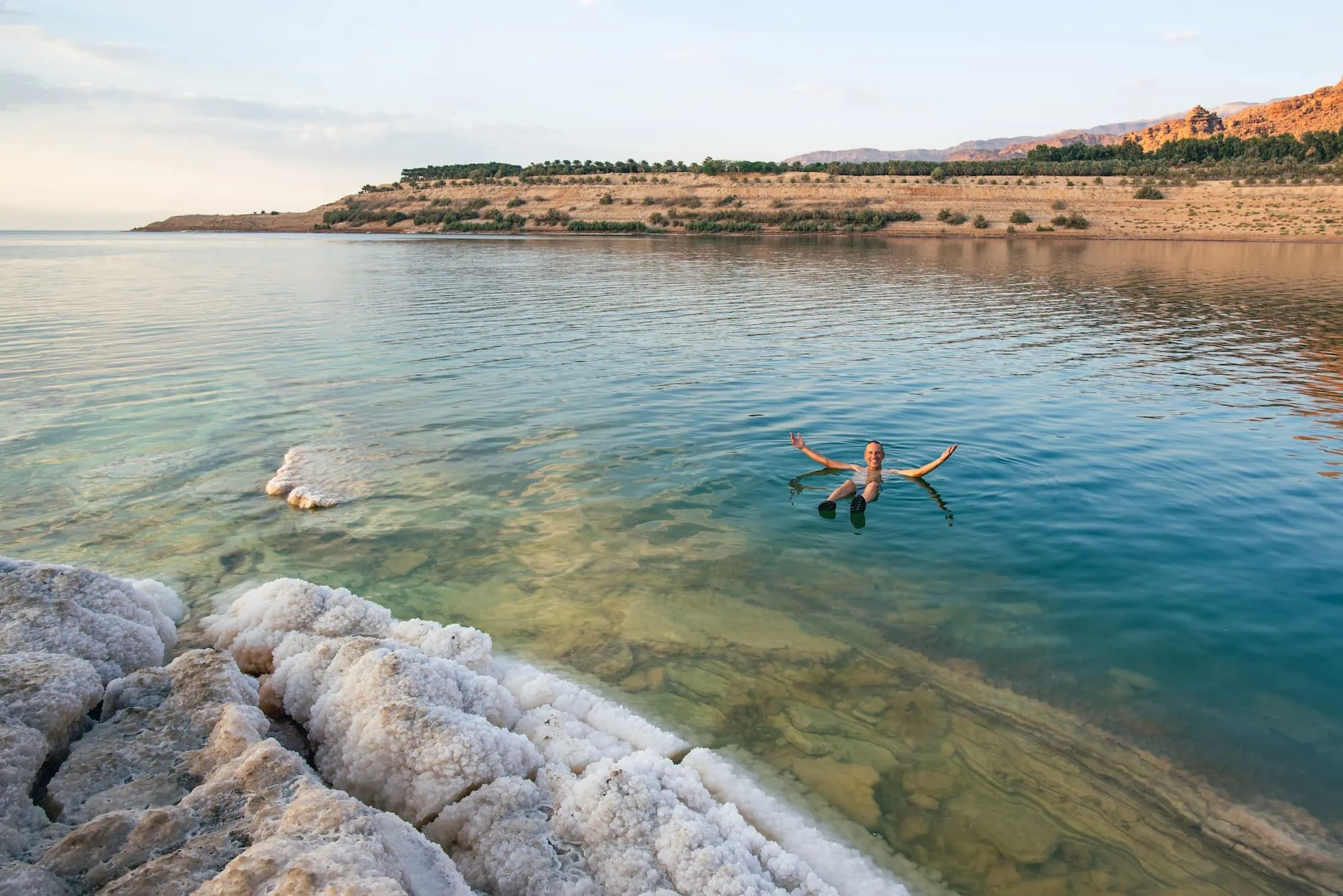
Normal tourist activities – visiting Petra, floating in the Dead Sea, exploring Wadi Rum – continue without major disruptions. Restaurant dining, shopping in souks, and cultural site visits proceed normally in major tourist areas. The main differences involve increased security screening and more frequent checkpoint encounters.
Hotel staff and tour guides receive regular security briefings and maintain communication with authorities. This creates a protective environment for international visitors while allowing authentic cultural experiences to continue.
Cultural Sensitivity During Regional Tensions
Political discussions about regional conflicts require sensitivity and respect for local perspectives. Many Jordanians have personal connections to Palestinian, Syrian, or Iraqi communities affected by broader Middle Eastern conflicts. Showing awareness and empathy strengthens connections with local people.
Photography restrictions around military or security installations have increased. Respecting these boundaries demonstrates understanding of current security realities while maintaining positive relationships with authorities.
Making Informed Travel Decisions
Each traveler must weigh personal risk tolerance against Jordan’s unique attractions and current security environment. Government travel advisories provide baseline assessments, but individual circumstances vary significantly.
Business travelers with specific commitments might accept higher risk levels than leisure tourists with flexible schedules. Family groups with children typically require different risk calculations than solo adventurers or experienced international travelers.
Travel insurance becomes particularly important during elevated risk periods. Standard policies may exclude coverage during government-advisory periods, requiring specialized policies that specifically cover travel to countries with active warnings. Reading policy details carefully prevents unpleasant surprises during emergency situations.
Professional Travel Security Advice
Consulting with travel security professionals provides personalized risk assessments based on specific itineraries, travel dates, and individual profiles. These services cost extra but offer detailed intelligence updates and emergency support that standard travel arrangements cannot provide.
Some corporate travel programs require professional security consultations before approving travel to countries with elevated warnings. Even leisure travelers benefit from these services when visiting during uncertain periods.
Frequently Asked Questions
Government advisories recommend reconsidering travel due to regional conflicts and terrorism risks.
Northern and eastern border regions near Syria and Iraq face highest risks.
Most airlines maintain service, though some adjusted schedules due to airspace concerns.
Register with your home country’s travel advisory service for real-time updates.
Contact your embassy immediately and follow official evacuation instructions.
Yes, with enhanced security measures and potential itinerary adjustments.
Standard policies often exclude coverage during government warnings, requiring specialized insurance.
Jordanians remain welcoming while expressing natural concerns about regional stability.
Tourist areas face lower direct risk with enhanced security measures visible.
The Dead Sea region continues normal operations with standard security precautions.

Design Your Custom Tour
Explore Egypt and Jordan your way by selecting only the attractions you want to visit