

Is Petra Safe to Visit?
Petra ranks among the world’s safest archaeological destinations for international travelers.
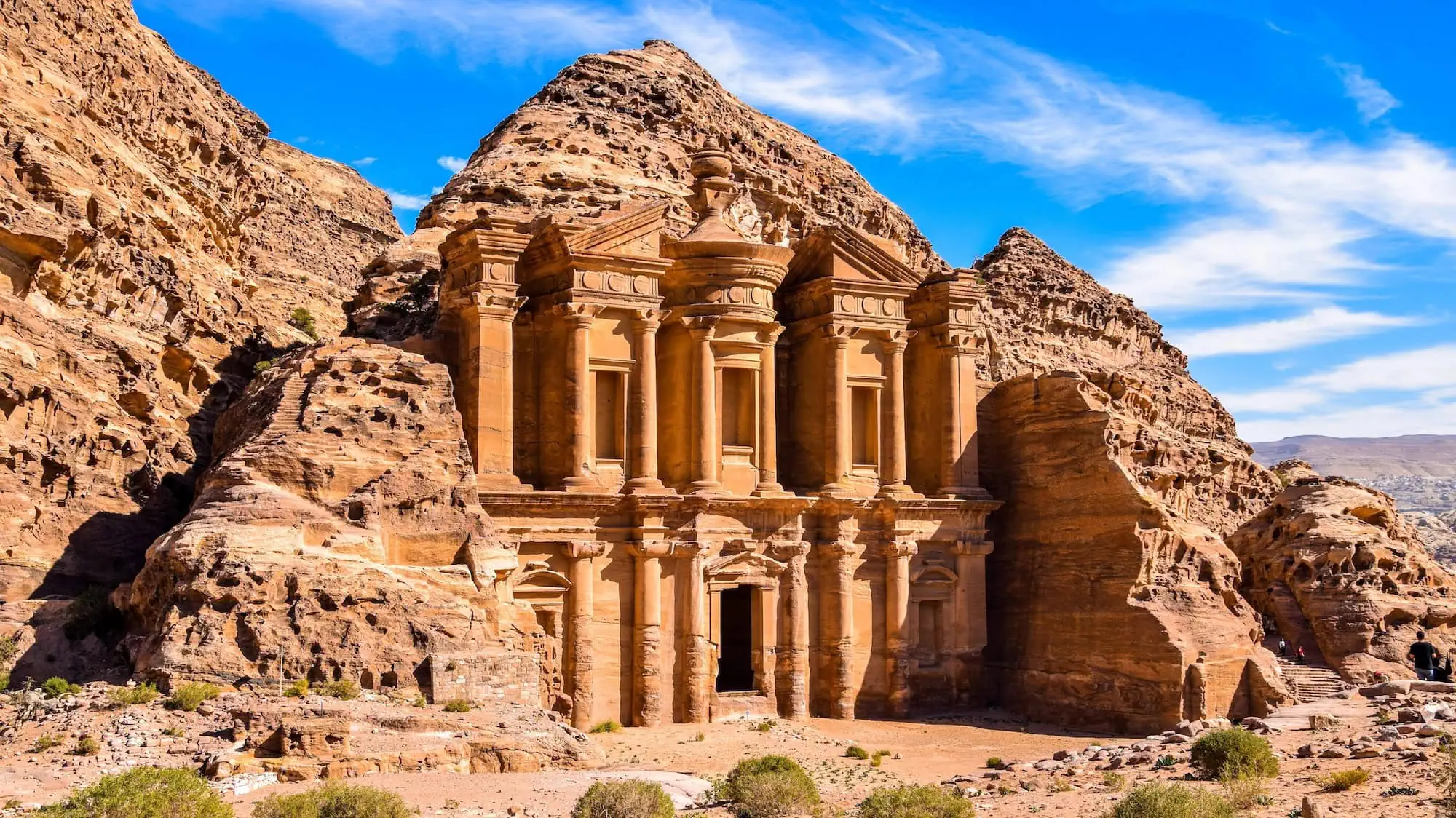
Travel security concerns about Jordan often overshadow the reality on the ground in Petra. While regional tensions generate headlines, this UNESCO World Heritage Site operates with robust security measures and maintains a spotless safety record for tourists.
Over 1.1 million visitors explored Petra’s ancient Nabataean city in 2019, with virtually zero security incidents reported within the archaeological park boundaries. Tourism police patrol the site continuously, local Bedouin guides provide additional oversight, and Jordan’s government prioritizes visitor protection as tourism represents 15% of the national economy.
Table of Contents
Official Government Travel Advisories for Jordan
The U.S. State Department maintains a Level 3 “Reconsider Travel” advisory for Jordan, primarily citing regional terrorism risks and proximity to conflict zones. However, this broad advisory applies to the entire country rather than specific tourist areas like Petra. Key concerns highlighted include potential terrorist attacks targeting tourist locations, though no incidents have occurred at Petra itself.
The advisory notes heightened security at tourist sites and recommends avoiding areas near the Syrian and Iraqi borders – both located hundreds of kilometers from Petra. These general precautions reflect regional instability rather than specific threats to archaeological tourism sites.
Current Security Measures at Tourist Sites
Jordan’s Tourism Police maintain permanent stations throughout Petra Archaeological Park. Officers conduct regular patrols on foot and horseback, monitor entry points, and coordinate with local guides. Security checkpoints operate at the main visitor center, requiring all guests to pass through metal detectors before entering.
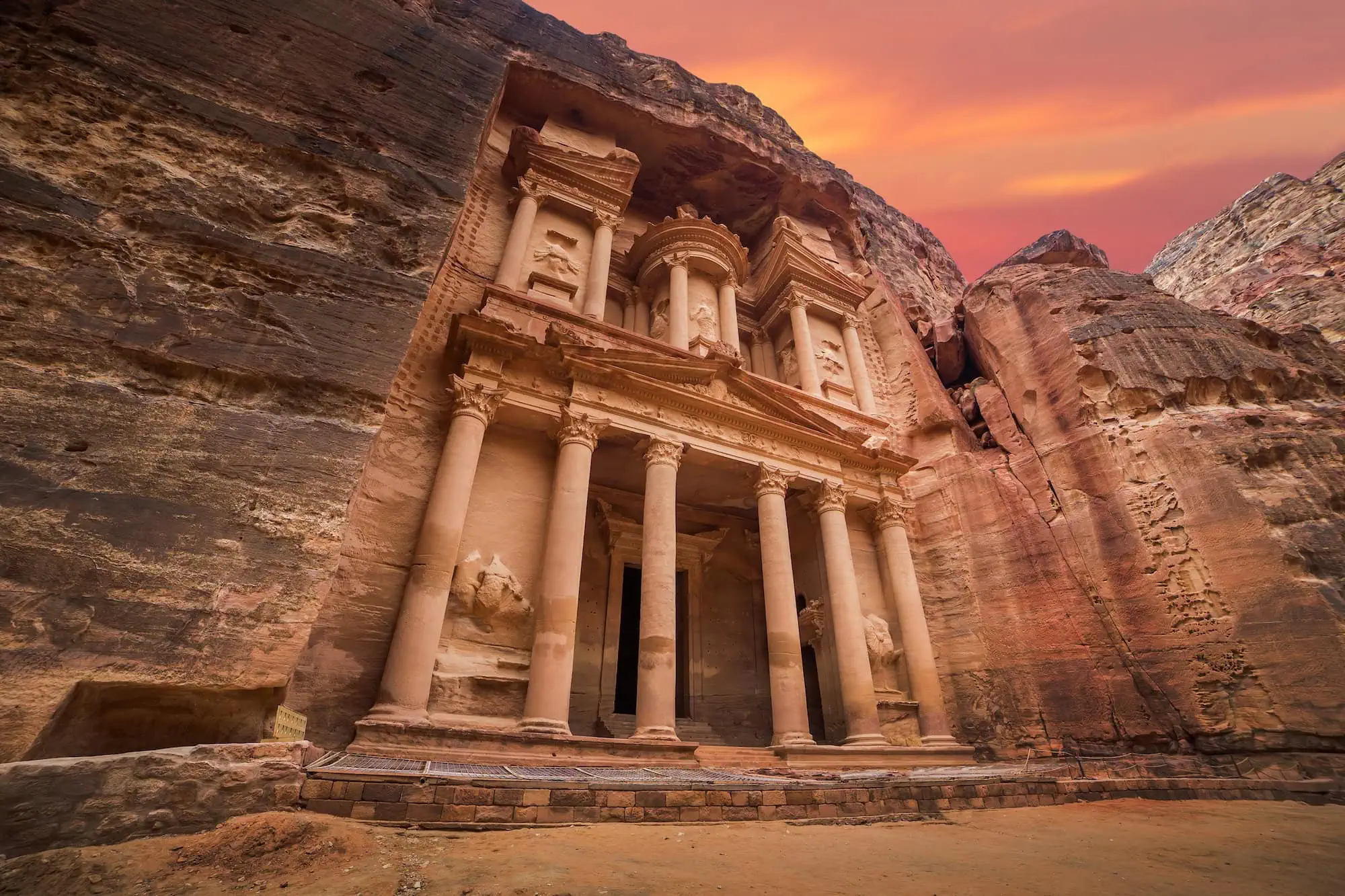
The Petra Development and Tourism Region Authority works directly with Jordan’s Public Security Directorate to ensure comprehensive protection. Surveillance cameras monitor key areas including the Treasury, Royal Tombs, and Monastery trail. Emergency response teams stationed nearby can reach any location within the park in under 10 minutes.
Regional Context and Border Security
Petra sits approximately 250 kilometers (155 miles) south of Amman and 150 kilometers (93 miles) from the nearest Syrian border crossing. This distance provides significant buffer from regional conflicts affecting Jordan’s northern territories. Israeli borders lie 80 kilometers (50 miles) west, with peaceful relations and regular coordination on tourist security.
Local security forces monitor all approaches to the Petra region. Checkpoints on Highway 15 and Highway 35 screen vehicles entering the area. Military installations in nearby Ma’an provide additional regional oversight without impacting tourist activities.
Tourism Infrastructure and Local Safety Standards
Petra’s economy depends entirely on international tourism, creating powerful incentives for maintaining visitor safety. Local businesses, from hotels to restaurants to tour operators, implement strict safety protocols to protect their livelihoods and reputations. The Movenpick Resort Petra and other international hotels maintain security staff trained in emergency procedures.
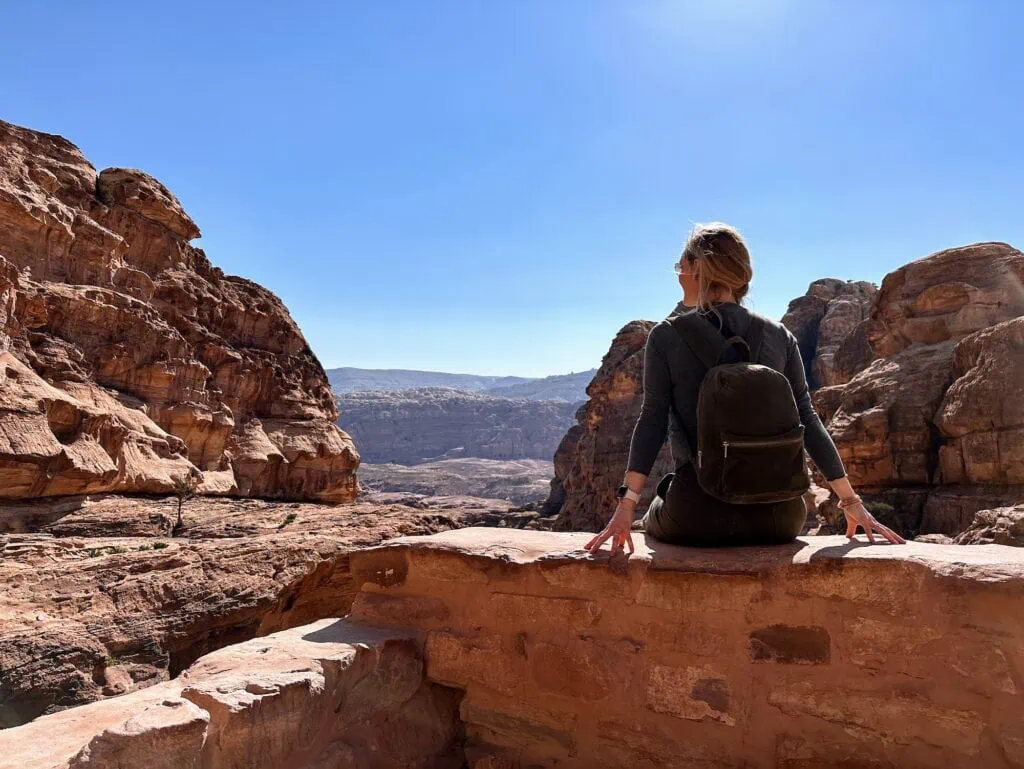
Local restaurants follow food safety standards monitored by health inspectors. Transportation providers use modern vehicles with safety equipment and insurance coverage. This comprehensive approach ensures multiple layers of protection for international visitors throughout their stay.
Bedouin Community and Visitor Protection
Indigenous Bedouin families have lived in the Petra region for generations and serve as informal guardians of the site. Many work as licensed guides, camel handlers, or souvenir vendors, creating networks of local knowledge and assistance for visitors. Their presence throughout the archaeological park adds layers of security and cultural insight.
The Bdoul Bedouin tribe, relocated from inside Petra in the 1980s, now operates visitor services and maintains strong connections to the site. Their children speak multiple languages and often assist tourists with directions or basic needs. This community integration enhances overall safety through natural surveillance and local expertise.
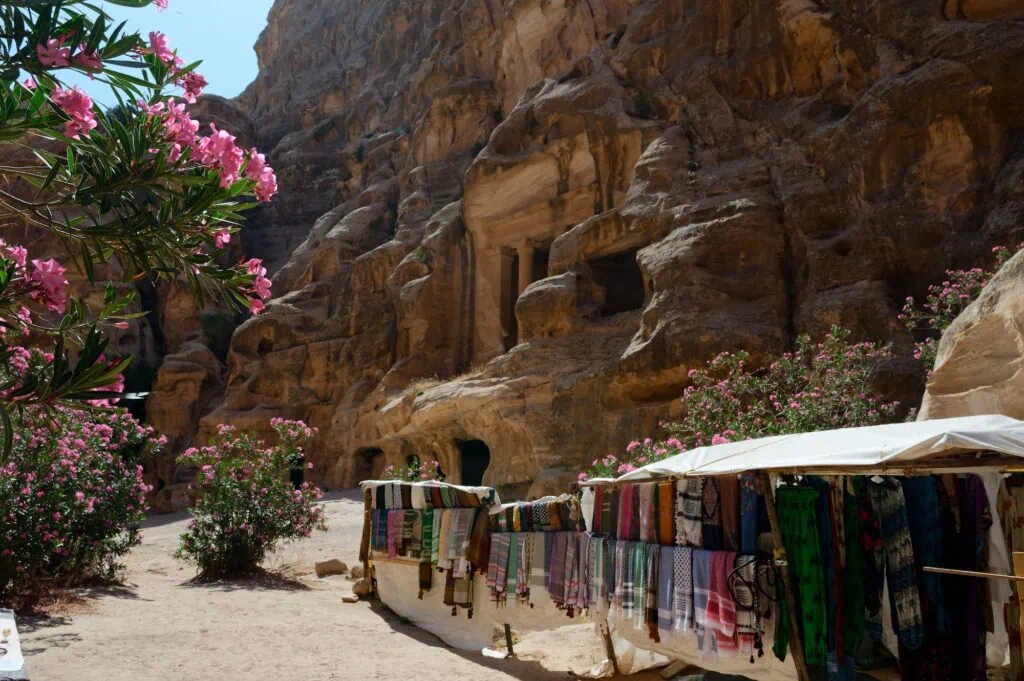
Training programs ensure all local guides understand emergency procedures and communication protocols. Licensed guides carry radios for direct contact with tourist police and medical services. Many possess first aid certification and knowledge of safe routes throughout the extensive site.
Crime Levels and Personal Safety Considerations
Violent crime targeting tourists remains virtually nonexistent in Petra and surrounding Wadi Musa. Petty theft occurs infrequently, typically involving unattended belongings left in vehicles or hotels rather than confrontational crimes. Local customs emphasize hospitality toward guests, creating cultural protection for visitors.
Harassment of tourists can result in loss of business licenses for vendors or guides. Community pressure reinforces respectful behavior toward international guests. This self-regulating system maintains high standards of visitor treatment throughout the tourism sector.
Practical Safety Recommendations
Keep valuables secured in hotel safes rather than carrying large amounts of cash or jewelry. ATMs operate in Wadi Musa town center, accepting major international cards with standard fees. Most hotels and restaurants accept credit cards, reducing the need for extensive cash transactions.
Women travelers report feeling safe walking alone during daylight hours within Petra and Wadi Musa. Conservative dress helps visitors blend in respectfully – covering shoulders and knees shows cultural awareness. Evening activities should focus on hotel areas or organized group events.
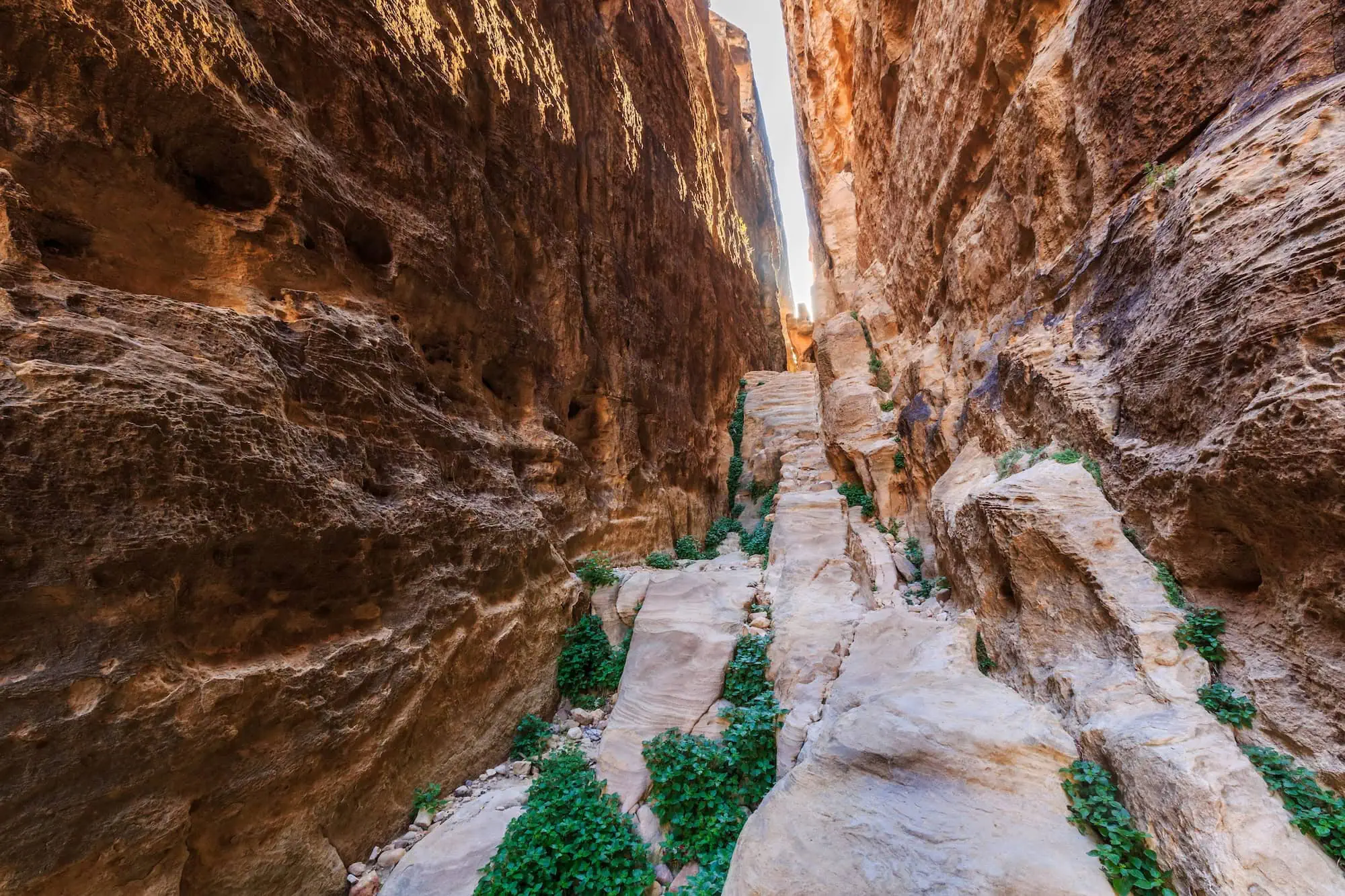
Walking conditions inside Petra require sturdy footwear due to uneven ancient pathways and rocky terrain. Heat exhaustion presents greater risks than security concerns, especially during summer months when temperatures exceed 35°C (95°F). Carrying water and planning rest stops prevents most health issues.
Transportation Security and Access Routes
Queen Alia International Airport in Amman provides the primary gateway for international visitors, located 230 kilometers (143 miles) from Petra. Direct flights connect Jordan with major global cities including London, Frankfurt, Dubai, and New York. Airport security meets international standards with modern screening equipment and procedures.
Highway travel between Amman and Petra follows well-maintained roads with regular police presence. The Desert Highway (Route 15) offers the most direct path, taking approximately 3 hours by car or tour bus. This route passes through several checkpoints where officers verify passenger documentation – a routine security measure rather than cause for concern.
Tour Operator Safety Standards
Licensed tour companies operating in Jordan must meet government safety requirements including vehicle maintenance, driver certification, and insurance coverage. Major operators maintain modern air-conditioned coaches with seatbelts and emergency equipment. Guides receive regular training updates on safety procedures and emergency contacts.
Professional tour providers maintain modern vehicles with certified drivers who know alternative routes and maintain direct communication with local authorities. These vehicles undergo regular safety inspections and carry comprehensive insurance coverage. Emergency protocols ensure rapid response to any medical or security situations.
Small group tours limit exposure while providing safety through numbers and professional guidance. Private guides offer personalized attention and can adjust schedules based on current conditions or individual needs.
Medical Services and Emergency Preparedness
Wadi Musa hosts a modern medical center staffed with doctors and emergency equipment. The facility handles routine medical needs and stabilizes patients for transport to larger hospitals in Amman if necessary. Ambulance services operate 24/7 with direct access to Petra Archaeological Park.
Most hotels maintain basic first aid supplies and staff trained in emergency response. Larger properties employ nurses or maintain agreements with local medical providers. Travel insurance with medical evacuation coverage provides additional peace of mind for serious health emergencies.
Pharmacies in Wadi Musa stock common medications and basic medical supplies. Prescription medications should be brought from home with proper documentation. Heat-related illnesses represent the most common medical issues, easily prevented through proper hydration and sun protection.
The nearest major hospital operates in Ma’an, 35 kilometers (22 miles) north of Petra. This facility provides full emergency services including surgery and intensive care. Helicopter medical evacuation can reach Amman hospitals within 45 minutes for critical cases.
Current Regional Stability Assessment
Jordan maintains stable government institutions and effective security services despite regional challenges. King Abdullah II’s moderate leadership and strong ties with international partners support continued stability. The country hosts large refugee populations while maintaining internal security and economic functioning.
Recent years show improving tourism numbers as international confidence returns. European and American visitors increasingly recognize Jordan’s stability compared to neighboring countries. Government investment in tourist infrastructure demonstrates long-term commitment to the sector.
Economic Factors Supporting Safety
Tourism revenue directly supports thousands of families in the Petra region, creating strong economic incentives for maintaining visitor safety. Local businesses lose income when security concerns reduce tourist arrivals. This economic reality reinforces community commitment to protecting international guests.
Government tourism marketing budgets exceed $15 million annually, requiring proven safety records to attract visitors. International tour operators demand security guarantees before including destinations in their programs. Jordan’s continued presence in major tourism markets indicates sustained confidence in security conditions.
Hotel occupancy rates in Petra exceeded 70% in recent years, suggesting industry confidence in security conditions. Major international hotel chains maintain operations, conducting their own security assessments before committing to long-term investments.
Frequently Asked Questions
Yes, Petra welcomes solo female travelers with proper cultural awareness and basic precautions like conservative dress.
No specific threats target Petra, though general regional tensions prompt elevated security measures throughout Jordan’s tourist sites.
Metal detectors, bag checks, and ID verification at the main entrance, plus visible tourist police patrols throughout.
Yes, the Desert Highway remains safe with regular police presence and well-maintained infrastructure used daily by tour groups.
Medical evacuation coverage is recommended for any international travel, though Jordan’s healthcare system adequately handles most tourist medical needs.
All marked tourist trails remain safe, though climbing unmarked areas poses safety risks from terrain rather than security.
Check your government’s travel advisories before departure and register with your embassy in Jordan for security updates.
Tourist Police: 06-215-7444, Medical Emergency: 911, and your hotel’s 24-hour reception number for local assistance and coordination.
Yes, restaurants catering to tourists maintain food safety standards, though drinking bottled water reduces any digestive issues.
Major hotels and restaurants accept credit cards, but carrying some Jordanian dinars helps with smaller vendors and tips.
Security conditions remain stable year-round, though spring and fall offer more comfortable weather for extensive walking.
No special vaccinations are required for Jordan, though routine immunizations should be current and sun protection essential.
Design Your Custom Tour
Explore Egypt and Jordan your way by selecting only the attractions you want to visit