

Majorelle Garden – An Artist’s Dream and Botanical Paradise
Paradise takes many forms, but few match the electric blue wonder of Marrakech’s most famous garden sanctuary.
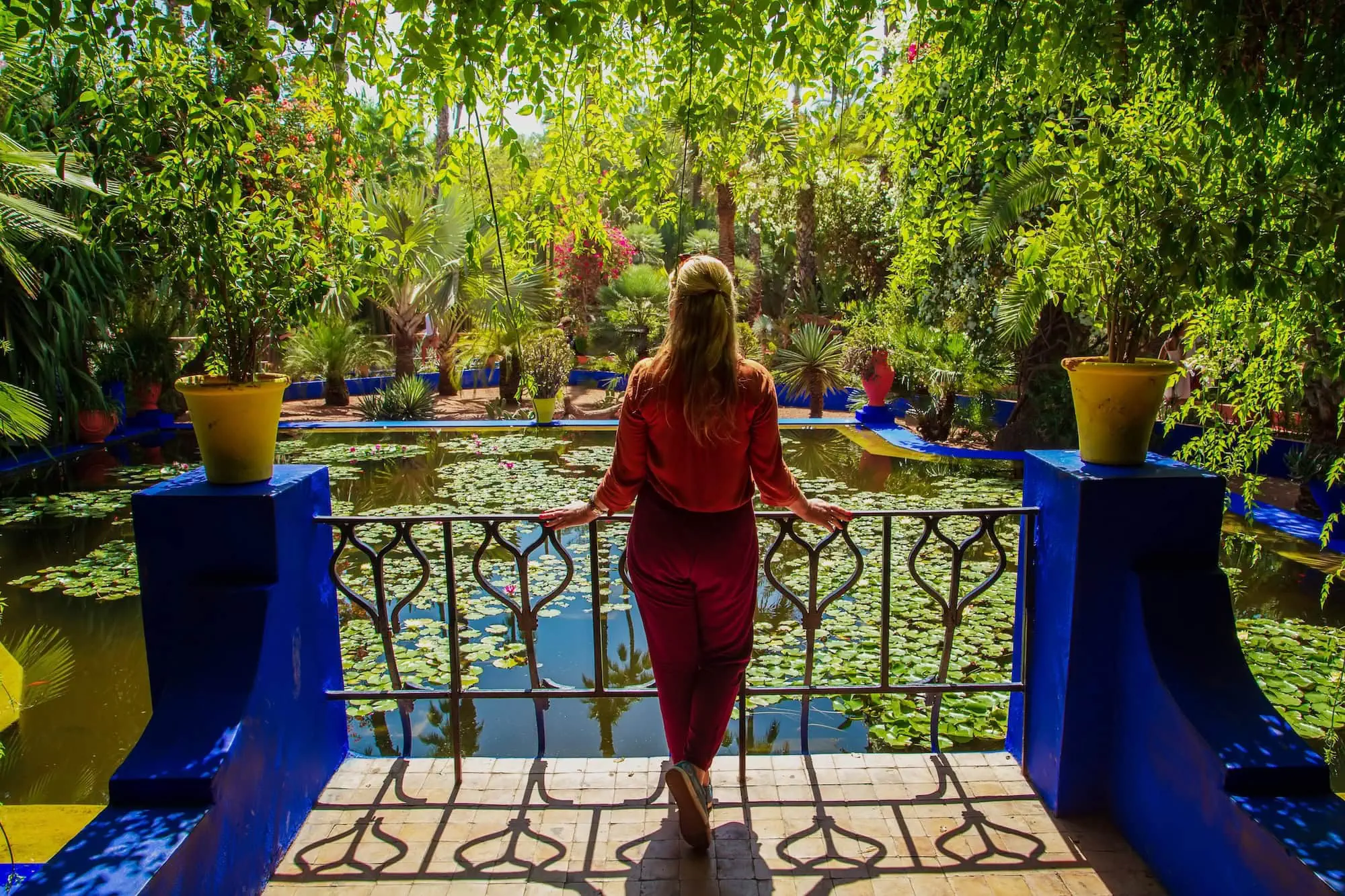
Nestled in the vibrant Gueliz district, Majorelle Garden stands as one of Morocco’s most iconic attractions, drawing hundreds of thousands of visitors each year to its striking blue architecture and rare botanical collections. French artist Jacques Majorelle spent decades transforming this space into a living artwork, blending Art Deco design with exotic plant species from across the world.
Majorelle Garden can be included in our Egypt and Morocco luxury tours, where Morocco’s most refined cultural experiences are combined with its historic cities and Egypt’s ancient wonders for an exclusive and immersive journey.
Saved from neglect in 1980 by Yves Saint Laurent and Pierre Bergé, the garden today represents a unique fusion of artistic vision and cultural preservation. Every path, color, and detail reflects a carefully curated aesthetic that continues to inspire visitors.
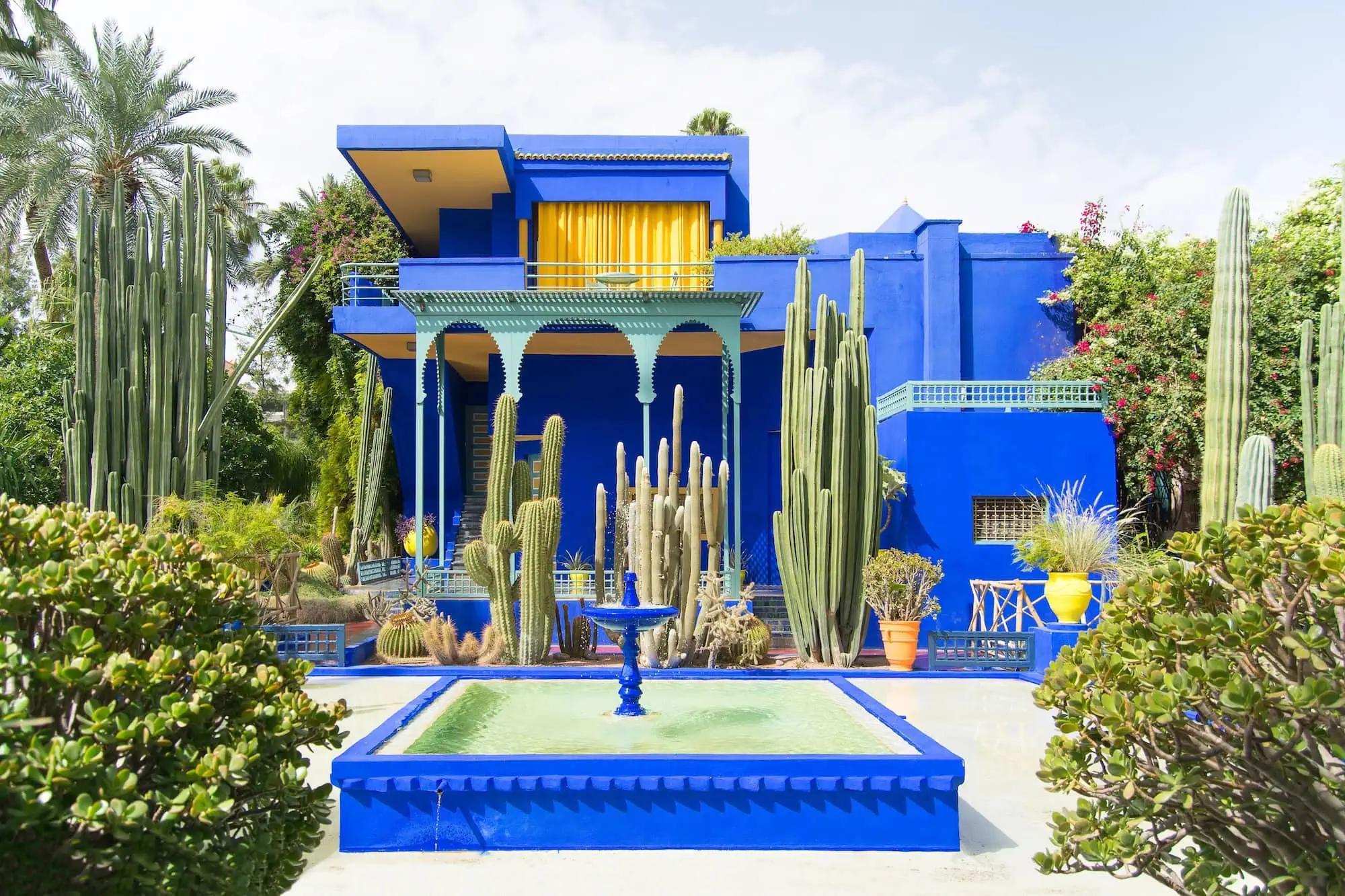
For travelers seeking elegance, tranquility, and visual impact, Majorelle Garden delivers one of Marrakech’s most memorable and photogenic experiences.
The Artistic Vision Behind Majorelle’s Masterpiece
Jacques Majorelle arrived in Morocco in 1919 seeking treatment for his tuberculosis. What began as a health retreat evolved into a 40-year passion project that would redefine garden design in North Africa.
The French Orientalist painter purchased his first plot of land in 1924, initially creating a modest studio surrounded by indigenous plants. His artistic eye, trained in Nancy’s Art Nouveau traditions under his father Louis Majorelle, recognized the potential for something extraordinary. Rather than imposing European garden principles, Majorelle studied local Berber farming techniques and traditional Moroccan irrigation systems, incorporating these methods into his expanding vision.
The Birth of Majorelle Blue
The garden’s signature color emerged from Majorelle’s fascination with Berber culture. While painting local markets and observing traditional clothing, he became captivated by the intense cobalt blue of Berber burnouses – the flowing robes worn by mountain tribes. This specific shade, which he patented as “Majorelle Blue,” would become the defining element of his architectural vision.
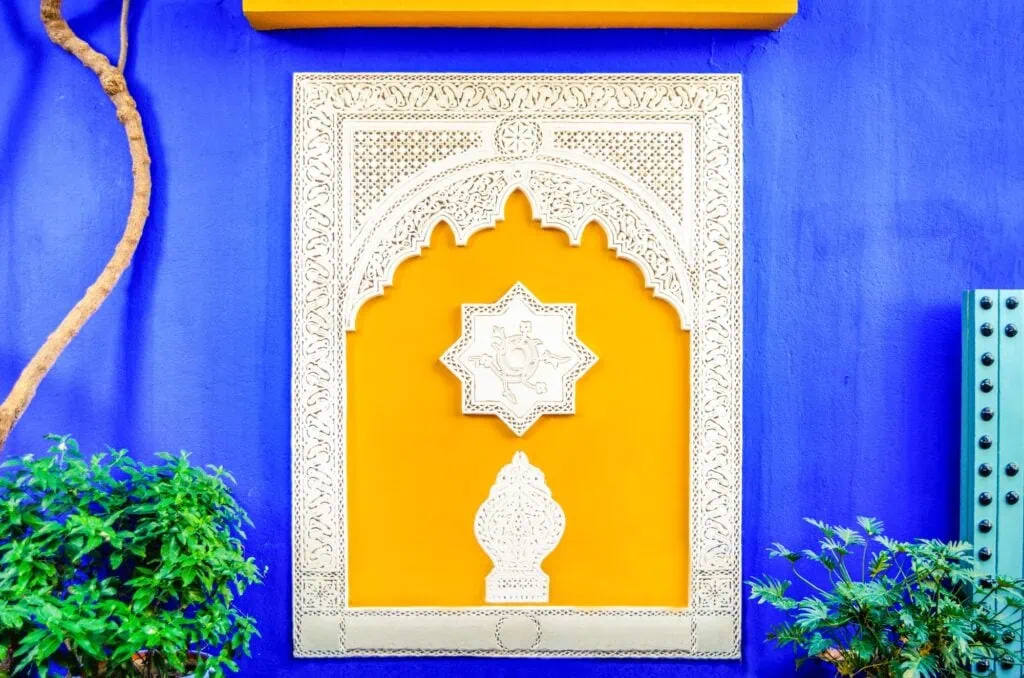
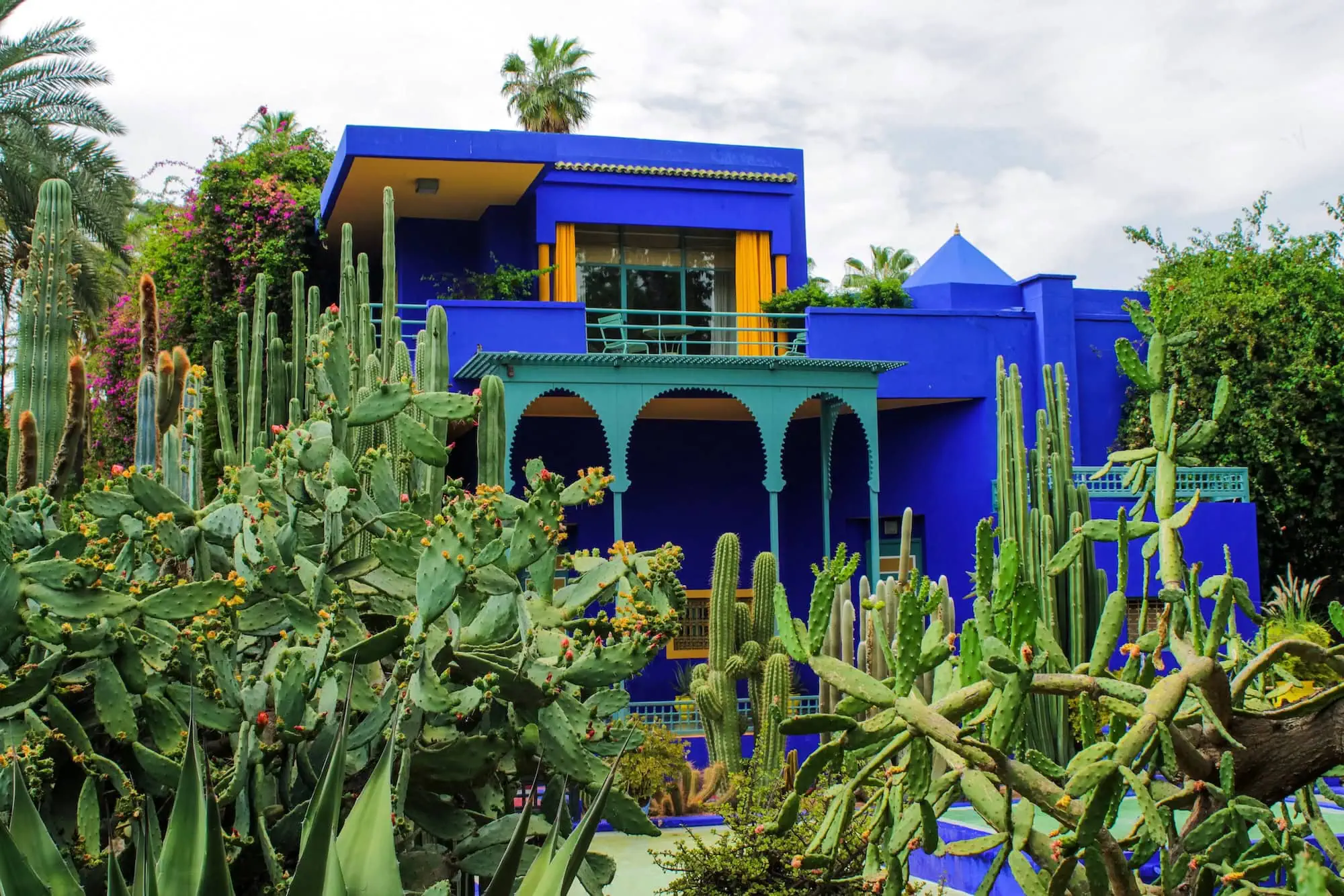
Majorelle’s cubist villa, designed by architect Paul Sinoir in the 1930s, served as the perfect canvas for this bold color experiment. The electric blue pavilions create striking contrasts against the garden’s green palms and red clay paths, while yellow accents on doorframes and window shutters add warmth to the composition.
Botanical Innovation Meets Artistic Expression
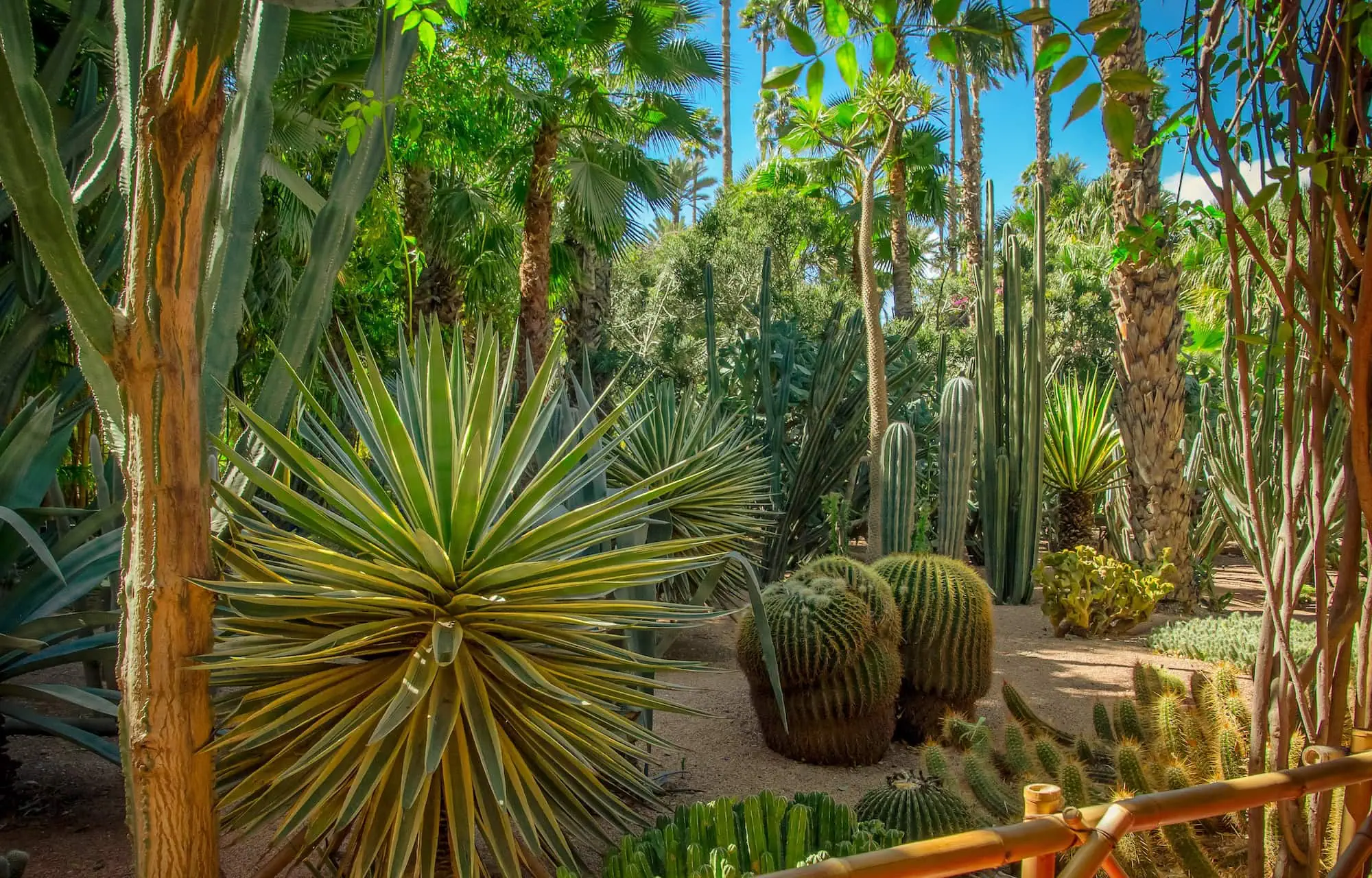
Beyond color, Majorelle revolutionized how exotic plants could thrive in Morocco’s semi-arid climate. He imported cacti from Mexico, bamboo groves from Asia, and bougainvillea from South America, creating microclimates that supported species far from their native habitats. His irrigation system, inspired by traditional Moroccan khettaras, distributed water efficiently throughout the property.
The artist’s sculptures punctuate the garden at strategic points, creating focal points that draw visitors deeper into the botanical labyrinth. These Art Deco pieces, cast in the same vibrant blue as his buildings, blur the line between architecture and art installation.
Yves Saint Laurent’s Cultural Renaissance
When Jacques Majorelle died in 1962, his garden faced an uncertain future. Property developers eyed the valuable Gueliz district land, and the exotic plants began struggling without their creator’s careful attention.
Yves Saint Laurent first visited the garden in 1966, immediately recognizing its significance to his own artistic development. The designer, already famous for revolutionizing women’s fashion, found in Majorelle’s work a kindred spirit who understood how color and form could transform everyday spaces into extraordinary experiences. When the opportunity arose to purchase the property in 1980, Saint Laurent and Pierre Bergé didn’t hesitate.
Their restoration went beyond simple maintenance. Saint Laurent invested heavily in rare plant acquisitions, expanding the garden’s botanical diversity while maintaining Majorelle’s original vision. The fashion designer’s own ashes rest in the garden’s rose garden, a private area not accessible to the public, while a memorial plaque marks his profound connection to this Moroccan sanctuary.
The Pierre Bergé Museum
In 2011, the garden complex expanded to include the Pierre Bergé Museum of Berber Arts, housed within Majorelle’s original studio building. This institution showcases over 600 artifacts representing North Africa’s indigenous cultures, from antique jewelry and textiles to ceremonial daggers and traditional musical instruments.
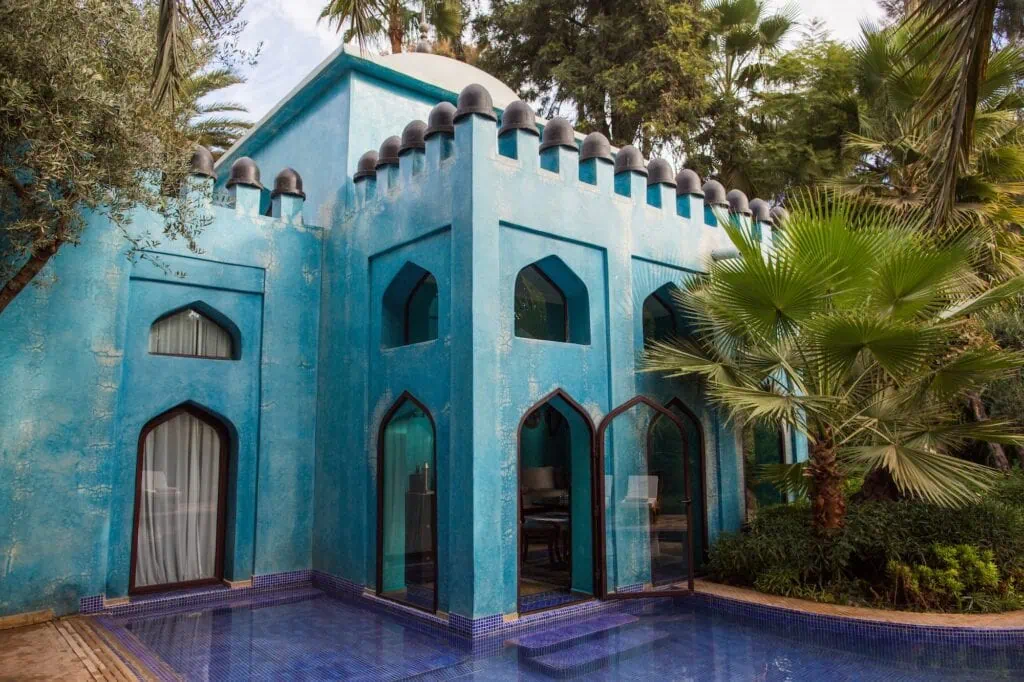
The museum’s collection reflects both Saint Laurent’s appreciation for Moroccan craftsmanship and Pierre Bergé’s commitment to preserving Berber cultural heritage. Rotating exhibitions highlight specific aspects of Berber society, from nomadic traditions in the Atlas Mountains to contemporary artists working within traditional frameworks.
Planning Your Garden Experience
Majorelle Garden operates with precision that reflects its international reputation. Tickets must be purchased online in advance through the official website jardinmajorelle.com, as on-site sales ended several years ago due to overwhelming demand.
The garden opens daily at 8:00 am (08:00) and closes at 6:30 pm (18:30) during peak season, with slightly reduced hours during winter months. Arriving within the first hour proves crucial for several reasons: morning light enhances the Majorelle Blue’s intensity, temperatures remain comfortable for extended exploration, and crowd levels stay manageable until mid-morning.
Ticket Options and Pricing
Standard garden admission includes access to all outdoor areas, the Majorelle villa exterior, and the café terrace. The Pierre Bergé Museum requires a separate ticket, while combined packages offer modest savings for visitors interested in both experiences. Audio guides, available in multiple languages, provide detailed commentary on Majorelle’s artistic techniques and the garden’s botanical significance.
Photography policies allow personal cameras throughout the garden, though professional equipment requires special permission. The garden’s management actively discourages tripods and elaborate photo shoots that might disrupt other visitors’ experiences.
Navigating Peak Season Challenges
Marrakech’s tourism calendar creates distinct busy periods that affect garden visits. Winter months (November through March) bring the heaviest crowds, as European travelers escape cold weather for Morocco’s mild winter climate. Spring blooms in April and May create spectacular photographic opportunities, but also attract photographers and tour groups in large numbers.
Summer visits require different strategies entirely. While temperatures can exceed 40°C (104°F) by midday, early morning visits (8:00-10:00 am) offer comfortable conditions and dramatic lighting. The garden’s mature trees provide substantial shade, making afternoon visits feasible for heat-tolerant travelers.
Exploring the Garden’s Botanical Treasures
Five distinct garden zones showcase different aspects of Majorelle’s botanical vision. Each area features unique plant combinations and architectural elements that create varied experiences within the compact 12-hectare space.
The Cactus Garden
The northwestern section houses Morocco’s most impressive cactus collection, featuring over 300 species from around the world. Giant barrel cacti from Mexico’s Sonoran Desert create dramatic vertical elements, while Madagascar’s octopus trees (Alluaudia procera) add sculptural interest with their spiky silhouettes.
Majorelle’s irrigation system becomes most apparent here, where underground channels deliver precise water amounts to desert plants that would quickly perish with typical garden watering. Information plaques identify species origins and explain adaptation strategies that allow plants from different continents to coexist successfully.
The Bamboo Cathedral
The eastern pathway leads through towering bamboo groves that create natural cathedral spaces. These Asian species, primarily Bambusa vulgaris and Dendrocalamus giganteus, reach heights of 20 meters (65 feet) and provide cooling shade during hot afternoons.
Majorelle planted these groves to create intimate spaces within the larger garden, where visitors could escape Marrakech’s intensity and experience meditative quiet. The bamboo’s gentle rustling provides natural sound barriers that mask city noise, creating the illusion of deep forest seclusion.
Water Features and Reflection Pools
Traditional Moroccan water management techniques appear throughout the garden in both functional and decorative forms. Majorelle’s reflection pools mirror the blue pavilions while providing humidity for tropical plants, and narrow channels guide water along pathways following ancient Islamic garden principles.
The central fountain, surrounded by papyrus plants and water lilies, serves as the garden’s heart. Here, Majorelle blue tilework creates geometric patterns that echo traditional Moroccan zellij craftsmanship while maintaining the artist’s modernist aesthetic.
Museums and Cultural Exhibitions
The garden complex now includes three distinct cultural institutions that enhance any visit beyond simple botanical appreciation.
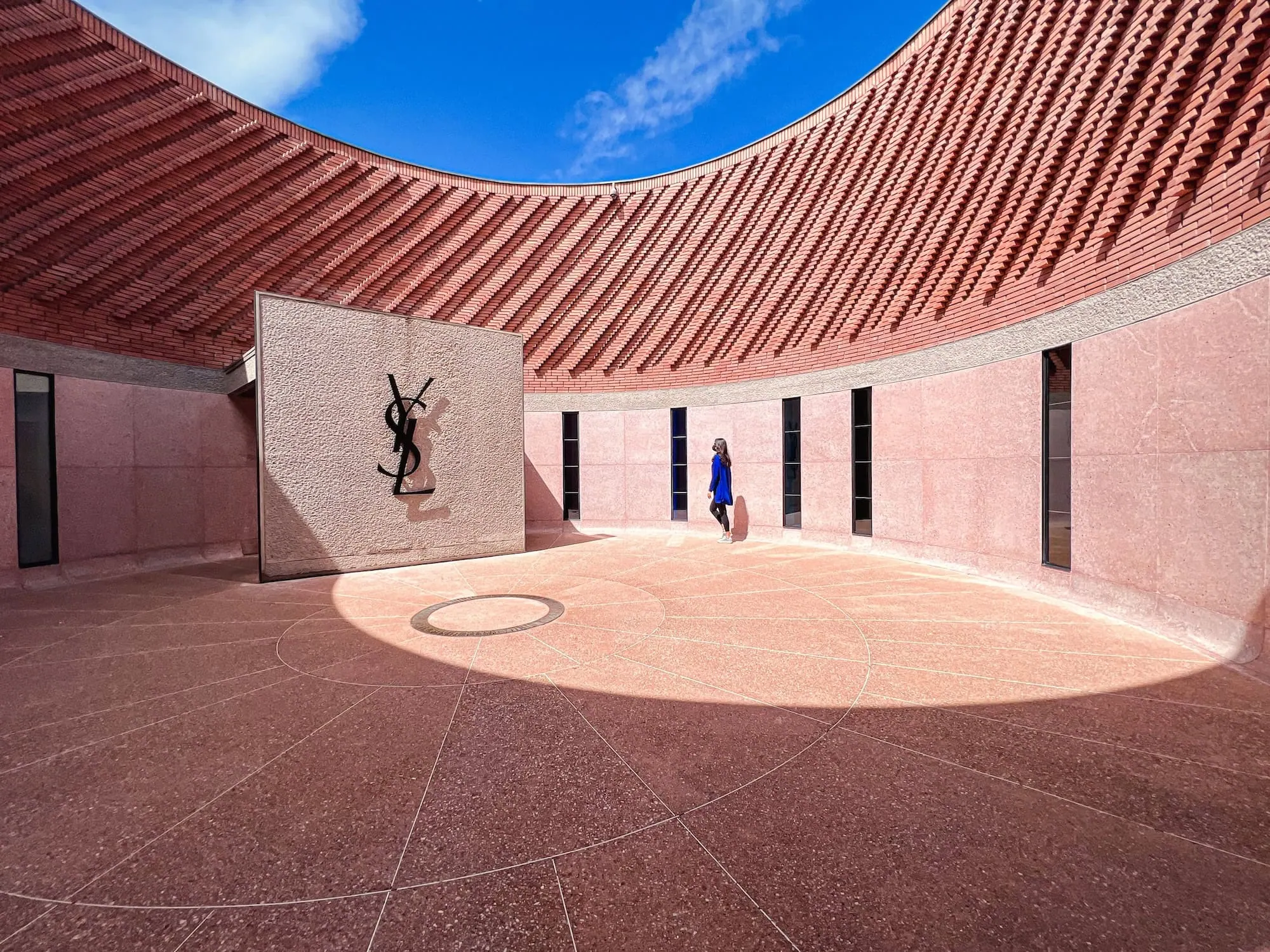
The Musée Yves Saint Laurent, opened in 2017, occupies a purpose-built structure adjacent to the garden entrance. This world-class facility displays rotating selections from Saint Laurent’s extensive archives, including haute couture pieces, sketches, and accessories that demonstrate his Moroccan influences. The museum’s architecture, designed by Studio KO, uses traditional materials in contemporary forms that complement Majorelle’s original vision.
Exhibition spaces change seasonally, ensuring return visits reveal new aspects of Saint Laurent’s creative process. Recent exhibitions have explored his use of Moroccan colors in fashion design, his collaboration with local artisans, and his influence on contemporary African fashion designers.
The Villa Oasis
Majorelle’s original residence, now called Villa Oasis, houses smaller exhibitions focusing on the garden’s history and Jacques Majorelle’s artistic development. Photography displays show the garden’s evolution from empty lot to international destination, while Majorelle’s original paintings demonstrate his progression from traditional portraiture to the bold Orientalist style that defined his mature work.
Personal artifacts, including Majorelle’s easel and paint palette, offer insights into his daily creative routine. Letters and sketches reveal his deep engagement with Berber culture and his efforts to document traditional practices that were already disappearing during his lifetime.
Practical Visitor Information
Getting to the garden requires planning, as Marrakech’s medina traffic can delay even short journeys significantly. The garden’s Gueliz district location places it outside the old city walls, requiring taxi rides or walking distances that exceed most visitors’ comfort levels.
Transportation and Access
Official taxis (painted beige and blue) provide the most reliable transportation from medina accommodations, with typical journey times ranging from 15-25 minutes depending on traffic conditions. Ride-sharing apps operate in Marrakech, though availability can fluctuate during peak tourist seasons.
For visitors staying in Gueliz district hotels, walking becomes feasible, with most accommodations situated within 10-15 minutes of the garden entrance. The neighborhood features wide, tree-lined boulevards that contrast sharply with the medina’s narrow alleys, making navigation considerably easier.
Garden Amenities and Services
Café Majorelle, located within the garden complex, serves traditional Moroccan refreshments and light meals using ingredients from the garden’s herb sections when possible. The menu focuses on classic preparations – mint tea, pastries, and tagine dishes – rather than attempting fusion cuisine that might distract from the cultural authenticity.
The garden boutique stocks carefully curated items related to Majorelle’s artistic vision and Berber cultural heritage. Books about garden design, North African art, and Yves Saint Laurent’s work provide educational souvenirs, while locally-made textiles and ceramics offer authentic Moroccan craftsmanship.
Restroom facilities appear at strategic intervals throughout the garden, designed to blend seamlessly with Majorelle’s architectural aesthetic. These buildings showcase the same attention to color and form that characterizes the main structures, proving that even utilitarian spaces can contribute to overall artistic impact.
Beyond the Garden Walls
The Majorelle Garden’s influence extends throughout contemporary Marrakech, inspiring hotels, restaurants, and private residences to incorporate similar color schemes and design principles into their own spaces. This broader cultural impact demonstrates how a single artistic vision can reshape an entire city’s aesthetic vocabulary.
Several nearby attractions complement garden visits for travelers interested in deeper cultural exploration. The Yves Saint Laurent Museum provides additional context for understanding the designer’s Moroccan influences, while traditional riads in the medina showcase how Majorelle’s color innovations build upon centuries-old architectural traditions.
For those planning extended stays, the garden serves as an excellent introduction to Moroccan design principles that appear throughout the country. Atlas Mountain villages feature similar blue accents on traditional buildings, while coastal cities like Essaouira use comparable color combinations in their fishing harbors and residential districts.
We recommend combining garden visits with broader explorations of Marrakech’s cultural landscape, creating comprehensive experiences that place Majorelle’s work within its proper historical and artistic context. Our local guides can arrange customized tours that connect the garden with traditional crafts workshops, historical sites, and contemporary art galleries, providing travelers with complete understanding of Morocco’s evolving cultural identity.
Frequently Asked Questions
Allow 2-3 hours to explore all areas comfortably, including museums and café.
No, all tickets must be bought online through jardinmajorelle.com.
Early morning (8:00-10:00 am) provides optimal lighting and fewer crowds.
Audio guides are included; private guides available through authorized tour companies.
Main pathways accommodate wheelchairs, though some areas remain inaccessible.
Garden entry costs 70 MAD; museum tickets require additional fees.
Outside food isn’t permitted; Café Majorelle serves refreshments within.
Comfortable walking shoes and sun protection; modest clothing respects customs.
Spring (March-May) provides peak blooming periods for bougainvillea species.
Yes, combination tickets allow same-day access to all facilities.
Design Your Custom Tour
Explore Egypt & Morocco your way by selecting only the attractions you want to visit