

Musée Berbère Jardin Majorelle – An Introduction to Berber Art
Most visitors to Jardin Majorelle know about the iconic blue buildings and stunning botanical gardens, but many overlook the remarkable museum located within.
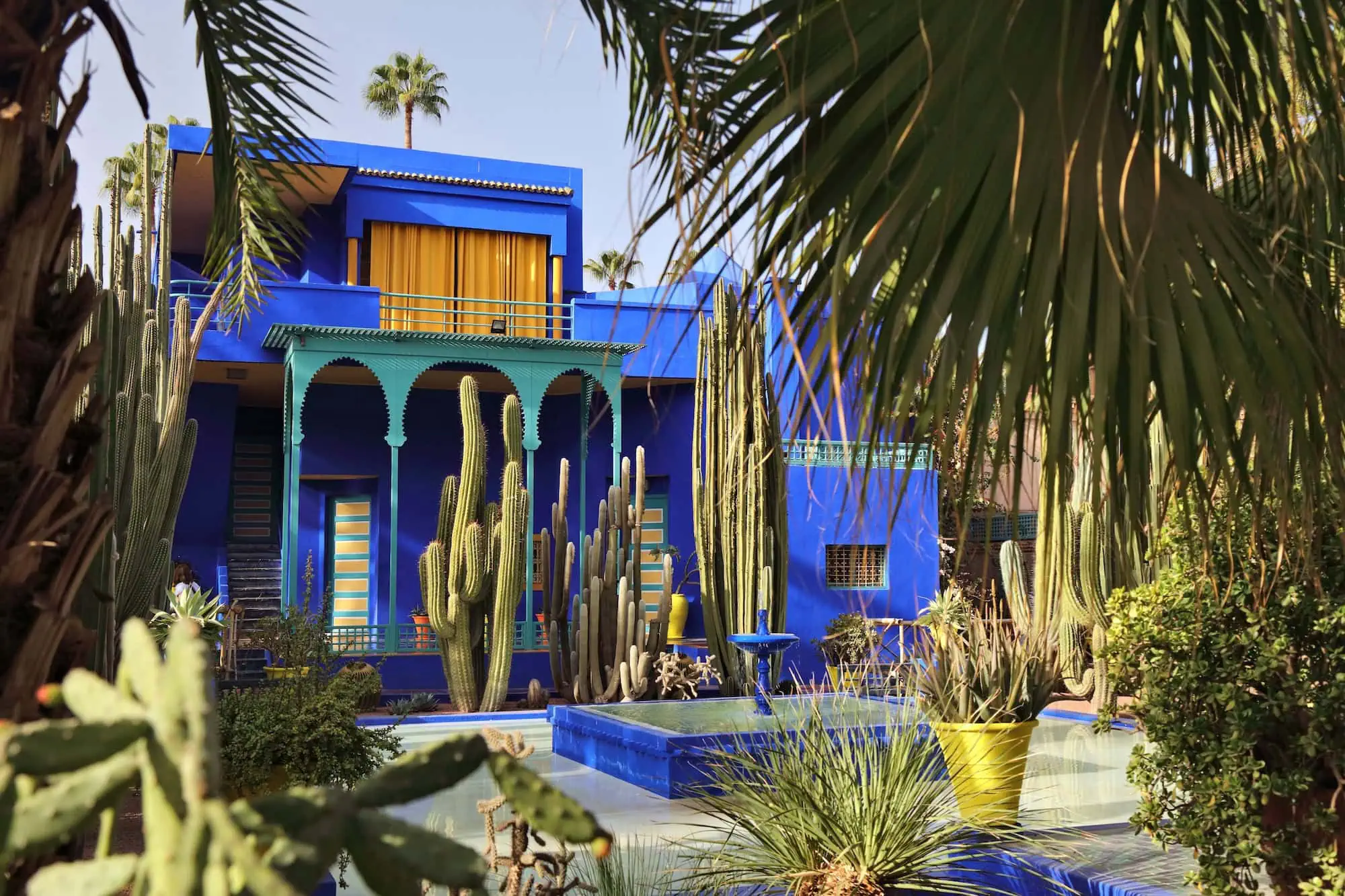
The Pierre Bergé Museum of Berber Arts offers one of Morocco’s most authentic cultural experiences, dedicated to preserving the traditions and heritage of North Africa’s indigenous Berber communities.
Musée Berbère can be included in our Egypt and Morocco holiday packages, where Morocco’s cultural highlights are combined with its historic cities and Egypt’s ancient wonders for a rich and immersive travel experience.
Inside, visitors discover a carefully curated collection that brings Berber craftsmanship and daily life into focus—far removed from the busy souks and crowded attractions of Marrakech.
For those seeking a deeper understanding of Moroccan identity, this museum provides a calm and insightful journey through centuries of tradition.
The Story Behind Pierre Bergé’s Vision
Pierre Bergé envisioned something extraordinary when he established this museum in 2011. His partnership with Yves Saint Laurent had already transformed Jardin Majorelle from Jacques Majorelle’s original artist studio into an internationally celebrated destination.
The museum emerged from Bergé’s deep appreciation for Berber culture and his recognition that these ancient traditions needed preservation. Working closely with the Majorelle Foundation, he created a space where over 600 authentic Berber artifacts could tell their stories to visitors from around the world.

The collection spans the entire geographic range of Berber communities, from the mountainous Rif region in the north to the vast expanses of the Sahara desert.
Building on Jacques Majorelle’s Legacy
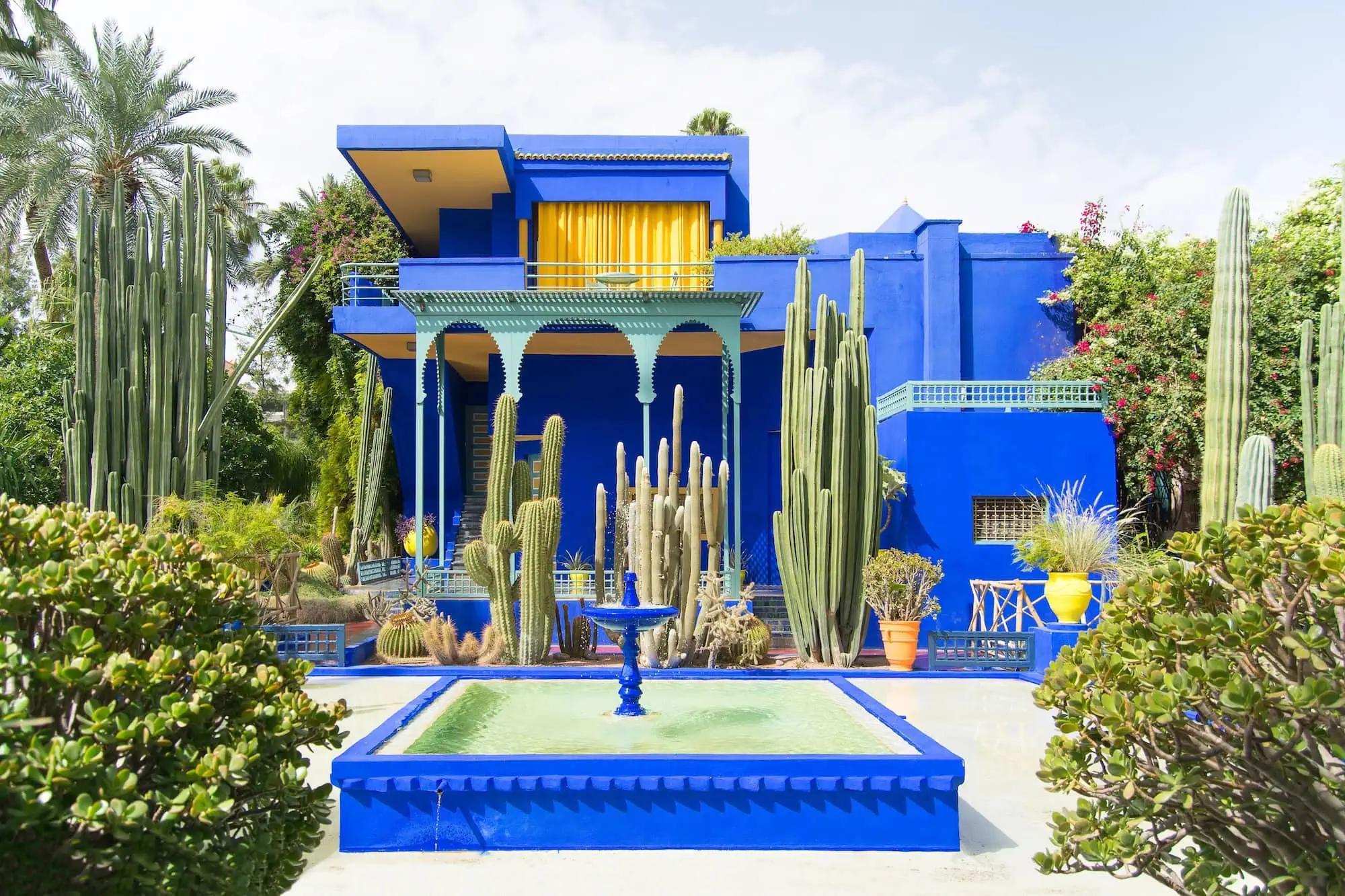
Jacques Majorelle’s 1920s art studio provided the perfect foundation for this cultural project. The building’s distinctive architecture, painted in the famous “bleu Majorelle,” creates an atmosphere that honors both the original artistic vision and the new cultural mission.
Majorelle’s love for Moroccan aesthetics and his eye for beauty align perfectly with the museum’s celebration of Berber artistry.
Yves Saint Laurent’s Influence
The fashion designer’s passion for Moroccan culture deeply influenced the museum’s development. Saint Laurent’s appreciation for traditional craftsmanship and his understanding of cultural heritage helped shape how the collection would be presented to visitors.
The Fondation Majorelle Partnership
This administrative foundation ensures the museum’s ongoing success and cultural authenticity. Their expertise in managing the broader Jardin Majorelle complex brings professional standards and cultural sensitivity to every aspect of the museum experience.
Discovering Berber Heritage Through Masterpieces
Six hundred carefully curated objects reveal the extraordinary diversity and sophistication of Berber culture across North Africa. Each piece tells a story of daily life, spiritual beliefs, artistic achievement, and cultural survival spanning many centuries.
The collection methodology focused on authenticity and regional representation. Museum curators traveled extensively throughout Morocco, Algeria, and other Berber regions to source genuine artifacts that accurately represent different communities and time periods.
This approach ensures visitors encounter real cultural heritage rather than tourist reproductions.
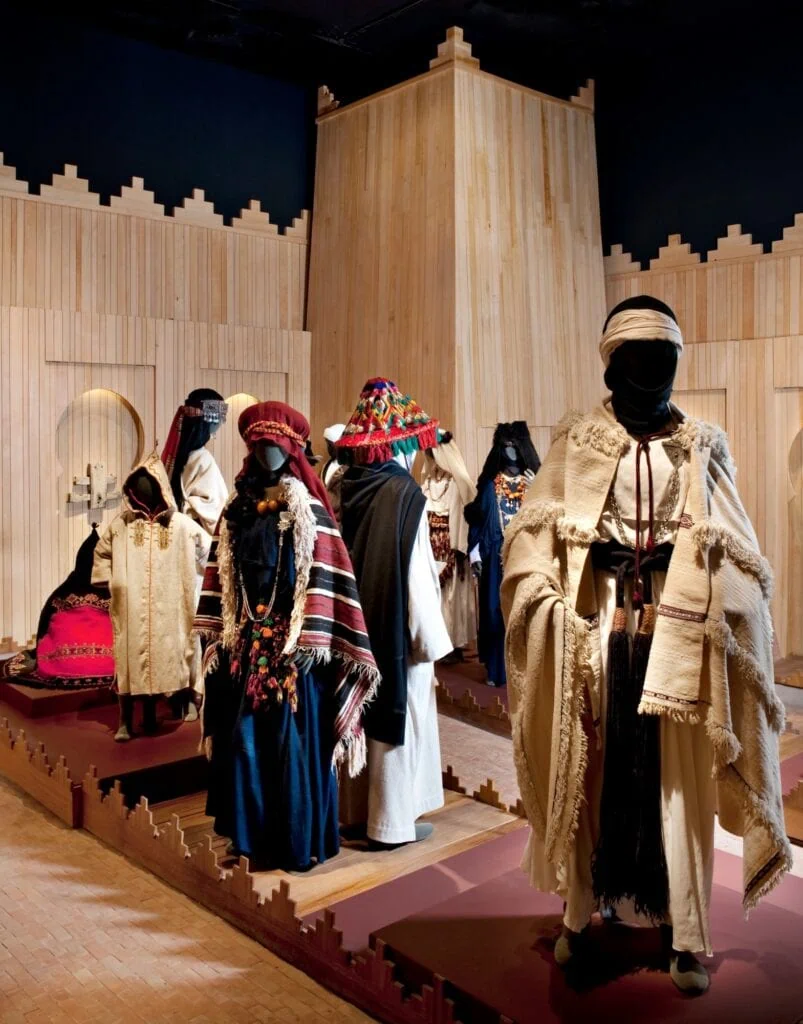
Women’s jewelry forms one of the most spectacular sections, showcasing the intricate silverwork and symbolic designs that marked important life events and social status. Traditional textiles display weaving techniques passed down through generations, with patterns that encode cultural meanings and regional identities. Household objects reveal sophisticated understanding of both functionality and aesthetics in everyday Berber life.
Planning Your Museum Visit
Your museum experience integrates seamlessly with exploring the broader Jardin Majorelle complex. We recommend allowing 45 minutes to one hour specifically for the museum, though many visitors find themselves staying longer as they discover the depth of each display.
The museum opens daily from 8:00 am (08:00) to 6:00 pm (18:00), with last entry at 5:30 pm (17:30). October through April sees slightly reduced hours, closing at 5:30 pm (17:30) with last entry at 5:00 pm (17:00).
These schedules align perfectly with the garden’s operating times, allowing you to combine both experiences in a single visit.
Ticket pricing includes access to both the gardens and the museum. Adult admission costs 150 Moroccan dirhams (approximately $15 USD), while students receive reduced pricing with valid identification. Children under 12 enter free when accompanied by adults.
Booking and Access Tips
Advanced booking through official channels guarantees entry during peak tourist seasons. We always recommend securing tickets online, particularly for visits between October and April when Marrakech experiences its busiest tourist period.
The museum maintains strict capacity limits to preserve the intimate viewing experience and protect the delicate artifacts. This policy occasionally creates waiting times during busy periods, but it ensures every visitor can properly appreciate the collection without crowding.
Best Times for Photography
Natural lighting enhances the artifacts’ beauty throughout the day, but morning visits between 9:00 am (09:00) and 11:00 am (11:00) offer the most favorable conditions. The museum allows photography in most areas, though flash photography is prohibited to protect the textiles and other light-sensitive materials.
Cultural Context and Educational Value
Understanding Berber culture enriches any Moroccan travel experience, and this museum provides essential context that transforms how visitors see the country. The Berber people, who call themselves Imazighen, represent North Africa’s original inhabitants, with cultural traditions predating Arab arrival by many centuries.
Regional variations in Berber culture become clear through the museum’s geographic organization. Rif mountain communities developed different artistic styles and daily practices than Saharan desert groups, yet common threads of creativity, spirituality, and community connection unite all Berber traditions.
Traditional pottery techniques reveal sophisticated understanding of local clay types and firing methods. Ceremonial objects demonstrate complex spiritual beliefs that blend ancient practices with later Islamic influences.
The museum’s educational approach helps visitors recognize Berber influences throughout contemporary Moroccan culture. Many architectural elements, decorative patterns, and cultural practices visible in modern Marrakech trace their origins to ancient Berber traditions. This understanding adds layers of meaning to every subsequent cultural encounter during your Moroccan journey.
Academic Research and Documentation
Scholarly documentation accompanies many exhibits, making the museum valuable for serious students of North African culture. Research partnerships with international universities ensure academic accuracy and ongoing cultural preservation efforts.
Interactive Learning Opportunities
Guided tours provide deeper insights than independent exploration, though the museum’s clear multilingual displays support self-guided visits. Audio guides in multiple languages offer detailed explanations of key pieces and cultural concepts.
Architectural Setting and Atmosphere
The museum’s physical environment contributes significantly to the overall experience, with Jacques Majorelle’s original architectural vision creating perfect harmony between building and contents.
Blue walls provide stunning contrast to the warm earth tones of ceramic pieces and textiles. Natural light filtering through carefully designed windows illuminates artifacts without causing damage, while climate control systems protect delicate materials from Morocco’s intense heat and dry conditions.
Interior spaces flow logically from one cultural theme to the next, guiding visitors through a narrative journey rather than random artifact viewing. Display cases use minimal framing to maximize artifact visibility while ensuring proper conservation.
The building’s intimate scale creates personal connections between visitors and cultural objects that larger museums often struggle to achieve.
Garden views through strategic windows remind visitors of the broader Majorelle complex while maintaining focus on indoor cultural treasures. This integration reflects the careful planning that makes Jardin Majorelle such a successful destination combining natural beauty, artistic heritage, and cultural education.
Comparing Cultural Experiences in Marrakech
Within Marrakech’s rich cultural landscape, the Musée Berbère offers a distinctly different experience from the city’s other major attractions. While the bustling Jemaa el-Fnaa square showcases contemporary Moroccan street culture and the Bahia Palace displays royal architectural grandeur, this museum provides intimate encounters with foundational cultural traditions.
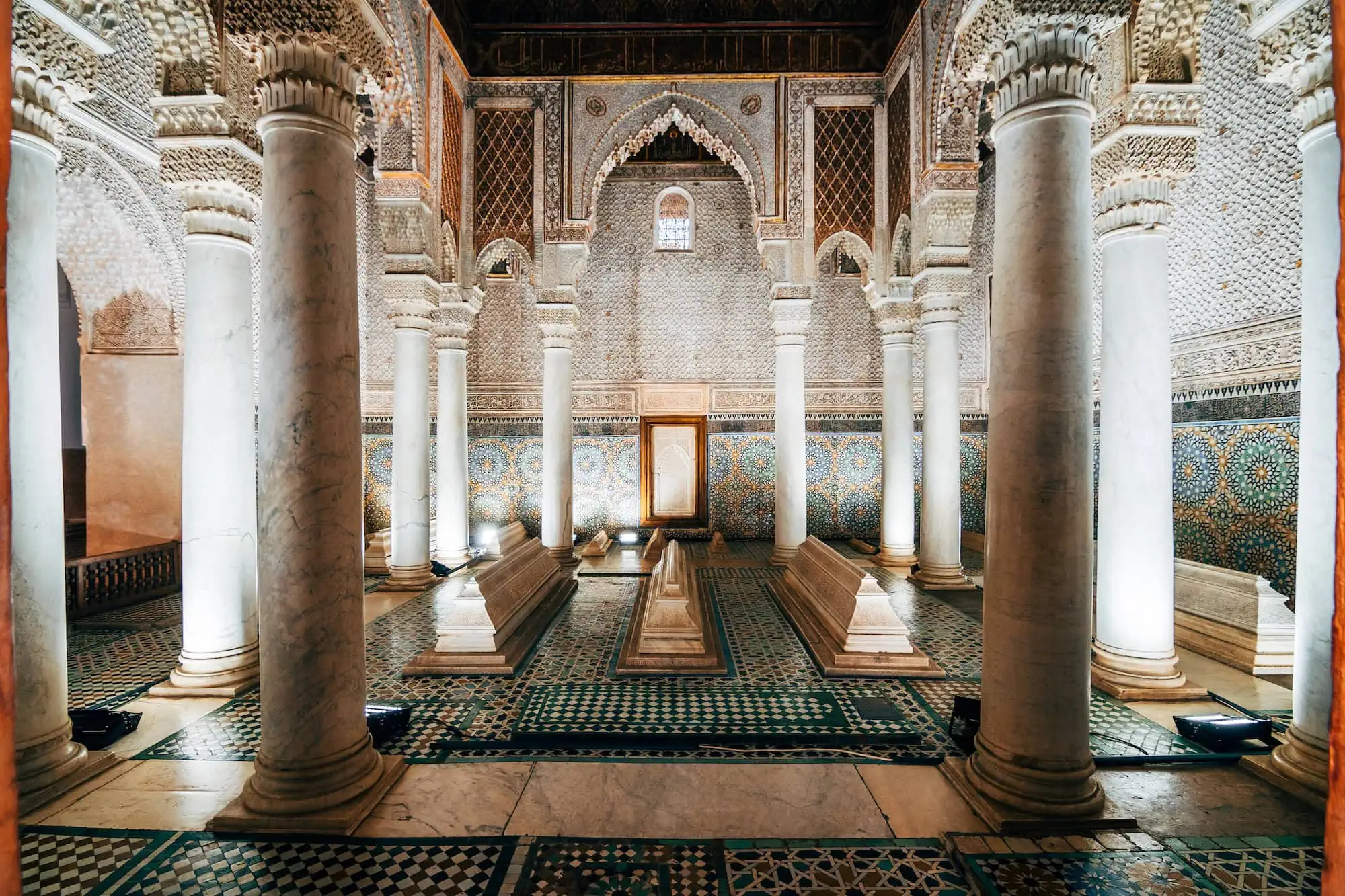
The Saadian Tombs reveal Morocco’s Islamic dynasties, and the Koutoubia Mosque represents religious architecture, but the Berber Museum explores the deeper cultural roots that preceded and influenced all subsequent Moroccan development.
This makes it an ideal complement to other historical sites rather than a substitute for them.
Size and scale create very different visitor experiences. The museum’s intimate setting encourages contemplation and detailed observation, while larger attractions like the Majorelle Gardens themselves invite exploration and discovery.
Serious cultural enthusiasts often find the museum more rewarding than Morocco’s more famous but less educational tourist sites.
Maximizing Your Cultural Journey
Combining the museum with other cultural experiences creates a comprehensive understanding of Moroccan heritage that enhances your entire trip. We recommend visiting before exploring Marrakech’s medina, as the cultural context helps you recognize Berber influences in contemporary craft work and architectural details.
The museum pairs excellently with visits to the Dar Si Said Museum, which focuses on Moroccan decorative arts, creating a broader picture of the country’s artistic traditions. Photography enthusiasts find the museum’s controlled lighting and intimate setting perfect for detailed artifact photography that captures textures and craftsmanship details.
Learning opportunities extend beyond the museum walls when you understand what you’re seeing. Traditional carpet shops in the medina take on new meaning when you recognize weaving patterns and symbolic motifs first encountered in the museum displays.
Berber jewelry in local markets becomes more interesting when you understand the cultural significance of different design elements.
Cultural sensitivity develops naturally through museum education. Understanding Berber traditions helps visitors appreciate the diversity within Moroccan society and avoid oversimplified assumptions about local culture.
Frequently Asked Questions
Plan 45-60 minutes for a thorough visit, though art enthusiasts often stay longer.
Yes, photography is permitted but flash photography is prohibited to protect artifacts.
No, museum admission includes garden access as both are part of the integrated Jardin Majorelle experience.
Morning visits between 9:00 am and 11:00 am offer the best lighting and smaller crowds.
Yes, guided tours provide deeper cultural context, though multilingual displays support self-guided exploration.
Adult tickets cost 150 Moroccan dirhams (approximately $15 USD), with student discounts available.
Children often enjoy the colorful displays, though content appeals most to visitors with historical interest.
The museum sits in Gueliz, approximately 3 km from the medina, easily reached by taxi.
Yes, advance booking ensures entry during busy periods, particularly between October and April.
The museum offers Morocco’s most comprehensive collection of authentic Berber artifacts in an intimate setting.
Design Your Custom Tour
Explore Egypt & Morocco your way by selecting only the attractions you want to visit