What do I Need to Travel to Egypt?
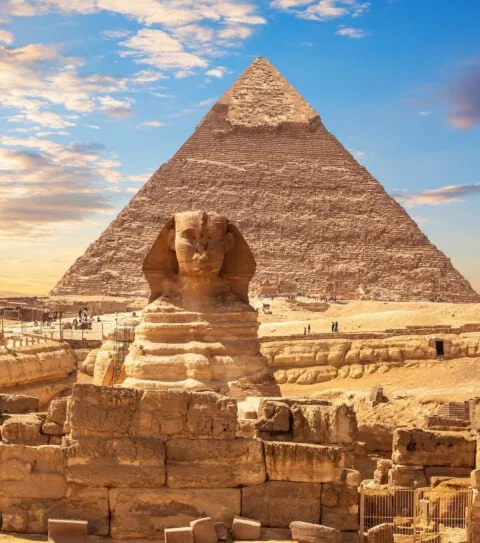
Egypt awaits with its ancient wonders and timeless mysteries.
Planning your Egyptian adventure involves more than just booking flights and hotels. From passport validity requirements to visa applications and health considerations, understanding the entry requirements ensures your journey to the land of pharaohs begins smoothly. Whether you’re dreaming of exploring the Great Pyramids of Giza, cruising the Nile River, or discovering the treasures of Luxor, proper preparation is your first step toward an unforgettable experience.
We’ve compiled everything you need to know about traveling to Egypt, including document requirements, visa options, and essential travel tips that will help you navigate the process with confidence.
Table of Contents
Essential Travel Documents for Egypt Entry
Your journey to Egypt starts with ensuring you have the right documentation. Every traveler needs specific documents to enter the country, and understanding these requirements prevents delays at immigration.
Passport Requirements and Validity
Your passport serves as your primary identification throughout your Egyptian journey. The most critical requirement is that your passport must remain valid for at least six months beyond your arrival date in Egypt. This six-month rule applies regardless of how long you plan to stay or which type of visa you obtain.
Immigration officials strictly enforce this requirement, and airlines may deny boarding if your passport doesn’t meet the validity standards. We recommend checking your passport’s expiration date well before your departure and renewing it if necessary, as passport processing can take several weeks.
Tourist Visa Requirements
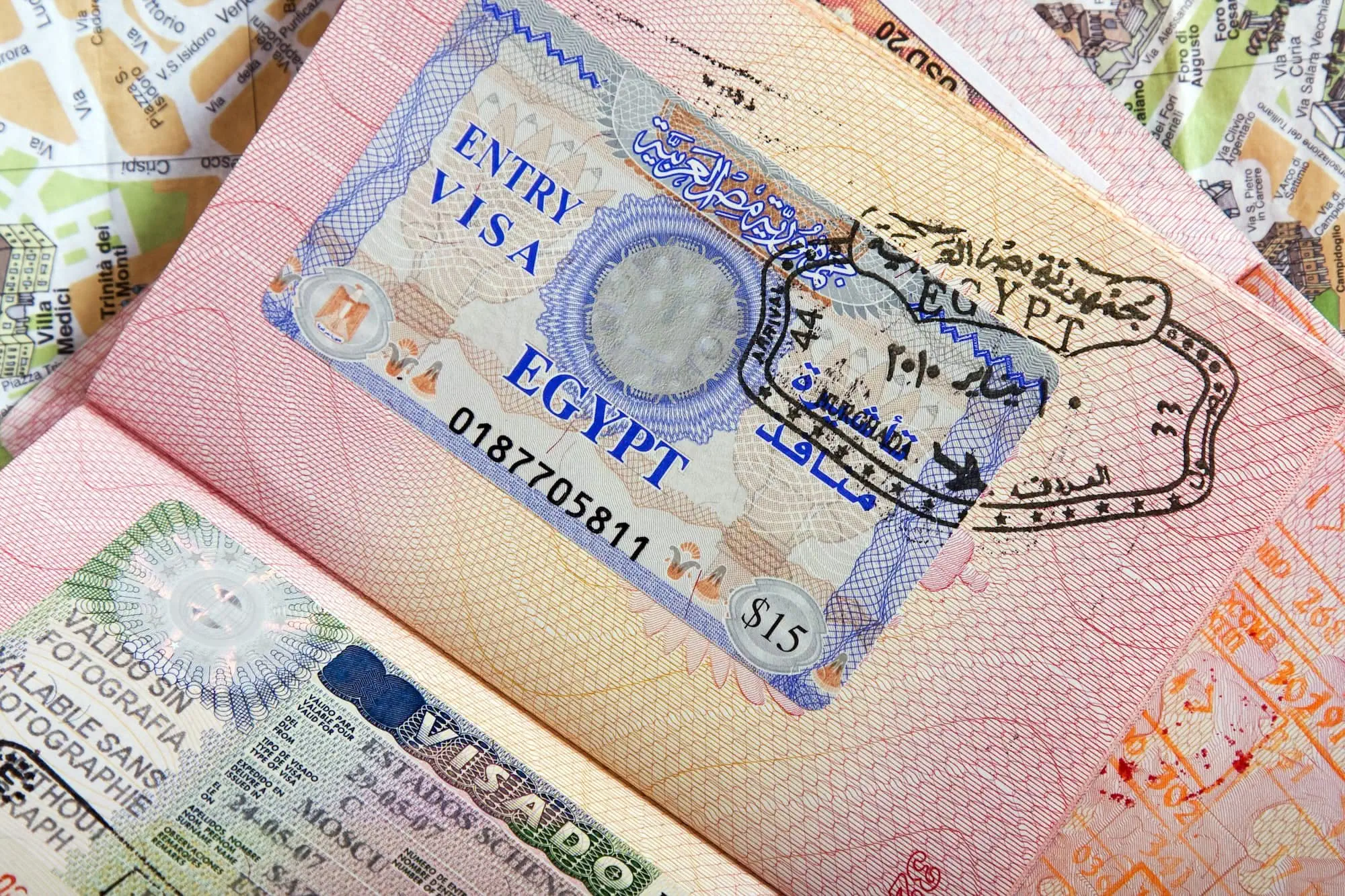
Most international travelers require a tourist visa to enter Egypt. U.S. citizens, European Union nationals, and citizens from most countries worldwide must obtain a visa before or upon arrival. The good news is that Egypt offers multiple convenient visa options to suit different travel preferences.
Tourist visas allow stays of up to 30 days and can be single-entry or multiple-entry depending on your travel plans. If you’re planning to visit neighboring countries during your Egypt trip, consider the multiple-entry option to avoid complications when returning.
Additional Documentation Considerations
Beyond your passport and visa, certain travelers may need additional documentation. Business travelers require invitation letters from Egyptian companies, while students might need enrollment verification. Dual citizens should enter Egypt using their Egyptian passport if they hold Egyptian nationality alongside another citizenship.

Keep digital and physical copies of all important documents stored separately from the originals. This precaution proves invaluable if documents are lost or stolen during your travels.
Visa Options: Online, On Arrival, or Embassy Application
Egypt’s visa system offers flexibility for different traveler preferences and circumstances. Understanding each option helps you choose the most convenient method for your situation.
E-Visa Portal Application
The Egyptian e-visa system provides the most convenient application method for tourist visas. Available online 24/7, the e-visa portal allows you to apply from anywhere in the world and receive your visa electronically. Processing typically takes 7 business days, though we recommend applying at least two weeks before your departure date.
The e-visa costs $25 USD for single-entry tourist visas, paid online during the application process. You’ll need a valid passport, recent passport photo, and credit card for payment. Once approved, print your e-visa confirmation and present it with your passport at Egyptian immigration.

Currently, the e-visa portal only processes tourist visas. Business travelers, journalists, and those requiring other visa types must apply through Egyptian consulates or embassies.
Visa on Arrival Process
Travelers from eligible countries can obtain tourist visas directly at Egyptian airports upon arrival. This option costs $25 USD for single-entry visas or $60 USD for multiple-entry visas, payable in cash (USD preferred) or credit card at designated visa counters.
European travelers find visa on arrival particularly convenient, as do Latin American visitors from countries like Argentina, Brazil, and Chile. However, arrival visa processing can involve longer wait times, especially during peak tourist seasons when flight arrivals coincide.

If you choose visa on arrival, ensure you have exact change in USD, as change availability varies. The process typically takes 15-30 minutes, but peak times can extend waiting periods significantly.
Health Requirements and Recommendations
Egypt’s health entry requirements focus primarily on yellow fever vaccination certificates for travelers from specific regions. Understanding these requirements ensures smooth entry and protects your health during your visit.
Most travelers don’t require vaccinations for Egypt entry. However, if you’re arriving from countries with yellow fever transmission risks, you must present a valid yellow fever vaccination certificate. This requirement applies to travelers from sub-Saharan Africa and certain South American countries.
Routine vaccinations should be current before traveling to Egypt. The CDC recommends ensuring your hepatitis A, hepatitis B, typhoid, and routine vaccines are up to date. These aren’t entry requirements but provide important protection during your travels.

Travel insurance covering medical emergencies is highly recommended, though not mandatory for entry. Egyptian healthcare facilities in major tourist areas are generally good, but comprehensive travel insurance provides peace of mind and financial protection. We always recommend our travelers secure coverage that includes medical evacuation, especially for adventure activities or extended stays.
Consider consulting a travel medicine specialist 4-6 weeks before departure. They can provide personalized recommendations based on your health history, planned activities, and specific destinations within Egypt.
Entry Process and Immigration Procedures
Understanding Egypt’s entry process helps you navigate immigration smoothly and start your vacation without unnecessary delays.
Airport Arrival Procedures
Egyptian airports process international arrivals through a standard immigration system. Present your passport, completed visa (e-visa printout or visa on arrival), and any required health documentation to immigration officers. Officers may ask basic questions about your visit purpose, accommodation plans, and intended length of stay.
Immigration lines can be lengthy during peak arrival times, particularly in Cairo and resort destinations like Sharm El Sheikh. Allow extra time if your arrival coincides with multiple international flights. Immigration officers are generally helpful but maintain professional efficiency during processing.
Customs Declarations and Restrictions
Egypt’s customs process follows international standards with specific restrictions on certain items. Travelers can bring personal items, gifts up to specific value limits, and standard electronics without declaration. However, certain items require declaration or are prohibited entirely.
Currency declarations are required for amounts exceeding $10,000 USD equivalent. Professional camera equipment, drones, and satellite communication devices need special permits or may face restrictions. We advise checking current customs regulations before packing expensive electronic equipment.
Alcohol and tobacco products have quantity limits for personal use. Prescription medications should be accompanied by prescriptions or doctor’s letters, particularly for controlled substances that might require additional documentation.
Special Considerations for Different Nationalities
While most travelers follow standard procedures, certain nationalities have specific considerations. Israeli passport holders face entry restrictions and should consult Egyptian consulates before traveling. Some Middle Eastern nationalities may require additional documentation or face extended processing times.
Journalists, regardless of nationality, must obtain proper press accreditation through Egyptian authorities before arrival. Tourist visas don’t permit journalistic activities, and violations can result in serious legal consequences. Business travelers should clearly distinguish their activities from journalism when applying for appropriate visas.
Practical Travel Preparation Tips
Successful Egypt travel extends beyond visa requirements into practical preparation that enhances your entire experience.
Currency and payment preparation makes your arrival smoother. While credit cards are widely accepted in tourist areas, cash remains essential for many transactions, tips, and small purchases. The Egyptian pound (EGP) is the local currency, but USD is commonly accepted in tourist areas. We recommend bringing clean, newer USD bills for the best exchange rates and easiest acceptance.
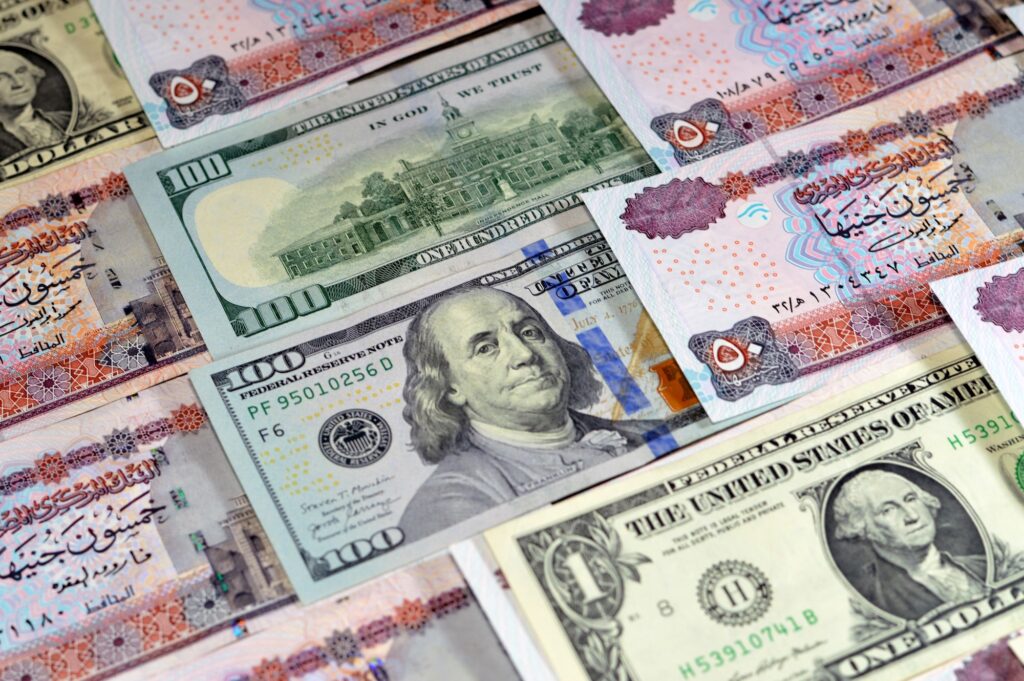
Banking services are readily available in major cities and tourist destinations. ATMs are common in Cairo, Alexandria, Luxor, and resort areas, though rural locations may have limited access. Notify your bank about travel dates to prevent card blockages due to foreign transaction flags.
Climate preparation varies significantly depending on your travel dates and destinations. Egypt’s desert climate means hot, dry summers and mild winters, but coastal areas and nighttime temperatures can surprise unprepared travelers. Pack accordingly for your specific itinerary and season.
Communication planning helps you stay connected during your travels. Egyptian SIM cards are available at airports and throughout the country for unlocked phones. International roaming charges can be expensive, so consider local SIM options for extended stays. WiFi is common in hotels and many tourist areas.
Egyptian Cultural Customs and Etiquette
Understanding Egyptian customs enhances your travel experience and shows respect for local culture. Egypt is a predominantly Muslim country, and modest dress is appreciated, particularly when visiting religious sites. This applies to both men and women, though women should pay special attention to covering shoulders and knees in mosques and conservative areas.
Tipping, known as “baksheesh,” is customary throughout Egypt for various services. Small tips for hotel staff, restaurant servers, guides, and drivers are expected and appreciated. Keep small denomination bills handy for these situations.
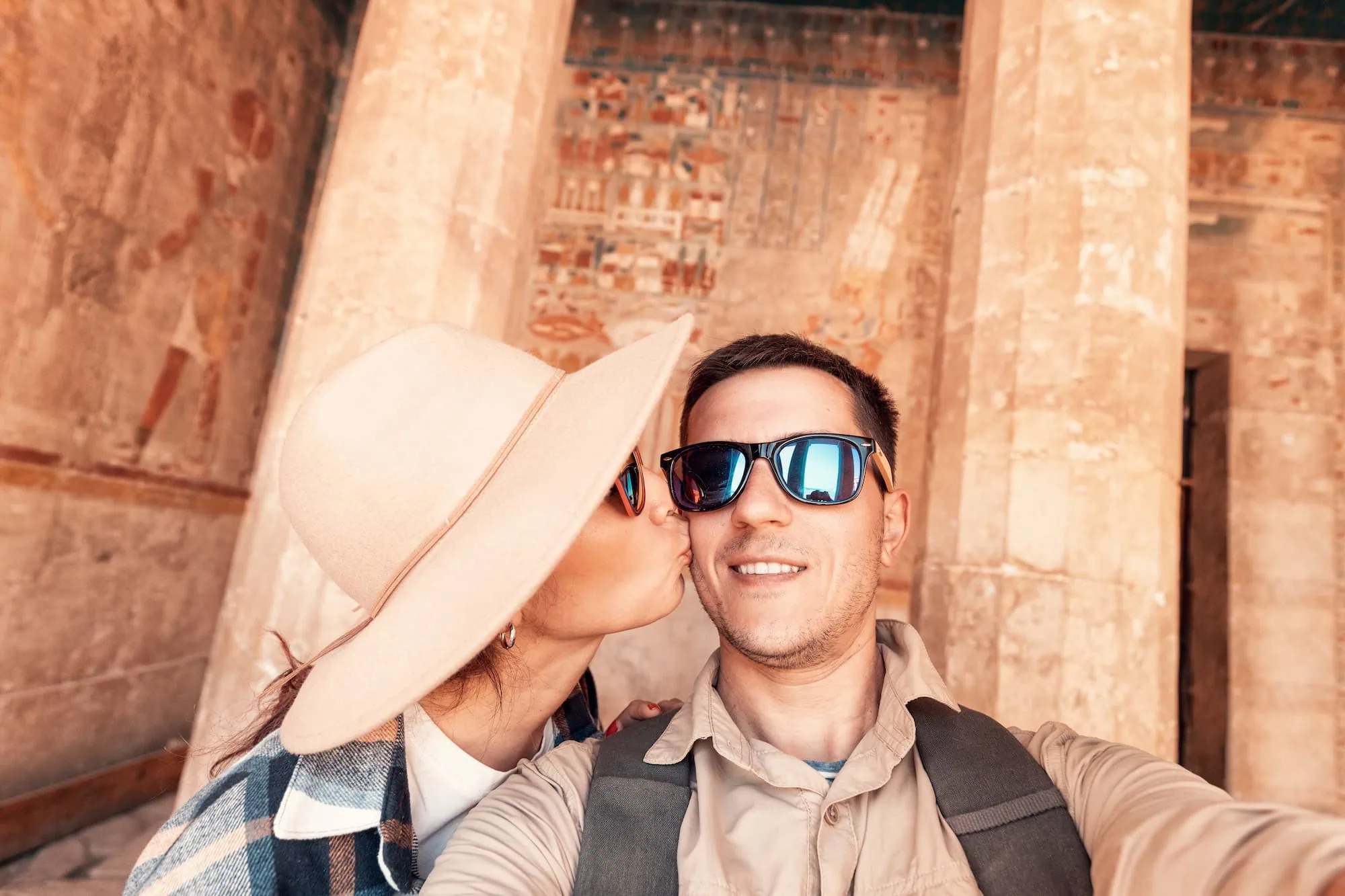
Photography restrictions exist at certain historical sites and government buildings. Always ask permission before photographing people, and respect no-photography zones in museums and sensitive areas. Some sites charge additional fees for camera permits.
Frequently Asked Questions
An Egyptian e-Visa is typically processed within about 5 to 7 business days, while applications submitted through an Egyptian embassy or consulate may take anywhere from 5 to 15 business days depending on location, season, and application volume. Processing times often increase before major holidays and peak travel periods. Travelers should apply at least two to four weeks before departure to allow for unexpected delays and avoid last-minute travel complications.
Yes, tourist visas can often be extended for an additional 30 days through Egyptian immigration offices operated by the Ministry of Interior. Extension services are available in major cities such as Cairo, Alexandria, and Hurghada, although requirements and processing times can vary. Applicants typically need a valid passport, photographs, completed forms, and payment of government fees. Begin the extension process before your current visa expires to avoid fines or administrative complications.
Yes, every traveler entering Egypt, including infants and young children, must have an individual visa unless covered by a specific exemption. Children are subject to the same immigration requirements as adults and must travel with a valid passport and appropriate entry authorization. Immigration officials review each traveler separately at ports of entry. Families should verify that all passports have at least six months of remaining validity before departure.
If your passport expires while you are in Egypt, contact your embassy or consulate immediately to arrange an emergency passport or temporary travel document. Processing times can range from a few days to several weeks depending on nationality and circumstances. An expired passport can create difficulties when checking into hotels, extending visas, or departing the country. Taking action as soon as possible helps avoid disruptions to your travel plans.
Yes, travelers may bring most prescription medications into Egypt, but they should carry them in their original containers along with copies of prescriptions or a doctor’s letter. This is especially important for controlled substances, injectable medications, or larger quantities. Egyptian customs officials may request documentation to verify medical necessity. Bringing enough medication for your entire stay is advisable because equivalent brands may not be readily available in local pharmacies.
Yes, Egypt offers a multiple-entry tourist visa that allows travelers to enter and leave the country multiple times during the visa’s validity period. This option is particularly useful for visitors combining Egypt with neighboring destinations in the Middle East or Africa. The official fee is generally around US$60, compared to US$25 for a single-entry tourist visa. Verify current visa fees before applying, as government charges can change.
No mandatory vaccinations are required for most travelers visiting Egypt. A yellow fever vaccination certificate is only required for travelers arriving from or transiting through countries with a risk of yellow fever transmission. Health organizations such as the CDC recommend that routine vaccinations remain up to date and often advise hepatitis A and typhoid protection for international travel. These recommendations are precautionary and are not standard Egyptian entry requirements.
How much cash should I bring to Egypt?
A: A budget of approximately US$50 to US$100 per day in cash is sufficient for many travelers to cover tips, small purchases, local transportation, and expenses at businesses that do not accept cards. Actual spending depends on travel style, destination, and planned activities. While ATMs are widely available in Cairo, Luxor, Aswan, Hurghada, and Sharm El Sheikh, carrying some cash provides flexibility in markets and smaller establishments.
No, credit cards are widely accepted in major tourist areas but not everywhere in Egypt. Hotels, larger restaurants, shopping centers, and many tour-related businesses generally accept Visa and Mastercard, while smaller shops, local cafés, taxis, and traditional markets often prefer cash payments in Egyptian pounds (EGP). Travelers who rely exclusively on cards may encounter limitations outside major tourist zones. Carrying a mix of cash and cards is the most practical approach.
If you lose your passport in Egypt, report the loss to the local police as soon as possible and obtain a police report. You should then contact your embassy or consulate to begin the process of obtaining an emergency passport or temporary travel document. The replacement process may require passport photos, proof of identity, and travel details. Keeping digital copies of your passport can significantly speed up the recovery process.
Yes, Egypt restricts or prohibits certain items, including drones without prior authorization, satellite communication devices, some professional photography equipment, and specific medications containing controlled substances. Customs regulations can change, and enforcement may vary depending on the item and point of entry. Travelers should review the latest Egyptian customs guidance before departure to avoid confiscation, delays, fines, or legal complications at the airport.
For international flights departing Egypt, travelers should generally arrive at the airport at least three hours before scheduled departure. Airports such as Cairo International Airport often involve multiple security screenings, passport checks, and airline procedures that can extend processing times during busy periods. Peak travel seasons and holiday periods may increase wait times further. Early arrival reduces stress and provides a buffer for unexpected delays.
Explore our most popular guides and expert tips to make your trip safe, smooth, and unforgettable.
Plan Your Egypt Adventure with Confidence
How to Plan a Trip Egypt
Step-by-step guide to help you plan the perfect Egypt trip — from routes and budget to booking.
Best Time to Visit Egypt
Learn the best months to visit Egypt based on weather, crowds, and local travel experiences.
Must Visit Places in Egypt
Explore Egypt’s top sights — from pyramids to temples — and hidden gems worth seeing.
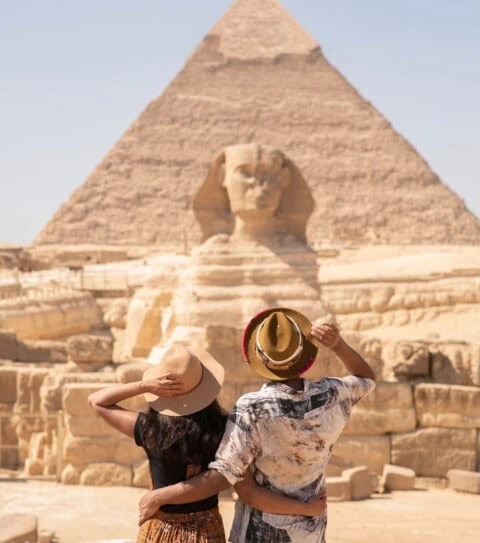
Top-Rated Egypt Tours
Handpicked private tours with local guides — our most loved and best-reviewed experiences.
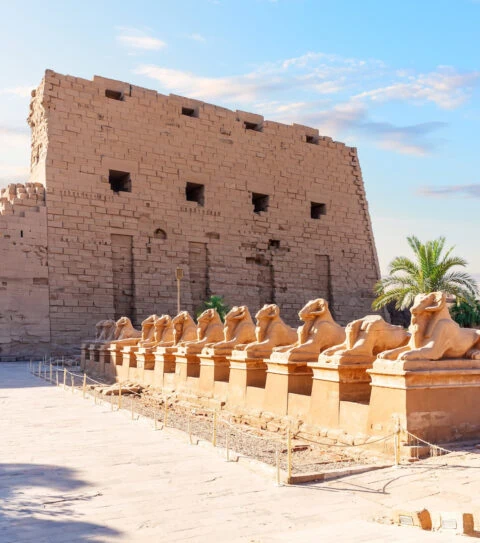
How Many Days to Visit Egypt?
Find out how many days you need in Egypt — from quick trips to full itineraries.
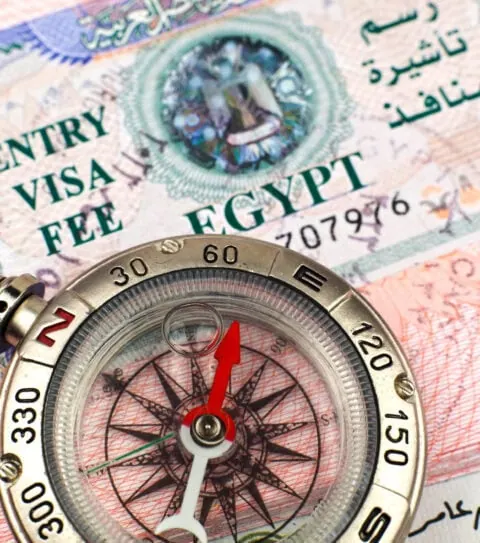
Egypt Visa Requirements
Check if you need a visa and get simple, up-to-date entry info based on your nationality.

Is it Safe to Travel to Egypt?
Is Egypt safe? Get honest safety tips, area advice, and what to know before you travel.

What to Pack for Egypt
A quick packing guide with essentials, cultural tips, and clothing advice for your Egypt trip.


Design Your Custom Tour
Explore Egypt your way by selecting only the attractions you want to visit