

Cyber Park – An Enchanting Slice of Paradise
Ever wondered where ancient Moroccan heritage meets cutting-edge technology?
Cyber Park Marrakech, officially known as Cyber Parc Arsat Moulay Abdeslam, stands as Morocco’s first technology-integrated public garden. Originally created in the 18th century by Sultan Moulay Abdeslam as a royal gift, this 8-hectare green space has evolved into a unique blend of history and innovation.
Cyber Park can be included in our Egypt and Morocco multi-country tours, where Morocco’s cultural and modern attractions are combined with its historic cities and Egypt’s ancient wonders for a diverse and immersive travel experience.
Today, the park offers visitors free WiFi, interactive features, and a शांत escape from the energy of Marrakech’s medina. Its location along Avenue Mohammed VI makes it easily accessible while still providing a peaceful retreat surrounded by botanical beauty.
For travelers seeking a balance between culture, relaxation, and modern convenience, Cyber Park delivers a refreshing and unexpected experience in the heart of the city.
Historical Heritage and Royal Origins
The gardens trace their roots to Morocco’s imperial past. Sultan Mohamed bin Abdullah commissioned the original design for his son’s wedding celebration, creating what locals knew as Arsat Moulay Abdeslam. The royal connection runs deep – these weren’t merely decorative spaces but functional retreats where the Moroccan elite gathered for important ceremonies.
From Private Sanctuary to Public Paradise
After Morocco’s independence, the gardens gradually opened to citizens. However, decades of limited maintenance took their toll. By the early 2000s, the once-pristine pathways showed significant wear. The turning point came in 2005 when Maroc Telecom partnered with the Mohammed VI Foundation for a complete transformation.
The 2005 Renaissance Project
This wasn’t just restoration – it was reinvention. The renovation preserved original architectural elements while introducing groundbreaking technology infrastructure. Maroc Telecom invested heavily in creating Morocco’s first “smart park,” installing fiber optic networks throughout the grounds. The project took three years to complete, reopening in 2008 to international acclaim.
Today’s visitors experience this seamless blend of 18th-century design and 21st-century innovation. Ancient irrigation channels now support modern drip systems, while traditional Islamic geometric patterns frame contemporary solar panels.
Environmental Innovation and Sustainability Features
Cyber Park Marrakech leads Morocco’s green technology movement through comprehensive environmental programs. The park generates 40% of its electricity through photovoltaic installations strategically positioned among mature trees. These solar arrays provide clean energy for the WiFi network, lighting systems, and interactive kiosks without compromising the garden’s natural beauty.
Water conservation represents another priority. The irrigation system combines traditional Moroccan techniques with modern efficiency. Drip irrigation reduces water consumption by 60% compared to conventional sprinkler systems. Rainwater collection cisterns store seasonal precipitation for dry periods.
Waste management follows strict recycling protocols. Organic waste feeds an on-site composting facility that produces fertilizer for the botanical collections. The park achieved carbon neutrality in 2019, setting the standard for sustainable tourism in Marrakech.
Digital Infrastructure and Modern Amenities
Free high-speed internet coverage spans the entire 8-hectare area. The WiFi network handles up to 2,000 simultaneous connections, making it popular among digital nomads and local students. Connection speeds average 50 Mbps, sufficient for video calls and streaming.
Interactive Learning Stations
Twelve interactive terminals provide multilingual information about Moroccan telecommunications history. The displays feature touchscreen interfaces showing everything from traditional communication methods to 5G technology development. Children particularly enjoy the hands-on exhibits explaining how phone networks function.
Telecommunications Museum
The small museum houses Morocco Telecom’s historical collection. Vintage telephone equipment, telegraph machines, and early computer terminals illustrate communication evolution. Admission remains free, and guided tours operate every Tuesday and Thursday at 2:00 pm (14:00).
Reading Areas and Study Zones
Shaded reading corners feature comfortable seating and electrical outlets. University students frequently use these spaces for group projects and exam preparation. The quiet atmosphere provides an ideal alternative to busy internet cafés in the medina.
Security guards patrol the premises 24/7, ensuring visitor safety and equipment protection. Lost and found services operate from the main entrance pavilion.
Botanical Collections and Garden Design
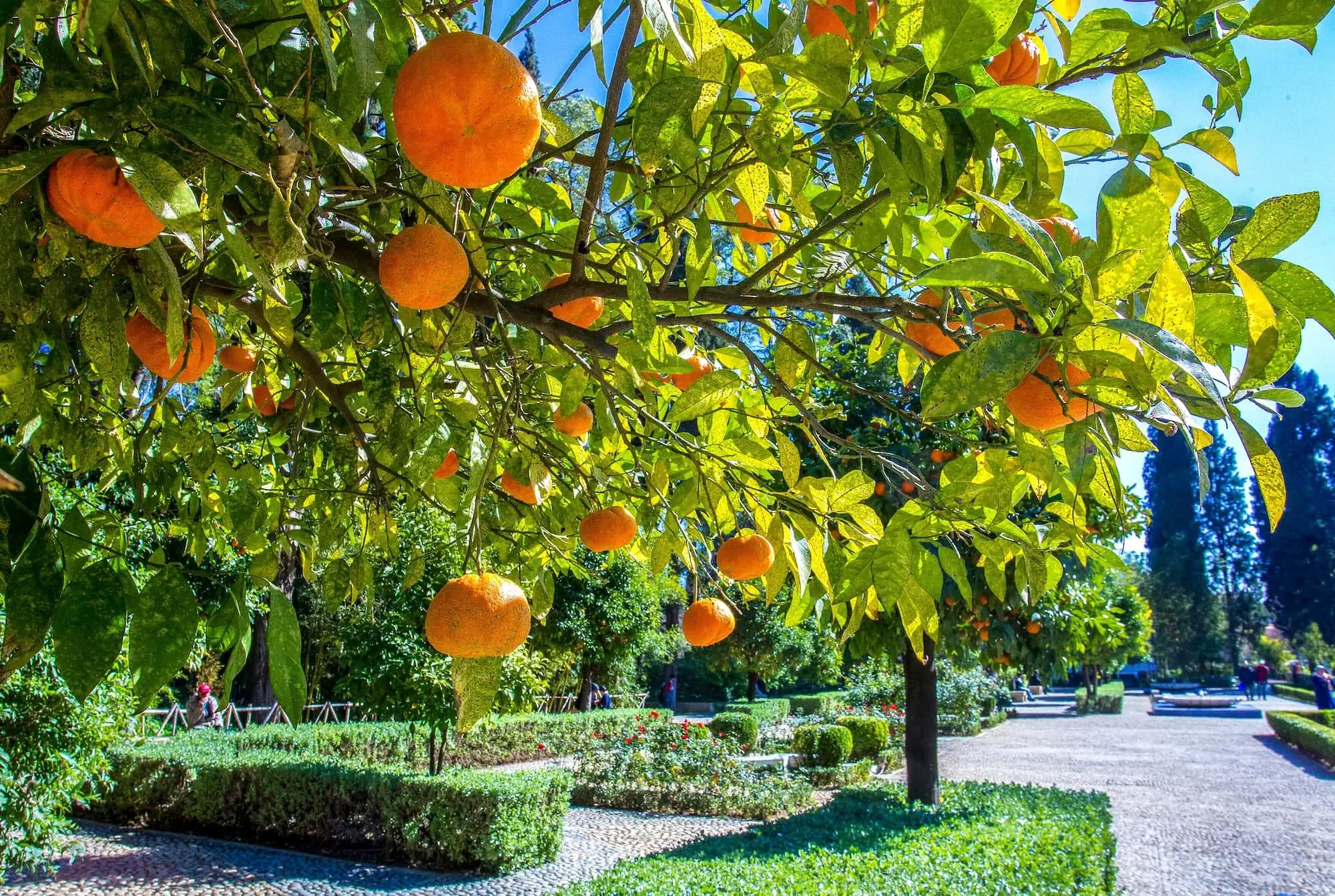
The landscape showcases over 150 plant species native to Morocco and the broader Mediterranean region. Citrus groves occupy the eastern section, featuring orange, lemon, and grapefruit trees that bloom spectacularly each spring. These fruit trees require minimal irrigation due to their drought-resistant characteristics.
Rose gardens dominate the central area, with both traditional Damask varieties and modern hybrid cultivars. Peak blooming occurs from March through May, when the entire park fills with fragrance. Local gardeners maintain these beds using organic fertilizers produced from the composting facility.
Palm trees provide essential shade throughout the grounds. Date palms, native to Morocco, tower above visitor pathways, while smaller fan palms create intimate seating areas. These mature specimens, some over 100 years old, survived from the original royal gardens.
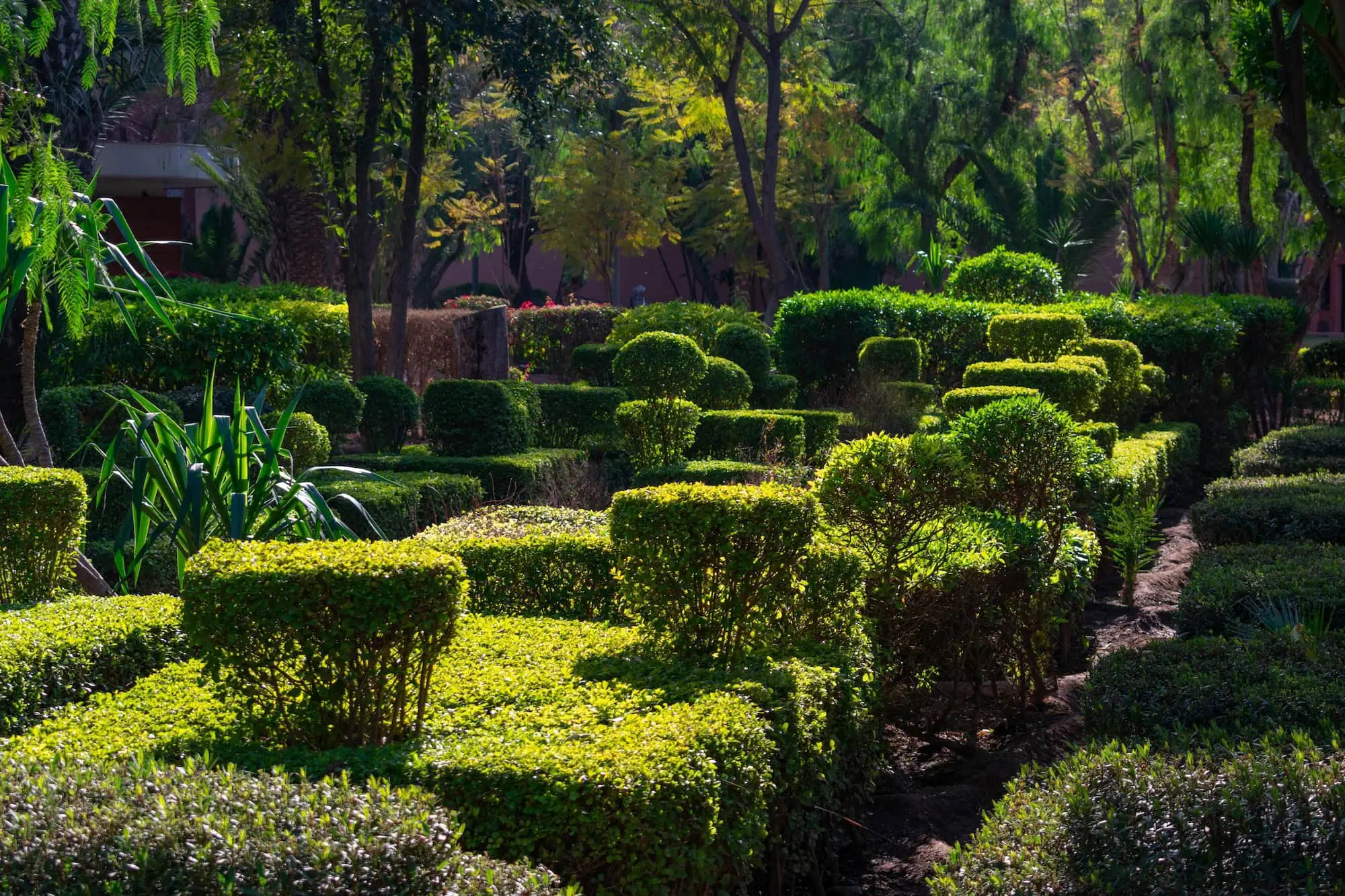
Herb gardens near the telecommunications museum grow mint, rosemary, and other aromatic plants used in Moroccan cuisine. Visitors often photograph these sections for their geometric patterns inspired by traditional Islamic garden design.
Visitor Experience and Practical Information
Cyber Park Marrakech opens daily from 7:00 am to 7:00 pm (07:00-19:00), with extended summer hours until 8:00 pm (20:00) from June through August. Entry remains completely free – no tickets, reservations, or fees apply.
Getting There and Accessibility
The main entrance sits directly on Avenue Mohammed VI, approximately 1.2 km (0.7 miles) from Koutoubia Mosque. Taxi rides from the medina cost 15-20 dirhams ($1.50-$2.00). Public buses (Routes 1, 8, and 14) stop within 100 meters of the entrance.
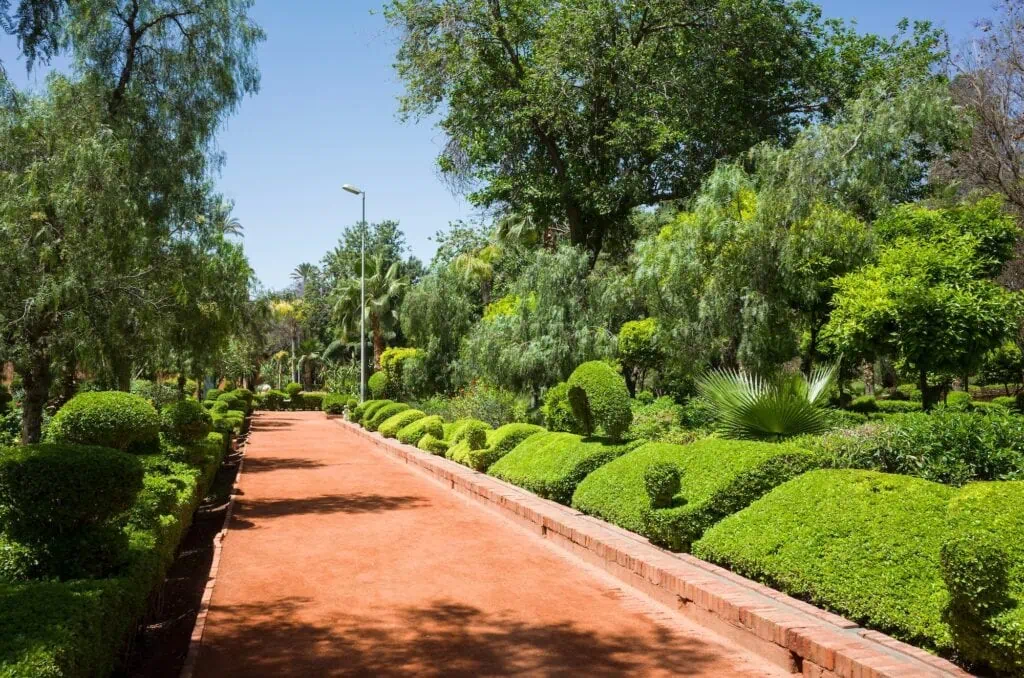
Wheelchair accessibility meets international standards throughout the park. Paved pathways accommodate mobility devices, while accessible restrooms operate near the main entrance. Staff members receive training to assist visitors with disabilities.
Family-Friendly Facilities
Clean, well-maintained toilets are available at three locations throughout the grounds. Baby changing stations operate in both men’s and women’s facilities.
The park prohibits ball games and loud music to maintain its peaceful atmosphere. However, children can run freely on the grass areas and enjoy educational activities at the interactive terminals.
Picnicking is permitted in designated areas, though visitors must dispose of waste properly. Food vendors operate outside the main entrance, offering traditional Moroccan snacks and fresh orange juice.
What Makes Cyber Park Unique
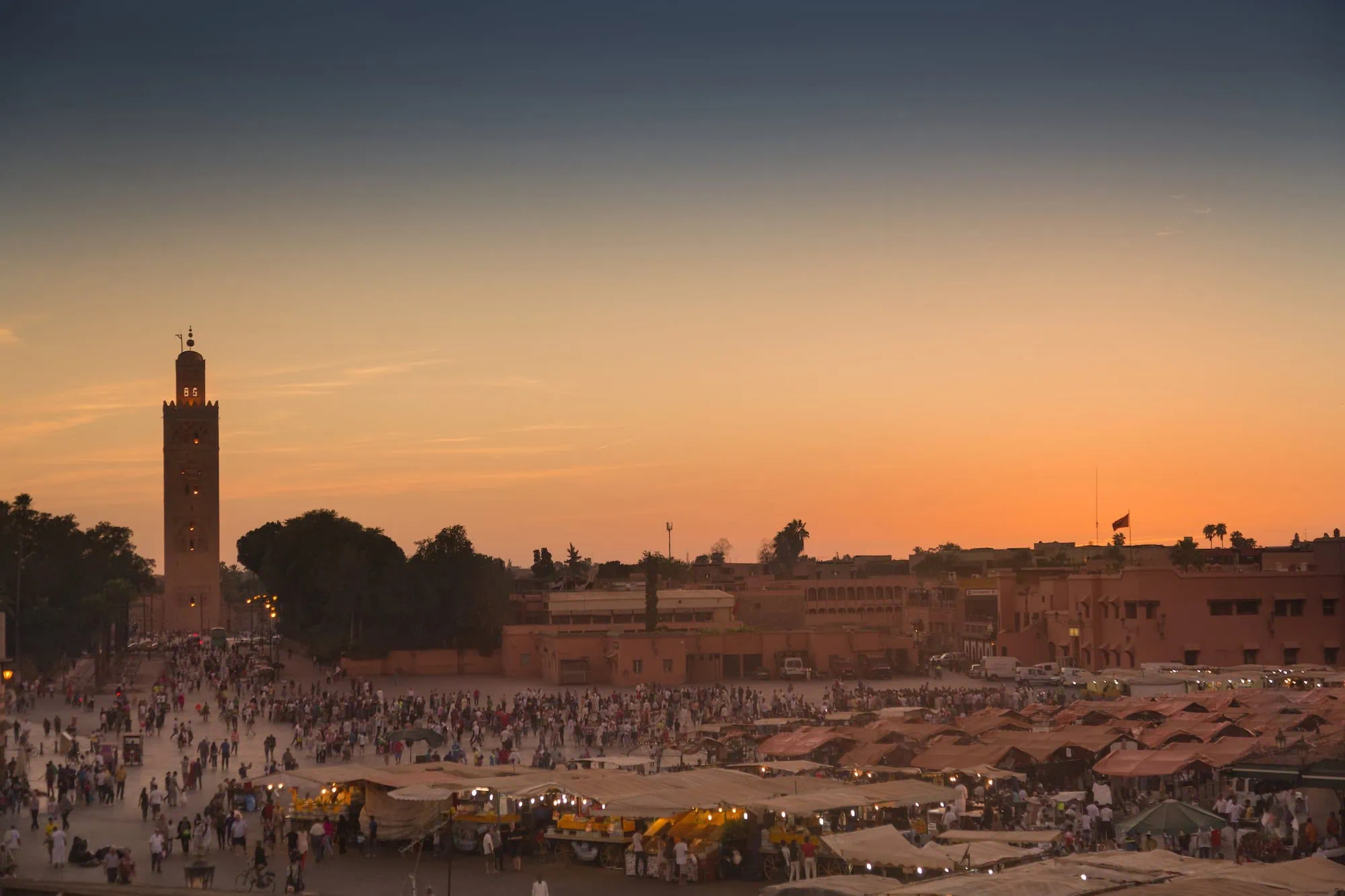
Unlike busy tourist sites such as Jemaa el-Fnaa or the souks, Cyber Park offers genuine tranquility. The combination of free WiFi access with peaceful surroundings creates something truly rare – a place where technology enhances rather than disrupts natural beauty.
The park’s sustainability initiatives set it apart from typical tourist attractions. Visitors leave understanding how Morocco approaches environmental challenges through practical solutions. This educational component adds depth to what might otherwise be just another garden visit.
Local Marrakchis use the space as much as tourists do. This authentic integration into daily life provides visitors with glimpses of genuine Moroccan culture beyond the tourist façade. Students study here, families picnic here, and business meetings happen under the shade trees.
We’ve guided thousands of travelers through Marrakech over our decades of operation, and Cyber Park consistently surprises visitors with its unique character. The blend of historical significance, environmental innovation, and modern convenience creates an experience that appeals to all ages and interests.
Best Times to Visit
Early morning visits (7:00-9:00 am) offer the coolest temperatures and smallest crowds. The garden’s peaceful atmosphere peaks during these hours, when only dedicated joggers and early-rising tourists share the pathways.
Late afternoon sessions (5:00-7:00 pm) provide beautiful lighting for photography. The setting sun illuminates the Atlas Mountains visible beyond the park’s northern boundary, creating spectacular backdrops for photos.
Spring visits (March-May) coincide with peak blooming seasons. Rose gardens reach full flower, citrus trees blossom, and comfortable temperatures make extended stays pleasant. However, these months also see the highest visitor numbers.
Summer visits require sun protection and plenty of water. Trees provide adequate shade along most pathways, but midday temperatures can exceed 40°C (104°F). The park’s free WiFi makes it popular with locals seeking air-conditioned indoor spaces, though outdoor areas can feel uncomfortably hot.
Winter visits (December-February) offer mild temperatures perfect for extended exploration. Tourist crowds diminish significantly, providing more intimate experiences with the botanical collections and historical features.
Our private Marrakech tours often include Cyber Park as a peaceful interlude between more intense sightseeing activities. The free admission and central location make it an ideal rest stop during full-day medina explorations.
Frequently Asked Questions
Most visitors spend 1-2 hours exploring the gardens, museum, and interactive terminals comfortably.
Yes, the network supports video conferencing with average speeds of 50 Mbps throughout the park.
Picnicking is allowed in designated areas, but you must properly dispose of all waste.
The park maintains 24/7 security patrols and is considered very safe for individual visitors.
The main entrance on Avenue Mohammed VI provides easiest access to facilities and has convenient parking.
No, all exhibits operate through simple touchscreen interfaces without requiring personal devices.
Yes, jogging is popular especially during early morning hours, though organized sports are prohibited.
The telecommunications museum offers free guided tours on Tuesdays and Thursdays at 2:00 pm.
The terminals operate in Arabic, French, and English, with some Spanish content available.
Street parking exists along Avenue Mohammed VI, though spaces fill quickly during peak tourist seasons.
Absolutely – many digital nomads use the reading areas with electrical outlets and reliable internet access.
Sunscreen, water, and a hat are essential, especially during summer months when shade is limited.
Design Your Custom Tour
Explore Egypt & Morocco your way by selecting only the attractions you want to visit