

Lawrence’s Spring And The Amazing Unspoiled Beauty Of Wadi Rum
Standing beneath Jordan’s vast desert sky, you’ll find one of the region’s most intriguing historical mysteries.
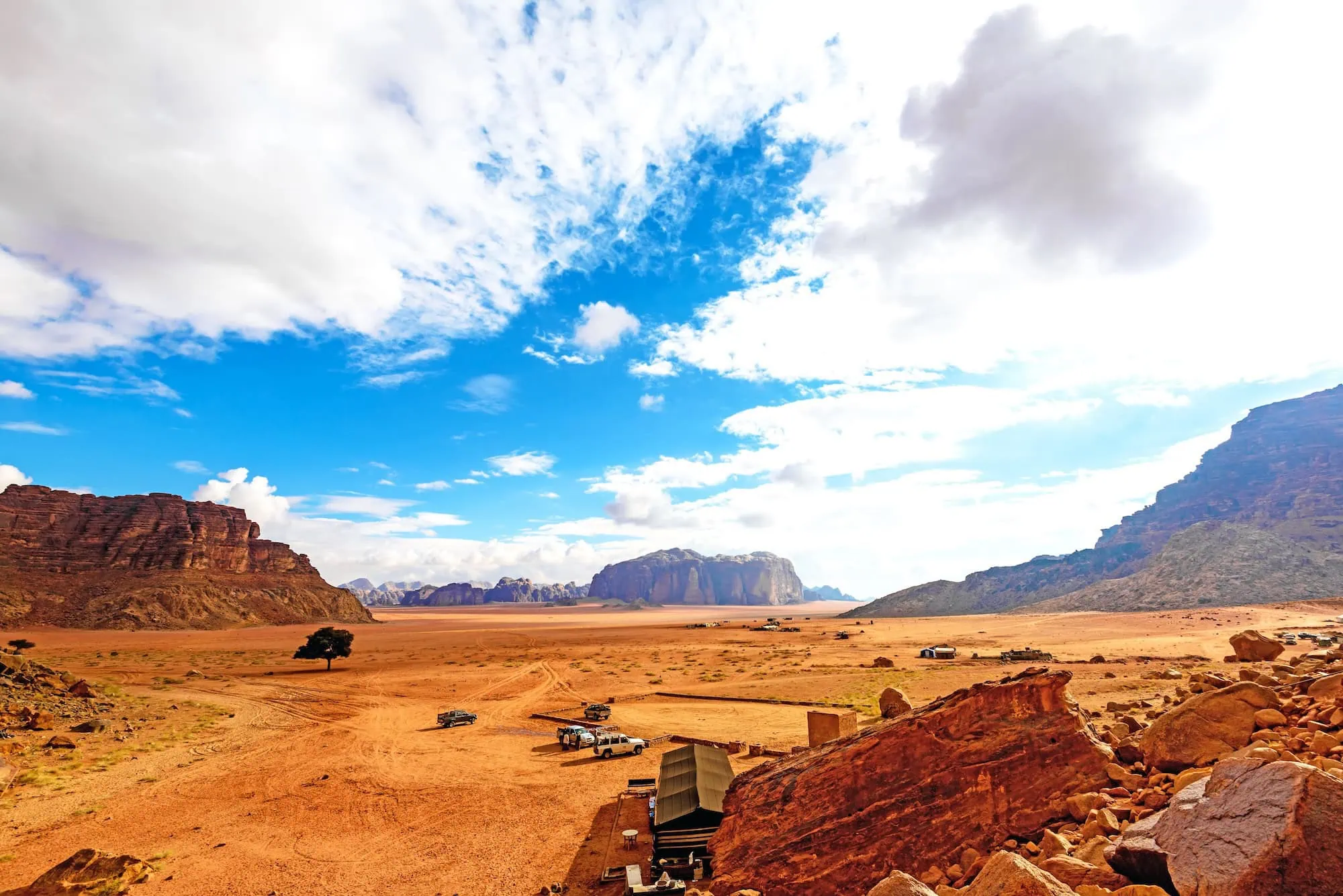
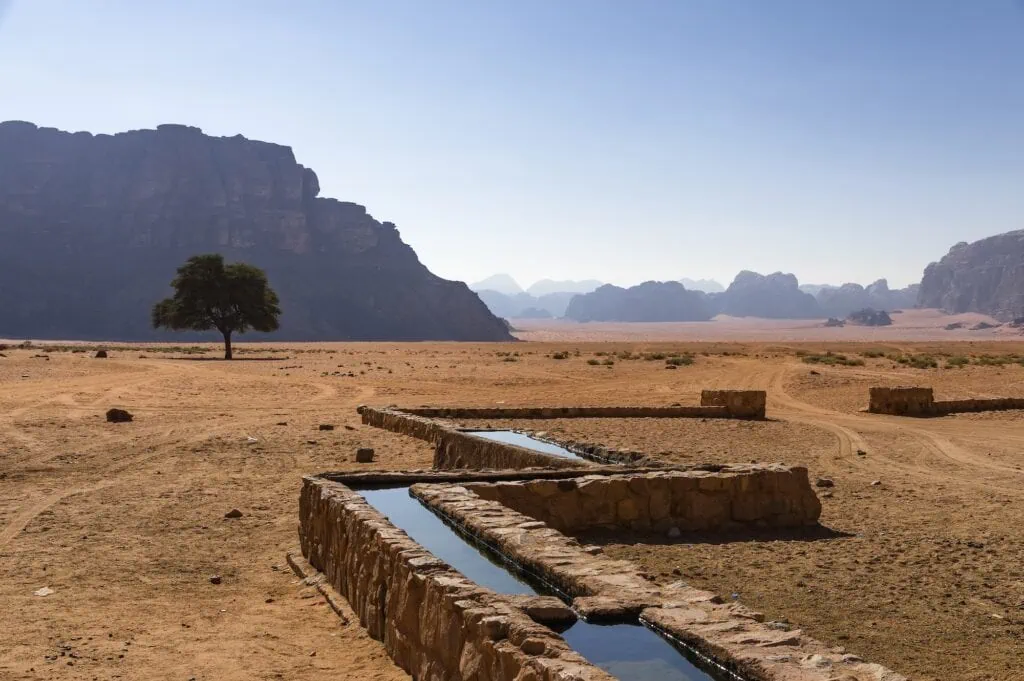
Lawrence’s Spring represents far more than just a desert water source. This natural oasis carries layers of World War I history, literary legacy, and geographical intrigue that have fascinated visitors for decades. Named after T.E. Lawrence—better known as Lawrence of Arabia—the site connects directly to the Arab Revolt and the strategic role Wadi Rum played during the final years of the Ottoman Empire.
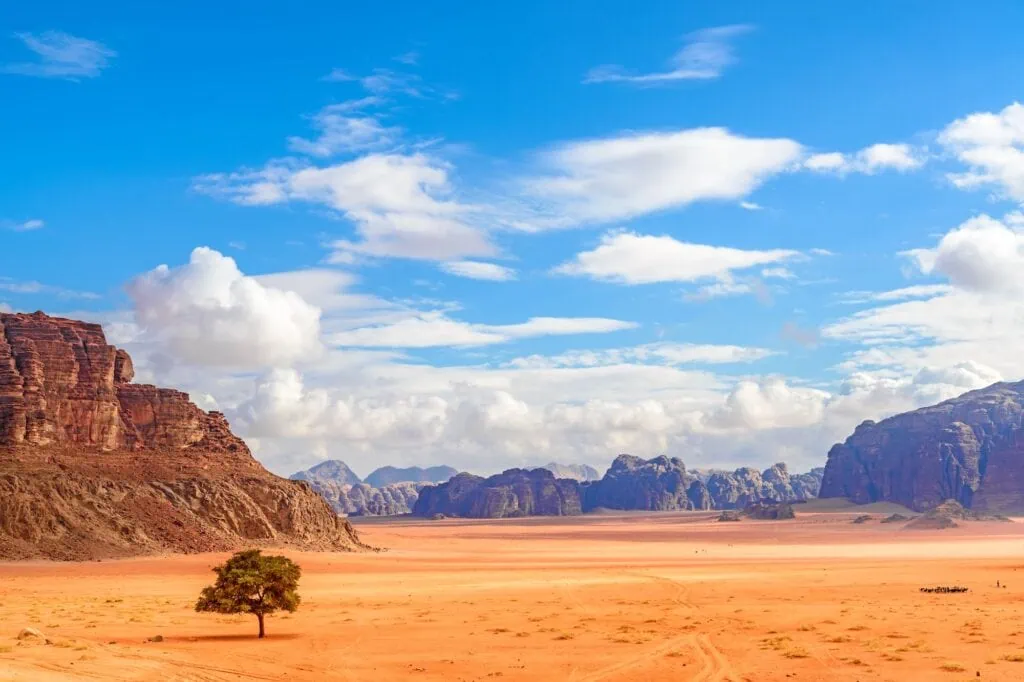
Beyond its historical significance, the surrounding landscape captures the raw, untouched beauty that defines Wadi Rum. Towering rock formations, sweeping sand dunes, and silence stretching to the horizon create an experience that feels both timeless and immersive.
Lawrence’s Spring is often included in our Egypt and Jordan itinerary tours, where you can explore Wadi Rum’s iconic desert scenery alongside Petra, the Dead Sea, and Egypt’s world-famous ancient sites.
With decades of experience guiding travelers through Jordan’s desert, we know that understanding the deeper story behind places like this transforms a visit into something far more meaningful.
Table of Contents
The Historical Significance Behind the Name
T.E. Lawrence first documented this remarkable water source during his time supporting Prince Feisal bin Al-Hussein’s campaign against Ottoman forces. The Arab Revolt of 1916-1918 transformed Wadi Rum from a quiet Bedouin territory into a crucial military staging ground. Lawrence’s detailed observations in “Seven Pillars of Wisdom” immortalized these desert springs as vital lifelines for both armies and caravans.
Lawrence of Arabia’s Desert Campaign
Prince Feisal chose Wadi Rum as his headquarters specifically because of its reliable water sources and strategic position. Lawrence described the area’s springs with poetic precision, noting how these natural oases allowed large groups to survive in harsh desert conditions. The granite and limestone formations created perfect conditions for underground water circulation, making locations like Ain Ash-Shallaleh essential stopping points.
Archaeological evidence suggests these springs supported Nabataean trade routes centuries before Lawrence’s arrival. Ancient inscriptions near the water sources indicate regular use by merchants traveling between Syria and Arabia.
Military Strategic Importance
During the revolt, control of water sources meant control of troop movements across the desert. Lawrence recognized that whoever held these springs could dictate the pace and direction of military campaigns. His writings reveal careful analysis of seasonal water levels and flow patterns that determined battle timing.
The Ottoman Empire understood this strategic value equally well. Turkish forces frequently attempted to poison or block desert springs to limit rebel mobility.
Solving the Spring Identity Mystery
Confusion surrounds which spring actually deserves the “Lawrence’s Spring” designation. Two primary candidates exist within Wadi Rum’s boundaries, each with legitimate historical connections.
Ain Ash-Shallaleh represents the authentic Lawrence spring mentioned specifically in chapter 63 of “Seven Pillars of Wisdom.” Lawrence described this location with unmistakable geological details that match perfectly with this northeastern Wadi Rum site. The spring emerges where granite meets limestone, creating the exact formations Lawrence documented in his wartime notes.
Tourist maps and local guides often direct visitors to Ain Abu Aineh instead. This more accessible spring near the main Wadi Rum village offers easier vehicle access and better tourist facilities. While historically significant in its own right, this location doesn’t match Lawrence’s detailed geographical descriptions.
We recommend visiting both springs to understand the full scope of Wadi Rum’s water sources and their individual historical importance. Each site offers unique insights into desert survival strategies and ancient trade route planning.
Natural Formation and Geological Wonder
Understanding Desert Spring Formation
Wadi Rum’s springs form through a fascinating geological process involving the region’s unique rock compositions. Rainwater collects in granite fissures high in the mountains, then travels underground through limestone channels before emerging at lower elevations. This natural filtration system creates remarkably pure water in an otherwise arid environment.
The limestone and granite interface zones produce the most reliable springs. Geological surveys indicate these formations can store water for months or even years between significant rainfall events.
Seasonal Water Patterns
Spring flow varies dramatically throughout the year. Winter rains typically occur between December and March, with peak flow appearing several weeks later as mountain runoff reaches the underground channels. Summer months often reduce flow to a trickle, though the springs rarely dry completely.
Understanding these patterns proved crucial for Lawrence and Prince Feisal’s military planning. Campaign timing depended heavily on water availability predictions based on previous seasonal observations.
Planning Your Visit to Lawrence’s Spring
The journey to Lawrence’s Spring requires careful preparation and realistic expectations about desert travel conditions. Most visitors combine this destination with other Wadi Rum attractions for a comprehensive protected area experience.
Access requires 4WD vehicles due to sandy terrain and rocky approaches. Standard tour routes include stops at Khazali Canyon, Umm Fruth Rock Bridge, and various Nabataean inscription sites along with the spring visit. We coordinate these multi-stop excursions using modern vehicles and experienced local drivers who know current trail conditions.
Best Visiting Conditions
Early morning visits between 7:00 am (07:00) and 10:00 am (10:00) offer the most comfortable temperatures and optimal photography lighting. Spring temperatures range from 15°C to 25°C (59°F to 77°F), while summer visits should occur before 9:00 am (09:00) to avoid temperatures exceeding 40°C (104°F).
Winter months provide ideal hiking weather, though overnight temperatures can drop to near freezing. Our guides monitor weather forecasts and adjust touring schedules accordingly.
Hiking and Photography Options
Several hiking routes lead to the spring from different access points. The shortest route covers approximately 2 km (1.2 miles) from the nearest vehicle access point, while longer trails extend up to 5 km (3.1 miles) for those seeking more extensive desert walking experiences.
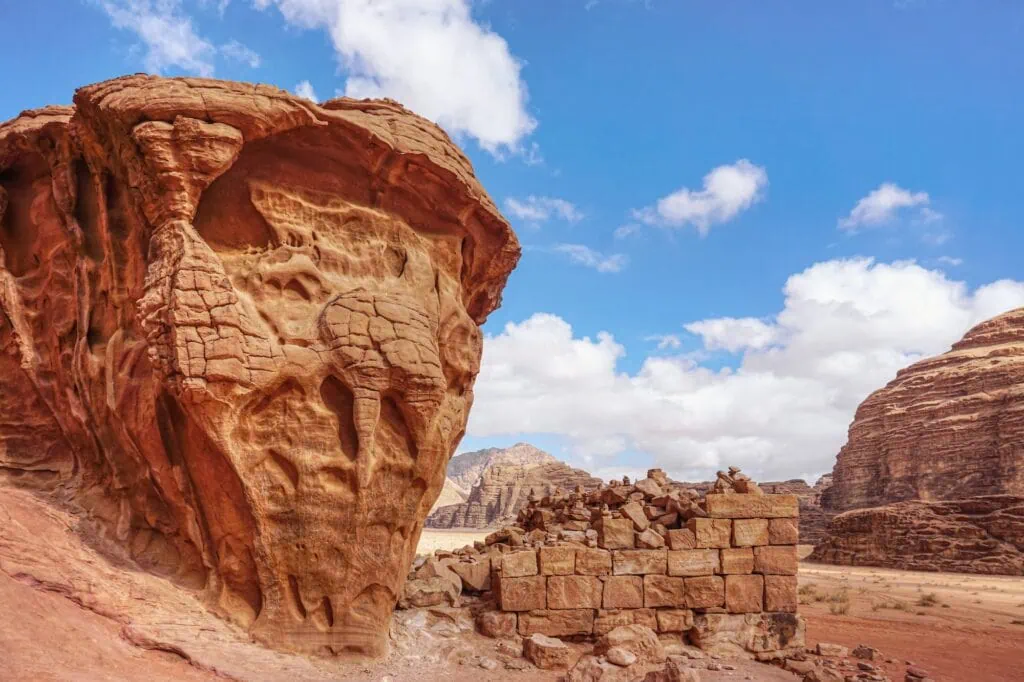
Photography enthusiasts should bring wide-angle lenses to capture the dramatic granite formations surrounding the spring area. The contrast between green vegetation around the water source and red desert landscape creates striking visual compositions.
Connecting Literature and Landscape
“Seven Pillars of Wisdom” transforms from historical document to travel guide when visitors experience Lawrence’s Spring firsthand. Reading relevant passages on-site creates powerful connections between Lawrence’s eloquent descriptions and the actual landscape before you.
Lawrence wrote extensively about the psychological impact of finding water in vast desert spaces. His descriptions capture both relief and wonder that modern visitors still experience when approaching these life-giving springs after hours of desert travel.
Literary Pilgrimage Experience
Many travelers specifically seek Lawrence’s Spring as part of broader literary tourism interests. The site offers tangible connections to one of the 20th century’s most influential war memoirs. Book clubs and literary societies frequently include Wadi Rum visits in Middle Eastern literature tours.
We often arrange for guides to share relevant Lawrence quotations during spring visits, helping connect written descriptions with visible landscape features. This approach enhances understanding of both historical events and Lawrence’s remarkable observational skills.
Archaeological Context
Nabataean inscriptions near the spring indicate human use dating back over 2,000 years. These ancient markings often reference water sources and safe camping areas, suggesting consistent spring reliability across centuries. Archaeological surveys have identified pottery fragments and tool remnants confirming long-term settlement patterns around reliable water sources.
Recent research suggests possible connection to the ancient incense trade routes that moved frankincense from southern Arabia to Mediterranean markets. Lawrence’s spring may have served generations of merchants long before its military significance emerged.
Bedouin Culture and Desert Traditions
Local Bedouin families maintain traditional relationships with Wadi Rum’s springs that predate Lawrence’s arrival by centuries. These communities developed sophisticated water management practices ensuring sustainable use during extended dry periods.
Traditional Water Rights
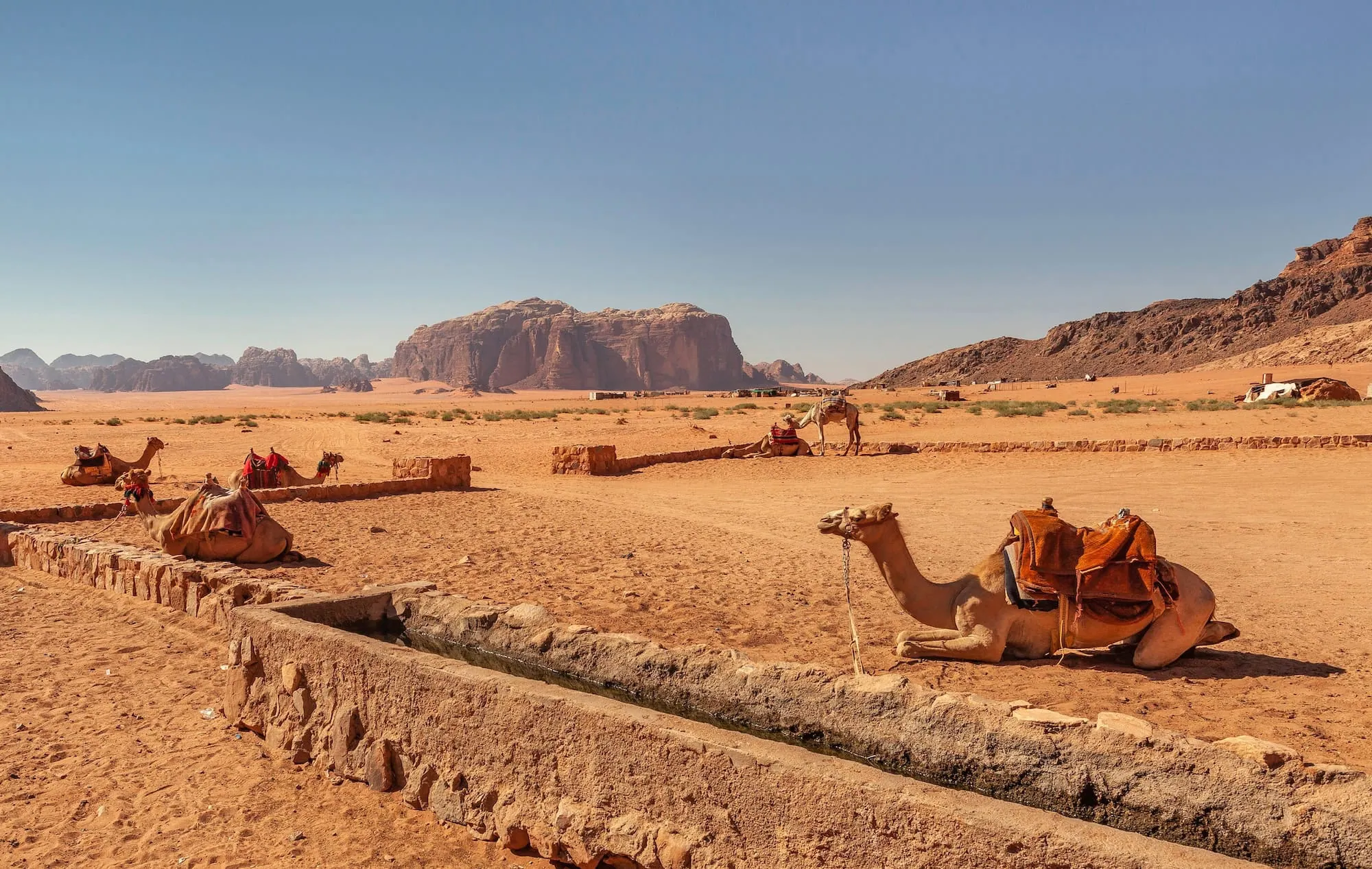
Bedouin custom establishes specific protocols for spring access and sharing. These unwritten rules govern everything from watering camels to filling storage containers, maintaining harmony between different tribal groups sharing limited water resources. Understanding these traditions adds cultural depth to spring visits.
Modern tourism sometimes challenges traditional access patterns. Responsible tour operators work closely with local Bedouin guides to ensure visitor activities don’t disrupt established water use practices.
Desert Survival Knowledge
Bedouin guides possess intimate knowledge of water source reliability, seasonal variations, and emergency backup locations throughout Wadi Rum. This expertise proved invaluable to Lawrence during his desert campaigns and continues benefiting modern visitors exploring the protected area.
Learning basic desert water conservation techniques enhances appreciation for spring significance. Bedouin methods for locating underground water, reading seasonal signs, and planning multi-day journeys reveal sophisticated environmental knowledge systems.
Wildlife and Desert Ecology
Water-Dependent Desert Species
Lawrence’s Spring supports unique wildlife communities that depend entirely on reliable water access. Desert foxes, various bird species, and small mammals concentrate around spring areas, creating miniature ecosystems within the larger desert environment.
Seasonal migration patterns bring additional species during specific times of year. Spring visits often coincide with increased bird activity as species follow ancient flyway routes across the Arabian Peninsula.
Vegetation Patterns
The immediate spring area supports vegetation types impossible elsewhere in Wadi Rum’s arid landscape. Mint plants, small palms, and various shrubs create green zones that contrast dramatically with surrounding red sand and granite formations. These plant communities require careful protection from trampling and overuse.
Photography of desert wildlife requires patience and early morning timing when animals approach water sources for drinking. Our guides understand animal behavior patterns and position groups for optimal viewing opportunities without disturbing natural activities.
Practical Touring Considerations
Group Size Management
Wadi Rum Protected Area regulations limit group sizes at sensitive sites like Lawrence’s Spring to minimize environmental impact. We coordinate small group experiences ensuring adequate space for photography and contemplation while protecting the spring’s natural state.
Peak season visits (March through May, September through November) require advance booking due to limited daily permits. Off-season touring offers more flexibility but requires careful weather monitoring for safety considerations.
Equipment and Preparation
Desert spring visits require specific preparation including sun protection, comfortable walking shoes, and adequate water supplies despite the destination’s irony. Sand can be surprisingly soft around water sources, making sturdy footwear essential for safe navigation.
Camera equipment benefits from dust protection and extra batteries due to extreme temperature variations between day and night conditions. Our vehicles carry charging capabilities for electronic devices during full-day touring.
Transportation Logistics
Reaching Lawrence’s Spring involves combining 4WD vehicle transport with moderate walking distances across varied terrain. Road conditions change seasonally based on flash flood patterns and wind-blown sand accumulation.
We coordinate timing carefully to avoid conflicts with other tour groups while ensuring adequate time for exploration and photography. Multi-attraction itineraries require precise scheduling to maximize each location’s unique characteristics.
Frequently Asked Questions
Approximately 45-60 minutes by 4WD vehicle, depending on route conditions and seasonal accessibility.
We recommend bringing bottled water as spring water may contain natural minerals requiring acclimatization.
Ain Ash-Shallaleh matches Lawrence’s written descriptions most accurately, though both springs have historical significance.
March through May and September through November offer ideal weather conditions for desert hiking.
Limited mobility visitors can reach vehicle access points, though spring viewing requires walking across terrain.
T.E. Lawrence and Prince Feisal used Wadi Rum as military headquarters with reliable springs crucial.
Overnight camping requires special permits and coordination with Bedouin guides who understand traditional protocols.
Khazali Canyon, Umm Fruth Rock Bridge, and Nabataean inscription sites create comprehensive touring experiences.
While featured in documentaries, most famous Lawrence films used different Wadi Rum locations.
Spring flow varies seasonally but rarely stops completely, though summer produces significantly reduced volume.
Design Your Custom Tour
Explore Egypt and Jordan your way by selecting only the attractions you want to visit