

Mujib Nature Reserve – Possibly Jordan’s Most Beautiful Natural Attraction
Stepping into Mujib feels like entering another world entirely.
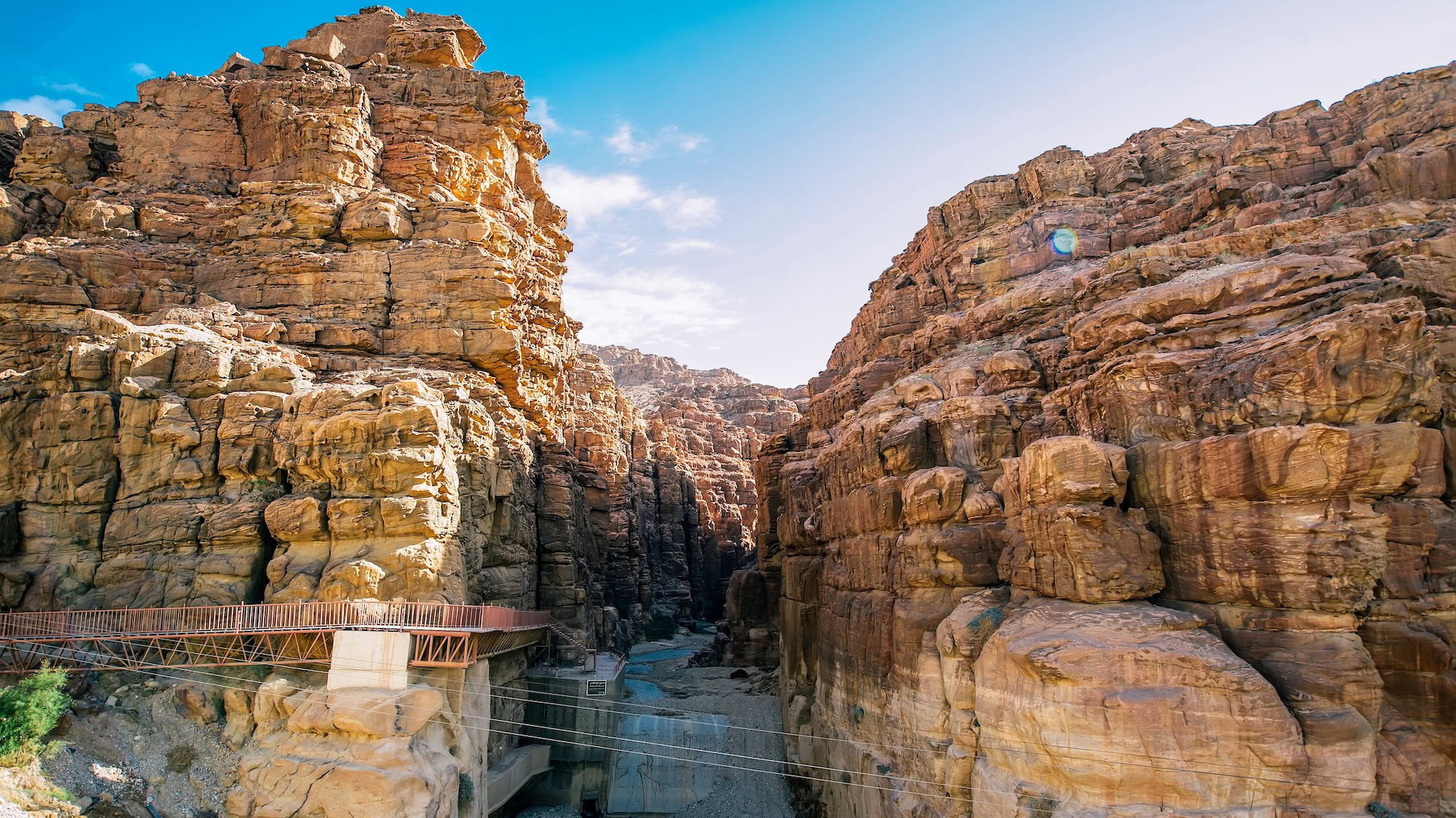
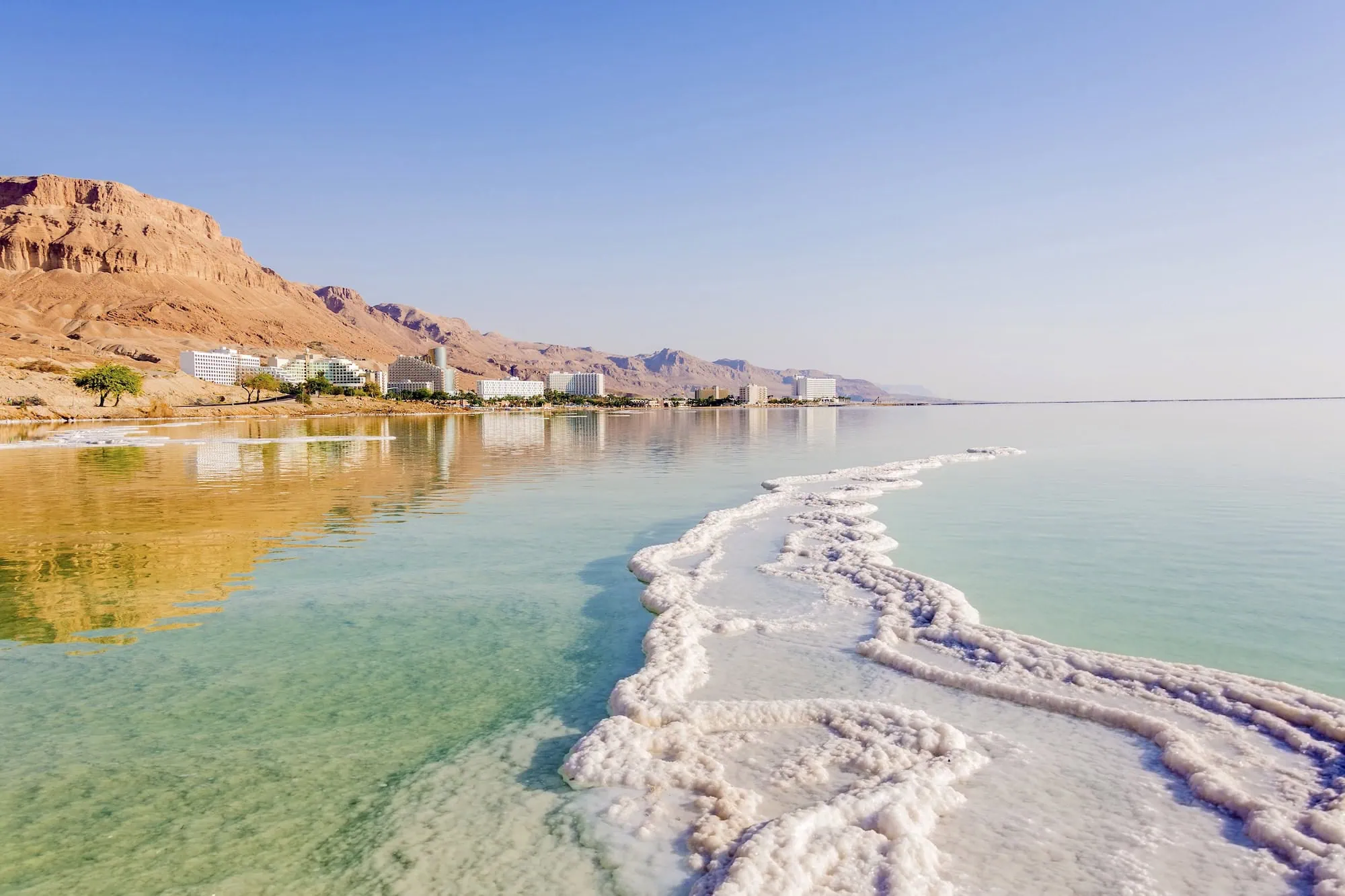
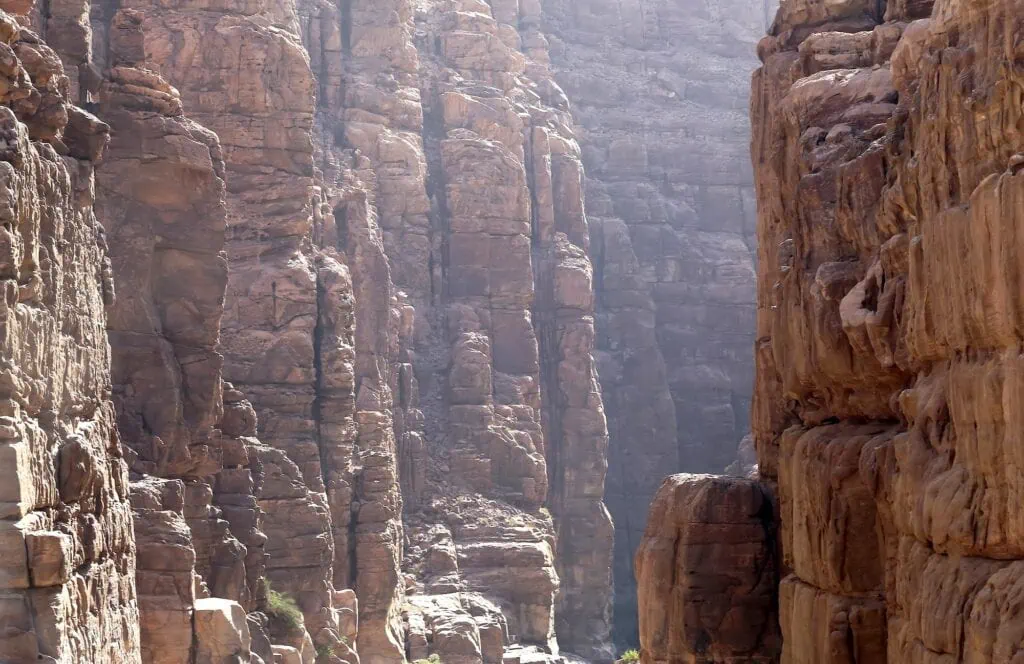
At 420 meters (1,378 feet) below sea level, this magnificent biosphere reserve unfolds across one of Jordan’s most dramatic landscapes. Here, ancient wadis carve their way through towering sandstone cliffs, creating a striking contrast where desert meets flowing water. Stretching from the shores of the Dead Sea into rugged mountain terrain, Mujib protects a rare ecosystem rich in biodiversity and geological formations.
Each year, thousands of travelers come here for a mix of adrenaline and serenity—from canyoning through narrow gorges to quiet moments of wildlife observation. It’s one of Jordan’s most compelling natural destinations and a must for anyone looking beyond the classic historical sites.
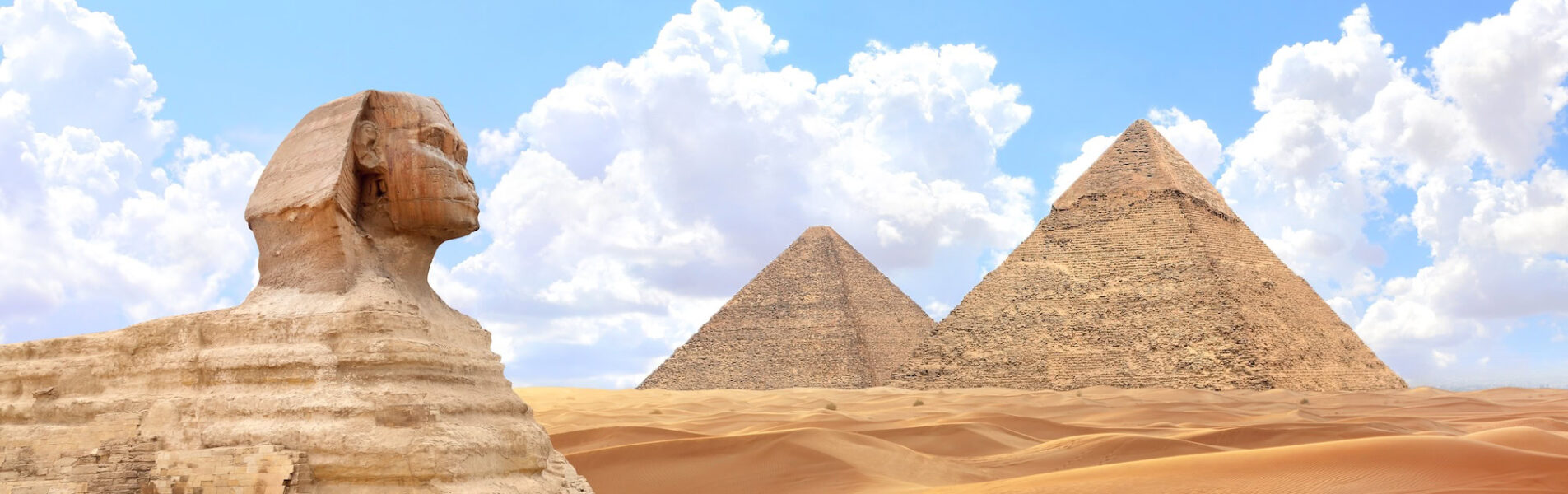
Mujib Nature Reserve is often featured in our Egypt and Jordan luxury tours, where you can balance iconic highlights like Petra and the Pyramids with immersive nature experiences along the Dead Sea and Jordan’s wild landscapes.
We’ve been guiding travelers through this extraordinary environment for decades, and every visit reveals new layers of beauty and discovery.
Table of Contents
Experience the Adventure Trails That Define Mujib
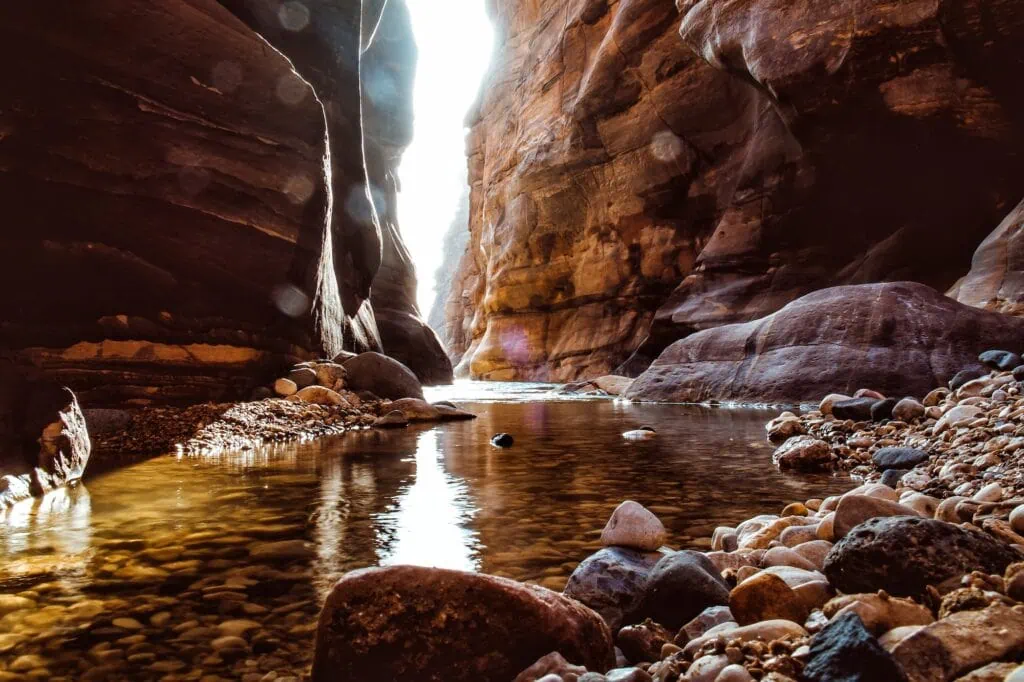
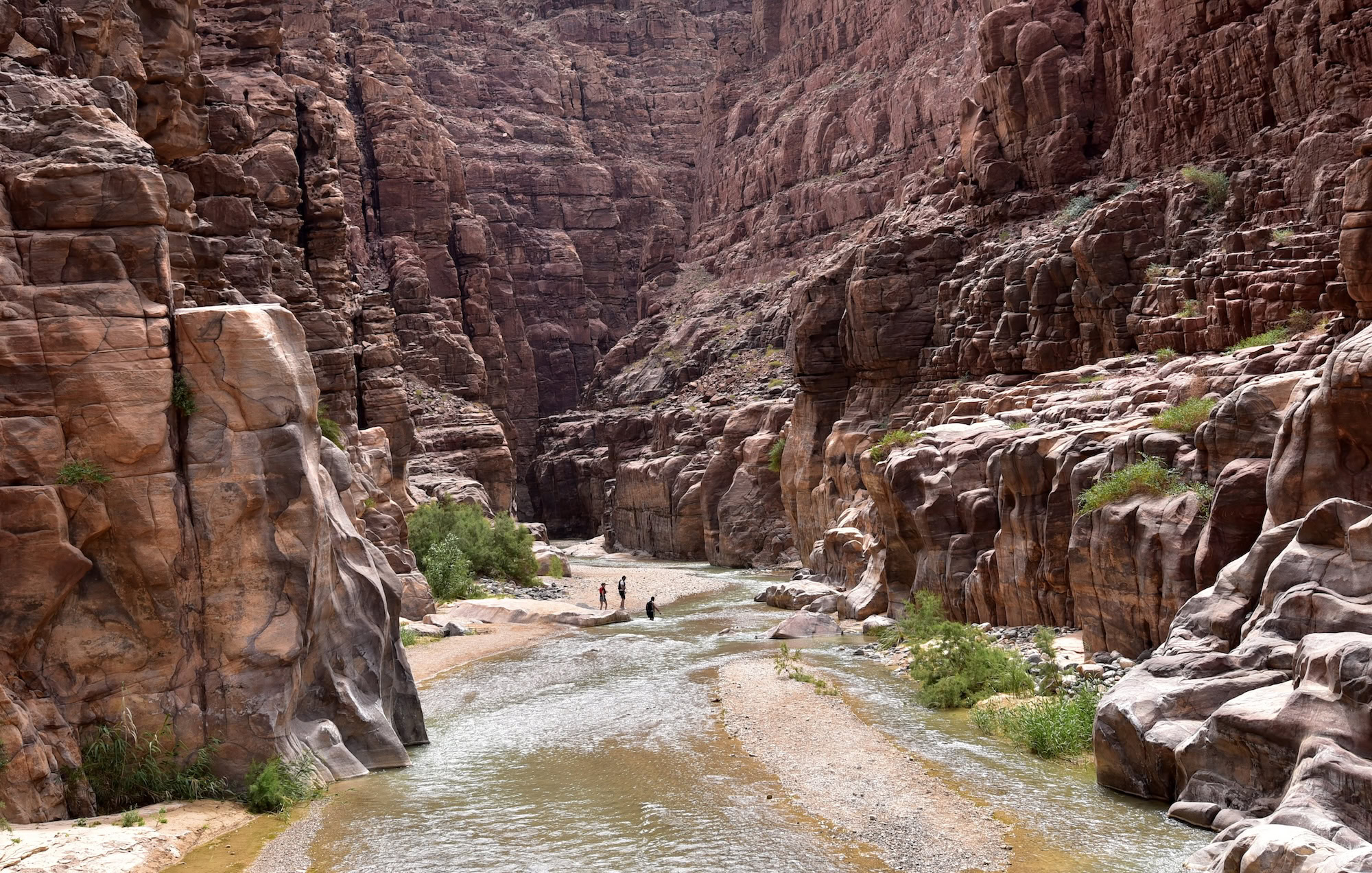
The Siq Trail dominates most visitors’ itineraries, and for good reason. This wet trail leads hikers through narrow canyon walls where crystal-clear spring water flows year-round, creating natural pools perfect for swimming and cooling off during Jordan’s warmer months. The trail requires moderate fitness levels as participants navigate slippery rocks and wade through deeper sections, but the reward comes in the form of stunning waterfalls and dramatic rock formations that seem carved by ancient hands.
Planning Your Trail Adventure
Water levels fluctuate throughout the year, with the best conditions typically occurring from April through October. During these months, temperatures range from 25°C to 35°C (77°F to 95°F), making the cool canyon waters particularly refreshing. We recommend starting early in the morning around 8:00 am (08:00) to avoid crowds and experience the canyon’s peaceful atmosphere before the day heats up.
Essential Gear and Safety Considerations
Proper footwear makes the difference between struggle and enjoyment on these trails. Water shoes with good grip prevent slips on wet rocks, while quick-dry clothing ensures comfort throughout the journey. The Royal Society for the Conservation of Nature (RSCN) requires all visitors to wear life jackets during water activities, which they provide at the visitor center along with waterproof bags for personal items.
Beyond the Siq: Alternative Trail Options
Advanced hikers often choose the Canyon Trail, a more challenging route that involves rope-assisted climbing and deeper water sections. This full-day adventure pushes physical limits while revealing hidden chambers and pristine pools rarely seen by casual visitors. The Ibex Trail offers a completely different experience, focusing on dry hiking through mountain terrain where Arabian ibex roam freely among ancient rock formations.
The Living Laboratory of Biodiversity
Mujib’s unique position creates microclimates that support an astonishing variety of life forms. Over 420 plant species thrive here, ranging from desert succulents clinging to cliff faces to lush vegetation surrounding permanent springs. The altitude difference of nearly 1,300 meters (4,265 feet) from the Dead Sea shore to the reserve’s highest points creates distinct ecological zones, each supporting different communities of plants and animals.
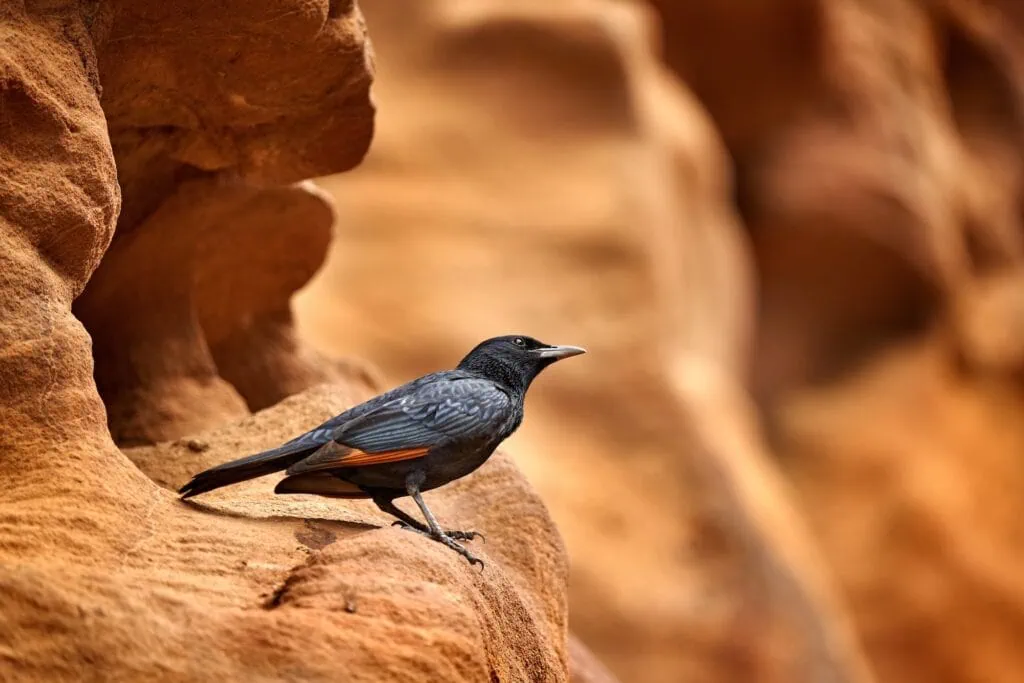
Bird enthusiasts discover a migration corridor of international importance, where species traveling between Europe, Asia, and Africa pause to rest and feed. During peak migration periods in spring and autumn, over 150 bird species can be spotted within the reserve boundaries. Egyptian vultures soar overhead while colorful bee-eaters dart between canyon walls, and patient observers might glimpse the rare Tristram’s grackle, found only in this region.
The mammal population includes Arabian ibex, mountain gazelles, and various small carnivores like caracals and striped hyenas. These animals have adapted to the harsh desert conditions while taking advantage of the reliable water sources that flow through the wadi system. Reptile diversity impresses herpetologists, with numerous endemic lizard species and several snake varieties that have evolved specifically for this unique environment.
Practical Information for Your Visit
Getting There and Transportation
Most visitors arrive via the Dead Sea Highway, with the main entrance located approximately 90 kilometers (56 miles) south of Amman. The drive takes about 90 minutes through changing landscapes that transition from urban areas to agricultural valleys, then into the dramatic desert terrain surrounding the Dead Sea. Public transportation options remain limited, so rental cars or organized tours provide the most practical access.
Visitor Center Services
The RSCN-operated visitor center serves as the gateway to all trail activities. Here, visitors complete registration procedures, receive safety briefings, and collect required equipment. The center also houses educational displays about the reserve’s ecology and conservation efforts, plus a small shop selling local handicrafts and refreshments. Clean restroom facilities and changing areas make it easy to prepare for water-based activities.
Seasonal Considerations and Weather
Winter months from November through March bring cooler temperatures but occasional flash flood risks that can close trails without notice. Summer temperatures soar above 40°C (104°F) at Dead Sea level, making early morning starts essential for comfortable hiking. Spring months offer ideal conditions with moderate temperatures, blooming wildflowers, and excellent wildlife viewing opportunities.
The reserve operates on seasonal schedules, typically opening at 8:00 am (08:00) and closing by 5:00 pm (17:00) during summer months, with earlier closures in winter. Advanced booking becomes necessary during peak seasons, particularly for specialized tours and the more challenging trail options.
Conservation Success and Global Recognition
UNESCO recognized Mujib as a biosphere reserve, acknowledging its critical role in protecting rare ecosystems and endangered species. This designation reflects decades of conservation work by the RSCN, which has successfully restored wildlife populations and protected crucial habitat areas from development pressures.
The reserve participates in regional breeding programs for endangered species, including efforts to reintroduce Arabian oryx and restore wild ibex populations. These conservation initiatives extend beyond wildlife to encompass sustainable tourism practices that benefit local communities while protecting natural resources.
Research stations within the reserve contribute valuable data about climate adaptation, water conservation, and ecosystem management in arid environments. International scientists collaborate on studies examining how desert species cope with extreme conditions, providing insights relevant to understanding climate change impacts across similar regions worldwide.
Historical and Cultural Significance
Ancient civilizations recognized the strategic importance of this landscape long before modern conservation efforts began. The biblical Arnon River, mentioned in historical texts as a boundary marker between ancient kingdoms, flows through what we now know as Wadi Mujib. Archaeological evidence suggests continuous human presence in the area for thousands of years, with Nabataean trade routes and Roman installations scattered throughout the region.
Traditional Bedouin communities maintained sustainable relationships with this harsh environment for generations, developing water management techniques and seasonal movement patterns that allowed both human communities and wildlife to thrive. These traditional practices inform modern conservation approaches and sustainable tourism development within the reserve.
Planning Your Perfect Mujib Adventure
Recommended Itinerary Options
First-time visitors typically benefit from starting with the Siq Trail, which provides excellent introduction to the reserve’s highlights without requiring advanced hiking skills. This half-day adventure combines perfectly with Dead Sea relaxation, creating a balanced day of activity and rest. More adventurous travelers might consider multi-day stays that allow exploration of different trail systems and wildlife watching opportunities.
Photography and Documentation
The dramatic contrasts between narrow canyon walls, flowing water, and expansive desert vistas create exceptional photography opportunities. Morning light filtering through canyon openings produces spectacular effects, while the golden hour before sunset transforms the surrounding mountains into a palette of warm colors. Waterproof camera cases become essential for trail photography, though the visitor center provides sealed bags for standard equipment protection.
Combining with Other Jordan Attractions
Mujib’s strategic location makes it an ideal addition to broader itineraries across Jordan. Many travelers combine a visit to the reserve with highlights such as Petra, Dead Sea relaxation, or Wadi Rum desert adventures—creating a well-rounded journey through the country’s diverse landscapes.
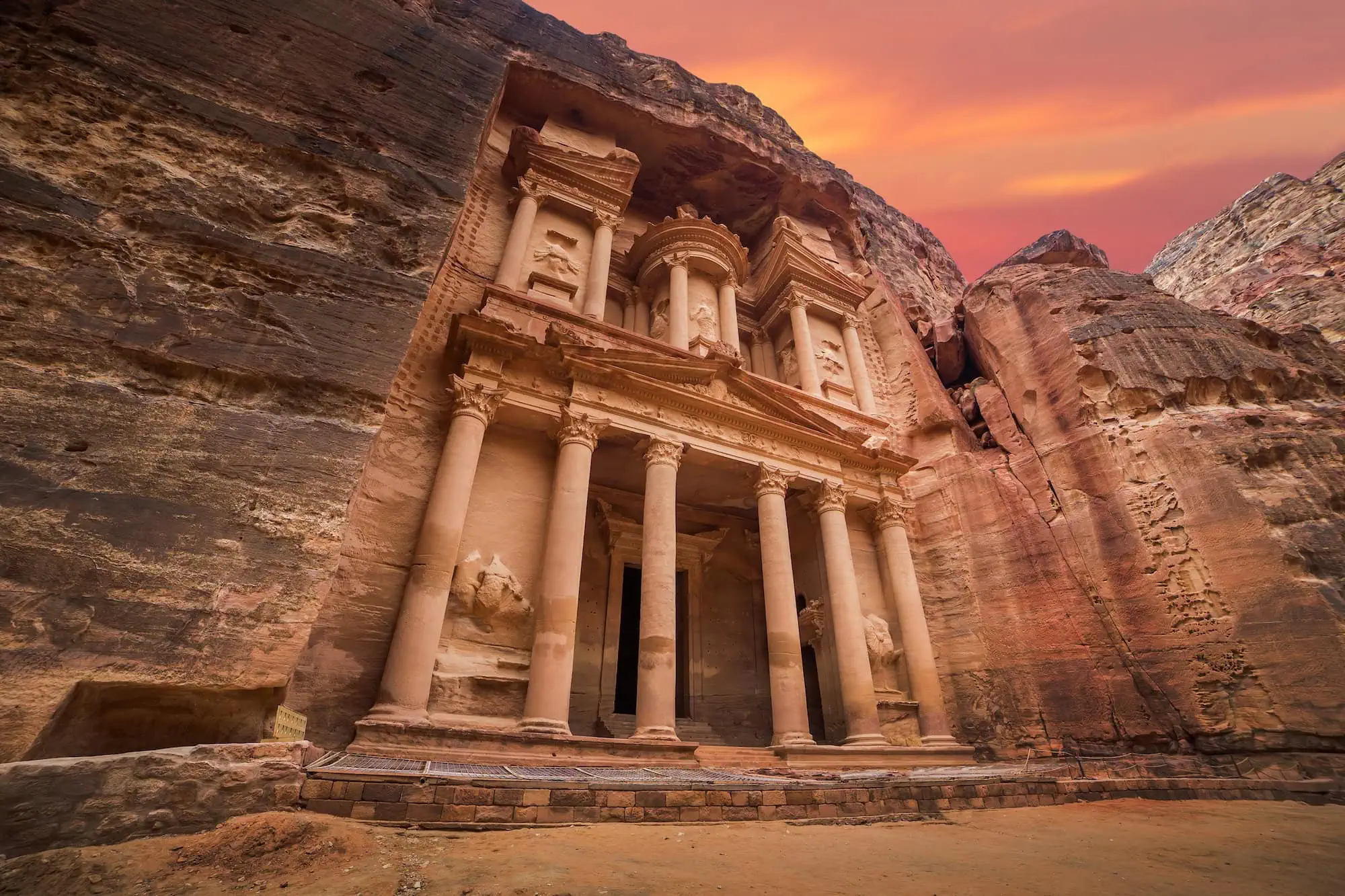
As part of a wider exploration of Jordan tourist attractions, Mujib offers a refreshing contrast to the country’s historical sites, adding a strong nature and adventure component to your itinerary. The relatively short travel distances between destinations make it easy to experience multiple highlights without feeling rushed.
We specialize in crafting customized itineraries that seamlessly combine Mujib with other must-see locations. Our approach ensures you maximize your time while experiencing the full spectrum of Jordan’s natural beauty and cultural heritage.
With expert guides and carefully planned routes, we turn a standard trip into a deeper, more immersive travel experience.
Frequently Asked Questions
April through October offers ideal conditions with moderate temperatures and reliable water flow.
Siq Trail requires moderate fitness, while Canyon Trail demands advanced hiking experience.
Children over 12 years can join Siq Trail with proper supervision and safety equipment.
Water shoes, quick-dry clothing, sun protection, water, and waterproof bag are essential items.
Most trails close during winter months due to flash flood risks and seasonal schedules.
Plan 3-4 hours for the complete Siq Trail experience including canyon travel time.
Yes, particularly during peak seasons from March through May when demand exceeds capacity.
Arabian ibex, various bird species, and reptiles inhabit the reserve with best viewing early morning.
Swimming is permitted in designated areas with required life jackets for all water activities.
Entry fees vary by activity type and group size with current rates available through RSCN.
RSCN staff monitor conditions continuously and may close trails immediately if flash flood risks develop.
Design Your Custom Tour
Explore Egypt and Jordan your way by selecting only the attractions you want to visit