

Qasr Al-Kharana – Jordan’s Best-Preserved Desert Castle
The mystery begins with its very appearance.
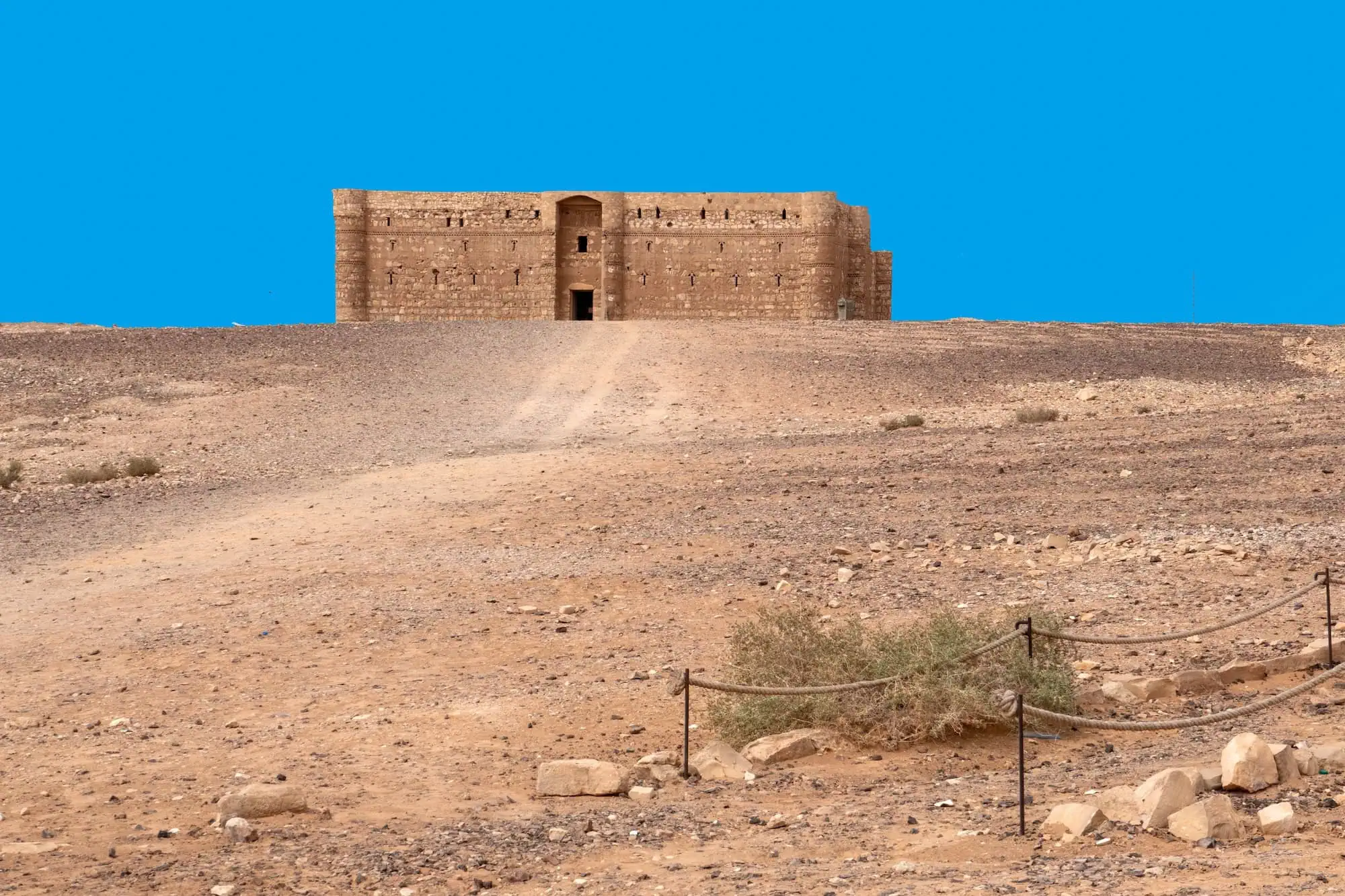
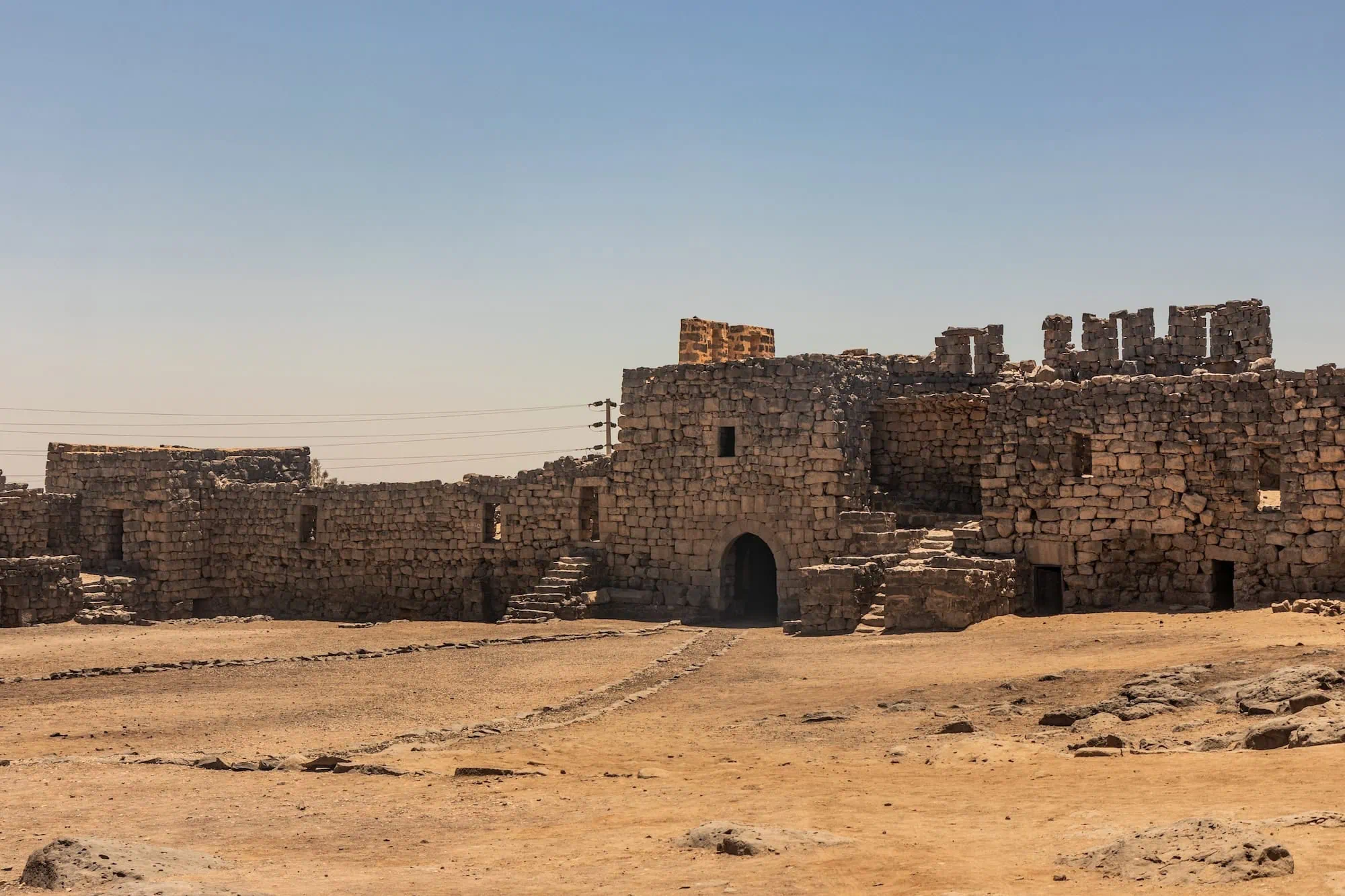
Standing bold against the eastern desert landscape, Qasr Al-Kharana presents one of archaeology’s most fascinating puzzles. This remarkably preserved Umayyad structure defies easy classification, challenging visitors and experts alike to reconsider what they know about early Islamic architecture.
Located just 60 kilometers (37 miles) east of Amman, this imposing square fortress draws travelers into debates that have persisted for centuries. What makes this particular desert castle so compelling isn’t just its exceptional state of preservation—it’s the growing realization that nothing about Qasr Al-Kharana is quite what it seems.
This intriguing site is often included in our Egypt and Jordan luxury tours, where you can explore Jordan’s desert castles alongside iconic experiences such as Petra, Wadi Rum, and the ancient wonders of Egypt.
Table of Contents
Architectural Mysteries That Defy Military Logic
The building presents immediate contradictions that puzzle even experienced archaeologists. The fortress appears militarily formidable from a distance, yet closer inspection reveals design choices that make no strategic sense.
The Solid Tower Paradox
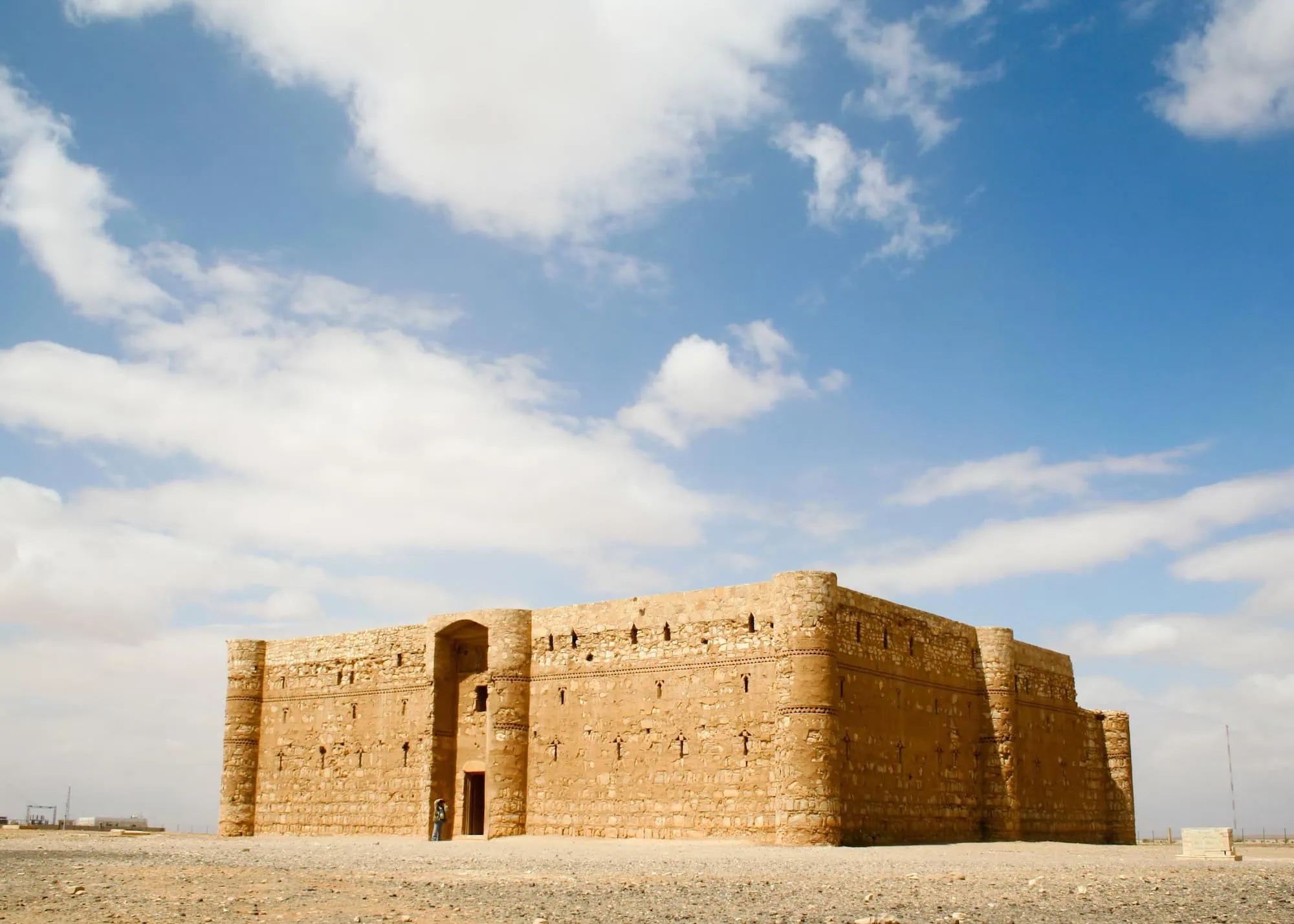
Those impressive towers that dominate the skyline? Completely solid inside. No defensive chambers, no storage space, no hidden passages that military structures typically require. The construction team built them purely for show, creating an imposing silhouette without functional military purpose.
Arrow Slits That Miss Mark
The narrow window openings throughout the structure initially appear to be defensive arrow slits. However, they’re positioned too high to be effective for defense. An archer would need to stand on elevated platforms just to see potential attackers, making the slits useless for actual combat scenarios.
Dimensions and Material Choices
The square structure measures 35 meters (115 feet) on each side, with walls rising approximately 17 meters (56 feet) high. Built from local limestone blocks, the construction demonstrates sophisticated engineering techniques despite its apparently non-military function.
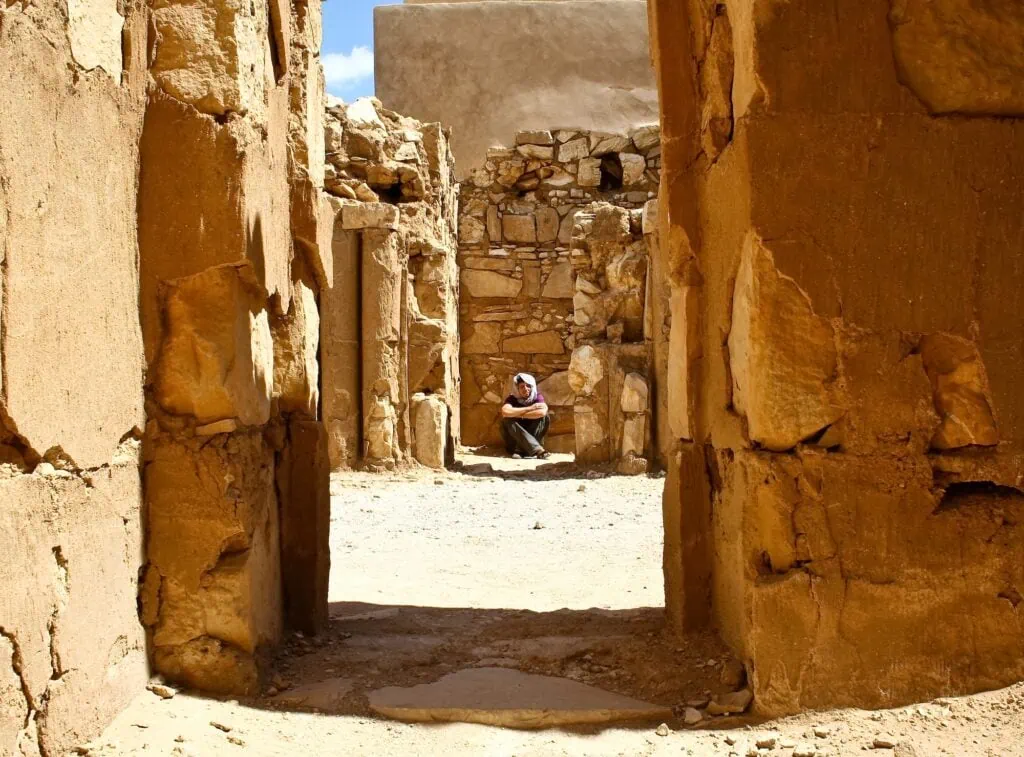
The 60 rooms arranged across two levels around a central courtyard suggest accommodation rather than fortification.
The Political Meeting Place Theory
Recent archaeological evidence supports a fascinating alternative to the military fortress interpretation. The building’s unique features begin making sense when viewed as a sophisticated venue for diplomatic encounters.
Inscriptions discovered within the castle indicate construction before 710 CE, placing it firmly within the early Umayyad period. This timing aligns perfectly with the dynasty’s expansion policies and their need to establish relationships with local Bedouin tribes.
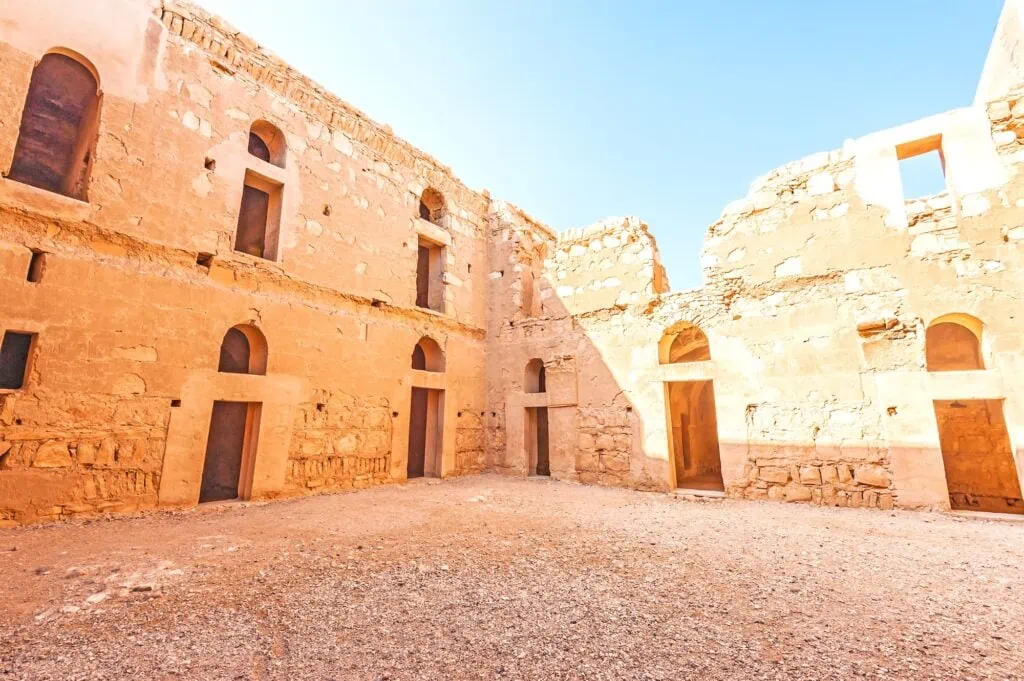
The spacious interior layout, decorative stucco moldings, and carved plaster columns suggest a structure designed to impress visitors rather than repel attackers. The central courtyard features a basin designed to collect rainwater, providing a practical gathering space for extended meetings.
Archaeological teams have identified evidence supporting regular gatherings at the site. The wear patterns on floors and doorways suggest frequent use by groups rather than a garrison. Storage areas appear designed for temporary provisions rather than military supplies, further supporting the meeting place hypothesis.
Historical Context and Umayyad Strategy
Understanding Qasr Al-Kharana requires grasping the broader political landscape of 7th and 8th-century Jordan. The Umayyad caliphs faced the complex challenge of governing vast territories while maintaining relationships with powerful local tribes.
Traditional military conquest alone couldn’t secure long-term stability in desert regions where Bedouin leaders commanded significant influence and intimate knowledge of trade routes. These desert castles likely served as neutral meeting grounds where formal negotiations could take place.
The impressive architecture would demonstrate Umayyad wealth and power, while the comfortable accommodations showed respect for tribal delegations. This diplomatic approach proved more effective than pure military domination in securing cooperative relationships.
The inscription dating the building provides crucial historical context. Construction occurred during the reign of Caliph Al-Walid I, a period marked by administrative consolidation and territorial expansion. The timing suggests Qasr Al-Kharana played a role in formalizing Umayyad control over eastern trade routes.
Visiting Qasr Al-Kharana Today
Modern travelers can explore this architectural puzzle with remarkable ease. The castle sits directly beside the main highway connecting Amman to Azraq, making it accessible by private vehicle or organized tour.
Practical Information for Visitors
The site opens during daylight hours with an admission fee of JD 2. No public transportation serves the location, so visitors typically arrive by rental car or as part of desert castle tour packages. The journey from Amman takes approximately one hour by car.
Photography enthusiasts particularly appreciate the castle’s photogenic qualities. The limestone walls glow golden during sunrise and sunset, while the stark desert surroundings provide dramatic contrast. Interior lighting remains natural, so morning visits offer the best illumination for exploring room details.
Exploring the Interior Layout
Visitors can access most of the 60 rooms across both levels. The ground floor rooms tend to be larger and include the impressive decorated chambers that likely hosted important meetings. Upper level rooms are smaller and may have served as private quarters for visiting delegations.
The central courtyard provides excellent views of the architectural details, including the decorative elements that distinguish this castle from purely military structures. Carved stonework and plaster moldings demonstrate the high level of craftsmanship invested in the project.
Preservation and Archaeological Research
Qasr Al-Kharana represents one of Jordan’s best-preserved examples of early Islamic architecture. Unlike many historical sites in the region, this castle has survived remarkably intact, allowing detailed study of Umayyad construction techniques and decorative arts.
Recent restoration work has focused on stabilizing the structure rather than rebuilding missing elements. This approach preserves the authentic historical fabric while ensuring visitor safety. The limestone walls have proven remarkably durable, requiring minimal intervention beyond basic maintenance.
Archaeological investigations continue to reveal new information about the site’s use and significance. Ground-penetrating radar has identified potential additional structures in the surrounding area, suggesting the castle may have been part of a larger complex.
The Broader Desert Castles Network
Qasr Al-Kharana forms part of an interconnected system of Umayyad structures across eastern Jordan. Understanding this castle requires appreciating its role within the larger network of desert buildings.
Qasr Amra, located nearby, features elaborate frescoes and bath complexes that clearly indicate leisure rather than military functions. Qasr al-Azraq shows evidence of continuous occupation from Roman through modern times, demonstrating the strategic importance of water sources in desert regions.
The spatial relationship between these castles suggests coordinated planning. Distances between major structures align with typical travel times for caravans and official delegations. This pattern supports theories about administrative networks rather than isolated military outposts.
Frequently Asked Questions
Most visitors spend 45 minutes to 1 hour exploring the castle and taking photos, though architecture enthusiasts may want 90 minutes.
Yes, the site is self-accessible with informational panels, though guides provide valuable historical context and architectural insights.
Early morning or late afternoon offer the best lighting and cooler temperatures.
Absolutely, though supervise young children on stairs and near wall edges, as some areas lack modern safety barriers.
It’s the most mysterious in terms of function and the best preserved structurally, making it uniquely valuable for understanding Umayyad architecture.
Yes, most visitors include Qasr Amra and Qasr al-Azraq in day trips, creating a comprehensive desert castle experience.
Basic facilities are available, though they’re quite simple, so consider stopping in Azraq if needed.
Water, sun protection, comfortable walking shoes, and a camera for the excellent photo opportunities throughout the castle.
The ground floor is accessible, though the upper level requires climbing stone stairs without handrails.
The architectural features contradict military functions, while historical records remain limited, leaving researchers to interpret physical evidence and broader historical context.
Design Your Custom Tour
Explore Egypt and Jordan your way by selecting only the attractions you want to visit