

Things to Do in Agadir – An Unspoiled Moroccan Gem
Warm Atlantic breezes meet ancient desert culture in Morocco’s premier beach city.
Agadir sits where the High Atlas Mountains descend toward golden coastlines, creating a unique destination that bridges traditional Morocco with modern resort living. We’ve spent decades guiding travelers through this captivating region, watching how it transforms visitors from simple sun-seekers into genuine Morocco enthusiasts. The city rebuilt itself from devastating earthquake ruins in 1960 to become North Africa’s most welcoming coastal gateway.
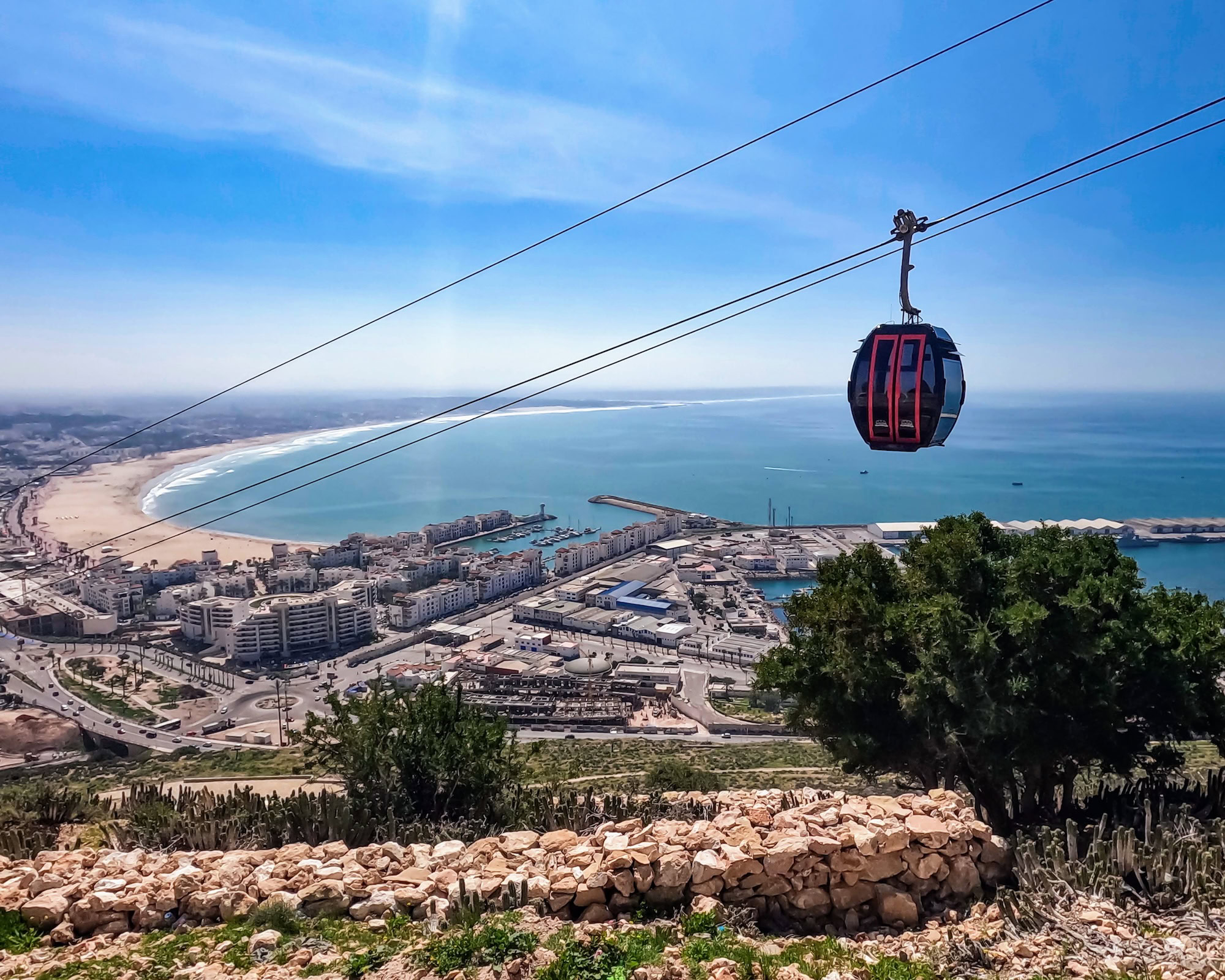
Unlike the maze-like medinas of Marrakech or Fez, Agadir offers wide boulevards, contemporary amenities, and year-round sunshine that averages 300 days annually.
Agadir’s Crown Jewel: Paradise Valley Adventures
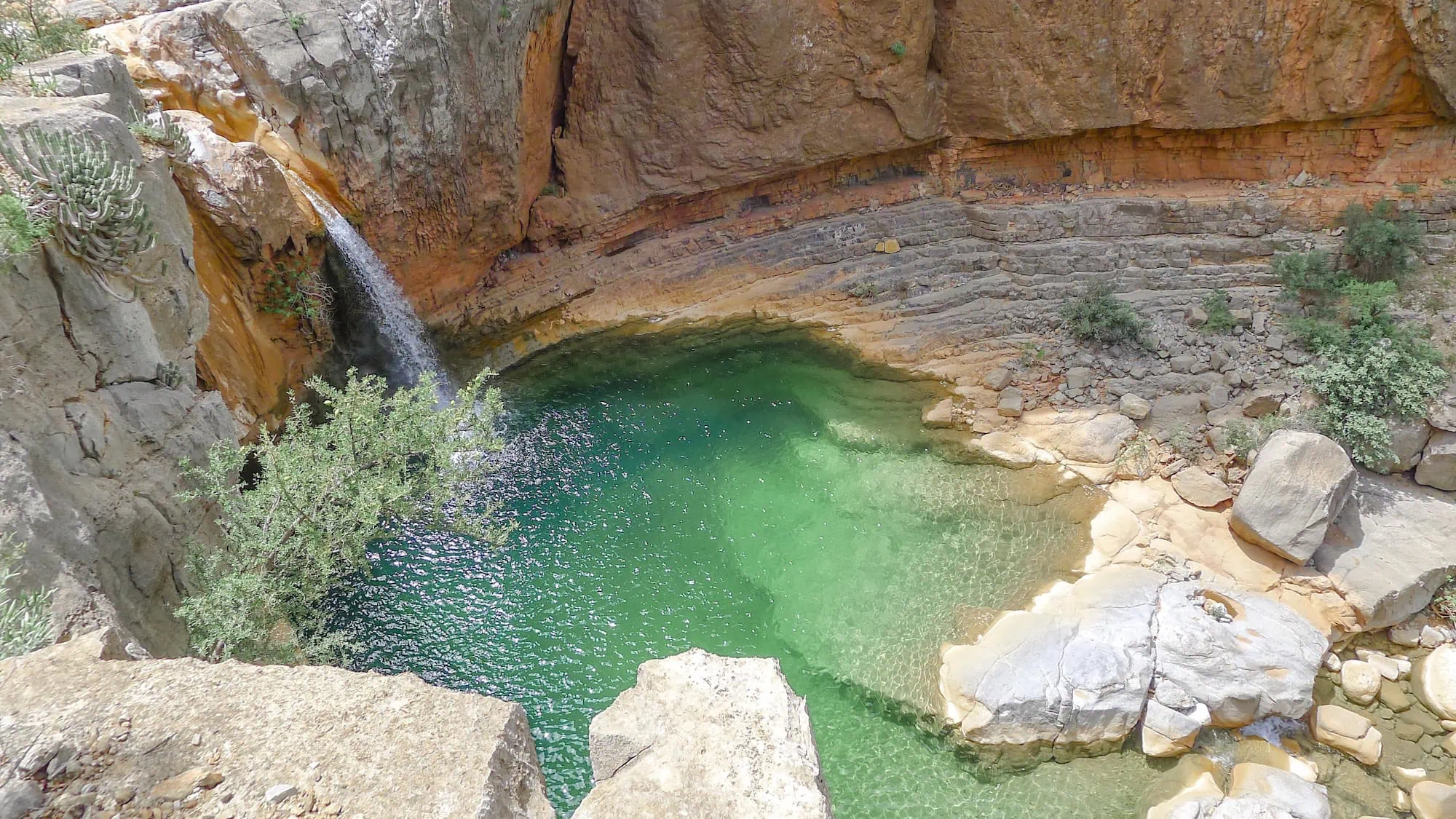
Paradise Valley draws visitors deep into the High Atlas foothills where palm-lined pools reflect towering red cliffs. The journey from Agadir takes just 60 minutes, but transports you into another world entirely.
Natural Swimming Pools and Rock Formations
Crystal-clear mountain water fills natural basins carved by centuries of seasonal floods. These emerald pools stay refreshingly cool even during summer’s peak heat. Local Berber guides lead visitors along ancient paths, sharing stories about the valley’s role in traditional mountain life.
The larger pools accommodate groups, while hidden alcoves offer privacy for quiet contemplation. Photography enthusiasts find endless compositions where palm fronds frame dramatic canyon walls.
Atlas Mountains Hiking Trails
Several hiking routes branch from Paradise Valley’s main area. The easiest trail follows the riverbed for 2 kilometers (1.2 miles), suitable for most fitness levels. More adventurous hikers can tackle the ridge trail that climbs 400 meters (1,300 feet) above the valley floor.
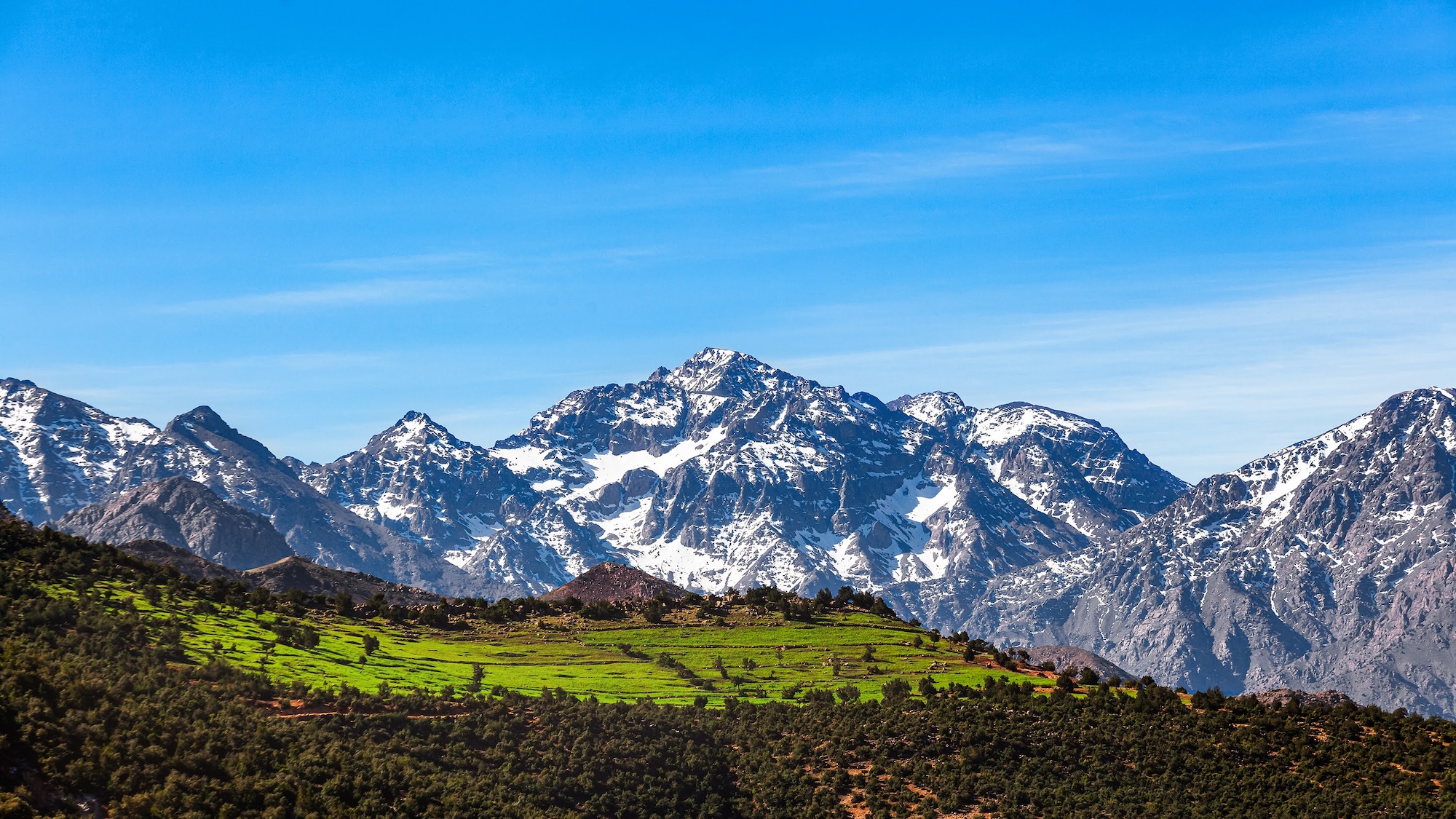
We recommend starting early morning hikes before 9:00 am (09:00) when temperatures remain comfortable and lighting creates stunning canyon colors. Our experienced mountain guides know every trail, ensuring both safety and authentic cultural encounters with Berber communities.
Historic Agadir Oufella and Cultural Heritage
Perched 236 meters (775 feet) above modern Agadir, the Kasbah ruins tell stories of centuries past. The 1960 earthquake destroyed most original structures, but restoration efforts have preserved key sections and created panoramic viewpoints.
The climb rewards visitors with 360-degree vistas spanning from the Atlantic Ocean to distant Atlas peaks. Sunset timing varies seasonally, but generally occurs between 6:30 pm (18:30) and 7:45 pm (19:45), creating golden light that photographers treasure. Arabic inscriptions on the fortress walls translate to “Fear God and Honor the King,” dating from the Saadian dynasty period.
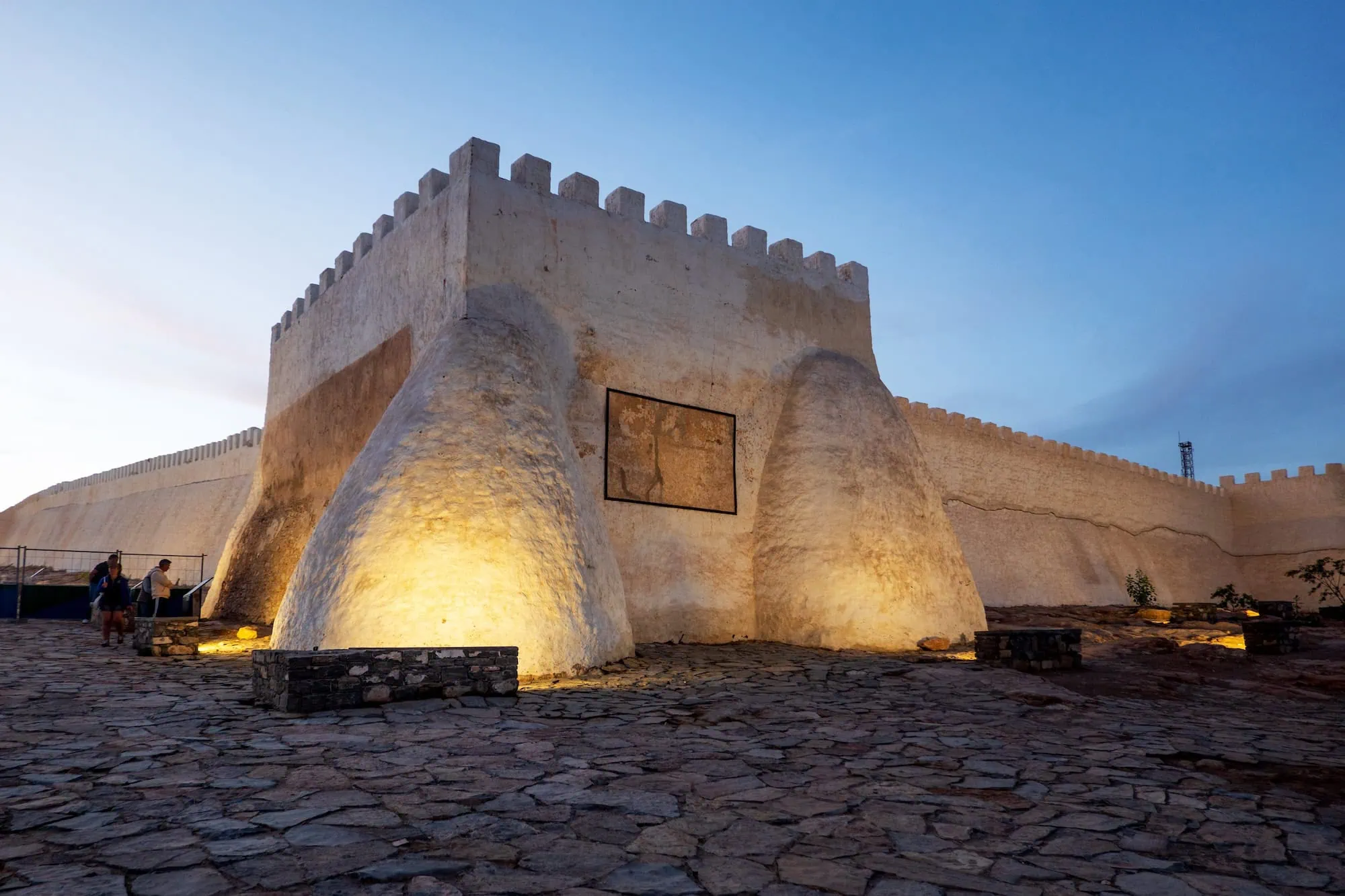
Modern interpretation centers explain pre-earthquake Agadir life through artifacts, photographs, and interactive displays. These exhibits help visitors understand how resilient communities rebuilt their coastal home into today’s thriving destination.
Souk El Had: Morocco’s Largest Traditional Market
Six thousand vendors fill 13 hectares of covered marketplace every day except Monday. Souk El Had operates from early morning until late afternoon, with peak activity between 10:00 am (10:00) and 4:00 pm (16:00).
The market divides into specialized sections. Spice vendors cluster near the main entrance, filling the air with cumin, saffron, and preserved lemon scents. Textile areas showcase everything from traditional caftans to modern beachwear. Artisan sections feature Berber jewelry, argan oil products, and carved thuya wood items unique to southwestern Morocco.
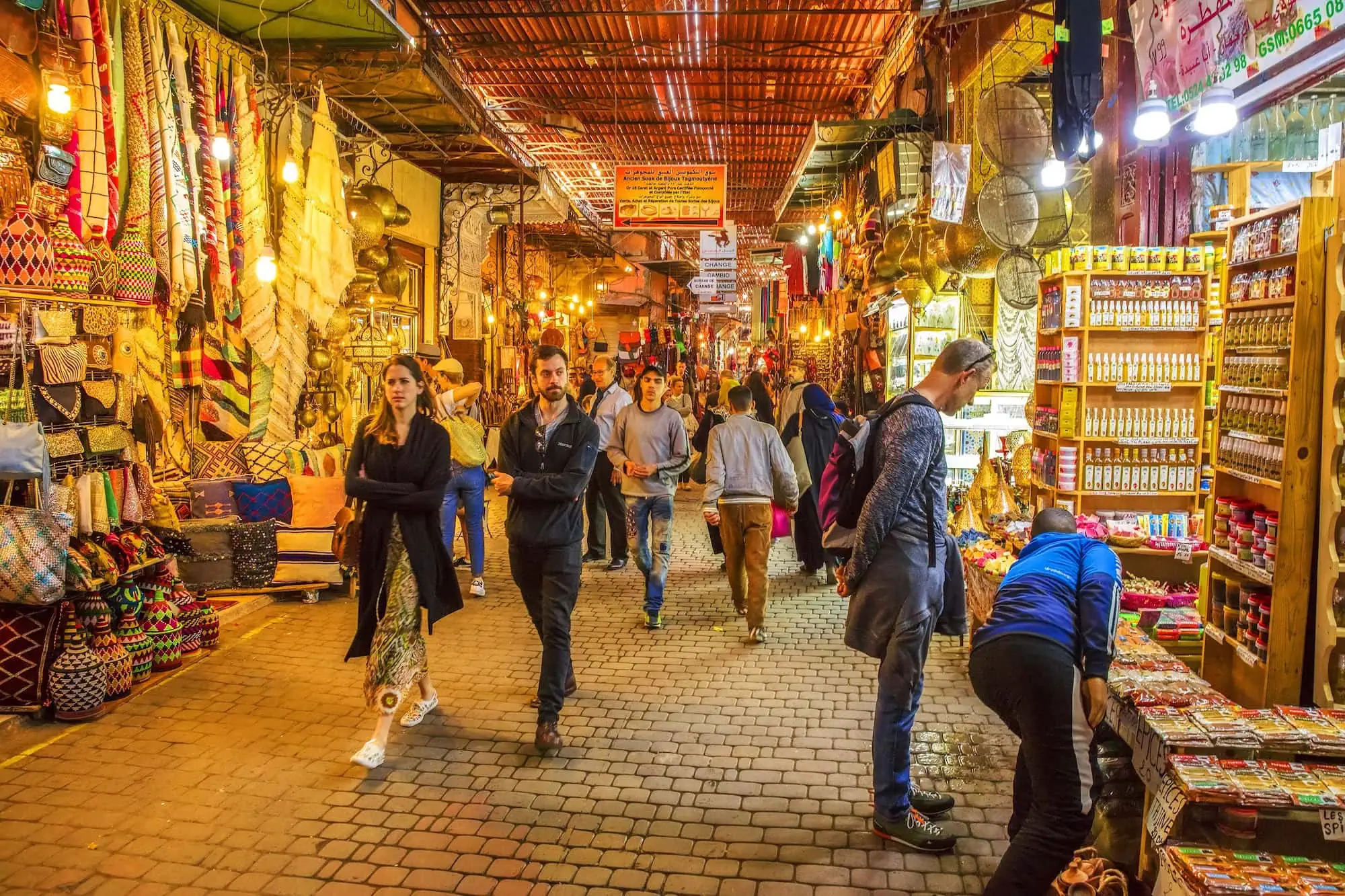
Bargaining remains expected and enjoyable. Start by offering roughly half the initial price, then negotiate toward a fair middle ground. Our local guides often accompany first-time visitors, helping navigate language barriers while ensuring authentic cultural exchanges.
Fresh produce sections offer seasonal specialties like prickly pear fruit, dates from Zagora oases, and almonds grown in nearby Atlas valleys. Many visitors discover ingredients they’ve never encountered, expanding their culinary horizons beyond familiar Moroccan dishes.
Argan Oil and Local Specialties
Agadir sits at the heart of Morocco’s argan tree region. These ancient trees grow only in southwestern Morocco, making their oil truly unique globally. Authentic argan oil feels slightly thick, smells mildly nutty, and shouldn’t be completely clear.
Women’s cooperatives produce the finest quality oils through traditional extraction methods. Visiting these cooperatives provides insights into rural women’s economic empowerment while supporting sustainable development initiatives.
Traditional Crafts and Textiles
Berber carpets from nearby mountain villages showcase intricate geometric patterns passed down through generations. Each design element carries cultural significance, from fertility symbols to protective motifs. Quality carpets use natural wool dyes and tight knotting techniques that create durability lasting decades.
Silver jewelry reflects Tuareg and Berber traditions, often incorporating amber, coral, or semi-precious stones. Authentic pieces show slight irregularities that machine production cannot replicate.
Agadir Beach and Marina District
Eight kilometers (5 miles) of sandy coastline stretch from the fishing harbor to resort areas. The main beach offers consistent year-round conditions with average water temperatures ranging from 18°C (64°F) in winter to 22°C (72°F) during summer months.
Beach clubs provide lounger rentals, refreshments, and water sports equipment. Jet ski operations, parasailing, and banana boat rides operate daily weather permitting. More adventurous visitors can book deep-sea fishing excursions targeting dorado, sea bass, and seasonal tuna runs.
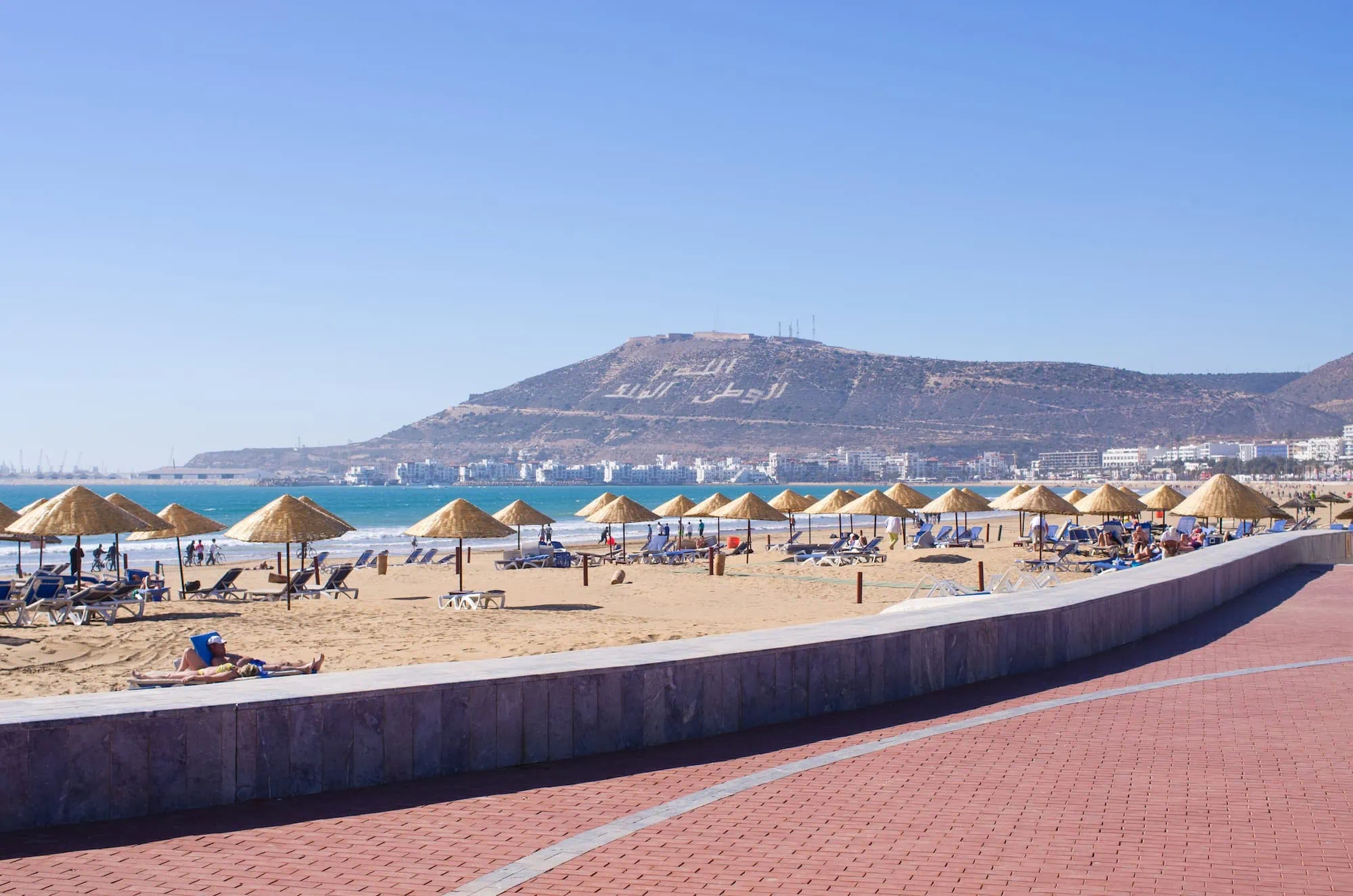
Marina Agadir houses luxury yachts, waterfront restaurants, and evening entertainment venues. The promenade connects beach areas with the city center through wide pedestrian paths lined with palm trees and modern sculptures.
Surfing conditions work best during autumn and winter when Atlantic swells create consistent waves. Beginners find gentle breaks near the main beach areas, while experienced surfers head north to Taghazout spots renowned throughout North Africa’s surfing community.
Day Trips from Agadir
Taghazout Surfing Village
This laid-back fishing village transformed into Morocco’s surfing capital while maintaining authentic coastal charm. The drive from Agadir takes 30 minutes along scenic coastal roads dotted with argan trees.
Anchor Point, Devils Rock, and Killer Point offer world-class waves that attract international surfers. Local surf schools provide instruction for beginners, with equipment rental and multi-day packages available.
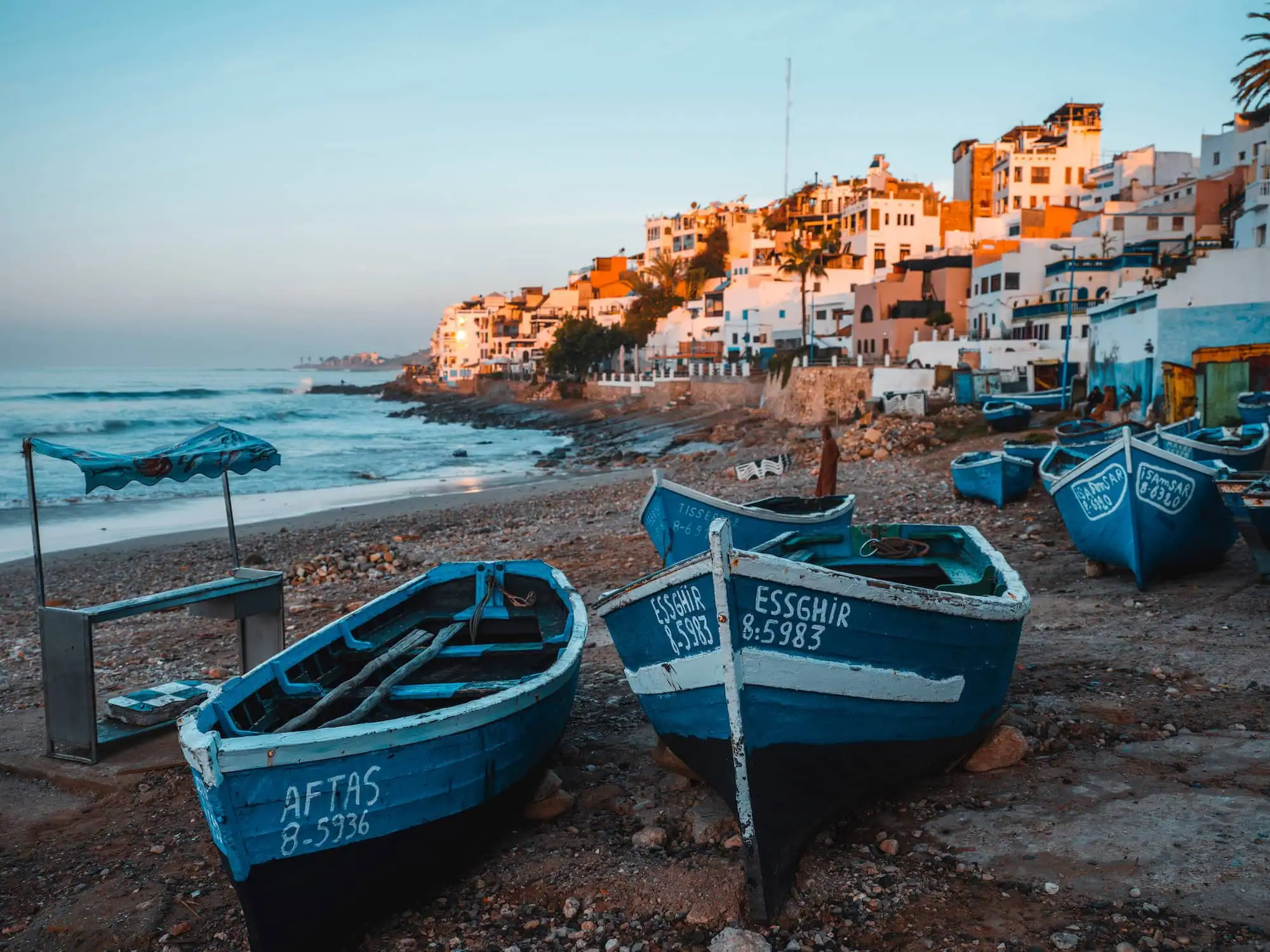
Taghazout’s main street features surf shops, healthy cafes, and guesthouses that cater to wave-riding enthusiasts. Fresh seafood restaurants serve daily catches, often grilled simply with local herbs and spices.
Essaouira’s Portuguese Heritage
This UNESCO World Heritage coastal city lies 170 kilometers (105 miles) north of Agadir. The journey takes approximately 3 hours through diverse landscapes including argan forests, coastal plains, and historical sites.
Essaouira’s Portuguese-influenced architecture creates a dramatically different atmosphere from Agadir. Rampart walls, narrow medina streets, and artisan workshops showcase centuries of cultural fusion between African and European influences.
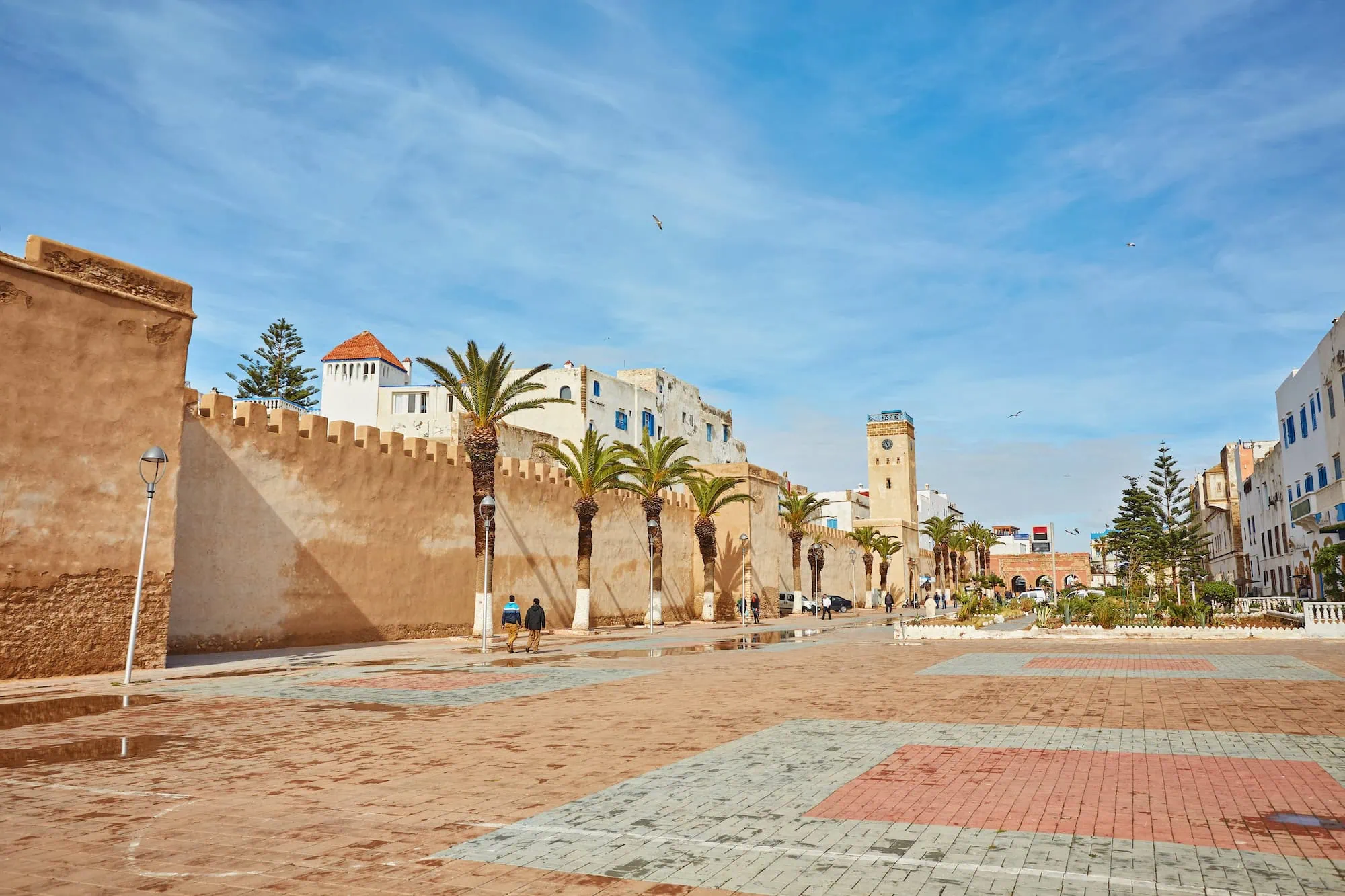
The city’s music scene centers around Gnawa traditions, with regular festivals and street performances. Woodworking cooperatives produce marquetry items using thuya wood that grows exclusively in this coastal region.
Atlas Mountains Berber Villages
Traditional mountain communities maintain lifestyles largely unchanged for generations. These villages offer authentic glimpses into Berber culture, from architectural techniques using local stone to agricultural practices adapted to mountain environments.
Organized village visits typically include traditional meals prepared by local families, demonstrations of carpet weaving or argan oil production, and short hikes through terraced fields or olive groves.
Respectful tourism supports community development while preserving cultural authenticity. Our experienced guides facilitate meaningful exchanges that benefit both visitors and village residents.
Adventure Activities and Outdoor Experiences
Quad biking adventures explore diverse terrains from coastal dunes to mountain foothills. Half-day excursions typically cover 40-60 kilometers (25-37 miles) with stops for refreshments and photography. Safety equipment and pre-ride instruction ensure enjoyable experiences for various skill levels.
Sandboarding on nearby dunes provides thrills similar to snowboarding but on golden sand slopes. Equipment rental includes boards and safety gear, with instruction available for beginners.
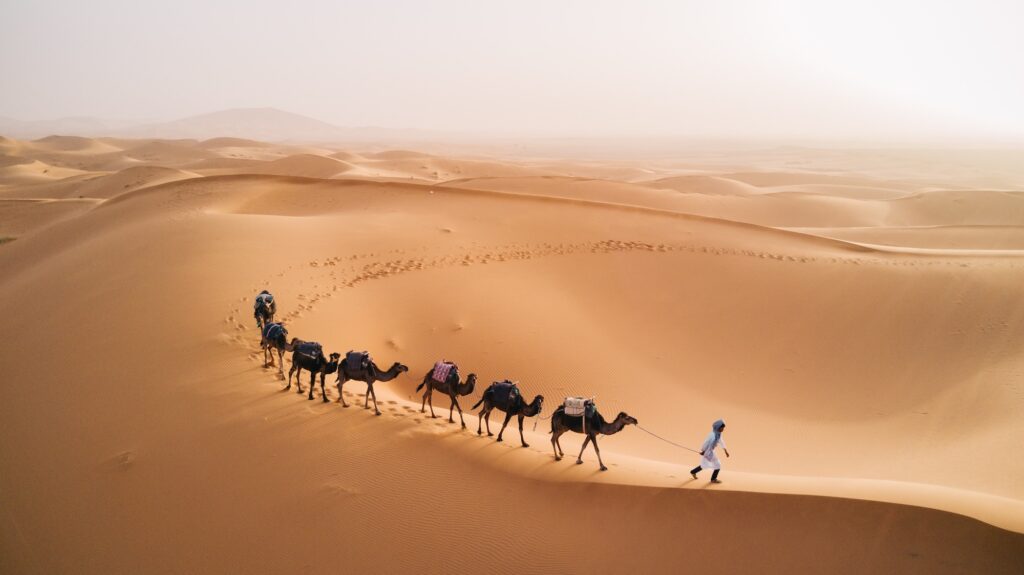
Camel trekking offers peaceful desert experiences, typically lasting 2-4 hours depending on chosen routes. These gentle animals provide stable, comfortable transportation while guides share knowledge about desert ecology and traditional nomadic lifestyles.
Rock climbing enthusiasts find excellent routes in Paradise Valley and surrounding Atlas foothills. Both traditional and sport climbing options exist, with local guides available for route planning and safety support.
Traditional Hammam and Wellness Experiences
Authentic hammam treatments provide relaxation and cultural immersion through centuries-old bathing rituals. Traditional hammams use natural black soap, rhassoul clay, and exfoliating mitts to cleanse and rejuvenate skin.
The process typically begins in warm rooms that prepare the body for treatment. Steam rooms help open pores before attendants apply soap and begin vigorous scrubbing that removes dead skin cells. Cool rinses and relaxation periods complete the experience.
Modern spa facilities throughout Agadir offer hammam treatments combined with massages using argan oil or other local products. These hybrid experiences appeal to visitors seeking authentic wellness practices with contemporary comfort levels.
Hotel spas often feature traditional treatment rooms alongside modern facilities like saunas, pools, and fitness equipment. Prices vary significantly between basic local hammams and luxury resort facilities.
Culinary Scene and Local Flavors
Agadir’s fishing industry supplies restaurants with exceptional seafood prepared using traditional Moroccan spices and cooking methods. Grilled sardines, sea bream, and sole feature prominently on most menus, often accompanied by chermoula sauce made with coriander, parsley, and preserved lemons.
Tagine preparations showcase local ingredients like olives from nearby groves, vegetables from Souss Valley farms, and meats from Atlas Mountain herders. Slow-cooking methods develop complex flavors while maintaining ingredients’ nutritional value.
Street food vendors offer affordable, authentic tastes. Msemen (flaky pancakes), chebakia (sesame cookies), and fresh orange juice provide quick energy during market explorations or beach activities.
Argan oil features in both savory and sweet preparations. Its nutty flavor enhances salads, couscous dishes, and traditional amlou spread made with almonds and honey.
International dining options reflect Agadir’s cosmopolitan character, with French, Italian, and fusion restaurants serving visitors seeking familiar flavors alongside Moroccan specialties.
Frequently Asked Questions
October through April offers ideal weather with temperatures averaging 20-25°C and minimal rainfall.
Paradise Valley sits 60 kilometers northeast of Agadir, requiring about 1 hour by car.
US citizens can visit Morocco visa-free for up to 90 days with similar arrangements for Europeans.
Bottled water is recommended for drinking though tap water is safe for teeth brushing.
Moroccan Dirham (MAD) is official currency with euros and US dollars accepted at tourist establishments.
Major credit cards work at hotels, restaurants, and larger shops with cash preferred for markets.
Traditional local hammams cost 50-100 MAD while luxury spa hammams range from 300-800 MAD.
Arabic and Berber are official languages with French widely spoken and English common in tourist areas.
Agadir-Al Massira Airport receives direct flights from major European cities and connecting flights from North America.
Tipping 10-15% is customary at restaurants with small tips appreciated for guides and service staff.
Yes, Agadir offers family-friendly beaches, safe swimming conditions, and numerous activities suitable for various ages.
Lightweight, breathable clothing, strong sunscreen, comfortable walking shoes, and modest attire for cultural sites are essential.
Design Your Custom Tour
Explore Egypt & Morocco your way by selecting only the attractions you want to visit