

Things to Do in Marrakech – An Imperial City Like No Other
Marrakech transforms every traveler into an explorer.
The imperial city pulses with energy that captures first-time visitors and seasoned travelers alike. Ancient medina walls contain centuries of stories, while modern riads offer luxurious retreats from the bustling souks. From sunrise hot air balloon rides over the Atlas Mountains to candlelit dinners in traditional courtyards, Marrakech delivers experiences that linger in memory long after you return home. We’ve crafted this guide to help you navigate the city’s most compelling attractions, hidden corners, and authentic moments.
Your journey through the Red City begins with understanding its rhythm – early morning calls to prayer, afternoon tea ceremonies, and evening gatherings in Jemaa el-Fnaa square where storytellers weave tales under starlit skies.
Historic Palaces and Architectural Marvels
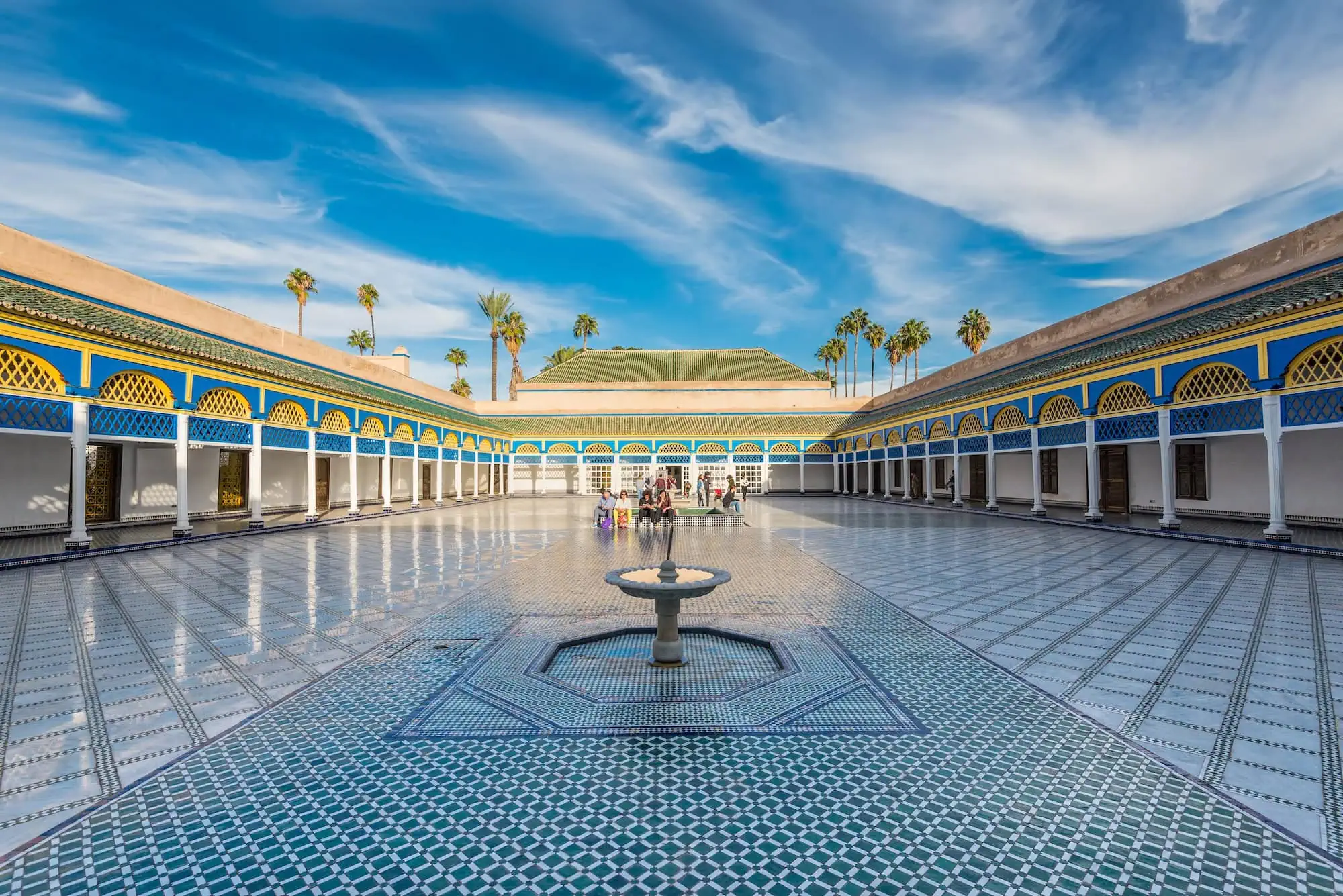
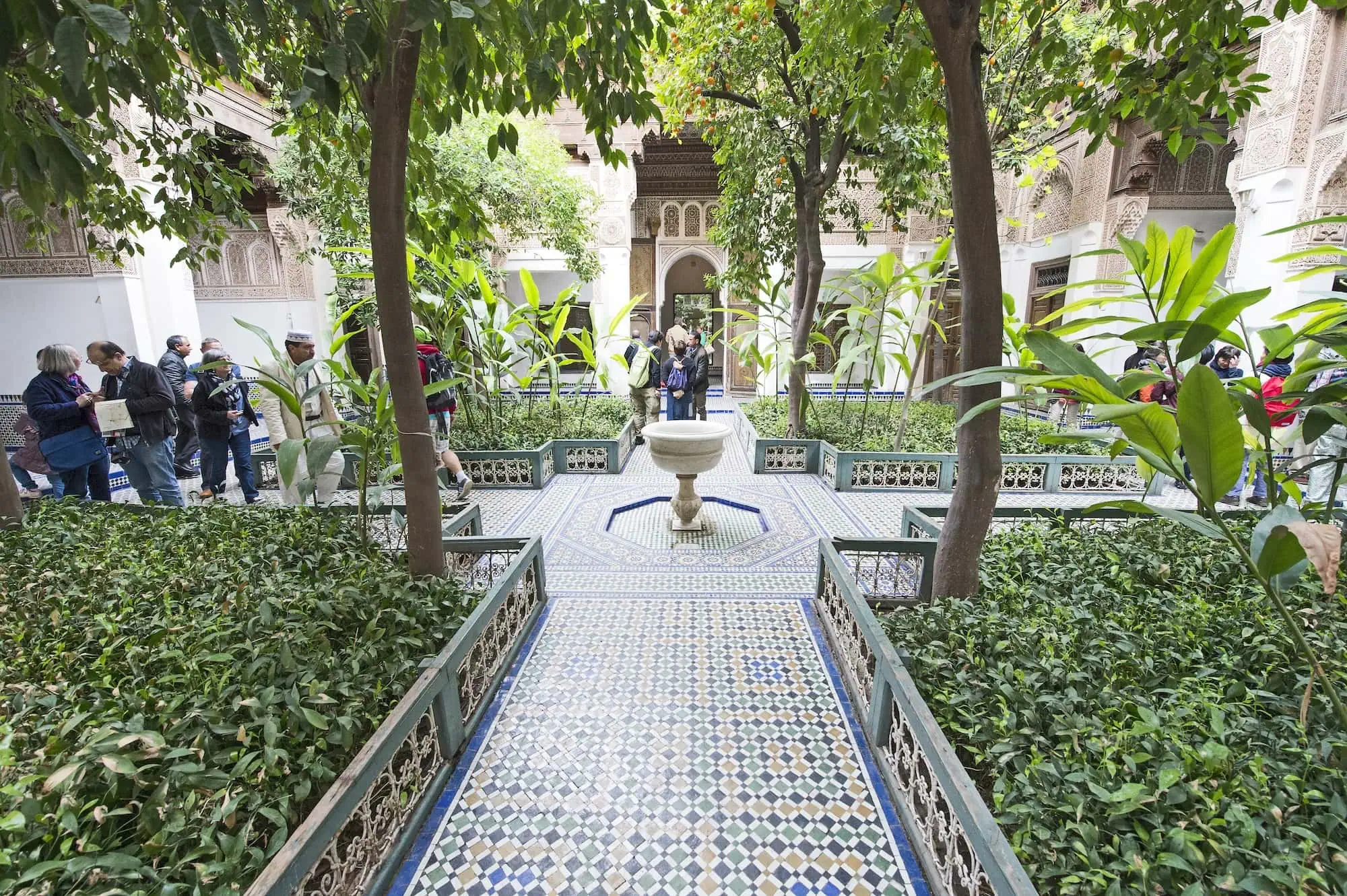
Step inside Bahia Palace and discover what 19th-century Moroccan luxury looked like. The palace’s intricate zellige tilework covers every surface in geometric patterns that shift color with the changing light. Rooms flow seamlessly from one to another, each decorated with carved cedar ceilings and marble fountains. Your visit reveals the craftsmanship of Moroccan artisans who spent decades perfecting these details.
Bahia Palace: A Living Museum
The palace spans over 8 hectares (20 acres) with 150 rooms, though only a portion remains open to visitors. Each chamber tells stories of the grand vizier Ba Ahmed’s family life and his four wives. Gardens filled with orange trees and jasmine create peaceful spaces between ornate reception halls.
Saadian Tombs: Royal Cemetery Rediscovered
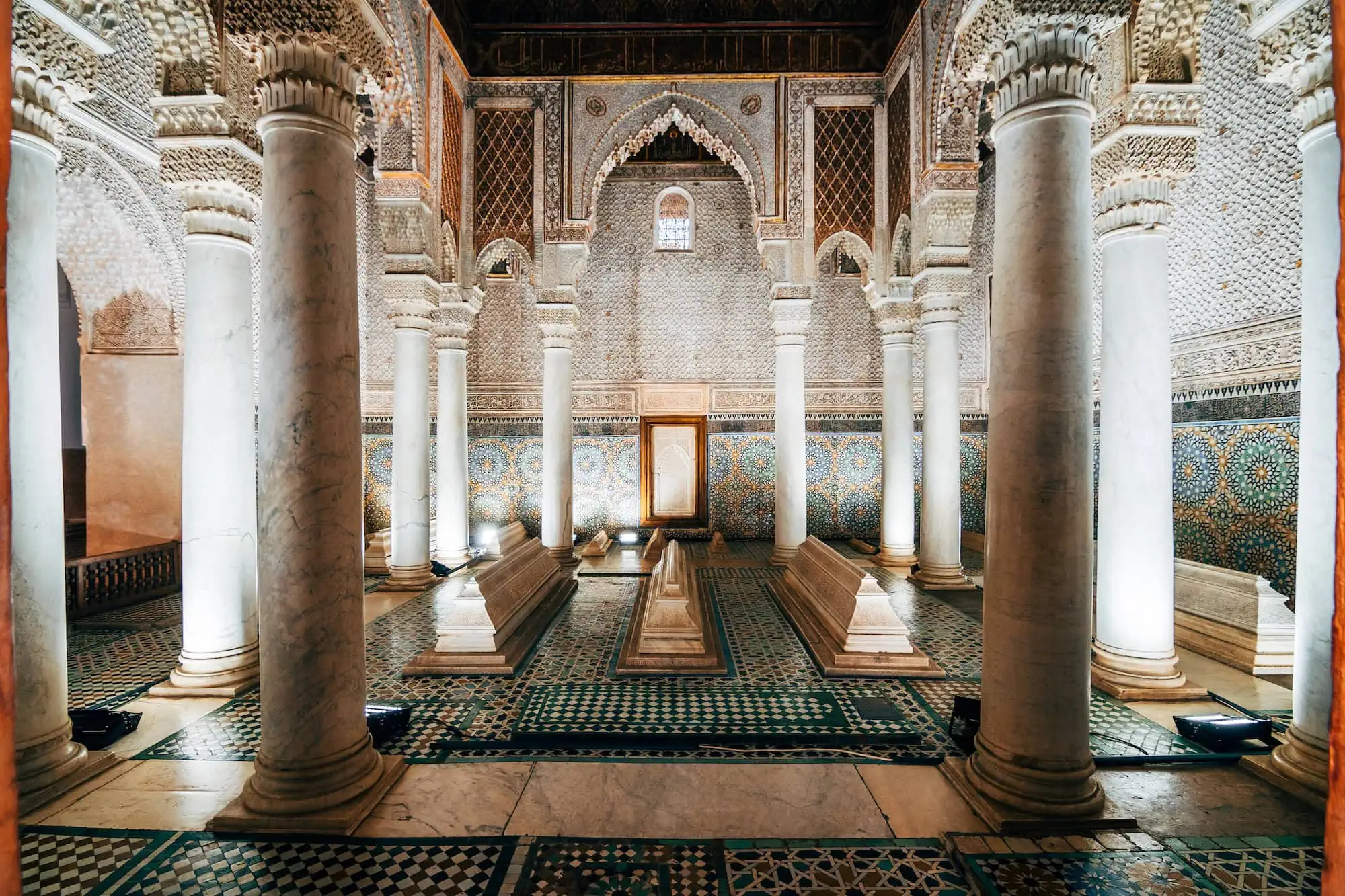
Hidden for centuries behind a wall, these tombs house members of the Saadian dynasty from the 16th and 17th centuries. The mausoleum’s marble columns and intricate stucco work rival any palace interior. Ahmed al-Mansur’s tomb features the finest craftsmanship, with Italian Carrara marble and columns of precious stone.
El Badi Palace: Ruins That Speak
Once called “The Wonder of the World,” this palace now stands in magnificent ruin. What remains – towering walls, underground passages, and a massive central courtyard – hints at its former grandeur. Climb to the ramparts for panoramic views over the medina and Atlas Mountains beyond.
Navigating Marrakech’s Legendary Souks
The medina’s souks create a labyrinth where getting lost becomes part of the adventure.
Metalworkers hammer intricate patterns into brass lanterns while the sound echoes through narrow alleyways. Spice vendors arrange pyramids of saffron, cumin, and ras el hanout in wooden bowls. Leather craftsmen shape bags and slippers using techniques passed down through generations. Each souk specializes in different goods – textiles in one quarter, pottery in another, creating distinct neighborhoods within the larger marketplace.
Carpet sellers will invite you for mint tea while displaying their finest Berber rugs. These conversations often lead to fair prices and genuine cultural exchange. Quality leather goods cost significantly less here than in Western countries, but examine stitching and material carefully before purchasing.
Early morning visits between 9:00 am (09:00) and 11:00 am (11:00) offer cooler temperatures and fewer crowds. Vendors set up their displays with fresh energy, making this ideal timing for serious shopping. Afternoons bring intense heat and crowded passages that can overwhelm sensitive travelers.
Desert Adventures Beyond the City
Agafay Desert: Sahara Experience Nearby
Just 45 minutes from Marrakech, Agafay Desert provides stunning landscapes without the lengthy journey to Erg Chebbi. Rocky terrain and barren hills create dramatic backdrops for camel trekking and luxury camping. Sunset dinners under Berber tents offer authentic experiences with traditional music and dancing.
Sahara Desert Expeditions
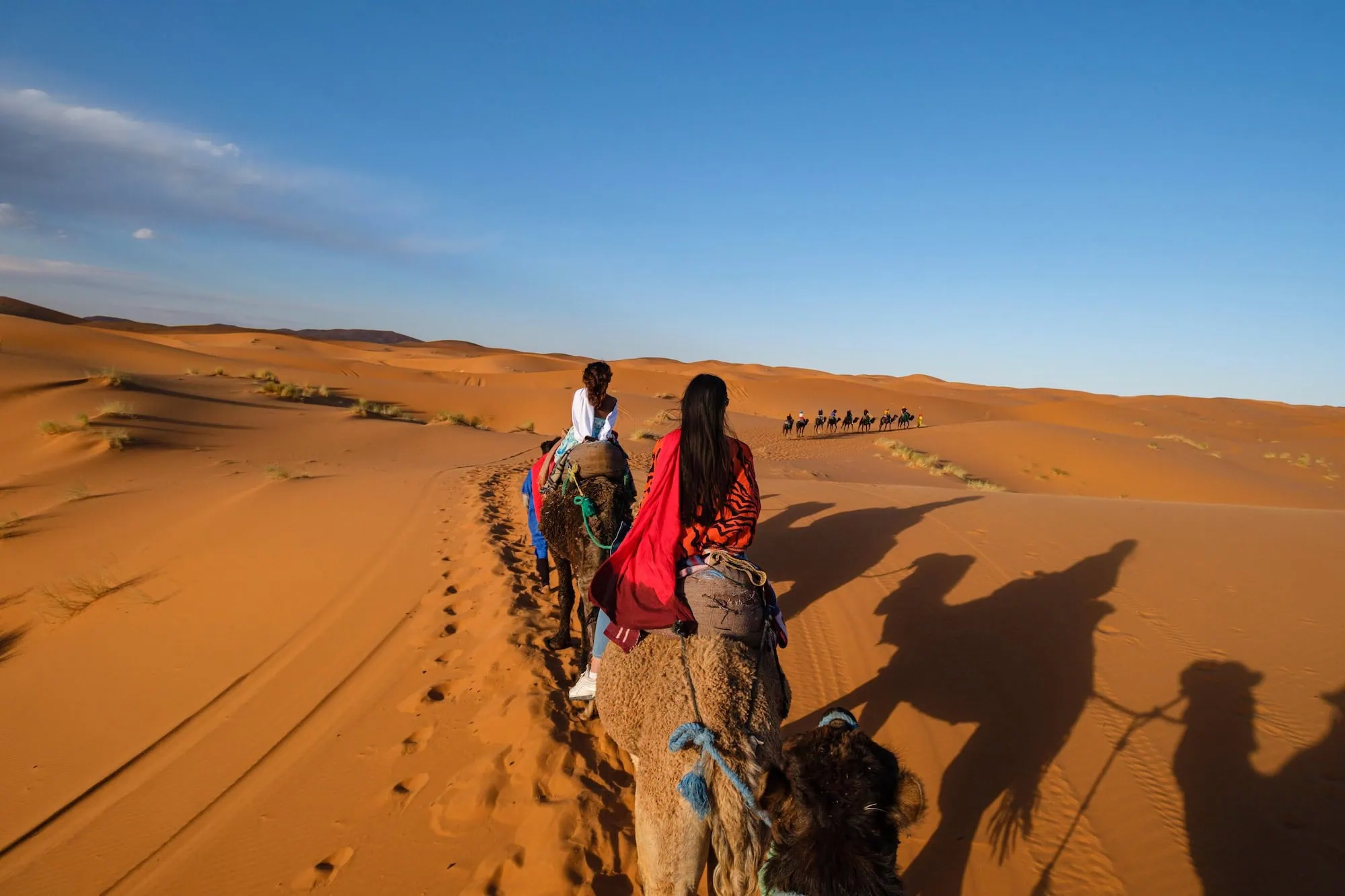
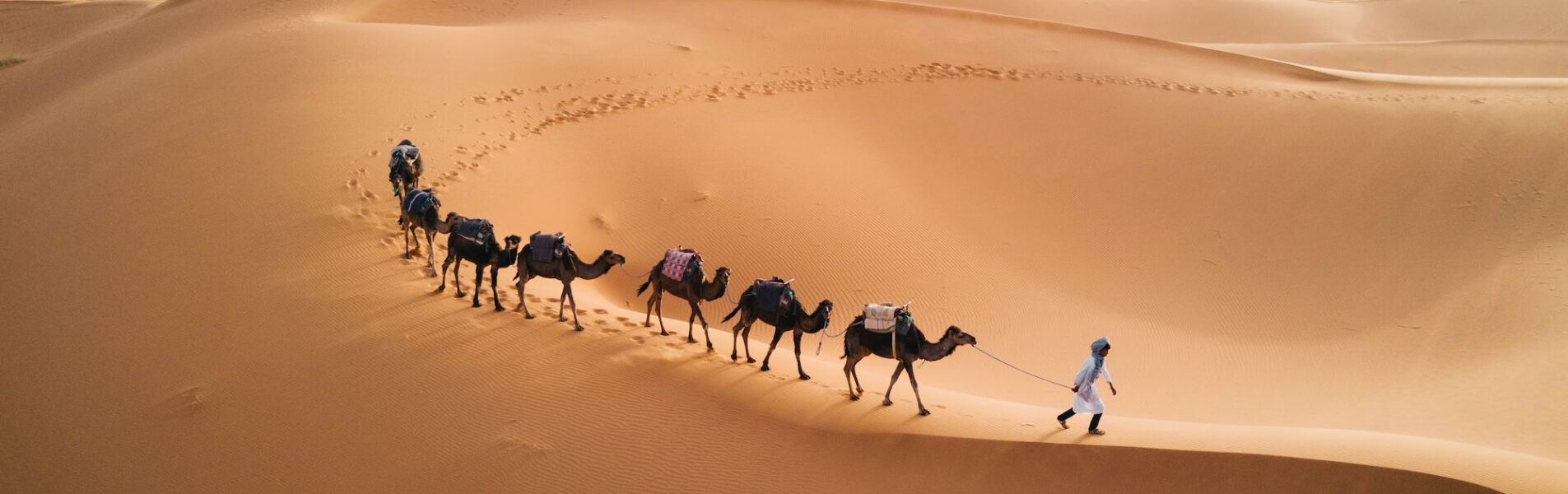
Three-day excursions to Merzouga reveal Morocco’s most famous sand dunes. The journey crosses the High Atlas Mountains through Ouarzazate and the Dades Valley. Camel caravans carry visitors into Erg Chebbi’s golden dunes where luxury desert camps provide comfortable accommodations under star-filled skies.
Culinary Discoveries and Local Flavors
Traditional tagines slow-cook for hours in conical clay pots, developing rich flavors impossible to replicate quickly. Beef tagine with prunes combines savory meat with sweet dried fruit and warming spices like cinnamon and ginger. Chicken tagine with preserved lemons and olives offers a more subtle flavor profile that highlights Morocco’s Mediterranean influences.
Street food vendors in Jemaa el-Fnaa prepare fresh meals throughout the day and evening. Grilled sardines, lamb kebabs, and snail soup attract adventurous eaters willing to try local specialties. Hygiene standards vary, so choose busy stalls with high turnover and visible food preparation.
Rooftop restaurants provide elevated dining experiences with medina views. Many traditional riads convert their terraces into restaurants serving modern interpretations of Moroccan cuisine. Reservations become essential during peak season from October through April.
Cooking Classes and Market Tours
Professional chefs lead small groups through morning market visits to select fresh ingredients. These experiences teach seasonal cooking principles and spice combinations that define Moroccan flavors. Hands-on preparation follows in traditional riads where participants create complete meals including appetizers, main courses, and desserts.
Traditional Tea Culture
Moroccan mint tea ceremony involves specific rituals that demonstrate hospitality and respect. Green tea combines with fresh mint leaves and generous amounts of sugar, served in small glasses from silver teapots. The pouring technique creates foam that indicates proper preparation. Refusing tea offers can appear rude, so participate graciously in this cultural exchange.
Accommodation: Authentic Riad Experiences
Traditional riads converted into boutique hotels offer intimate alternatives to large resort properties. These restored houses feature central courtyards, rooftop terraces, and rooms decorated with local handicrafts. Each riad maintains unique character through architectural details and personalized service that large hotels cannot replicate.
Budget riads provide basic accommodations with shared bathrooms and simple breakfast service. Mid-range properties include private bathrooms, air conditioning, and sometimes small pools. Luxury riads feature spa services, fine dining restaurants, and suites with private terraces.
Location within the medina affects both convenience and noise levels. Properties near Jemaa el-Fnaa offer easy access to major attractions but experience street noise throughout the night. Riads in quieter neighborhoods require longer walks to main sites but provide peaceful retreats from medina energy.
Transportation to riads requires advance planning since cars cannot access most medina locations. Properties arrange porter services to carry luggage through narrow alleys from the nearest vehicle access point.
Gardens and Peaceful Retreats
Majorelle Garden
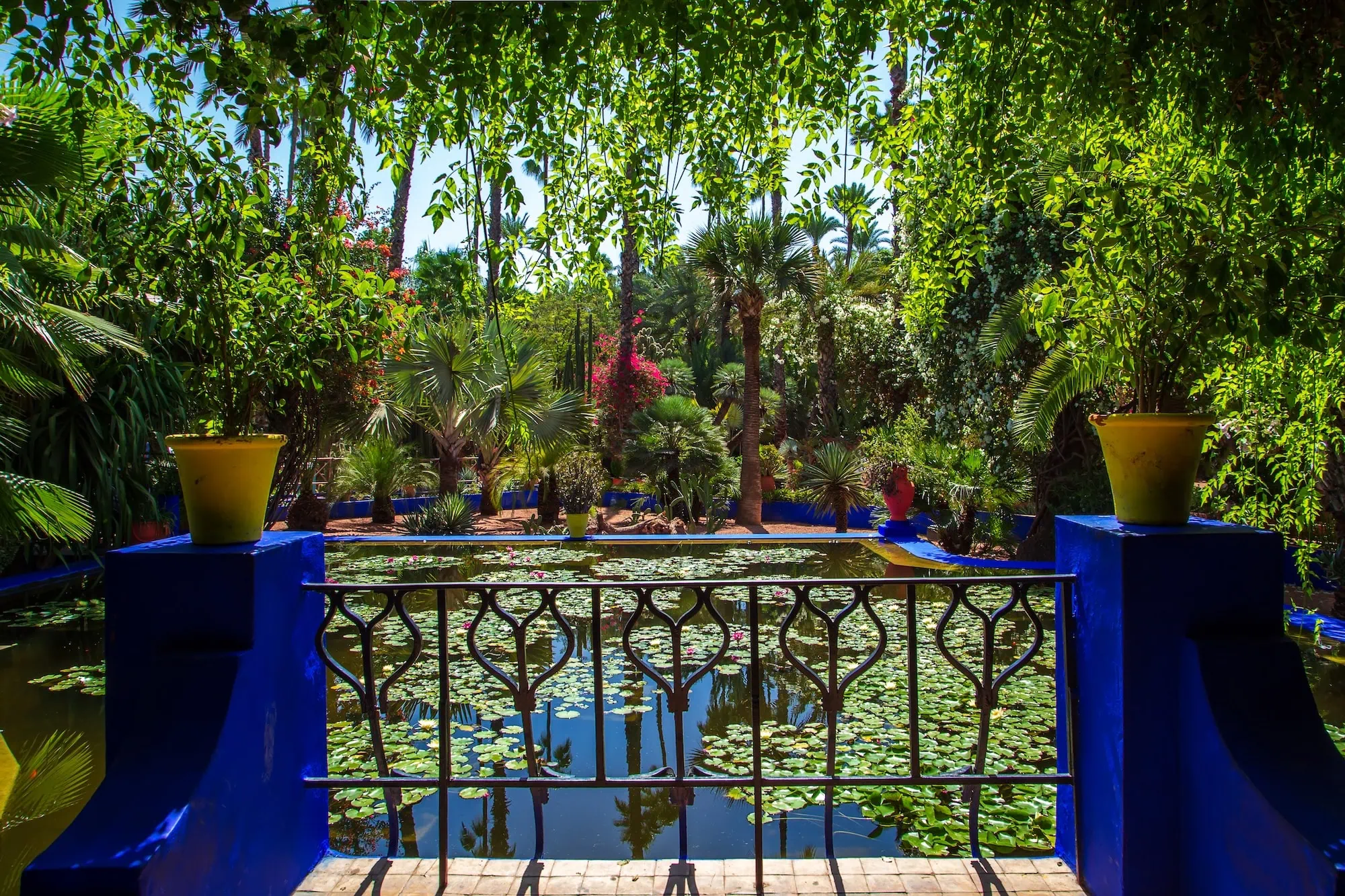
Jacques Majorelle created this botanical paradise in the 1920s and 1930s, later restored by Yves Saint Laurent. The garden’s signature cobalt blue buildings contrast with exotic plants from five continents. Bamboo groves, cactus collections, and water features create cooling microclimates perfect for afternoon retreats from medina heat.
The on-site Berber Museum displays traditional artifacts and textiles that provide cultural context for garden visits. Photography enthusiasts find endless compositions among the colorful buildings and dramatic plant silhouettes.
Secret Garden
Hidden within the medina’s bustling streets, this recently restored garden demonstrates traditional Islamic garden principles. Geometric water channels divide planting areas into structured sections representing paradise. Orange and olive trees provide shade over herb gardens and flower beds that change seasonally.
Religious and Cultural Sites
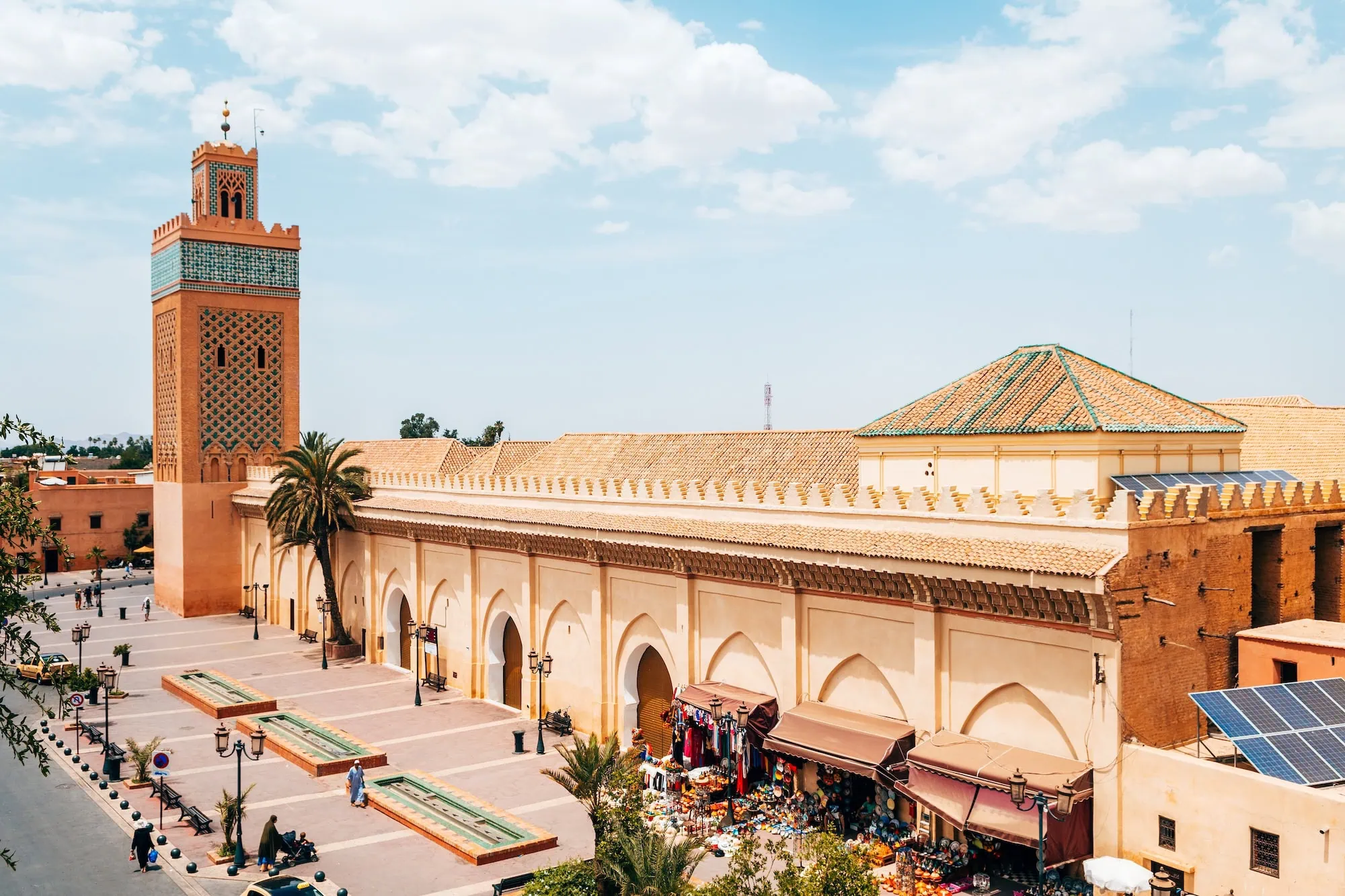
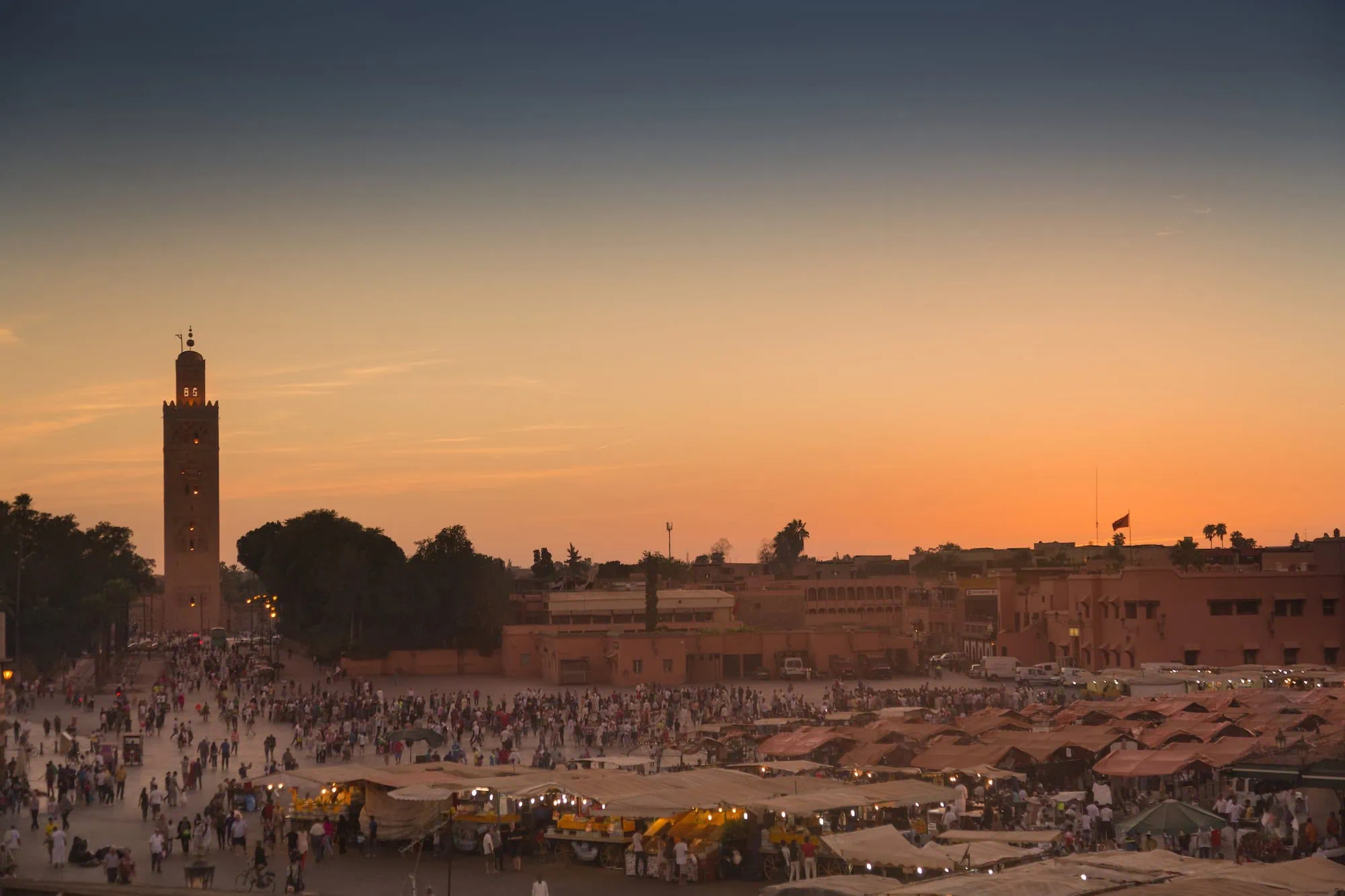
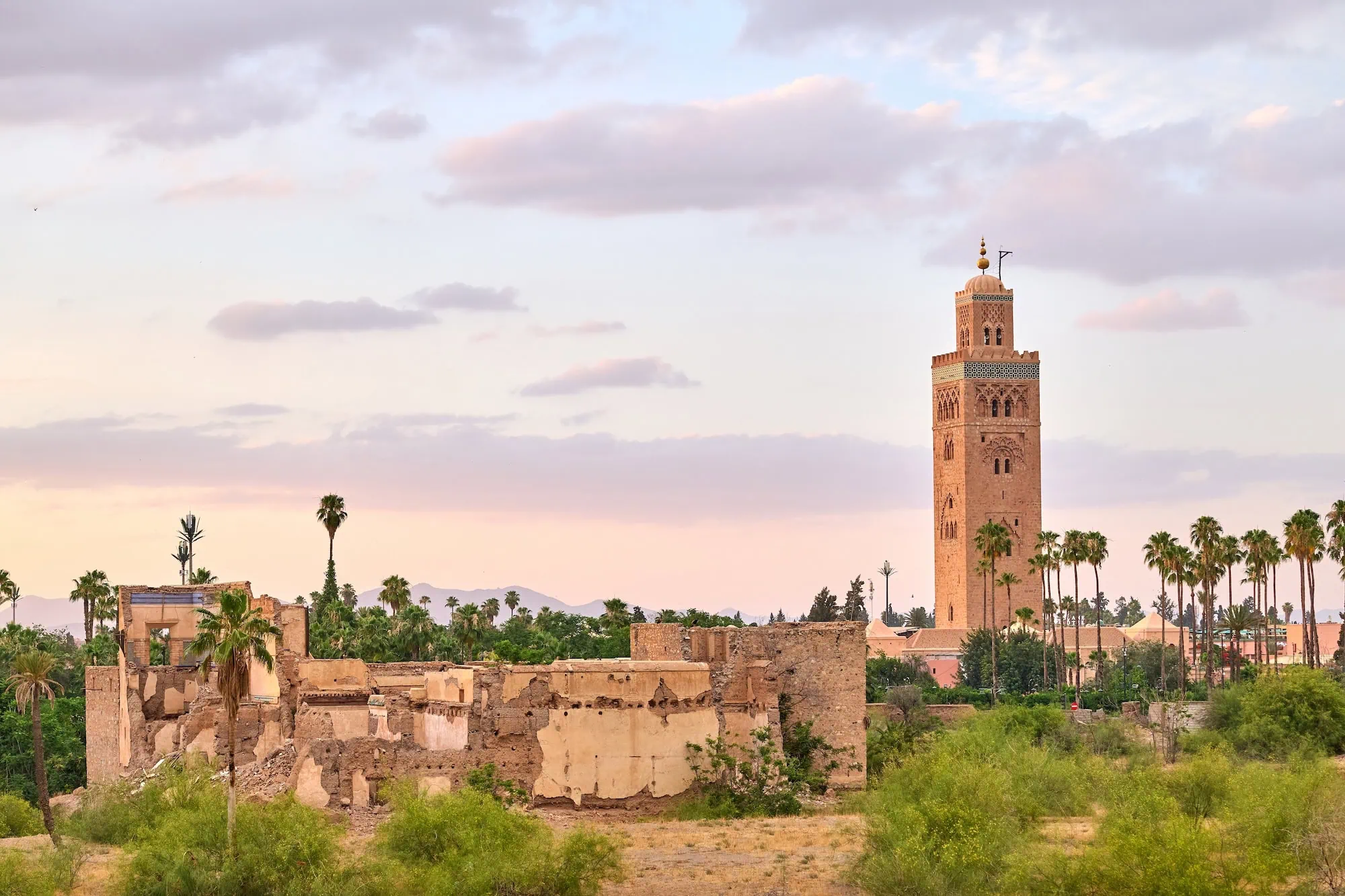
Koutoubia Mosque dominates Marrakech’s skyline with its 77-meter (253-foot) minaret visible from throughout the city. Non-Muslims cannot enter the mosque interior, but the surrounding gardens and exterior architecture reward careful observation. Five daily prayer calls echo from this minaret across the medina.
Medersa Ben Youssef once housed over 900 students studying Islamic theology and law. The building’s restoration reveals stunning craftsmanship in carved plaster, cedar wood, and marble columns. Student dormitory cells surrounding the central courtyard illustrate educational life from centuries past.
Transportation and Getting Around
Petit taxis handle short trips within Marrakech using meters that drivers should activate without request. Grand taxis provide service to nearby destinations like Ourika Valley or Essaouira using fixed rates negotiated before departure.
Horse-drawn carriages called caleches offer romantic transportation around major sites, though animal welfare concerns may influence sensitive travelers’ decisions. Modern alternatives include bicycle rentals and walking tours that provide exercise while exploring medina neighborhoods.
Airport transfers typically cost 70-100 MAD (7-10 USD) by petit taxi or 200-250 MAD (20-25 USD) by private transfer service. Official airport taxis use fixed rates displayed at taxi stands, eliminating negotiation requirements.
Frequently Asked Questions
October through April offers comfortable temperatures between 20-25°C with minimal rainfall.
Three to four days allow sufficient time for major attractions and desert excursions.
Yes, though persistent vendors require firm but polite responses for comfortable exploration.
Modest clothing covering shoulders and knees shows cultural respect in this Muslim country.
Budget travelers need 300-500 MAD daily while luxury experiences cost 1,500-3,000 MAD.
Licensed restaurants and hotels serve alcohol though public consumption remains illegal.
English works in tourist areas though basic French phrases help with negotiations.
Both spellings refer to the same city with Marrakech being the French spelling.
Download offline maps and take photos of recognizable landmarks for easier navigation.
Major hotels accept cards but cash remains essential for souk shopping and taxis.
No special vaccinations required though routine vaccines should be current and hepatitis A recommended.
Pre-arranged transfers work best since riads require coordination with porter services for luggage.
Design Your Custom Tour
Explore Egypt & Morocco your way by selecting only the attractions you want to visit