Why Visit Egypt? Discover What Egypt has to Offer
Egypt calls to travelers like few destinations can.
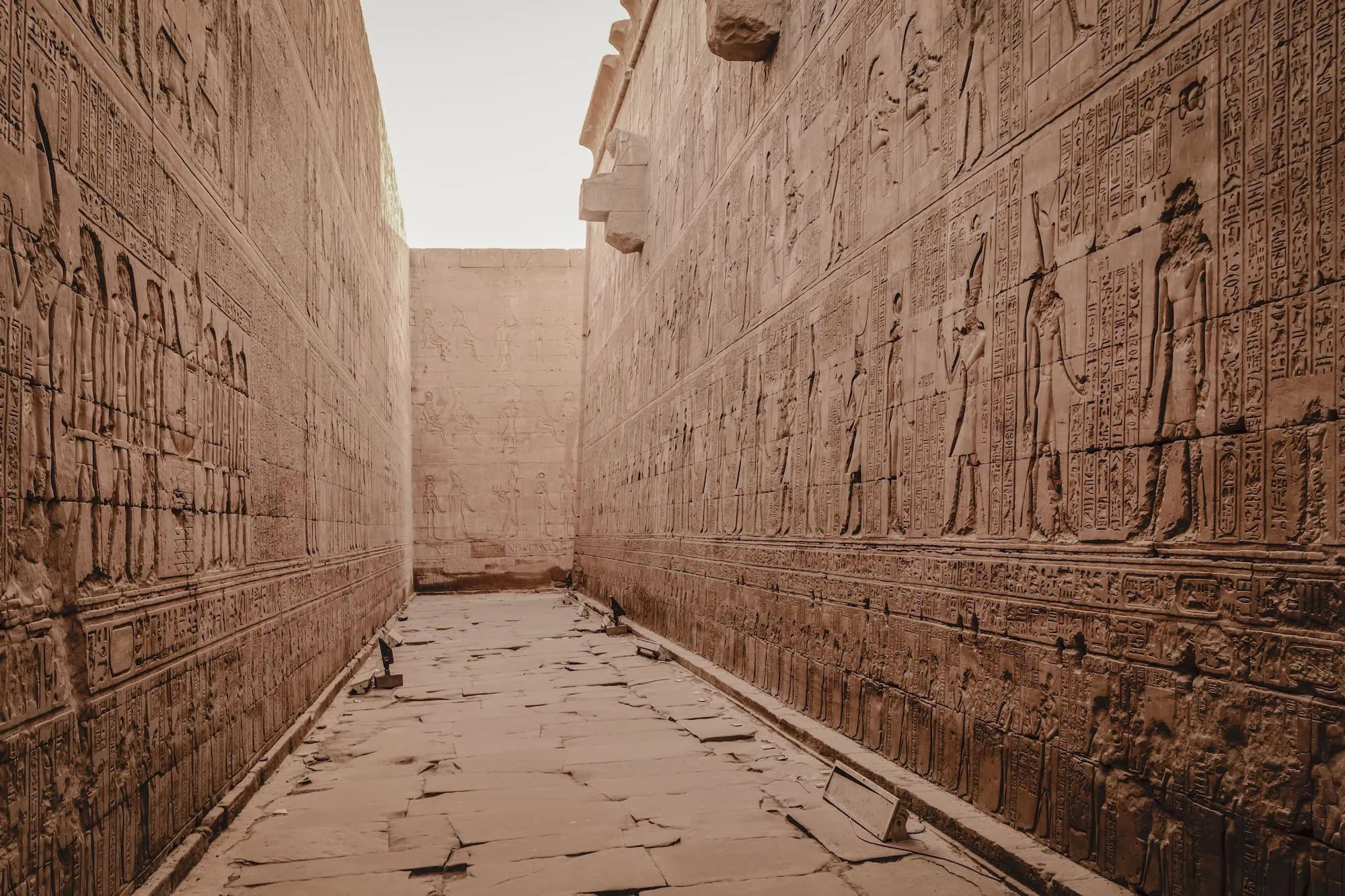
This remarkable country bridges continents and centuries, where ancient pharaohs built monuments that still inspire awe today. From the iconic pyramids rising from desert sands to vibrant coral reefs beneath Red Sea waters, Egypt offers experiences that transform how you see the world. Whether you’re drawn by historical mysteries, cultural richness, or simply the warmth of Egyptian hospitality, this land delivers moments you’ll treasure forever.
Planning your Egyptian adventure means choosing between countless incredible experiences, and we’re here to help you discover what makes this destination truly special.
Table of Contents
Ancient Monuments That Define Human Achievement
Egypt’s ancient sites represent humanity’s greatest architectural triumphs.
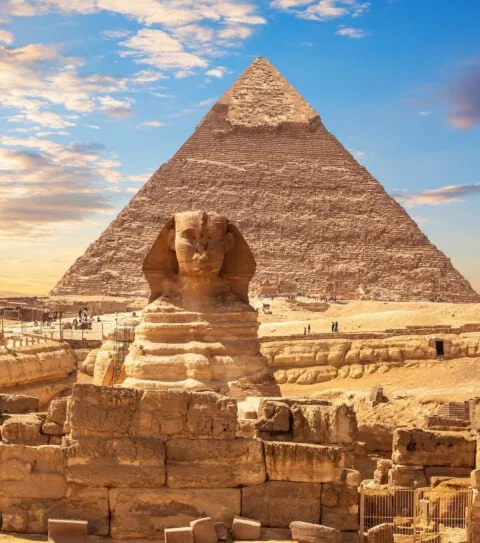
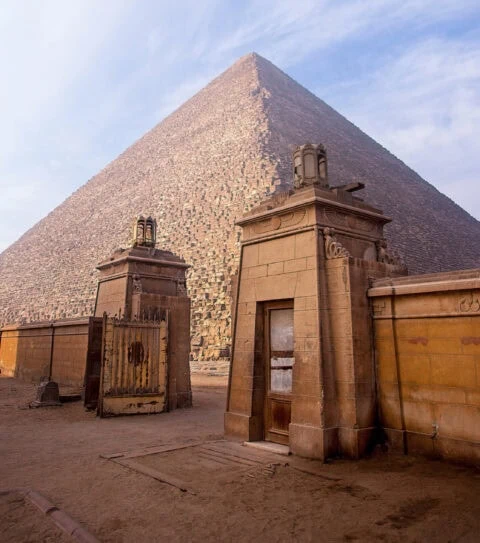
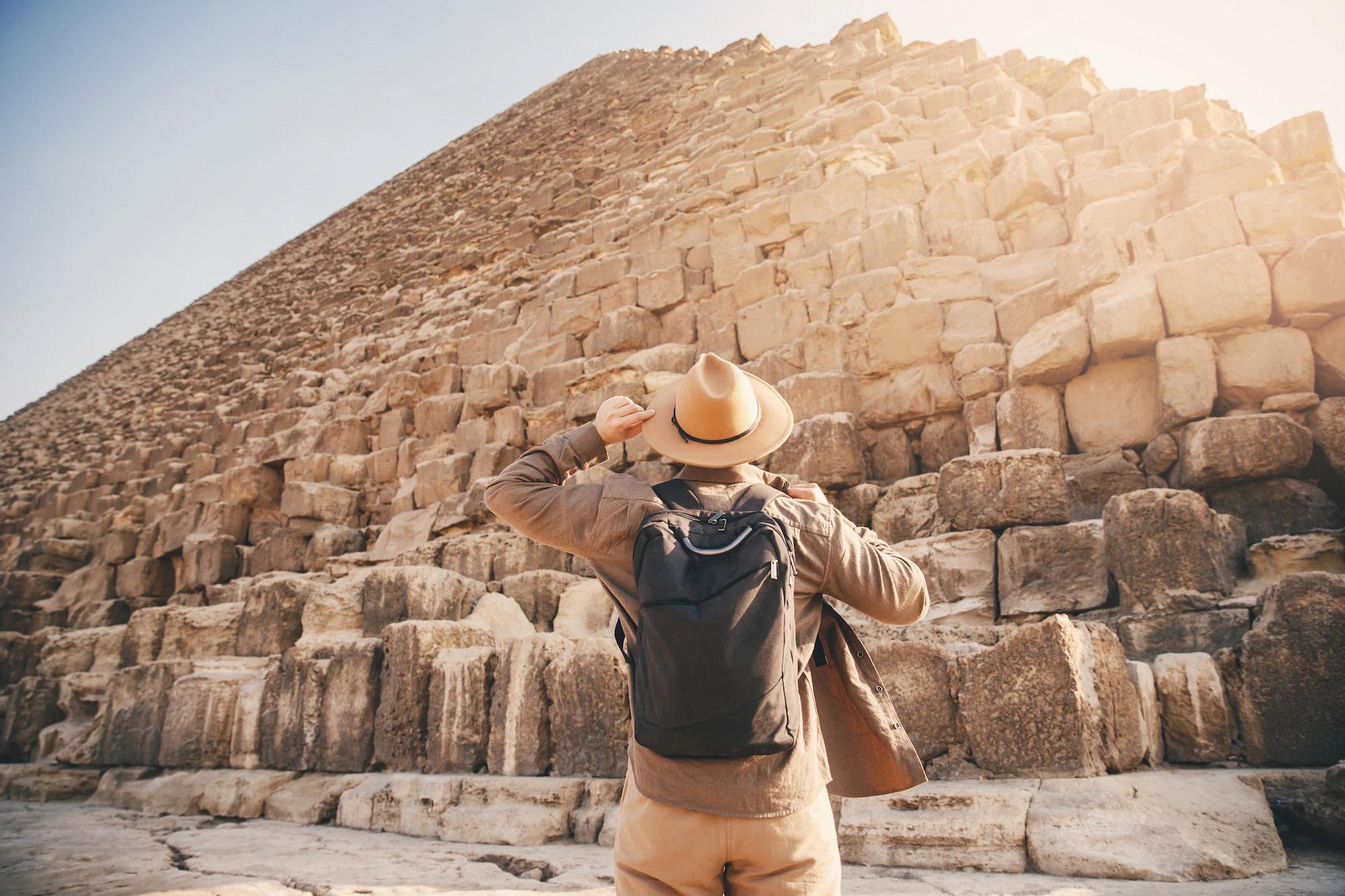
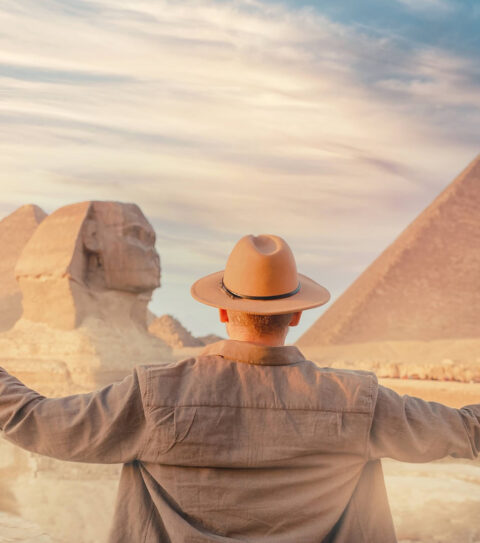
The Pyramids of Giza stand as the last surviving wonder of the ancient world, their massive limestone blocks perfectly aligned after 4,500 years. Walking among these monuments feels surreal – you’re witnessing engineering marvels that predate most civilizations. The Great Pyramid originally reached 146 meters (479 feet) high, constructed from over 2 million stone blocks.
The Sphinx Guards Eternal Mysteries
Carved from a single limestone outcrop, the Great Sphinx watches over Giza with timeless dignity. This colossal statue measures 73 meters (240 feet) long and 20 meters (66 feet) high, its human head representing divine kingship while its lion’s body symbolizes royal power. Standing before this ancient guardian connects you to mysteries that scholars still debate today.
Valley of the Kings Reveals Royal Secrets
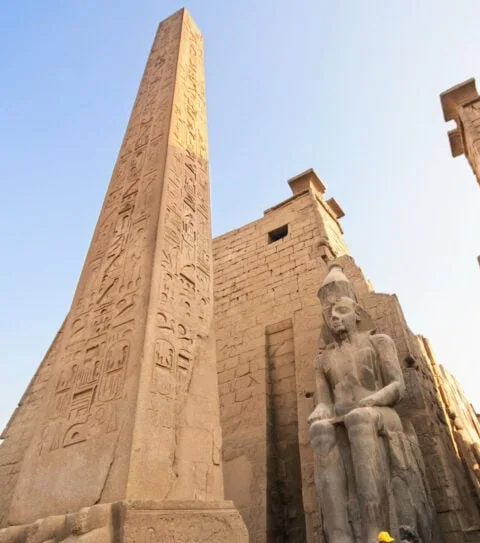
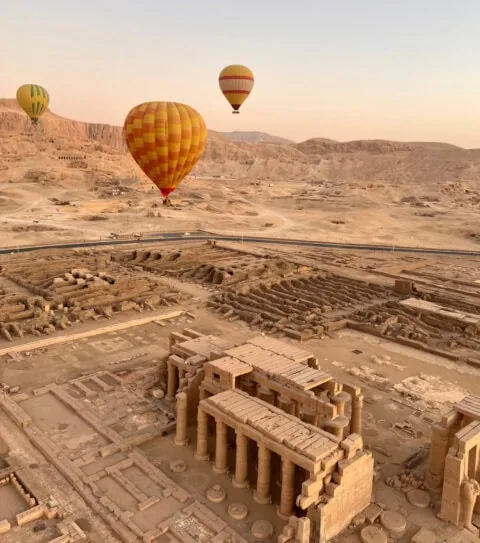
Luxor’s Valley of the Kings houses over 60 royal tombs cut deep into desert cliffs. Pharaohs chose this remote location for their eternal rest, believing the pyramid-shaped peak of al-Qurn would protect their mummified remains. Tutankhamun’s tomb, discovered nearly intact in 1922, showcases the incredible wealth and craftsmanship of ancient Egyptian burial practices.
Karnak Temple Complex Amazes at Every Turn
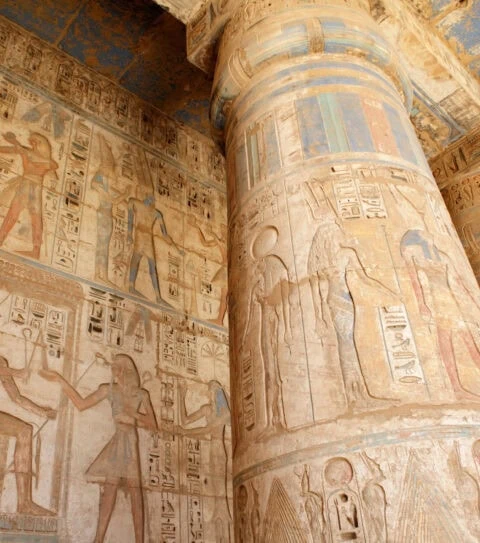
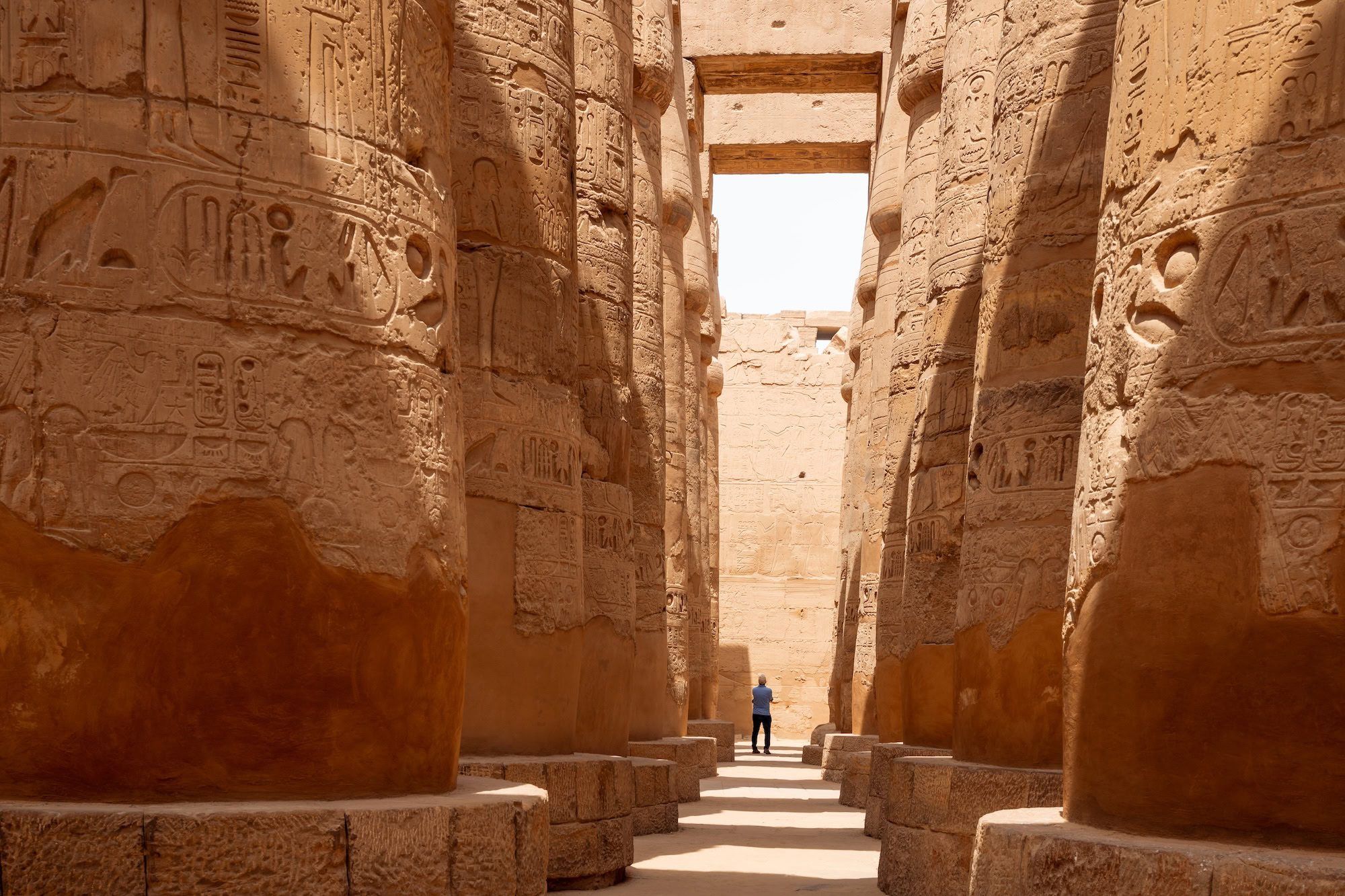
Covering over 100 hectares (247 acres), Karnak Temple represents 1,500 years of continuous construction by successive pharaohs. The Great Hypostyle Hall contains 134 massive columns, some reaching 23 meters (75 feet) high, creating a stone forest that filters sunlight into dramatic patterns. Each pillar could easily hold a modern apartment building.
Abu Simbel Temples Showcase Ramses II’s Power
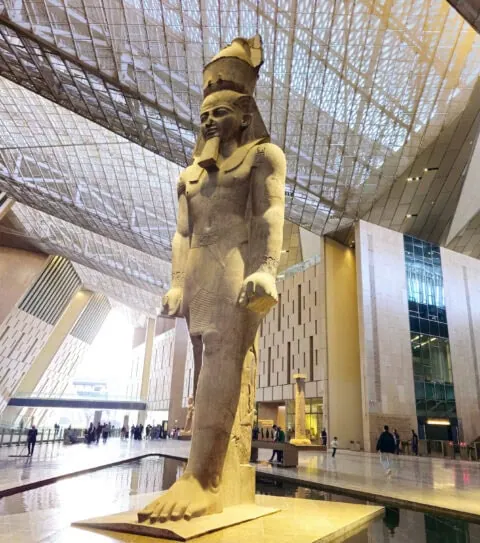
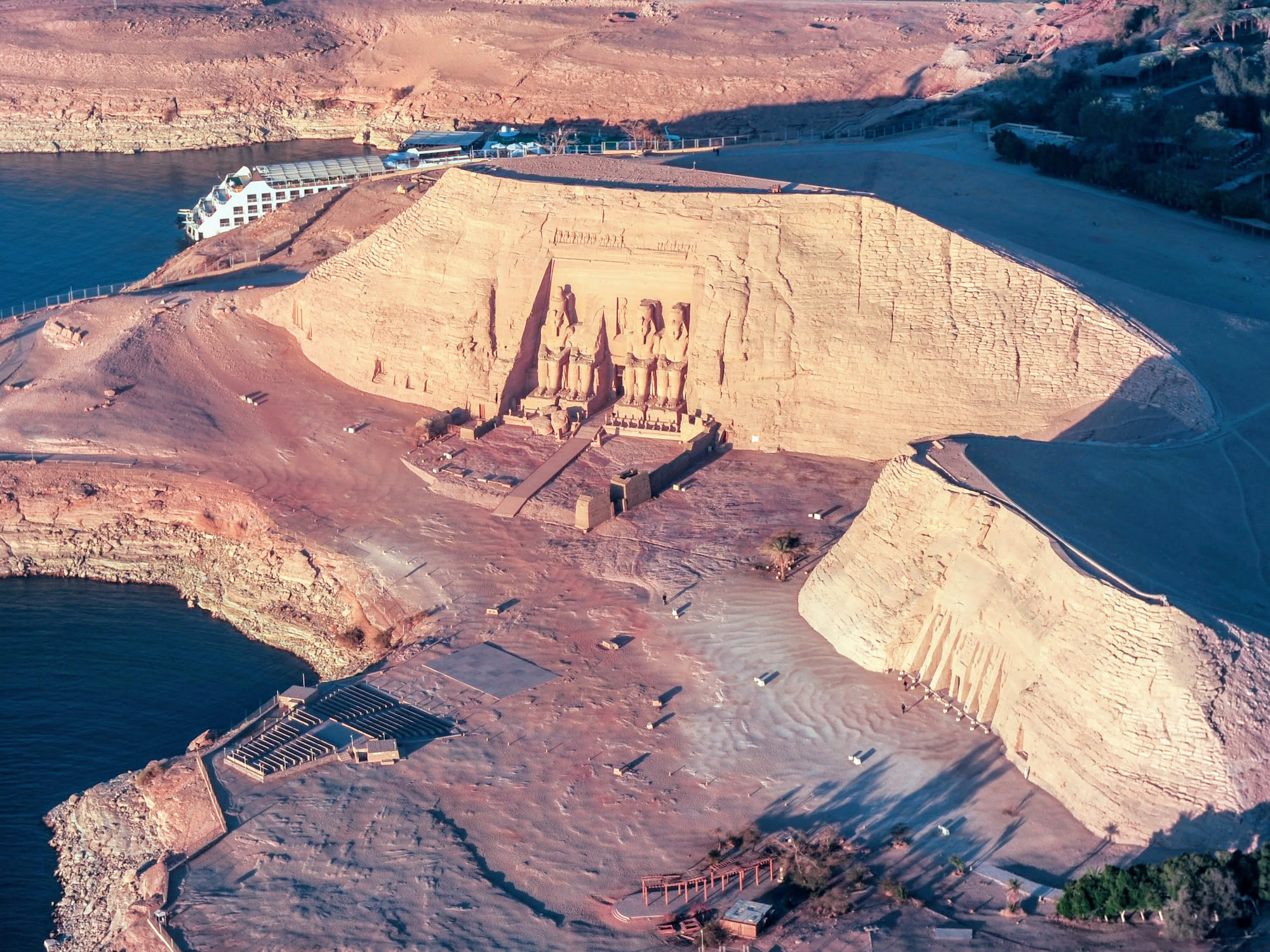
Carved directly into cliff faces beside Lake Nasser, Abu Simbel’s twin temples demonstrate ancient Egypt’s artistic mastery. The larger temple features four seated colossi of Ramses II, each standing 20 meters (66 feet) tall. UNESCO relocated these entire temples in the 1960s to save them from rising Nile waters, a modern engineering feat worthy of the pharaohs themselves.
Cultural Experiences That Touch Your Soul
Egyptian culture weaves together thousands of years of tradition with modern Middle Eastern warmth. Local markets burst with handcrafted treasures, aromatic spices, and genuine hospitality that makes every interaction memorable. Traditional crafts like papyrus making, perfume blending, and jewelry crafting continue exactly as they did centuries ago.
Street food reveals Egypt’s culinary soul through dishes like koshari – a hearty mixture of rice, lentils, pasta, and crispy onions topped with tangy tomato sauce. Freshly baked flatbread accompanies every meal, while strong tea and Turkish coffee fuel animated conversations that can last hours. Food here brings people together, whether you’re sharing a meal in a family home or joining locals at their favorite neighborhood spot.
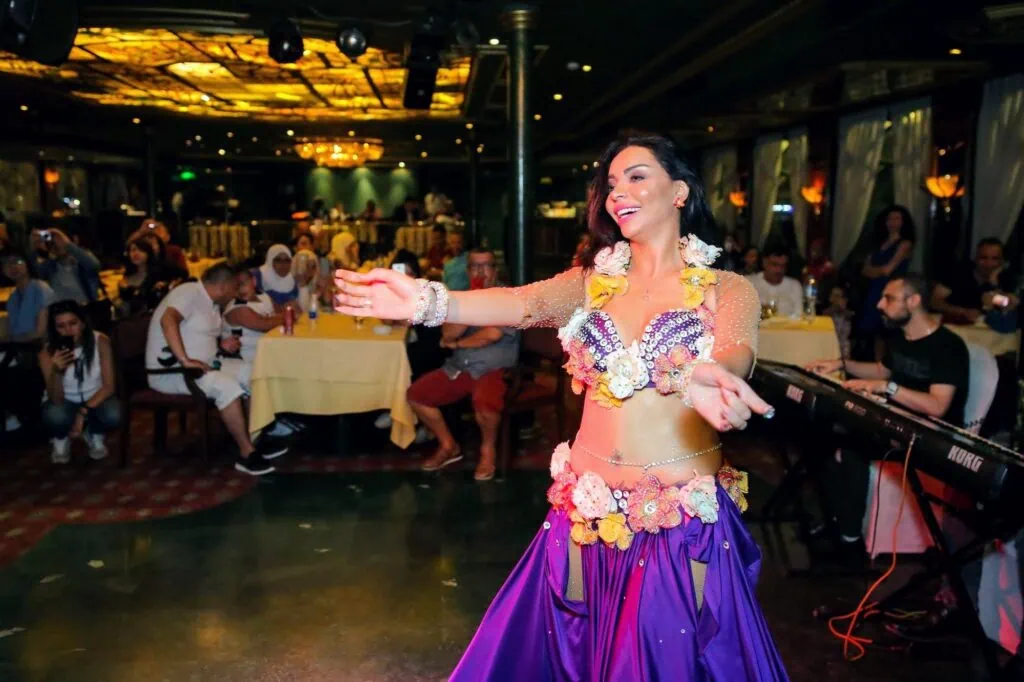
Music and dance performances showcase Egypt’s artistic heritage through traditional folk shows and classical belly dancing. These aren’t tourist productions but authentic cultural expressions that celebrate life’s joys and sorrows. Many hotels and cultural centers host evening performances where skilled musicians play ancient instruments like the oud and tabla while dancers tell stories through graceful movement.
Nile Felucca Sailing Connects You to Tradition
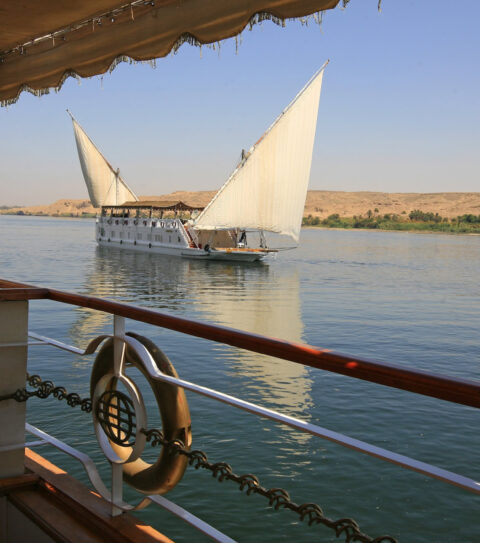
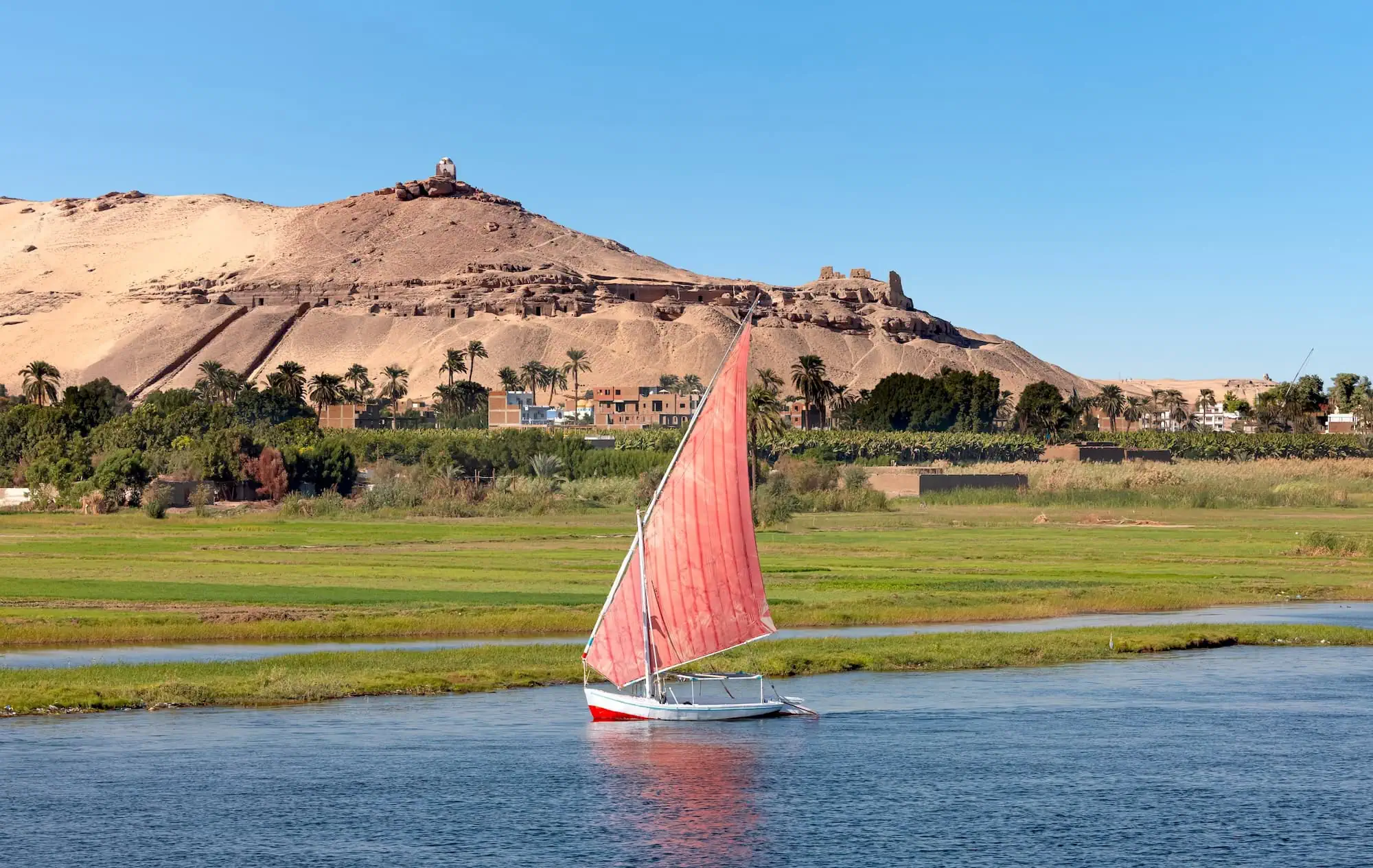
Traditional feluccas have sailed the Nile for over 4,000 years, their white triangular sails catching desert breezes exactly as depicted in ancient tomb paintings. These wooden boats offer peaceful journeys past farming villages, where life follows rhythms established by seasonal floods. Sunset felucca rides near Aswan provide magical moments as golden light reflects off calm waters while Nubian sailors share stories passed down through generations.
Red Sea Adventures for Every Traveler
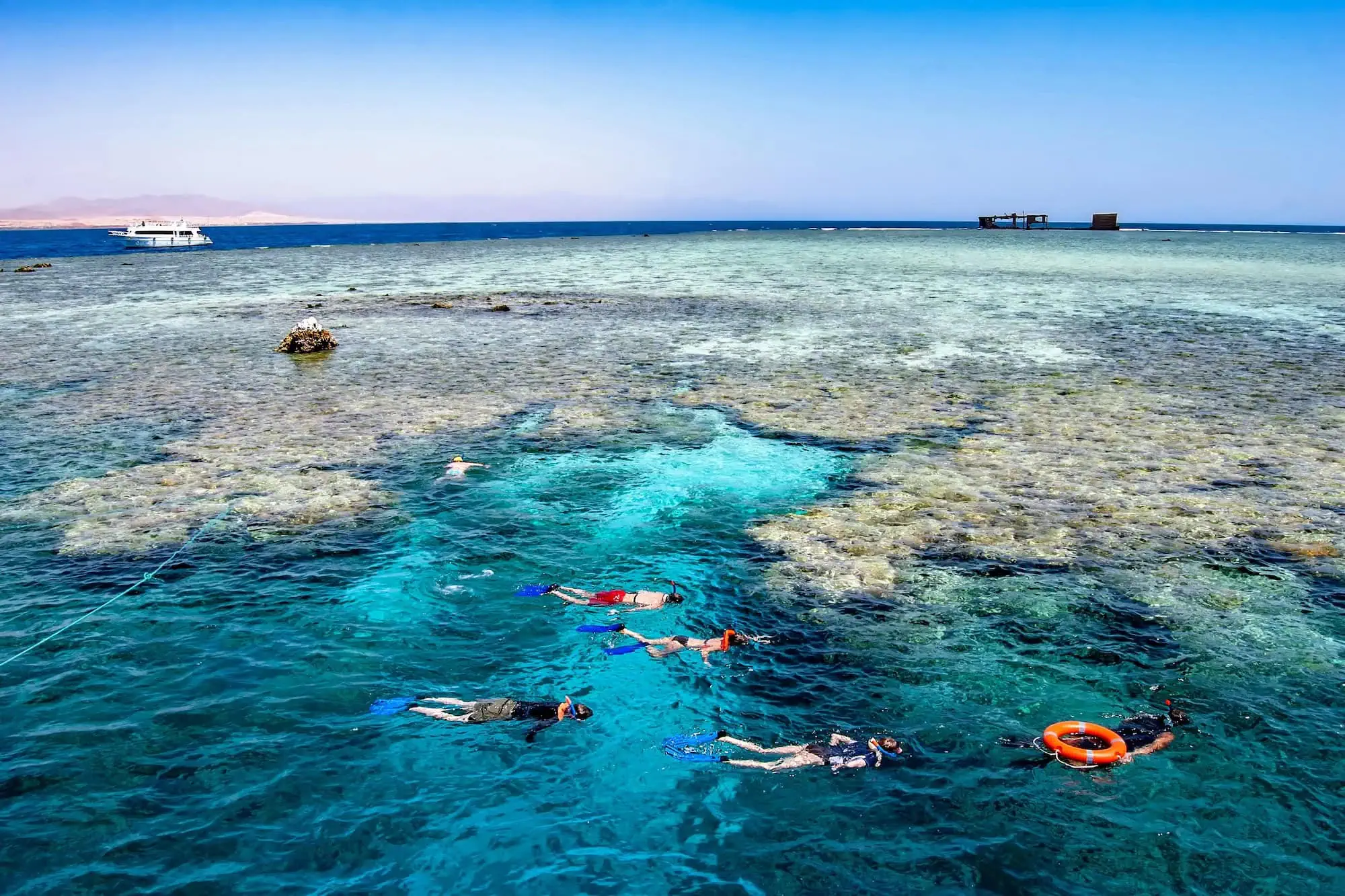
The Red Sea creates an underwater paradise that rivals any tropical destination. Crystal-clear waters maintain temperatures between 22-28°C (72-82°F) year-round, making diving and snorkeling comfortable in every season. Coral reefs here host over 1,200 fish species and 200 coral types, creating biodiversity hotspots that marine biologists consider among Earth’s richest.
Sharm El Sheikh and Hurghada serve as gateways to world-renowned diving sites like Ras Mohammed National Park and the Blue Hole. These locations offer everything from shallow coral gardens perfect for beginners to dramatic wall dives exceeding 100 meters (328 feet) deep. Professional dive centers provide training for all skill levels, ensuring safe exploration of underwater treasures.
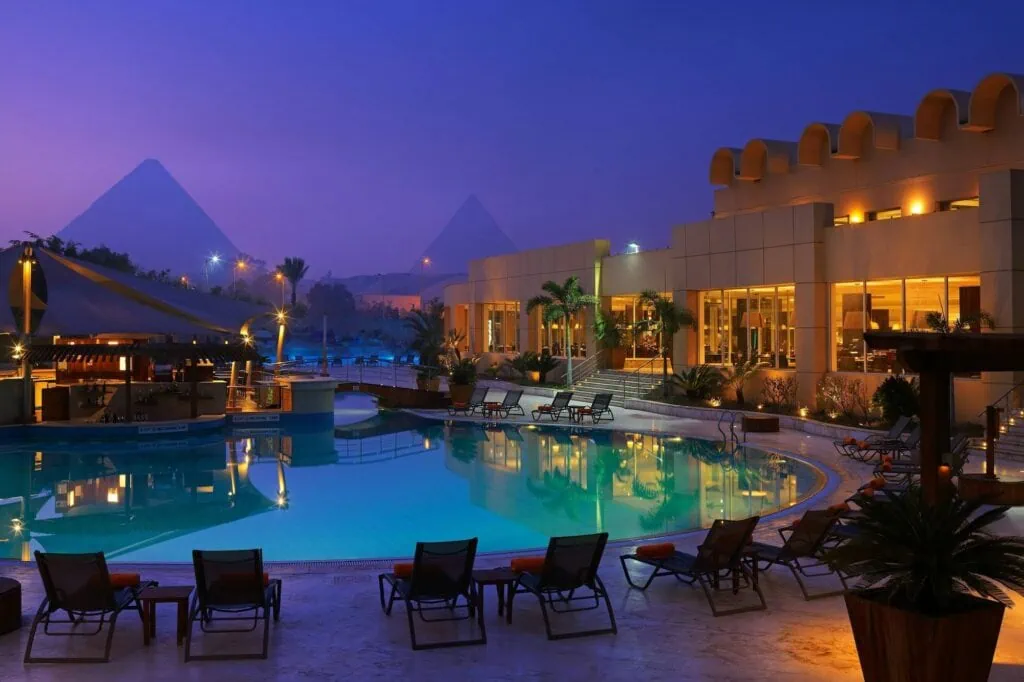
Beach resorts along the Red Sea coast combine relaxation with adventure opportunities. Modern hotels feature private beaches, multiple swimming pools, and spa facilities while maintaining easy access to diving centers and water sports operators. Many resorts organize desert safaris, quad biking adventures, and Bedouin cultural experiences that showcase the region’s land-based attractions.
Nile River Cruises Through Living History
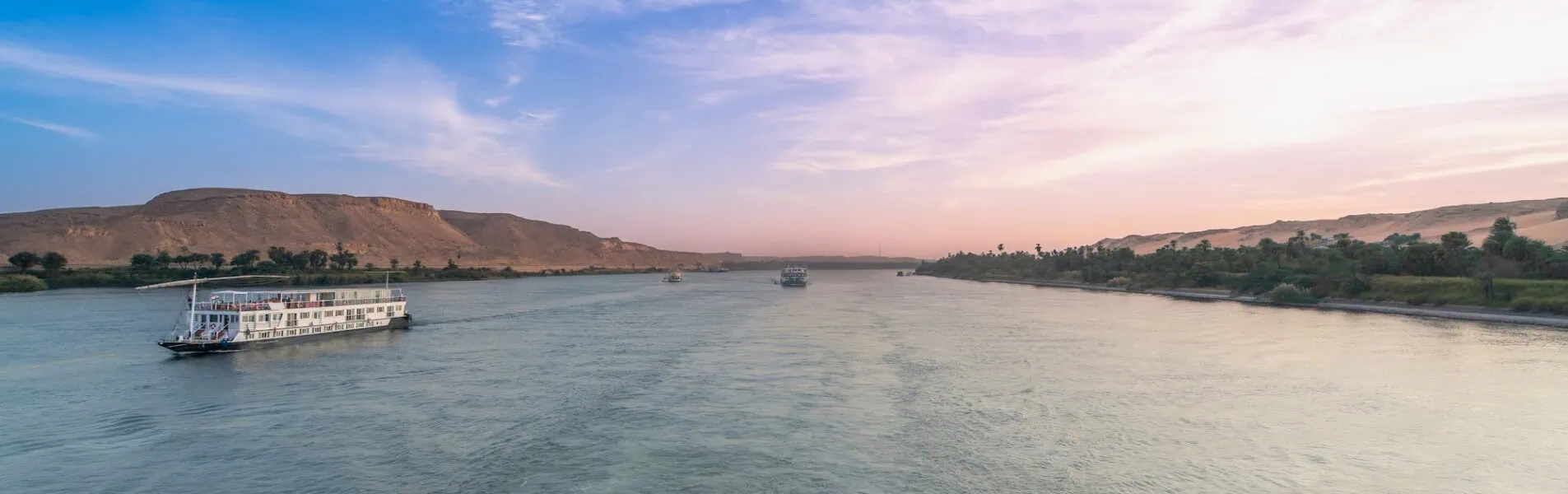
Sailing between Luxor and Aswan aboard a traditional river cruise ship transforms your perspective of Egypt completely. These multi-day journeys follow routes used by ancient traders and pharaohs, stopping at temples and archaeological sites accessible only by water. Modern cruise ships combine comfortable accommodations with expert-guided excursions that bring Egyptian history to life.
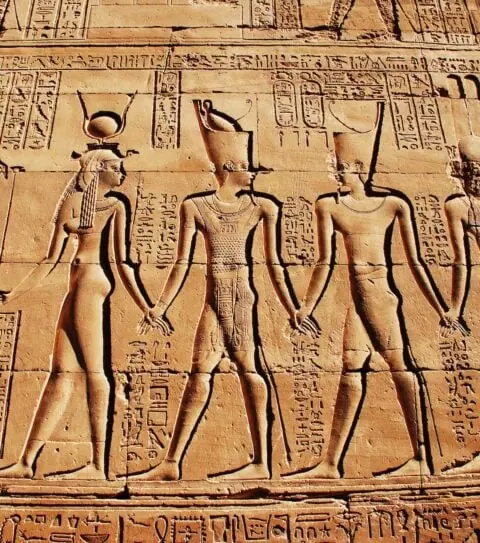
Temple visits during Nile cruises include Edfu Temple, dedicated to the falcon god Horus and remarkably well-preserved, and Kom Ombo Temple, uniquely designed with twin sanctuaries honoring both Sobek the crocodile god and Horus. These stops happen during small group excursions with qualified Egyptologists who explain hieroglyphics, religious practices, and architectural innovations in engaging detail.
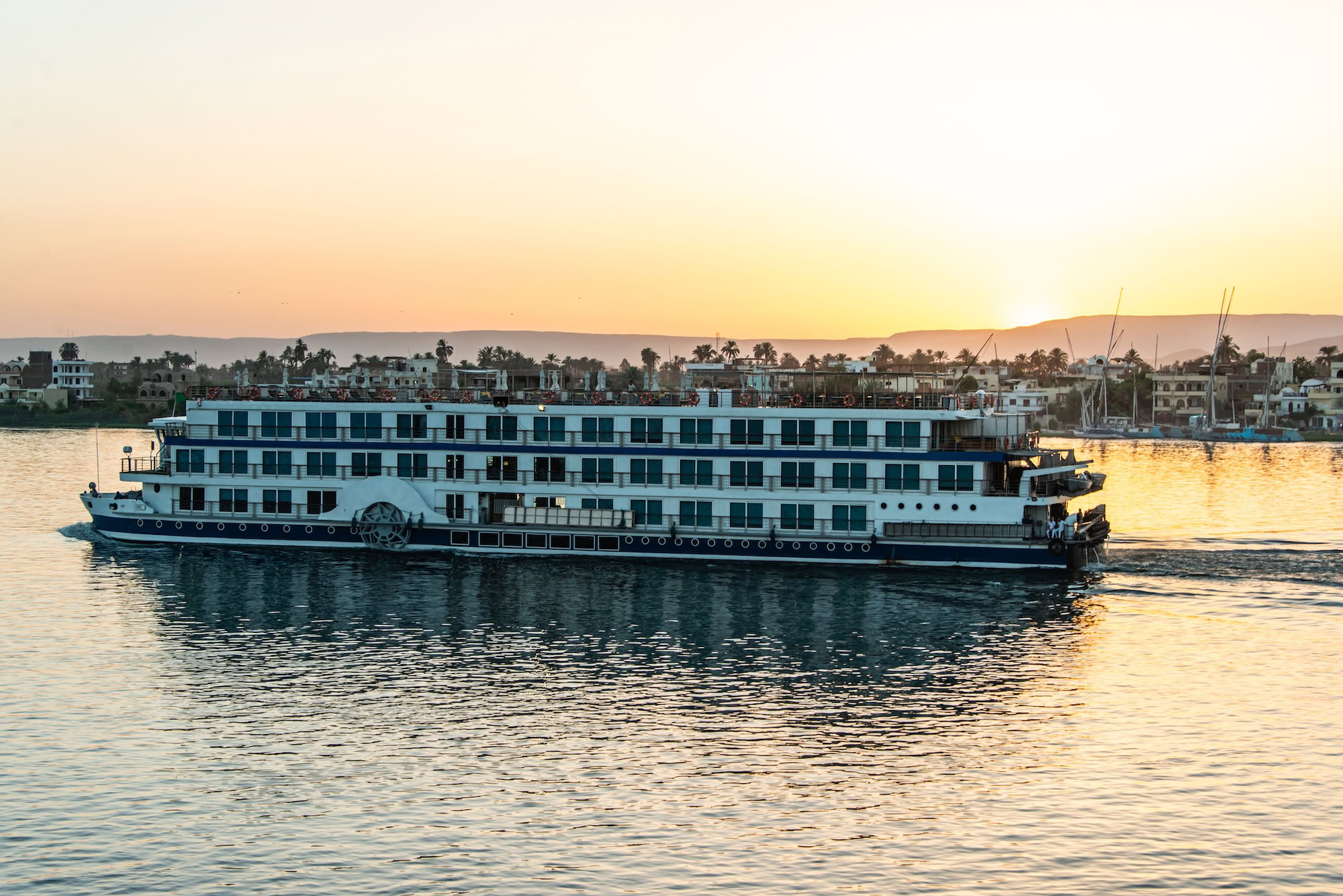
Sunset views from cruise ship decks reveal the Nile Valley’s timeless beauty as golden light illuminates palm groves, traditional mud-brick villages, and distant desert hills. Evening entertainment often features traditional music performances and cultural presentations that help you understand modern Egyptian life. These cruises typically last 3-7 days, providing perfect pacing between active exploration and peaceful river travel.
Desert Adventures Beyond Your Imagination
Egypt’s deserts offer otherworldly landscapes that showcase nature’s artistic power through wind-carved rocks, pristine sand dunes, and hidden oases. The Western Desert contains the White Desert National Park, where limestone formations create surreal sculptures resembling mushrooms, chickens, and abstract art pieces. Camping overnight among these natural monuments under star-filled skies creates unforgettable memories.
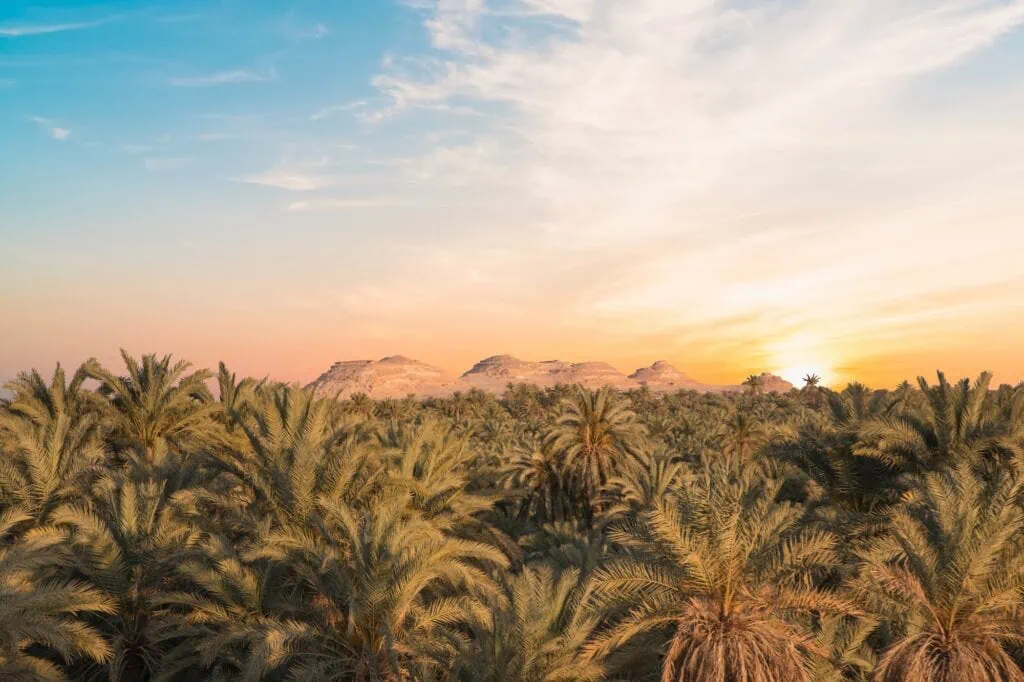
Siwa Oasis represents one of Egypt’s most remote and culturally distinct destinations. This fertile depression lies 560 kilometers (348 miles) west of Cairo, surrounded by the Great Sand Sea’s rolling dunes. Siwa’s inhabitants speak Siwi, maintain unique customs, and live in traditional mud-brick houses clustered around natural springs. The oracle temple here once provided prophecies to Alexander the Great.
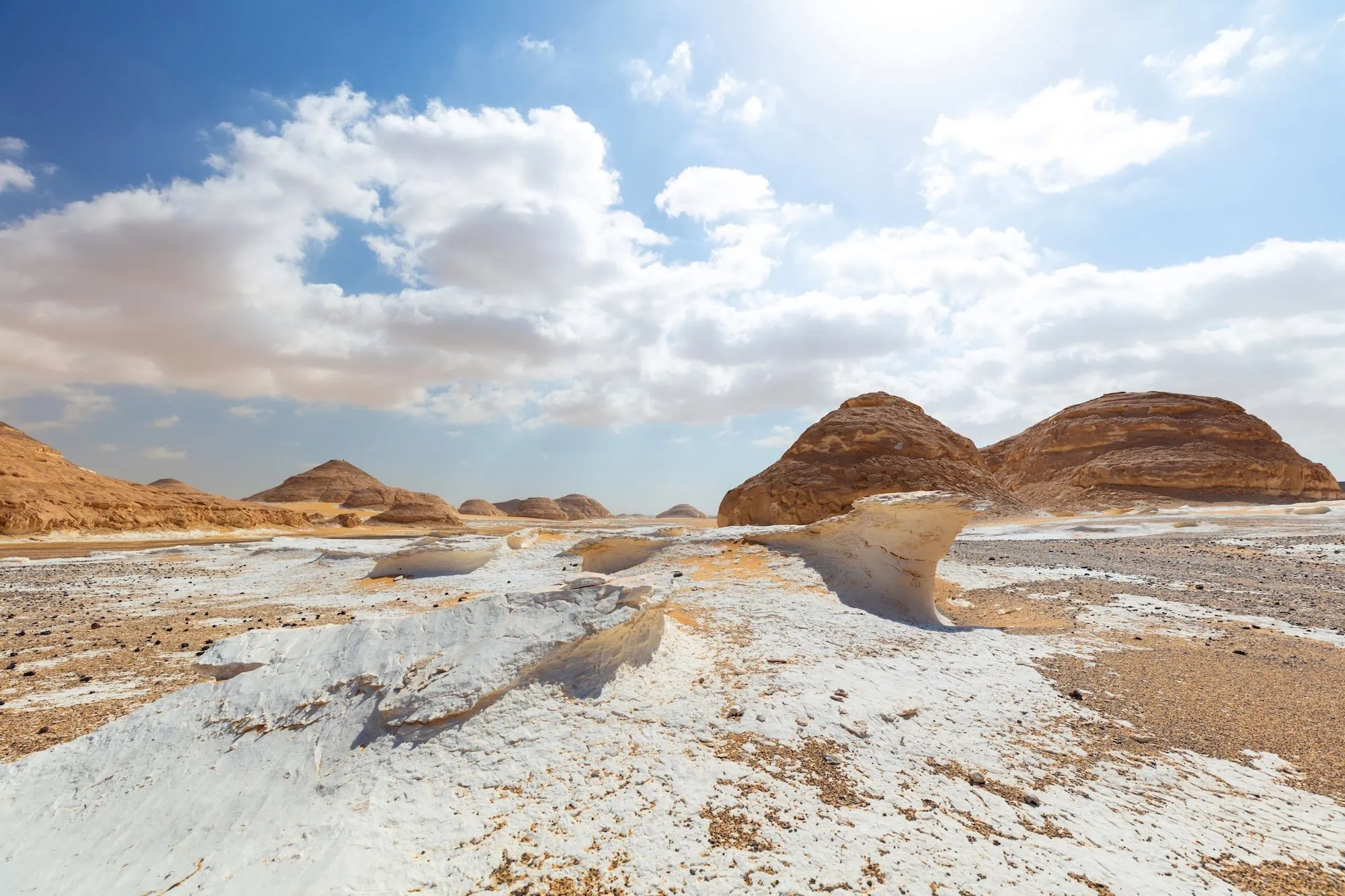
Desert safari adventures range from half-day excursions to multi-day expeditions with Bedouin guides. These experiences include sandboarding down massive dunes, visiting traditional desert communities, and learning survival skills passed down through nomadic generations. Four-wheel-drive vehicles navigate challenging terrain while expert drivers ensure safe passage through landscapes that seem like alien planets.
Bahariya Oasis Combines History and Natural Beauty
Located 365 kilometers (227 miles) southwest of Cairo, Bahariya Oasis serves as the gateway to the White Desert while offering its own archaeological treasures. The Golden Mummies Museum displays remarkably preserved Greco-Roman period mummies discovered in nearby tombs, their golden masks gleaming as brightly as when first created. Hot springs around the oasis provide relaxing soaks after desert adventures.
Practical Benefits of Visiting Egypt
Egypt delivers exceptional value compared to other international destinations, with accommodation, meals, and activities priced significantly lower than European or North American alternatives. Your money stretches further here, allowing upgraded experiences like private guides, luxury hotels, and exclusive tours that might be prohibitively expensive elsewhere.
Direct flights connect Egypt to major cities worldwide, with Cairo International Airport serving as a convenient hub for exploring the entire region. Most visitors can obtain tourist visas easily – U.S. citizens can purchase 30-day tourist visas on arrival for $25, while European Union citizens enjoy the same process. Latin American, Canadian, and Australian visitors should check current requirements, though most nationalities can obtain visas on arrival or through simple online applications.
The Egyptian pound’s favorable exchange rate benefits international visitors, while the country’s tourism infrastructure has been extensively upgraded in recent years. Modern hotels, improved transportation networks, and enhanced security measures ensure comfortable travel experiences. Professional tour operators provide comprehensive support, including airport transfers, qualified guides, and assistance throughout your stay.
Egypt’s year-round accessibility makes trip planning flexible, though October through April offers the most comfortable temperatures for sightseeing. Summer months bring intense heat to southern regions like Luxor and Aswan, while coastal areas remain pleasant year-round. Red Sea destinations maintain perfect conditions for water activities regardless of season.
We at Egypt Tours Plus have spent decades perfecting Egyptian travel experiences, combining our award-winning service with deep local knowledge to create truly personalized adventures. Our private guides possess university degrees in Egyptology and speak multiple languages fluently, ensuring educational and entertaining experiences tailored to your interests. Modern, air-conditioned vehicles and carefully selected accommodations guarantee comfort throughout your journey.
Frequently Asked Questions
Most travelers should plan 7-10 days for a first Egypt vacation, while 12-14 days allows a more complete experience that includes Cairo, Luxor, Aswan, and either the Red Sea or a desert expedition. A typical itinerary includes 2-3 days in Cairo, 2 days in Luxor, and 2 days in Aswan, often connected by a Nile cruise. Longer trips reduce travel fatigue and provide more time at major sites such as the Pyramids of Giza and Abu Simbel.
Yes, Egypt is generally safe for tourists, with major attractions, airports, hotels, and archaeological sites operating under visible security measures. Popular destinations such as Cairo, Luxor, Aswan, and Sharm El Sheikh welcome millions of international visitors each year. Dedicated tourist police units patrol key sites including the Pyramids of Giza and Karnak Temple. As with travel anywhere, visitors should use licensed transportation, safeguard valuables, and follow local guidance for a smoother experience.
The best time to visit Egypt is typically between October and April, when daytime temperatures in many regions range from about 20-25°C (68-77°F). These months offer comfortable conditions for exploring outdoor sites such as the Valley of the Kings, Abu Simbel, and the Pyramids of Giza. December through February are the busiest months, while October, November, March, and April often provide a balance of pleasant weather and more manageable crowds.
No special vaccinations are required for most travelers visiting Egypt, although routine immunizations should be up to date before international travel. Many healthcare providers also recommend discussing hepatitis A, typhoid, and other travel-related precautions depending on your itinerary and personal health history. Medical facilities in major cities such as Cairo and Alexandria are generally well equipped. Schedule a travel health consultation at least 4-6 weeks before departure if possible.
Pack lightweight, breathable clothing, comfortable walking shoes, sun protection, and modest attire suitable for cultural and religious sites. Many travelers spend several hours daily outdoors at locations such as Karnak Temple, the Pyramids of Giza, or Philae Temple, so a hat, sunscreen, and reusable water bottle are essential. Even in warmer months, air-conditioned hotels and transportation can feel cool. Include a light jacket or sweater for evenings, especially during winter travel.
Food in Egypt is affordable by international standards, with local meals commonly costing $3-8 per person and mid-range restaurant meals averaging $10-20. Traditional dishes such as koshari, falafel, and grilled kebabs are widely available and offer excellent value. In tourist areas like Cairo, Luxor, and Aswan, upscale restaurants charge more but remain reasonably priced compared to many Western destinations. Travelers can comfortably enjoy a mix of local and international dining without a large food budget.
Bottled water is recommended for drinking in Egypt, particularly for international visitors who may not be accustomed to local water composition. While tap water is generally treated and commonly used by residents, differences in mineral content can sometimes cause stomach discomfort for travelers. Bottled water is inexpensive and widely available in hotels, shops, restaurants, and tourist sites throughout the country. Using bottled water for drinking is the simplest way to avoid preventable travel-related illness.
Egypt uses the Egyptian pound (EGP) as its official currency, and most everyday transactions are conducted in local currency. Credit cards are accepted at many hotels, larger restaurants, and major attractions, but cash remains important for tips, local markets, taxis, and small purchases. U.S. dollars and euros may be accepted in some tourism-focused businesses, but exchange rates can vary. Carrying a supply of Egyptian pounds usually provides the best convenience and value.
Yes, tipping is an established part of Egyptian culture and is commonly expected for many services, a practice known locally as “baksheesh.” Travelers often tip hotel staff, drivers, guides, restaurant servers, and porters, with amounts typically ranging from $1-5 depending on the service provided. For private guides or multi-day tours, higher tips are common. Understanding local tipping customs helps create smoother interactions and is an important part of travel budgeting in Egypt.
Arabic is Egypt’s official language, but English is widely spoken in tourist destinations, hotels, museums, airports, and by licensed tour guides. Visitors traveling through Cairo, Luxor, Aswan, and Red Sea resorts can usually communicate comfortably in English for most tourism-related services. Learning a few Arabic phrases such as “shukran” (thank you) is appreciated by locals and can enhance cultural interactions. Multilingual guides are also available for many international visitors.
Travelers can move between Egypt’s major cities using domestic flights, trains, private transfers, buses, and Nile cruises, depending on distance and budget. Flying is the fastest option for routes such as Cairo to Aswan, which cover roughly 700 km (435 miles). Egypt’s rail network connects Cairo, Luxor, and Aswan, while Nile cruises combine transportation with sightseeing. For comfort and convenience, many visitors choose organized transfers or guided tour arrangements.
Most comprehensive Egypt tour packages include accommodations, transportation, guided sightseeing, entrance fees, airport transfers, and selected meals. Multi-day itineraries often cover major destinations such as Cairo, Luxor, Aswan, and the Pyramids of Giza, with licensed Egyptologist guides providing historical context throughout the journey. Premium packages may also include domestic flights and Nile cruises. Always review inclusions carefully so you understand which meals, excursions, and gratuities are covered before booking.
Explore our most popular guides and expert tips to make your trip safe, smooth, and unforgettable.
Plan Your Egypt Adventure with Confidence
How to Plan a Trip Egypt
Step-by-step guide to help you plan the perfect Egypt trip — from routes and budget to booking.
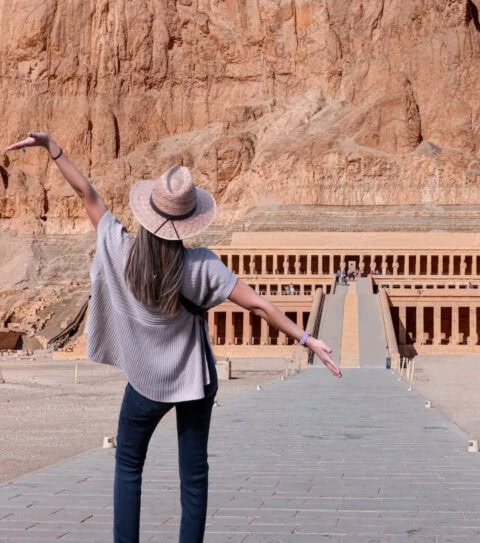
Best Time to Visit Egypt
Learn the best months to visit Egypt based on weather, crowds, and local travel experiences.
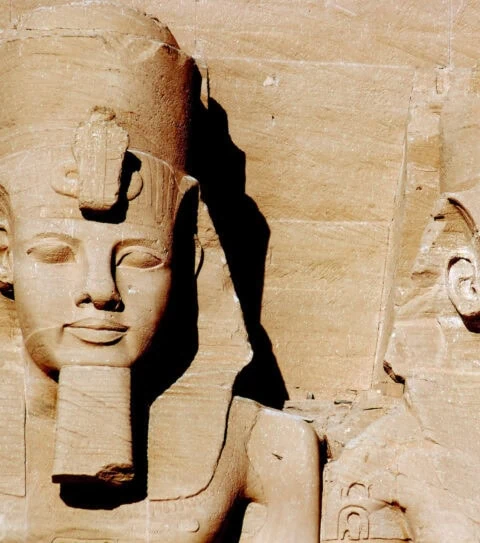
Must Visit Places in Egypt
Explore Egypt’s top sights — from pyramids to temples — and hidden gems worth seeing.
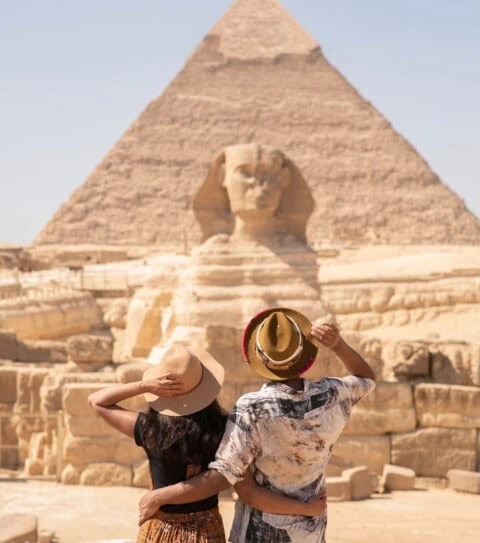
Top-Rated Egypt Tours
Handpicked private tours with local guides — our most loved and best-reviewed experiences.
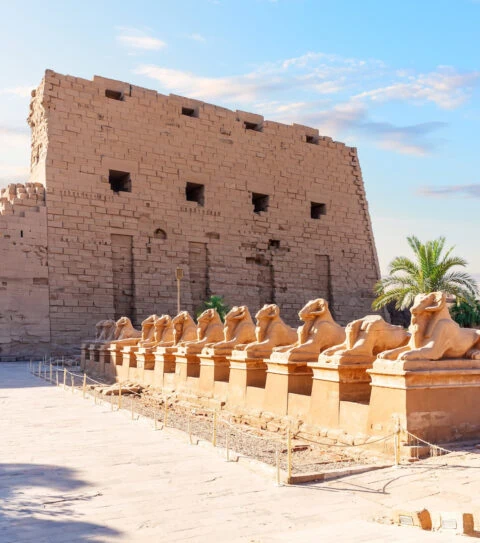
How Many Days to Visit Egypt?
Find out how many days you need in Egypt — from quick trips to full itineraries.
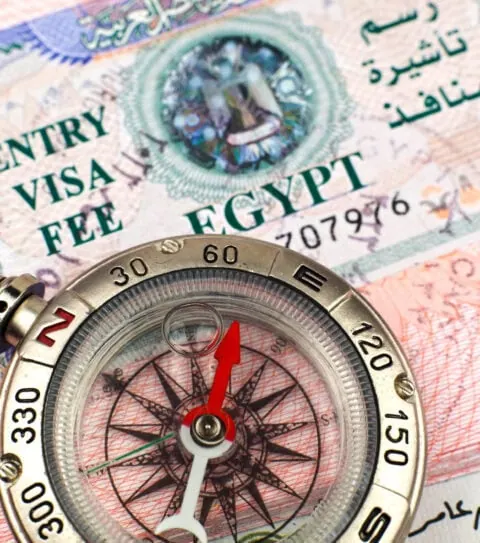
Egypt Visa Requirements
Check if you need a visa and get simple, up-to-date entry info based on your nationality.
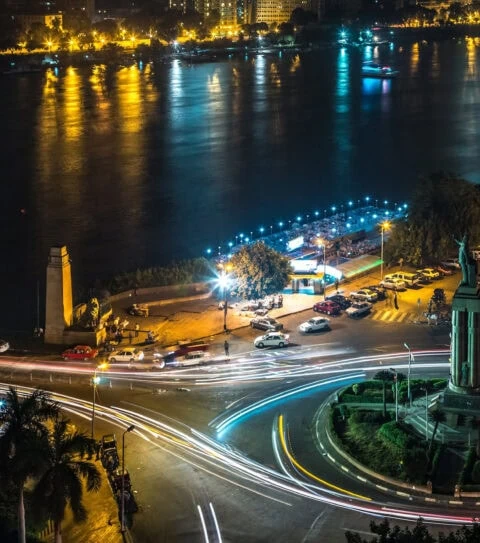
Is it Safe to Travel to Egypt?
Is Egypt safe? Get honest safety tips, area advice, and what to know before you travel.
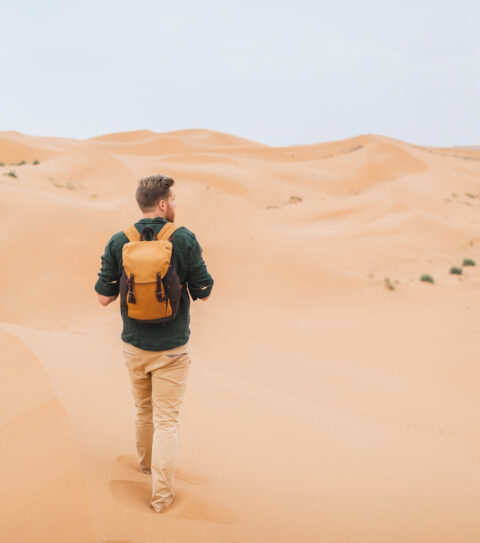
What to Pack for Egypt
A quick packing guide with essentials, cultural tips, and clothing advice for your Egypt trip.
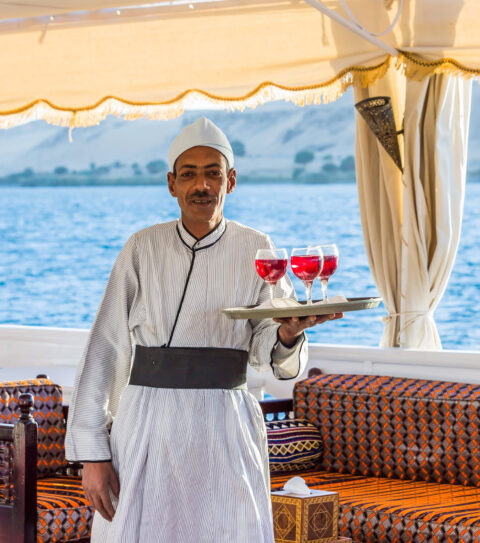
Design Your Custom Tour
Explore Egypt your way by selecting only the attractions you want to visit