When is the Best Time to Visit Cairo?
Timing is everything when planning your Cairo adventure.
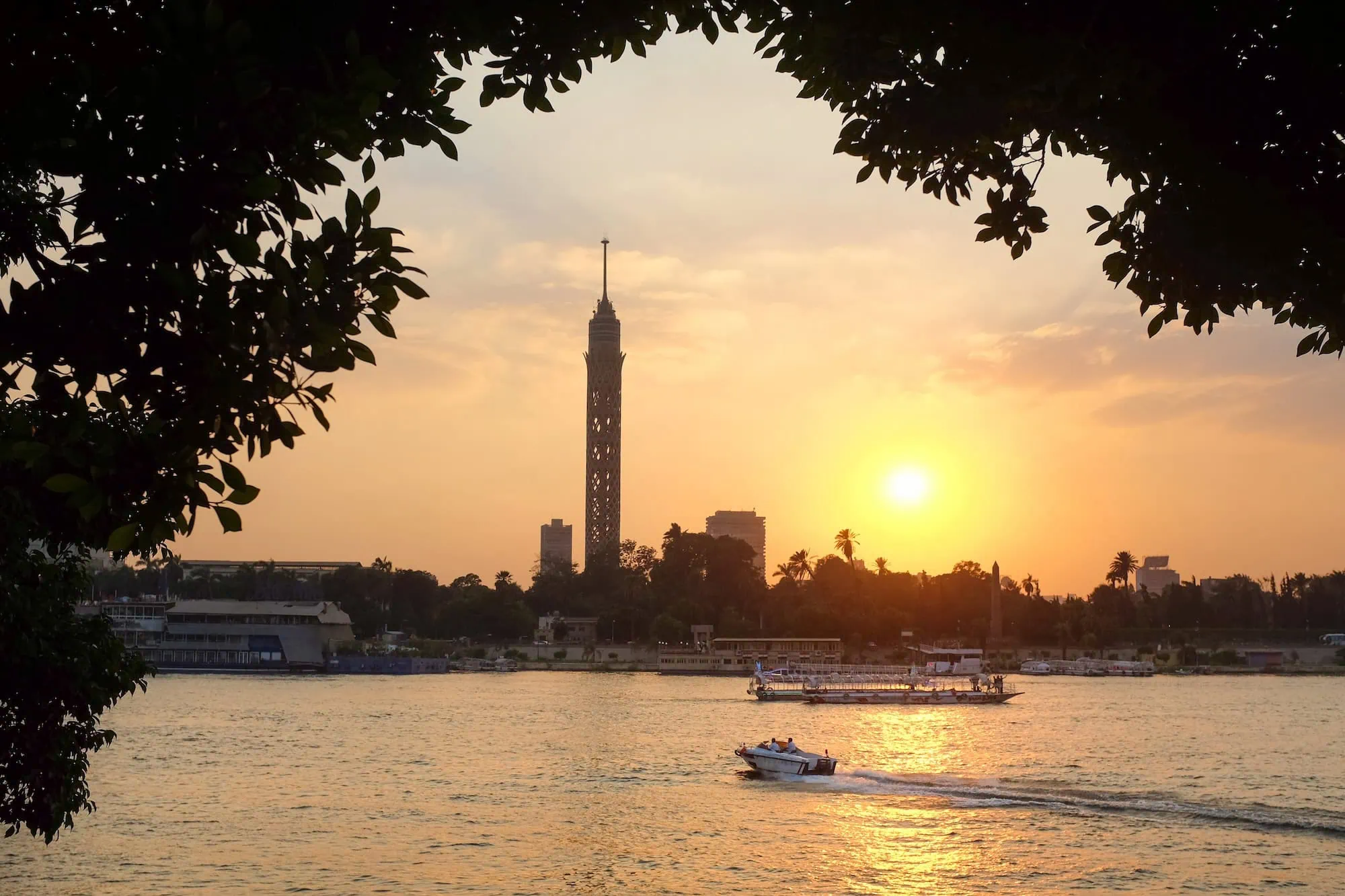
Cairo’s climate can make or break your Egyptian experience, with temperatures swinging from perfect sightseeing weather to blazing desert heat. Understanding the seasonal patterns, tourist crowds, and local events helps you choose exactly when to visit this magnificent city. We’ve spent decades guiding travelers through Cairo’s ancient streets, and our experience shows that the right timing transforms a good trip into an unforgettable journey.
Whether you’re planning to explore the pyramids, navigate bustling bazaars, or cruise the Nile, Cairo rewards visitors who plan around its distinct seasons and unique rhythm.
Table of Contents
Cairo’s Weather Patterns Throughout the Year
Cairo experiences a desert climate with two primary seasons that dramatically affect your travel experience.
The city sits at the edge of the Sahara Desert, creating distinct weather patterns that every traveler should understand before booking their trip. Temperatures range from pleasantly mild winters to intensely hot summers, with very little rainfall throughout the year.
Winter Season
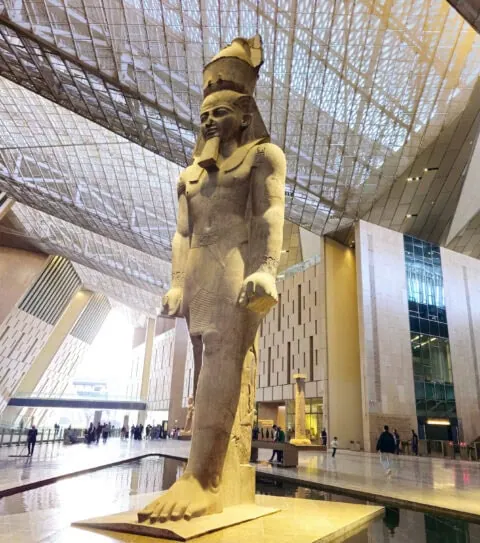
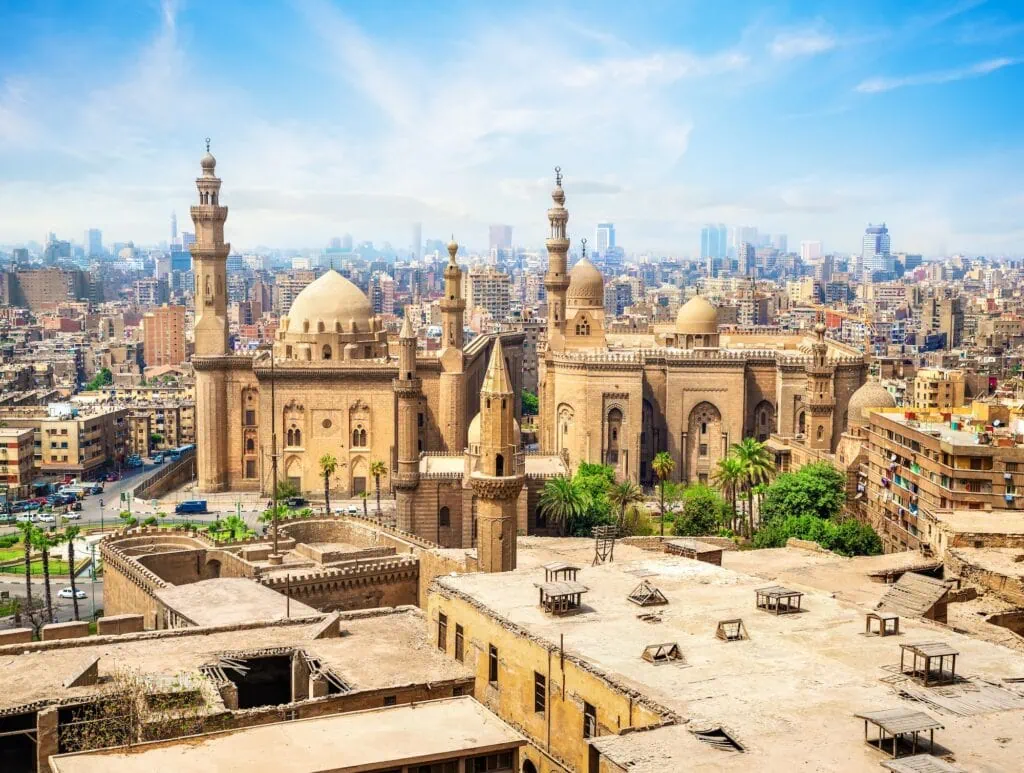
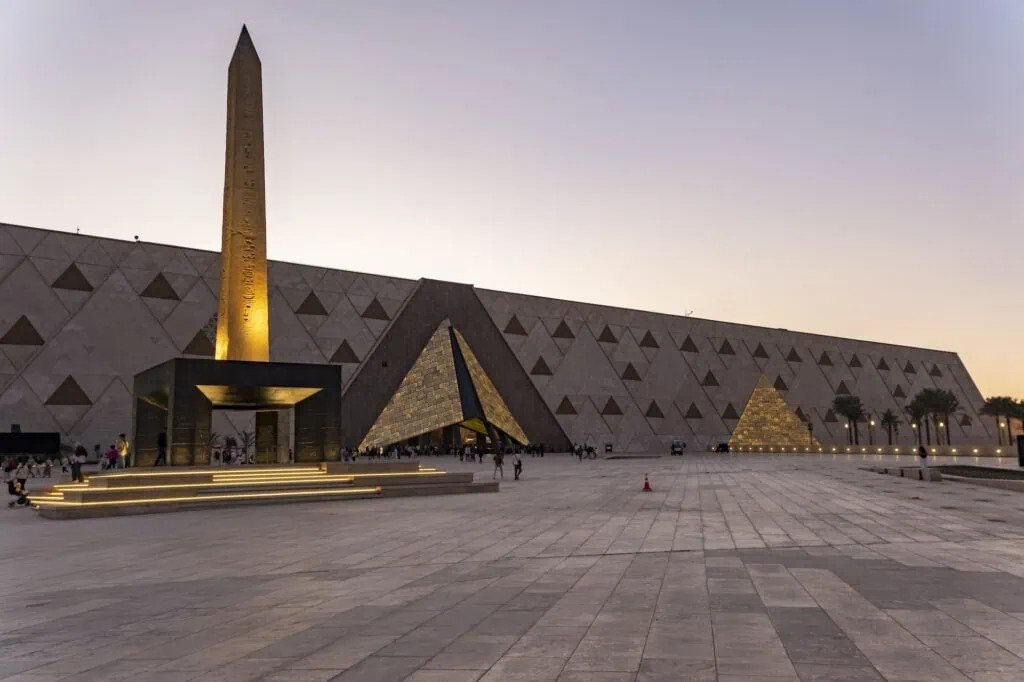
Winter brings Cairo’s most comfortable weather for exploration. Daytime temperatures hover around 18-22°C (65-72°F), perfect for walking through Islamic Cairo or spending hours at the Grand Egyptian Museum. Nights can be surprisingly cool, dropping to 8-12°C (46-54°F), so pack layers for evening activities.
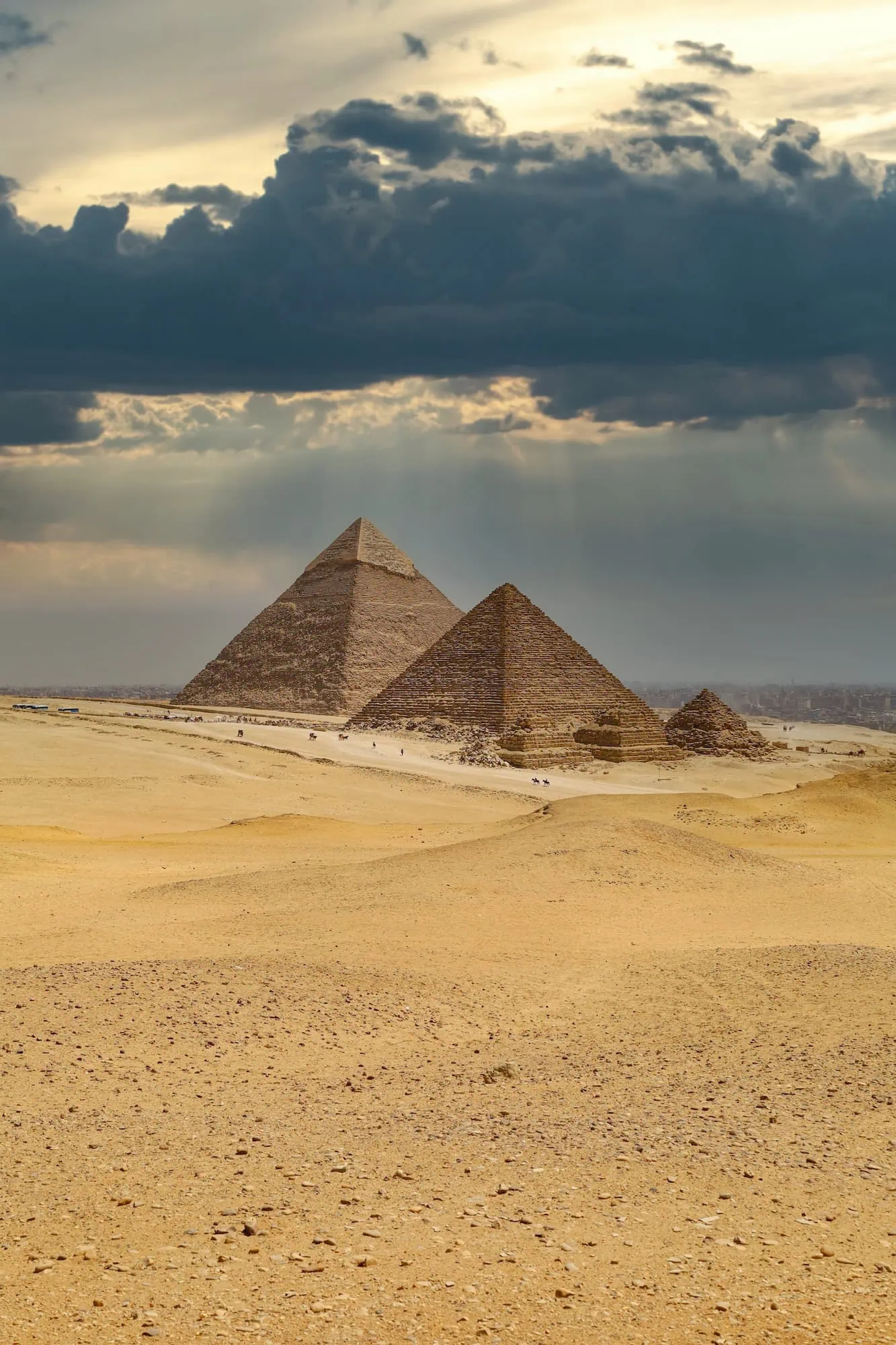
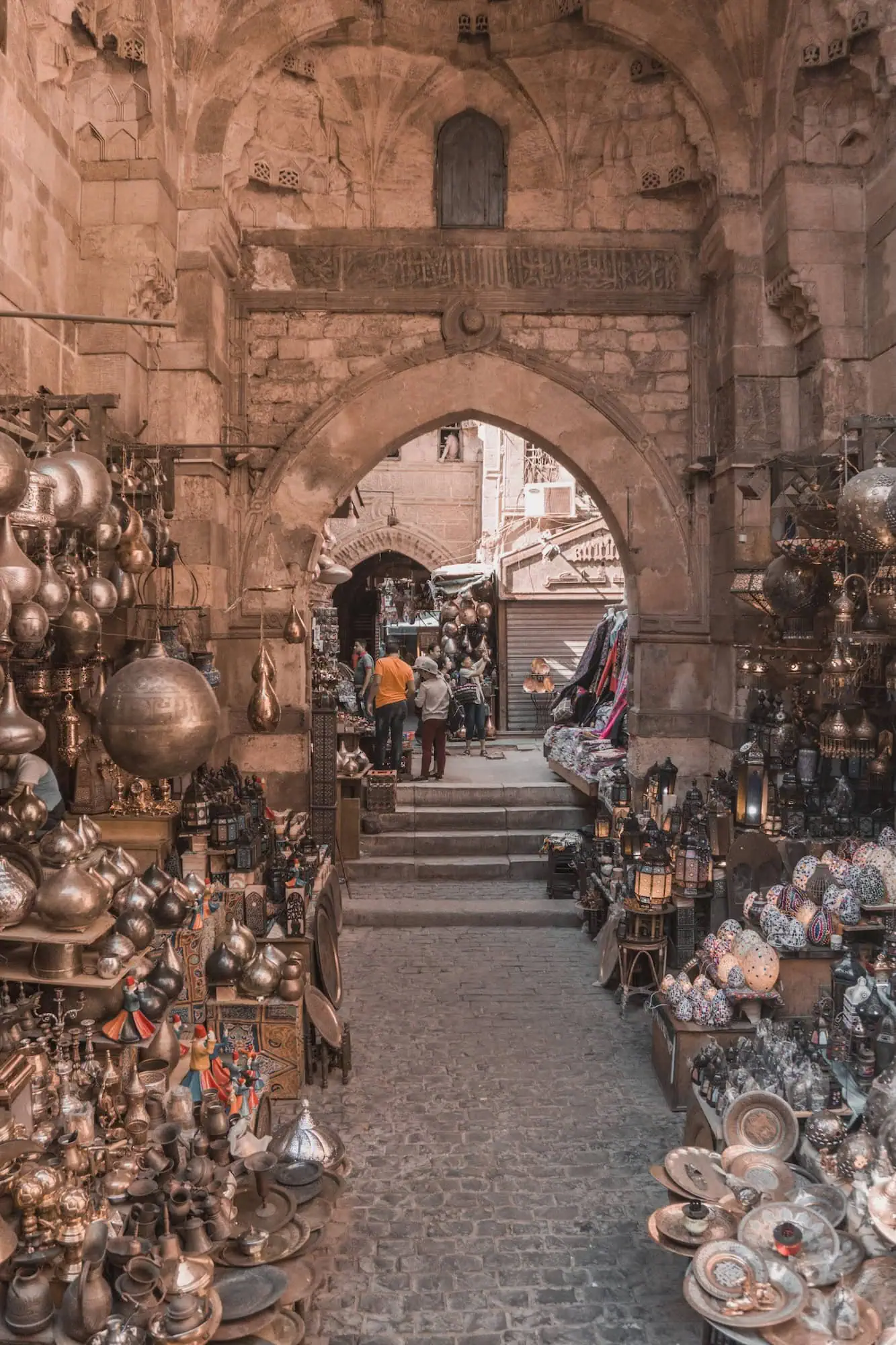
This period sees virtually no rainfall, with clear skies dominating most days. The comfortable temperatures make it ideal for outdoor activities like visiting the Giza Pyramids or exploring Khan el-Khalili bazaar without the exhaustion that comes with summer heat.
Spring Season
Spring weather gradually warms from the mild winter temperatures. March starts pleasantly with highs around 23°C (73°F), building to 28-30°C (82-86°F) by May. This transition period offers excellent sightseeing conditions before summer’s intensity arrives.
Occasional sandstorms called khamaseen can occur during spring, typically lasting one to three days. While they don’t happen frequently, these desert winds can reduce visibility and create dusty conditions. Most spring days remain clear and sunny, making this an excellent time for photography and outdoor exploration.
Summer Season
Summer transforms Cairo into a furnace that challenges even the most heat-tolerant travelers. Daytime temperatures regularly exceed 35°C (95°F), often reaching 40°C (104°F) or higher. The combination of intense heat and urban pollution creates sweltering conditions that make extended outdoor exploration extremely difficult.
Autumn Season
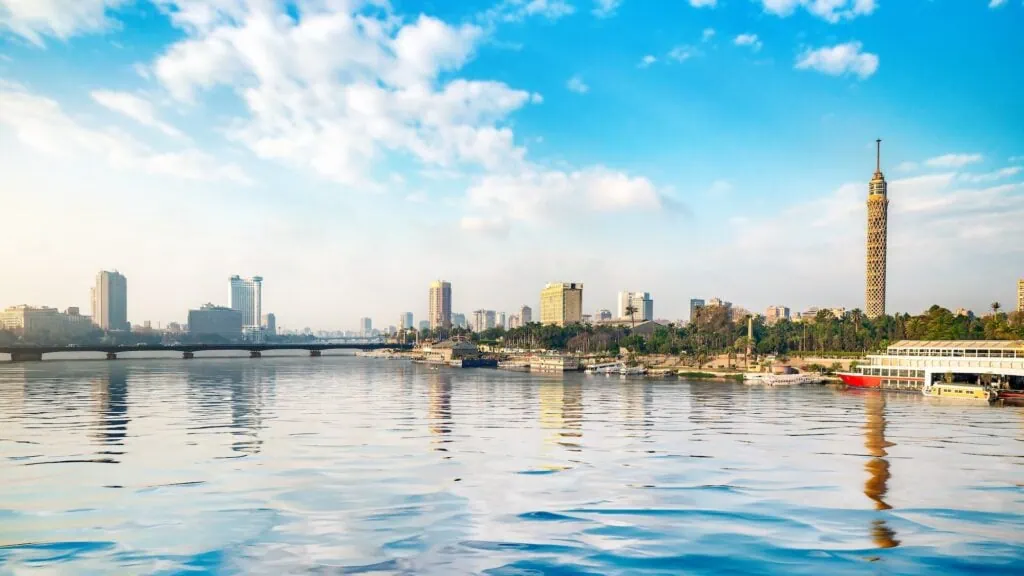
September still carries summer’s heat, with temperatures gradually cooling through October and November. October emerges as another excellent travel month, with comfortable temperatures around 26-30°C (79-86°F) and lower humidity than summer months.
November brings near-perfect weather conditions, similar to March and April, making it increasingly popular among experienced Cairo travelers.
Peak Tourist Seasons and Expectations
Tourist patterns in Cairo follow predictable seasonal trends that significantly impact your experience and costs.
December through February represents peak season, drawing visitors from colder climates seeking warm weather and comfortable sightseeing conditions. Hotels raise their rates during this period, and popular attractions experience their heaviest crowds. The Egyptian Museum and Giza Pyramids can feel overwhelmed with tour groups, especially between 10:00 am (10:00) and 2:00 pm (14:00).
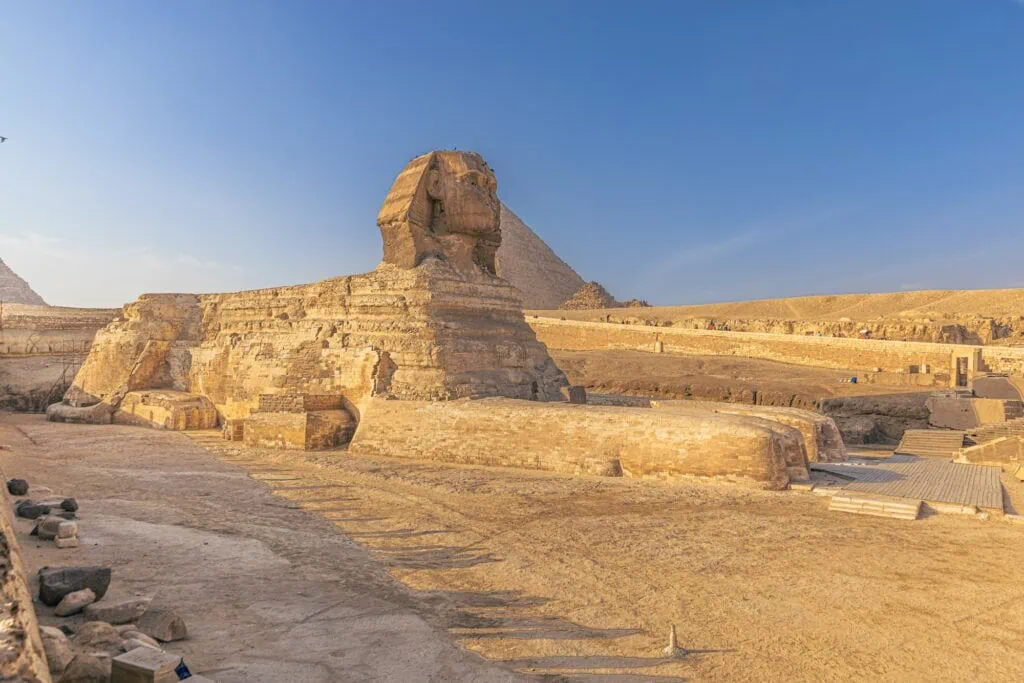
Spring shoulder season (March-May) offers a sweet spot with good weather and moderate crowds. Many European travelers visit during Easter holidays, creating brief busy periods in late March and early April. Hotel rates remain reasonable compared to peak winter months.
Summer becomes the low season for international tourism, with dramatically reduced crowds at major attractions. While locals continue their daily routines, most foreign visitors avoid Cairo during these scorching months. This creates opportunities for budget travelers willing to endure the heat – hotels offer significant discounts and attractions feel practically empty.
Autumn shoulder season sees a gradual return of international visitors. October and November experience increasing popularity as travelers discover these months offer weather nearly as pleasant as winter without peak season crowds and prices.
Ramadan Considerations
Ramadan dates shift annually based on the lunar calendar, affecting Cairo’s rhythm regardless of season. During this holy month, many restaurants close during daylight hours, and the city’s pace slows considerably until evening iftar meals.
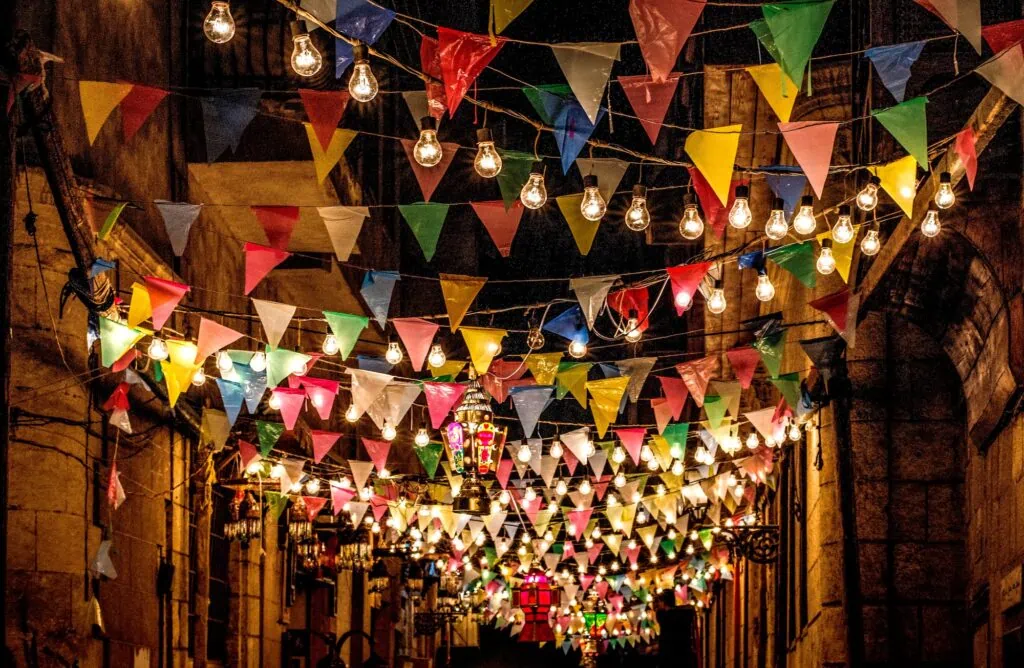
Evening hours during Ramadan become particularly vibrant, with families gathering for meals and many shops staying open later. Tourist attractions maintain normal hours, but transportation and dining options require additional planning.
Monthly Breakdown for Perfect Planning
Understanding each month’s unique characteristics helps you choose the perfect timing for your Cairo adventure.
January: Prime Winter Conditions
January delivers Cairo’s most consistently comfortable weather. Daily highs reach 19-21°C (66-70°F) with minimal rainfall and abundant sunshine. This represents peak tourist season with correspondingly higher prices and crowds.
The month works exceptionally well for extensive outdoor exploration, including day trips to Memphis and Saqqara. Cool evenings make rooftop dining and traditional coffeehouse visits particularly enjoyable.
February: Continued Excellence
February maintains January’s excellent conditions while beginning a gradual warming trend. Temperatures remain ideal for walking tours and extended pyramid visits.
Tourist crowds peak during February as European winter refugees seek Cairo’s warmth. Book accommodations and popular restaurants well in advance during this busy period.
March: Spring Awakening
March brings warming temperatures that remain comfortable for most travelers. Early March feels like extended winter, while late March hints at approaching summer warmth.
This month often experiences the year’s most pleasant weather – warm enough for light clothing during the day, cool enough for comfortable sleep at night. Photography conditions excel with clear skies and excellent lighting.
April: Goldilocks Weather
April emerges as many travelers’ favorite month, offering consistently beautiful weather before summer’s arrival. Temperatures range from 25-28°C (77-82°F), perfect for all-day exploration without winter’s cool evenings.
Easter holidays bring European families to Cairo, creating busy periods around major attractions. Advanced planning becomes essential for popular tours and restaurants.
May: Transition Month
May serves as summer’s warning month, with temperatures climbing toward 30°C (86°F) and occasional heat waves pushing higher. Early May remains pleasant, while late May can feel uncomfortably warm.
Morning and evening exploration work best, with midday breaks becoming advisable. This marks the last month many travelers consider comfortable for extensive outdoor activities.
Summer Challenge Months
June through August test traveler endurance with relentless heat and blazing sunshine. Daytime exploration becomes difficult, with temperatures regularly exceeding 35°C (95°F).
Budget travelers willing to adapt their schedules can find excellent deals and empty attractions. Early morning visits (starting at 6:00 am/06:00) and late evening activities work best.
September: Gradual Relief
September begins summer’s slow retreat, though temperatures remain high through most of the month. Late September shows promising cooling trends.
Tourist numbers stay low through most of September, maintaining summer’s budget advantages while offering slightly more comfortable conditions.
October: Sweet Return
October reclaims its position among Cairo’s best months, with comfortable temperatures returning and crowds still minimal. This creates ideal conditions for travelers seeking excellent weather without peak season drawbacks.
Hotels begin raising rates as international visitors return, but prices remain below winter peak levels. October represents exceptional value for weather-conscious travelers.
November: Hidden Gem
November offers near-perfect conditions that many travelers overlook. Temperatures settle into the comfortable 22-26°C (72-79°F) range with minimal crowds and reasonable prices.
This month provides excellent opportunities for extended exploration and photography, with comfortable conditions lasting throughout the day.
December: Peak Season Returns
December marks the official return of peak tourist season, with comfortable temperatures and increasing crowds. Early December maintains November’s pleasant conditions, while late December brings holiday travelers.
Special Events and Festival Timing
Cairo’s cultural calendar adds layers of consideration beyond weather patterns.
Islamic holidays follow the lunar calendar, shifting approximately eleven days earlier each year. During Eid al-Fitr and Eid al-Adha, many businesses close for extended periods, and transportation becomes crowded with domestic travelers visiting family.
Coptic Christmas (January 7th) brings local celebrations that can impact tourist areas, though most attractions maintain normal operations. The Cairo International Film Festival, typically held in November, attracts international visitors and can affect hotel availability in certain areas.
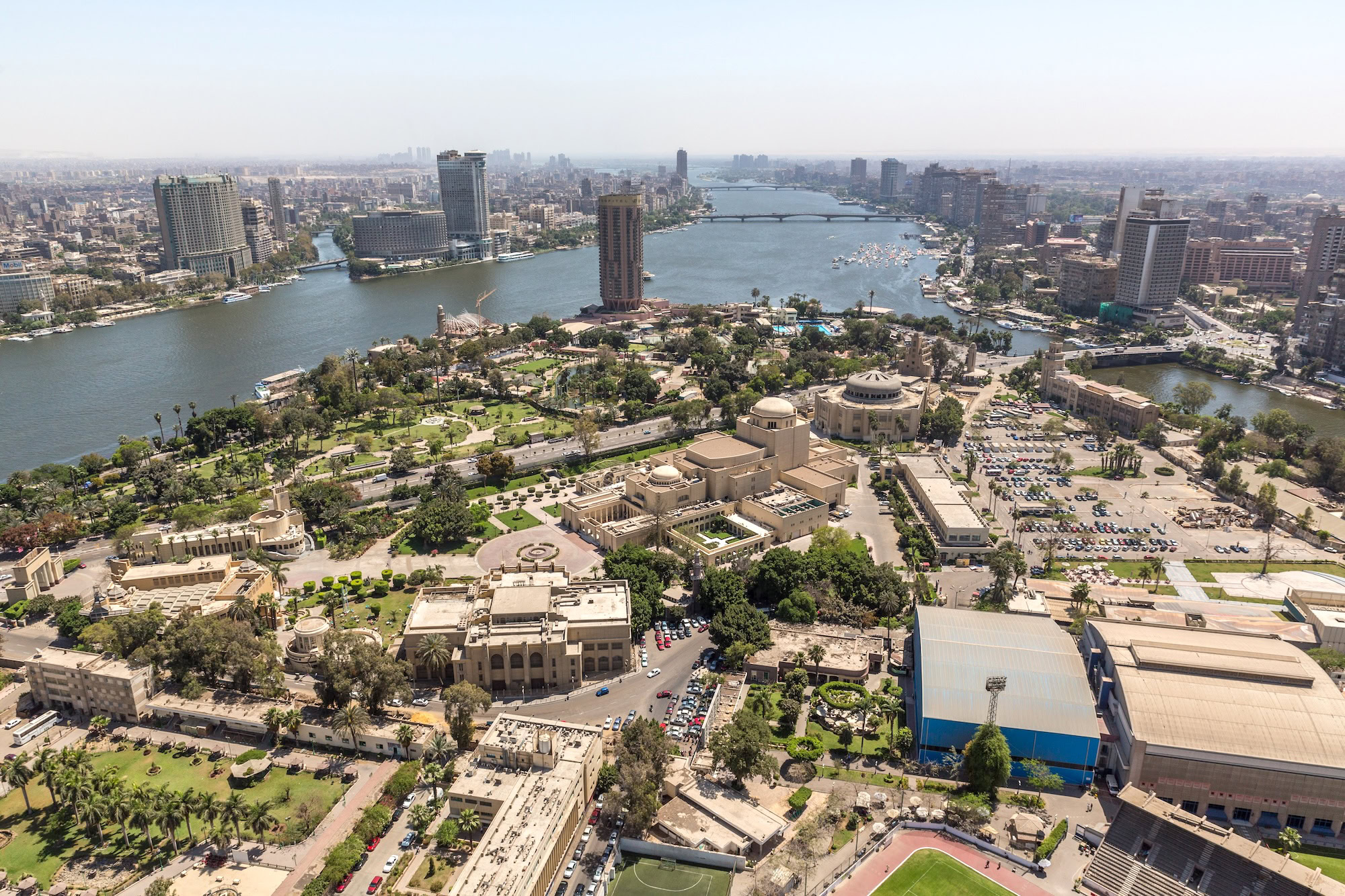
Spring brings occasional cultural festivals and events that enhance the travel experience. The Cairo Opera House season peaks during cooler months, offering world-class performances for culture-seeking travelers.
Budget Considerations by Season
Seasonal pricing in Cairo follows predictable patterns that significantly impact travel costs.
Winter months (December-February) command premium rates across hotels, tours, and even some restaurants targeting tourists. Budget travelers can expect to pay 30-50% more during peak season compared to summer rates.
Summer months offer substantial savings for heat-tolerant travelers. Many hotels slash rates by 40-60%, and tour operators provide significant discounts to attract the limited number of visitors willing to brave the temperatures.
Shoulder seasons (March-May and October-November) provide moderate pricing that balances cost with comfort. October stands out as particularly good value, offering excellent weather at reasonable prices before winter premiums kick in.
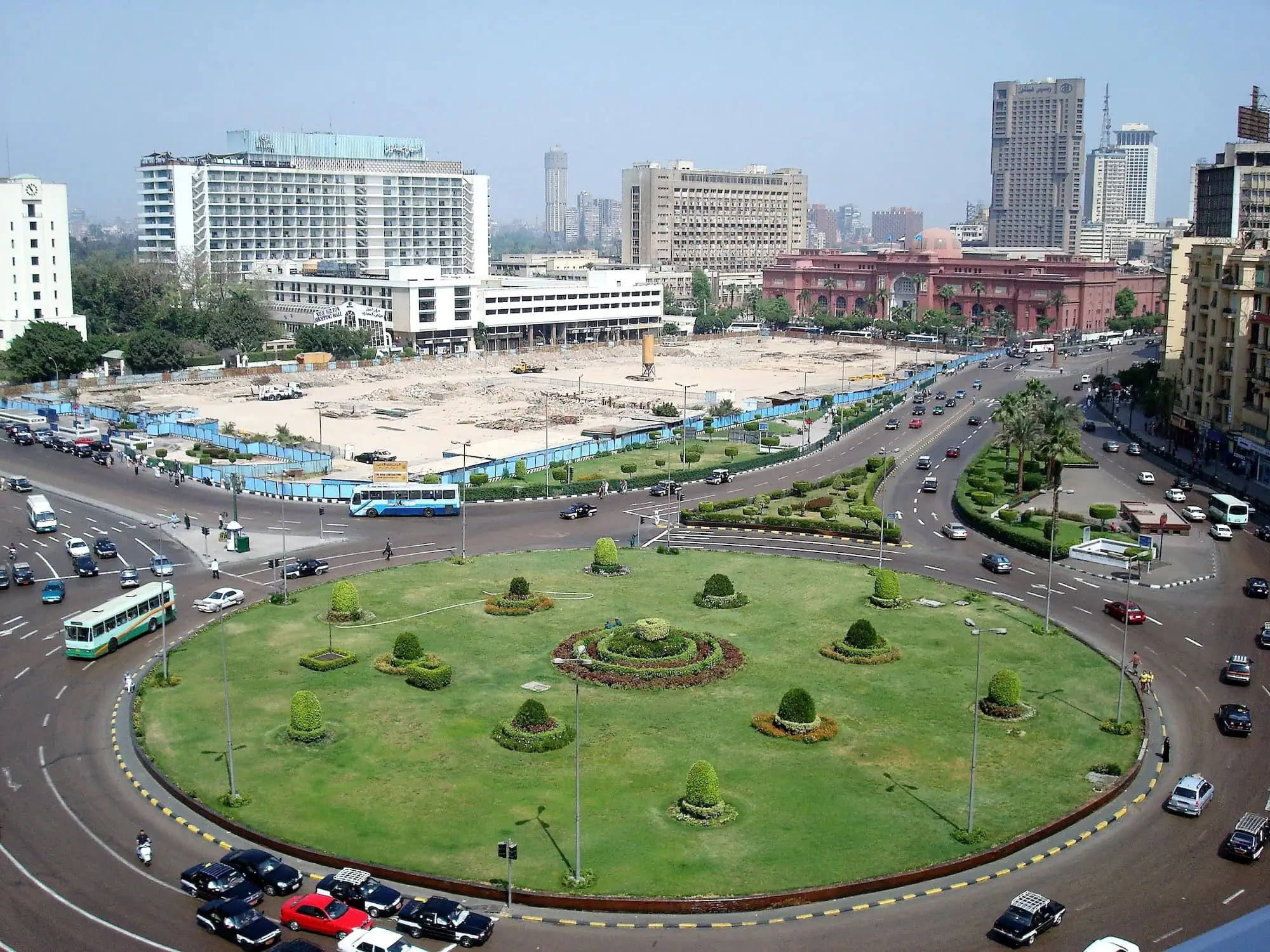
Flight prices to Cairo International Airport follow similar patterns, with winter flights costing significantly more than summer options. Booking flights for shoulder season travel often provides the best combination of weather and affordability.
Health and Comfort Factors
Cairo’s intense summer heat creates genuine health concerns that extend beyond mere discomfort. Dehydration happens quickly in temperatures above 35°C (95°F), especially when combined with low humidity and strong desert winds. Heat exhaustion becomes a real risk for travelers attempting extensive outdoor exploration during summer months.
Winter months eliminate heat-related health concerns while introducing different considerations. Air quality in Cairo can be challenging year-round, but winter’s cooler temperatures and occasional breezes help disperse pollution more effectively than summer’s stagnant air.
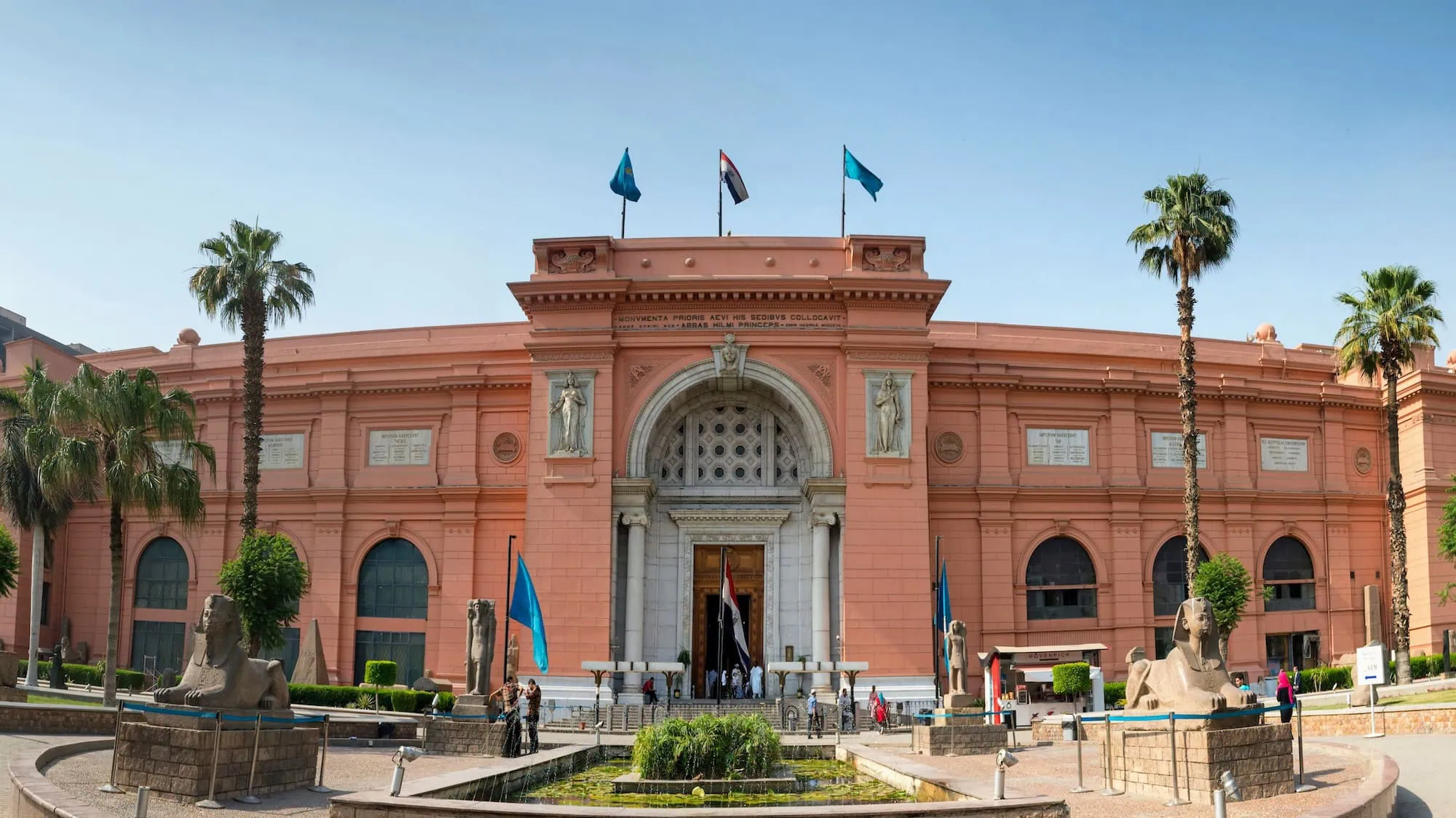
Spring and autumn offer the healthiest overall conditions, with comfortable temperatures reducing heat stress while maintaining good air circulation patterns.
Air Quality Considerations
Cairo’s air quality varies seasonally, though it never reaches levels considered excellent by international standards. Winter months typically offer the best air quality as cooler temperatures and occasional rain help clear atmospheric pollutants.
Summer’s heat creates thermal inversions that trap pollutants close to ground level, making air quality particularly poor during the hottest months. Sensitive individuals should consider this factor when planning their visit timing.
Photography and Lighting Conditions
Cairo’s photographic opportunities change dramatically with seasons and weather patterns.
Winter months provide excellent lighting conditions with clear skies and moderate temperatures that allow extended outdoor photography sessions. The lower angle of winter sunlight creates beautiful golden hour conditions that last longer than in summer.
Spring offers perhaps the year’s best photographic lighting, with clear atmospheric conditions and pleasant temperatures supporting all-day shooting. Sandstorms can create dramatic atmospheric effects but may limit visibility for several days.
Summer’s harsh overhead lighting and heat haze reduce photographic quality during midday hours. However, early morning and late evening light can be spectacular, with clear desert air creating exceptional clarity.
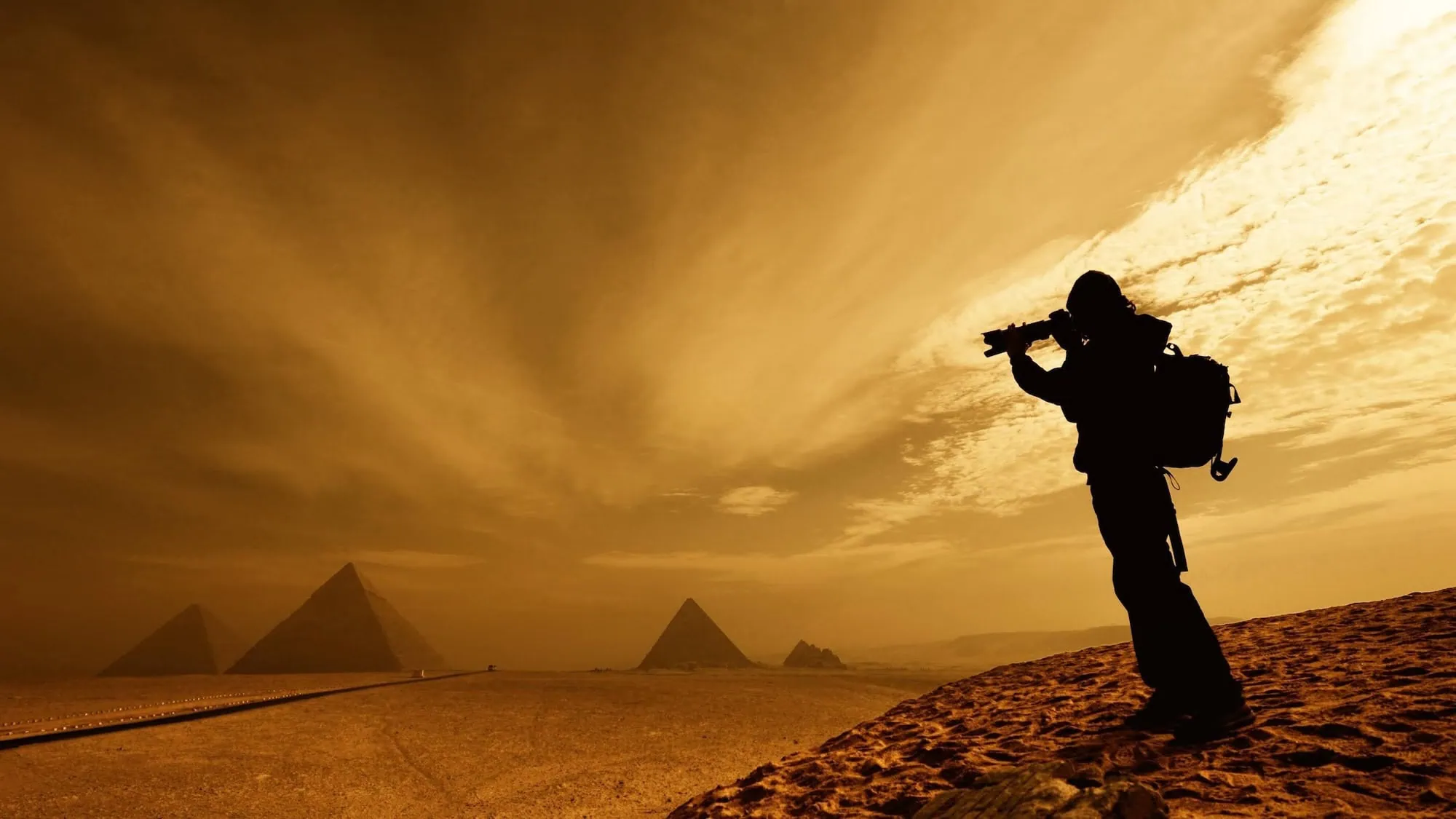
Autumn returns to excellent photographic conditions as atmospheric clarity improves and comfortable temperatures return. October and November often provide the year’s clearest skies for architecture and landscape photography.
Sunrise and Sunset Timing
Cairo’s latitude creates significant seasonal variation in daylight hours. Winter days are shorter, with sunrise around 6:30 am (06:30) and sunset by 5:00 pm (17:00). This timing works well for tourist activities, allowing full days of exploration in comfortable light.
Summer brings extended daylight, with sunrise before 5:00 am (05:00) and sunset after 7:00 pm (19:00). While this provides more daylight hours, the intense midday heat limits practical exploration time despite the longer days.
Transportation and Logistics by Season
Cairo’s transportation systems respond differently to seasonal conditions and tourist demands.
Winter’s peak tourist season creates crowded conditions on tourist-focused transportation options. Tour buses and taxi services see highest demand, potentially requiring advance booking for popular destinations and experiences.
Metro systems handle crowds well year-round, but air conditioning becomes crucial during summer months. The Cairo Metro provides reliable, affordable transportation regardless of season, though summer heat makes waiting on outdoor platforms uncomfortable.
Summer’s reduced tourist numbers mean better availability for private transportation and tours, though extreme temperatures can stress vehicle cooling systems. Our modern, well-maintained vehicles handle summer conditions effectively, providing crucial air-conditioned comfort during transfers.
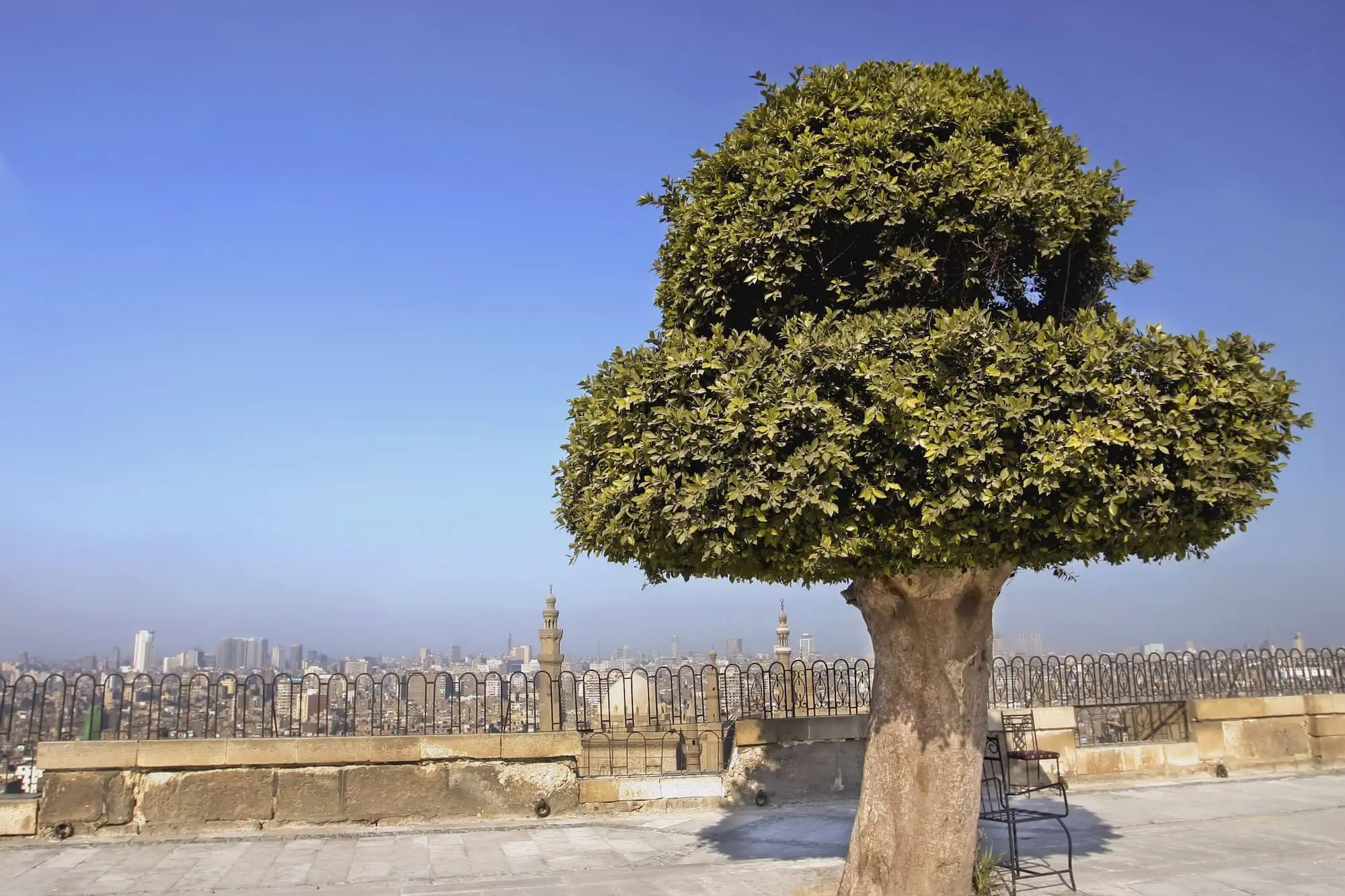
Traffic patterns vary seasonally, with winter’s tourist influx creating additional congestion around major attractions. Summer generally offers better traffic flow as both tourists and some locals reduce their movement during peak heat hours.
Packing and Preparation by Season
Seasonal packing requirements vary dramatically for Cairo travel.
Winter packing requires layered approaches, with light jackets or sweaters essential for cool evenings while maintaining light, breathable clothing for warm afternoons. Comfortable walking shoes become crucial as extended outdoor exploration remains pleasant.
Summer demands minimal, breathable clothing with strong sun protection. Wide-brimmed hats, sunglasses, and high-SPF sunscreen become essential rather than optional. Lightweight, loose-fitting clothes in light colors help manage the extreme heat.
Spring and autumn allow moderate packing approaches, though spring travelers should prepare for potential sandstorm conditions with appropriate eye and respiratory protection.
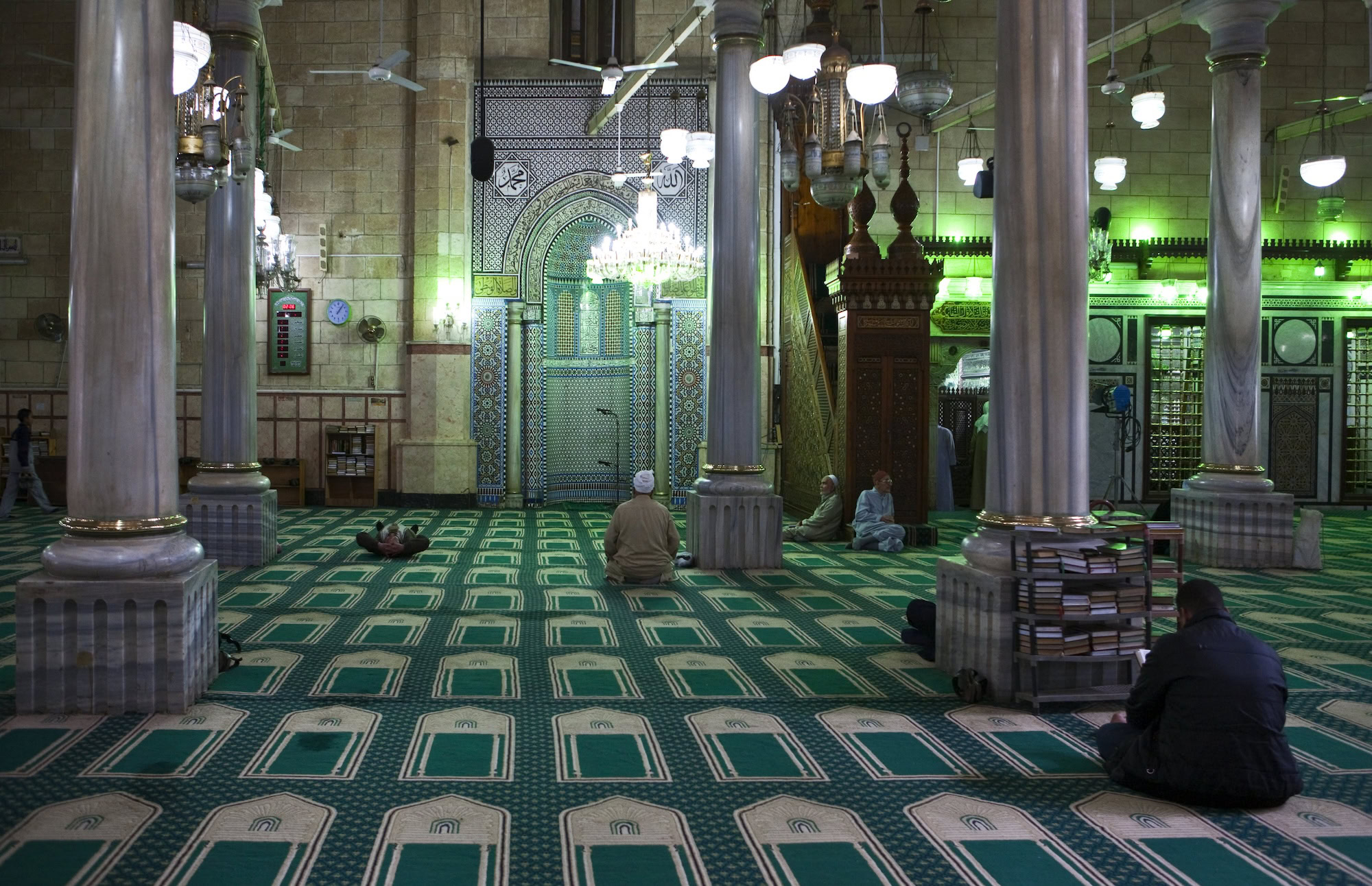
Year-round items include comfortable walking shoes, modest clothing for religious sites, and any personal medications. Cairo’s conservative culture requires respectful dress regardless of season, with long pants and covered shoulders necessary for many attractions.
Making Your Decision
Choose your Cairo timing based on your priorities and tolerance levels.
Winter visits (December-February) suit travelers prioritizing comfort over cost, willing to navigate crowds for excellent weather conditions. This timing works best for first-time visitors who want optimal conditions for seeing major attractions.
Spring visits (March-May) appeal to travelers seeking good weather with fewer crowds and moderate costs. This timing particularly suits photography enthusiasts and those planning extensive exploration.
Summer visits (June-August) serve budget-conscious travelers willing to adapt their schedules around extreme heat. Early risers and evening explorers can find remarkable value and empty attractions.
Autumn visits (October-November) provide excellent overall value, combining good weather, manageable crowds, and reasonable costs. This timing suits experienced travelers who understand how to maximize Cairo’s offerings.
Our decades of experience guiding travelers through Cairo’s seasons have shown us that the right timing depends on individual priorities. We’ve helped families enjoy comfortable winter explorations and budget travelers discover summer’s hidden advantages. Whatever season you choose, our private guides and modern vehicles ensure your Cairo experience meets your expectations while respecting the seasonal realities of this incredible city.
Frequently Asked Questions
October and March are widely considered the best months to visit Cairo because they combine pleasant temperatures, moderate crowd levels, and better value than peak winter travel periods. Daytime temperatures typically range from 24-30°C (75-86°F), making long visits to the Pyramids of Giza, Khan el-Khalili, and the Egyptian Museum comfortable. Unlike December and January, hotel demand is usually lower. Travelers seeking ideal sightseeing conditions often prioritize these two shoulder-season months.
Cairo is hot in summer, but it remains a viable destination with proper planning and realistic expectations. From June through August, daytime temperatures frequently exceed 35°C (95°F) and can occasionally approach 40°C (104°F). Most experienced travelers begin outdoor sightseeing before 9:00 am, rest during the hottest midday hours, and return to attractions later in the afternoon. Museums, mosques, and modern shopping districts provide useful indoor alternatives during peak heat.
Cairo is generally least crowded from June through September, when high summer temperatures discourage many international visitors. During this period, popular attractions such as the Pyramids of Giza, Saqqara, and the Citadel often feel less congested than they do during winter. Hotels may also offer lower rates and better availability. The trade-off is the intense daytime heat, so travelers should plan sightseeing early in the morning whenever possible.
During Ramadan, Cairo remains fully accessible to tourists, but daily routines shift significantly across the city. Major attractions, museums, and archaeological sites generally continue operating, while some restaurants and cafes reduce daytime service hours. After sunset, neighborhoods become especially lively as families gather for iftar meals and evening celebrations. Ramadan offers a unique cultural experience, but visitors should be respectful of local customs, particularly during fasting hours.
Cairo receives very little rainfall and is one of the driest major cities in the world. Annual precipitation is typically less than 30 mm (1.2 inches), with most light showers occurring between November and March. Rain rarely disrupts sightseeing, transportation, or tourism activities. Visitors are far more likely to encounter sunshine than wet weather, which is one reason Cairo remains a year-round destination for archaeological and cultural tourism.
Sandstorms in Cairo occur most frequently during spring, particularly between March and May when seasonal Khamsin winds sweep across Egypt. These weather events can reduce visibility, create dusty conditions, and temporarily affect outdoor sightseeing for one to three days. Most attractions remain open unless conditions become unusually severe. Travelers visiting during spring should monitor local forecasts and remain flexible with outdoor plans, especially if visiting exposed sites such as Giza and Saqqara.
Heavy winter clothing is usually unnecessary in Cairo, but light jackets or sweaters are useful during the cooler months. Between December and February, daytime temperatures often range from 18-22°C (64-72°F), while evenings can drop to around 10°C (50°F) or lower. Layered clothing works best because temperatures can vary considerably between morning, afternoon, and nighttime. A lightweight jacket is generally sufficient for most winter visitors.
July and August are typically the hottest months in Cairo, with daytime temperatures regularly exceeding 40°C (104°F). The combination of intense sunshine, dry air, and limited shade can make midday sightseeing physically demanding, especially at open-air sites like the Pyramids of Giza. Early morning visits become particularly important during this period. Travelers who tolerate heat well can still enjoy Cairo, but hydration and sun protection are essential.
Hotel prices in Cairo usually peak between December and February, when Egypt experiences its busiest tourism season. Pleasant weather attracts visitors from Europe, North America, and the Gulf region, increasing demand for hotels near major attractions and business districts. Rates for premium accommodations can rise significantly compared to summer months. Travelers seeking the widest hotel selection and the best prices should consider booking several months in advance for winter travel.
Autumn is one of the best times to visit Cairo, particularly during October and November when temperatures become much more comfortable after the summer heat. Daytime conditions are ideal for exploring outdoor attractions such as the Pyramids, Islamic Cairo, and Al-Azhar Park. Compared with December and January, autumn often brings fewer crowds and more competitive hotel pricing. Many experienced travelers view autumn as Cairo’s most balanced travel season.
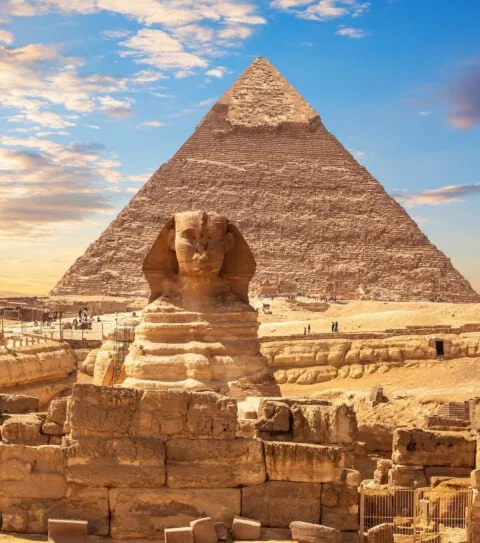
The best time to visit the pyramids is early in the morning around 8:00 am or later in the afternoon after approximately 3:00 pm. These periods offer cooler temperatures, softer light for photography, and fewer tour groups compared to midday. The Giza Plateau provides little natural shade, so avoiding the hottest hours improves comfort significantly. Morning visits are especially valuable during summer when temperatures rise quickly after sunrise.
Cairo’s air quality generally varies by season, with winter often bringing clearer conditions and summer sometimes experiencing heat-related pollution buildup. Temperature inversions during hotter months can trap pollutants closer to the ground, reducing visibility and affecting sensitive travelers. Conditions also fluctuate based on traffic levels, weather patterns, and occasional dust events. Visitors with respiratory concerns may find October through April more comfortable for extended outdoor sightseeing and walking tours.
Explore our most popular guides and expert tips to make your trip safe, smooth, and unforgettable.
Plan Your Egypt Adventure with Confidence
How to Plan a Trip Egypt
Step-by-step guide to help you plan the perfect Egypt trip — from routes and budget to booking.
Best Time to Visit Egypt
Learn the best months to visit Egypt based on weather, crowds, and local travel experiences.
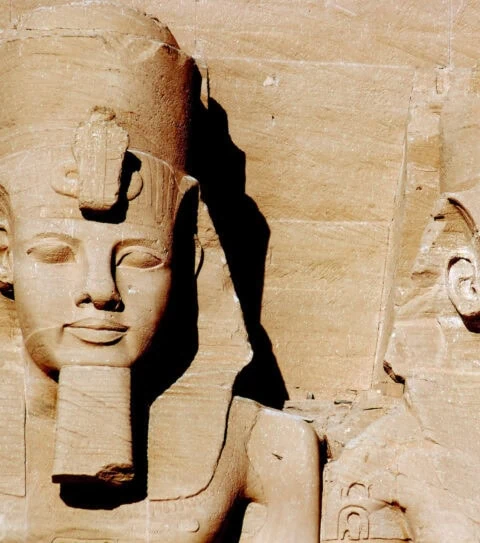
Must Visit Places in Egypt
Explore Egypt’s top sights — from pyramids to temples — and hidden gems worth seeing.
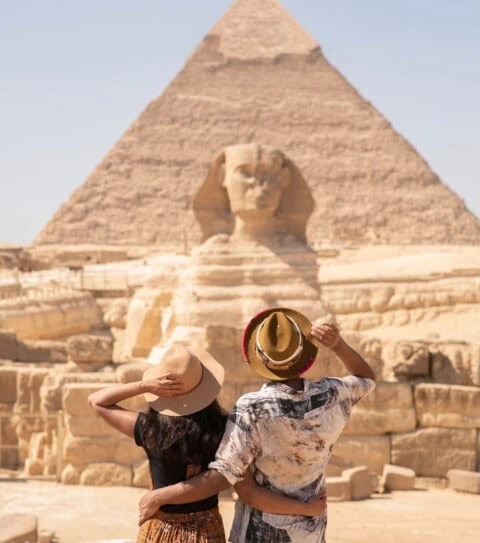
Top-Rated Egypt Tours
Handpicked private tours with local guides — our most loved and best-reviewed experiences.
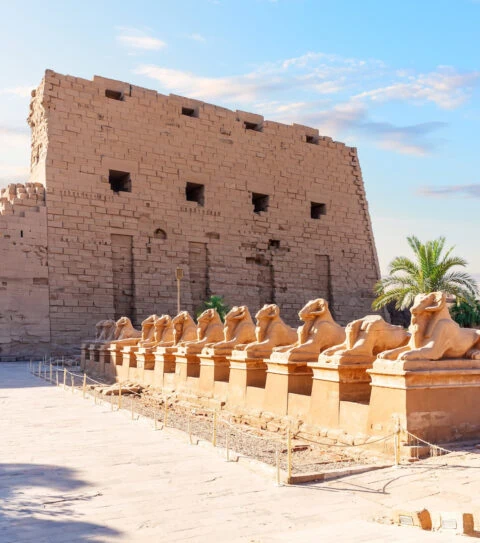
How Many Days to Visit Egypt?
Find out how many days you need in Egypt — from quick trips to full itineraries.
Egypt Visa Requirements
Check if you need a visa and get simple, up-to-date entry info based on your nationality.
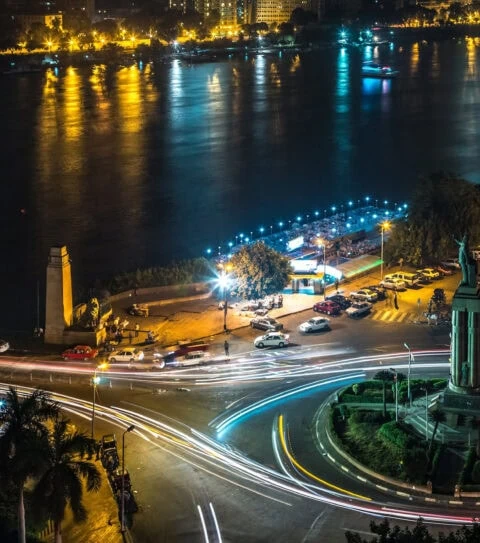
Is it Safe to Travel to Egypt?
Is Egypt safe? Get honest safety tips, area advice, and what to know before you travel.
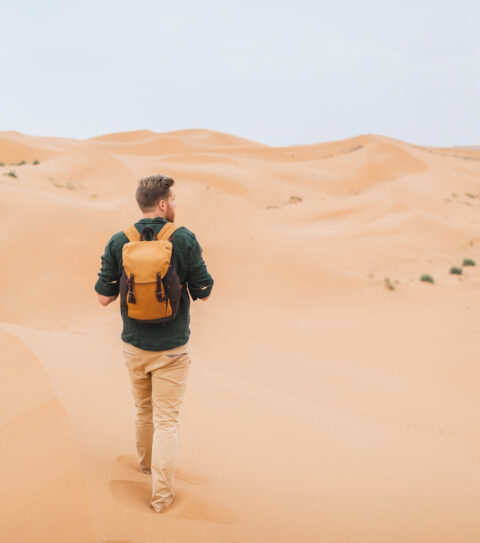
What to Pack for Egypt
A quick packing guide with essentials, cultural tips, and clothing advice for your Egypt trip.
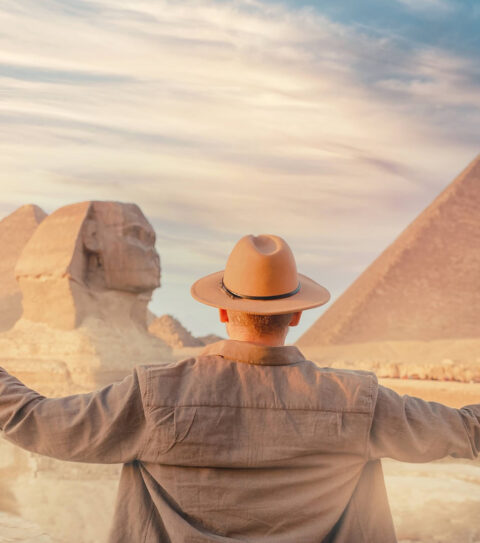
Design Your Custom Tour
Explore Egypt your way by selecting only the attractions you want to visit