How to Travel to Marsa Alam
Marsa Alam transforms from a quiet fishing village into your gateway to underwater adventures.
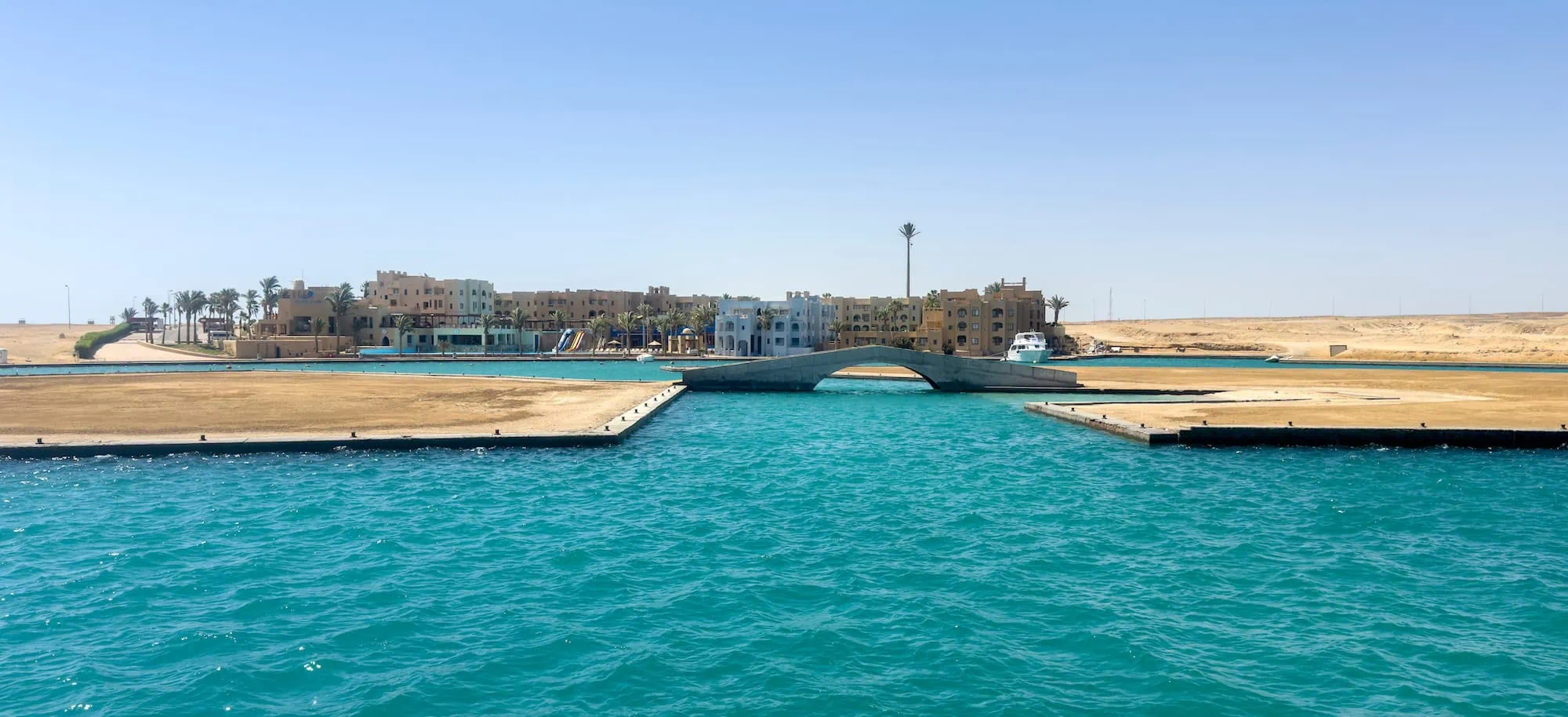
When we first started organizing trips to this southern Red Sea destination decades ago, many travelers had never heard of Marsa Alam. Today, it stands as Egypt’s premier diving and snorkeling paradise, offering pristine coral reefs, luxury resorts, and authentic desert experiences. Unlike the bustling shores of Hurghada or Sharm El Sheikh, Marsa Alam maintains its tranquil character while providing world-class amenities and unforgettable marine encounters.
Getting there requires some planning, but the journey rewards you with some of Egypt’s most spectacular natural beauty. From international flights to ground transfers, we’ll guide you through every step of reaching this Red Sea gem.
Table of Contents
Getting to Marsa Alam International Airport
Marsa Alam International Airport serves as your primary entry point into this coastal paradise. The airport operates year-round with seasonal flight schedules that peak during winter months when European travelers escape to warmer waters.
Direct International Flights
Several European carriers provide direct flights to Marsa Alam during peak season (October through April). Major departure cities include London, Manchester, Frankfurt, Milan, and Vienna. Flight times range from 5-7 hours depending on your departure point. Charter flights become more frequent during winter months, with some operators offering weekly services from major European hubs.
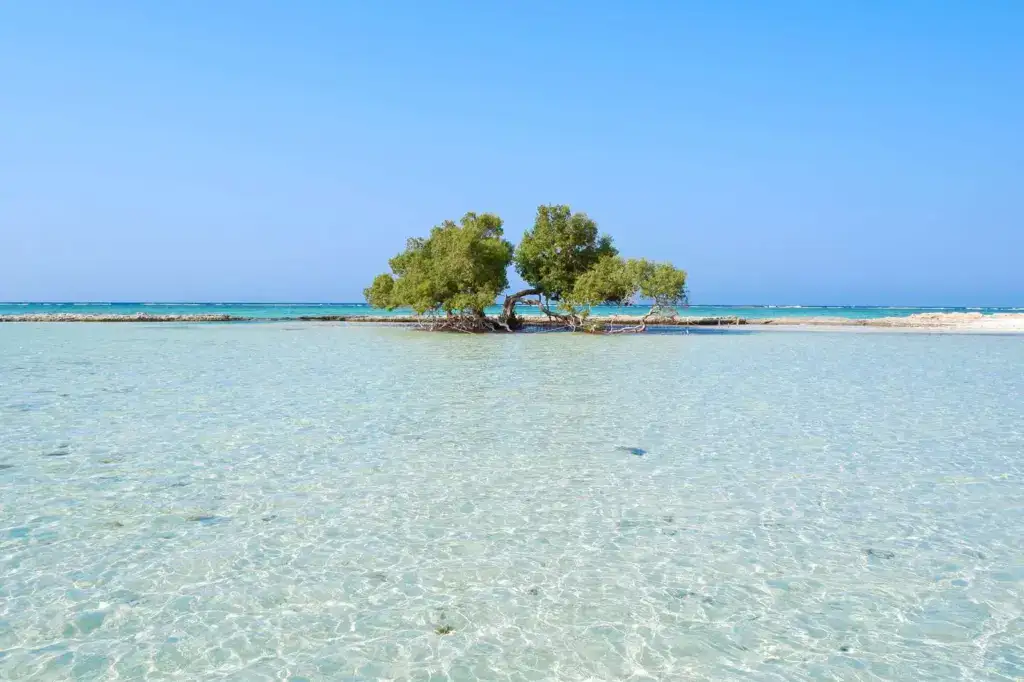
Turkish Airlines often provides the most flexible routing options through Istanbul, connecting Marsa Alam with destinations across North America, Asia, and additional European cities. Emirates occasionally operates seasonal routes through Dubai, particularly beneficial for travelers from Australia and Southeast Asia.
Connecting Through Cairo
Many travelers find connecting through Cairo International Airport offers the most flight options and competitive pricing. EgyptAir operates multiple daily flights between Cairo and Marsa Alam, with flight times around 1 hour and 15 minutes. The domestic terminal in Cairo handles these connections efficiently, though we recommend allowing at least 2-3 hours for international connections.
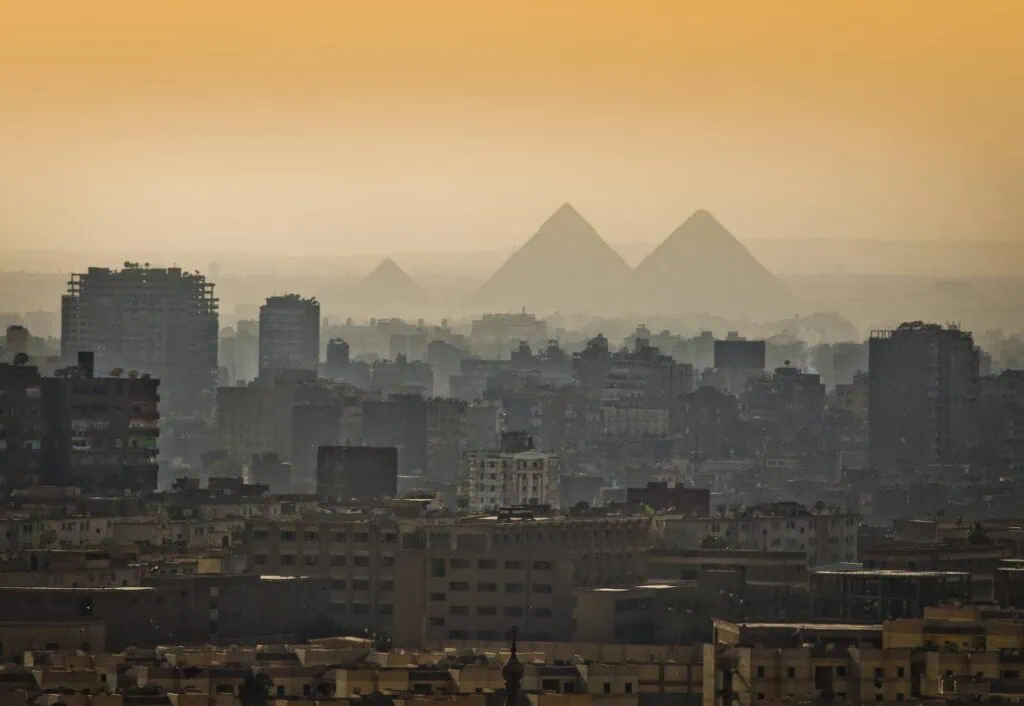
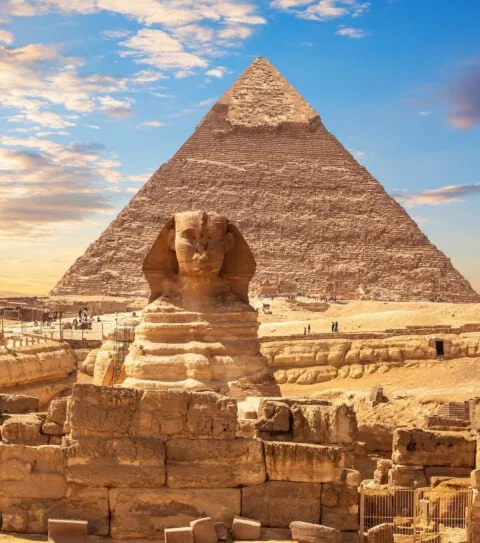
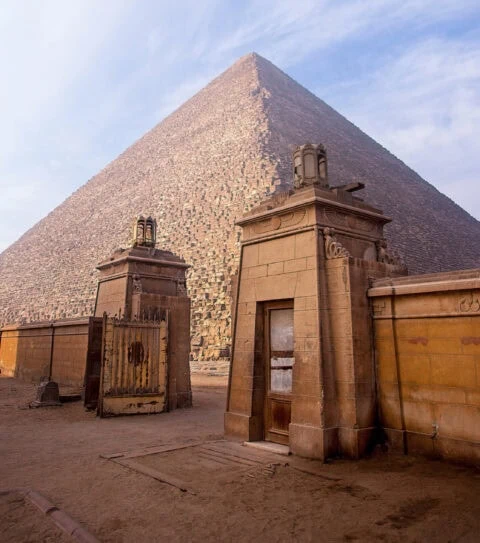
When booking connecting flights, consider overnight stays in Cairo if your international arrival is late evening. This gives you time to visit the Pyramids of Giza or explore Islamic Cairo before continuing to the Red Sea.
Overland Routes from Popular Egyptian Destinations
Road travel to Marsa Alam opens up Egypt’s dramatic desert landscapes. The journey from major cities takes you through changing terrain and offers glimpses of traditional Bedouin life.
Driving from Hurghada takes approximately 3 hours along the Red Sea coastal highway. This scenic route hugs the coastline, passing through small fishing villages and offering spectacular sea views. The road quality remains excellent throughout, making it suitable for standard vehicles. Several rest stops provide refreshments and fuel along the way.
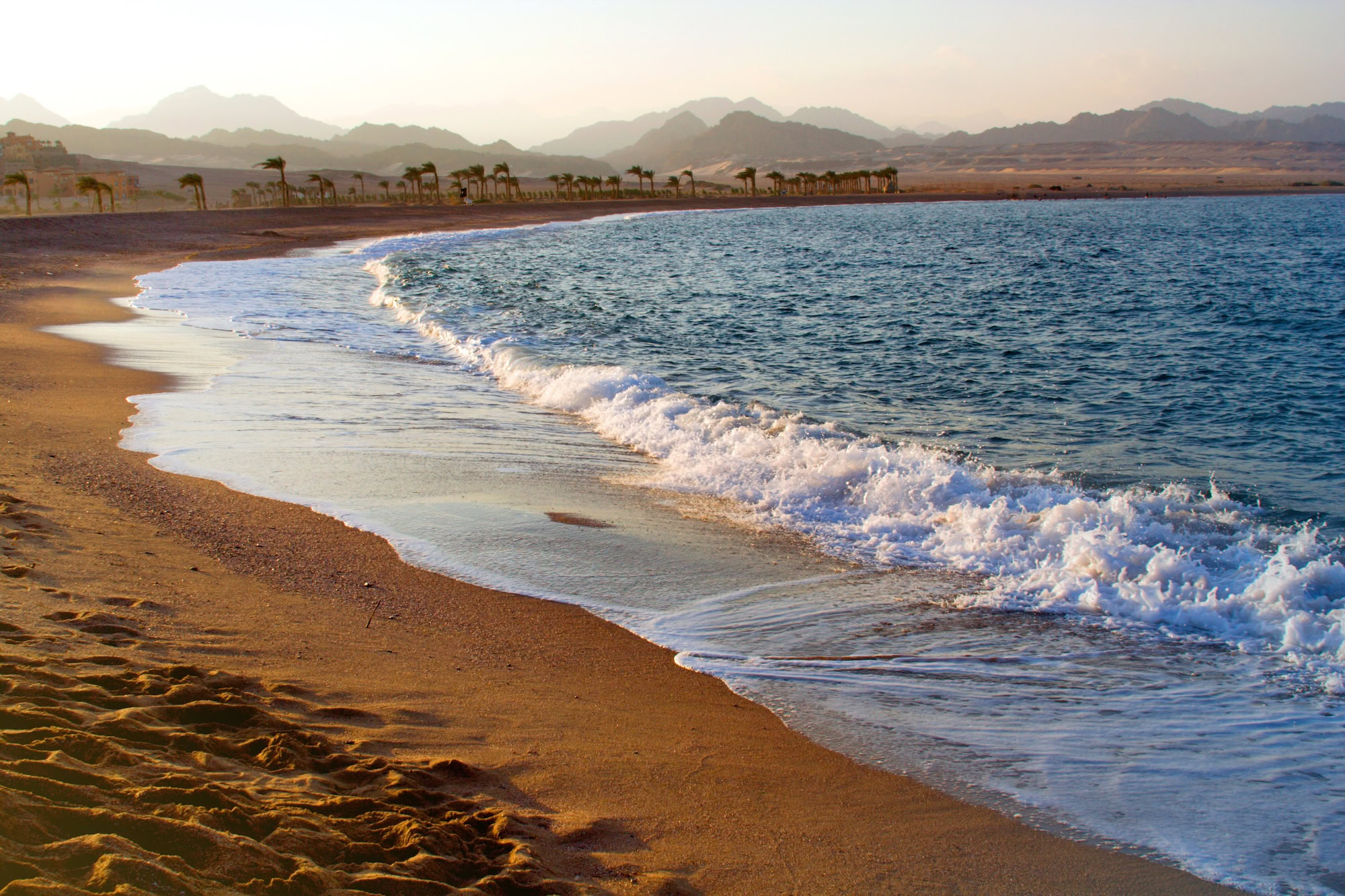
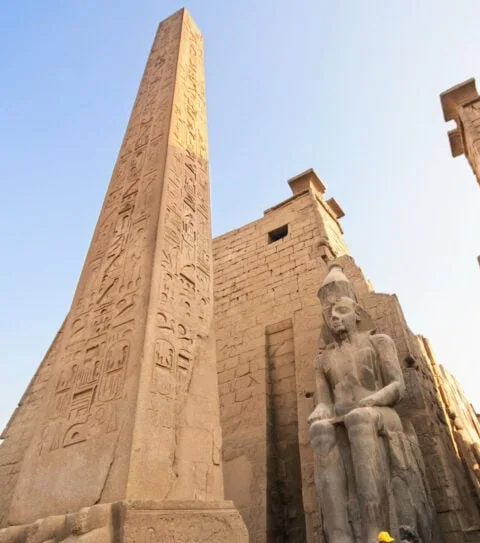
The journey from Luxor covers 214 km (133 miles) and typically takes 3.5-4 hours. You’ll cross the Eastern Desert, witnessing its stark beauty and occasional camel caravans. This route connects ancient pharaonic sites with modern Red Sea resorts, creating an interesting contrast between Egypt’s historical and natural treasures.
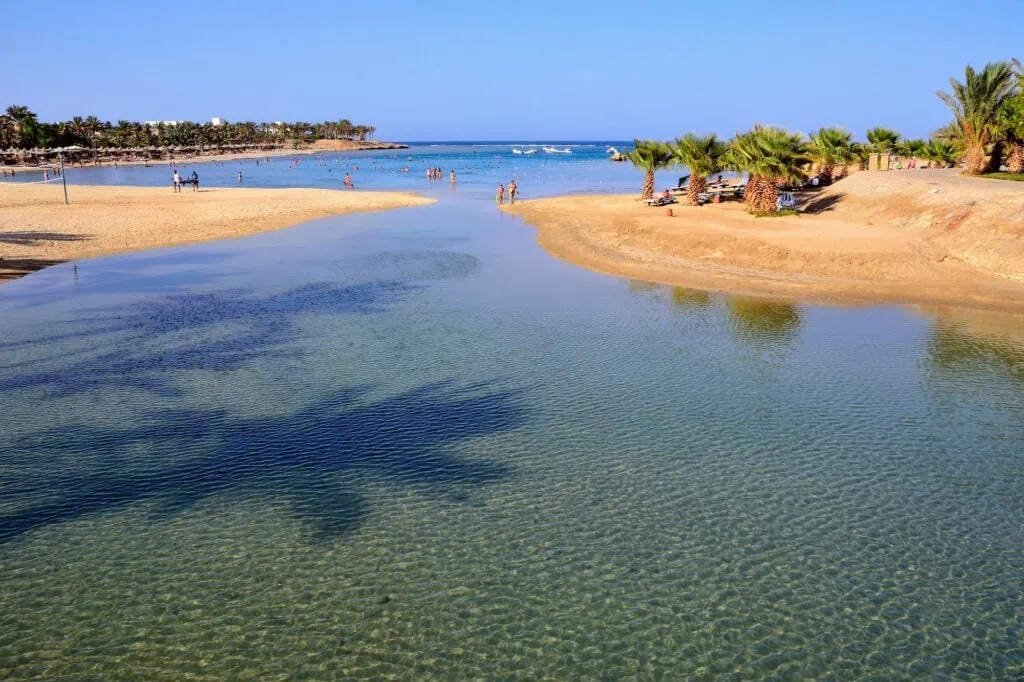
Cairo to Marsa Alam spans approximately 650 km (404 miles). The 7-8 hour drive crosses varied landscapes from the Nile Delta through desert regions to coastal plains. Most travelers prefer flying this distance, but the road journey offers adventure seekers an authentic desert crossing experience.
We arrange private transfers with professional drivers familiar with these routes. Our vehicles maintain air conditioning, comfortable seating, and emergency communication equipment. Drivers speak English and provide interesting commentary about the regions you pass through.
Airport Transfers and Local Transportation
Marsa Alam International Airport sits about 60 km (37 miles) north of the main resort area. Most hotels and resorts provide complimentary shuttle services, though transfer times vary from 45 minutes to 1.5 hours depending on your accommodation’s location.
Private transfers offer more flexibility and comfort. Professional drivers meet you at arrivals with name signs and assist with luggage. Air-conditioned vehicles ensure comfortable journeys even during summer heat. We coordinate all ground transfers as part of our comprehensive travel packages, eliminating arrival stress and language barriers.
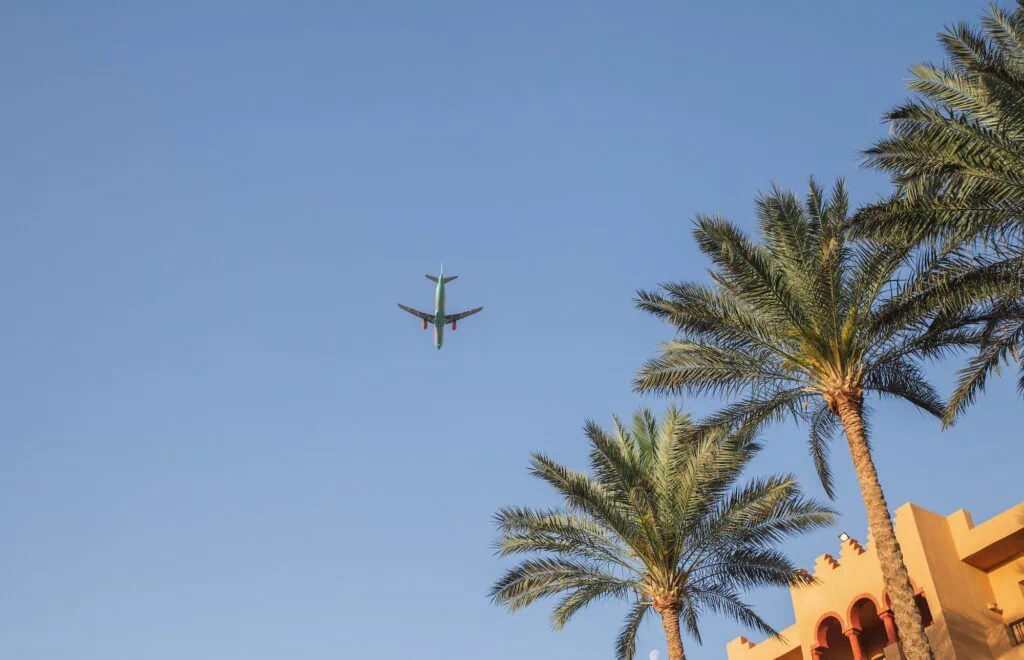
Taxi services operate from the airport, though we recommend pre-arranged transfers for first-time visitors. Local taxis may lack air conditioning or English-speaking drivers. Ride-sharing services remain limited in this region compared to major Egyptian cities.
Best Travel Times and Seasonal Considerations
Marsa Alam enjoys year-round sunshine, but seasonal variations affect both weather conditions and travel logistics. Understanding these patterns helps optimize your visit.
Winter months (December through February) bring perfect weather with daytime temperatures around 23-26°C (73-79°F). Sea temperatures remain comfortable for diving at 22-24°C (72-75°F). This period sees peak tourism, requiring advance bookings for flights and accommodations. European charter flights increase frequency, making direct travel easier but more expensive.
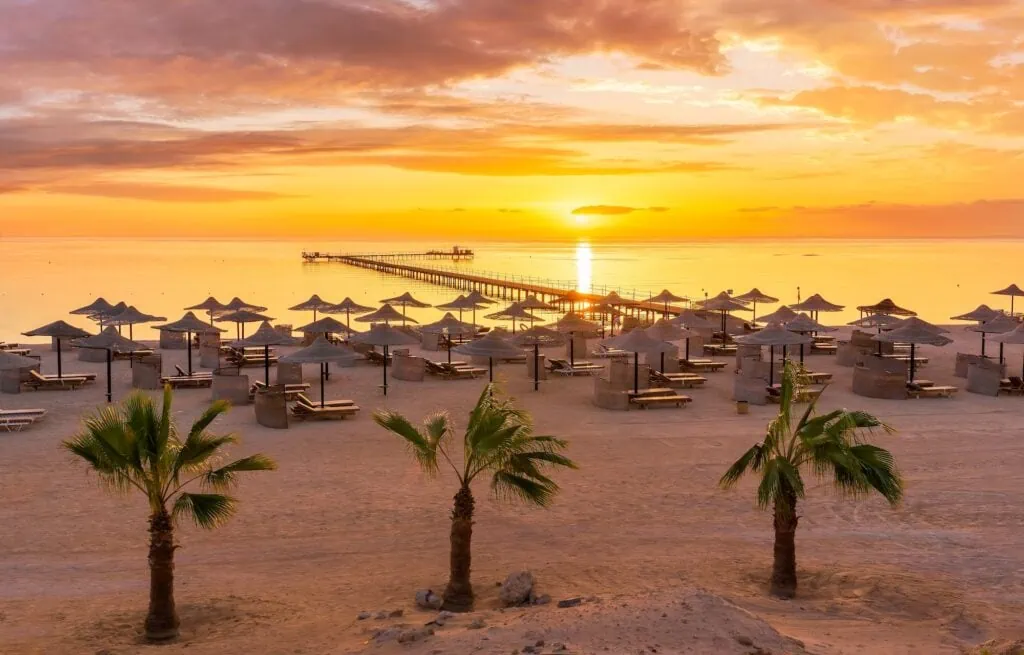
Spring and autumn (March through May, May through November) offer excellent weather with fewer crowds. Temperatures range from 26-30°C (79-86°F) during the day. Sea conditions remain ideal for marine activities. Flight prices often decrease compared to peak season, and resort rates become more competitive.
Summer months (June through August) bring intense heat with temperatures reaching 35-40°C (95-104°F). Many European visitors avoid this period, creating opportunities for better pricing on flights and accommodations. Early morning and evening activities become preferable, while midday hours suit poolside relaxation or indoor cultural experiences.
Essential Packing for Your Red Sea Adventure
Pack light, breathable clothing suitable for desert and marine environments. Cotton fabrics work best in the heat, while quick-dry materials suit water activities. Bring modest clothing for exploring local areas, respecting cultural norms outside resort settings.
Sun protection becomes crucial year-round. High SPF sunscreen (50+ recommended) protects against intense desert sun and reflection from water surfaces. Wide-brimmed hats and UV-protective shirts prevent sunburn during extended outdoor activities. Polarized sunglasses reduce glare when driving through desert terrain or spending time on boats.
Water shoes protect feet from sharp coral and hot sand. Reef-safe sunscreen preserves marine ecosystems you’ll explore while snorkeling or diving. A waterproof phone case protects electronics during boat trips and beach activities.
Consider bringing a light jacket for evening hours, especially during winter months when temperatures can drop to 15°C (59°F). Air conditioning in vehicles and indoor spaces can feel cold after spending time in the sun.
Health and Safety Preparations
Consult your healthcare provider about recommended vaccinations before traveling to Egypt. Routine vaccines (MMR, DPT, flu, etc.) should be current. Hepatitis A and Typhoid vaccines are often recommended for travelers visiting areas outside major resorts.
Stay hydrated in the desert climate by drinking bottled water regularly. Most resorts provide safe drinking water, but we recommend bottled water for peace of mind. Avoid ice in drinks at local establishments and choose fully cooked foods from reputable sources.
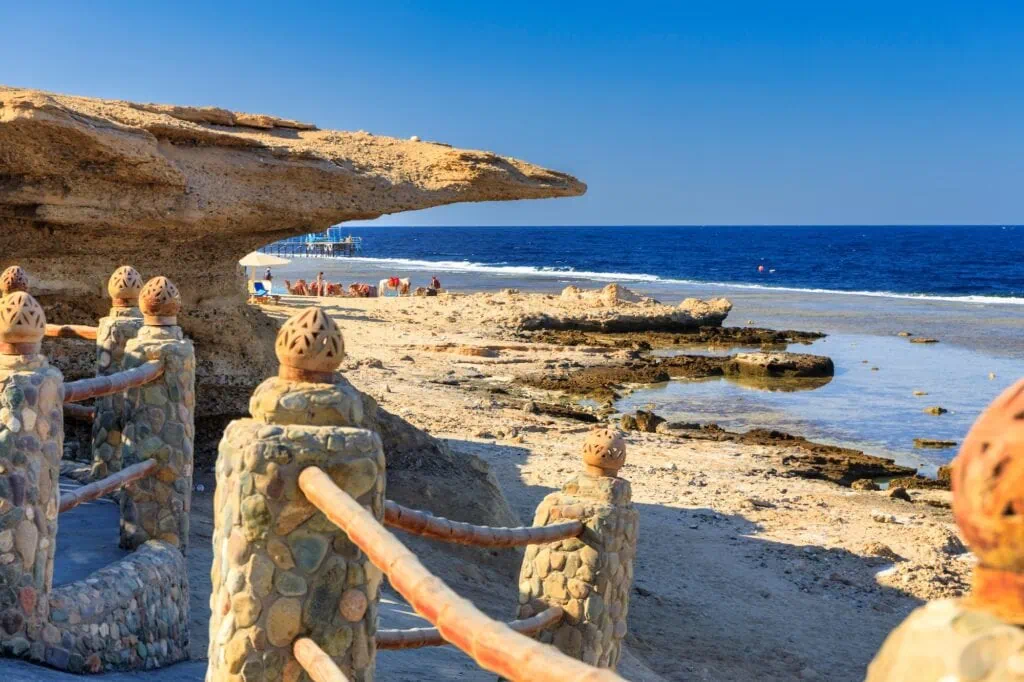
Travel insurance covering medical emergencies, evacuation, and trip cancellation protects against unexpected situations. Red Sea activities like diving and snorkeling carry inherent risks, so ensure your policy covers adventure sports. Our partnerships with international insurance providers offer competitive rates for comprehensive coverage.
The nearest major medical facilities are located in Hurghada, about 3 hours north. Marsa Alam has basic medical services, but serious conditions may require evacuation to Cairo or European medical centers. Quality travel insurance becomes essential given the remote location.
Cultural Insights and Local Customs
Marsa Alam’s laid-back atmosphere reflects its fishing village heritage, but respecting local customs enhances your experience. Outside resort areas, dress modestly with covered shoulders and knees. This shows respect for local culture and prevents unwanted attention.
Arabic serves as the primary language, though tourism workers speak English well. Learning basic Arabic phrases like “shukran” (thank you) and “marhaban” (hello) creates positive interactions with local people. Our guides provide cultural orientation to help you navigate social situations confidently.
Tipping (“baksheesh”) is customary throughout Egypt. Restaurant servers, housekeeping staff, and tour guides expect modest tips for good service. We provide tipping guidelines as part of our pre-travel briefing to help you understand appropriate amounts for different services.
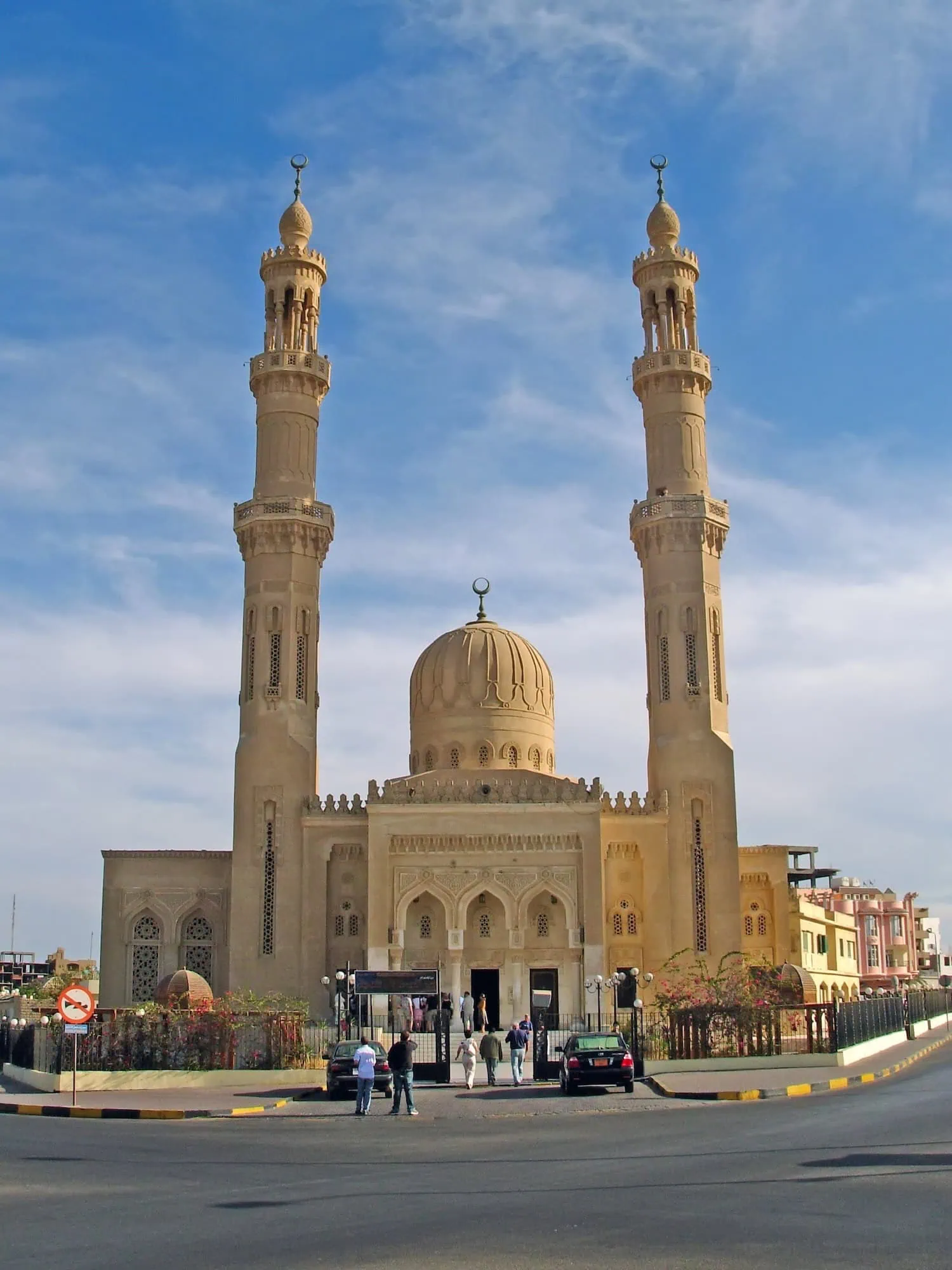
Friday prayer times affect some business hours, though tourist services generally maintain regular schedules. Ramadan brings changes to meal times and business hours, creating unique cultural experiences if you visit during this holy month.
Frequently Asked Questions
The fastest way to reach Marsa Alam from Cairo is by air, with direct flights taking approximately 1 hour 15 minutes. By road, the journey covers roughly 750 km (466 miles) and usually requires 7-8 hours depending on traffic, rest stops, and departure point. Flying is the preferred option for most international visitors because it maximizes vacation time and avoids a long desert drive. Book early during winter travel months when flight availability can tighten.
Yes, most international visitors need an Egyptian tourist visa to visit Marsa Alam. For many nationalities, including U.S. travelers, a visa can be obtained online through Egypt’s e-Visa system or on arrival at major international airports for approximately $25 USD. Passport validity requirements usually include at least six months remaining beyond your arrival date. Verify the latest entry rules before departure because visa policies can change.
The best time to visit Marsa Alam is from October through April, when daytime temperatures typically range between 23-30°C (73-86°F). During these months, the Red Sea remains warm, visibility for diving is excellent, and outdoor activities are far more comfortable than during peak summer heat. Winter also brings calmer conditions for snorkeling and boat excursions. November and March often provide an excellent balance of pleasant weather and moderate visitor numbers.
Yes, Marsa Alam receives direct charter and seasonal flights from several major European cities, particularly between October and April. Travelers from countries such as Germany, Italy, Poland, the Czech Republic, and the United Kingdom often find nonstop options during the winter tourism season. These direct connections help make Marsa Alam one of Egypt’s most accessible Red Sea destinations. Booking several months ahead usually provides the widest flight selection and better fares.
Marsa Alam International Airport is located about 60 km (37 miles) north of the main resort zone, although transfer times vary significantly by hotel location. Most resorts can be reached within 45-90 minutes by private transfer or shuttle service. Some luxury properties south of the airport require longer drives along the Red Sea coast. Confirm your hotel’s exact location before booking so you can accurately plan arrival and departure logistics.
Yes, rental cars are available at Marsa Alam International Airport through international and local providers. While self-driving is possible, many first-time visitors prefer private transfers because resort areas are spread out along hundreds of kilometers of coastline and road signage can be limited in remote sections. Professional drivers are familiar with local routes and checkpoint procedures. If renting, ensure your insurance coverage includes driving in Egypt.
Egyptian pounds (EGP) are the most practical currency for everyday purchases in Marsa Alam. Hotels, dive centers, and larger tourism businesses often accept U.S. dollars and euros, but local currency is usually preferred for tips, small shops, and local services. ATMs are available but may not always be conveniently located outside resort areas. Carrying a mix of Egyptian pounds and a backup international payment card provides the greatest flexibility.
Yes, Marsa Alam is widely regarded as one of Egypt’s safest resort destinations, with dedicated tourism security and controlled resort environments. The region’s economy depends heavily on international tourism, particularly diving and beach holidays along the Red Sea coast. Resorts maintain their own security measures, and major tourist areas are regularly monitored. Standard travel precautions still apply, but most visitors experience a relaxed and trouble-free stay.
No special government permits are required for standard recreational diving in Marsa Alam. Certified divers should hold credentials from recognized organizations such as PADI, SSI, or NAUI to participate in advanced or guided dives. Marsa Alam is famous for sites like Elphinstone Reef, where operators may require proof of experience due to stronger currents. Bring your certification card and logbook to simplify check-in procedures with dive centers.
The Red Sea around Marsa Alam remains warm throughout the year, with water temperatures generally ranging from 22°C (72°F) in winter to 28°C (82°F) in summer. These conditions support year-round snorkeling, diving, swimming, and marine wildlife encounters. Even during January and February, many visitors find the water comfortable without thick wetsuits. Consistently warm seas are one reason Marsa Alam has become a leading diving destination.
Yes, ATMs are available at Marsa Alam International Airport and at many larger resorts and hotel complexes. However, the region is less developed than destinations such as Hurghada or Cairo, so ATM access can be limited outside major tourism hubs. Machines occasionally run out of cash during busy travel periods. Carry enough Egyptian pounds for tips, small purchases, and incidental expenses rather than relying entirely on ATM withdrawals.
Most resorts in Marsa Alam offer WiFi access, and local SIM cards provide mobile internet coverage across much of the region. Egypt’s major telecommunications providers, including Vodafone Egypt, Orange Egypt, and Etisalat Egypt, sell prepaid tourist data packages at airports and mobile stores. Coverage is generally reliable in resort areas but can weaken during remote desert or offshore excursions. Purchasing a local SIM card is often the most cost-effective solution for longer stays.
Explore our most popular guides and expert tips to make your trip safe, smooth, and unforgettable.
Plan Your Egypt Adventure with Confidence
How to Plan a Trip Egypt
Step-by-step guide to help you plan the perfect Egypt trip — from routes and budget to booking.
Best Time to Visit Egypt
Learn the best months to visit Egypt based on weather, crowds, and local travel experiences.
Must Visit Places in Egypt
Explore Egypt’s top sights — from pyramids to temples — and hidden gems worth seeing.
Top-Rated Egypt Tours
Handpicked private tours with local guides — our most loved and best-reviewed experiences.
How Many Days to Visit Egypt?
Find out how many days you need in Egypt — from quick trips to full itineraries.
Egypt Visa Requirements
Check if you need a visa and get simple, up-to-date entry info based on your nationality.
Is it Safe to Travel to Egypt?
Is Egypt safe? Get honest safety tips, area advice, and what to know before you travel.
What to Pack for Egypt
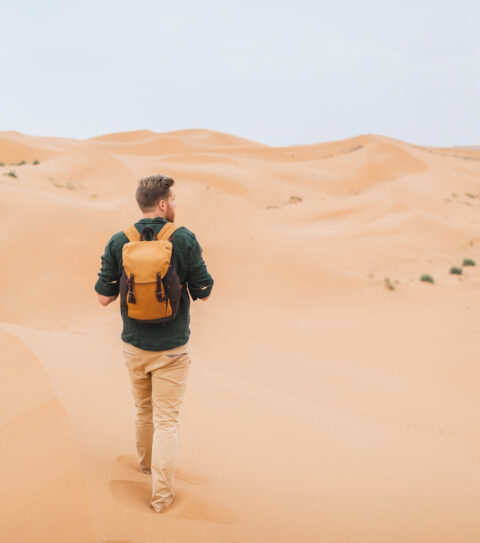
A quick packing guide with essentials, cultural tips, and clothing advice for your Egypt trip.
Design Your Custom Tour
Explore Egypt your way by selecting only the attractions you want to visit