Where to Visit in Egypt: Complete Travel Guide
Egypt exceeds every expectation travelers have about this remarkable destination.
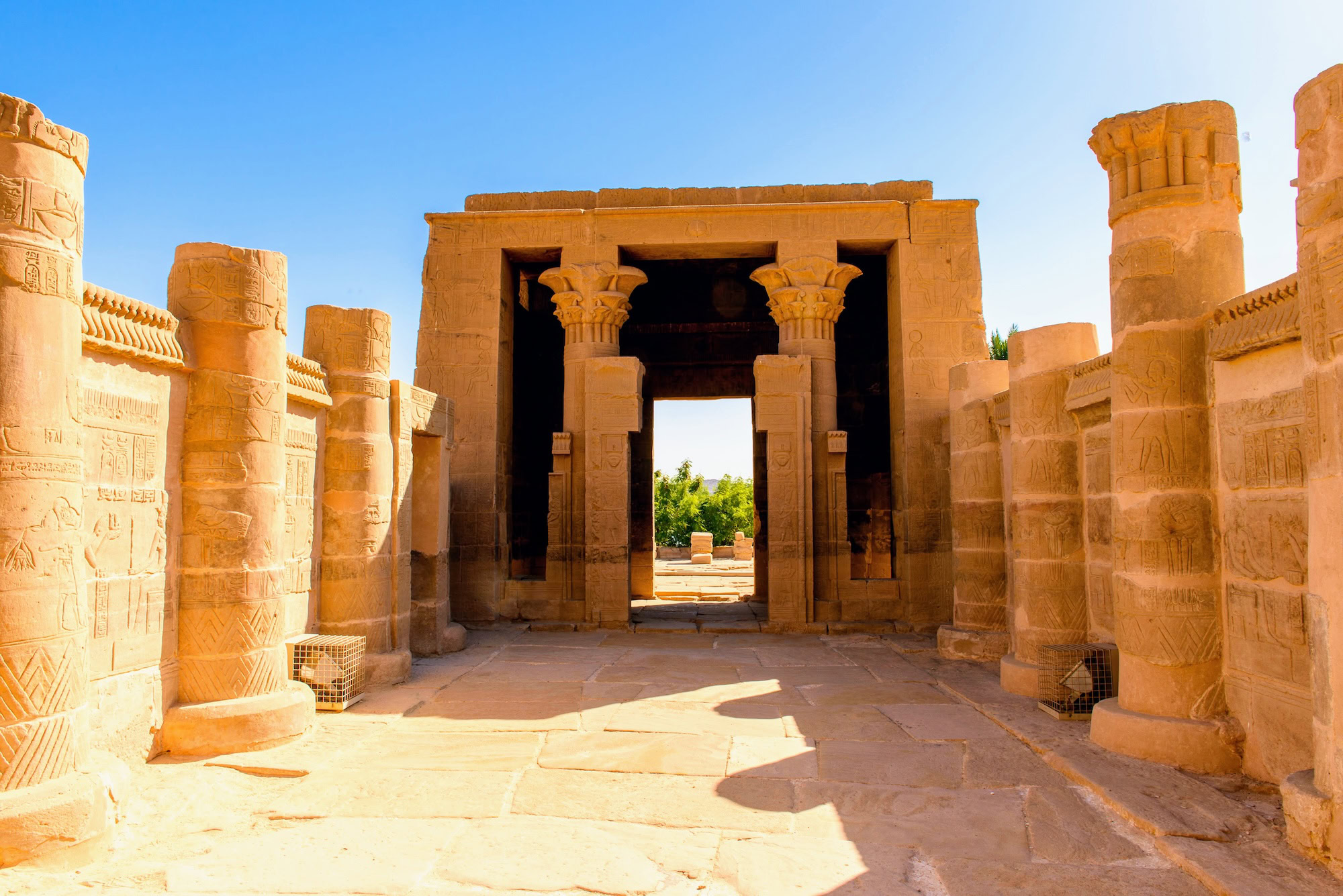
From the moment you first glimpse the Great Pyramids rising from the desert sands to your final sunset cruise down the legendary Nile River, Egypt delivers experiences that stay with you long after you return home. Our team has spent decades crafting journeys through this ancient land, helping thousands of visitors discover its hidden treasures and iconic monuments. With our expertise and local knowledge, we guide you through a country where every stone tells a story spanning over 5,000 years of civilization.
Whether you’re drawn to magnificent temples, bustling markets, pristine beaches, or legendary archaeological sites, Egypt offers something extraordinary for every type of traveler.
Table of Contents
Essential Ancient Monuments and Archaeological Sites
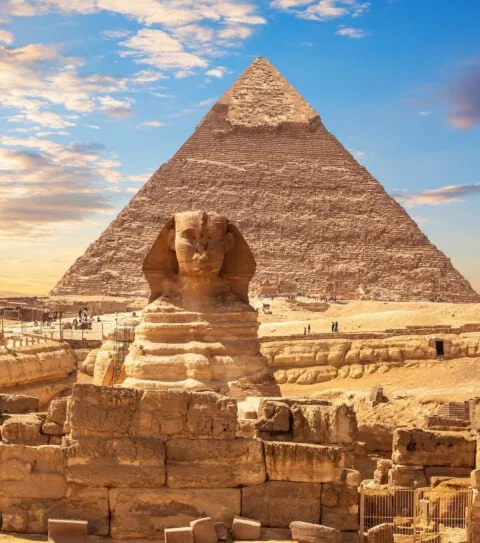
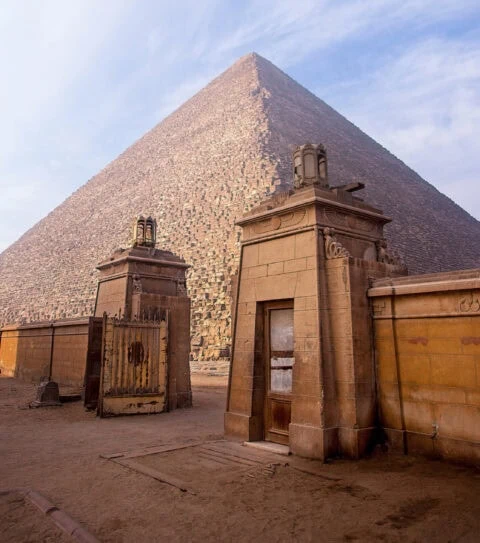
The Great Pyramids of Giza stand as the last remaining wonder of the ancient world, and they absolutely deserve their legendary status.
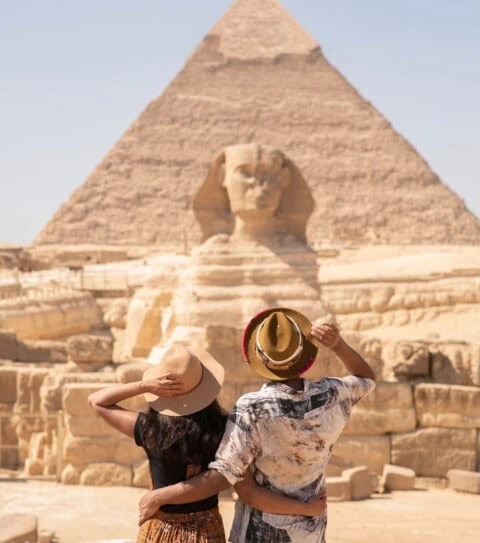
The Giza Complex and Sphinx
These 4,500-year-old monuments continue to baffle archaeologists and inspire millions of visitors each year. The Great Pyramid originally stood 146 meters (481 feet) tall and contains over 2.3 million limestone blocks, each weighing between 2.5 and 15 tons. Walking through the King’s Chamber inside the pyramid creates an almost spiritual experience, though the narrow passageways can feel claustrophobic.
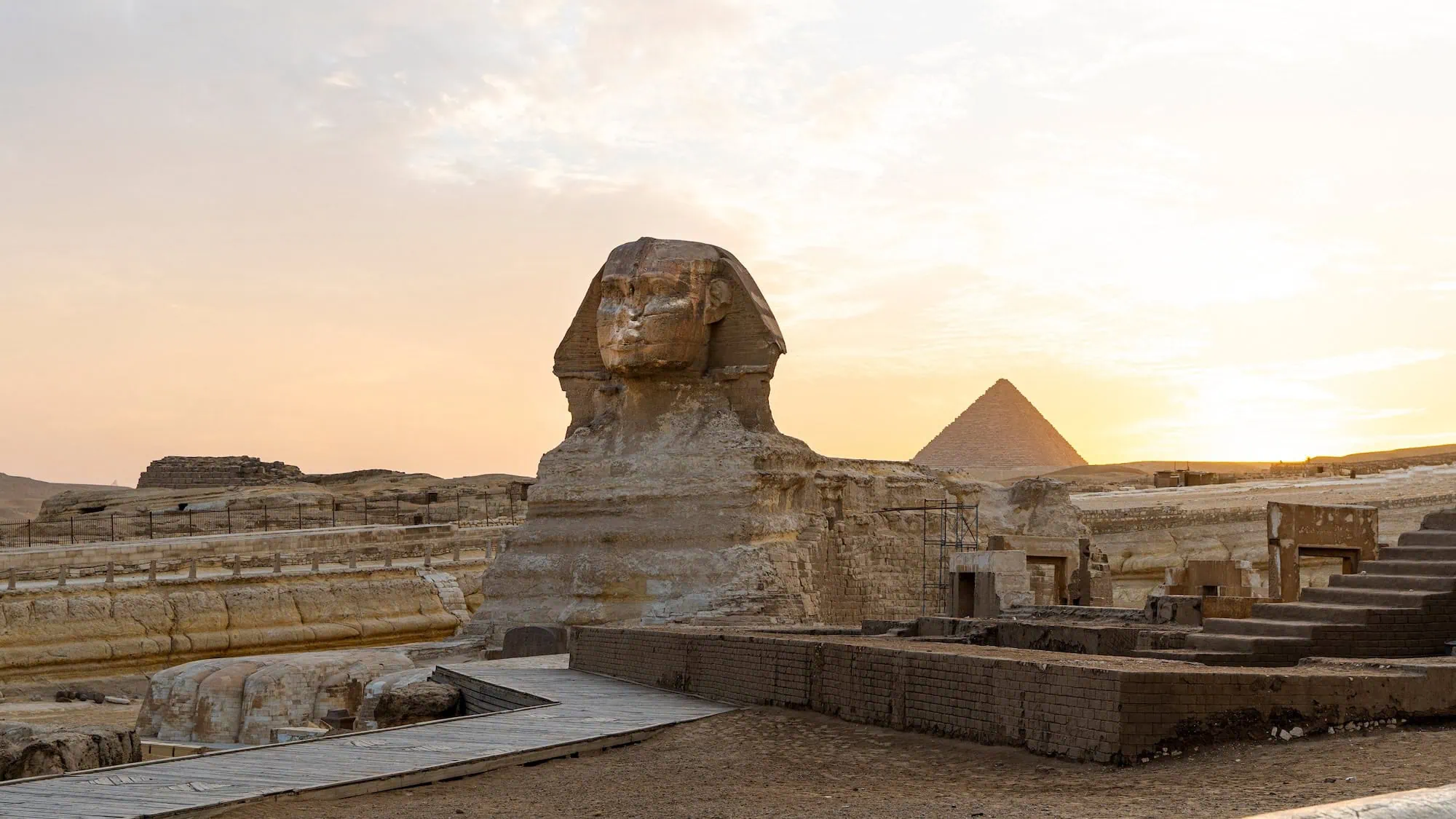
The Great Sphinx, carved from a single piece of limestone, guards the complex with its mysterious smile. Recent studies suggest it may be even older than the pyramids themselves, adding another layer to Egypt’s ancient mysteries.
Valley of the Kings
Luxor’s Valley of the Kings houses 63 discovered tombs of pharaohs and nobles from Egypt’s New Kingdom period (1550-1070 BCE). Tutankhamun’s tomb, discovered nearly intact by Howard Carter in 1922, remains the most famous discovery in archaeological history. The tomb’s golden treasures now reside in the Grand Egyptian Museum, with the young pharaoh’s mummy displayed in his original burial chamber.
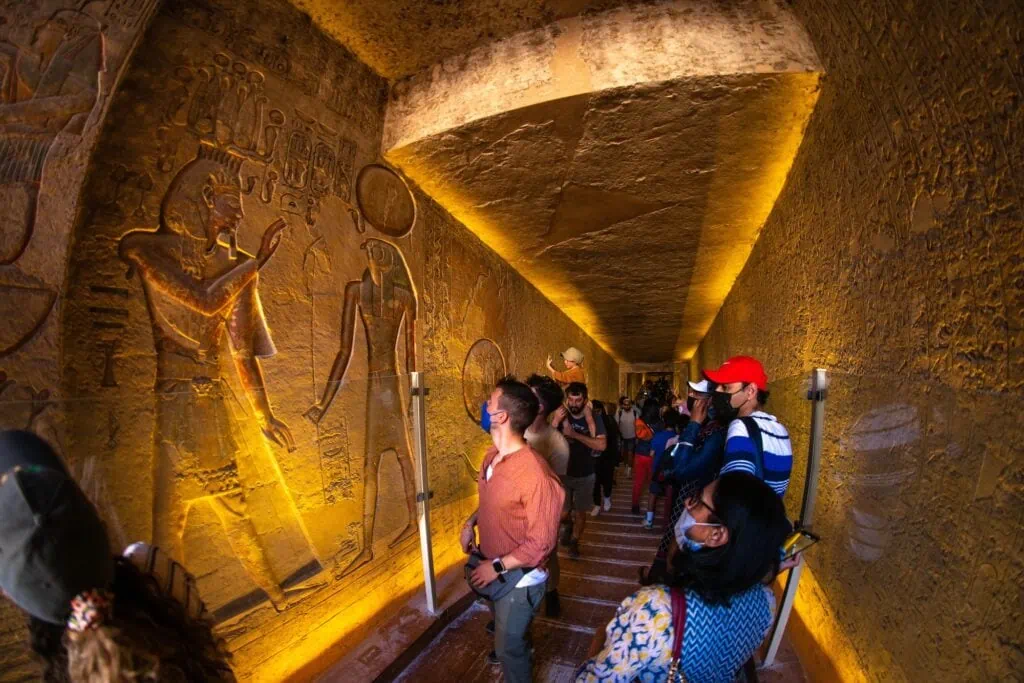
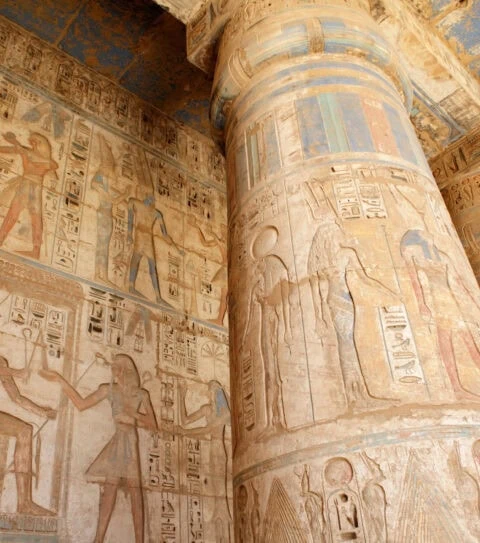
Ramses II’s tomb features some of the most vibrant wall paintings you’ll find anywhere in Egypt. The colors remain remarkably preserved after over 3,000 years, depicting the pharaoh’s journey through the afterlife in intricate detail.
Abu Simbel Temple Complex
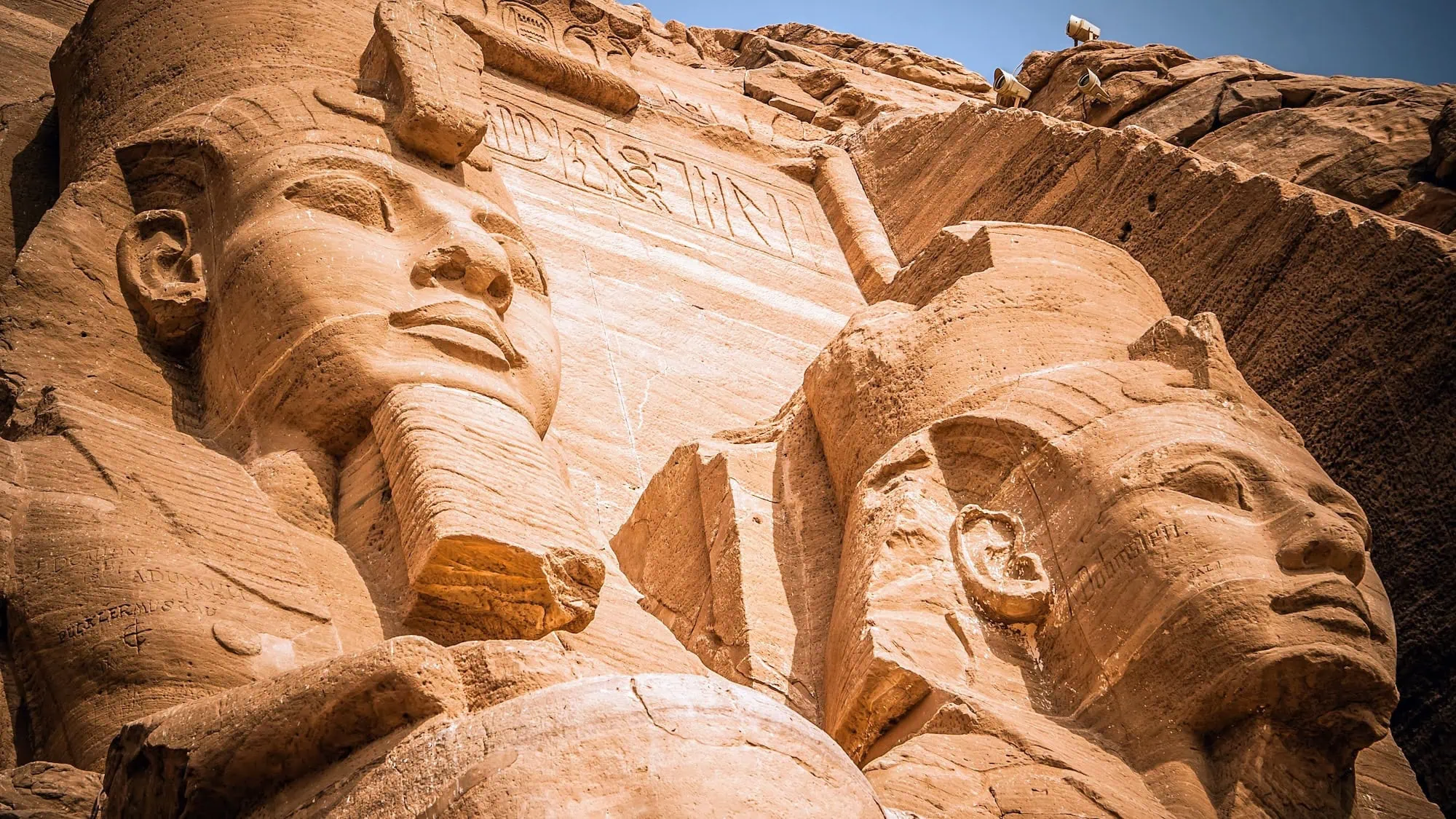
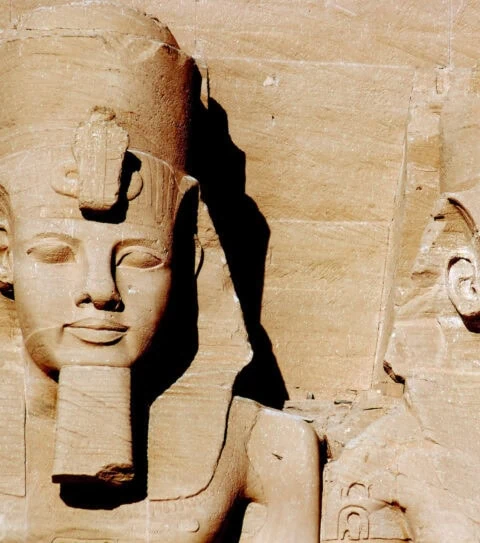
Ramses II commissioned these colossal temples in the 13th century BCE as a display of Egyptian power to his Nubian neighbors. Today, visitors can experience these remarkable monuments through Abu Simbel tours, which showcase four 20-meter (65-foot) seated statues of the pharaoh guarding the main temple entrance, while the smaller temple honors his beloved wife Nefertari. UNESCO’s massive relocation project in the 1960s moved both temples block by block to save them from flooding when the Aswan High Dam created Lake Nasser.
Cultural and Historical Experiences
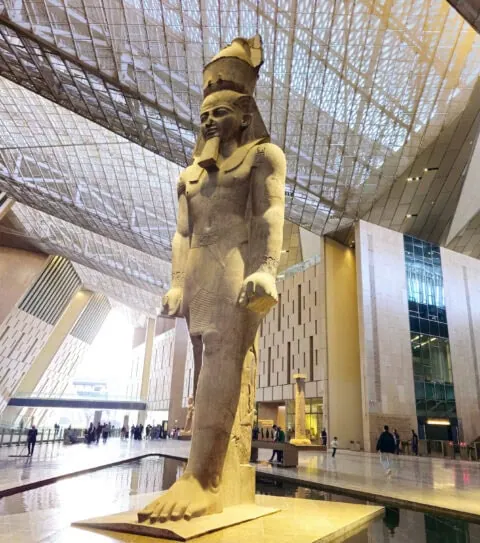
The Grand Egyptian Museum, now open near the Giza pyramids, presents one of the world’s most extensive collections of ancient Egyptian artifacts, spanning more than 5,000 years of history. The museum displays thousands of objects in a modern, purpose-built setting designed to provide clear historical context.
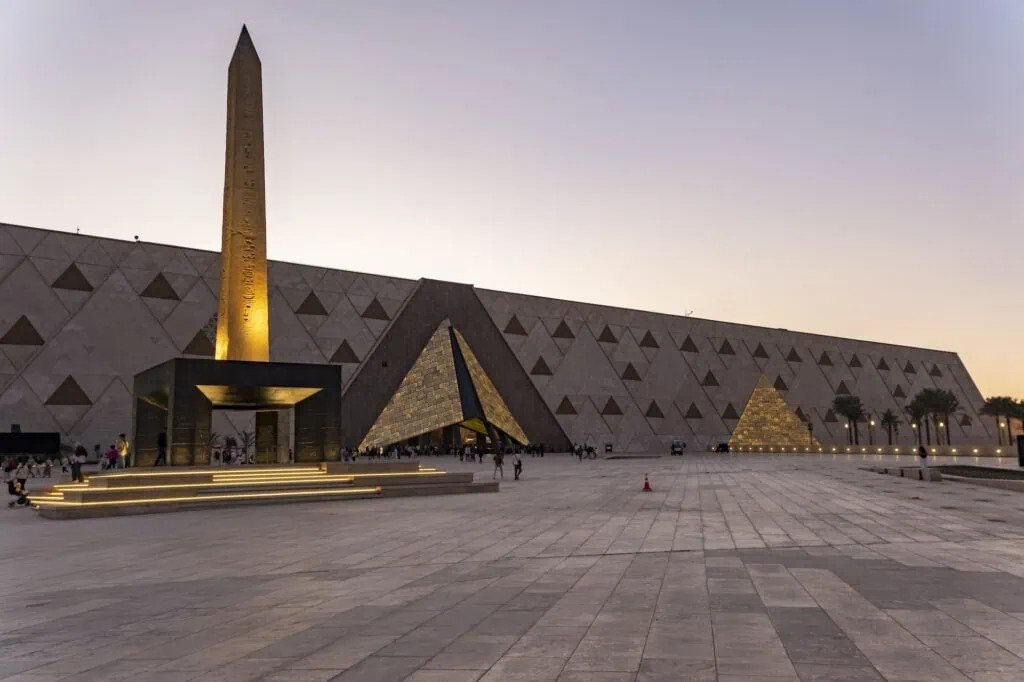
Among the highlights is the complete collection of King Tutankhamun, shown together for the first time, including his famous golden funerary mask. The galleries also feature royal mummies, jewelry, furniture, and everyday objects that illustrate how ancient Egyptians lived, worked, and prepared for the afterlife.
Temple Complexes of Luxor
Karnak Temple Complex covers over 100 hectares (247 acres), making it one of the largest religious sites ever built. The Hypostyle Hall contains 134 massive columns, each tall enough to fit a 15-story building. Ancient Egyptians called Karnak “Ipet-isut,” meaning “The Most Sacred of Places.”
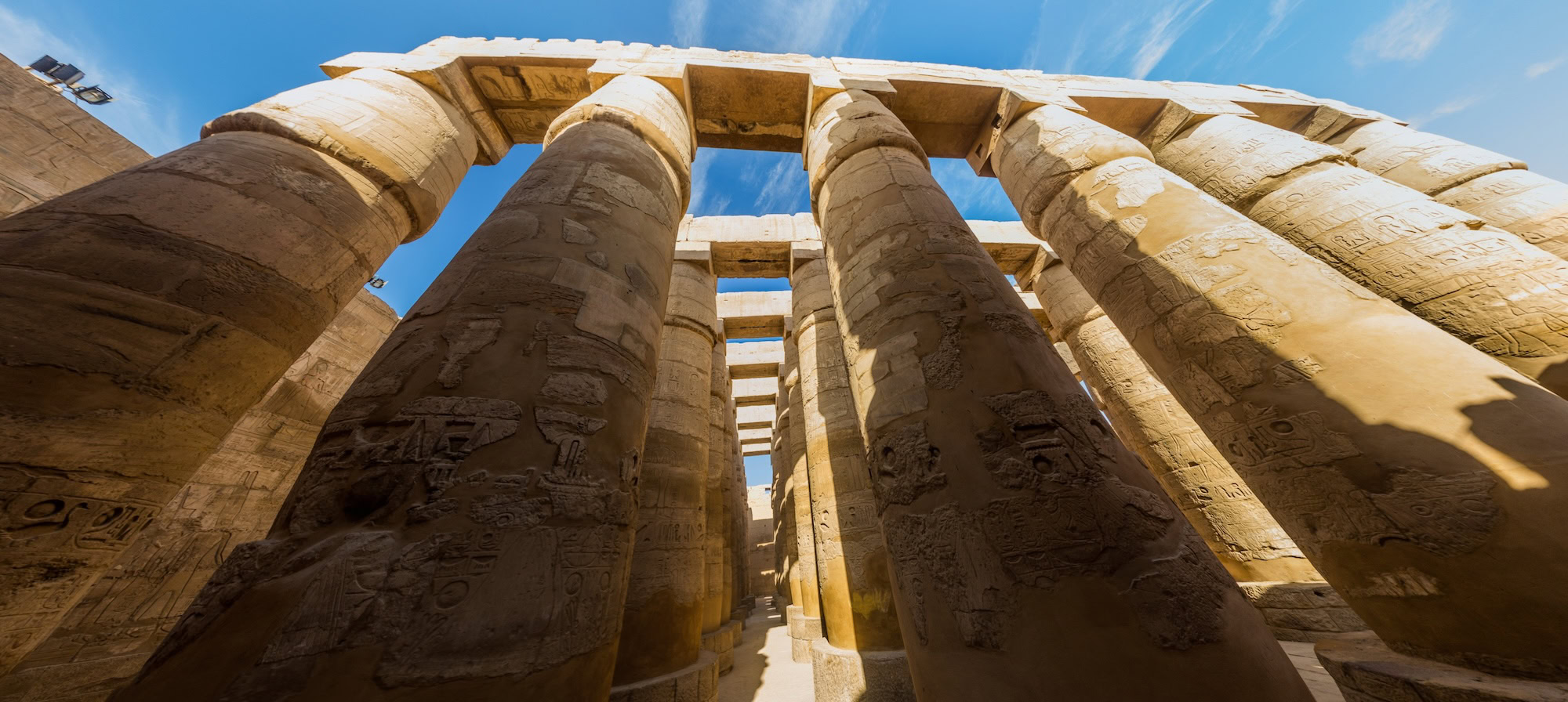
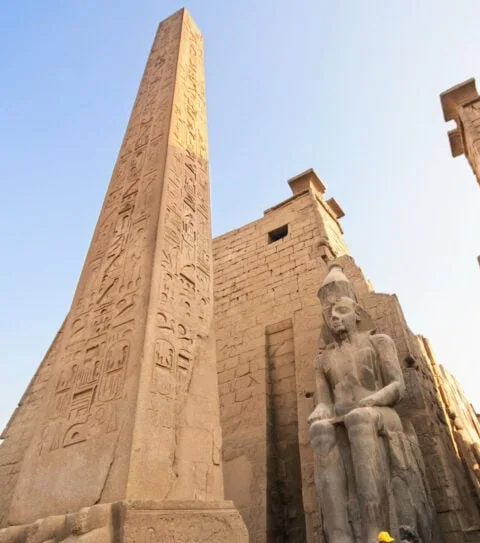
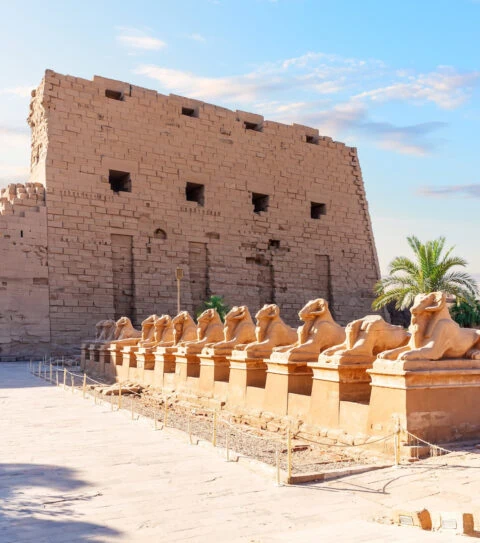
Luxor Temple, connected to Karnak by a 3-kilometer (1.9-mile) avenue lined with sphinx statues, served as the stage for religious festivals. Alexander the Great and Roman emperors added their own sections to this temple, creating a fascinating blend of architectural styles.
Philae Temple Island Sanctuary
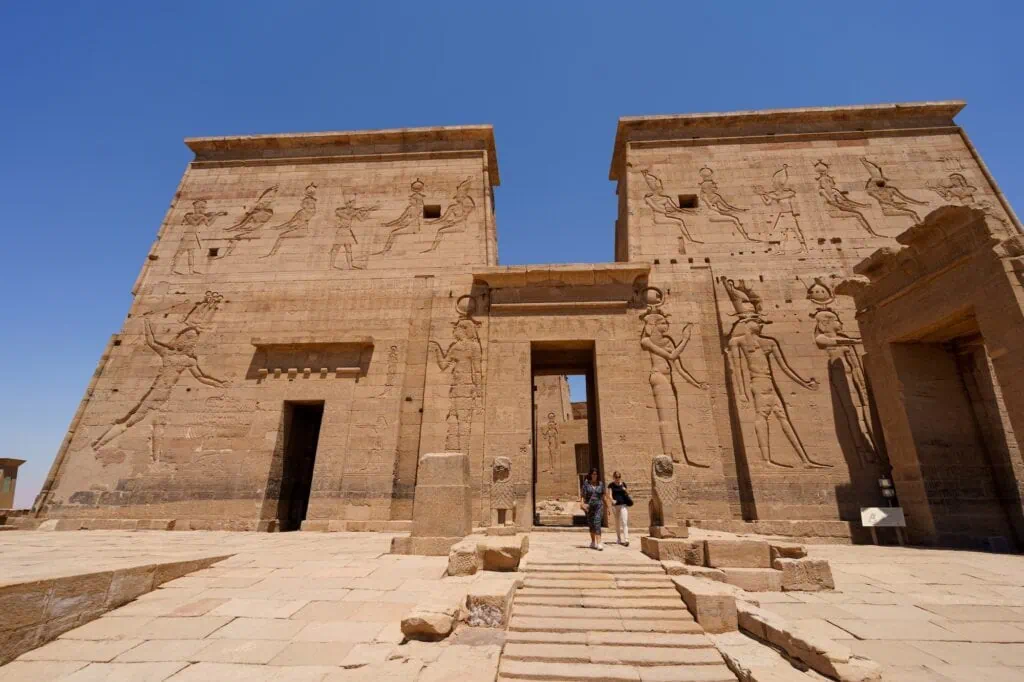
Dedicated to the goddess Isis, Philae Temple on Agilkia Island near Aswan represents one of Egypt’s best-preserved temple complexes. Like Abu Simbel, UNESCO relocated the entire temple when the Aswan High Dam threatened to submerge it permanently. Evening sound and light shows illuminate the temple’s columns and reliefs, telling the story of Isis and Osiris against the backdrop of the Nile.
Nile River Experiences and Cruising
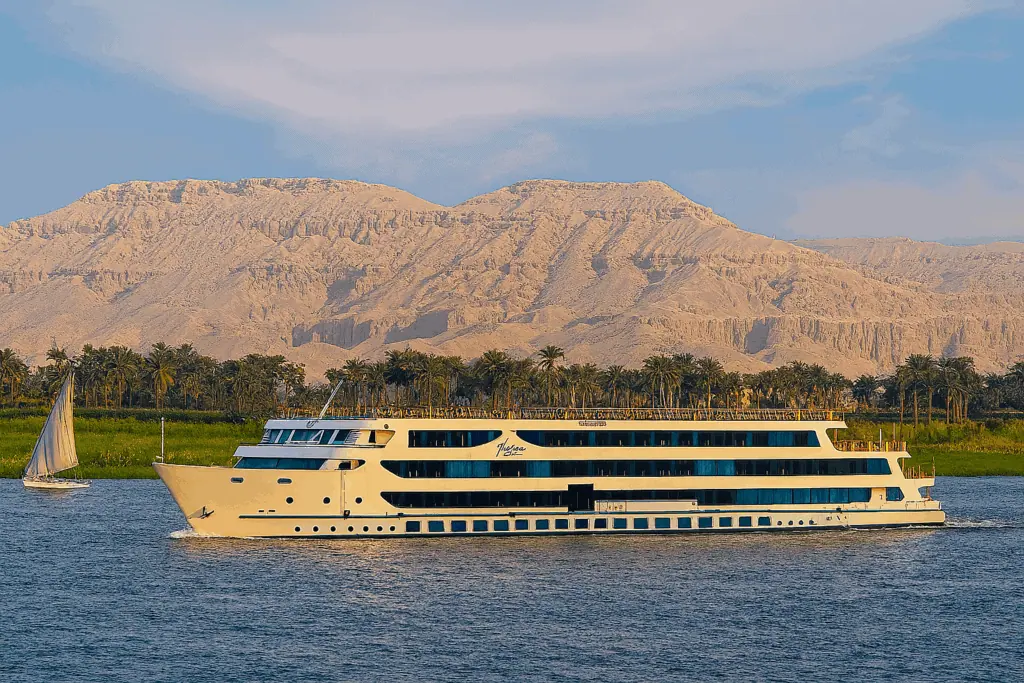
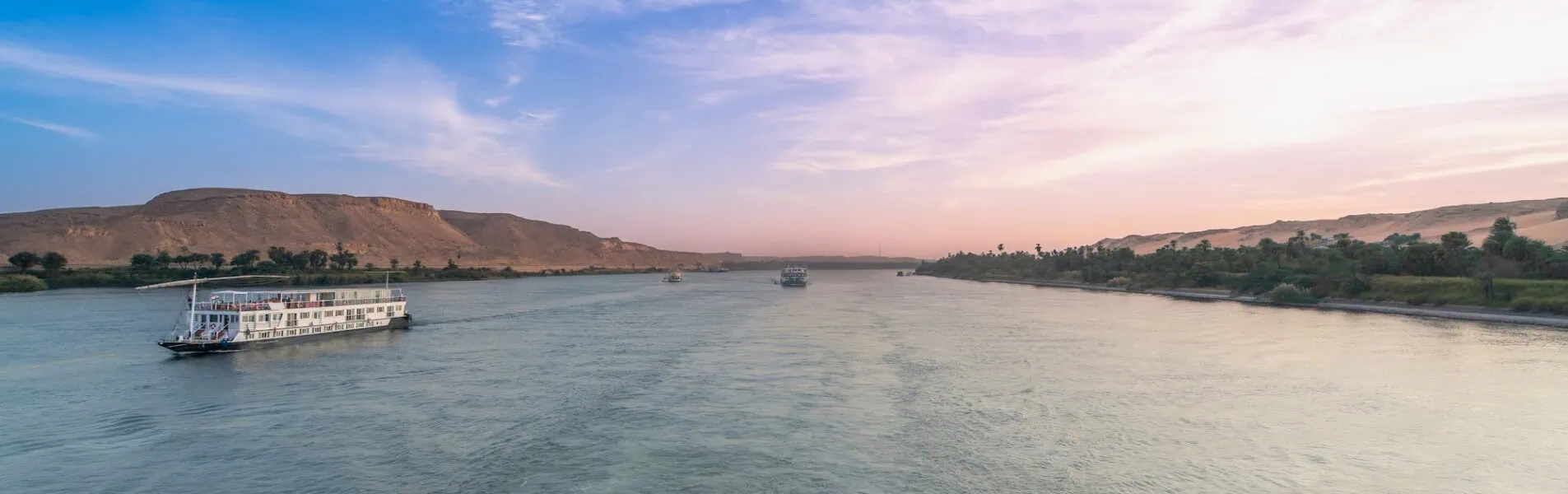
A Nile cruise between Luxor and Aswan offers the most comfortable way to experience multiple archaeological sites while enjoying Egypt’s changing landscapes from your floating hotel.
Modern cruise ships feature air-conditioned cabins, restaurants serving international and Egyptian cuisine, and sun decks perfect for watching rural life along the riverbanks. During peak season (October through April), temperatures range from 20-25°C (68-77°F), creating ideal conditions for sightseeing excursions.
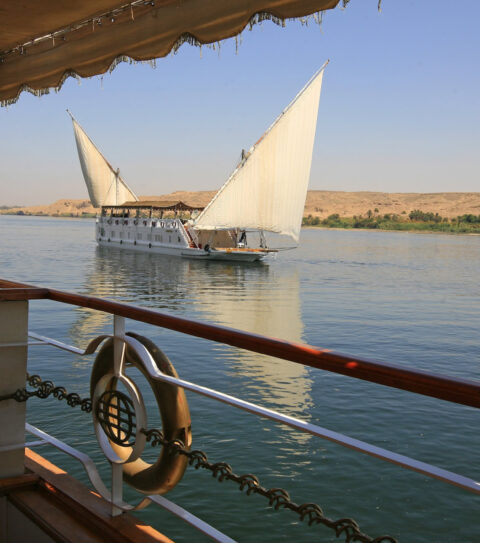
Traditional feluccas provide a more authentic sailing experience for day trips or sunset cruises. These wooden sailboats have navigated the Nile for thousands of years, offering peaceful moments away from larger tourist crowds.
For travelers seeking a more exclusive Nile experience, Dahabiya cruises offer a luxury alternative to standard cruise ships. These elegant sailing vessels typically accommodate only 8–12 passengers compared to 100+ guests on larger cruises. Their smaller size allows access to lesser-visited riverside sites that bigger ships cannot reach, creating opportunities for more intimate archaeological discoveries and a more personalized journey along the Nile.
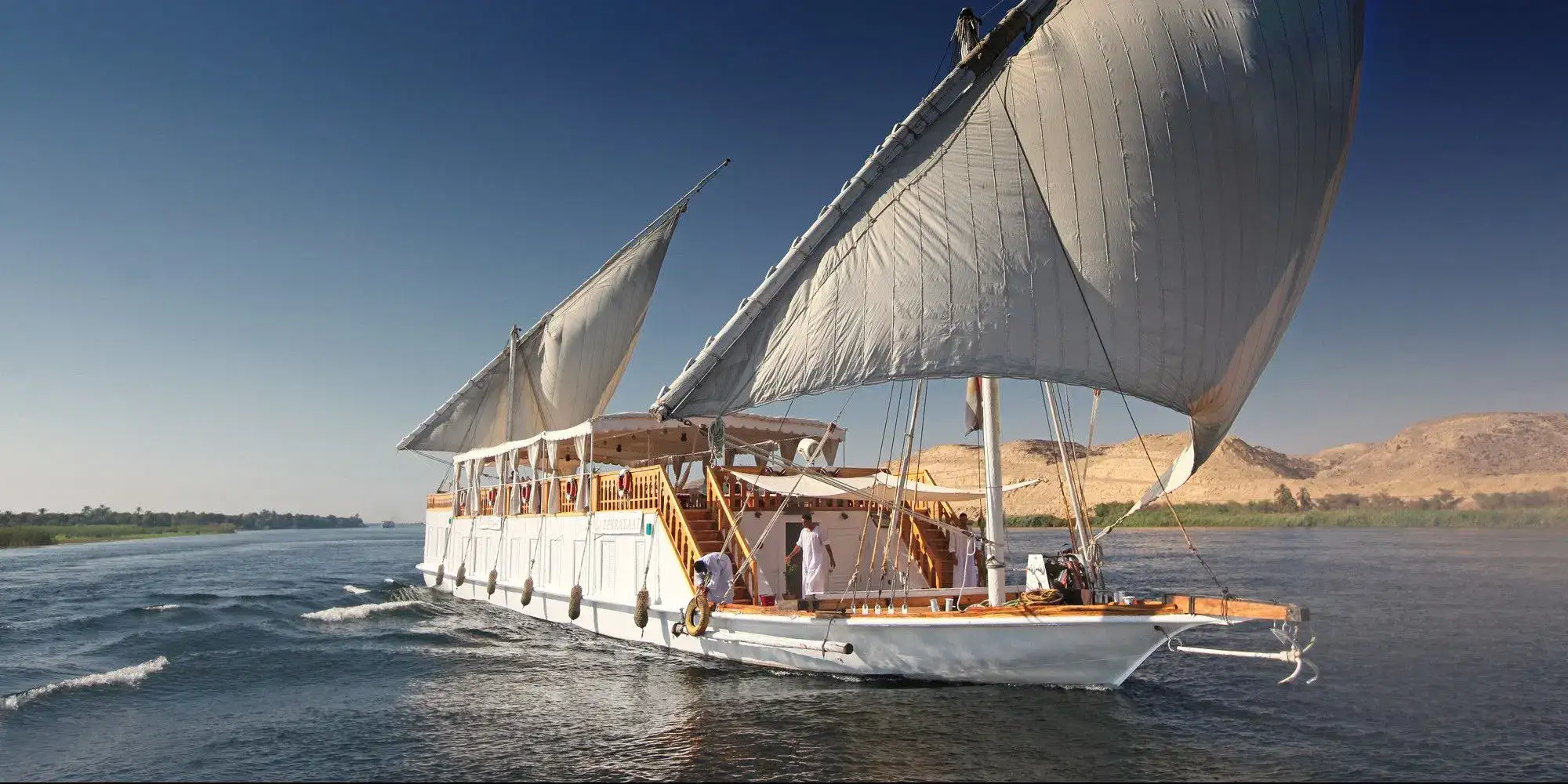
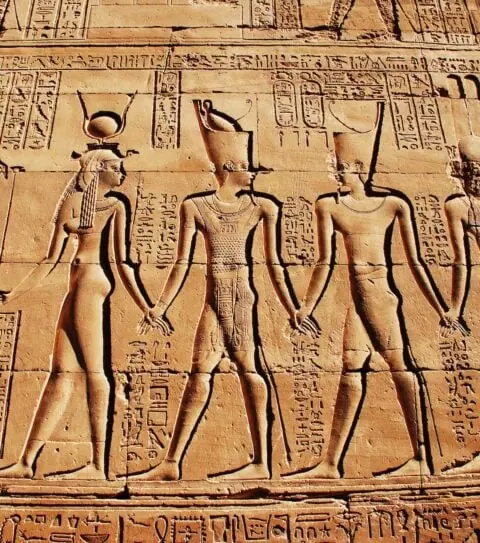
Our carefully planned Nile itineraries include visits to Kom Ombo Temple, dedicated to the crocodile god Sobek, and Edfu Temple, Egypt’s best-preserved Ptolemaic temple. Professional Egyptologists accompany all excursions to explain historical contexts and answer questions about ancient Egyptian civilization.
Aswan: Gateway to Nubia
Aswan serves as Egypt’s southern frontier city, where Nubian culture blends with Egyptian traditions. The Aswan High Dam, completed in 1970, created Lake Nasser and provides electricity for much of Egypt. Nubian villages on Elephantine Island maintain traditional architecture and crafts, offering authentic cultural experiences away from mainstream tourist routes.
Red Sea Coastal Destinations
Egypt’s Red Sea coastline stretches for over 1,200 kilometers (750 miles), offering some of the world’s best diving and snorkeling opportunities.
Ras Mohammed National Park protects pristine coral reefs that marine biologists consider healthier than Australia’s Great Barrier Reef. Over 1,000 fish species inhabit these waters, including parrotfish, angelfish, and reef sharks. Water temperatures remain comfortable year-round, ranging from 22°C (72°F) in winter to 28°C (82°F) in summer.
Hurghada has evolved from a small fishing village into Egypt’s premier beach resort destination. Modern hotels line sandy beaches, while the old town maintains traditional markets and restaurants serving fresh seafood. Diving centers offer PADI certification courses and guided trips to offshore islands.
Sharm El-Sheikh, located on the Sinai Peninsula, provides easy access to world-famous dive sites like the Blue Hole and Ras Mohammed. The resort town offers everything from budget accommodations to luxury five-star properties with private beaches and spa facilities.
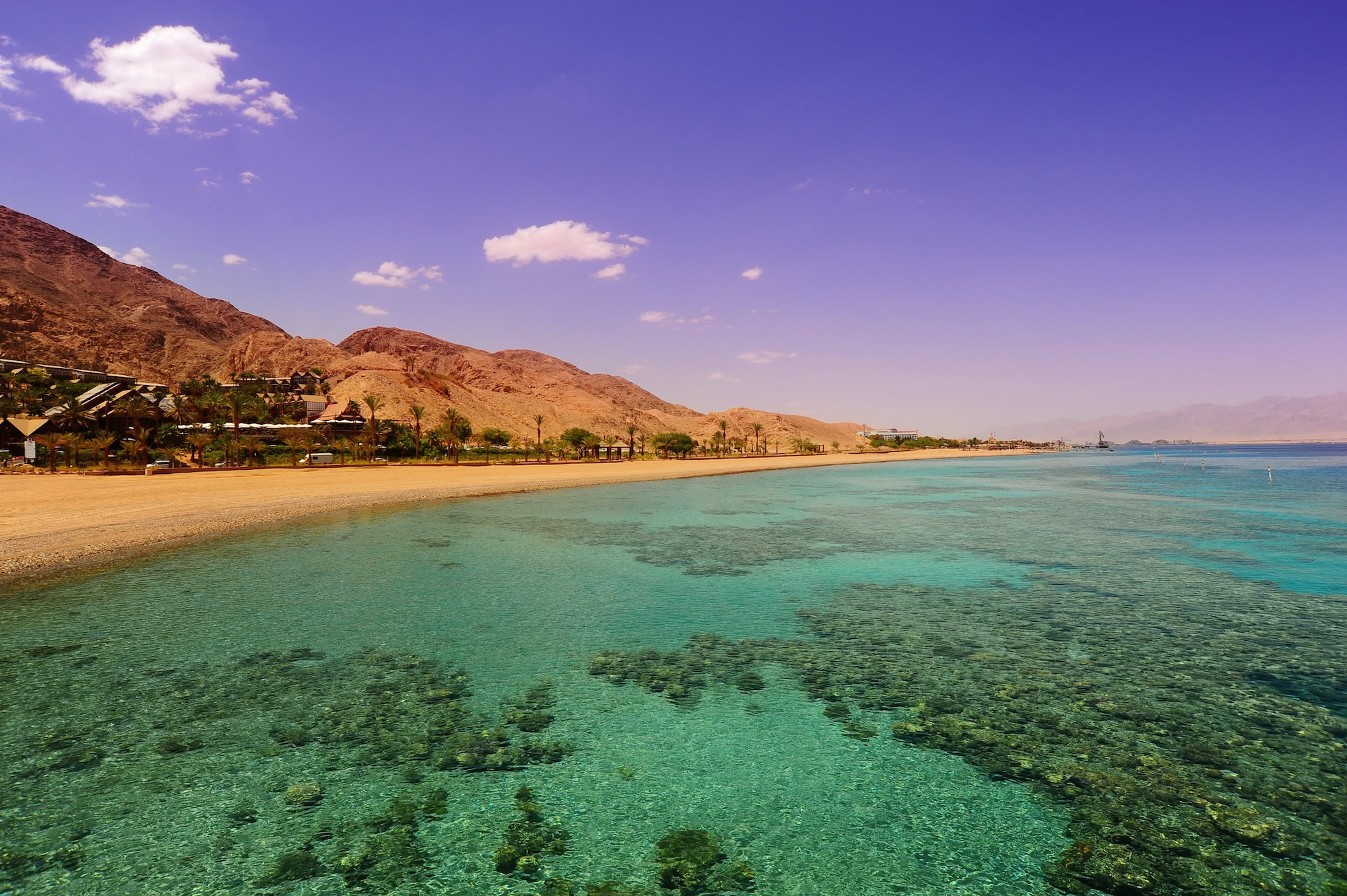
For travelers seeking more secluded experiences, Marsa Alam and Port Ghalib feature pristine beaches with direct access to untouched coral reefs. These southern destinations receive fewer crowds while offering the same excellent diving and snorkeling conditions.
Modern Egypt: Cities and Culture
Cairo: The Bustling Capital
Home to over 20 million people, Greater Cairo represents one of the world’s largest metropolitan areas and serves as the Arab world’s cultural center.
Islamic Cairo contains the largest collection of historic Islamic architecture in the world, with over 600 mosques, madrasas, hammams, and fountains dating from the Islamic era. The Citadel of Saladin offers panoramic views across the city, while Khan el-Khalili bazaar provides authentic shopping experiences for spices, perfumes, jewelry, and handcrafted souvenirs.
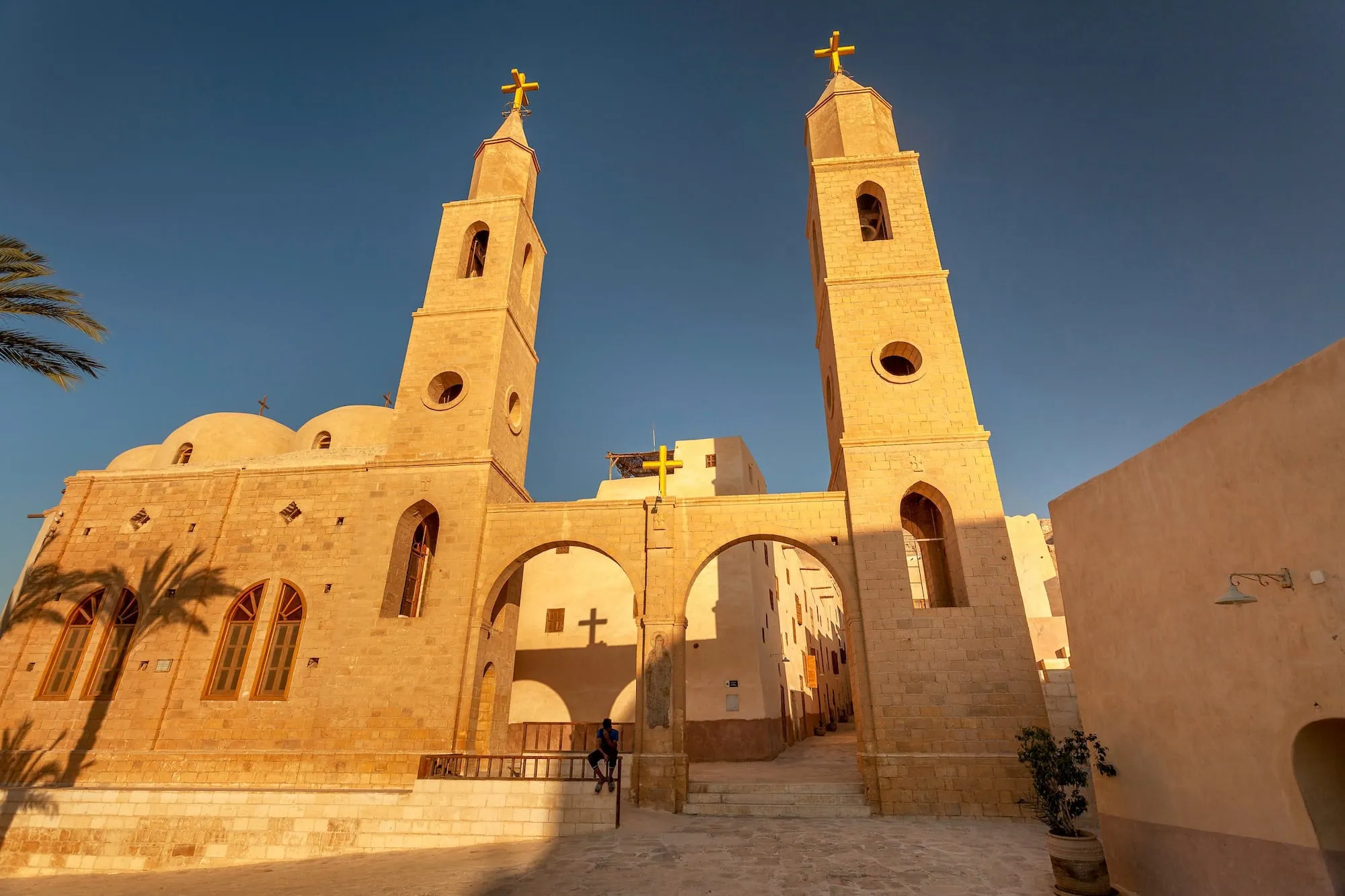
Coptic Cairo preserves Egypt’s Christian heritage through ancient churches and the Coptic Museum. The Hanging Church, built over Roman fortress gates, contains beautiful wooden ceilings and religious artifacts dating to the early Christian period.
Alexandria: Mediterranean Gateway
Founded by Alexander the Great in 332 BCE, Alexandria once housed the ancient world’s greatest library and lighthouse. Today’s Alexandria combines Mediterranean charm with Egyptian culture along a beautiful corniche overlooking the sea.
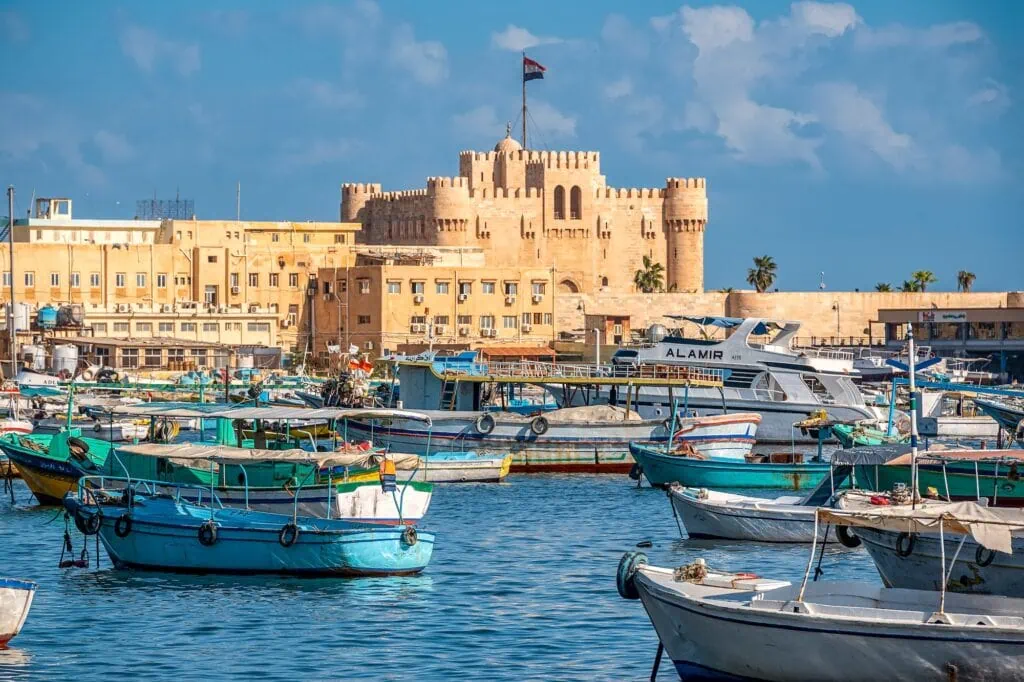
The modern Bibliotheca Alexandrina attempts to revive the ancient library’s scholarly mission through research facilities, museums, and cultural programs. The Qaitbay Citadel, built on the ancient lighthouse’s foundations, offers magnificent Mediterranean views and houses a maritime museum.
Desert Adventures and Oasis Exploration
Siwa Oasis Desert Sanctuary
Located 560 kilometers (350 miles) west of Cairo near the Libyan border, Siwa Oasis offers authentic desert experiences far from typical tourist crowds. The medieval Shali fortress overlooks freshwater springs and date palm groves that have sustained life in this isolated location for thousands of years.
Alexander the Great visited Siwa’s Oracle Temple to consult the god Amun, who allegedly confirmed his divine status. Today, visitors can explore the temple ruins and enjoy natural hot springs that maintain constant temperatures of 40°C (104°F).
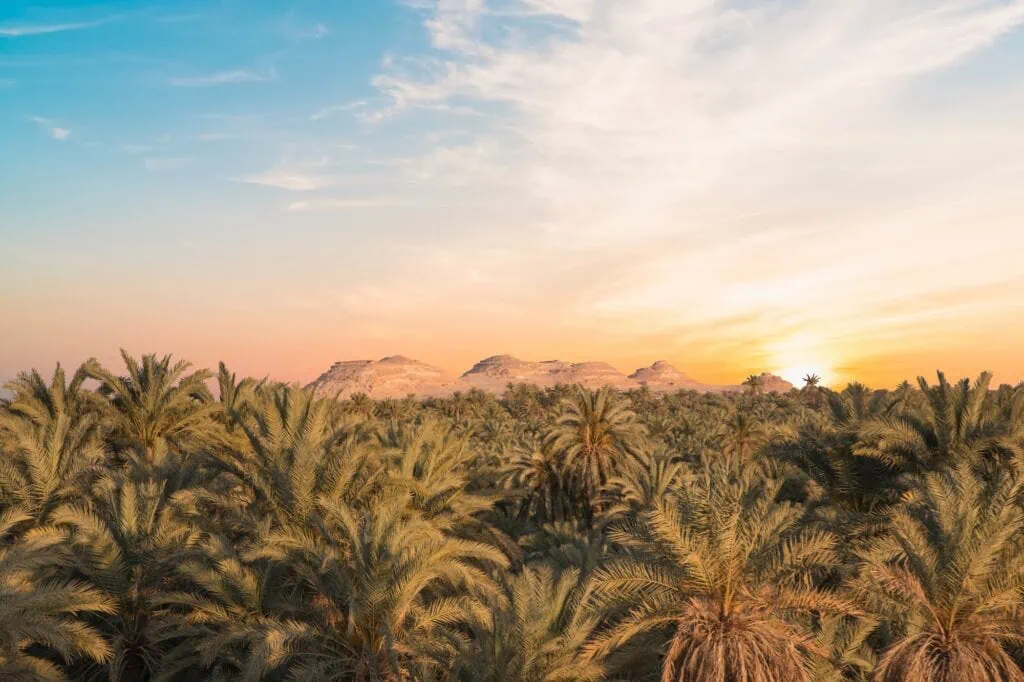
Desert safaris from Siwa include camping under stars that shine brighter than anywhere else in Egypt due to minimal light pollution. Four-wheel-drive vehicles navigate massive sand dunes and visit fossilized whale skeletons in the surrounding desert.
White Desert National Park
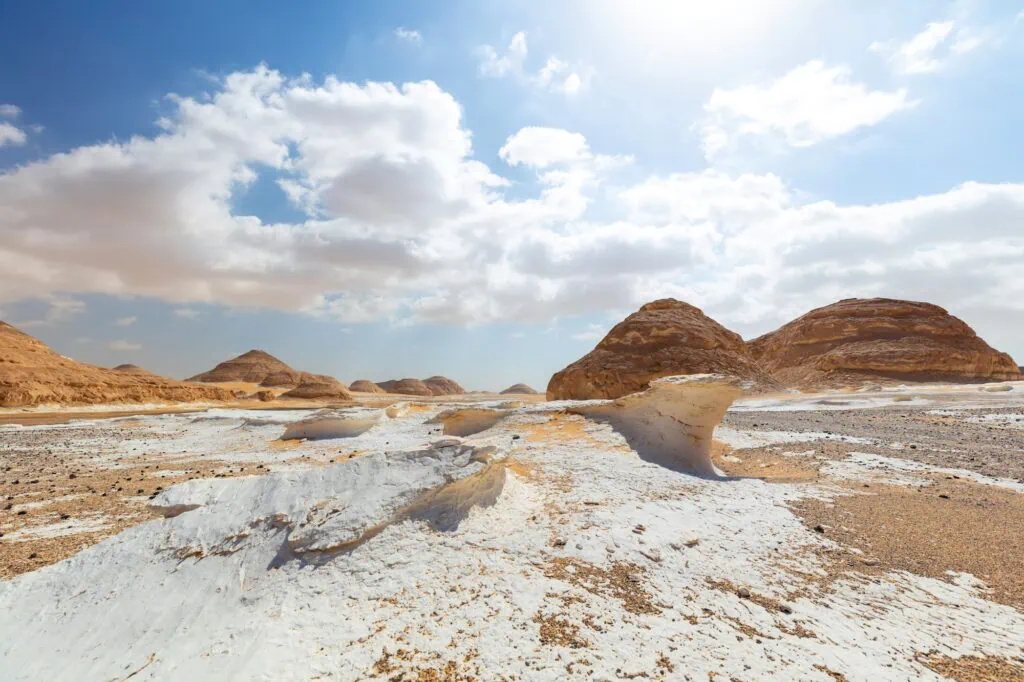
The surreal limestone formations in the White Desert create an otherworldly landscape resembling giant mushrooms, chickens, and abstract sculptures carved by thousands of years of wind erosion. Camping overnight allows visitors to witness dramatic color changes as sunrise and sunset paint these formations in brilliant reds, oranges, and purples.
Practical Travel Information and Tips
Best Time to Visit
Egypt’s climate varies significantly between regions and seasons. Winter months (December through February) provide the most comfortable temperatures for sightseeing, with daytime highs around 20-23°C (68-73°F) and cool evenings requiring light jackets.
Spring (March through May) and autumn (September through November) offer excellent conditions with fewer crowds and moderate prices. Summer temperatures can exceed 40°C (104°F) in Upper Egypt, making outdoor activities challenging during midday hours.
Entry Requirements and Documentation
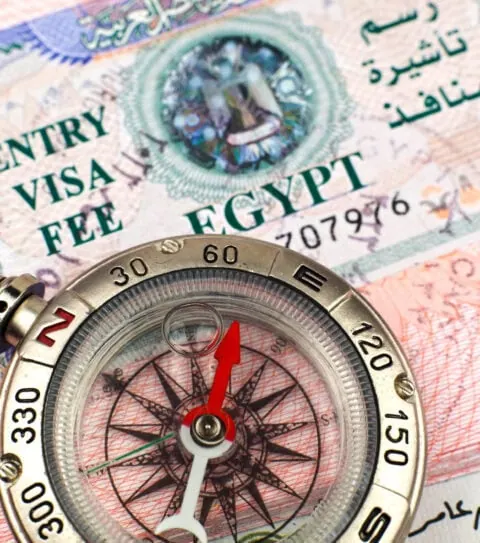
U.S. citizens need a valid passport with at least six months remaining validity plus a tourist visa. Tourist visas cost $25 USD and can be obtained on arrival at Cairo, Luxor, or Hurghada airports, or purchased online in advance. European Union citizens follow the same process, while some African and Middle Eastern nationals may have different requirements.
Keep your passport and visa with you at all times, as police checkpoints frequently verify tourist documentation throughout Egypt.
Transportation and Getting Around
Domestic flights connect Cairo with Luxor, Aswan, Hurghada, and Sharm El-Sheikh, saving considerable travel time for visitors with limited schedules. Egypt Air and other carriers offer multiple daily flights between major destinations.
Our private transfers with professional drivers and modern, air-conditioned vehicles provide comfortable, safe transportation between cities and archaeological sites. Unlike group tours with fixed schedules, private transportation allows flexibility to spend more time at locations that interest you most.
Train service operates between Cairo and Upper Egypt destinations, though first-class tickets are recommended for comfort and reliability.
Frequently Asked Questions
The best time to visit Egypt is generally between December and February, when daytime temperatures in Cairo, Luxor, and Aswan are typically comfortable for sightseeing. Winter offers ideal conditions for exploring outdoor attractions such as the Pyramids of Giza, Karnak Temple, and Abu Simbel. Spring (March-April) and autumn (October-November) also provide pleasant weather with fewer visitors and often lower prices. Travelers focused on archaeological sites should avoid the peak summer heat from June through August whenever possible.
No special vaccinations are required for most travelers entering Egypt, although hepatitis A and typhoid vaccines are commonly recommended by travel health authorities. These recommendations are particularly relevant for longer stays, rural travel, or visitors planning to eat outside major hotels and restaurants. Routine vaccinations should also be up to date before international travel. Consult a healthcare provider at least four to six weeks before departure for advice tailored to your destination and medical history.
Yes, Egypt is a major international tourism destination that welcomes millions of visitors each year, and most travelers complete their trips without incident. Security measures are visible at airports, major hotels, archaeological sites, museums, and popular tourist areas such as Luxor, Aswan, and Sharm El Sheikh. Like any destination, visitors should remain aware of their surroundings and follow local guidance. Using licensed guides, reputable transportation providers, and established tour operators helps ensure a smooth travel experience.
A stay of 7 to 10 days is enough to visit Egypt’s major highlights, while 14 days allows for a more comprehensive journey. A typical first-time itinerary includes Cairo, Luxor, and Aswan, covering iconic sites such as the Pyramids of Giza, the Valley of the Kings, and Philae Temple. Travelers with two weeks can also add a Nile cruise or a Red Sea destination such as Hurghada or Sharm El Sheikh. Longer stays provide a better balance between sightseeing and relaxation.
Clothing that covers the shoulders and knees is generally appropriate when visiting Egypt’s temples, mosques, and religious sites. Ancient temples such as Karnak and Edfu do not usually enforce strict dress codes, but modest attire is recommended out of respect for local customs. Women entering active mosques, including Al-Azhar Mosque in Cairo, may be asked to cover their hair with a scarf. Lightweight cotton clothing is often the most comfortable choice in Egypt’s warm climate.
Photography is permitted at many Egyptian archaeological sites, but rules vary by location and may involve additional fees. Several tombs and museums allow photography with a purchased ticket, while flash photography is typically prohibited because it can damage fragile pigments and ancient artwork. Some restricted areas may prohibit photography entirely. Visitors should always check site-specific regulations upon arrival, especially at locations such as the Valley of the Kings and major museum collections.
The Egyptian pound (EGP) is the official currency used throughout Egypt for everyday transactions, admission tickets, transportation, and dining. While some hotels, cruise ships, and tourist-oriented businesses may accept U.S. dollars or euros, local payments are usually easiest in Egyptian pounds. ATMs are widely available in major cities and tourist destinations, and credit cards are commonly accepted at larger establishments. Carrying a small amount of local currency is useful for tips and minor purchases.
Yes, tipping is an established part of Egyptian culture and is commonly expected for many services. Known locally as “baksheesh,” tips are often given to guides, drivers, hotel staff, restaurant employees, and porters. In restaurants, a tip of around 10% to 15% is customary when service is not already included in the bill. Small tips are also frequently given for minor assistance. Carrying small Egyptian pound notes makes tipping easier throughout your trip.
Popular Egyptian souvenirs include papyrus artwork, perfume oils, spices, handcrafted jewelry, carpets, and alabaster carvings. Many visitors also purchase replicas inspired by ancient Egyptian symbols such as scarabs, ankhs, and pharaonic statues. Markets such as Cairo’s Khan El Khalili Bazaar offer one of the country’s largest selections of traditional handicrafts. Quality can vary significantly between vendors, so comparing products before purchasing is worthwhile. Negotiation is common in traditional markets and often expected.
The simplest way to reduce the risk of stomach problems in Egypt is to drink bottled water, eat freshly prepared food, and choose reputable restaurants. Travelers are generally advised to avoid tap water and be cautious with uncooked vegetables or fruits that cannot be peeled. Most hotels and established restaurants serving international visitors maintain high food safety standards. Staying hydrated is especially important during warmer months when temperatures in Upper Egypt can exceed 100°F (38°C).
The Egyptian Museum in Cairo charges separate admission fees for adults, students, and special exhibition areas, with prices subject to change by Egypt’s Ministry of Tourism and Antiquities. Additional tickets may be required for access to specialized collections, including royal mummies when available. Because admission rates are updated periodically, visitors should confirm current pricing before arrival. Checking official museum information shortly before travel helps avoid surprises and ensures accurate budgeting.
No, a guide is not required to visit Egypt’s archaeological sites, but a qualified Egyptologist can significantly improve the experience. Ancient sites such as Karnak Temple, Saqqara, and the Valley of the Kings contain layers of historical, religious, and architectural detail that are not always obvious from signage alone. Professional guides provide context about pharaohs, hieroglyphics, and construction techniques developed over thousands of years. For first-time visitors, expert interpretation often adds substantial value to a site visit.
Explore our most popular guides and expert tips to make your trip safe, smooth, and unforgettable.
Plan Your Egypt Adventure with Confidence
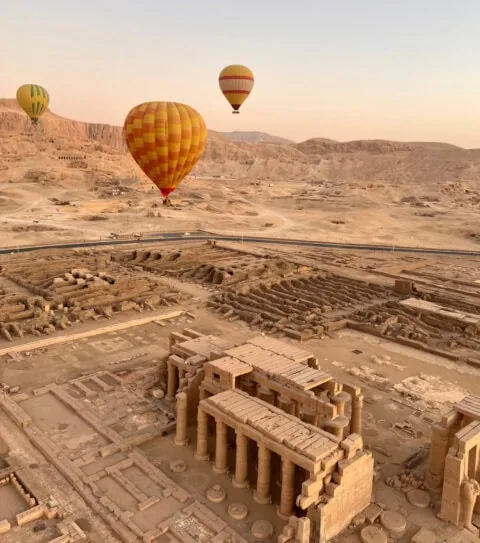
How to Plan a Trip Egypt
Step-by-step guide to help you plan the perfect Egypt trip — from routes and budget to booking.
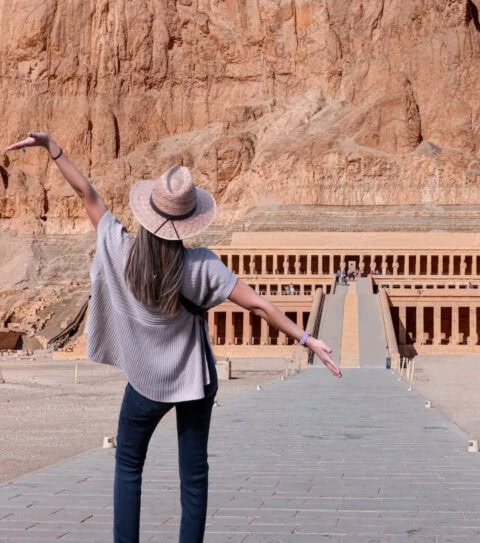
Best Time to Visit Egypt
Learn the best months to visit Egypt based on weather, crowds, and local travel experiences.
Must Visit Places in Egypt
Explore Egypt’s top sights — from pyramids to temples — and hidden gems worth seeing.
Top-Rated Egypt Tours
Handpicked private tours with local guides — our most loved and best-reviewed experiences.
How Many Days to Visit Egypt?
Find out how many days you need in Egypt — from quick trips to full itineraries.
Egypt Visa Requirements
Check if you need a visa and get simple, up-to-date entry info based on your nationality.
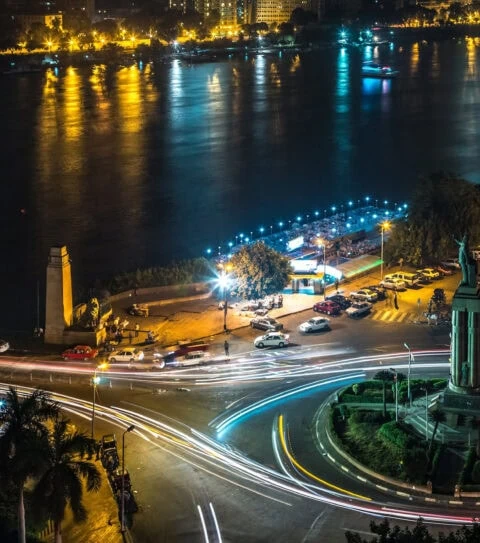
Is it Safe to Travel to Egypt?
Is Egypt safe? Get honest safety tips, area advice, and what to know before you travel.
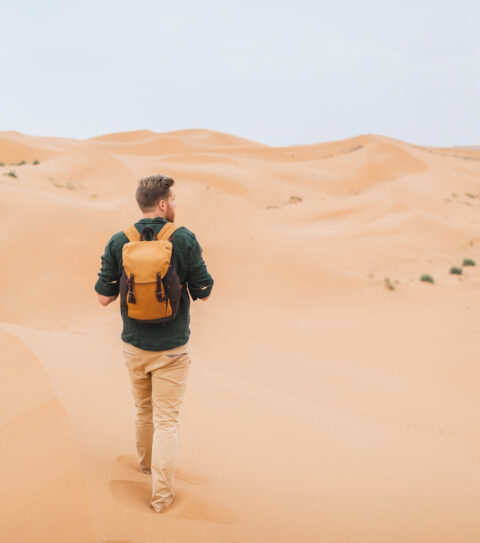
What to Pack for Egypt
A quick packing guide with essentials, cultural tips, and clothing advice for your Egypt trip.
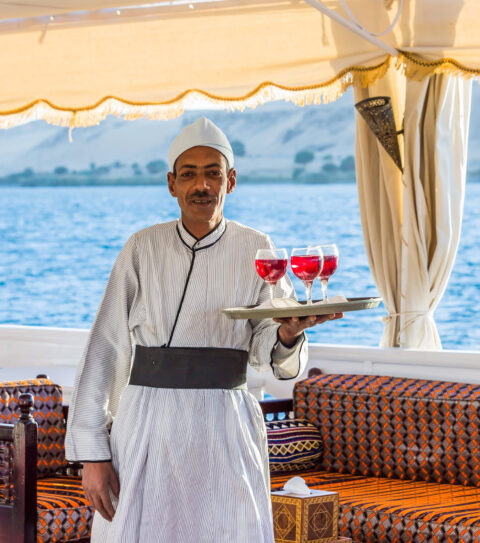
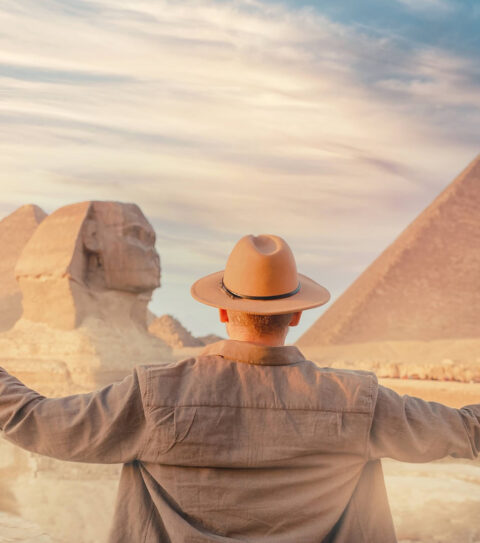
Design Your Custom Tour
Explore Egypt your way by selecting only the attractions you want to visit