Do You Need A Tour Guide in Egypt? Here’s What You Should Know
Finding your way through Egypt feels overwhelming at first glance.
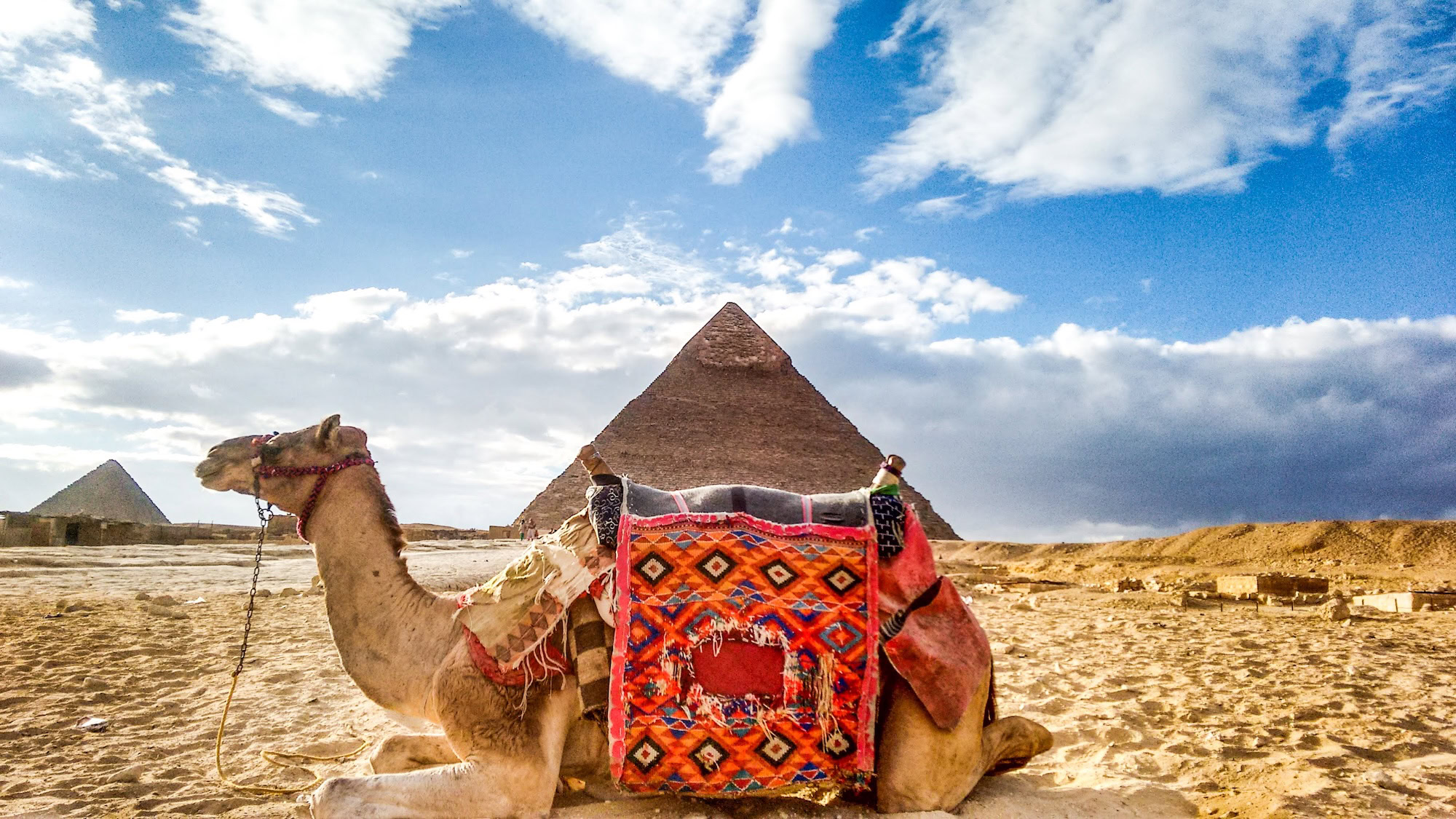
Traveling to Egypt presents unique challenges that most destinations don’t share. The language barriers, complex historical sites, and cultural nuances can transform an exciting vacation into a stressful experience without proper guidance. Understanding when professional assistance makes sense versus when independent exploration works better helps you make the right choice for your Egyptian adventure. The decision impacts not just your comfort level but also how deeply you’ll connect with this remarkable country’s treasures.
Most visitors discover that certain aspects of Egyptian travel benefit tremendously from expert guidance, while others offer perfect opportunities for self-discovery.
Table of Contents
Historical Sites Require Expert Interpretation
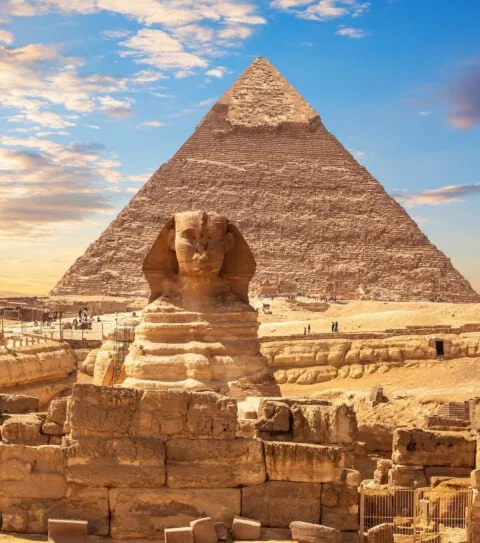
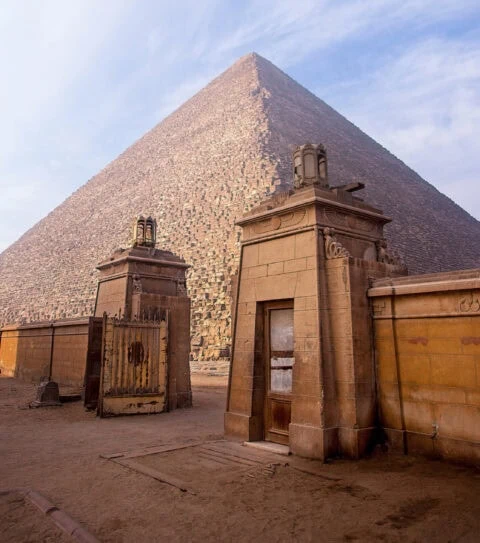
Wandering through the Pyramids of Giza or the Valley of the Kings without context feels like reading a book in a foreign language. These ancient monuments hold thousands of years of stories, architectural secrets, and cultural significance that remain invisible to untrained eyes. Professional guides transform silent stones into vivid narratives about pharaohs, religious beliefs, and engineering marvels that shaped civilization.
Inside the Great Pyramid
The interior chambers of Khufu’s pyramid reveal construction techniques that still puzzle modern engineers. Your guide explains the purpose of each passage, the significance of the King’s Chamber, and why certain areas remain off-limits. Without this context, you’re simply walking through dark tunnels with no understanding of their revolutionary design or spiritual importance.
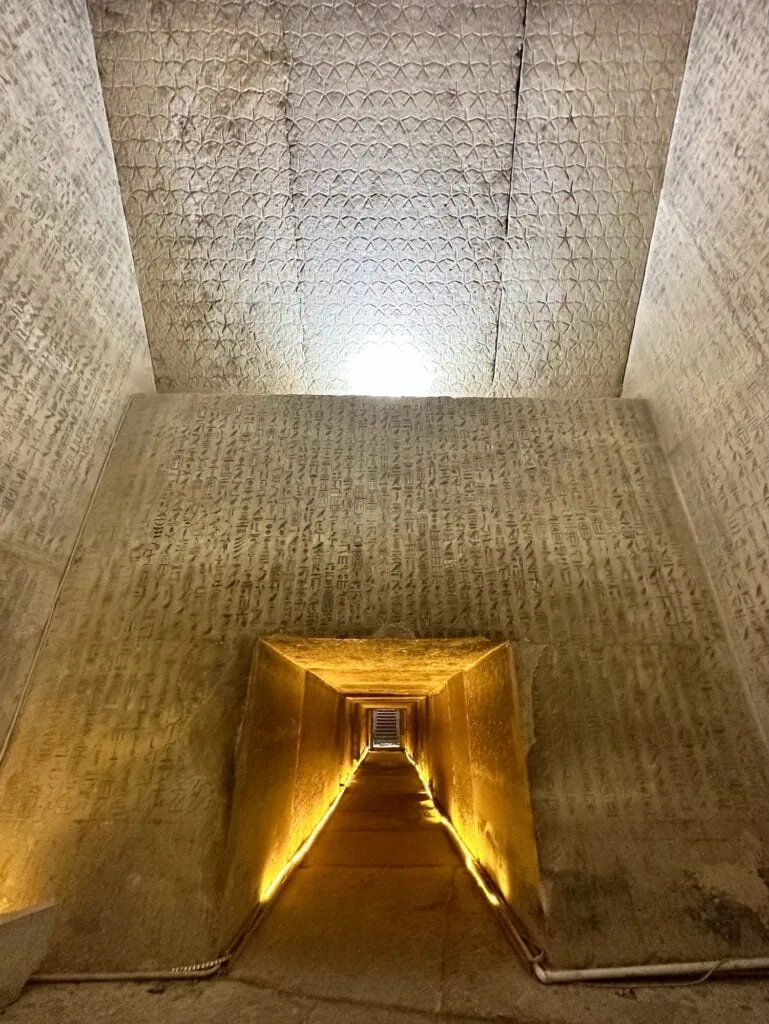
Temperature inside reaches 30°C (86°F) with high humidity levels. The narrow passages and steep inclines challenge many visitors physically.
Valley of the Kings Complexities
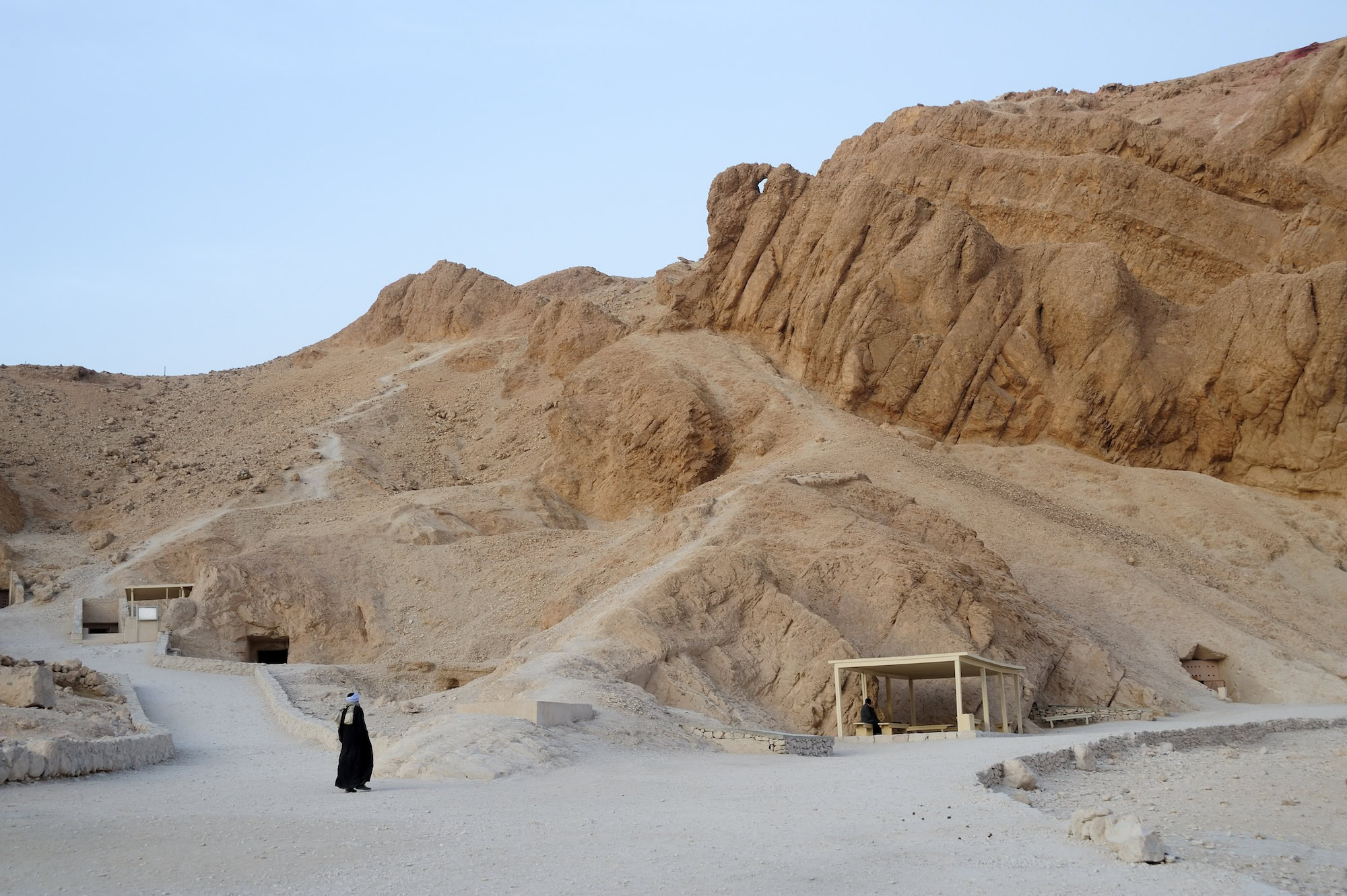
This royal necropolis contains 63 discovered tombs, each with unique decorative programs and burial practices. Professional guides know which tombs are open, their historical significance, and the stories behind the colorful wall paintings. They also understand the ticketing system, which tombs require separate entrance fees, and optimal visiting times to avoid crowds.
Temple Architecture Decoded
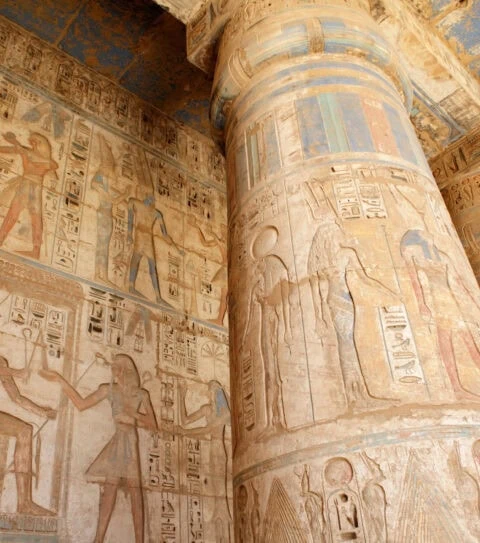
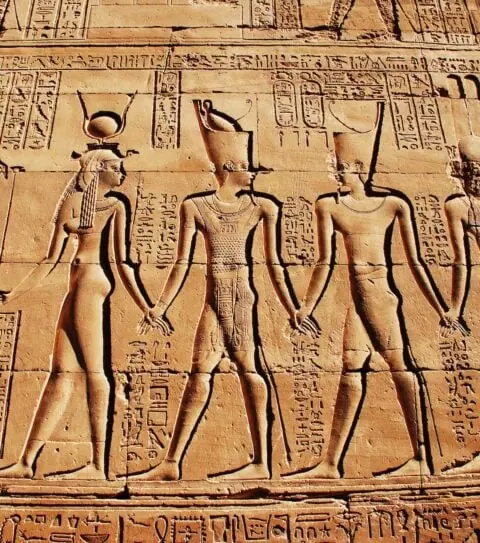
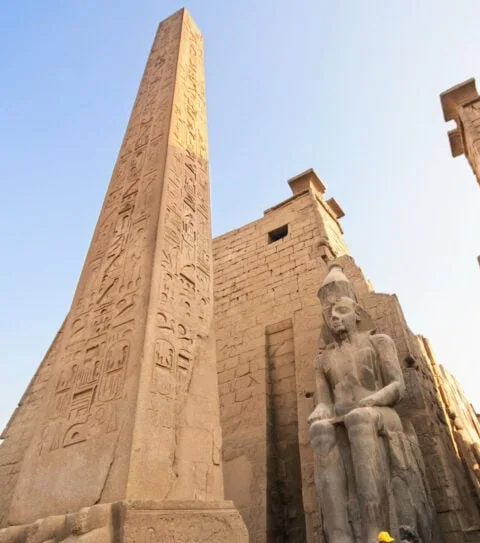
Egyptian temples follow specific architectural principles that reflect religious beliefs and cosmic symbolism. The progression from massive pylons to intimate sanctuary spaces mirrors the journey from earthly concerns to divine connection. Guides explain hieroglyphic meanings, identify different pharaohs’ contributions, and reveal restoration work that preserves these monuments for future generations.
Navigation Challenges in Modern Egypt
Egyptian cities blend ancient heritage with contemporary urban life in ways that confuse even experienced travelers. Street layouts often lack logical patterns, addresses use different numbering systems, and GPS reliability varies significantly between locations. Cairo’s traffic patterns alone require local knowledge to navigate efficiently.
Getting from Cairo International Airport to downtown hotels involves multiple route options, each with different time requirements depending on traffic conditions. The metro system covers limited areas, taxi negotiations require cultural understanding, and rideshare apps don’t operate consistently across all areas. Professional drivers know alternative routes during rush hours and understand seasonal traffic variations.

Alexandria presents different challenges with its Mediterranean coastal layout and mixture of ancient sites scattered throughout modern neighborhoods. Finding specific locations like Pompey’s Pillar or the modern Bibliotheca Alexandrina requires understanding local landmarks rather than relying solely on digital maps.
Luxor’s tourist areas concentrate around the Nile River, but reaching sites like the Valley of the Kings involves desert roads with limited signage. Local guides prevent wrong turns that waste precious sightseeing time.
Desert Excursion Requirements
Sahara Desert trips require specialized knowledge about weather conditions, equipment needs, and safety protocols. Temperature variations between day and night can exceed 20°C (36°F). Professional guides understand which seasons offer optimal conditions, necessary gear for comfort, and emergency procedures for remote locations.
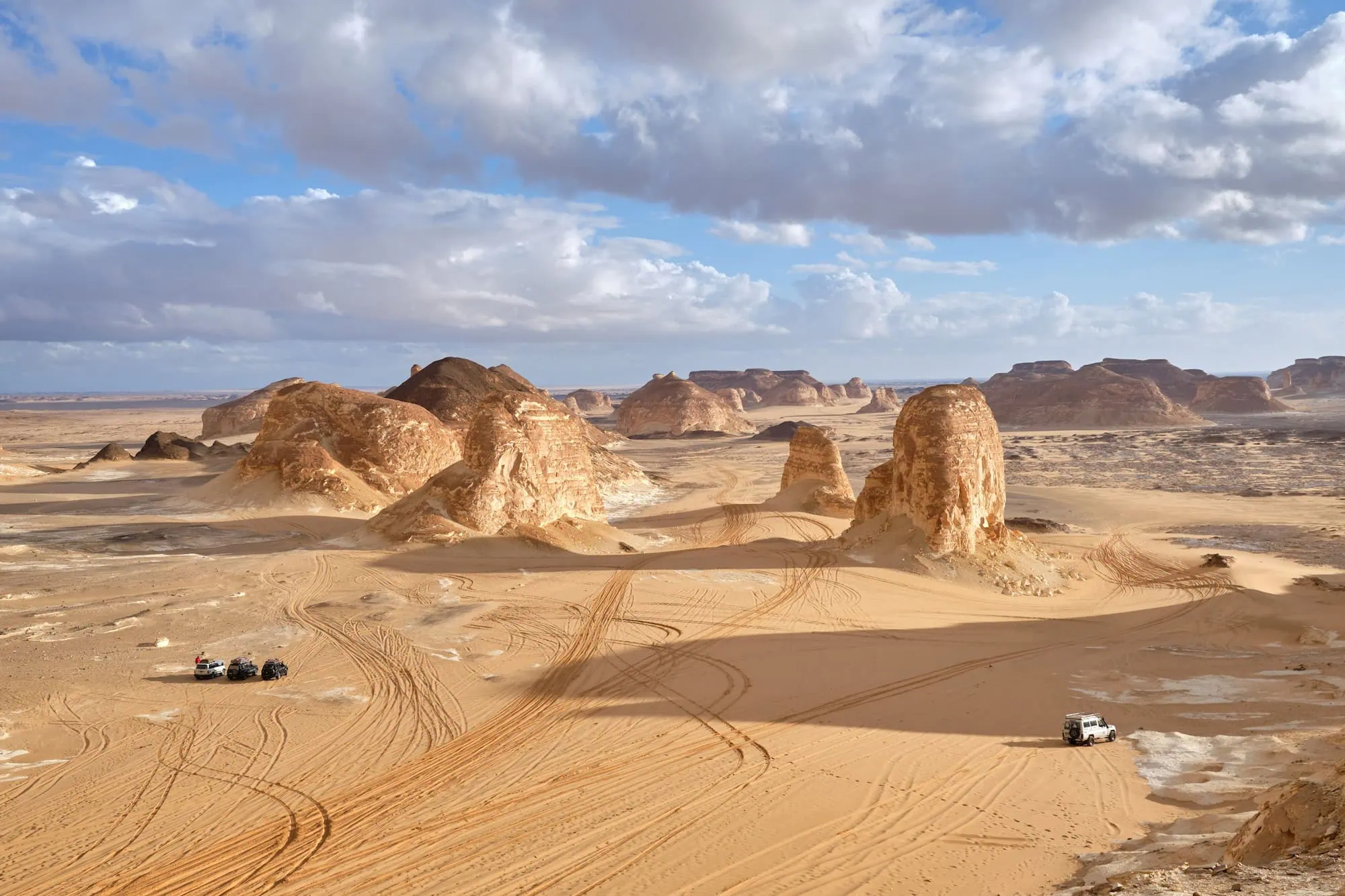
White Desert and Siwa Oasis expeditions demand four-wheel-drive vehicles, camping equipment, and navigation skills that most tourists lack. Local guides also handle permits required for certain protected areas.
Red Sea Coastal Navigation
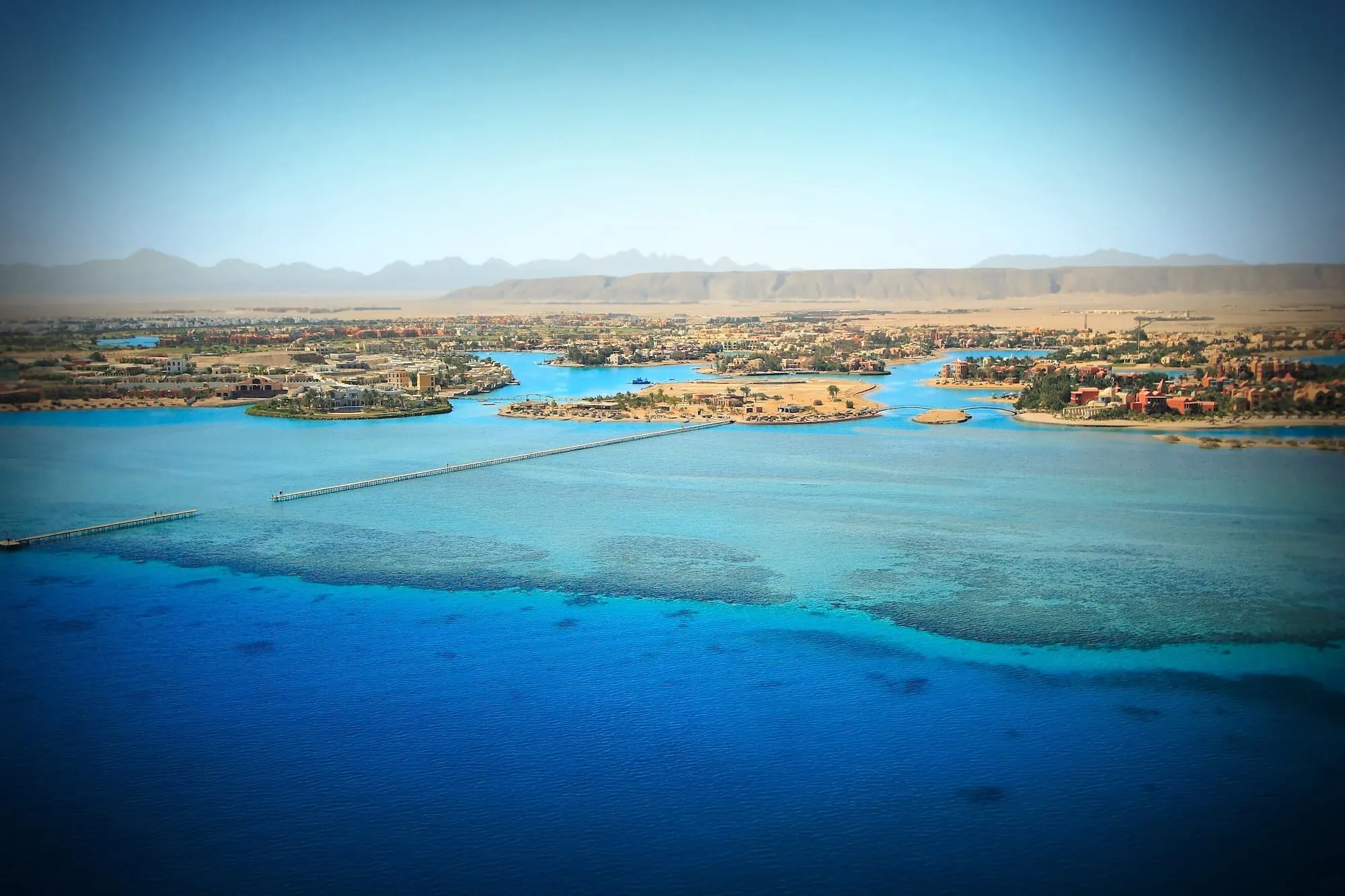
Red Sea resorts like Sharm El Sheikh and Hurghada cater heavily to international tourists, making independent navigation easier. However, finding authentic local experiences beyond resort boundaries benefits from local connections and cultural understanding.
Cultural Interactions and Language Barriers
Egyptian Arabic differs significantly from Modern Standard Arabic taught in language courses. Regional dialects vary between Cairo, Alexandria, and Upper Egypt, making basic communication challenging even for Arabic speakers from other countries. Market negotiations, restaurant ordering, and simple directions often require translation assistance.
Religious customs influence daily life in ways that tourists might not recognize immediately. Prayer times at 5:00 am (05:00), 12:30 pm (12:30), 3:30 pm (15:30), sunset, and evening affect business hours and social interactions. Understanding these patterns helps you plan activities appropriately and shows respect for local traditions.
Tipping culture in Egypt follows specific protocols that differ from Western expectations. Service workers depend on gratuities as part of their income, but amounts vary by situation and location. Restaurant servers, hotel staff, tour guides, and drivers each expect different tip levels based on service quality and regional standards.
Women travelers face additional cultural considerations regarding dress codes, especially when visiting religious sites. Mosques require head coverings and modest clothing, while some areas expect more conservative attire than others. Local guides help navigate these requirements comfortably.
Market and Shopping Etiquette
Khan el-Khalili bazaar and local souks operate on negotiation principles that foreign visitors often find intimidating. Starting prices typically exceed fair market value by 300-500%. Successful bargaining requires understanding cultural norms, product quality indicators, and appropriate price ranges for different items.
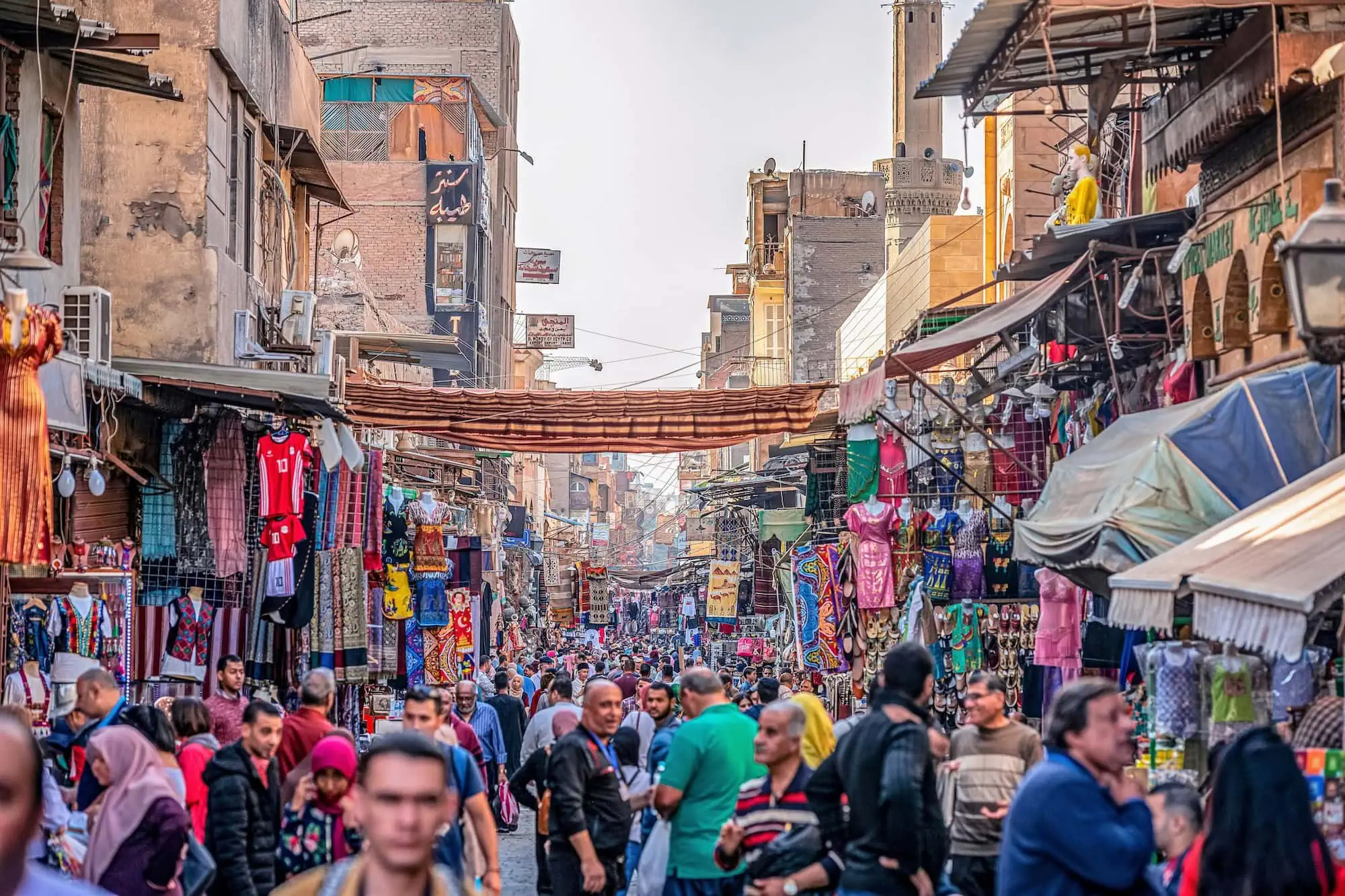
Authentic papyrus costs significantly more than paper imitations, genuine silver jewelry has specific markings, and quality spice vendors offer tasting opportunities. Guides help distinguish between authentic products and tourist-targeted reproductions.
Safety Considerations and Risk Management
Tourist police maintain visible presence at major archaeological sites, but understanding local safety protocols enhances your security throughout Egypt. Certain areas require extra precautions, particularly during political events or religious holidays. Professional guides monitor current conditions and adjust itineraries accordingly.
Medical facilities vary significantly between tourist areas and remote locations. Cairo and resort towns offer international-standard hospitals, while rural areas have limited emergency services. Guides know nearest medical facilities and can communicate health concerns in Arabic if emergencies arise.
Water quality issues affect most international visitors regardless of precautions taken. Bottled water remains essential, ice cubes should be avoided, and fresh fruits require careful selection. Local guides understand which restaurants maintain proper food safety standards and which areas to avoid.
Desert excursions present unique risks including dehydration, extreme temperature exposure, and equipment failures. Professional guides carry emergency supplies, satellite communication devices, and understand evacuation procedures for serious situations.
Transportation Safety Standards
Private vehicles with experienced drivers offer significant safety advantages over independent car rentals. Egyptian driving patterns differ substantially from Western norms, traffic rules enforcement varies by location, and road conditions change seasonally. Professional drivers understand local traffic patterns and maintain vehicles to higher standards than typical rental companies.
Train travel between major cities provides comfortable, safe transportation, but booking procedures and schedule reliability require local knowledge. First-class compartments offer air conditioning and meal service, while second-class cars vary significantly in comfort levels.
When Independent Exploration Works Best
Certain Egyptian experiences shine brightest when discovered independently, particularly in cosmopolitan areas with strong tourist infrastructure. Resort towns along the Red Sea coast offer international amenities, English-speaking staff, and straightforward navigation systems that support self-guided exploration.
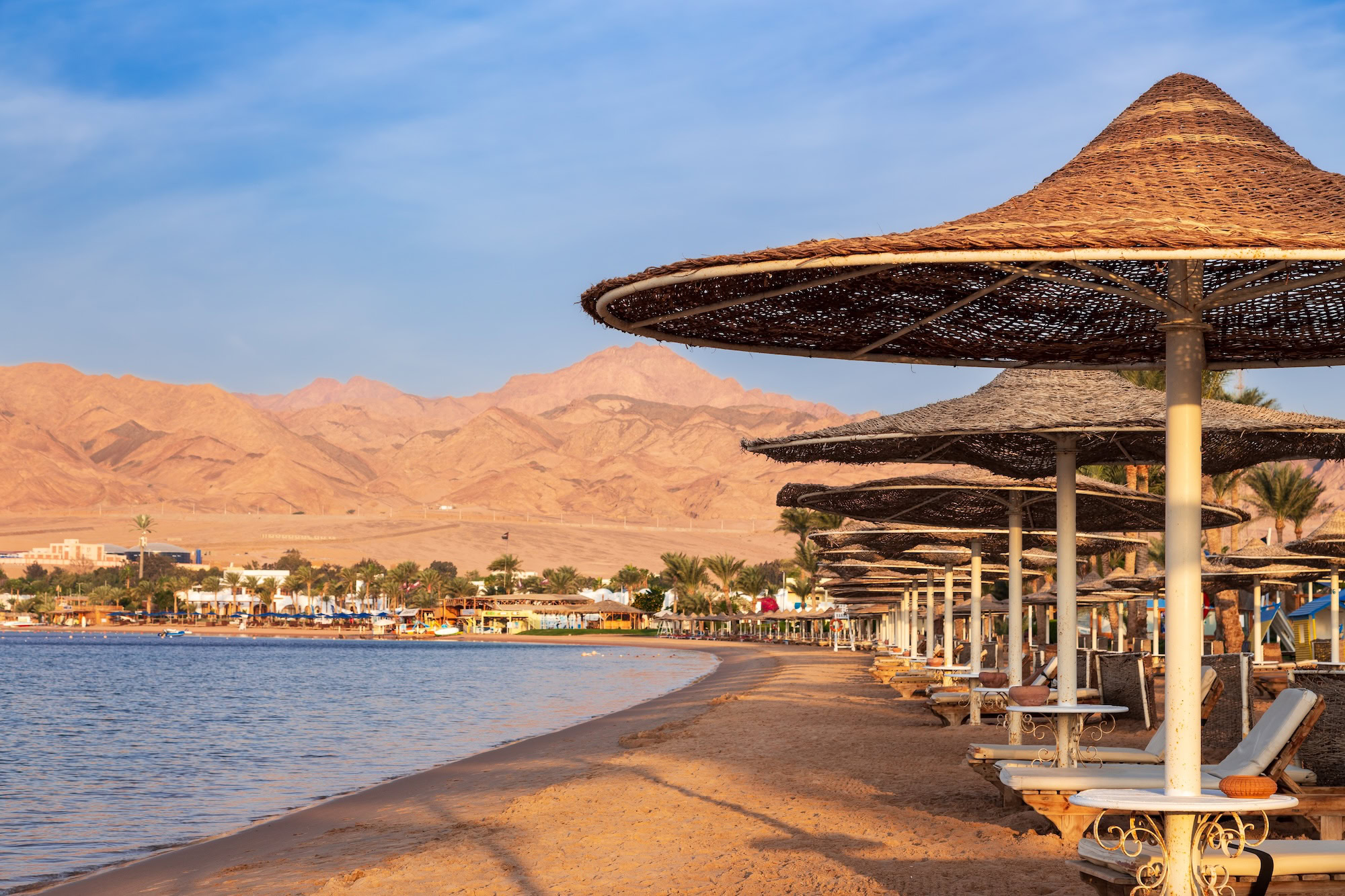
Modern shopping centers, international restaurants, and beachfront activities require minimal cultural navigation. Snorkeling and diving excursions through established operators provide equipment and instruction in multiple languages. These activities focus on natural beauty rather than cultural interpretation.
Alexandria’s corniche offers pleasant walking opportunities along the Mediterranean coast. The modern Bibliotheca Alexandrina provides multilingual exhibits and doesn’t require historical context to appreciate its architectural beauty. Montazah Palace gardens allow peaceful strolling with minimal need for interpretation.
Budget-Conscious Approaches
Independent travel significantly reduces daily expenses compared to guided tours. Local transportation costs a fraction of private vehicle rentals, street food offers authentic flavors at budget prices, and hostel accommodations provide social opportunities with fellow travelers.
Public buses connect major cities affordably, though comfort levels and schedule reliability require flexibility. Local trains offer scenic routes between Cairo and Luxor with budget-friendly pricing for adventurous travelers.
Flexible Scheduling Benefits
Self-guided exploration allows unlimited time at locations that capture your interest while skipping sites that don’t appeal to your preferences. Photography enthusiasts can wait for optimal lighting conditions without group schedule constraints. Early morning or late afternoon visits often provide better lighting and fewer crowds at popular monuments.
Restaurant exploration becomes more adventurous when you can try multiple small establishments rather than following predetermined meal plans. Local coffee shops and tea houses offer authentic cultural experiences that organized tours often miss.
Hybrid Approach: Combining Guided and Independent Elements
Many successful Egyptian adventures blend professional guidance for complex historical sites with independent exploration of modern attractions and cultural experiences. This approach maximizes educational value while maintaining personal freedom and budget flexibility.
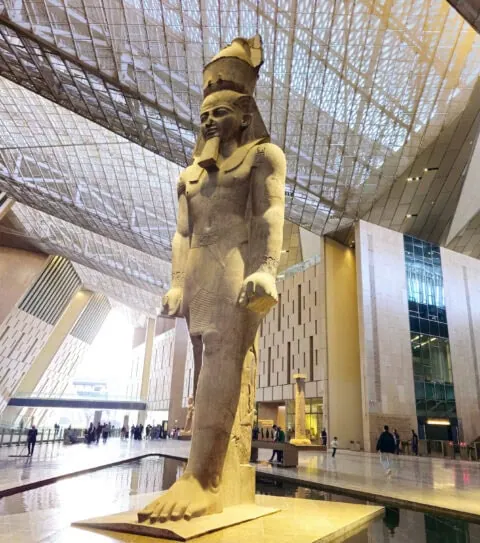
Professional guides excel during visits to Abu Simbel, Karnak Temple, and Grand Egyptian Museum where historical context enhances appreciation dramatically. Independent exploration works well for Nile River walks, modern Cairo neighborhoods, and Red Sea recreational activities.
We recommend guided tours for your first Egyptian visit to major archaeological sites, followed by independent return visits to locations that sparked particular interest. This progression builds cultural understanding while developing confidence for future self-guided adventures.
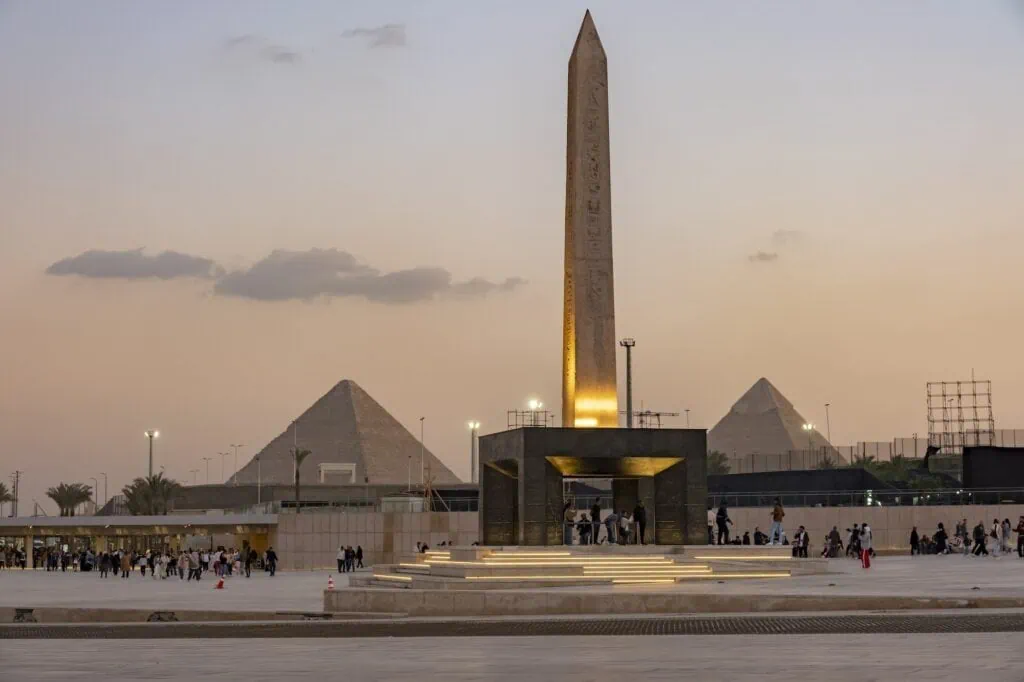
Some travelers prefer private guides for half-day sessions focused on specific sites, leaving afternoons free for personal exploration. This balance provides expert interpretation when most valuable while maintaining schedule flexibility.
Recommended Guided Experiences
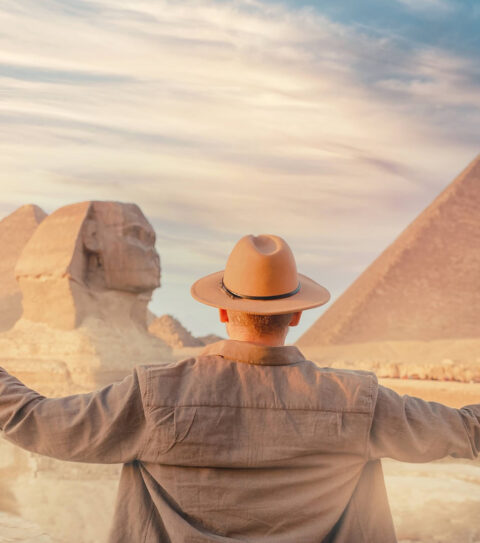
Pyramids of Giza benefit enormously from professional interpretation, particularly if you plan to enter the internal chambers. The Sphinx’s history and restoration work require expert explanation to appreciate fully. Sound and light shows in multiple languages provide evening entertainment with historical context.
Egyptian Museum contains over 120,000 artifacts with limited English signage. Professional guides navigate the most significant pieces efficiently while explaining their historical significance and archaeological discovery stories. Special exhibitions often feature newly discovered treasures with complex historical contexts.
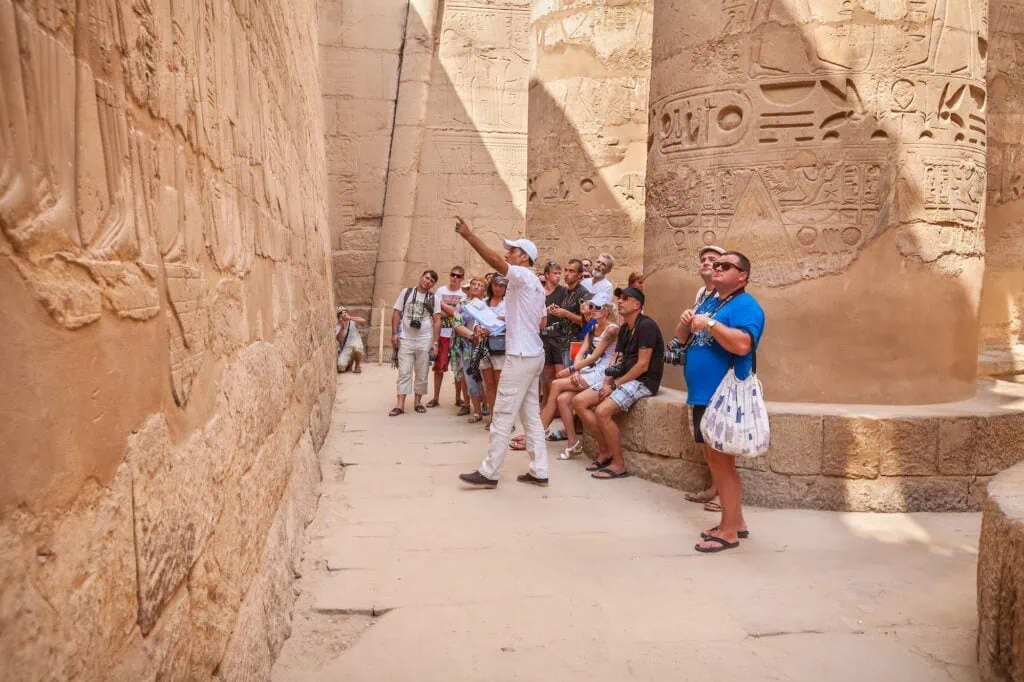
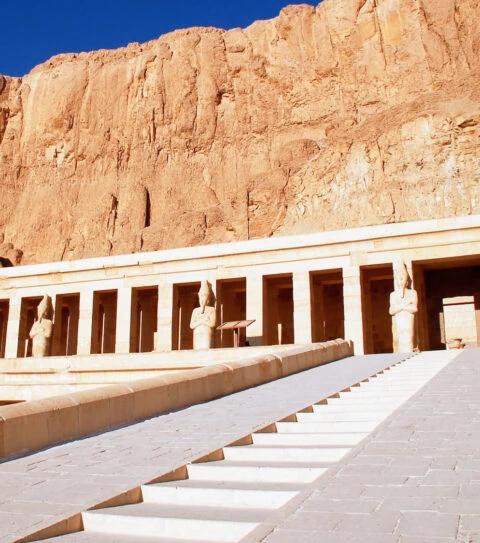
Luxor’s west bank temples and tombs require cultural interpretation to understand their religious significance and artistic achievements. Valley of the Kings tombs contain intricate wall paintings depicting afterlife journeys that remain meaningless without proper explanation.
Ideal Independent Activities
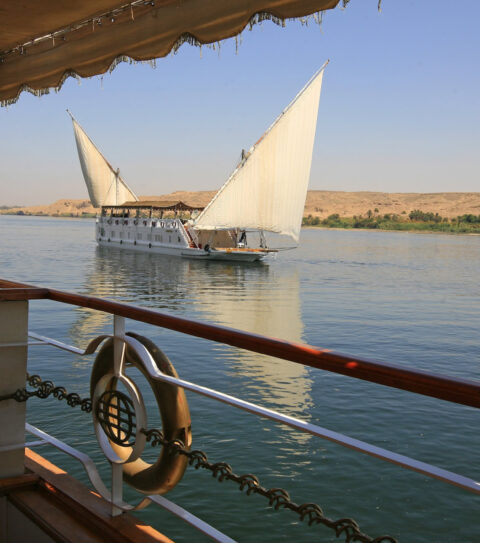
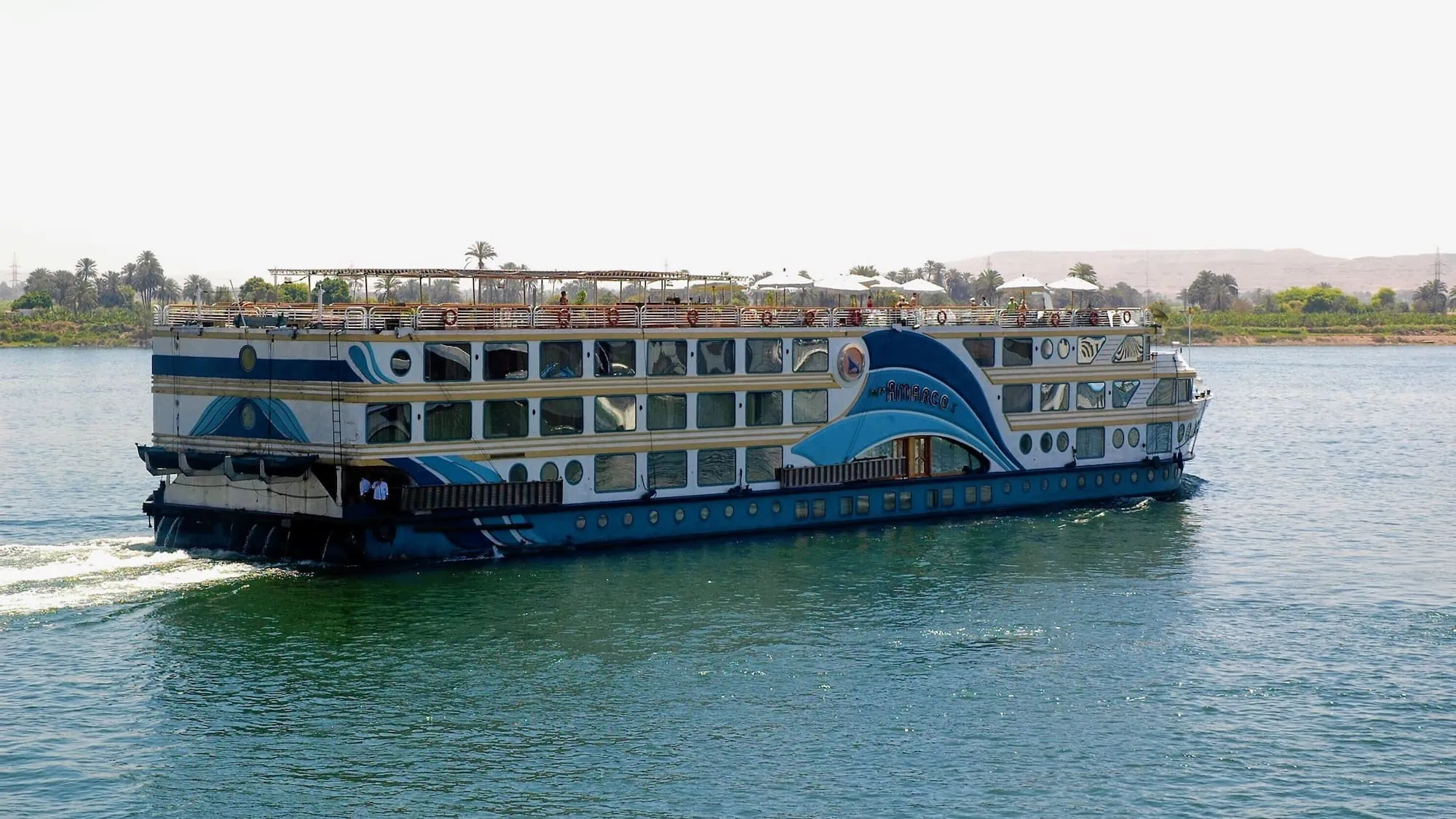
Nile River felucca rides offer relaxing scenic experiences that require no cultural interpretation. These traditional sailboats provide sunset viewing opportunities and gentle river breezes that cool late afternoon temperatures.
Modern Cairo districts like Zamalek offer art galleries, international restaurants, and boutique shopping with English-speaking staff. Tree-lined streets provide pleasant walking environments that contrast sharply with historic Islamic Cairo’s narrow passages.
Red Sea resort activities including swimming, snorkeling, and beach relaxation require minimal cultural navigation. International hotel chains provide familiar service standards and multilingual staff support.
Frequently Asked Questions
A professional private guide in Egypt typically costs between $80 and $150 per day, depending on qualifications, language skills, destination, and group size. Egyptologist guides with government licenses and expertise in sites such as the Pyramids of Giza, Karnak Temple, and the Valley of the Kings generally charge at the higher end of the range. Private guiding often includes personalized itineraries and flexible pacing. Confirm exactly what is included, since transportation and entrance fees are usually separate.
Yes, you can visit the Pyramids of Giza without a guide, but a guide significantly enhances the experience by explaining the history, construction techniques, and significance of monuments that are over 4,500 years old. Independent visitors often miss lesser-known viewpoints, tombs, and historical details connected to Khufu, Khafre, and Menkaure. Guides can also help navigate ticketing procedures and minimize unwanted vendor interactions. For first-time visitors, a guided visit is usually more rewarding.
Most professional guides focus on interpretation and sightseeing expertise, while transportation is usually arranged separately through licensed drivers or tour packages. Many established operators combine guide and vehicle services into a single itinerary, creating a smoother experience for visitors. This is particularly useful in destinations such as Cairo, where traffic can add substantial travel time between sites. Always confirm whether transfers, fuel, parking fees, and driver services are included before booking.
Booking a guide 2 to 3 weeks in advance is recommended during Egypt’s busiest travel period from October through April. Demand increases significantly around Christmas, New Year, and spring holidays, especially for highly rated Egyptologists and multilingual guides. Summer travel usually offers more flexibility and last-minute availability. Travelers visiting popular destinations such as Cairo, Luxor, and Aswan during peak season should secure guides early to ensure the best selection.
Licensed Egyptian tour guides commonly offer services in French, German, Italian, Spanish, Russian, Chinese, and Japanese in addition to Arabic and English. Language specialization is particularly common in major tourism centers such as Cairo, Luxor, Aswan, and the Red Sea resorts. Guides must complete official training and licensing requirements through Egypt’s tourism authorities. If you require a less common language, booking several weeks in advance improves availability.
Yes, female tour guides are available throughout Egypt and are frequently requested by solo women travelers, female groups, and families. Licensed female guides lead tours at major attractions including the Egyptian Museum, the Pyramids of Giza, Luxor Temple, and Abu Simbel. Many travelers appreciate the additional comfort and cultural insight a female guide can provide. If having a female guide is important, request one when booking rather than waiting until arrival.
Yes, guides and drivers are typically tipped separately in Egypt because they perform different roles during a tour. A common guideline is approximately $10-20 per day for a professional guide and $5-10 per day for a private driver, depending on service quality and group size. Tipping, known locally as baksheesh, is an established part of the tourism industry. Carrying small denominations makes tipping easier throughout your trip.
Professional guides can recommend reputable restaurants, local specialties, and reliable shops based on your interests and schedule. Their local knowledge is particularly valuable in cities such as Cairo, Luxor, and Aswan, where thousands of dining and shopping options exist. Some guides may receive commissions from certain businesses, so travelers should feel comfortable asking whether recommendations are independent. Good guides typically prioritize quality and visitor satisfaction over commission opportunities.
Qualified Egyptian guides should hold an official government-issued guide license and carry identification recognized by Egypt’s tourism authorities and tourist police. Licensed guides complete specialized training in Egyptian history, archaeology, tourism regulations, and foreign languages before receiving certification. This is especially important at major sites such as the Giza Plateau, Karnak Temple, and Abu Simbel. Asking to see a guide’s credentials is normal and helps verify professionalism and expertise.
The most reliable way to find reputable guides in Egypt is through established tour operators, trusted travel advisors, or reputable hotels with proven local partnerships. Professional operators typically vet guides for licensing, experience, language ability, and customer service standards before assigning them to clients. Online reviews can also provide useful insight when evaluating options. Booking through a recognized company often provides additional accountability and support if itinerary changes become necessary.
Explore our most popular guides and expert tips to make your trip safe, smooth, and unforgettable.
Plan Your Egypt Adventure with Confidence
How to Plan a Trip Egypt
Step-by-step guide to help you plan the perfect Egypt trip — from routes and budget to booking.
Best Time to Visit Egypt
Learn the best months to visit Egypt based on weather, crowds, and local travel experiences.
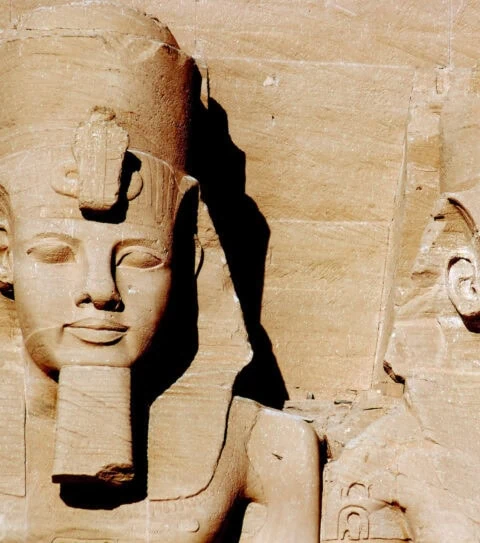
Must Visit Places in Egypt
Explore Egypt’s top sights — from pyramids to temples — and hidden gems worth seeing.
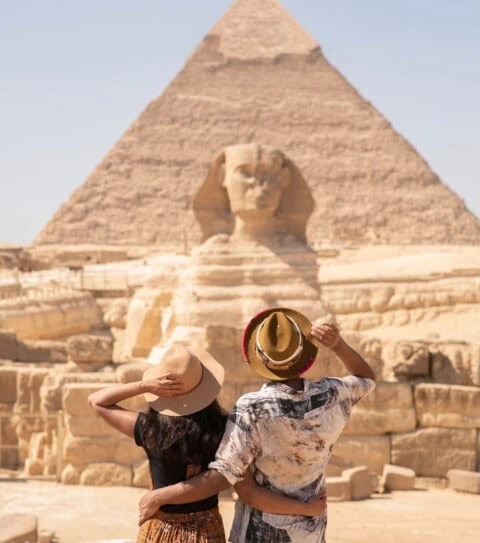
Top-Rated Egypt Tours
Handpicked private tours with local guides — our most loved and best-reviewed experiences.
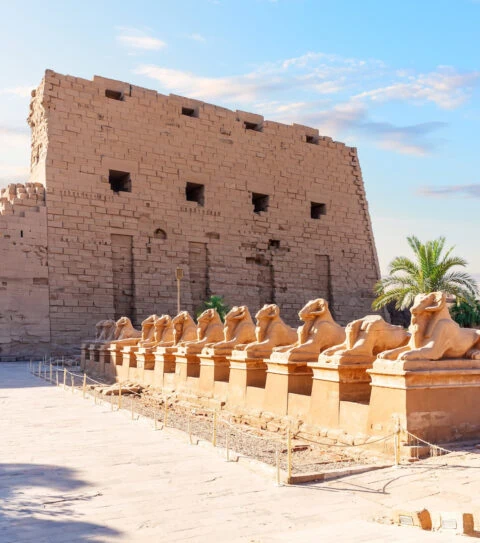
How Many Days to Visit Egypt?
Find out how many days you need in Egypt — from quick trips to full itineraries.
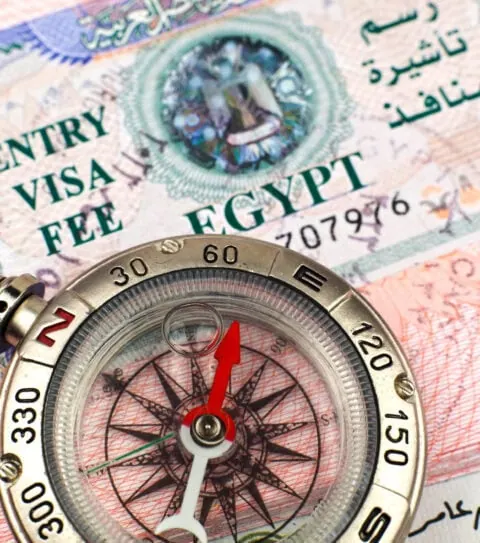
Egypt Visa Requirements
Check if you need a visa and get simple, up-to-date entry info based on your nationality.
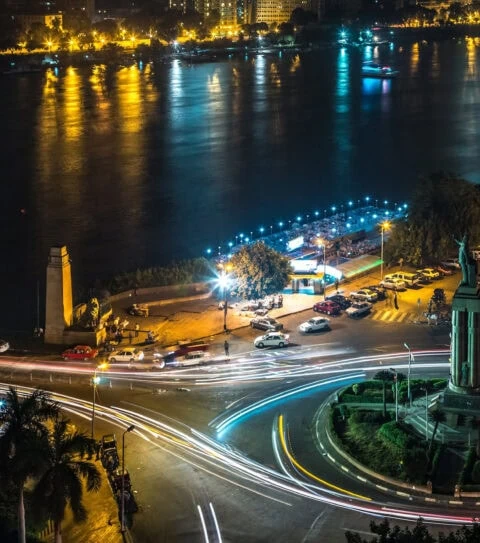
Is it Safe to Travel to Egypt?
Is Egypt safe? Get honest safety tips, area advice, and what to know before you travel.
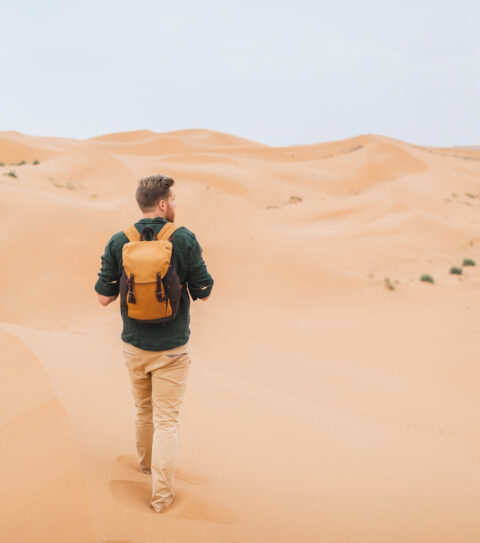
What to Pack for Egypt
A quick packing guide with essentials, cultural tips, and clothing advice for your Egypt trip.
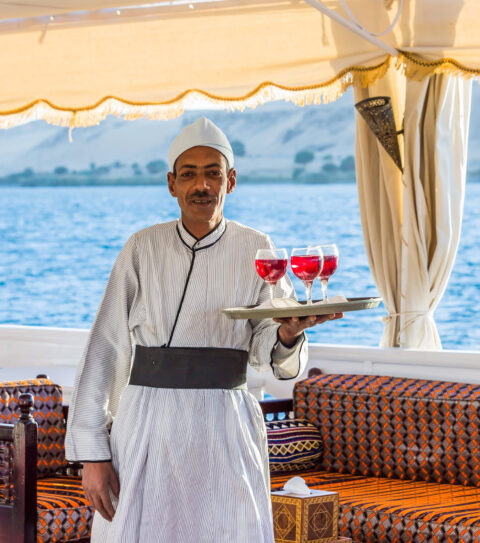
Design Your Custom Tour
Explore Egypt your way by selecting only the attractions you want to visit