

Are Nile Cruises Safe?
Yes, Nile cruises are remarkably safe when booked through reputable operators.
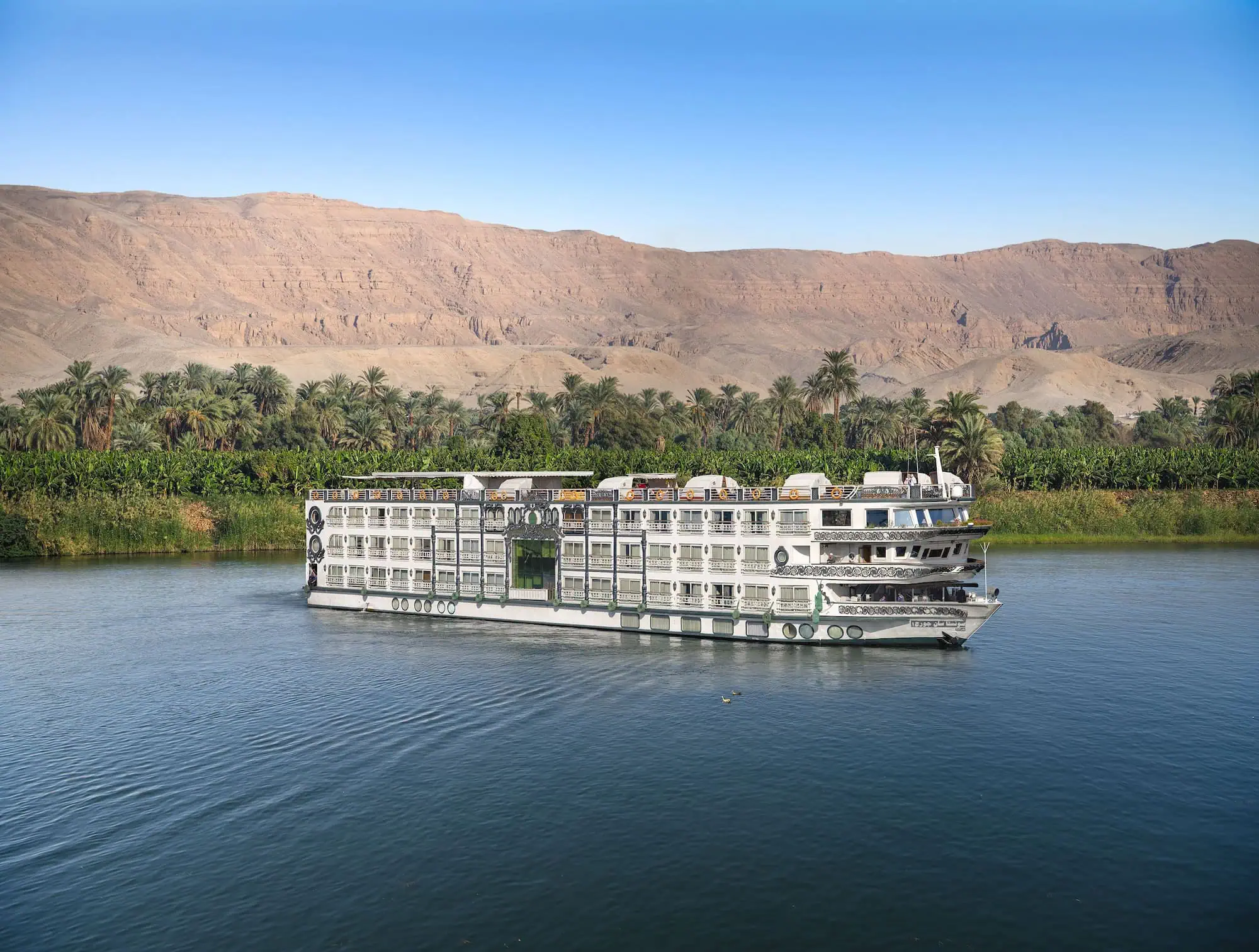
Egypt’s government has transformed the Nile corridor between Luxor and Aswan into one of the country’s most secure tourist regions, with dedicated tourist police, regular security checkpoints, and strict oversight of cruise operations. Modern Nile cruise vessels are required to meet rigorous safety standards, while operators across the sector have invested significantly in fleet upgrades, staff training, and enhanced security measures. As tourism remains a vital part of Egypt’s economy, authorities place a strong emphasis on visitor safety and the protection of key tourism destinations.
We’ve witnessed this commitment firsthand through our decades of operating in Egypt, where comprehensive safety protocols and professional standards create a protected environment for travelers to experience the wonders of ancient Egypt worry-free.
Table of Contents
Government Security Measures Along the Nile
Egypt’s tourism ministry has established an impressive security infrastructure specifically designed to protect Nile cruise passengers. Tourist police stations operate at regular intervals between Luxor and Aswan, with officers trained specifically in visitor assistance and emergency response.
Armed Escorts and Checkpoint Systems
Security escorts accompany cruise vessels throughout their journey, while strategically placed checkpoints monitor all river traffic. These measures aren’t intrusive to guests but provide constant oversight of the waterway. Metal detectors and security screenings at embarkation points ensure only authorized personnel board vessels.

Dedicated Tourist Police Protection
The Egyptian Tourist Police force operates as a specialized unit focused entirely on visitor safety. Officers speak multiple languages and receive ongoing training in hospitality alongside security protocols. Their presence extends beyond the ships themselves to include all shore excursions and tourist sites along the route.
Government Investment in Tourism Safety
Recent years have seen substantial government investment in upgrading security infrastructure along the Nile. New communication systems allow real-time coordination between vessels, shore stations, and emergency services. This comprehensive network ensures rapid response capabilities should any situation arise.
Modern Ship Safety Standards and Maintenance
Today’s Nile cruise vessels represent a significant upgrade from older generations of ships. International cruise operators have brought their global safety standards to Egyptian waters, while local companies have modernized their fleets to meet international maritime regulations.
Major operators conduct regular safety drills with both crew and passengers. Emergency equipment meets or exceeds international standards, with life jackets, emergency boats, and communication systems all subject to rigorous inspection schedules. Ship maintenance follows strict protocols, with vessels undergoing comprehensive safety checks between each cruise.
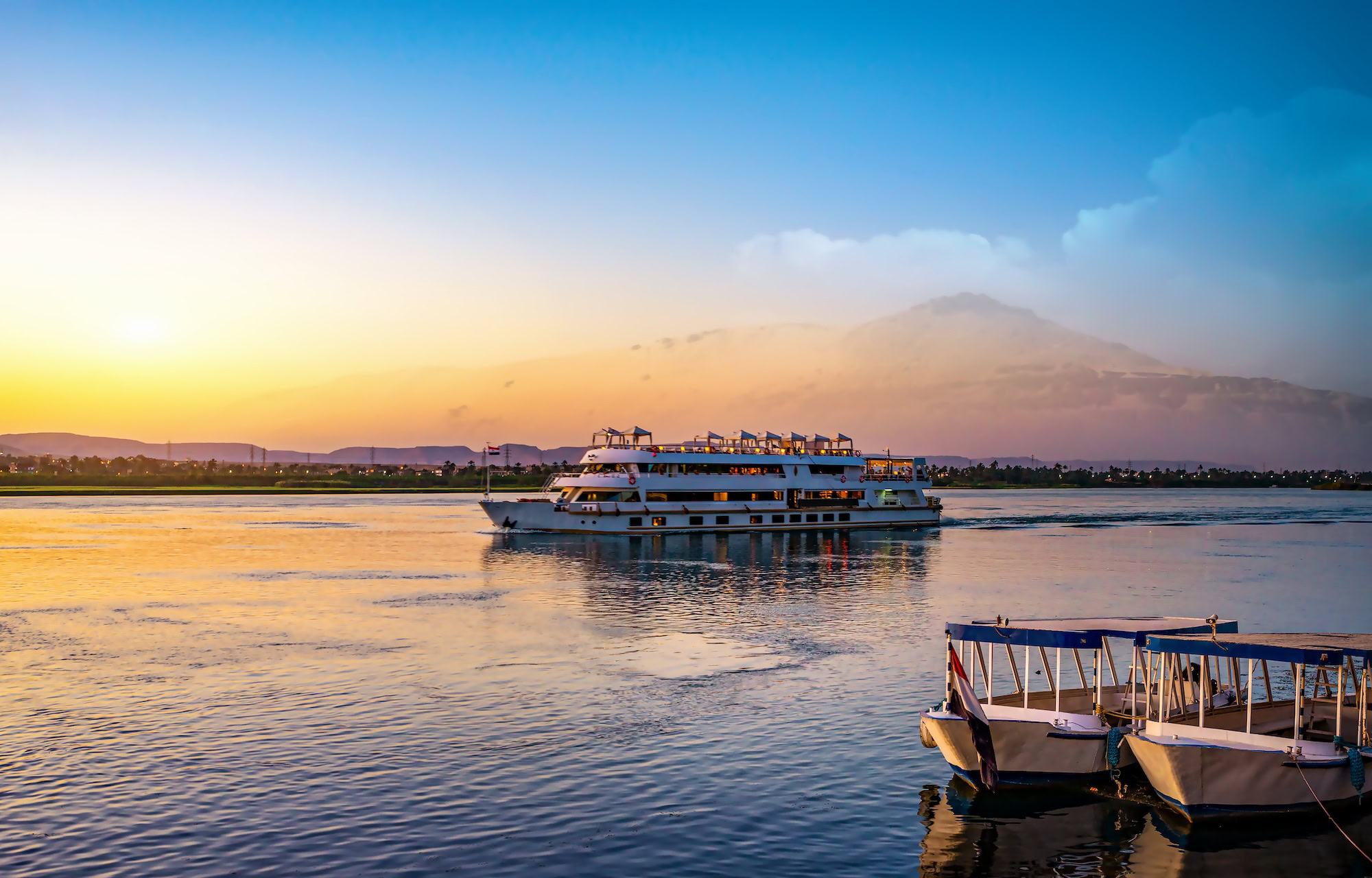
Navigation systems utilize modern GPS technology and depth-finding equipment to ensure safe passage through the Nile’s varying water levels. Experienced captains who have navigated these waters for decades work alongside modern technology to provide the safest possible journey.
Our partnerships with leading cruise operators mean we only work with companies that maintain these high safety standards. Every vessel in our program undergoes our own inspection process beyond the government requirements.
Experienced Crews and Professional Standards
Local Expertise and Training
Nile cruise crews bring generations of river knowledge to their positions. Captains typically have 15-20 years of experience navigating the Nile’s seasonal changes and unique conditions. Crew members receive ongoing safety training and must hold valid certifications for their roles.
Health and Medical Safety Considerations
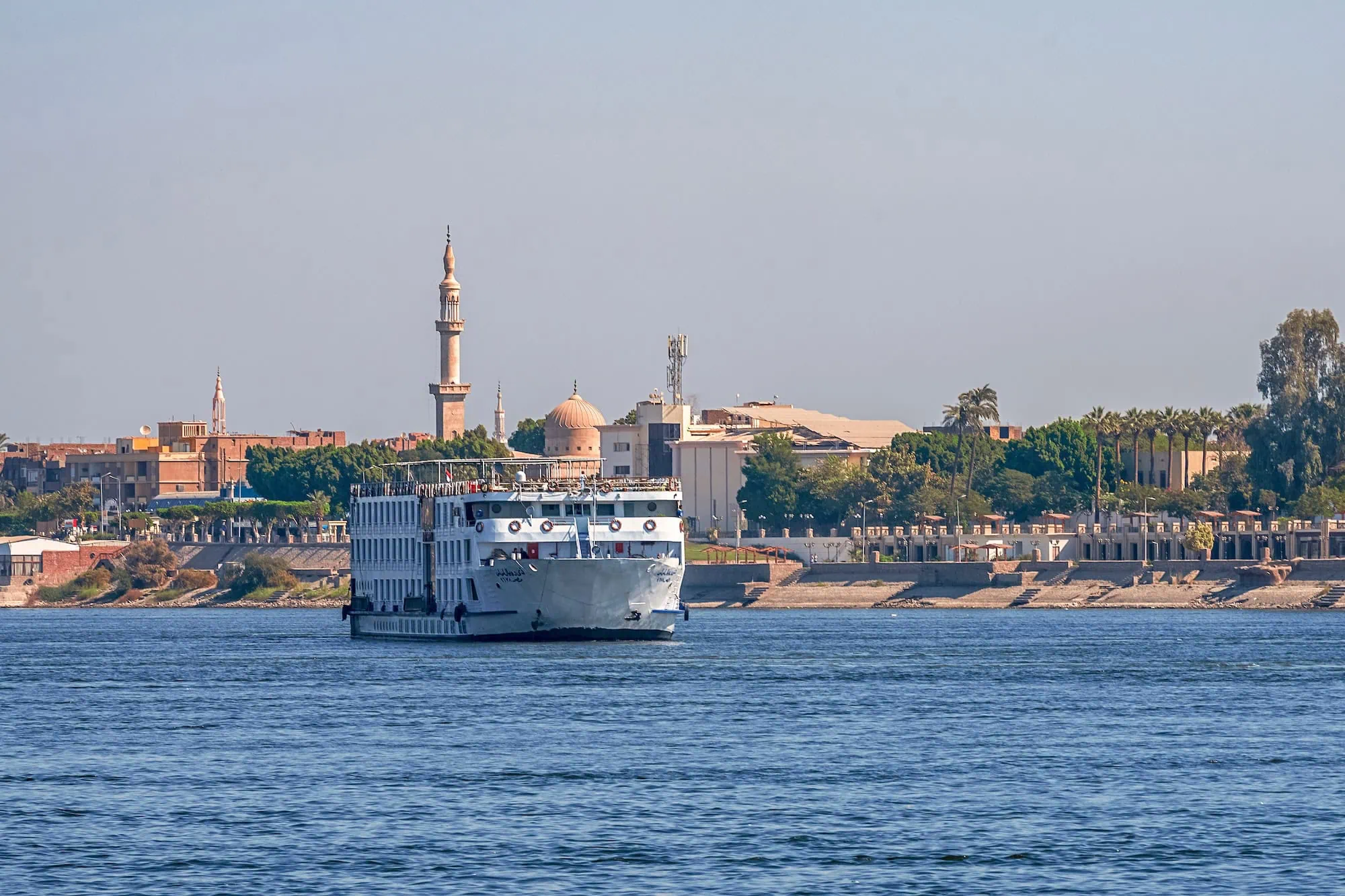
Medical facilities aboard modern Nile cruises include trained medical staff and well-equipped infirmaries. Most vessels carry physicians or registered nurses, with established protocols for medical emergencies and evacuation procedures if needed.
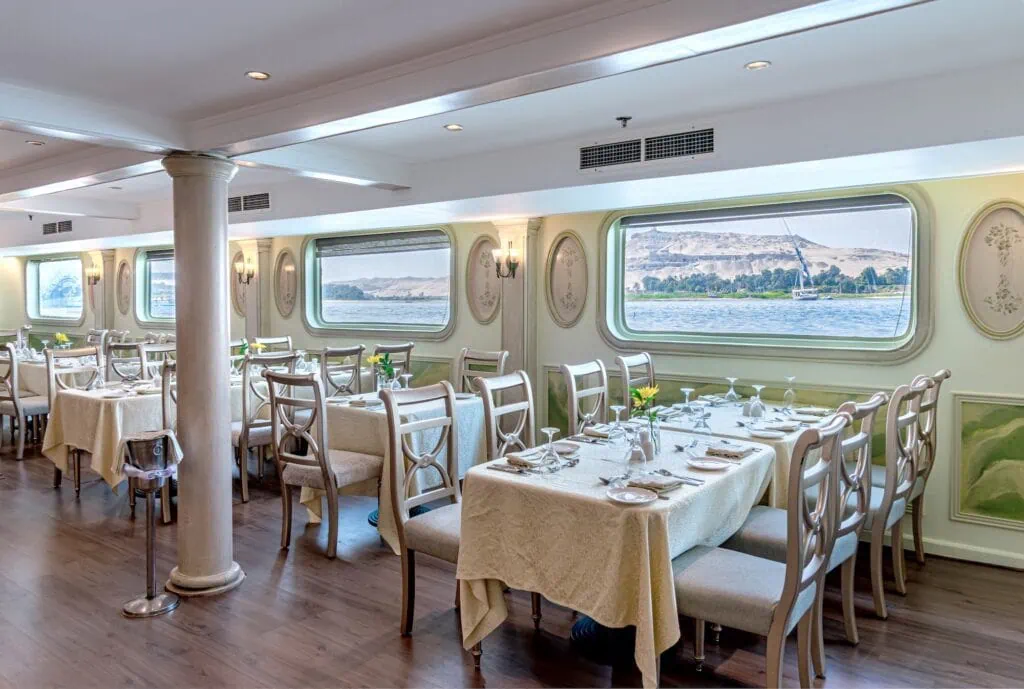
Water safety receives particular attention, with ships providing bottled water for drinking and using filtered, treated water for other purposes. Food preparation follows strict hygiene standards, with regular health inspections ensuring kitchen safety.
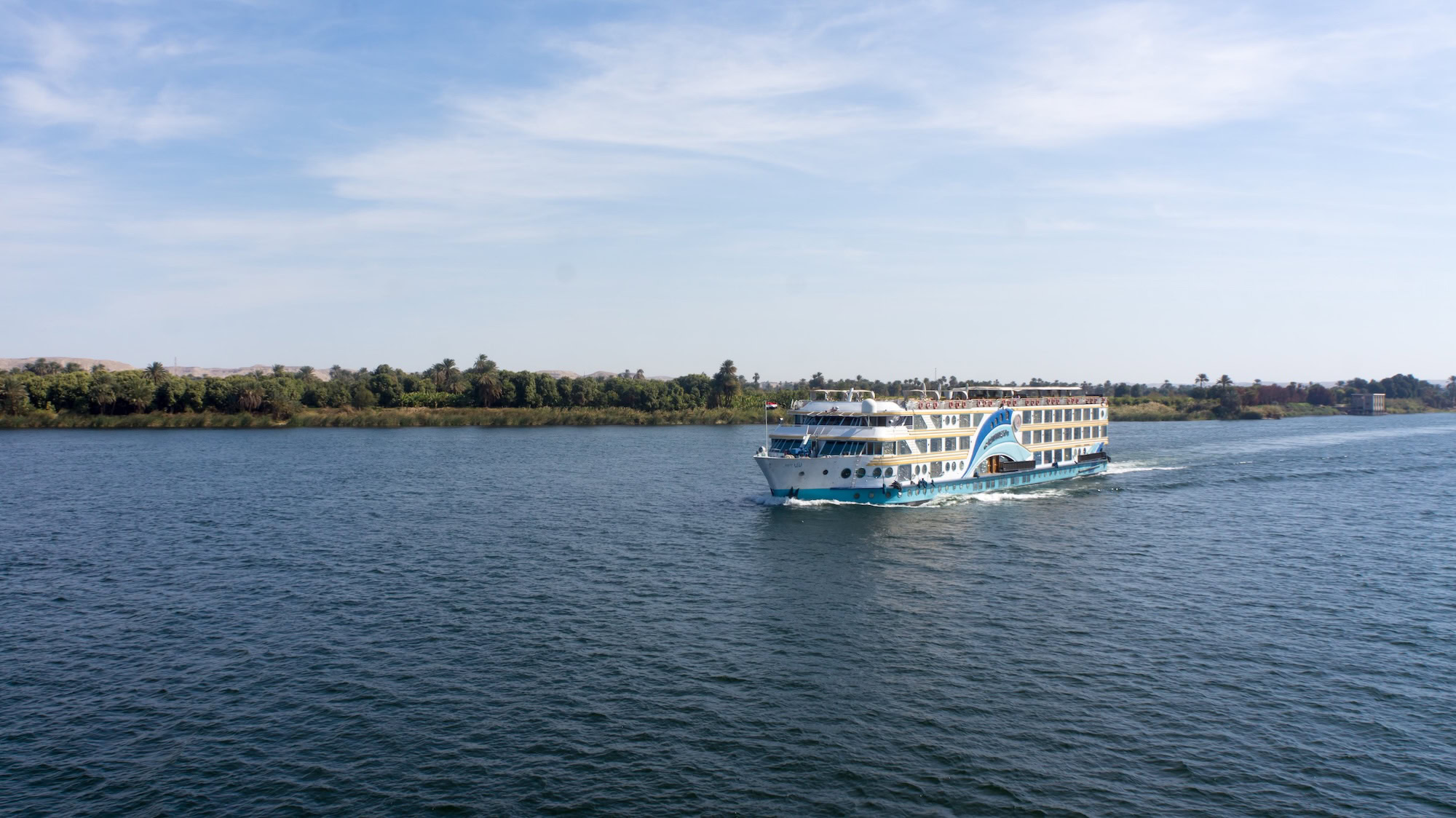
Shore excursions include briefings about local conditions, appropriate clothing, and safety guidelines for each site. Professional guides accompany all group activities, providing both cultural expertise and safety oversight.
Air conditioning and modern ventilation systems maintain comfortable, healthy cabin environments. Ships carry comprehensive medical supplies and maintain communication with shore-based medical facilities throughout the journey.
What Makes Nile Cruises Particularly Safe
The structured nature of Nile Cruise Tours in Egypt creates inherently safe travel conditions. Unlike independent travel, cruise passengers move as part of organized groups with professional oversight at every step. This “bubble” of protection extends from ship to shore throughout the entire experience.
Limited Geographic Area
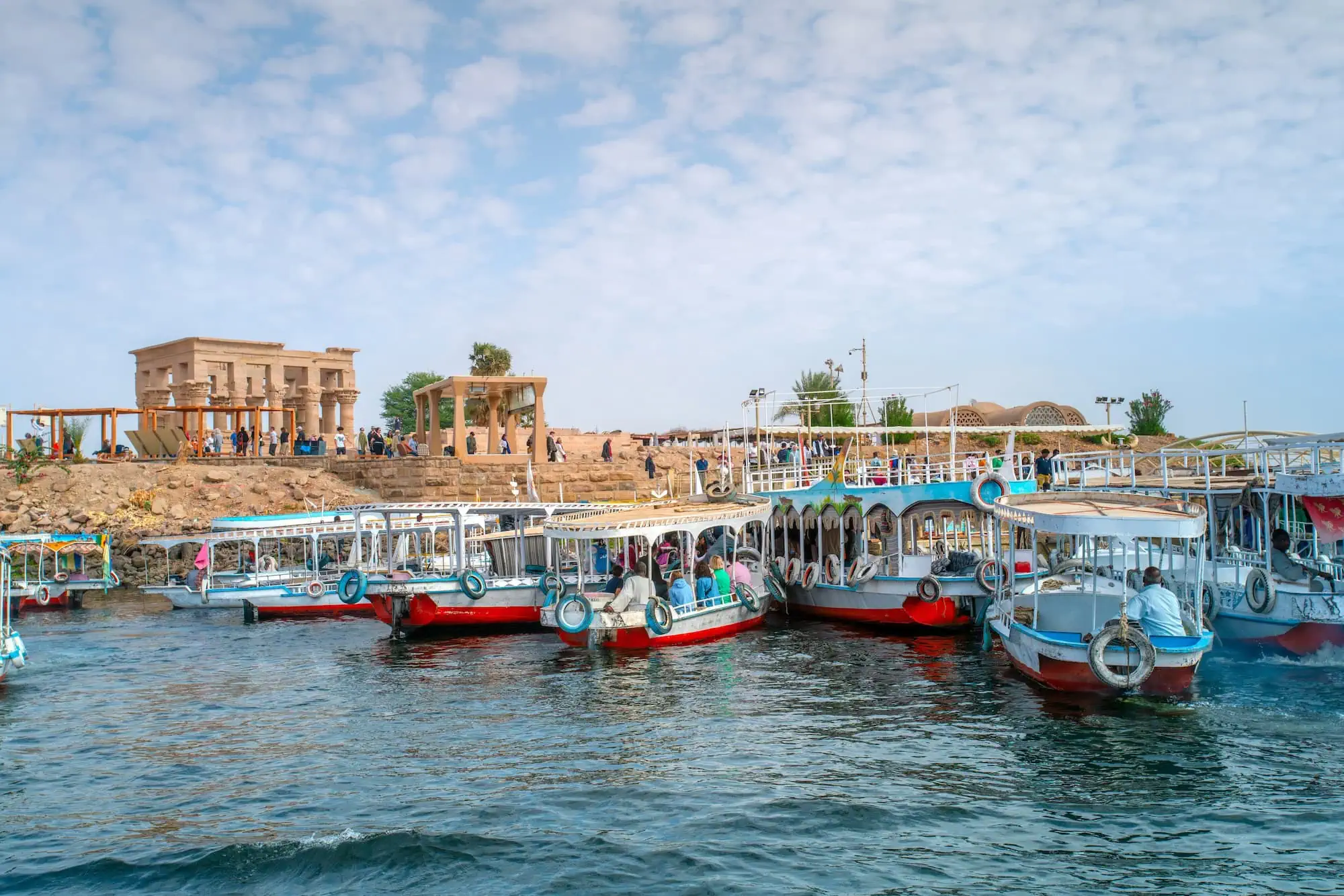
The primary cruise route between Luxor and Aswan covers a relatively small, well-monitored area. This concentrated geography allows for comprehensive security coverage and rapid emergency response. All major sites along the route maintain permanent security presence and tourist facilities.
Controlled Environment
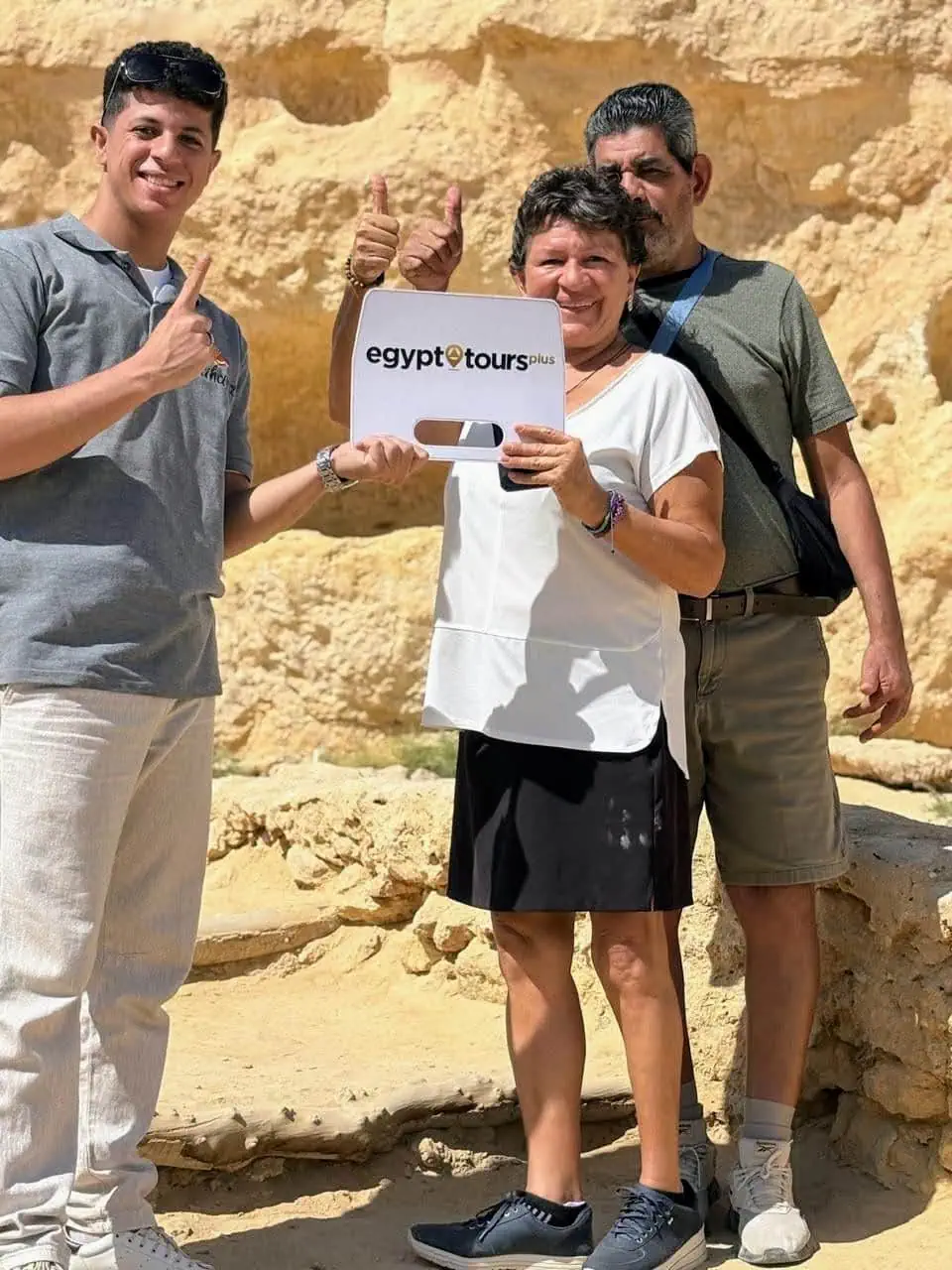
Passengers experience Egypt through carefully managed excursions to established tourist sites. Professional guides familiar with local conditions and safety protocols accompany all group activities. Transportation uses modern, well-maintained vehicles with professional drivers.
Industry Reputation Dependency
Egypt’s tourism industry depends entirely on visitor satisfaction and safety. Any safety incident would have severe economic consequences, creating powerful incentives for operators to maintain the highest standards. This economic reality translates into comprehensive safety investments across the industry.
Practical Safety Tips for Nile Cruise Travelers
Pack prescription medications in original containers with extra supplies in case of delays. Bring sunscreen, hats, and protective clothing for shore excursions under the Egyptian sun. Comfortable walking shoes with good grip help navigate ancient stone surfaces safely.
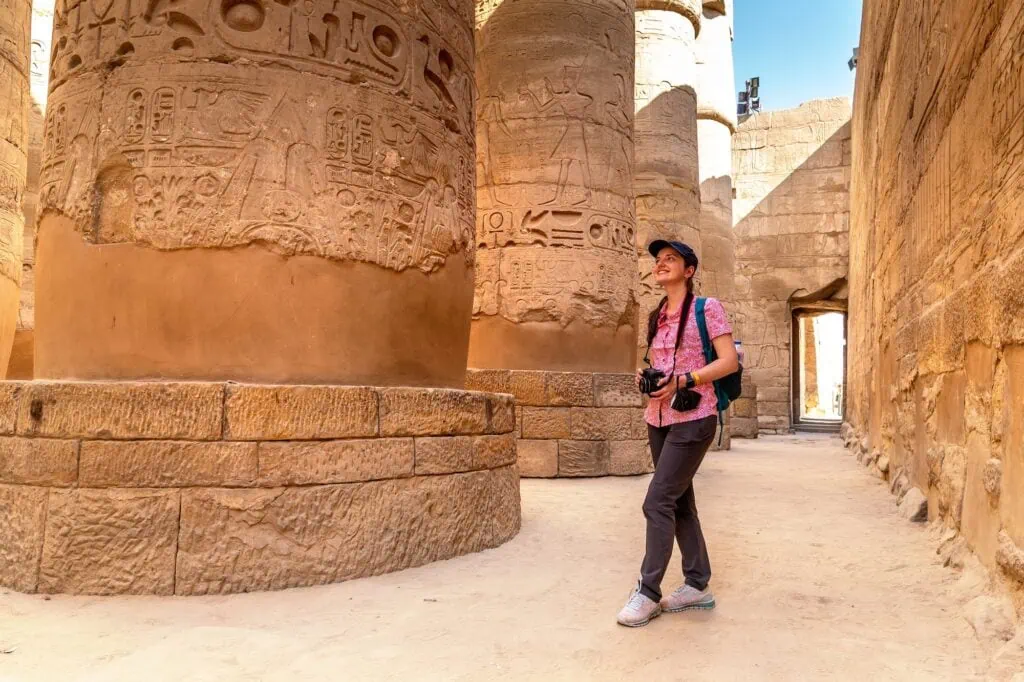
Follow your guide’s instructions during shore excursions and stay with your group at archaeological sites. Photography restrictions exist for security reasons at certain locations – respect these guidelines. Keep copies of important documents separate from originals.
Managing Local Interactions
Vendors at tourist sites can be persistent but are generally harmless. A polite “no thank you” usually suffices, or simply keep walking. Your guide will help manage these interactions and can recommend reputable shops if you’re interested in purchasing souvenirs.
Health Precautions
Drink only bottled water provided by the ship, even for brushing teeth. Avoid raw vegetables and fruits that can’t be peeled. The ship’s restaurant food is safe and prepared to international standards. Hand sanitizer helps maintain good hygiene during shore excursions.
Insurance and Emergency Preparedness
Purchase comprehensive travel insurance that covers medical evacuation and trip interruption. Standard policies may not cover all activities, so verify coverage for your specific itinerary. Many cruise operators offer insurance options designed for their programs.
Emergency contact information should include your cruise operator, local embassy, and insurance provider. Ships maintain 24-hour communication capabilities and established emergency procedures. Medical evacuation services operate throughout Egypt with helicopter and ground ambulance capabilities.
We provide emergency support for all our travelers, with local representatives available to assist with any situation that might arise. Our decades of experience in Egypt mean we have established relationships with medical facilities, transportation services, and government agencies to ensure rapid assistance if needed.
Frequently Asked Questions
Egypt remains one of the Middle East’s leading tourism destinations, welcoming approximately 19 million international visitors in 2025 and maintaining extensive security measures at major tourist sites. Popular destinations such as Cairo, Luxor, Aswan, and the Red Sea resorts benefit from dedicated tourist police, security checkpoints, and monitored visitor areas. Most travelers experience trouble-free visits when using reputable operators and following standard travel precautions. Staying informed through official government travel advisories is always recommended.
Travelers should always check their government’s official travel advisory website before visiting Egypt because guidance can change based on regional developments. Most international advisories distinguish between popular tourist destinations and certain remote border regions. Areas such as Cairo, Luxor, Aswan, and the Nile cruise corridor generally remain open to international tourism, while restrictions often focus on specific desert or border zones. Review updates shortly before departure to ensure you have the latest information.
Modern Nile cruise ships operate with comprehensive safety systems that include emergency equipment, onboard security procedures, trained crew members, and mandatory safety briefings. Vessels are required to carry life-saving equipment, fire suppression systems, communication technology, and medical supplies. Many higher-end ships also conduct passenger safety orientations shortly after embarkation. These measures are designed to meet Egyptian maritime regulations and help ensure a safe environment throughout the journey between Luxor and Aswan.
Bottled water is the safest choice on Nile cruises and is widely available onboard throughout the journey. Cruise operators typically provide purified water for washing and food preparation, but most visitors still use bottled water for drinking and brushing their teeth to minimize the risk of stomach discomfort. Egypt’s climate can be hot and dry, especially in Luxor and Aswan, so maintaining hydration is important. Keeping bottled water with you during excursions is a practical precaution.
Nile cruise captains are typically highly experienced professionals, with many having 15 to 20 years or more of navigation experience on the river. Operating along the Nile requires detailed knowledge of seasonal water levels, docking procedures, and local navigation conditions between Luxor and Aswan. Modern captains combine traditional river expertise with GPS systems, communication technology, and maritime safety training. Their experience plays a key role in maintaining smooth and safe cruise operations throughout the year.
Nile cruise ships maintain emergency response procedures that include onboard medical supplies, trained personnel, and direct communication with healthcare facilities in Luxor and Aswan. Minor medical issues can often be handled onboard, while more serious situations may require transfer to a local hospital. Cruise operators coordinate closely with shore authorities to arrange transportation and emergency assistance when necessary. Travelers with pre-existing medical conditions should carry medications and comprehensive travel insurance.
Yes, Nile cruise shore excursions are generally safe for families and are routinely conducted with licensed guides and organized transportation. Major attractions such as Karnak Temple, Philae Temple, and the Valley of the Kings have established visitor infrastructure, security personnel, and clearly marked tourist routes. Parents should be prepared for walking distances, uneven surfaces, and warm temperatures. Bringing water, hats, and comfortable footwear helps children enjoy the experience more comfortably.
No special vaccines are required specifically for a Nile cruise, but travelers should ensure their routine immunizations are up to date before visiting Egypt. Many healthcare providers recommend considering hepatitis A and hepatitis B vaccinations, particularly for international travel. Recommendations can vary depending on age, health history, and travel plans. Consult your doctor or travel health clinic at least four to six weeks before departure to discuss any appropriate preventive measures.
Nile cruise operators work closely with Egyptian tourism authorities and security services to maintain high safety standards along the cruise route. The Nile corridor between Luxor and Aswan is one of Egypt’s most established tourism regions and benefits from ongoing monitoring and coordinated security oversight. Operators can modify schedules, transportation arrangements, or excursion timings if circumstances require adjustments. These procedures help ensure that guest safety remains the highest operational priority.
If you feel unsafe during a shore excursion, remain with your guide and tour group and immediately communicate your concerns to the tour leader. Organized excursions maintain contact with cruise staff and transportation providers, allowing issues to be addressed quickly. Avoid wandering away from designated sightseeing areas or attempting independent transportation without notifying your guide. Most concerns can be resolved rapidly through the established support systems that cruise operators have in place.
Yes, Nile cruises are generally very safe for solo travelers because excursions, transportation, and onboard activities are organized within a structured group environment. Licensed guides, cruise staff, and fellow travelers create a supportive atmosphere that many independent visitors find reassuring. Solo travelers often appreciate the balance between personal freedom and organized logistics. Choosing a reputable cruise operator and following normal travel precautions further enhances safety and comfort throughout the trip.
Luxor and Aswan both have established hospitals and private medical facilities that regularly treat international visitors. Many healthcare providers in these cities have experience assisting tourists, and English-speaking medical staff are available at several facilities. For highly specialized treatment, medical evacuation to Cairo may occasionally be recommended. Travelers should carry travel insurance that covers medical care and emergency transportation, particularly when visiting multiple destinations throughout Egypt.
Design Your Custom Tour
Explore Egypt your way by selecting only the attractions you want to visit