

Burj Al Arab – A Visit To The World’s Only 7 Star Hotel
Step inside the world’s only seven-star hotel.
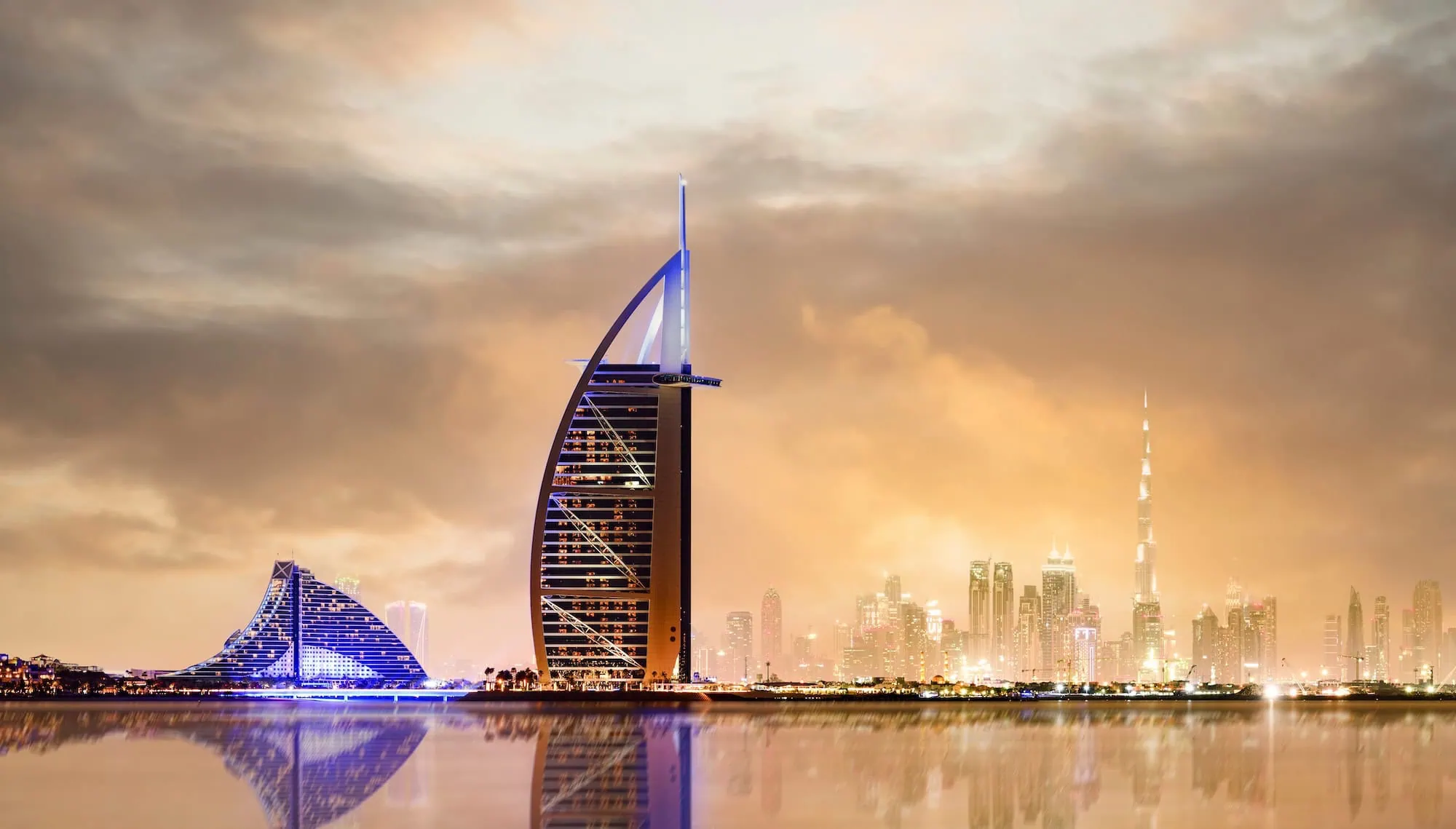
The Burj Al Arab rises 321 meters (1,053 feet) above its own artificial island, connected to Dubai’s mainland by a curved causeway that appears to float above the Persian Gulf. Since opening in 1999, this sail-shaped architectural icon has redefined luxury hospitality and become one of the most recognizable landmarks in the world.
What sets this hotel apart isn’t just its striking design or gold-adorned interiors, but the level of detail that transforms every stay into a truly exceptional experience. From private butler service to panoramic suites spanning two floors, every element is designed to exceed expectations.
The Burj Al Arab is often featured in our Egypt and Dubai tours, where Dubai’s modern luxury is seamlessly combined with Egypt’s timeless historical wonders.
Whether you’re planning a once-in-a-lifetime celebration or simply curious about what lies behind its iconic façade, visiting the Burj Al Arab offers a glimpse into a world where helicopter arrivals, lavish suites, and unmatched service are the standard.
Table of Contents
The Architecture That Changed Dubai’s Skyline
Tom Wright’s revolutionary design for the Burj Al Arab emerged from a bold vision. Create a building so distinctive that its silhouette alone would represent an entire city.
The sail-shaped structure rises from Jumeirah Beach on an artificial island built specifically for this project. Engineers pumped sand from the Persian Gulf floor to create a 280-meter-wide foundation, then waited two years for the reclaimed land to settle before construction could begin. This engineering feat required 230 concrete piles driven 45 meters (148 feet) into the seabed to support the hotel’s immense weight.
The Engineering Marvel Behind Design
The building’s distinctive curved exterior isn’t just aesthetic. The sail shape helps the structure withstand Dubai’s intense desert winds, while the white Teflon-coated fiberglass facade reflects the harsh Arabian sun to maintain comfortable interior temperatures. At night, a sophisticated LED lighting system transforms the building into a canvas of rainbow colors that can be seen from space.
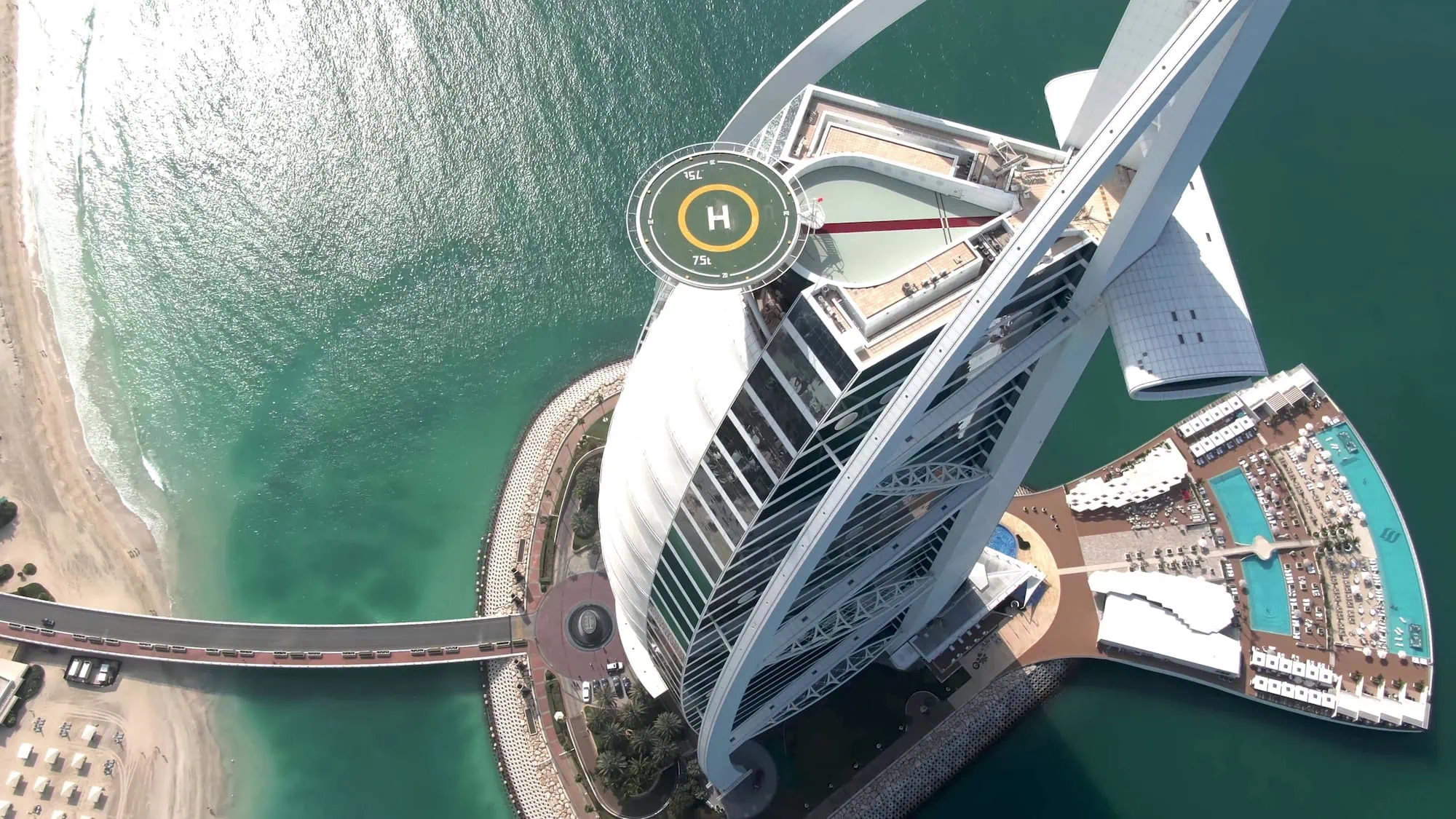
The hotel’s exoskeleton design places all structural support on the exterior, allowing for completely open interior spaces. This technique, called structural expressionism, means every duplex suite enjoys unobstructed views across Dubai’s coastline without a single interior support column blocking the panorama.
Interior Spaces That Defy Convention
Step into the main atrium and you’ll find yourself in a space that rises 180 meters (590 feet) through the building’s core. The central void is large enough to fit the Statue of Liberty with room to spare. Gold leaf covers 8,000 square meters of interior surfaces, while the carpet alone required 24,000 square meters of custom-woven fabric in deep blues and golds.
The famous dancing fountains in the lobby operate on a synchronized system that choreographs water displays to classical music. These aren’t simple water features – they’re engineered performances that require precise timing between 40 individual jets and color-changing LED arrays.
World’s Most Exclusive Hotel Service
Every guest arrives by Rolls-Royce. This isn’t marketing hyperbole – it’s hotel policy.
The Burj Al Arab maintains the world’s largest fleet of Rolls-Royce vehicles, with each car assigned a dedicated chauffeur who becomes familiar with guest preferences throughout their stay. For guests who prefer aerial arrivals, the hotel operates its own helicopter service from a landing pad positioned 212 meters (696 feet) above sea level, making it one of the highest commercial helicopter pads in the world.
Upon arrival, guests are assigned a dedicated butler trained at the International Butler Academy. These aren’t housekeeping staff with expanded duties – they’re hospitality professionals who anticipate needs before guests express them. Your butler can arrange everything from unpacking and pressing your clothes to coordinating private shopping trips with personal stylists from Dubai Mall.
The hotel maintains a 1.5:1 staff-to-guest ratio, meaning service feels personalized because it genuinely is. With only 202 suites total, the Burj Al Arab employs over 1,600 staff members. This allows for services like having fresh flowers arranged in your preferred colors daily, or having your favorite newspaper from your home country delivered each morning regardless of where in the world it’s published.
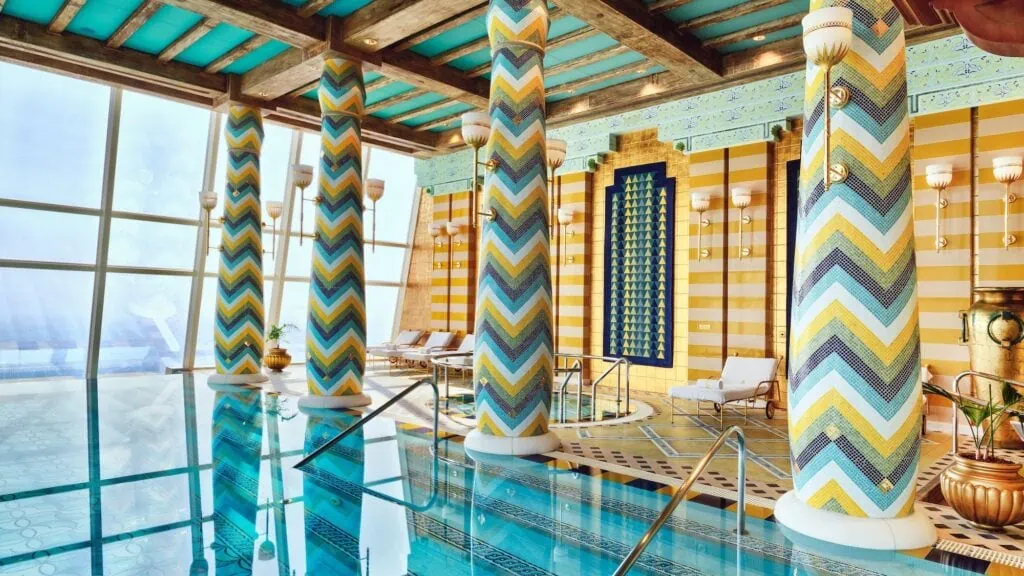
Gold service extends beyond the obvious luxury touches. The hotel’s concierge team can arrange private access to Dubai’s most exclusive experiences – from after-hours visits to the Dubai Fountain to private dinners on yachts anchored in the Persian Gulf. We’ve arranged visits for our clients who wanted to experience this level of service as part of their Dubai itinerary, and the attention to detail consistently exceeds expectations.
Suite Categories and Palatial Accommodations
Every accommodation is a duplex suite spanning two full floors.
The smallest category, the Deluxe Suite, provides 169 square meters (1,819 square feet) of space. To put this in perspective, that’s larger than most luxury apartments in major cities worldwide. Each duplex features a dramatic curved staircase connecting the bedroom level to the living area below, with floor-to-ceiling windows offering panoramic views of the Arabian Gulf or Dubai’s evolving cityscape.
Panoramic and Club Suites
The Panoramic Suites occupy corners of the building, providing 334 square meters (3,595 square feet) across two levels. The additional space allows for separate dining areas, expanded living rooms, and multiple bathrooms finished in Italian marble. The curved exterior walls mean every window offers unobstructed views that sweep across Dubai’s coastline.
Club Suites add exclusive access to the Club Floor, which functions as a private hotel within the hotel. Club guests enjoy dedicated check-in areas, private elevators, and access to the Club Lounge where afternoon tea is served on gold-rimmed bone china alongside views that stretch from Palm Jumeirah to the Burj Khalifa.
Royal and Presidential Suites
The Royal Suite spans 668 square meters (7,189 square feet) and includes amenities like a private elevator, cinema room, and formal dining room that seats twelve guests. The master bedroom features a rotating bed that can be positioned to capture either sunrise or sunset views, while the marble bathroom includes a full-size Jacuzzi overlooking the Persian Gulf.
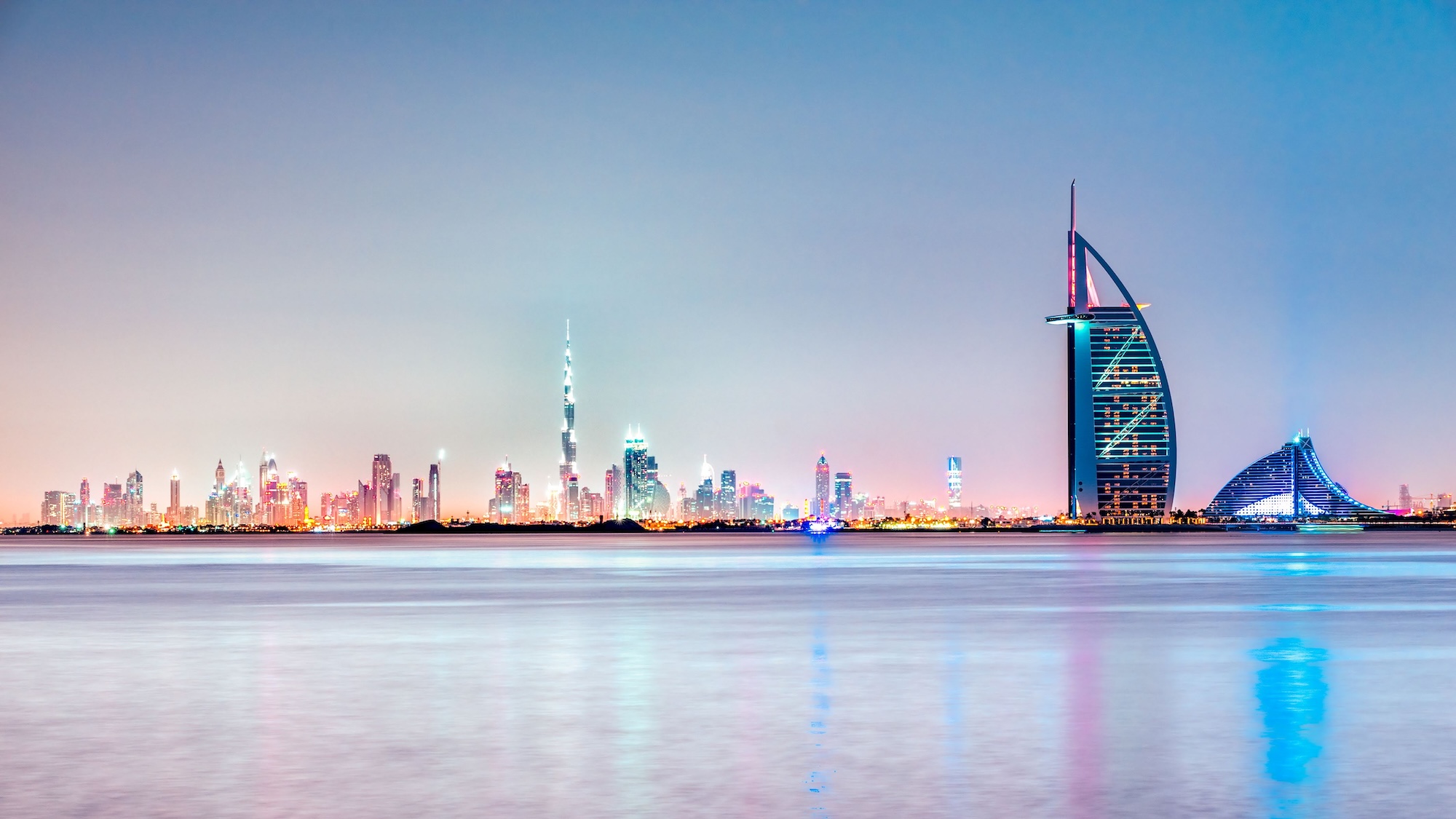
At the pinnacle sits the Presidential Suite, covering 780 square meters (8,396 square feet) across the top two floors of the hotel. This accommodation includes private office space, a library, multiple bedrooms, and a master bathroom with gold-plated fixtures and a circular bathtub carved from a single piece of onyx. The private elevator opens directly into the suite, ensuring complete privacy for heads of state and celebrities who regularly book these rooms.
Michelin-Starred Dining Experiences
The Burj Al Arab houses nine restaurants, each designed to provide experiences that match the hotel’s extraordinary setting.
Al Muntaha restaurant sits 200 meters (656 feet) above sea level, suspended between the hotel’s distinctive V-shaped supports. The name means “highest” or “ultimate” in Arabic, and the location delivers on that promise. Floor-to-ceiling windows provide 270-degree views across Dubai while Executive Chef Saverio Sbaragli creates modern European cuisine using ingredients flown in daily from around the world.
Nathan Outlaw at Al Mahara represents the hotel’s most theatrical dining venue. Guests descend via submarine-style elevator to reach the restaurant, which centers around a massive cylindrical aquarium holding 990,000 liters of seawater. The aquarium houses over 100 species of fish and provides the backdrop for Outlaw’s sustainable seafood menu. The British chef, known for his two-Michelin-starred restaurants in Cornwall, creates dishes that celebrate the ocean while guests dine surrounded by tropical fish swimming in crystal-clear water.
Afternoon Tea and Casual Dining
The Sahn Eddar lobby lounge serves what many consider the world’s most luxurious afternoon tea. Traditional British teatime receives an Arabian makeover with dates stuffed with foie gras, gold-dusted macarons, and champagne served in crystal flutes while a live harp provides background music. The three-tiered serving stands are made from 24-karat gold, and the tea selection includes rare varieties that cost more per gram than silver.
Junsui offers contemporary Asian cuisine in an intimate setting that accommodates only 40 guests. The restaurant’s sake collection includes varieties aged for decades, while the sushi bar uses fish flown in daily from Tokyo’s Tsukiji Market. The teppanyaki tables provide dinner theater as skilled chefs prepare wagyu beef and fresh lobster while guests watch the cooking process unfold.
Location and Dubai Connections
The hotel occupies its own island 280 meters from Jumeirah Beach, connected to mainland Dubai by a private causeway.
This unique location offers complete privacy while still providing easy access to the city’s highlights. The drive to Dubai Mall and Burj Khalifa takes approximately 20 minutes, while Dubai International Airport is around 30 minutes by helicopter or 45 minutes by road.
As part of a broader exploration of Dubai tourist attractions, the Burj Al Arab is ideally positioned near some of the city’s most popular experiences. The nearby Wild Wadi Waterpark offers complimentary access to hotel guests, featuring over 30 rides and attractions—including the high-speed Jumeirah Sceirah.
Jumeirah Public Beach stretches along the coastline next to the hotel island, offering white sand, swimming opportunities, and water sports. The iconic sail-shaped silhouette of the Burj Al Arab creates one of the most photographed backdrops in Dubai, especially at sunset when the structure is illuminated against the Persian Gulf.
Transportation and Accessibility
The hotel’s helicopter pad facilitates transfers that take 12 minutes from Dubai International Airport or 8 minutes from Al Maktoum International Airport. These transfers cost approximately $3,000 per helicopter, but they provide an aerial tour of Dubai’s coastline that includes views of Palm Jumeirah, Atlantis resort, and the World Islands development.
For ground transportation, the hotel maintains partnerships with private yacht companies that can arrange water transfers from Dubai Marina or other coastal locations. These nautical arrivals allow guests to approach the hotel from the sea, experiencing the same perspective that inspired Tom Wright’s original sail-ship design concept.
Our travel planning team regularly coordinates visits to the Burj Al Arab for clients exploring Dubai’s luxury hospitality scene. The hotel’s location makes it an ideal base for exploring both modern Dubai attractions and traditional cultural sites like the Gold Souk and Spice Market in old Dubai, which are accessible via the hotel’s private driver service.
Booking Your Stay: Essential Information
Standard rates for the Deluxe Suite start around $2,000 per night, while the Presidential Suite commands upwards of $25,000 nightly.
These rates include services that would cost thousands of dollars separately at other hotels. Your stay includes airport transfers via Rolls-Royce, unlimited access to Wild Wadi Waterpark, complimentary use of Jumeirah Beach Club facilities, and 90 minutes of complimentary internet per day. The hotel also provides complimentary pressing for two garments per guest daily – a service that proves surprisingly valuable when you’re wearing formal attire for multiple dining experiences.
Reservations require significant advance planning, especially during Dubai’s peak season from November through March. The hotel often reaches full occupancy months in advance during events like the Dubai Shopping Festival or Formula 1 races. However, cancellation policies are flexible, allowing changes up to 48 hours before arrival without penalties.
The most exclusive suites require even more planning. The Royal and Presidential suites are often booked by the same guests year after year, creating waiting lists for specific weeks. Some regular guests book their preferred suite for the same dates annually, making spontaneous reservations for these accommodations nearly impossible.
Payment policies accept major credit cards, but the hotel prefers advance payment via wire transfer for extended stays or multiple suite bookings. This preference stems from the substantial daily rates and the hotel’s policy of pre-authorizing significant amounts on credit cards, which can exceed daily limits on even premium cards.
Cultural Significance and Dubai Development
The Burj Al Arab opened two years before the September 11 attacks reshaped global travel, positioning Dubai as a luxury destination during a pivotal moment in Middle Eastern tourism.
The hotel’s success validated Dubai’s vision of becoming a global hospitality capital. When construction began in 1994, Dubai welcomed fewer than 2 million visitors annually. Today, that number exceeds 16 million, and the Burj Al Arab’s distinctive silhouette appears on everything from Dubai’s official tourism materials to the UAE’s currency.
The building’s architectural influence extends far beyond Dubai. The structural expressionism techniques pioneered in its construction influenced major projects worldwide, including London’s Gherkin building and Beijing’s National Stadium. Architecture schools use the Burj Al Arab as a case study in how distinctive design can create economic value beyond the building’s primary function.
Symbol of Modern Arabia
Local Emiratis initially questioned whether the sail-shaped design appropriately represented Arabian culture. However, the building’s reference to traditional dhow sailing vessels – the boats that built Dubai’s pearling and trading economy – created cultural connections that weren’t immediately obvious. The gold interior reflects Arabia’s historical wealth, while the color-changing exterior lighting celebrates the region’s tradition of hospitality and celebration.
The hotel employs staff from over 50 countries, creating a multicultural environment that reflects Dubai’s position as a global crossroads. This diversity extends to the guest experience, where menus accommodate dietary restrictions from multiple religious and cultural traditions, and staff speak languages ranging from Arabic and Hindi to Mandarin and Portuguese.
For visitors interested in understanding how Dubai transformed from a fishing village to a global destination, the Burj Al Arab represents the pinnacle of that evolution. The hotel’s success demonstrated that luxury travelers would travel anywhere for exceptional experiences, regardless of geographic location or cultural unfamiliarity.
Frequently Asked Questions
Rates start around $2,000 per night for Deluxe Suites and can exceed $25,000 for Presidential accommodations, including airport transfers and waterpark access.
Yes, through dining reservations at the hotel’s restaurants or afternoon tea service, though advance bookings are required for all visits.
All stays include Rolls-Royce airport transfers, dedicated butler service, Wild Wadi Waterpark access, and Jumeirah Beach Club privileges.
Standard suites require 3-6 months advance booking during peak season, while Royal and Presidential suites often need 12+ months advance planning.
The hotel markets itself as seven-star, though no official rating system extends beyond five stars; this designation reflects the exceptional service level.
Yes, the hotel offers helicopter transfers from both Dubai airports, with flights taking 8-12 minutes and costing approximately $3,000 per helicopter.
The hotel features nine restaurants including Michelin-recognized venues, from Al Mahara’s underwater dining to Al Muntaha’s sky-high European cuisine.
Most restaurants require smart casual to formal attire, with specific guidelines provided when making reservations.
Yes, families are welcome, and the hotel provides specialized children’s amenities including access to Wild Wadi Waterpark.
November through March offers ideal weather conditions, though rates are highest; shoulder seasons provide good weather with lower costs.
The hotel provides Rolls-Royce transfers included with stays, helicopter service for premium arrivals, or guests can arrange private transportation.
Yes, including Wild Wadi Waterpark access, Jumeirah Beach Club facilities, and complimentary garment pressing service.
Design Your Custom Tour
Explore Egypt and Dubai your way by selecting only the attractions you want to visit